Cracking a skill-specific interview, like one for Greenhouse and Controlled Environment Production, requires understanding the nuances of the role. In this blog, we present the questions you’re most likely to encounter, along with insights into how to answer them effectively. Let’s ensure you’re ready to make a strong impression.
Questions Asked in Greenhouse and Controlled Environment Production Interview
Q 1. Describe your experience with different hydroponic systems (e.g., deep water culture, NFT).
My experience spans several hydroponic systems, each with unique advantages and disadvantages. Deep Water Culture (DWC) is a simple system where plant roots hang in an oxygenated nutrient solution. I’ve used this successfully for leafy greens, achieving high yields with minimal labor. However, it’s susceptible to root rot if not carefully managed. Nutrient Film Technique (NFT) is another system where a thin film of nutrient solution flows continuously over the roots. I’ve found NFT particularly effective for high-value crops like tomatoes and peppers, as it provides excellent oxygenation and precise nutrient control. I’ve also worked with aeroponics, which involves suspending roots in the air and spraying them intermittently with nutrient solution. This system requires precise control and is more complex but can yield exceptionally high growth rates. Finally, I have experience with ebb and flow systems, offering a good balance between simplicity and efficiency.
- DWC: Ideal for leafy greens, requiring less space and offering high yields.
- NFT: Suitable for high-value crops, ensuring excellent oxygenation and precise nutrient control.
- Aeroponics: High growth rates but demands precise control and is more complex.
- Ebb and Flow: Offers a good balance between simplicity and efficiency.
Q 2. Explain the principles of environmental control in a greenhouse setting.
Environmental control in a greenhouse involves managing several key factors to optimize plant growth. The core principle is to create a stable and optimal environment mimicking ideal outdoor conditions, but with greater precision and control. This involves carefully managing temperature, humidity, light intensity, CO2 levels, and airflow. For instance, maintaining a consistent temperature range prevents stress and maximizes photosynthetic efficiency. Similarly, managing humidity levels prevents diseases and optimizes transpiration. Light intensity and duration affect flowering and fruiting, while CO2 enrichment boosts photosynthesis. Finally, proper airflow prevents the buildup of humidity and diseases.
Q 3. How do you monitor and control temperature, humidity, and CO2 levels in a greenhouse?
Monitoring and controlling environmental parameters in a greenhouse typically involves a combination of sensors, controllers, and automation. Temperature sensors, for instance, are strategically placed throughout the greenhouse and relay data to a central control system. This system, often computerized, uses algorithms to adjust heating or cooling systems based on pre-programmed set points or feedback loops. Similar systems monitor humidity levels and activate dehumidifiers or humidifiers as needed. CO2 levels are monitored with gas sensors, and CO2 enrichment systems are activated to supplement atmospheric levels, if necessary. Many modern systems utilize data logging and remote monitoring capabilities, allowing for adjustments and troubleshooting from anywhere.
Imagine it like a sophisticated thermostat for your entire greenhouse. You set the ideal temperature, humidity, and CO2 levels, and the system automatically adjusts heating, cooling, humidification, dehumidification, and CO2 injection to maintain these set points.
Q 4. What are the key factors influencing plant growth in a controlled environment?
Several key factors significantly influence plant growth in controlled environments. Light is crucial, determining the rate of photosynthesis. The quantity (intensity), quality (spectrum), and duration (photoperiod) of light directly impact growth, flowering, and fruiting. Nutrient availability is equally important, requiring a balanced supply of macronutrients (nitrogen, phosphorus, potassium) and micronutrients. Temperature significantly affects metabolic rates and enzyme activity; plants have optimal temperature ranges for growth. Humidity impacts transpiration rates and disease susceptibility. CO2 levels, as a crucial component of photosynthesis, can limit growth if insufficient. Finally, the physical growing medium and its ability to retain water, nutrients, and oxygen is also vital. In short, optimizing each factor ensures maximum yield.
Q 5. Describe your experience with pest and disease management in a greenhouse.
Pest and disease management is paramount in greenhouses, as enclosed environments promote rapid spread. My approach is integrated pest management (IPM), employing multiple strategies for prevention and control. This includes employing physical barriers (screens, nets) to exclude pests, biological control (introducing natural predators), and monitoring for early detection of infestations or diseases. Regular sanitation, including cleaning equipment and surfaces, helps prevent disease spread. I also utilize preventative measures such as crop rotation and proper ventilation to manage the environment. In cases of pest outbreaks, carefully selected pesticides are used as a last resort, ensuring they are effective, environmentally sound, and compliant with regulations.
For example, using beneficial insects like ladybugs to control aphids is a key part of our IPM strategy. Early detection is crucial, and a thorough understanding of disease cycles guides our approach.
Q 6. How do you optimize irrigation and nutrient delivery systems for maximum yield?
Optimizing irrigation and nutrient delivery is crucial for maximizing yield. The key is precision. Drip irrigation, for example, precisely delivers water and nutrients directly to the roots, minimizing waste and optimizing water use efficiency. Nutrient solutions are formulated based on plant needs, frequently monitored and adjusted through regular testing of the nutrient solution and plant tissue analysis. Automated fertigation systems allow for precise control of nutrient delivery, adapting to plant growth stages and environmental conditions. Monitoring soil moisture levels (or substrate moisture in hydroponic systems) enables adjusting irrigation schedules based on real-time needs rather than fixed schedules. It’s all about giving the plant exactly what it needs, when it needs it.
Q 7. What are the benefits and challenges of using LED lighting in a greenhouse?
LED lighting offers significant advantages in greenhouses. They are energy-efficient, emitting less heat than traditional high-pressure sodium (HPS) lamps, reducing cooling costs. Their spectrum can be customized to optimize plant growth at different stages. Precise control over light intensity and duration allows for fine-tuning of light recipes for specific crops, leading to increased yields and improved quality. However, LEDs can be more expensive upfront than traditional lighting. Finding the right balance between the spectrum, light intensity, and light duration requires careful planning and monitoring. Additionally, the lifespan of LEDs, while long, needs to be factored into the cost-benefit analysis.
Q 8. Explain your understanding of plant physiology and its application in controlled environments.
Plant physiology is the study of how plants function. Understanding this is crucial in controlled environments because it allows us to manipulate conditions – light, temperature, humidity, nutrients – to optimize plant growth and yield. For example, knowing a plant’s specific light requirements (photoperiod and intensity) enables precise lighting scheduling for optimal photosynthesis. Similarly, understanding transpiration (water loss from leaves) helps us manage irrigation precisely, preventing water stress or overwatering. We use this knowledge to create customized growing regimes for various crops, maximizing their potential within the controlled environment.
In practice, this might involve using sensors to monitor plant health indicators like leaf temperature and chlorophyll levels. This data allows for real-time adjustments to environmental parameters, leading to better growth and higher yields. For instance, if leaf temperature is consistently too high, we can adjust ventilation or shading to cool down the environment and prevent stress.
Q 9. How do you use data analytics to improve greenhouse production efficiency?
Data analytics is indispensable for enhancing greenhouse efficiency. We use various sensors to collect data on environmental parameters (temperature, humidity, CO2 levels), plant health (chlorophyll fluorescence, growth rates), and resource consumption (water, energy). This data is then analyzed using statistical tools and machine learning algorithms to identify patterns, predict yields, and optimize resource allocation. For example, we might use regression analysis to predict optimal fertilizer application rates based on historical yield data and nutrient levels in the growing medium.
Let’s say our analysis shows a correlation between high humidity and increased disease incidence. We can then implement strategies to reduce humidity, such as adjusting ventilation schedules or installing dehumidifiers. Furthermore, predictive modeling can help us forecast potential issues, such as nutrient deficiencies or pest outbreaks, enabling proactive interventions.
Q 10. Describe your experience with automation technologies in greenhouse operations.
My experience encompasses a wide array of automation technologies. This includes automated climate control systems (using sensors and actuators to maintain optimal temperature, humidity, and CO2), automated irrigation systems (drip irrigation, fertigation), and robotic systems for tasks like planting, harvesting, and pruning. In one project, we implemented a fully automated system for controlling environmental parameters based on real-time plant health data. This involved integrating sensors, controllers, and actuators with a central management system.
For example, I’ve worked with systems that use computer vision to identify and classify diseased plants, triggering automated actions like localized pesticide application or removal of infected plants. This reduces labor costs and improves efficiency while enhancing crop quality and reducing disease spread. Furthermore, automated harvesting systems greatly reduce the need for manual labor, particularly important for labor-intensive crops.
Q 11. What strategies do you employ for energy efficiency in a greenhouse?
Energy efficiency is paramount in greenhouse operations. Strategies include optimizing building design (e.g., using thermal mass materials to minimize temperature fluctuations), employing energy-efficient lighting (LEDs with optimized spectral output), implementing smart ventilation systems (demand-controlled ventilation), and using renewable energy sources (solar panels, geothermal energy).
For instance, we might use thermal curtains to minimize heat loss at night or employ a combination of natural and forced ventilation to reduce energy consumption associated with climate control. Detailed energy audits and modeling help identify areas for improvement and guide the selection of appropriate energy-saving technologies. By carefully monitoring energy consumption and analyzing the data, we can make data-driven decisions to reduce operational costs and minimize environmental impact.
Q 12. How do you ensure the quality and safety of produce grown in a controlled environment?
Ensuring produce quality and safety involves implementing robust Good Agricultural Practices (GAPs). This includes adhering to strict hygiene protocols, monitoring for pests and diseases, implementing Integrated Pest Management (IPM) strategies, and conducting regular testing for pesticide residues and microbiological contamination. Traceability systems are crucial, allowing us to track the entire production process from seed to harvest, ensuring we can identify the source of any issues.
For example, we might use biological pest control methods, such as introducing beneficial insects, to minimize reliance on chemical pesticides. Regular testing of the growing media and harvested produce guarantees that quality standards are met. Furthermore, detailed record-keeping allows us to respond quickly to any detected problems and prevent widespread contamination.
Q 13. Explain your experience with different types of growing media (e.g., coco coir, rockwool).
My experience includes working with various growing media, including coco coir, rockwool, perlite, and peat moss. The choice of growing medium depends on the crop, the production system, and the environmental conditions. Coco coir is a sustainable alternative to peat moss, offering good water retention and aeration. Rockwool provides excellent aeration and drainage, suitable for hydroponic and aeroponic systems.
I’ve observed that coco coir requires careful management of its water content to prevent waterlogging or drying out, which can negatively affect root development. Rockwool’s high drainage capacity minimizes the risk of root rot but requires more frequent irrigation. Choosing the right growing medium requires understanding its characteristics and their impact on plant growth and nutrient uptake. Regular monitoring of the growing medium’s physical and chemical properties is crucial to optimize plant health.
Q 14. Describe your experience with crop planning and scheduling.
Crop planning and scheduling involve developing a detailed production plan that considers factors like crop variety, planting dates, expected harvest times, resource availability, and market demand. This plan optimizes resource use, maximizing yield and profitability. Software tools can aid in this process, allowing us to simulate different scenarios and evaluate their impact on production efficiency.
For example, we would consider the optimal planting density for a given crop and the available space in the greenhouse. We need to account for the time required for each growth stage and ensure that the harvest time aligns with market demands. Scheduling activities such as irrigation, fertilization, and pest control is essential, requiring us to balance efficiency with the needs of the plants and minimizing the risk of disruptions.
Q 15. How do you manage labor and resources effectively in a greenhouse?
Effective labor and resource management in a greenhouse hinges on meticulous planning and efficient execution. It’s like orchestrating a complex symphony – every instrument (worker, resource) needs to play its part harmoniously for optimal yield.
Strategies include:
- Task scheduling and assignment: Using software or spreadsheets to allocate tasks based on worker skills and availability, ensuring optimal workflow. For example, experienced staff might handle more delicate propagation, while newer staff focus on simpler tasks like weeding.
- Training and development: Investing in regular training empowers staff to handle more responsibilities efficiently and safely, reducing errors and improving overall productivity. This might involve workshops on specific pest control techniques or advanced hydroponic systems.
- Resource optimization: Implementing strategies like drip irrigation or precision fertilization minimizes water and nutrient waste, reducing costs and environmental impact. Data-driven insights from sensors can help optimize resource allocation. For example, identifying areas with insufficient water using soil moisture sensors, leading to targeted watering.
- Inventory management: Employing robust inventory tracking systems to ensure timely procurement of supplies, preventing stockouts that disrupt operations and lead to lost productivity. Real-time tracking through a software platform allows for better prediction of resource needs.
- Performance monitoring and evaluation: Regularly reviewing key performance indicators (KPIs) like yield per unit area, labor costs per unit, and resource utilization helps identify areas for improvement and makes adjustments in real time. This is like conducting regular reviews of an orchestra’s performance to pinpoint where the music can be improved.
Career Expert Tips:
- Ace those interviews! Prepare effectively by reviewing the Top 50 Most Common Interview Questions on ResumeGemini.
- Navigate your job search with confidence! Explore a wide range of Career Tips on ResumeGemini. Learn about common challenges and recommendations to overcome them.
- Craft the perfect resume! Master the Art of Resume Writing with ResumeGemini’s guide. Showcase your unique qualifications and achievements effectively.
- Don’t miss out on holiday savings! Build your dream resume with ResumeGemini’s ATS optimized templates.
Q 16. What are your strategies for managing plant diseases and pests organically?
Organic pest and disease management requires a holistic approach, focusing on prevention and integrated pest management (IPM) strategies. It’s like building a strong immune system for your plants, rather than relying solely on chemical treatments.
Key strategies include:
- Biocontrol agents: Introducing beneficial insects (ladybugs, lacewings) or microorganisms (Bacillus thuringiensis) that prey on or suppress harmful pests, minimizing or eliminating the need for pesticides. This is a natural way to keep the balance of life in the greenhouse.
- Crop rotation: Alternating different plant species in the growing area disrupts pest and disease cycles, reducing the build-up of pathogens or pest populations in the soil. This is similar to crop rotation in traditional farming.
- Resistant cultivars: Selecting plant varieties with inherent resistance to common pests and diseases reduces the need for interventions, creating a more resilient crop. This is like choosing strong individuals for a team, making them naturally resistant to adversity.
- Sanitation and hygiene: Maintaining a clean greenhouse environment eliminates breeding grounds for pests and pathogens, which can significantly reduce disease pressure. This involves regularly cleaning and sterilizing tools, removing plant debris, and ensuring proper ventilation.
- Monitoring and early detection: Regularly inspecting plants for signs of pests or diseases allows for timely intervention before significant damage occurs. This is like having a health check up to catch a disease early.
Q 17. How do you assess the health and vigor of plants in a controlled environment?
Assessing plant health and vigor in a controlled environment involves a multi-sensory approach – it’s not just about looking, but also observing, feeling, and even sometimes smelling.
Methods include:
- Visual inspection: Observing plant characteristics like leaf color, stem strength, and overall growth habit can indicate nutritional deficiencies, pest infestations, or disease. Yellowing leaves might signify a nutrient problem, while wilting could indicate water stress.
- Physiological measurements: Using tools like chlorophyll meters to quantify chlorophyll content, indicating plant health and photosynthetic efficiency. These precise measurements offer an objective evaluation beyond visual observation.
- Non-destructive testing: Techniques such as infrared thermography can identify areas of stress or disease by measuring temperature variations in the plant canopy.
- Growth monitoring: Tracking plant growth parameters such as height, stem diameter, and leaf area over time provides valuable insights into growth rates and overall plant health, which can be tracked using sensors and software.
- Tissue analysis: Sending plant samples to a laboratory for nutrient analysis reveals detailed information about the plants’ nutritional status and helps identify deficiencies or toxicities. This is like performing a blood test for a human, giving insight into internal health.
Q 18. Explain your understanding of climate control strategies in vertical farms.
Climate control in vertical farms is crucial for optimal plant growth, as it directly impacts yield and quality. It’s a precise dance between temperature, humidity, light, and CO2 levels.
Strategies include:
- Precise temperature and humidity control: Utilizing sophisticated HVAC systems (Heating, Ventilation, and Air Conditioning) that maintain stable environmental conditions within a narrow range. Automated control systems maintain consistency in different vertical layers.
- Optimized lighting systems: Deploying LED lighting systems that provide customizable spectral composition, intensity, and duration for various growth stages. This allows for tailored lighting recipes that maximize photosynthesis.
- CO2 enrichment: Supplying supplemental CO2 to enhance photosynthesis and accelerate plant growth. Sensors continually monitor and adjust CO2 levels to optimize plant metabolic activity.
- Air circulation: Using fans and air circulation systems to prevent humidity build-up, reduce pest and disease pressure, and ensure even distribution of environmental conditions across all plant layers.
- Data-driven adjustments: Utilizing sensors and data analytics platforms to monitor environmental parameters in real-time and make precise adjustments to optimize conditions based on plant responses. This is like giving the plants continuous feedback.
Q 19. Describe your experience with different types of sensors and monitoring systems in a greenhouse.
Sensors and monitoring systems are the eyes and ears of a modern greenhouse, providing invaluable data for informed decision-making. It’s like having a comprehensive health monitoring system for your plants.
Commonly used sensors include:
- Temperature and humidity sensors: Measure these critical environmental parameters, triggering automated adjustments to HVAC systems to maintain optimal conditions. These provide continuous and accurate readings.
- Light sensors: Monitor light intensity and spectral quality, ensuring adequate lighting for photosynthesis. This data informs adjustments in lighting systems.
- Soil moisture sensors: Measure soil water content, guiding irrigation schedules and preventing water stress or overwatering. This avoids inefficient water usage.
- CO2 sensors: Monitor carbon dioxide levels, enabling precise control of CO2 enrichment for optimizing photosynthesis. This data informs the supplemental CO2 system.
- Nutrient sensors: Measure nutrient levels in the nutrient solution in hydroponic systems, guiding fertilizer application and preventing nutrient deficiencies or toxicities. Real-time monitoring reduces waste and improves efficiency.
Monitoring systems can range from simple data loggers to sophisticated IoT-based platforms that provide real-time data visualization, alerts, and remote control capabilities.
Q 20. How do you ensure the safety of workers in a greenhouse setting?
Worker safety in a greenhouse is paramount – it’s not just a legal requirement, but a moral imperative. It involves creating a safe and healthy work environment through proactive measures.
Safety measures include:
- Personal protective equipment (PPE): Providing and enforcing the use of appropriate PPE such as gloves, eye protection, and hearing protection to mitigate risks associated with handling chemicals, machinery, or loud equipment.
- Ergonomic design: Designing the greenhouse layout and work processes to minimize physical strain and risk of musculoskeletal injuries. This means providing comfortable work surfaces and avoiding repetitive motions.
- Chemical safety: Implementing strict protocols for handling and storing pesticides and fertilizers, including proper labeling, storage, and disposal procedures. This includes regular training on safe chemical handling.
- Emergency preparedness: Developing and implementing emergency procedures for situations such as fires, chemical spills, or medical emergencies, including clearly marked emergency exits and well-trained staff.
- Regular safety training: Providing workers with regular training on safe work practices, hazard identification, and emergency procedures. This ensures that everyone is aware of potential risks and knows how to respond appropriately.
Q 21. What are your strategies for waste management and recycling in a greenhouse?
Sustainable waste management and recycling are integral parts of responsible greenhouse operations. It’s about minimizing environmental impact and maximizing resource utilization, making the operation both economically and environmentally viable.
Strategies include:
- Composting: Composting organic waste such as plant debris, and spent growing media reduces landfill waste and produces valuable compost for soil amendment. This reduces waste and improves soil quality.
- Recycling: Recycling plastic pots, trays, and other reusable materials reduces waste and minimizes environmental impact. This is good for the environment and can save money.
- Water recycling: Implementing systems that collect and reuse rainwater or graywater reduces water consumption and lowers operational costs. This is a major water saving measure.
- Waste reduction strategies: Implementing strategies to reduce waste generation, such as optimizing irrigation and fertilization practices to minimize nutrient runoff. Precision management avoids over-application and waste.
- Partnerships: Collaborating with local recycling facilities or composting businesses to ensure proper disposal and recycling of non-compostable materials. This ensures responsible disposal of remaining materials.
Q 22. How do you manage the environmental impact of a greenhouse operation?
Managing the environmental impact of a greenhouse operation is crucial for sustainability and responsible production. It involves minimizing resource consumption, reducing waste, and mitigating negative effects on surrounding ecosystems. This is achieved through a multi-pronged approach.
Energy Efficiency: Implementing energy-efficient technologies like LED grow lights, automated climate control systems, and geothermal heating/cooling drastically reduces energy consumption. For example, switching from high-pressure sodium lamps to LEDs can cut energy use by 50% or more while improving light quality.
Water Conservation: Utilizing water-saving irrigation techniques such as drip irrigation and rainwater harvesting significantly reduces water usage. Implementing sensors to monitor soil moisture levels ensures that plants receive only the necessary water, avoiding wasteful overwatering.
Waste Management: Composting organic waste generated from plant trimmings and other byproducts creates nutrient-rich soil amendments, reducing reliance on synthetic fertilizers. Proper waste segregation and recycling programs minimize landfill waste.
Pest and Disease Management: Implementing integrated pest management (IPM) strategies minimizes the need for synthetic pesticides, protecting beneficial insects and reducing environmental pollution. This often involves biological control agents and cultural practices.
Carbon Footprint Reduction: Exploring renewable energy sources such as solar panels to power the greenhouse significantly lowers the carbon footprint. Careful consideration of transportation routes for supplies and products also helps reduce emissions.
In one project, we successfully reduced a greenhouse’s water consumption by 40% through a combination of rainwater harvesting and optimized drip irrigation, while simultaneously improving crop yields. This demonstrates the synergistic benefits of sustainable practices.
Q 23. Describe your experience with implementing and maintaining greenhouse infrastructure.
My experience encompasses the entire lifecycle of greenhouse infrastructure, from initial design and construction to ongoing maintenance and upgrades. I’ve worked with various greenhouse types, including traditional glasshouses, high-tech polycarbonate structures, and vertical farming systems.
Design & Construction: I’ve been involved in selecting appropriate materials considering factors like climate, energy efficiency, and durability. This includes specifying appropriate foundation types, structural support systems, and climate control equipment.
Climate Control Systems: I have extensive experience implementing and maintaining sophisticated climate control systems, including heating, cooling, ventilation, humidification, and CO2 enrichment. This often involves programming and troubleshooting automated control systems.
Irrigation Systems: I’ve designed and installed various irrigation systems, from basic drip irrigation to more advanced soilless culture systems like hydroponics and aeroponics. Regular maintenance, including cleaning and filter replacement, is crucial for optimal performance and prevents clogging.
Environmental Monitoring: Implementing and managing sensor networks for monitoring temperature, humidity, light intensity, and CO2 levels is critical for precise environmental control and data-driven decision-making. Regular calibration and data analysis are essential aspects.
Upgrades and Maintenance: I have a strong track record of upgrading existing greenhouse infrastructure to enhance efficiency and productivity. This involves identifying areas for improvement, sourcing appropriate equipment, and overseeing the installation and commissioning of new systems.
For example, in one project we upgraded an aging greenhouse with a new energy-efficient HVAC system and LED lighting, resulting in a 30% reduction in energy costs and a 15% increase in crop yield.
Q 24. What are the key performance indicators (KPIs) you use to measure greenhouse productivity?
Key Performance Indicators (KPIs) are vital for assessing greenhouse productivity and identifying areas for improvement. These metrics provide quantifiable data for tracking performance and making data-driven decisions.
Yield per unit area (Yield/m²): Measures the total quantity of produce harvested per square meter of growing area. This is a fundamental indicator of overall productivity.
Energy efficiency (kWh/kg): Measures the amount of energy consumed per kilogram of produce. Lower values indicate improved energy efficiency.
Water use efficiency (L/kg): Measures the amount of water used per kilogram of produce. Lower values signify efficient water management.
Nutrient use efficiency (g/kg): Measures the amount of fertilizer used per kilogram of produce, indicating fertilizer efficiency.
Plant growth rate (cm/day): Measures the rate of plant growth, providing insights into plant health and environmental conditions.
Defect rate (%): Measures the percentage of produce with defects, indicating quality control and pest/disease management effectiveness.
Return on Investment (ROI): Measures the profitability of the greenhouse operation, considering all costs and revenue.
Regular monitoring of these KPIs enables proactive adjustments to environmental settings, nutrient solutions, and pest management strategies to optimize production and profitability. For instance, tracking energy efficiency allows for targeted investments in energy-saving technologies.
Q 25. How do you adapt greenhouse operations to changing market demands?
Adapting greenhouse operations to changing market demands requires flexibility, responsiveness, and a data-driven approach. This involves close monitoring of market trends, consumer preferences, and competitor activities.
Crop diversification: Expanding the range of crops grown allows for diversification of income streams and reduced reliance on single products. This helps mitigate the risks associated with fluctuating market prices for specific crops.
Production optimization: Using data from KPIs to fine-tune environmental controls, nutrient management, and pest control strategies ensures optimal crop quality and yield. This requires ongoing monitoring and analysis of production data.
Market research: Conducting thorough market research helps identify emerging trends and consumer preferences, enabling informed decisions about which crops to grow and how to market them.
Technology adoption: Embracing innovative technologies such as automation, precision agriculture techniques, and data analytics enhances operational efficiency and responsiveness to market changes. For instance, implementing automated harvesting systems allows for rapid response to increased demand.
Supply chain management: Establishing robust relationships with distributors and retailers ensures efficient distribution and minimizes losses. This also helps anticipate potential supply chain disruptions.
For example, when consumer demand for organic produce increased, we rapidly transitioned part of our operation to organic farming practices, leveraging our existing infrastructure and expertise to meet this growing market segment.
Q 26. Describe your experience with integrated pest management (IPM) strategies.
Integrated Pest Management (IPM) is a holistic approach to pest control that minimizes reliance on synthetic pesticides while maximizing the effectiveness of control methods. This involves combining various techniques to prevent and manage pest populations.
Cultural controls: Implementing practices like crop rotation, sanitation, proper plant spacing, and maintaining optimal environmental conditions to minimize pest susceptibility.
Biological controls: Introducing beneficial insects, such as ladybugs or parasitic wasps, that prey on or parasitize pests, providing natural pest control.
Mechanical controls: Utilizing physical methods like traps, sticky cards, or netting to capture or exclude pests.
Monitoring and scouting: Regularly monitoring the greenhouse for pests and diseases to detect infestations early, allowing for prompt intervention and preventing widespread damage.
Chemical controls (only as a last resort): Employing synthetic pesticides only when other methods are insufficient and only using the least toxic option.
In one project, we successfully implemented an IPM strategy that reduced pesticide use by 75% while maintaining high crop quality and yield. This was achieved through a combination of biological control agents and improved sanitation practices.
Q 27. How do you troubleshoot common problems in a greenhouse operation?
Troubleshooting in greenhouse operations involves a systematic approach to identify and resolve problems efficiently. This often requires a combination of technical expertise, observation skills, and problem-solving abilities.
Identify the problem: Begin by clearly defining the problem. Is it a pest infestation, a climate control issue, a nutrient deficiency, or something else?
Gather information: Collect data from various sources, including environmental sensors, plant observations, and historical records. This helps establish patterns and identify potential causes.
Formulate a hypothesis: Based on the gathered information, develop a hypothesis about the cause of the problem. This could involve consulting plant pathology resources or pest identification guides.
Test the hypothesis: Implement targeted interventions to test the hypothesis. For example, if a nutrient deficiency is suspected, a foliar application of the suspected nutrient can be done.
Monitor and evaluate: Carefully monitor the results of the interventions and evaluate their effectiveness. This may involve adjusting the intervention or testing alternative solutions.
Document findings: Record all observations, hypotheses, interventions, and results. This creates a valuable knowledge base for future troubleshooting.
For example, when plants exhibited stunted growth, we analyzed nutrient levels and discovered a potassium deficiency. A foliar application of potassium rapidly resolved the problem. This systematic approach ensures efficient identification and resolution of issues.
Q 28. Explain your experience with the implementation of sustainable practices in a greenhouse.
Implementing sustainable practices in a greenhouse is not just environmentally responsible; it also often translates to increased efficiency and cost savings. Many sustainable strategies are inherently more efficient and resilient.
Renewable energy: Using solar panels or wind turbines to generate electricity reduces reliance on fossil fuels and lowers energy costs.
Water conservation: Employing drip irrigation, rainwater harvesting, and greywater recycling systems minimizes water consumption and reduces water bills.
Waste reduction: Composting organic waste creates valuable soil amendments and reduces landfill waste. Recycling plastic pots and other materials minimizes environmental impact.
Integrated pest management (IPM): Utilizing IPM strategies reduces or eliminates the need for synthetic pesticides, protecting beneficial insects and reducing environmental pollution.
Soil health: Promoting soil health through practices such as cover cropping and composting improves soil fertility and reduces reliance on synthetic fertilizers.
Local sourcing: Sourcing supplies and materials locally reduces transportation costs and emissions.
In one instance, we implemented a closed-loop system for water and nutrient management, significantly reducing water consumption and fertilizer use. This resulted in considerable cost savings and improved environmental performance. It also reduced reliance on external resources, making the operation more resilient.
Key Topics to Learn for Greenhouse and Controlled Environment Production Interview
- Climate Control: Understanding environmental parameters (temperature, humidity, light intensity, CO2 levels) and their impact on plant growth. Practical application: Troubleshooting malfunctioning climate control systems and optimizing settings for specific crops.
- Plant Physiology and Nutrition: Knowledge of plant growth stages, nutrient requirements (macro and micronutrients), and diagnosing nutrient deficiencies. Practical application: Developing and implementing fertilization strategies for optimal yield and quality.
- Irrigation and Water Management: Different irrigation techniques (drip, fertigation, hydroponics), water quality considerations, and efficient water use strategies. Practical application: Calculating irrigation schedules and optimizing water usage to minimize waste and maximize crop production.
- Pest and Disease Management: Identifying common pests and diseases affecting greenhouse crops, implementing integrated pest management (IPM) strategies, and utilizing biological control agents. Practical application: Developing and implementing a disease prevention and control plan.
- Crop Production Techniques: Understanding various cultivation methods (hydroponics, aeroponics, aquaponics), crop rotation, and optimizing planting density for maximum yield. Practical application: Designing and managing a controlled environment system for a specific crop.
- Automation and Technology: Familiarity with sensors, automation systems, data logging, and data analysis in controlled environments. Practical application: Troubleshooting automated systems and interpreting data to optimize production.
- Sustainability and Energy Efficiency: Understanding energy consumption in greenhouse operations and implementing strategies for reducing environmental impact. Practical application: Designing an energy-efficient greenhouse system and reducing carbon footprint.
- Safety and Hygiene: Adherence to safety protocols, maintaining a clean and hygienic production environment to prevent disease outbreaks and ensure worker safety. Practical application: Implementing and enforcing safety regulations within a greenhouse environment.
Next Steps
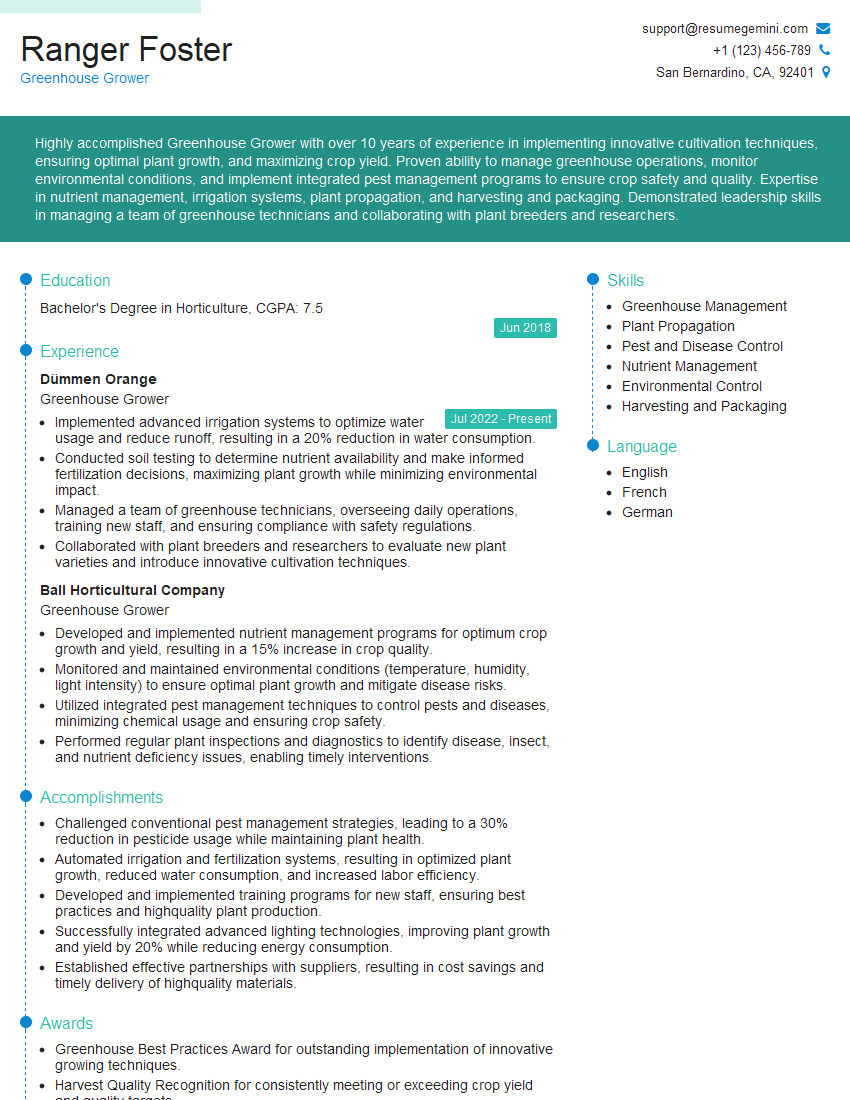
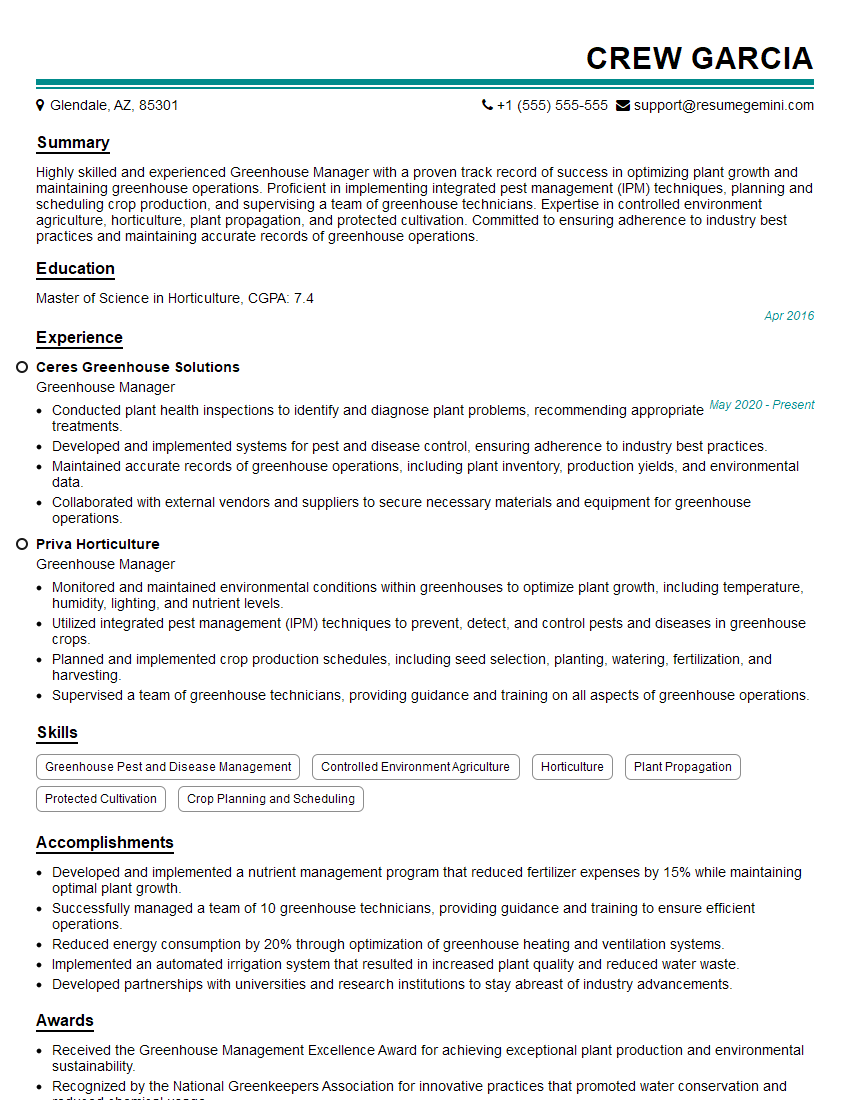
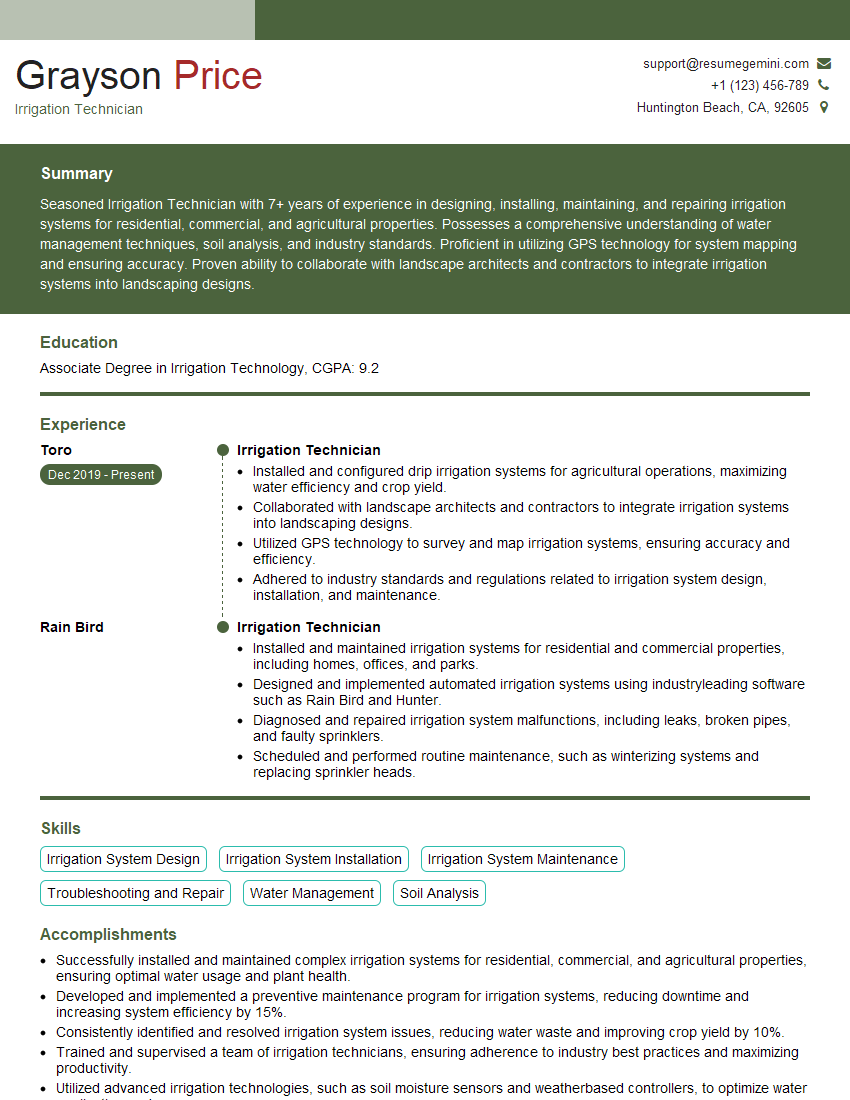
Mastering Greenhouse and Controlled Environment Production opens doors to exciting career opportunities in a rapidly growing field, offering roles with high earning potential and significant contributions to global food security. To significantly boost your job prospects, creating a strong, ATS-friendly resume is crucial. ResumeGemini is a trusted resource that can help you build a professional and impactful resume tailored to showcase your skills and experience. Examples of resumes tailored to Greenhouse and Controlled Environment Production are available to help you create a winning application.
Explore more articles
Users Rating of Our Blogs
Share Your Experience
We value your feedback! Please rate our content and share your thoughts (optional).
What Readers Say About Our Blog
I Redesigned Spongebob Squarepants and his main characters of my artwork.
https://www.deviantart.com/reimaginesponge/art/Redesigned-Spongebob-characters-1223583608
IT gave me an insight and words to use and be able to think of examples
Hi, I’m Jay, we have a few potential clients that are interested in your services, thought you might be a good fit. I’d love to talk about the details, when do you have time to talk?
Best,
Jay
Founder | CEO