Preparation is the key to success in any interview. In this post, we’ll explore crucial Nursery and Propagation Techniques interview questions and equip you with strategies to craft impactful answers. Whether you’re a beginner or a pro, these tips will elevate your preparation.
Questions Asked in Nursery and Propagation Techniques Interview
Q 1. Describe the different methods of plant propagation.
Plant propagation, the process of creating new plants, can be achieved through various methods, broadly categorized as sexual and asexual propagation. Sexual propagation utilizes seeds, relying on the fusion of male and female gametes to produce genetically diverse offspring. This is the natural way most plants reproduce. Asexual propagation, on the other hand, creates genetically identical plants from a single parent plant. This offers advantages like preserving desirable traits and faster propagation.
- Sexual Propagation: This involves collecting seeds, sowing them, and nurturing the seedlings. The success rate can vary depending on the species and seed viability.
- Asexual Propagation: This encompasses a wide array of techniques, including:
- Cuttings: Stem, leaf, or root cuttings are taken from the parent plant and encouraged to root, forming new plants. This is commonly used for many shrubs and flowering plants.
- Layering: Bending a stem to the ground and burying a portion to stimulate root development before separating it from the parent plant. This is effective for plants with flexible stems.
- Grafting: Joining a scion (desired plant part) onto a rootstock (existing plant) to combine desirable traits from both. This is commonly used in fruit tree production.
- Division: Separating a mature plant into several smaller plants, each with its own roots. This is suitable for clump-forming plants.
- Tissue Culture (Micropropagation): A laboratory technique involving growing plant cells or tissues in a sterile environment to produce many identical plants. This is used for mass production of high-value plants and disease-free stock.
The choice of propagation method depends on factors such as the plant species, the desired number of plants, available resources, and the desired genetic uniformity.
Q 2. Explain the process of seed germination and factors affecting it.
Seed germination is the process by which a seed begins to grow. It’s triggered when the seed absorbs water, initiating metabolic processes and ultimately leading to the emergence of a seedling. Think of it like a tiny plant waking up from a long sleep!
Several factors influence germination success:
- Water: Essential for hydration and initiating metabolic activity within the seed.
- Oxygen: Required for respiration, providing energy for growth.
- Temperature: Each plant species has an optimal temperature range for germination; too hot or too cold can inhibit germination.
- Light: Some seeds require light for germination, while others are inhibited by it.
- Seed Viability: The seed’s ability to germinate, which is affected by age, storage conditions, and seed quality.
For example, lettuce seeds germinate best in cooler temperatures and require light, while many beans prefer warmer temperatures and don’t need light.
Q 3. What are the ideal environmental conditions for optimal plant growth?
Optimal plant growth requires a balanced environment. This includes the right combination of light, temperature, humidity, and air circulation. Think of it as creating the perfect ‘Goldilocks’ conditions for your plants.
- Light: Sufficient sunlight is crucial for photosynthesis, the process by which plants convert light energy into chemical energy. The amount of light needed varies depending on the plant species (sun-loving versus shade-tolerant).
- Temperature: Each plant has a preferred temperature range. Extreme temperatures can stress plants and hinder growth.
- Humidity: Appropriate humidity levels prevent wilting and maintain leaf turgor (firmness). High humidity can encourage disease, while low humidity can lead to desiccation.
- Air Circulation: Good air circulation helps prevent fungal diseases and ensures efficient gas exchange (CO2 uptake and O2 release).
In a nursery setting, these conditions are often controlled through techniques like shade cloth, heating/cooling systems, humidity control, and ventilation.
Q 4. How do you control pests and diseases in a nursery setting?
Pest and disease control in a nursery is crucial to maintain plant health and prevent economic losses. A multi-pronged approach is generally most effective.
- Cultural Control: Implementing practices like crop rotation, proper spacing to improve air circulation, and sanitation to remove infected plants or debris.
- Biological Control: Introducing beneficial insects or microorganisms that prey on or compete with pests. For example, using ladybugs to control aphids.
- Chemical Control: Using pesticides and fungicides only as a last resort, carefully selecting products with minimal environmental impact and following label instructions diligently. Integrated pest management (IPM) emphasizes the careful monitoring of pest populations and using the least-toxic control methods first.
Regular monitoring for early detection of pests and diseases is essential. Early intervention is key to minimizing the impact and preventing widespread outbreaks. Record-keeping is important to track pest and disease occurrences and treatment efficacy.
Q 5. What are the different types of grafting techniques and when are they used?
Grafting is a crucial asexual propagation technique where a part of one plant (scion) is joined to another plant (rootstock) so they grow together. It’s like creating a plant hybrid without seeds.
- Whip and Tongue Grafting: Both scion and rootstock are cut with a slanted cut and a tongue-like extension for better alignment and union. Common for fruit trees.
- Cleft Grafting: A split is made in the rootstock, and the scion is inserted. Used for larger rootstocks and scions.
- Bud Grafting (T-budding): A bud from the scion is inserted into a T-shaped cut in the rootstock bark. Popular for roses and fruit trees.
- Approach Grafting: Two plants are brought close, their stems are grafted, and after union, the rootstock above the graft is removed. Useful for difficult-to-graft plants.
The choice of grafting technique depends on factors like the size of the rootstock and scion, the plant species, and the time of year. Grafting is commonly used to improve fruit quality, disease resistance, or dwarfing characteristics in trees.
Q 6. Explain the importance of soil composition and fertilization for plant health.
Soil composition and fertilization are fundamental to plant health. The soil provides anchorage, water, and nutrients, while fertilizers supplement essential nutrients missing or deficient in the soil.
Soil Composition: Optimal soil is well-drained, aerated, and rich in organic matter. Different plants have different soil requirements; some prefer sandy soils, while others prefer clay or loamy soils. The soil’s pH is also crucial, as it affects nutrient availability. Organic matter improves soil structure, water retention, and nutrient content.
Fertilization: Plants require macronutrients (nitrogen, phosphorus, potassium) and micronutrients (iron, zinc, manganese, etc.) for growth. Fertilizers provide these nutrients in a readily available form. The type and amount of fertilizer applied should be based on soil testing, plant needs, and the growth stage. Over-fertilization can be as harmful as under-fertilization, potentially damaging plant roots and causing nutrient imbalances.
In a nursery, soil tests guide fertilization strategies, ensuring plants receive the right nutrients for healthy growth. Different fertilizer types – organic, slow-release, and water-soluble – are selected depending on the needs of the specific plants being grown.
Q 7. Describe your experience with irrigation systems and their maintenance.
Irrigation systems are vital for providing water to plants in a nursery setting. Efficient irrigation is essential for optimal plant growth and water conservation. My experience involves working with several systems:
- Drip Irrigation: Water is delivered directly to the plant roots through a network of tubes and emitters. This method is efficient, minimizes water waste, and reduces weed growth.
- Overhead Irrigation: Water is sprayed onto plants from above using sprinklers. While simpler to install, it can lead to water waste and the spread of diseases.
- Subsurface Irrigation: Water is applied beneath the soil surface. This conserves water and reduces weed growth, but it can require more complex infrastructure.
Maintaining irrigation systems involves regular inspections for leaks, clogged emitters, or damaged pipes. Proper pressure regulation is essential to prevent damage. Seasonal adjustments are needed to match water requirements with plant growth stages. Water quality should also be monitored to ensure it’s free from harmful substances.
For example, in one project, we implemented a drip irrigation system with automated controllers to optimize water use based on weather data, significantly reducing water consumption and improving plant health.
Q 8. How do you identify and manage plant diseases?
Identifying and managing plant diseases requires a keen eye and a systematic approach. It starts with regular and thorough inspections of your plants, looking for any unusual symptoms like discoloration, wilting, spots, or lesions. Early detection is crucial for effective management. Once you’ve identified a potential issue, the next step is diagnosis. This involves considering several factors: the specific plant species, its growing conditions (soil type, watering, light), the pattern of the disease (localized or systemic), and the type of symptoms. Resources such as diagnostic guides, online databases, or expert consultation can be invaluable.
Management strategies vary depending on the disease, but generally include cultural practices (improving drainage, ensuring proper spacing to promote airflow), sanitation (removing affected plant parts, sterilizing tools), and the use of appropriate fungicides or bactericides. For example, if you discover powdery mildew on your roses, improving airflow by thinning out crowded branches and applying a fungicide specifically targeted at powdery mildew would be effective. For more serious or widespread diseases, professional consultation is recommended.
- Regular Inspection: Daily or weekly checks are vital.
- Accurate Diagnosis: Use resources and consult experts if needed.
- Integrated Pest Management (IPM): This approach prioritizes cultural and biological controls before resorting to chemical treatments.
Q 9. What are the common pests that affect nursery plants and how do you control them?
Nursery plants are susceptible to a range of pests, including aphids, whiteflies, mealybugs, spider mites, and various caterpillars. These pests can cause significant damage, reducing plant vigor and marketability. Control strategies again depend on the specific pest and the severity of the infestation.
Aphids, for instance, are small, soft-bodied insects that suck sap from plants, causing leaf curling and stunted growth. Controlling aphids can involve using insecticidal soap, neem oil, or introducing beneficial insects like ladybugs that prey on them. Spider mites are microscopic arachnids that cause stippling and webbing on leaves. Regularly monitoring plants for webbing and using miticide sprays (following label instructions carefully) is crucial. Always consider an integrated pest management (IPM) approach, combining preventative measures (like maintaining healthy plants and proper hygiene) with targeted control methods. Avoid overuse of chemical pesticides, as this can harm beneficial insects and disrupt the ecosystem.
- Monitoring: Regular inspections to detect pests early.
- Biological Control: Introducing natural predators.
- Chemical Control: Using specific pesticides only when necessary and following label instructions precisely.
Q 10. What are the various types of plant tissue culture techniques?
Plant tissue culture techniques involve growing plants from small pieces of plant tissue in a sterile, nutrient-rich medium. This allows for rapid propagation and the production of disease-free plants. There are several types:
- Meristem culture: Uses the apical meristem (tip of the shoot) to generate disease-free clones. This is very useful for propagating virus-free plants.
- Organ culture: Uses organs like leaves, stems, or roots to regenerate whole plants.
- Embryo culture: Cultures immature embryos to obtain complete plants, often used in hybrid breeding.
- Protoplast culture: Involves culturing single plant cells to regenerate entire plants. This is a more advanced technique used in genetic engineering.
- Cell suspension culture: Growing plant cells in a liquid medium to produce large quantities of cells, useful for secondary metabolite production.
Each technique offers unique advantages and challenges, depending on the plant species and the desired outcome.
Q 11. Explain the process of taking and rooting cuttings.
Taking and rooting cuttings is a common propagation method. It involves taking a stem, leaf, or root section from a parent plant and inducing it to form roots, creating a new plant. The process generally involves these steps:
- Selecting Cuttings: Choose healthy, actively growing stems. The ideal cutting length typically ranges from 4 to 6 inches.
- Preparing Cuttings: Make a clean cut below a node (where leaves or branches emerge). Remove lower leaves to prevent rotting.
- Treating Cuttings (Optional): Dip the cut end in rooting hormone powder to stimulate root development. This is not always necessary, depending on the plant species.
- Planting Cuttings: Plant the cuttings in a suitable rooting medium, such as a sterile mix of peat moss and perlite, ensuring good contact between the cutting base and the medium.
- Providing Ideal Conditions: Maintain high humidity, typically using a humidity dome or propagator, and provide adequate light (often indirect light). Temperature should be consistent and appropriate for the species.
- Monitoring and Maintenance: Regular watering and monitoring for signs of root development are crucial. Once roots are established, cuttings can be transplanted into individual pots.
The success of taking and rooting cuttings depends heavily on the plant species and the care provided. Some plants root easily, while others are more challenging.
Q 12. How do you select and prepare planting materials?
Selecting and preparing planting materials is fundamental to successful nursery production. The process starts with choosing healthy, disease-free plants or seeds from reputable sources. This ensures the genetic quality and reduces the risk of introducing diseases or pests to your nursery. For seeds, germination tests can help determine seed viability. For plants, check for signs of vigor, appropriate size, and absence of pests or diseases. Inspect the root system for healthy root growth and absence of root rot or other problems.
Preparing planting materials involves various steps, depending on the type of material. Seeds might require pre-sowing treatments like scarification (breaking the seed coat) or stratification (cold treatment) to improve germination. Plants might need to be pruned to remove damaged parts or to shape the plant. Proper handling and storage, preventing physical damage and desiccation are also important. The overall goal is to provide the best possible start for healthy plant growth.
Q 13. Discuss your experience with different types of growing media.
Growing media are crucial for providing the right environment for plant growth. My experience encompasses a wide range of media, each with its advantages and disadvantages:
- Peat-based mixes: Excellent water retention, good aeration, but environmentally unsustainable due to peat harvesting.
- Coco coir: Sustainable alternative to peat, good water retention and aeration.
- Perlite: Improves drainage and aeration, often used in combination with other media.
- Vermiculite: Provides excellent water retention and aeration.
- Rockwool: Inert medium providing excellent drainage and aeration, often used in propagation.
- Soil-based mixes: Contain various soil components, often supplemented with organic matter.
The choice of growing medium depends on factors like plant species, growth stage, and environmental conditions. For example, succulent plants prefer well-draining mixes, whereas moisture-loving plants benefit from media that retain more water. I always consider the sustainability and environmental impact when selecting a growing medium.
Q 14. Explain your understanding of plant growth regulators.
Plant growth regulators (PGRs) are natural or synthetic compounds that influence plant growth and development. They play a crucial role in nursery production, allowing for precise control over plant size, shape, and flowering. Different classes of PGRs have distinct effects.
- Auxins: Promote root development, inhibit apical dominance (allowing for bushier growth).
- Gibberellins: Stimulate stem elongation, flowering, and fruit set.
- Cytokinins: Promote cell division, shoot growth, and delay senescence (aging).
- Abscisic acid (ABA): Induces seed dormancy, promotes stomatal closure (reducing water loss).
- Ethylene: Promotes fruit ripening, leaf abscission (leaf drop), and senescence.
Understanding how these PGRs interact is critical for their effective use. For example, using auxins during propagation can promote faster rooting in cuttings. Applying gibberellins can increase the height of certain plants. However, improper application can lead to unwanted effects, so precise application rates are crucial. Always follow product instructions and consider environmental factors that may affect PGR efficacy.
Q 15. Describe your experience with greenhouse management, including climate control.
Greenhouse management is all about creating the optimal environment for plant growth. This involves meticulous climate control, which is crucial for success. My experience encompasses managing various greenhouse types, from small hobby greenhouses to large commercial facilities. I’ve worked with sophisticated climate control systems that integrate sensors for temperature, humidity, light intensity, and CO2 levels. These systems automate adjustments to ventilation, heating, cooling, and supplemental lighting. For instance, in a commercial setting, we might program the system to increase ventilation as temperature rises and to activate supplemental lighting during shorter winter days to mimic ideal growing conditions. I also have experience manually adjusting these parameters based on weather forecasts and plant needs – it’s a balance of automation and human expertise. For example, during a sudden cold snap, we might use temporary heating systems to protect delicate seedlings, while in extremely humid weather conditions, carefully controlled ventilation is key to prevent fungal diseases.
Beyond the basic parameters, my approach also includes monitoring and adjusting soil moisture and nutrient levels, again adapting these strategies based on the species of plants being grown. Effective greenhouse management is essentially a delicate dance between technology and horticulture expertise.
Career Expert Tips:
- Ace those interviews! Prepare effectively by reviewing the Top 50 Most Common Interview Questions on ResumeGemini.
- Navigate your job search with confidence! Explore a wide range of Career Tips on ResumeGemini. Learn about common challenges and recommendations to overcome them.
- Craft the perfect resume! Master the Art of Resume Writing with ResumeGemini’s guide. Showcase your unique qualifications and achievements effectively.
- Don’t miss out on holiday savings! Build your dream resume with ResumeGemini’s ATS optimized templates.
Q 16. How do you ensure the quality and consistency of plant production?
Ensuring quality and consistency in plant production is a multifaceted process that begins long before the plants are ready for sale. It starts with selecting high-quality seeds or cuttings from reputable sources. Strict adherence to best practices in sowing, propagation, and transplanting is vital. This includes using sterilized growing media to prevent disease, consistent watering schedules tailored to the plant’s needs, and a well-balanced fertilization program. Regular inspections for pests and diseases are paramount; early detection and prompt treatment are key to preventing widespread problems. This requires knowledge of common plant diseases and effective pest control methods including biological control where possible.
Moreover, meticulous record-keeping is essential. We track planting dates, fertilization schedules, pest treatments, and growth rates, allowing for analysis of trends and adjustments to optimize our procedures. Think of it like a carefully crafted recipe – each ingredient and step matters. Consistency in these practices yields predictable results, leading to healthier, more uniform plants.
Q 17. Explain your knowledge of plant taxonomy and identification.
My knowledge of plant taxonomy and identification is extensive. I can confidently identify plants at various growth stages using morphological characteristics like leaf shape, stem structure, flower type, and fruit characteristics. This involves understanding binomial nomenclature (Genus species) and the hierarchical classification system that organizes plants into families, orders, and classes. I utilize botanical keys and reference materials like plant identification guides and online databases. For instance, when faced with an unknown plant showing signs of disease, accurate identification is the first step in determining appropriate treatment. Knowing the plant’s family can also offer clues to potential pests or diseases it might be susceptible to. In addition to this, I understand the ecological relationships plants have with their environments – knowledge that is critical when designing and implementing suitable propagation strategies.
Q 18. How do you manage plant inventory and scheduling?
Efficient plant inventory and scheduling are critical for effective nursery operation. We use a combination of physical inventory tracking and digital systems. Physical inventory involves regular counts of plants at various growth stages, usually categorized by species and size. This informs our ordering of seeds or cuttings, ensuring we have sufficient stock to meet demand. The digital system is critical for tracking plant movement, from seed sowing to transplanting and finally sales. This also aids in forecasting and helps to optimize production schedules to align with peak demand periods. For example, by analyzing sales data from previous years we can predict the quantities of specific plants needed during holidays like Mother’s Day or the fall planting season.
Scheduling involves planning sowing and transplanting dates to achieve optimal plant size and maturity for different sales periods. We use scheduling software that allows us to visualize the entire production cycle, making necessary adjustments to account for weather variations or unexpected events like a pest outbreak. Efficient inventory and scheduling are vital in preventing waste and ensuring profitability.
Q 19. Describe your experience with mechanized nursery equipment.
My experience with mechanized nursery equipment is extensive. I’m proficient in operating and maintaining a wide range of machinery, including automated seeding and transplanting systems, irrigation systems (both drip and overhead), and various types of cultivation equipment such as tillers, cultivators and automated pot fillers. I understand the safety protocols associated with each machine and regularly conduct maintenance checks to ensure optimal performance and safety. For example, using an automated transplanting machine can significantly reduce labor costs and increase planting precision, improving the uniformity of our plant stock. Likewise, using an automated irrigation system ensures consistent water delivery to each plant, preventing water stress or overwatering.
Beyond the operation and maintenance, I also understand the economic considerations of utilizing mechanized equipment. The cost-benefit analysis, considering the initial investment, operational costs, and the increase in production efficiency, is an important factor in deciding which equipment is best suited for specific tasks. I ensure we select equipment that fits our scale of operations and enhances our overall productivity.
Q 20. What safety precautions do you take when working with nursery chemicals?
Safety when handling nursery chemicals is paramount. We strictly adhere to all relevant safety regulations and guidelines. This includes using personal protective equipment (PPE) such as gloves, eye protection, and respirators, depending on the chemical being used. We follow label instructions meticulously, paying close attention to application rates, mixing procedures, and safety precautions. Chemicals are stored securely in a designated area, away from food and water sources, and clearly labeled to minimize the risk of accidental exposure. Regular training on safe chemical handling practices is provided to all staff. Additionally, we maintain detailed records of all chemical applications, including the product used, application date, and quantity applied. This is crucial for traceability and to ensure compliance with environmental regulations. In the event of a spill, we have emergency response protocols and procedures in place to minimize environmental impact and ensure staff safety.
Q 21. How do you monitor plant health and diagnose problems?
Monitoring plant health is an ongoing process involving regular visual inspections for signs of stress, disease, or pest infestations. We look for changes in leaf color, wilting, unusual growth patterns, and the presence of insects or diseases. We also utilize soil testing to monitor nutrient levels and pH, addressing any deficiencies promptly. More advanced techniques may include tissue analysis for more detailed insights into plant health. When diagnosing problems, I rely on a systematic approach. I begin by identifying the affected plants, noting the specific symptoms and the extent of the problem. Then I consider environmental factors such as light, temperature, and moisture levels, along with cultural practices such as fertilization and watering. After that, I carefully investigate possible causes such as pests, diseases, nutrient deficiencies, or environmental stress. My knowledge of plant pathology helps me identify the most likely cause and select an appropriate solution. In some cases, I might consult with experts or utilize diagnostic labs for confirmation or guidance. Documenting the problem, the diagnosis, and the treatment plan is vital for tracking issues and improving future practices.
Q 22. How do you handle plant stress due to environmental factors?
Managing plant stress from environmental factors is crucial for successful nursery operations. It involves proactively identifying potential stressors and implementing mitigation strategies. Think of it like caring for a delicate child – you need to provide the right conditions for them to thrive.
- Water Stress: Insufficient or excessive watering causes wilting, leaf scorch, and reduced growth. We use techniques like regular monitoring of soil moisture with probes or by feeling the soil, implementing drip irrigation for precise water delivery, and mulching to retain soil moisture. For example, during a heatwave, we increase watering frequency and potentially shade vulnerable plants.
- Temperature Stress: Extreme temperatures, both hot and cold, can damage plants. We utilize shade cloth during summer heat, windbreaks to reduce chilling effects of wind, and consider the use of greenhouses or cold frames to modulate temperatures. We also strategically position plants considering microclimates within the nursery – e.g., placing heat-sensitive plants in a more shaded area.
- Light Stress: Too much or too little light can affect photosynthesis and plant health. For shade-loving plants, providing adequate shade is essential. For sun-loving plants, ensuring sufficient sunlight is vital. We use shade cloth or grow lights depending on the requirements of specific plants. For instance, young seedlings might require supplemental lighting to ensure robust growth.
- Nutrient Stress: Deficiencies or toxicities of essential nutrients lead to visible symptoms like chlorosis (yellowing of leaves) or necrosis (tissue death). Regular soil testing, tailored fertilization schedules, and foliar feeding (applying nutrients directly to leaves) address these issues. We often develop specific fertilization plans based on soil analysis results and plant needs.
By carefully monitoring environmental conditions and implementing appropriate measures, we minimize plant stress and maximize healthy growth. It’s all about understanding the specific needs of each plant species and responding accordingly.
Q 23. Explain your understanding of plant nutrition and fertilization practices.
Plant nutrition is the foundation of successful nursery management. It’s about supplying plants with the essential nutrients they need for optimal growth and development. Think of it as providing a balanced diet for your plants.
Fertilization practices involve supplying these nutrients through various methods. We start with soil testing to determine existing nutrient levels and identify any deficiencies. This testing informs our fertilizer choices, ensuring we don’t over-fertilize, which can be detrimental to plant health.
- Soil Testing: Provides a baseline of the soil’s nutrient content, pH, and other crucial factors. This guides our fertilizer choices and application rates.
- Fertilizer Types: We use various types, including slow-release granular fertilizers for consistent nutrient supply, liquid fertilizers for quick response, and organic amendments like compost to improve soil structure and fertility. The choice depends on the plant species and its growth stage.
- Application Methods: We employ different techniques like broadcasting (spreading evenly over the soil surface), banding (applying in rows near the plants), and fertigation (applying fertilizers through irrigation systems). Fertigation is particularly efficient and precise, minimizing fertilizer waste.
- Nutrient Management: We also focus on efficient nutrient uptake by ensuring proper soil drainage, aeration, and pH levels. This prevents nutrient runoff and ensures maximum benefit from the fertilizer.
We carefully track the fertilizer usage and the plant’s response to ensure optimized nutrition. It’s an iterative process, constantly adjusting based on the plants’ health and soil test results. For example, if we see signs of nitrogen deficiency – pale green leaves – we’ll adjust our fertilization program to incorporate more nitrogen-rich fertilizers.
Q 24. What are the different methods of weed control in a nursery setting?
Weed control is vital in a nursery to prevent competition for resources and ensure healthy plant growth. It’s a continuous battle, requiring a multi-pronged approach. We aim for an integrated approach, using a combination of techniques to minimize the use of herbicides.
- Cultural Practices: These are the first line of defense. Proper spacing between plants reduces weed establishment. Mulching (applying organic matter like wood chips or straw) suppresses weed growth by blocking sunlight. Careful soil preparation before planting minimizes weed seeds.
- Mechanical Control: This involves physical removal of weeds. Hand weeding is effective for small areas or around individual plants, but can be labor-intensive. Hoeing can work for larger areas, disturbing the soil and killing emerging weeds.
- Biological Control: Utilizing natural enemies of weeds, like specific insects or microorganisms, can suppress weed populations. This is often more effective in a larger-scale, integrated pest management strategy.
- Chemical Control: Herbicides are used sparingly and only when necessary, selecting herbicides that are safe for the target plants and the environment. We always carefully follow label instructions to avoid harming beneficial plants and ecosystems.
The best approach involves combining these methods for optimal results. For instance, we might use mulching to suppress weeds, while hand-weeding tackles established weeds, and targeted herbicides deal with particularly persistent problems. The key is to prevent weeds from establishing in the first place rather than relying solely on eradication methods.
Q 25. Describe your experience with different types of propagation structures.
My experience encompasses a variety of propagation structures, each suited to different plants and propagation methods. Each structure serves a distinct purpose in controlling the environment to optimize plant growth.
- Greenhouses: Provide controlled environments for seed starting, propagation, and overwintering of sensitive plants. We use greenhouses extensively for temperature and humidity control, and often supplement with supplemental lighting during short days. Different types of greenhouses (e.g., polycarbonate, glass) offer varying levels of insulation and light transmission.
- Cold Frames: These are simple, low-cost structures ideal for hardening off seedlings before transplanting outdoors. They provide protection from frost and harsh weather while gradually acclimating plants to outdoor conditions.
- Shade Houses: Provide protection from intense sunlight and heat stress, particularly crucial for seedlings or plants that are sensitive to direct sun. The mesh provides shade while allowing for good air circulation.
- Propagation Flats and Trays: These are used for starting seeds and cuttings in a controlled environment, providing consistent moisture and temperature for optimal germination and rooting.
- Mist Propagation Systems: Used for propagating cuttings, these systems maintain high humidity levels to prevent desiccation and promote root formation. The misting system is crucial here in ensuring proper humidity for cuttings.
The selection of the appropriate propagation structure depends on factors like the plant species, the propagation method (seed, cuttings, etc.), climate conditions, and available resources. My experience allows me to make informed decisions about optimizing structure selection to improve propagation success rates.
Q 26. How do you ensure the proper labeling and tracking of plants?
Accurate labeling and tracking of plants is paramount for inventory management, traceability, and preventing misidentification. We employ a system that ensures clear, consistent labeling throughout the plant’s lifecycle.
- Clear Labeling: Each plant receives a label with key information: plant species (scientific and common name), cultivar (if applicable), date of planting/propagation, lot number, and any special care instructions.
- Durable Labels: We use weather-resistant labels that can withstand various environmental conditions without fading or becoming illegible. Waterproof and UV-resistant materials are crucial in outdoor settings.
- Digital Tracking: A computer database tracks plant information, including location, growth stage, treatments (fertilizers, pesticides), and sales information. Barcodes or RFID tags can link physical plants to digital records for efficient inventory management.
- Regular Audits: We conduct regular audits of the labeling and tracking system to ensure accuracy and identify any inconsistencies or areas needing improvement. This allows for timely corrections and reduces errors.
This comprehensive system guarantees that plants are correctly identified at every stage, facilitating efficient management, accurate sales records, and the ability to trace the origin and history of each plant. A robust system is especially important when dealing with multiple plant varieties, high-value plants, or plants destined for specific clients.
Q 27. What is your experience with plant acclimatization?
Plant acclimatization is the gradual adjustment of plants from a protected environment (like a greenhouse) to outdoor conditions. It’s crucial for ensuring the survival and healthy growth of plants after transplanting. Think of it as slowly introducing a child to a new environment to help them adapt.
We typically employ a multi-step process:
- Gradual Exposure: We start by gradually increasing the exposure of plants to outdoor conditions, beginning with short periods in a sheltered location and slowly increasing the duration and intensity of exposure over several weeks.
- Hardening Off: This process involves gradually reducing the humidity and increasing airflow around the plants. This strengthens the plants’ ability to cope with wind and fluctuating temperatures.
- Watering Adjustments: The watering regimen is modified, reducing the frequency to prepare plants for independent water uptake from the surrounding soil.
- Nutrient Adjustment: Fertilizer application might be reduced to allow plants to adjust to the natural nutrient levels of their new environment.
Success depends on monitoring the plants’ response and adjusting the acclimatization process as needed. Signs of stress (wilting, leaf drop) may require slowing down the process or providing supplemental protection. Proper acclimatization significantly improves the survival rate and establishment of plants after transplanting.
Q 28. Describe your experience with post-harvest handling of nursery plants.
Post-harvest handling of nursery plants is critical for maintaining their quality and extending their shelf life before they reach the end-customer. Proper handling minimizes damage and stress, ensuring healthy, attractive plants.
- Careful Lifting and Handling: Plants are carefully lifted and handled to prevent root damage or breakage. We use appropriate tools and techniques to minimize stress during transplanting.
- Protection from Damage: Plants are protected during transportation using appropriate packaging and containers that prevent physical damage or desiccation. This may involve using plant sleeves, or wrapping roots for protection during shipping.
- Watering and Moisture Retention: Plants are appropriately watered before and during transport to maintain hydration and prevent wilting. For longer transportation times, we might use techniques like root-wrapping with damp material or employing specialized transport containers that retain moisture.
- Temperature Control: During transport, maintaining appropriate temperature is crucial. Extreme heat or cold can cause stress and damage. We use refrigerated trucks or other climate-controlled transport methods to keep plants within optimal temperature ranges.
- Prompt Delivery: Ensuring swift delivery to the customer minimizes the time plants spend under suboptimal conditions. Speed is crucial, especially with sensitive species.
Proper post-harvest handling ensures the plants arrive at their destination in excellent condition, reducing losses and increasing customer satisfaction. A streamlined post-harvest protocol is crucial for maintaining high plant quality and ensuring business success.
Key Topics to Learn for Nursery and Propagation Techniques Interview
- Seed Germination: Understanding various germination techniques (e.g., stratification, scarification), factors influencing germination rates (temperature, moisture, light), and troubleshooting germination issues.
- Vegetative Propagation: Mastering different methods like cuttings, layering, grafting, and tissue culture; understanding the principles behind each method and their suitability for different plant species. Practical application includes selecting appropriate plant material and implementing techniques for optimal success.
- Nursery Management: This includes site selection, soil preparation, irrigation systems, pest and disease management in a nursery setting, and the importance of sustainable practices. Problem-solving might involve diagnosing plant health issues and implementing corrective actions.
- Plant Physiology & Growth: Understanding plant growth hormones, nutrient requirements, and environmental factors affecting plant growth. This theoretical knowledge is crucial for making informed decisions in practical nursery operations.
- Cultivation Techniques: Knowledge of different container types, potting mixes, transplanting techniques, and the management of environmental conditions (temperature, humidity, light) within the nursery. Practical skills include proper plant handling and spacing.
- Hardening-off & Acclimatization: Understanding the process of gradually transitioning seedlings or plants from protected nursery conditions to outdoor environments, reducing transplant shock, and ensuring survival. This involves practical adjustments to environmental factors.
- Pest & Disease Management: Identifying common nursery pests and diseases, understanding their life cycles, and implementing integrated pest management (IPM) strategies to minimize their impact. This involves both preventative measures and reactive treatments.
Next Steps
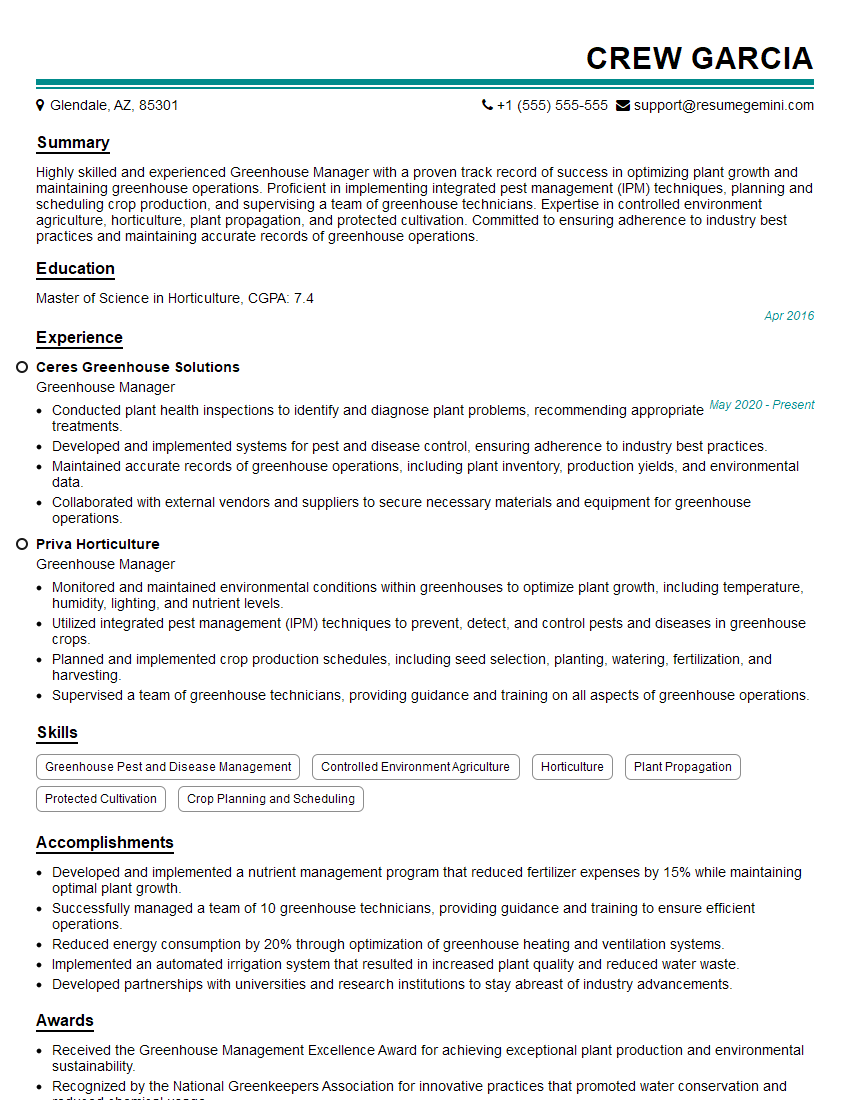
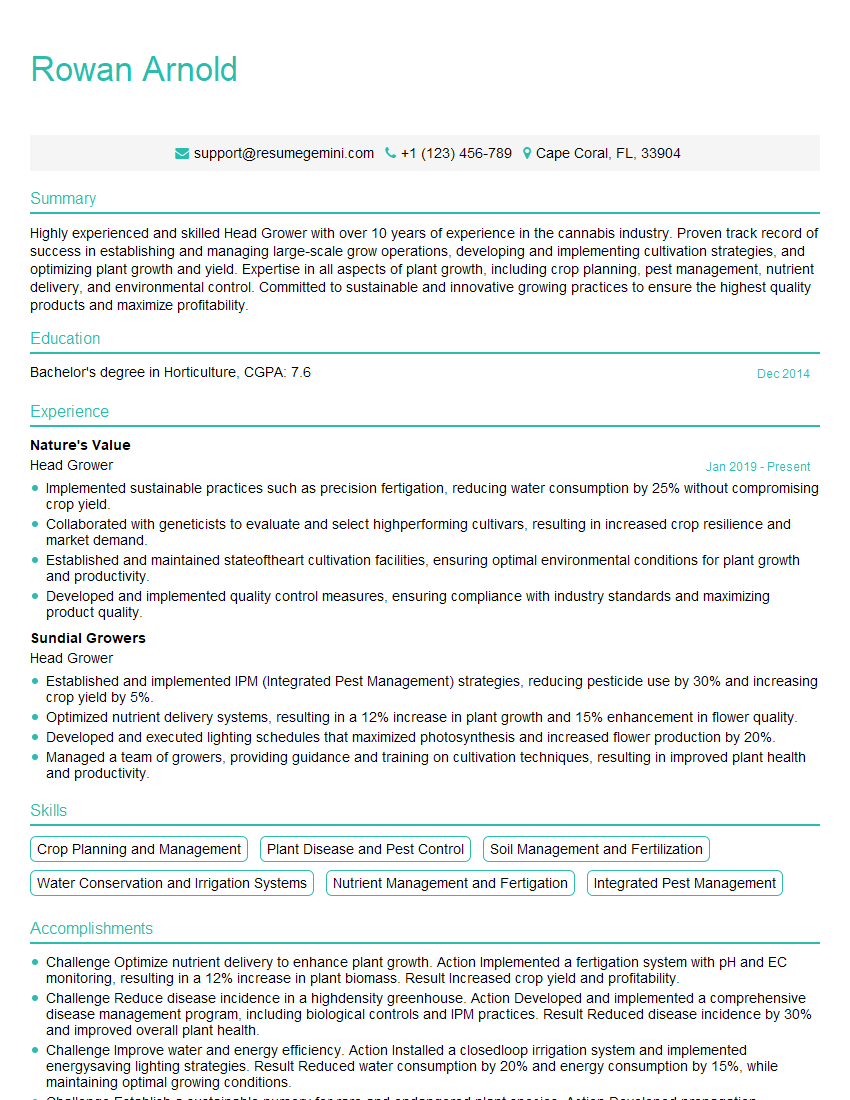
Mastering Nursery and Propagation Techniques opens doors to exciting career opportunities in horticulture, agriculture, and landscaping. A strong understanding of these techniques demonstrates valuable practical skills and theoretical knowledge highly sought after by employers. To significantly boost your job prospects, create an ATS-friendly resume that highlights your skills and experience effectively. ResumeGemini is a trusted resource that can help you build a professional and impactful resume, ensuring your application stands out. Examples of resumes tailored to Nursery and Propagation Techniques are available to guide you.

Explore more articles
Users Rating of Our Blogs
Share Your Experience
We value your feedback! Please rate our content and share your thoughts (optional).
What Readers Say About Our Blog
I Redesigned Spongebob Squarepants and his main characters of my artwork.
https://www.deviantart.com/reimaginesponge/art/Redesigned-Spongebob-characters-1223583608
IT gave me an insight and words to use and be able to think of examples
Hi, I’m Jay, we have a few potential clients that are interested in your services, thought you might be a good fit. I’d love to talk about the details, when do you have time to talk?
Best,
Jay
Founder | CEO