Are you ready to stand out in your next interview? Understanding and preparing for Positive and Nurturing Environment interview questions is a game-changer. In this blog, we’ve compiled key questions and expert advice to help you showcase your skills with confidence and precision. Let’s get started on your journey to acing the interview.
Questions Asked in Positive and Nurturing Environment Interview
Q 1. Describe your approach to establishing a safe and inclusive classroom environment.
Creating a safe and inclusive classroom hinges on building a strong foundation of trust and respect. This involves establishing clear expectations and consistent routines, ensuring every child feels seen, heard, and valued.
- Physical Safety: A safe classroom is physically secure, with well-maintained equipment and clear procedures for emergencies. This includes regular safety checks and discussions about appropriate behavior in different areas of the classroom.
- Emotional Safety: Emotional safety is paramount. This means fostering a culture of empathy and kindness where children feel comfortable expressing their emotions without fear of judgment. We use positive language and role-play scenarios to promote understanding and conflict resolution.
- Inclusive Practices: Inclusion means creating an environment where every child feels welcome, regardless of their background, abilities, or learning style. This includes using diverse materials, adapting activities to meet individual needs, and celebrating the unique contributions of each child. For example, I actively incorporate diverse literature, representing different cultures and ethnicities, and I encourage students to share aspects of their own cultures and backgrounds with the class.
Imagine a classroom where students know they can freely share their ideas without fear of ridicule. That’s the kind of safe and inclusive environment I strive to create.
Q 2. How do you identify and address the individual needs of children in a group setting?
Addressing individual needs in a group setting requires careful observation, thoughtful planning, and flexible teaching strategies. I use a variety of methods to understand each child’s unique strengths and challenges:
- Observation: I systematically observe children’s behavior, interactions, and learning styles during both structured and free-play activities. I pay attention to their participation levels, social interactions, and emotional responses.
- Assessment: Formal and informal assessments, including projects, presentations, and one-on-one interactions, help me gauge individual progress and identify areas where children need additional support.
- Differentiated Instruction: Based on my observations and assessments, I adjust my teaching methods and materials to meet individual needs. This might involve providing extra support to students who are struggling, or offering challenging extensions for those who are exceeding expectations. This could include providing different reading levels of texts or tailoring assignments to meet different learning styles (visual, auditory, kinesthetic).
- Collaboration: I regularly communicate with parents and specialists (such as speech therapists or occupational therapists) to gain further insights into each child’s needs and develop comprehensive support plans.
For example, if I notice a child struggling with reading, I might provide one-on-one tutoring sessions, use assistive technology, or modify reading assignments to make them more accessible. The key is to be flexible and adapt my approach as children’s needs change.
Q 3. Explain your strategies for managing challenging behaviors in a positive and constructive manner.
Managing challenging behaviors requires a proactive and positive approach. Punishment is rarely effective in the long run; instead, I focus on understanding the underlying causes of the behavior and teaching children more adaptive strategies.
- Positive Reinforcement: I emphasize rewarding positive behaviors through praise, encouragement, and positive reinforcement systems. This could involve a sticker chart or a class reward system.
- Behavior Management Techniques: I utilize techniques such as redirection, positive language, and time-outs when necessary, always explaining the reason behind the intervention clearly and calmly. I emphasize the importance of taking breaks when feeling overwhelmed.
- Functional Behavior Assessment (FBA): For persistent challenging behaviors, I conduct FBAs to identify the triggers and functions of the behavior. This provides valuable insights into how to prevent the behavior from occurring in the first place.
- Collaboration: I work closely with parents and specialists to develop a consistent approach to managing challenging behaviors across different settings. This reduces confusion for the child and makes the process of behavior modification more effective.
For instance, if a child is acting out due to frustration, I might teach them coping mechanisms like deep breathing exercises or provide them with a quiet space to calm down. The goal is not to suppress the behavior but to help the child develop healthier ways of expressing their emotions.
Q 4. How do you foster positive relationships with parents and guardians?
Building strong parent-teacher relationships is essential for creating a supportive learning environment. I believe in open communication and transparency.
- Regular Communication: I maintain regular contact with parents through newsletters, emails, phone calls, and parent-teacher conferences. This allows me to share updates on their child’s progress, discuss any concerns, and collaborate on strategies for supporting their child’s learning and development.
- Positive Feedback: I focus on sharing positive feedback about their child’s accomplishments and efforts, emphasizing their strengths and areas of growth.
- Accessibility: I make myself readily available to parents for questions or concerns. I strive to create an environment where parents feel comfortable approaching me with any issue, no matter how small.
- Collaborative Partnerships: I view parents as partners in their child’s education, working together to create a consistent and supportive learning environment at home and at school.
I always try to remember that parents have a unique perspective on their children, and I strive to value that perspective when collaborating on effective strategies.
Q 5. What techniques do you use to promote emotional regulation and self-awareness in children?
Promoting emotional regulation and self-awareness is a key component of creating a positive learning environment. I utilize several techniques:
- Mindfulness Activities: I incorporate mindfulness activities, such as deep breathing exercises, body scans, and guided imagery, into the daily routine. These help children connect with their bodies and emotions.
- Emotional Literacy: I teach children to identify and label their emotions using age-appropriate language and resources. We discuss different emotions, how they feel in the body, and healthy ways to express them.
- Social-Emotional Learning (SEL) Curriculum: I use an SEL curriculum to teach children about empathy, self-control, problem-solving, and social skills. This helps children develop the skills they need to navigate social situations and regulate their emotions effectively.
- Role-Playing: We use role-playing exercises to practice emotional regulation strategies in various scenarios. This makes learning engaging and helps children develop emotional coping skills.
For example, we might act out different social situations, allowing children to practice expressing themselves assertively but respectfully. This also allows me to gently coach them and offer positive reinforcement and feedback.
Q 6. Describe your experience implementing developmentally appropriate practices.
Implementing developmentally appropriate practices is essential for creating a nurturing and effective learning environment. It means understanding the unique characteristics and needs of children at different ages and stages of development and tailoring my teaching methods and materials accordingly.
- Age-Appropriate Activities: I design activities and materials that are challenging yet attainable for children at their developmental level. This ensures that learning is both engaging and effective.
- Individualized Learning: I recognize that children develop at different paces, and I adapt my teaching strategies to meet the individual needs of each child. I use varied techniques for instruction and activities.
- Play-Based Learning: I incorporate play-based learning, especially with younger children, as it promotes creativity, social-emotional development, and problem-solving skills. It’s a vital way for them to learn and grow.
- Learning through Exploration: I create opportunities for children to explore their interests and learn through hands-on experiences and discovery. This allows children to take ownership of their learning and fosters a love for exploration.
For instance, when teaching about numbers to preschoolers, I use manipulatives and games rather than abstract worksheets. For older children, I incorporate more complex problem-solving activities and independent projects. I am constantly assessing the curriculum and adapting where necessary, to ensure appropriateness.
Q 7. How do you differentiate instruction to meet the diverse learning styles and needs of children?
Differentiating instruction is crucial for ensuring that all children have the opportunity to learn and succeed. I employ several strategies to meet the diverse learning styles and needs of my students:
- Multiple Representations: I present information in a variety of ways—visually, auditorily, and kinesthetically—to cater to different learning preferences. This might include using diagrams, videos, hands-on activities, and group discussions.
- Flexible Grouping: I utilize flexible grouping strategies, such as small groups, pairs, and individual work, to provide targeted instruction and support based on individual needs.
- Choice and Autonomy: I provide students with choices in their learning activities, allowing them to select projects that align with their interests and learning styles. This improves engagement and motivation.
- Assistive Technology: I utilize assistive technology and adaptive materials as needed to support students with disabilities or learning differences. This ensures inclusivity and equitable access to learning.
For example, some students might benefit from working independently on a project, while others may thrive in a collaborative group setting. I carefully consider each student’s strengths and challenges when assigning tasks and designing learning activities.
Q 8. How do you create opportunities for children to develop social-emotional skills?
Developing social-emotional skills in children is crucial for their overall well-being and success. It involves fostering self-awareness, self-regulation, social awareness, relationship skills, and responsible decision-making. I create opportunities for this through various strategies:
Structured Playtime: I design activities like collaborative building projects, role-playing games, and dramatic play, requiring children to negotiate, share, and cooperate. For example, a building challenge using blocks encourages teamwork and problem-solving.
Social Stories: These are personalized stories illustrating social situations and appropriate responses. We use them to help children understand and manage challenging situations, such as learning how to react when a friend is upset.
Circle Time: This dedicated time allows for open discussions about emotions, sharing experiences, and practicing empathy. We might use a feelings chart to help children identify and name their emotions.
Emotional Literacy Activities: We use books, games, and art projects to explore a wide range of emotions, helping children understand that all feelings are valid.
Modeling Positive Behaviors: I consistently demonstrate empathy, active listening, and respectful communication in my interactions with children, providing them with positive role models.
Q 9. What are your strategies for conflict resolution within a group of children?
Conflict resolution is a vital skill to teach children. My approach is based on restorative practices, focusing on repairing harm and relationships, rather than simply punishing misbehavior. My strategies include:
Creating a Safe Space: I ensure children feel comfortable expressing their feelings without fear of judgment or punishment.
Active Listening: I help each child articulate their perspective, validating their feelings. I use phrases like, “It sounds like you’re feeling frustrated because…”
Mediation: I guide children through a collaborative process to find solutions that satisfy everyone involved. We might brainstorm solutions together, focusing on compromise and fairness.
Teaching Problem-Solving Skills: I help children develop their own problem-solving skills through role-playing and guided practice. We might discuss different ways to handle conflict before it escalates.
Repairing Relationships: After a conflict, I facilitate opportunities for children to apologize and make amends. This helps them learn to take responsibility for their actions and repair damaged relationships.
Q 10. How do you incorporate positive reinforcement and encouragement into your teaching strategies?
Positive reinforcement and encouragement are cornerstones of my teaching philosophy. They create a supportive and motivating learning environment. I implement this through:
Specific Praise: Instead of generic praise like “Good job!”, I provide specific feedback, focusing on the effort and progress made. For example, “I noticed you really worked hard on that puzzle and persevered until you finished. That shows great determination!”
Positive Feedback Systems: I use reward charts, stickers, or class celebrations to acknowledge achievements and positive behavior. These systems should be clearly explained and tailored to the group.
Encouragement and Support: I offer consistent encouragement and support, helping children develop self-confidence and resilience. I emphasize effort over outcome, highlighting the learning process.
Celebrating Successes: I celebrate both individual and group accomplishments, creating a sense of community and shared success.
Focusing on Strengths: I regularly identify and highlight each child’s strengths, building their self-esteem and confidence.
Q 11. Describe your experience with implementing trauma-informed practices.
Trauma-informed practices are essential for creating a nurturing environment for all children, particularly those who have experienced adversity. My approach incorporates several key elements:
Safety and Predictability: I create a safe, predictable, and structured environment with clear routines and expectations. This helps reduce anxiety and provides a sense of security.
Trust and Collaboration: I build trusting relationships with children, fostering open communication and collaboration. This includes actively listening to their concerns and respecting their boundaries.
Empowerment: I empower children by providing choices and opportunities for self-expression, giving them a sense of control over their experiences.
Cultural Sensitivity: I am mindful of the cultural backgrounds and experiences of each child, ensuring my practices are culturally responsive.
Collaboration with Families: I collaborate closely with families to understand a child’s individual needs and experiences, ensuring a consistent approach across settings.
For example, I might adjust my teaching methods to accommodate a child’s sensory sensitivities, or I might be more patient with a child who shows signs of emotional dysregulation. I regularly participate in professional development opportunities to enhance my knowledge and skills in trauma-informed care.
Q 12. How do you create a physically safe and stimulating learning environment?
Creating a physically safe and stimulating learning environment is fundamental. This involves several considerations:
Physical Safety: The classroom should be free from hazards, with furniture secured and appropriate safety measures in place. This includes regular safety checks and maintenance.
Stimulating Environment: I incorporate a variety of learning centers and materials to engage children’s interests and learning styles. This might include a reading nook, a dramatic play area, a science center, and art supplies.
Organization and Accessibility: The classroom is well-organized and accessible for all children, ensuring easy navigation and access to materials. This includes providing accommodations for children with disabilities.
Natural Light and Ventilation: I ensure adequate natural light and ventilation to create a comfortable and healthy learning environment.
Sensory Considerations: I create a space that is mindful of sensory needs, reducing overwhelming stimuli where necessary.
Q 13. How do you assess and respond to children’s emotional well-being?
Assessing and responding to children’s emotional well-being is an ongoing process. My approach combines observation, interaction, and communication:
Observation: I regularly observe children’s behavior, interactions, and communication, noting any changes in mood, energy levels, or social engagement. I might keep a daily log of observations.
Interaction: I engage in regular conversations with children, allowing them to express their feelings and thoughts in a safe and supportive environment. I use open-ended questions to encourage communication.
Communication with Families: I maintain open communication with families, sharing observations and collaborating on strategies to support the child’s emotional well-being.
Utilizing Tools: I might use checklists, developmental screenings, or other assessment tools to gain a more comprehensive understanding of a child’s emotional development. This always requires parental consent.
Responding to Needs: Based on my observations and interactions, I adapt my teaching strategies and interactions to meet the individual emotional needs of each child. This might involve providing additional support, adjusting activities, or referring to relevant professionals if needed.
Q 14. What resources do you utilize to support children’s social-emotional development?
I utilize a variety of resources to support children’s social-emotional development:
Books and Educational Materials: I use age-appropriate books, games, and other educational materials designed to promote social-emotional learning.
Professional Development: I regularly participate in professional development workshops and training to enhance my knowledge and skills in this area.
Collaboration with Specialists: I collaborate with school counselors, psychologists, and other specialists when needed to provide additional support for children facing challenges.
Parent Resources: I provide parents with resources and information to support their child’s social-emotional development at home.
Online Resources: I utilize evidence-based online resources and curricula to inform my practice.
Q 15. How do you handle situations where a child is exhibiting signs of distress or anxiety?
When a child displays distress or anxiety, my immediate priority is to create a safe and understanding environment. I approach the situation with empathy and patience, avoiding any judgment or pressure. I use a calm and reassuring tone, making eye contact and offering a gentle touch (if appropriate and the child is comfortable with it).
- Assessment: I first try to understand the source of their distress. This might involve asking open-ended questions like, “Can you tell me what’s bothering you?” or using nonverbal cues to gauge their emotional state. Active listening is crucial here.
- Validation: It’s important to validate their feelings, even if I don’t fully understand the reason for their distress. Phrases like, “It sounds like you’re feeling really upset,” or “That must be very difficult,” show empathy and help build trust.
- Coping Strategies: Depending on the child’s age and the situation, I offer age-appropriate coping strategies, such as deep breathing exercises, a quiet space to calm down, or a comforting activity. I might also suggest talking to a trusted adult if they feel comfortable.
- Collaboration: If the distress persists or seems to stem from underlying issues, I collaborate with parents, therapists, or other professionals to offer the most comprehensive support.
For example, if a child is experiencing separation anxiety, I might create a visual schedule to help them anticipate the day’s events. I’d also work with the parents to develop consistent routines and comforting rituals.
Career Expert Tips:
- Ace those interviews! Prepare effectively by reviewing the Top 50 Most Common Interview Questions on ResumeGemini.
- Navigate your job search with confidence! Explore a wide range of Career Tips on ResumeGemini. Learn about common challenges and recommendations to overcome them.
- Craft the perfect resume! Master the Art of Resume Writing with ResumeGemini’s guide. Showcase your unique qualifications and achievements effectively.
- Don’t miss out on holiday savings! Build your dream resume with ResumeGemini’s ATS optimized templates.
Q 16. Explain your approach to promoting positive parent-child interactions.
Promoting positive parent-child interactions involves fostering open communication, mutual respect, and shared positive experiences. My approach is multi-faceted:
- Education: I educate parents about child development, positive parenting techniques, and the importance of responsive parenting. This might involve workshops, individual consultations, or providing resources such as articles and books.
- Modeling: I model positive interactions myself, demonstrating respectful communication and empathy in my interactions with the children. I emphasize the importance of active listening and acknowledging children’s feelings.
- Play-based Activities: I encourage parents to engage in playful activities with their children, which fosters bonding and provides opportunities for positive interactions. I suggest simple games or creative activities that encourage collaboration and communication.
- Parent Support Groups: I facilitate parent support groups, providing a safe space for parents to connect with each other, share their experiences, and learn from one another. This fosters a sense of community and reduces feelings of isolation.
- Conflict Resolution Skills: I teach parents conflict resolution skills, helping them to address disagreements in a calm and constructive way. This involves demonstrating effective communication strategies and emphasizing the importance of finding mutually agreeable solutions.
For instance, I might suggest a family meeting where children can express their needs and participate in decision-making, promoting a sense of ownership and responsibility.
Q 17. Describe your experience with working collaboratively with other professionals to support children’s needs.
Collaboration is essential in supporting children’s needs. My experience involves working closely with a range of professionals, including therapists, special education teachers, social workers, and medical professionals.
- Regular Communication: I maintain open and regular communication with these professionals, sharing relevant information about the child’s progress, challenges, and needs. This might involve regular meetings, email correspondence, or phone calls.
- Shared Goal Setting: We work together to establish shared goals for the child, developing a comprehensive plan that addresses their unique needs. We regularly evaluate progress and make adjustments as needed.
- Case Conferences: I participate in case conferences to discuss complex cases and coordinate interventions. This collaborative approach ensures that the child receives consistent and supportive care from various professionals.
- Information Sharing: I meticulously document observations and share this information appropriately to ensure consistent communication and support across settings.
For example, in a case involving a child with ADHD, I collaborated with the school psychologist, special education teacher, and parents to develop an individualized education plan (IEP) that included accommodations and strategies to support the child’s learning in the classroom.
Q 18. How do you ensure equity and inclusion in your teaching practices?
Equity and inclusion are paramount in my teaching practices. I strive to create a classroom environment where all children feel valued, respected, and have equal opportunities to learn and thrive.
- Culturally Responsive Teaching: I utilize culturally responsive teaching methods, adapting my instruction to reflect the diverse backgrounds and experiences of my students.
- Differentiated Instruction: I differentiate my instruction to meet the diverse learning needs of all students, providing individualized support and challenges.
- Inclusive Curriculum: I ensure the curriculum is inclusive and reflects the diversity of the student population. This involves selecting materials and activities that represent a range of cultures and perspectives.
- Anti-Bias Education: I actively engage in anti-bias education, fostering awareness and challenging prejudice and stereotypes. This involves open discussions and creating a safe space for students to express their thoughts and feelings.
- Accessibility: I make reasonable accommodations for students with disabilities, ensuring they have equal access to learning materials and opportunities. This includes using assistive technologies or modified learning strategies where necessary.
For example, I might use diverse examples in my lessons to reflect different cultural backgrounds, or I might pair students with diverse learning styles to foster collaboration and mutual learning.
Q 19. How do you adapt your teaching style to different cultural contexts?
Adapting my teaching style to different cultural contexts requires cultural sensitivity and a willingness to learn. My approach involves:
- Understanding Cultural Nuances: I actively seek to understand the cultural values, beliefs, and communication styles of the families I work with. This involves researching different cultures and engaging in open conversations with parents and students.
- Respecting Family Practices: I respect the family’s preferred communication styles, parenting practices, and cultural traditions. I aim to integrate these elements into my interactions with families and students.
- Building Relationships: I build strong relationships with families, fostering trust and mutual respect. This often involves communicating regularly with parents, attending community events, and showing genuine interest in their lives.
- Utilizing Cultural Resources: I incorporate culturally relevant resources, books, and materials into my lessons to create a more inclusive and engaging learning environment. This makes learning more relatable and meaningful for the students.
- Language Support: If needed, I use translators or bilingual materials to facilitate communication and ensure that families and students understand the information being shared.
For example, I’ve learned to adapt my communication style to be more indirect and respectful in certain cultures where direct confrontation might be considered rude. I also incorporate cultural celebrations and festivals into the classroom to honor the diverse backgrounds of my students.
Q 20. What is your philosophy on discipline and how do you put it into practice?
My philosophy on discipline is rooted in positive guidance and restorative practices. I believe that discipline should focus on teaching children self-regulation, problem-solving skills, and empathy, rather than solely on punishment.
- Positive Reinforcement: I focus on positive reinforcement, praising and rewarding positive behaviors. This helps children understand what is expected of them and motivates them to repeat those behaviors.
- Logical Consequences: I use logical consequences, which are directly related to the misbehavior. For example, if a child breaks a toy, they might be responsible for cleaning it up or helping to repair it.
- Restorative Practices: I use restorative practices to address conflicts and misbehaviors. This involves facilitating conversations between the child and those affected by their actions, helping them to understand the impact of their behavior and make amends.
- Setting Clear Expectations: I clearly communicate expectations to children, ensuring they understand the rules and consequences. This reduces the likelihood of misbehavior occurring.
- Emotional Regulation: I teach children emotional regulation skills, helping them to understand and manage their emotions effectively. This reduces the likelihood of emotional outbursts and reactive behaviors.
For example, rather than punishing a child for hitting another child, I might facilitate a conversation between them to help them understand the impact of their actions and find a way to resolve the conflict. I might also teach them coping mechanisms to manage their anger.
Q 21. Describe a time you had to de-escalate a difficult situation with a child. What was your approach?
In one instance, a child became extremely upset during circle time, yelling and throwing toys. This behavior disrupted the class and caused distress for other children. My approach focused on de-escalation and creating a safe space for the child to regain control.
- Calm Presence: I remained calm and approached the child with a quiet, reassuring tone. I avoided reacting to their outburst or escalating the situation.
- Physical Proximity: I positioned myself close to the child, but not in a threatening way. This offered a sense of proximity and safety.
- Validation: I acknowledged the child’s feelings, saying something like, “I can see you’re really upset. It seems like you need some space.”
- Offer Choices: I offered the child some choices, such as sitting quietly alone for a few minutes or coming to talk to me when they felt ready. This allowed them to feel a sense of control and autonomy.
- Quiet Space: I guided the child to a designated quiet area where they could calm down. This provided a safe space away from the group, without feeling ostracized.
- Follow-up: Once the child had calmed down, I engaged in a conversation to understand the reasons for their outburst and develop strategies to prevent similar situations in the future. This included strategies like deep breathing and counting exercises.
By remaining calm, validating their feelings, and offering choices, I helped the child regain control of their emotions and reintegrate into the group activity.
Q 22. How do you foster creativity and imagination in children?
Fostering creativity and imagination in children involves creating an environment rich in open-ended activities and experiences. It’s not about imposing pre-defined solutions, but rather providing the space for children to explore, experiment, and discover their own unique perspectives.
Providing open-ended materials: Instead of structured craft kits, offering blocks, clay, paints, and natural materials allows children to build, sculpt, and create freely. For example, a box of random objects can become a spaceship, a castle, or a marketplace, limited only by the child’s imagination.
Encouraging imaginative play: Role-playing games, storytelling, and dramatic play are vital. We can introduce prompts like, “Let’s pretend we’re explorers on a jungle adventure!” or provide costumes and props to spark creativity. This helps children develop narrative skills, empathy, and problem-solving abilities in a fun and engaging way.
Asking open-ended questions: Instead of questions with simple yes/no answers, we encourage questions like, “What would happen if…?” or “How could we solve this problem?” This encourages critical thinking and divergent thought processes.
Celebrating unique ideas: Every child’s contribution, no matter how unconventional, should be valued and celebrated. This fosters a risk-free environment where children feel comfortable exploring ideas without fear of judgment.
Q 23. How do you promote physical and mental well-being in children?
Promoting physical and mental well-being in children requires a holistic approach that addresses their needs in both areas. It’s about establishing healthy habits and fostering a positive mindset.
Physical well-being: This involves ensuring regular physical activity, healthy eating habits, and sufficient sleep. We organize outdoor play sessions, incorporate movement breaks into learning activities, and encourage healthy snack choices. We also educate children about the importance of hygiene and personal care.
Mental well-being: This focuses on emotional regulation, stress management, and positive self-perception. We create a calm and supportive environment, teach mindfulness techniques like deep breathing exercises, and encourage children to express their emotions. We also provide opportunities for relaxation and quiet time.
Mind-Body Connection: We emphasize the link between physical activity and mental clarity. Yoga, stretching, and simple movement games can help reduce stress and improve focus.
For example, a recent project involved creating a sensory garden where children could engage all their senses, promoting both physical activity and emotional calm.
Q 24. What are some specific strategies you use to encourage children’s self-esteem?
Encouraging children’s self-esteem is about building their confidence and belief in their abilities. This involves focusing on their strengths and providing opportunities for success.
Positive reinforcement: We focus on praising effort and progress, rather than just outcomes. For instance, instead of saying “You’re so smart!” we might say, “I really noticed how hard you worked on that puzzle; you persevered and found the solution!”
Setting realistic goals: We work with each child to set achievable goals that are tailored to their individual abilities. This helps them experience a sense of accomplishment and build confidence.
Providing opportunities for leadership: We encourage children to take on responsibilities and participate in group activities. This develops their leadership skills and sense of self-worth.
Teaching self-advocacy: We encourage children to express their needs and opinions respectfully. This helps them develop confidence in communicating and asserting themselves.
Growth Mindset: We emphasize that abilities are not fixed but can be developed through effort and learning. We celebrate mistakes as opportunities for growth.
Q 25. How do you incorporate play-based learning into your educational approach?
Play-based learning is central to our approach. We believe that children learn best through active engagement and exploration. Play provides a natural context for learning crucial skills.
Integrating learning into play: We design activities that incorporate educational concepts into playful scenarios. For example, a construction project can reinforce mathematical concepts like shapes and measurements. A dramatic play scenario could teach social skills and emotional intelligence.
Providing diverse play opportunities: We offer a range of play materials and activities that cater to different interests and learning styles. This ensures all children find engaging ways to learn.
Facilitating, not directing: We act as facilitators, guiding children’s play rather than dictating it. We provide support and scaffolding when needed, but we allow children the freedom to explore and discover on their own.
Observing and assessing learning: We observe children’s play closely to assess their learning progress. We use these observations to inform our teaching and adapt our activities accordingly.
For example, a recent science lesson about plants involved creating a miniature garden where children planted seeds, cared for the plants, and documented their growth. This hands-on, play-based approach engaged them much more effectively than a traditional lecture.
Q 26. Describe your experience with working with children with diverse learning abilities.
My experience with children with diverse learning abilities has been incredibly rewarding. I believe that every child has unique strengths and learning styles, and my approach is always individualized. I collaborate closely with parents, specialists, and other educators to understand each child’s specific needs and create a supportive learning environment tailored to them.
Differentiated instruction: I adapt teaching methods and materials to accommodate different learning styles. This might involve using visual aids, hands-on activities, or assistive technology.
Inclusive practices: I ensure that all children feel valued and respected, regardless of their abilities. I create a classroom environment where every child feels like they belong and can contribute.
Collaboration with specialists: I regularly collaborate with occupational therapists, speech therapists, and special education teachers to develop individualized education plans (IEPs) that support each child’s learning goals.
Advocacy: I advocate for the needs of children with diverse learning abilities, working closely with parents and school administration to create an inclusive and equitable learning environment for all.
For instance, I once worked with a child with autism who thrived in a structured environment with predictable routines. By collaborating with his therapist, we developed a visual schedule that helped him feel secure and participate fully in classroom activities.
Q 27. How do you build rapport and trust with children?
Building rapport and trust with children is essential for creating a safe and nurturing learning environment. It’s a process built on mutual respect, empathy, and consistent positive interactions.
Active listening: I pay close attention to what children say, both verbally and nonverbally. I show genuine interest in their thoughts and feelings.
Respectful communication: I always communicate with children in a respectful and age-appropriate manner. I use kind language and avoid interrupting or talking down to them.
Building relationships: I take the time to get to know each child individually, learning about their interests, strengths, and challenges.
Consistency and reliability: I establish clear routines and expectations. This creates a sense of predictability and security for children.
Empathy and understanding: I demonstrate empathy by validating children’s feelings and providing emotional support when needed.
One example is taking time to play with children during free time. This casual interaction allows children to see you as a person, fostering a sense of connection and trust.
Q 28. Explain your understanding of child development and how it informs your practice.
My understanding of child development profoundly influences my practice. I am familiar with various developmental theories and stages, which helps me tailor my interactions and teaching methods to match the developmental needs of each child.
Developmental stages: I understand the different milestones and developmental tasks associated with each age group, from infancy through adolescence. This allows me to adjust my expectations and support children appropriately.
Individual differences: I recognize that children develop at their own pace and that there is a wide range of normal variation. I do not compare children to one another but focus on each child’s individual progress.
Learning theories: I apply various learning theories, such as Piaget’s theory of cognitive development and Vygotsky’s sociocultural theory, to design effective learning activities that promote children’s cognitive, social, and emotional growth.
Social-emotional development: I recognize that social and emotional development is just as important as cognitive development. I create opportunities for children to develop social skills, emotional regulation, and self-awareness.
For example, understanding that young children are egocentric helps me adapt my communication style and activities to better meet their needs. I also use this knowledge to create experiences that help them gradually understand the perspectives of others.
Key Topics to Learn for Positive and Nurturing Environment Interviews
- Understanding the Concept: Defining a positive and nurturing environment – its characteristics, benefits, and impact on individuals and teams.
- Practical Application: Developing strategies to foster a positive and nurturing environment in various settings (e.g., classrooms, workplaces, community programs). This includes conflict resolution, communication strategies, and fostering collaboration.
- Promoting Inclusivity and Diversity: Creating an environment where everyone feels valued, respected, and supported, regardless of their background or differences. This includes understanding and addressing unconscious bias.
- Building Strong Relationships: Techniques for building trust, empathy, and rapport with individuals and teams. This includes active listening, effective communication, and emotional intelligence.
- Addressing Challenges: Identifying and addressing potential negative influences or disruptive behaviors within a team or group. This includes proactive strategies for conflict resolution and support systems for individuals facing challenges.
- Measuring Success: Identifying key metrics and indicators to assess the effectiveness of creating and maintaining a positive and nurturing environment. This involves evaluating team morale, productivity, and overall well-being.
- Ethical Considerations: Understanding ethical implications and maintaining professional boundaries while fostering a positive and nurturing environment.
Next Steps
Mastering the principles of creating and maintaining a positive and nurturing environment is crucial for career advancement in numerous fields. It demonstrates valuable interpersonal skills and a commitment to creating inclusive and supportive work environments. To maximize your job prospects, it’s vital to have an ATS-friendly resume that effectively showcases these skills. We strongly encourage you to utilize ResumeGemini, a trusted resource for building professional resumes that highlight your abilities and experience in this area. Examples of resumes tailored to highlight experience in fostering positive and nurturing environments are available within ResumeGemini to guide you.
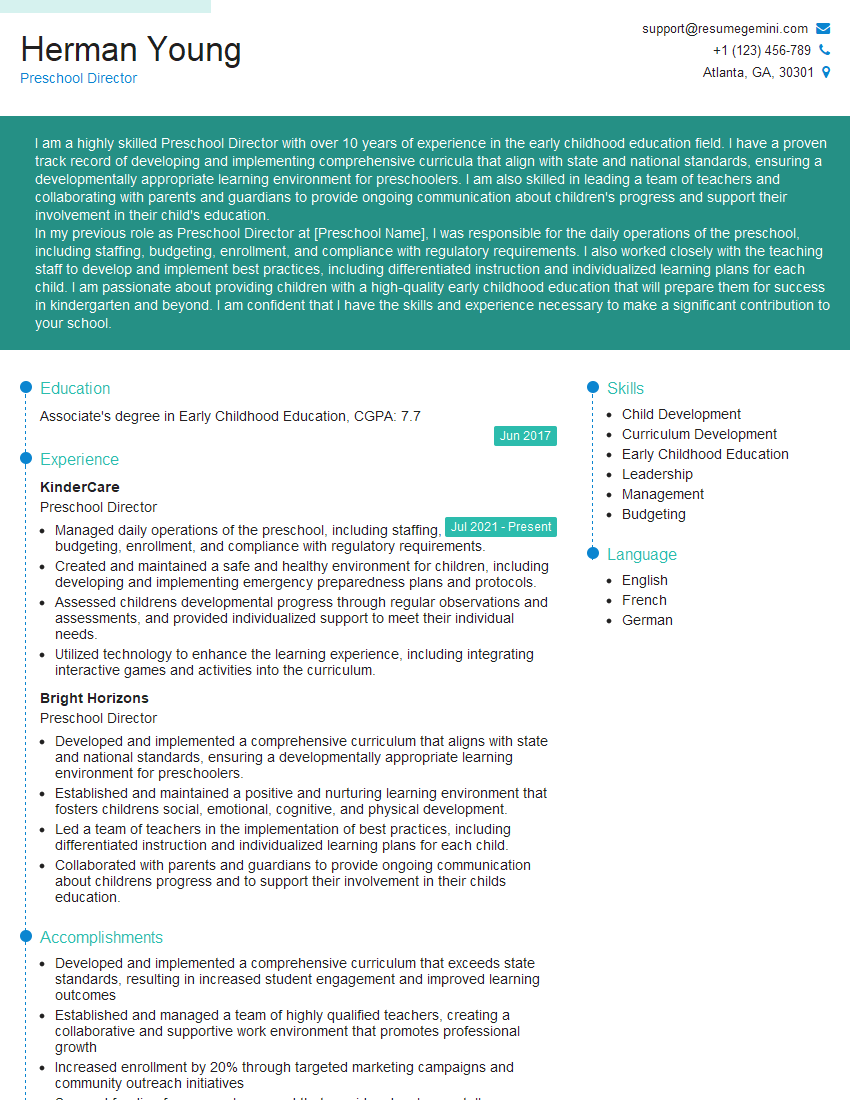
Preschool Director Resume Sample
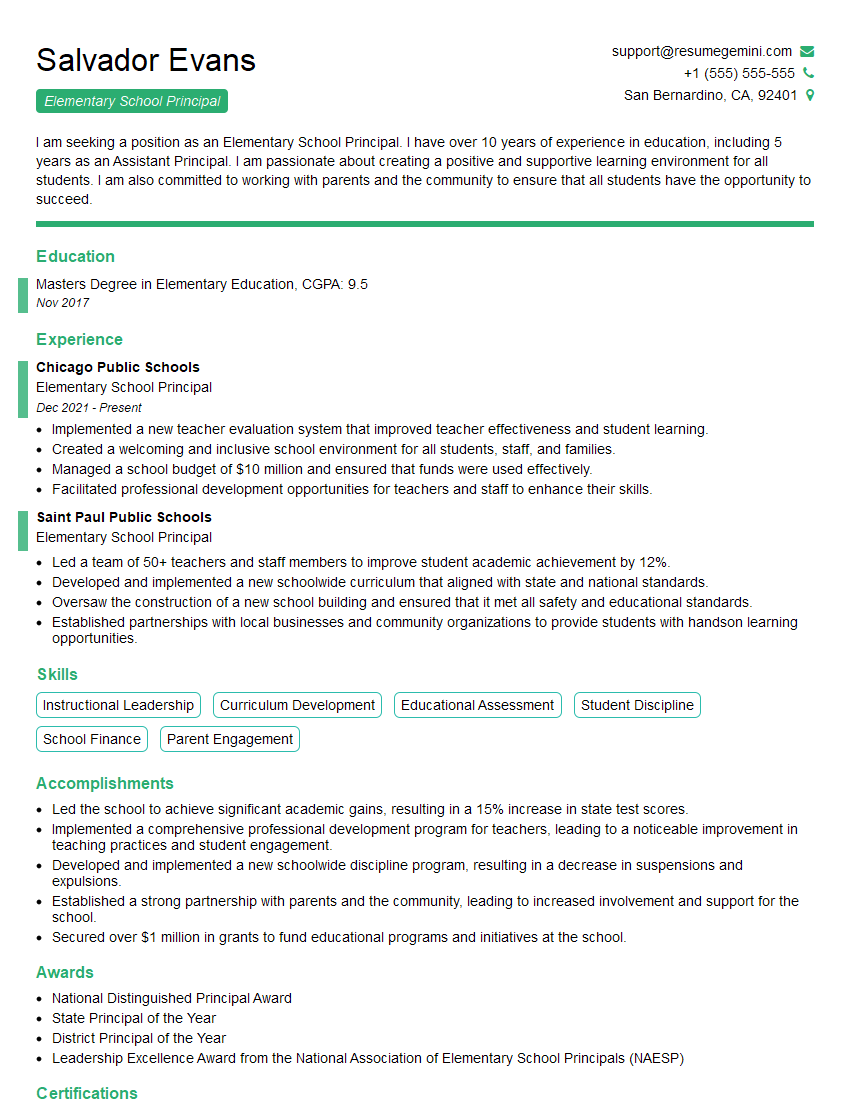
Elementary School Principal Resume Sample
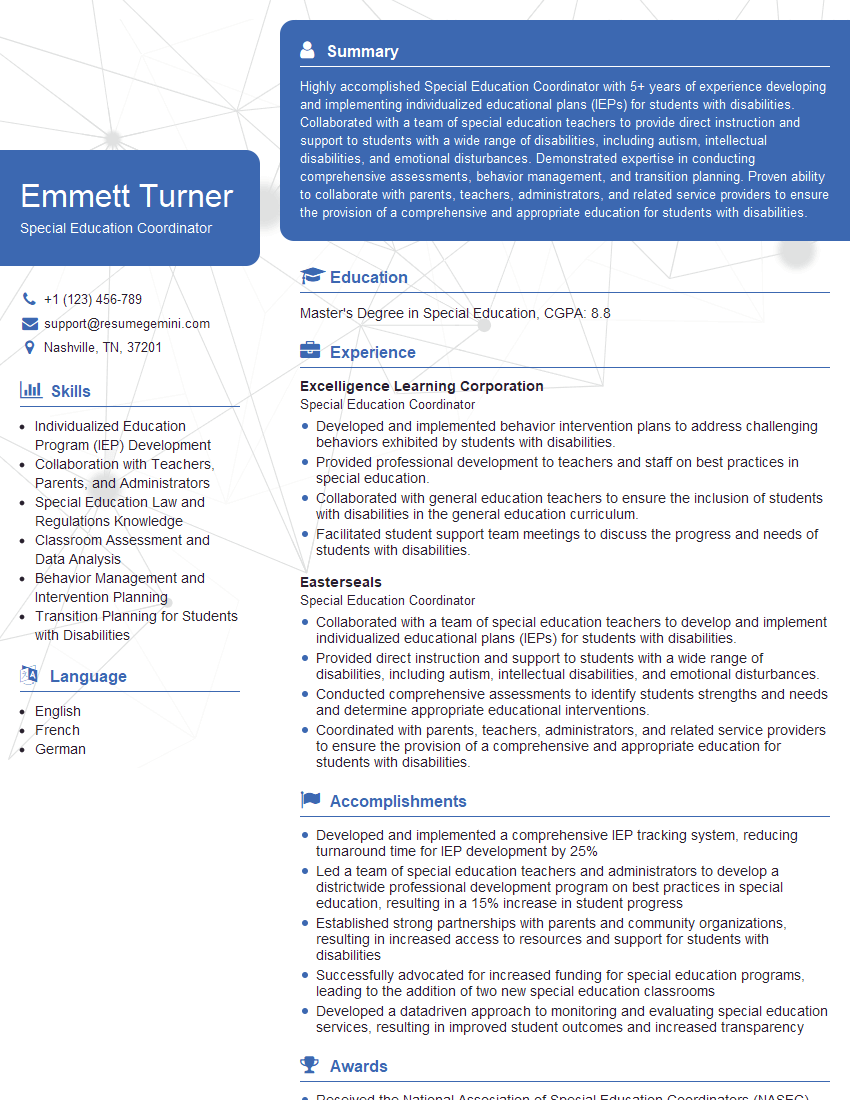
Special Education Coordinator Resume Sample
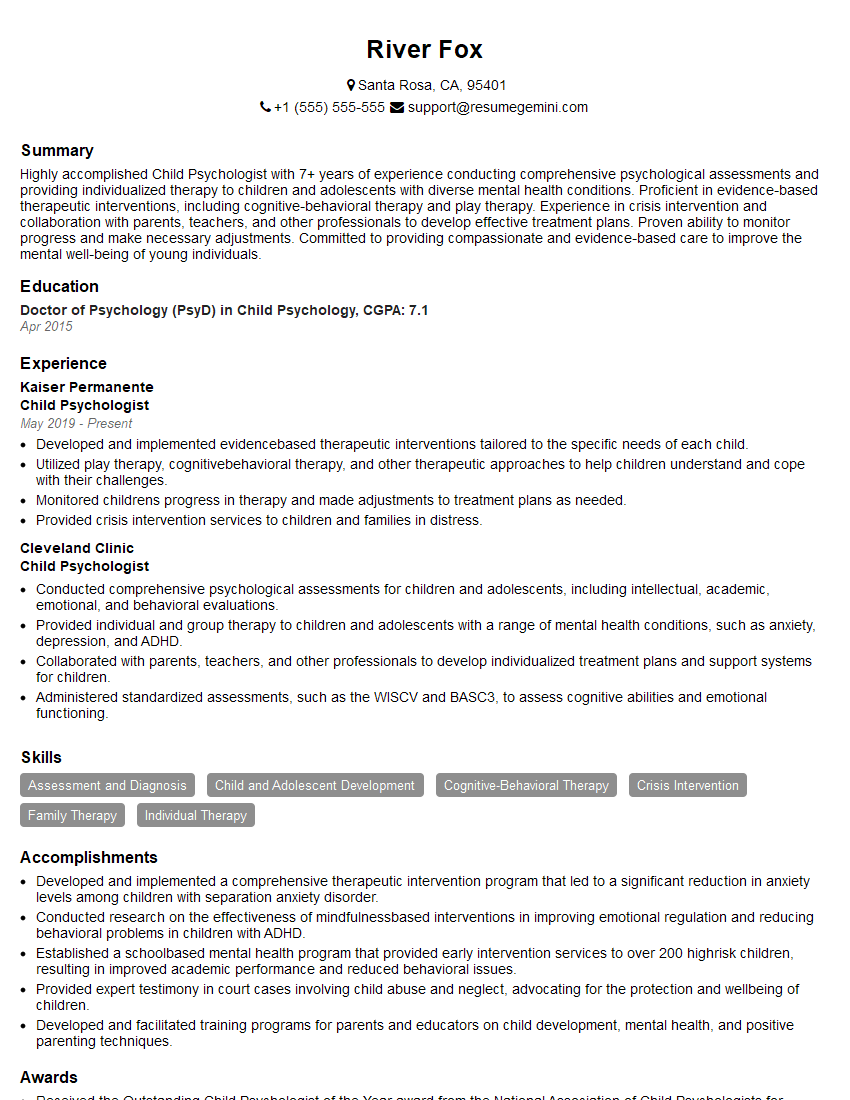
Child Psychologist Resume Sample
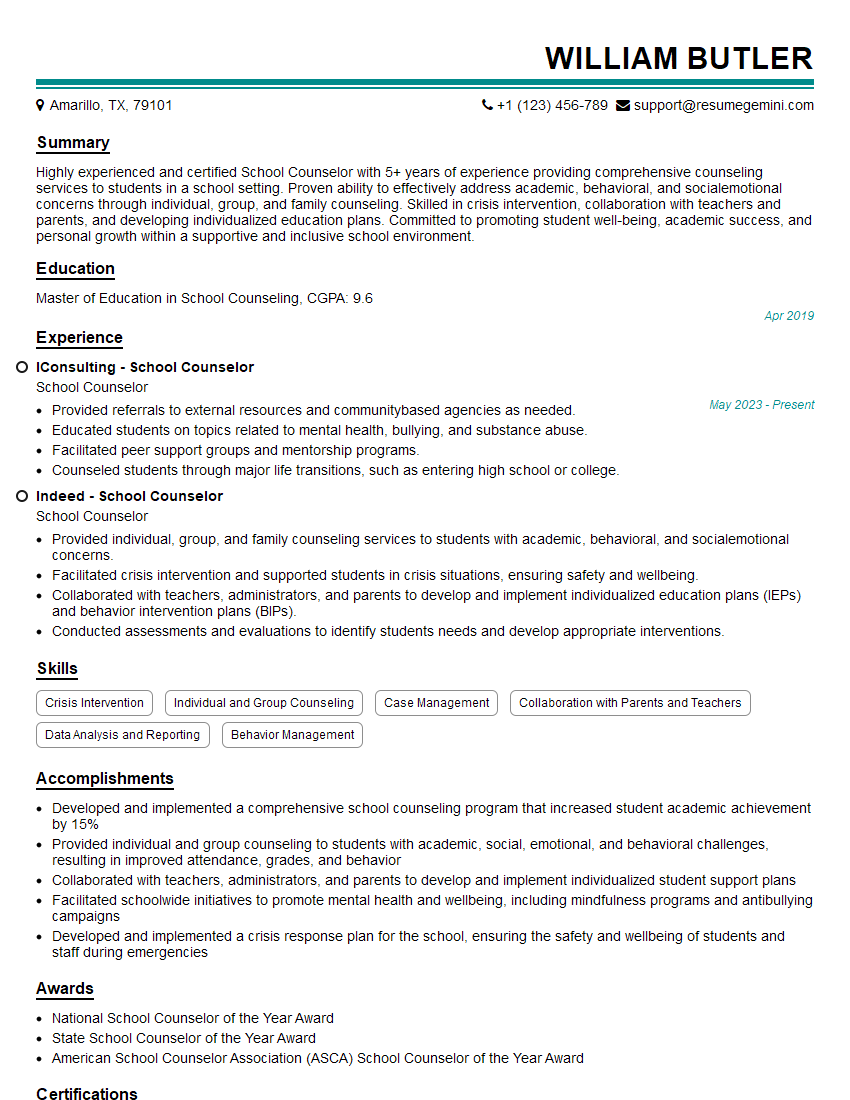
School Counselor Resume Sample
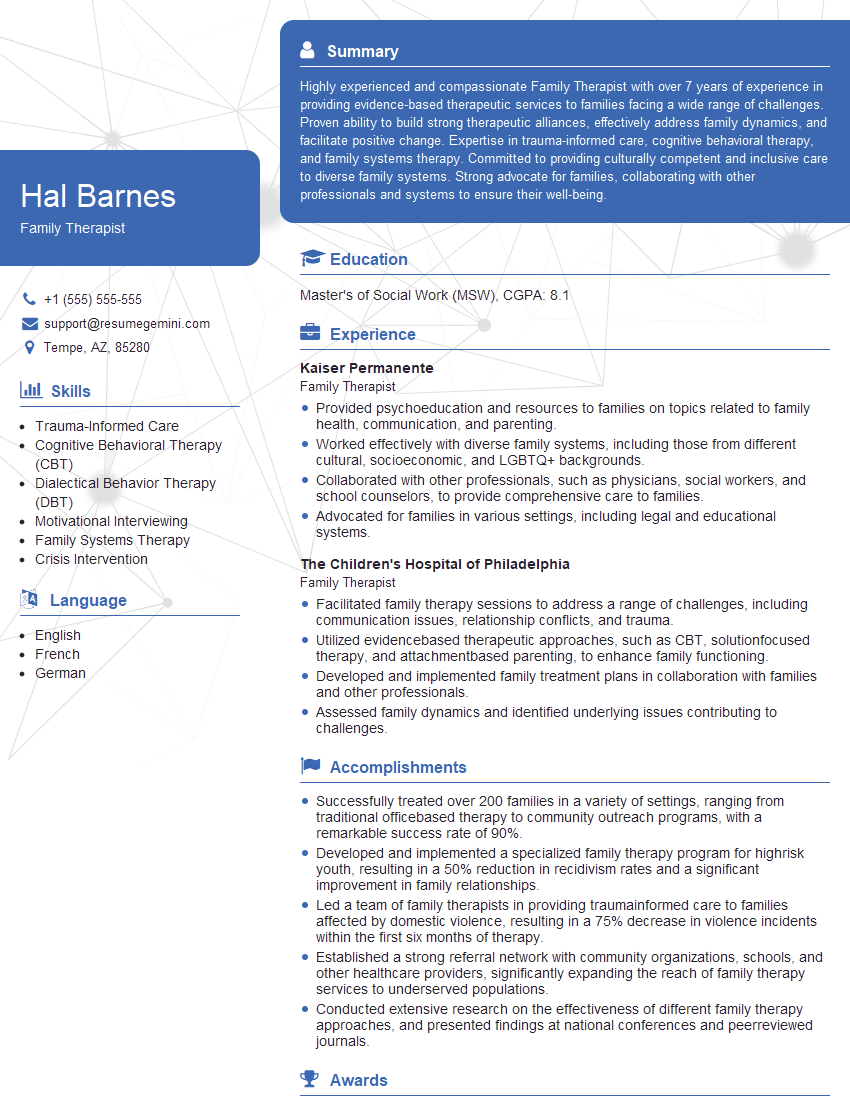
Family Therapist Resume Sample
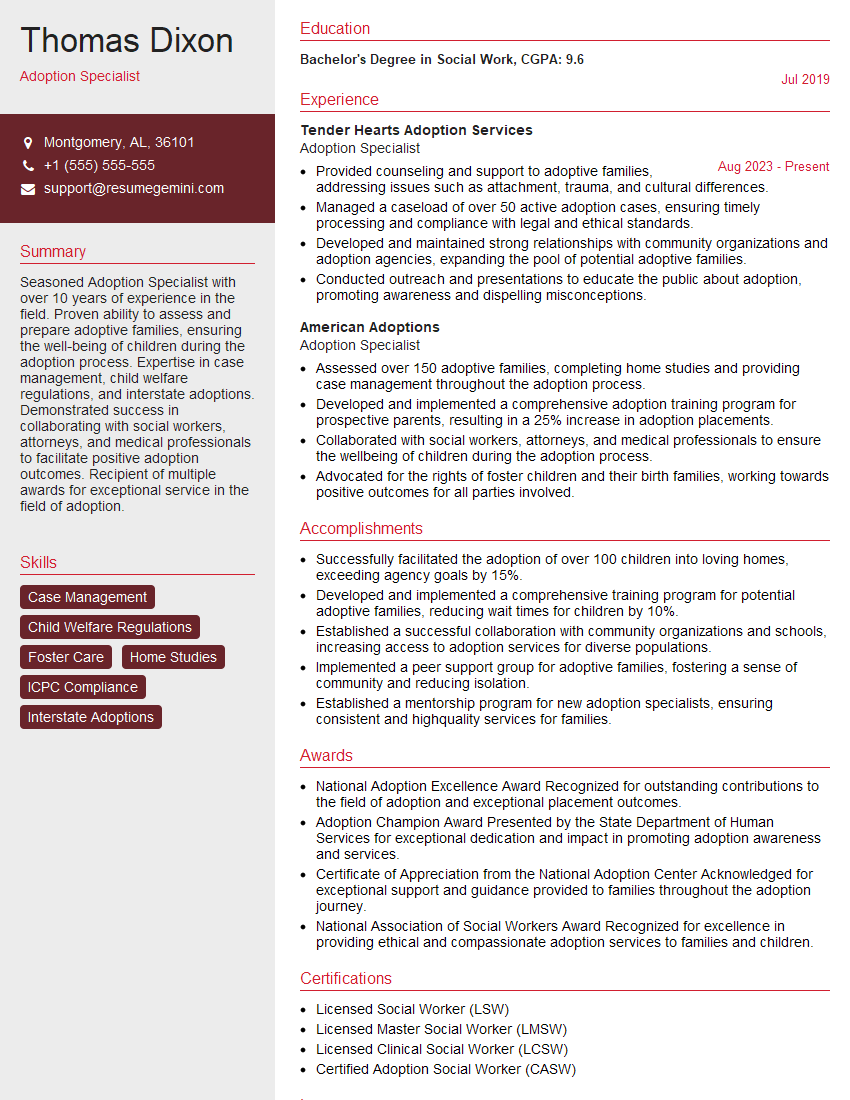
Adoption Specialist Resume Sample
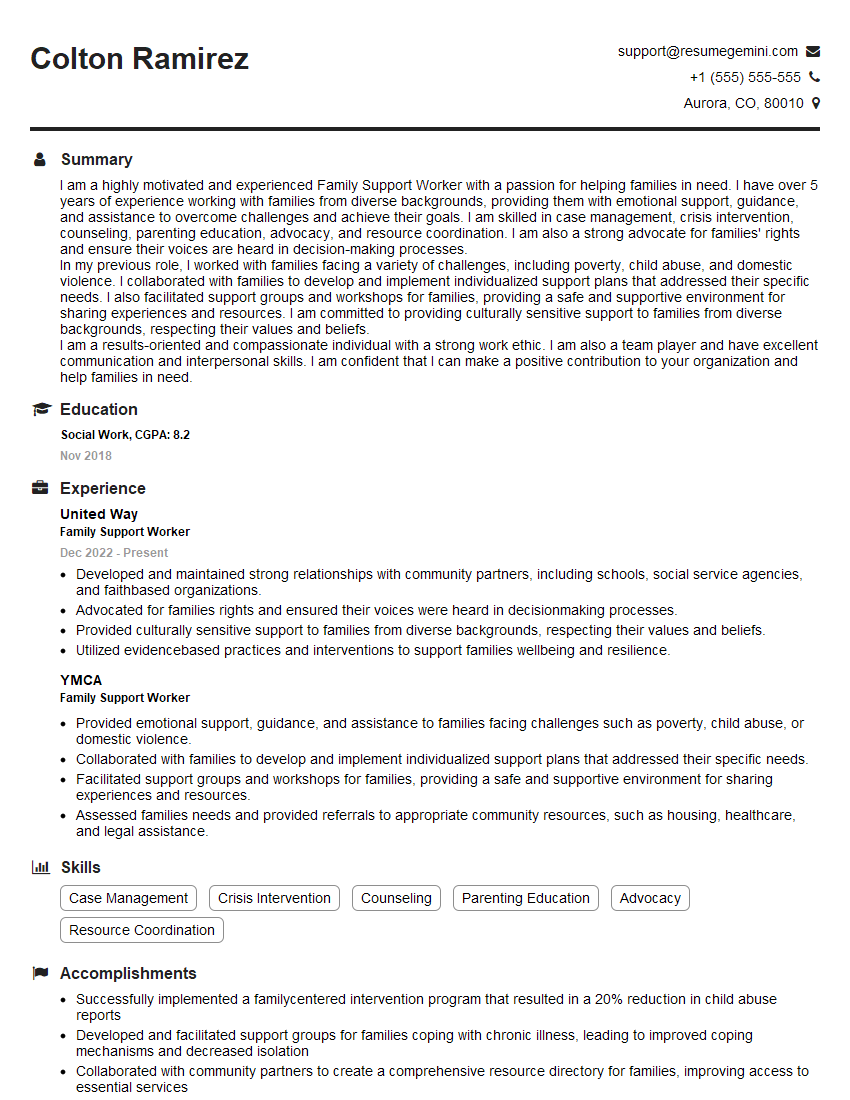
Family Support Worker Resume Sample
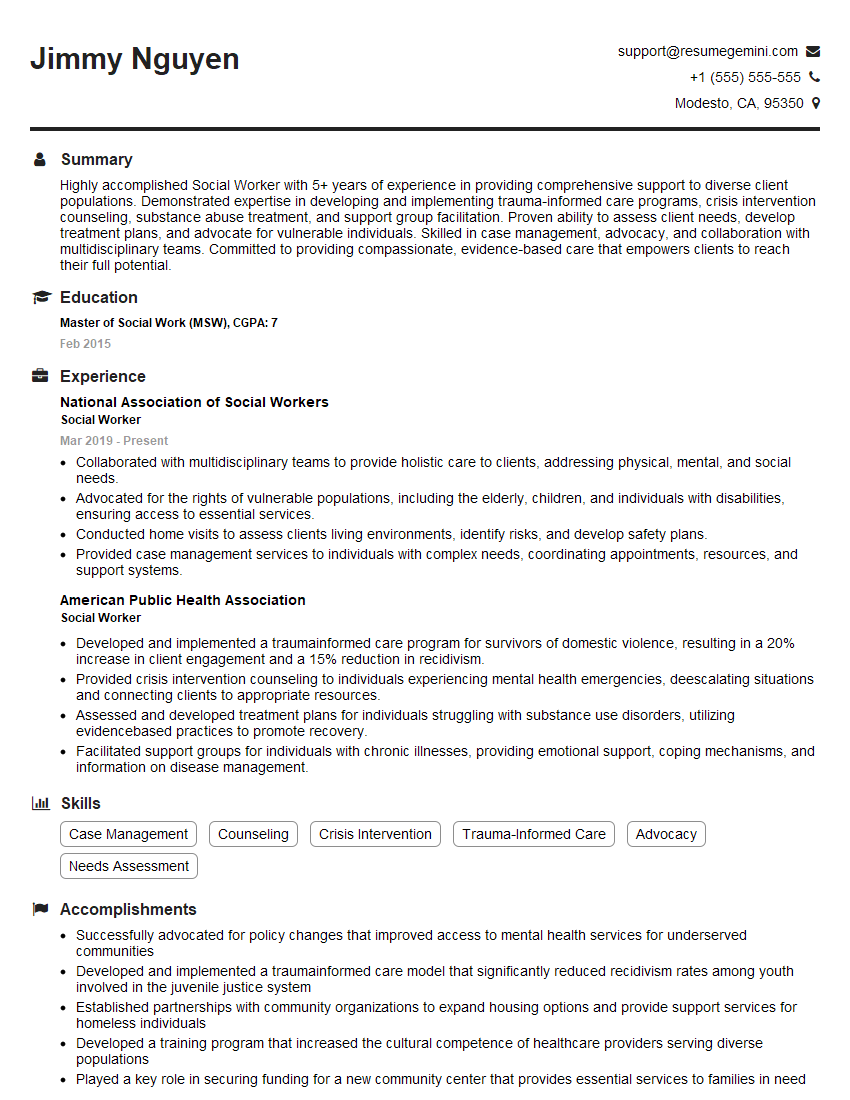
Social Worker Resume Sample
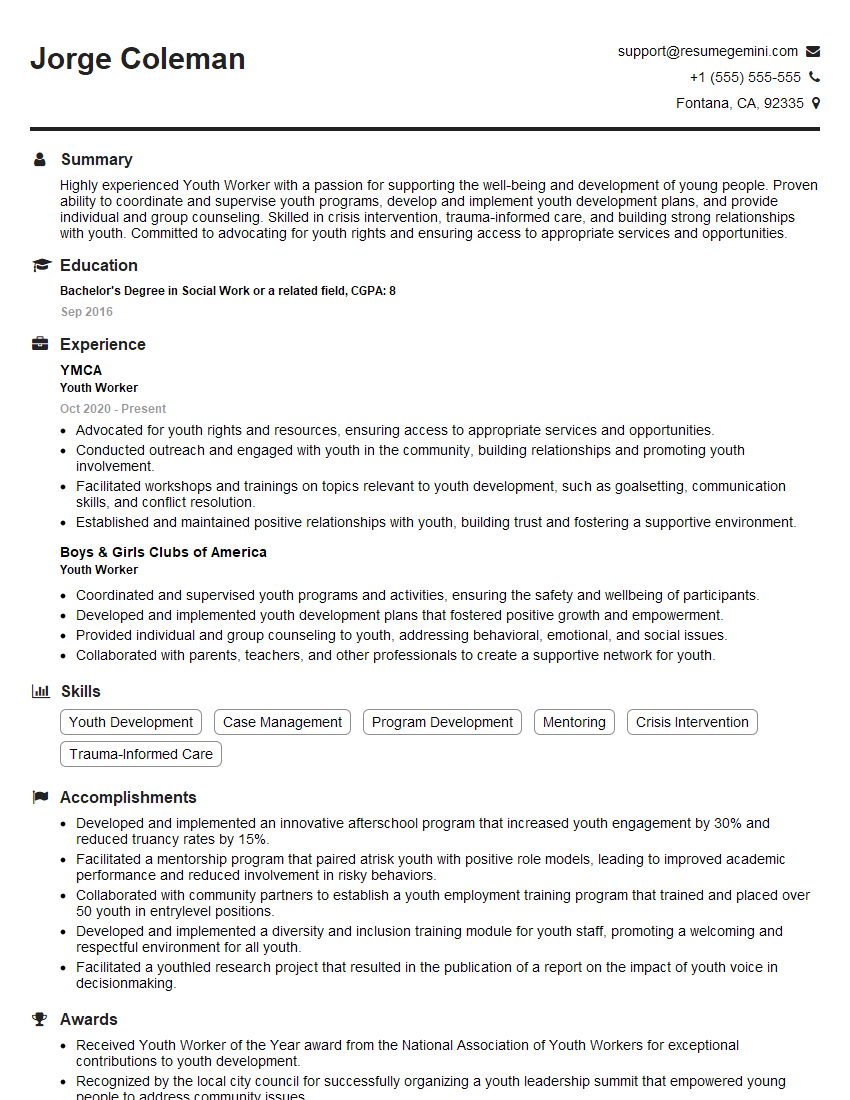
Youth Worker Resume Sample
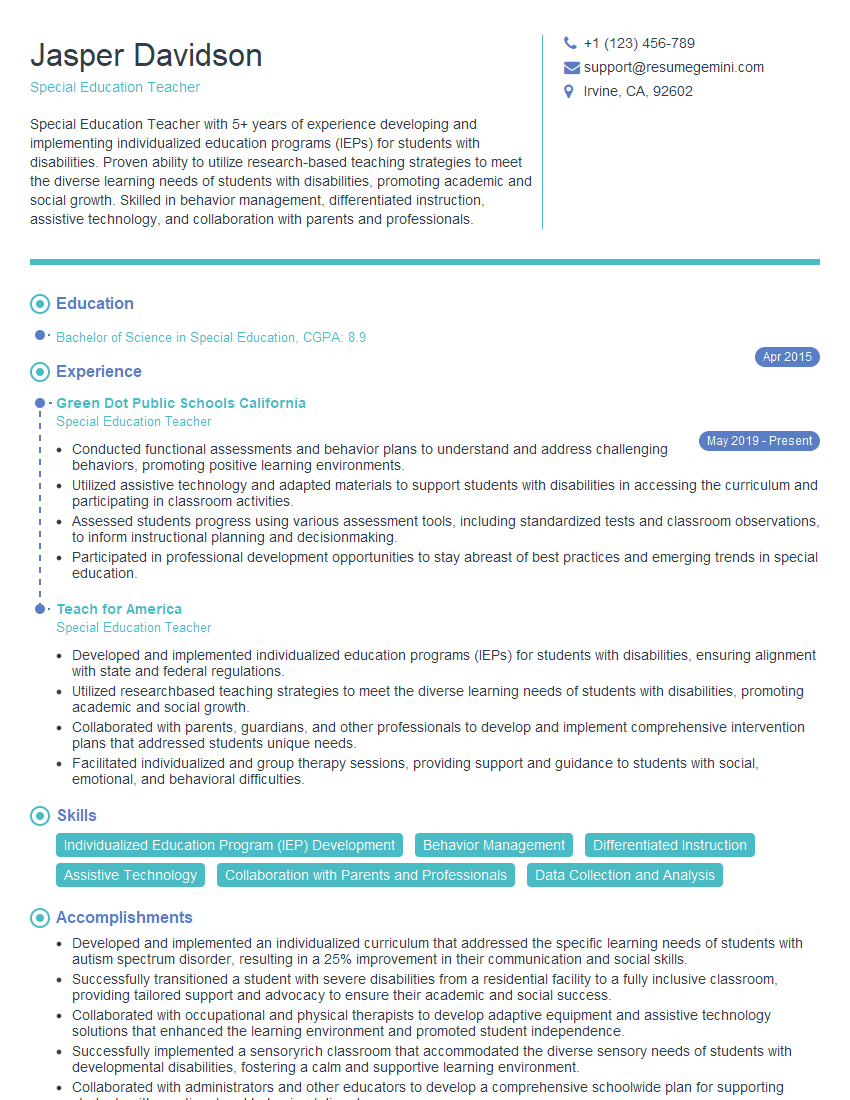
Special Education Teacher Resume Sample
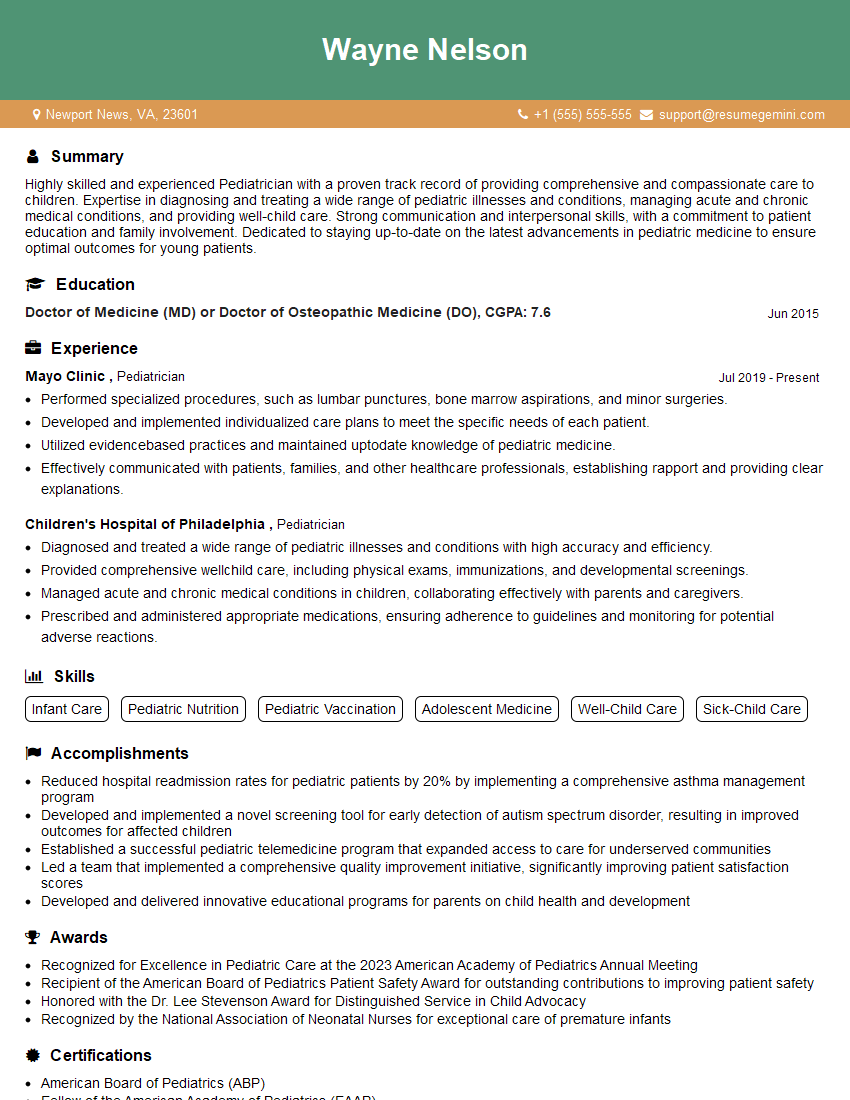
Pediatrician Resume Sample
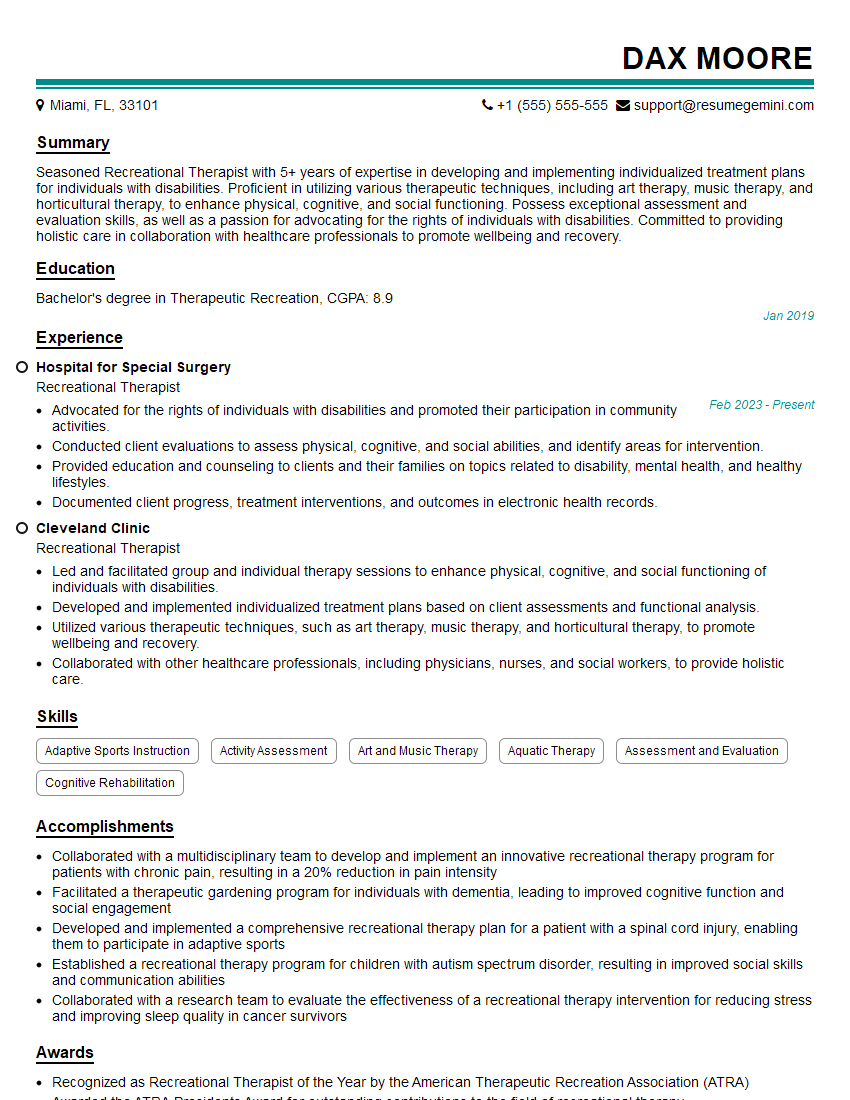
Recreational Therapist Resume Sample
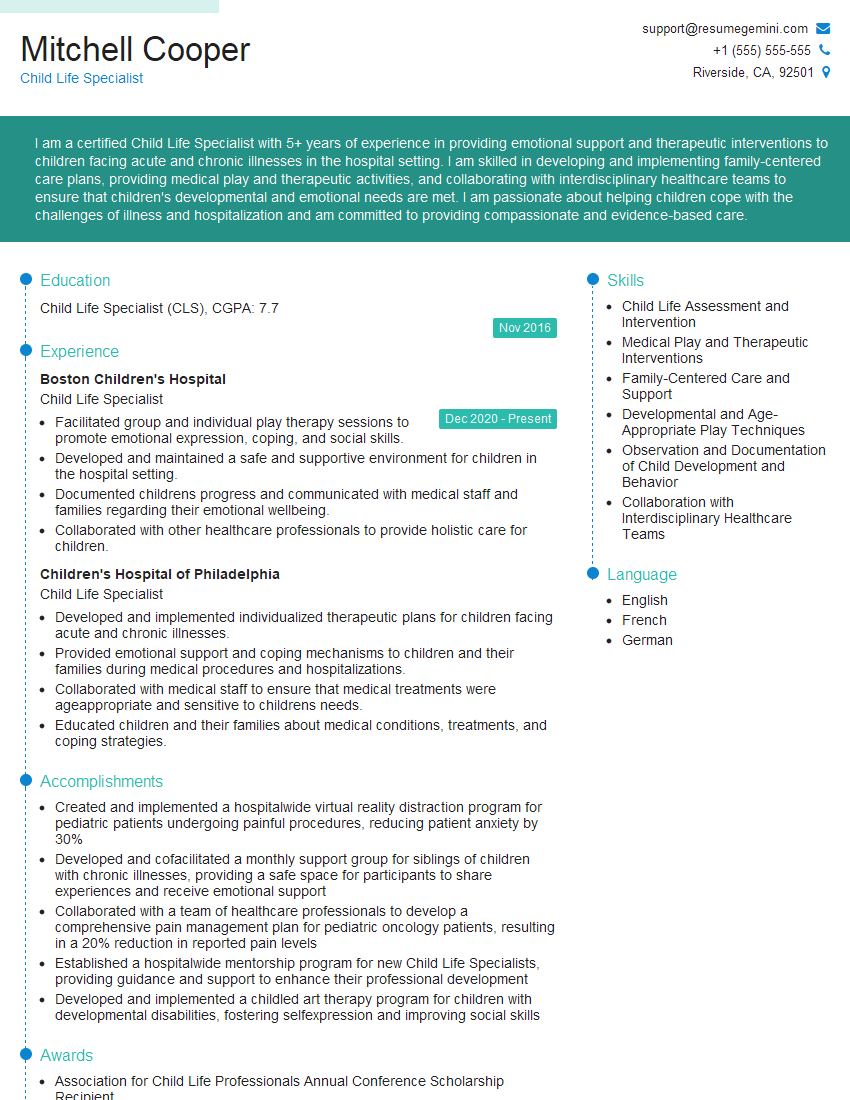
Child Life Specialist Resume Sample
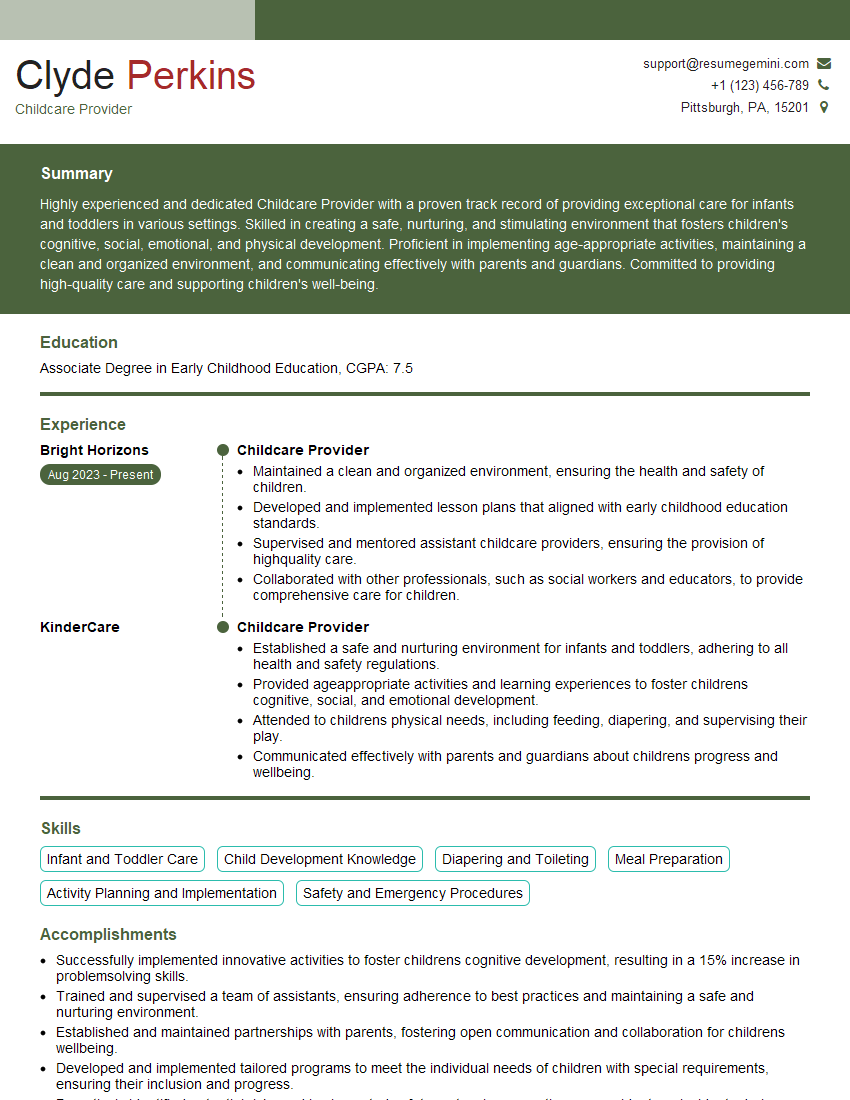
Childcare Provider Resume Sample
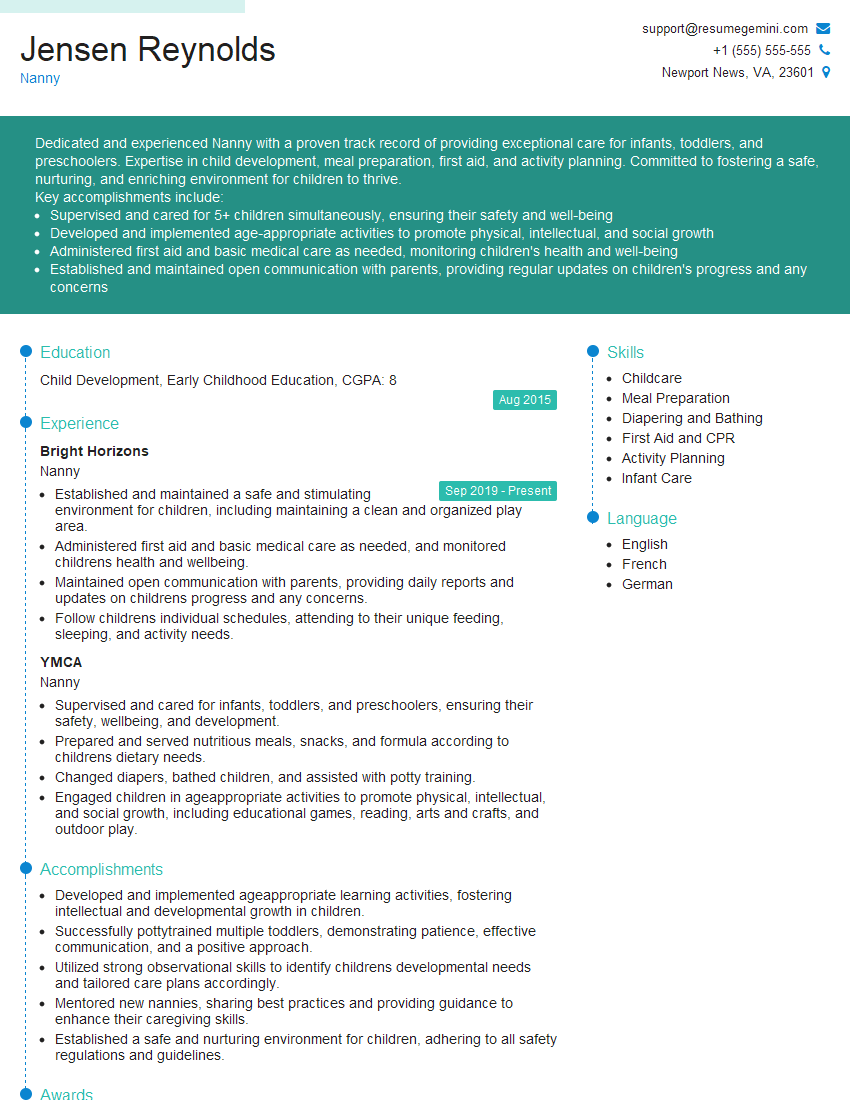
Nanny Resume Sample
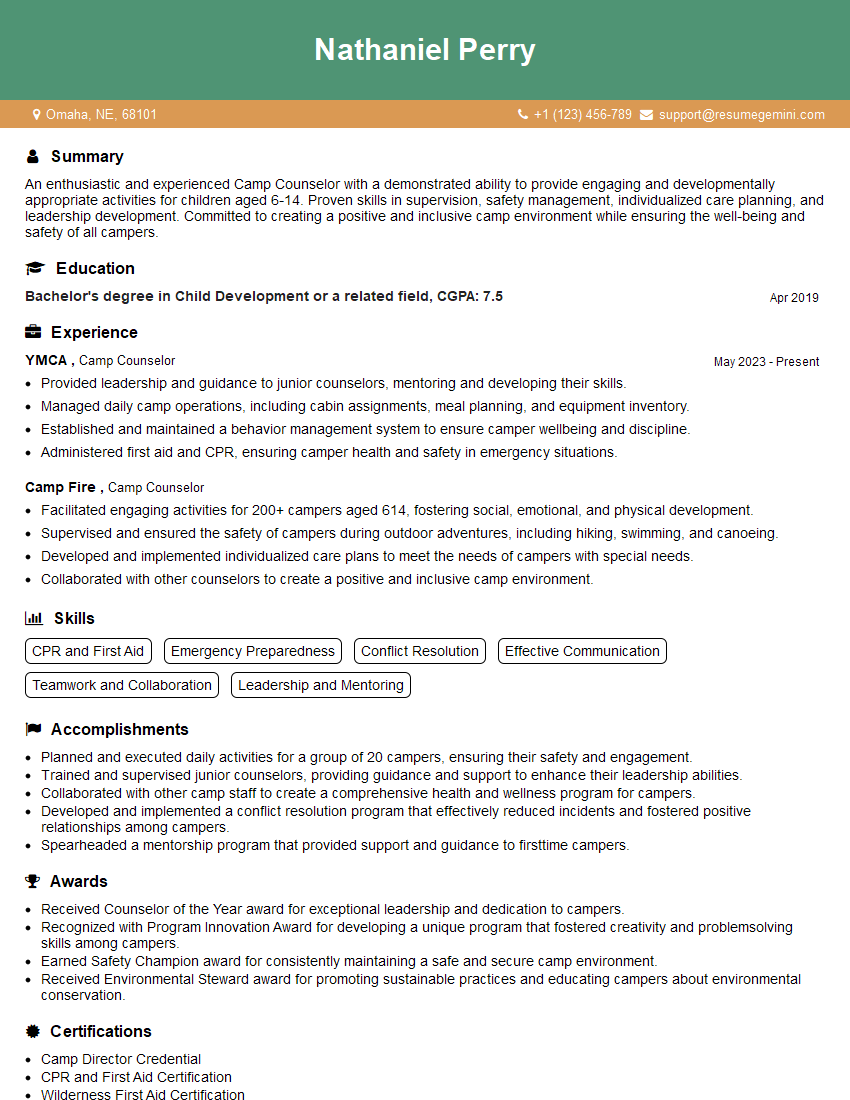
Camp Counselor Resume Sample
- Preschool Director
- Elementary School Principal
- Special Education Coordinator
- Child Psychologist
- School Counselor
- Family Therapist
- Adoption Specialist
- Family Support Worker
- Social Worker
- Youth Worker
- Special Education Teacher
- Pediatrician
- Recreational Therapist
- Child Life Specialist
- Childcare Provider
- Nanny
- Camp Counselor
Explore more articles
Users Rating of Our Blogs
Share Your Experience
We value your feedback! Please rate our content and share your thoughts (optional).
What Readers Say About Our Blog
I Redesigned Spongebob Squarepants and his main characters of my artwork.
https://www.deviantart.com/reimaginesponge/art/Redesigned-Spongebob-characters-1223583608
IT gave me an insight and words to use and be able to think of examples
Hi, I’m Jay, we have a few potential clients that are interested in your services, thought you might be a good fit. I’d love to talk about the details, when do you have time to talk?
Best,
Jay
Founder | CEO