The thought of an interview can be nerve-wracking, but the right preparation can make all the difference. Explore this comprehensive guide to Water Quality Standards interview questions and gain the confidence you need to showcase your abilities and secure the role.
Questions Asked in Water Quality Standards Interview
Q 1. Define Total Maximum Daily Load (TMDL).
Total Maximum Daily Load (TMDL) is a regulatory term used in water quality management. It represents the maximum amount of a specific pollutant that a water body can receive daily and still meet water quality standards. Think of it like a budget for pollution. Each pollutant, like nitrogen or phosphorus, has its own TMDL, calculated based on the water body’s characteristics, its designated use (e.g., swimming, fishing), and the desired water quality. Exceeding the TMDL indicates that the water body is impaired and needs remediation efforts.
For example, a lake designated for swimming might have a TMDL for phosphorus to ensure algae blooms don’t make the water unsafe. The TMDL calculation considers factors like the lake’s size, water flow, and the sensitivity of the aquatic life within it.
Q 2. Explain the difference between point and non-point source pollution.
Point source pollution and non-point source pollution are two distinct ways pollutants enter water bodies. Point source pollution comes from a single, identifiable source, like a pipe discharging wastewater from a factory or a sewage treatment plant. You can literally point to the source of the pollution. Non-point source pollution, on the other hand, is diffuse and comes from multiple, widely spread sources. Think of it like a rain shower—you can’t point to one specific raindrop, but the combined effect is significant.
Examples of point sources include industrial discharge pipes and sewage treatment plants. Examples of non-point sources include agricultural runoff (fertilizers and pesticides), urban stormwater runoff (oil, litter, pet waste), and atmospheric deposition (acid rain).
Q 3. Describe the role of dissolved oxygen (DO) in water quality.
Dissolved oxygen (DO) is crucial for aquatic life. It’s the oxygen gas dissolved in water, essential for the respiration of fish, invertebrates, and other aquatic organisms. Just like humans need oxygen to breathe, aquatic life needs DO to survive. Low DO levels, often caused by pollution from organic matter (e.g., sewage) that fuels bacterial decomposition, can lead to fish kills and disrupt the entire aquatic ecosystem. DO levels are a key indicator of water quality and are routinely monitored.
Imagine a healthy stream with high DO levels teeming with fish. Now, imagine the same stream after a sewage spill. The organic matter in the sewage consumes vast amounts of DO, causing a sharp decline and potentially killing fish and other aquatic life.
Q 4. What are the common indicators of water quality?
Many indicators help assess water quality. Some common ones include:
- Dissolved Oxygen (DO): As discussed earlier, essential for aquatic life.
- pH: Measures acidity or alkalinity. Extreme pH values can harm aquatic life.
- Turbidity: Measures water cloudiness, indicating sediment or other suspended particles.
- Temperature: Water temperature affects DO levels and the survival of aquatic organisms.
- Nutrients (Nitrogen and Phosphorus): Excess nutrients can cause eutrophication (algae blooms) leading to oxygen depletion.
- Bacteria (e.g., E. coli): Indicates fecal contamination and potential health risks.
- Heavy metals (e.g., lead, mercury): Toxic pollutants that can bioaccumulate in the food chain.
The specific indicators monitored vary depending on the water body’s intended use and the potential pollutants.
Q 5. How do you assess the impact of agricultural runoff on water quality?
Agricultural runoff significantly impacts water quality. Fertilizers and pesticides used in agriculture can wash off fields during rainfall, entering nearby streams and rivers. This runoff introduces excess nutrients (nitrogen and phosphorus), leading to eutrophication and algal blooms. Pesticides can also be toxic to aquatic life and contaminate drinking water sources. We assess this impact by monitoring water quality parameters both upstream and downstream of agricultural areas. We also use modeling techniques to simulate runoff pathways and pollutant transport. This often involves collecting water samples at various points, analyzing them for nutrients, pesticides, and other relevant parameters, and comparing the results to establish the impact of agricultural activities.
For example, a comparison of nutrient levels in a river upstream and downstream of a large farm can reveal the farm’s contribution to nutrient pollution. Furthermore, soil erosion modeling combined with water sampling can show how soil-bound pollutants are introduced into the water system.
Q 6. Explain the process of water quality sampling and analysis.
Water quality sampling and analysis is a systematic process involving several steps:
- Planning: Defining objectives, selecting sampling locations, and determining the frequency and duration of sampling.
- Sampling: Collecting representative samples using appropriate techniques (e.g., grab samples, composite samples). Sample preservation is crucial to prevent changes in the sample’s composition.
- Analysis: Analyzing samples in a laboratory using various techniques, including chemical tests, microbiological assays, and physical measurements (e.g., DO, pH, turbidity). Quality assurance/quality control (QA/QC) measures are essential to ensure accurate and reliable results.
- Data interpretation: Analyzing the results, comparing them to water quality standards, and interpreting their meaning in the context of the water body’s health and intended uses.
- Reporting: Preparing a comprehensive report summarizing the findings and recommendations for management actions.
This process requires specialized equipment, trained personnel, and adherence to standard operating procedures to guarantee the reliability of the data obtained.
Q 7. Describe different water quality treatment methods.
Various water quality treatment methods exist, depending on the pollutants and the desired level of treatment. These include:
- Coagulation and flocculation: Removes suspended solids by adding chemicals to clump particles together.
- Sedimentation: Allows larger particles to settle out of the water.
- Filtration: Removes remaining suspended solids using various filter media (e.g., sand, gravel, activated carbon).
- Disinfection: Kills harmful microorganisms using chlorine, UV light, or ozone.
- Activated sludge: Biological treatment using microorganisms to break down organic matter.
- Reverse osmosis: Removes dissolved salts and other impurities using a semi-permeable membrane.
The specific methods used depend on the water source, the pollutants present, and the intended use of the treated water. For example, a municipal drinking water treatment plant will utilize a combination of these methods, while a smaller scale system treating agricultural runoff might focus on simpler methods like sedimentation and filtration.
Q 8. What are the key regulations governing water quality in your region?
The key regulations governing water quality in my region (let’s assume this is the United States for this example) are complex and multi-layered. At the federal level, the Clean Water Act (CWA) is the cornerstone. It sets national goals for water quality and establishes the regulatory framework for states to implement. The Environmental Protection Agency (EPA) sets national water quality criteria, which are scientifically-derived guidelines for protecting aquatic life and human health. These criteria often focus on specific pollutants like heavy metals, nutrients, and pathogens.
At the state level, individual states develop water quality standards (WQS) that are at least as stringent as the EPA’s criteria. These standards often incorporate site-specific considerations, like local ecosystems and land use patterns. States then use these WQS to issue permits for discharges to surface waters (e.g., industrial wastewater permits under the National Pollutant Discharge Elimination System, or NPDES). Enforcement is a shared responsibility between the EPA and state environmental agencies. There are also relevant regulations for drinking water, governed primarily by the Safe Drinking Water Act (SDWA), which sets standards for contaminants in public drinking water systems.
Finally, there are often local ordinances and regulations that add another layer of protection, focusing on specific issues relevant to a particular region (e.g., groundwater protection ordinances in areas with karst geology).
Q 9. How do you interpret water quality data and reports?
Interpreting water quality data involves a multi-step process that requires both technical skills and critical thinking. First, I’d thoroughly review the methods used to collect and analyze the samples. Were the samples representative of the water body? Were appropriate quality assurance/quality control (QA/QC) measures implemented? Discrepancies in data can often be traced back to problems at this stage.
Next, I’d examine the data itself, looking for trends and patterns. Are pollutant concentrations exceeding water quality standards? Are there seasonal variations? I’d use statistical methods (e.g., time series analysis, trend analysis) to identify significant changes and to assess the statistical significance of those changes. Visualizations, like graphs and charts, are invaluable in this step.
Finally, I’d interpret the data in the context of the overall water body’s characteristics and potential stressors. For instance, high nutrient levels might indicate agricultural runoff, while elevated bacterial counts could suggest sewage contamination. The interpretation needs to integrate the data with other information, such as land use maps, rainfall data, and information on industrial activity in the area.
Q 10. What are the health risks associated with contaminated water?
Contaminated water poses a wide range of health risks, varying depending on the type and concentration of contaminants present. For example, exposure to pathogens like E. coli or Salmonella can lead to gastrointestinal illnesses, ranging from mild diarrhea to severe, life-threatening infections.
Exposure to heavy metals like lead or mercury can cause neurological damage, developmental problems (particularly in children), and kidney damage. Exposure to certain chemicals, such as pesticides or industrial solvents, can cause cancers, reproductive problems, and other chronic health issues. Nitrate contamination can lead to methemoglobinemia, particularly in infants, causing ‘blue baby syndrome’.
The severity of the health risks depends on several factors: the concentration of the contaminant, the duration and frequency of exposure, and individual susceptibility. Children and vulnerable populations (e.g., the elderly, people with compromised immune systems) are often at greater risk.
Q 11. Explain the concept of eutrophication.
Eutrophication is the excessive enrichment of a water body with nutrients, primarily nitrogen and phosphorus. This typically leads to an overgrowth of algae and aquatic plants, a process called algal blooms. While algae are a natural part of aquatic ecosystems, excessive growth disrupts the balance.
The consequences can be severe. Algal blooms can block sunlight, inhibiting the growth of submerged aquatic plants and reducing dissolved oxygen levels in the water. This can lead to fish kills and the death of other aquatic organisms. Some algal blooms produce toxins that are harmful to humans and animals. Eutrophication also reduces the aesthetic value of water bodies, making them less suitable for recreation and other uses.
Common sources of excess nutrients include agricultural runoff (fertilizers), sewage discharge, and industrial wastewater. Managing eutrophication often involves reducing nutrient inputs from these sources, improving wastewater treatment, and implementing best management practices in agriculture.
Q 12. Describe your experience with water quality modeling software.
I have extensive experience using various water quality modeling software packages, including QUAL2K, MIKE 11, and HEC-RAS. I’m proficient in developing and calibrating models to simulate water quality parameters such as dissolved oxygen, nutrient concentrations, and pathogen transport. For example, I used QUAL2K to model the impact of a proposed wastewater treatment plant upgrade on downstream dissolved oxygen levels in a river, allowing us to predict the impact before the upgrade was implemented. This allowed for a proactive and data-driven design.
My experience extends to using these models for various purposes, including impact assessments, regulatory compliance, and the development of Total Maximum Daily Loads (TMDLs). I understand the limitations of modeling and the importance of using appropriate models for specific situations, incorporating robust field data for calibration and validation.
I can also use GIS software to integrate spatial data with my models, enabling more detailed analysis and visualization of results.
Q 13. How do you handle discrepancies in water quality data?
Handling discrepancies in water quality data requires a systematic approach. The first step is to thoroughly investigate the potential sources of error. This could involve reviewing field data collection methods, laboratory analysis procedures, and data entry processes. Were there any unusual events during sampling or analysis (e.g., equipment malfunction, extreme weather conditions)?
Data validation is crucial. I’d look for outliers and inconsistencies, comparing them to historical data and data from nearby monitoring stations. Statistical methods can help identify values that are significantly different from the expected range. If the discrepancy is significant and cannot be explained, I might consider rejecting the outlier data point, or I might need to collect additional samples to verify the result.
If the discrepancy is systemic, then more extensive investigation might be needed to identify and correct any errors in the sampling, analysis, or data management procedures. This might involve retracing steps in the process, reviewing quality control measures, or recalibrating instruments.
Q 14. What are the different types of water pollutants?
Water pollutants can be broadly classified into several categories:
- Nutrients: Nitrogen and phosphorus from fertilizers, sewage, and other sources can lead to eutrophication.
- Pathogens: Bacteria, viruses, and parasites from sewage and animal waste can cause waterborne diseases.
- Heavy metals: Lead, mercury, cadmium, and other metals can be toxic to aquatic life and humans.
- Organic chemicals: Pesticides, herbicides, industrial solvents, and pharmaceuticals can have a range of adverse effects.
- Sediments: Soil erosion from construction, agriculture, and other land uses can cloud the water, harming aquatic life and reducing water quality.
- Thermal pollution: Discharge of heated water from power plants and industrial facilities can alter water temperature, impacting aquatic life.
- Radioactive materials: Leaks from nuclear facilities or improper disposal of radioactive waste can contaminate water sources.
- Plastics and Microplastics: These materials persist in the environment, causing harm to wildlife and potentially human health through ingestion.
The specific types and concentrations of pollutants will vary depending on the source and location. Many water bodies are impacted by a combination of multiple pollutants, making assessment and management complex.
Q 15. Explain the importance of pH in water quality.
pH, a measure of hydrogen ion concentration, is crucial for water quality because it dictates the acidity or alkalinity of water. A pH of 7 is neutral; below 7 is acidic, and above 7 is alkaline. The optimal pH range for most aquatic life is between 6.5 and 8.5.
Importance:
- Toxicity of metals: The solubility and thus toxicity of many heavy metals like lead and mercury increases at lower pH levels, making them more bioavailable and harmful to aquatic organisms and humans.
- Nutrient availability: The pH affects the availability of essential nutrients like phosphorus and nitrogen to plants and algae. Extreme pH can hinder nutrient uptake.
- Corrosion: Highly acidic water can corrode pipes and infrastructure, leading to metal leaching into the water supply.
- Biological processes: pH affects the activity of enzymes and other biological processes in aquatic organisms, impacting their growth and survival. For example, many fish species have very narrow pH tolerance ranges.
Example: A significant drop in pH in a lake due to acid rain can lead to fish kills and damage to the entire ecosystem.
Career Expert Tips:
- Ace those interviews! Prepare effectively by reviewing the Top 50 Most Common Interview Questions on ResumeGemini.
- Navigate your job search with confidence! Explore a wide range of Career Tips on ResumeGemini. Learn about common challenges and recommendations to overcome them.
- Craft the perfect resume! Master the Art of Resume Writing with ResumeGemini’s guide. Showcase your unique qualifications and achievements effectively.
- Don’t miss out on holiday savings! Build your dream resume with ResumeGemini’s ATS optimized templates.
Q 16. How does temperature affect water quality?
Temperature significantly impacts water quality in several ways. Warmer water generally holds less dissolved oxygen than colder water, affecting aquatic life which requires oxygen for respiration. Temperature also influences the rate of chemical and biological reactions in water.
Effects:
- Dissolved oxygen: Increased temperature decreases the solubility of oxygen, leading to potential hypoxia (low oxygen) or anoxia (no oxygen) in water bodies, harming aquatic organisms. Think of a warm, stagnant pond – it’s often low in oxygen.
- Nutrient cycling: Higher temperatures accelerate decomposition processes, increasing nutrient levels, which can fuel algal blooms, depleting further oxygen and creating dead zones.
- Toxicity: The toxicity of some pollutants can be affected by temperature. For example, the toxicity of some pesticides may increase at higher temperatures.
- Water stratification: Temperature differences create layers in water bodies (stratification), affecting nutrient mixing and oxygen distribution. This can result in significant oxygen depletion in lower layers.
Example: Thermal pollution from power plants discharging warm water into rivers can cause significant oxygen depletion and harm fish populations downstream.
Q 17. Describe your experience with water quality monitoring equipment.
Throughout my career, I’ve extensively used a variety of water quality monitoring equipment. My experience encompasses both field and laboratory techniques.
Field Equipment:
- Multi-parameter probes: These instruments simultaneously measure pH, dissolved oxygen, conductivity, temperature, and turbidity, providing real-time data in the field. I am proficient in calibrating and maintaining these probes to ensure accurate readings. For instance, I’ve utilized YSI ProDSS probes extensively for stream monitoring.
- Water samplers: I’ve employed various water samplers, from simple dippers for surface water to sophisticated depth-integrated samplers for accurate collection at different depths in lakes and reservoirs. Proper sampling techniques are crucial for reliable data.
- Portable spectrophotometers: I’ve used these devices to measure nutrient concentrations (nitrate, phosphate) and other specific parameters in the field or in temporary labs on-site.
Laboratory Equipment:
- Inductively Coupled Plasma Mass Spectrometry (ICP-MS): This powerful technique allows the detection and quantification of trace metals in water samples.
- High-Performance Liquid Chromatography (HPLC): I have used HPLC to analyze organic contaminants such as pesticides and herbicides in water samples.
- Ion chromatography: For determining anions and cations in water samples with high accuracy.
My experience extends beyond simply operating this equipment to understanding its limitations and selecting the appropriate tools for specific applications and monitoring objectives. For example, I would not use a dipper for sampling a deep, fast-flowing river. Careful selection and calibration are paramount for data quality.
Q 18. What are the challenges of managing water quality in urban areas?
Managing water quality in urban areas presents unique and significant challenges due to high population density, industrial activity, and complex infrastructure.
Challenges:
- Combined sewer overflows (CSOs): During heavy rainfall, CSOs discharge untreated sewage and stormwater into waterways, leading to significant pollution events. This is a major concern in older cities.
- Non-point source pollution: Runoff from roads, parking lots, and construction sites carries pollutants (oil, heavy metals, pesticides) into waterways, making it difficult to pinpoint the sources and implement effective controls.
- Aging infrastructure: Leaky water pipes and aging sewage systems contribute to water loss and potential contamination.
- Industrial discharge: Industrial facilities release a wide variety of pollutants, requiring stringent monitoring and regulation.
- Urban heat island effect: Increased temperatures in urban areas can exacerbate water quality issues, especially low dissolved oxygen.
Addressing Challenges: Effective management requires a multifaceted approach including upgrading infrastructure, implementing green infrastructure solutions (e.g., rain gardens, permeable pavements), stringent regulations on industrial discharge, and public education campaigns to promote responsible waste disposal and water conservation. Involving the community in identifying and addressing local issues is critical.
Q 19. How do you ensure the accuracy and reliability of water quality data?
Ensuring accurate and reliable water quality data is paramount. It demands meticulous attention to detail throughout the entire process, from sample collection to data analysis.
Strategies:
- Quality assurance/quality control (QA/QC): Implementing a robust QA/QC program is essential. This includes using certified reference materials, conducting duplicate analyses, participating in interlaboratory comparisons, and maintaining detailed chain-of-custody records. Blind samples are also used to ensure consistent laboratory techniques.
- Proper sampling techniques: Employing standardized sampling procedures is vital. This includes using appropriate sampling equipment, avoiding contamination, and documenting sample location, date, time, and other relevant information.
- Calibration and maintenance: Regular calibration and maintenance of equipment are crucial for accuracy and reliability. Calibration records and maintenance logs must be scrupulously kept.
- Data validation and verification: Raw data should undergo rigorous validation and verification checks to identify outliers and inconsistencies. Appropriate statistical methods can help identify unusual results which need to be investigated.
- Data management: Utilizing a well-structured data management system facilitates efficient data storage, retrieval, and analysis.
Example: If a pH measurement is consistently outside the expected range and cannot be explained, it necessitates investigating the cause, potentially including recalibrating the probe, or even re-sampling at the location.
Q 20. Explain your understanding of the Clean Water Act (or relevant local legislation).
The Clean Water Act (CWA) in the United States is a cornerstone of water quality legislation. Its primary goal is to restore and maintain the chemical, physical, and biological integrity of the nation’s waters.
Key aspects:
- National Pollution Discharge Elimination System (NPDES): This permit program regulates point source discharges of pollutants into waters, requiring facilities to obtain permits and meet specific effluent limits.
- Water Quality Standards: The CWA mandates states to establish water quality standards, including designated uses (e.g., drinking water, recreation, aquatic life) and criteria to protect those uses. These criteria frequently include limits on pollutants, such as bacteria, nutrients, and heavy metals. These standards are legally enforceable.
- Non-point source pollution control: While the CWA primarily targets point sources, it also addresses non-point source pollution through best management practices (BMPs) promoting responsible land management and reducing runoff.
- Citizen involvement: The CWA encourages public participation in protecting water quality. Citizens can use the act to petition for enforcement actions if necessary.
Practical Application: My work regularly involves interpreting and applying CWA regulations, ensuring that water quality data meets regulatory requirements and that any violations are appropriately addressed. Understanding the designated uses of a water body and the specific criteria established to protect them is fundamental in assessing water quality data.
Q 21. Describe your experience with water quality risk assessment.
Water quality risk assessment is a systematic process to identify, analyze, and manage potential risks to water quality. It involves evaluating potential stressors, their likelihood of occurrence, and their potential impacts on water quality and human health.
Steps:
- Problem definition: Clearly define the scope of the assessment and the specific water quality issues of concern.
- Stressor identification: Identify potential stressors impacting water quality, including point and non-point sources of pollution.
- Exposure assessment: Determine the extent and pathways of exposure of the water to these stressors.
- Effects assessment: Evaluate the potential ecological and human health effects of the stressors on water quality.
- Risk characterization: Integrate information from the previous steps to estimate the overall risk. Risk is often represented as the probability of an event (e.g., a pollution incident) multiplied by the potential consequences (impact on water quality).
- Risk management: Develop strategies to mitigate or manage the identified risks.
Example: I’ve conducted risk assessments for agricultural runoff, analyzing the potential impact of pesticides and fertilizers on nearby streams. This involved identifying sources of contamination, modelling pesticide transport in the watershed, and assessing the risks to aquatic life and downstream water uses based on exposure and sensitivity of the aquatic community.
Q 22. How do you communicate complex water quality information to non-technical audiences?
Communicating complex water quality data to non-technical audiences requires translating scientific jargon into plain language and utilizing visual aids. I use analogies to explain abstract concepts. For instance, explaining bacterial contamination by comparing it to spreading a contagious illness. I also rely heavily on infographics and charts to present data clearly. Instead of saying ‘Total suspended solids exceeded the permitted limit by 15 mg/L,’ I would say ‘The water was cloudier than allowed, exceeding the standard by a small amount.’ I always focus on the implications of the data for the audience’s concerns: Will the water be safe to drink? Will it affect fishing? This approach ensures they understand the relevance and severity of the findings.
For example, when presenting data on nutrient pollution to a community group concerned about algae blooms, I would show pictures of healthy vs. algae-filled waterways, explain the connection between excess nutrients and algae growth in simple terms, and discuss the consequences for recreation and aquatic life. This combination of clear language, visual aids, and a focus on practical implications ensures effective communication.
Q 23. What are the different types of water quality permits?
Water quality permits vary depending on the jurisdiction and the type of discharge. However, common types include:
- National Pollutant Discharge Elimination System (NPDES) permits: These are issued by the Environmental Protection Agency (EPA) in the United States and regulate point source discharges to surface waters. This covers industrial discharges, municipal wastewater treatment plants, and stormwater discharges from large areas.
- State water quality permits: Many states have their own permit programs, which often supplement the federal NPDES program. These permits might cover discharges not covered by NPDES or have stricter requirements.
- Individual discharge permits: These permits are issued for specific discharges, such as a permit for a specific industrial outfall or a construction site stormwater discharge. These are often more detailed and site-specific than general permits.
- General permits: These cover categories of similar discharges (like small construction sites) and streamline the permitting process. The applicant simply needs to demonstrate compliance with the established permit conditions.
The specific requirements of each permit vary depending on the nature of the discharge, the receiving water body, and the applicable regulations. Obtaining the correct permits is crucial for legal compliance and protecting water quality.
Q 24. Explain your experience with water quality remediation projects.
I have extensive experience in water quality remediation projects, particularly those involving nutrient pollution and sediment management. In one project, we tackled excessive nutrient runoff from agricultural lands impacting a local lake. We implemented a multi-faceted approach. First, we worked with farmers to adopt best management practices, such as cover cropping and buffer strips, to reduce nutrient loading from their fields. Second, we conducted bioremediation using aquatic plants to absorb excess nutrients in the lake itself. Third, we implemented constructed wetlands to further filter the runoff before it reached the lake. We monitored water quality parameters (e.g., nitrates, phosphates, chlorophyll-a) regularly to track the project’s effectiveness. The results showed a significant decrease in nutrient levels and a subsequent reduction in harmful algal blooms within three years. This demonstrates a successful integration of agricultural practices, ecological restoration, and ongoing monitoring for effective remediation. Another project involved sediment remediation in a river impacted by historical mining activities. We used a combination of dredging and in-stream habitat restoration to mitigate the impact of heavy metals and improve the river’s ecological health.
Q 25. How do you prioritize water quality issues in a resource-constrained environment?
Prioritizing water quality issues in a resource-constrained environment requires a systematic approach. I utilize a risk-based framework, considering factors such as:
- Risk to human health: Drinking water sources are always a top priority.
- Ecological significance: Protecting sensitive ecosystems and endangered species is critical.
- Economic impacts: Threats to fisheries, recreation, or tourism need immediate attention.
- Feasibility of remediation: Prioritize issues where cost-effective solutions exist.
- Data availability: Focus on problems supported by reliable data.
I often employ a matrix that weighs these factors to rank different water quality problems. This ensures that limited resources are allocated to the issues with the greatest potential impact. For example, if a small, isolated stream is polluted, but it doesn’t serve a critical purpose or doesn’t pose a threat to public health, it might be given lower priority than a larger river that is the main source of drinking water for a community.
Q 26. Describe your experience with GIS and its application in water quality management.
I’m proficient in using Geographic Information Systems (GIS) for water quality management. GIS allows for spatial analysis of water quality data, enabling better understanding of pollution sources, transport pathways, and impacts. I routinely use GIS to:
- Map water quality data: Visualizing data like nutrient levels, dissolved oxygen, and bacterial counts across a geographical area.
- Identify pollution sources: Using spatial overlay analysis to pinpoint potential sources such as industrial discharges, agricultural runoff, or failing septic systems.
- Model contaminant transport: Predicting the movement of pollutants in surface water or groundwater.
- Develop remediation strategies: Using GIS to plan the implementation of remediation projects and monitor their progress. For example, optimizing the placement of constructed wetlands or buffer strips.
- Communicate findings: Creating maps and visualizations to communicate complex spatial data to stakeholders.
For example, in a recent project, we used GIS to map the location of failing septic systems in a coastal community, overlaid with data on groundwater quality. This helped identify areas where septic system upgrades were most needed to protect groundwater resources.
Q 27. What is your understanding of the National Pollutant Discharge Elimination System (NPDES)?
The National Pollutant Discharge Elimination System (NPDES) is a permit program under the Clean Water Act in the United States. Its main purpose is to regulate point source pollution discharges into the nation’s waters. Point sources are defined as discrete conveyances such as pipes or ditches. NPDES permits require dischargers to monitor their effluent, comply with water quality standards, and implement pollution control measures. The EPA delegates the permit issuance and enforcement to states in many instances. The program is crucial for protecting water quality by limiting pollutants released from various sources, including industrial facilities, municipal wastewater treatment plants, and stormwater runoff from larger areas. Failure to comply with NPDES permits can result in significant penalties.
Understanding the NPDES program is critical for anyone working in water quality management in the US, as it forms the basis for much of the regulatory framework. My experience includes working directly with dischargers to ensure compliance with their NPDES permits and assisting them in developing pollution control strategies.
Q 28. How do you stay current with advances in water quality science and technology?
Staying current with advances in water quality science and technology is essential. I achieve this through several methods:
- Professional memberships: I actively participate in professional organizations like the American Water Works Association (AWWA) and the Water Environment Federation (WEF), attending conferences, and networking with other professionals.
- Scientific literature: I regularly review peer-reviewed journals, such as Environmental Science & Technology and Water Research, to stay abreast of the latest research findings.
- Online resources: I utilize online databases and websites such as the EPA’s website and various university research portals to access the latest data and reports.
- Continuing education: I actively pursue continuing education opportunities through workshops, webinars, and online courses to enhance my knowledge and skills.
- Collaboration: I collaborate with researchers and other experts in the field to learn about new technologies and approaches.
This multi-pronged approach ensures I remain at the forefront of advancements in water quality science and technology, allowing me to apply the most effective and up-to-date methods in my work.
Key Topics to Learn for Water Quality Standards Interview
- Water Quality Parameters: Understanding key indicators like pH, turbidity, dissolved oxygen, nutrients (nitrogen & phosphorus), and common pollutants (heavy metals, pesticides). Consider the different analytical methods used for their measurement.
- Water Quality Regulations and Standards: Familiarize yourself with relevant national and international regulations (e.g., Safe Drinking Water Act, Clean Water Act) and how these standards are implemented and enforced. Understand the different classes of water bodies and their respective standards.
- Water Treatment Technologies: Explore various treatment methods for removing contaminants, including coagulation/flocculation, sedimentation, filtration, disinfection, and advanced oxidation processes. Be ready to discuss their effectiveness and limitations.
- Water Quality Monitoring and Assessment: Understand the principles of sampling design, data analysis, and statistical interpretation. Learn about different monitoring techniques and their applications.
- Water Quality Modeling and Simulation: Familiarize yourself with the use of models to predict water quality changes under different scenarios. This could include understanding the concepts behind hydrological and water quality models.
- Risk Assessment and Management in Water Quality: Understand the methods used to assess risks associated with water contamination and the strategies used to manage these risks. This could involve understanding risk assessment frameworks and mitigation strategies.
- Environmental Impact Assessment (EIA) related to water quality: Understand how water quality impacts are assessed in EIAs, and how mitigation measures are identified and incorporated.
Next Steps
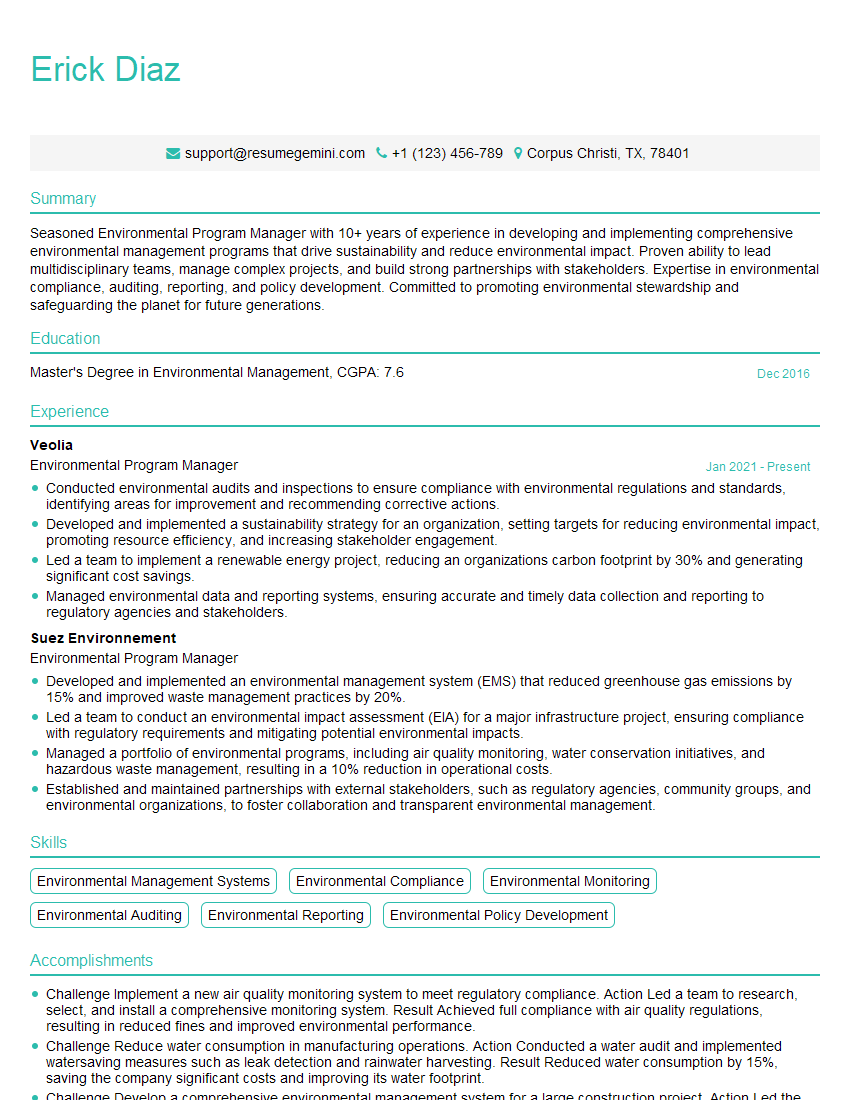
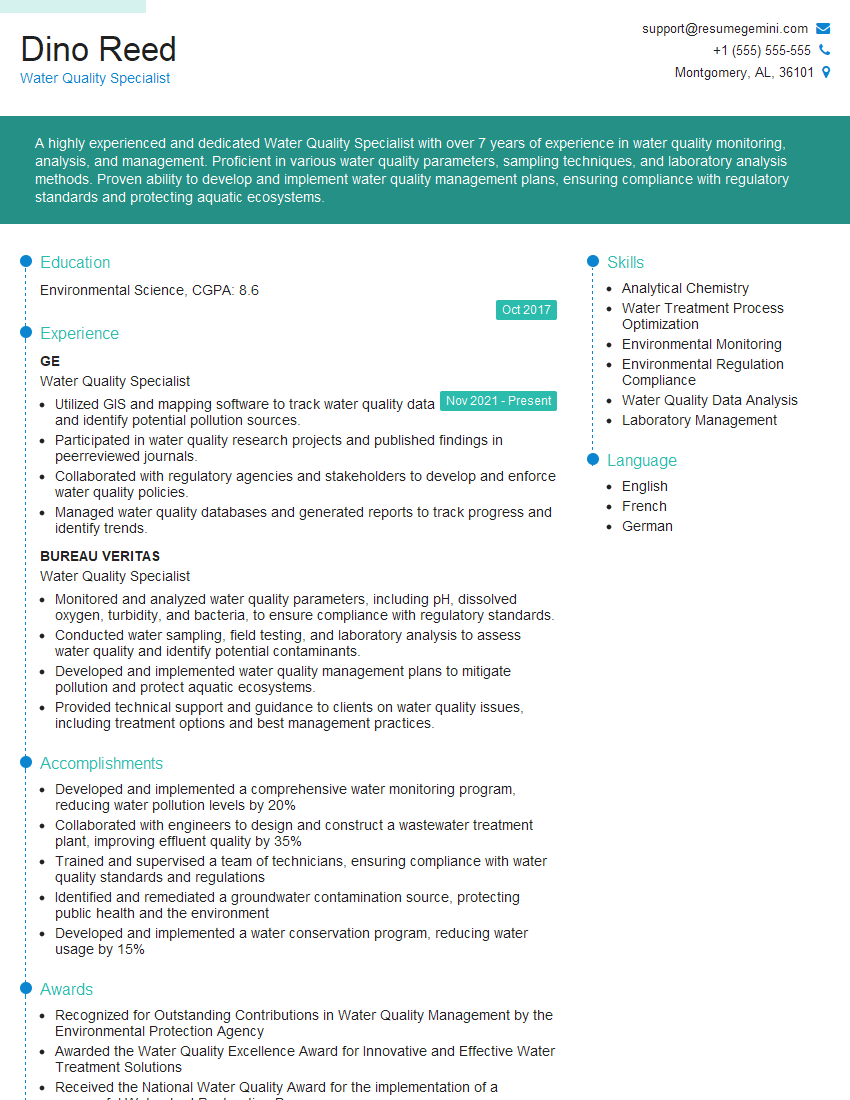
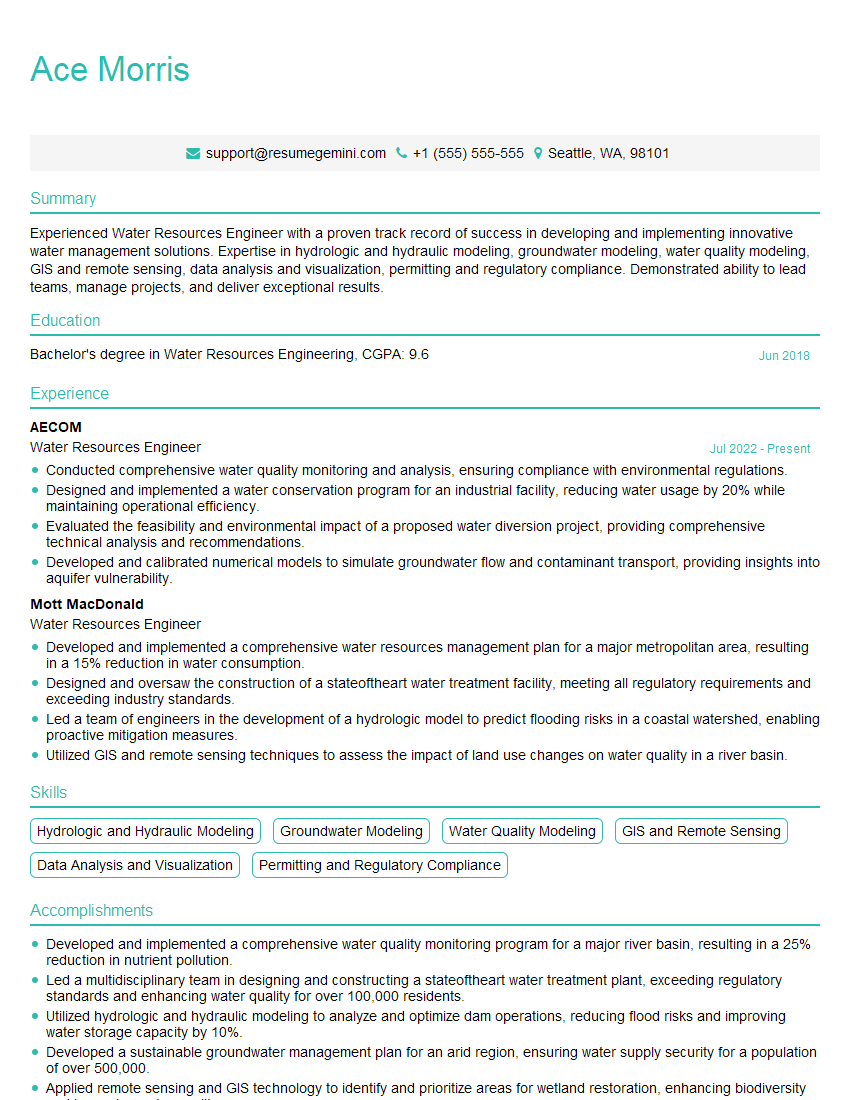
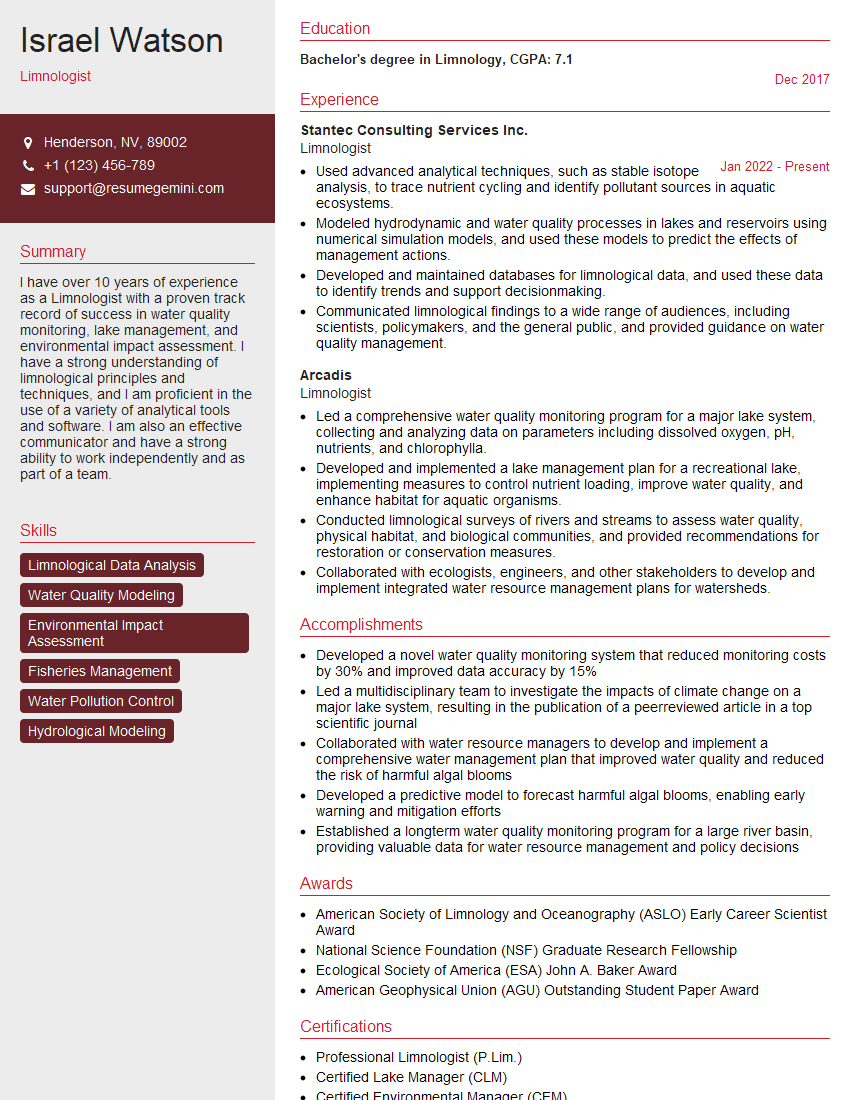
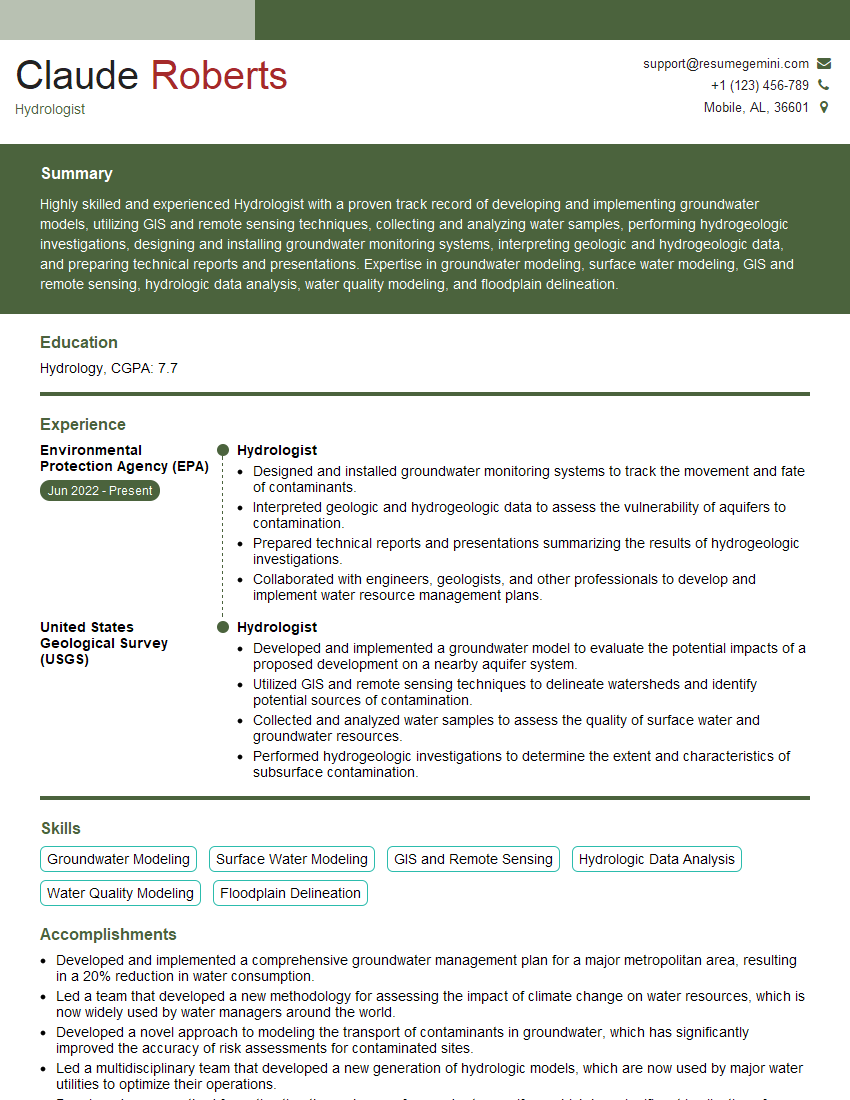
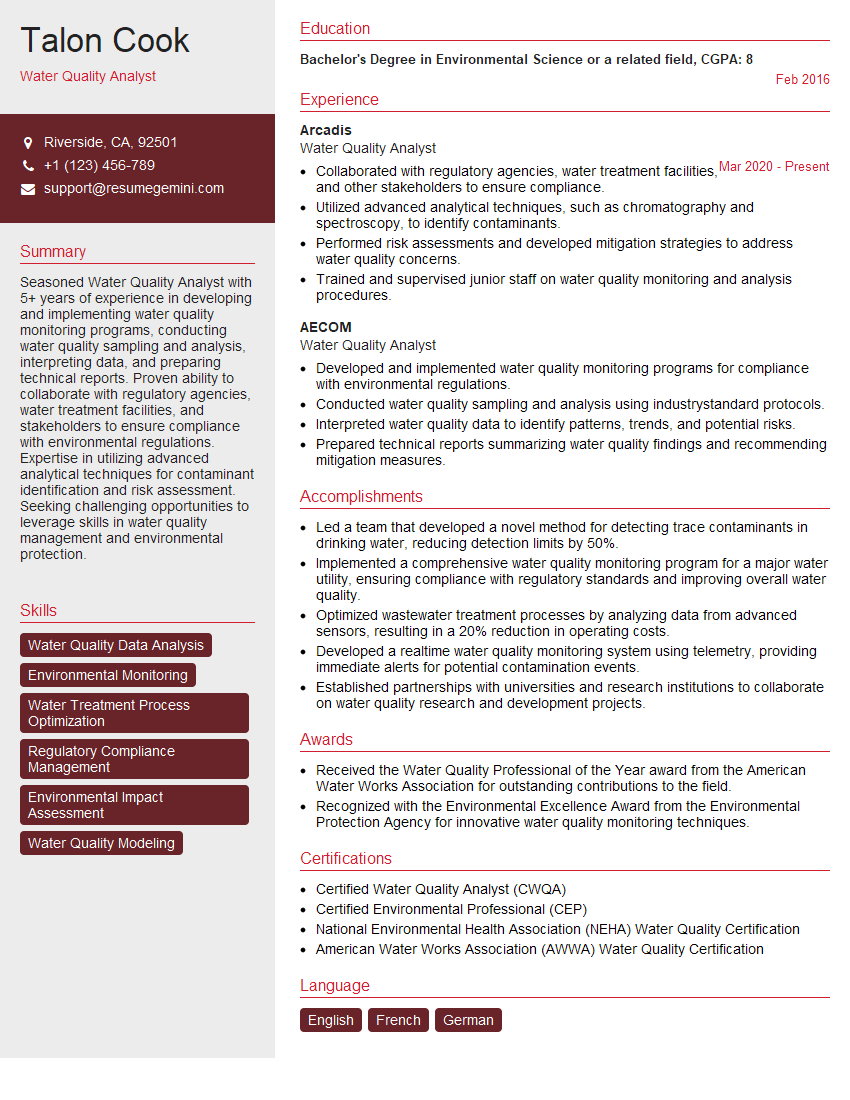
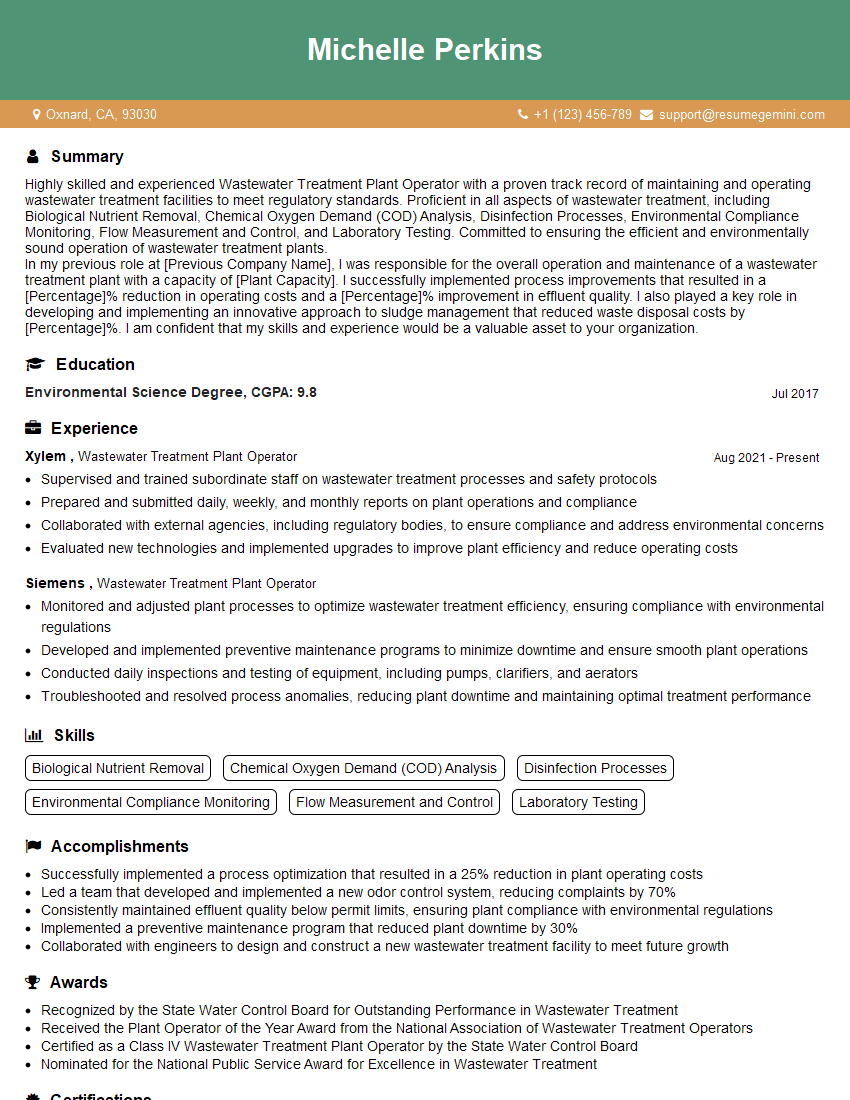
Mastering Water Quality Standards opens doors to exciting career opportunities in environmental protection, water resource management, and consulting. A strong understanding of these principles is highly valued by employers. To maximize your job prospects, create an ATS-friendly resume that highlights your skills and experience effectively. ResumeGemini is a trusted resource that can help you build a professional and impactful resume tailored to the Water Quality Standards field. Examples of resumes tailored to this sector are available to help you get started.
Explore more articles
Users Rating of Our Blogs
Share Your Experience
We value your feedback! Please rate our content and share your thoughts (optional).
What Readers Say About Our Blog
I Redesigned Spongebob Squarepants and his main characters of my artwork.
https://www.deviantart.com/reimaginesponge/art/Redesigned-Spongebob-characters-1223583608
IT gave me an insight and words to use and be able to think of examples
Hi, I’m Jay, we have a few potential clients that are interested in your services, thought you might be a good fit. I’d love to talk about the details, when do you have time to talk?
Best,
Jay
Founder | CEO