The right preparation can turn an interview into an opportunity to showcase your expertise. This guide to Child Interaction and Observation interview questions is your ultimate resource, providing key insights and tips to help you ace your responses and stand out as a top candidate.
Questions Asked in Child Interaction and Observation Interview
Q 1. Describe your experience observing children’s play and identifying developmental milestones.
Observing children’s play is a crucial aspect of understanding their development. I approach this by utilizing a combination of structured observation methods and naturalistic observation. Structured observation involves using standardized checklists or rating scales to assess specific developmental milestones across various domains like fine motor skills, gross motor skills, language, social-emotional development, and cognitive abilities. For example, I might use a standardized checklist to observe a child’s ability to build a tower of blocks, which indicates their fine motor skills and problem-solving abilities. Naturalistic observation, on the other hand, involves observing children in their natural environment, without intervention, to gain a holistic understanding of their play styles, social interactions, and problem-solving approaches. I then correlate these observations with established developmental milestones, such as those outlined in the World Health Organization’s child development guidelines. Through years of experience, I’ve become adept at recognizing patterns in play that indicate developmental progress or potential delays, such as a child’s persistent difficulty with peer interactions or an unusually limited range of play themes. This allows me to make informed assessments and recommendations.
For instance, observing a three-year-old successfully engaging in parallel play (playing alongside other children but not collaboratively) demonstrates appropriate social-emotional development for that age group. Conversely, a five-year-old still primarily engaging in parallel play might warrant further observation to assess for possible social-emotional delays.
Q 2. How do you adapt your interaction style based on a child’s age and developmental level?
Adapting my interaction style is paramount to effectively communicate with children of different ages and developmental levels. I employ a flexible approach, tailoring my communication to their unique needs and understanding. With infants and toddlers, I utilize nonverbal communication like gentle touch, soothing tones, and expressive facial expressions, focusing on building a secure attachment. I use simple language and engage them through interactive games and sensory experiences. As children grow, my interactions become more verbal and complex. With preschoolers, I engage in imaginative play, asking open-ended questions that encourage creativity and exploration. With older children, I use more nuanced language, engaging in discussions about their interests and feelings, and providing opportunities for problem-solving and critical thinking. My approach always considers the child’s individual temperament and learning style; a shy child may need more gentle encouragement than an outgoing child.
For instance, with a toddler, I might use simple instructions like “Let’s stack the blocks,” while with an older child, I might say “Let’s see how many different ways we can build a tower using these blocks.” This ensures the interaction remains age-appropriate and engaging.
Q 3. Explain your approach to managing challenging behaviors in children.
Managing challenging behaviors requires a proactive and positive approach, focusing on understanding the underlying cause of the behavior. I avoid punitive measures and instead emphasize positive reinforcement, clear expectations, and consistent boundaries. I utilize several strategies, including positive behavior support (PBS), which involves identifying triggers for challenging behaviors, teaching alternative coping mechanisms, and rewarding positive behaviors. Time-outs, if used, are implemented calmly and consistently, explaining the reason for the time-out in age-appropriate language. I also focus on redirecting the child to an appropriate activity, providing choices when possible, and teaching self-regulation skills. Collaboration with parents or guardians is essential to ensure consistency in managing challenging behaviors across different environments.
For example, if a child is exhibiting aggression, I might work with them to identify what triggers their anger and teach them alternative ways to express their feelings, like using words to describe how they feel or engaging in calming activities. Through consistent positive reinforcement, I aim to replace the challenging behavior with a more appropriate response.
Q 4. What strategies do you use to build rapport and trust with children?
Building rapport and trust with children is fundamental to my work. I create a safe and welcoming environment where children feel comfortable expressing themselves. I start by getting down to their level, making eye contact, and using a calm and friendly tone. I pay attention to their interests and engage them in activities they enjoy. Active listening is crucial—I truly listen to what they’re saying and validate their feelings. I also show empathy and understanding, demonstrating that I care about their experiences. Consistency in my interactions, maintaining clear and predictable routines, helps build trust. Furthermore, demonstrating respect for their autonomy by providing choices when appropriate empowers children and contributes to a positive relationship.
For example, if a child is hesitant to participate in an activity, I might offer them a choice of two different activities to help them feel more in control and increase their willingness to engage. Building trust takes time and patience, but it’s an essential component of effective interaction.
Q 5. How do you document observations of children’s behavior accurately and objectively?
Accurate and objective documentation is crucial for tracking a child’s development and informing any interventions. I utilize a structured observation format, usually a pre-designed template or observation record, that allows for consistent data collection across different children and time points. I avoid subjective interpretations and instead focus on factual descriptions of behaviors, using specific and measurable terms. For instance, instead of writing “The child was disruptive,” I’d write “The child interrupted the group activity three times by yelling out and throwing blocks.” Time stamps are essential to provide context. I aim to capture both verbal and nonverbal communication, including facial expressions, body language, and tone of voice. Confidentiality is maintained at all times, adhering to all relevant privacy regulations.
My documentation serves as a valuable tool for reflecting on interactions, identifying patterns in behavior, communicating findings with colleagues and parents, and informing decisions about intervention plans.
Q 6. Describe a situation where you had to interpret a child’s nonverbal cues.
I recall a situation where a child, usually very outgoing, was unusually quiet and withdrawn during circle time. While he didn’t verbally express anything, his nonverbal cues were significant. He avoided eye contact, slumped in his chair, and frequently fidgeted with his hands. He was also unusually quiet, unlike his typical boisterous self. Based on this, I suspected he might be experiencing sadness or anxiety. I approached him gently, offering him a quiet space to be alone if he wished and assuring him it was okay to not feel like participating. After a few minutes, he sought me out, and it turned out he had witnessed an upsetting event at home. Interpreting these subtle nonverbal signals allowed me to provide the appropriate support and comfort he needed.
This experience highlights the importance of being attentive to nonverbal cues, which can often provide valuable insights into a child’s emotional state and well-being.
Q 7. How do you identify and address potential safety hazards in a child’s environment?
Identifying and addressing potential safety hazards is a top priority. My approach involves regularly inspecting the environment for any potential risks, paying close attention to details that might be overlooked. This includes assessing the playground equipment for stability and damage, checking for sharp objects, ensuring electrical outlets are covered, and confirming that all materials are age-appropriate and non-toxic. I follow established safety guidelines and regulations diligently. I also educate children about safety procedures and rules, ensuring they understand how to safely use equipment and materials. In addition, I actively supervise children to prevent accidents and respond promptly to any potential hazards. Regular communication with parents and colleagues about safety concerns is crucial to ensure a safe and nurturing environment for all children.
For example, if I notice a loose screw on a piece of playground equipment, I immediately report it to the relevant personnel and ensure that the equipment is taken out of service until it is repaired.
Q 8. Explain the importance of ethical considerations when working with children.
Ethical considerations are paramount when working with children. Their vulnerability necessitates a commitment to their well-being and rights above all else. This includes ensuring their safety, protecting their privacy, and respecting their autonomy to the extent developmentally appropriate.
- Informed Consent: Parents or legal guardians must provide informed consent before any assessments or interventions are conducted. This means fully explaining the process, its potential benefits and risks, and ensuring they understand their right to withdraw at any time.
- Confidentiality: Information shared by children and their families must be kept strictly confidential, only shared with relevant professionals on a need-to-know basis with proper authorization.
- Avoiding Bias: Observers must be mindful of their own biases and strive for objectivity in their assessments. Cultural sensitivity and awareness of individual differences are crucial to ensure fair and accurate evaluations.
- Child’s Best Interests: All decisions and actions must be guided by what is in the child’s best interests, prioritizing their safety, emotional well-being, and development.
- Reporting Abuse or Neglect: Professionals have a legal and ethical obligation to report any suspicion of child abuse or neglect to the appropriate authorities.
For example, if I observe a child exhibiting signs of potential neglect, I would document my observations meticulously and follow the mandated reporting procedures in my jurisdiction, while also ensuring the child’s safety and well-being.
Q 9. What are some common signs of developmental delays or concerns in young children?
Developmental delays or concerns manifest differently in young children, but some common red flags include:
- Significant delays in speech and language development: A child who is not speaking at age 2 or showing significant language delays compared to peers.
- Motor skill difficulties: Problems with gross motor skills (like walking, running, jumping) or fine motor skills (like grasping objects, using utensils) that are noticeably behind expected milestones.
- Social-emotional challenges: Difficulty interacting with peers, engaging in imaginative play, or demonstrating empathy and understanding of others’ emotions.
- Cognitive delays: Problems with problem-solving, understanding concepts, following directions, or demonstrating age-appropriate curiosity and learning.
- Behavioral issues: Excessive aggression, withdrawal, anxiety, or self-harming behaviors that are concerning.
- Feeding or sleeping difficulties: Persistent problems with feeding, sleeping patterns, or toileting that are beyond typical variations.
It’s important to remember that every child develops at their own pace. However, a combination of these signs, or a single very concerning one, warrants further investigation by a professional.
Q 10. How do you differentiate between typical and atypical child behavior?
Differentiating typical from atypical child behavior requires a nuanced understanding of developmental norms, cultural context, and the individual child’s history. Typical behaviors are those that fall within the expected range for a child’s age and developmental stage, given their environment and background. Atypical behaviors deviate significantly from these norms and often indicate a potential underlying concern.
Consider a child who is exhibiting tantrums. A typical two-year-old might have occasional temper tantrums as a way to express frustration. However, a child who has frequent, severe tantrums lasting for extended periods, accompanied by self-harm, might display atypical behavior suggesting a need for assessment.
Context is key. A child who is normally outgoing and suddenly becomes withdrawn could be experiencing a significant stressor. A thorough assessment must consider the child’s individual history, family dynamics, and any recent life changes.
Using standardized assessment tools and consulting with other professionals can significantly enhance the accuracy of differentiation.
Q 11. Describe your experience using observation tools or assessments.
I have extensive experience using various observation tools and assessments, including standardized scales like the Bayley Scales of Infant and Toddler Development and the Ages & Stages Questionnaires. I am also proficient in naturalistic observation methods, meticulously documenting children’s interactions and behaviors in their natural settings.
For example, when assessing a child’s language development, I might use a standardized language assessment alongside naturalistic observation during play, noting their vocabulary, sentence structure, and communication attempts. In another instance, I might use a structured observation protocol to assess a child’s social interactions in a group setting, focusing on their play style, conflict resolution strategies, and engagement with peers.
Data collected through these methods is meticulously documented and analyzed to develop a comprehensive understanding of the child’s strengths and areas for potential support.
Q 12. How do you communicate your observations to parents or other professionals?
Communicating observations to parents and professionals requires clear, concise, and sensitive language. I always begin by building rapport, establishing trust, and ensuring the parents feel comfortable asking questions.
I avoid jargon and explain my observations in a way that is easily understandable. I typically use a collaborative approach, sharing my findings and jointly discussing possible explanations and next steps. I always emphasize the child’s strengths along with areas of concern.
When communicating with other professionals, I provide a comprehensive written report that includes my observations, assessment results, and recommendations. I also utilize appropriate channels for communication, such as secure electronic platforms, depending on the setting and context.
For example, I might say to parents: “I’ve observed that [child’s name] is having some difficulty sharing toys during playtime. We can discuss strategies to help [him/her] learn to share more effectively, while also recognizing that [he/she] exhibits many strengths in other areas of development.”
Q 13. How do you ensure confidentiality when working with children and their families?
Confidentiality is critical. I strictly adhere to all relevant privacy regulations (like HIPAA, if applicable) and maintain secure storage of all records, both electronic and paper. I only share information with other professionals involved in the child’s care on a strict need-to-know basis, always with appropriate authorization and consent.
During observations or assessments, I take extra precautions to protect the child’s identity and ensure the privacy of the setting. I would never share identifying details with anyone not directly involved in their care. I maintain a professional distance and respect the child’s boundaries and privacy.
Any information shared with parents is communicated in a way that protects the child’s privacy and respects the family’s wishes regarding what information is shared.
Q 14. Describe your understanding of child development theories (e.g., Piaget, Erikson).
My understanding of child development incorporates several prominent theories. Piaget’s theory of cognitive development highlights the stages children progress through, from sensorimotor to formal operational thinking. Understanding these stages helps me interpret a child’s behavior and cognitive abilities within their developmental context. For example, a child in the preoperational stage (around ages 2-7) may exhibit egocentrism, difficulty understanding another’s perspective, a concept Piaget’s theory explains.
Erikson’s psychosocial theory emphasizes the development of personality and identity across the lifespan. Each stage presents a psychosocial crisis that must be resolved. Understanding these crises helps me understand a child’s emotional and social development. For example, the autonomy vs. shame and doubt stage (ages 1-3) highlights the importance of allowing children independence and support in exploring their environment.
These theories, along with others like Vygotsky’s sociocultural theory and attachment theory, provide a framework for understanding the complex interplay of biological, psychological, and social factors that influence child development. I integrate these perspectives to inform my observations and interpretations of children’s behaviors.
Q 15. How do you incorporate play-based learning into your interactions with children?
Play-based learning is central to my interactions with children. It’s not just about fun; it’s a powerful tool for cognitive, social, emotional, and physical development. I incorporate it by observing the child’s interests and using those as a springboard for learning experiences. For example, if a child shows interest in building blocks, I might introduce concepts of shapes, sizes, and balance through guided play. I might also use this opportunity to encourage collaborative building, fostering teamwork and communication skills.
I often utilize open-ended play materials like building blocks, art supplies, and dress-up clothes, allowing children to explore their creativity and problem-solving skills independently. I intervene strategically, offering prompts and suggestions rather than directing their play. If a child is struggling to build a tower, for example, I might ask, “How could you make your tower stronger?” This encourages critical thinking rather than simply providing the solution.
Furthermore, I design play activities around specific learning goals. For instance, to enhance language development, I might engage children in dramatic play scenarios, encouraging them to create narratives and communicate with each other. This approach makes learning fun and engaging, maximizing the child’s participation and retention.
Career Expert Tips:
- Ace those interviews! Prepare effectively by reviewing the Top 50 Most Common Interview Questions on ResumeGemini.
- Navigate your job search with confidence! Explore a wide range of Career Tips on ResumeGemini. Learn about common challenges and recommendations to overcome them.
- Craft the perfect resume! Master the Art of Resume Writing with ResumeGemini’s guide. Showcase your unique qualifications and achievements effectively.
- Don’t miss out on holiday savings! Build your dream resume with ResumeGemini’s ATS optimized templates.
Q 16. What are your strategies for encouraging positive social interactions among children?
Encouraging positive social interactions is crucial for a child’s development. My strategies focus on modeling appropriate behavior, teaching conflict resolution skills, and creating a supportive environment. I start by modeling respectful communication and collaboration in my own interactions with the children. I frequently use positive reinforcement, praising children when they show kindness, empathy, or helpfulness towards others.
- Cooperative Games: I organize group activities and games that require children to work together, fostering cooperation and teamwork.
- Conflict Resolution: I teach children simple conflict resolution strategies, such as taking turns, sharing, and using ‘I’ statements to express feelings. I facilitate discussions where children learn to understand different perspectives.
- Social Skills Activities: We might role-play different social situations, practicing appropriate responses to conflicts or challenging behaviors.
- Creating a Sense of Community: A welcoming and inclusive classroom environment is essential. This involves establishing clear rules and expectations and encouraging children to participate in creating them. We work together to build class agreements that guide our interactions.
For example, if I see two children arguing over a toy, I don’t immediately intervene but instead observe. If the conflict escalates, I’ll guide them toward a solution by asking questions like, “How can you both play with the toy?” or “What are some ways you could share?” This empowers children to solve problems independently and build their social skills.
Q 17. How do you handle situations where children are involved in conflicts or disputes?
Conflict is a natural part of childhood development. My approach to handling conflicts or disputes among children emphasizes de-escalation, mediation, and teaching conflict resolution skills. I first ensure the safety of all children involved, then I observe carefully to understand the situation before intervening. It’s crucial to remain neutral and avoid taking sides.
- Active Listening: I allow each child to express their perspective without interruption, validating their feelings. I use phrases like, “I understand you’re feeling frustrated.” or “It sounds like you’re upset because…”
- Restatement and Clarification: I rephrase what each child has said to ensure I understand correctly and to help them clarify their thoughts and feelings.
- Finding Common Ground: I help children identify shared goals or interests that can help them find a resolution. For example, if they’re fighting over a toy, I might suggest taking turns or finding a similar toy.
- Problem-solving: I guide children to generate their own solutions, empowering them to take ownership of resolving the conflict. We brainstorm different options together.
- Follow-up: After the conflict is resolved, I check in with the children to ensure they feel heard and that the resolution is working.
If the conflict involves physical aggression, I intervene immediately to separate the children and ensure their safety. I then address the aggressive behavior with appropriate consequences, emphasizing empathy and problem-solving.
Q 18. Describe your experience working with children with diverse backgrounds and needs.
I have extensive experience working with children from diverse backgrounds and with varying needs. My approach is rooted in inclusivity and recognizing that each child is unique. I strive to create a culturally responsive environment that celebrates and values diversity. This includes adapting my teaching methods to accommodate different learning styles and needs.
For children with special needs, I work closely with their families and therapists to develop individualized plans that support their development. I ensure that the classroom environment is accessible and inclusive, incorporating assistive technologies and adapting activities as needed. I am familiar with different developmental milestones and I am sensitive to potential developmental delays. I also communicate regularly with parents and guardians, gathering insights into each child’s strengths, challenges and cultural background.
Understanding cultural differences is crucial. I make a conscious effort to learn about different cultural practices and beliefs to ensure my interactions with children and families are respectful and culturally sensitive. I might, for instance, learn about dietary restrictions, religious holidays, and family communication styles to better understand the child’s context.
Q 19. Explain your knowledge of child abuse and neglect reporting procedures.
I am well-versed in child abuse and neglect reporting procedures. My understanding of these procedures is paramount to my role in safeguarding children. I am mandated by law to report any suspected instances of abuse or neglect to the appropriate authorities. This includes physical, emotional, or sexual abuse, and neglect of any kind.
My understanding of the specific legal requirements within my jurisdiction is up-to-date. I know the steps to follow: identifying the signs of abuse and neglect, documenting any observations carefully and objectively, and promptly reporting suspicions to the designated authorities, such as Child Protective Services (CPS) or the police. Confidentiality is crucial; however, the safety of the child always takes precedence. I also understand the importance of preserving the evidence and avoiding any actions that may jeopardize the investigation.
Regular professional development helps me stay informed of any updates to reporting procedures and best practices. This ensures my actions are compliant with the relevant laws and ethics.
Q 20. How do you maintain a professional and ethical boundary with children and their families?
Maintaining professional and ethical boundaries with children and their families is fundamental to my practice. This involves establishing clear professional relationships based on respect, trust, and appropriate interactions. I never engage in dual relationships; for instance, I wouldn’t become friends with a child’s family outside of my professional role.
My interactions with children are always age-appropriate and non-intrusive. I maintain physical distance and avoid any behavior that could be misinterpreted. I dress professionally and avoid any form of physical contact that is unnecessary. If physical assistance is required, I ensure it is done in a way that is completely transparent, witnessed by another adult if possible, and appropriate to the child’s age and comfort level.
With families, I communicate clearly and professionally. I ensure parents have access to information about their child’s progress and well-being and actively seek their input in the child’s care. I am careful not to offer unsolicited advice or opinions beyond my professional expertise. Any discussions regarding personal issues or sensitive information are kept strictly confidential.
Q 21. How do you prioritize the safety and well-being of children in your care?
Prioritizing the safety and well-being of children is my top priority. This involves creating a safe and nurturing environment that protects children from harm, both physically and emotionally. This commitment begins with creating a secure and predictable classroom setting. I ensure the classroom is clean, well-maintained, and free from hazards. Equipment is regularly inspected for safety, and any potential risks are immediately addressed.
- Safety Procedures: I implement and regularly review safety procedures, including emergency evacuation plans, protocols for handling accidents and injuries, and reporting mechanisms for any safety concerns.
- Supervision: Constant and attentive supervision of children is crucial, particularly during activities that pose potential risks. I maintain appropriate adult-to-child ratios according to established guidelines.
- Child Protection Policies: I am thoroughly familiar with and adhere to all child protection policies within the organization, including background checks and reporting requirements.
- Risk Assessment: I conduct regular risk assessments of the environment and activities to identify and mitigate any potential hazards.
Furthermore, I foster a culture of open communication where children feel comfortable reporting any concerns or incidents. I emphasize the importance of reporting bullying, harassment, or any suspicious behavior. My commitment extends to ongoing professional development to stay updated on best practices in child safety and well-being.
Q 22. Describe your experience working with children who have special needs or disabilities.
My experience working with children with special needs spans over eight years, encompassing diverse settings like inclusive classrooms, specialized therapeutic centers, and home-based interventions. I’ve worked with children diagnosed with autism spectrum disorder (ASD), ADHD, Down syndrome, and various learning disabilities. I approach each child individually, understanding that their needs are unique. For example, a child with ASD might benefit from visual schedules and predictable routines, while a child with ADHD might need frequent breaks and opportunities for movement. My approach centers on building trust, understanding their communication styles, and adapting teaching methods to their specific learning preferences. I collaborate closely with therapists, parents, and other professionals to create a holistic support plan for each child.
One memorable case involved a non-verbal child with autism who struggled with sensory sensitivities. By observing his reactions to different textures and sounds, I created a sensory-friendly learning environment. We incorporated weighted blankets, calming music, and visual aids to support his learning, leading to significant progress in his communication and social skills.
Q 23. How do you adapt your communication style to meet the individual needs of children?
Adapting my communication style is crucial. I believe in meeting children where they are. This involves observing their nonverbal cues, such as body language and facial expressions, to understand their level of comfort and engagement. For younger children or those with communication challenges, I use simplified language, visual aids like pictures and gestures, and lots of positive reinforcement. With older children, I strive for open and respectful dialogue, encouraging them to express their thoughts and feelings.
For instance, with a child experiencing frustration during a task, I might adjust my instructions, break the task into smaller steps, or offer alternative strategies. It’s about being flexible, patient, and responsive to their individual needs. I always aim for a two-way communication, creating a sense of partnership and mutual respect.
Q 24. What is your approach to creating a positive and supportive learning environment for children?
Creating a positive and supportive learning environment is paramount. This starts with establishing a safe, predictable, and stimulating space. I use a combination of structured activities and free play, ensuring there’s a balance between learning and fun. A strong emphasis on positive reinforcement, celebrating successes (no matter how small), and fostering a sense of belonging are crucial. I encourage collaboration and peer interaction, promoting empathy and social skills development. Clear expectations and consistent routines help children feel secure and understand the boundaries.
For example, I utilize classroom management techniques like visual timers and reward charts to promote self-regulation and positive behavior. I also incorporate elements of choice and autonomy into learning activities to empower children and make learning engaging. Building a strong rapport with each child is key to creating a positive and inclusive classroom.
Q 25. How do you utilize observation data to inform your teaching or intervention strategies?
Observation data is fundamental to my practice. I utilize various methods, including anecdotal records, event sampling, and time sampling, to gather detailed information about children’s behavior, learning styles, and social interactions. This data helps me identify strengths, challenges, and areas needing further support. For example, observing a child consistently avoiding group activities might indicate social anxiety, requiring tailored interventions to build confidence and social skills.
I analyze the collected data to inform my teaching strategies. If I observe a child struggling with a particular concept, I can adjust my teaching method, provide additional support, or differentiate instruction to meet their individual needs. Regular observation and data analysis are crucial for tracking progress and making data-driven decisions about intervention strategies.
Q 26. How do you integrate feedback from colleagues or supervisors to improve your practice?
Feedback is essential for professional growth. I actively seek feedback from colleagues, supervisors, and parents to improve my practice. I view feedback as an opportunity for learning and self-reflection. I am open to constructive criticism and strive to incorporate suggestions into my teaching methods and interactions with children. I also participate in professional development activities and workshops to enhance my skills and knowledge.
For example, if a colleague suggests a more effective approach to managing a challenging behavior, I would carefully consider their suggestion and try it out, evaluating its effectiveness and modifying it as needed. Regular self-reflection, combined with external feedback, ensures continuous improvement in my practice.
Q 27. Describe your experience with different types of observation methods (e.g., anecdotal, event sampling).
I have extensive experience using various observation methods. Anecdotal records are useful for capturing spontaneous events and qualitative information. For instance, I might record a child’s creative play, noting their interactions with peers and the language they use. Event sampling is beneficial for tracking specific behaviors, like instances of aggression or self-regulation. I might record the frequency and duration of these events to analyze patterns and triggers.
Time sampling involves observing a child at predetermined intervals. This method helps assess overall behavior patterns and can be especially helpful when observing a large group of children. I choose the method best suited to the specific research question or goal. For example, if I’m trying to understand a child’s social interactions, anecdotal records and event sampling would be most appropriate. If I’m trying to assess the overall classroom atmosphere, time sampling might be more effective.
Q 28. What are your strategies for managing your own stress and maintaining a positive attitude when working with challenging children?
Working with challenging children can be emotionally demanding. To manage stress and maintain a positive attitude, I prioritize self-care. This includes maintaining a healthy work-life balance, engaging in regular physical activity, practicing mindfulness or meditation techniques, and connecting with supportive colleagues and friends. Building strong professional relationships provides an essential support network to share challenges and celebrate successes.
I also utilize reflective practice. After a particularly challenging day, I take time to reflect on my interactions and identify areas for improvement. This helps me process my emotions and develop strategies to manage future challenges more effectively. Remembering the positive impact I have on children’s lives keeps me motivated and energized.
Key Topics to Learn for Child Interaction and Observation Interview
- Child Development Theories: Understanding key developmental milestones and theories (e.g., Piaget, Erikson, Vygotsky) and their application in observing child behavior.
- Observational Methods: Mastering various observation techniques, including naturalistic observation, structured observation, and anecdotal records. Knowing the strengths and limitations of each method is crucial.
- Record Keeping and Documentation: Practicing clear, objective, and detailed record-keeping, adhering to ethical guidelines and confidentiality protocols.
- Interpreting Child Behavior: Analyzing observed behaviors within the context of developmental stages, individual differences, and environmental factors. This includes differentiating between typical and atypical development.
- Communication and Interaction Strategies: Developing effective communication skills for interacting with children of diverse ages and abilities, including nonverbal communication and adapting your approach based on individual needs.
- Ethical Considerations: Understanding and applying ethical principles related to child observation, including informed consent, privacy, and the responsible use of observations.
- Safety and Well-being: Prioritizing child safety and well-being during all interactions and observations. Identifying and responding to potential risks.
- Collaboration and Teamwork: Demonstrating your ability to collaborate effectively with colleagues, parents, and other professionals involved in a child’s care.
- Problem-Solving and Critical Thinking: Applying critical thinking skills to analyze observed behaviors, identify potential problems, and develop appropriate interventions or solutions.
Next Steps
Mastering Child Interaction and Observation is key to a successful and rewarding career in early childhood education, social work, or related fields. These skills are highly sought after, showcasing your ability to understand and support children’s development. To significantly boost your job prospects, create a compelling and ATS-friendly resume that highlights your relevant skills and experience. ResumeGemini is a trusted resource to help you build a professional resume that stands out. We provide examples of resumes tailored to Child Interaction and Observation to guide you in crafting your own.

Child Psychologist Resume Sample
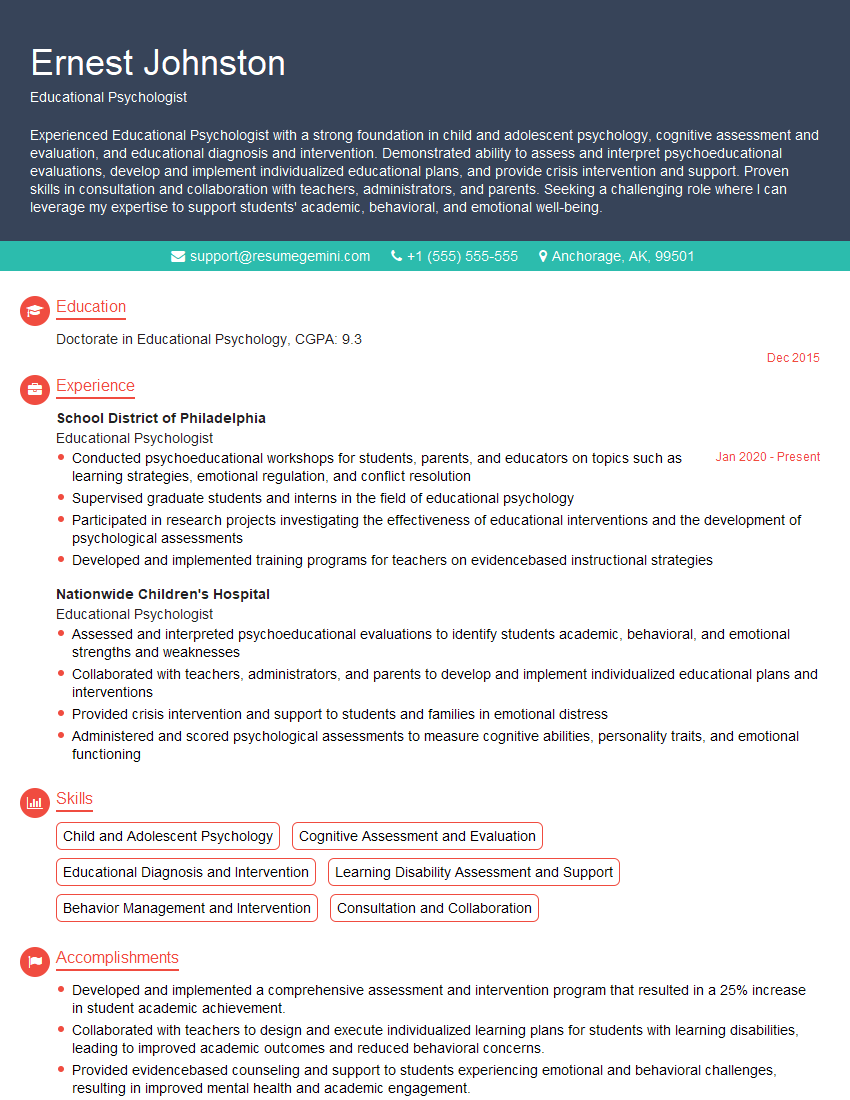
Educational Psychologist Resume Sample
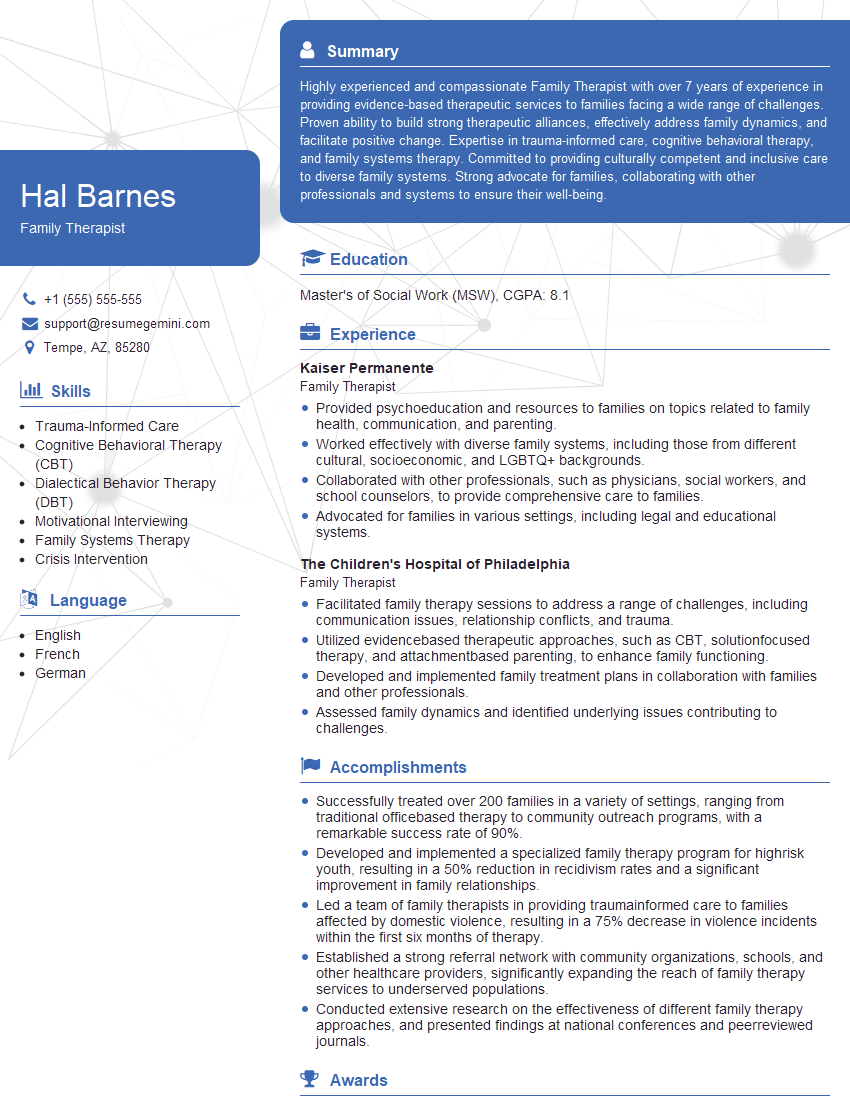
Family Therapist Resume Sample
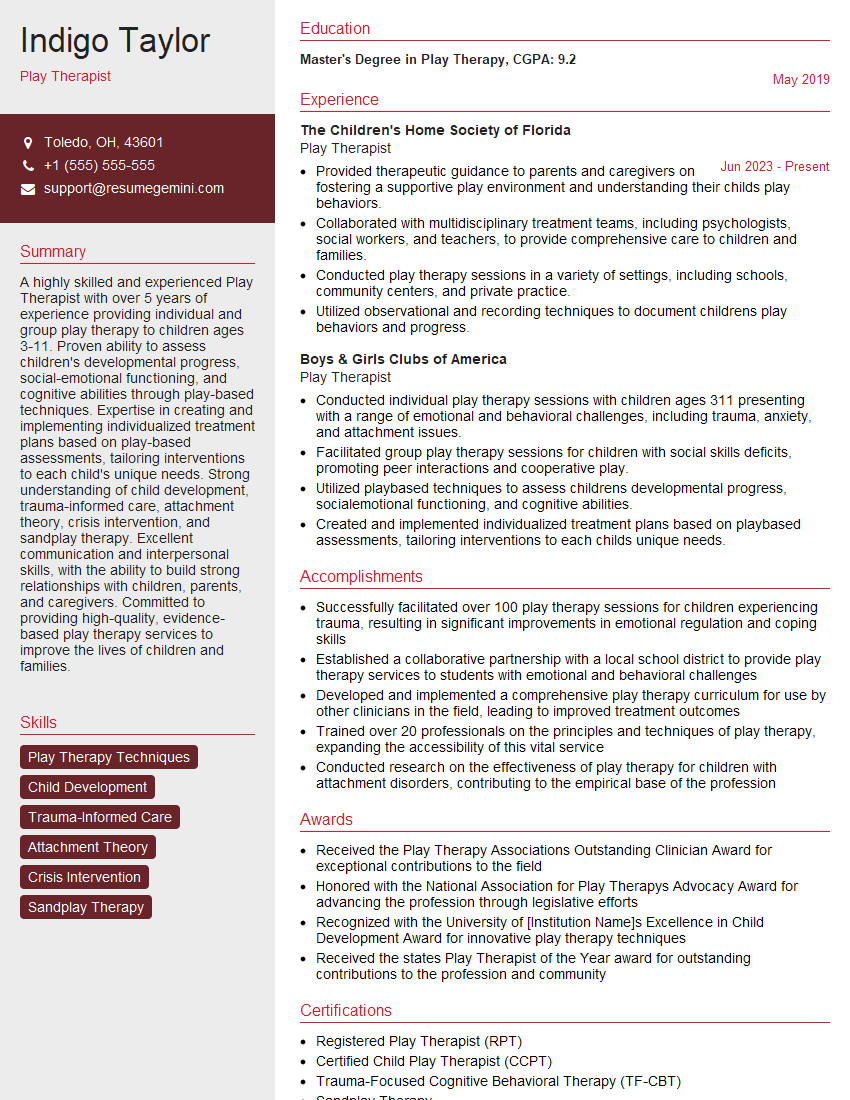
Play Therapist Resume Sample
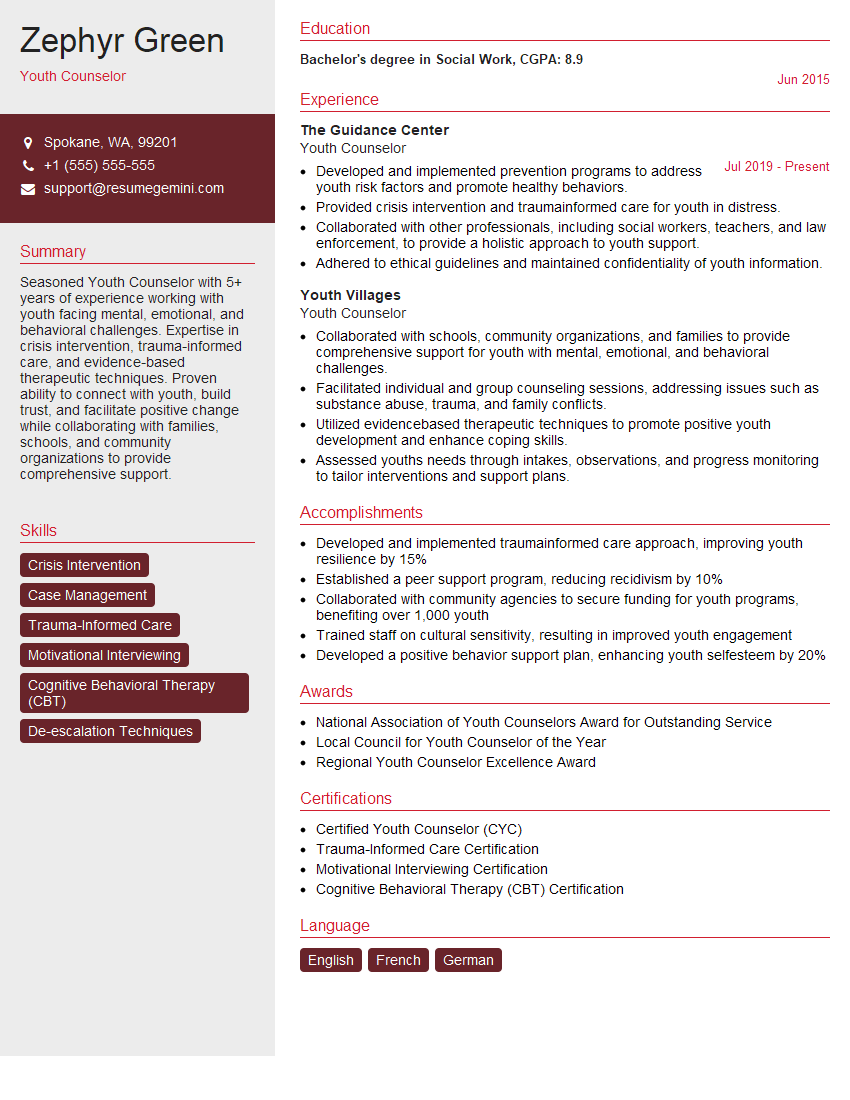
Youth Counselor Resume Sample
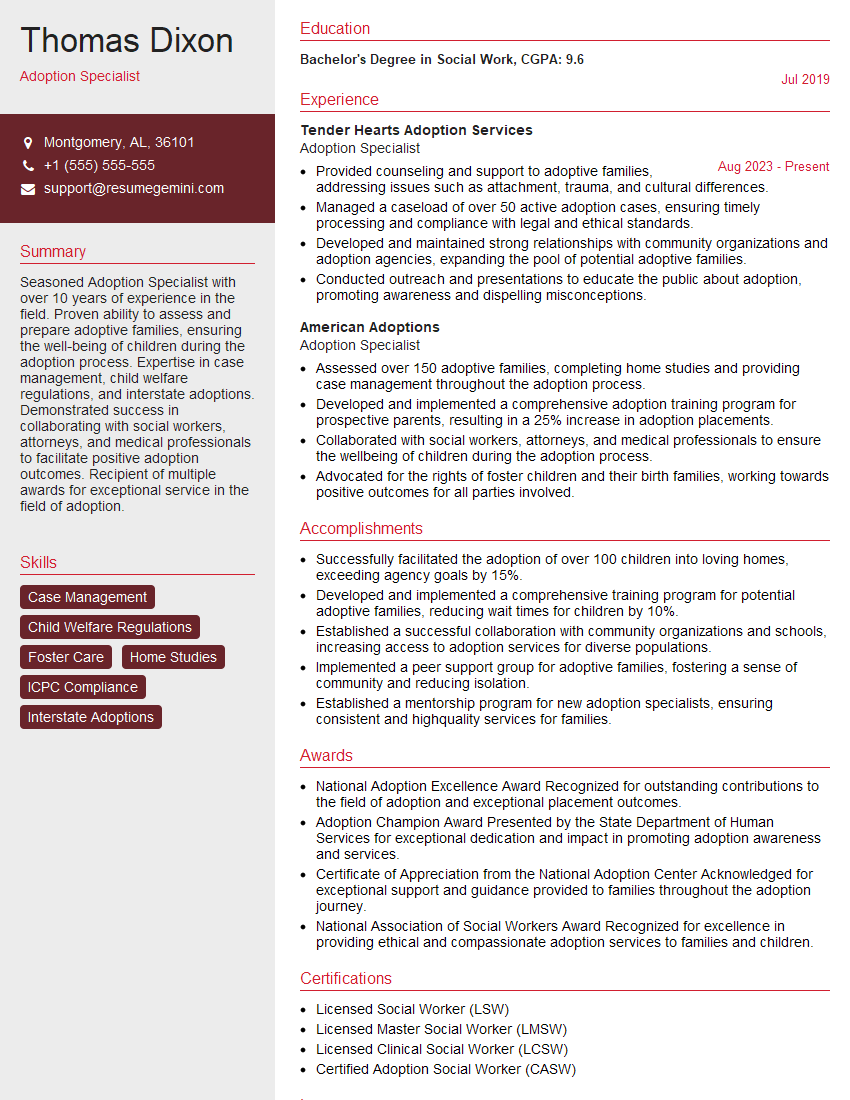
Adoption Specialist Resume Sample
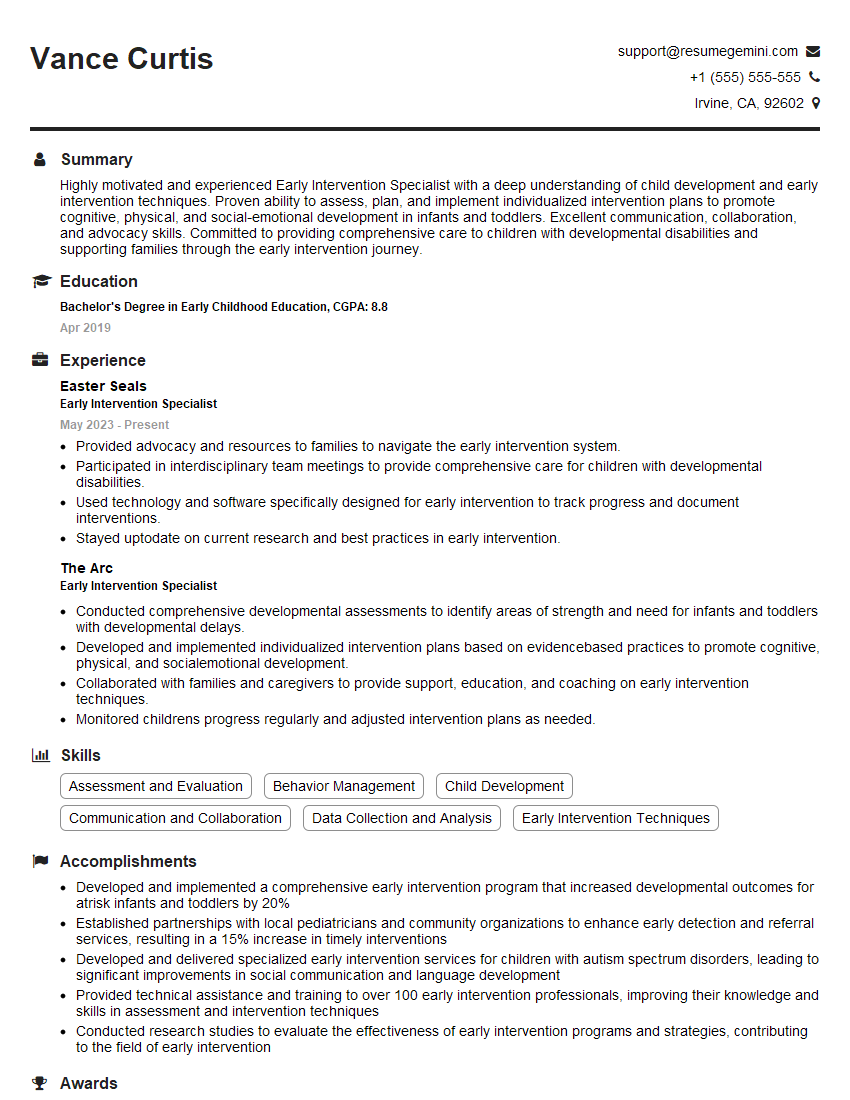
Early Intervention Specialist Resume Sample

Foster Care Worker Resume Sample
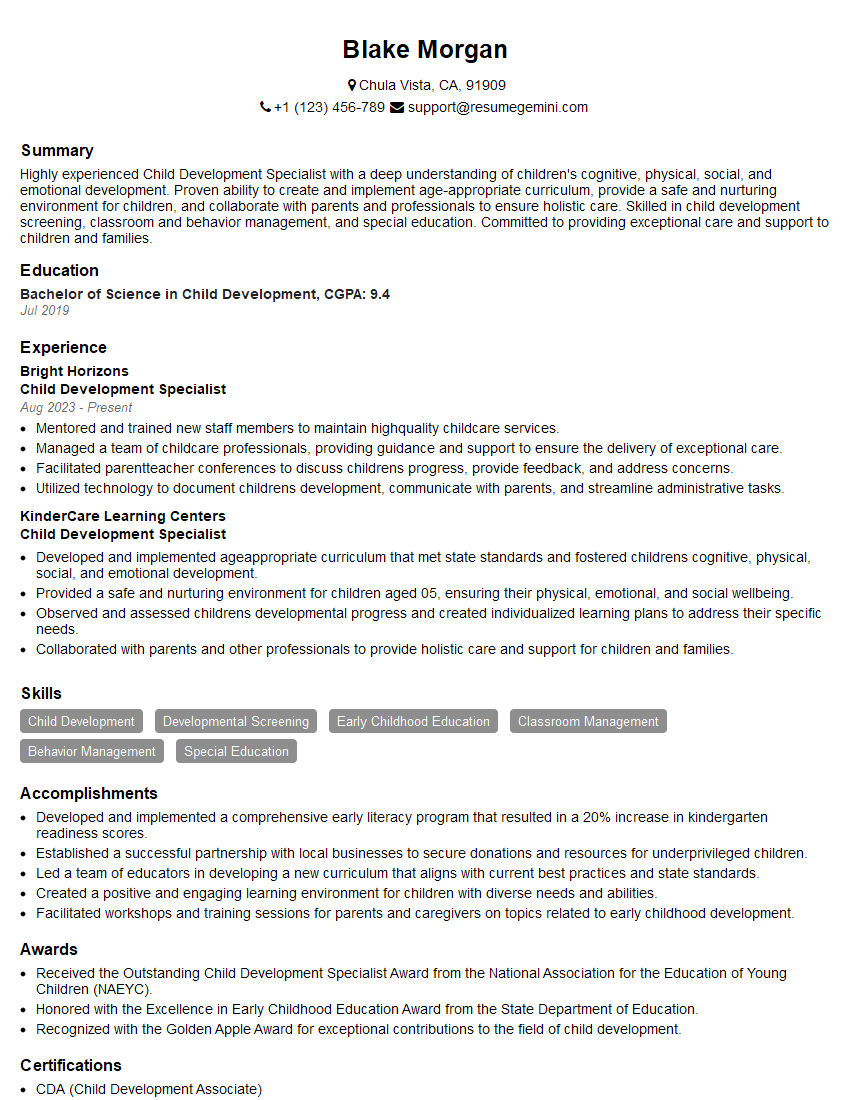
Child Development Specialist Resume Sample
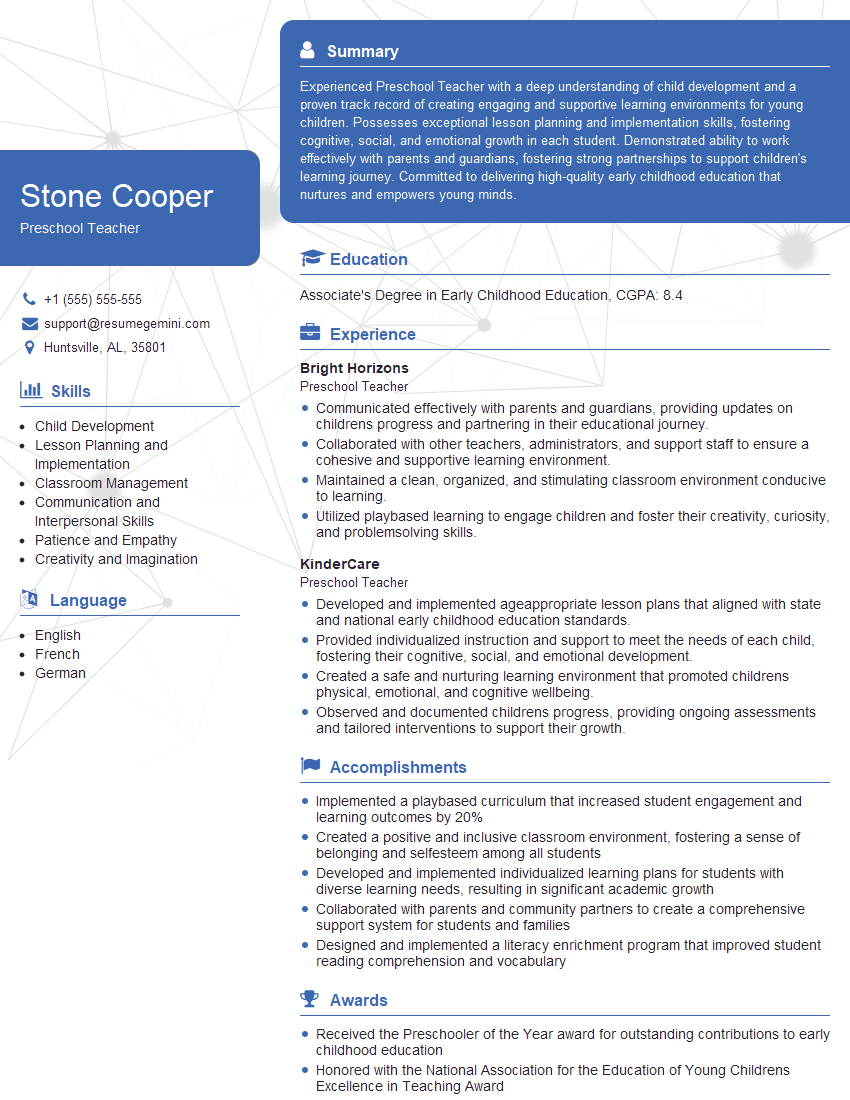
Preschool Teacher Resume Sample
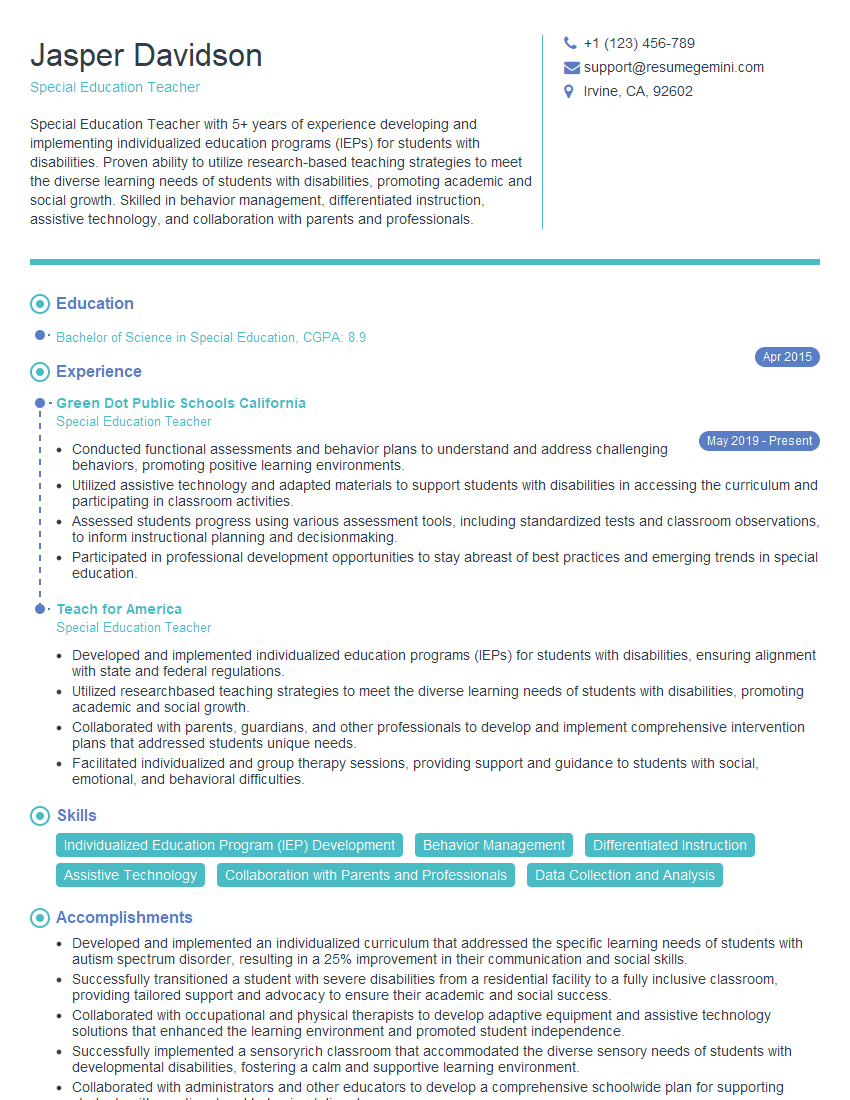
Special Education Teacher Resume Sample
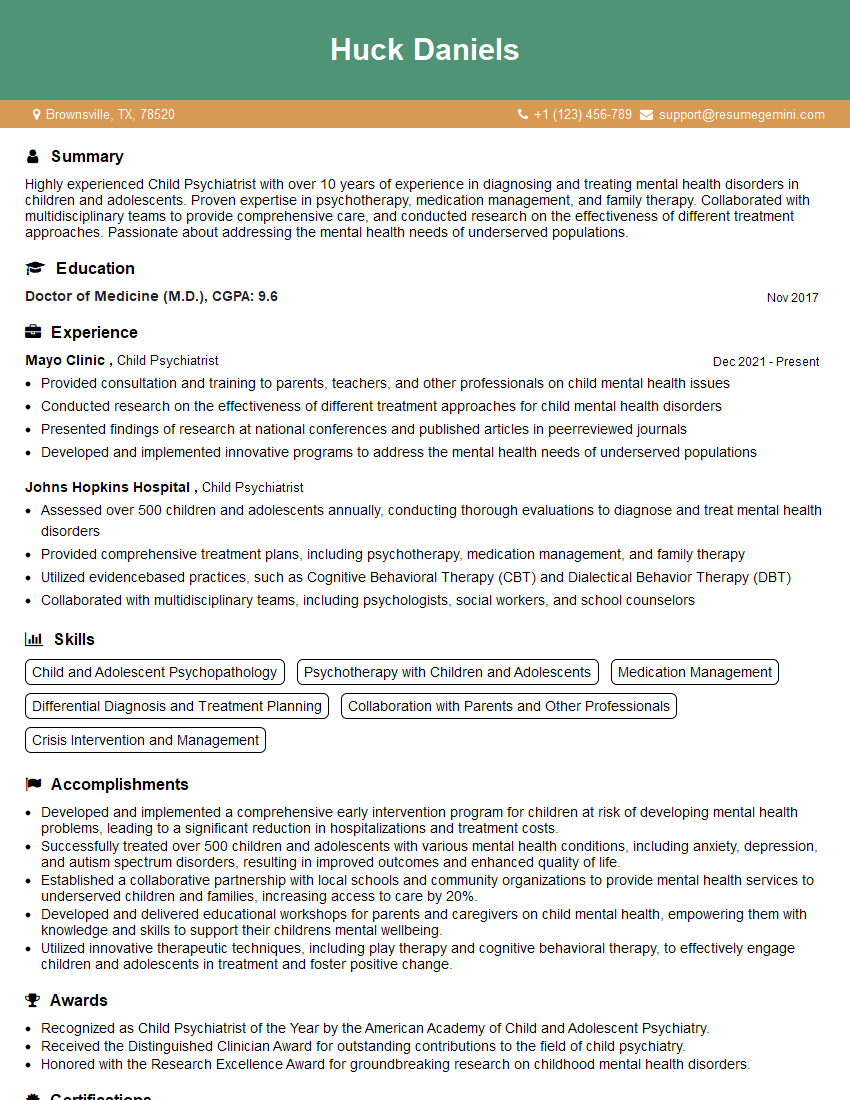
Child Psychiatrist Resume Sample
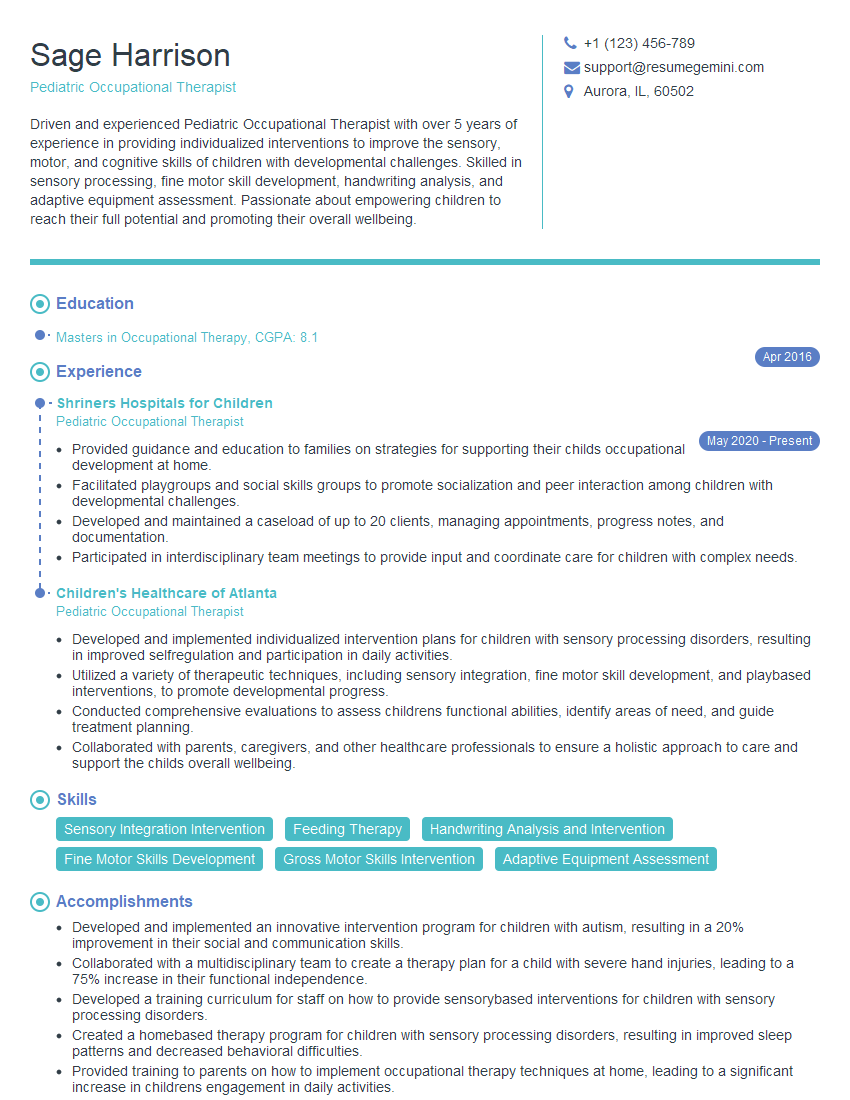
Pediatric Occupational Therapist Resume Sample

Pediatric Nurse Resume Sample
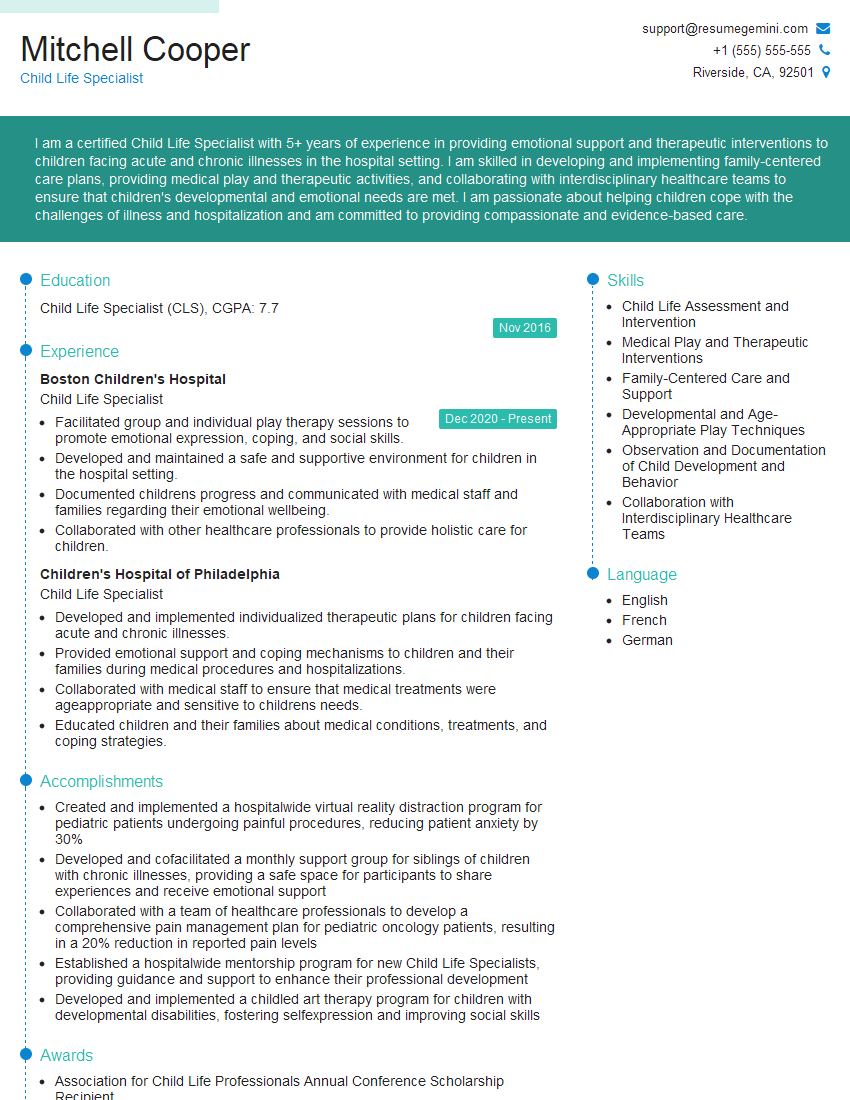
Child Life Specialist Resume Sample
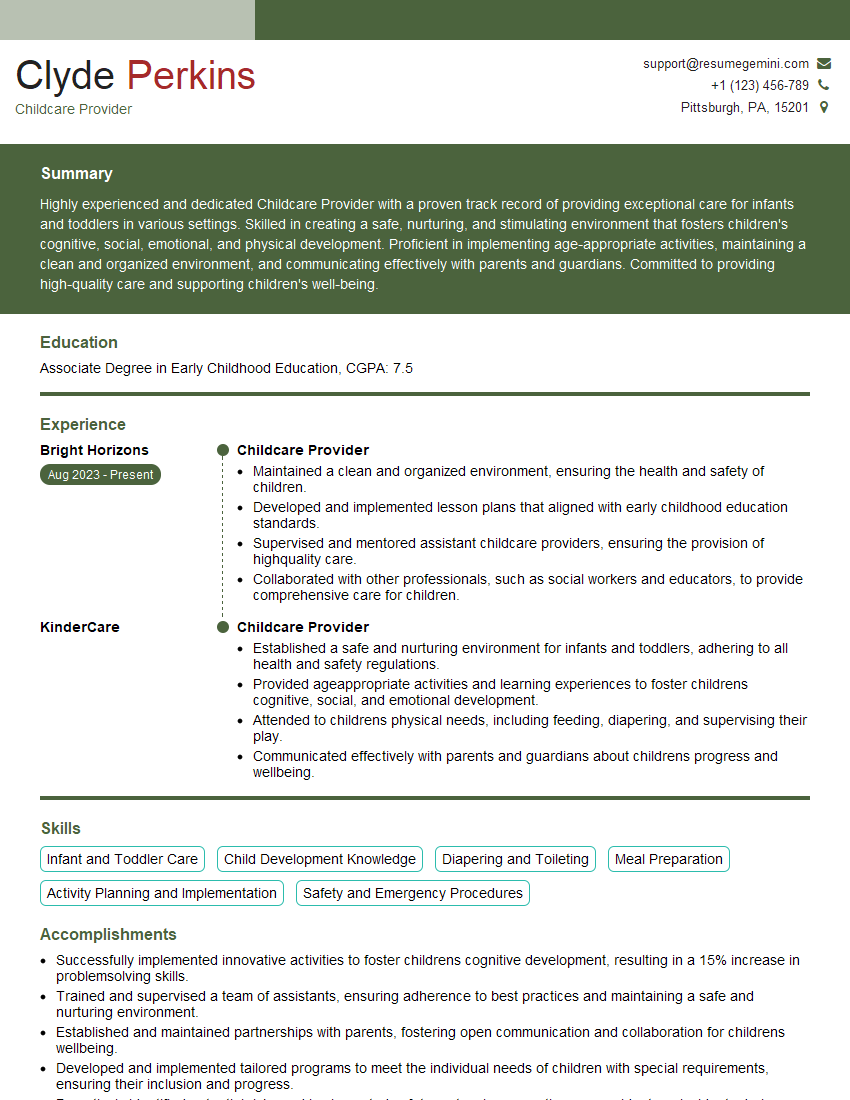
Childcare Provider Resume Sample
- Child Psychologist
- Educational Psychologist
- Family Therapist
- Play Therapist
- Youth Counselor
- Adoption Specialist
- Early Intervention Specialist
- Foster Care Worker
- Child Development Specialist
- Preschool Teacher
- Special Education Teacher
- Child Psychiatrist
- Pediatric Occupational Therapist
- Pediatric Nurse
- Child Life Specialist
- Childcare Provider
Explore more articles
Users Rating of Our Blogs
Share Your Experience
We value your feedback! Please rate our content and share your thoughts (optional).
What Readers Say About Our Blog
I Redesigned Spongebob Squarepants and his main characters of my artwork.
https://www.deviantart.com/reimaginesponge/art/Redesigned-Spongebob-characters-1223583608
IT gave me an insight and words to use and be able to think of examples
Hi, I’m Jay, we have a few potential clients that are interested in your services, thought you might be a good fit. I’d love to talk about the details, when do you have time to talk?
Best,
Jay
Founder | CEO