Cracking a skill-specific interview, like one for Biological Control Agents and Sustainable Practices, requires understanding the nuances of the role. In this blog, we present the questions you’re most likely to encounter, along with insights into how to answer them effectively. Let’s ensure you’re ready to make a strong impression.
Questions Asked in Biological Control Agents and Sustainable Practices Interview
Q 1. Explain the principles of Integrated Pest Management (IPM).
Integrated Pest Management (IPM) is a sustainable approach to pest control that aims to minimize pesticide use while maximizing effectiveness. It’s based on the principle of understanding the pest, its environment, and its interactions with other organisms. Instead of relying solely on chemical pesticides, IPM employs a multifaceted strategy that integrates various tactics.
- Monitoring and Identification: Regularly checking for pests and accurately identifying them is crucial. This allows for timely intervention and prevents unnecessary treatment.
- Economic Thresholds: IPM considers the economic damage caused by pests. Treatment is only justified when the pest population surpasses a level where the cost of control is less than the potential crop loss.
- Cultural Controls: These methods manipulate the environment to make it less hospitable to pests. Examples include crop rotation, adjusting planting times, and proper sanitation practices.
- Biological Control: Utilizing natural enemies like predators, parasites, or pathogens of the pest to reduce their numbers. This is a cornerstone of IPM.
- Chemical Control: Chemical pesticides are used as a last resort, only when other methods are insufficient and the economic threshold is exceeded. The focus is on using the least toxic and most effective pesticides.
Imagine a farmer dealing with aphids on their lettuce. Instead of immediately spraying a broad-spectrum insecticide, they would first monitor aphid populations, identifying the species. If the numbers stay below the economic threshold (where the cost of treatment outweighs the crop loss), they might employ beneficial insects like ladybugs to control the aphids. Only if the aphid population explodes and threatens a significant crop loss would they consider using a targeted insecticide.
Q 2. Describe different types of biocontrol agents (e.g., microbial, classical, augmentative).
Biocontrol agents are organisms used to suppress pest populations. They come in various forms:
- Classical Biological Control: Introducing a natural enemy from the pest’s native range to a new region where the pest has become invasive. This requires rigorous testing to ensure host specificity and prevent unintended ecological consequences. For example, introducing a specific beetle to control a destructive weed.
- Augmentative Biological Control: Mass-rearing and releasing natural enemies to supplement existing populations and enhance their effectiveness in controlling the pest. This is commonly used with beneficial insects like ladybugs or parasitic wasps.
- Microbial Control: Using microorganisms like bacteria, fungi, viruses, or nematodes to infect and kill pests. Bacillus thuringiensis (Bt) is a well-known example used against various insect pests.
- Conservation Biological Control: Protecting and enhancing existing natural enemies within the agroecosystem. This involves creating habitats favorable to these beneficial organisms through practices like providing shelter and food sources.
Think of it like a natural army fighting the pest army. Classical biocontrol is like bringing in reinforcements from a distant land, augmentative is like bolstering your existing troops, and microbial control is like using a biological weapon.
Q 3. What are the advantages and disadvantages of using biological control compared to chemical pesticides?
Biological control offers several advantages over chemical pesticides, but also comes with some drawbacks.
Advantages:
- Environmental Friendliness: Generally less harmful to non-target organisms, including beneficial insects, pollinators, and humans.
- Sustainability: Provides long-term pest suppression, reducing the need for repeated applications.
- Cost-Effectiveness: Can be less expensive in the long run than repeated chemical pesticide applications.
- Reduced Pesticide Resistance: Pests are less likely to develop resistance to biological control agents compared to chemical pesticides.
Disadvantages:
- Time Lag: Biological control often takes longer to achieve significant pest suppression compared to immediate effects of chemical pesticides.
- Specificity: Some biocontrol agents may not be effective against all pests or pest life stages.
- Environmental Factors: The effectiveness of biocontrol agents can be influenced by weather conditions and other environmental factors.
- Establishment Challenges: Successfully establishing a biocontrol agent can be challenging, requiring careful planning and monitoring.
For instance, while chemical pesticides can quickly eliminate an aphid infestation, beneficial insects like lacewings provide a more sustainable and environmentally friendly solution, even though it might take a bit longer.
Q 4. How do you assess the effectiveness of a biological control program?
Assessing the effectiveness of a biological control program requires a multi-faceted approach.
- Population Monitoring: Regularly tracking the population densities of both the pest and the biocontrol agent using various methods like visual counts, traps, or sampling. This helps establish baseline levels and assess the impact of the biocontrol agent.
- Damage Assessment: Evaluating the level of damage caused by the pest before and after the introduction of the biocontrol agent. This assesses the economic impact.
- Statistical Analysis: Using statistical methods to analyze the data collected through monitoring and damage assessment to determine the significance of the biocontrol agent’s impact.
- Economic Analysis: Calculating the cost-benefit ratio of the program, comparing the costs of implementing the biocontrol strategy with the economic losses prevented by reduced pest damage.
For example, if a program aims to control a specific weed, researchers would assess the weed’s density before and after introducing a biocontrol insect. Statistical analysis will show whether the insect significantly reduced weed density, and economic analysis will compare the cost of the program to the value of the crop saved.
Q 5. Discuss the role of habitat manipulation in biological control.
Habitat manipulation plays a crucial role in biological control by creating environments favorable to natural enemies while making it less suitable for pests. This involves modifying the landscape to enhance the survival, reproduction, and activity of beneficial organisms.
- Providing Shelter: Creating habitats that offer shelter from harsh weather conditions and predators, such as hedgerows, cover crops, or artificial shelters.
- Alternative Food Sources: Supplying alternative food sources for natural enemies when the pest is scarce, ensuring their persistence throughout the year.
- Reducing Pest Habitats: Modifying the environment to reduce the breeding sites and overwintering areas for pests, such as removing weed hosts or improving sanitation.
- Promoting Biodiversity: Increasing the overall diversity of plants and insects in the agroecosystem, providing a wider range of food and habitat options for natural enemies.
Imagine a farmer creating flower strips near their crop field to attract pollinators and predatory insects. These flower strips provide food and shelter for beneficial insects, boosting their populations and thus their effectiveness in controlling crop pests.
Q 6. Explain the concept of host specificity in biocontrol agents.
Host specificity refers to the range of organisms that a biocontrol agent can attack. Ideally, a successful biocontrol agent is highly specific, targeting only the intended pest while leaving other non-target organisms unharmed. This is crucial to prevent ecological damage.
High host specificity means the biocontrol agent only affects the target pest and nothing else, minimizing risks to beneficial insects, wildlife, or the environment. Thorough testing is done before introducing a biocontrol agent to assess its host range. A lack of host specificity can lead to unintended consequences, such as the biocontrol agent attacking beneficial insects or native species.
For example, a biocontrol agent designed to control a specific invasive weed should only feed on that weed and not affect similar native plants.
Q 7. What are some common challenges encountered in implementing biological control programs?
Implementing biological control programs comes with several challenges:
- Lack of suitable biocontrol agents: Finding an effective and host-specific biocontrol agent for a particular pest can be difficult. Extensive research and testing is often necessary.
- Establishment failure: Introduced biocontrol agents may fail to establish themselves in the new environment due to factors like unfavorable climate conditions, lack of suitable food sources, or competition with other organisms.
- Non-target effects: Biocontrol agents may inadvertently affect non-target organisms, including beneficial species. This necessitates careful risk assessment and monitoring.
- Slow action: Biological control often takes longer to show results compared to chemical control. This requires patience and long-term commitment.
- Cost and resources: Developing and implementing effective biological control programs requires significant investment in research, monitoring, and management.
For example, a program to control an invasive pest might fail if the introduced biocontrol agent is unable to adapt to local conditions or if it attacks beneficial native species.
Q 8. How do you monitor the population dynamics of biocontrol agents?
Monitoring biocontrol agent populations is crucial for effective pest management. We need to understand their establishment, spread, and impact on the target pest. This involves a combination of techniques tailored to the specific agent and target pest.
Visual Surveys: Regular inspections of the target area, looking for the biocontrol agent and the pest, are often the first step. For example, counting the number of ladybugs (a common biocontrol agent) per square meter of a crop field.
Trapping: Specialized traps can be used to capture and count the biocontrol agents, giving a more quantitative estimate of their abundance. Sticky traps or pitfall traps are examples.
Sampling: Collecting samples of plants or soil to assess the presence of the biocontrol agent at different stages of its life cycle. For instance, we might collect soil samples to look for the presence of beneficial nematodes controlling soilborne pests.
Molecular Techniques: For more precise quantification or detection of specific agents, particularly when they are difficult to identify visually, PCR (Polymerase Chain Reaction) techniques are invaluable. This allows us to detect even small quantities of the biocontrol agent’s DNA in environmental samples.
The frequency of monitoring depends on several factors, including the lifecycle of both the biocontrol agent and the target pest, the environmental conditions, and the desired level of control. Regular data analysis helps us understand population trends and adjust strategies as needed.
Q 9. Describe different methods for mass-rearing biocontrol agents.
Mass-rearing biocontrol agents is essential for successful implementation of biological control programs. The methods used vary greatly depending on the species. Here are some common approaches:
In vitro culture: For microorganisms like bacteria or fungi, mass-rearing often involves culturing them in large fermenters under controlled conditions, providing optimal nutrients and environmental parameters. This ensures consistent production of high quantities.
Artificial diets: Many insects can be reared on artificial diets in labs, providing a controlled environment and eliminating the need to maintain a large supply of host plants. These diets are carefully formulated to provide essential nutrients.
Semi-artificial diets: These combine artificial ingredients with some natural components, such as incorporating plant material into an otherwise synthetic diet. This may improve the nutritional value and ease of digestion for some insect species.
Host-rearing: This involves rearing the biocontrol agent on its natural host in a controlled environment. This can be more challenging but may produce healthier and more effective agents, particularly for predatory insects which have complex nutritional needs.
Greenhouse rearing: For some agents, large greenhouses are utilized to create a suitable environment for mass production. These greenhouses simulate natural conditions while allowing for greater control over factors like temperature, humidity, and light.
Careful consideration must be given to factors like the agent’s nutritional requirements, environmental conditions, and the potential for disease or contamination during mass-rearing.
Q 10. How do you evaluate the environmental impact of using biological control agents?
Evaluating the environmental impact of biocontrol agents is crucial for ensuring sustainability. A thorough risk assessment is performed before release, considering both direct and indirect effects.
Target Specificity: The most important aspect is assessing the agent’s specificity for the target pest. We want to minimize non-target effects on beneficial organisms or the environment. Detailed laboratory and field studies are done to confirm this.
Persistence: We need to consider how long the biocontrol agent will persist in the environment after release. A long persistence might lead to unintended consequences. Monitoring the agent’s survival and reproductive rates helps in this assessment.
Interactions with other organisms: The effects of the biocontrol agent on the overall community structure of the ecosystem, including its interactions with native predators, parasites, and competitors, must be investigated. Such assessments often require detailed ecological modeling.
Genetic effects: If the biocontrol agent is a genetically modified organism (GMO), additional considerations are required, including the risk of gene flow to wild populations and potential consequences for biodiversity.
Life cycle impact assessments (LCIA) can provide a comprehensive evaluation, considering the entire life cycle of the biocontrol agent, from production to its impact on the environment. Using a combination of field observations, laboratory experiments and modelling assists in forecasting environmental impact.
Q 11. What are the key principles of sustainable agriculture?
Sustainable agriculture focuses on meeting present food and fiber needs without compromising the ability of future generations to meet their own needs. Key principles include:
Environmental stewardship: Minimizing environmental damage through responsible resource management, including water, soil, and biodiversity conservation.
Economic viability: Ensuring that farming practices are profitable and support the livelihoods of farmers.
Social equity: Promoting fair labor practices, community well-being, and access to healthy food.
Resilience: Building systems that can withstand environmental stresses, economic shocks, and social changes.
These principles are interconnected and require a holistic approach. For example, reducing pesticide use (environmental stewardship) can improve farmer health (social equity) and reduce long-term costs (economic viability).
Q 12. Describe different sustainable farming practices.
Sustainable farming practices aim to minimize environmental impact while maintaining productivity. Examples include:
Integrated Pest Management (IPM): Using a combination of methods to control pests, prioritizing less harmful strategies like biological control and cultural practices before resorting to chemical pesticides.
Conservation tillage: Minimizing soil disturbance during planting to reduce erosion, conserve soil moisture, and enhance soil health.
Cover cropping: Planting crops to cover the soil between main crops to prevent erosion, improve soil fertility, and suppress weeds.
Agroforestry: Integrating trees into agricultural systems to improve biodiversity, provide shade, and enhance soil health.
Water conservation techniques: Using efficient irrigation methods, such as drip irrigation, to reduce water waste.
Organic farming: Avoiding synthetic pesticides, fertilizers, and genetically modified organisms (GMOs).
The specific practices employed will depend on the type of crop, location, and specific environmental conditions.
Q 13. How can precision agriculture contribute to sustainable farming?
Precision agriculture uses technology to optimize resource use and improve efficiency, contributing significantly to sustainable farming. This involves utilizing data and technology to manage inputs, such as fertilizer, water, and pesticides, more precisely.
GPS-guided machinery: Allows for precise application of inputs, reducing waste and environmental impact.
Remote sensing: Utilizing satellite imagery and drones to monitor crop health and identify areas needing attention.
Variable rate technology (VRT): Applying inputs at varying rates based on specific needs, optimizing resource use.
Sensor technology: Utilizing sensors to monitor soil conditions, plant growth, and other factors in real-time.
By applying inputs only where and when needed, precision agriculture minimizes environmental impact while increasing productivity and profitability. For example, VRT can reduce fertilizer use by up to 20%, lowering costs for farmers and reducing nutrient runoff.
Q 14. What are the benefits of crop rotation in sustainable agriculture?
Crop rotation involves planting different crops in a sequence on the same land over several years. This practice has multiple benefits in sustainable agriculture:
Improved soil health: Different crops have different nutrient requirements, and rotating them can help balance soil nutrients and reduce the need for synthetic fertilizers. For example, legumes (like beans and peas) fix nitrogen in the soil, benefiting subsequent crops.
Pest and disease management: Rotating crops can disrupt the life cycles of pests and diseases, reducing their populations and minimizing the need for pesticides. By breaking the cycle, crop specific pests and diseases are less likely to thrive.
Weed control: Certain crops can help suppress weeds, reducing the need for herbicides. Cover crops in rotation can also aid in weed suppression.
Erosion control: Different crops have different root systems, and rotating them can improve soil structure and reduce erosion.
Water conservation: Some crops are more efficient at utilizing water than others, and careful rotation can help optimize water use.
Well-planned crop rotation is a cornerstone of sustainable agriculture, fostering resilience and productivity over the long term.
Q 15. How does cover cropping improve soil health and sustainability?
Cover cropping is a sustainable agricultural practice where farmers plant specific crops, called cover crops, to improve soil health without intending to harvest them for sale. These crops are typically planted between cash crops or during fallow periods.
Cover crops enhance soil health in several ways:
- Improved Soil Structure: Their roots help to break up compacted soil, increasing water infiltration and aeration. Imagine it like adding tiny tunnels that allow water and air to reach deeper into the soil.
- Increased Organic Matter: When the cover crop is tilled into the soil or left to decompose naturally (as mulch), it adds organic matter, enriching the soil with essential nutrients and improving its water-holding capacity. Think of it as giving the soil a nutrient-rich ‘meal’.
- Reduced Erosion: The dense cover of plants protects the soil surface from wind and water erosion, preventing topsoil loss and nutrient runoff. It acts as a natural shield, preventing soil from washing or blowing away.
- Weed Suppression: Some cover crops can effectively compete with weeds, reducing the need for herbicides. They act like natural competitors, outcompeting weeds for resources like sunlight and nutrients.
- Nutrient Cycling: Cover crops can absorb excess nutrients from the soil that might otherwise contribute to pollution, preventing these nutrients from entering waterways. It’s like a natural filter for the soil’s nutrients.
- Pest and Disease Control: Certain cover crops can attract beneficial insects or suppress pests and diseases, reducing the need for pesticides. Imagine it as a natural pest control system.
For example, planting legumes like clover or alfalfa can fix nitrogen from the atmosphere, reducing the need for synthetic nitrogen fertilizers. Rye, on the other hand, is excellent for suppressing weeds and improving soil structure.
Career Expert Tips:
- Ace those interviews! Prepare effectively by reviewing the Top 50 Most Common Interview Questions on ResumeGemini.
- Navigate your job search with confidence! Explore a wide range of Career Tips on ResumeGemini. Learn about common challenges and recommendations to overcome them.
- Craft the perfect resume! Master the Art of Resume Writing with ResumeGemini’s guide. Showcase your unique qualifications and achievements effectively.
- Don’t miss out on holiday savings! Build your dream resume with ResumeGemini’s ATS optimized templates.
Q 16. Explain the role of biodiversity in sustainable agriculture.
Biodiversity in agriculture refers to the variety of life within and around farms, encompassing plants, animals, fungi, and microorganisms. It’s crucial for building a sustainable and resilient agricultural system.
- Pest and Disease Resistance: A diverse ecosystem is less susceptible to widespread pest and disease outbreaks. Think of it like a diverse portfolio—a single problem doesn’t wipe out everything.
- Enhanced Pollination: A wide range of pollinators (bees, butterflies, etc.) ensures efficient pollination for crops, leading to higher yields. A varied pollinator population is more effective than relying on just one species.
- Improved Soil Health: Different organisms in the soil contribute to nutrient cycling, decomposition, and soil structure improvement. It’s like having a team of soil workers contributing to different aspects of soil health.
- Increased Resilience to Climate Change: Diverse systems are better equipped to cope with environmental stressors such as drought or extreme temperatures. A diverse system has a built-in ‘safety net’ against climate change impacts.
- Reduced Reliance on External Inputs: Biodiversity can reduce the need for synthetic pesticides, fertilizers, and irrigation through natural pest control and nutrient cycling. It promotes self-sufficiency within the agricultural system.
For instance, agroforestry systems, where trees are integrated into farms, enhance biodiversity and provide numerous benefits, including shade, windbreaks, and habitat for pollinators and beneficial insects.
Q 17. Discuss the challenges in transitioning to sustainable agricultural practices.
Transitioning to sustainable agricultural practices presents several significant challenges:
- High Initial Investment: Implementing sustainable practices often requires upfront investment in new equipment, training, and potentially new infrastructure. This can be a major barrier for many farmers.
- Market Access and Consumer Demand: Sustainable produce might initially command a higher price, which could affect market access. Consumer awareness and willingness to pay a premium for sustainably produced food is also crucial.
- Lack of Knowledge and Training: Farmers need adequate training and technical assistance to adopt and effectively implement sustainable practices. This involves education and support in practical application.
- Technological Gaps: In some regions, the technologies needed for sustainable agriculture (like precision farming techniques) may not be readily available or affordable.
- Policy and Regulatory Frameworks: Supportive government policies, incentives, and regulations are crucial for promoting the adoption of sustainable practices. Clear guidelines and support are necessary.
- Scaling Up Challenges: Successfully scaling up sustainable farming methods from pilot projects to widespread adoption requires overcoming logistical hurdles and ensuring consistent quality and supply chains.
For example, the transition to organic farming requires a lengthy process to build soil fertility and can initially involve lower yields until the system matures. This requires patience and investment from farmers.
Q 18. How do you measure the economic viability of sustainable agricultural practices?
Measuring the economic viability of sustainable agricultural practices requires a holistic approach that considers both short-term and long-term costs and benefits.
- Yield and Production Costs: Compare the yields and production costs of sustainable practices with conventional methods. This might involve tracking data on crop yields, input costs (fertilizers, pesticides, etc.), labor costs, and energy use.
- Market Prices and Premiums: Analyze market prices for sustainably produced products and any potential premiums that can be obtained. This involves market research and understanding consumer preferences.
- Environmental Benefits and Externalities: Quantify the environmental benefits (reduced greenhouse gas emissions, improved water quality, reduced soil erosion) and their associated monetary value. This may involve complex modelling or using existing valuation methodologies.
- Risk Management and Resilience: Evaluate the risks associated with sustainable practices (e.g., weather variability, pest outbreaks) and assess the resilience of the system to these risks. This involves risk assessment and mitigation strategies.
- Long-term Sustainability: Consider the long-term costs and benefits, including soil health improvements, reduced input costs in the long run, and the potential for increased farm profitability in the future.
Life Cycle Assessment (LCA) is a useful tool to assess the environmental and economic impact of different farming systems over their entire life cycle, from production to disposal or recycling.
Q 19. What are the potential risks associated with the introduction of non-native biocontrol agents?
Introducing non-native biocontrol agents carries inherent risks:
- Non-target Effects: The biocontrol agent might attack native species that are beneficial to the ecosystem or even endangered species. It’s like introducing a predator that targets unintended prey.
- Establishment and Spread: The agent might establish itself beyond the intended area and become invasive, outcompeting native species and disrupting ecological balance. This uncontrolled spread can have devastating consequences.
- Pest Resistance: The target pest might develop resistance to the biocontrol agent, rendering the control ineffective in the long term. This is similar to the development of antibiotic resistance in bacteria.
- Unforeseen Interactions: Introducing a new species into an ecosystem can have unforeseen and potentially negative consequences on existing ecological interactions, leading to unintended outcomes.
- Economic Losses: If the biocontrol agent fails or causes unintended damage, it can lead to significant economic losses for farmers.
A thorough risk assessment before introducing any non-native biocontrol agent is critical. This assessment should involve laboratory and field testing to evaluate the agent’s specificity, potential for spread, and impact on non-target organisms.
Q 20. Describe the regulatory framework for the use of biocontrol agents.
The regulatory framework for the use of biocontrol agents varies by country but generally involves a multi-stage process aiming to ensure safety and effectiveness.
- Risk Assessment: A thorough risk assessment is conducted to evaluate the potential environmental and ecological impacts of the biocontrol agent.
- Permitting and Approvals: Specific permits and approvals are required from regulatory bodies before the agent can be released into the environment. This process ensures a careful evaluation of the proposed agent.
- Monitoring and Evaluation: Once released, the biocontrol agent is carefully monitored to track its impact on the target pest and on non-target organisms. Post-release monitoring is crucial for identifying unintended consequences.
- Quarantine and Containment: Measures are taken to prevent the spread of the biocontrol agent beyond the target area. Quarantine procedures are employed to minimize risk.
- Record Keeping: Detailed records are maintained throughout the entire process, from initial research to post-release monitoring. This documentation ensures transparency and traceability.
International organizations like the International Plant Protection Convention (IPPC) play a key role in establishing guidelines and standards for the safe use of biocontrol agents.
Q 21. How do you develop a biocontrol strategy for a specific pest or weed?
Developing a biocontrol strategy for a specific pest or weed involves a systematic approach:
- Identify the Target Pest or Weed: Clearly identify the target species and its life cycle, distribution, and impact on the ecosystem.
- Explore Potential Biocontrol Agents: Conduct a thorough literature review and field surveys to identify potential biocontrol agents (natural enemies like predators, parasitoids, or pathogens) that are specific to the target pest or weed.
- Laboratory Testing and Host Specificity Studies: Test the effectiveness and host specificity of the potential biocontrol agents in laboratory settings to ensure they target only the intended pest or weed and do not harm other beneficial species. This is a critical step in ensuring safety.
- Field Trials and Release: Conduct field trials to evaluate the effectiveness of the biocontrol agent under real-world conditions. This includes monitoring the impact on the target pest and other components of the ecosystem. Small-scale field releases can be done before mass releases.
- Post-Release Monitoring and Evaluation: Monitor the population dynamics of the biocontrol agent, the target pest or weed, and other non-target organisms. This long-term monitoring is essential to assess the long-term impact of the biocontrol agent.
- Adaptive Management: Based on the monitoring data, adjust the biocontrol strategy as needed. This might involve integrating other control methods or adjusting release strategies.
For instance, in controlling the invasive weed water hyacinth, the weevil Neochetina bruchi has been successfully used as a biocontrol agent in many parts of the world, providing an example of a well-planned and effective biocontrol strategy.
Q 22. What are the factors to consider when selecting a biocontrol agent?
Selecting the right biocontrol agent is crucial for successful pest management. It’s like choosing the right tool for a job – a hammer won’t fix a leaky pipe! Several factors must be carefully considered. First, the target pest needs thorough identification, including its life cycle and behavior, to ensure the biocontrol agent’s effectiveness. We need to understand its vulnerabilities. Second, the biocontrol agent itself should be thoroughly researched. Its effectiveness against the target pest, its host specificity (to avoid harming non-target organisms), its environmental requirements (temperature, humidity, etc.), and its ease of rearing and release are all critical. Third, the environment where the biocontrol agent will be introduced plays a vital role. Factors such as climate, existing natural enemies, and the overall ecosystem health must be assessed. Finally, regulatory considerations and potential non-target impacts necessitate careful evaluation before implementation.
- Example: When choosing a biocontrol agent for aphids, we’d consider ladybugs, but only after careful research to ensure that the specific ladybug species chosen is effective against that particular aphid species and doesn’t negatively affect other beneficial insects in the ecosystem.
Q 23. Explain the concept of ecological risk assessment in biocontrol.
Ecological risk assessment in biocontrol is a systematic process designed to identify and evaluate the potential risks associated with introducing a non-native organism into a new environment. It’s about minimizing the unintended consequences. Imagine introducing a new species – it’s like adding a new piece to a complex puzzle; you need to ensure it fits and won’t disrupt the existing arrangement. This process typically involves identifying potential risks (like non-target impacts), assessing the likelihood and severity of these risks, and developing strategies for mitigation. It involves a multi-step process, starting with a thorough literature review and expert consultation, followed by laboratory and field studies to determine the agent’s host range and environmental impacts. Models might be used to predict potential spread and impacts, leading to risk ranking and management recommendations. This is crucial to prevent unintended ecological damage and maintain the balance of the ecosystem.
- Example: Before introducing a new parasitic wasp to control a specific insect pest, we would conduct extensive testing to determine if it could attack non-target species with similar characteristics, potentially disrupting the beneficial insect populations.
Q 24. Describe your experience in conducting field trials for biocontrol agents.
I have extensive experience in conducting field trials for biocontrol agents. My work has involved designing and implementing experiments, collecting data on agent establishment, pest suppression, and non-target effects. For example, in one project focused on controlling a specific invasive weed, I designed a randomized block field trial comparing different release rates of a specific biocontrol weevil. We established multiple replicated plots, carefully monitoring the weed population and the weevil’s establishment and spread using various techniques, including visual surveys, mark-recapture methods, and weed biomass assessments. Data collection was rigorous, following standardized protocols and utilizing appropriate sampling designs. Analyzing the results allowed us to determine the optimal release strategy for maximizing weed control while minimizing any potential risks.
Q 25. How do you analyze data from biocontrol experiments?
Data analysis from biocontrol experiments is multifaceted. It usually begins with data cleaning and exploration – identifying outliers, checking for errors, and summarizing key trends. Then, appropriate statistical methods are applied depending on the research question and experimental design. For instance, we might use ANOVA (analysis of variance) to compare the effectiveness of different biocontrol agents, regression analysis to model the relationship between pest population and biocontrol agent density, or time series analysis to track population dynamics over time. We also use non-parametric methods if assumptions of parametric tests are violated. Visualization plays a crucial role, using graphs and charts to clearly communicate findings. Finally, results are interpreted in the context of the experimental design, accounting for limitations and potential biases. The goal is to draw robust and reliable conclusions about the efficacy and safety of the biocontrol agent.
Q 26. What are your skills in data analysis and statistical modeling?
My data analysis skills encompass a broad range of statistical techniques, including parametric and non-parametric tests, regression analysis (linear, logistic, and generalized linear models), time series analysis, and spatial statistics. I’m also proficient in experimental design and data visualization. My statistical modeling skills allow me to develop and interpret complex models to analyze ecological data, predict population dynamics, and assess the risks associated with biocontrol introductions. I have extensive experience in model validation and uncertainty analysis, which is crucial for making robust conclusions based on the available data.
Q 27. What software or tools are you proficient in for biocontrol research or data analysis?
I’m proficient in several software packages commonly used in biocontrol research. This includes R (with packages like ggplot2 for visualization and lme4 for mixed-effects models), Python (using libraries such as pandas and scikit-learn), and SPSS for statistical analysis. I’m also familiar with GIS software (e.g., ArcGIS) for spatial data analysis and visualization, which is particularly useful when mapping the spread and impact of biocontrol agents in the field. My skills extend to using various database management systems for efficient data storage and retrieval.
Q 28. Describe your experience with grant writing or proposal development for biocontrol projects.
I have substantial experience in grant writing and proposal development for biocontrol projects. I’ve successfully secured funding from various agencies by crafting compelling proposals that clearly articulate the research question, methodology, expected outcomes, and potential societal impact of the proposed work. My approach emphasizes a clear and concise presentation of the scientific rationale, a robust experimental design, a detailed budget, and a strong team of collaborators. I tailor proposals to the specific priorities and funding guidelines of each funding agency. I’m familiar with the peer-review process and have incorporated reviewer feedback to improve the quality of my grant applications. Successful grant writing requires a deep understanding of the scientific landscape, excellent communication skills, and a meticulous attention to detail.
Key Topics to Learn for Biological Control Agents and Sustainable Practices Interview
- Understanding Biological Control Agents: Types of agents (e.g., parasitoids, predators, pathogens), their life cycles, and host specificity. Explore the advantages and limitations of different control methods.
- Sustainable Pest Management Strategies: Integrating biological control with other sustainable practices like crop rotation, intercropping, and habitat manipulation. Discuss the principles of Integrated Pest Management (IPM).
- Classical Biological Control: The process of introducing natural enemies from the pest’s native range. Analyze case studies of successful and unsuccessful introductions, considering ecological and economic impacts.
- Augmentative Biological Control: Mass rearing and release of beneficial organisms. Discuss the challenges and techniques involved in mass production and field application.
- Conservation Biological Control: Protecting and enhancing existing natural enemies within agroecosystems. Explore strategies for habitat management and pesticide reduction to support beneficial organisms.
- Risk Assessment and Environmental Impact: Evaluating the potential risks associated with introducing non-native biological control agents. Understanding the importance of environmental impact assessments and regulatory frameworks.
- Practical Applications: Case studies demonstrating successful implementation of biological control in various agricultural and ecological settings. Analyze factors contributing to success or failure.
- Problem-Solving Approaches: Developing strategies for overcoming challenges in biological control programs, such as pest resistance, non-target effects, and economic feasibility.
- Monitoring and Evaluation: Techniques for assessing the effectiveness of biological control programs. Discuss the importance of data collection and analysis in decision-making.
- Future Trends: Emerging technologies and research areas in biological control and sustainable agriculture, including genetic modification and novel approaches.
Next Steps
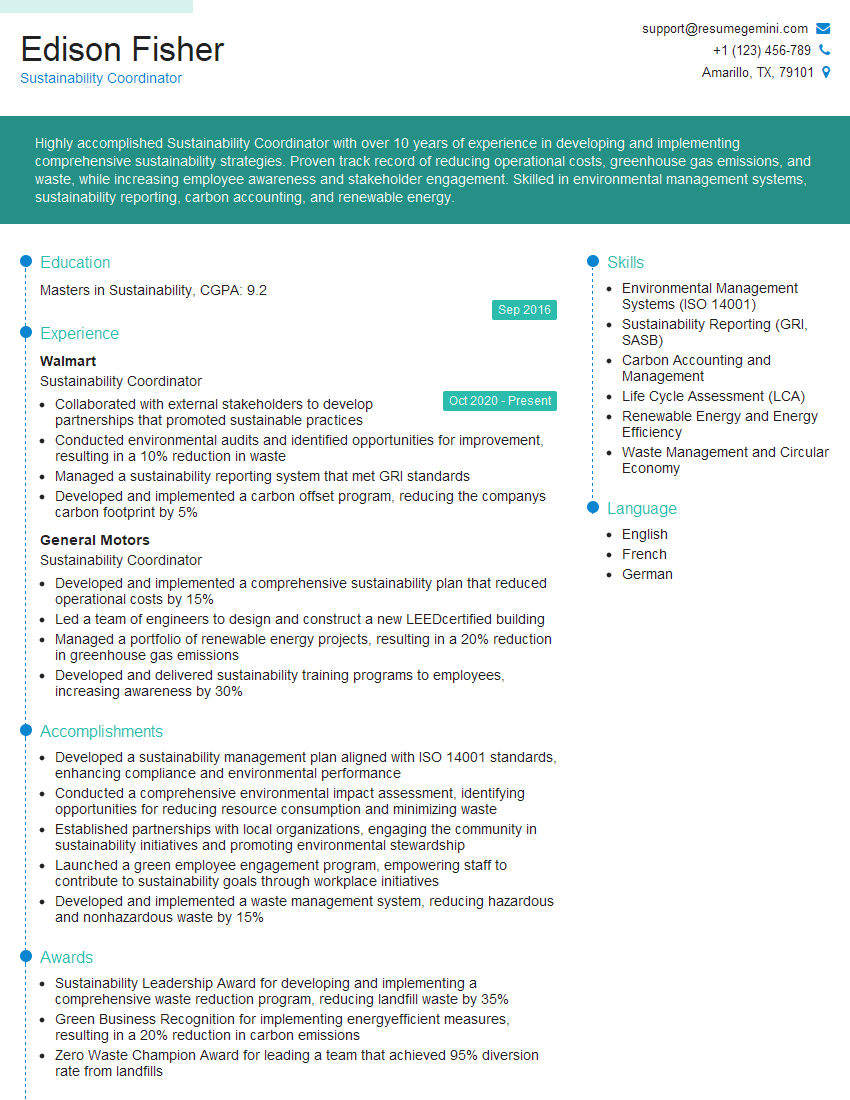
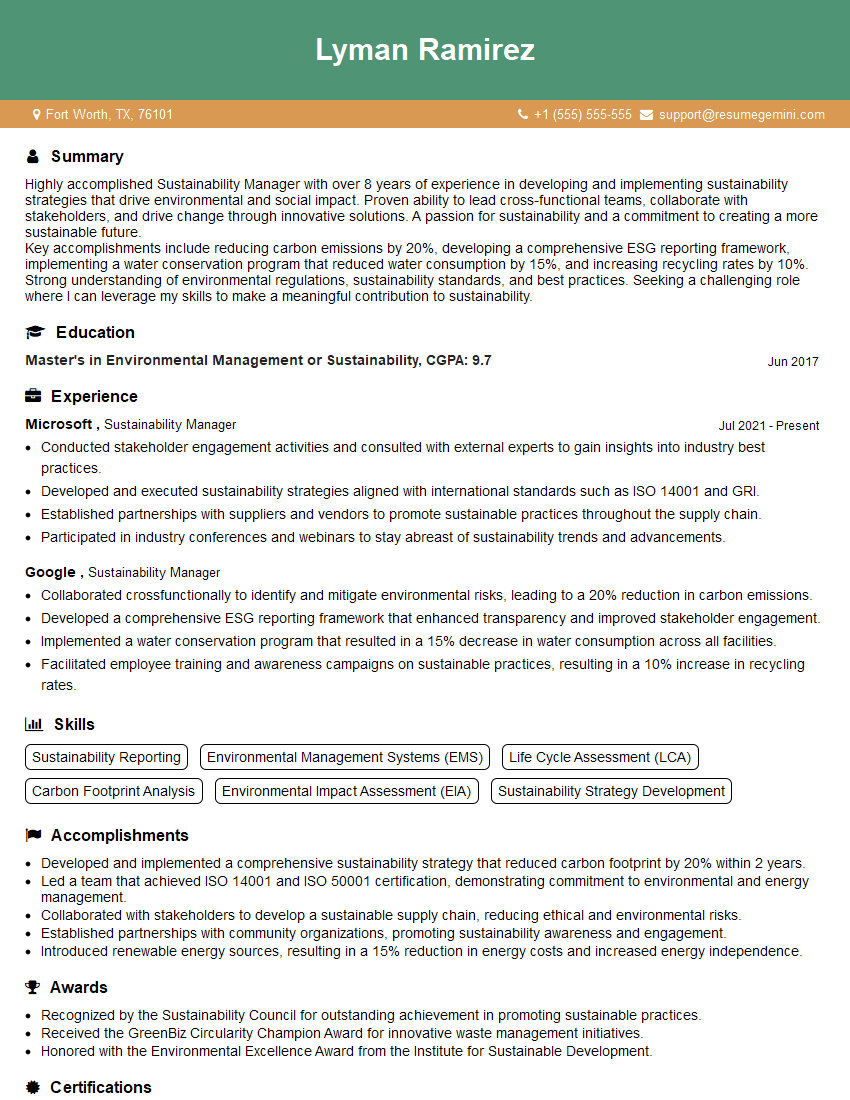
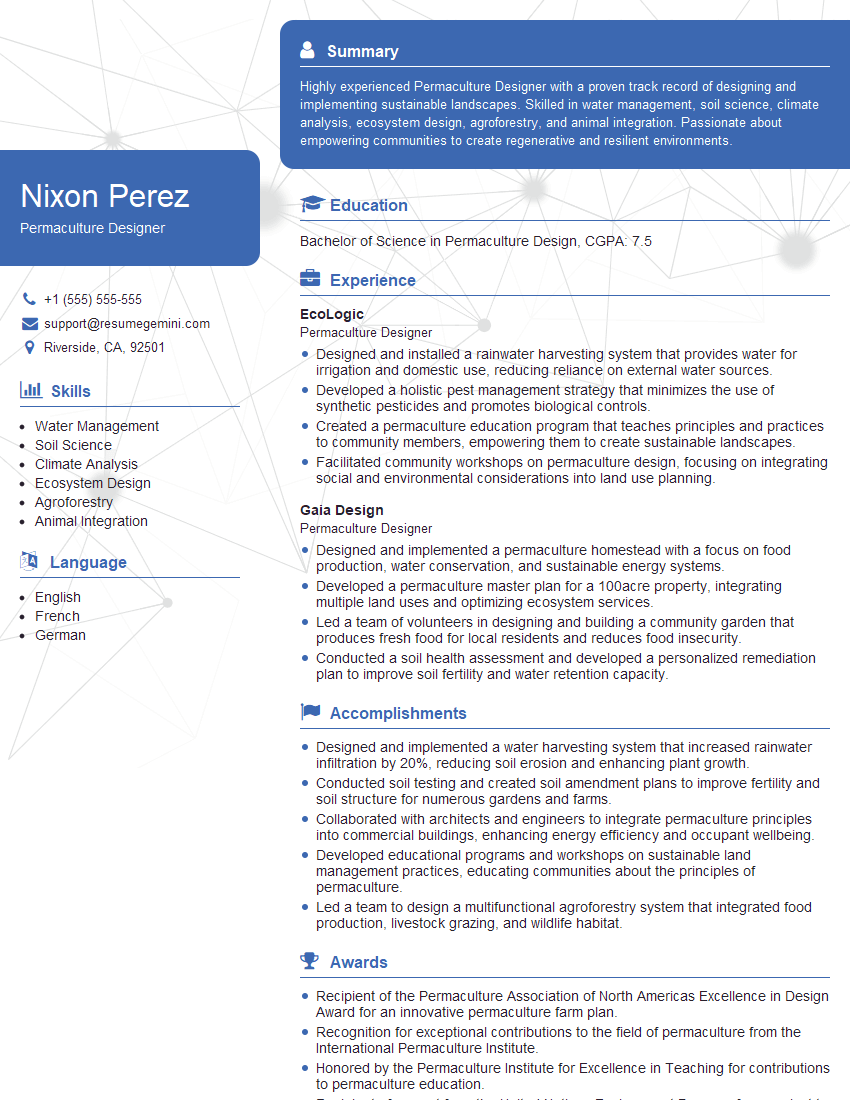
Mastering Biological Control Agents and Sustainable Practices is crucial for a successful career in agriculture, environmental science, and related fields. Demonstrating a strong understanding of these principles will significantly enhance your job prospects. To further improve your chances, creating a compelling and ATS-friendly resume is essential. ResumeGemini is a trusted resource that can help you build a professional and impactful resume tailored to your skills and experience. Examples of resumes tailored to Biological Control Agents and Sustainable Practices are available to guide you.
Explore more articles
Users Rating of Our Blogs
Share Your Experience
We value your feedback! Please rate our content and share your thoughts (optional).
What Readers Say About Our Blog
I Redesigned Spongebob Squarepants and his main characters of my artwork.
https://www.deviantart.com/reimaginesponge/art/Redesigned-Spongebob-characters-1223583608
IT gave me an insight and words to use and be able to think of examples
Hi, I’m Jay, we have a few potential clients that are interested in your services, thought you might be a good fit. I’d love to talk about the details, when do you have time to talk?
Best,
Jay
Founder | CEO