The right preparation can turn an interview into an opportunity to showcase your expertise. This guide to Sensory and Gross Motor Activities interview questions is your ultimate resource, providing key insights and tips to help you ace your responses and stand out as a top candidate.
Questions Asked in Sensory and Gross Motor Activities Interview
Q 1. Describe the difference between sensory integration and sensory processing disorder.
Sensory integration is the neurological process of organizing sensory information from your body and the environment, enabling you to interact effectively with your world. Think of it as your brain’s orchestra, conducting all the different sensory inputs (sight, sound, touch, smell, taste, movement) to create a harmonious experience. Sensory processing disorder (SPD), on the other hand, is a neurological condition where the brain has difficulty receiving, processing, and responding to sensory input. It’s like the orchestra having a conductor who’s struggling to keep the musicians in sync, leading to chaotic or overwhelming experiences.
For example, a child with good sensory integration might smoothly transition from a noisy playground to a quiet classroom, while a child with SPD might find the sudden quiet overwhelming and experience sensory overload. The key difference lies in the efficiency of the brain’s processing of sensory information. Good sensory integration means smooth, efficient processing, while SPD indicates dysfunction in this process.
Q 2. Explain the concept of proprioception and its role in gross motor development.
Proprioception is your body’s awareness of its position in space and the relationship between its different parts. It’s your ‘sixth sense’ – the sense of where your body is without looking. It’s the reason you can touch your nose with your eyes closed or walk without constantly checking your feet. In gross motor development, proprioception is crucial because it allows children to coordinate their movements smoothly and accurately. It’s the foundation for skills like balance, coordination, and strength.
For example, a child with well-developed proprioception can easily climb stairs, ride a bike, or catch a ball, demonstrating good body awareness and control. A child with poor proprioception might struggle with these activities, appearing clumsy, bumping into things, or having difficulty judging distances and body positioning. Activities that enhance proprioception include activities like crawling, jumping, climbing, and playing on uneven surfaces. These activities provide the necessary sensory feedback for the brain to map the body’s position effectively.
Q 3. How would you assess a child’s gross motor skills?
Assessing a child’s gross motor skills involves observing their performance in various activities that require large muscle movements. This assessment should be multifaceted, incorporating both observation and standardized testing, whenever possible. Observation focuses on things like posture, balance, coordination, and strength during natural play. Standardized tests provide a more formal evaluation, comparing the child’s performance to age-appropriate norms.
Observation might involve watching a child run, jump, climb, throw a ball, and hop on one foot, noting any difficulties or delays. Standardized tests might utilize tools like the Bruininks-Oseretsky Test of Motor Proficiency (BOT-2), which measures various aspects of gross motor skills. A comprehensive assessment considers the child’s developmental history, medical conditions, and overall physical health to interpret the results accurately. The goal isn’t just to identify deficits but also to understand the underlying causes and develop appropriate intervention strategies.
Q 4. What are some common signs of sensory processing difficulties in children?
Common signs of sensory processing difficulties in children are varied and can manifest differently. Some children might be overly sensitive (hyper-reactive) to certain sensory inputs, while others might be under-reactive (hypo-reactive) or seek out intense sensory experiences (sensory-seeking).
Examples of hyper-reactivity include extreme aversion to certain textures (e.g., refusing to wear certain clothing), sensitivity to loud noises or bright lights, or strong dislike of being touched. Hypo-reactivity might appear as a lack of awareness of pain or temperature changes, limited response to being called, or difficulty noticing when someone is speaking to them. Sensory-seeking behaviors might include constant fidgeting, crashing into objects, excessively touching or rubbing things, or seeking intense movement experiences. It’s crucial to remember that these behaviors are not intentional; they are a manifestation of the brain’s struggle to process sensory information effectively. Each child will show unique combinations of these difficulties.
Q 5. Describe various sensory integration techniques for children with autism.
Sensory integration techniques for children with autism aim to improve their ability to process and respond to sensory information. These techniques are often tailored to the individual’s specific sensory needs and preferences.
- Weighted blankets or vests: Providing deep pressure can be calming and organizing for some children.
- Sensory diets: Creating a personalized schedule of sensory activities throughout the day to regulate sensory input and reduce overwhelming experiences. This might include things like swinging, jumping on a trampoline, or engaging in tactile activities.
- Occupational therapy: A skilled therapist can design tailored activities to address specific sensory challenges, such as improving proprioception through activities involving movement and body awareness.
- Sensory rooms: These rooms offer a variety of sensory experiences like soft materials, visual stimulation, and auditory input, providing choices that the child can self-regulate.
- Music therapy: Utilizing music to calm or stimulate, depending on the child’s needs.
The goal is to create a therapeutic environment where children can explore their sensory experiences safely and develop more adaptive responses. It’s essential to remember that what works for one child may not work for another, hence the emphasis on individualized plans.
Q 6. How would you adapt a gross motor activity for a child with limited mobility?
Adapting a gross motor activity for a child with limited mobility requires creativity and a focus on safety and accessibility. The key is to modify the activity so the child can participate meaningfully, regardless of their physical limitations.
For example, if the activity is climbing a ladder, a child with limited mobility might use a ramp or modified climbing frame with wider steps and handrails. If the activity is playing ball, the child might sit in a wheelchair and use an adapted ball or participate in a modified game of catch or bowling, adjusted for distance and precision. Using adaptive equipment such as specialized wheelchairs, walkers, or supportive devices is crucial. Collaborating with the child’s physical therapist or occupational therapist is essential to ensure the adaptations are both safe and effective.
The focus is always on maximizing participation and promoting the child’s sense of accomplishment, thereby improving their confidence and self-esteem.
Q 7. What are some strategies for improving hand-eye coordination?
Improving hand-eye coordination involves engaging in activities that require precise movements and coordination between the eyes and hands. It’s a skill that improves with practice and targeted exercises.
- Drawing and coloring: Simple activities like drawing lines and shapes, coloring within the lines, and tracing patterns.
- Building blocks: Stacking blocks, building towers, and creating complex structures enhance hand-eye coordination and spatial awareness.
- Playing catch: Starting with large, soft balls and gradually decreasing the size improves hand-eye coordination and tracking skills.
- Pounding activities: Using hammers to pound pegs or play with a mallet and pegboard improves hand-eye coordination, strength, and precision.
- Video games: Some video games that require hand movements can improve hand-eye coordination but should be used with balance and a focus on overall physical activity.
It’s crucial to start with age-appropriate activities and gradually increase the difficulty as the child improves. Regular practice and positive reinforcement are vital for skill development.
Q 8. Explain the importance of vestibular input in sensory development.
Vestibular input, originating from the inner ear, is crucial for sensory development because it informs our brain about our body’s position and movement in space. This information is foundational for a wide range of skills. Imagine trying to reach for a toy – your vestibular system tells your brain where your arm is in relation to the toy, allowing for accurate movement. Without properly functioning vestibular input, tasks like walking, balancing, and even reading (maintaining eye fixation) become significantly more challenging.
Specifically, a well-functioning vestibular system contributes to:
- Balance and Coordination: It helps us maintain upright posture and coordinate movements smoothly.
- Spatial Awareness: It allows us to understand our position in relation to objects and our environment.
- Eye-Hand Coordination: It’s crucial for integrating visual and motor information, enabling activities like writing and drawing.
- Postural Control: It provides the sensory feedback necessary to adjust posture based on changing conditions.
- Emotional Regulation: Interestingly, vestibular input plays a role in calming the nervous system. Gentle rocking or swinging often soothes upset children because it provides predictable vestibular stimulation.
Difficulties with vestibular processing can manifest as clumsiness, difficulty with balance, motion sickness, and even sensory seeking or avoidance behaviors. Early identification and intervention are vital to support optimal development.
Q 9. How would you create a sensory-rich environment for young children?
Creating a sensory-rich environment for young children involves thoughtfully incorporating elements that stimulate various sensory systems – visual, auditory, tactile, olfactory, gustatory, and vestibular. The goal is to provide a variety of engaging experiences that support sensory exploration and integration.
Here’s a step-by-step approach:
- Visual Stimulation: Include brightly colored toys, textured fabrics, mobiles, and light displays. Varying levels of light and shadow also provide enriching visual input.
- Auditory Stimulation: Introduce a range of sounds: nature sounds, music, singing, and even quiet moments of silence. Consider using instruments for exploration.
- Tactile Stimulation: Offer a variety of textures: smooth, rough, soft, hard, wet, dry. Playdough, sand, water tables, and different fabrics provide opportunities for tactile exploration.
- Olfactory Stimulation: Introduce pleasant scents like lavender, vanilla, or baking spices. Use scent-safe materials and supervise young children closely.
- Gustatory Stimulation: Provide a variety of safe, age-appropriate foods with different textures and tastes. Avoid overly spicy or strong-flavored foods.
- Vestibular Stimulation: Include activities like swinging, rocking, crawling, and tumbling. Ensure safety and supervise all activities.
Remember that the environment should be adaptable to the child’s individual needs and preferences. Some children may thrive in highly stimulating environments, while others may prefer calmer settings. Observation is key to understanding a child’s sensory preferences and creating a balanced and appropriate environment.
Q 10. Describe different types of sensory toys and their benefits.
Sensory toys are designed to engage and stimulate different sensory systems. They offer a powerful tool for supporting development, particularly for children with sensory processing challenges.
- Tactile Toys: These include textured balls, finger puppets, building blocks, playdough, and water beads. They enhance fine motor skills and tactile discrimination.
- Visual Toys: Kaleidoscopes, light-up toys, and toys with contrasting colors and patterns stimulate visual processing and attention.
- Auditory Toys: Musical instruments, noise-making toys, and sound books offer auditory stimulation and promote language development.
- Vestibular Toys: Hammocks, swings, and rocking horses provide vestibular input, enhancing balance and coordination.
- Proprioceptive Toys: Weighted blankets, resistance bands, and heavy balls provide deep pressure input, promoting calmness and body awareness. They are beneficial in self-regulation.
The benefits of sensory toys extend beyond simple entertainment. They can help children regulate their emotions, improve focus, enhance motor skills, and develop self-awareness. It’s important to choose toys that are age-appropriate and safe.
Q 11. What is your experience with adaptive equipment for gross motor activities?
My experience with adaptive equipment for gross motor activities is extensive. I’ve worked with a wide range of children, from those with mild motor delays to those with significant physical challenges. Adaptive equipment allows children to participate in activities they might otherwise struggle with, promoting independence, physical fitness, and social engagement.
Examples of adaptive equipment I’ve utilized include:
- Adaptive tricycles and bicycles: These allow children with mobility limitations to enjoy the benefits of cycling.
- Walkers and gait trainers: These provide support and assistance for children learning to walk.
- Adaptive swings and slides: These are modified to accommodate children with varying physical abilities.
- Adaptive balls and mats: These provide support and stability for various activities.
- Specialized seating: This ensures proper posture and stability during activities.
Selecting the right equipment requires a thorough assessment of the child’s individual needs and abilities. I always collaborate with therapists, parents, and other relevant professionals to ensure the chosen equipment is safe, effective, and appropriate for the child’s specific requirements.
Q 12. How do you address sensory sensitivities during therapy sessions?
Addressing sensory sensitivities during therapy sessions requires a highly individualized and sensitive approach. My primary goal is to create a safe and predictable environment that minimizes the child’s discomfort and anxiety while promoting sensory integration.
Strategies I employ include:
- Gradual Exposure: Introducing sensory input slowly and gradually, allowing the child to acclimate at their own pace. We might start with minimal stimulation and gradually increase it over time.
- Sensory Diet: Developing a personalized “sensory diet” that provides a balance of sensory input throughout the day. This helps regulate the child’s sensory system and reduce overwhelming sensations.
- Environmental Modifications: Adjusting the therapy environment to reduce sensory overload. This might involve dimming the lights, minimizing noise, using calming colors, or providing a quiet space for breaks.
- Sensory Tools: Utilizing sensory tools like weighted blankets, noise-canceling headphones, or fidget toys to provide calming input and improve self-regulation.
- Positive Reinforcement: Encouraging and rewarding the child’s efforts and progress, building their confidence and motivation.
Open communication with the child is also crucial. I strive to understand their experiences and preferences, making the therapy process collaborative and empowering.
Q 13. How do you collaborate with parents and other professionals to support a child’s sensory needs?
Collaboration is fundamental to supporting a child’s sensory needs. I believe in a team approach, involving parents and other professionals to create a holistic and effective intervention plan.
My approach involves:
- Regular Communication with Parents: Sharing observations, progress updates, and strategies for supporting the child at home. I encourage parents to actively participate in the therapy process.
- Collaboration with Other Professionals: Working closely with occupational therapists, physical therapists, educators, and other relevant specialists to ensure a coordinated and comprehensive approach. Regular meetings and shared information are key.
- Joint Goal Setting: Collaboratively establishing realistic and achievable goals for the child, ensuring everyone is working towards the same outcomes.
- Consistent Strategies: Ensuring consistent application of strategies across different settings (home, school, therapy). This prevents confusion and promotes optimal progress.
- Parent Training: Providing parents with the knowledge and skills to implement sensory strategies effectively at home.
This collaborative approach ensures that the child receives consistent support and guidance across all aspects of their life, maximizing their potential for growth and development.
Q 14. What is your approach to developing individualized sensory integration plans?
Developing individualized sensory integration plans requires a thorough assessment and understanding of the child’s unique sensory profile. It’s not a “one-size-fits-all” approach.
My process involves:
- Comprehensive Assessment: Conducting a thorough assessment of the child’s sensory processing abilities, including observation, parent interviews, and standardized assessments (if appropriate).
- Identifying Strengths and Weaknesses: Pinpointing areas where the child excels and areas where they struggle with sensory processing.
- Setting Goals: Collaboratively establishing realistic and measurable goals based on the assessment findings. These goals should focus on improving the child’s sensory processing and functional skills.
- Developing Interventions: Designing individualized interventions based on the child’s strengths and weaknesses. These interventions may include sensory activities, environmental modifications, adaptive equipment, and therapeutic strategies.
- Regular Monitoring and Evaluation: Continuously monitoring the child’s progress and adjusting the plan as needed. Regular evaluations ensure the plan remains effective and addresses the evolving needs of the child.
The plan should be flexible and adaptable, allowing for adjustments based on the child’s response to interventions. This iterative process ensures the plan remains relevant and effective in promoting the child’s sensory development and overall well-being.
Q 15. How do you measure the effectiveness of sensory integration interventions?
Measuring the effectiveness of sensory integration interventions requires a multi-faceted approach, combining objective assessments with subjective observations. We can’t simply rely on a single metric; instead, we use a combination of methods tailored to the individual child’s needs and goals.
Formal Assessments: Standardized tests like the Sensory Profile or the Sensory Processing Measure provide quantitative data on sensory processing abilities. These scores can be tracked over time to monitor progress. For example, a child’s score on the Sensory Profile’s tactile defensiveness scale might decrease significantly after a period of intervention focused on tactile desensitization.
Observation: Detailed observations of the child’s behavior in various settings (classroom, playground, therapy room) are crucial. We look for changes in their ability to participate in activities, manage sensory input, and engage in social interactions. For instance, a child who previously avoided swings due to vestibular sensitivity might now willingly participate and show improved balance and coordination.
Parent/Teacher Reports: Feedback from parents and teachers offers invaluable insights into the child’s functioning in their daily lives. This provides a contextual understanding of the intervention’s impact beyond the therapy room. Changes reported by parents might include decreased meltdowns or improved self-regulation at home.
Functional Outcomes: The ultimate goal is improved functional performance. We assess whether the intervention has led to tangible improvements in daily tasks such as dressing, eating, or participating in school activities. A child who previously struggled with handwriting due to tactile defensiveness might show improved handwriting skills after intervention, making it easier for them to participate in school work.
Combining these methods provides a comprehensive picture of the intervention’s effectiveness and allows us to adjust the approach as needed, ensuring the best possible outcomes for the child.
Career Expert Tips:
- Ace those interviews! Prepare effectively by reviewing the Top 50 Most Common Interview Questions on ResumeGemini.
- Navigate your job search with confidence! Explore a wide range of Career Tips on ResumeGemini. Learn about common challenges and recommendations to overcome them.
- Craft the perfect resume! Master the Art of Resume Writing with ResumeGemini’s guide. Showcase your unique qualifications and achievements effectively.
- Don’t miss out on holiday savings! Build your dream resume with ResumeGemini’s ATS optimized templates.
Q 16. Describe your experience with using assessment tools to evaluate sensory processing.
My experience with assessment tools spans several years and includes using a variety of instruments to evaluate sensory processing. I’m proficient in administering and interpreting standardized tests such as the Sensory Profile, the Sensory Processing Measure (SPM), and the Bruininks-Oseretsky Test of Motor Proficiency (BOT-2). The choice of assessment depends heavily on the child’s age and suspected areas of sensory difficulty.
For example, with younger children, I might use observational checklists and parent interviews to get a broad picture of their sensory behaviors. For older children, I integrate standardized tests with more targeted observations and play-based assessments. I also use informal assessments, such as observing how a child responds to different textures or movement activities in a play setting. This holistic approach allows me to gain a deep understanding of each child’s unique sensory profile.
The data from these assessments isn’t just about assigning labels; it informs the development of a personalized intervention plan. It guides the selection of activities and strategies to address specific sensory challenges. For example, a child scoring high on the SPM’s auditory filtering section might benefit from strategies to reduce auditory distractions during learning activities.
Q 17. What are some common challenges faced when working with children with sensory processing disorders?
Working with children with sensory processing disorders (SPD) presents a unique set of challenges. These children often face difficulties in regulating their responses to sensory input, leading to a range of behavioral and academic problems.
Behavioral Challenges: These can include sensory seeking behaviors (e.g., constantly touching objects, crashing into things), sensory avoiding behaviors (e.g., refusing to wear certain clothes, avoiding loud noises), emotional dysregulation (e.g., frequent meltdowns, anxiety), and difficulty with self-regulation.
Academic Difficulties: SPD can significantly impact learning. Children may struggle with attention, focus, organization, fine motor skills (handwriting), and following instructions. Their sensory sensitivities might interfere with classroom participation and lead to frustration and avoidance.
Social Difficulties: Sensory sensitivities can affect social interactions. A child who is hypersensitive to touch might struggle with physical contact or shared activities, leading to social isolation. Conversely, a child who is under-sensitive to touch might be unintentionally clumsy or overly physical, resulting in social challenges.
Family Stress: Supporting a child with SPD can be emotionally and physically demanding for families. Parents might experience frustration, exhaustion, and feelings of helplessness. They may also face challenges navigating educational systems and finding appropriate support services.
Addressing these challenges requires a collaborative approach involving parents, educators, therapists, and other professionals. The key is to understand the child’s individual sensory needs and develop strategies to create a supportive and accommodating environment.
Q 18. How do you address behavioral issues stemming from sensory sensitivities?
Behavioral issues stemming from sensory sensitivities need to be addressed by understanding the underlying sensory cause. Punishment or reprimanding a child for behaviors driven by sensory overload or under-stimulation is ineffective and may even worsen the problem. Instead, we focus on creating a sensory diet and utilizing sensory strategies to support self-regulation.
Sensory Diet: A sensory diet is a personalized plan that provides the child with the specific sensory input they need throughout the day. This might include activities like weighted blankets for calming, heavy work activities (e.g., pushing, pulling, carrying heavy objects) for proprioceptive input, or opportunities for movement breaks to release pent-up energy.
Sensory Strategies: Specific strategies can help manage sensory sensitivities in different situations. For example, providing noise-canceling headphones in a noisy environment, using textured tools for writing, or establishing visual schedules to reduce anxiety.
Environmental Modifications: Adjusting the environment can also be helpful. This might involve dimming lights, reducing clutter, or providing designated quiet spaces. In a classroom, this could mean allowing the child to sit in a specific location or allowing breaks for movement and sensory regulation.
Positive Reinforcement: Focus on reinforcing positive behaviors and adaptive coping mechanisms. For example, praising a child for using a preferred sensory strategy or for successfully managing a challenging situation.
It’s crucial to remember that behavioral issues related to sensory sensitivities are not about willful misbehavior but rather a reflection of the child’s sensory needs and challenges. A proactive, understanding, and individualized approach is key to effectively addressing these challenges.
Q 19. Explain the importance of play in sensory motor development.
Play is paramount in sensory-motor development. It’s not just fun and games; it’s a crucial avenue for children to explore their environment, learn about their bodies, and develop essential motor skills. Through play, children naturally engage in activities that stimulate various sensory systems and refine their gross and fine motor skills.
Sensory Exploration: Play allows children to explore different textures, sounds, sights, smells, and tastes. Sandboxes, water play, messy play (with paints or clay), and sensory bins all contribute to sensory exploration and integration. This exploration helps children develop sensory discrimination skills and learn to regulate their responses to sensory input.
Gross Motor Development: Activities like running, jumping, climbing, and swinging enhance gross motor skills, promoting balance, coordination, strength, and body awareness. Playing on playgrounds, participating in sports, or simply engaging in active free play contribute significantly to this development.
Fine Motor Development: Play involving manipulative activities like building with blocks, using playdough, drawing, and puzzles helps refine fine motor skills, hand-eye coordination, and dexterity. This lays the groundwork for later academic skills like writing and drawing.
Cognitive Development: Play isn’t just physical; it’s deeply cognitive. Through play, children develop problem-solving skills, creativity, imagination, and social skills. Role-playing, pretend play, and cooperative games all foster these cognitive abilities.
By creating a playful environment that provides opportunities for varied sensory experiences and motor activities, we can support the holistic development of a child’s sensory-motor skills. Play-based interventions are often a highly effective way to address sensory processing challenges.
Q 20. What is your understanding of the impact of sensory input on learning and behavior?
Sensory input significantly impacts learning and behavior. Our brains rely on a constant stream of sensory information to function effectively. When sensory input is properly processed and integrated, we can focus, learn, and behave appropriately. However, difficulties in processing sensory information can lead to significant challenges in these areas.
Attention and Focus: Children with sensory processing difficulties might be easily distracted by irrelevant stimuli (e.g., sounds, sights, touches) making it hard for them to focus on learning tasks. Conversely, an under-stimulating environment might lead to inattention and fidgeting as they seek more sensory input.
Emotional Regulation: Sensory overload or under-stimulation can trigger emotional dysregulation. This can manifest as anxiety, frustration, anger, or meltdowns. Understanding the sensory triggers that lead to these emotional responses is essential for developing effective coping strategies.
Motor Skills: Sensory information is crucial for motor control and coordination. Problems processing proprioceptive (body awareness) information or vestibular (balance and movement) information can lead to difficulties with gross and fine motor skills, affecting activities like handwriting, sports, and even walking.
Learning and Academic Performance: Difficulties with sensory processing can significantly impact a child’s ability to learn. They might struggle with reading, writing, math, and other academic tasks due to difficulties with attention, focus, motor skills, and emotional regulation.
By creating sensory-supportive learning environments and employing strategies to address sensory sensitivities, we can significantly improve a child’s learning and behavior. This might involve providing quiet workspaces, allowing movement breaks, using adaptive equipment, and other strategies to optimize sensory input.
Q 21. Describe different types of movement activities that promote gross motor development.
Many movement activities can promote gross motor development. The key is to provide a variety of experiences that challenge children in a safe and enjoyable way. These activities should focus on developing fundamental movement skills, balance, coordination, and body awareness.
Locomotor Skills: Activities involving movement from one place to another, such as running, jumping, hopping, skipping, galloping, and sliding. These can be practiced in various settings, from playgrounds to gymnasiums.
Manipulative Skills: Activities that involve handling objects while moving, such as throwing, catching, kicking, striking, and dribbling. Balls, beanbags, and bats are commonly used to practice these skills.
Stability Skills: Activities that focus on maintaining balance and control, such as standing on one leg, balancing beams, and performing yoga poses. These activities improve postural control and body awareness.
Body Awareness Activities: Activities that enhance the child’s understanding of their body in space, such as mirror exercises, yoga, and obstacle courses. These activities improve spatial awareness and coordination.
Playground Activities: Swinging, sliding, climbing, and using monkey bars all enhance gross motor skills. Playgrounds provide a natural environment for children to explore and develop their movement skills.
Organized Sports: Participation in team sports provides opportunities to practice a variety of gross motor skills, improve coordination, and develop social skills.
It’s important to remember that progression should be gradual, starting with fundamental skills and progressing to more complex movements. Safety should always be a priority, and activities should be adapted to the child’s individual abilities and developmental level.
Q 22. How do you differentiate between developmental delays and sensory processing disorders?
Developmental delays and sensory processing disorders (SPD) can coexist, but they are distinct. Developmental delays refer to a significant lag in achieving expected milestones in areas like motor skills, language, or cognitive development. Think of it like a car not reaching its top speed – it’s slower overall. SPD, however, is a neurological difference affecting how the brain processes sensory information from the body and the environment. It’s like the car’s navigation system is malfunctioning, leading to erratic behavior even if the engine is fine. A child might have age-appropriate gross motor skills (walking, running) but struggle with activities requiring precise coordination because their sensory system misinterprets body position or touch (e.g., difficulty with handwriting or buttoning a shirt). A comprehensive evaluation by a developmental pediatrician or occupational therapist is crucial to distinguish between them accurately. They will assess developmental milestones alongside sensory processing patterns to arrive at an appropriate diagnosis.
Q 23. What are your strategies for managing challenging behaviors related to sensory overload?
Managing challenging behaviors stemming from sensory overload requires a multifaceted approach focused on prevention, de-escalation, and coping skills. Prevention involves identifying sensory triggers and modifying the environment proactively. For example, a child sensitive to bright lights might benefit from dimmed lighting or the use of sunglasses indoors. De-escalation techniques involve creating a calming space where the child can retreat when feeling overwhelmed. This could be a quiet corner with soft blankets, weighted lap pads, or noise-canceling headphones. Coping strategies teach the child self-regulation techniques, like deep breathing exercises or using a visual schedule to anticipate changes. It’s crucial to remain calm and supportive during meltdowns, providing a comforting presence without judgment. Individualized sensory diets, which are personalized plans tailored to the child’s specific needs, are also incredibly effective tools.
Q 24. How do you incorporate sensory activities into a classroom setting?
Integrating sensory activities into the classroom can be fun and enriching. Activities should be purposeful and tied to learning objectives, making them educational as well as engaging. For instance, a tactile bin with various textured materials can be used to teach vocabulary or encourage descriptive language. Movement breaks incorporating gross motor activities, like Simon Says or obstacle courses, help improve focus and reduce restlessness. A calm corner with soft pillows and calming visuals can provide a safe space for self-regulation. I’d also incorporate sensory tools subtly into lessons; for example, using weighted pencils for students with low muscle tone or fidget toys to improve focus during independent work. It’s vital to observe children’s responses and adjust the intensity and type of sensory input based on individual needs.
Q 25. Describe your experience working with children who have specific sensory needs (e.g., visual impairments, auditory processing disorders).
My experience working with children with specific sensory needs involves adapting strategies to match individual challenges. For children with visual impairments, I emphasize tactile and auditory learning. For instance, we might use textured materials for learning shapes or utilize audio books and descriptive language. With auditory processing disorders, clear and concise verbal instructions are crucial. I often use visual cues alongside verbal ones, such as gesture or written instructions. In all cases, collaboration with specialists like vision therapists, audiologists, or occupational therapists is vital to developing a holistic approach to support their learning and development. Building trust and understanding is paramount. We create a supportive environment which fosters the child’s strengths and accommodates their needs. I’ve found that providing sensory breaks and choice-making opportunities helps in reducing anxiety and promoting participation.
Q 26. Explain the role of proprioceptive feedback in motor skill acquisition.
Proprioception, or the sense of body position and movement, is fundamental to motor skill acquisition. Think of it as your body’s internal GPS. It provides constant feedback to the brain about where your limbs are in space and how they are moving. This feedback is crucial for developing coordination, balance, and control. For example, learning to ride a bike requires your brain to receive proprioceptive input from your muscles and joints to maintain balance and steer. Without accurate proprioceptive information, you’d struggle to coordinate your movements effectively. Activities that enhance proprioception, such as climbing, jumping, or using weighted vests, can significantly improve motor skills by strengthening the body’s internal feedback mechanisms and enhancing body awareness.
Q 27. How do you adapt activities to meet the individual needs of diverse learners?
Adapting activities for diverse learners is crucial. It involves understanding each student’s strengths, challenges, and preferred learning styles. This may involve modifying the difficulty level, presenting information in different formats (visual, auditory, kinesthetic), providing assistive technology, or adjusting the environment. For example, a student with fine motor difficulties might use adaptive writing tools, while a student with attention challenges might benefit from shorter assignments or frequent breaks. Differentiation is key. I ensure the learning experience is engaging and appropriate for everyone by providing multiple options and choices.
Q 28. What is your philosophy regarding the use of sensory integration therapy in educational settings?
My philosophy on sensory integration therapy (SIT) in educational settings is that it’s a valuable tool, but it should be part of a broader, integrated approach. SIT, guided by a certified occupational therapist, can help children improve their sensory processing and motor skills. However, it’s not a standalone solution. It’s most effective when combined with other strategies, such as environmental modifications and adaptive teaching techniques. It’s crucial to focus on functional outcomes – how the improved sensory processing translates to better participation in learning and daily life activities. We need to ensure that the use of SIT is evidence-based and that progress is carefully monitored. SIT shouldn’t replace a holistic educational approach but complements and enhances it.
Key Topics to Learn for Sensory and Gross Motor Activities Interview
- Sensory Integration Theory: Understand the foundational principles of sensory integration, including sensory processing, sensory modulation, and the impact on development.
- Gross Motor Skill Development: Explore the stages of gross motor development, common developmental milestones, and the assessment of gross motor skills. Consider practical applications like designing age-appropriate activities.
- Sensory Activities & Interventions: Learn about various sensory activities and their therapeutic applications for children with different needs (e.g., autism, sensory processing disorder). This includes designing and adapting activities based on individual needs.
- Assessment and Evaluation: Familiarize yourself with different assessment tools and methods used to evaluate sensory processing and gross motor skills. Practice interpreting assessment results and developing individualized intervention plans.
- Adaptive Equipment and Modifications: Understand the use and selection of adaptive equipment to support sensory and gross motor development. Learn how to modify activities and environments to enhance participation.
- Collaboration and Communication: Practice articulating your understanding of collaborative approaches to intervention, including working with parents, therapists, and other professionals.
- Ethical Considerations: Understand the ethical implications of working with children and families, including confidentiality, informed consent, and cultural sensitivity.
- Program Planning and Implementation: Develop proficiency in designing, implementing, and evaluating sensory and gross motor activity programs. Focus on practical application and problem-solving scenarios.
Next Steps
Mastering Sensory and Gross Motor Activities is crucial for a successful career in early childhood education, occupational therapy, physical therapy, and related fields. A strong understanding of these concepts will set you apart and demonstrate your commitment to child development. To significantly increase your job prospects, create an ATS-friendly resume that highlights your relevant skills and experience. ResumeGemini is a trusted resource to help you build a professional and impactful resume. We provide examples of resumes tailored to Sensory and Gross Motor Activities to guide you in crafting your own compelling application materials.
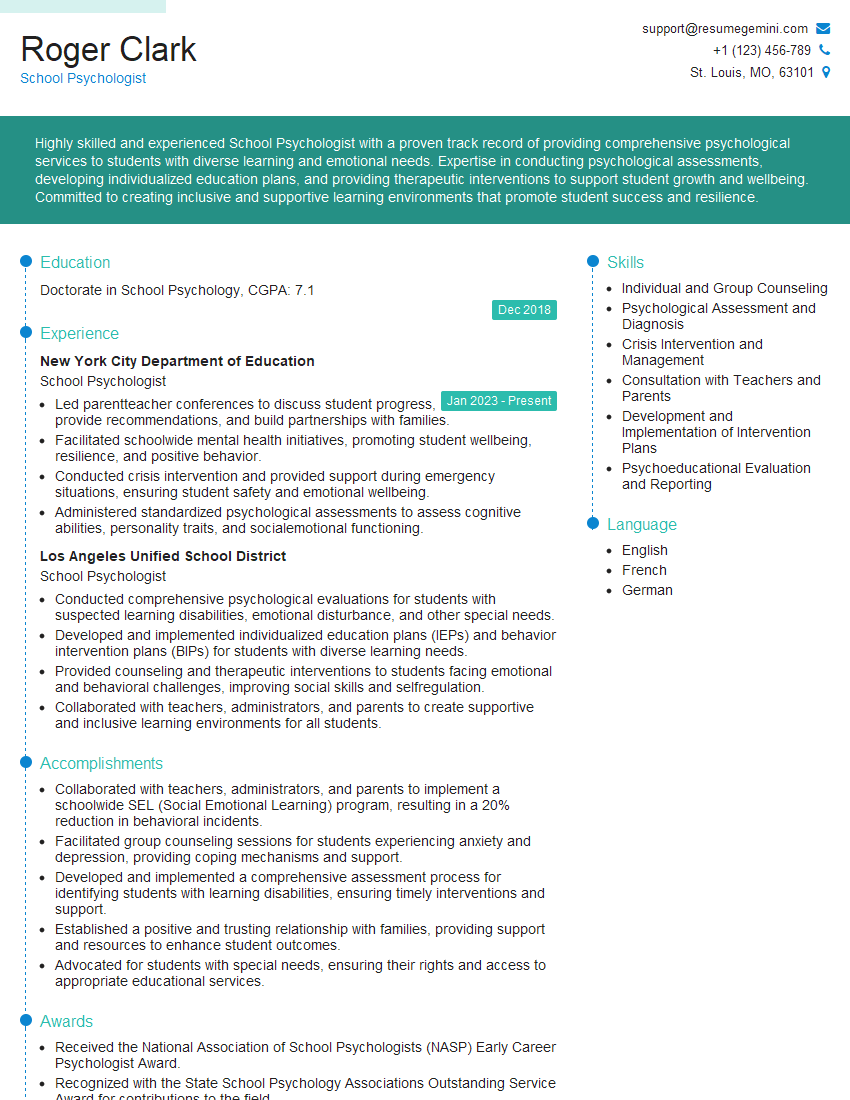
School Psychologist Resume Sample
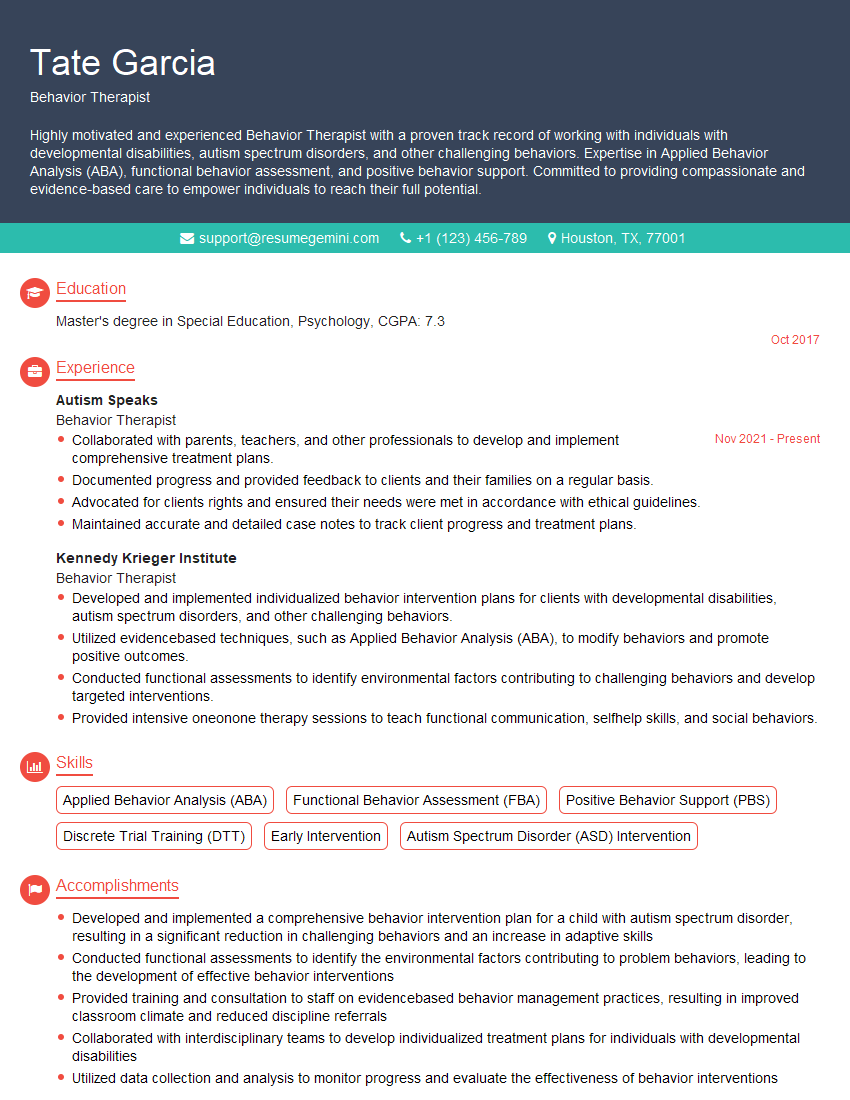
Behavior Therapist Resume Sample
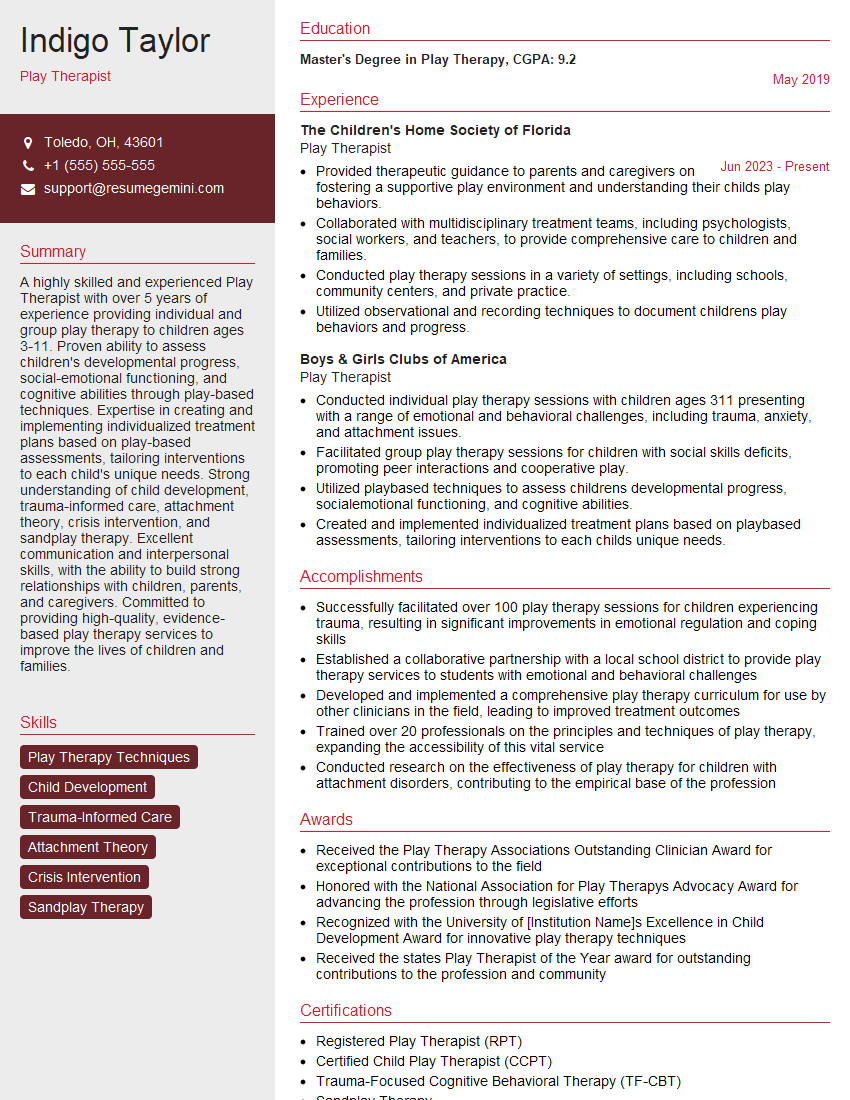
Play Therapist Resume Sample
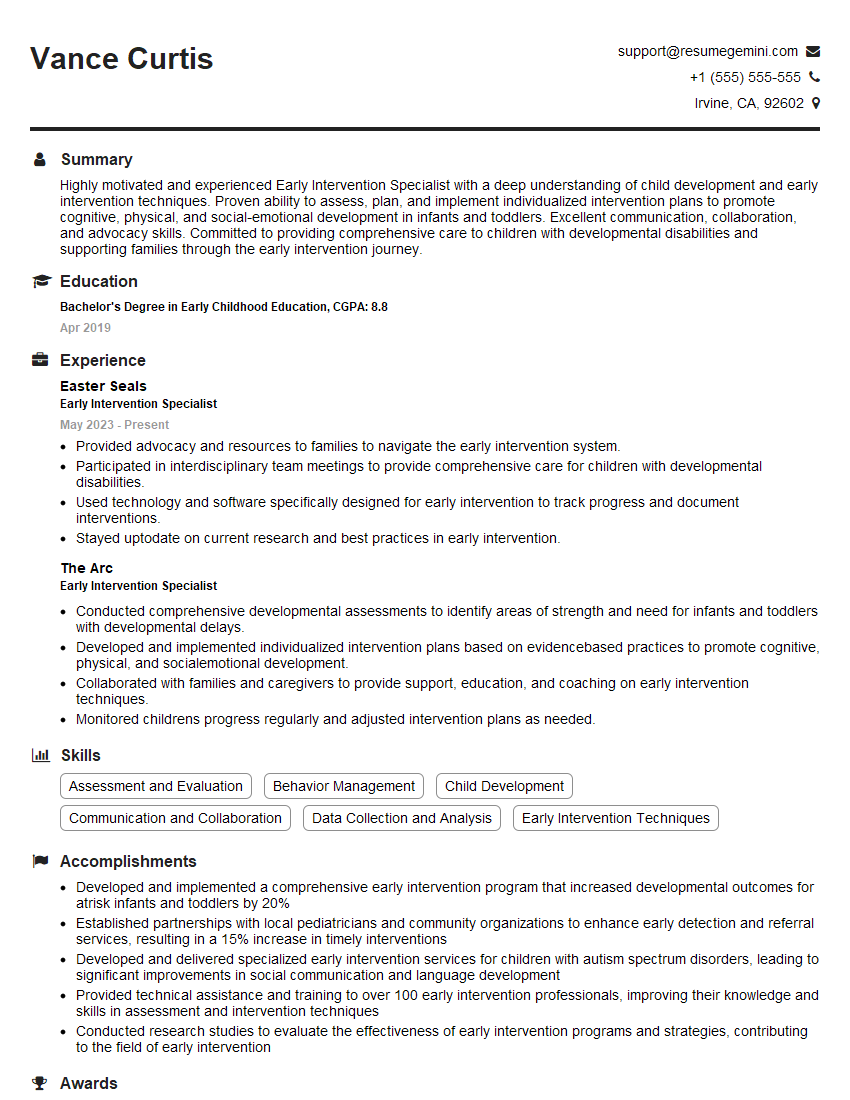
Early Intervention Specialist Resume Sample
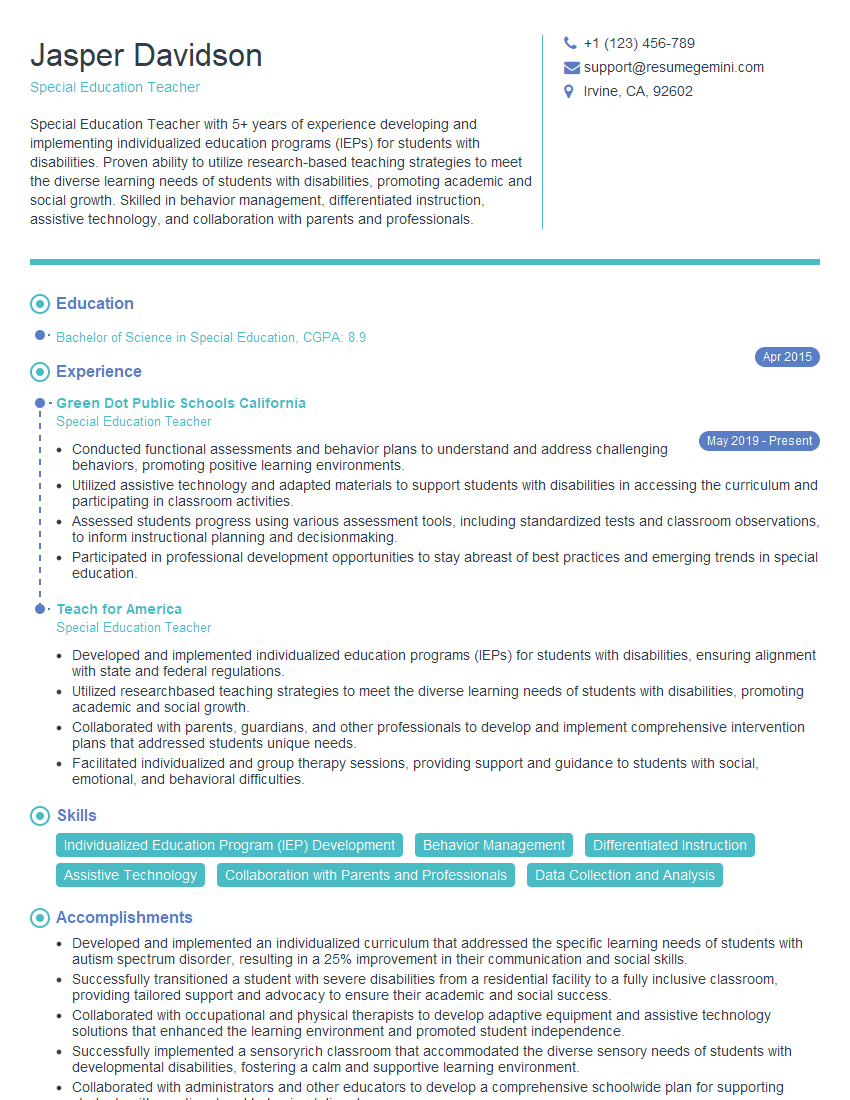
Special Education Teacher Resume Sample
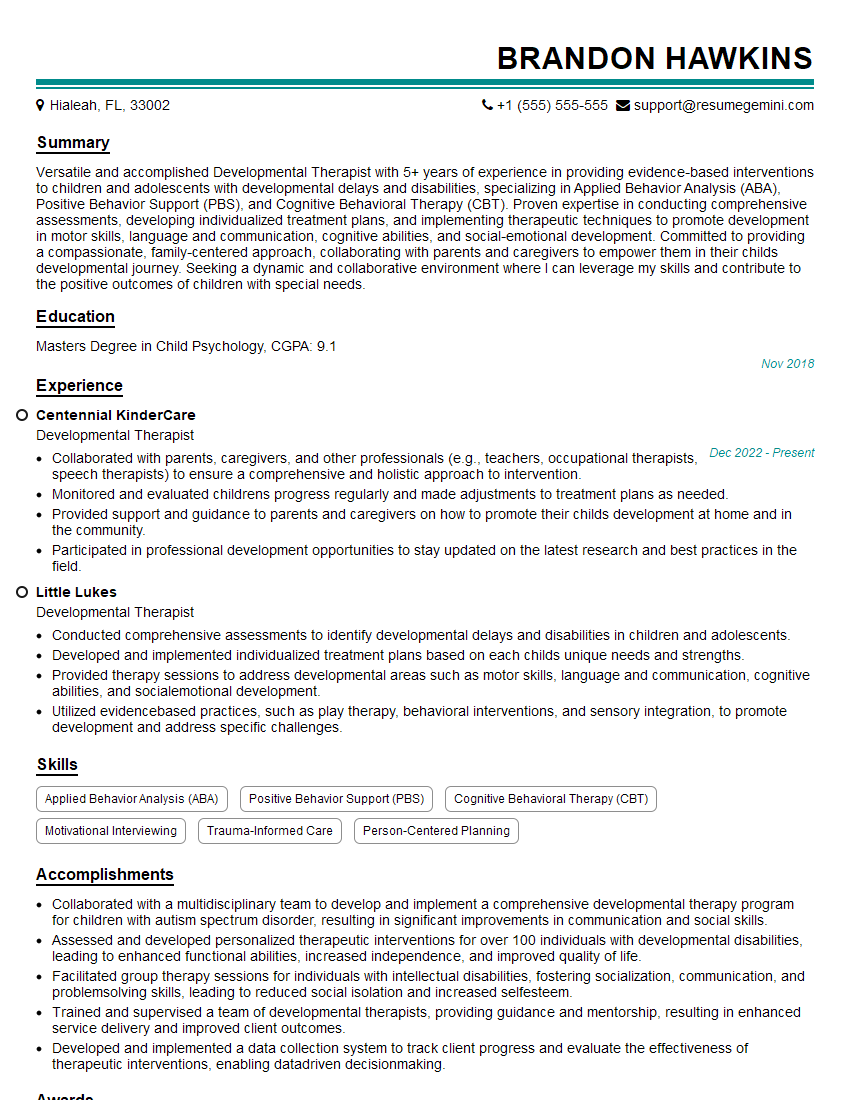
Developmental Therapist Resume Sample
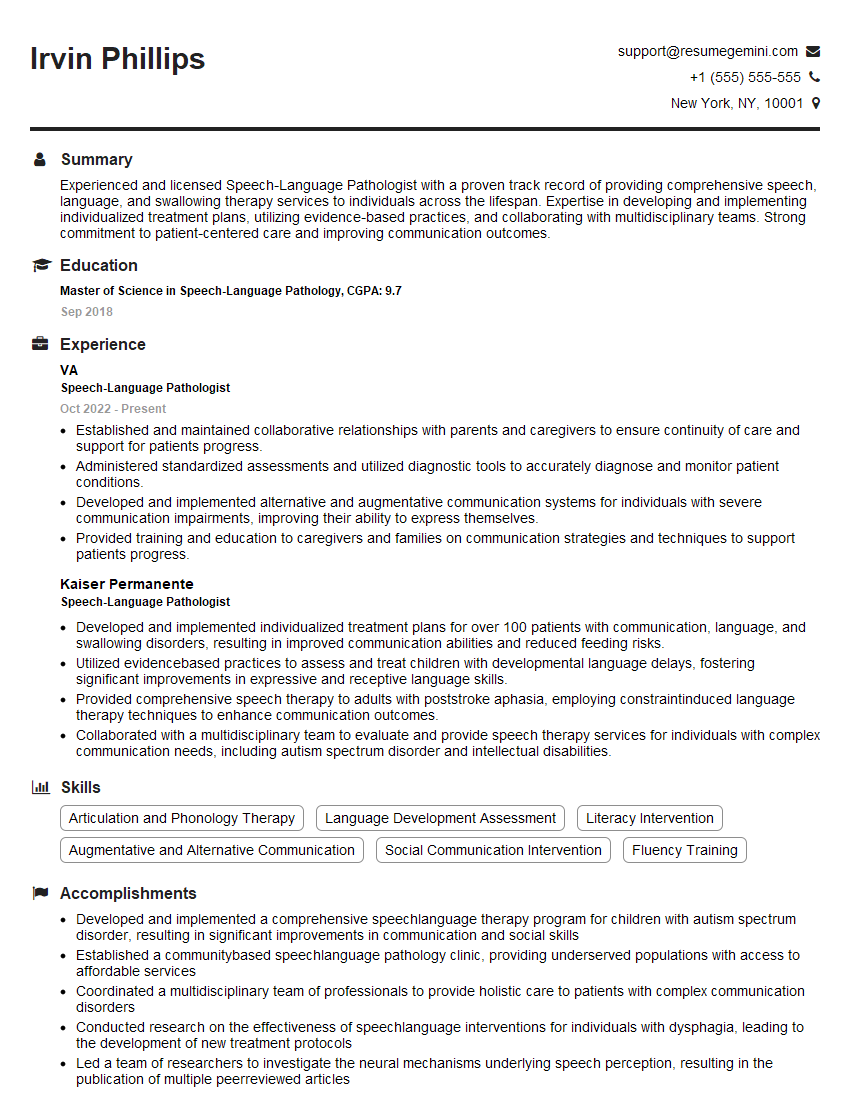
Speech-Language Pathologist Resume Sample
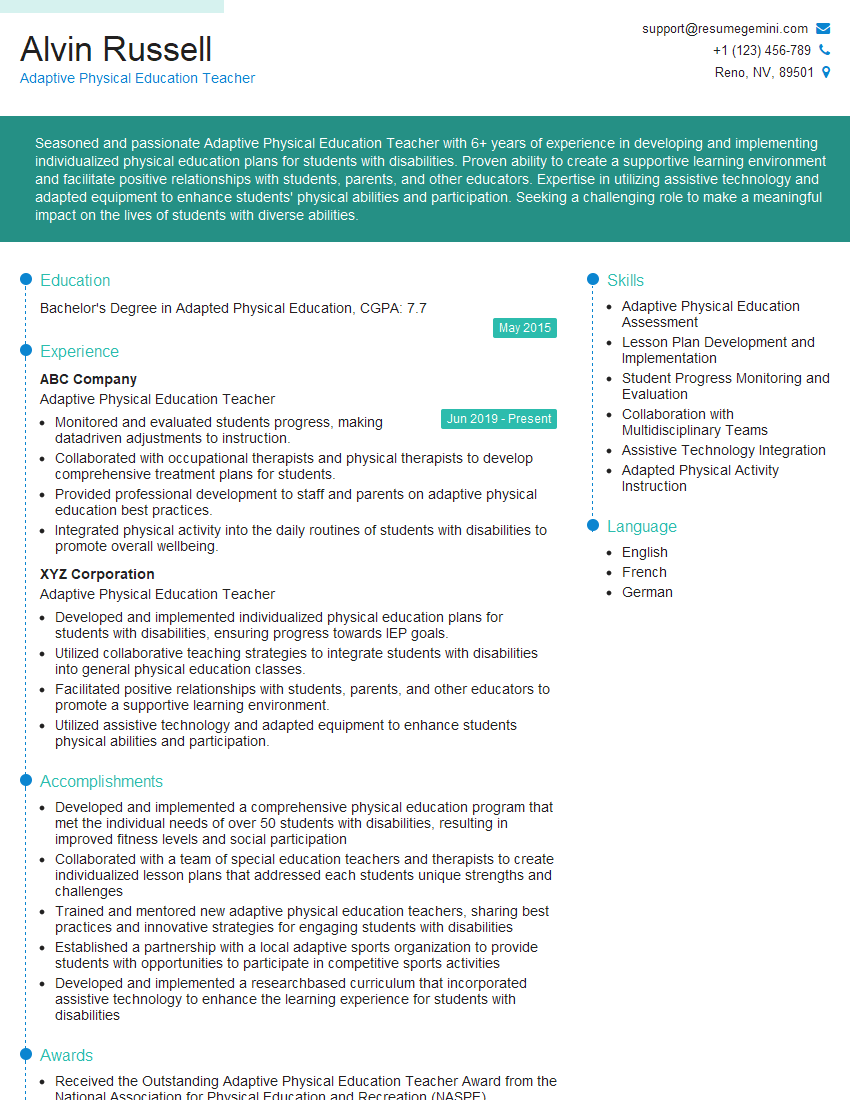
Adaptive Physical Education Teacher Resume Sample
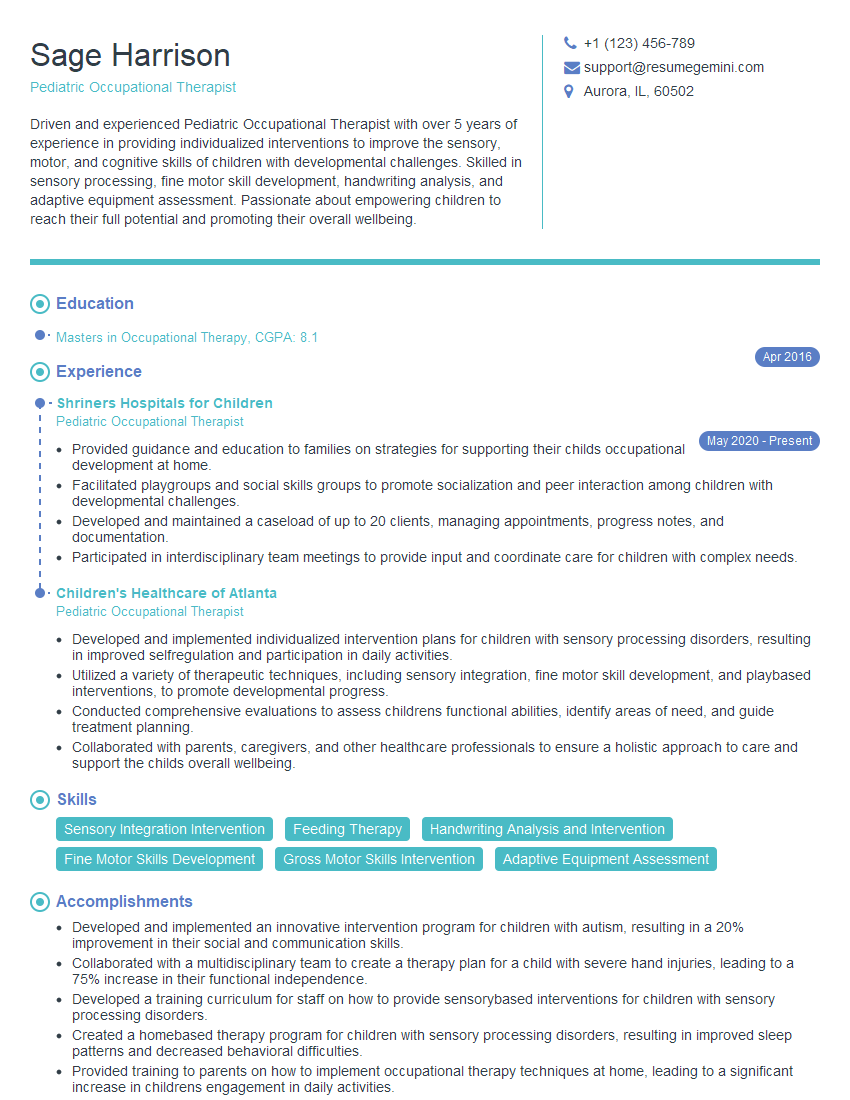
Pediatric Occupational Therapist Resume Sample
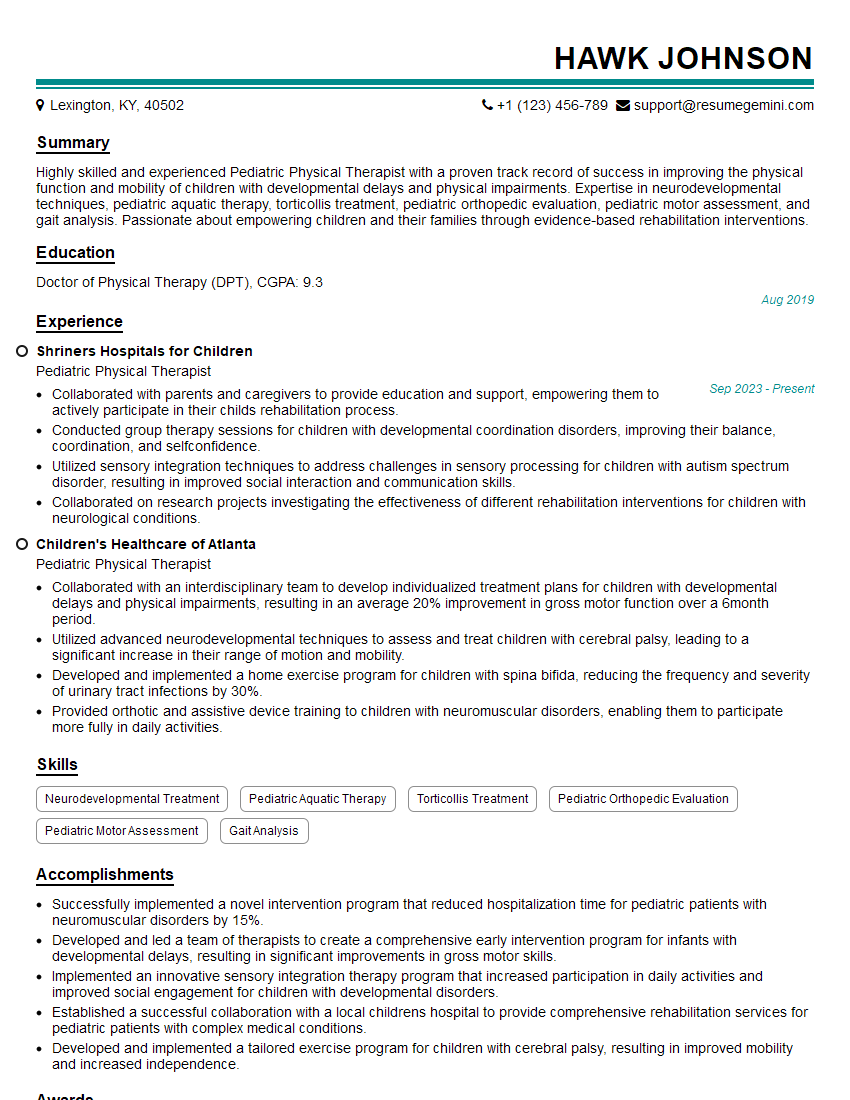
Pediatric Physical Therapist Resume Sample
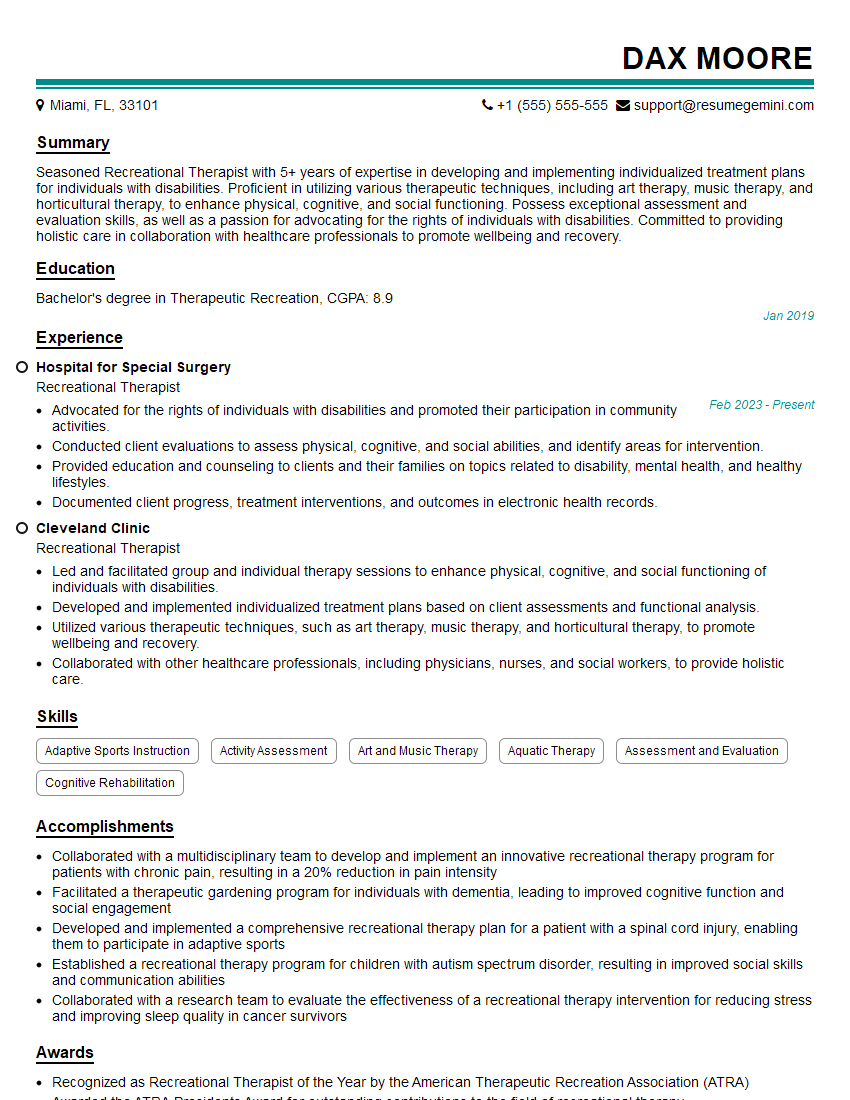
Recreational Therapist Resume Sample
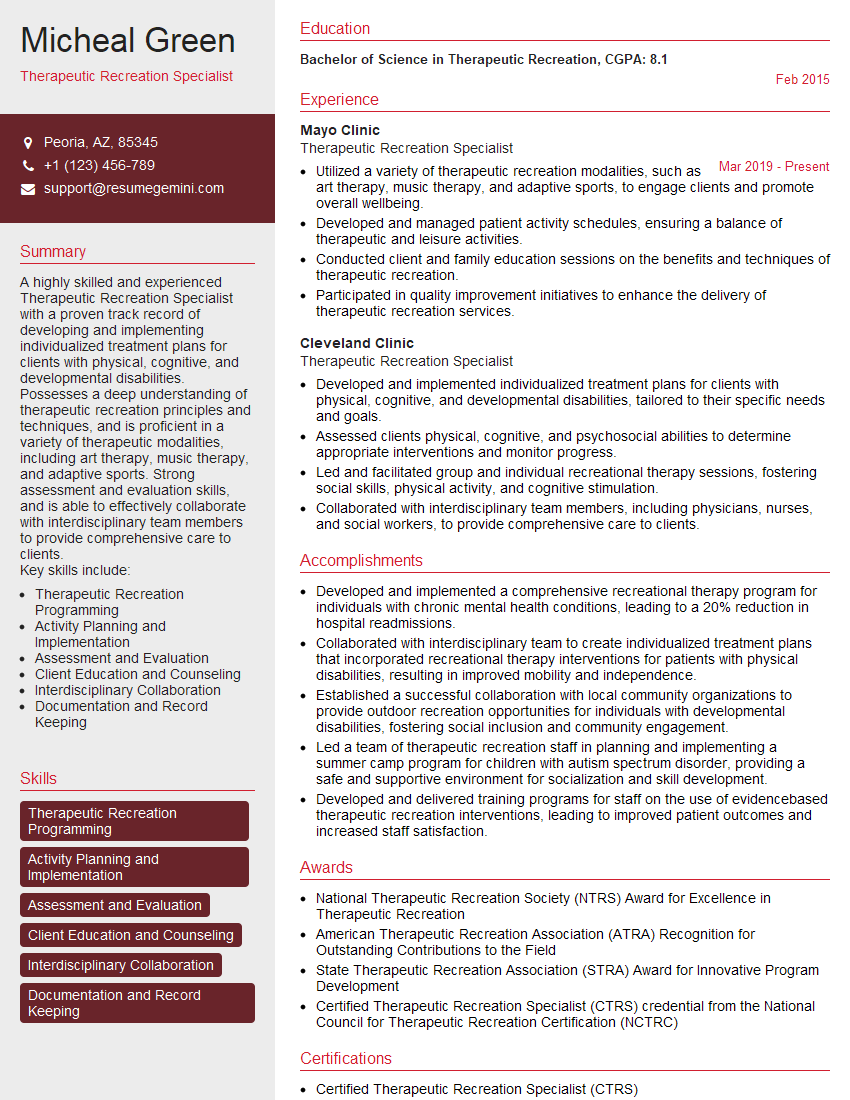
Therapeutic Recreation Specialist Resume Sample
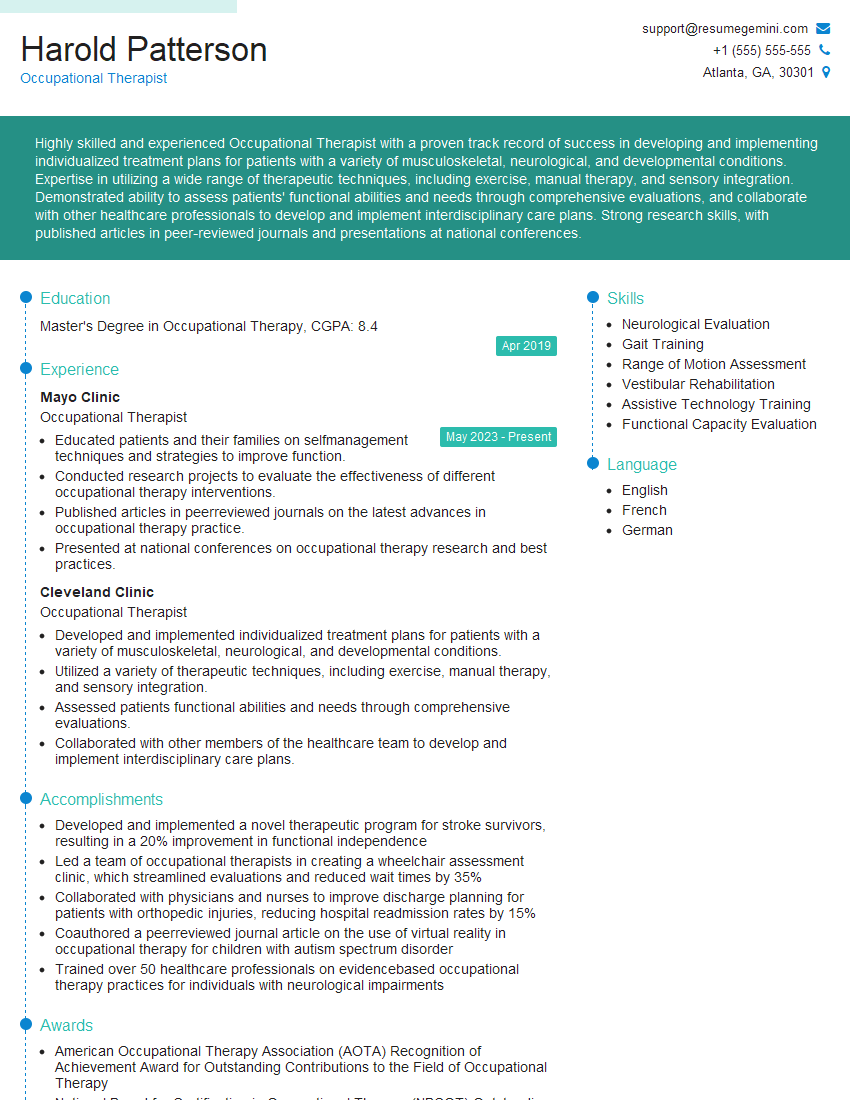
Occupational Therapist Resume Sample
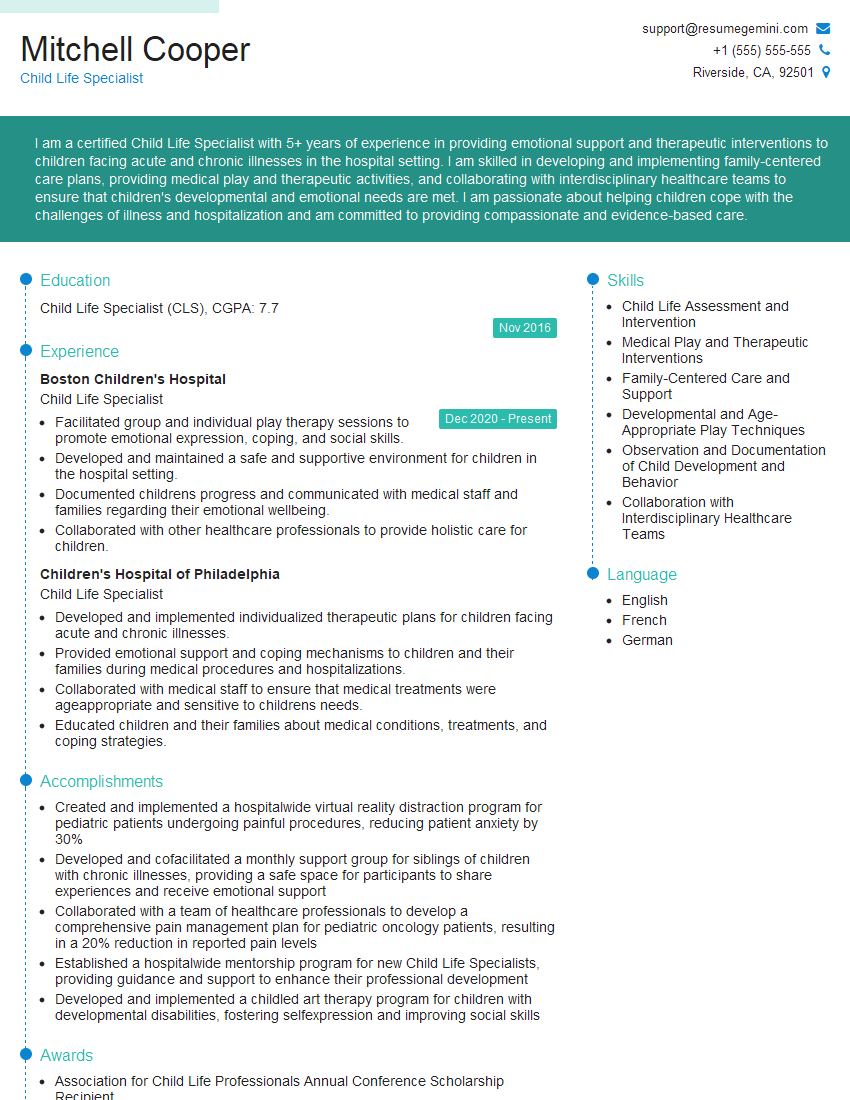
Child Life Specialist Resume Sample
- School Psychologist
- Behavior Therapist
- Play Therapist
- Early Intervention Specialist
- Special Education Teacher
- Developmental Therapist
- Speech-Language Pathologist
- Adaptive Physical Education Teacher
- Pediatric Occupational Therapist
- Pediatric Physical Therapist
- Recreational Therapist
- Therapeutic Recreation Specialist
- Occupational Therapist
- Child Life Specialist
Explore more articles
Users Rating of Our Blogs
Share Your Experience
We value your feedback! Please rate our content and share your thoughts (optional).
What Readers Say About Our Blog
I Redesigned Spongebob Squarepants and his main characters of my artwork.
https://www.deviantart.com/reimaginesponge/art/Redesigned-Spongebob-characters-1223583608
IT gave me an insight and words to use and be able to think of examples
Hi, I’m Jay, we have a few potential clients that are interested in your services, thought you might be a good fit. I’d love to talk about the details, when do you have time to talk?
Best,
Jay
Founder | CEO