Cracking a skill-specific interview, like one for Positive attitude and commitment to providing a supportive learning environment, requires understanding the nuances of the role. In this blog, we present the questions you’re most likely to encounter, along with insights into how to answer them effectively. Let’s ensure you’re ready to make a strong impression.
Questions Asked in Positive attitude and commitment to providing a supportive learning environment Interview
Q 1. Describe your approach to fostering a positive learning environment.
Fostering a positive learning environment is crucial for effective teaching. My approach is multifaceted, focusing on creating a safe, respectful, and engaging space where learners feel comfortable taking risks, asking questions, and collaborating. This involves several key strategies:
- Building Relationships: I prioritize getting to know each learner individually, understanding their learning styles, strengths, and challenges. This helps me tailor my instruction and support to meet their unique needs.
- Clear Expectations and Structure: Establishing clear learning objectives and providing a structured learning path creates a sense of security and reduces anxiety. Learners know what is expected of them and can track their progress effectively.
- Positive Reinforcement: I frequently provide positive feedback, focusing on effort and progress, not just grades. Celebrating successes – both big and small – boosts morale and encourages perseverance.
- Inclusive and Collaborative Activities: I incorporate various collaborative activities, like group projects and discussions, to foster a sense of community and shared learning. This allows learners to learn from each other and develop teamwork skills.
- Creating a Supportive Atmosphere: I ensure my classroom is a place where mistakes are seen as opportunities for learning and growth. I encourage open communication and create a culture of mutual respect and empathy.
For example, I might start each class with a brief check-in, asking learners about their day or sharing a personal anecdote to create a connection.
Q 2. How do you handle negativity or resistance from learners?
Handling negativity or resistance requires patience, empathy, and a proactive approach. I believe it’s essential to understand the root cause of the resistance. Is the learner struggling with the material? Feeling overwhelmed? Lacking confidence? Once I’ve identified the underlying issue, I can address it appropriately.
- Active Listening: I begin by actively listening to the learner’s concerns without judgment. This shows that I value their perspective and helps build trust.
- Empathetic Understanding: I try to understand the situation from their point of view. Sometimes, learners are resistant due to past negative experiences or personal challenges.
- Collaborative Problem-Solving: I work collaboratively with the learner to find solutions. This might involve adjusting the learning pace, providing additional support, or modifying assignments to better suit their needs.
- Setting Clear Boundaries: While empathy is crucial, I also maintain clear boundaries around respectful behavior. If negativity is disruptive to the learning environment, I address it directly but with sensitivity.
For instance, if a learner consistently expresses frustration with a particular concept, I might offer one-on-one tutoring, break down the concept into smaller, more manageable parts, or provide alternative learning materials.
Q 3. What strategies do you use to motivate learners?
Motivation is key to successful learning. My strategies focus on intrinsic motivation – fostering a love of learning – as well as extrinsic motivators to provide extra encouragement.
- Relevance and Application: I connect learning to real-world applications, showing learners how the material is relevant to their lives and future goals. This makes learning more engaging and meaningful.
- Choice and Autonomy: Whenever possible, I offer learners choices in their learning activities, allowing them some control over their learning process. This fosters a sense of ownership and increases engagement.
- Goal Setting: I help learners set realistic and achievable goals, breaking down larger tasks into smaller, more manageable steps. This allows them to experience regular successes, boosting confidence and motivation.
- Positive Feedback and Recognition: I consistently provide positive feedback, celebrating achievements and acknowledging effort. Public acknowledgement can also be very effective for many learners.
- Gamification: I often incorporate elements of gamification into my lessons, using points, badges, or leaderboards to make learning more fun and engaging. Competition can be a great motivator but must be approached carefully to avoid creating a negative learning environment.
For example, I might use a point system to reward participation and completion of assignments, or create a friendly competition among groups working on a project.
Q 4. How do you adapt your teaching style to different learning styles?
Catering to diverse learning styles is essential for inclusive education. I use a variety of teaching methods to ensure that all learners can access and process information effectively. This includes:
- Visual Learners: I use diagrams, charts, videos, and other visual aids to present information.
- Auditory Learners: I incorporate discussions, lectures, and audio recordings into my lessons.
- Kinesthetic Learners: I incorporate hands-on activities, experiments, and role-playing to engage learners physically.
- Read/Write Learners: I provide plenty of opportunities for learners to read and write, using worksheets, essays, and presentations.
- Differentiated Instruction: I differentiate instruction by providing various learning materials, assignments, and assessment methods to meet individual needs.
For example, when teaching a new concept, I might provide a visual explanation, a verbal explanation, and a hands-on activity to cater to different learning styles. I also provide different formats for assignments, such as essays, presentations, or projects, so learners can choose the method that best suits their strengths.
Q 5. Give an example of how you’ve built rapport with a challenging learner.
I once had a student, let’s call him Alex, who was incredibly withdrawn and resistant to participating in class. He seemed disengaged and frustrated. Instead of forcing him to participate, I took a different approach.
- One-on-One Interaction: I started by having informal one-on-one conversations with Alex during breaks or after class, focusing on topics unrelated to the course material. This helped me build rapport and understand his personality.
- Identifying Interests: I discovered he was passionate about video games. I used this interest to create connections to the course material, finding ways to apply concepts to game design or strategy.
- Small, Achievable Goals: Instead of overwhelming him with large assignments, I started with small, achievable goals, praising his effort and progress along the way.
- Offering Choices: I gave him choices in how he completed assignments, allowing him to utilize his strengths and preferences.
Through patience and a personalized approach, Alex gradually became more engaged and confident in his abilities. He ultimately succeeded in the course and even shared his progress with me enthusiastically.
Q 6. How do you provide constructive feedback that encourages growth?
Constructive feedback focuses on growth and improvement, rather than simply pointing out errors. My approach prioritizes a balanced, specific, and actionable feedback process:
- Focus on Specific Behaviors: Instead of making general comments, I pinpoint specific behaviors or aspects of the work that need improvement.
- Sandwich Method: I often use the “sandwich method,” starting with positive feedback, followed by constructive criticism, and concluding with further encouragement.
- Actionable Suggestions: I provide concrete and actionable suggestions for improvement, rather than just identifying weaknesses. What specifically can they do to improve?
- Focus on Effort and Progress: I emphasize the effort the learner has put in and the progress they have made, even if the final outcome isn’t perfect.
- Collaborative Feedback: I encourage learners to provide feedback to each other, fostering a culture of peer learning and support.
For example, instead of saying “Your essay is poorly written,” I might say, “Your introduction is engaging, but the body paragraphs could benefit from stronger topic sentences and more evidence to support your claims. Here are some resources to help you strengthen your argumentation.”
Q 7. Describe your process for assessing learner progress and identifying areas for improvement.
Assessing learner progress and identifying areas for improvement is an ongoing process, not a single event. My process combines formative and summative assessments to get a comprehensive picture of learner understanding.
- Formative Assessments: These ongoing assessments – like quizzes, in-class discussions, and short assignments – provide continuous feedback to both the learner and me. This allows me to identify areas where learners need additional support or clarification immediately.
- Summative Assessments: These end-of-unit or end-of-course assessments, such as exams, projects, and presentations, gauge overall understanding and achievement of learning objectives.
- Data Analysis: I analyze assessment data to identify patterns and trends in learner performance. This helps me tailor future instruction and support to address specific areas of weakness.
- Self and Peer Assessment: I encourage learners to self-assess their progress and provide feedback to each other. This promotes self-reflection and develops metacognitive skills.
- Individualized Learning Plans: For learners who are struggling, I develop individualized learning plans that outline specific strategies and supports to help them improve.
For example, if I notice a significant number of learners struggle with a particular concept during a formative assessment, I’ll adjust my instruction accordingly, perhaps revisiting the topic, providing additional practice problems, or using different teaching methods.
Q 8. How do you create a sense of community and collaboration within a learning group?
Building a strong sense of community and collaboration in a learning group is crucial for fostering a positive and productive learning environment. It’s about creating a space where learners feel comfortable interacting, sharing ideas, and supporting each other. I achieve this through a multi-faceted approach.
Icebreaker Activities: Starting with engaging icebreakers helps learners get to know each other and build rapport. This could be something simple like a ‘two truths and a lie’ game or a shared interest discussion.
Collaborative Projects: Assigning group projects that require teamwork and shared responsibility encourages collaboration and shared learning. Clear roles and responsibilities are key here to avoid conflict.
Peer Learning: Incorporating peer teaching and learning opportunities allows learners to learn from each other’s strengths and perspectives. This can be achieved through peer review of work, study groups, or even student-led discussions.
Open Communication: Creating a culture of open and respectful communication is essential. This means encouraging learners to share their thoughts and ideas openly, without fear of judgment.
Shared Goals: Clearly defining shared learning goals and objectives helps create a sense of collective purpose and motivation.
For example, in a recent project management course, I organized students into groups to develop a project plan for a fictitious company. The success of their project depended on collaboration, and I facilitated open communication channels to ensure effective teamwork and problem-solving.
Q 9. How do you handle conflicts or disagreements among learners?
Conflicts and disagreements are inevitable in any group setting. My approach focuses on constructive conflict resolution, turning disagreements into opportunities for learning and growth.
Active Listening: I start by ensuring all parties feel heard and understood. This involves actively listening to each perspective without interruption and summarizing to confirm understanding.
Neutral Facilitation: I act as a neutral facilitator, guiding the discussion and ensuring that everyone has a chance to express their views respectfully.
Focus on Shared Goals: I remind learners of the shared learning goals and encourage them to find solutions that benefit the entire group.
Brainstorming Solutions: We brainstorm solutions collaboratively, considering diverse perspectives and exploring different options.
Mediation if Necessary: In more serious cases, I might conduct individual meetings with conflicting parties to understand the underlying issues better and facilitate a resolution.
For instance, in a past class, two students disagreed about the best approach to a research paper. Instead of dismissing their conflict, I facilitated a discussion where they presented their arguments, listened to each other, and ultimately developed a compromise that incorporated elements from both approaches. This not only resolved the conflict but also taught them valuable negotiation skills.
Q 10. What techniques do you use to manage classroom dynamics?
Managing classroom dynamics involves creating a learning environment that is both engaging and conducive to learning. This is achieved through a combination of strategies.
Clear Expectations: Setting clear expectations for behavior and participation from the outset is crucial. This includes outlining rules of conduct and participation guidelines.
Varied Teaching Methods: Using a variety of teaching methods – lectures, discussions, group work, activities – keeps learners engaged and caters to different learning styles.
Active Engagement: Incorporating activities and discussions that encourage active participation helps maintain learners’ interest and involvement.
Positive Reinforcement: Recognizing and rewarding positive behaviors and contributions encourages a positive classroom atmosphere.
Flexibility and Adaptability: Being flexible and adaptable to the needs of the group is crucial. This might involve adjusting lesson plans or activities based on learners’ responses and engagement levels.
For example, I noticed that a class was becoming restless during a lecture. To address this, I incorporated a short, interactive activity to re-engage them and then continued with the lecture using a more participatory approach.
Q 11. How do you ensure all learners feel valued and respected?
Ensuring that all learners feel valued and respected is paramount. It requires creating an inclusive learning environment where everyone feels comfortable contributing and participating.
Respectful Communication: Modeling respectful communication is crucial. I always address learners by name, actively listen to their contributions, and respond with respect, even when disagreeing.
Individualized Attention: I strive to provide individualized attention to each learner, recognizing their unique strengths and challenges. This can involve one-on-one mentoring, differentiated instruction, or providing additional support as needed.
Inclusive Activities: Designing inclusive activities that cater to diverse learning styles and needs is important. This might involve incorporating visual aids, group work, or hands-on activities.
Celebrating Diversity: Creating a space where learners’ diverse backgrounds and perspectives are celebrated is crucial for fostering inclusion.
Open-Door Policy: Maintaining an open-door policy creates a safe and supportive environment where learners feel comfortable approaching me with questions or concerns.
For instance, I once had a student who was struggling with a particular concept. By providing extra support and tailored explanations, I helped them overcome their challenges and build confidence. This experience reinforced the importance of individualized attention in creating a supportive learning environment.
Q 12. Describe a time you had to adapt your approach to meet the needs of a specific learner.
In a previous course, I had a student with a diagnosed learning disability that significantly impacted their note-taking abilities. Their learning style differed significantly from most of the class, leading to difficulties in keeping up with the material.
My initial approach, using traditional lectures and fast-paced discussions, was proving ineffective for this learner. To adapt, I implemented several strategies:
Provided alternative note-taking strategies: I offered recorded lectures and key concept summaries, allowing the student to review the information at their own pace.
Modified assessment methods: Instead of solely relying on written exams, I incorporated alternative assessment methods such as oral presentations and practical demonstrations, allowing the student to showcase their understanding in a way that suited their learning style.
Collaborated with the student’s support team: I worked closely with the student’s learning support advisor to understand their specific needs better and develop strategies to support their learning.
Individualized feedback and support: I provided regular, personalized feedback to the student, offering guidance and support throughout the course.
The result was a significant improvement in the student’s understanding and overall course performance. This experience highlighted the importance of adapting teaching methods to meet the unique needs of each learner to ensure their success.
Q 13. How do you maintain your own positive attitude in challenging teaching situations?
Maintaining a positive attitude in challenging teaching situations is crucial for creating a supportive learning environment. It’s a skill developed over time through self-reflection and proactive strategies.
Self-Care: Prioritizing self-care is fundamental. This involves ensuring adequate rest, exercise, and time for personal pursuits to avoid burnout.
Positive Self-Talk: Engaging in positive self-talk and reframing challenges as opportunities for growth helps maintain a positive outlook.
Seeking Support: Reaching out to colleagues, mentors, or supervisors for support and advice during challenging times is important.
Focusing on Student Success: Remembering the positive impact of my work and focusing on student success helps to boost morale and maintain motivation.
Mindfulness and Stress Management Techniques: Practicing mindfulness and incorporating stress management techniques such as deep breathing or meditation can help manage stress and maintain emotional well-being.
For example, when faced with a particularly difficult student, I remind myself of the overall positive impact I have on my students and focus on finding creative solutions to support their learning. This shift in perspective helps me maintain a positive attitude and approach the situation with renewed energy.
Q 14. How do you stay updated on best practices in education and training?
Staying updated on best practices in education and training is an ongoing process. I utilize several strategies to ensure I’m always learning and improving my skills.
Professional Development Courses: I regularly participate in professional development courses and workshops focused on innovative teaching methodologies and educational technologies.
Conferences and Workshops: Attending educational conferences and workshops allows me to network with other educators and learn about cutting-edge research and best practices.
Professional Journals and Publications: I subscribe to professional journals and publications that keep me informed about the latest research and trends in education.
Online Resources: I leverage online resources such as educational websites, blogs, and webinars to stay abreast of new developments in teaching and learning.
Networking and Collaboration: I actively engage in networking and collaboration with other educators through online forums, professional organizations, and mentoring relationships.
For instance, I recently attended a workshop on incorporating technology into the classroom, which has significantly impacted my teaching approach, allowing for more interactive and engaging lessons.
Q 15. What resources or tools do you use to support learners?
Supporting learners effectively requires a diverse toolkit. I utilize a range of resources, tailoring my approach to the specific needs of each individual and the learning context. This includes:
Learning Management Systems (LMS): Platforms like Moodle or Canvas offer structured learning paths, assignment submission, and communication tools. I leverage these to deliver content, track progress, and provide feedback.
Interactive Multimedia Resources: Videos, simulations, and interactive exercises enhance engagement and cater to different learning styles. For example, I might use a video tutorial to explain a complex concept, followed by an interactive quiz to reinforce understanding.
Collaborative Tools: Tools like Google Docs or collaborative whiteboards facilitate group projects and peer learning. This allows learners to learn from each other and develop teamwork skills.
Personalized Feedback and Support: I provide regular, constructive feedback on assignments and actively monitor learner progress to identify areas requiring additional support. This might involve one-on-one mentoring or directing learners to additional resources.
Accessible Materials: I ensure all materials are accessible to learners with diverse needs, including those with disabilities. This includes providing alternative formats, such as audio recordings or transcripts.
Career Expert Tips:
- Ace those interviews! Prepare effectively by reviewing the Top 50 Most Common Interview Questions on ResumeGemini.
- Navigate your job search with confidence! Explore a wide range of Career Tips on ResumeGemini. Learn about common challenges and recommendations to overcome them.
- Craft the perfect resume! Master the Art of Resume Writing with ResumeGemini’s guide. Showcase your unique qualifications and achievements effectively.
- Don’t miss out on holiday savings! Build your dream resume with ResumeGemini’s ATS optimized templates.
Q 16. Describe your experience using various learning methodologies.
My experience spans various learning methodologies, each with its strengths and applications. I’ve successfully implemented:
Project-Based Learning (PBL): I’ve designed projects that challenge learners to apply their knowledge to real-world scenarios, fostering critical thinking and problem-solving skills. For instance, a recent project involved students designing a marketing campaign for a fictional startup.
Inquiry-Based Learning (IBL): This approach encourages learners to pose their own questions and investigate answers through research and discussion. I guide learners in formulating research questions, finding relevant resources, and presenting their findings.
Collaborative Learning: Group work and peer-to-peer learning are vital components of my teaching. I structure activities to encourage collaboration, ensuring each learner contributes and learns from their peers. This includes carefully designed group assignments and peer review exercises.
Blended Learning: I integrate online and offline learning experiences, using online platforms for content delivery and classroom time for interactive activities, discussions, and feedback. This allows for flexibility and caters to different learning preferences.
The choice of methodology is always context-dependent, aligning with learning objectives and learner characteristics. I adapt my approach based on the subject matter and the specific needs of my students.
Q 17. How do you encourage learners to take ownership of their learning?
Encouraging learner ownership is crucial for fostering intrinsic motivation and deep learning. I achieve this by:
Setting Clear Expectations and Goals: Clearly outlining learning objectives and providing opportunities for learners to participate in setting their own learning goals.
Providing Choice and Autonomy: Offering learners choices in assignments, projects, or learning activities whenever feasible. This allows them to pursue their interests and develop a sense of agency.
Promoting Self-Reflection and Metacognition: Encouraging learners to reflect on their learning process, identify their strengths and weaknesses, and develop strategies for improvement. Journaling prompts and self-assessment tools are helpful here.
Facilitating Self-Directed Learning: Equipping learners with the resources and skills to take charge of their learning journey. This includes guidance on research, time management, and effective learning strategies.
For example, I might offer students the choice of presenting their findings through a written report, a presentation, or a video, allowing them to showcase their knowledge in a way that suits their strengths.
Q 18. How do you promote active learning and engagement?
Active learning and engagement are paramount. I employ several strategies:
Interactive Activities: Incorporating discussions, debates, role-playing, games, and simulations to make learning dynamic and engaging.
Real-World Connections: Relating concepts to real-world examples and applications to make learning relevant and meaningful. This helps learners see the practical value of what they’re learning.
Collaborative Learning: Group projects, peer teaching, and discussions foster collaboration and active participation.
Technology Integration: Utilizing technology to enhance engagement, including interactive simulations, videos, and online quizzes.
Varied Instructional Methods: Mixing lectures with hands-on activities, discussions, and presentations to cater to different learning styles.
For instance, a history lesson might involve a student-led debate on a historical event, followed by a research project exploring primary sources.
Q 19. What is your experience with diverse learners and learning needs?
I have extensive experience working with diverse learners and addressing diverse learning needs. This includes students with:
Different learning styles: I adapt my teaching methods to cater to visual, auditory, and kinesthetic learners.
Learning disabilities: I collaborate with special education staff to provide appropriate support and accommodations, ensuring inclusive learning for all students.
Varying levels of prior knowledge: I differentiate instruction to address different levels of understanding, providing additional support for students who are struggling and challenging those who are advanced.
Cultural and linguistic diversity: I create a welcoming and inclusive classroom environment that respects and values the diverse backgrounds of my students. I am mindful of cultural differences in communication styles and learning preferences.
I believe in creating a supportive and equitable learning environment where every student feels valued and has the opportunity to succeed.
Q 20. How do you measure the effectiveness of your teaching?
Measuring teaching effectiveness involves a multifaceted approach. I use a combination of methods:
Formal Assessments: Tests, quizzes, and exams provide a measure of student understanding of key concepts.
Informal Assessments: Observations, class participation, and discussions provide insights into student engagement and learning progress.
Student Feedback: Surveys, feedback forms, and individual discussions provide valuable insights into student perceptions of the learning experience.
Project-Based Assessments: Evaluated projects allow for a more holistic assessment of students’ application of knowledge and skills.
Data Analysis: Analyzing student performance data helps to identify areas where instruction can be improved.
By using these different methods, I gain a holistic picture of the effectiveness of my teaching and identify areas for improvement.
Q 21. What are your strategies for dealing with learners who are struggling?
My strategies for supporting struggling learners are proactive and individualized:
Early Identification: Regularly monitoring student progress to identify early warning signs of struggling learners.
Individualized Support: Providing tailored support, such as one-on-one tutoring, extra practice, or alternative assignments.
Differentiated Instruction: Adapting teaching methods and materials to meet the individual needs of struggling learners.
Collaboration with Parents/Guardians: Communicating regularly with parents/guardians to provide updates on student progress and collaborate on support strategies.
Referral to Support Services: Referring students to appropriate support services, such as counseling or special education, when necessary.
I create a safe and supportive classroom environment where students feel comfortable seeking help without fear of judgment.
Q 22. How do you ensure inclusivity in your learning environment?
Creating an inclusive learning environment means fostering a sense of belonging and respect for every learner, regardless of their background, abilities, or learning styles. It’s about ensuring that all learners have equal access to opportunities and resources.
- Differentiated Instruction: I adapt my teaching methods and materials to meet the diverse needs of my learners. This might involve providing different learning materials, adjusting the level of complexity, or offering varied assessment options. For example, some students might benefit from visual aids, while others learn best through hands-on activities or group work.
- Universal Design for Learning (UDL): I employ UDL principles to create flexible learning experiences that cater to individual preferences. This includes providing multiple means of representation (e.g., text, audio, video), action and expression (e.g., writing, drawing, speaking), and engagement (e.g., collaboration, competition, choice).
- Culturally Responsive Teaching: I incorporate diverse perspectives and experiences into my curriculum and teaching methods. This involves valuing learners’ cultural backgrounds and using real-world examples and case studies that resonate with them. For instance, I might use examples from different cultures when teaching historical events.
- Open Communication and Feedback: I create a safe space where learners feel comfortable sharing their thoughts and concerns. I actively solicit feedback and use it to improve my teaching practices and create a more inclusive learning environment. Regular check-ins with individual students are vital.
Ultimately, inclusivity is not a one-size-fits-all approach; it’s an ongoing process of learning, adaptation, and reflection. I continually seek opportunities to learn more about diverse learners and refine my practices to better support them.
Q 23. Describe a time you had to troubleshoot a learning challenge.
In a recent online course, several students struggled with a complex statistical concept. Initially, their scores on practice problems were low, and their frustration was evident in online forum discussions. I realized I needed to troubleshoot their learning challenge.
- Identify the Root Cause: I analyzed the students’ work to pinpoint the specific areas where they were struggling. It turned out they were confused about the underlying mathematical principles required for the statistical analysis.
- Remediation Strategies: I created supplementary materials, including short video tutorials and interactive exercises focusing on the foundational math concepts. I also hosted extra office hours specifically dedicated to this topic, allowing students to ask questions in a small-group setting.
- Alternative Explanations: I revisited the initial explanation of the statistical concept, providing alternative analogies and real-world examples to aid comprehension. I incorporated different learning modalities: visual (diagrams, charts), auditory (lectures, explanations), and kinesthetic (hands-on activities).
- Assessment and Feedback: After providing support, I offered another practice assignment, allowing students to demonstrate their understanding. I provided personalized feedback on their work, highlighting areas of strength and areas requiring further attention.
The result was a significant improvement in students’ understanding and performance. This experience reinforced the importance of proactive identification of learning challenges and the implementation of targeted support strategies.
Q 24. How do you promote a growth mindset in your learners?
A growth mindset is the belief that abilities and intelligence can be developed through dedication and hard work. To promote this, I emphasize the process of learning over just the outcome.
- Praise Effort and Strategies: Instead of praising intelligence directly (e.g., “You’re so smart!”), I focus on praising effort, perseverance, and the strategies learners employ (e.g., “I’m impressed by how you persevered through that challenging problem,” or “I like how you used that problem-solving strategy.”).
- Embrace Mistakes as Learning Opportunities: I create a safe environment where mistakes are seen as valuable learning experiences, not signs of failure. We analyze errors together to identify where things went wrong and how to improve in the future. I encourage students to view challenges as opportunities for growth.
- Set Challenging Goals: I encourage learners to set ambitious yet attainable goals that push them beyond their comfort zones. I provide support and resources to help them achieve these goals, emphasizing the importance of incremental progress.
- Model a Growth Mindset: I openly share my own learning experiences, highlighting the challenges I’ve faced and how I’ve overcome them. This demonstrates that learning is a continuous process and that setbacks are normal.
By consistently emphasizing these principles, I create a classroom culture where learners believe in their ability to improve and grow, leading to increased motivation and academic success.
Q 25. How do you incorporate technology to enhance the learning experience?
Technology can significantly enhance the learning experience by making it more engaging, accessible, and personalized. I use a variety of technologies to achieve this.
- Learning Management Systems (LMS): Platforms like Moodle or Canvas streamline course management, providing learners with access to course materials, assignments, and communication tools. This also facilitates timely feedback and allows for asynchronous learning.
- Interactive Simulations and Games: I integrate educational games and simulations that allow learners to actively participate in the learning process and apply their knowledge in a fun and engaging way. For example, a history class might use a virtual field trip to explore ancient Rome.
- Multimedia Resources: Videos, podcasts, and interactive presentations provide diverse learning options, catering to different learning styles. These multimedia elements enhance understanding and retention.
- Collaborative Tools: Tools like Google Docs or shared online whiteboards encourage collaboration and peer-to-peer learning. This promotes communication and teamwork skills.
- Educational Apps and Software: I use specific apps and software tailored to the subject matter, providing learners with additional practice and personalized support.
However, I carefully consider the pedagogical value of each technology and ensure it aligns with the learning objectives. Over-reliance on technology without thoughtful integration can be counterproductive.
Q 26. What are your expectations for learner participation?
My expectations for learner participation are high, but I always strive to create a supportive and inclusive environment. I encourage active participation in various forms.
- Active Listening and Engagement: I expect learners to actively listen during lectures and discussions, contributing thoughtfully and respectfully. I encourage asking clarifying questions.
- Classroom Discussions and Debates: I facilitate discussions and debates to encourage learners to share their thoughts, challenge ideas, and build critical thinking skills.
- Group Work and Collaborative Projects: I incorporate group activities to foster teamwork, communication, and peer learning. This allows learners to learn from each other and develop collaborative skills.
- Individual Contributions: I also value individual contributions through assignments, presentations, and other forms of assessment. This allows me to evaluate each learner’s progress and understanding.
- Providing Feedback: I consistently provide constructive feedback on their contributions, helping them improve their participation and overall understanding.
My goal is not simply to elicit responses, but to create a dynamic learning environment where every learner feels comfortable sharing their perspectives and actively participating in the learning process. I understand that participation may manifest in diverse ways and adapt my approach to accommodate individual learning styles and preferences.
Q 27. How do you balance structure and flexibility in your teaching?
Balancing structure and flexibility is crucial for creating a productive and engaging learning environment. Too much structure can stifle creativity and engagement, while too much flexibility can lead to confusion and lack of direction.
- Clear Learning Objectives and Structure: I begin with a well-defined course structure, outlining clear learning objectives and a timeline for covering the material. This provides learners with a roadmap for their learning journey.
- Flexible Learning Activities: Within the structured framework, I incorporate various learning activities that allow for flexibility in approach. This could include offering choices in assignments, allowing students to work independently or collaboratively, or adjusting the pace based on class needs.
- Adaptive Assessment: I use formative assessments to gauge learner understanding and adapt my teaching accordingly. This might involve adjusting the pacing, providing additional support, or modifying assignments based on class performance.
- Student Choice and Autonomy: Where appropriate, I offer choices to students, allowing them to select projects, topics, or presentation formats. This fosters ownership and engagement.
- Open Communication: I create a space for open communication where learners can express their needs and preferences. This allows me to adjust the structure and pace to better meet their needs.
The balance between structure and flexibility is a dynamic process. I regularly assess the effectiveness of my approach and make adjustments as needed to ensure that the learning experience is both engaging and productive.
Q 28. Describe your approach to providing support to learners outside of formal learning sessions.
Providing support outside of formal learning sessions is essential for learner success. My approach involves multiple avenues of support.
- Office Hours: I hold regular office hours to provide personalized support to learners who need assistance with the course material. This is a dedicated time for individual questions and discussions.
- Online Communication: I utilize online platforms like email or discussion forums to answer questions and provide feedback outside of class time. This makes support accessible and convenient.
- Personalized Feedback: I provide timely and constructive feedback on assignments and assessments, guiding learners toward improvement. This feedback goes beyond simple grades and includes specific suggestions for improvement.
- Mentorship and Guidance: I act as a mentor and provide guidance on career paths and academic pursuits. This involves offering advice, connecting learners with resources, and helping them plan their future goals.
- Collaboration with Support Services: I actively collaborate with other support services like academic advisors, tutoring centers, and disability services to ensure learners receive comprehensive support.
My aim is to create a learning environment that extends beyond the classroom, offering learners ongoing support and guidance to maximize their learning experience and achieve their goals.
Key Topics to Learn for Positive Attitude and Commitment to a Supportive Learning Environment Interview
- Understanding a Positive Attitude: Defining and demonstrating a positive mindset, even in challenging situations. Explore how proactive problem-solving and resilience contribute to a positive work environment.
- Creating a Supportive Learning Environment: Identifying the elements of an inclusive and encouraging learning space. This includes fostering collaboration, providing constructive feedback, and addressing individual learning styles.
- Effective Communication Strategies: Mastering clear and empathetic communication techniques to build rapport with learners and colleagues. Practice active listening and providing motivating encouragement.
- Practical Application: Develop scenarios demonstrating how you’ve fostered collaboration, addressed learning challenges, or provided constructive feedback in past experiences. Prepare examples highlighting your ability to adapt your approach to different learning styles and personalities.
- Conflict Resolution and Mediation: Discuss strategies for addressing disagreements or conflicts constructively within a learning environment. Showcase your ability to mediate effectively and maintain a positive atmosphere.
- Promoting Inclusivity and Diversity: Articulate your understanding of creating an inclusive learning environment that respects diverse backgrounds, learning needs, and perspectives. Provide examples of how you would promote equitable participation.
- Self-Reflection and Continuous Improvement: Demonstrate a commitment to self-improvement and learning from experiences. Discuss how you would seek feedback and adapt your teaching style or support strategies to enhance the learning process.
Next Steps
Mastering a positive attitude and commitment to a supportive learning environment is crucial for career advancement in education and related fields. It demonstrates your ability to build strong relationships, create effective learning experiences, and contribute to a thriving team. To significantly enhance your job prospects, crafting a strong, ATS-friendly resume is essential. ResumeGemini is a trusted resource to help you build a professional and impactful resume that highlights these critical skills. Examples of resumes tailored to emphasize a positive attitude and commitment to a supportive learning environment are available [link to examples, if applicable within the site].
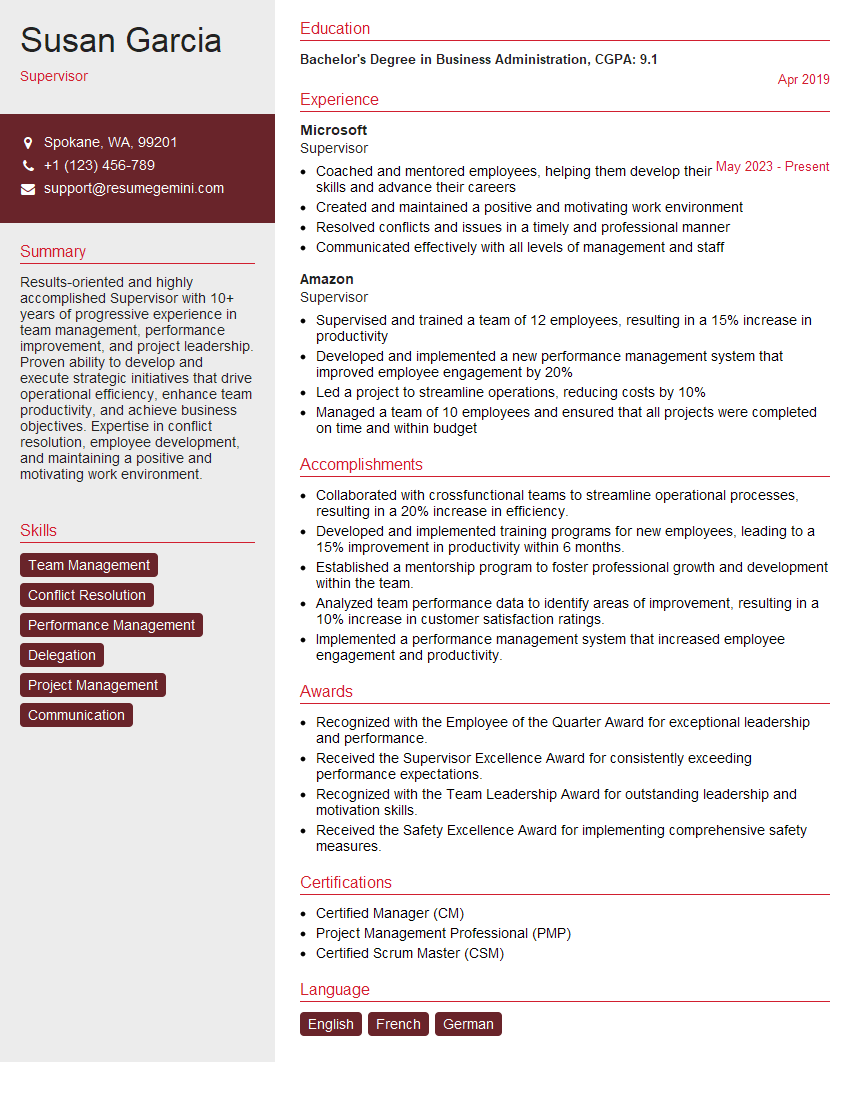
Supervisor Resume Sample
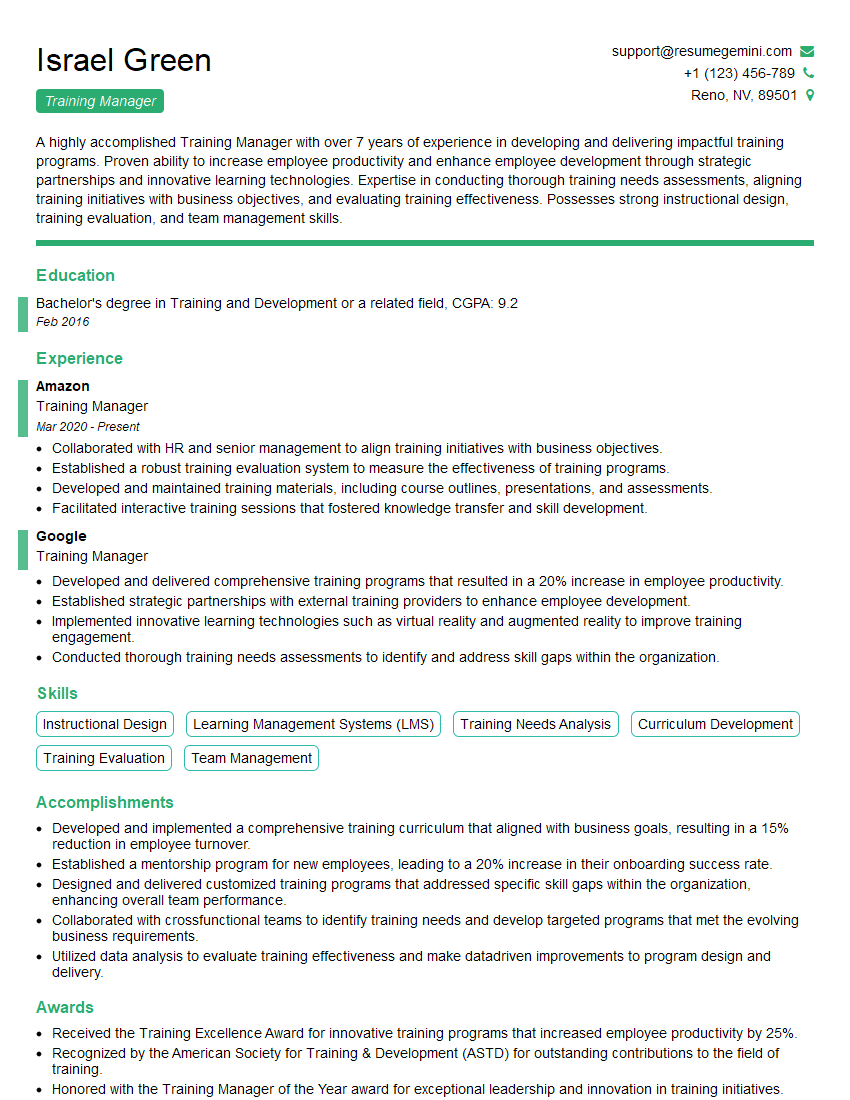
Training Manager Resume Sample

Project Manager Resume Sample
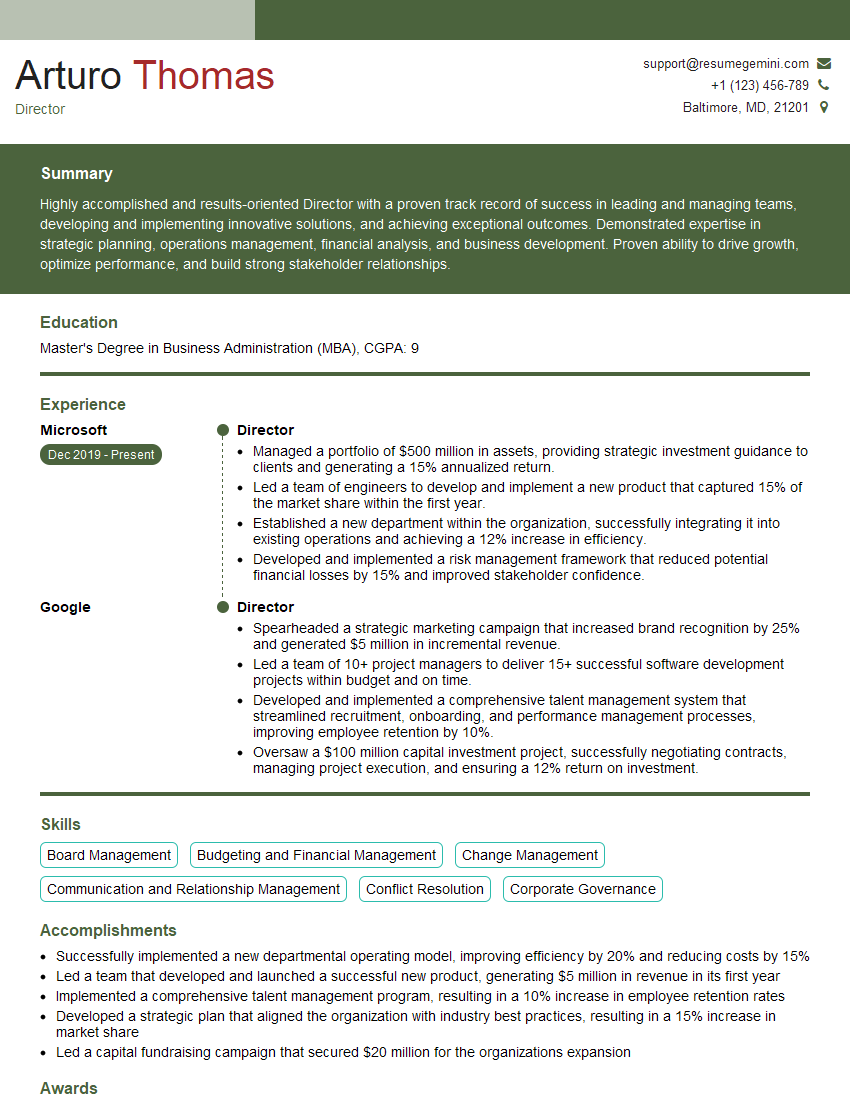
Director Resume Sample
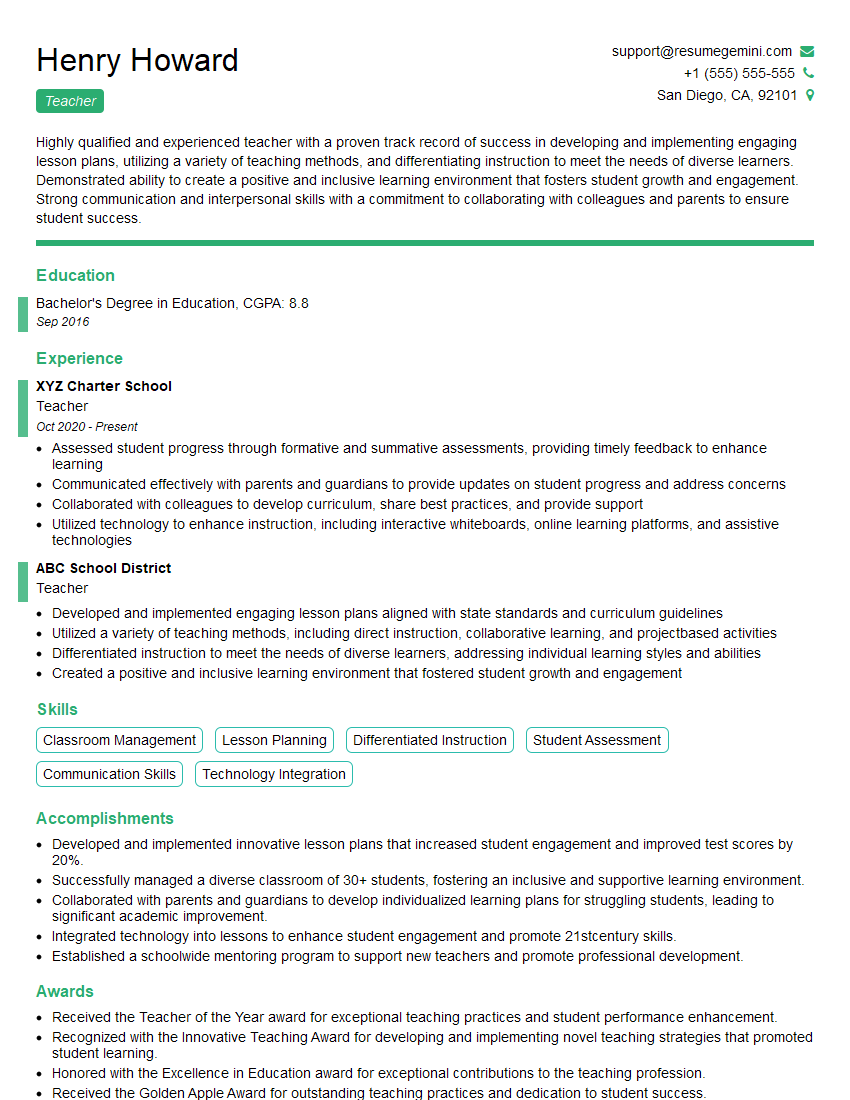
Teacher Resume Sample

Instructor Resume Sample

Professor Resume Sample
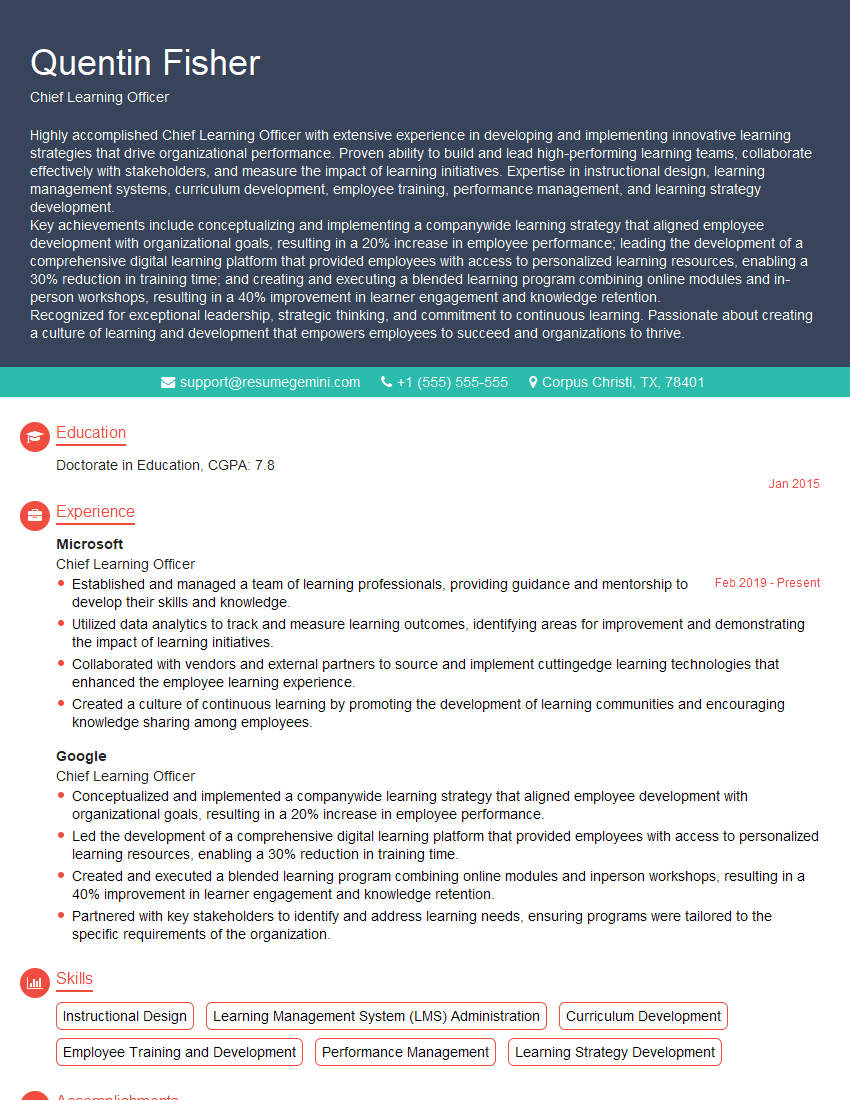
Chief Learning Officer Resume Sample
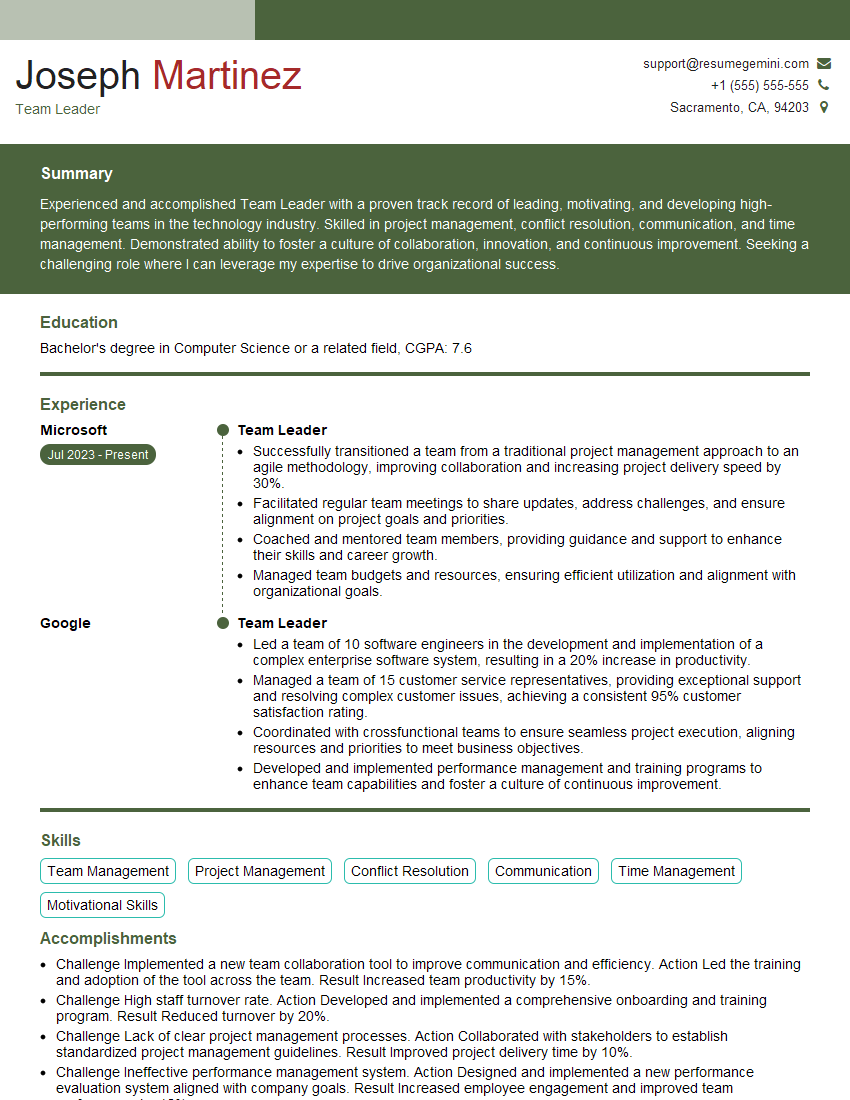
Team Leader Resume Sample
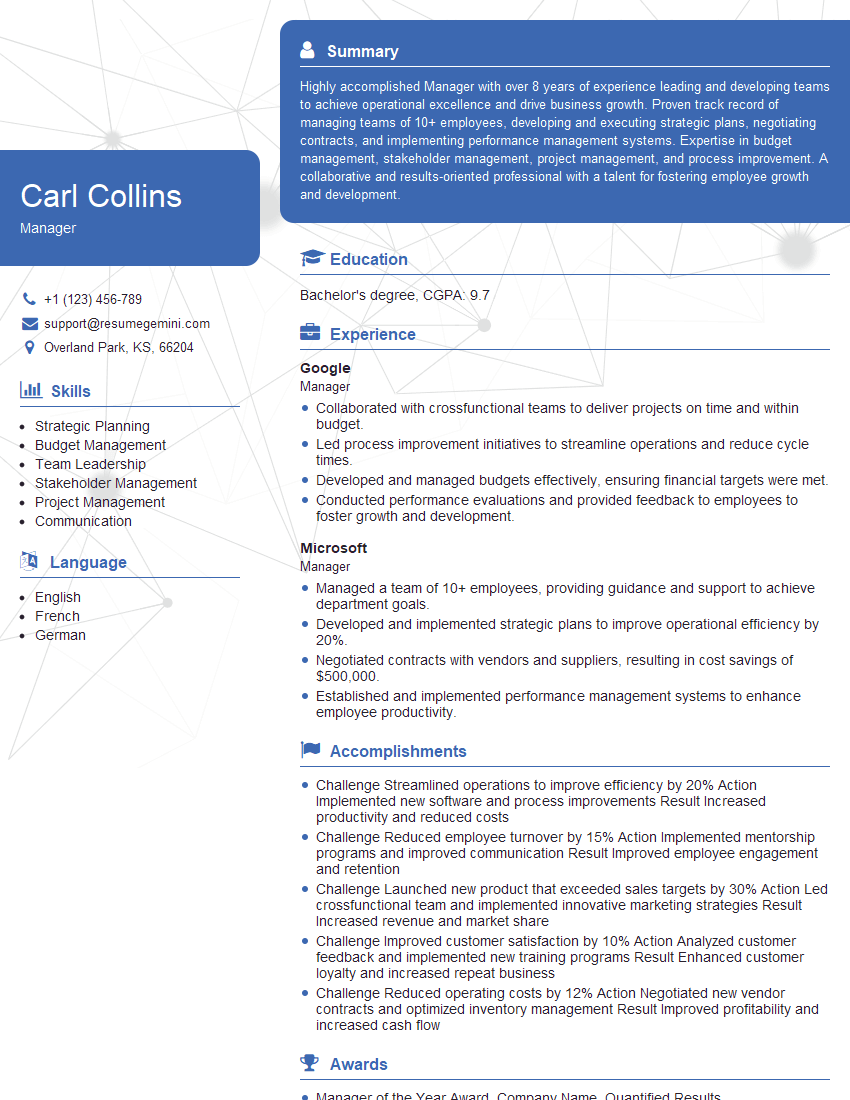
Manager Resume Sample
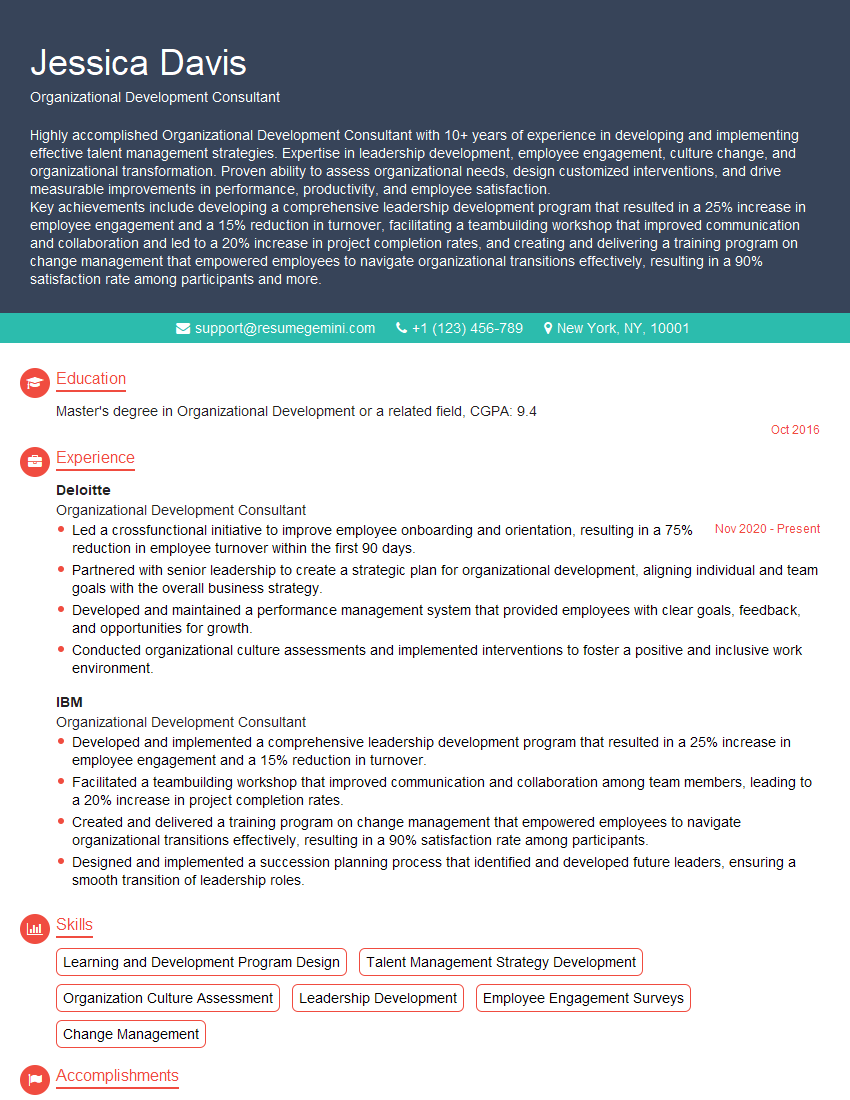
Organizational Development Consultant Resume Sample

Curriculum Developer Resume Sample
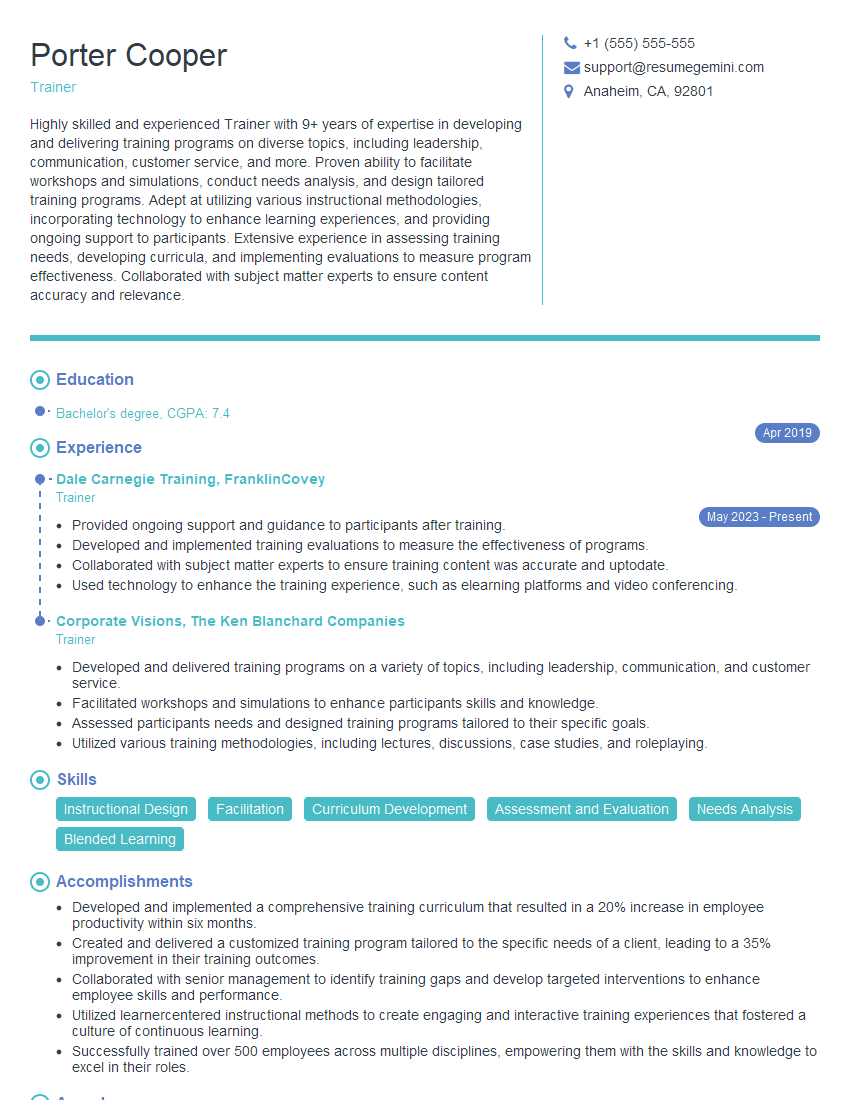
Trainer Resume Sample
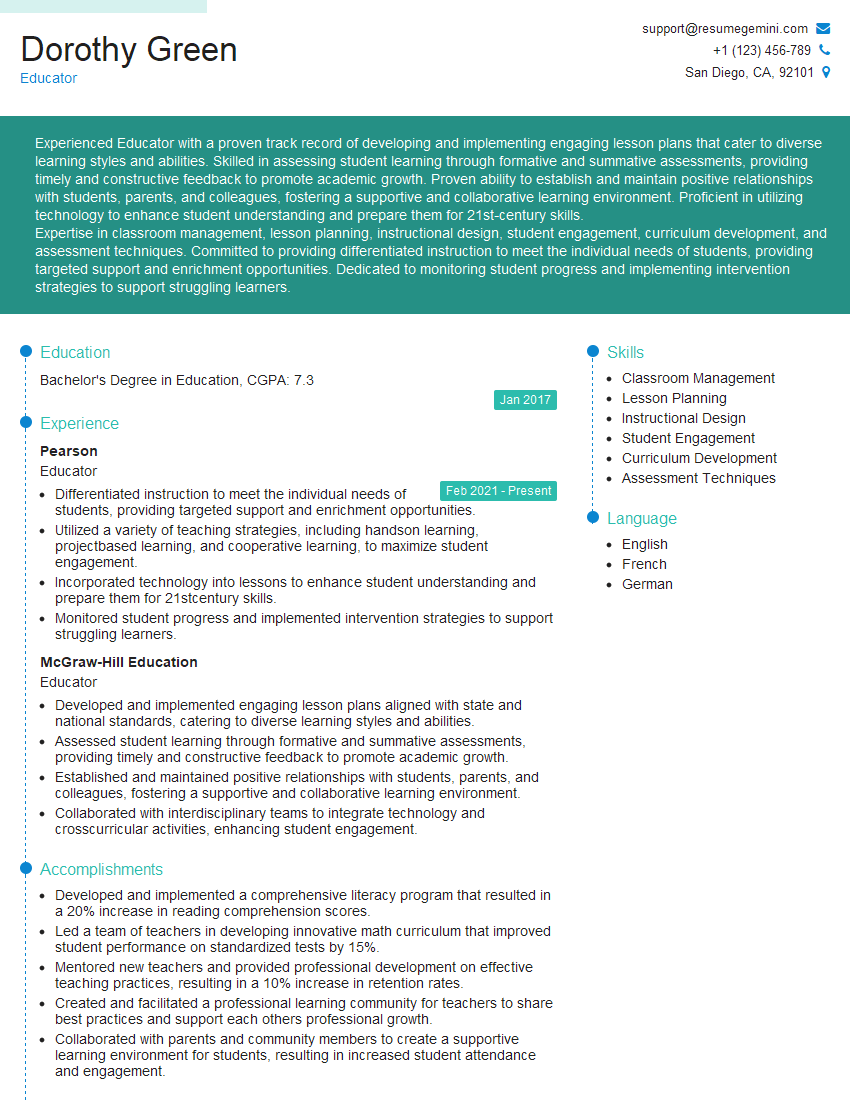
Educator Resume Sample
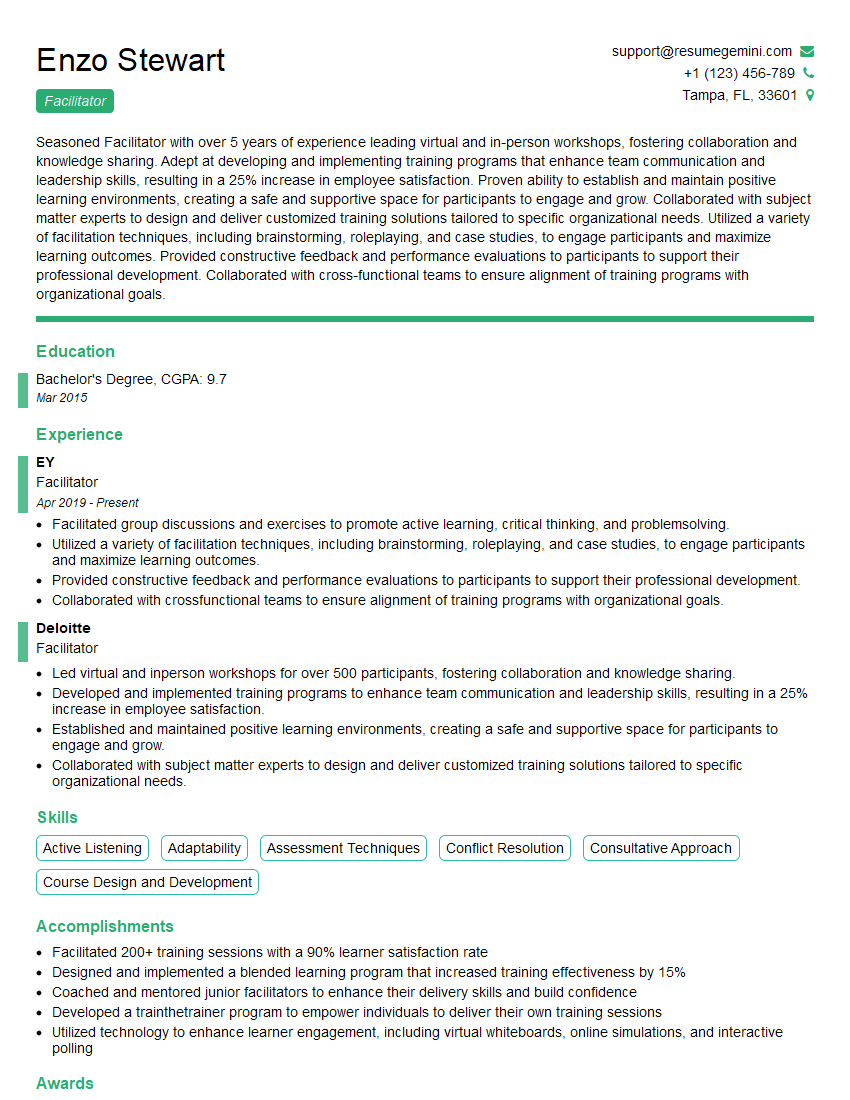
Facilitator Resume Sample
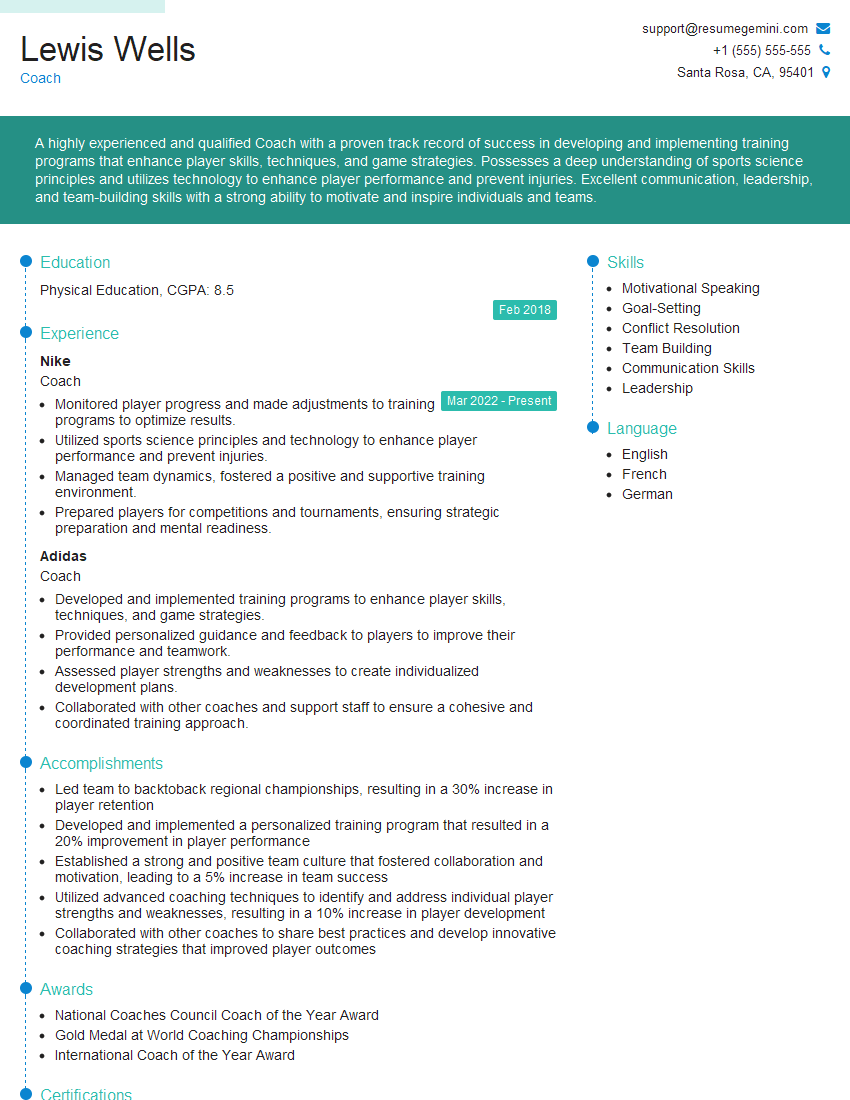
Coach Resume Sample
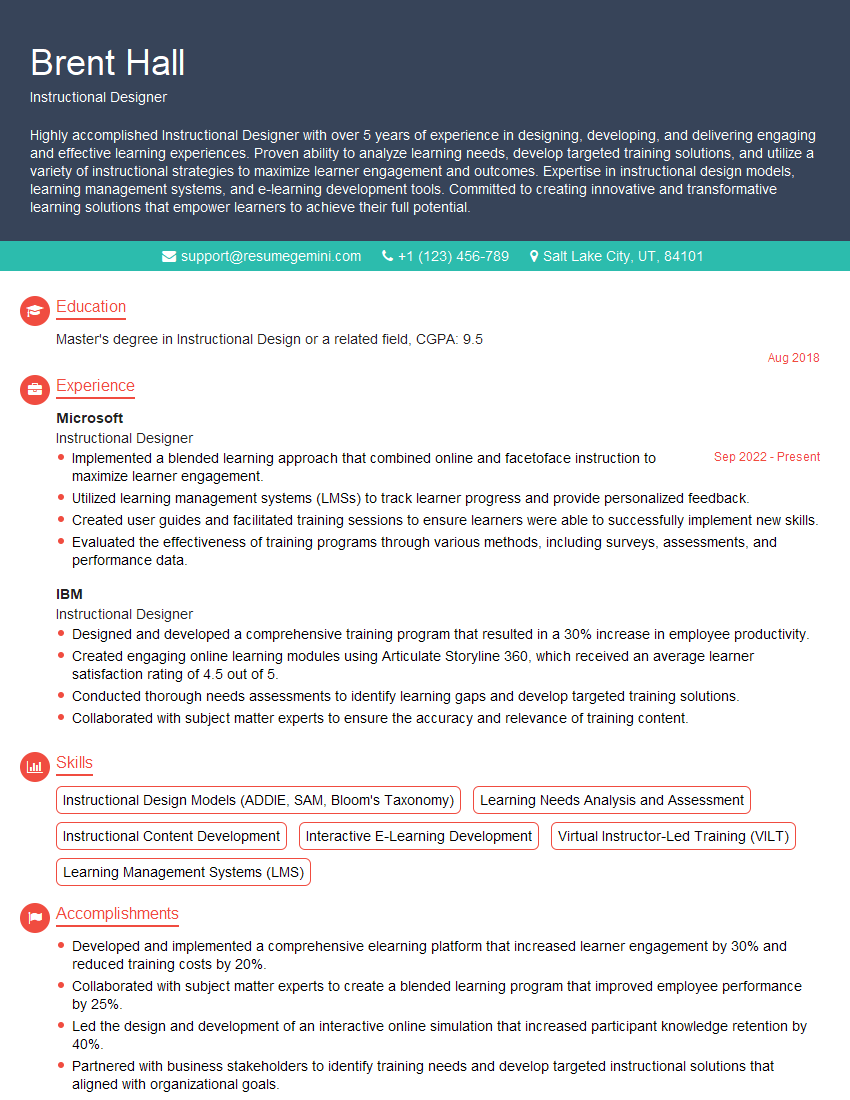
Instructional Designer Resume Sample
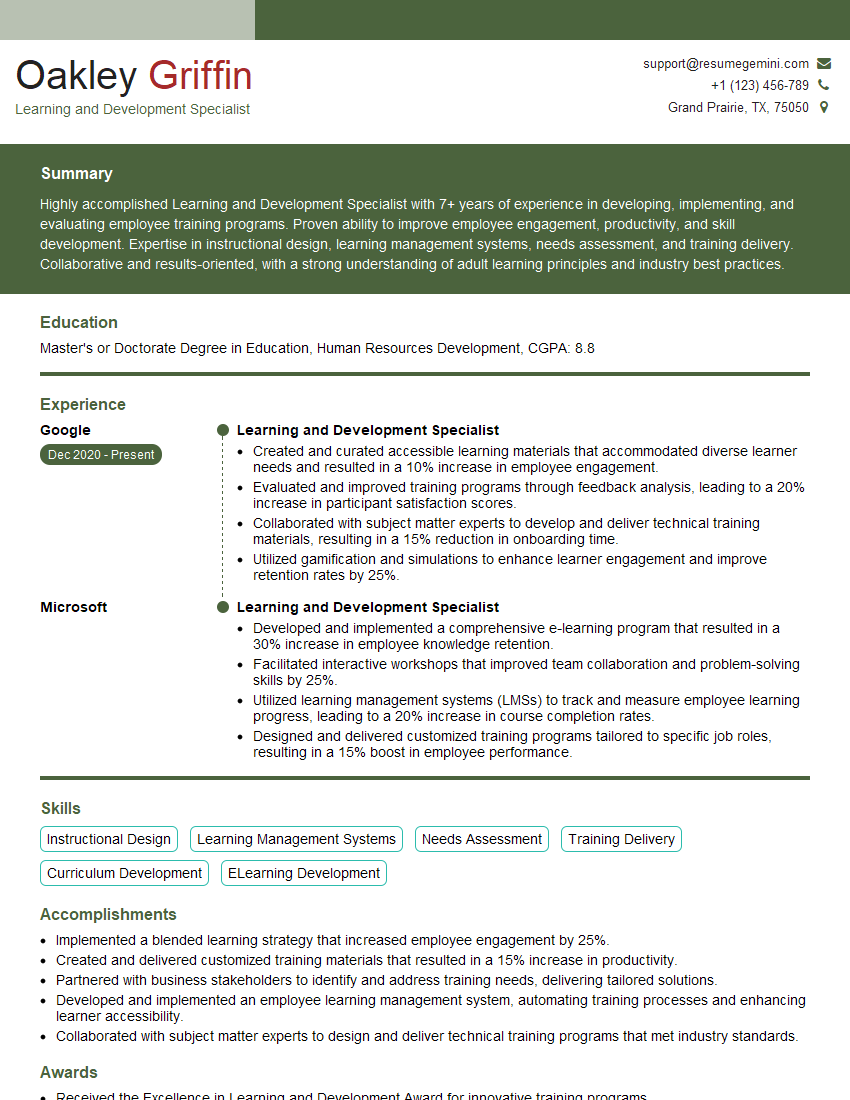
Learning and Development Specialist Resume Sample
Explore more articles
Users Rating of Our Blogs
Share Your Experience
We value your feedback! Please rate our content and share your thoughts (optional).
What Readers Say About Our Blog
I Redesigned Spongebob Squarepants and his main characters of my artwork.
https://www.deviantart.com/reimaginesponge/art/Redesigned-Spongebob-characters-1223583608
IT gave me an insight and words to use and be able to think of examples
Hi, I’m Jay, we have a few potential clients that are interested in your services, thought you might be a good fit. I’d love to talk about the details, when do you have time to talk?
Best,
Jay
Founder | CEO