Interviews are more than just a Q&A session—they’re a chance to prove your worth. This blog dives into essential Acetylene Cutting interview questions and expert tips to help you align your answers with what hiring managers are looking for. Start preparing to shine!
Questions Asked in Acetylene Cutting Interview
Q 1. Explain the process of acetylene cutting.
Acetylene cutting, also known as oxy-fuel cutting, uses a high-temperature flame to sever ferrous metals. It’s not simply melting; it’s a process of oxidizing the metal to create an exothermic reaction that further heats the cut and removes molten material. Think of it like a controlled burn, but much, much hotter.
The process involves three steps: preheating, cutting, and post-cutting. First, a preheating flame, a mixture of acetylene and oxygen, heats the metal to its ignition temperature. This is crucial because it initiates the exothermic reaction that sustains the cut. Next, a high-velocity jet of pure oxygen is introduced into the heated area, rapidly oxidizing the metal. Finally, the molten metal is blown away by the oxygen jet, creating a clean cut. The process relies on the metal’s ability to oxidize and the heat generated by this oxidation to sustain the cut.
Imagine a blacksmith quickly cutting through a hot metal bar – that’s the basic principle, but with far more precise control.
Q 2. Describe the safety precautions necessary when using acetylene cutting equipment.
Safety is paramount in acetylene cutting. One wrong move can lead to severe injury or fire. Key precautions include:
- Proper Ventilation: Acetylene is flammable, and incomplete combustion produces harmful gases. Always work in a well-ventilated area.
- Protective Gear: Wear safety glasses, gloves, and a welding jacket or apron to protect against sparks, heat, and UV radiation. A welding helmet is essential to protect your eyes from the intense brightness of the cutting flame.
- Cylinder Handling: Handle acetylene and oxygen cylinders with extreme care. Secure them upright, protect them from impacts, and never allow them to fall. Use appropriate cylinder carts and straps.
- Fire Safety: Keep a fire extinguisher rated for Class B and C fires readily available. Be aware of your surroundings and have a fire plan. Always clear the work area of combustible materials.
- Proper Equipment Maintenance: Regularly inspect hoses, regulators, and torches for leaks, cracks, or damage. Replace worn or damaged components immediately.
- Training and Certification: Proper training is crucial before attempting acetylene cutting. Only operate equipment after undergoing appropriate safety training and obtaining necessary certifications.
Remember, complacency is the enemy of safety. Always treat acetylene cutting with the respect it deserves.
Q 3. What are the different types of cutting tips and their applications?
Cutting tips, also called cutting nozzles, come in various sizes and configurations, each optimized for a specific material thickness and cutting speed. The most common types are:
- Numbered Tips: These are generally classified by number, with higher numbers indicating larger tip sizes suitable for thicker materials. For instance, a #1 tip might be used for thin sheet metal, while a #6 tip is designed for considerably thicker stock.
- Wide-Cut Tips: These tips produce wider cuts ideal for faster cutting of thicker materials where kerf width (the width of the cut) is less of a concern.
- Special-Purpose Tips: Some tips are designed for specific applications, like piercing holes in thick plates.
The selection of the appropriate cutting tip is critical for achieving a clean, efficient cut without overheating or damaging the workpiece. Using an improperly sized tip can lead to poor cut quality, reduced cutting speed, or even equipment damage.
Q 4. How do you adjust the flame for different materials?
Flame adjustment is crucial for optimal cutting. The ideal flame is a neutral flame – a perfectly balanced mix of acetylene and oxygen, characterized by a distinct inner cone, surrounded by a feathered outer cone. The inner cone should be sharply defined and bright white.
For thinner materials, you may slightly lean the flame towards a slightly oxidizing flame (slightly more oxygen), to help ensure a clean cut. Thicker materials typically require a preheating flame and a neutral or slightly carburizing flame (slightly more acetylene) to adequately preheat the material before the oxygen jet is introduced.
Incorrect flame adjustment can result in poor cut quality, such as excessive slag, incomplete cuts, or even damage to the equipment. Regularly monitor and adjust the flame to ensure optimal cutting performance. This is often done by adjusting the flow of acetylene and oxygen using the valves on the torch.
Q 5. What are the signs of a faulty regulator?
A faulty regulator can pose significant safety risks. Signs of a malfunctioning regulator include:
- Leaks: Listen for hissing sounds around the regulator and connections. Use soapy water to detect escaping gas; bubbles will indicate a leak.
- Inaccurate Pressure Readings: If the gauge readings don’t match the actual pressure or fluctuate erratically, it points to a problem with the regulator’s internal mechanism.
- Frozen Regulator: Significant leakage of gas can lead to extremely cold temperatures around the regulator, causing frost to form.
- Difficult Adjustment: If the pressure adjustment knob is stiff, difficult to turn, or doesn’t respond smoothly, it might be jammed or damaged.
- Physical Damage: Inspect the regulator for any dents, cracks, or other visible signs of damage.
Never use a faulty regulator. Replace it immediately with a properly functioning one.
Q 6. How do you identify different metals suitable for acetylene cutting?
Acetylene cutting is primarily suitable for ferrous metals (metals containing iron) that readily oxidize. These include:
- Mild Steel: The most common material cut with acetylene.
- Cast Iron: Can be cut, but often requires more preheating and slower cutting speeds.
- Wrought Iron: Similar to mild steel in terms of cutting characteristics.
- High-Carbon Steel: Cutting may be more challenging due to higher hardness and higher potential for quenching cracks.
Non-ferrous metals like aluminum, copper, or stainless steel are not typically cut using this method due to their different oxidation and melting behaviors. Other techniques like plasma cutting are more appropriate for these materials. Before cutting any unknown metal, verify its composition to ensure it is suitable for acetylene cutting.
Q 7. Explain the preheating process for thicker materials.
Preheating is essential when cutting thicker materials to ensure the metal reaches its ignition temperature quickly enough to allow for a continuous cut and prevent the cutting oxygen from cooling down the cut prematurely. The preheating flame gradually heats the metal’s surface over a larger area than a single cutting oxygen jet would be capable of doing.
The process involves:
- Positioning the Tip: Position the cutting tip at the desired starting point of the cut.
- Preheating Flame: Use a neutral or slightly carburizing flame to preheat the metal along the intended cut line. This typically involves sweeping the preheat flame back and forth along the line to evenly distribute the heat.
- Oxygen Introduction: Once the metal is adequately preheated (glow is visible), carefully introduce the oxygen jet while maintaining the preheat flame.
- Controlling the Cut: Maintain a consistent preheat flame and a controlled rate of oxygen flow to achieve a straight and smooth cut.
The preheating time will depend on the material thickness and type. Thicker materials require significantly longer preheating times to reach the necessary temperature throughout the cut depth.
Q 8. How do you prevent flashback in an acetylene cutting torch?
Flashback in acetylene cutting is a dangerous event where the flame travels back into the torch or hoses, potentially causing explosions or severe burns. Preventing it is paramount to safety. The primary prevention methods involve meticulous maintenance and safe operating procedures.
- Regular Hose Inspection: Check hoses for cracks, kinks, or damage before each use. Replace any damaged hoses immediately. Think of your hoses as the veins of your cutting system; any damage compromises the whole system.
- Proper Tip Cleaning: Ensure the cutting tips are clean and free of obstructions. Clogged tips can restrict gas flow and increase the risk of flashback. Imagine a clogged artery – the pressure builds and can lead to a rupture.
- Correct Gas Pressure: Maintaining the correct acetylene and oxygen pressures is crucial. Too high a pressure can cause turbulence and increase flashback risk. Think of it like a pressure cooker; too much pressure leads to a dangerous release.
- Flash Arrestors: These devices are essential safety features that prevent flame propagation back into the hoses. They act as a firebreak, preventing the flame from reaching the gas cylinders. They’re the firewalls of the acetylene cutting system.
- Backfire Check Valves: These valves prevent the flow of gases in the reverse direction, adding another layer of protection against flashback. They are like one-way valves in your plumbing system, preventing backflow.
By diligently following these preventative measures, you significantly reduce the risk of flashback and ensure a safer cutting operation. Remember, prevention is always better than cure, especially in this potentially hazardous activity.
Q 9. Describe the proper procedure for lighting and extinguishing an acetylene torch.
Lighting and extinguishing an acetylene torch involves a precise sequence of steps to ensure safety and prevent accidents. Improper handling can lead to burns or explosions.
Lighting the Torch:
- Prepare the area: Ensure the work area is well-ventilated and free of flammable materials.
- Open Oxygen valve slightly: This purges the torch of any residual acetylene.
- Open Acetylene valve slowly: A gentle flow is sufficient for ignition.
- Strike a match or use a lighter away from the torch: Ignite the acetylene stream at the tip of the torch.
- Adjust the oxygen valve: Obtain a neutral flame (a bluish cone within a larger, feathery flame). This is crucial for efficient cutting.
Extinguishing the Torch:
- Close the Acetylene valve first: This prevents flashback.
- Close the Oxygen valve next: Ensure that all gas flows have stopped.
- Allow the torch to cool down completely before handling: The tip remains extremely hot for some time after use.
Always remember to check your equipment before and after each use. Treating the lighting and extinguishing procedures with respect ensures a safer working environment.
Q 10. What are the potential hazards associated with acetylene cutting?
Acetylene cutting, while a powerful technique, presents several potential hazards. Understanding and mitigating these risks is critical for worker safety.
- Burns: The intense heat of the flame poses a significant burn risk to skin and eyes. Appropriate PPE (Personal Protective Equipment) is mandatory.
- Fire Hazards: The process generates sparks and molten metal, creating a fire risk, especially when cutting near flammable materials.
- Gas Explosions: Improper handling of acetylene and oxygen cylinders can lead to explosions.
- Toxicity: Acetylene itself is flammable and can cause asphyxiation in high concentrations, whilst the process may generate harmful fumes depending on the metal being cut.
- Eye Injury: Intense light and flying sparks can cause eye damage. Safety glasses and face shields are essential.
Implementing safety protocols, using appropriate PPE, and regular equipment inspection are crucial to minimize these hazards.
Q 11. How do you handle different types of metal surfaces during cutting?
Different metal surfaces require varied cutting techniques and precautions to achieve clean, efficient cuts. The thickness, type and surface condition of the metal will all influence how to approach the cut.
- Thickness: Thicker metals require more preheating and a slower cutting speed. Thinner metals can be cut more quickly with less preheat.
- Type of Metal: Different metals have varying melting points and require adjusted cutting parameters for optimal results. Steel, for instance, will have different cutting properties from aluminum.
- Surface Condition: Clean surfaces cut more readily than rusty or painted surfaces. Removing rust, paint, or other coatings before cutting improves cut quality and reduces the risk of explosions.
- Preheating: Preheating is often necessary, particularly for thicker metals, to ensure a cleaner cut and avoid warping. The correct preheat temperature varies depending on the metal’s type and thickness.
Always refer to manufacturer’s instructions and safety guidelines for specific metals. A skilled operator will adapt their technique to the specific metal being cut, ensuring both efficient cutting and a safe operation.
Q 12. Explain the importance of proper gas cylinder handling and storage.
Proper gas cylinder handling and storage are paramount to preventing accidents. These cylinders contain highly pressurized gases that can be extremely dangerous if mishandled. Think of them like pressurized bombs if not treated with care and respect.
- Secure Storage: Cylinders must be stored upright and secured to prevent them from falling. They should be stored in a well-ventilated area away from heat sources, ignition sources, and flammable materials.
- Proper Handling: Always use a cylinder trolley to move cylinders. Never drag or roll them. Keep them away from impacts to prevent damage.
- Valve Protection: Keep the cylinder valves closed when not in use and protect them from damage. A damaged valve can lead to gas leaks.
- Clear Labeling: Cylinders should be clearly labeled with the gas type and appropriate safety warnings.
- Regular Inspection: Inspect cylinders for damage before each use. Any damaged cylinder should be immediately removed from service.
Following these guidelines ensures the safe and responsible handling of potentially hazardous materials.
Q 13. How do you maintain and clean cutting equipment?
Maintaining and cleaning cutting equipment is essential for safety and performance. Regular cleaning and maintenance extend the life of the equipment and prevent accidents.
- Tip Cleaning: After each use, clean the cutting tips thoroughly to remove any slag or debris. A clogged tip can affect the flame quality and increase the risk of flashback. Using a wire brush, but taking care not to damage the tip, is crucial here.
- Hose Inspection: Regularly inspect hoses for cracks, kinks, or damage. Replace any damaged hoses immediately.
- Valve Inspection: Check valves for proper operation and leaks. Any leaks should be addressed immediately by a qualified technician.
- Regular Servicing: Have the equipment professionally serviced at regular intervals to ensure it is functioning correctly. This will prevent malfunctions and ensure that all safety systems are functional.
- Storage: Store equipment in a clean, dry place, protecting it from dust and moisture.
Preventive maintenance helps prevent expensive repairs and, most importantly, prevents accidents. Think of it like servicing your car – regular checks mean a safer, more efficient ride.
Q 14. What are the different types of cutting processes besides acetylene cutting?
Acetylene cutting is just one of several thermal cutting processes. Each method has its strengths and weaknesses, making them suitable for different applications.
- Plasma Arc Cutting (PAC): Uses a high-velocity jet of plasma to cut through metal. It’s faster and more precise than oxy-fuel cutting, particularly for thicker metals.
- Laser Cutting: Employs a high-powered laser beam to melt and vaporize metal. It’s highly accurate and can cut intricate shapes, but is expensive to operate.
- Water Jet Cutting: Uses a high-pressure jet of water to cut through materials. It’s versatile and can cut a wide range of materials, including those that are difficult to cut with thermal methods.
- Oxy-fuel Cutting (with gases other than acetylene): Similar to acetylene cutting, but using alternative fuel gases like propane or natural gas, often offering different cut characteristics.
The choice of cutting process depends on factors such as material type, thickness, desired cut quality, and cost considerations.
Q 15. What are the limitations of acetylene cutting?
Acetylene cutting, while versatile, has several limitations. Its effectiveness is heavily dependent on the metal’s thickness and type. For instance, very thick materials may require excessive preheating time and gas consumption, making the process inefficient. Additionally, cutting intricate shapes or thin sections precisely can be challenging. The heat generated can also lead to distortion or warping of the workpiece, especially with thinner metals. Furthermore, acetylene cutting produces a wider kerf (the width of the cut) compared to other methods like plasma cutting, resulting in material waste. Finally, safety concerns are paramount; improper handling of acetylene can lead to explosions if not handled with extreme care. Think of it like trying to carve a delicate figurine with a blowtorch – it’s powerful, but needs a steady hand and the right tools.
Career Expert Tips:
- Ace those interviews! Prepare effectively by reviewing the Top 50 Most Common Interview Questions on ResumeGemini.
- Navigate your job search with confidence! Explore a wide range of Career Tips on ResumeGemini. Learn about common challenges and recommendations to overcome them.
- Craft the perfect resume! Master the Art of Resume Writing with ResumeGemini’s guide. Showcase your unique qualifications and achievements effectively.
- Don’t miss out on holiday savings! Build your dream resume with ResumeGemini’s ATS optimized templates.
Q 16. How do you determine the appropriate cutting tip size for a given job?
Selecting the correct cutting tip size is crucial for efficient and clean cuts. The choice depends primarily on the thickness of the metal being cut. Manufacturers provide charts specifying the appropriate tip size for various metal thicknesses. For example, thinner materials require smaller tips to prevent excessive heat input and potential melting, while thicker materials need larger tips to deliver sufficient cutting power. You wouldn’t use a tiny nozzle to cut through a thick steel plate; it would take forever and risk damaging the tip. I always check the manufacturer’s guidelines, but experience also plays a big role. You learn to visually assess the metal thickness and choose the appropriate tip based on your experience. Using an incorrectly sized tip can lead to inefficient cutting, poor quality cuts, or even damage to the equipment.
Q 17. Explain the concept of pre-heating and its importance in acetylene cutting.
Preheating is a vital step in acetylene cutting, especially for thicker materials. It involves heating the metal surface near the cutting line to a temperature slightly below its ignition point. This preheating accelerates the cutting process, making the process more efficient. The preheated area acts as a catalyst, reducing the amount of acetylene needed and improves the quality of the cut. It also minimizes the heat-affected zone (HAZ), reducing distortion and warping. Imagine lighting a bonfire – it’s much easier to get a fire going if you have some kindling already smoldering, than starting from scratch with cold wood. The preheating serves as this ‘kindling’ for the cutting process, helping to ensure a clean, efficient cut.
Q 18. How do you deal with warped or distorted metal after cutting?
Warping or distortion after cutting is a common problem, particularly with thinner metals or improper cutting techniques. Several methods can help mitigate this. One effective approach is using supports or clamps to minimize the heat’s effect on the metal. Proper preheating also reduces distortion by ensuring even heat distribution. Post-cutting heat treatment can sometimes be used to relieve stress in the material, straightening it out. In cases of significant warping, careful straightening using specialized tools, like a straightening press, might be necessary. The key is to plan ahead, ensuring appropriate support for the metal piece during the cutting process.
Q 19. Describe your experience with different types of cutting gases.
My experience encompasses various cutting gases, including acetylene, propane, and propylene. Acetylene provides the highest cutting temperature and is ideal for most ferrous metals. However, it’s more expensive and requires specialized handling. Propane and propylene offer lower temperatures and are suitable for thinner materials or less demanding applications. Propane is a more economical choice, but it may not be as effective for thicker steel. The choice often depends on the application’s specific needs, cost considerations, and safety factors. I always carefully review the safety data sheets (SDS) before using any cutting gas and ensure proper ventilation in the workspace.
Q 20. What are the common problems encountered during acetylene cutting and their solutions?
Common problems include incomplete cuts, excessive slag, and distorted cuts. Incomplete cuts can stem from insufficient gas pressure, incorrect tip size, or inadequate preheating. Excessive slag indicates improper gas mixture or too low a cutting speed. Distorted cuts, as previously discussed, often result from insufficient support during cutting or inadequate preheating. Solutions involve checking gas pressures, using the right tip size, optimizing preheating, and adjusting the cutting speed and gas mixture based on the material. Regular maintenance of the equipment is also essential. A well-maintained torch ensures proper gas flow and combustion, which are critical for clean and efficient cuts.
Q 21. How do you ensure the quality and accuracy of your cuts?
Ensuring quality and accuracy requires attention to detail throughout the process. This begins with proper preparation, including selecting the correct tip size, setting the correct gas pressures, and adequately preheating the material. Maintaining a consistent cutting speed and angle is also critical. Regularly checking the cut for accuracy and adjusting the process as needed is vital. For instance, if the cut is too wide, it might indicate the need to reduce the oxygen flow or increase the cutting speed. After the cutting process, examining the cut for any imperfections like slag inclusions or irregularities also helps ensure quality. In my experience, meticulous preparation and ongoing monitoring during the cutting process are key to achieving accurate and high-quality cuts.
Q 22. What are the different types of metal you have experience cutting with acetylene?
Over my years as an acetylene cutting specialist, I’ve worked with a wide variety of metals. The most common include mild steel, which is relatively easy to cut and forms the basis of many construction and fabrication projects. I’ve also extensively cut stainless steel, which requires a bit more precision and a hotter flame due to its higher melting point and resistance to oxidation. Cast iron is another frequent material; its brittle nature requires a careful approach to prevent cracking. I have experience cutting aluminum, though this demands a specialized technique and often requires a flux to prevent oxidation. Finally, I’ve worked with various alloy steels, each with its unique cutting characteristics depending on the alloying elements present. The cutting parameters, like oxygen pressure and preheating, need adjustments based on the specific metal’s properties.
Q 23. Explain the importance of using proper personal protective equipment (PPE).
Proper Personal Protective Equipment (PPE) is paramount in acetylene cutting. It’s not just about following regulations; it’s about ensuring your well-being and longevity in this profession. Imagine a tiny spark from the cutting process – harmless on its own, but capable of causing a serious injury to an unprotected eye. That’s why safety glasses or a face shield are crucial. The intense heat generated necessitates heavy-duty gloves to prevent burns. A leather apron protects your clothing and skin from sparks and splatter. Furthermore, hearing protection is essential due to the loud noise produced by the process. Finally, sturdy, closed-toe shoes protect your feet from falling debris. Neglecting PPE is akin to driving a car without seatbelts – you’re taking an unnecessary risk.
Q 24. How do you ensure the safety of yourself and others in the workplace?
Safety is my top priority, both for myself and my colleagues. This begins with meticulously following all safety protocols, including pre-job inspections of equipment and the work area. I always ensure the area is well-ventilated to prevent the buildup of flammable gases. Before commencing any cutting, I thoroughly inspect the cylinders for any damage and ensure they’re properly secured. Communication is key; I clearly communicate work procedures with my team and alert others nearby about the operation. Maintaining a clean and organized work area minimizes tripping hazards. Regular equipment checks prevent malfunctions, and I never hesitate to halt operations if I encounter any safety concern. Think of it as a symphony – every instrument (safety measure) must be in perfect harmony to avoid dissonance (accidents).
Q 25. Describe your experience with troubleshooting acetylene cutting equipment.
Troubleshooting acetylene cutting equipment involves a systematic approach. For instance, if the flame isn’t producing the desired size or shape, I’d first check the gas pressure regulators to ensure they’re set correctly for both acetylene and oxygen. A weak or sputtering flame often indicates clogged tips, which need to be cleaned or replaced. If the torch doesn’t ignite, I’d check for gas leaks using soapy water, verify the proper alignment of the tip, and inspect the spark igniter. A flashback, a dangerous condition where the flame travels back into the hose, is addressed by immediately shutting off both gases, and thoroughly investigating the cause (often a clogged tip or improper pressure). The key is methodical elimination; I always work safely and never attempt repairs I’m not qualified to perform.
Q 26. Explain your understanding of the different types of acetylene gas cylinders and their maintenance.
Acetylene cylinders come in various sizes, typically designated by their capacity (e.g., 50 cubic feet, 100 cubic feet). These cylinders are constructed from high-strength steel and are rigorously inspected and tested to ensure safety. The most crucial aspect of their maintenance is ensuring they are properly stored in an upright position, secured to prevent tipping, and stored away from sources of ignition. Regular visual inspection for any damage (dents, rust, leaks) is essential. Cylinders should never be stored in direct sunlight or exposed to extreme temperatures. The valve protection caps should always be in place when not in use. Regular pressure checks, performed by qualified personnel, help ensure the cylinder is operating within safe pressure limits. Remember, proper cylinder handling isn’t just a best practice; it’s a necessity.
Q 27. How do you interpret welding symbols and blueprints related to cutting?
Welding symbols and blueprints are my guides to ensure the cut is accurate and precise. The symbols, usually found on a drawing or blueprint, clearly indicate the location, type (e.g., bevel cut, straight cut), dimensions, and surface finish requirements of the cut. For example, a symbol might show a 45-degree bevel cut with specific dimensions, indicating the angle and depth required for a proper weld joint preparation. I meticulously study these symbols to understand the project requirements. If there’s any ambiguity, I clarify with the engineers or supervisors before starting work. The blueprints provide the overall context and dimensions of the workpiece. Understanding both aspects is critical to executing the cutting flawlessly. Accuracy is paramount, as even slight errors can affect the subsequent welding process.
Q 28. Describe your experience working with different types of cutting equipment and torches.
My experience encompasses various cutting equipment and torches. I’m proficient with both hand-held and machine-operated cutting equipment. Hand-held torches offer flexibility for intricate cuts, while machine-operated systems are ideal for larger, repetitive cuts. I’ve used various torch sizes depending on the thickness of the metal and the type of cut. I’m comfortable with different tip sizes and understand how to adjust oxygen and acetylene pressures to achieve optimal cutting performance. I’ve also worked with mechanized cutting systems such as CNC plasma cutters and oxy-fuel cutting machines, each having its own set of parameters and safety protocols. This breadth of experience allows me to tackle various cutting challenges and select the most suitable equipment for any job.
Key Topics to Learn for Your Acetylene Cutting Interview
- Safety Procedures and Regulations: Understanding and adhering to all safety protocols, including proper PPE usage, handling of acetylene cylinders, and emergency procedures. This is paramount in any interview.
- Equipment Operation and Maintenance: Demonstrate knowledge of the components of an oxy-acetylene cutting torch, regulators, hoses, and related equipment. Be prepared to discuss routine maintenance checks and troubleshooting common issues.
- Gas Mixture and Flame Adjustment: Explain the principles of achieving a neutral, carburizing, and oxidizing flame. Discuss how different flames are used for various cutting applications.
- Cutting Techniques and Procedures: Describe different cutting techniques like piercing, gouging, and beveling. Explain how to select the appropriate technique based on material thickness and type.
- Material Properties and Selection: Discuss the impact of different metals (steel, stainless steel, etc.) on cutting procedures, including preheating requirements and appropriate cutting speeds.
- Cutting Chart Interpretation and Application: Demonstrate your ability to interpret cutting charts to determine the appropriate gas pressures, cutting speeds, and nozzle sizes for specific materials and thicknesses.
- Practical Problem Solving: Be prepared to discuss scenarios where you had to troubleshoot a problem during acetylene cutting. Highlight your problem-solving skills and ability to work safely and efficiently.
Next Steps
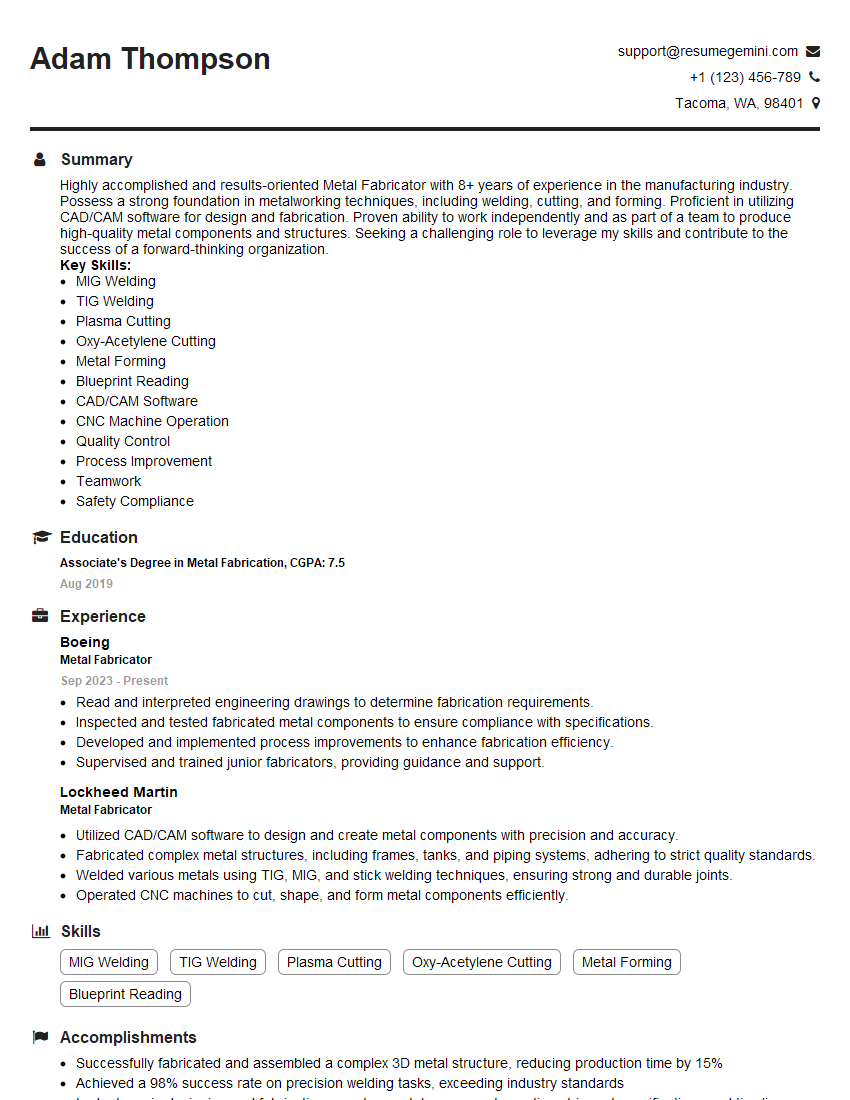
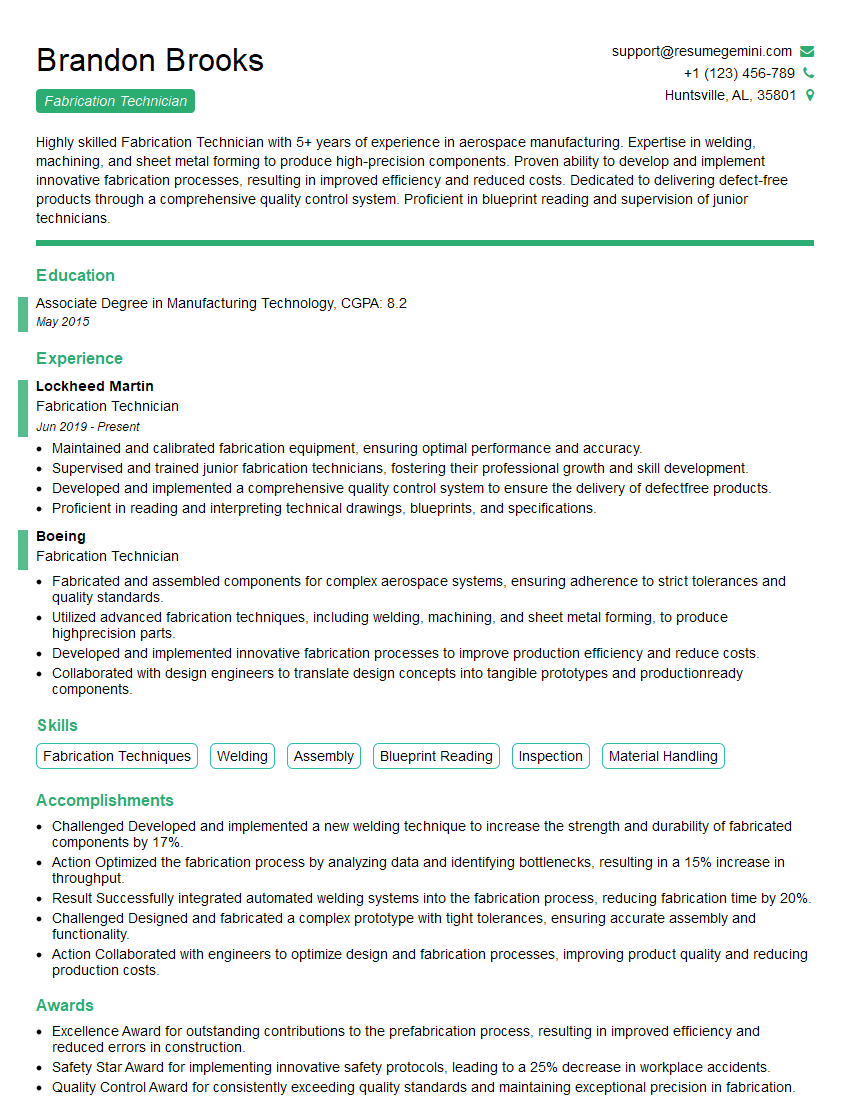
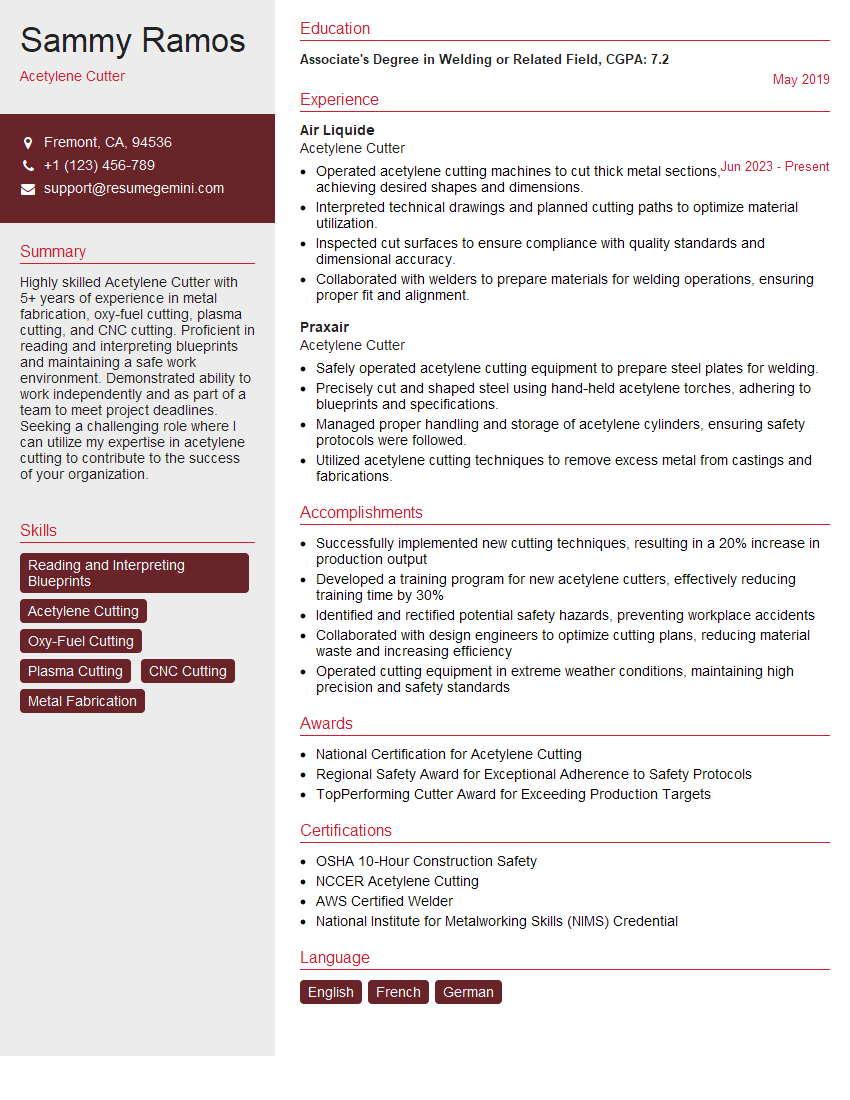
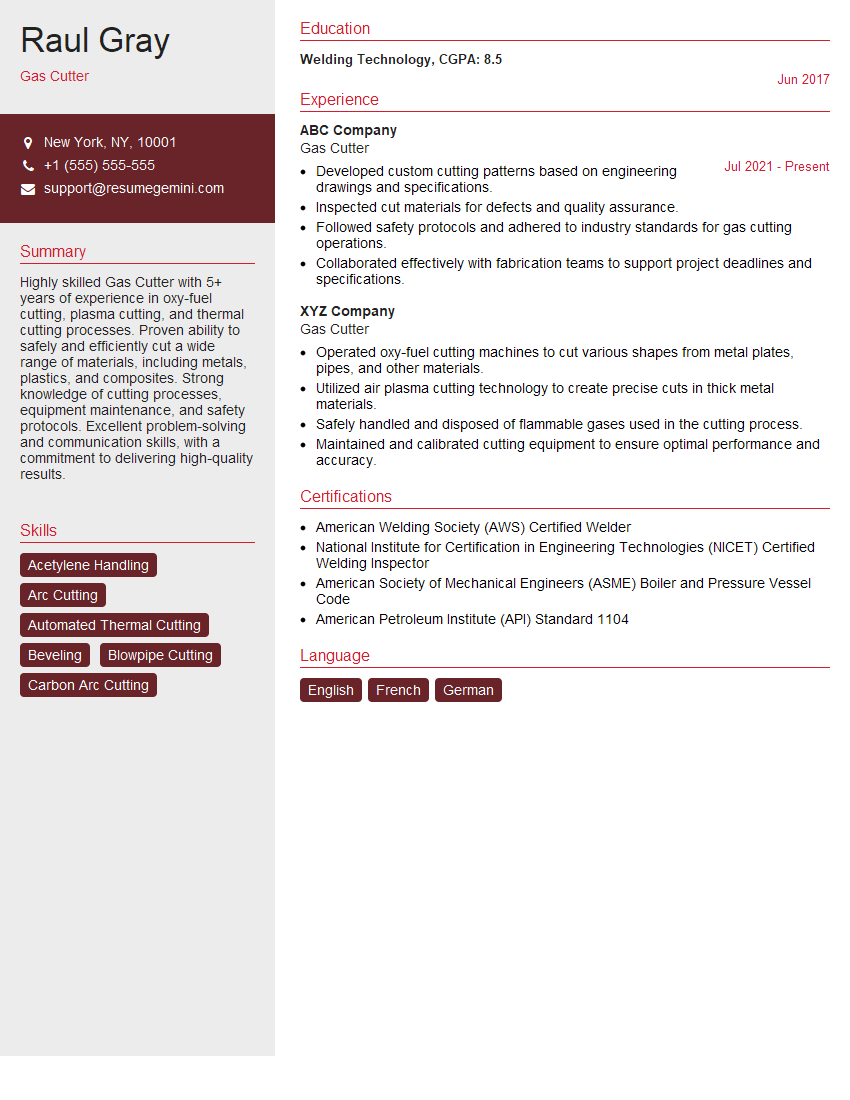
Mastering acetylene cutting opens doors to a rewarding career in various industries, offering opportunities for advancement and specialization. To maximize your job prospects, create a compelling and ATS-friendly resume that showcases your skills and experience effectively. ResumeGemini is a trusted resource to help you build a professional resume that highlights your abilities. We offer examples of resumes tailored to the Acetylene Cutting field to help guide you in crafting your own.
Explore more articles
Users Rating of Our Blogs
Share Your Experience
We value your feedback! Please rate our content and share your thoughts (optional).
What Readers Say About Our Blog
I Redesigned Spongebob Squarepants and his main characters of my artwork.
https://www.deviantart.com/reimaginesponge/art/Redesigned-Spongebob-characters-1223583608
IT gave me an insight and words to use and be able to think of examples
Hi, I’m Jay, we have a few potential clients that are interested in your services, thought you might be a good fit. I’d love to talk about the details, when do you have time to talk?
Best,
Jay
Founder | CEO