Are you ready to stand out in your next interview? Understanding and preparing for Knowledge of current educational trends and best practices interview questions is a game-changer. In this blog, we’ve compiled key questions and expert advice to help you showcase your skills with confidence and precision. Let’s get started on your journey to acing the interview.
Questions Asked in Knowledge of current educational trends and best practices Interview
Q 1. What are the key trends shaping K-12 education today?
K-12 education is undergoing a significant transformation, driven by several key trends. One major trend is the increasing emphasis on personalized learning, tailoring instruction to individual student needs and learning styles. This is closely linked to the rise of data-driven instruction, where educators use assessment data to inform their teaching practices. Another significant trend is the integration of technology in classrooms, not just for entertainment, but for enhancing learning through interactive simulations, online resources, and collaborative platforms. Furthermore, there’s a growing focus on social-emotional learning (SEL), recognizing the importance of students’ emotional well-being and social skills for academic success. Finally, the push for equity and inclusion ensures that all students have equal opportunities to succeed, regardless of their background or learning differences.
- Personalized Learning: Think of it like a tailor-made suit – the education fits the individual student, not the other way around.
- Data-Driven Instruction: Imagine a dashboard showing student progress, allowing teachers to adjust their approach based on real-time data.
- Technology Integration: No longer a luxury, but a necessity, providing access to vast resources and interactive learning experiences.
- Social-Emotional Learning (SEL): Equipping students with essential life skills like self-regulation, empathy, and conflict resolution.
- Equity and Inclusion: Creating a welcoming and supportive environment where all students feel valued and respected.
Q 2. Describe the benefits and challenges of personalized learning.
Personalized learning offers immense benefits, primarily the ability to cater to individual student needs, leading to improved academic outcomes and increased student engagement. Students learn at their own pace, focusing on areas where they need more support and accelerating through material they already understand. This individualized approach can boost self-esteem and motivation, fostering a love for learning.
However, implementing personalized learning presents challenges. It requires significant resources, including technology, professional development for teachers, and potentially smaller class sizes. Creating and managing individualized learning plans for each student can be incredibly time-consuming for educators. Furthermore, ensuring equity in access to personalized learning resources for all students, regardless of their socioeconomic background, is crucial but demanding.
- Benefits: Improved academic performance, increased student engagement, boosted self-esteem, tailored learning pace.
- Challenges: Resource-intensive, time-consuming for teachers, potential equity concerns.
Q 3. How familiar are you with project-based learning methodologies?
I am very familiar with project-based learning (PBL) methodologies. PBL is a student-centered approach where students learn by actively engaging in complex, real-world projects. These projects often require students to apply their knowledge and skills across multiple subject areas, fostering collaboration, critical thinking, and problem-solving skills. Effective PBL involves clear learning objectives, scaffolding of support, and opportunities for student reflection and feedback.
For example, a PBL project might involve students designing and building a sustainable community garden, requiring them to research local flora, calculate budgets, and collaborate with community members. This project allows students to apply knowledge from science, math, and social studies while developing valuable teamwork and communication skills.
Q 4. Explain the importance of formative assessment in the learning process.
Formative assessment is crucial because it provides ongoing feedback during the learning process, allowing both teachers and students to monitor progress and make adjustments as needed. Unlike summative assessments (like final exams) that evaluate learning at the end, formative assessments are ongoing checks for understanding. This helps identify learning gaps early on, preventing students from falling behind. Examples of formative assessments include quizzes, exit tickets, class discussions, and observations of student work.
Imagine building a house: formative assessment is like checking the foundation and walls before moving on to the roof. If there are problems early on, they can be corrected before it’s too late, ensuring a strong and stable final product. Similarly, formative assessment in education allows for timely interventions, preventing larger learning challenges down the road.
Q 5. Discuss the role of technology in enhancing student engagement.
Technology plays a vital role in enhancing student engagement by providing interactive and engaging learning experiences. Educational apps, simulations, and online games can make learning more fun and accessible. Interactive whiteboards and collaborative platforms allow for active participation and peer learning. Digital tools can also personalize learning, providing students with individualized feedback and support.
For instance, a virtual field trip to a museum can be far more engaging than reading about it in a textbook. Educational games can make learning math concepts fun and less intimidating. Online platforms enable students to collaborate on projects, share ideas, and receive immediate feedback from peers and teachers, promoting a more dynamic and interactive learning environment.
Q 6. What are some current best practices in differentiated instruction?
Differentiated instruction involves tailoring teaching methods to meet the diverse needs of all learners in the classroom. This might involve adjusting the content, process, product, or learning environment. Best practices include:
- Assessing learning styles and needs: Using pre-assessments and ongoing observation to understand students’ strengths and challenges.
- Offering varied learning activities: Providing choices in how students learn, such as hands-on activities, group work, independent study, and technology-based projects.
- Providing flexible grouping strategies: Creating opportunities for collaboration and peer teaching, as well as allowing for independent work when needed.
- Using tiered assignments: Adapting the complexity of assignments to meet different skill levels.
- Providing varied assessment methods: Allowing students to demonstrate their understanding in different ways, such as through written reports, oral presentations, or artistic projects.
Imagine a classroom with students at varying reading levels. Differentiated instruction might involve providing different texts to students based on their reading abilities, offering support to struggling readers through small group instruction, and allowing advanced readers to pursue independent research projects.
Q 7. How do you stay up-to-date on the latest educational research and trends?
Staying current in the field of education requires a multifaceted approach. I regularly read peer-reviewed journals like the Journal of Educational Psychology and Educational Researcher. I attend professional development workshops and conferences, both in-person and online, to learn about new teaching methodologies and best practices. I actively participate in online professional learning networks (PLNs) and follow educational leaders and researchers on social media platforms like Twitter. Furthermore, I frequently review reports and publications from organizations like the National Education Association and the Department of Education. This combination of formal and informal learning ensures that I remain informed about the latest research and trends impacting K-12 education.
Q 8. Explain your understanding of Universal Design for Learning (UDL).
Universal Design for Learning (UDL) is a framework that guides the creation of flexible learning environments and materials that cater to the diverse needs of all learners. Instead of adapting students to the curriculum, UDL adapts the curriculum to the students. It’s based on the belief that effective instruction provides multiple means of representation, action and expression, and engagement.
- Multiple Means of Representation: This refers to presenting information in various formats – visual, auditory, kinesthetic, textual – to cater to different learning styles. For example, providing a video explanation alongside written instructions, or using diagrams to illustrate complex concepts.
- Multiple Means of Action and Expression: This allows students to demonstrate their understanding in multiple ways. A student might write an essay, create a presentation, build a model, or participate in a class discussion – whatever best suits their skills and preferences.
- Multiple Means of Engagement: This focuses on tapping into students’ interests and motivations to keep them actively involved in the learning process. This can involve incorporating real-world applications, offering choices, and providing opportunities for collaboration.
In practice, UDL might involve using graphic organizers for visual learners, providing audio books for struggling readers, or allowing students to choose project formats based on their strengths. It’s about creating a learning environment that is inclusive and accessible to everyone.
Q 9. How would you address the digital divide in a classroom setting?
Addressing the digital divide in the classroom requires a multi-pronged approach focusing on equitable access to technology and digital literacy skills.
- Providing equitable access to devices and internet: This might involve school-provided laptops or tablets, partnering with community organizations to offer internet access to students lacking it at home, or creating designated computer labs with reliable internet connectivity.
- Offering digital literacy training: Many students lack the foundational digital skills needed to effectively use technology for learning. We need targeted training in basic computer operations, online safety, and research skills. This might involve dedicated workshops, embedded tutorials within online learning platforms, or peer-to-peer mentoring.
- Creating offline learning opportunities: While technology is crucial, we must ensure that students without digital access aren’t left behind. This involves incorporating offline activities that reinforce online learning concepts, providing printed materials, and ensuring that assessments can be completed both online and offline.
- Leveraging open educational resources (OER): OER are freely available educational materials, reducing reliance on costly textbooks and software, ensuring access for all students.
For example, in my previous role, we established a technology lending program, providing students from low-income families with laptops for home use. We also partnered with a local library to offer free internet access and digital literacy workshops during after-school hours.
Q 10. Describe your experience with developing or implementing a new curriculum.
I was involved in developing a new STEM-focused curriculum for middle school students. The process involved a collaborative effort with teachers, subject matter experts, and educational technologists.
- Needs Assessment: We started by analyzing current curriculum gaps, student performance data, and emerging trends in STEM fields. This helped us identify specific learning objectives and skills to be incorporated into the new curriculum.
- Curriculum Design: We adopted a project-based learning approach, incorporating hands-on activities, real-world applications, and interdisciplinary connections. The curriculum included detailed lesson plans, assessment rubrics, and suggested resources. We prioritized the use of open educational resources to ensure accessibility.
- Pilot Implementation and Revision: We piloted the curriculum in a few classrooms, gathering feedback from teachers and students. This feedback was crucial in refining the curriculum before full-scale implementation. We used data from formative assessments to identify areas needing improvement and made necessary revisions based on real-world classroom experiences.
- Teacher Training: We provided comprehensive training to teachers on the new curriculum, focusing on pedagogical approaches, assessment strategies, and the effective use of technology.
The result was a more engaging and relevant STEM curriculum that better prepared students for future STEM careers and improved student achievement.
Q 11. What are your thoughts on the effectiveness of standardized testing?
Standardized testing plays a complex role in education. While they provide a snapshot of student performance and can be useful for accountability, they have limitations.
- Accountability and Data-Driven Decision Making: Standardized tests can identify areas where students are struggling and help schools allocate resources effectively. They also provide data to measure school and teacher performance, although this should be interpreted cautiously and used in conjunction with other measures.
- Narrow Focus and Bias: Standardized tests often focus on a narrow range of skills and knowledge, potentially neglecting other crucial aspects of learning, such as creativity, critical thinking, and social-emotional skills. Additionally, there can be inherent biases in test design and administration that disproportionately affect certain student populations.
- Teaching to the Test: The pressure to perform well on standardized tests can lead to a narrowed curriculum, focusing on test preparation at the expense of broader educational goals. This can stifle creativity and reduce student engagement.
Ultimately, standardized tests should be viewed as one piece of a larger puzzle. A holistic approach to assessment should incorporate multiple methods, including formative assessments, project-based assessments, and classroom-based observations to obtain a comprehensive understanding of student learning.
Q 12. How do you incorporate social-emotional learning into your teaching/training?
Social-emotional learning (SEL) is crucial for student success. I integrate SEL into my teaching by creating a classroom culture that values self-awareness, self-management, social awareness, relationship skills, and responsible decision-making.
- Classroom Community Building: I start by creating a positive and supportive classroom environment where students feel safe, respected, and valued. Activities like icebreakers, team-building exercises, and class meetings help foster a sense of belonging.
- Mindfulness and Self-Regulation Strategies: I incorporate mindfulness practices and teach students self-regulation strategies to manage their emotions and cope with stress. This might involve breathing exercises, guided meditation, or simply taking breaks when needed.
- Conflict Resolution Skills: I teach students conflict resolution skills to handle disagreements constructively. This includes active listening, empathy, and finding mutually acceptable solutions.
- Social Awareness Activities: I incorporate activities that promote social awareness, such as discussions on empathy, perspective-taking, and understanding different cultures.
- Opportunities for Responsible Decision-Making: I provide students with opportunities to make responsible decisions, both individually and collaboratively. This might involve student-led projects, group work, or classroom governance activities.
For instance, in my classroom, we have a designated ‘calm-down corner’ where students can go when they need a break. We also regularly practice active listening skills through role-playing scenarios.
Q 13. What are some effective strategies for managing diverse learners in the classroom?
Managing diverse learners requires flexibility, differentiation, and a commitment to meeting each student’s individual needs.
- Differentiated Instruction: I tailor my instruction to meet the different learning styles, needs, and abilities of my students. This might involve providing different levels of support, offering various learning materials, and allowing students to choose how they demonstrate their learning.
- Flexible Grouping Strategies: I use a variety of grouping strategies, including whole-class instruction, small-group work, and independent learning, to cater to different learning styles and provide opportunities for peer support and collaboration.
- Assessment for Learning: I use formative assessments to monitor student progress and adjust my instruction accordingly. This allows me to identify students who are struggling and provide targeted support.
- Collaboration with Support Staff: I work closely with specialists, such as special education teachers and counselors, to develop individualized learning plans for students with special needs.
- Creating an Inclusive Classroom Culture: I foster a classroom culture that values diversity and celebrates individual differences. This creates a safe and welcoming environment where all students feel they belong and can thrive.
For example, I might provide graphic organizers to support visual learners, offer extended time on assessments for students who need it, or pair students with different strengths to work collaboratively on projects.
Q 14. Describe your experience with creating engaging online learning experiences.
Creating engaging online learning experiences requires careful planning and the use of interactive tools and techniques.
- Clear Learning Objectives and Structure: Online courses need clear learning objectives and a well-structured design to guide learners effectively. This might involve breaking down content into smaller, manageable modules with clear instructions and assessments.
- Interactive Activities: I incorporate interactive activities such as quizzes, polls, discussions, simulations, and games to enhance engagement and active learning. This helps break up large blocks of text and keep students actively involved.
- Multimedia Resources: I use a variety of multimedia resources, including videos, audio recordings, images, and animations, to cater to different learning styles and make the learning material more accessible.
- Collaborative Tools: I utilize collaborative tools, such as online discussion forums, shared documents, and virtual breakout rooms, to facilitate interaction and peer learning. This helps foster a sense of community and encourages active participation.
- Regular Feedback and Communication: I provide regular feedback to students and maintain open communication channels to address questions and concerns promptly. This keeps students motivated and promotes a sense of support.
For instance, in a recent online course, I used a gamified platform with points and badges to reward student participation and completion of assignments. I also facilitated regular virtual office hours for one-on-one interaction with students.
Q 15. How would you assess the effectiveness of a new educational program?
Assessing the effectiveness of a new educational program requires a multifaceted approach, going beyond simple anecdotal evidence. A robust evaluation should incorporate both qualitative and quantitative data to provide a comprehensive understanding of its impact.
- Quantitative Data: This involves collecting numerical data to measure program outcomes. Examples include pre- and post-tests to measure student learning gains, attendance rates, and completion rates. Statistical analysis can then determine the significance of these changes. For example, we might use a t-test to compare the average test scores of students before and after the program’s implementation.
- Qualitative Data: This involves gathering descriptive information to understand the program’s impact from a student and teacher perspective. Methods include surveys, interviews, focus groups with students and teachers, and classroom observations. Analyzing qualitative data allows us to uncover insights into student engagement, teacher satisfaction, and the overall learning experience. For instance, we could conduct interviews with students to understand how the program improved their understanding of a specific concept.
- Triangulation: The most effective assessments combine both quantitative and qualitative data. This triangulation allows for a more complete and nuanced understanding of the program’s effectiveness. For example, if quantitative data shows improved test scores, qualitative data can reveal whether those improvements are due to increased engagement, better teaching methods, or other factors.
Ultimately, the assessment should be designed with clear learning objectives in mind. The evaluation plan should be developed before program implementation to ensure that data collection is aligned with the program’s goals. Regular monitoring and adjustments during the program are also crucial for optimization.
Career Expert Tips:
- Ace those interviews! Prepare effectively by reviewing the Top 50 Most Common Interview Questions on ResumeGemini.
- Navigate your job search with confidence! Explore a wide range of Career Tips on ResumeGemini. Learn about common challenges and recommendations to overcome them.
- Craft the perfect resume! Master the Art of Resume Writing with ResumeGemini’s guide. Showcase your unique qualifications and achievements effectively.
- Don’t miss out on holiday savings! Build your dream resume with ResumeGemini’s ATS optimized templates.
Q 16. What are some common challenges faced by educators today, and how can they be addressed?
Educators today face a multitude of challenges, many exacerbated by technological advancements and societal shifts. Here are some key issues and potential solutions:
- Meeting Diverse Learning Needs: Classrooms are increasingly diverse, with students possessing varied learning styles, abilities, and backgrounds. Addressing this requires differentiated instruction, personalized learning plans, and the use of adaptive technologies that cater to individual needs. For example, offering various modes of instruction – visual, auditory, kinesthetic – can help engage a wider range of students.
- Integrating Technology Effectively: While technology offers incredible potential, its effective integration requires professional development, adequate resources, and a thoughtful approach. Teachers need training on using educational software and tools, as well as the skills to integrate technology seamlessly into their teaching methods. For example, teachers need training to use LMS platforms and understand how to use them for both teaching and assessment.
- Maintaining Student Engagement: Keeping students engaged in a rapidly changing world is crucial. This involves creating engaging learning environments, incorporating active learning strategies, and utilizing technology to enhance the learning experience. Gamification, project-based learning, and collaborative activities can significantly boost engagement.
- Addressing Mental Health Concerns: Students face increasing pressure, and educators play a vital role in supporting their mental well-being. This requires training on recognizing signs of stress and providing appropriate support, fostering a positive and inclusive classroom environment, and collaborating with school counselors and support staff.
- Teacher Burnout: The demands of teaching can lead to burnout. Schools need to provide adequate support systems for teachers, including reasonable workloads, professional development opportunities, and access to mental health resources.
Addressing these challenges requires a collaborative effort from educators, administrators, policymakers, and the community at large.
Q 17. How familiar are you with various learning management systems (LMS)?
I’m highly familiar with a range of Learning Management Systems (LMS), including both commercial platforms and open-source options. My experience encompasses using these systems for course delivery, assessment, communication, and tracking student progress. I have practical experience with:
- Moodle: A widely used open-source LMS known for its flexibility and customization options.
- Canvas: A popular commercial LMS known for its user-friendly interface and robust features.
- Blackboard: Another widely-used commercial LMS, often integrated with other educational tools.
- Google Classroom: A simpler LMS integrated with the Google Suite, ideal for streamlined communication and assignment management.
My familiarity extends beyond simply using these platforms. I understand the pedagogical considerations of designing effective online courses within an LMS, including aspects of accessibility, user experience, and assessment strategies. I can adapt my teaching methods based on the specific features and capabilities of each LMS, choosing the platform best suited to the needs of my students and the course objectives. For example, I’ve designed courses in Moodle that leveraged its robust forum features for creating online learning communities and used Canvas’s gradebook capabilities for efficient feedback and assessment tracking.
Q 18. Explain the importance of collaborative learning and how you facilitate it.
Collaborative learning, where students work together to achieve shared goals, is crucial for developing essential 21st-century skills like communication, teamwork, and problem-solving. It moves beyond passive learning and fosters a deeper understanding of the subject matter.
- Importance: Collaborative learning encourages active participation, peer learning, and the development of critical thinking skills. Students learn from each other’s perspectives, build social skills, and develop a sense of shared responsibility.
- Facilitation: To facilitate effective collaborative learning, I utilize various strategies:
- Structured Group Activities: I design activities that require students to work together to solve problems, complete tasks, or create projects. This includes assigning specific roles within groups to ensure equal participation.
- Think-Pair-Share: A simple yet effective technique where students individually reflect on a question, discuss their ideas with a partner, and then share their findings with the larger group.
- Jigsaw Activities: Students become experts on a specific part of a topic and then teach their peers, fostering peer-to-peer learning.
- Online Collaboration Tools: I utilize platforms like Google Docs, shared online whiteboards, or collaborative project management tools to support group work in both online and blended learning environments.
- Clear Expectations and Rubrics: Providing clear guidelines, roles, and assessment rubrics ensures that students understand expectations and can effectively collaborate towards a common goal.
For example, in a history class, students might collaborate on a research project, dividing tasks based on individual strengths and interests. In a science class, they might conduct experiments together and analyze the results collaboratively. In both cases, I provide scaffolding and support to ensure the collaborative process is successful.
Q 19. Describe your experience with incorporating gamification into learning activities.
I have experience incorporating gamification elements into learning activities to enhance student engagement and motivation. Gamification leverages game design elements in non-game contexts to make learning more fun and rewarding.
- Examples: I’ve used point systems, leaderboards, badges, challenges, and narrative structures to motivate students. For instance, I’ve created a point system where students earn points for completing assignments, participating in class discussions, and achieving learning goals. These points can then be redeemed for prizes or privileges.
- Strategies: It’s important to use gamification strategically. The game mechanics must align with the learning objectives. For example, a leaderboard could incentivize competition in a healthy way but must avoid creating an environment that discourages collaboration or fosters unhealthy competition. I usually use a combination of game elements to offer variety and cater to different learning styles.
- Considerations: Overusing gamification can be counterproductive. It’s essential to ensure the activities are meaningful and contribute to learning outcomes. The focus should always remain on the educational content, with gamification used as a tool to enhance engagement, not as a substitute for meaningful learning.
In a recent project, I implemented a points-based system in an online course where students earned points for completing quizzes, participating in forum discussions, and contributing to group projects. The inclusion of a leaderboard created a friendly competition that significantly improved student engagement and participation.
Q 20. How do you measure student learning outcomes effectively?
Measuring student learning outcomes effectively requires a multi-faceted approach that goes beyond traditional testing. It’s about understanding not only what students know, but also how they can apply their knowledge and skills.
- Formative Assessment: These are ongoing assessments designed to monitor student learning throughout the course. Examples include quizzes, class discussions, short assignments, and observations. This helps identify areas where students are struggling and allows for timely intervention.
- Summative Assessment: These are high-stakes assessments designed to measure overall learning at the end of a unit or course. Examples include exams, major projects, and presentations. This provides a comprehensive measure of student achievement.
- Authentic Assessment: This involves evaluating student learning through real-world tasks and projects. For example, students might create a presentation, write a research paper, or design a solution to a real-world problem. This assesses their ability to apply their knowledge and skills in practical settings.
- Self-Assessment and Peer Assessment: Encouraging students to reflect on their own learning and provide feedback to their peers fosters metacognition and promotes a deeper understanding of the material. This helps students learn to evaluate their own performance against learning objectives.
- Data Analysis: Analyzing assessment data is crucial. This involves examining trends, identifying areas where students are excelling or struggling, and adjusting teaching strategies as needed.
Choosing the right assessment methods depends on the learning objectives and the nature of the course material. A combination of different assessment methods provides a more holistic and accurate picture of student learning outcomes.
Q 21. What are some ethical considerations in educational technology?
Ethical considerations in educational technology are paramount. The use of technology in education raises several ethical concerns that require careful attention:
- Data Privacy and Security: Protecting student data is crucial. Educational institutions must adhere to privacy regulations (like FERPA in the US) and ensure that student data is collected, used, and stored securely. This includes ensuring appropriate consent from parents and students and implementing robust security measures to prevent data breaches.
- Algorithmic Bias: AI-powered educational tools can perpetuate existing biases if not carefully designed and monitored. This includes biases related to gender, race, socioeconomic status, or other factors. It’s crucial to use diverse datasets and regularly audit algorithms for bias.
- Digital Divide: Access to technology and the internet is not universal. This digital divide can exacerbate existing inequalities, limiting access to educational opportunities for students from disadvantaged backgrounds. Educators and institutions must address this inequity by providing equitable access to technology and internet connectivity.
- Intellectual Property Rights: Using copyrighted materials without permission is unethical and illegal. Educators must ensure that they have the appropriate rights to use any digital resources they incorporate into their teaching. Open educational resources (OER) are a great alternative for content that is free and legal to use.
- Responsible Use of Technology: Educators should model responsible technology use for students, emphasizing digital citizenship, online safety, and ethical online behavior. This includes teaching students about cyberbullying, online privacy, and responsible social media use.
Addressing these ethical considerations requires a thoughtful and proactive approach. It’s essential to incorporate ethical discussions into teacher training and to establish clear policies and procedures for the responsible use of technology in educational settings.
Q 22. How would you handle a situation where a student is struggling academically?
Addressing a student’s academic struggles requires a multifaceted approach focusing on understanding the root cause, providing tailored support, and fostering a positive learning environment. I begin by gathering information through various channels: direct conversations with the student, reviewing their academic work, consulting with their teachers, and possibly involving parents/guardians. This helps identify whether the struggle stems from learning differences, lack of engagement, external factors (like home life), or a combination thereof.
Targeted Interventions: Based on the assessment, I would implement targeted interventions. This could involve providing extra tutoring, adjusting teaching methods to better suit the student’s learning style (e.g., visual aids for visual learners, hands-on activities for kinesthetic learners), or recommending specialized support services like speech therapy or counseling.
Building Confidence and Motivation: It’s crucial to address the emotional aspect. A struggling student may feel discouraged or lack confidence. I’d work on building their self-esteem by celebrating small successes, setting achievable goals, and providing positive reinforcement. Encouraging peer support and creating a supportive classroom climate are also vital.
Collaboration: Regular communication with parents/guardians is essential. Working together, we can provide a consistent and supportive learning environment both at school and at home. Collaboration with other school professionals, such as special education teachers or counselors, is often necessary to ensure the student receives comprehensive support.
For example, I once worked with a student who was struggling in math. After careful assessment, we discovered she had difficulty with spatial reasoning. By implementing visual aids and using manipulatives in her lessons, we were able to significantly improve her understanding and confidence.
Q 23. Discuss the importance of building strong relationships with parents/guardians.
Building strong relationships with parents/guardians is paramount for student success. Open communication, mutual respect, and a shared commitment to the child’s education are crucial. Regular communication, whether through emails, phone calls, or parent-teacher conferences, keeps parents informed about their child’s progress, challenges, and achievements. This helps create a sense of partnership and shared responsibility.
Active Listening: I actively listen to parents’ concerns and perspectives, acknowledging their insights and expertise in their child’s life. This creates a safe space for open dialogue and fosters trust.
Transparent Communication: I provide regular feedback, both positive and constructive, ensuring parents understand their child’s strengths and areas for growth. I am proactive in addressing concerns and provide concrete strategies for support.
Collaborative Goal Setting: Working together, we set realistic and achievable goals for the student. This shared understanding ensures consistency in expectations and support systems.
For instance, I once collaborated with a parent whose child was struggling with anxiety. By working together and involving the parent in creating a calming strategy for the child, we managed to improve the child’s focus and academic performance.
Q 24. Describe your experience with providing professional development to teachers.
I have extensive experience providing professional development to teachers, focusing on both pedagogical approaches and the use of technology to enhance teaching and learning. My approach is highly collaborative and participatory, emphasizing practical application and reflection.
Workshops and Seminars: I’ve conducted numerous workshops and seminars on various topics, including differentiated instruction, assessment strategies, and the effective integration of technology in the classroom. These sessions incorporate interactive activities, group discussions, and real-world case studies to maximize engagement and knowledge transfer.
Mentoring and Coaching: I offer one-on-one mentoring and coaching to teachers who seek personalized guidance and support. This includes providing feedback on lesson plans, observing classroom instruction, and offering strategies for addressing specific challenges.
Data-Driven Professional Development: I leverage data analysis to inform professional development initiatives, identifying areas where teachers need additional support and tailoring the training to address specific needs. For example, if data indicates a decline in student performance in a particular subject, the professional development would focus on improving teaching strategies in that area.
Recently, I facilitated a professional development program focused on integrating technology into science classrooms. We used hands-on activities and project-based learning, which allowed teachers to experience the benefits firsthand and apply those strategies in their teaching.
Q 25. What are some effective strategies for promoting inclusivity in the classroom?
Promoting inclusivity in the classroom requires a conscious and proactive effort to create a learning environment where all students feel valued, respected, and empowered. This involves understanding and addressing the diverse needs and learning styles of all learners.
Culturally Responsive Teaching: I incorporate culturally relevant materials and teaching practices that reflect the diverse backgrounds and experiences of my students. This includes using diverse examples in lessons and ensuring representation in classroom materials.
Differentiated Instruction: I differentiate my instruction to meet the individual needs of all students, providing varied learning opportunities and assessing student progress through multiple methods.
Universal Design for Learning (UDL): I apply the principles of UDL to create flexible learning environments that cater to different learning preferences and abilities. This includes providing multiple means of representation, action and expression, and engagement.
Creating a Safe and Inclusive Classroom Culture: I foster a classroom culture where students feel safe to express themselves, ask questions, and take risks without fear of judgment. I model respectful communication and actively address any instances of bullying or discrimination.
For example, I created a classroom library with books representing a wide range of cultures and perspectives. This ensured that every student could see themselves reflected in the stories and characters they read.
Q 26. How do you address issues of bias and equity in educational materials?
Addressing bias and equity in educational materials requires a critical examination of the content and a commitment to representing diverse perspectives accurately and fairly. I follow a multi-pronged approach:
Curriculum Review: I regularly review educational materials to identify and address any biases related to gender, race, ethnicity, socioeconomic status, or other factors. This involves examining the language used, the representation of different groups, and the perspectives presented.
Diverse Resource Selection: I choose materials that reflect the diversity of my student population, avoiding those that perpetuate stereotypes or marginalize certain groups. I actively seek out resources that present multiple viewpoints and celebrate different cultures.
Critical Discussion: I facilitate open and honest discussions with students about bias and equity, empowering them to critically analyze the information they encounter and challenge discriminatory narratives.
Collaboration and Professional Development: I collaborate with colleagues and participate in professional development opportunities to stay updated on best practices for addressing bias and equity in education.
For instance, I once replaced a textbook with biased historical accounts with a collection of primary sources and diverse perspectives. This allowed for a more accurate and inclusive understanding of the past.
Q 27. Describe your experience with data-driven decision making in education.
Data-driven decision-making in education involves using data to inform instructional practices, resource allocation, and program evaluation. I utilize data from various sources, including student assessments, attendance records, and teacher feedback, to identify trends, analyze performance, and make informed decisions that improve student outcomes.
Data Collection and Analysis: I collect and analyze data using various tools and techniques. This includes using spreadsheets, data visualization software, and statistical analysis to identify patterns and trends.
Identifying Areas for Improvement: I use data to pinpoint areas where students are struggling or excelling. For example, if data reveals that students are performing poorly on a specific skill, I can adjust my instruction to address that weakness.
Program Evaluation: I utilize data to evaluate the effectiveness of different educational programs and initiatives. This information helps me make informed decisions about resource allocation and program improvement.
Sharing Data with Stakeholders: I share data findings with teachers, parents, and administrators to ensure transparency and promote collaboration. This allows for a shared understanding of student progress and informs decisions about support strategies.
For example, by analyzing student performance data on standardized tests, we identified a significant gap in reading comprehension among a particular student group. Using this information, we implemented a targeted intervention program and saw a significant improvement in student scores.
Q 28. What are your thoughts on the future of education?
The future of education is poised for significant transformation, driven by technological advancements, evolving learning theories, and a growing emphasis on personalized learning. I believe the following trends will shape education in the coming years:
Personalized Learning: Technology will enable increasingly personalized learning experiences, catering to individual student needs and learning styles. AI-powered tools will adapt to each student’s pace and provide tailored feedback.
Blended Learning: A blend of online and in-person learning will become more prevalent, offering flexibility and access to a wider range of resources.
Competency-Based Learning: Education will increasingly focus on assessing student mastery of specific skills and competencies rather than simply grades. This allows students to progress at their own pace and focus on areas where they need more development.
Increased Use of Technology: Technology will play an increasingly crucial role in teaching and learning, providing access to diverse resources, interactive learning experiences, and personalized feedback. This will necessitate ongoing professional development for educators to effectively integrate technology into their practice.
Focus on Social-Emotional Learning (SEL): There will be a greater emphasis on fostering students’ social-emotional skills, including self-awareness, self-management, social awareness, relationship skills, and responsible decision-making. These skills are essential for success in all aspects of life.
The challenge lies in ensuring equitable access to these advancements and in preparing educators to effectively utilize these tools and approaches. The key to a successful future is a focus on creating engaging, equitable, and personalized learning experiences for all students.
Key Topics to Learn for Knowledge of current educational trends and best practices Interview
- Personalized Learning: Explore different approaches to personalized learning, including adaptive learning technologies and differentiated instruction. Consider the practical applications and challenges of implementing personalized learning in diverse classroom settings.
- Technology Integration in Education: Discuss the effective integration of technology tools (e.g., learning management systems, educational apps) to enhance teaching and learning. Analyze the impact of technology on student engagement and learning outcomes, addressing potential challenges like digital equity and responsible technology use.
- Assessment and Evaluation: Examine various assessment methods beyond traditional tests, such as project-based learning, portfolios, and performance-based assessments. Consider how to align assessment strategies with learning objectives and provide meaningful feedback to students.
- Curriculum Design and Development: Understand the principles of effective curriculum design, including backward design and standards-based instruction. Analyze how to create engaging and relevant curricula that meet the needs of diverse learners.
- Social-Emotional Learning (SEL): Discuss the importance of incorporating SEL into the curriculum to foster students’ social, emotional, and academic growth. Explore practical strategies for promoting SEL in the classroom and school community.
- Inclusive Education Practices: Examine strategies for creating inclusive learning environments that cater to the diverse needs of all students, including students with disabilities and those from diverse backgrounds. Discuss differentiation techniques and effective collaboration with support staff.
- Data-Driven Decision Making: Understand how to utilize student data to inform instructional practices and improve learning outcomes. Discuss the ethical considerations of data collection and analysis in education.
Next Steps
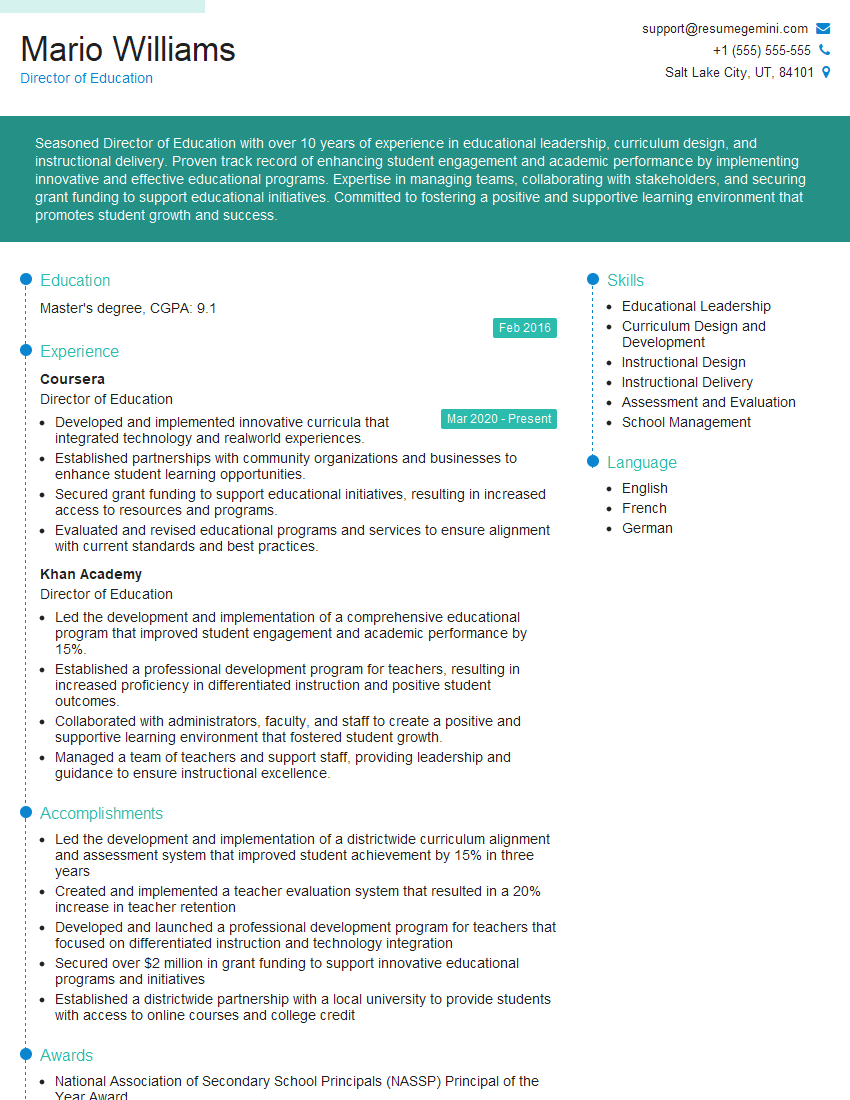
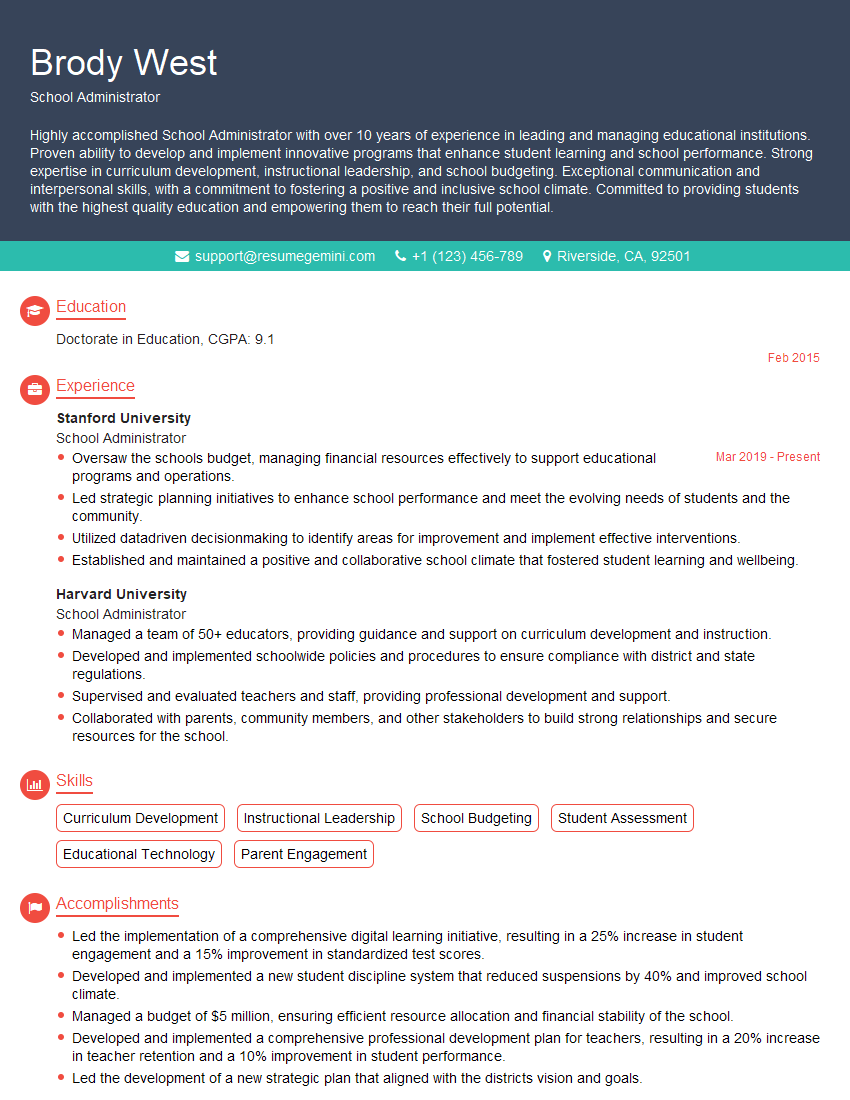
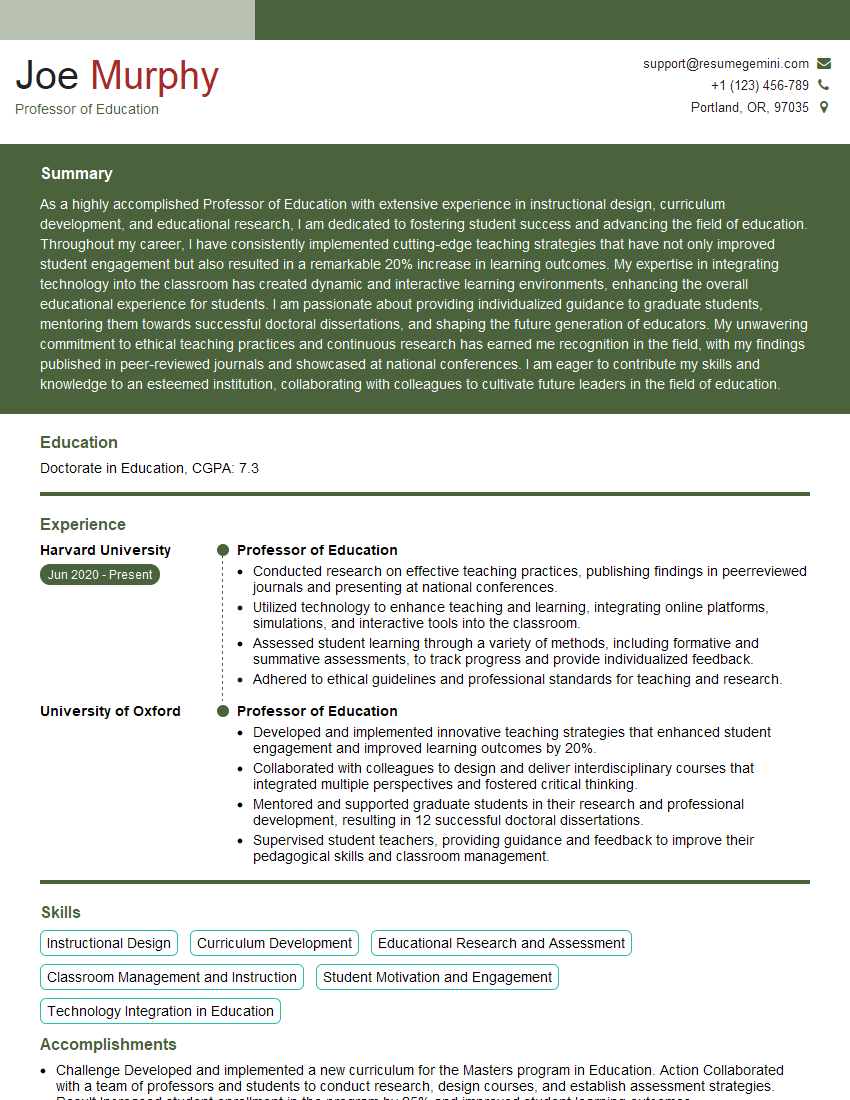
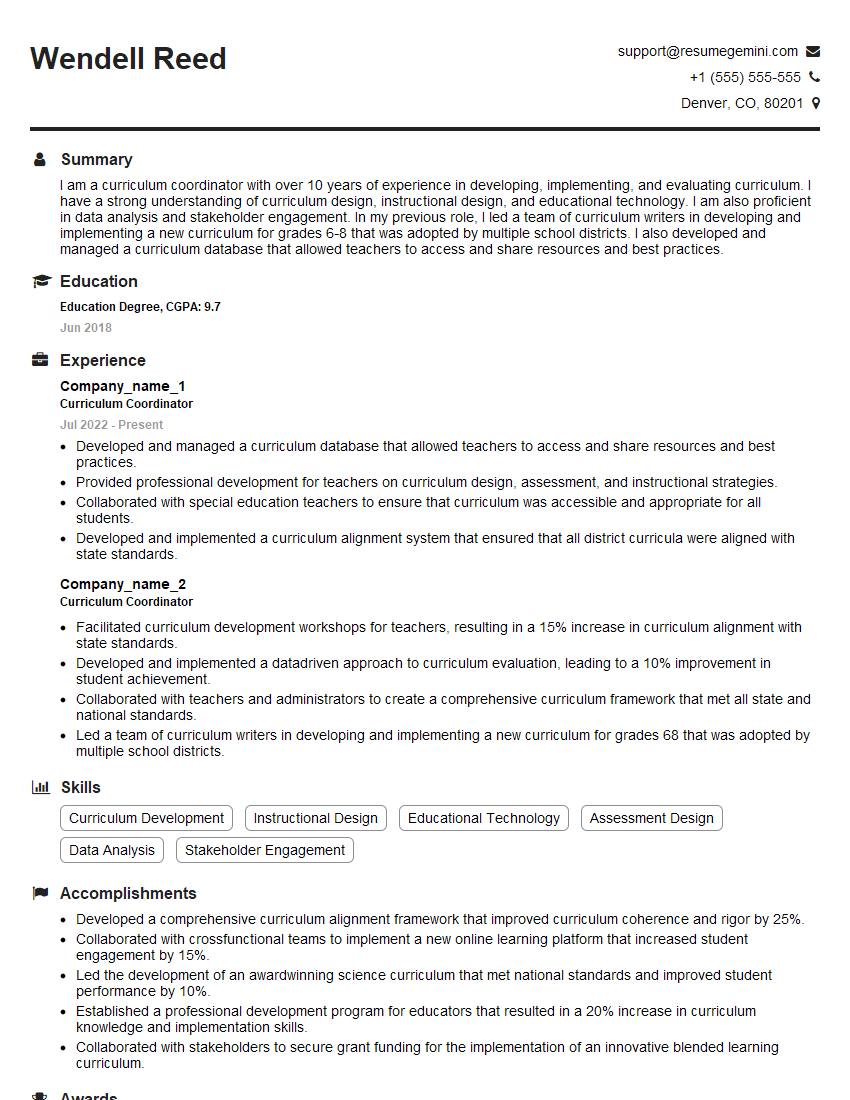
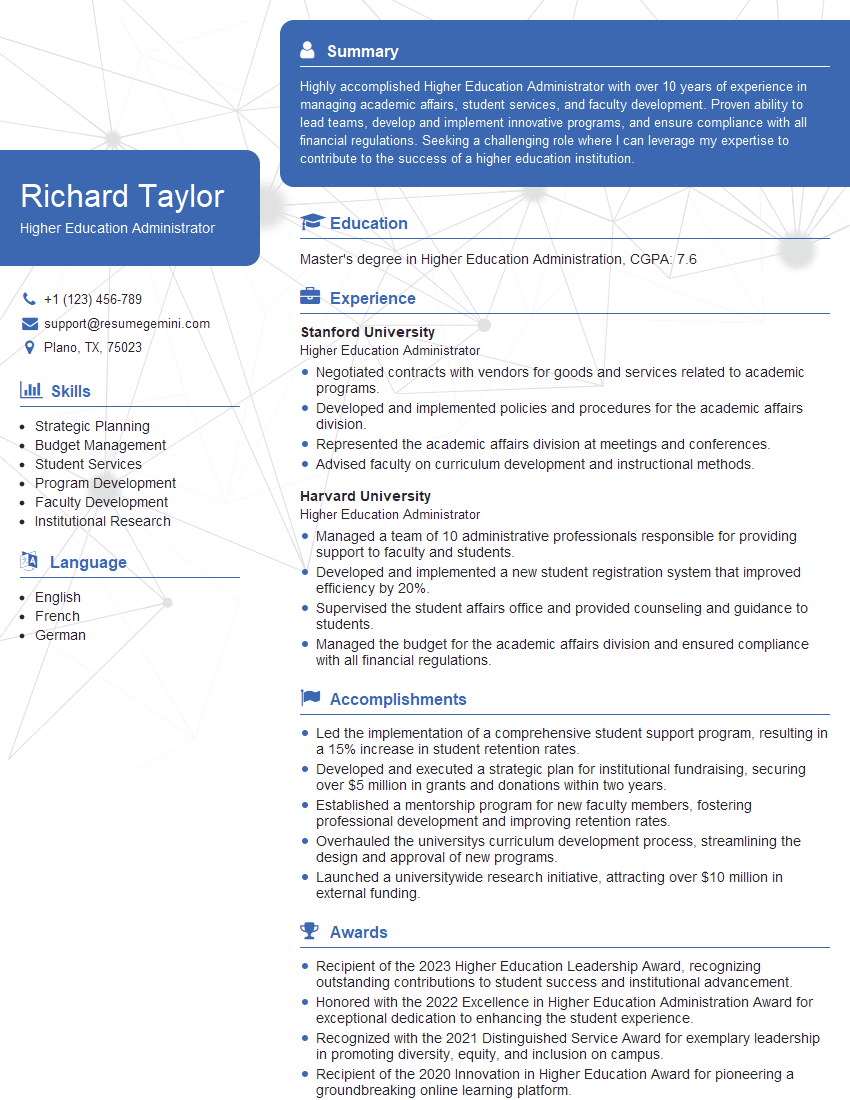
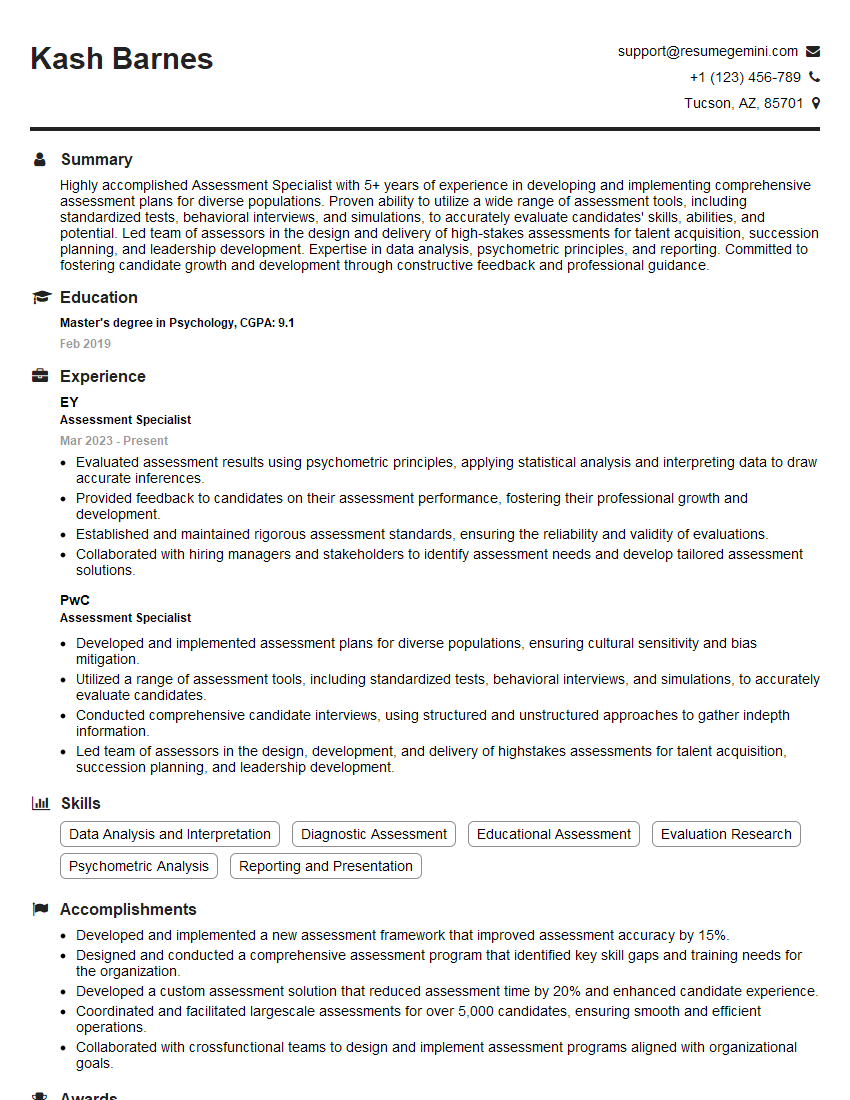
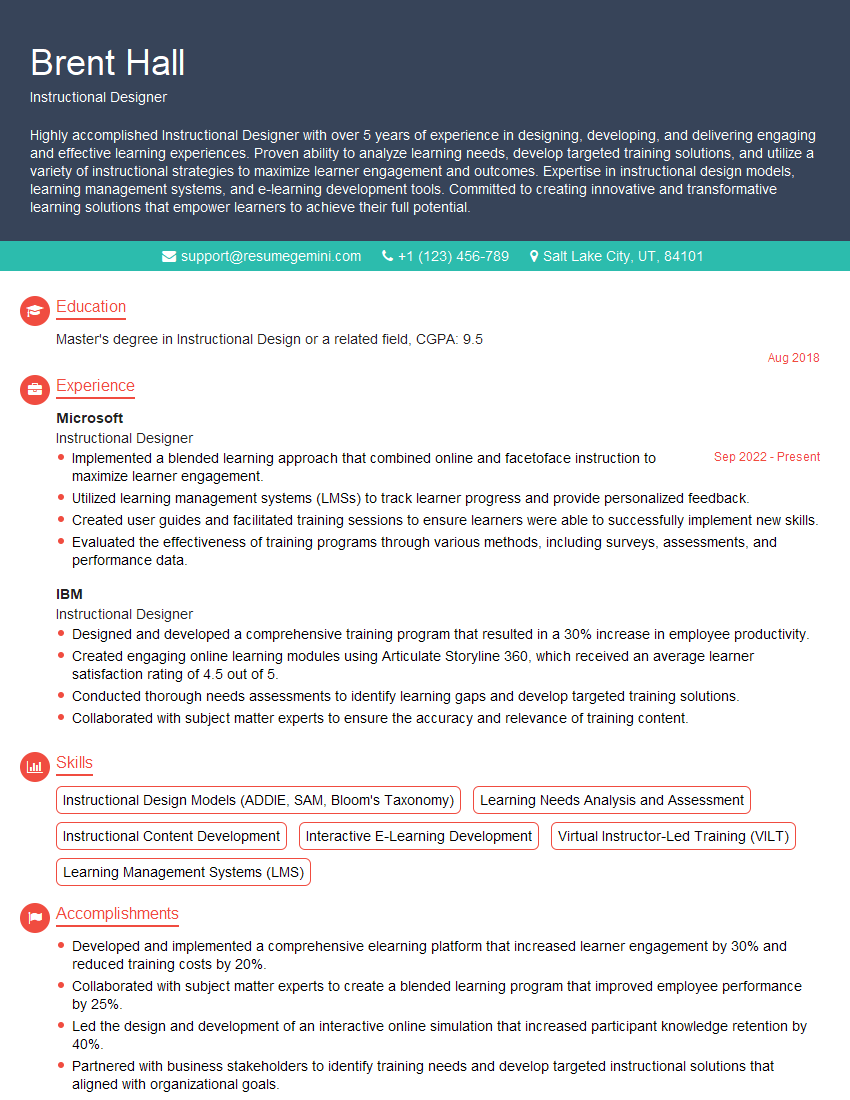
Mastering current educational trends and best practices is crucial for career advancement in the education field. Demonstrating this knowledge through a strong resume is key to securing your desired role. An ATS-friendly resume significantly improves your chances of getting noticed by recruiters. To craft a compelling and effective resume that highlights your expertise in these areas, leverage the power of ResumeGemini. ResumeGemini provides the tools and resources to build a professional resume that showcases your skills and experience effectively. Examples of resumes tailored to highlighting knowledge of current educational trends and best practices are available within the ResumeGemini platform.



Explore more articles
Users Rating of Our Blogs
Share Your Experience
We value your feedback! Please rate our content and share your thoughts (optional).
What Readers Say About Our Blog
I Redesigned Spongebob Squarepants and his main characters of my artwork.
https://www.deviantart.com/reimaginesponge/art/Redesigned-Spongebob-characters-1223583608
IT gave me an insight and words to use and be able to think of examples
Hi, I’m Jay, we have a few potential clients that are interested in your services, thought you might be a good fit. I’d love to talk about the details, when do you have time to talk?
Best,
Jay
Founder | CEO