Every successful interview starts with knowing what to expect. In this blog, we’ll take you through the top Ability to maintain confidentiality and follow ethical guidelines interview questions, breaking them down with expert tips to help you deliver impactful answers. Step into your next interview fully prepared and ready to succeed.
Questions Asked in Ability to maintain confidentiality and follow ethical guidelines Interview
Q 1. Explain the importance of maintaining confidentiality in a professional setting.
Maintaining confidentiality in a professional setting is paramount for several reasons. It builds trust between clients and professionals, protecting sensitive personal information and fostering a safe space for open communication. Breaches of confidentiality can lead to legal repercussions, reputational damage, and erosion of public trust. It’s the cornerstone of ethical practice and professional responsibility. Think of it like a locked safe – you wouldn’t leave your most valuable possessions unlocked and exposed; similarly, confidential information needs rigorous protection.
For example, a doctor needs to maintain patient confidentiality as detailed in HIPAA; a lawyer protects client communications under attorney-client privilege; and an accountant safeguards financial records under professional standards.
Q 2. Describe a situation where you had to handle confidential information. How did you ensure its security?
In my previous role as a project manager at a tech startup, I handled sensitive client data, including business strategies, financial projections, and intellectual property. To ensure security, I implemented several measures. First, I used strong, unique passwords and regularly updated them. Second, I employed end-to-end encryption for all communications related to confidential information. Third, access to sensitive documents was restricted through permission-based systems, with access granted only to authorized individuals on a need-to-know basis. Finally, I strictly adhered to the company’s data security protocols and reported any suspected security breaches immediately.
One specific instance involved a client’s proprietary algorithm. I only accessed this information on a secure, company-approved device within a password-protected network, and I ensured all relevant files were deleted from my computer after project completion, in accordance with our data retention policies.
Q 3. What are some common ethical dilemmas faced in your field?
Ethical dilemmas in my field often involve navigating conflicts of interest, maintaining confidentiality in challenging situations (e.g., suspicions of illegal activity), and balancing the needs of different stakeholders. For example, I might receive a request from a client that conflicts with my professional code of ethics or applicable regulations. Another challenge can be dealing with pressure from superiors to compromise confidentiality or ethical standards to meet a deadline or achieve certain business objectives.
One example is a situation where a colleague might be subtly pressuring you to share information outside of approved channels. Another could involve a situation where a client might request you to engage in activities which are potentially unethical.
Q 4. How would you handle a situation where a colleague violates confidentiality protocols?
If a colleague violates confidentiality protocols, I would first address the situation privately, reminding them of the importance of maintaining confidentiality and the potential consequences of their actions. I would reference the specific company policies or relevant professional codes of conduct that have been violated. If the behavior persists or is particularly serious, I would escalate the matter to the appropriate supervisor or human resources department according to company protocols. My goal would be to resolve the situation while ensuring the protection of sensitive information and maintaining a positive working relationship with my colleague, whenever possible.
Q 5. What is your understanding of HIPAA regulations (or relevant regulations in your field)?
HIPAA, the Health Insurance Portability and Accountability Act, is a US federal law protecting the privacy and security of protected health information (PHI). It sets strict standards for the use, disclosure, and safeguarding of patient data. This includes measures such as obtaining proper authorization for data access, implementing robust security measures to prevent data breaches, and providing individuals with control over their own PHI. In my understanding, non-compliance can result in significant penalties. Similar regulations exist in other industries and countries, each designed to protect sensitive information specific to that context.
Q 6. How would you respond to a request for confidential information from an unauthorized individual?
If an unauthorized individual requests confidential information, my response would be firm but polite. I would politely but firmly explain that I cannot provide the requested information without proper authorization, citing the relevant regulations or company policies governing data confidentiality. I would also offer to direct the individual to the appropriate channels to obtain the information legitimately if possible. If the request is persistent or seems suspicious, I would report the incident to my supervisor or security personnel immediately. This is crucial in preventing data breaches and protecting sensitive information.
Q 7. What steps would you take to protect sensitive data from cyber threats?
Protecting sensitive data from cyber threats requires a multi-layered approach. This includes using strong passwords and multi-factor authentication, regularly updating software and security patches, employing robust antivirus and anti-malware software, encrypting sensitive data both in transit and at rest, implementing firewalls, and conducting regular security audits and penetration testing to identify vulnerabilities. Furthermore, educating employees on best practices in data security, including recognizing and avoiding phishing scams, is vital. Finally, a comprehensive incident response plan is crucial to manage and mitigate any potential data breaches effectively. This is not just about technology, it’s also about people and process.
Q 8. Describe your experience with data encryption and access control methods.
Data encryption and access control are fundamental to maintaining confidentiality. Encryption transforms data into an unreadable format, protecting it from unauthorized access. Access control methods, like role-based access control (RBAC) or attribute-based access control (ABAC), restrict who can view or modify data based on their roles or attributes.
In my previous role at [Previous Company Name], I implemented AES-256 encryption for sensitive client data stored in our cloud database. This involved integrating encryption libraries into our application code and configuring server-side encryption for data at rest. We also implemented RBAC, assigning different levels of access to different team members based on their job functions. For instance, sales representatives had read-only access to client information, while account managers had full access. This layered approach ensured that only authorized personnel could access specific data, mitigating the risk of unauthorized disclosure.
I am also familiar with other encryption methods such as RSA and ECC, and access control models such as mandatory access control (MAC).
Q 9. How familiar are you with whistleblowing policies and procedures?
Whistleblowing policies and procedures are crucial for ethical conduct within an organization. They provide a safe and confidential channel for reporting potential wrongdoing, such as fraud, unethical practices, or violations of law. Understanding these policies is critical for navigating ethical dilemmas while protecting oneself and the organization.
I’m well-versed in the ethical obligations outlined in whistleblowing policies. My experience includes understanding the importance of reporting channels, the protection offered to whistleblowers against retaliation, and the legal considerations surrounding such disclosures. I know that it’s imperative to follow the established procedures when reporting a concern, carefully documenting the situation and evidence. I would also prioritize understanding the company’s specific policy to ensure I’m acting in accordance with its guidelines.
Q 10. How do you balance the need for transparency with the need for confidentiality?
Balancing transparency and confidentiality requires a nuanced approach. Transparency promotes accountability and trust, but sharing certain information can compromise confidentiality. The key lies in determining what information needs to be shared and how to share it responsibly.
Think of it like a doctor-patient relationship. A doctor needs to be transparent with a patient about their diagnosis and treatment plan, but also maintains confidentiality regarding their medical history. Similarly, in professional contexts, we can share summaries of information or anonymized data while protecting specific individual details. For example, we could share aggregated performance metrics without identifying individual contributors. This approach allows for transparency about overall performance without breaching the confidentiality of specific individuals’ data.
Q 11. What are the potential consequences of breaching confidentiality?
The consequences of breaching confidentiality can be severe, ranging from reputational damage and financial losses to legal repercussions and criminal charges.
- Reputational Damage: Loss of trust from clients, partners, and the public can severely impact an organization’s image and future opportunities.
- Financial Losses: Breaches can lead to fines, lawsuits, and the costs associated with remediation efforts.
- Legal Repercussions: Depending on the nature and severity of the breach, individuals and organizations can face civil or criminal penalties.
- Criminal Charges: In cases involving sensitive data, like personal health information or financial records, criminal charges can be filed, resulting in significant penalties, including imprisonment.
Consider the impact on individuals whose personal information is compromised. Identity theft, financial fraud, and emotional distress are just some of the potential consequences. The severity underlines the importance of robust security measures and ethical conduct in handling sensitive data.
Q 12. How do you prioritize conflicting ethical obligations?
Prioritizing conflicting ethical obligations requires careful consideration and a framework for ethical decision-making. A useful approach involves considering the potential impact of each decision, the relevant laws and regulations, and the organization’s ethical guidelines.
For example, if a situation arises where protecting the confidentiality of a client conflicts with the need to report potential illegal activity, I would consult the organization’s ethical guidelines and legal counsel. I might seek guidance from a supervisor or ethics committee. The goal would be to find a course of action that minimizes harm while adhering to ethical principles and legal requirements. Prioritizing ethical obligations often involves carefully weighing competing values and seeking guidance when necessary.
Q 13. Can you explain the concept of ‘need-to-know’ in relation to confidential information?
The ‘need-to-know’ principle dictates that access to confidential information should be restricted to only those individuals who require it to perform their job duties. This principle minimizes the risk of unauthorized disclosure and protects sensitive data.
Imagine a research team working on a new drug. Only those directly involved in specific aspects of the research – chemists working on synthesis, clinical trial managers, etc. – need access to the confidential research data. Broader distribution is unnecessary and increases the risk of accidental or malicious disclosure. This principle is critical for data security and maintains confidentiality within organizations.
Q 14. How would you handle a situation where you suspect a data breach?
Suspecting a data breach necessitates immediate action. My first step would be to report the suspicion to the appropriate authorities within the organization – the IT security team and/or designated compliance officer.
Following this, I would carefully document all evidence that points to a breach. This includes timestamps, any unusual activity observed, and any potential entry points. I would then cooperate fully with the internal investigation and follow all prescribed protocols. Transparency and collaboration are vital to containing the breach and mitigating any potential damage. The organization’s incident response plan would dictate the specifics of the response, but swift action and clear communication would be paramount.
Q 15. Describe your process for securely disposing of confidential documents.
Secure disposal of confidential documents is paramount to maintaining privacy and complying with regulations. My process involves a multi-step approach ensuring complete destruction and minimizing the risk of unauthorized access.
- Shredding: All paper documents containing confidential information are shredded using a cross-cut shredder, reducing the possibility of reconstruction. I verify the shredding process and ensure that the shredded material is disposed of according to company policy, often through a secure waste disposal service.
- Secure Deletion of Electronic Data: For electronic documents, I use secure deletion software that overwrites the data multiple times, making recovery practically impossible. This is followed by physically destroying the storage device (hard drive, SSD) or securely wiping it clean if it is to be reused.
- Chain of Custody: I maintain a detailed record of the disposal process, documenting dates, methods, and quantities of materials destroyed. This record acts as a verifiable audit trail, showcasing compliance.
- Compliance with Regulations: I always familiarize myself with applicable data protection regulations (like GDPR, HIPAA) and tailor my disposal methods accordingly, understanding the specific requirements for different types of information.
For example, in a previous role, we had to dispose of client medical records. We used a certified HIPAA-compliant shredding service that provided us with a certificate of destruction, proving we adhered to all legal and ethical requirements.
Career Expert Tips:
- Ace those interviews! Prepare effectively by reviewing the Top 50 Most Common Interview Questions on ResumeGemini.
- Navigate your job search with confidence! Explore a wide range of Career Tips on ResumeGemini. Learn about common challenges and recommendations to overcome them.
- Craft the perfect resume! Master the Art of Resume Writing with ResumeGemini’s guide. Showcase your unique qualifications and achievements effectively.
- Don’t miss out on holiday savings! Build your dream resume with ResumeGemini’s ATS optimized templates.
Q 16. How do you ensure that your personal ethics align with the professional standards of your organization?
Aligning personal ethics with professional standards is crucial for maintaining integrity and trust. I actively seek to understand my organization’s code of conduct, values, and ethical guidelines. This includes reviewing company policies, attending relevant training sessions, and participating in discussions regarding ethical dilemmas.
I constantly reflect on my actions, considering how they impact colleagues, clients, and the organization’s reputation. I strive to be transparent and accountable in all my decisions. When faced with a potential conflict between my personal beliefs and professional standards, I openly communicate with my supervisor or the ethics committee to find a resolution that aligns with both sets of values. For example, if a project requires a decision that conflicts with my personal beliefs about environmental sustainability, I would discuss alternative solutions with my team to find an ethically acceptable way to proceed.
Q 17. How would you address a situation where you witness unethical behavior in the workplace?
Witnessing unethical behavior requires a careful and considered response. My approach would be guided by the organization’s policies and the severity of the transgression. I would first gather all the relevant facts and evaluate the situation objectively.
- Document the incident: This involves noting the date, time, location, individuals involved, and a detailed description of the observed behavior.
- Consider the context: Was the behavior a single occurrence or a pattern? Is it a violation of company policy or legal requirements?
- Internal Reporting: Depending on the severity and my comfort level, I would report the incident to my supervisor, HR department, or the company’s ethics hotline. These channels provide protection against retaliation and ensure proper investigation.
- External Reporting: In cases of serious or illegal behavior where internal channels have failed to address the issue, I would consider reporting to external regulatory bodies.
The key is to act responsibly and proportionally, weighing the potential risks and benefits of reporting. In a past experience, I noticed a colleague consistently falsifying expense reports. I documented the incidents and reported my findings to HR, allowing them to conduct a thorough investigation. This was more effective than confronting the colleague directly, which could have led to conflict or retaliation.
Q 18. What is your understanding of corporate social responsibility?
Corporate social responsibility (CSR) refers to a company’s commitment to operating ethically and sustainably, considering its impact on society and the environment. It goes beyond legal compliance, encompassing a broader responsibility to stakeholders, including employees, customers, communities, and the environment.
A socially responsible organization demonstrates this commitment through various actions, such as:
- Environmental sustainability initiatives: Reducing carbon footprint, promoting renewable energy, responsible waste management.
- Ethical labor practices: Fair wages, safe working conditions, diversity and inclusion, and respect for human rights.
- Community involvement: Supporting local charities, engaging in philanthropic activities, and promoting education.
- Transparency and accountability: Open communication with stakeholders, regular reporting on CSR performance, and adherence to ethical business practices.
A strong CSR commitment enhances a company’s reputation, builds trust with customers and employees, and contributes to a more sustainable and equitable world.
Q 19. Describe a time you had to make a difficult ethical decision.
I once faced a difficult ethical decision regarding the release of project information. My team had developed a new technology with significant potential market implications. A potential investor was very eager to receive detailed information. However, some of this data could compromise our competitive advantage if it fell into the hands of a competitor.
I grappled with the need to impress the investor while simultaneously protecting our intellectual property. After careful consideration, I developed a carefully crafted presentation that showcased our technology without revealing sensitive details. This involved a balance between high-level descriptions and detailed technical specifications, and a strong non-disclosure agreement. This approach successfully balanced the ethical obligation to protect our business interests with the need for transparent communication with the investor. The strategy proved successful, securing the investment without compromising our intellectual property.
Q 20. How do you maintain confidentiality when using electronic communication tools?
Maintaining confidentiality in electronic communication requires a proactive and multi-layered approach. I would never use unsecure or personal email accounts for company-related correspondence. I always utilize secure company-provided tools with encryption.
- Encryption: Ensuring all sensitive emails and files are encrypted to protect against unauthorized access during transmission and storage.
- Password Security: Using strong, unique passwords for all accounts and regularly changing them. Employing multi-factor authentication wherever possible.
- Access Control: Limiting access to sensitive information based on the principle of least privilege—meaning only authorized personnel have access to the data necessary for their roles.
- Careful Language: Avoiding sharing confidential information casually or in informal settings. This includes avoiding sending sensitive information through messaging apps that are not company-sanctioned.
- Data Loss Prevention (DLP) Tools: Utilizing DLP software that monitors communications, identifies and blocks transmissions of sensitive data.
For example, I always avoid including sensitive data in email subject lines and use discretion when discussing confidential information even in internal emails.
Q 21. What measures do you take to prevent accidental disclosure of confidential information?
Preventing accidental disclosure of confidential information relies on careful practices and robust security measures. My approach is based on preventing human error and bolstering technical safeguards.
- Access Control Lists (ACLs): Implementing ACLs to strictly control access to sensitive files and folders, limiting permissions to authorized personnel only.
- Data Backup and Recovery: Regular backups and disaster recovery plans are essential to mitigate data loss due to accidental deletion or system failure. Regular testing of these systems is equally important.
- Security Awareness Training: Staying informed about security best practices through ongoing training. This includes understanding phishing scams, social engineering tactics, and the importance of secure passwords.
- Physical Security: Implementing appropriate physical safeguards, such as locked filing cabinets and secured computer areas, to prevent unauthorized access to documents and equipment.
- Clean Desk Policy: Adhering to a strict clean desk policy, removing all confidential documents and materials from my workspace at the end of the day.
For instance, I regularly review my computer’s access permissions and ensure only necessary personnel have access to my project files. Furthermore, I always use a secure password manager to avoid using weak or reused passwords across various platforms.
Q 22. How do you stay updated on changes in data privacy regulations?
Staying updated on data privacy regulations is crucial for maintaining ethical and legal compliance. My approach is multi-faceted and involves several key strategies.
- Regularly monitoring relevant regulatory bodies: I actively follow updates from organizations like the ICO (Information Commissioner’s Office) in the UK, the FTC (Federal Trade Commission) in the US, and the GDPR (General Data Protection Regulation) body in Europe. I subscribe to their newsletters and regularly check their websites for changes in legislation, guidance, and enforcement actions.
- Attending industry conferences and webinars: Participating in these events allows me to learn about the latest trends, challenges, and best practices in data privacy from experts in the field. Networking with colleagues also provides valuable insights.
- Following industry publications and legal updates: I subscribe to reputable journals, newsletters, and online resources that specialize in data privacy and cybersecurity law. This provides me with timely information on court cases, regulatory interpretations, and emerging issues.
- Maintaining a professional network: Connecting with other data privacy professionals through online communities and professional organizations provides access to diverse perspectives and up-to-date information.
By combining these strategies, I ensure I am well-informed about the ever-evolving landscape of data privacy regulations and can adapt my practices accordingly.
Q 23. What is your approach to reporting ethical violations?
Reporting ethical violations is a serious responsibility. My approach involves a systematic and transparent process. First, I would carefully document all relevant facts and evidence related to the potential violation. This includes dates, times, individuals involved, and any supporting documentation. Next, I would review my organization’s internal policies and procedures on reporting ethical violations. This ensures I follow the established channels and protocols.
Depending on the severity and nature of the violation, I would report it to the appropriate authority within my organization, which could be a manager, compliance officer, or ethics committee. If the internal channels are ineffective or if the violation is exceptionally serious, I would consider reporting it to an external regulatory body, such as a data protection authority. Throughout the process, I would maintain meticulous records of my actions and communications.
My priority is to ensure the violation is addressed appropriately and that any necessary corrective actions are taken to prevent similar incidents from occurring in the future. Confidentiality and protecting whistleblowers are also key considerations in my approach.
Q 24. Explain the concept of informed consent in relation to data handling.
Informed consent, in the context of data handling, means that individuals are fully aware of how their personal data will be collected, used, and protected before they agree to its processing. This involves providing clear and understandable information about the data collection purpose, the types of data collected, the intended recipients of the data, and the individual’s rights regarding their data.
The information provided must be easily accessible, free from jargon, and presented in a manner that allows individuals to make a truly informed decision. It should also explain how long the data will be kept and what security measures are in place to protect it. Crucially, consent must be freely given, specific, informed, and unambiguous. This means individuals cannot be coerced or pressured into giving their consent, and they must be able to withdraw it at any time. Think of it like signing a contract – you need to understand what you are agreeing to before you sign on the dotted line.
For example, a website might present a privacy policy explaining how it uses cookies and personal data. Users must actively consent to this policy before proceeding, rather than being automatically opted in. This ensures users understand and agree to how their data will be handled.
Q 25. How do you balance the benefits of data sharing with the risks to confidentiality?
Balancing the benefits of data sharing with the risks to confidentiality requires a careful and considered approach. It’s not a simple equation, but rather a continuous assessment of risk and reward.
- Data Minimization: Only collect and share the minimum amount of data necessary to achieve the intended purpose. The less data you handle, the lower the risk of a breach.
- Purpose Limitation: Specify the exact purpose for which data is collected and shared. Avoid using data for purposes beyond what was initially consented to.
- Data Anonymization/Pseudonymization: Where possible, remove or replace identifying information to reduce the risk of re-identification.
- Strong Security Measures: Implement robust security protocols, including encryption, access controls, and regular security audits, to protect data from unauthorized access or breaches.
- Transparency and Accountability: Be transparent with individuals about how their data is being used and shared, and establish clear accountability mechanisms for data breaches or misuse.
- Risk Assessment: Before sharing any data, conduct a thorough risk assessment to identify and mitigate potential risks to confidentiality.
Essentially, the decision should always prioritize the protection of individuals’ privacy rights. If the risks outweigh the benefits, the data should not be shared, regardless of potential advantages.
Q 26. Describe a situation where you had to decline a request due to confidentiality concerns.
In a previous role, I was asked to provide a client with detailed information about a specific project, including sensitive financial data and client communication records. While I understood the client’s desire for comprehensive information, providing the requested data would have violated the confidentiality agreements we had in place with another client. Furthermore, it would have exposed sensitive information protected by data privacy regulations.
I politely declined the request, explaining the legal and ethical reasons for my decision. I emphasized the importance of upholding confidentiality agreements and protecting sensitive information. I offered to provide alternative solutions, such as summarizing the project’s progress without disclosing confidential details or connecting the client with the appropriate individual who could provide the requested information while adhering to our confidentiality obligations. The client ultimately understood the necessity of my decision and appreciated my commitment to ethical data handling.
Q 27. What are your thoughts on the use of AI and machine learning in handling confidential data?
AI and machine learning offer significant potential for efficient and accurate data handling, but their use with confidential data necessitates a cautious and responsible approach. The benefits include automation of tasks like data analysis and anomaly detection, potentially improving security by identifying unusual activities sooner.
However, significant risks exist. AI algorithms can inadvertently reveal sensitive patterns in data, potentially leading to re-identification of anonymized individuals. The training data itself might contain sensitive information. Moreover, AI systems can be vulnerable to hacking or manipulation, leading to unauthorized access or alteration of confidential data. Therefore, ethical considerations and robust security measures are paramount when using AI with confidential data.
Implementing strict data governance policies, using differential privacy techniques (which add noise to datasets to protect privacy), regularly auditing AI systems for bias and vulnerabilities, and ensuring transparency and accountability in the use of AI are crucial steps. A strong focus on explainability is also needed; understanding *how* the AI reaches conclusions is essential to ensure responsible use and maintain trust.
Key Topics to Learn for Ability to Maintain Confidentiality and Follow Ethical Guidelines Interview
- Understanding Confidentiality Policies: Learn to identify and interpret different types of confidentiality agreements and their implications in various professional settings. This includes recognizing the boundaries of confidential information and the consequences of breaches.
- Practical Application of Confidentiality: Explore real-world scenarios where maintaining confidentiality is crucial, such as handling sensitive client data, protecting intellectual property, and navigating ethical dilemmas in the workplace. Practice applying these policies to hypothetical situations.
- Ethical Decision-Making Frameworks: Familiarize yourself with ethical frameworks and models (e.g., utilitarianism, deontology) to guide decision-making in situations involving conflicting ethical obligations and confidentiality concerns.
- Data Security and Protection: Understand best practices for protecting sensitive information, including password security, data encryption, and secure data storage and disposal methods. Consider the role of technology in maintaining confidentiality.
- Whistleblowing and Reporting Mechanisms: Learn about the appropriate channels for reporting ethical violations and breaches of confidentiality, while understanding the potential implications and legal ramifications.
- Professional Communication and Boundaries: Practice communicating effectively and professionally while maintaining confidentiality, including email etiquette, appropriate disclosure of information, and setting clear professional boundaries.
Next Steps
Mastering the ability to maintain confidentiality and follow ethical guidelines is paramount for career advancement in virtually any field. Demonstrating a strong commitment to these principles builds trust with employers and clients alike, opening doors to greater responsibility and opportunities. To maximize your job prospects, create an ATS-friendly resume that clearly highlights your experience and skills related to confidentiality and ethical conduct. ResumeGemini is a trusted resource to help you build a professional and impactful resume. We provide examples of resumes tailored to showcase proficiency in maintaining confidentiality and adhering to ethical guidelines; explore them to gain valuable insights and inspiration for crafting your own compelling application materials.
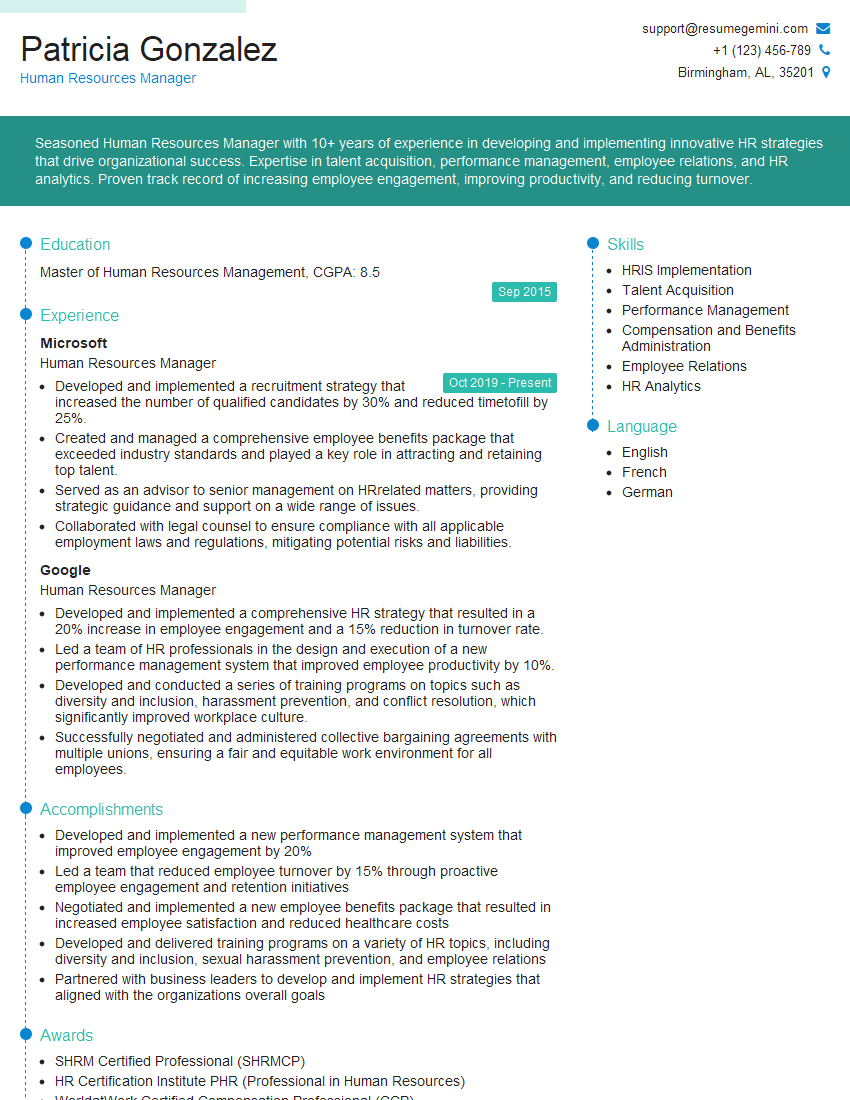
Human Resources Manager Resume Sample
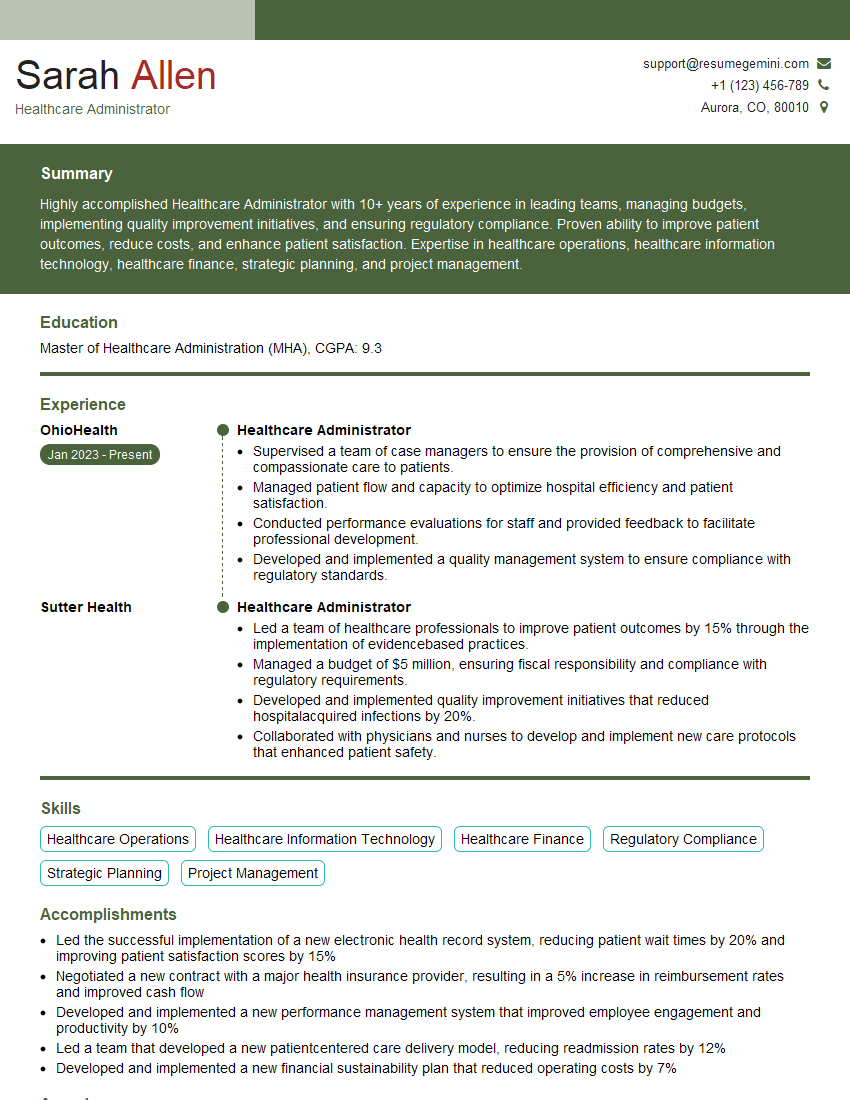
Healthcare Administrator Resume Sample
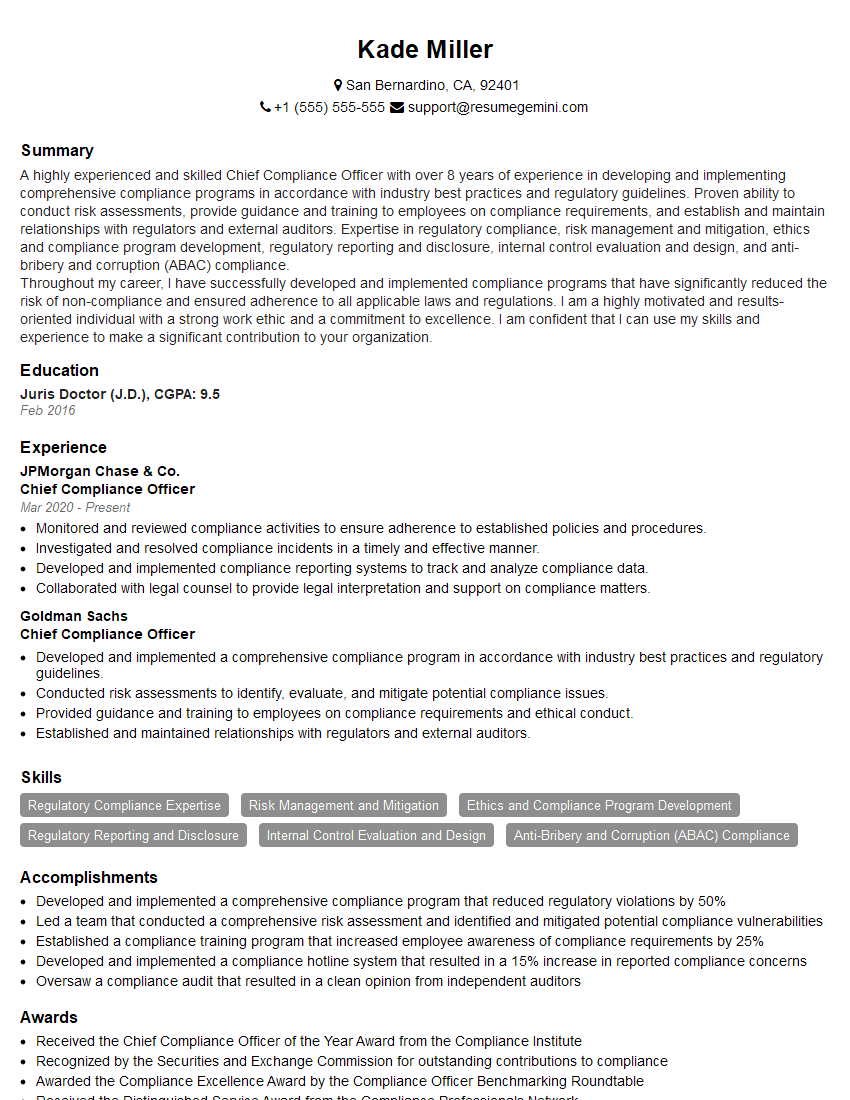
Chief Compliance Officer Resume Sample

Compliance Officer Resume Sample
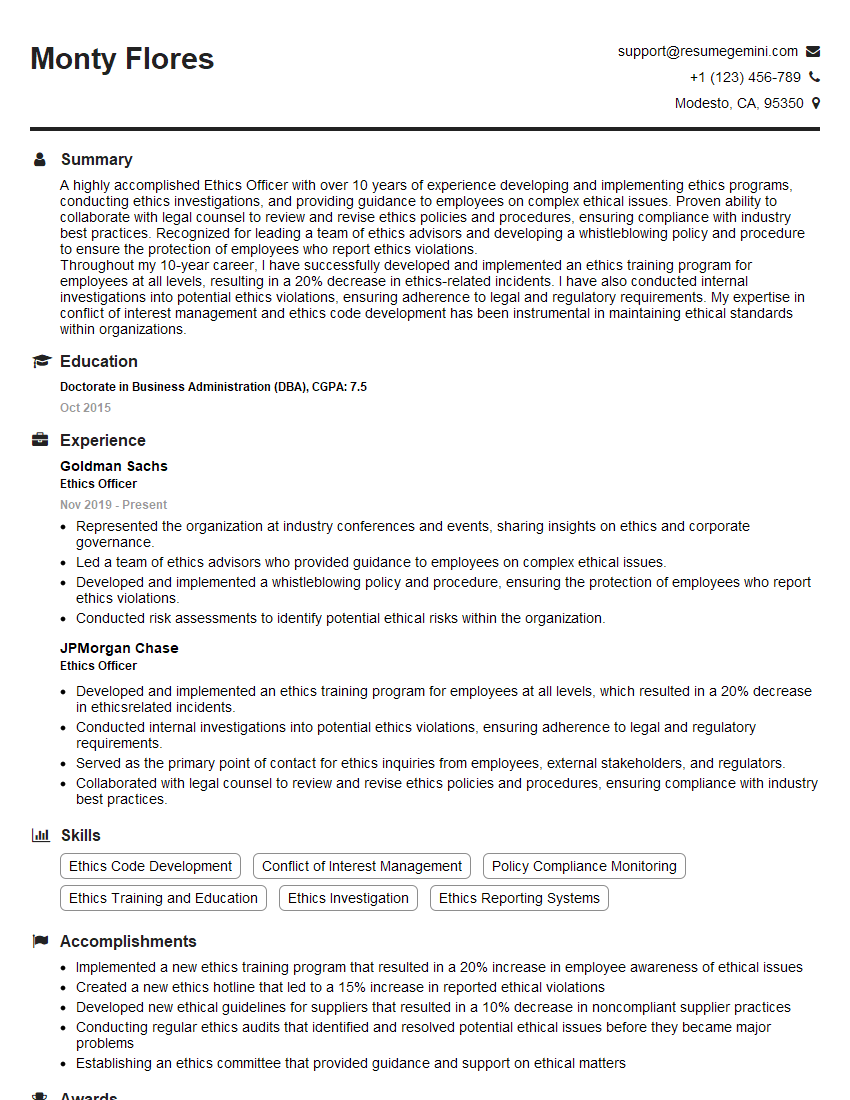
Ethics Officer Resume Sample
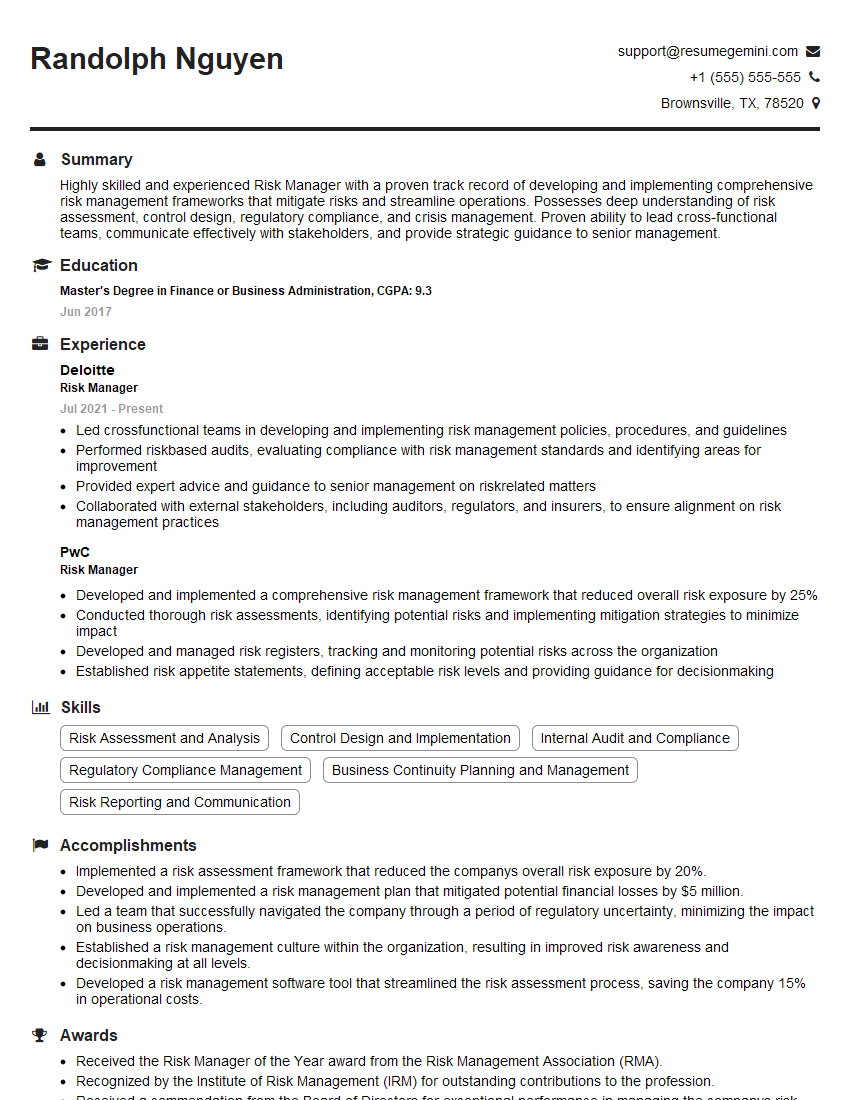
Risk Manager Resume Sample
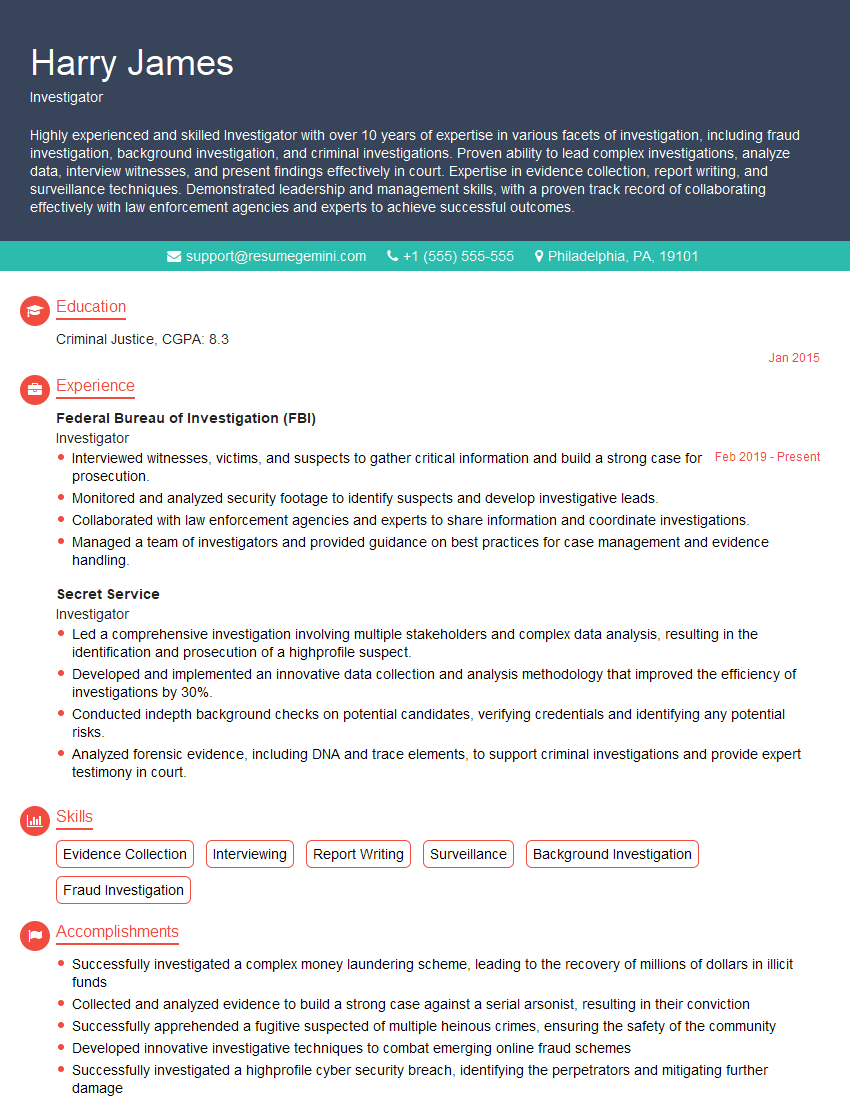
Investigator Resume Sample
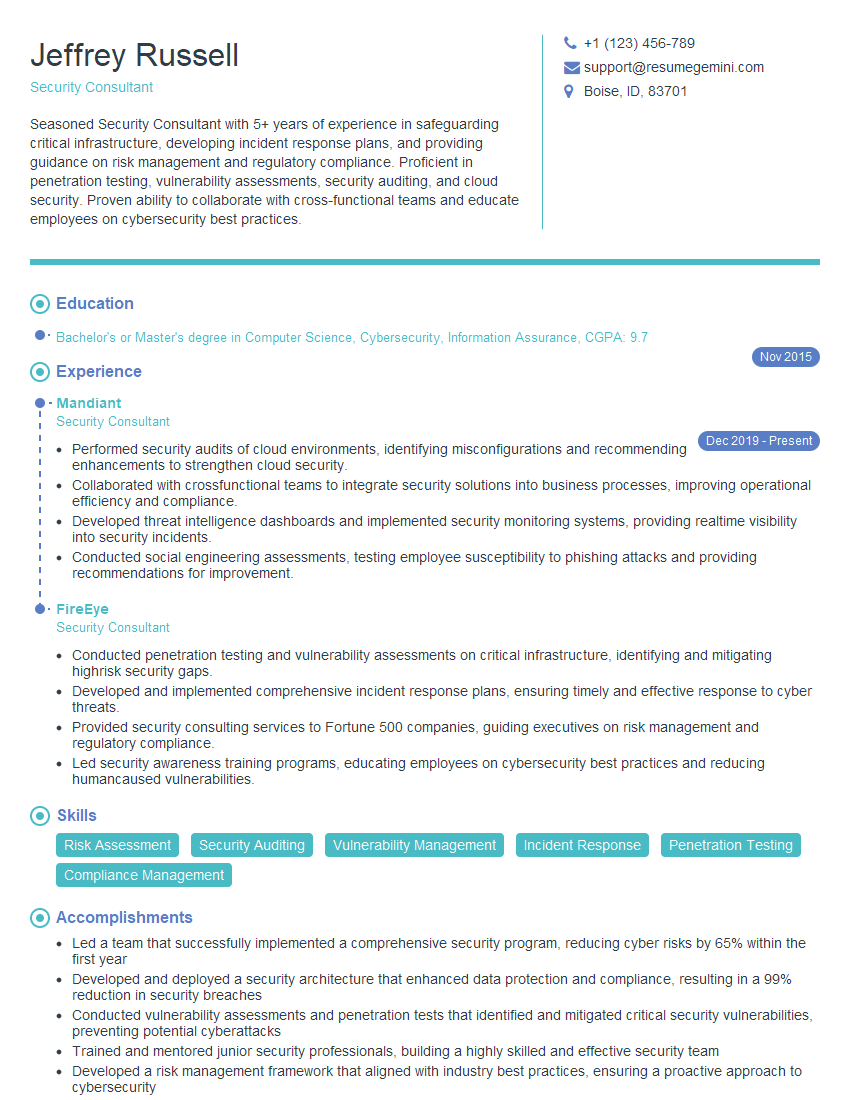
Security Consultant Resume Sample
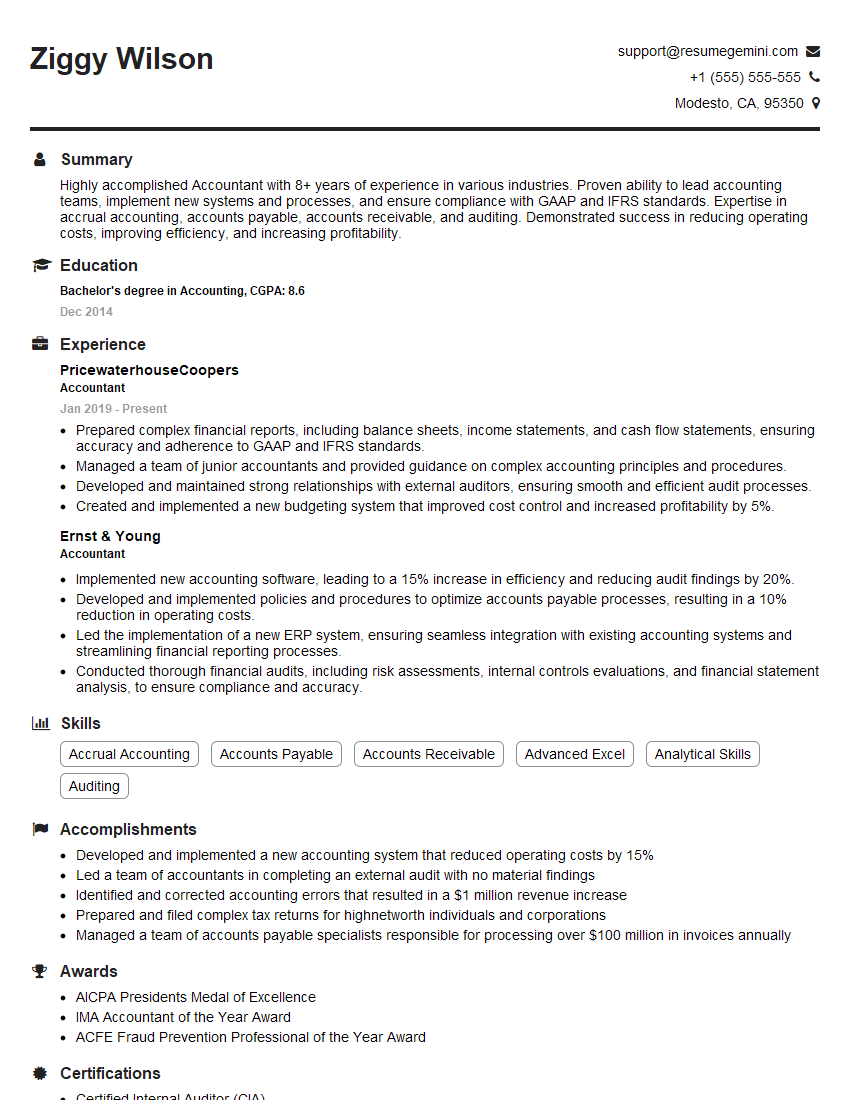
Accountant Resume Sample
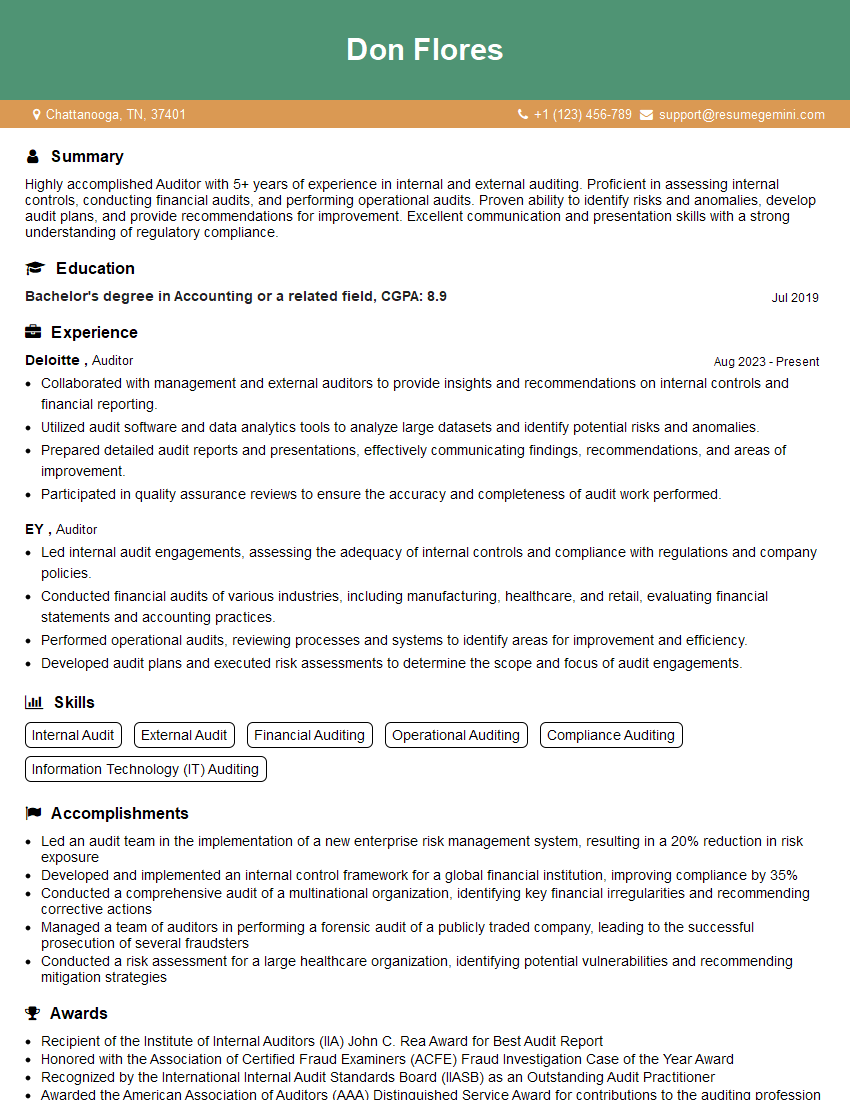
Auditor Resume Sample
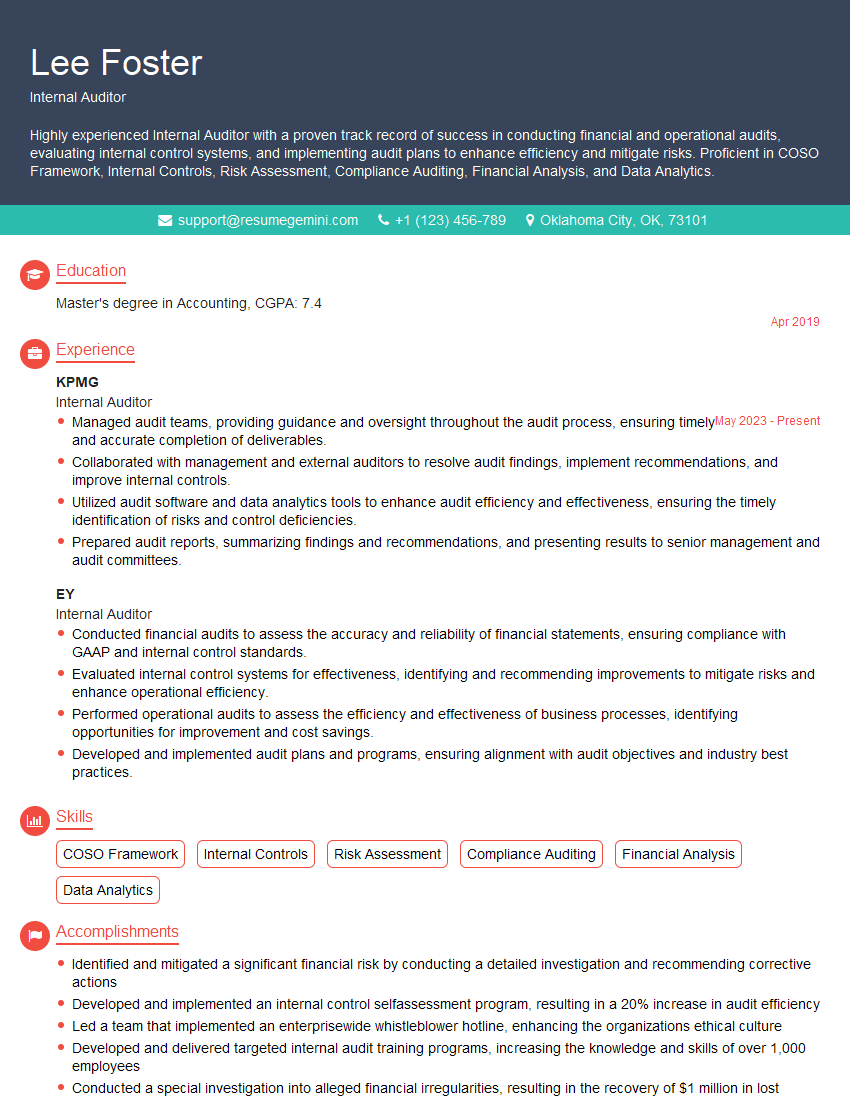
Internal Auditor Resume Sample
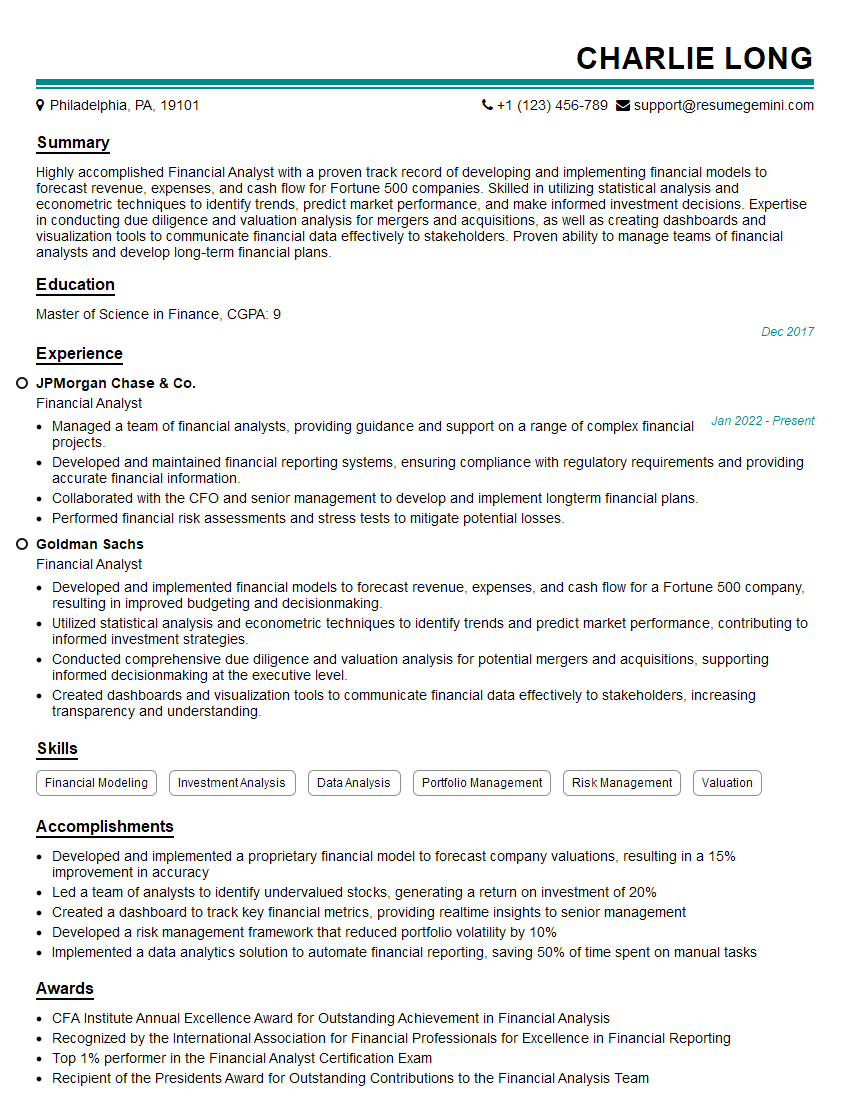
Financial Analyst Resume Sample
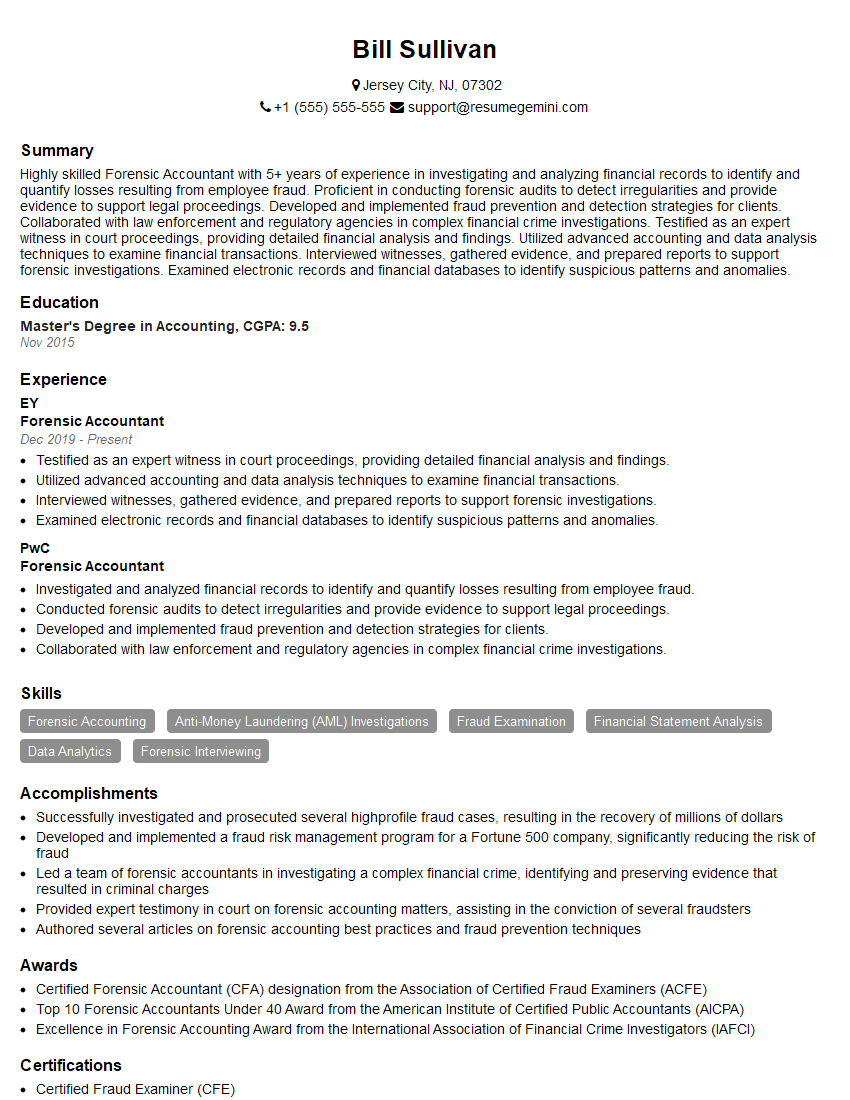
Forensic Accountant Resume Sample
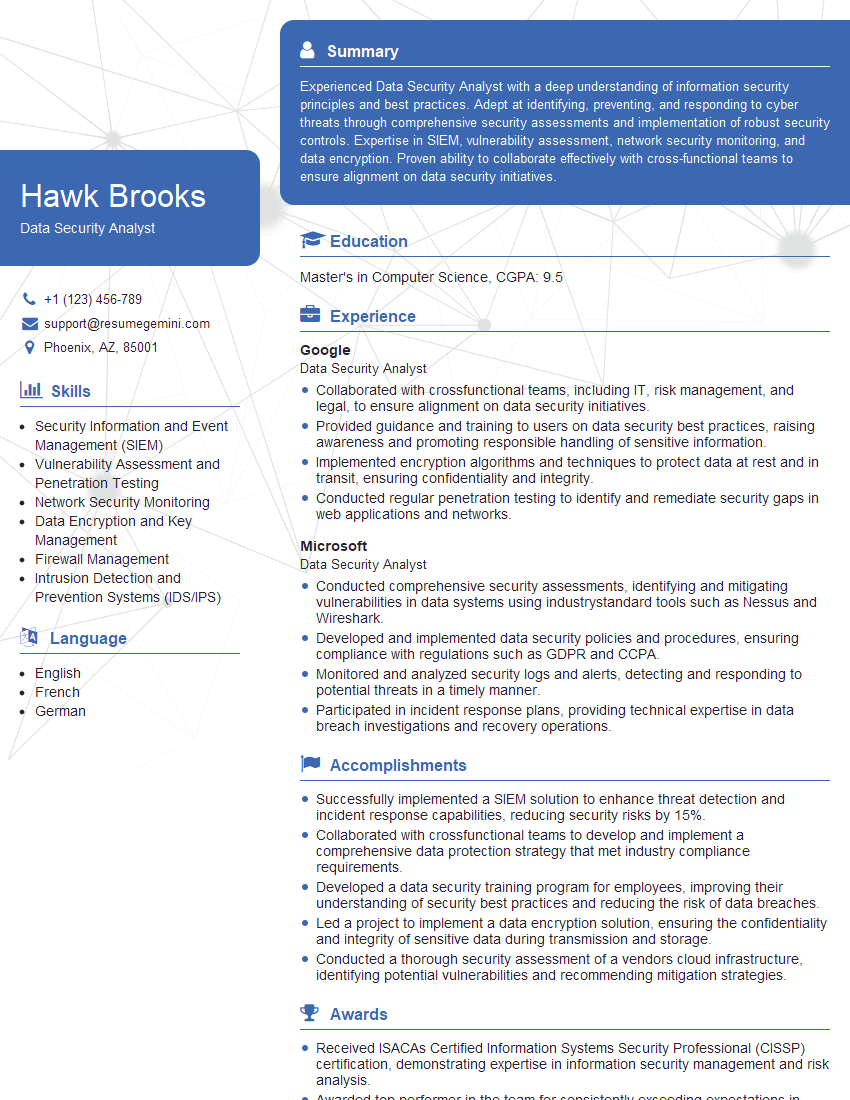
Data Security Analyst Resume Sample
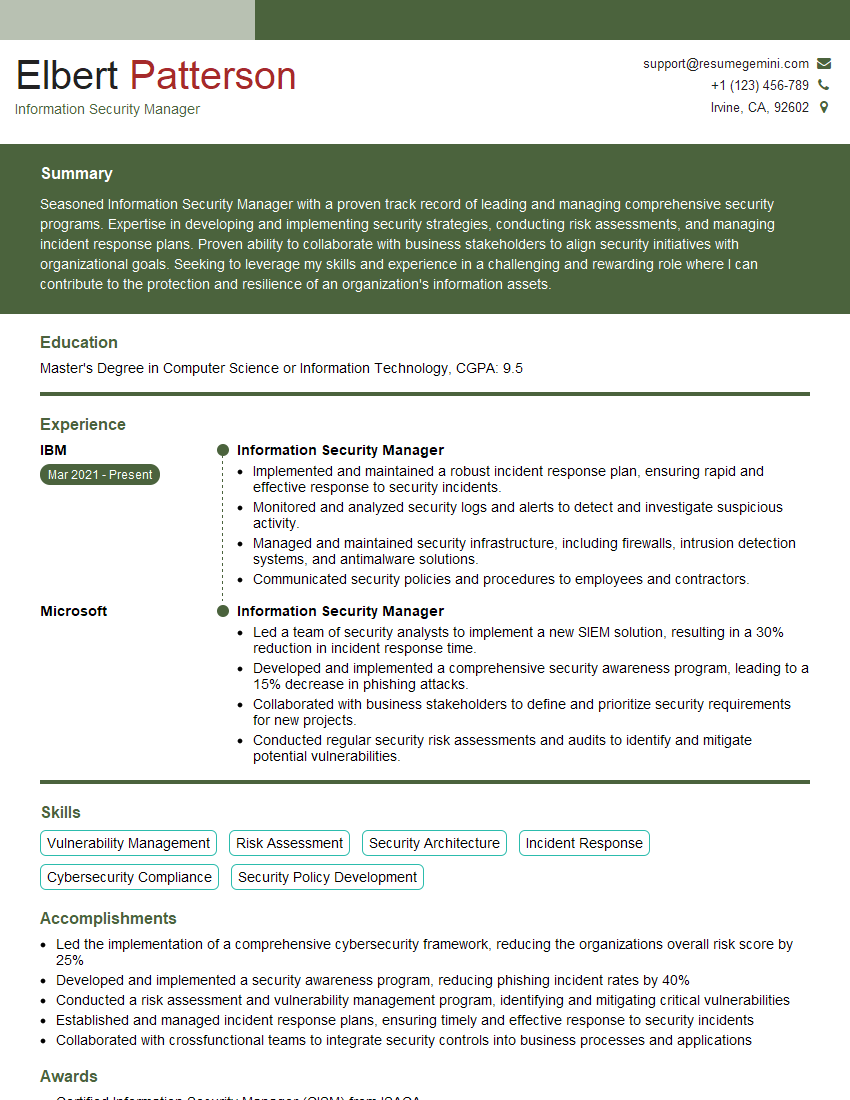
Information Security Manager Resume Sample
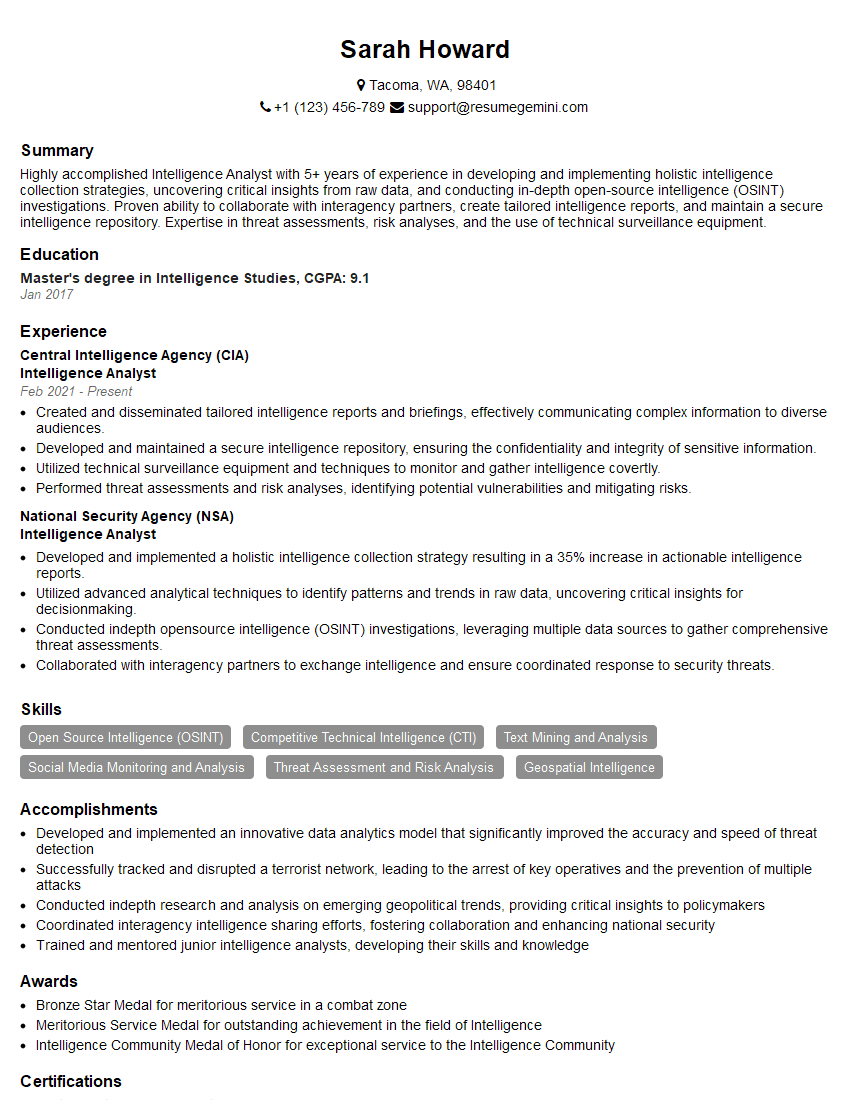
Intelligence Analyst Resume Sample
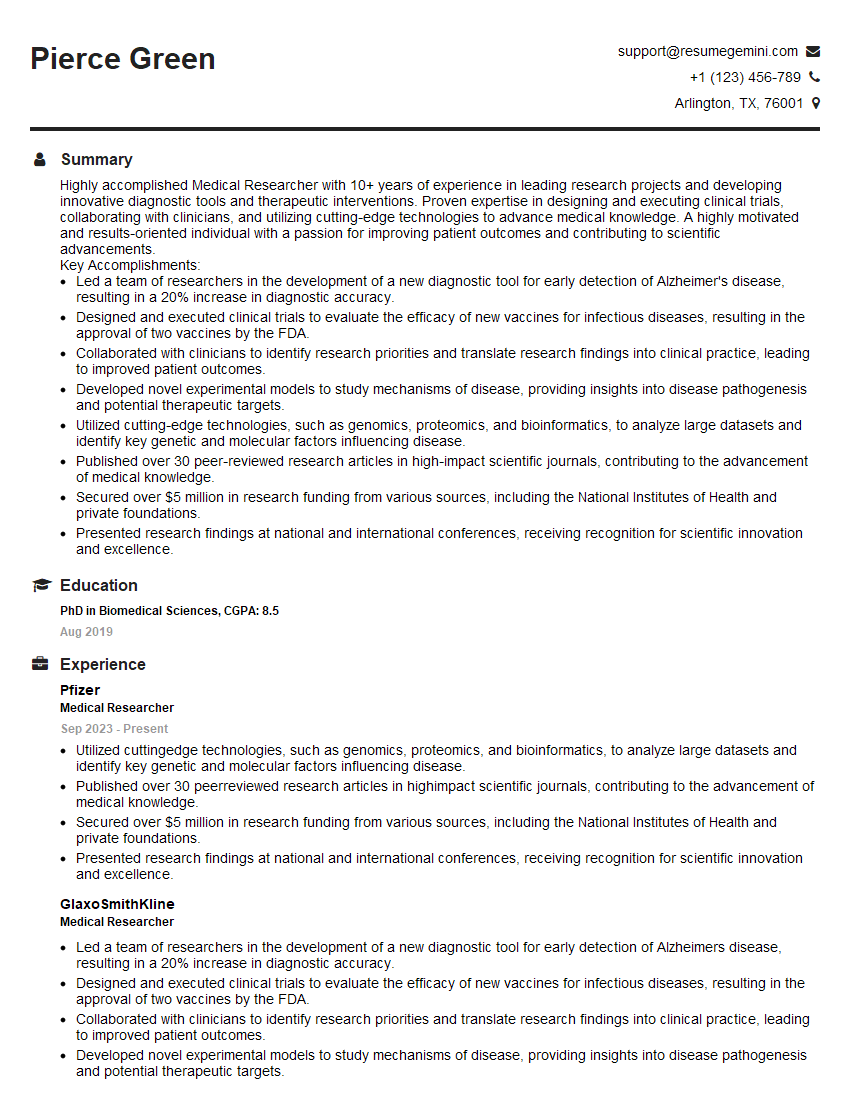
Medical Researcher Resume Sample
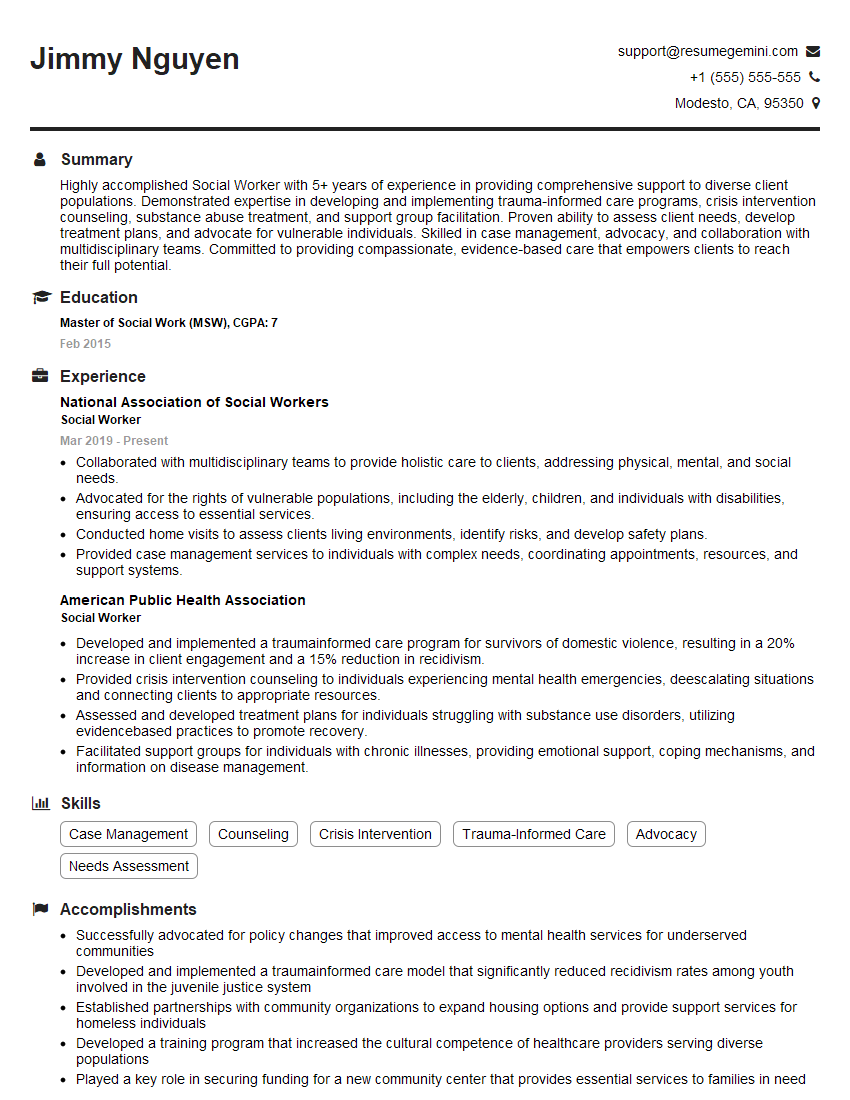
Social Worker Resume Sample
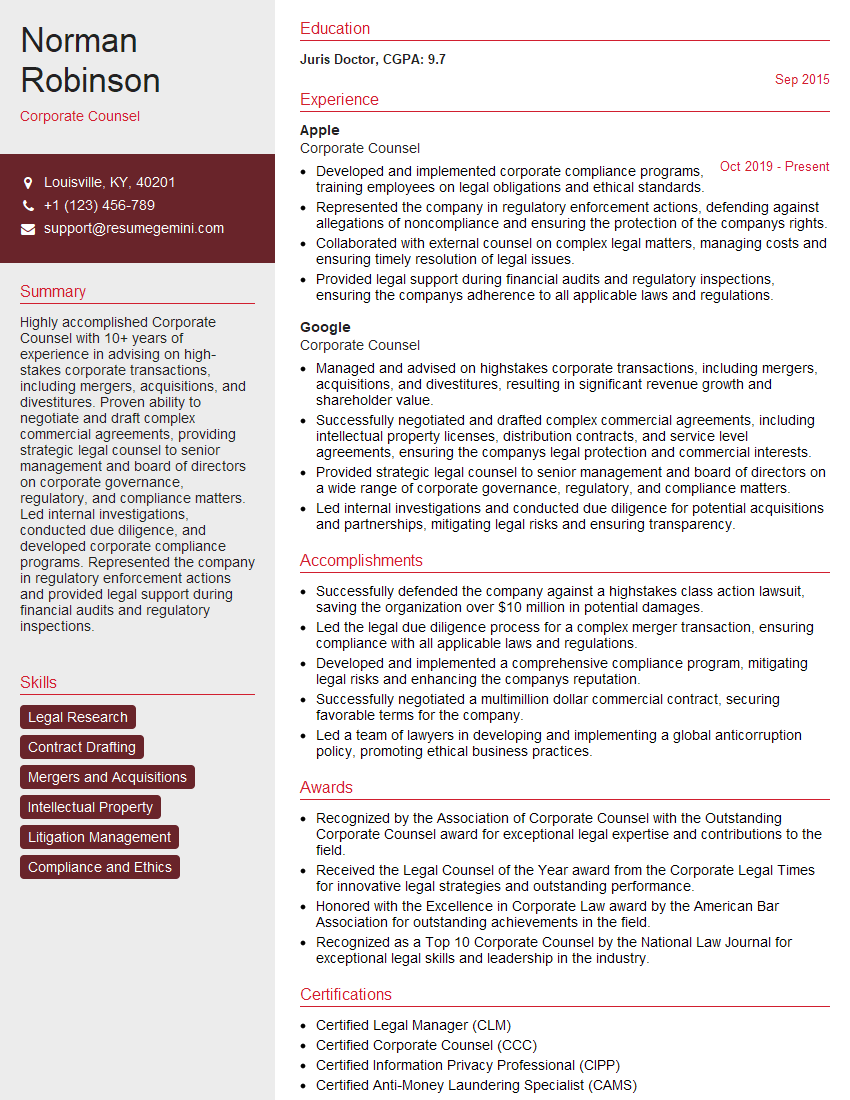
Corporate Counsel Resume Sample
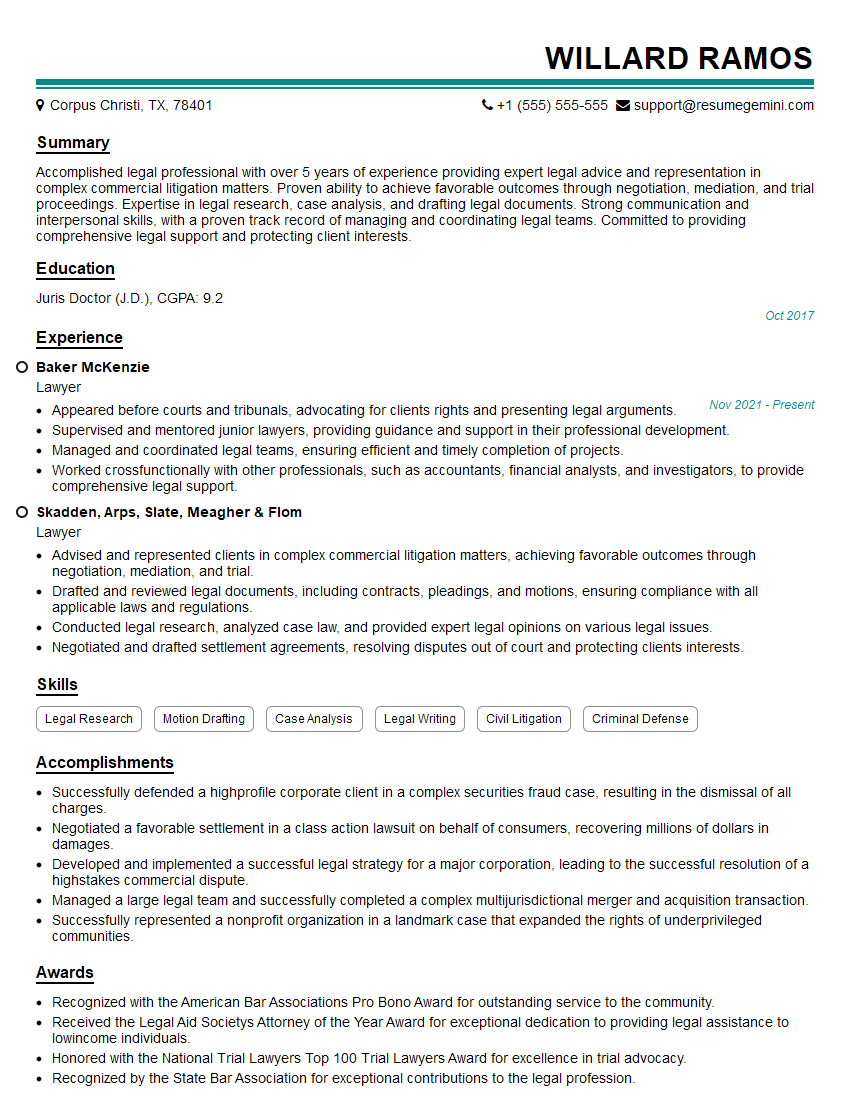
Lawyer Resume Sample
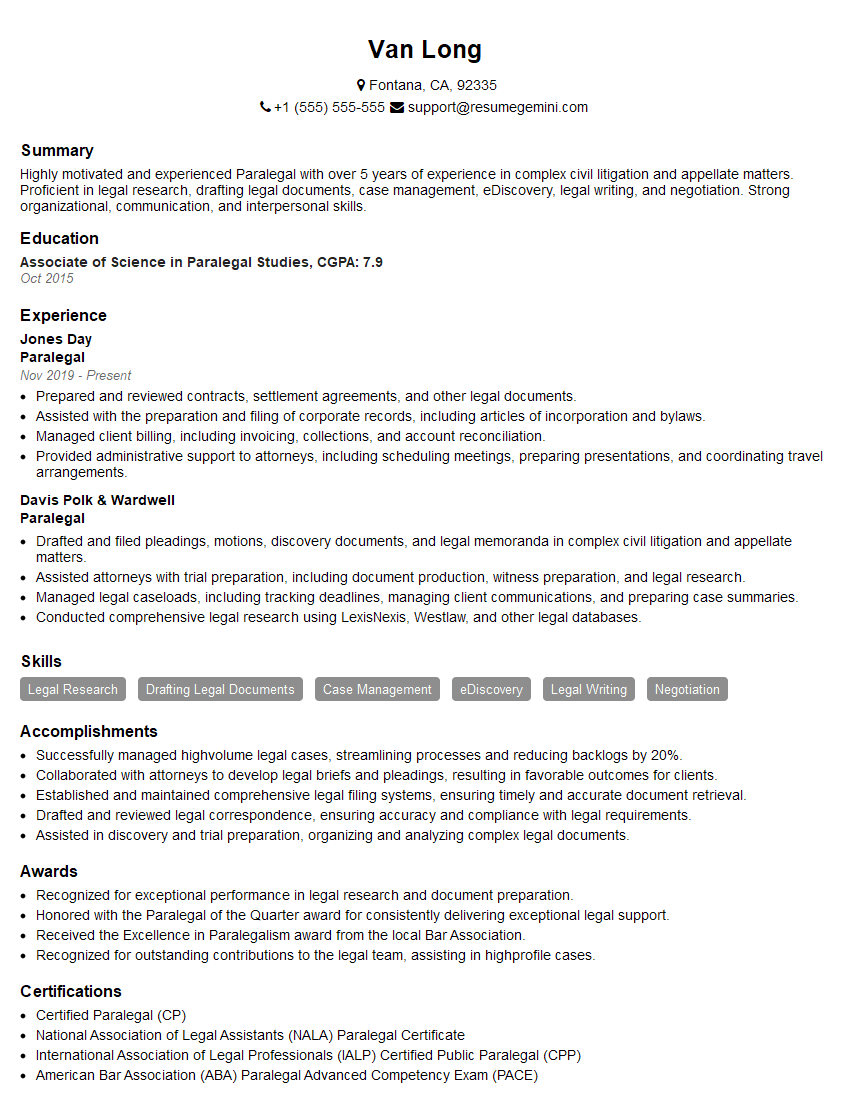
Paralegal Resume Sample
- Human Resources Manager
- Healthcare Administrator
- Chief Compliance Officer
- Compliance Officer
- Ethics Officer
- Risk Manager
- Investigator
- Security Consultant
- Accountant
- Auditor
- Internal Auditor
- Financial Analyst
- Forensic Accountant
- Data Security Analyst
- Information Security Manager
- Intelligence Analyst
- Medical Researcher
- Social Worker
- Corporate Counsel
- Lawyer
- Paralegal
Explore more articles
Users Rating of Our Blogs
Share Your Experience
We value your feedback! Please rate our content and share your thoughts (optional).
What Readers Say About Our Blog
I Redesigned Spongebob Squarepants and his main characters of my artwork.
https://www.deviantart.com/reimaginesponge/art/Redesigned-Spongebob-characters-1223583608
IT gave me an insight and words to use and be able to think of examples
Hi, I’m Jay, we have a few potential clients that are interested in your services, thought you might be a good fit. I’d love to talk about the details, when do you have time to talk?
Best,
Jay
Founder | CEO