Preparation is the key to success in any interview. In this post, we’ll explore crucial Willingness to participate in professional development and training opportunities interview questions and equip you with strategies to craft impactful answers. Whether you’re a beginner or a pro, these tips will elevate your preparation.
Questions Asked in Willingness to participate in professional development and training opportunities Interview
Q 1. Describe your approach to identifying professional development needs.
Identifying professional development needs is a continuous process that involves self-reflection, feedback from colleagues and supervisors, and a keen awareness of industry trends. I use a multi-pronged approach:
- Self-Assessment: I regularly reflect on my strengths and weaknesses, identifying areas where I can improve my skills or knowledge to enhance my performance. This might involve reviewing past projects, seeking feedback on my work, and honestly assessing areas where I struggled or could have performed better.
- Performance Reviews: I actively participate in performance reviews, viewing them as opportunities to discuss areas for growth. These discussions provide valuable insights from my supervisors, highlighting skills to develop or knowledge gaps to address.
- 360-degree Feedback: I believe in the value of receiving feedback from multiple sources. Seeking input from colleagues, clients, and subordinates offers a more holistic view of my performance and areas for improvement.
- Industry Analysis: I regularly research industry trends, emerging technologies, and best practices relevant to my field. This allows me to identify skill gaps and areas where upskilling will be beneficial for my career progression.
By combining these methods, I create a comprehensive picture of my professional development needs, ensuring that my training aligns with both my personal goals and the strategic needs of my organization.
Q 2. What resources do you typically utilize for professional development?
My resource utilization for professional development is diverse and strategically chosen based on my learning style and the specific skill I am trying to acquire. I often use:
- Online Courses and Platforms: Platforms like Coursera, edX, LinkedIn Learning, and Udemy offer a vast array of courses covering a wide range of topics. I choose courses based on their reputation, instructor expertise, and relevance to my goals.
- Conferences and Workshops: Attending industry conferences and workshops provides valuable networking opportunities and access to cutting-edge information directly from experts. The interactive nature of these events facilitates learning and knowledge exchange.
- Mentorship and Coaching: I seek out mentors and coaches to provide guidance, support, and feedback on my progress. Their insights are invaluable in navigating career challenges and setting realistic goals.
- Books and Journals: Staying current with industry literature is crucial. I regularly read books, industry journals, and research articles to deepen my understanding of relevant topics.
- Internal Training Programs: My company offers various internal training programs and workshops. I actively participate in these, recognizing their value in building my skills within the organizational context.
The best resources are those that cater to my learning style and are directly applicable to my current professional challenges and future aspirations.
Q 3. How do you prioritize professional development activities?
Prioritizing professional development activities requires a strategic approach that aligns with both personal and organizational goals. I use a framework that combines urgency, importance, and impact:
- Urgency: I prioritize activities that address immediate needs, such as resolving skill gaps that are currently hindering my performance or those necessary to meet imminent deadlines.
- Importance: I also focus on activities that will have a significant long-term impact on my career trajectory and organizational success. This includes acquiring skills that align with my career goals and are crucial for future advancement.
- Impact: I assess the potential impact of each activity on my overall performance and the organization’s objectives. Activities with high potential impact are prioritized.
Furthermore, I use a project management approach, breaking down larger learning goals into smaller, manageable tasks with deadlines. This ensures that I stay focused and make consistent progress towards my overall professional development goals. I also regularly review my priorities to ensure they remain aligned with evolving needs.
Q 4. Can you share an example of a time you proactively sought out training?
Recently, our team transitioned to a new project management software. Recognizing the importance of mastering this tool for improved team efficiency, I proactively sought out training. Instead of relying solely on the software’s built-in tutorials, I identified a highly-rated online course specifically designed for that software. I dedicated several evenings to completing the course, focusing on practical application exercises. This proactive approach enabled me to quickly become proficient in the new software, contributing effectively to the team’s success from the outset of the transition. The enhanced efficiency translated into better project timelines and overall improved team productivity.
Q 5. How have you measured the impact of past professional development initiatives?
Measuring the impact of professional development initiatives is crucial for determining their effectiveness. I employ a multi-faceted approach:
- Performance Metrics: I track key performance indicators (KPIs) relevant to the skills developed during training. For example, after completing a course on data analysis, I monitored improvements in the accuracy and efficiency of my data-driven reports. This provides quantitative evidence of the training’s impact.
- Qualitative Feedback: I solicit feedback from colleagues, supervisors, and clients to gauge the qualitative impact of the training. This helps to understand whether the acquired skills have improved my work quality, collaboration effectiveness, and overall contribution to the team.
- Self-Reflection: I regularly reflect on how the training has changed my approach to work, my problem-solving skills, and my overall confidence. This provides valuable insights into the personal growth and professional development achieved.
- Project Outcomes: I analyze project outcomes to determine whether the training led to improved results. This could involve comparing project timelines, budget adherence, and the quality of deliverables before and after the training.
Combining quantitative and qualitative data provides a comprehensive understanding of the training’s ROI (Return on Investment), allowing for better informed decisions on future professional development activities.
Q 6. What are your preferred learning styles?
My preferred learning styles are a blend of visual, auditory, and kinesthetic learning. I find that I learn best when I can:
- Visual: See diagrams, charts, and other visual aids. I prefer presentations with clear visual components to help me grasp concepts quickly.
- Auditory: Hear explanations and discussions. Lectures, podcasts, and conversations help solidify my understanding.
- Kinesthetic: Engage in hands-on activities and practical exercises. I actively seek opportunities to apply new knowledge immediately. This could involve working through coding exercises, participating in simulations, or shadowing experienced professionals.
I actively seek out learning resources and opportunities that cater to this multi-faceted approach, ensuring that I am maximizing my learning potential.
Q 7. How do you stay current with industry trends and best practices?
Staying current with industry trends and best practices is vital for professional success. My strategies include:
- Industry Publications and Blogs: I regularly read industry-specific publications, journals, and blogs. This provides insights into emerging trends and relevant research.
- Professional Networks: I actively participate in professional organizations and online communities. Networking provides opportunities to learn from other professionals and share experiences.
- Webinars and Podcasts: I regularly attend webinars and listen to podcasts on topics relevant to my field. This provides a convenient way to stay updated on current issues and developments.
- Conferences and Seminars: Attending conferences and seminars allows for more in-depth learning and networking with industry leaders.
- Online Courses and Certifications: Continuous learning through online courses and certifications helps to maintain and upgrade skills.
By combining these methods, I ensure that my knowledge and skills remain relevant and competitive in a constantly evolving professional landscape. It’s a continuous and dynamic process.
Q 8. Describe a time you had to learn a new skill quickly.
Learning new skills quickly is a crucial aspect of professional growth. It requires a combination of focused effort, effective learning strategies, and a willingness to embrace challenges. One time I had to rapidly master a new software, Salesforce, for a critical project. Our team was tasked with migrating a legacy system onto the Salesforce platform within a tight deadline. I didn’t have any prior experience with Salesforce, but I knew this project’s success hinged on my ability to learn the software quickly.
My approach involved a multi-pronged strategy: First, I took an online introductory course, which provided a solid foundational understanding of the system’s core features. Second, I immediately started practicing with a trial account, focusing on the specific modules relevant to the project. Third, I actively sought guidance from colleagues with Salesforce expertise, asking questions and observing their workflows. Finally, I utilized the Salesforce documentation extensively, using it as a reference whenever I encountered unfamiliar functionalities. Within two weeks, I felt comfortable enough to contribute meaningfully to the project, and we successfully completed the migration on time.
Q 9. How do you adapt your learning approach based on different training methods?
Adapting my learning style to different training methods is essential for maximizing knowledge retention and application. I believe in a personalized approach to learning. For example, during instructor-led training, I actively participate in discussions, ask clarifying questions, and take detailed notes. I find this method highly effective for understanding complex concepts in real-time and receiving immediate feedback. With online courses, I prefer a structured approach. I break down the course material into manageable chunks, set realistic goals for each session, and utilize tools like flashcards and mind maps to reinforce key concepts. Finally, when engaging in hands-on, project-based training, I adopt a highly experimental mindset, diving into the tasks, learning by doing, and seeking out opportunities for feedback and improvement.
Q 10. How do you incorporate new skills learned into your daily work?
Incorporating newly acquired skills into daily work is a continuous process. I don’t wait for a ‘perfect’ opportunity; instead, I actively seek ways to apply what I’ve learned, even in small ways. For instance, after attending a workshop on project management techniques, I immediately started using the new tools I’d learned to improve our team’s workflow. I implemented a Kanban board to visualize our tasks, utilized time management strategies, and actively applied risk mitigation plans. This led to improved project organization, increased efficiency, and better team communication. This iterative application of new skills helps reinforce my learning and demonstrates to my colleagues my commitment to continuous improvement.
Q 11. What are your long-term career goals, and how does professional development support them?
My long-term career goals involve becoming a leading expert in my field and contributing to significant projects that have a positive societal impact. Professional development is not just a means to an end; it’s integral to achieving these aspirations. By actively seeking out training and learning opportunities, I can stay abreast of industry trends, enhance my skills, and broaden my expertise. For example, pursuing certifications in specialized areas or attending advanced workshops directly contributes to my competency, positioning me for more challenging and impactful roles. Continuous learning strengthens my problem-solving abilities, enhances my creativity, and increases my overall value within my organization.
Q 12. How do you overcome challenges in learning new skills?
Overcoming challenges in learning new skills often involves addressing both cognitive and emotional hurdles. When I encounter difficulties, I approach them systematically. First, I identify the specific area where I’m struggling. Then, I break down the challenging concept into smaller, more manageable parts. I might seek help from mentors or peers; sometimes, a fresh perspective can be invaluable. If necessary, I might utilize different learning methods—switching from visual aids to hands-on practice, for example. Finally, it’s important to maintain a positive attitude; setbacks are part of the learning process. I remember that perseverance and a willingness to keep trying are key to mastering new skills.
Q 13. What are your expectations for employer-sponsored training?
My expectations for employer-sponsored training are high, but realistic. I expect the training to be relevant to my role and career aspirations, delivered by qualified instructors, and utilize modern and effective methodologies. I also expect opportunities for practical application and feedback to ensure I’m effectively integrating new skills into my daily work. Access to online resources, mentorship opportunities, and ongoing support after the training would further enhance its value. Finally, I expect transparency regarding the selection process of training programs, to ensure alignment with both organizational and individual goals.
Q 14. How do you balance work responsibilities with professional development commitments?
Balancing work responsibilities with professional development commitments requires careful planning and prioritization. I approach this by integrating professional development into my daily schedule, rather than viewing it as a separate activity. I might dedicate 30 minutes each day to studying online materials, or an hour each week to attend a virtual workshop. I also utilize downtime effectively, such as commutes or lunch breaks, for learning. Effective time management is key, and I prioritize tasks based on their urgency and importance. Open communication with my manager is essential to ensure they understand my commitment to professional growth and to avoid any conflicts with work deadlines.
Q 15. Describe your ideal learning environment.
My ideal learning environment is one that fosters active participation, collaboration, and personalized feedback. It needs to be a blend of structured learning and opportunities for exploration. Think of it like a well-stocked garden – there’s a solid framework (curriculum, clear objectives), but room for individual plants (learners) to flourish in their own ways.
- Structured Learning: I thrive on clear learning objectives, well-organized materials, and a logical progression of concepts. This allows me to build a strong foundation.
- Active Participation: Passive lectures are less effective for me. I prefer hands-on activities, group projects, case studies, and opportunities to apply new knowledge immediately. Think interactive workshops or simulations.
- Collaborative Learning: Learning from peers and sharing perspectives enriches the learning experience. A supportive environment where questions are encouraged is essential.
- Personalized Feedback: Constructive criticism and tailored guidance help me identify areas for improvement and solidify my understanding. Regular check-ins and opportunities for reflection are crucial.
- Access to Resources: Easy access to relevant materials, both online and offline, is essential. This includes supplementary readings, online tools, and access to mentors or experts.
For example, a blended learning approach combining online modules with in-person workshops would be ideal. This allows for flexible learning at my own pace, coupled with the benefits of face-to-face interaction and immediate feedback.
Career Expert Tips:
- Ace those interviews! Prepare effectively by reviewing the Top 50 Most Common Interview Questions on ResumeGemini.
- Navigate your job search with confidence! Explore a wide range of Career Tips on ResumeGemini. Learn about common challenges and recommendations to overcome them.
- Craft the perfect resume! Master the Art of Resume Writing with ResumeGemini’s guide. Showcase your unique qualifications and achievements effectively.
- Don’t miss out on holiday savings! Build your dream resume with ResumeGemini’s ATS optimized templates.
Q 16. How do you assess the effectiveness of a training program?
Assessing the effectiveness of a training program involves a multi-faceted approach. It’s not enough to simply enjoy the training; we need measurable results. I use a combination of methods to gauge its success.
- Pre- and Post-Training Assessments: These are crucial for measuring knowledge gain and skill development. These assessments should directly relate to the learning objectives of the program.
- On-the-Job Application and Performance Evaluation: The true test of any training is whether the learned skills are applied effectively in the workplace. Performance reviews and observation of practical application are key here. For instance, if the training is on project management, I’d assess whether the participant successfully leads a project afterward.
- Participant Feedback: Gathering feedback through surveys or focus groups provides valuable insights into the program’s strengths and weaknesses from the learner’s perspective. This helps to identify areas that could be improved for future iterations.
- Return on Investment (ROI): For organizations, the effectiveness of training is often measured by its ROI. This can be assessed by tracking increased productivity, reduced errors, or improved efficiency resulting from the training.
For example, in a sales training program, we might measure the increase in sales closed per salesperson following the training or track the improvement in customer satisfaction scores.
Q 17. What types of training have you found most beneficial in the past?
I’ve found that the most beneficial training experiences have been those that incorporate practical application and real-world scenarios. Passive learning, while helpful for building foundational knowledge, doesn’t stick as well as experiential learning.
- Mentorship Programs: These provide personalized guidance and support, tailoring the learning experience to individual needs. A mentor’s insights and practical advice are invaluable.
- Workshops and Hands-on Training: Opportunities to apply new skills immediately in a safe, guided environment are crucial for effective learning. This could involve simulations, role-playing exercises, or working on real-world projects.
- Conferences and Industry Events: Networking and learning from industry leaders provide fresh perspectives and new approaches to problem-solving.
- Self-Directed Learning with Clear Goals: I find that setting clear learning objectives and then proactively seeking out relevant resources is highly effective. This gives me ownership over my professional development.
For instance, a workshop on data analysis that involved working on a real-world dataset was far more beneficial than just reading about the techniques. The hands-on application solidified my understanding and boosted my confidence.
Q 18. Have you ever mentored or trained colleagues? Describe your approach.
Yes, I have mentored and trained colleagues. My approach centers on building a supportive and collaborative environment where learners feel comfortable asking questions and taking risks. I believe in leading by example and demonstrating the practical application of skills.
- Needs Assessment: I begin by understanding the individual’s learning style, current skill level, and specific goals. This ensures the training is tailored to their needs.
- Clear Objectives and Structure: Establishing clear learning objectives and a structured learning plan helps keep the training focused and ensures measurable progress.
- Hands-on Activities and Practical Application: I incorporate hands-on activities, case studies, and real-world examples to make the learning relevant and engaging.
- Regular Feedback and Support: Providing regular feedback and support helps learners stay motivated and identify areas for improvement. This includes both positive reinforcement and constructive criticism.
- Mentorship and Guidance: I act as a mentor and guide, offering support beyond the formal training sessions. This creates a lasting relationship and facilitates continuous learning.
For example, when training a new team member on a software program, I wouldn’t just show them the interface; I would work through a sample project with them, guiding them through each step and answering their questions. This fosters a hands-on learning experience.
Q 19. How do you handle feedback regarding your skills or performance?
I view feedback as an invaluable opportunity for growth and improvement. I approach feedback with an open mind and a willingness to learn.
- Active Listening: I listen carefully to the feedback, seeking clarification when needed. I avoid getting defensive.
- Self-Reflection: I take time to reflect on the feedback and identify areas where I can improve. This involves honestly assessing my own performance.
- Action Planning: I develop an action plan to address the feedback, setting specific, measurable, achievable, relevant, and time-bound (SMART) goals for improvement.
- Seeking Clarification: If the feedback is unclear, I ask clarifying questions to ensure I understand the concerns.
- Follow-up: I follow up with the person providing the feedback to demonstrate that I’ve taken their comments seriously and am working on improvement.
For instance, if I receive feedback that my communication style is too direct, I’ll reflect on specific instances and work on incorporating more tact and empathy in my communication.
Q 20. Describe a time you failed to meet a learning objective. What did you learn?
In a previous role, I struggled to master a new software program within the allocated timeframe. While I understood the fundamental concepts, I lacked the proficiency needed to perform complex tasks efficiently.
Initially, I felt frustrated and discouraged. However, instead of giving up, I analyzed what went wrong. I realized I hadn’t allocated enough time for practice and hadn’t fully utilized the available resources (tutorials, online documentation). I also hadn’t sought help from colleagues who were more experienced with the software.
My learning from this experience was threefold:
- Realistic Time Management: I learned to better estimate the time needed to master new skills and to break down complex tasks into smaller, manageable steps.
- Leveraging Resources: I learned the importance of thoroughly exploring all available learning resources and seeking guidance from colleagues or mentors when needed.
- Persistence and Self-Compassion: I realized that setbacks are a normal part of the learning process and that persistence, coupled with self-compassion, is crucial for overcoming challenges.
I applied these lessons in subsequent learning experiences, leading to greater success and a more positive attitude towards challenges.
Q 21. What strategies do you use to remain motivated during extended learning periods?
Maintaining motivation during extended learning periods requires a proactive approach. It’s easy to lose momentum, so consistent effort is vital.
- Setting SMART Goals: Breaking down large learning goals into smaller, manageable steps helps create a sense of accomplishment and keeps me motivated.
- Regular Breaks and Self-Care: Regular breaks and self-care activities are essential for preventing burnout and maintaining focus. This includes regular exercise, sufficient sleep, and time for hobbies.
- Reward System: Celebrating milestones with small rewards helps reinforce positive behavior and maintain motivation.
- Learning Community: Connecting with others who are engaged in similar learning experiences creates a sense of community and provides support and encouragement.
- Varying Learning Methods: Switching between different learning methods (reading, watching videos, hands-on practice) prevents monotony and keeps the learning experience engaging.
For example, I might reward myself with a relaxing activity after completing a module or celebrate finishing a major project with a small celebration. This helps maintain momentum and makes the learning process more enjoyable.
Q 22. How do you contribute to a culture of learning within a team?
Cultivating a culture of learning within a team is crucial for continuous improvement and innovation. I approach this by actively participating in knowledge sharing, mentoring junior colleagues, and promoting a psychologically safe environment where questions are encouraged and mistakes are seen as learning opportunities.
For instance, I regularly organize informal knowledge-sharing sessions where team members can present recent learnings or discuss challenging projects. I actively seek feedback and share my own experiences to foster open communication. I also encourage my colleagues to explore new technologies and methods relevant to our work, offering support and guidance where needed. This collaborative approach ensures everyone feels empowered to learn and grow, creating a vibrant learning environment.
- Mentorship: Guiding junior colleagues on projects, providing constructive feedback, and acting as a resource for their development.
- Knowledge Sharing Sessions: Organizing informal gatherings to discuss challenges, successes, and new learnings within the team.
- Feedback Culture: Encouraging open and constructive feedback, both giving and receiving, to promote continuous improvement.
Q 23. How do you identify knowledge gaps in your skills?
Identifying knowledge gaps is an ongoing process that requires self-reflection and honest assessment. I use a multi-faceted approach that combines self-evaluation, feedback from colleagues and supervisors, and performance reviews. I regularly reflect on my performance in relation to project goals and identify areas where I could improve or require additional expertise.
For example, I might notice that I struggle with a particular software or technique during a project. This would prompt me to review my current skills and seek out resources to address the gap. Formal performance reviews also offer valuable feedback, highlighting areas for growth and development that might not be readily apparent through self-assessment alone.
- Self-assessment: Regularly reflecting on project performance and identifying areas needing improvement.
- Peer Feedback: Actively seeking input from colleagues on areas of strength and weakness.
- Performance Reviews: Utilizing formal performance evaluations to identify development opportunities.
Q 24. How do you track your progress in professional development initiatives?
Tracking progress in professional development is vital to ensure continuous growth and demonstrate effectiveness. I utilize a combination of methods, including maintaining a personal development log, setting SMART goals, and utilizing project management tools.
My development log documents courses completed, skills acquired, and reflections on the learning process. This provides a clear history of my development. SMART goals (Specific, Measurable, Achievable, Relevant, Time-bound) allow me to focus my efforts and track concrete progress towards specific skills or knowledge areas. I also integrate progress tracking into my project management tools, associating specific tasks with skill development to monitor my overall progress against project goals and professional growth aspirations.
- Development Log: A personal journal documenting courses, skills acquired, and reflections on the learning process.
- SMART Goals: Setting clear, measurable, achievable, relevant, and time-bound goals for professional development initiatives.
- Project Management Tools: Integrating professional development activities into project timelines for progress monitoring.
Q 25. What are some of your favorite professional development resources (books, websites, etc.)?
My professional development resource selection is diverse and reflects my commitment to continuous learning. I find value in a mix of formats, prioritizing credible sources and relevant content.
For example, I regularly utilize online courses from reputable platforms like Coursera and edX for structured learning in specific technical areas. I also subscribe to several industry publications and newsletters to stay updated on the latest trends and best practices. Finally, I enjoy reading books on leadership and management to enhance my soft skills. This varied approach ensures that I continually develop both technical and interpersonal skills.
- Online Courses (Coursera, edX): Structured learning in specific technical or management areas.
- Industry Publications and Newsletters: Staying current with industry trends and best practices.
- Books on Leadership and Management: Enhancing soft skills and leadership capabilities.
Q 26. How do you determine which professional development opportunities are most valuable?
Determining the most valuable professional development opportunities requires careful consideration of several factors, including my current skill gaps, career goals, and the needs of my team and organization. I consider the relevance of the opportunity to my current role and future aspirations.
For instance, if a training course aligns with a skill identified as crucial for a promotion or a team project, it gets higher priority. I also weigh the credibility of the provider, the reputation of the instructor, and the overall value proposition of the training. Cost-effectiveness is another important consideration. I always try to balance the cost and time investment with the potential return in terms of improved performance and career advancement.
- Alignment with Career Goals: Prioritizing opportunities that directly support career progression.
- Relevance to Current Role: Focusing on opportunities that address immediate skill gaps and enhance current performance.
- Credibility and Reputation: Evaluating the source and instructor of training materials.
- Cost-Effectiveness: Balancing the investment with the expected return.
Q 27. Describe your experience with online learning platforms.
I have extensive experience with online learning platforms, utilizing them for both structured courses and informal learning. I find them flexible and convenient, offering access to a vast array of resources.
I’ve successfully completed numerous online courses, mastering new programming languages and software packages. I also utilize online platforms for accessing webinars, articles, and other resources related to my field. The convenience and accessibility are major advantages. However, I recognize the importance of self-discipline and proactive engagement to maximize the learning experience and avoid distractions. I structure my online learning to fit into my existing schedule, setting realistic goals and utilizing various learning techniques such as note-taking, active recall, and practice exercises.
- Structured Courses: Completing online courses for structured learning, earning certifications where applicable.
- Informal Learning: Accessing articles, webinars, and other resources to stay updated on industry trends.
- Self-Discipline: Maintaining focus and actively engaging with the learning material.
Q 28. How do you apply critical thinking skills to evaluate training materials?
Critical thinking is essential when evaluating training materials. I approach this by questioning the source’s credibility, analyzing the content’s relevance to my needs, and assessing its practical applicability. I don’t passively consume information; I actively engage with it.
For example, before enrolling in a course, I thoroughly research the instructor’s qualifications and the platform’s reputation. I examine the course syllabus or curriculum to ascertain its relevance to my learning objectives and evaluate the teaching methods employed. During the course itself, I critically evaluate the arguments and evidence presented, seeking out alternative perspectives and identifying potential biases. After completion, I reflect on the practical application of the knowledge gained and assess whether it aligns with my expectations.
- Source Credibility: Assessing the qualifications of the instructor and the reputation of the training provider.
- Relevance and Applicability: Evaluating the alignment of the content with my learning goals and its practical use.
- Bias Detection: Identifying potential biases in the information presented and seeking alternative viewpoints.
- Practical Application: Assessing the value and effectiveness of the training based on practical application.
Key Topics to Learn for Willingness to Participate in Professional Development and Training Opportunities Interview
- Demonstrating a Growth Mindset: Articulate your belief in continuous learning and improvement. Highlight your proactive approach to seeking out new skills and knowledge.
- Specific Examples of Professional Development: Prepare examples of past training, workshops, courses, or self-directed learning initiatives. Focus on the skills gained and how you applied them to improve performance.
- Connecting Learning to Company Goals: Explain how your pursuit of professional development aligns with the employer’s objectives and how it benefits the team or organization.
- Identifying Learning Needs: Discuss your ability to identify skill gaps and proactively seek solutions to address them. Showcase your self-awareness and commitment to improvement.
- Adaptability and Learning Styles: Highlight your ability to adapt to different learning environments and styles (online courses, workshops, mentorship, etc.). Demonstrate flexibility and resourcefulness.
- Transferable Skills & Knowledge: Emphasize how skills learned in one context can be applied to different roles and situations. Show your capacity for versatile skill application.
- Long-Term Career Goals & Development Plan: Connect your commitment to professional development with your long-term career aspirations. Show a clear vision for your professional growth.
Next Steps
Mastering the ability to articulate your commitment to professional development is crucial for career advancement. It demonstrates initiative, adaptability, and a dedication to continuous improvement—qualities highly valued by employers. Building an ATS-friendly resume is essential to getting your application noticed. ResumeGemini can help you craft a compelling resume that highlights your commitment to lifelong learning and showcases your relevant skills effectively. Examples of resumes tailored to emphasizing your willingness to participate in professional development and training opportunities are available within the ResumeGemini platform. Take the next step and build a resume that reflects your dedication to growth.
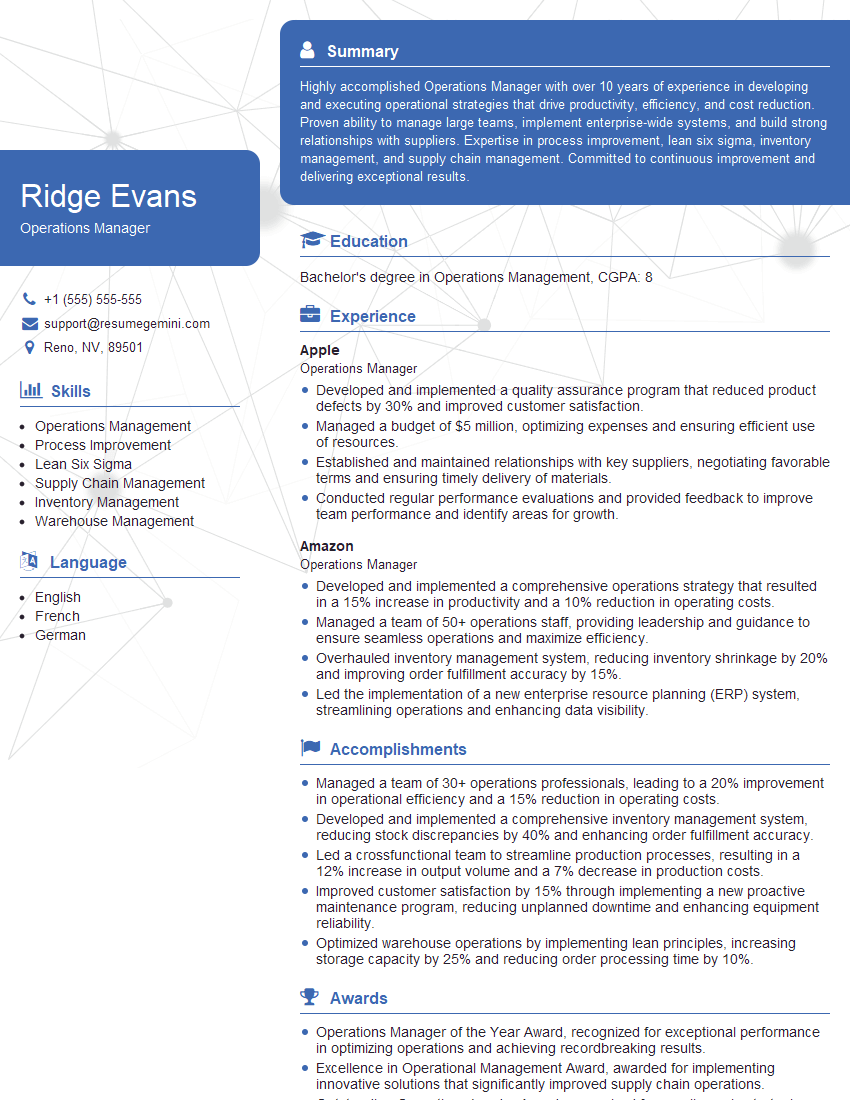
Operations Manager Resume Sample
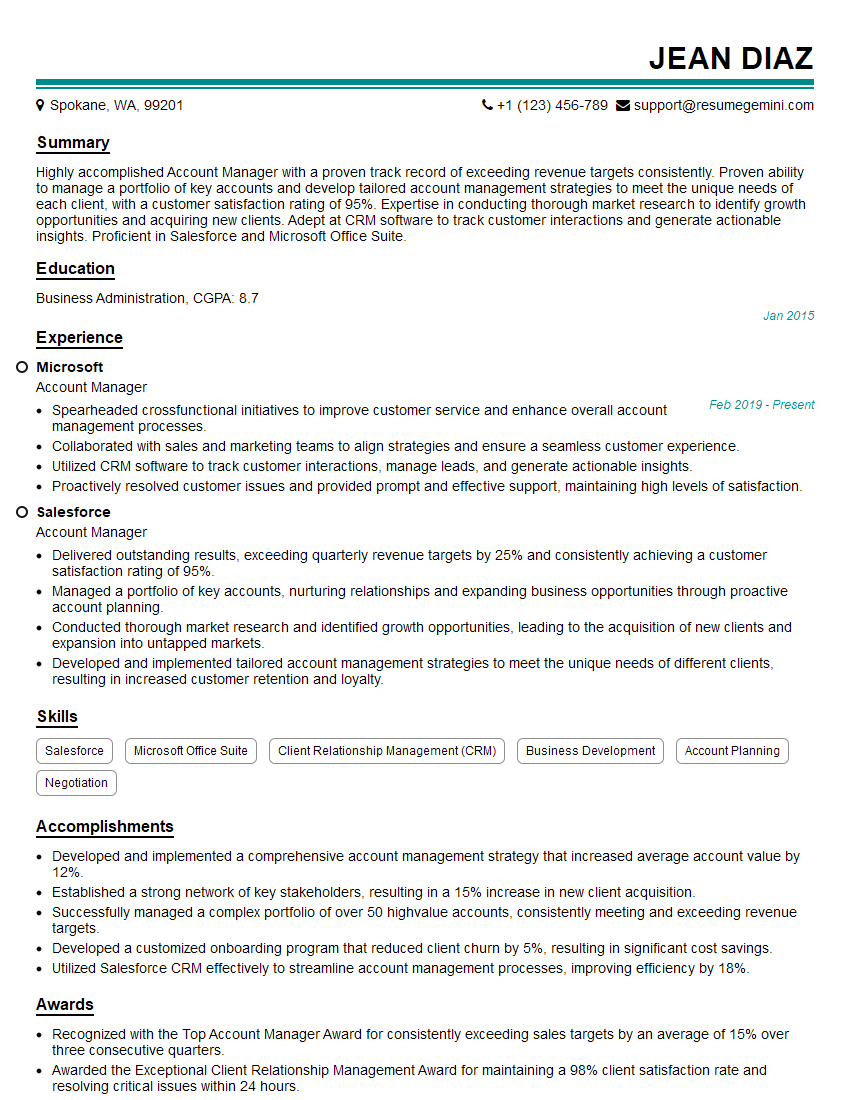
Account Manager Resume Sample
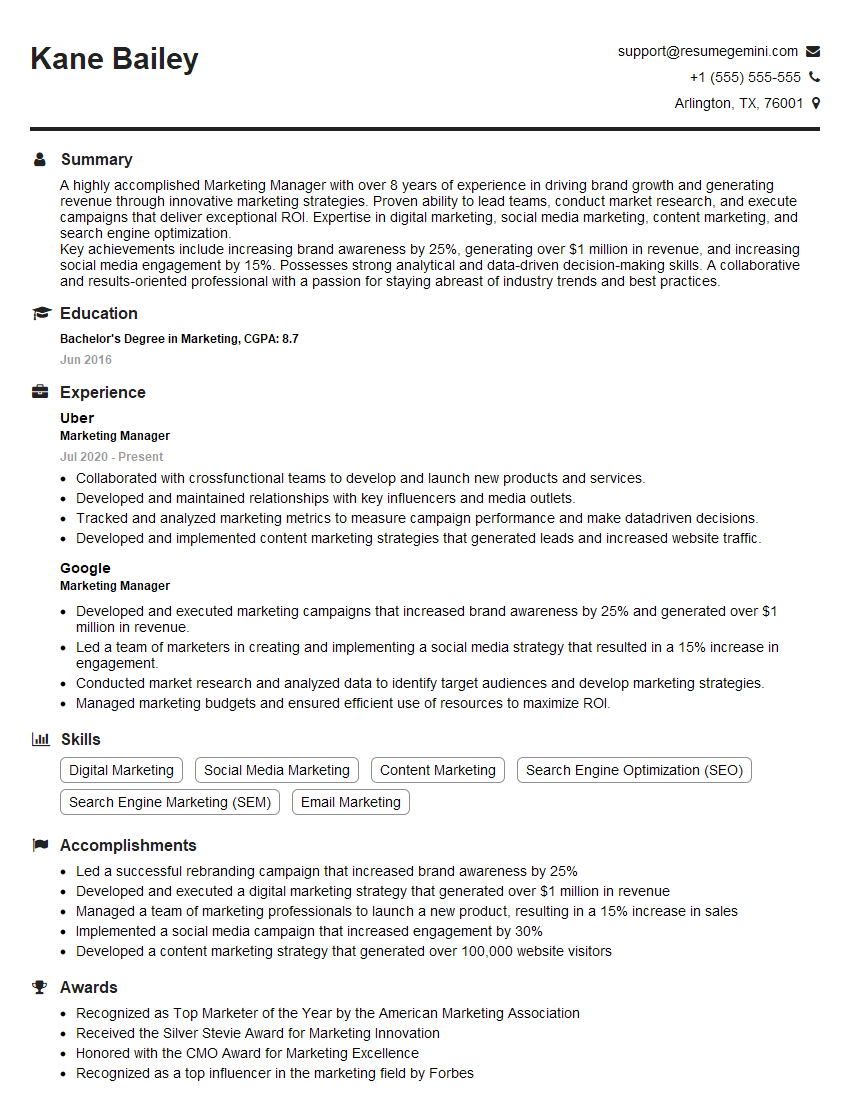
Marketing Manager Resume Sample
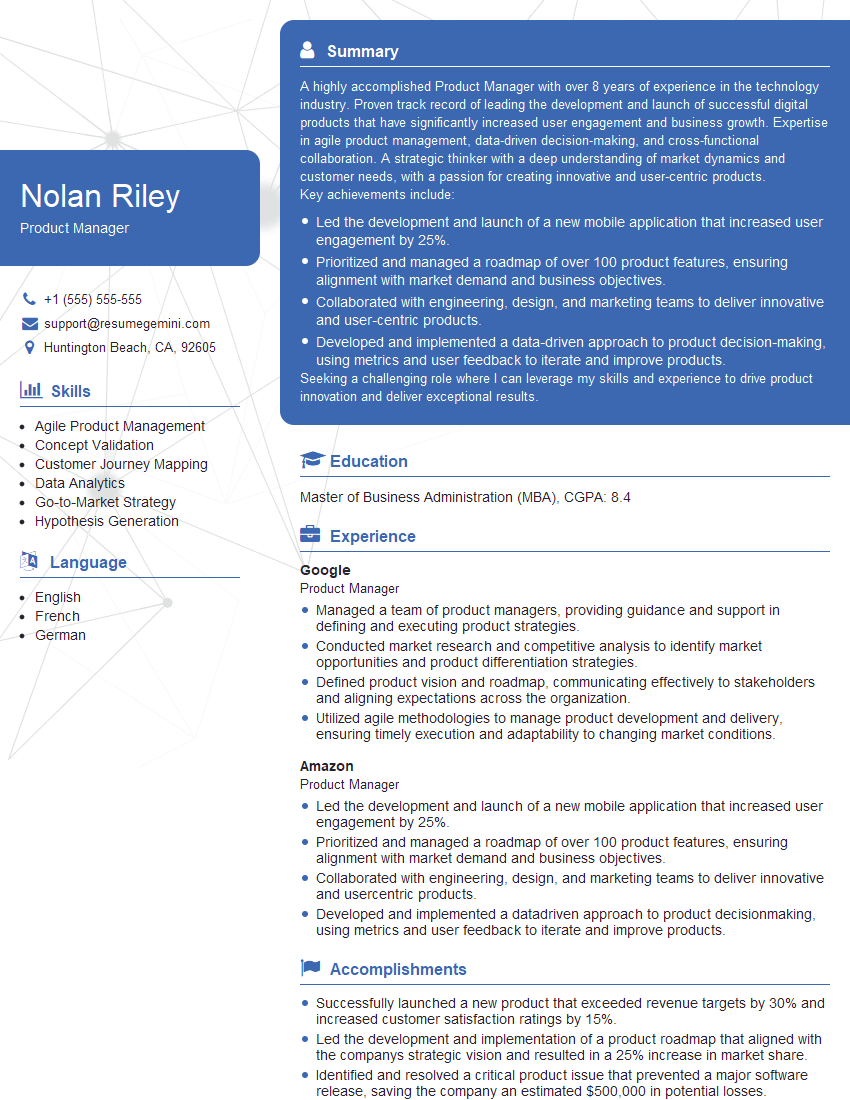
Product Manager Resume Sample
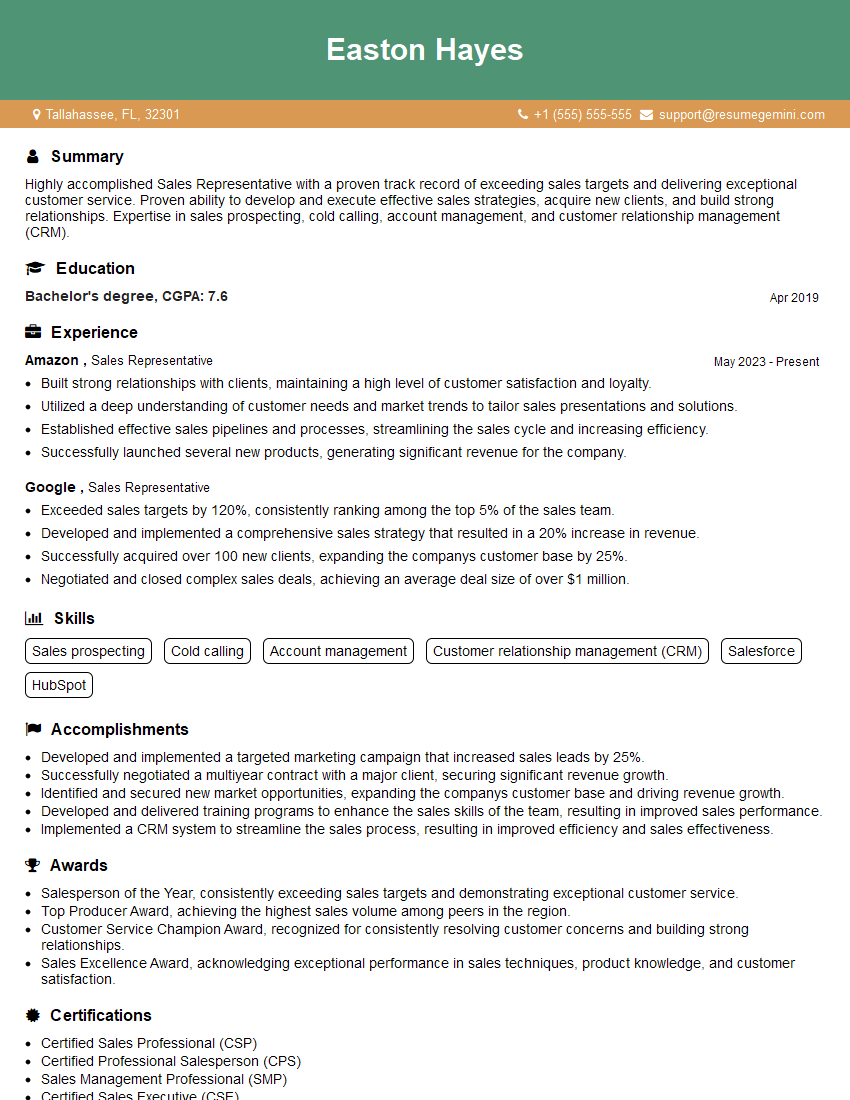
Sales Representative Resume Sample
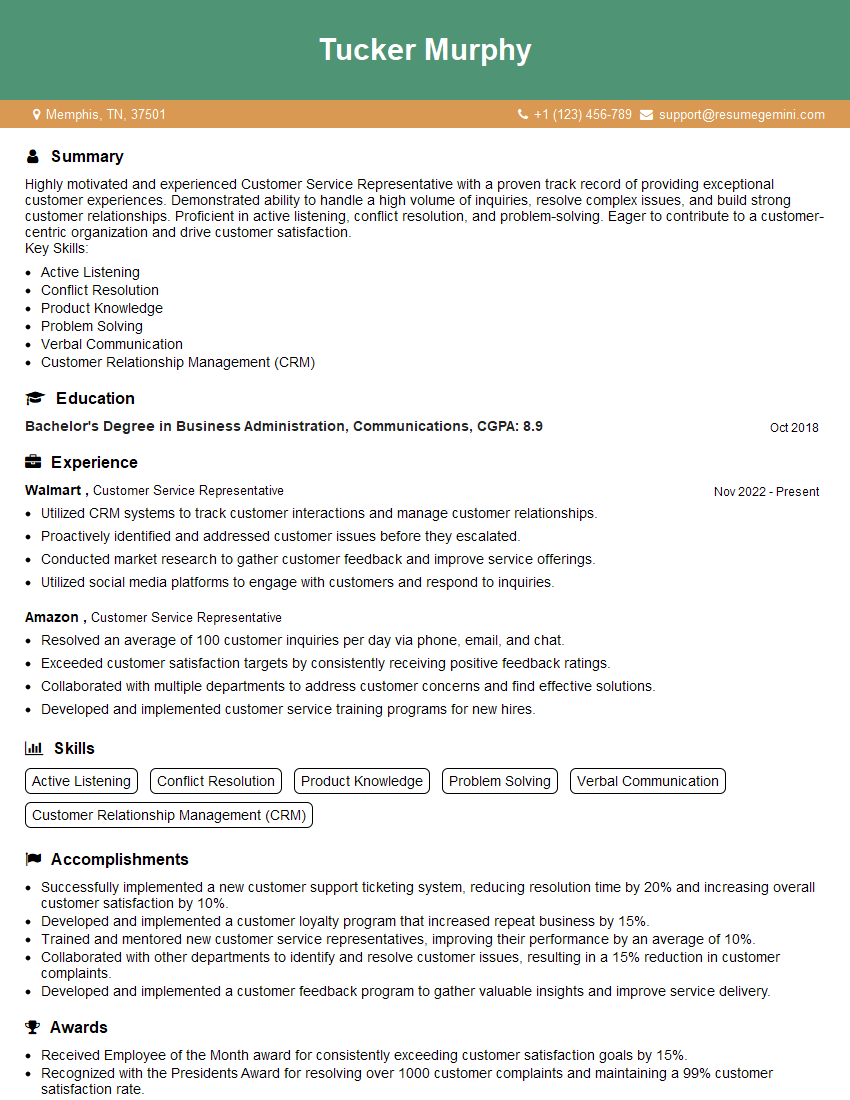
Customer Service Representative Resume Sample
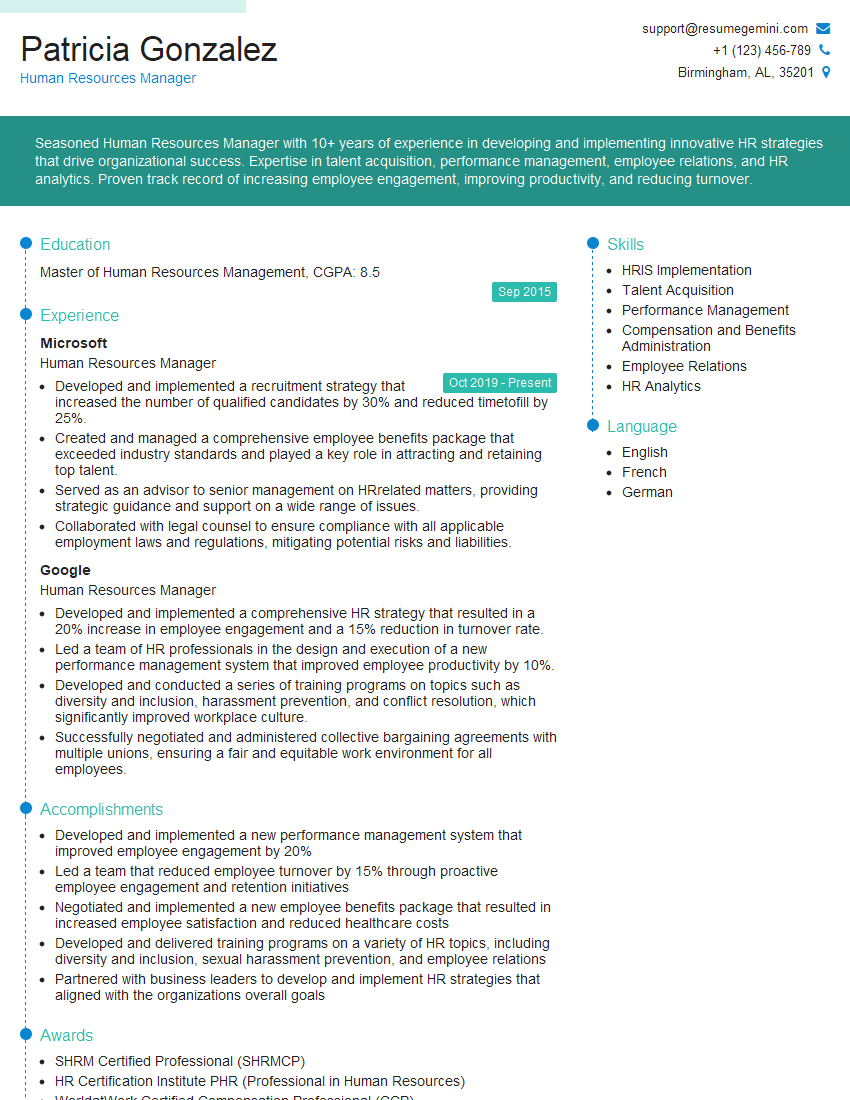
Human Resources Manager Resume Sample
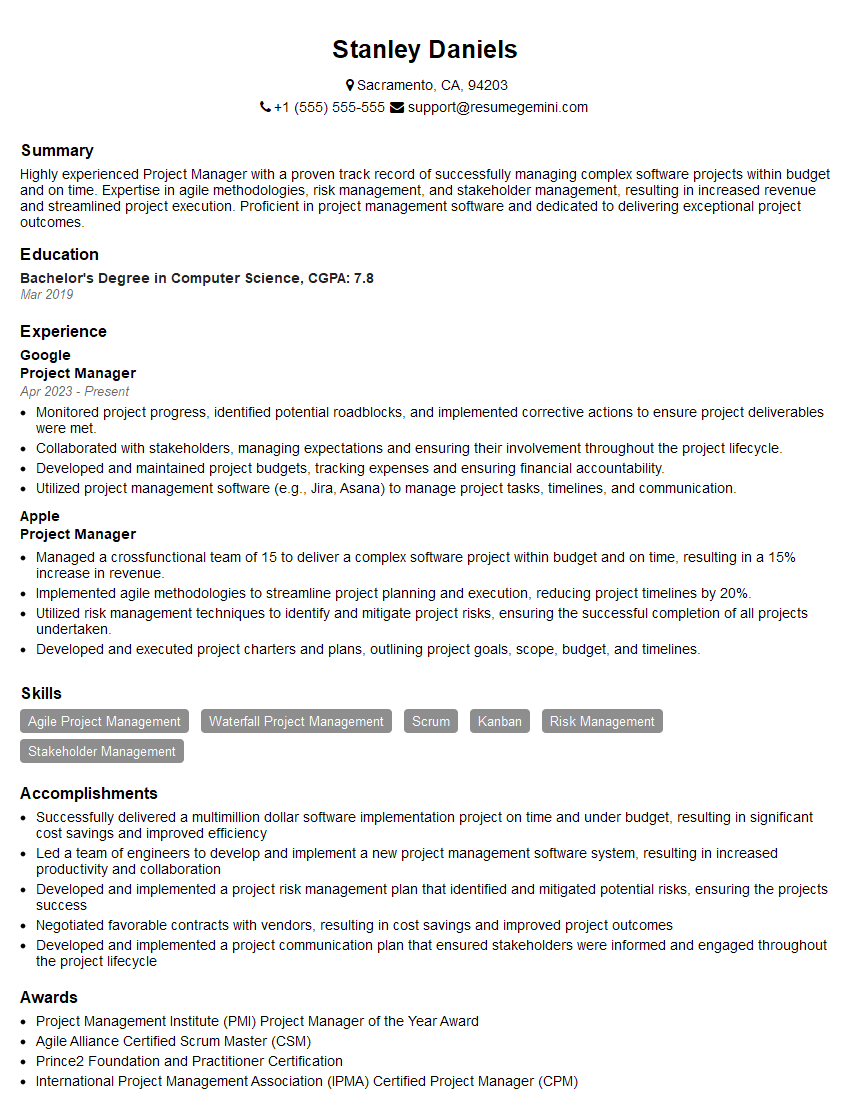
Project Manager Resume Sample
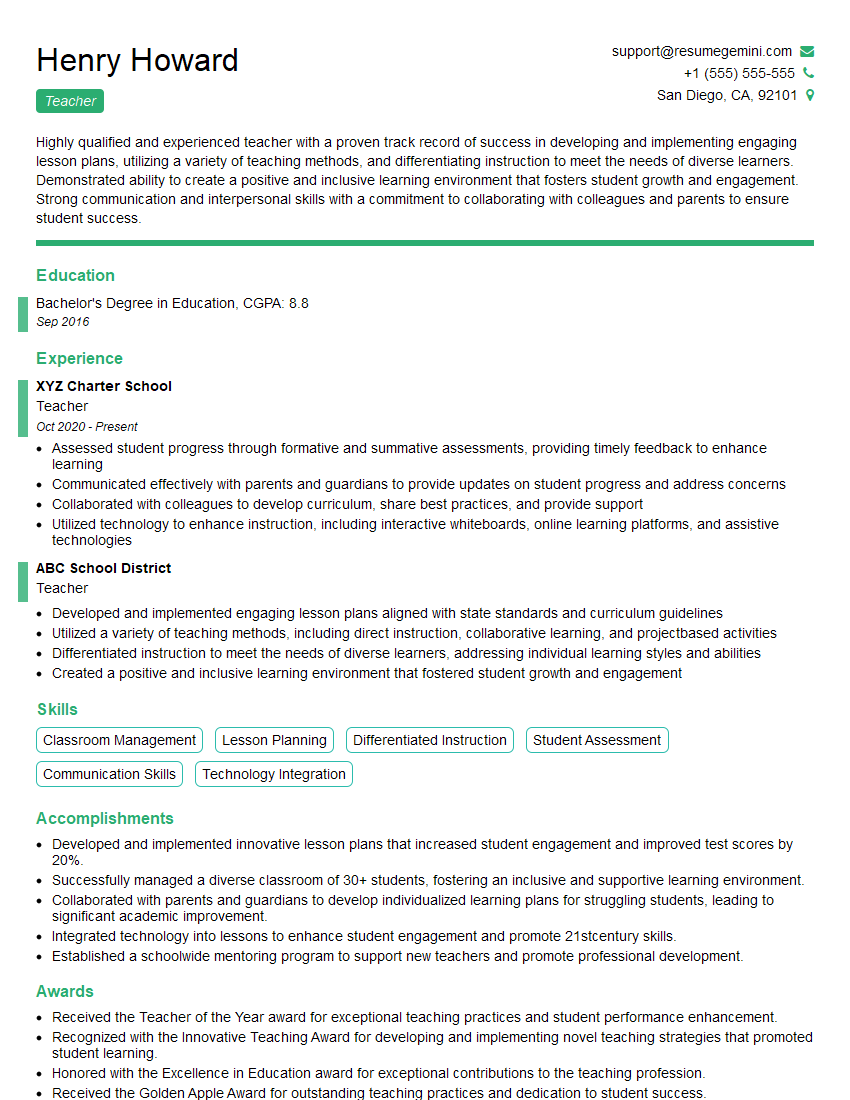
Teacher Resume Sample
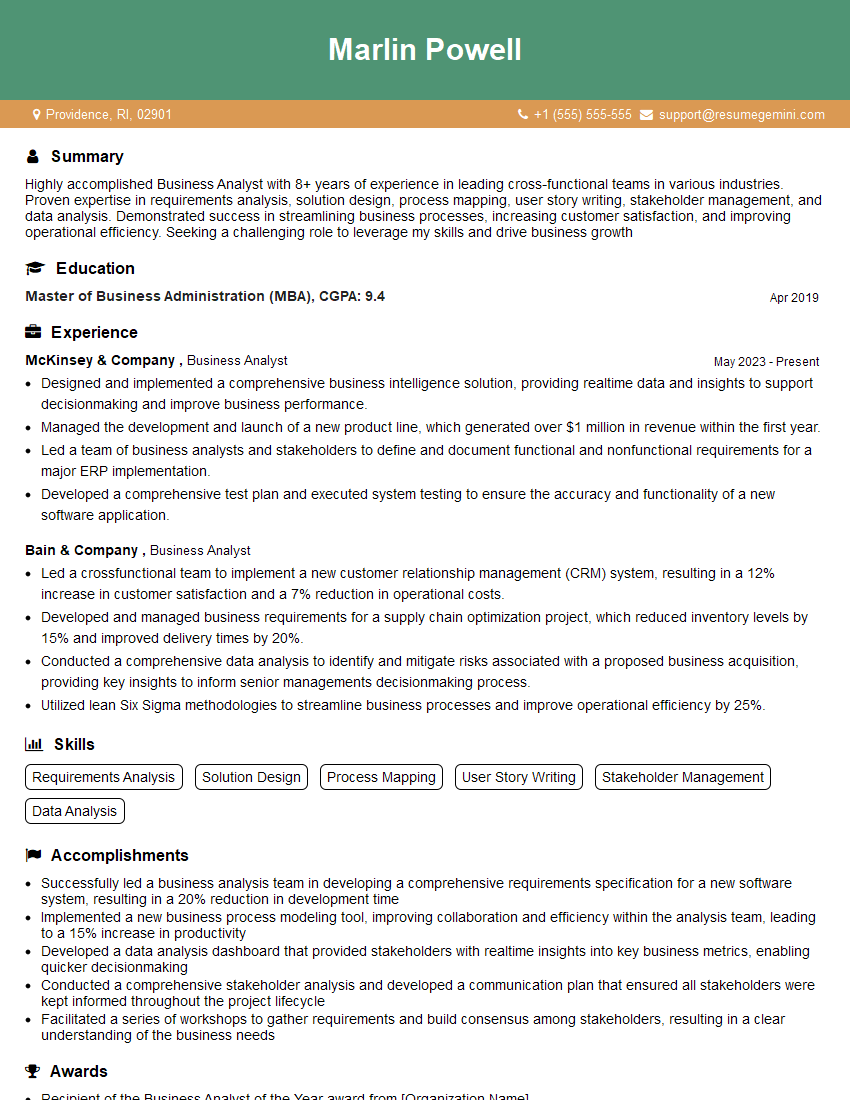
Business Analyst Resume Sample
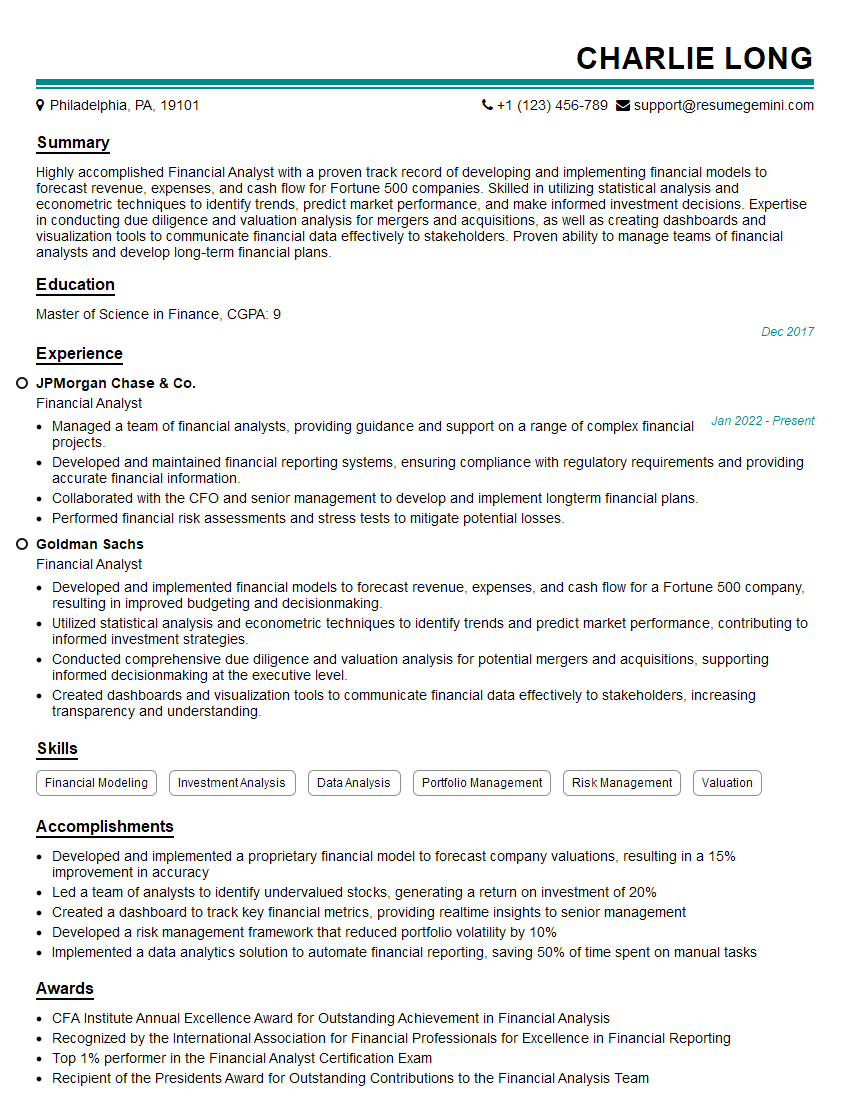
Financial Analyst Resume Sample
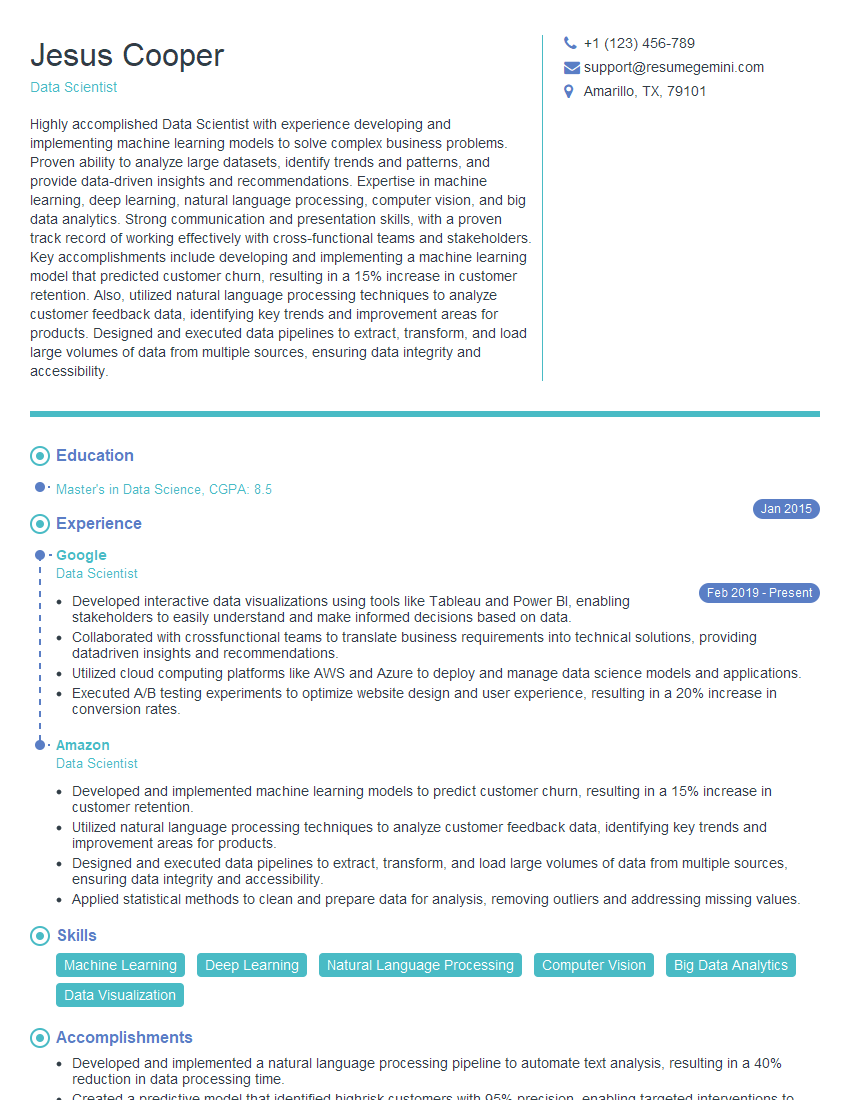
Data Scientist Resume Sample
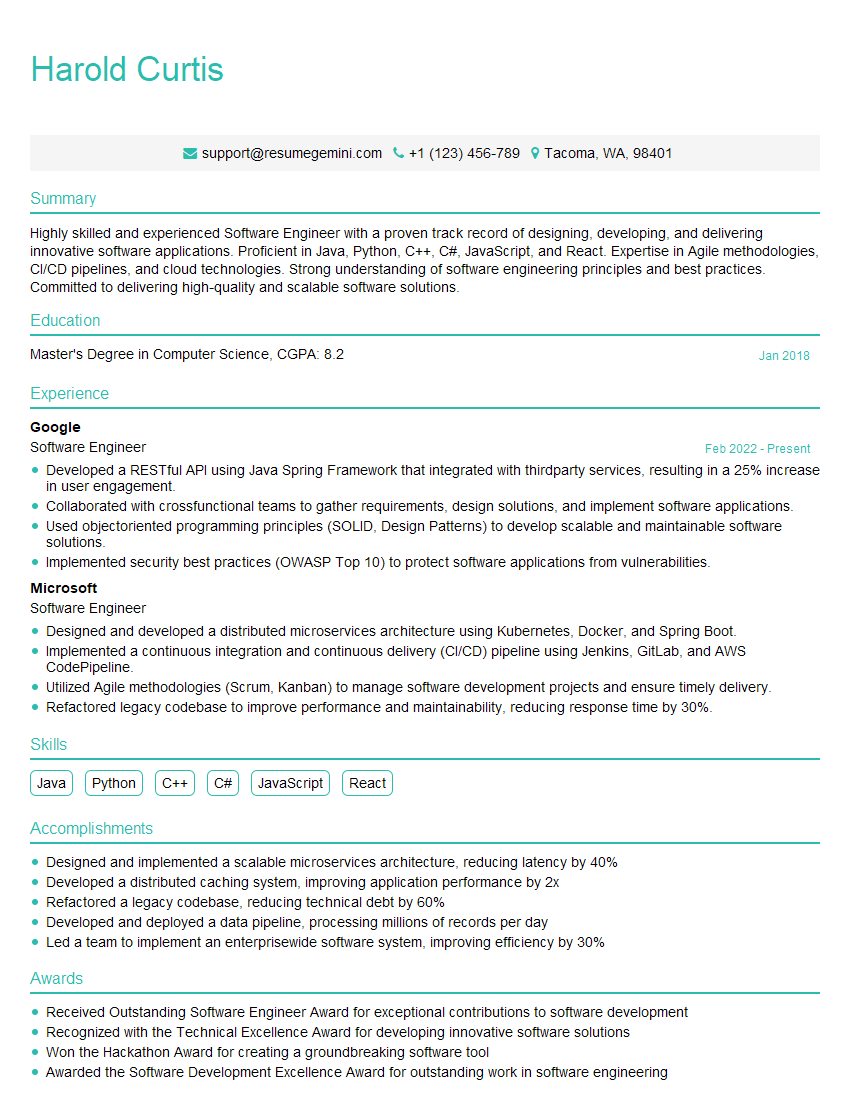
Software Engineer Resume Sample
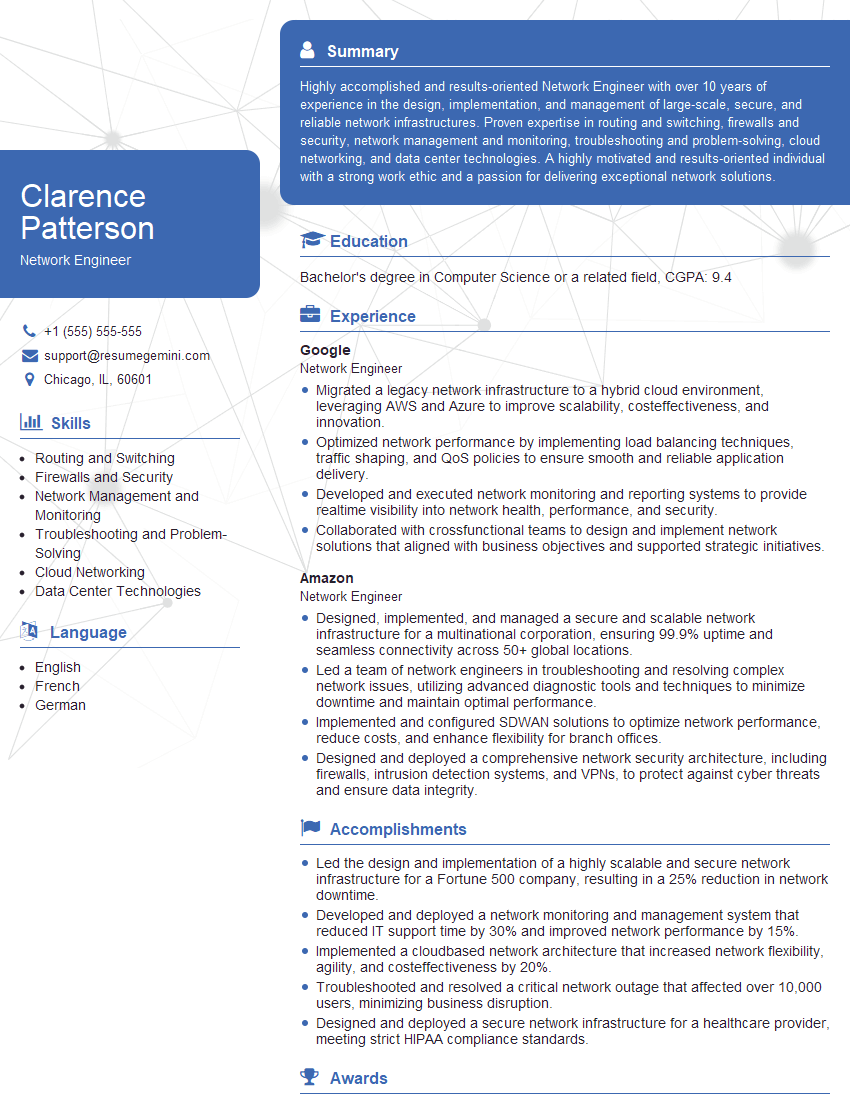
Network Engineer Resume Sample
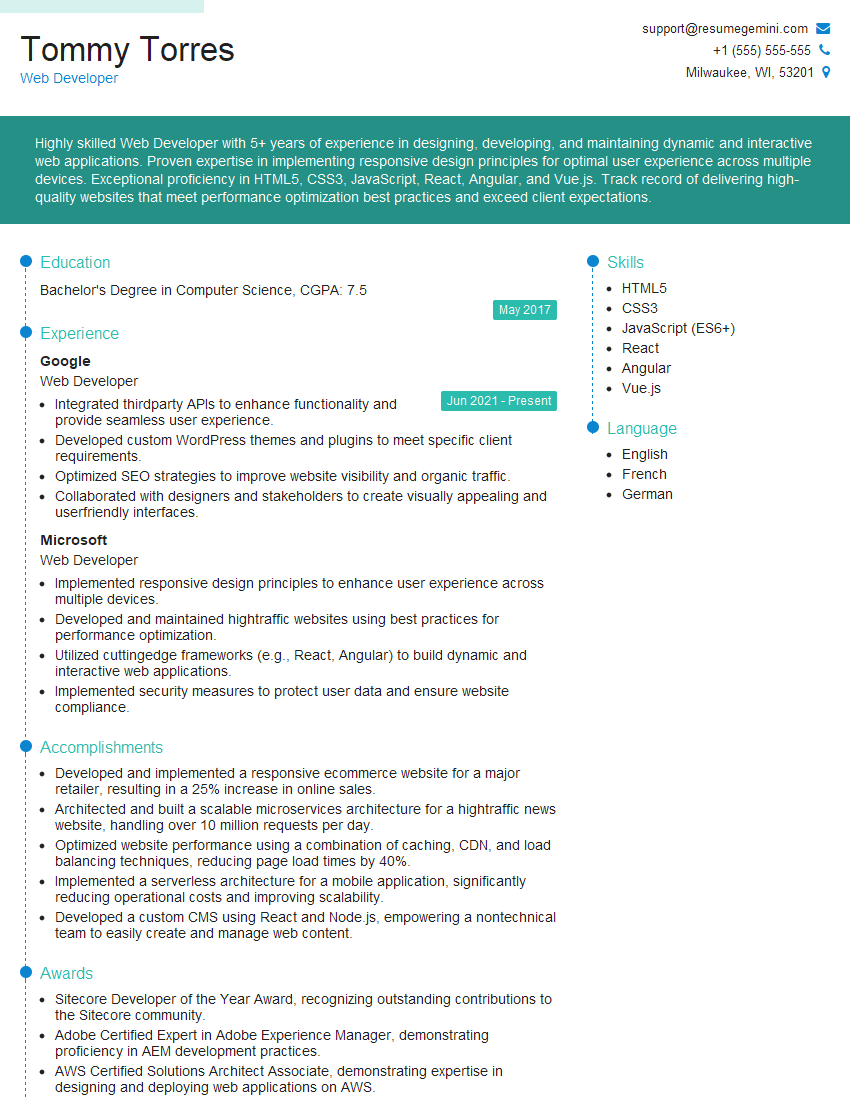
Web Developer Resume Sample
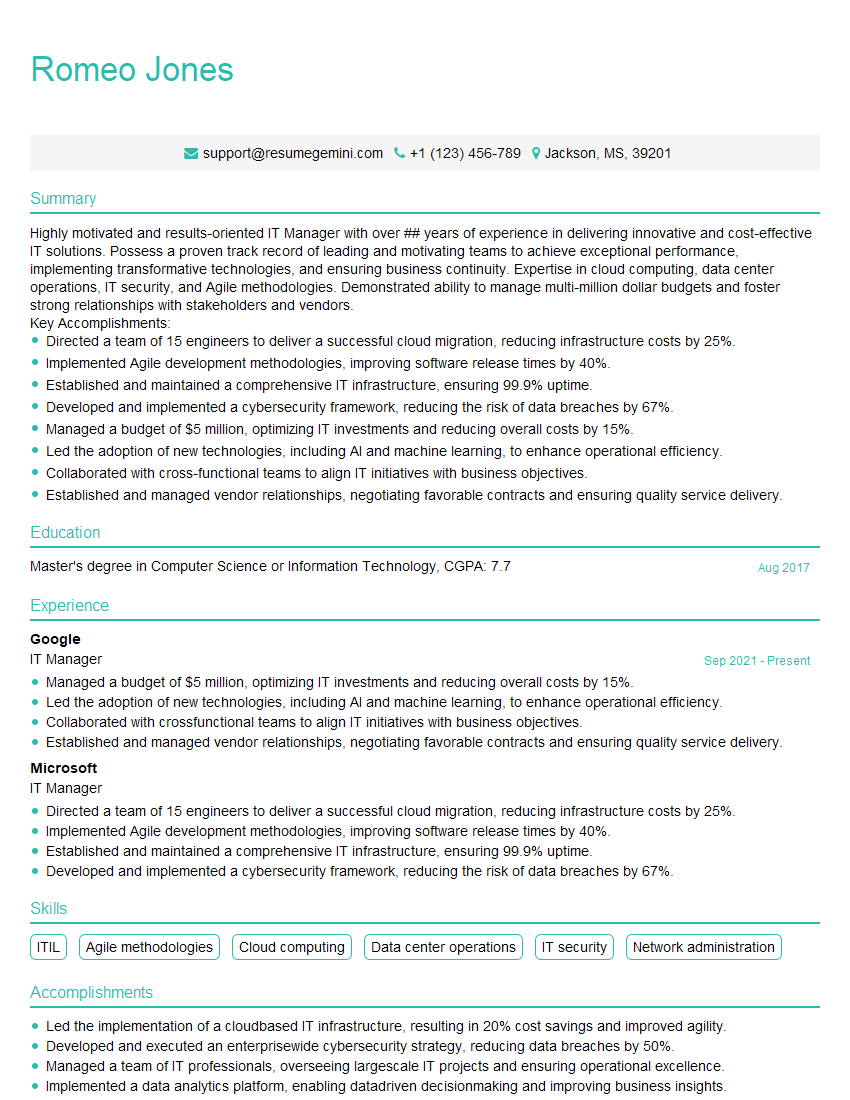
IT Manager Resume Sample
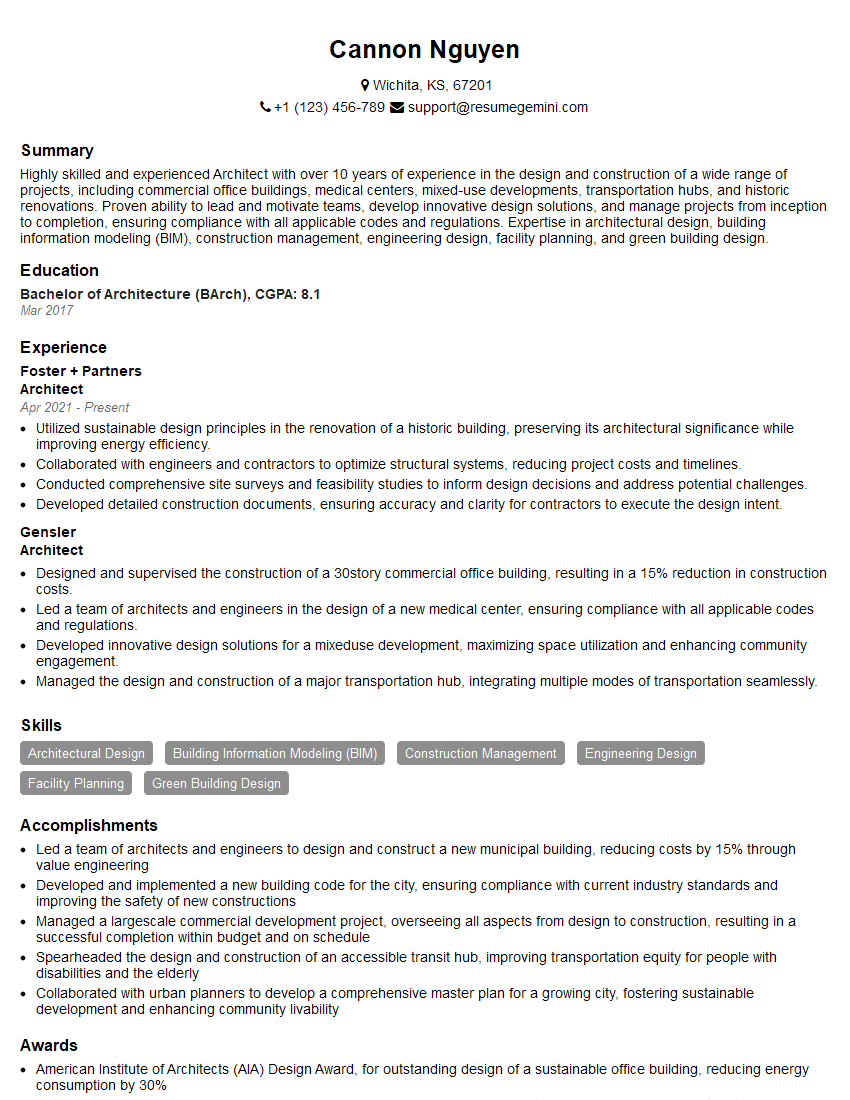
Architect Resume Sample
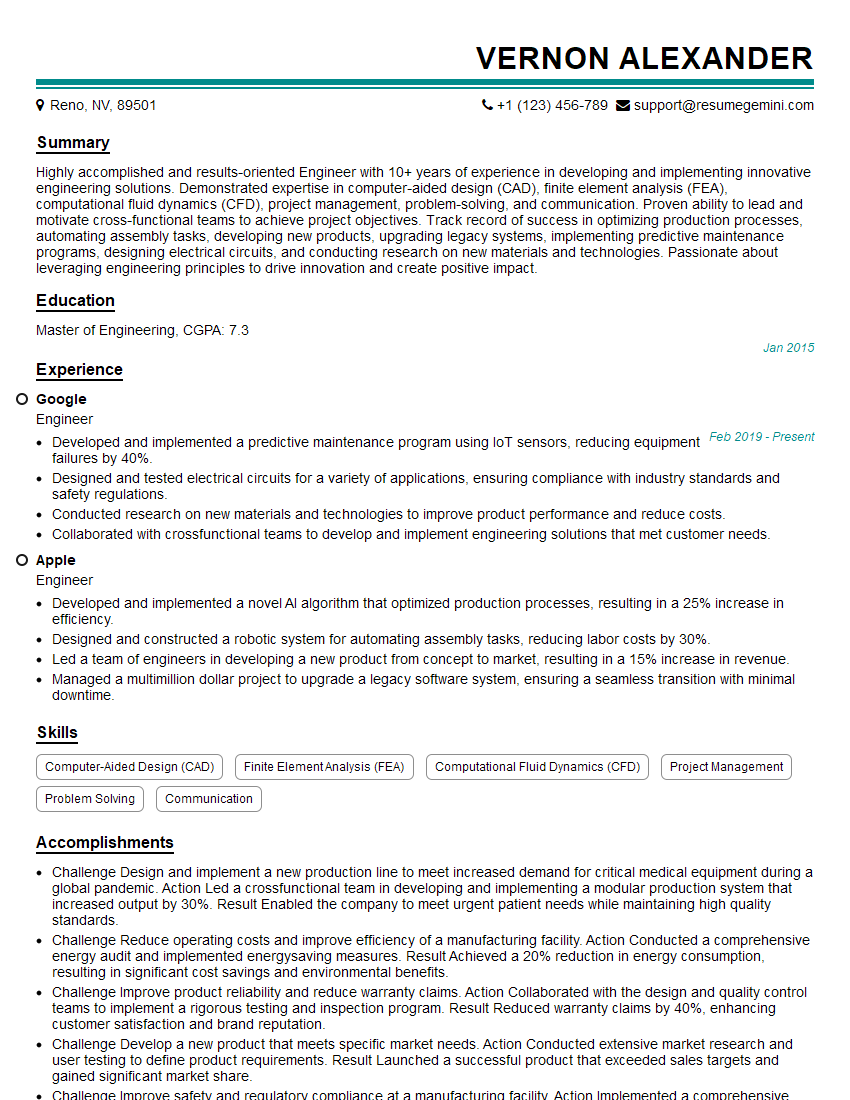
Engineer Resume Sample
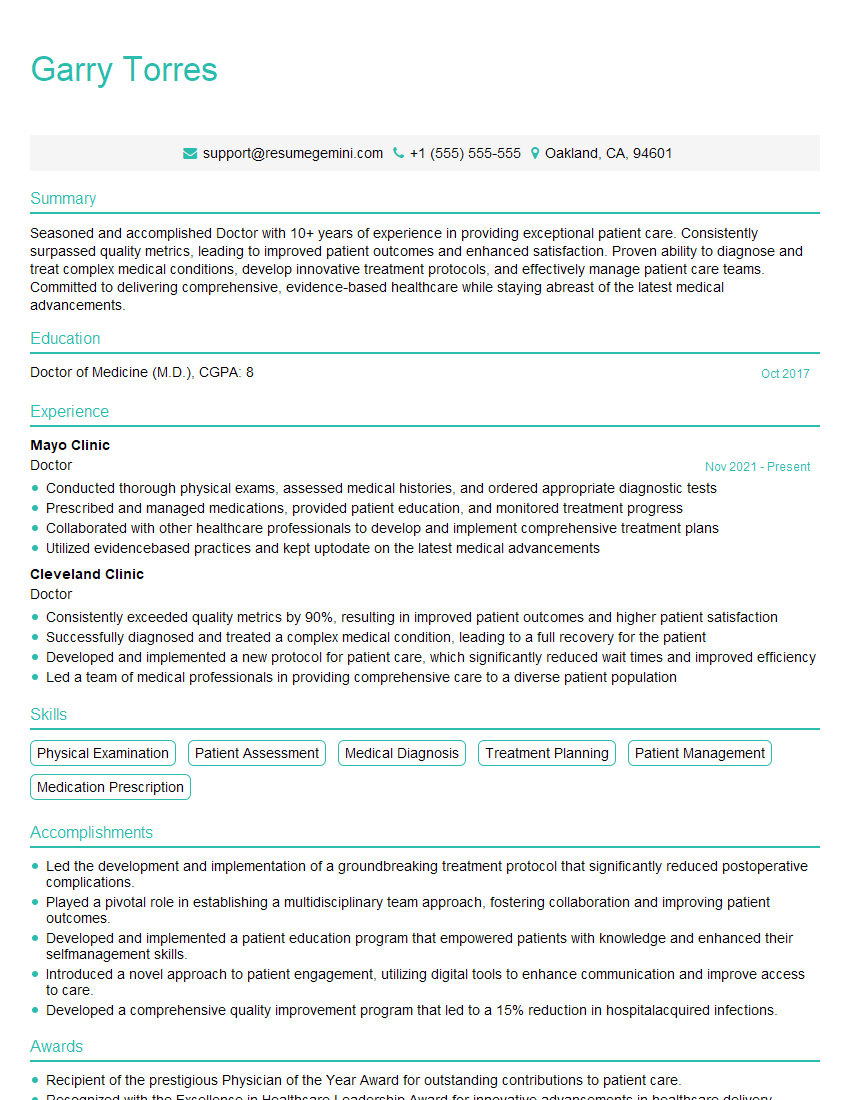
Doctor Resume Sample
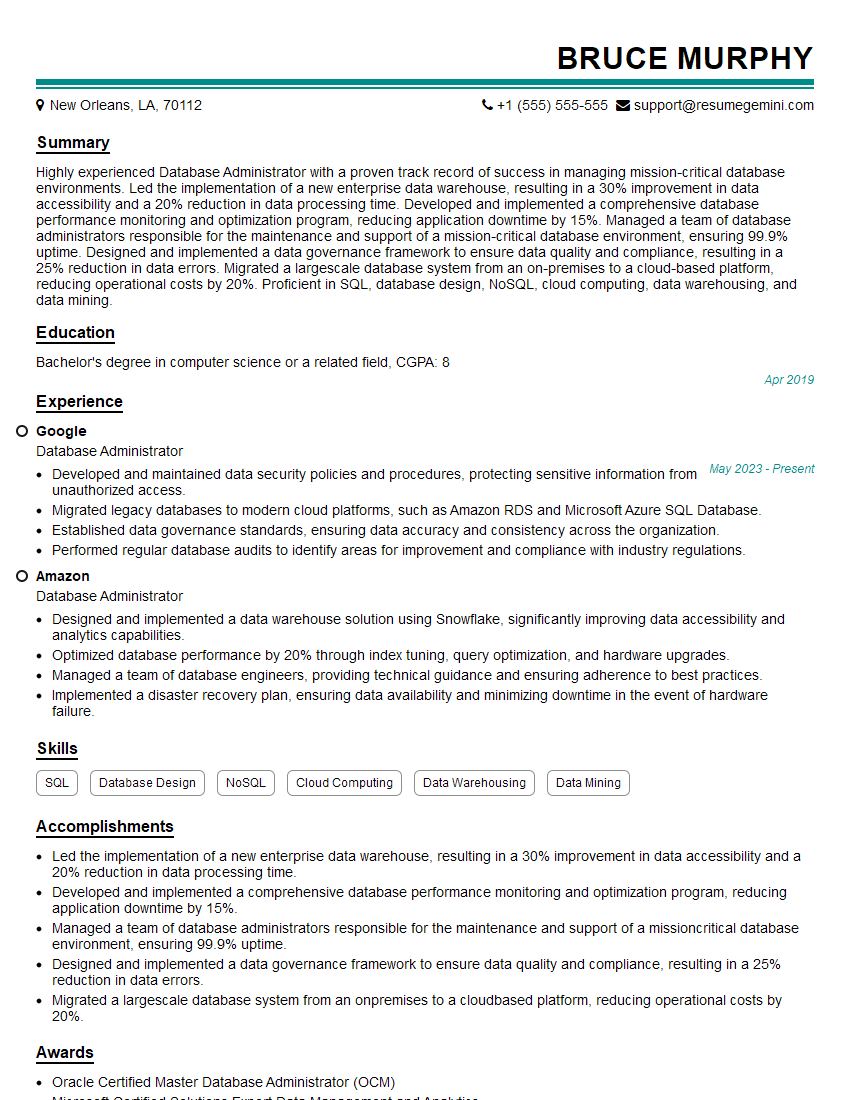
Database Administrator Resume Sample
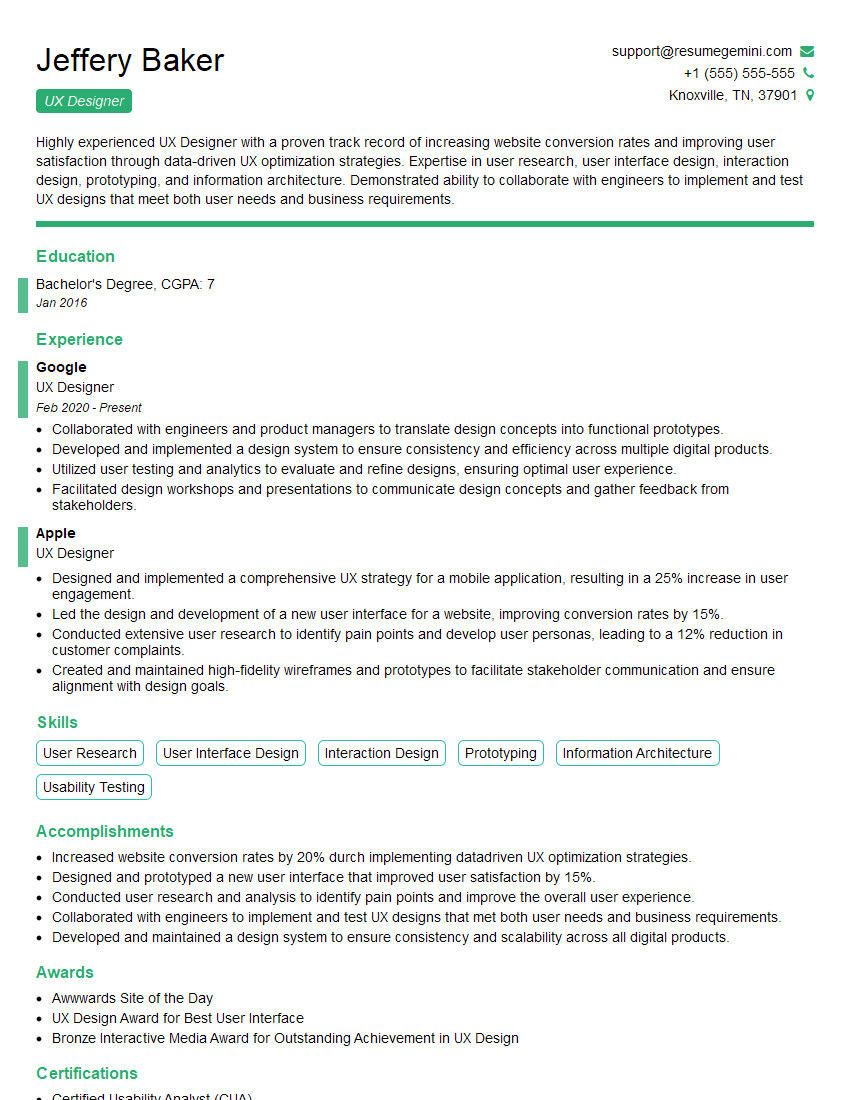
UX Designer Resume Sample
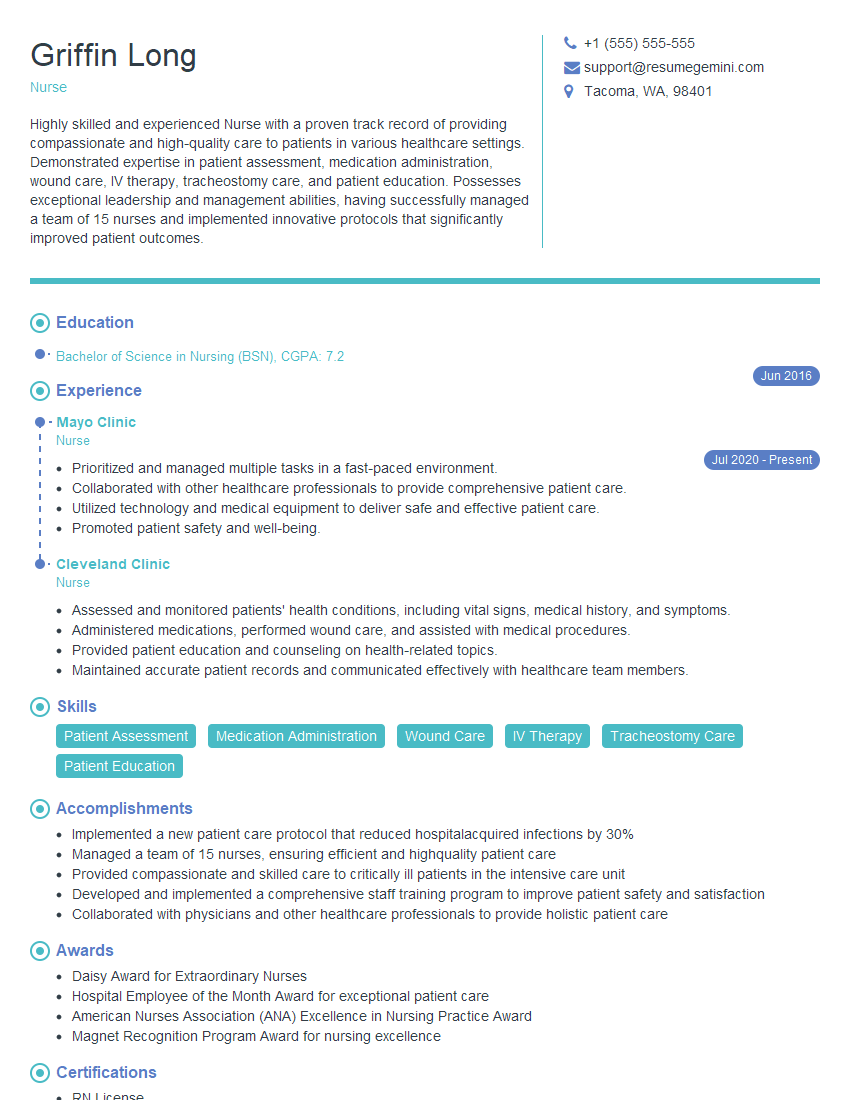
Nurse Resume Sample
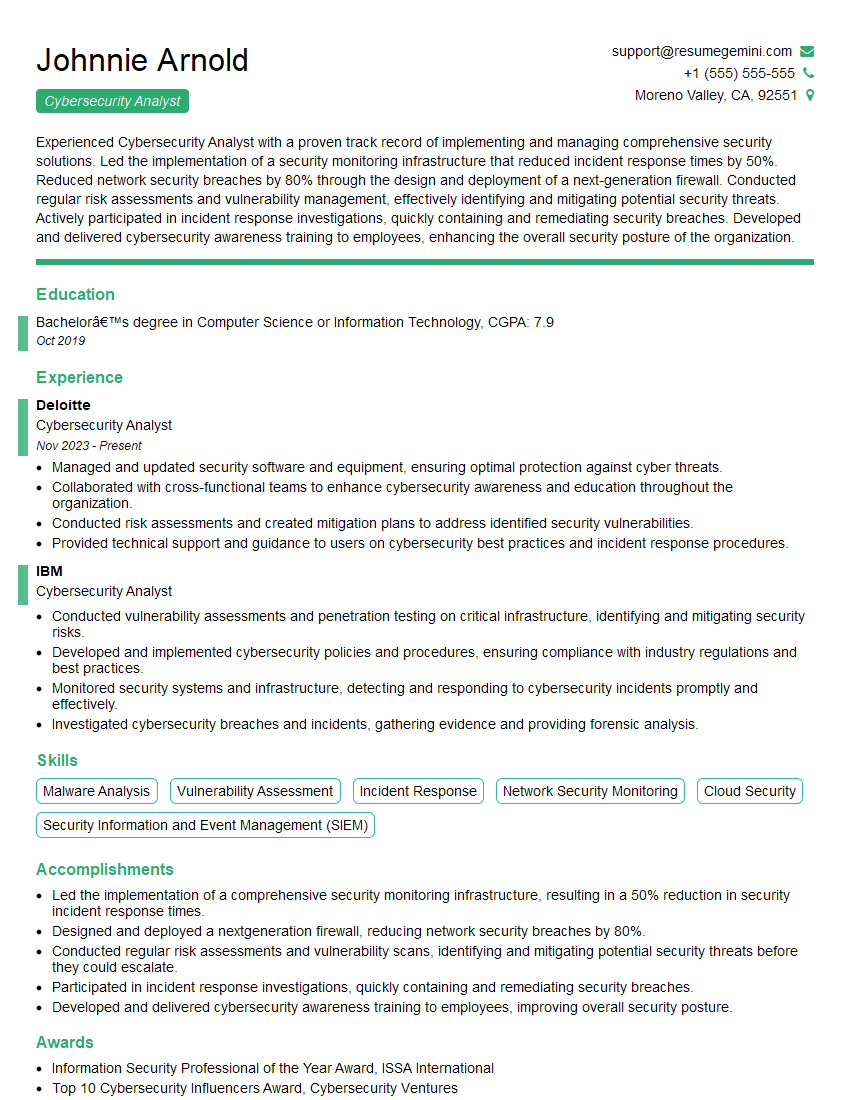
Cybersecurity Analyst Resume Sample
- Operations Manager
- Account Manager
- Marketing Manager
- Product Manager
- Sales Representative
- Customer Service Representative
- Human Resources Manager
- Project Manager
- Teacher
- Business Analyst
- Financial Analyst
- Data Scientist
- Software Engineer
- Network Engineer
- Web Developer
- IT Manager
- Architect
- Engineer
- Doctor
- Database Administrator
- UX Designer
- Nurse
- Cybersecurity Analyst
Explore more articles
Users Rating of Our Blogs
Share Your Experience
We value your feedback! Please rate our content and share your thoughts (optional).
What Readers Say About Our Blog
I Redesigned Spongebob Squarepants and his main characters of my artwork.
https://www.deviantart.com/reimaginesponge/art/Redesigned-Spongebob-characters-1223583608
IT gave me an insight and words to use and be able to think of examples
Hi, I’m Jay, we have a few potential clients that are interested in your services, thought you might be a good fit. I’d love to talk about the details, when do you have time to talk?
Best,
Jay
Founder | CEO