Interviews are opportunities to demonstrate your expertise, and this guide is here to help you shine. Explore the essential Errorless Discrimination Training (EDT) interview questions that employers frequently ask, paired with strategies for crafting responses that set you apart from the competition.
Questions Asked in Errorless Discrimination Training (EDT) Interview
Q 1. Define Errorless Discrimination Training (EDT).
Errorless Discrimination Training (EDT) is a teaching method designed to minimize or eliminate errors during the learning process. It’s a powerful technique used to teach individuals, especially those with learning disabilities or cognitive impairments, to discriminate between different stimuli by strategically introducing the correct response option before the opportunity for an incorrect response arises.
Think of it like this: instead of letting someone stumble through a maze and potentially get lost (making errors), you gently guide them along the correct path the entire time. This ensures a positive learning experience and reduces frustration.
Q 2. What are the key components of EDT?
The key components of EDT are:
- Stimulus Presentation: Carefully sequenced presentation of stimuli to maximize correct responses.
- Prompting: Using prompts (verbal, gestural, physical) to guide the learner to the correct response.
- Fading: Systematically reducing the level of prompting as the learner’s accuracy improves.
- Reinforcement: Providing positive reinforcement immediately after a correct response to strengthen the desired behavior.
- Error Correction (minimal): While the goal is errorless learning, occasional errors might occur; however, they are addressed promptly and subtly without creating undue anxiety.
Q 3. Describe the difference between errorless learning and trial-and-error learning.
Errorless learning, as used in EDT, focuses on preventing errors from occurring in the first place. The learner is guided consistently towards the correct response, leading to a smoother and more efficient learning curve. Think of it as learning to ride a bike with training wheels – you never experience the frustration of falling.
In contrast, trial-and-error learning involves allowing the learner to make mistakes and learn from them. While effective for some, it can be frustrating and inefficient, especially for individuals with learning difficulties. Imagine learning to ride a bike without training wheels – you’ll likely fall multiple times before mastering balance.
Q 4. Explain how fading procedures are used in EDT.
Fading procedures are crucial in EDT. They involve gradually reducing the intensity or frequency of prompts as the learner demonstrates increasing mastery of the task. This ensures that the learner isn’t overly reliant on prompts and can eventually perform the task independently.
Several methods exist for fading, such as:
- Most-to-least prompting: Starting with the most intrusive prompt (e.g., physical guidance) and gradually reducing to less intrusive prompts (e.g., gestural, verbal).
- Time-delay prompting: Increasing the time delay between the stimulus presentation and the prompt.
- Graduated guidance: Providing physical guidance only when needed, slowly decreasing the amount of physical support.
The key is to fade prompts systematically and observe the learner’s performance to adjust the fading schedule as needed. If the learner struggles, the prompt is maintained or reduced more slowly; if they perform well, the fading can be accelerated.
Q 5. What are some examples of stimuli that can be used in EDT?
EDT can be applied to a wide range of stimuli, depending on the learner’s needs and goals. Examples include:
- Visual stimuli: Matching colors, shapes, pictures, or words.
- Auditory stimuli: Identifying sounds, following verbal instructions, or discriminating between different tones.
- Tactile stimuli: Distinguishing textures, shapes, or temperatures.
- Functional stimuli: Learning to use everyday objects (e.g., correctly using a toothbrush, selecting appropriate clothing).
The choice of stimuli is crucial and should always be relevant to the learner’s environment and learning objectives. For instance, teaching a child with autism to identify different types of fruit could use pictures of fruits as visual stimuli, while teaching someone with a visual impairment might involve using tactile stimuli like different fruit textures.
Q 6. How do you determine the appropriate level of prompting for an individual?
Determining the appropriate level of prompting requires careful observation and assessment of the individual’s skills and needs. It’s essential to start with the least intrusive prompt that is effective. The goal is to provide just enough support to ensure success without making the learner overly dependent on prompts.
A baseline assessment should be conducted to determine the learner’s current skill level. If the learner shows no response to a stimulus, the most intrusive prompt should be employed. This process is then incrementally refined, moving to less intrusive prompts as the learner’s skills progress. Consistent monitoring and adjustments are vital.
Q 7. Describe different types of prompts used in EDT (e.g., verbal, gestural, physical).
EDT employs various types of prompts:
- Verbal prompts: Giving instructions or clues using spoken words, e.g., “Touch the red block.”
- Gestural prompts: Using hand gestures or pointing to indicate the correct response, e.g., pointing to the correct object.
- Physical prompts: Providing physical guidance to lead the learner to the correct response, e.g., gently guiding the learner’s hand to touch the correct object. This should be used sparingly and with care.
- Visual prompts: Using visual aids to help the learner identify the correct response. This could involve highlighting the correct option, using arrows, or providing visual cues.
The selection of prompt type depends on the learner’s abilities, the task complexity, and the learner’s response to previous prompts. A blended approach, using several prompt types, can be very effective.
Q 8. How do you systematically reduce prompts in EDT?
Errorless Discrimination Training (EDT) systematically reduces prompts by gradually fading them out. Imagine teaching a child to identify a square versus a circle. You wouldn’t start by just showing them shapes and expecting them to know. Instead, you’d initially provide maximum support, perhaps by pointing directly to the square and saying, “This is a square.” This is a ‘most-to-least prompting’ strategy. As the child begins to correctly identify squares consistently, you slowly decrease the intensity of your prompts. You might move your finger closer to the square, then just point to it from a distance, and finally, just look at the square expectantly before asking, “What’s this?” This systematic fading minimizes errors and promotes independent learning. We want the learner to experience success at every step, reinforcing correct responses.
Other methods of prompt fading include: Prompt Delay, where the prompt is presented after a short delay; Least-to-Most prompting, where prompting starts with minimal support and increases if needed; and using different types of prompts (physical, gestural, verbal) in a hierarchical manner. The key is to choose the most effective strategy based on the learner’s needs and the specific skill being taught.
Q 9. What are the benefits of using EDT?
EDT offers several significant benefits. First and foremost, it minimizes errors during learning. By presenting the correct response before the learner has a chance to make a mistake, EDT prevents the reinforcement of incorrect behaviors. This leads to faster skill acquisition and increased learner confidence. Because learners experience consistent success, they are more likely to remain engaged and motivated throughout the learning process. Furthermore, EDT is highly effective for teaching learners with various developmental or cognitive challenges, as it provides a structured and supportive learning environment that accommodates their individual needs. This means increased independence and improved quality of life.
Q 10. What are the limitations of EDT?
While EDT is highly effective, it does have some limitations. It can be time-consuming, especially when dealing with complex skills or learners with significant challenges. Designing and implementing the appropriate prompt hierarchy requires careful planning and expertise. Also, EDT might not be the most suitable approach for teaching skills requiring spontaneous or flexible responses – situations where errors might be necessary for learning (constructive error). Finally, excessive reliance on errorless learning can hinder the development of problem-solving skills if not carefully balanced with opportunities for independent trial and error in a controlled setting.
Q 11. When is EDT most appropriate to use?
EDT is most appropriate when teaching new skills, particularly those that are difficult or complex, or when working with learners who are highly sensitive to error or who have difficulty tolerating frustration. For example, EDT is frequently used in teaching individuals with autism spectrum disorder (ASD), intellectual disabilities, or traumatic brain injuries. It’s ideal for skill acquisition where prompt and errorless learning is desired before moving to more complex, independent learning scenarios. It’s also beneficial when the consequences of errors are significant or when quick skill mastery is a priority.
Q 12. How do you assess the effectiveness of EDT?
The effectiveness of EDT is assessed by measuring the learner’s performance across different levels of prompting. Initially, you’d track performance with maximum prompts (e.g., physical guidance). Then, as prompts are faded, you continue monitoring performance at each stage (e.g., gestural, verbal, then no prompt). Data is typically collected through direct observation and recorded using frequency data or percentage correct. A successful implementation of EDT will show consistently high accuracy across all phases of prompt fading, culminating in independent performance without prompts. You’re looking for a smooth transition with minimal errors at each step.
Q 13. How do you modify EDT to adapt to the learner’s needs?
EDT is highly adaptable. Modifications are crucial for ensuring its success. The type and intensity of prompts should be adjusted based on the learner’s response. If a learner struggles at a particular stage, you might need to take a step back, increase support, or provide more repetitions at that level. You could also modify the pace, using shorter sessions if the learner is easily overwhelmed. Different reinforcement strategies (verbal praise, tangible rewards) can be used to reinforce correct responses, personalized according to the learner’s preferences. Regular assessments and adjustments are key to ensuring the intervention remains effective.
Q 14. Describe a situation where EDT was successfully implemented. What were the outcomes?
In one case, we used EDT to teach a young adult with autism to use a microwave oven independently. Initially, he required significant physical prompting to sequence each step: opening the door, placing the food, entering the time, starting and stopping the microwave, and removing the food. Using a most-to-least prompt fading strategy, we gradually reduced the level of support, ultimately leading to independent microwave use. The outcomes were remarkable: increased independence in meal preparation, enhanced self-esteem, and improved participation in daily living activities. The data showed a rapid increase in independent use with minimal errors, demonstrating the effectiveness of the EDT approach.
Q 15. Describe a situation where EDT was not successful. What were the challenges?
EDT, while highly effective, isn’t a magic bullet. One instance of unsuccessful implementation involved teaching a child with autism to discriminate between shapes. While we meticulously controlled the stimuli and provided immediate reinforcement, the child displayed significant perseveration – getting fixated on a particular shape regardless of the correct response. The challenges were multifaceted: the child’s existing cognitive limitations made it difficult to maintain focus, and our initial reinforcement (small edibles) proved insufficiently motivating in comparison to the child’s self-stimulatory behaviors. Furthermore, we underestimated the impact of sensory sensitivities, as the texture of the response materials was a significant distractor.
In short, the failure stemmed from an insufficient functional behavioral assessment (FBA) to fully understand the learner’s needs and preferences, leading to inappropriate selection of stimuli and reinforcement. The lesson learned? Thoroughly assess the learner’s capabilities, sensory sensitivities, and motivational systems before implementing EDT, and be prepared to adjust your approach based on the individual’s response.
Career Expert Tips:
- Ace those interviews! Prepare effectively by reviewing the Top 50 Most Common Interview Questions on ResumeGemini.
- Navigate your job search with confidence! Explore a wide range of Career Tips on ResumeGemini. Learn about common challenges and recommendations to overcome them.
- Craft the perfect resume! Master the Art of Resume Writing with ResumeGemini’s guide. Showcase your unique qualifications and achievements effectively.
- Don’t miss out on holiday savings! Build your dream resume with ResumeGemini’s ATS optimized templates.
Q 16. How would you address learner frustration or resistance during EDT?
Learner frustration and resistance are common hurdles in EDT. Think of it like learning a new musical instrument; initial challenges are inevitable. To address this, I utilize several strategies. Firstly, I emphasize positive reinforcement, focusing on celebrating successes, no matter how small. Instead of dwelling on errors (which EDT actively prevents), we highlight correct responses with enthusiastic praise, high-fives, or preferred activities.
Secondly, I carefully assess the task demands. If frustration arises, it might be that the discrimination task is too difficult. In such cases, I simplify the task by introducing fewer stimuli or making the discriminative features more salient. For example, if teaching color discrimination, I might initially only use highly contrasting colors like red and blue before introducing more nuanced shades.
Finally, I incorporate frequent breaks and motivational strategies, such as incorporating preferred activities into the teaching sessions. This keeps the learner engaged and prevents burnout. The key is to maintain a positive, supportive learning environment where errors are viewed as opportunities for learning, rather than failures.
Q 17. How do you ensure reinforcement is effective in EDT?
Effective reinforcement in EDT is paramount; it’s the engine that drives learning. The reinforcement must be immediately delivered following the correct response and must be highly preferred by the learner. To determine effective reinforcement, I conduct a preference assessment. This could involve various methods like multiple stimulus without replacement (MSWO), where the learner chooses from an array of items. I also observe the learner’s natural behaviors to identify preferred activities or items.
The reinforcement should be potent enough to maintain engagement. If the learner is not responding to a particular reinforcer, I alter the reinforcement schedule or type. For example, I might shift from a continuous reinforcement schedule (reinforcing every correct response) to an intermittent schedule (reinforcing some, but not all, correct responses) as the learner demonstrates proficiency. Furthermore, I ensure the reinforcement is delivered in a timely manner, immediately following the correct response to create a clear association between behavior and consequence.
Q 18. How do you prevent errors from occurring during EDT?
Errorless learning is the cornerstone of EDT. Preventing errors is achieved through careful instructional design and implementation. Firstly, I begin by teaching the easiest discriminations first. This might involve gradually increasing the difficulty of the stimuli. For instance, teaching a child to differentiate between a circle and a square would precede teaching them to distinguish between more complex shapes like a rhombus and a trapezoid.
Secondly, I use prompts. Prompts, such as verbal cues or physical guidance, are faded gradually as the learner’s performance improves. This helps to guide the learner towards the correct response without allowing for errors. Consider teaching someone to read: we might initially point to the correct letter, then fade to only a verbal cue, and finally, rely solely on visual recognition. The key is to systematically remove the prompts, allowing the learner to become increasingly independent.
Finally, I meticulously control the environment to minimize distractions and ensure the learner is focused on the task at hand. A quiet space with minimal visual clutter is crucial.
Q 19. What is the role of data collection in EDT?
Data collection in EDT is essential for monitoring progress and making informed decisions. It provides objective evidence of the learner’s performance, allowing for adjustments to the teaching procedure as needed. We typically collect data on the percentage of correct responses, the latency of responses, and the type and frequency of prompts used. This data is often recorded on a graph to visually represent the learner’s progress over time.
For example, we might chart the percentage of correct responses across several sessions. A consistently high percentage indicates successful learning, while a decrease may suggest a need for modifications to the procedure. The data also helps us assess whether prompts are being effectively faded and whether the learner is generalizing their skills to new settings or stimuli.
Q 20. How do you interpret data collected during EDT?
Data interpretation in EDT is straightforward yet crucial. We look for trends and patterns in the data to assess the learner’s progress. A consistently high percentage of correct responses without prompting indicates mastery of the target skill. Conversely, a low percentage or a plateau in performance suggests that adjustments are needed. We analyze the data to identify which aspects of the procedure might be contributing to difficulties, such as the difficulty of the discriminative stimuli or the effectiveness of the prompts.
For example, if the data show a plateau in performance, we might analyze whether the reinforcement is still potent or if the task demands need to be adjusted. The data allows for a systematic evaluation of the training procedure and helps determine the next steps.
Q 21. How do you use data to make decisions about modifying the EDT procedure?
Data guides modifications in EDT. If the data reveal that the learner is struggling, we might need to make changes to the procedure. This might involve simplifying the task, changing the type or schedule of reinforcement, or adjusting the prompting strategy. We might also consider altering the stimuli, making them more salient or less distracting. The data provides the empirical basis for these modifications, allowing for a data-driven approach to teaching.
For instance, if the data show a decline in performance when we start fading prompts, we might slow down the prompt fading process or introduce additional support. Conversely, if the learner consistently performs well above the mastery criterion, we can progress to a more challenging skill or increase the difficulty of the stimuli. Data informs each decision, leading to a more effective and individualized intervention.
Q 22. How does EDT relate to other ABA procedures (e.g., shaping, chaining)?
Errorless Discrimination Training (EDT) shares similarities with other Applied Behavior Analysis (ABA) procedures like shaping and chaining, but it differs significantly in its approach to teaching discriminations.
Shaping involves reinforcing successive approximations of a target behavior. For example, to teach a child to write the letter ‘A’, you might initially reinforce any attempt to hold a pencil, then drawing a straight line, then a slanted line, and so on. EDT, however, focuses on preventing errors from the outset.
Chaining involves breaking down a complex behavior into smaller steps (links) and teaching them sequentially. EDT is not inherently about chaining, but it could be *used within* a chaining procedure to teach each step accurately without errors. For instance, when teaching a chain of behaviors like washing hands (turning on water, lathering, rinsing, drying), each step would be taught with EDT, minimizing incorrect responses.
EDT’s core difference lies in its proactive error prevention. Unlike shaping, which allows for errors as part of the learning process, EDT minimizes errors by providing strong prompts initially to ensure the correct response and gradually fading those prompts.
Q 23. How would you explain EDT to a parent or caregiver?
Imagine you’re teaching your child to identify different colors. Instead of letting them guess and correcting mistakes, with EDT, we’d start by showing them a red block and saying, “This is red.” We might even physically guide their hand to point to the red block. Then, we’d slowly reduce the guidance, ensuring they choose the red block consistently before moving onto other colors. This approach prevents frustration and builds confidence because your child is always successful.
EDT is about making learning easy and enjoyable. It’s like building a strong foundation by focusing on accuracy before speed. The fewer mistakes your child makes, the more confident and motivated they will be to learn!
Q 24. What ethical considerations are important when using EDT?
Ethical considerations in EDT are paramount. The primary concern is to ensure the intervention is safe and beneficial. This involves:
- Informed consent: Parents and caregivers must fully understand the procedure and its implications before starting.
- Competence: Only trained professionals should implement EDT, ensuring they have the necessary skills and knowledge to use it effectively and safely.
- Monitoring and data collection: Regular assessment is critical to monitor progress and make adjustments as needed. This includes tracking the frequency and type of prompts used, the learner’s accuracy, and any signs of frustration or challenging behavior.
- Avoiding overly restrictive prompts: Prompts should be faded systematically and appropriately to prevent dependence. Over-reliance on prompts can hinder independence and self-sufficiency.
- Considering learner’s characteristics: EDT must be tailored to the individual needs and capabilities of the learner. What works for one person might not work for another.
Q 25. How would you address unexpected behaviors during EDT?
Unexpected behaviors during EDT are opportunities for learning and adjustment. The key is to analyze the behavior and determine its function (what purpose it serves for the learner). This usually involves careful observation and data collection.
Functional Behavior Assessment (FBA) is crucial here. Once the function is identified, we can modify the intervention to address it. For instance, if the behavior is escape-maintained (the learner is trying to avoid the task), we might reduce task demands or provide more frequent breaks. If it’s attention-maintained, we might reduce attention to the behavior and provide positive reinforcement for appropriate behaviors. If the unexpected behavior is related to the task difficulty, we might adjust the prompts or break the task into smaller, easier steps.
It is important to remember that unexpected behaviors are not necessarily a failure of the EDT but rather an indication that adjustments might be needed to optimize the learning process.
Q 26. How do you ensure generalization of skills learned through EDT?
Generalization – the ability to apply learned skills to new settings and situations – is crucial. We can ensure generalization in EDT by:
- Varying the training environment: Teach the skill in different locations and with different materials.
- Incorporating natural cues: Instead of always using artificial prompts, gradually incorporate cues that naturally occur in the environment.
- Using multiple exemplars: Teach the skill with a variety of examples (e.g., different shades of red, different sizes of red blocks).
- Programming for generalization: Explicitly incorporate generalization probes and training into the program; plan for the skill to be used in diverse ways across different settings.
- Involving significant others: Ensure that family members or caregivers are trained to implement the skills learned through EDT to facilitate generalization at home.
Q 27. What are some common misconceptions about EDT?
Some common misconceptions about EDT include:
- EDT is only for individuals with disabilities: EDT can benefit learners of all ages and abilities. It’s a highly effective teaching method that can be adapted to different learning styles and needs.
- EDT is always easy and effortless: While EDT aims to minimize errors, it still requires careful planning, implementation, and monitoring. It’s a structured teaching method and requires patience and consistency.
- EDT eliminates the need for error correction: While EDT minimizes errors, some error correction might still be necessary, especially during the later stages of prompt fading. However, error correction is a much smaller aspect of the procedure compared to other teaching methods.
- EDT is a quick fix: Like any effective teaching method, EDT requires consistent effort and time to achieve desired results. It’s an investment in long-term learning and skill acquisition.
Q 28. How can you ensure the maintenance of skills acquired through EDT?
Maintaining skills acquired through EDT relies on several strategies:
- Intermittent reinforcement: After the skill is mastered, gradually reduce the frequency of reinforcement to maintain the behavior over time. This prevents the learner from becoming dependent on constant reinforcement.
- Natural reinforcement: Design the intervention so that the learner receives reinforcement naturally in the environment for exhibiting the skill. For example, if the skill is requesting a toy, providing the toy acts as natural reinforcement.
- Periodic review: Regularly review the learned skills to prevent skill degradation and ensure ongoing proficiency. This might involve periodic assessments and opportunities to practice the skills.
- Generalization probes: Regularly assess the learner’s ability to use the skill across different settings and contexts. This can help identify areas where additional practice might be needed.
Key Topics to Learn for Errorless Discrimination Training (EDT) Interview
- Fundamental Principles of EDT: Understanding the core concepts of errorless learning, prompt fading, and the importance of minimizing errors during the training process.
- Stimulus Control and Discrimination: Mastering the techniques used to establish clear stimulus control and teach effective discrimination between different stimuli. This includes understanding the role of prompting and fading strategies.
- Practical Applications of EDT: Exploring real-world examples of EDT implementation in various settings, such as education, rehabilitation, and animal training. Consider the differences in application based on the target learner.
- Designing Effective EDT Programs: Learning how to develop and implement a well-structured EDT program, including task analysis, selection of appropriate stimuli, and data collection methods.
- Data Collection and Analysis in EDT: Understanding the importance of accurate data collection and analysis to monitor progress and make necessary adjustments to the training program. This includes understanding different graphing methods and their interpretation.
- Troubleshooting Common Challenges in EDT: Identifying and addressing potential problems that may arise during EDT implementation, such as learner frustration, slow progress, or inappropriate responses.
- Ethical Considerations in EDT: Understanding the ethical implications of using EDT and ensuring that the training process is conducted responsibly and with respect for the learner.
- Comparing EDT to other training methods: Understanding the strengths and weaknesses of EDT compared to other methods such as error correction procedures, and when EDT is most appropriate.
Next Steps
Mastering Errorless Discrimination Training (EDT) opens doors to exciting career opportunities in diverse fields. Demonstrating your expertise through a well-crafted resume is crucial. An ATS-friendly resume, optimized for applicant tracking systems, significantly increases your chances of landing an interview. To build a powerful and effective resume that showcases your EDT skills, we recommend using ResumeGemini. ResumeGemini provides tools and resources to craft a professional resume, and examples of resumes tailored to Errorless Discrimination Training (EDT) are available to guide you.

Program Coordinator Resume Sample

Case Manager Resume Sample

Curriculum Developer Resume Sample

Training Specialist Resume Sample

Clinical Psychologist Resume Sample

Educational Psychologist Resume Sample

School Psychologist Resume Sample
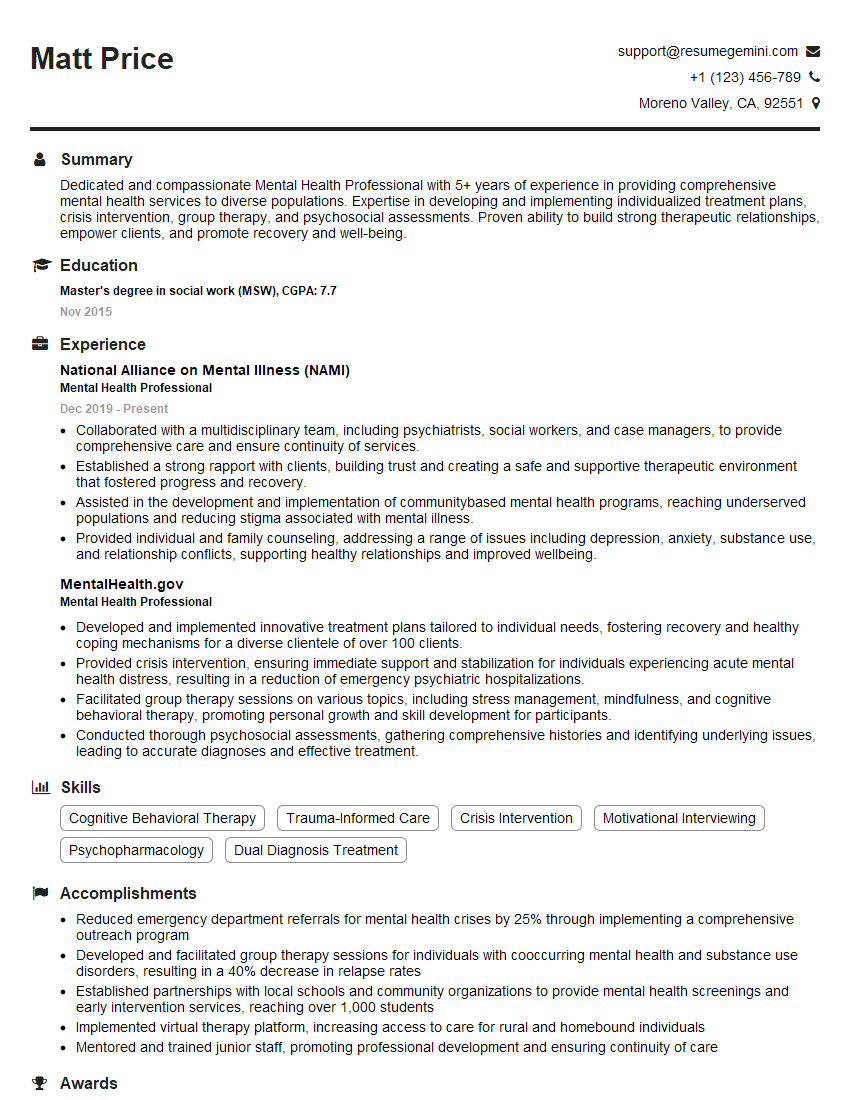
Mental Health Professional Resume Sample
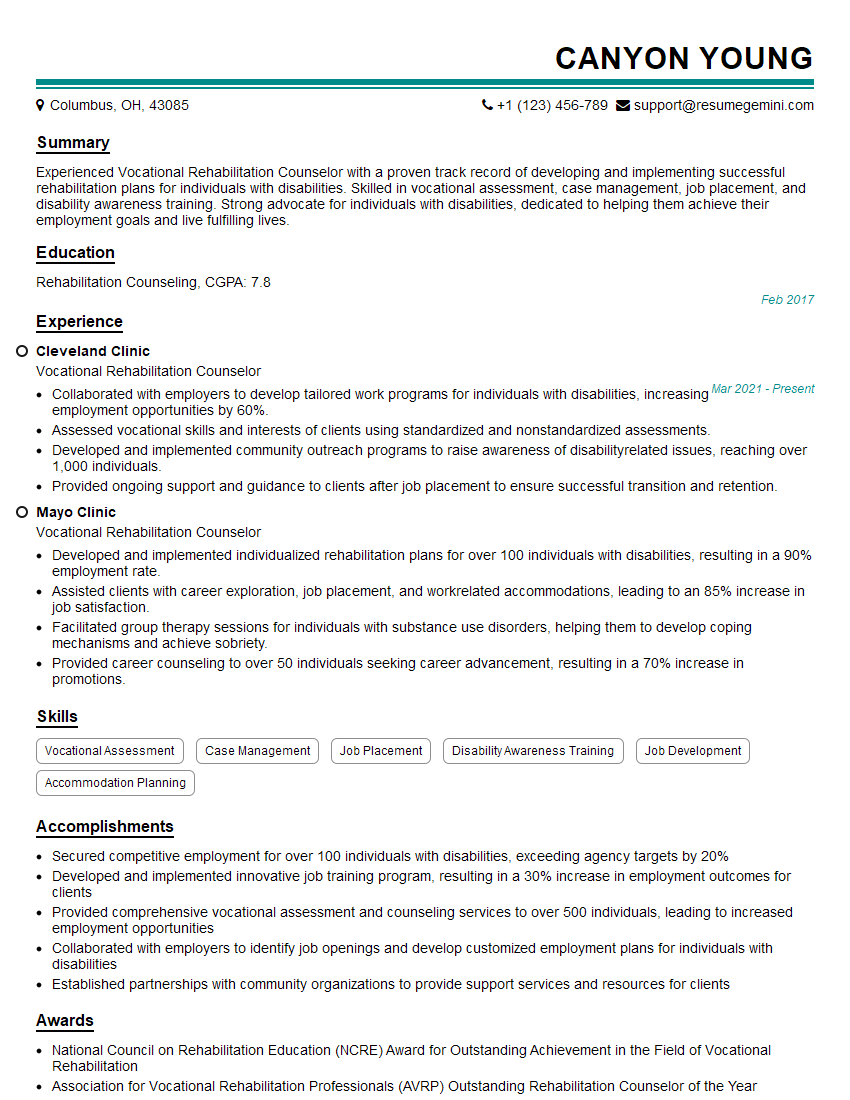
Vocational Rehabilitation Counselor Resume Sample
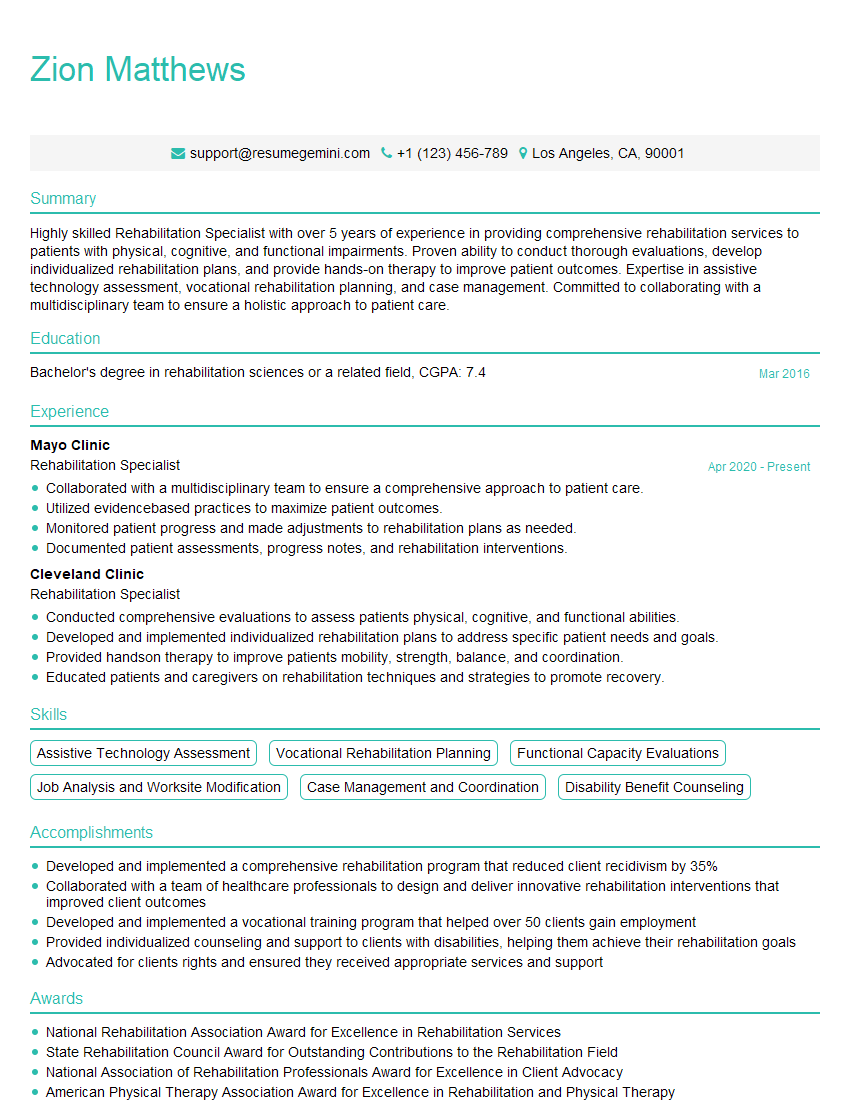
Rehabilitation Specialist Resume Sample
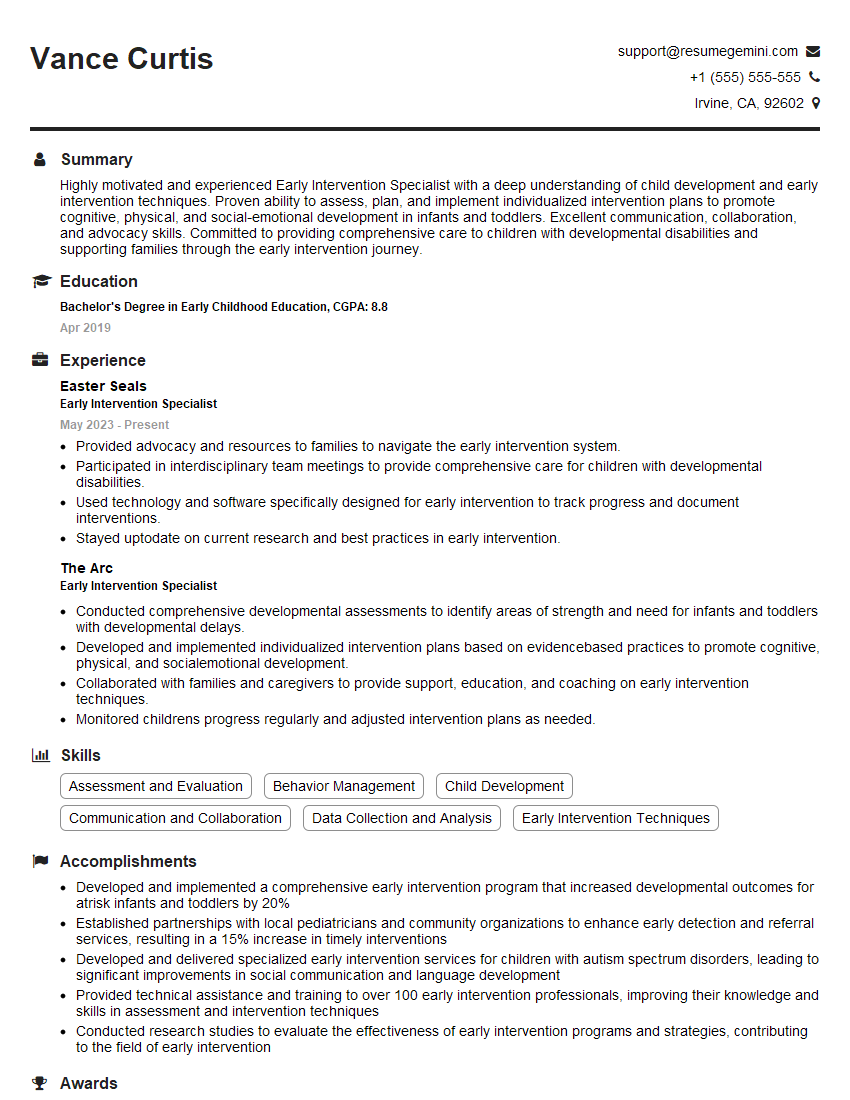
Early Intervention Specialist Resume Sample

Adult Education Instructor Resume Sample
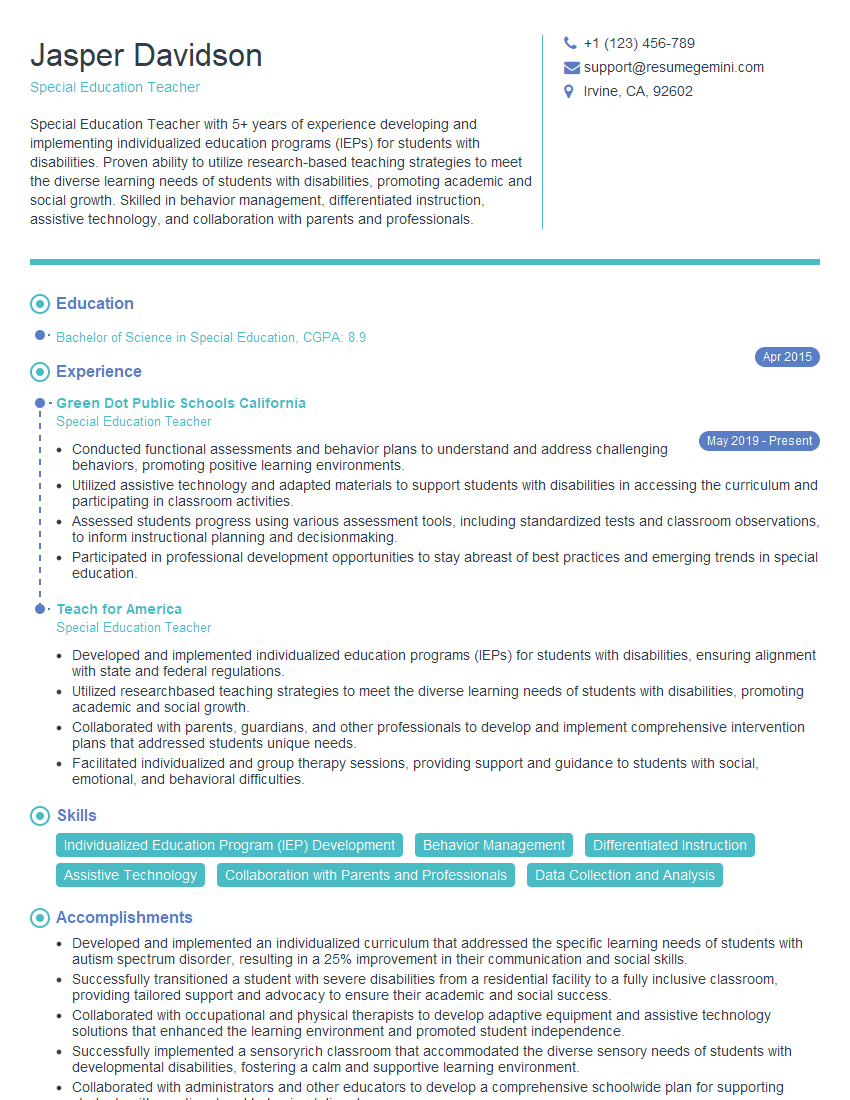
Special Education Teacher Resume Sample
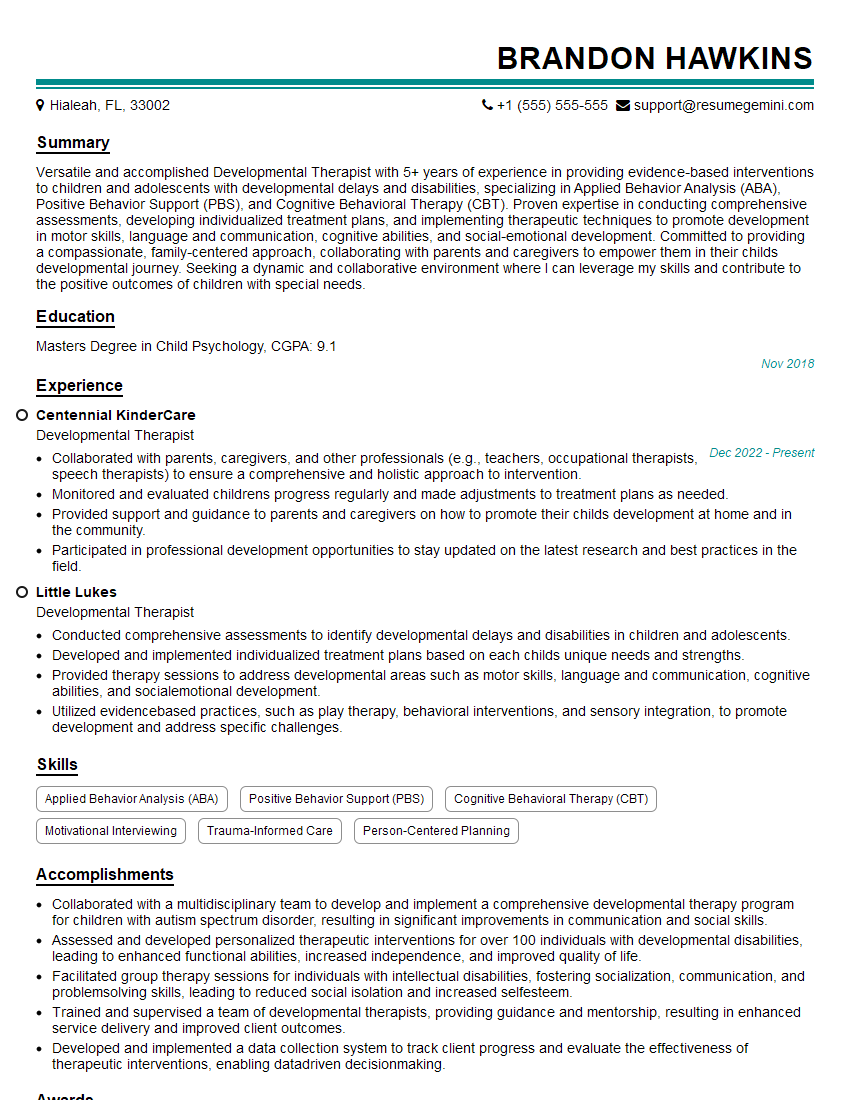
Developmental Therapist Resume Sample
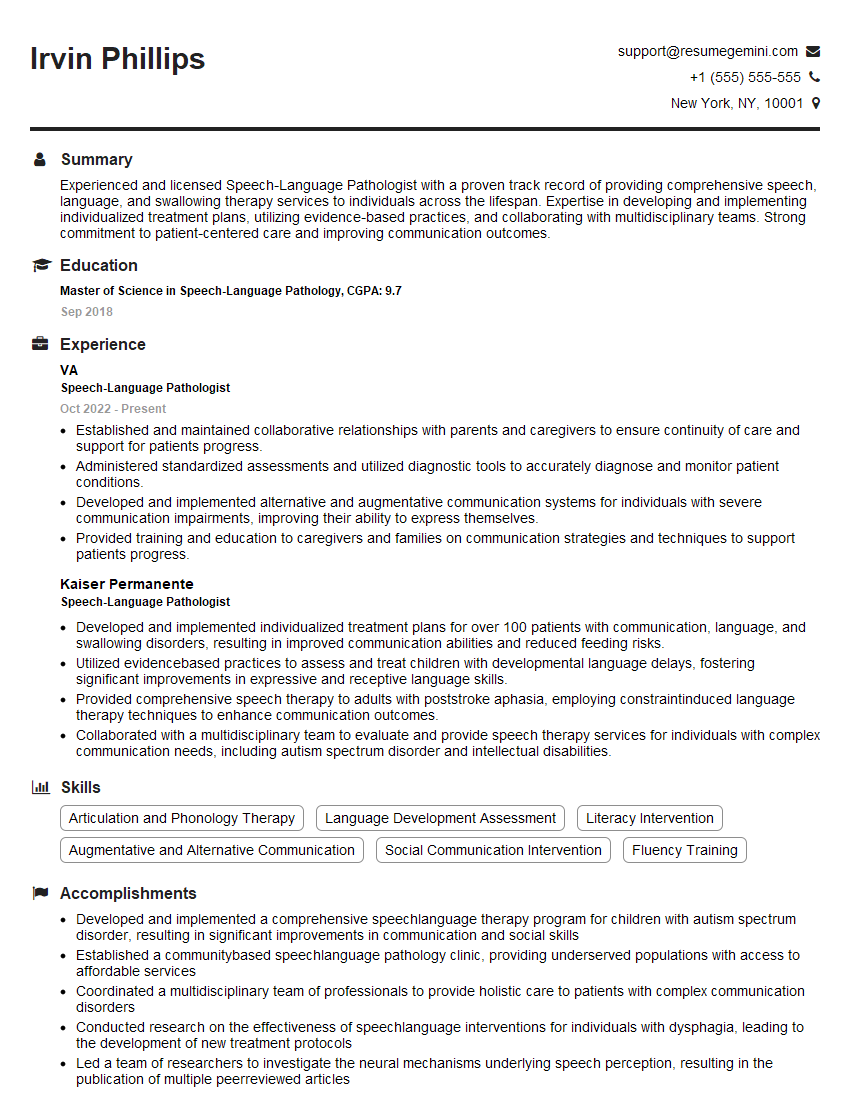
Speech-Language Pathologist Resume Sample
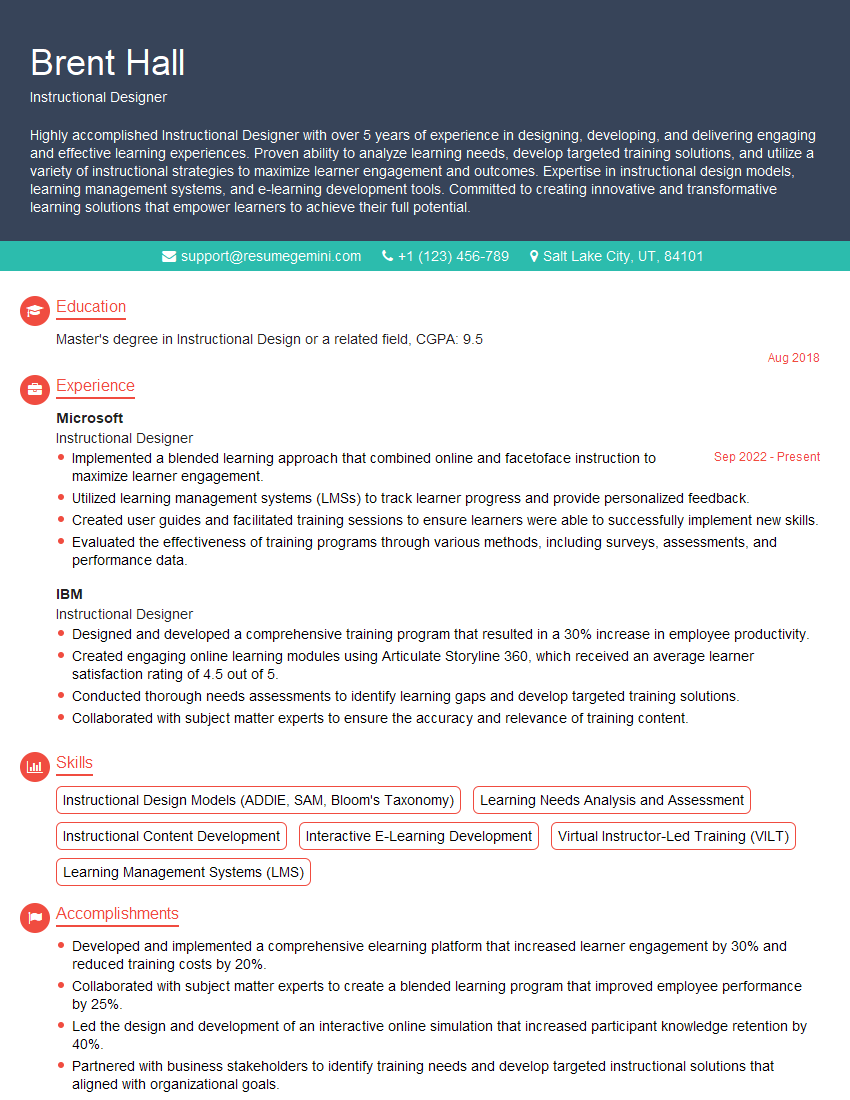
Instructional Designer Resume Sample

Occupational Therapist Resume Sample
- Program Coordinator
- Case Manager
- Curriculum Developer
- Training Specialist
- Clinical Psychologist
- Educational Psychologist
- School Psychologist
- Mental Health Professional
- Vocational Rehabilitation Counselor
- Rehabilitation Specialist
- Early Intervention Specialist
- Adult Education Instructor
- Special Education Teacher
- Developmental Therapist
- Speech-Language Pathologist
- Instructional Designer
- Occupational Therapist
Explore more articles
Users Rating of Our Blogs
Share Your Experience
We value your feedback! Please rate our content and share your thoughts (optional).
What Readers Say About Our Blog
I Redesigned Spongebob Squarepants and his main characters of my artwork.
https://www.deviantart.com/reimaginesponge/art/Redesigned-Spongebob-characters-1223583608
IT gave me an insight and words to use and be able to think of examples
Hi, I’m Jay, we have a few potential clients that are interested in your services, thought you might be a good fit. I’d love to talk about the details, when do you have time to talk?
Best,
Jay
Founder | CEO