Cracking a skill-specific interview, like one for Hanger and Support Installation, requires understanding the nuances of the role. In this blog, we present the questions you’re most likely to encounter, along with insights into how to answer them effectively. Let’s ensure you’re ready to make a strong impression.
Questions Asked in Hanger and Support Installation Interview
Q 1. What are the different types of hangers used in piping systems?
Piping systems utilize a variety of hangers, each designed for specific applications and load requirements. The choice depends on factors like pipe size, material, operating temperature, and the overall system design.
- Rigid Hangers: These provide fixed support points, preventing movement in any direction. They’re commonly used for short spans or where precise alignment is crucial. Examples include welded hangers, bolted hangers, and those using specialized clamps.
- Spring Hangers (Constant Support Hangers): These compensate for thermal expansion and contraction in the piping system. The spring’s inherent flexibility absorbs movement, preventing stress on the pipes. They are rated for specific load capacities and come in different spring stiffness options.
- Variable Spring Hangers: These adjust automatically to changes in pipe weight or thermal expansion, offering more flexibility than constant support hangers. They’re particularly beneficial in systems with fluctuating loads.
- Snubbers: These limit the movement of the pipe in one or more directions, providing protection during seismic events or sudden pressure surges. They essentially act as safety devices, preventing excessive movement.
- Trapeze Hangers: These provide support in two directions, offering greater flexibility than single-point hangers. They’re particularly useful for supporting heavier pipes or those experiencing significant thermal expansion.
- Hydraulic Hangers: These utilize hydraulic cylinders to provide support and compensate for thermal expansion. They offer very precise control and are commonly used in critical applications.
Understanding the nuances of each hanger type is vital for choosing the right one for the job.
Q 2. Explain the process of selecting appropriate hangers for various pipe sizes and materials.
Selecting appropriate hangers involves a careful consideration of several factors. It’s not a one-size-fits-all approach.
- Pipe Size and Material: Larger diameter pipes and heavier materials naturally require stronger and more robust hangers. The weight of the pipe, including the fluid it carries, is a primary consideration. Different materials (e.g., steel, PVC) also have varying weights and strengths, influencing hanger selection.
- Operating Temperature: High-temperature applications require hangers that can withstand the heat without losing their structural integrity or causing damage to the pipe. Expansion and contraction must also be taken into account.
- System Configuration: The layout of the piping system, including the span length between supports and the overall system stress, impacts hanger spacing and type. A complex system may necessitate multiple hanger types working in concert.
- Environmental Conditions: External factors like vibration, corrosive environments, or seismic activity must be considered when choosing hangers. Special coatings or materials might be needed for harsh environments.
- Load Calculation: Accurate load calculations are critical to ensuring that the chosen hangers can support the weight and dynamic loads imposed upon them. This typically involves considering the weight of the pipe, fluid, insulation, and any other attached equipment.
I always refer to manufacturer’s specifications and relevant industry codes (like ASME B31.1 or B31.3) to make informed decisions and ensure compliance. We use specialized software to model the piping system and predict stress and load patterns to optimize hanger placement and selection.
Q 3. Describe your experience with different hanger installation methods (e.g., welding, bolting, clamping).
My experience encompasses various hanger installation methods, each with its own advantages and limitations. The choice depends on the specific project requirements, accessibility, and the nature of the pipe and hanger.
- Welding: This provides a very strong and permanent connection, particularly suitable for rigid hangers and critical applications. However, it requires skilled welders and precise execution to avoid damaging the pipe. We always ensure proper weld inspection and documentation.
- Bolting: This method offers flexibility and ease of installation or removal. It’s preferred for situations where adjustments might be needed later or when access is limited. Proper torque specifications are crucial to prevent loosening or damage.
- Clamping: This is a quick and efficient way to attach hangers to pipes, particularly for smaller sizes. However, it might not be suitable for high-stress situations or large diameter pipes. We choose clamps carefully, considering pipe material and diameter for optimal grip.
I’ve worked on projects involving all three methods and can select the most appropriate approach based on the specific circumstances. Safety and adherence to codes are paramount, regardless of the chosen method.
Q 4. How do you ensure proper alignment and support during hanger installation?
Ensuring proper alignment and support is crucial for the longevity and efficiency of the piping system. Misalignment can lead to stress, vibration, and premature failure. We use several techniques to maintain accurate alignment:
- Precise Measurements: Accurate measurements are taken to determine the exact placement of hangers before installation. Laser levels and measuring tapes are standard tools.
- Temporary Supports: Temporary supports are used to hold the pipe in place during installation until the hangers are secured. This prevents sagging or misalignment.
- Alignment Checks: Throughout the installation process, frequent alignment checks are performed to ensure the pipe remains correctly aligned. This includes visual inspections and measurements using specialized tools.
- Adjustments: If misalignment occurs, adjustments are made to the hanger positions or using shims to correct any deviations. We document these adjustments thoroughly.
- Post-Installation Verification: After hanger installation is complete, a final alignment check is conducted to ensure everything is within tolerance. This includes checking for proper clearances and system integrity.
A well-aligned system reduces stress on the pipe and hangers, leading to better performance and a longer lifespan.
Q 5. What safety precautions do you take during hanger installation?
Safety is the top priority during hanger installation. We strictly follow all relevant safety protocols and regulations.
- Fall Protection: When working at heights, appropriate fall protection equipment (harnesses, lanyards, safety nets) is mandatory. This includes ensuring proper anchor points and regular equipment inspections.
- Personal Protective Equipment (PPE): All workers wear appropriate PPE, including safety helmets, safety glasses, gloves, and steel-toe boots. We tailor PPE to the specific hazards of the task.
- Lockout/Tagout Procedures: Lockout/Tagout procedures are strictly followed whenever working near energized equipment or systems. We ensure that all energy sources are isolated before commencing work.
- Confined Space Entry Procedures: If working in confined spaces, we follow established confined space entry procedures, including atmospheric monitoring and rescue plans. Proper ventilation and communication are essential.
- Tool Safety: All tools are inspected before use to ensure they are in good working order and free from defects. Proper tool handling procedures are always followed.
- Hot Work Permits: For welding or other hot work, we obtain necessary hot work permits and follow procedures that prevent fires or explosions.
Regular safety meetings, toolbox talks, and ongoing training are crucial for maintaining a safe work environment.
Q 6. How do you calculate the load capacity of a hanger system?
Calculating the load capacity of a hanger system is a critical aspect of ensuring the system’s integrity and longevity. An improperly sized hanger can lead to failure, potentially causing damage to equipment, environmental hazards, or even injury. We use a combination of calculations and software.
The calculation generally involves:
- Determining the weight of the pipe and its contents: This includes the weight of the pipe itself, the fluid it contains, any insulation, and any additional equipment attached to the pipe.
- Considering thermal expansion and contraction: Changes in temperature can cause significant changes in pipe length, impacting the load on the hangers. These effects need to be factored into the load calculations.
- Accounting for dynamic loads: Dynamic loads, such as vibrations, pressure surges, or seismic activity, need to be considered. They often increase the load on the hangers beyond the static weight of the pipe.
- Using appropriate safety factors: Safety factors are included to provide additional margin for unexpected loads or unforeseen circumstances. The specific safety factor depends on the application and relevant codes.
We often use specialized software to perform these calculations, ensuring accuracy and minimizing human error. This software takes into account the complex geometry of the piping system, allowing for a more comprehensive load analysis.
Finally, the calculated load must be compared to the manufacturer’s specified load capacity for each hanger to ensure adequate support.
Q 7. What are the common problems encountered during hanger installation, and how do you address them?
Several common problems can arise during hanger installation, but experience and meticulous planning can mitigate these issues.
- Improper Alignment: Misalignment can cause stress on the pipe and hangers, leading to premature failure. Careful measurement, temporary supports, and frequent checks throughout the process prevent this.
- Incorrect Hanger Selection: Choosing inappropriate hangers can result in insufficient support or over-engineering. Thorough analysis, considering pipe size, material, temperature, and load, ensures proper selection.
- Insufficient Support: Inadequate hanger spacing or incorrectly calculated loads can result in excessive sagging or stress on the pipe. Correct load calculations, proper spacing, and the use of appropriate hanger types address this.
- Corrosion: Corrosion can weaken hangers and lead to failure. Using corrosion-resistant materials or protective coatings in harsh environments is crucial.
- Welding Defects: Poor welding techniques can create weak points in welded hangers. Skilled welders, proper welding procedures, and rigorous inspections are essential.
- Improper Torque: Bolted connections that aren’t properly torqued can loosen over time, leading to instability. Using torque wrenches and adhering to manufacturer’s specifications are critical.
Addressing these issues requires a proactive approach. This includes thorough planning, accurate calculations, skilled labor, regular inspections, and adherence to industry standards and codes.
Q 8. Explain your experience with different types of pipe supports (e.g., rigid, flexible, spring).
My experience encompasses a wide range of pipe support types, each chosen based on the specific application and piping system requirements. Think of it like choosing the right tool for the job – a screwdriver for screws, a wrench for nuts and bolts. Similarly, we select pipe supports to handle different loads and movements.
- Rigid Supports: These provide fixed points for the pipe, restricting movement in all directions. Imagine a strong, unyielding anchor. They are ideal for minimizing pipe vibration and are commonly used for heavier pipes or those carrying high-pressure fluids. I’ve used these extensively in industrial settings, for instance, securing large diameter steel pipes in a chemical processing plant.
- Flexible Supports: These allow for some degree of movement, accommodating thermal expansion and contraction. Think of them as shock absorbers for the pipe. They are crucial for preventing stress on the pipe and its connections, preventing leaks or damage. I’ve frequently used these in long runs of piping in power plants where temperature fluctuations are significant.
- Spring Supports: These use springs to provide a constant support force, compensating for weight changes and thermal expansion. They’re like adjustable, self-regulating anchors. They are vital in applications requiring precise control of pipe alignment and stress mitigation. I have considerable experience using spring supports on large-diameter, high-temperature steam lines.
Selecting the right support type requires careful consideration of factors such as pipe material, diameter, operating pressure, temperature, and potential vibration. Incorrect selection can lead to pipe failure and safety hazards.
Q 9. How do you ensure the structural integrity of the hanger system?
Ensuring structural integrity is paramount in hanger system installation. It’s about building a system that can safely support the weight and withstand the forces acting upon it. We achieve this through a multi-step process:
- Accurate Load Calculations: Precise calculations are crucial to determine the forces acting on the piping system, including weight, pressure, and thermal expansion. We utilize specialized software and engineering calculations to ensure the supports are adequately sized.
- Proper Support Spacing and Selection: Supports must be spaced appropriately to prevent excessive sag or stress. The support type selection, as discussed earlier, must align with the calculated loads and expected movements.
- Rigorous Inspection and Testing: After installation, we conduct thorough inspections to ensure all components are properly secured and aligned. This includes visual checks and sometimes load testing to verify system integrity.
- Compliance with Codes and Standards: We adhere strictly to relevant industry codes and standards, such as ASME B31.1 and B31.3, ensuring the system meets the required safety and performance criteria.
A real-world example involved installing a hanger system for a long pipeline transporting corrosive chemicals. We performed detailed load calculations, accounting for the fluid density and pipe material, and selected corrosion-resistant supports with sufficient capacity to handle the weight and potential vibrations. Post-installation inspections ensured the system’s integrity before operation.
Q 10. Describe your experience working from heights and using fall protection equipment.
Working at heights is a significant part of hanger installation and safety is always the top priority. I possess extensive experience working from heights and utilizing various fall protection equipment. This includes:
- Fall Arrest Systems: I’m proficient in using harnesses, lanyards, and anchor points to ensure a secure connection during work at heights.
- Scaffolding and Platforms: I have experience in erecting, inspecting, and using scaffolding and work platforms to access different areas safely.
- Rope Access Techniques: In certain situations, I utilize rope access techniques with appropriate training and certifications.
- Regular Inspections and Maintenance: I always inspect my equipment before each use and am well versed in regular maintenance protocols to prevent equipment failure.
Safety training is regularly updated and I always follow all relevant safety regulations and company procedures. There’s no compromise when it comes to safety at height. For instance, during a recent project installing supports on a large storage tank, we used a comprehensive fall protection system, including a safety net below, ensuring zero risk to personnel.
Q 11. What is your experience with different types of piping materials (e.g., steel, PVC, copper)?
My experience includes working with various piping materials, each with its own unique characteristics and installation requirements. Understanding these differences is crucial for selecting the appropriate supports and ensuring the system’s longevity.
- Steel Pipe: This is a common material due to its strength and durability. Supports need to account for its weight and potential for corrosion. I have worked extensively with carbon steel and stainless steel pipes in diverse industrial settings.
- PVC Pipe: Lighter and less prone to corrosion than steel, but less robust. Supports need to be appropriately sized to prevent damage during installation and operation. I’ve worked on PVC piping systems in chemical plants and water treatment facilities.
- Copper Pipe: Often used in smaller-diameter applications. Its malleability requires careful support selection to avoid deformation. I have experience with copper piping in building services and HVAC systems.
Understanding the thermal expansion properties of each material is crucial for selecting appropriate flexible or spring supports to avoid excessive stress on the pipe. For example, the significantly higher thermal expansion coefficient of PVC compared to steel necessitates careful consideration during support design and spacing.
Q 12. How do you read and interpret piping and isometric drawings?
Reading and interpreting piping and isometric drawings is fundamental to my work. These drawings provide detailed information on the piping system’s layout, dimensions, and support requirements. I am proficient in:
- Understanding Symbols and Conventions: I can readily decipher the symbols and abbreviations used in these drawings, identifying pipe sizes, materials, and support types.
- Interpreting Dimensions and Coordinates: I accurately extract relevant dimensions and coordinates to determine support locations and spacing.
- Identifying Support Locations and Types: I can identify from the drawings the specified support types and their locations along the pipeline.
- Using CAD Software: I am experienced in utilizing CAD software to review and modify drawings as needed, and to create 3D models to help visualize the installed system.
A clear understanding of these drawings prevents costly mistakes and ensures the safe and efficient installation of the hanger system. For example, a recent project involved a complex isometric drawing with multiple pipe branches and different support requirements. I meticulously reviewed the drawing, identified all support points, and confirmed the correct support type for each location before proceeding with the installation.
Q 13. What is your experience with using various hand and power tools for hanger installation?
Hanger installation requires proficiency in using a variety of hand and power tools. Safety is always paramount when operating any equipment. My experience includes:
- Hand Tools: I am skilled in the use of wrenches, sockets, screwdrivers, measuring tapes, levels, and other hand tools for precise installation and adjustments.
- Power Tools: I am proficient in using drills, impact wrenches, grinders, and cutting tools for efficient and accurate installation. Safety procedures for power tools are always followed diligently.
- Welding Equipment (where applicable): In some cases, welding may be required for custom fabrication of support components. I have experience with different welding techniques and ensure the highest quality welds to meet required standards.
Proper use of tools ensures the quality and safety of the installation. For instance, during a project involving high-temperature piping, I used specialized high-torque impact wrenches to ensure the bolts on the supports were tightened to the specified torque, preventing potential loosening during operation.
Q 14. Explain your experience with working in confined spaces.
Working in confined spaces is sometimes necessary during hanger installation, particularly in areas such as trenches, pits, or within equipment enclosures. Safety is paramount in these environments, and I have received specialized training and follow strict procedures to mitigate potential risks:
- Confined Space Entry Procedures: I am familiar with and adhere to all confined space entry procedures, including atmospheric testing, permit systems, and buddy systems.
- Personal Protective Equipment (PPE): I use appropriate PPE, including respirators, harnesses, and protective clothing, as required by the specific conditions of the confined space.
- Emergency Response Procedures: I am trained in emergency procedures for confined spaces, including rescue techniques and communication protocols.
A recent project required installing hangers inside a large diameter pipe. Strict confined space entry procedures were followed, including atmospheric testing and a designated standby worker. The work was completed safely and efficiently, thanks to our meticulous adherence to safety protocols.
Q 15. How do you handle unexpected issues or changes during installation?
Unexpected issues are a given in any installation project. My approach is proactive and systematic. First, I always thoroughly review the project plans and specifications before commencing any work, identifying potential trouble spots upfront. This might involve considering the structural integrity of the building, access limitations, or potential conflicts with existing infrastructure. During installation, if I encounter an unexpected problem—for example, a discrepancy between the drawings and the actual conditions on-site, a hidden pipe, or material defects—my immediate response is to halt the work and document the problem meticulously with photographs and detailed notes. This documentation is crucial for any subsequent claim or change order. Then, I convene a meeting with the client and relevant stakeholders to assess the issue, discuss potential solutions, and agree on a revised plan. Solutions might range from minor adjustments to redesigning a section of the support system. The key is clear communication and collaboration to mitigate delays and maintain project quality. A recent project involved discovering a previously undocumented conduit during the installation of a critical HVAC support system. Careful planning and collaboration resulted in rerouting the system with minimal impact on the timeline.
Career Expert Tips:
- Ace those interviews! Prepare effectively by reviewing the Top 50 Most Common Interview Questions on ResumeGemini.
- Navigate your job search with confidence! Explore a wide range of Career Tips on ResumeGemini. Learn about common challenges and recommendations to overcome them.
- Craft the perfect resume! Master the Art of Resume Writing with ResumeGemini’s guide. Showcase your unique qualifications and achievements effectively.
- Don’t miss out on holiday savings! Build your dream resume with ResumeGemini’s ATS optimized templates.
Q 16. Describe your experience with quality control procedures during hanger installation.
Quality control is paramount in hanger installation. It’s not just about ensuring the hangers are installed correctly; it’s about ensuring the entire system functions safely and efficiently. My quality control procedures begin with a meticulous inspection of all materials upon delivery. I verify that the hangers, rods, and other components meet the specified dimensions, material grades, and tolerances. During installation, I use precise measuring tools and leveling devices to ensure alignment and proper spacing. We also use specialized software to simulate load conditions and validate that the design is robust enough. Every stage, from the initial inspection to the final check, is carefully documented. This includes recording serial numbers of materials, photos, and detailed notes on all measurements and observations. After installation, a final comprehensive inspection is conducted, including a visual check for proper alignment, load distribution, and adherence to safety regulations. We check for any signs of damage, corrosion, or misalignment. Any issues are immediately rectified before handover. I find that the most effective quality control system is a combination of rigorous checks during installation and a thorough final audit that helps prevent costly rework and potential safety hazards.
Q 17. How do you maintain accurate records and documentation during the installation process?
Accurate records are essential for accountability, future maintenance, and troubleshooting. Throughout the installation process, I maintain a detailed log that includes daily progress reports, material usage records, and any modifications to the original plan. This log is typically digital, using software that allows for easy updating and sharing with the project team. I also include photographs and videos of various installation stages, focusing on critical aspects such as hanger placement, alignment, and connection points. As-built drawings are updated to reflect any deviations from the original design. This documentation process not only ensures accountability but provides valuable information for future maintenance or repairs. The accurate documentation also facilitates seamless handovers to subsequent teams involved in other phases of the project such as electrical or mechanical installations. For example, a detailed record of hanger locations becomes crucial for the electricians to avoid damage to cables during their part of the project.
Q 18. Explain your experience with different types of vibration dampeners and their applications.
My experience encompasses various vibration dampeners, each suited to specific applications and frequencies. For instance, elastomeric dampeners—typically made of rubber or neoprene—are commonly used for isolating low-frequency vibrations in HVAC systems. Their effectiveness depends on the material’s stiffness and damping properties. Metallic dampeners, often spring-based or incorporating viscous fluids, are used for higher frequencies and heavier loads. In situations demanding extremely high damping capacity, tuned mass dampeners, complex systems that counteract vibrations using strategically placed masses, come into play. The choice depends on factors like the vibration frequency, amplitude, and the weight of the supported equipment. For example, in a hospital setting where sensitive equipment requires minimal vibration, I would specify high-performance elastomeric dampeners with enhanced damping properties. In industrial applications with heavy machinery and higher vibration frequencies, I would select metallic or tuned mass dampeners for effective vibration control.
Q 19. What is your experience with thermal expansion and its impact on hanger design?
Thermal expansion is a critical consideration in hanger design, especially in large-scale projects or those involving significant temperature fluctuations. Materials expand and contract with temperature changes, potentially causing stress on the hanger system and leading to failures if not accounted for. In designing the support system, I meticulously calculate the expected thermal expansion and contraction of piping or ductwork. This calculation considers the material’s coefficient of thermal expansion, the expected temperature range, and the length of the supported elements. Appropriate measures are taken to accommodate these changes, such as incorporating expansion loops in piping systems or using flexible hangers that can compensate for movement. Failure to account for thermal expansion could result in excessive stress on the hangers and potential system failure, leading to costly repairs or even safety hazards. A recent project involving a large industrial boiler required detailed calculations to ensure that the support system could manage the significant thermal expansion of the connecting pipelines. This design prevented potential damage to the equipment during thermal cycling.
Q 20. How do you ensure compliance with relevant codes and standards (e.g., ASME, ANSI)?
Compliance with codes and standards like ASME (American Society of Mechanical Engineers) and ANSI (American National Standards Institute) is non-negotiable. We adhere to relevant standards such as ASME B31.1 (Power Piping) or ASME B31.3 (Process Piping) depending on the application. These standards outline requirements for material selection, design calculations, installation procedures, and testing. Before initiating any work, we thoroughly review the applicable codes and standards to ensure the design and installation process meet all requirements. This includes using approved materials and following established safety procedures. Regular audits and inspections are performed to verify compliance throughout the project lifecycle. Any deviations from the codes must be documented, assessed, and approved by the relevant authorities. This rigorous adherence to standards guarantees the longevity, safety, and reliability of the installed systems and minimizes liability issues.
Q 21. Explain your experience with troubleshooting hanger system failures.
Troubleshooting hanger system failures requires a systematic approach. It begins with a thorough visual inspection, identifying any obvious signs of damage, misalignment, or corrosion. This includes checking for excessive wear on components, cracks in welds, or signs of overloading. The next step is to review the installation records, focusing on the original design calculations and the as-built documentation. If the failure isn’t immediately apparent, we may utilize advanced techniques like vibration analysis or finite element analysis (FEA) to identify the root cause. This data-driven approach allows for an objective assessment of the problem. The troubleshooting process concludes with the implementation of corrective measures and recommendations to prevent similar failures in the future. For example, a hanger failure that was initially attributed to corrosion was later discovered to be caused by a calculation error in the original design, highlighting the importance of precise documentation and a thorough review process.
Q 22. Describe your understanding of stress analysis related to hanger systems.
Stress analysis in hanger systems is crucial for ensuring safety and preventing failures. It involves calculating the forces acting on hangers and supports due to the weight of the supported equipment, dynamic loads (like vibrations), and thermal expansion. We need to ensure that the selected hanger type and its components (rods, clamps, supports) can withstand these stresses without exceeding their yield strength or causing excessive deflection. This often involves considering various factors including the material properties, geometry of the components, and the loading conditions.
For example, in a large industrial plant, a pipe carrying high-temperature fluid will experience thermal expansion. Our stress analysis would need to account for this expansion to ensure the hangers don’t put undue stress on the pipe joints. We might use Finite Element Analysis (FEA) software to model the system and accurately predict stress levels at various points.
Understanding stress concentrations at points of attachment is also vital. Improper design or installation can create stress concentrations, leading to premature failure. We use appropriate design factors to compensate for these uncertainties.
Q 23. What are the different types of corrosion protection used for hangers?
Corrosion protection for hangers is paramount for ensuring their longevity and safety. The choice of protection depends on the environment (indoor, outdoor, corrosive atmosphere) and the material of the hanger. Common methods include:
- Galvanization: A zinc coating protects steel hangers from rust. It’s cost-effective and widely used, especially in less severe environments.
- Painting: Multiple coats of specialized paint provide a barrier against corrosion. The type of paint depends on the environment; epoxy paints are often used in harsh conditions.
- Powder Coating: A durable and aesthetically pleasing option offering good corrosion resistance.
- Stainless Steel: Using stainless steel hangers eliminates the need for other protective measures in many situations, but it’s often more expensive.
- Metal Cladding/Wrapping: Materials like stainless steel sheeting or specialized tapes can be used to protect existing hangers.
Choosing the right corrosion protection is a crucial design consideration. Ignoring it could lead to premature hanger failure, potentially causing significant safety and operational issues.
Q 24. How do you manage and mitigate risks associated with hanger installation?
Managing risks during hanger installation requires a proactive approach involving thorough planning, skilled execution, and meticulous inspection. Key risk mitigation strategies include:
- Detailed Engineering Drawings and Specifications: These ensure everyone understands the requirements and installation procedures.
- Pre-installation Meetings: Discussions with all stakeholders to identify potential challenges and develop solutions.
- Proper Selection of Hangers and Supports: Choosing the right type and capacity for the specific load and environmental conditions.
- Competent Installation Crew: Experienced personnel trained in safe working practices and proper installation techniques.
- Regular Inspections: Thorough checks during and after installation to identify and rectify any defects.
- Use of appropriate lifting equipment and safety measures: This ensures safe handling of heavy components.
- Detailed documentation and as-built drawings: For auditing and future maintenance.
Failing to address these risk factors can lead to significant delays, cost overruns, and, most importantly, safety hazards.
Q 25. Describe your experience with using specialized software for hanger design or calculations.
I’m proficient in using several specialized software packages for hanger design and calculation, including AutoPIPE, Caesar II, and HangerMaster. These programs allow for accurate modeling of complex piping systems and the calculation of hanger loads under various operating conditions. For example, AutoPIPE can simulate the stresses on a pipe system, including the effects of thermal expansion and pressure changes. Based on these calculations, we can determine the required size and type of hanger.
Using this software allows for optimized designs that minimize material cost while ensuring safety and compliance with industry standards. I have used these programs extensively in various projects, ranging from small-scale renovations to large-scale industrial plant designs. The software helps automate many calculations, reduces the potential for human error, and ensures that the designs meet specific performance requirements.
Q 26. What is your experience with working with different construction materials (e.g., concrete, steel, wood)?
My experience encompasses working with a wide range of construction materials in hanger installation, including:
- Steel: This is the most common material for hangers due to its strength and versatility. I have extensive experience working with various steel grades and connecting methods, such as welding and bolting.
- Concrete: I’m skilled in anchoring hangers to concrete structures, using appropriate fasteners and ensuring sufficient embedment depth for secure support. I understand the importance of assessing the concrete’s strength and condition before installation.
- Wood: While less common for critical applications, I have experience with installing hangers on wooden structures, using specialized fasteners and paying close attention to the wood’s load-bearing capacity and potential for degradation.
Understanding the properties and limitations of each material is essential for selecting appropriate hangers and fasteners, ensuring a structurally sound and safe installation.
Q 27. Explain your experience with working in a team environment during large-scale projects.
I thrive in team environments, particularly on large-scale projects. Effective communication and collaboration are essential for success. In my previous role, we were involved in a massive refinery expansion. Our team consisted of engineers, designers, contractors, and safety personnel.
I took a lead role in coordinating the hanger installation aspect, ensuring seamless integration with other trades. This involved regular meetings, progress updates, and proactive problem-solving. Open communication and mutual respect were crucial in navigating potential conflicts and ensuring timely completion. My contribution to clear communication and collaborative problem-solving ensured the smooth progress of the project.
Q 28. Describe a time you had to solve a complex problem related to hanger installation.
On a recent petrochemical plant project, we encountered a complex problem involving a critical pipe section requiring a specific type of hanger that wasn’t initially specified. The existing support system couldn’t accommodate the weight and vibration loads of the upgraded pipe.
My approach involved first performing a detailed stress analysis using Caesar II to determine the precise loads and moments. This revealed that a standard hanger wouldn’t suffice. I then researched various specialized hanger types, considering factors such as weight capacity, vibration damping, and corrosion resistance. Ultimately, I recommended a hydraulic snubber system, capable of accommodating both static and dynamic loads. I also ensured compliance with all relevant industry codes and standards. This solution successfully addressed the complex challenge, avoiding potential project delays and safety issues.
Key Topics to Learn for Hanger and Support Installation Interview
- Understanding Different Hanger Types: Familiarize yourself with various hanger types (e.g., rigid, flexible, constant support), their applications, and limitations. Consider the materials used and their suitability for different environments.
- Support System Design Principles: Learn the principles of designing efficient and safe support systems, including load calculations, stress analysis, and code compliance (relevant building codes and standards).
- Installation Procedures and Techniques: Master the practical aspects of installation, including proper alignment, fastening methods, and safety protocols. Understand the use of specialized tools and equipment.
- Troubleshooting and Problem Solving: Develop your ability to identify and resolve common installation problems, such as misalignment, vibration issues, and corrosion. Practice diagnosing problems based on symptoms and applying appropriate solutions.
- Safety Regulations and Best Practices: Thoroughly understand and adhere to all relevant safety regulations and best practices for working at heights, using power tools, and handling potentially hazardous materials.
- Material Selection and Compatibility: Understand the properties of various materials used in hanger and support systems (e.g., steel, aluminum, galvanized steel) and how to select the appropriate material for a given application considering factors like corrosion resistance and load-bearing capacity.
- Quality Control and Inspection: Learn the procedures for inspecting installed hangers and supports to ensure they meet design specifications and safety requirements. Understand common quality control checks and documentation practices.
Next Steps
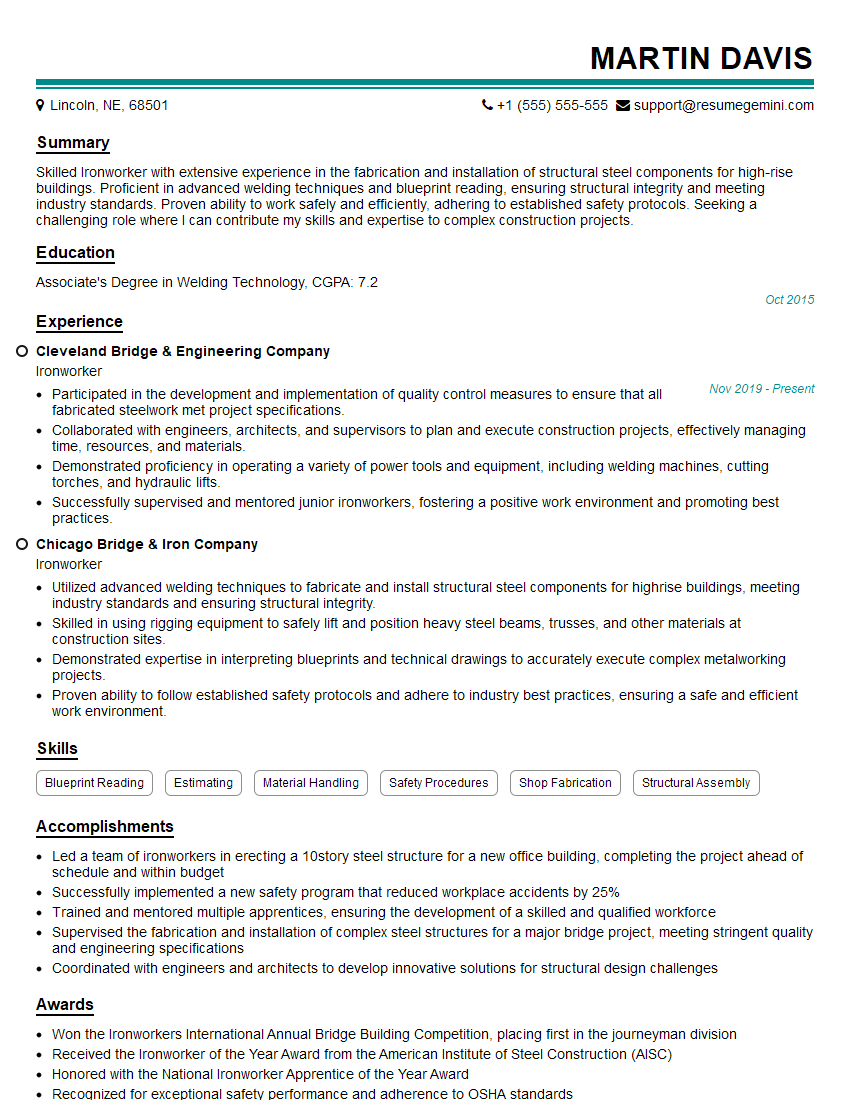
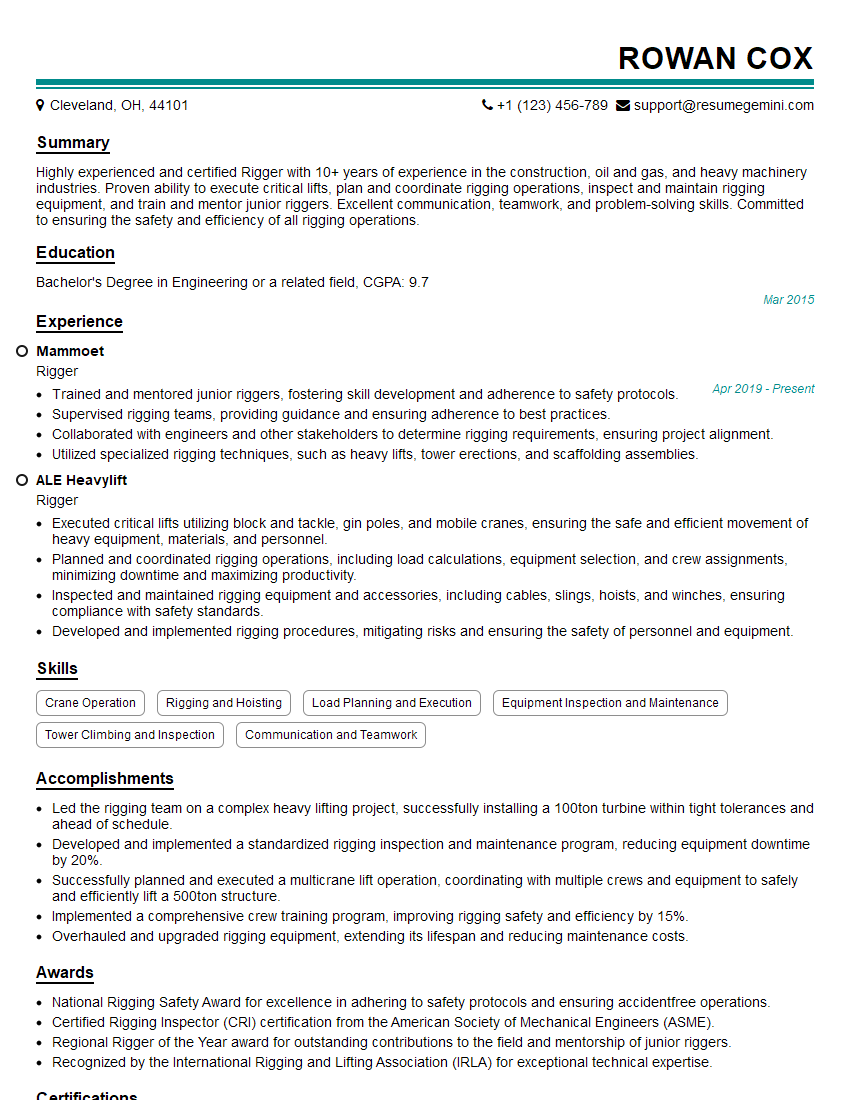
Mastering Hanger and Support Installation opens doors to rewarding careers with excellent growth potential in the construction, industrial, and manufacturing sectors. To maximize your job prospects, it’s crucial to present your skills effectively. Creating an ATS-friendly resume is key to getting your application noticed. We strongly encourage you to utilize ResumeGemini, a trusted resource for building professional and impactful resumes. ResumeGemini provides examples of resumes tailored to the Hanger and Support Installation field to help you create a document that showcases your unique qualifications and experience. Invest the time to craft a compelling resume – it’s your first impression on potential employers.
Explore more articles
Users Rating of Our Blogs
Share Your Experience
We value your feedback! Please rate our content and share your thoughts (optional).
What Readers Say About Our Blog
I Redesigned Spongebob Squarepants and his main characters of my artwork.
https://www.deviantart.com/reimaginesponge/art/Redesigned-Spongebob-characters-1223583608
IT gave me an insight and words to use and be able to think of examples
Hi, I’m Jay, we have a few potential clients that are interested in your services, thought you might be a good fit. I’d love to talk about the details, when do you have time to talk?
Best,
Jay
Founder | CEO