The thought of an interview can be nerve-wracking, but the right preparation can make all the difference. Explore this comprehensive guide to Experience in Herd Health Management interview questions and gain the confidence you need to showcase your abilities and secure the role.
Questions Asked in Experience in Herd Health Management Interview
Q 1. Describe your experience in developing and implementing herd health plans.
Developing and implementing a herd health plan is like creating a personalized wellness plan for a large family – it requires a holistic approach, considering every aspect of the animals’ lives. It begins with a thorough assessment of the herd, considering factors such as breed, age, production level, environment, and existing health challenges. This leads to the creation of a customized plan incorporating preventative measures, disease control strategies, and routine health checks.
For example, in a dairy herd, the plan would incorporate regular mastitis screenings, hoof trimming protocols, and reproductive management strategies. In a beef herd, the focus might shift towards parasite control, vaccination against respiratory diseases, and monitoring for lameness. The plan should also include clear protocols for recording animal health data, a process critical for tracking herd health trends and evaluating the effectiveness of interventions. Finally, regular reviews and updates to the plan are essential to adapt to changing circumstances and new scientific findings.
- Needs Assessment: Detailed analysis of the herd’s current health status, including disease history, mortality rates, and production parameters.
- Goal Setting: Defining specific, measurable, achievable, relevant, and time-bound (SMART) goals for improving herd health.
- Intervention Strategies: Outlining the specific health management practices, including vaccinations, parasite control, and biosecurity measures.
- Monitoring and Evaluation: Establishing methods for tracking key indicators and evaluating the effectiveness of the plan.
Q 2. How do you monitor and assess the health status of a herd?
Monitoring and assessing herd health is a continuous process, akin to a doctor taking a patient’s vital signs regularly. It involves a combination of methods to paint a complete picture of the herd’s wellbeing. We use a multi-pronged approach encompassing visual observations, routine physical examinations, regular recording of health events (morbidity and mortality), and the use of diagnostic tests.
Visual observations include checking for signs of lameness, unusual behavior, changes in appetite, or respiratory distress. Physical exams involve checking body condition scores, temperature, heart and respiratory rates, and examining mucous membranes. Recording mortality and morbidity rates helps identify trends and potential problems. Diagnostic tests, such as blood tests, fecal examinations, and milk analysis, can pinpoint specific diseases or health problems. Data analysis of this information is crucial to identify areas needing improvement.
For instance, a sudden increase in respiratory disease cases might point towards a need for improved ventilation or a new vaccination strategy. Similarly, a rise in mastitis cases might indicate a need for enhanced milking hygiene or antibiotic stewardship protocols. Data analytics software can help visualize trends and identify potential issues before they become major problems.
Q 3. Explain your approach to disease surveillance and outbreak investigation.
Disease surveillance and outbreak investigation are critical components of proactive herd health management. Imagine it as a detective solving a case – meticulous observation, data collection, and analysis are key. Surveillance involves the ongoing systematic monitoring of animal health to detect disease outbreaks early. Outbreak investigation, on the other hand, is the process of identifying the cause, source, and spread of a disease event within a herd.
Surveillance involves regular data collection on disease occurrence, using various tools such as mortality records, clinical examinations, and diagnostic testing of sentinel animals. An outbreak investigation begins with a rapid response to a suspected outbreak, followed by detailed case investigation (identifying affected animals, clinical signs, and potential exposure sources), epidemiological analysis to understand the spread of the disease, and implementation of control measures to limit further spread. Tracing back to the origin of the outbreak is vital to prevent future occurrences. Post-outbreak review helps to identify areas for improvement in biosecurity and disease prevention strategies.
For instance, if we see an increase in Salmonella cases in a poultry flock, we’d investigate the feed source, water supply, and hygiene practices to identify the source and prevent further spread. We might use serological tests to determine the prevalence of the disease in the flock and implement stricter biosecurity measures to contain the outbreak.
Q 4. What are the key biosecurity measures you implement to prevent disease introduction?
Biosecurity measures are the first line of defense against disease introduction, like a castle’s protective walls and moats. They aim to prevent pathogens from entering the herd. These measures are multifaceted and include strict hygiene practices (disinfection of equipment and facilities), controlled access to the farm (limiting visitors and implementing vehicle disinfection), rodent and pest control, quarantine protocols for new animals, and employee hygiene (hand washing and changing clothes).
For example, implementing a footbath at the farm entrance with a disinfectant solution helps prevent the introduction of pathogens carried on footwear. Requiring visitors to wear protective clothing, limiting access to the barns to essential personnel, and promptly disposing of used litter are additional examples of successful biosecurity measures. Regular reviews and adaptation of biosecurity protocols based on the latest scientific evidence and potential risks are essential for maintaining a high level of farm protection.
- Hygiene: Regular cleaning and disinfection of facilities, equipment, and vehicles.
- Traffic Control: Limiting access to the farm, controlling vehicle movement, and implementing visitor protocols.
- Quarantine: Isolating newly introduced animals to monitor for disease.
- Pest Control: Preventing rodents and other pests from accessing the farm.
- Waste Management: Proper disposal of animal manure and other waste materials.
Q 5. How do you manage antibiotic usage in a herd to minimize resistance?
Antibiotic resistance is a major threat to animal health. Responsible antibiotic use is crucial to preserving their effectiveness. Our approach focuses on judicious use – using antibiotics only when necessary, selecting the right antibiotic based on diagnostic tests, and ensuring appropriate dosage and duration of treatment. We prioritize preventative measures such as vaccination and good husbandry practices to minimize the need for antibiotics.
We also emphasize adherence to withdrawal periods, ensuring the animals are not slaughtered or their products consumed until the antibiotics have fully cleared their systems. We maintain detailed records of antibiotic usage to track patterns and identify potential areas for improvement. We continuously educate staff on responsible antibiotic use and collaborate with veterinarians to develop and implement antibiotic stewardship programs. This involves establishing clear protocols for antibiotic use, regular review of usage patterns, and promotion of alternative strategies such as probiotics or phage therapy wherever feasible.
For instance, we might establish a farm-specific antibiotic usage policy that requires veterinary approval for all antibiotic treatments. We might also implement a system for tracking antibiotic use, including the drug used, dosage, animal treated, and outcome of treatment. This enables us to monitor trends and identify areas for potential improvement.
Q 6. Describe your experience with vaccination programs and their impact on herd health.
Vaccination programs are a cornerstone of preventative herd health. They provide an incredibly effective way to protect animals from infectious diseases and significantly reduce morbidity and mortality rates. The process begins with an assessment of the herd’s specific disease risks based on location, existing herd health status, and epidemiological data. This helps determine which vaccines are appropriate for the herd. We employ a robust record-keeping system to track vaccination schedules and to ensure all animals are appropriately vaccinated.
We carefully consider the optimal timing of vaccination, considering factors such as the animals’ age, physiological status, and prevailing disease challenges. For example, calves are usually vaccinated against common respiratory diseases at specific ages, while pregnant cows are vaccinated against diseases affecting their reproductive performance. Post-vaccination, we closely monitor the herd for adverse reactions and record any observed effects. Data analysis helps evaluate the effectiveness of the vaccination program in reducing disease incidence and improving herd productivity.
For instance, we might implement a vaccination program for bovine respiratory disease (BRD) in a beef calf herd. By vaccinating the calves at appropriate ages, we can significantly reduce the incidence of BRD, thereby reducing mortality, improving growth rates, and reducing the need for antibiotic treatments.
Q 7. How do you interpret diagnostic test results to inform treatment decisions?
Interpreting diagnostic test results is crucial for making informed treatment decisions. Think of it like a detective using evidence to solve a case. It requires a thorough understanding of the test’s sensitivity and specificity, along with consideration of the animal’s clinical signs and the herd’s overall health status. We don’t rely on a single test result but use a combination of diagnostic tools, alongside clinical observation, to make a comprehensive assessment.
For example, a positive blood test for a particular pathogen might not automatically lead to treatment. We’d consider the titre (concentration of antibodies) and compare it to the clinical signs. A high titre with no clinical signs might indicate prior exposure and immunity, not an active infection requiring treatment. Conversely, mild clinical signs with a low titre might suggest another underlying condition. This integrated approach ensures we’re making the most appropriate decisions based on all available data. Misinterpretation can lead to unnecessary treatments, increased costs, and potential development of drug resistance, reinforcing the importance of accurate interpretation.
A veterinarian’s expertise is indispensable in interpreting complex results. They integrate the results with clinical findings and epidemiological data to diagnose the problem accurately and recommend appropriate treatments. This approach minimizes the risk of misdiagnosis and ensures the most effective therapeutic approach for the animal.
Q 8. What are your strategies for controlling parasitic infections in livestock?
Controlling parasitic infections in livestock requires a multi-pronged approach focusing on prevention, early detection, and targeted treatment. It’s like a three-legged stool – if one leg is weak, the whole system collapses.
Prevention: This is the most crucial aspect. We utilize pasture rotation to disrupt the parasite life cycle, ensuring animals aren’t constantly re-exposed to contaminated areas. Strategic grazing management is crucial. For example, we might use rotational grazing with a rest period for pastures to allow the parasite eggs and larvae to die off.
Early Detection: Regular fecal egg counts (FECs) are vital. These tests quantify the number of parasite eggs in the animal’s feces, allowing for early intervention before clinical signs appear. We also visually inspect animals for signs of parasitism, such as weight loss, poor coat condition, or diarrhea.
Targeted Treatment: We employ targeted deworming strategies, avoiding blanket treatments which contribute to anthelmintic resistance. This involves strategic selection of anthelmintic drugs based on FEC results and parasite identification. For example, if FECs reveal a high count of Haemonchus contortus (a blood-sucking parasite), we’d choose a drug effective against this specific parasite. We also might use alternative methods like natural parasite control such as the use of plants with anthelmintic properties.
It’s important to remember that resistance management is key. This involves regular FEC testing, using anthelmintics only when necessary and rotating drugs to prevent the development of resistance.
Q 9. Explain your experience in managing reproductive health in livestock.
Managing reproductive health is fundamental to herd profitability. Think of it as the engine room of the operation. If reproduction falters, the whole system suffers. My approach focuses on optimizing breeding efficiency through careful monitoring and proactive intervention.
Breeding soundness exams: Regular breeding soundness exams for bulls are essential to identify and cull subfertile animals. This ensures only the best genetics are passed on.
Synchronization programs: We use controlled breeding programs like estrus synchronization to time breeding, optimizing conception rates and improving herd uniformity.
Pregnancy diagnosis: Early pregnancy diagnosis allows for the early identification of non-pregnant animals, allowing for timely re-breeding and minimizing economic losses. We use both transrectal ultrasonography and blood tests.
Nutritional management: Providing adequate nutrition, particularly around breeding and pregnancy, is crucial for maximizing reproductive performance. This includes adjusting the ration to meet the increased energy requirements of pregnant females.
Disease prevention: Proactive vaccination and disease control programs target reproductive diseases like brucellosis and leptospirosis.
We also maintain detailed records of breeding performance, heat detection, and pregnancy outcomes to identify trends and adjust management strategies accordingly.
Q 10. How do you address nutritional deficiencies that affect herd health?
Nutritional deficiencies severely impact herd health and productivity. It’s like trying to run a car on empty – it won’t perform optimally. Addressing these deficiencies requires a systematic approach.
Assessment: We begin by conducting a thorough assessment of the herd’s nutritional status, including evaluating feed quality, analyzing blood samples, and assessing body condition scores. We might use specialized software that can analyze feed samples.
Targeted supplementation: Based on the assessment, we formulate a targeted supplementation plan. This may involve adding specific vitamins, minerals, or other nutrients to the diet.
Forage analysis: Regular analysis of forage is vital for determining its nutritional content and identifying potential deficiencies. We use accredited laboratories for this analysis.
Mineral balancing: Often times, we need to balance the mineral content of forages, especially macro minerals like calcium, phosphorus, and magnesium, and micro minerals like selenium and copper. This is essential for optimal bone health, reproduction, and immune function.
For example, if we identify a selenium deficiency, we would incorporate selenium-enriched supplements into the feed to prevent issues such as white muscle disease.
Q 11. Describe your experience with data analysis in herd health management.
Data analysis is indispensable in modern herd health management. It’s like having a sophisticated dashboard that gives you insights into the overall health of the operation. I utilize various data analysis techniques to identify trends, predict problems, and improve decision-making.
Descriptive statistics: We use descriptive statistics like averages, medians, and standard deviations to summarize key performance indicators such as mortality rates, morbidity rates, and pregnancy rates.
Regression analysis: Regression models help us understand the relationship between different variables, such as nutrition and reproductive performance. For example, we can see the impact of dietary changes on milk yield.
Survival analysis: Survival analysis techniques help us understand the time to event, such as the time to death or the time to pregnancy. This data is valuable for identifying risk factors and assessing the effectiveness of interventions.
We use statistical software like R or SAS to perform these analyses. The results help us to proactively manage the health of the herd and improve farm profitability.
Q 12. How do you use technology to improve herd health outcomes (e.g., sensors, software)?
Technology has revolutionized herd health management. It’s like having an extra pair of eyes and hands, providing real-time insights into herd health and behavior.
Precision livestock farming (PLF) sensors: We utilize sensors to monitor various parameters such as body temperature, activity levels, and feed intake. These data points provide early warnings of illness or stress.
Farm management software: Specialized software helps us manage herd records, track animal health events, and analyze data to improve decision-making. This streamlines record keeping and allows for better analysis of animal performance.
Automated milking systems: Automated systems provide real-time information on milk yield, somatic cell count (an indicator of mastitis), and other important metrics.
GPS tracking: GPS tracking on individual animals can be used to monitor grazing patterns and animal movement, aiding in pasture management and identifying animals that might be unwell or separated from the herd.
The data collected from these technologies allows for proactive management strategies and early detection of potential problems.
Q 13. Explain your approach to herd health record keeping and data management.
Meticulous record-keeping is crucial for effective herd health management. Think of it as a detailed history of each animal’s life, providing valuable insights into their health and performance. Our approach uses a combination of paper and digital records to track various aspects of animal health.
Individual animal records: We maintain individual animal records detailing birth date, parentage, vaccinations, treatments, breeding history, and any health issues.
Herd health records: We track herd-level data, such as disease incidence, mortality rates, and production parameters.
Data management software: We utilize farm management software to consolidate and analyze all herd data, generating reports and identifying trends. This system also allows for easier access to animal health information when needed, in case of an audit or health emergency.
Data backups and security: We maintain regular backups of all data to ensure data integrity and availability.
Data security is critical. We use password-protected access and encryption to protect sensitive information. We also make sure the system complies with all relevant data protection regulations.
Q 14. Describe a situation where you had to troubleshoot a complex herd health problem.
One challenging situation involved a sudden increase in respiratory disease in our dairy herd. It was like a wildfire, spreading rapidly through the herd. Initially, we suspected a common viral infection, but the response to standard treatments was poor.
Our systematic troubleshooting approach involved:
Data analysis: We carefully reviewed herd records, identifying affected animals, their ages, and their location within the barn.
Laboratory testing: We collected samples for bacterial and viral culture to identify the causative agent.
Environmental investigation: We investigated the barn environment, checking for ventilation issues, overcrowding, and potential sources of infection, such as poor air quality.
Consultation: We sought expert advice from veterinary specialists and other experienced herd health professionals.
Eventually, we identified Mycoplasma bovis as the culprit. It was a particularly challenging pathogen to control, requiring targeted antibiotic treatment and significant changes to biosecurity protocols. We also implemented stricter hygiene practices and adjusted ventilation in the barns to improve air quality. The situation highlighted the importance of meticulous record-keeping and the need for a flexible and collaborative approach to complex herd health challenges.
Q 15. How do you communicate herd health information to farmers and other stakeholders?
Effective communication is paramount in herd health management. I tailor my approach to the audience, using clear, concise language free of excessive jargon. For farmers, I often employ visual aids like charts and graphs to illustrate key metrics such as disease incidence rates or milk production trends. With veterinarians or other professionals, I utilize more technical terminology and data analysis.
For example, when explaining the impact of mastitis on a dairy farm, I’d show a farmer a graph comparing milk yield before and after an outbreak, highlighting the financial losses. Conversely, I’d discuss the bacterial strains involved and treatment protocols with a veterinarian. Regular meetings, farm visits, and written reports, tailored to the recipient’s understanding, are crucial communication tools.
- Face-to-face meetings
- Visual aids (charts, graphs)
- Written reports
- Email and phone updates
Career Expert Tips:
- Ace those interviews! Prepare effectively by reviewing the Top 50 Most Common Interview Questions on ResumeGemini.
- Navigate your job search with confidence! Explore a wide range of Career Tips on ResumeGemini. Learn about common challenges and recommendations to overcome them.
- Craft the perfect resume! Master the Art of Resume Writing with ResumeGemini’s guide. Showcase your unique qualifications and achievements effectively.
- Don’t miss out on holiday savings! Build your dream resume with ResumeGemini’s ATS optimized templates.
Q 16. How do you prioritize herd health issues based on their impact on production?
Prioritizing herd health issues involves a systematic approach, considering both the severity and economic impact of each problem. I use a risk-based approach, weighing factors like the prevalence of the disease, its mortality rate, its impact on production (e.g., reduced milk yield, weight gain, fertility), and the cost of control measures.
For instance, a highly contagious disease with high mortality, like Foot and Mouth Disease, would receive immediate attention, regardless of cost. A less severe but widespread issue like lameness, which significantly impacts milk production in dairy cows, might be tackled using a phased approach. I utilize decision-support tools and epidemiological models to assist in this prioritization, ensuring resources are allocated effectively.
A simple framework is: Severity x Prevalence x Economic Impact = Priority Score. Higher scores demand immediate attention.
Q 17. What are the key performance indicators (KPIs) you use to evaluate herd health?
Key Performance Indicators (KPIs) are essential for monitoring herd health. I track several crucial metrics, including:
- Disease incidence rates: Number of cases per 1000 animals per year for specific diseases.
- Mortality rates: Death rate per 1000 animals per year.
- Treatment costs: Total cost of medication, labor, and other interventions.
- Production parameters: Milk yield, weight gain, fertility rates, and feed conversion ratios – to directly assess the economic impact of disease.
- Culling rates: Percentage of animals culled due to disease or poor health.
- Vaccination coverage: Percentage of animals vaccinated against key diseases.
- Antimicrobial usage: Monitoring to ensure responsible use and combat antimicrobial resistance.
These KPIs are tracked regularly and analyzed to identify trends, evaluate the effectiveness of control measures, and guide future interventions. Comparing these KPIs to industry benchmarks helps assess the herd’s overall health status relative to similar operations.
Q 18. Describe your experience with regulatory compliance in animal health.
Regulatory compliance in animal health is critical. My experience encompasses adhering to national and international regulations regarding disease reporting, biosecurity protocols, animal welfare standards, and the use of veterinary pharmaceuticals. I’m familiar with regulations around traceability, record-keeping, and movement of animals.
For example, I have experience with reporting notifiable diseases (like Brucellosis or Tuberculosis) to the relevant authorities in a timely manner, ensuring proper investigation and control measures are implemented. I’m also proficient in maintaining detailed records of treatments, vaccinations, and animal movements, ensuring full traceability and compliance with traceability programs.
Staying abreast of changes in regulations is an ongoing process, involving continuous professional development and interaction with regulatory bodies.
Q 19. How do you handle challenging situations involving animal welfare concerns?
Animal welfare is a top priority. Handling challenging situations involves a calm, systematic approach. Firstly, I thoroughly assess the situation, determining the cause of the welfare concern, the number of animals affected, and the severity of their condition. Then, I implement immediate actions to alleviate suffering, such as providing appropriate veterinary care, adjusting housing conditions, or modifying management practices.
Documentation is crucial, meticulously recording the events, actions taken, and outcomes. Collaboration with the farmer, veterinarian, and, if necessary, regulatory authorities is essential to find a long-term solution and prevent recurrence. Transparent communication with all stakeholders is critical during these situations.
For instance, if lameness is prevalent in a herd, I’d work with the farmer to improve housing conditions, assess hoof trimming practices, and implement a lameness prevention program. This involves a combination of short-term solutions to alleviate immediate suffering and long-term strategic adjustments to prevent future issues.
Q 20. How do you stay updated on the latest advancements in herd health management?
Staying updated is crucial in this ever-evolving field. I actively participate in professional organizations like the American Association of Bovine Practitioners (AABP) or equivalent organizations, attend conferences and workshops, and read peer-reviewed journals and industry publications. Online resources, veterinary databases, and collaboration with colleagues within professional networks also contribute significantly to my knowledge base.
I make a point to regularly review guidelines and best practices issued by organizations like the World Organisation for Animal Health (WOAH), and I am always keen to explore new technologies and management techniques emerging in herd health. Continuous learning ensures my expertise remains current and effective.
Q 21. Explain your understanding of various livestock diseases and their management.
My understanding of livestock diseases is extensive, covering a wide range of pathogens, their transmission routes, clinical signs, and control measures. This includes bacterial diseases (e.g., mastitis, salmonellosis), viral diseases (e.g., bovine viral diarrhea, foot-and-mouth disease), parasitic diseases (e.g., coccidiosis, liver fluke), and other conditions (e.g., metabolic disorders like ketosis).
Management strategies vary depending on the specific disease. They may involve vaccination, quarantine, treatment with antibiotics or antiparasitics, improved hygiene and biosecurity practices, and changes to nutrition or management. For example, managing mastitis involves a combination of preventative measures (like proper milking hygiene) and prompt treatment of infected animals with antibiotics.
I utilize diagnostic tools like blood tests, fecal exams, and cultures to confirm diagnoses and tailor management plans accordingly. Experience in disease surveillance and outbreak investigation is also a critical component of my expertise.
Q 22. What is your experience with herd health budgeting and resource allocation?
Herd health budgeting requires a meticulous approach, balancing preventative measures with reactive treatments. My experience involves creating detailed budgets that forecast costs associated with vaccinations, parasite control, diagnostic testing, veterinary consultations, and potential disease outbreaks. I utilize data-driven approaches, analyzing historical health records to predict future needs. For instance, if we experienced a high incidence of mastitis in a previous year, the budget for the following year will incorporate increased allocation for mastitis prevention strategies, such as improved milking hygiene training and investment in advanced diagnostic tools. Resource allocation prioritizes high-impact interventions, focusing on preventative measures to reduce the overall cost of disease management in the long run. We use a cost-benefit analysis to justify investments, comparing the cost of an intervention (e.g., a new vaccination program) against the projected savings from reduced morbidity, mortality, and decreased production losses. This ensures resources are used effectively and efficiently.
For example, in one operation, by implementing a targeted vaccination program based on epidemiological data, we reduced the incidence of respiratory disease by 30%, resulting in significant savings on treatment costs and increased milk production.
Q 23. How do you collaborate with other professionals (e.g., veterinarians, nutritionists)?
Collaboration is paramount in herd health management. I foster strong working relationships with veterinarians, nutritionists, and farm managers through regular communication, shared decision-making, and a collaborative problem-solving approach. With veterinarians, I work closely on disease diagnosis, treatment protocols, and the development of preventative health programs. For example, I would work with our veterinarian to establish vaccination schedules and monitor their effectiveness. With nutritionists, we collaborate to ensure the animals receive the correct nutrition to support their immune systems and overall health. Poor nutrition can significantly impact herd immunity and increase susceptibility to diseases. For instance, we might work together to adjust the feed rations to improve hoof health or to boost immunity during stressful periods such as heat stress or weaning. Regular team meetings, data sharing, and joint farm visits are crucial elements of this collaborative approach ensuring a holistic perspective is maintained.
Q 24. Describe your experience with training and mentoring farm staff on herd health.
Training and mentoring farm staff are crucial for successful herd health management. I employ a multi-faceted approach, incorporating hands-on training, regular workshops, and ongoing mentorship. Training programs are tailored to the specific needs of the staff, focusing on practical skills such as proper medication administration, recognizing early signs of illness, implementing biosecurity measures, and maintaining accurate health records. I also emphasize the importance of observation and prompt reporting of any health concerns. Mentorship involves regular one-on-one sessions to address individual needs and provide support. Using interactive training methods like role-playing scenarios improves knowledge retention and helps staff develop confidence in handling various situations. We also implement regular feedback sessions to identify knowledge gaps and address any concerns.
For example, I developed a training program on lameness detection and prevention, resulting in a significant reduction in the incidence of lameness within six months. The program involved practical demonstrations, interactive sessions, and a competency assessment.
Q 25. How do you assess the effectiveness of different herd health interventions?
Assessing the effectiveness of herd health interventions requires a systematic approach using both quantitative and qualitative data. Quantitative data involves analyzing key performance indicators (KPIs) such as disease incidence rates, mortality rates, milk production, and reproductive performance. Before implementing any intervention, baseline data is collected to establish a benchmark. Post-intervention, the KPIs are monitored to assess changes. For example, to evaluate the effectiveness of a vaccination program, we would compare the incidence of the target disease before and after vaccination. Qualitative data involves gathering feedback from farm staff through surveys or interviews to understand their experiences and perceptions of the interventions. Statistical analysis helps determine the significance of any observed changes. A combination of both quantitative and qualitative data provides a comprehensive evaluation of the intervention’s success.
Q 26. What are your strategies for improving herd productivity through improved health?
Improving herd health directly translates to improved productivity. My strategies focus on preventative medicine, optimizing nutrition, and minimizing stress. Preventative measures such as vaccination programs, parasite control, and biosecurity protocols significantly reduce the incidence of disease, minimizing production losses. Nutritional management plays a vital role in boosting immunity and improving overall health. This often includes optimizing feed rations to meet the animal’s specific needs and providing access to clean water. Minimizing stress through appropriate animal handling techniques, providing adequate space, and managing environmental conditions is crucial for maximizing productivity. Data analysis of milk yields, reproductive performance, and other relevant metrics helps track progress and fine-tune interventions to optimize outcomes. We also use precision livestock farming techniques, such as activity monitoring systems, to identify early signs of illness and address problems promptly. For example, early detection of lameness through activity monitoring allowed us to intervene quickly, preventing further complications and minimizing production losses.
Q 27. Describe your experience with on-farm risk assessments and mitigation strategies.
On-farm risk assessments are critical to proactively managing potential threats to herd health. My approach involves a thorough evaluation of all aspects of the farm, including biosecurity measures, animal handling procedures, environmental factors, and existing health issues. This involves identifying potential hazards, assessing their likelihood and severity, and developing mitigation strategies. Risk assessments are not one-time events; they are dynamic processes that require regular review and updates to reflect changes on the farm or new emerging diseases. For instance, we regularly reassess biosecurity protocols based on the prevalence of diseases in the surrounding area. Mitigation strategies might involve implementing strict biosecurity measures, such as foot dips, quarantine protocols, and staff training on hygiene practices. Additionally, we develop emergency response plans to effectively manage unexpected events such as disease outbreaks.
A specific example would be identifying a risk of water contamination leading to potential illness. The mitigation strategy would involve implementing a water quality testing program and developing a plan for water source backup in case of contamination.
Key Topics to Learn for Experience in Herd Health Management Interview
- Disease Prevention and Control: Understanding herd immunity, vaccination strategies, biosecurity protocols, and the implementation of disease surveillance programs. Consider practical examples of managing outbreaks and implementing control measures.
- Reproductive Management: Knowledge of breeding strategies, pregnancy diagnosis techniques, monitoring reproductive performance indicators (e.g., conception rates, calving intervals), and addressing reproductive issues. Think about how you’ve optimized breeding programs for specific herd goals.
- Nutritional Management: Analyzing nutritional requirements for different age groups and physiological states, formulating balanced rations, monitoring feed intake and body condition scores, and identifying and addressing nutritional deficiencies. Reflect on your experience in troubleshooting nutritional problems and improving herd productivity.
- Data Analysis and Record Keeping: Proficiency in using herd management software, interpreting production data, identifying trends, and utilizing data to make informed management decisions. Highlight your ability to analyze data and present findings effectively.
- Parasite Control: Understanding parasite life cycles, implementing effective parasite control strategies (chemical and non-chemical), and monitoring parasite prevalence. Describe your approach to integrated parasite management.
- Animal Welfare and Biosecurity: Implementing best practices for animal welfare, complying with relevant regulations, and maintaining biosecurity protocols to prevent disease introduction and spread. Prepare examples demonstrating your commitment to animal welfare and biosecurity.
- Regulatory Compliance: Familiarity with relevant regulations and guidelines related to animal health and welfare, record-keeping, and disease reporting. Showcase your understanding of legal frameworks and compliance procedures.
- Teamwork and Communication: Highlighting your ability to work effectively within a team, communicate effectively with colleagues, farmers, and other stakeholders. Emphasize your communication and interpersonal skills.
Next Steps
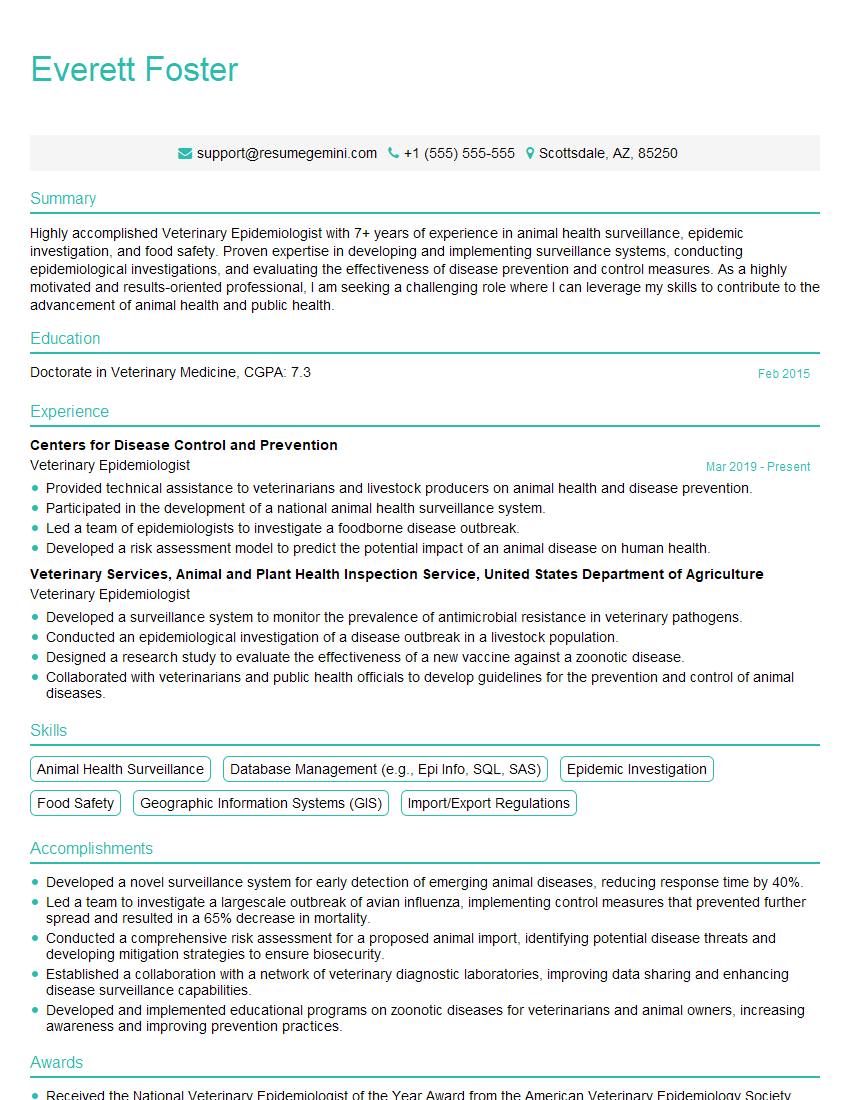
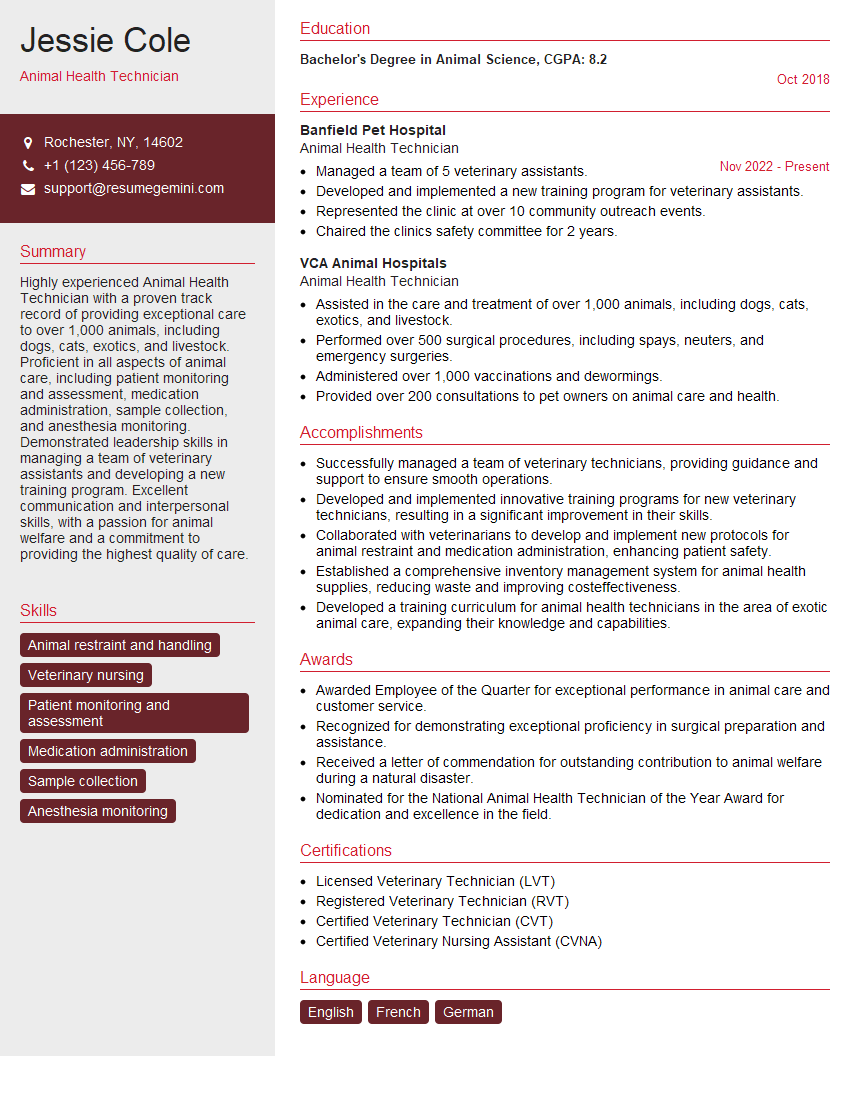
Mastering Herd Health Management is crucial for career advancement in the veterinary and agricultural industries, opening doors to leadership roles and increased responsibilities. An ATS-friendly resume is vital for maximizing your job prospects. To create a compelling and effective resume that showcases your skills and experience in Herd Health Management, leverage the power of ResumeGemini. ResumeGemini offers a user-friendly platform and provides examples of resumes tailored to the Experience in Herd Health Management field, ensuring your resume stands out from the competition. Invest time in crafting a professional resume; it’s your first impression with potential employers.
Explore more articles
Users Rating of Our Blogs
Share Your Experience
We value your feedback! Please rate our content and share your thoughts (optional).
What Readers Say About Our Blog
I Redesigned Spongebob Squarepants and his main characters of my artwork.
https://www.deviantart.com/reimaginesponge/art/Redesigned-Spongebob-characters-1223583608
IT gave me an insight and words to use and be able to think of examples
Hi, I’m Jay, we have a few potential clients that are interested in your services, thought you might be a good fit. I’d love to talk about the details, when do you have time to talk?
Best,
Jay
Founder | CEO