Every successful interview starts with knowing what to expect. In this blog, we’ll take you through the top Knowledge of Reproductive Hormones and Drugs interview questions, breaking them down with expert tips to help you deliver impactful answers. Step into your next interview fully prepared and ready to succeed.
Questions Asked in Knowledge of Reproductive Hormones and Drugs Interview
Q 1. Explain the role of GnRH in the hypothalamic-pituitary-gonadal axis.
GnRH, or Gonadotropin-Releasing Hormone, is the master regulator of the hypothalamic-pituitary-gonadal (HPG) axis. Think of it as the conductor of an orchestra, orchestrating the intricate dance of reproductive hormones. It’s a small peptide hormone released from the hypothalamus in a pulsatile manner – meaning in bursts, not continuously. This pulsatile release is crucial for proper reproductive function.
The process works like this: GnRH travels from the hypothalamus to the anterior pituitary gland, where it stimulates the release of two crucial gonadotropins: Luteinizing Hormone (LH) and Follicle-Stimulating Hormone (FSH). These hormones then travel to the gonads (ovaries in females, testes in males), where they regulate the production of sex steroids like estrogen, progesterone, and testosterone. The levels of these sex steroids then provide feedback to the hypothalamus and pituitary, regulating the further release of GnRH, LH, and FSH. This creates a feedback loop, maintaining a delicate balance.
For example, during the menstrual cycle, rising estrogen levels initially stimulate GnRH secretion, leading to an LH surge that triggers ovulation. This exemplifies the intricate interplay within the HPG axis, all orchestrated by GnRH.
Q 2. Describe the mechanism of action of clomiphene citrate.
Clomiphene citrate is a selective estrogen receptor modulator (SERM). Unlike estrogen, which binds to and activates estrogen receptors in various tissues, clomiphene citrate acts as a competitive antagonist at the hypothalamic level. This means it blocks estrogen’s feedback inhibition on GnRH secretion.
By blocking estrogen’s negative feedback, clomiphene citrate increases the pulsatile release of GnRH from the hypothalamus. This subsequently leads to increased secretion of LH and FSH from the pituitary gland. The elevated levels of FSH stimulate follicle growth in the ovaries, and the increase in LH promotes ovulation. Essentially, it tricks the body into thinking estrogen levels are low, prompting it to produce more hormones to stimulate ovulation.
Clinically, it’s often used to treat infertility caused by anovulation (lack of ovulation). However, it’s important to note that clomiphene citrate’s effectiveness varies, and it carries potential risks, such as multiple pregnancies and ovarian hyperstimulation syndrome (OHSS).
Q 3. What are the common side effects of gonadotropin therapy?
Gonadotropin therapy, involving the administration of FSH and LH, is highly effective in treating infertility, but it’s not without side effects. The most common ones are related to ovarian hyperstimulation. These can include:
- Ovarian Hyperstimulation Syndrome (OHSS): This ranges from mild discomfort to a life-threatening condition (discussed in more detail in the next question).
- Multiple Pregnancies: Because gonadotropins stimulate multiple follicles to develop, there’s an increased risk of twins, triplets, or higher-order multiples.
- Headaches and Mood Swings: Hormonal fluctuations can cause these common side effects.
- Abdominal Bloating and Pain: Due to enlarged ovaries.
- Nausea and Vomiting: These are less common but possible side effects.
The severity of these side effects varies greatly depending on the individual and the dosage of gonadotropins administered. Careful monitoring by a healthcare professional is crucial to manage these potential complications.
Q 4. How do you manage ovarian hyperstimulation syndrome (OHSS)?
Ovarian Hyperstimulation Syndrome (OHSS) is a potentially serious complication of ovulation induction therapies, characterized by enlarged ovaries and fluid accumulation in the abdomen and other body cavities. Management depends on the severity:
Mild OHSS: Often managed conservatively, with close monitoring of symptoms and ovarian size. Rest, avoiding strenuous activity, and increased fluid intake are recommended. Regular ultrasound monitoring tracks ovarian size and fluid collection.
Moderate to Severe OHSS: Requires hospitalization and more aggressive management. This may include:
- Fluid Management: Intravenous fluids are administered to maintain hydration and electrolyte balance. In severe cases, paracentesis (removing fluid from the abdomen) might be necessary.
- Monitoring Vital Signs: Close monitoring of heart rate, blood pressure, and respiratory rate is crucial.
- Medications: Medications to reduce vascular permeability and improve fluid balance may be prescribed.
- Supportive Care: Pain management and addressing other symptoms are important aspects of care.
Early recognition and prompt intervention are crucial to prevent life-threatening complications associated with severe OHSS. The primary goal of treatment is to prevent or alleviate the symptoms, support fluid balance, and prevent thromboembolic events.
Q 5. Discuss the different types of hormonal contraceptives and their mechanisms of action.
Hormonal contraceptives work by manipulating the HPG axis to prevent pregnancy. Several types exist, each with a distinct mechanism:
- Combined Oral Contraceptives (COCs): These contain both estrogen and progestin. They primarily work by suppressing ovulation through negative feedback on the hypothalamus and pituitary, preventing the release of GnRH, LH, and FSH. They also thicken cervical mucus, making it difficult for sperm to reach the egg and alter the uterine lining, making implantation less likely.
- Progestin-Only Pills (POPs): These primarily thicken cervical mucus and alter the uterine lining, making it less hospitable to implantation. They can also occasionally suppress ovulation, but this is less consistent than in COCs.
- Transdermal Patches: Deliver hormones (estrogen and progestin) through the skin, providing a similar mechanism to COCs.
- Vaginal Rings: Release hormones (estrogen and progestin) locally, offering the same mechanism as COCs.
- Injectable Contraceptives: Administered intramuscularly, these deliver progestin, mainly thickening cervical mucus and altering the uterine lining.
- Implants: Subdermal implants release progestin over a prolonged period, exhibiting the same primary mechanism as POPs and injectables.
- Intrauterine Devices (IUDs): These can be hormonal (releasing progestin) or non-hormonal (copper). Hormonal IUDs work similarly to POPs and implants, primarily altering the uterine lining. Copper IUDs prevent fertilization through a non-hormonal mechanism.
The choice of contraceptive depends on individual factors, including medical history, preferences, and potential side effects.
Q 6. Explain the role of progesterone in the menstrual cycle.
Progesterone is a crucial steroid hormone playing a vital role in preparing the uterus for potential pregnancy and regulating the menstrual cycle. During the luteal phase (the second half of the cycle), after ovulation, the corpus luteum (the remnant of the follicle that released the egg) produces large amounts of progesterone.
Progesterone’s key actions include:
- Thickening the Endometrial Lining: This creates a rich, nutrient-filled environment suitable for implantation if fertilization occurs.
- Maintaining Pregnancy: Progesterone is essential for supporting pregnancy by preventing uterine contractions and promoting the growth of the placenta.
- Regulating Menstruation: If fertilization doesn’t occur, progesterone levels decline, leading to the breakdown of the uterine lining and menstruation.
- Inhibiting FSH and LH Secretion: High levels of progesterone create negative feedback on the hypothalamus and pituitary, preventing the release of FSH and LH. This is important for preventing further ovulation during the luteal phase.
In essence, progesterone prepares the uterus for pregnancy and ensures its maintenance if pregnancy occurs. If not, its withdrawal triggers menstruation.
Q 7. What are the diagnostic criteria for polycystic ovary syndrome (PCOS)?
Polycystic Ovary Syndrome (PCOS) is a complex endocrine disorder affecting women of reproductive age. Diagnostic criteria typically involve the presence of at least two of the following three features:
- Oligo- or anovulation: Irregular or absent menstrual periods.
- Clinical and/or biochemical hyperandrogenism: Elevated levels of androgens (male sex hormones) leading to symptoms like hirsutism (excess hair growth), acne, and/or elevated testosterone levels.
- Polycystic ovaries on ultrasound: Appearance of multiple small cysts in the ovaries.
It’s important to note that the diagnostic criteria are not absolute and may need to be considered in the context of excluding other conditions with similar symptoms. Often, clinical judgment and consideration of the patient’s symptoms are integral to diagnosis. Further investigation may include blood tests (to assess hormone levels) and other imaging methods to confirm the diagnosis and rule out other conditions.
Q 8. Describe the management options for endometriosis.
Endometriosis management depends on the severity of symptoms and the patient’s desire for future fertility. Treatment options range from conservative approaches to more aggressive surgical interventions.
- Pain Management: For mild symptoms, over-the-counter pain relievers like ibuprofen or naproxen may suffice. More severe pain might require prescription medications such as NSAIDs or hormonal therapies.
- Hormone Therapy: This is a cornerstone of endometriosis treatment. Hormonal contraceptives (pills, patches, injections) suppress the growth of endometrial tissue. Other options include GnRH agonists or antagonists, which temporarily shut down ovarian function. This can be highly effective in reducing pain but comes with side effects like menopausal symptoms.
- Surgery: Laparoscopic surgery is often used to diagnose and treat endometriosis. It allows for the removal of endometrial implants and sometimes the affected tissue. In more severe cases, hysterectomy (removal of the uterus) and/or oophorectomy (removal of the ovaries) may be considered, usually as a last resort.
- Supportive Care: This includes lifestyle modifications like regular exercise, a healthy diet, and stress management techniques. Therapy can be beneficial for coping with chronic pain and its impact on daily life.
For example, a young woman with mild endometriosis and a desire for future pregnancy might start with hormonal birth control to manage pain and suppress the disease’s progression. Conversely, a woman with severe endometriosis and completed childbearing might opt for a hysterectomy to alleviate her symptoms permanently.
Q 9. What are the risks associated with assisted reproductive technologies (ART)?
Assisted Reproductive Technologies (ART), while offering hope for many infertile couples, carry several risks. These risks can be categorized into maternal, fetal, and multiple pregnancy risks.
- Maternal Risks: These include ovarian hyperstimulation syndrome (OHSS), a condition where the ovaries become enlarged and painful; ectopic pregnancy (pregnancy outside the uterus); infections; and complications from anesthesia during procedures like egg retrieval.
- Fetal Risks: ART procedures are associated with a slightly increased risk of premature birth, low birth weight, birth defects, and imprinting disorders. However, these risks are relatively low compared to the overall success rate of ART.
- Multiple Pregnancy Risks: The transfer of multiple embryos to increase chances of pregnancy significantly increases the risk of twins, triplets, or higher-order multiples. Multiple pregnancies pose considerable health risks to both the mother and the babies, including premature delivery, low birth weight, and potential developmental issues.
For instance, a woman undergoing IVF might experience mild OHSS, requiring bed rest and fluid monitoring. In more severe cases, hospitalization may be necessary. The decision to transfer multiple embryos is a complex one, carefully weighed against the increased risk of multiple gestation.
Q 10. How do you interpret a semen analysis report?
Interpreting a semen analysis report requires understanding several key parameters. The report evaluates various aspects of the semen sample, providing insights into male fertility potential.
- Volume: Indicates the total amount of semen produced. Low volume can suggest a problem with the seminal vesicles or prostate.
- pH: Measures the acidity or alkalinity of the semen. Abnormal pH can affect sperm motility and survival.
- Sperm Concentration: Represents the number of sperm per milliliter of semen. Low concentration (oligospermia) is a common cause of male infertility.
- Total Sperm Count: The total number of sperm in the entire sample. This is calculated by multiplying volume and concentration.
- Motility: Assesses the percentage of sperm that are moving progressively. Poor motility (asthenospermia) reduces the chance of fertilization.
- Morphology: Evaluates the percentage of sperm with normal shape and structure. Abnormal morphology (teratospermia) can hinder fertilization.
- Vitality: Determines the percentage of live sperm in the sample.
- White Blood Cells: Elevated levels can indicate infection or inflammation.
For example, a report showing low sperm concentration, poor motility, and abnormal morphology would strongly suggest male factor infertility. A physician would then discuss potential causes and treatment options, which might include lifestyle changes, medication, or assisted reproductive technologies.
Q 11. Explain the different types of infertility and their causes.
Infertility is broadly classified into male factor infertility, female factor infertility, and unexplained infertility. The causes are diverse and often complex.
- Male Factor Infertility: This encompasses issues like low sperm count (oligospermia), poor sperm motility (asthenospermia), abnormal sperm morphology (teratospermia), and blockage of the ejaculatory ducts. Causes can include genetic factors, infections, hormonal imbalances, varicoceles (enlarged veins in the scrotum), and environmental toxins.
- Female Factor Infertility: This includes problems with ovulation (anovulation), fallopian tube blockage, uterine abnormalities (such as fibroids or polyps), endometriosis, and diminished ovarian reserve (DOR). Causes can be hormonal imbalances, pelvic inflammatory disease, genetic conditions, and previous surgeries.
- Unexplained Infertility: This diagnosis is given when thorough investigations fail to identify a clear cause for infertility in either partner. Despite extensive testing, the couple is unable to conceive.
For instance, a couple struggling to conceive might find the cause to be the male partner’s low sperm count due to a varicocele, while another couple might be diagnosed with unexplained infertility after extensive testing, requiring more advanced fertility treatments.
Q 12. Discuss the role of in-vitro fertilization (IVF) in treating infertility.
In-vitro fertilization (IVF) is a powerful ART technique that involves fertilizing eggs with sperm outside the body, in a laboratory dish. It’s a highly effective treatment for various forms of infertility.
- Ovarian Stimulation: Medications are used to stimulate the ovaries to produce multiple eggs.
- Egg Retrieval: Mature eggs are retrieved from the ovaries using a needle guided by ultrasound.
- Fertilization: Eggs are mixed with sperm in a petri dish, allowing fertilization to occur.
- Embryo Culture: Fertilized eggs (embryos) are cultured in the lab for several days, allowing them to develop.
- Embryo Transfer: One or more embryos are transferred into the uterus using a thin catheter.
- Pregnancy Test: A pregnancy test is performed several weeks later to confirm successful implantation.
IVF is particularly useful for couples with fallopian tube blockage, endometriosis, severe male factor infertility, unexplained infertility, or those undergoing genetic screening prior to conception. For example, a couple with male factor infertility with very low sperm counts might benefit significantly from IVF using intracytoplasmic sperm injection (ICSI), a specialized technique where a single sperm is directly injected into an egg.
Q 13. What are the ethical considerations surrounding reproductive technologies?
Reproductive technologies raise several complex ethical considerations.
- Preimplantation Genetic Diagnosis (PGD): The ability to screen embryos for genetic defects before implantation raises questions about selective abortion and the potential for eugenics.
- Embryo Selection: Choosing embryos based on certain traits raises concerns about the value placed on human life at its earliest stages.
- Surrogate Motherhood: Ethical issues arise regarding the rights and responsibilities of the intended parents, the surrogate mother, and the child.
- Gamete Donation: Concerns surround anonymity, donor rights, and the potential psychological impact on children born through donation.
- Access to Technology: The high cost of ART treatments creates disparities in access, raising concerns about social justice and equity.
For instance, debates surrounding PGD involve balancing the desire to prevent genetic diseases with concerns about the potential misuse of technology. The use of surrogates raises complex legal and ethical questions about parental rights and obligations.
Q 14. Describe the various methods for monitoring ovarian response during IVF cycles.
Monitoring ovarian response during IVF cycles is crucial to ensure optimal stimulation and prevent complications like OHSS. Several methods are employed.
- Ultrasound Monitoring: Transvaginal ultrasound is used to assess follicle growth (follicles are fluid-filled sacs containing the developing eggs). This helps determine the appropriate time for egg retrieval.
- Hormone Level Monitoring: Blood tests measure levels of estradiol (E2), a hormone produced by the growing follicles. E2 levels indicate the number and maturity of the follicles. Other hormones like LH (luteinizing hormone) and FSH (follicle-stimulating hormone) are also monitored to assess ovarian function and timing of ovulation.
For example, a woman undergoing IVF might have ultrasound scans every other day during the stimulation phase. If the estradiol levels and follicle counts are rising too rapidly, the doctor might adjust medication dosages to prevent OHSS. Careful monitoring is vital for achieving a successful IVF cycle with minimal risks.
Q 15. Explain the role of human chorionic gonadotropin (hCG) in pregnancy.
Human chorionic gonadotropin (hCG) is a hormone produced by the developing embryo after implantation. Its primary role in pregnancy is to maintain the corpus luteum, the structure in the ovary that produces progesterone. Progesterone is crucial for sustaining the pregnancy during its early stages. Think of hCG as a vital messenger, signaling the body that pregnancy has occurred and ensuring the necessary hormonal support is in place.
Specifically, hCG acts on the luteinizing hormone (LH) receptors in the corpus luteum, stimulating continued progesterone production. This progesterone is essential for preventing the shedding of the uterine lining (which would lead to miscarriage), and creating a nurturing environment for the growing embryo. hCG levels rise rapidly in early pregnancy and are measured in pregnancy tests to confirm conception. The levels continue to rise throughout the first trimester, then gradually decline as the placenta takes over progesterone production.
Career Expert Tips:
- Ace those interviews! Prepare effectively by reviewing the Top 50 Most Common Interview Questions on ResumeGemini.
- Navigate your job search with confidence! Explore a wide range of Career Tips on ResumeGemini. Learn about common challenges and recommendations to overcome them.
- Craft the perfect resume! Master the Art of Resume Writing with ResumeGemini’s guide. Showcase your unique qualifications and achievements effectively.
- Don’t miss out on holiday savings! Build your dream resume with ResumeGemini’s ATS optimized templates.
Q 16. What are the common causes of male infertility?
Male infertility, the inability to conceive a child, has numerous potential causes. These can be broadly categorized into issues affecting sperm production, sperm transport, or overall sexual function.
- Problems with Sperm Production (Spermatogenesis): These include genetic conditions like Klinefelter syndrome, hormonal imbalances (like low testosterone), infections (such as mumps orchitis), exposure to toxins (e.g., certain pesticides or heavy metals), and certain medical treatments (like chemotherapy).
- Problems with Sperm Transport: Blockages in the reproductive tract, like those caused by previous infections or injuries, can prevent sperm from reaching the egg. Varicocele (enlarged veins in the scrotum) can also impact sperm quality and function.
- Sexual Function Issues: Erectile dysfunction or other sexual problems can prevent fertilization. These are often related to psychological factors, hormonal imbalances, or underlying medical conditions.
- Idiopathic Infertility: In some cases, the cause of male infertility remains unexplained, even after comprehensive testing.
A thorough evaluation by a fertility specialist is crucial to identify the specific cause of infertility and develop an appropriate treatment plan.
Q 17. How do you counsel patients about the risks and benefits of ART?
Counseling patients about Assisted Reproductive Technologies (ART) is a critical aspect of ethical and responsible fertility care. It involves a comprehensive discussion of potential risks and benefits, tailored to the individual patient’s circumstances and understanding.
Risks often include, but aren’t limited to: multiple gestation pregnancies (twins, triplets, etc.), which carry increased health risks for both mother and babies; ovarian hyperstimulation syndrome (OHSS) after ovulation induction; ectopic pregnancy (implantation outside the uterus); miscarriage; and emotional stress related to the treatment process. Specific risks vary depending on the chosen ART method (e.g., IVF, IUI).
Benefits include achieving pregnancy and parenthood for couples struggling with infertility. The specific benefits are highly individualized. The success rates of ART are discussed frankly, emphasizing that they vary significantly based on factors such as age, cause of infertility, and the specific technique used.
The counseling process must be sensitive, transparent, and empowering, enabling the patient to make fully informed decisions about their treatment.
Q 18. What are the different types of ovulation induction medications?
Ovulation induction medications are used to stimulate the ovaries to produce multiple mature eggs, increasing the chances of conception. Different medications work through various mechanisms.
- Clomiphene Citrate (Clomid): This is a common first-line medication. It works by blocking estrogen receptors in the hypothalamus, causing the brain to release more gonadotropin-releasing hormone (GnRH), leading to increased follicle-stimulating hormone (FSH) and luteinizing hormone (LH) production.
- Letrozole: An aromatase inhibitor, it suppresses estrogen production, similarly resulting in increased FSH and LH.
- Gonadotropins (e.g., FSH, LH): These are injectable medications that directly stimulate follicle growth and maturation. They are often used when clomiphene citrate or letrozole are unsuccessful. Examples include follitropin alfa and menotropins.
The choice of medication depends on several factors, including the patient’s age, underlying health conditions, and response to previous treatments. The selection process involves careful monitoring of ovarian response through ultrasound scans and blood tests to prevent overstimulation.
Q 19. Describe the process of embryo transfer.
Embryo transfer is a relatively simple but crucial procedure in assisted reproductive technology (ART), specifically in IVF. It involves carefully placing one or more embryos into the uterus, giving them the opportunity to implant and initiate a pregnancy.
The process usually begins with ultrasound guidance to identify the optimal location in the uterus. A thin, flexible catheter is then carefully inserted through the cervix and into the uterine cavity. The embryos, which are typically at the blastocyst stage (around day 5-6 after fertilization), are then gently deposited into the uterus. The entire procedure is usually quick and relatively painless. After the transfer, the patient is usually given instructions for rest and monitoring.
The success of embryo transfer depends on various factors, including embryo quality, uterine receptivity, and the skill of the embryologist and physician performing the procedure. Post-transfer, patients typically undergo blood tests to monitor hCG levels, which indicate a successful pregnancy.
Q 20. Explain the role of progesterone supplementation in pregnancy.
Progesterone supplementation plays a vital role in supporting pregnancy, particularly in the early stages. While the corpus luteum initially provides progesterone, the placenta eventually takes over this role. However, supplemental progesterone can be crucial in cases where the corpus luteum may be insufficient, or when there’s a risk of early pregnancy loss.
Progesterone helps to maintain the uterine lining, preventing premature shedding and creating a stable environment for the developing embryo. It also plays a role in suppressing uterine contractions that could cause miscarriage. Supplementation may be administered through various methods, including vaginal suppositories, intramuscular injections, or oral medications. The decision to prescribe progesterone supplementation is made on a case-by-case basis, considering individual patient factors and pregnancy risk assessment.
Q 21. What are the potential complications of pregnancy after IVF?
Pregnancy achieved through IVF, while highly rewarding, carries certain potential complications, some of which are more prevalent than in naturally conceived pregnancies.
- Multiple Gestation: The transfer of multiple embryos increases the chance of twins, triplets, or higher-order multiples, which carry significant risks of premature birth, low birth weight, and other complications.
- Ectopic Pregnancy: The possibility of an ectopic pregnancy (implantation outside the uterus) exists, albeit at a slightly increased rate following IVF compared to natural conception.
- Preeclampsia: This condition, characterized by high blood pressure and protein in the urine, poses a risk to both mother and baby.
- Gestational Diabetes: This type of diabetes occurs during pregnancy and can impact both maternal and fetal health.
- Preterm Labor and Birth: Premature birth is more common in IVF pregnancies due to various factors, including the possibility of multiple gestations.
Careful monitoring throughout the pregnancy is vital to detect and manage any potential complications promptly. A thorough understanding of these risks is crucial for informed decision-making before pursuing IVF treatment.
Q 22. How do you differentiate between primary and secondary amenorrhea?
Amenorrhea refers to the absence of menstruation. The key difference between primary and secondary amenorrhea lies in the timing of its onset.
- Primary Amenorrhea: This is defined as the absence of menarche (the first menstrual period) by age 15, or the absence of menarche by age 13 with the absence of secondary sexual characteristics (breast development, pubic hair).
- Secondary Amenorrhea: This is the absence of menstruation for three or more consecutive cycles in a woman who previously had regular periods. This can be caused by various factors, ranging from pregnancy to hormonal imbalances or even significant weight loss.
Imagine a clock: primary amenorrhea is like the clock never starting; secondary amenorrhea is like a clock that was working and then stopped.
Diagnosing the underlying cause is crucial in both cases, requiring a thorough investigation of the patient’s medical history and physical examination, followed by targeted investigations like hormonal assessments and imaging.
Q 23. Explain the mechanism of action of aromatase inhibitors.
Aromatase inhibitors are drugs that block the enzyme aromatase. Aromatase is responsible for converting androgens (male sex hormones like testosterone) into estrogens (female sex hormones like estradiol). By inhibiting aromatase, these drugs lower estrogen levels in the body.
The mechanism is quite straightforward: the inhibitor binds to the aromatase enzyme, preventing it from catalyzing the conversion of androgens to estrogens. This leads to a reduction in circulating estrogen levels, which has implications in various conditions.
These drugs are commonly used in the treatment of estrogen-receptor-positive breast cancers, where reducing estrogen levels can significantly impede tumor growth. In fertility treatments, they can be used to improve egg retrieval during in vitro fertilization (IVF) by selectively suppressing estrogen production.
Q 24. What are the diagnostic tests used to evaluate female infertility?
Evaluating female infertility requires a comprehensive approach involving a series of tests for both partners. Tests usually include:
- Ovulation Prediction Tests: These home tests detect the luteinizing hormone (LH) surge which predicts ovulation.
- Hormonal Assays: Blood tests measure levels of FSH, LH, estradiol, progesterone, prolactin, and TSH to assess ovarian function, thyroid function, and pituitary function.
- Ultrasound: Transvaginal ultrasound helps visualize the ovaries, uterus, and fallopian tubes, assessing for abnormalities like cysts or fibroids and monitoring follicular development.
- Hysterosalpingography (HSG): This X-ray procedure assesses the patency (openness) of the fallopian tubes.
- Semen Analysis: This is crucial to evaluate male fertility, assessing sperm count, motility, and morphology.
- Post-coital test (PCT): This test evaluates the interaction between sperm and cervical mucus.
- Endometrial biopsy: This procedure assesses the receptivity of the uterine lining.
- Genetic testing: In certain cases, genetic testing may be necessary to rule out genetic factors that can affect fertility.
The combination of these tests helps pinpoint the cause of infertility, allowing for personalized treatment strategies.
Q 25. Describe the role of anti-Müllerian hormone (AMH) in assessing ovarian reserve.
Anti-Müllerian hormone (AMH) is a glycoprotein produced by granulosa cells in developing ovarian follicles. It’s considered a valuable marker for assessing ovarian reserve, which refers to the number and quality of remaining eggs a woman has.
AMH levels reflect the number of antral follicles (small fluid-filled follicles in the ovary), providing an indirect measure of the pool of available oocytes. Higher AMH levels generally indicate a larger ovarian reserve, suggesting a greater potential for fertility. Lower levels might signify diminished ovarian reserve, which could be associated with conditions such as premature ovarian failure or reduced fertility potential.
Imagine AMH as a gauge on a fuel tank: a full tank suggests plenty of ‘fuel’ (eggs) remaining, while a near-empty tank indicates limited reserves.
It’s important to remember that AMH is just one factor; other tests are also necessary for a comprehensive assessment of ovarian reserve.
Q 26. How do you manage premature ovarian failure?
Premature ovarian failure (POF), also known as premature ovarian insufficiency, is characterized by the loss of ovarian function before the age of 40. Management focuses on addressing the symptoms and the patient’s reproductive goals.
Symptom Management: Hormone replacement therapy (HRT) is often used to alleviate symptoms like hot flashes, vaginal dryness, and bone loss, thereby improving quality of life. This involves supplementing the deficient estrogen and often progesterone.
Reproductive Goals: If the woman desires pregnancy, assisted reproductive technologies (ART) like IVF using donor eggs might be considered. Egg freezing before the onset of POF is a preventive measure gaining popularity.
Lifestyle Modifications: A healthy lifestyle with proper nutrition, exercise, and stress management can play a supportive role in overall health.
Management is personalized and involves a multidisciplinary approach, involving gynecologists, endocrinologists, and fertility specialists.
Q 27. Explain the differences between various types of hormonal contraceptives (combined vs. progestin only).
Hormonal contraceptives primarily work by suppressing ovulation and altering cervical mucus to prevent sperm from reaching the egg. The main differences between combined and progestin-only methods lie in their hormonal composition and their mechanism of action:
- Combined Hormonal Contraceptives: These contain both estrogen and progestin. The estrogen component suppresses follicle-stimulating hormone (FSH) and luteinizing hormone (LH), preventing ovulation. Progestin thickens cervical mucus, further impeding sperm passage. Examples include combined oral contraceptive pills, the patch, and the vaginal ring.
- Progestin-Only Contraceptives: These contain only progestin. Their primary mechanism is thickening cervical mucus, making it difficult for sperm to reach the egg. They may also interfere with ovulation, but this is less consistent than in combined pills. Examples include progestin-only pills (POPs), injections (Depo-Provera), and implants (Implanon).
Choosing the right method depends on individual health status, preferences, and risk factors. For example, women with a history of blood clots might not be suitable for combined pills due to the increased risk of thrombosis associated with estrogen. Progestin-only methods are often preferred for breastfeeding women or women with certain medical conditions.
Key Topics to Learn for Knowledge of Reproductive Hormones and Drugs Interview
- Endocrine Regulation of Reproduction: Understand the hypothalamic-pituitary-gonadal axis (HPG axis), including the roles of GnRH, FSH, LH, estrogen, progesterone, testosterone, and inhibin. Consider the feedback mechanisms involved.
- Ovarian and Testicular Physiology: Detail the processes of oogenesis and spermatogenesis, follicular development, ovulation, the menstrual cycle, and the hormonal changes associated with each stage. Understand the hormonal control of these processes.
- Contraception: Familiarize yourself with various contraceptive methods (hormonal, barrier, surgical), their mechanisms of action, efficacy, side effects, and contraindications. Be prepared to discuss the hormonal changes associated with each method.
- Infertility: Understand the common causes of infertility in both men and women, the diagnostic approaches, and the various treatment options (including assisted reproductive technologies). This includes hormonal treatments used in infertility management.
- Hormone Replacement Therapy (HRT): Discuss the indications, contraindications, benefits, risks, and different types of HRT. Understand the rationale behind its use and potential implications.
- Pharmacodynamics and Pharmacokinetics of Reproductive Drugs: Explore the absorption, distribution, metabolism, and excretion of commonly used reproductive hormones and drugs. Understand how these factors influence drug efficacy and safety.
- Clinical Applications and Case Studies: Prepare for scenario-based questions by reviewing clinical cases involving hormonal imbalances, reproductive disorders, and the use of reproductive drugs. Focus on your problem-solving approach.
- Ethical Considerations: Be prepared to discuss ethical considerations related to reproductive technologies and the use of reproductive hormones and drugs.
Next Steps
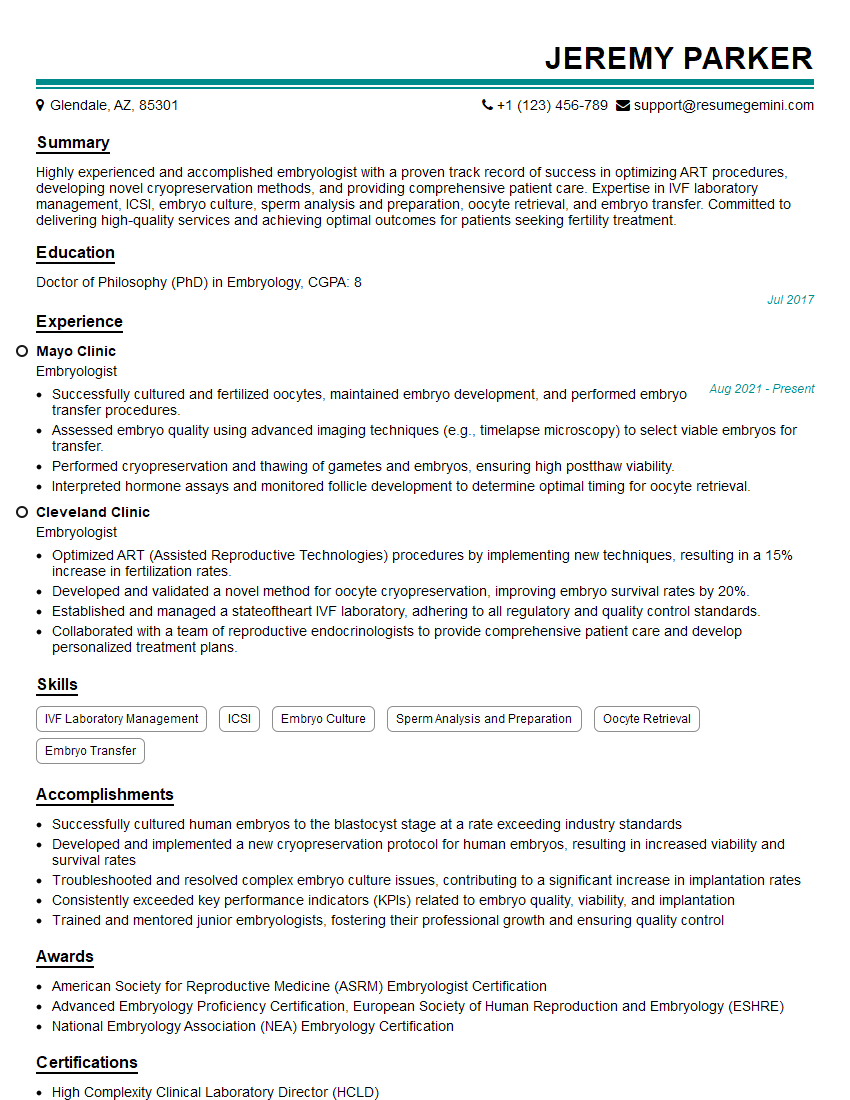
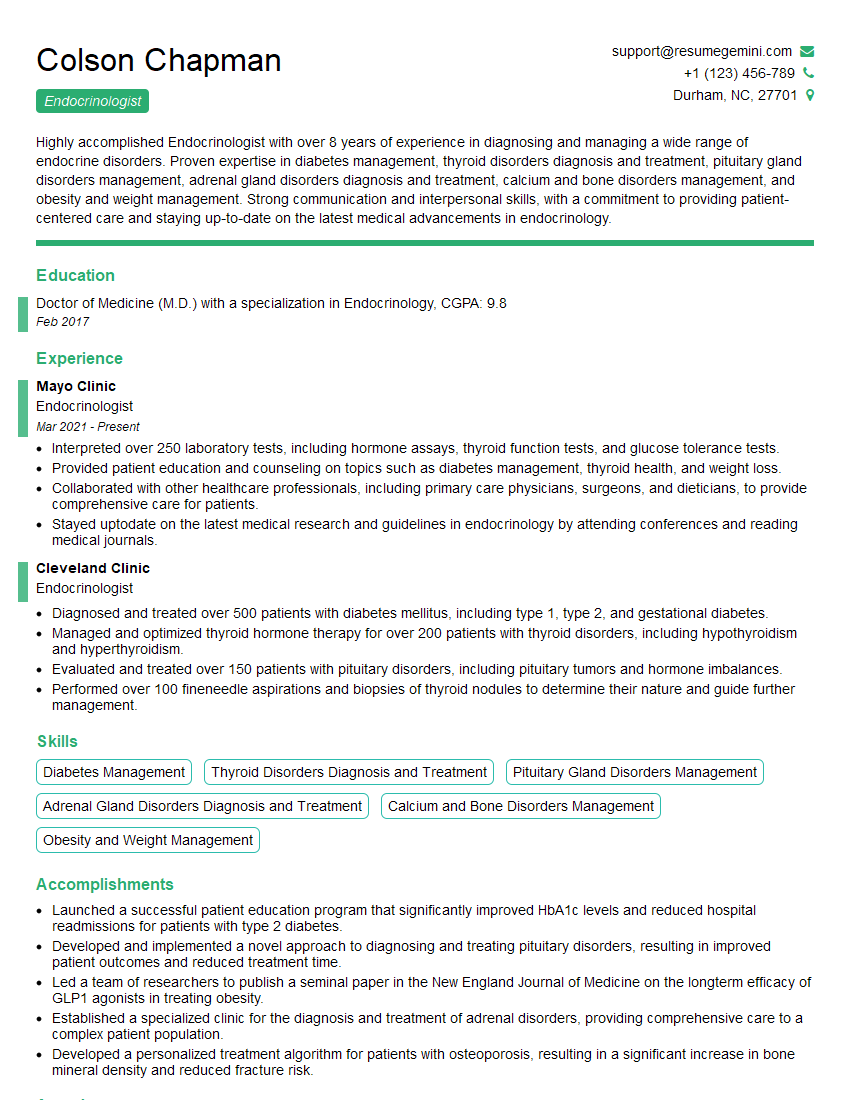
Mastering knowledge of reproductive hormones and drugs is crucial for career advancement in fields like endocrinology, reproductive medicine, and pharmaceutical research. A strong understanding of these topics demonstrates expertise and enhances your marketability. To increase your chances of landing your dream job, focus on creating an ATS-friendly resume that highlights your skills and experience effectively. ResumeGemini is a trusted resource to help you build a professional and impactful resume that stands out. Examples of resumes tailored to showcasing expertise in Knowledge of Reproductive Hormones and Drugs are available to guide you.

Explore more articles
Users Rating of Our Blogs
Share Your Experience
We value your feedback! Please rate our content and share your thoughts (optional).
What Readers Say About Our Blog
I Redesigned Spongebob Squarepants and his main characters of my artwork.
https://www.deviantart.com/reimaginesponge/art/Redesigned-Spongebob-characters-1223583608
IT gave me an insight and words to use and be able to think of examples
Hi, I’m Jay, we have a few potential clients that are interested in your services, thought you might be a good fit. I’d love to talk about the details, when do you have time to talk?
Best,
Jay
Founder | CEO