The right preparation can turn an interview into an opportunity to showcase your expertise. This guide to Experience in Cow-Calf Operations interview questions is your ultimate resource, providing key insights and tips to help you ace your responses and stand out as a top candidate.
Questions Asked in Experience in Cow-Calf Operations Interview
Q 1. Describe your experience in managing cow-calf herd health programs.
Managing a cow-calf herd’s health requires a proactive, preventative approach. It’s not just about reacting to illness; it’s about minimizing the likelihood of illness in the first place. This involves a comprehensive program encompassing vaccination, parasite control, and diligent observation.
- Vaccination: We follow a strict vaccination schedule tailored to our region’s prevalent diseases. This typically includes vaccines against Brucellosis, Leptospirosis, Clostridial diseases, and Bovine Viral Diarrhea (BVD). We meticulously record vaccination dates and types for each animal to track herd immunity and identify potential gaps.
- Parasite Control: Regular fecal egg counts help us assess parasite loads and determine the appropriate deworming strategy. We emphasize strategic deworming, minimizing unnecessary medication use to avoid developing resistance. We also manage pasture rotation to reduce parasite buildup.
- Observation: Daily observation of the herd is crucial. I look for signs of illness such as changes in behavior (lethargy, isolation), appetite, or manure consistency. Early detection is key to effective treatment and preventing the spread of disease. For example, noticing a cow that is separated from the herd and lethargic often prompts closer investigation, leading to early intervention of potential health issues.
- Record Keeping: Detailed record-keeping is paramount. We maintain accurate records of all health events, including vaccinations, treatments, and any observed illnesses. This data allows us to track herd health trends, identify problem areas, and make informed management decisions.
Q 2. Explain your approach to pasture management and rotational grazing.
Pasture management and rotational grazing are cornerstones of efficient and sustainable cow-calf operations. The goal is to maximize forage utilization, improve pasture health, and minimize overgrazing. Think of it like giving your cows a buffet with rotating courses!
- Planning: We divide our pastures into multiple paddocks, ensuring each paddock offers sufficient forage to support the herd for a specific grazing period. Paddock size depends on factors such as forage growth, herd size, and soil conditions.
- Rotation: We rotate the herd among these paddocks systematically, allowing grazed areas ample time to recover. The length of the grazing period and the resting period are adjusted based on pasture growth and environmental factors. We aim for a balance, preventing overgrazing, while ensuring sufficient forage availability.
- Monitoring: We continuously monitor pasture conditions, assessing forage quality and quantity. This helps us adjust grazing periods and ensure that pastures remain healthy and productive. For example, if a paddock shows signs of significant overgrazing, we might shorten its grazing period the next time.
- Rest and Recovery: Allowing sufficient rest and recovery periods is vital. This allows the pastures to replenish, promoting healthy soil and reducing weed infestation. Healthy pastures lead to healthier cows.
Rotational grazing offers several benefits including improved forage quality, reduced parasite loads, and better soil health. It’s a cornerstone of sustainable and profitable cow-calf operations.
Q 3. How do you monitor and improve reproductive performance in your cow herd?
Monitoring and improving reproductive performance is critical for profitability. It’s all about ensuring that each cow is efficiently producing a calf each year. This requires a multi-pronged approach.
- Body Condition Scoring (BCS): Regular BCS assessment helps identify cows with inadequate body condition, which impacts reproductive performance. Cows in poor condition are less likely to conceive. We aim for a BCS of 5-6 on a scale of 1-9, adjusting feeding strategies as needed.
- Pregnancy Checking: We conduct pregnancy checks using ultrasound or rectal palpation. This allows early identification of open (non-pregnant) cows, enabling timely intervention. This might involve culling the cow or implementing strategies to improve her fertility for the next breeding season.
- Breeding soundness exams: Breeding soundness exams are conducted on bulls to assess their fertility, ensuring we’re using high-quality sires.
- Heat detection: Effective heat detection is essential. We utilize multiple techniques, including visual observation (for signs of estrus, such as mounting), activity monitors, and sometimes even specialized heat detection aids. Timely insemination or breeding increases the chances of conception.
- Record Keeping: Meticulous record-keeping is crucial. We track breeding dates, calving dates, pregnancy rates, and other reproductive metrics. This data allows us to identify trends and implement appropriate management strategies to improve performance.
Q 4. What are the key factors you consider when selecting breeding bulls?
Selecting breeding bulls is a crucial decision impacting the genetic progress and profitability of the herd. It’s not just about picking a big bull; it’s about finding a bull with the right genetics and good health.
- Genetic Merit: We prioritize bulls with proven genetic merit for traits such as calving ease, growth rate, carcass quality, and maternal traits. We use Expected Progeny Differences (EPDs) to compare bulls objectively, aiming for bulls that will improve the next generation’s genetics.
- Health: Bulls must be free from any contagious diseases. A breeding soundness exam ensures that the bull has good semen quality and fertility, critical for high pregnancy rates.
- Structural soundness: A structurally sound bull will be able to successfully mate with the cows without injuries to either. We check for things such as straight legs and feet. A poor conformation can cause problems down the line.
- Temperament: A docile temperament is crucial for safety. Aggressive bulls pose significant risks to handlers and other cattle. We prefer bulls that are calm and easily managed.
We carefully evaluate these factors and often utilize breed association data and genetic evaluations to make informed decisions when selecting bulls. We regularly assess the performance of our bulls to select the best sires for future generations.
Q 5. Detail your experience with calf weaning and handling techniques.
Calf weaning and handling are critical for minimizing stress and ensuring the health and welfare of both cows and calves. The process needs to be gradual and humane.
- Gradual Weaning: We gradually wean calves, reducing their access to their mothers over a period of several days. This reduces stress compared to abrupt separation. Techniques like using creep feeders to start weaning the calves from their mothers ahead of time are often used.
- Preconditioning: Before weaning, we often pre-condition calves by vaccinating them against common diseases and de-worming them. This ensures that they’re prepared for the stress of weaning and can maintain their health.
- Handling Facilities: We utilize appropriate handling facilities, such as squeeze chutes and headgates, to minimize stress during weaning and processing. These facilities ensure the safety of both the animals and the handlers.
- Individual Identification: Every calf is individually identified, allowing us to track its health and performance. We use ear tags and sometimes even branding.
Proper weaning and handling procedures are important for ensuring the calves are prepared for sale or future management. It is crucial that the calves are weaned without a significant reduction in their weight or health.
Q 6. Describe your strategies for minimizing calf mortality rates.
Minimizing calf mortality requires vigilance and a comprehensive approach starting before birth. The goal is to minimize losses to increase profits. We focus on prevention rather than cure.
- Pre-Calving Management: We provide adequate nutrition to pregnant cows to support healthy fetal development and reduce the risk of dystocia (difficult birth). This often includes supplemental feeding during late gestation.
- Calving Assistance: We are readily available during calving season to assist with difficult births. Prompt assistance can save both the cow and calf.
- Hygiene and Sanitation: Maintaining a clean calving environment minimizes the risk of infection. Clean birthing areas can greatly reduce disease.
- Colostrum Management: Ensuring calves receive adequate colostrum within the first few hours of life is crucial for building immunity. We carefully monitor calves to ensure they are nursing successfully and provide assistance if necessary. We also can have frozen colostrum available in case it’s needed.
- Post-Calving Monitoring: Regular monitoring of calves in their first few weeks of life allows early detection of health problems. We are constantly checking for any issues like scours or pneumonia.
By implementing these strategies, we strive to maintain a low calf mortality rate, optimizing the efficiency of our operation. A low mortality rate shows how well we can raise cattle and efficiently produce more animals.
Q 7. How do you manage feed resources for both cows and calves?
Managing feed resources for cows and calves requires careful planning and consideration of forage availability, nutritional requirements, and cost-effectiveness. It’s a balancing act between utilizing available resources efficiently and providing optimal nutrition.
- Forage Management: We utilize a combination of pasture grazing and supplemental feeding depending on the season and forage availability. During periods of pasture shortage, we supplement with hay or silage.
- Supplemental Feeding: Nutritional supplements, such as protein supplements and mineral mixes, are crucial, particularly for pregnant cows and growing calves. These supplements ensure cows and calves are receiving the nutrients they need for optimal health and production.
- Creep Feeding: Calves are often creep fed, allowing them access to a separate feed source. This improves their growth rates and helps them transition to post-weaning diets.
- Feed Efficiency: We continuously strive to improve feed efficiency through strategic pasture management and feed selection. Ensuring the animals are efficiently using their feed translates into lower feed costs and a greater profit margin.
- Storage and Conservation: Proper storage and conservation of feed resources, such as hay and silage, are essential to ensure feed quality and availability throughout the year.
Efficient feed management involves a continuous evaluation of the resources, animal needs, and cost to optimize the operation’s profitability.
Q 8. Explain your knowledge of different cattle breeds and their suitability for various environments.
Selecting the right cattle breed is crucial for success in cow-calf operations. Breed selection depends heavily on the environment, desired product (beef or dairy), and management practices. Different breeds possess varying levels of hardiness, disease resistance, adaptability to climate, and growth rates.
- For harsh, cold climates: Breeds like Angus, Hereford, and Simmental excel. Their hardiness and ability to thrive in cold temperatures are key advantages. Angus, in particular, is known for its excellent marbling and meat quality.
- For hot, humid climates: Breeds like Brahman, Brangus (a cross between Brahman and Angus), and Senepol are better suited. They possess heat tolerance, tick resistance, and greater parasite resistance. The Brahman’s heat tolerance is a significant advantage in warmer climates.
- For moderate climates: Charolais, Limousin, and Gelbvieh are strong choices. These breeds exhibit good growth rates and meat quality, suitable for a range of environments.
For example, running Angus cattle in a humid subtropical climate would likely lead to heat stress and reduced productivity, whereas using Brahman cattle in a harsh, snowy environment would pose similar challenges.
Q 9. What are your methods for controlling internal and external parasites in cattle?
Controlling internal and external parasites is vital for maintaining healthy cattle and maximizing productivity. My approach is multi-pronged and integrates preventative measures with targeted treatments.
- Preventative Measures: This includes regular pasture rotation to disrupt parasite life cycles, maintaining good pasture hygiene, and ensuring cattle have access to clean water and nutritious feed. A well-managed grazing system can drastically reduce parasite load.
- Internal Parasite Control: I regularly utilize fecal egg counts (FEC) to monitor internal parasite levels. Based on these results, I employ deworming strategies using broad-spectrum anthelmintics, rotating dewormers to prevent resistance development. Strategic deworming, targeting only animals with high parasite loads, is essential for minimizing the development of resistance.
- External Parasite Control: Regular inspection for ticks, lice, and flies is critical. I employ pour-on insecticides, strategically timed to coincide with parasite activity and weather patterns. I also implement fly control measures such as strategically placed traps and use of insect repellents.
A key aspect of my strategy is ongoing monitoring and adjustment. Regular observation of cattle health, coupled with diagnostic testing, allows for a prompt and effective response to any emerging parasite issues. For example, a sudden increase in cattle scratching might signal a lice infestation, requiring immediate intervention.
Q 10. How do you assess the nutritional status of your cows and calves?
Assessing the nutritional status of cows and calves involves a combination of visual observations, body condition scoring (BCS), and potentially blood tests.
- Visual Observation: I regularly examine each animal for signs of poor health such as thinness, dull coat, and lethargy. This allows for early detection of nutritional deficiencies.
- Body Condition Scoring (BCS): This is a crucial tool. BCS involves visually assessing the amount of fat cover on specific body areas, assigning a score on a scale of 1 to 9 (1 being emaciated and 9 being obese). A BCS of 5-6 is generally ideal for maintaining reproductive performance and growth. Regular BCS monitoring allows for adjustments to the feeding program to address any deficiencies.
- Blood Tests: In cases of suspected deficiencies or illness, blood tests can provide precise information on nutrient levels, such as blood urea nitrogen (BUN) for protein status or mineral levels. This provides more targeted nutritional intervention.
For example, cows with low BCS scores might require supplemental feeding to ensure adequate energy reserves for reproduction and milk production. Calves might need creep feed to support optimal growth rates. Regular monitoring and strategic intervention are key components of ensuring the herd’s overall health and productivity.
Q 11. What are your strategies for preventing and managing heat stress in cattle?
Heat stress is a significant threat to cattle productivity and welfare. My strategies for preventing and managing heat stress are multifaceted and focus on providing a cool and comfortable environment.
- Shade and Shelter: Adequate shade is critical. This can be provided by natural shade trees, or by constructing shaded areas such as barns or windbreaks. Shelter from direct sunlight and wind is paramount.
- Water Availability: Cattle need access to ample fresh, clean water at all times, especially during heat waves. Multiple water troughs strategically placed across the pasture ensure all animals can easily access water. Monitoring water quality is also essential.
- Cooling Strategies: In extreme heat, evaporative cooling methods like sprinklers or fans can help reduce body temperature. Strategic placement of these systems ensures efficient cooling across the pasture.
- Management Adjustments: Adjusting grazing schedules to minimize grazing during the hottest parts of the day reduces heat exposure. Moving cattle to cooler locations during peak heat periods can also be beneficial.
Regular monitoring of cattle behavior and body temperature is crucial for early detection of heat stress. Prompt implementation of cooling measures can prevent serious health consequences, ensuring the welfare of the animals and minimizing economic losses.
Q 12. Describe your experience with artificial insemination (AI) techniques in cattle.
Artificial insemination (AI) is a valuable tool for genetic improvement in cow-calf operations. My experience with AI involves meticulous planning, precise technique, and effective record-keeping.
- Heat Detection: Accurate heat detection is crucial for successful AI. I use a combination of visual observation of estrus behavior (mounting, restlessness) and the use of heat detection aids such as tail paint or activity monitors.
- AI Technique: I am proficient in performing AI using both a rectal approach and specialized instruments to ensure proper semen deposition in the uterus. Maintaining sterile conditions is paramount to minimize infection risk.
- Semen Handling and Storage: Proper handling and storage of semen according to manufacturer instructions are critical. Maintaining the correct temperature chain is essential to maintain semen viability.
- Pregnancy Diagnosis: Following AI, I perform pregnancy diagnosis using transrectal ultrasonography to confirm conception and monitor fetal development. This allows for early detection of pregnancy loss and adjustments to management strategies.
AI offers opportunities to introduce superior genetics into the herd, improving traits such as growth rate, carcass quality, and disease resistance. The success rate of AI depends heavily on precise technique and meticulous attention to detail. For example, even slight variations in semen handling and deposition can drastically impact the success rate.
Q 13. Explain your approach to record-keeping and data analysis in cow-calf operations.
Effective record-keeping and data analysis are essential for managing and improving cow-calf operations. My approach utilizes a combination of physical records and digital tools.
- Individual Animal Records: I maintain detailed individual records including birth dates, breed, sire and dam information, vaccination history, health treatments, reproductive performance (breeding dates, calving dates, gestation length), and weights at various stages of development.
- Pasture Management Records: I keep records of pasture rotation schedules, grazing intensity, and forage production. This helps optimize pasture utilization and minimize overgrazing.
- Financial Records: Detailed financial records track all income and expenses, allowing for accurate calculation of profitability and identification of cost-saving opportunities.
- Data Analysis: I use spreadsheet software and potentially specialized farm management software to analyze the accumulated data. This analysis helps identify trends, areas for improvement, and potential risks. For example, analyzing calving intervals can pinpoint potential reproductive issues, whereas analyzing weight gain data can indicate nutritional needs.
Regular data analysis allows for informed decision-making, improving efficiency, and maximizing profitability. This data-driven approach is critical for long-term success.
Q 14. How do you evaluate the profitability of your cow-calf operation?
Evaluating the profitability of a cow-calf operation requires a comprehensive analysis of both income and expenses.
- Income: Income is primarily generated from the sale of calves. Factors influencing income include calf prices, weaning weights, and calf mortality rates. Accurate forecasting of these variables is crucial.
- Expenses: Expenses include feed costs, veterinary expenses, labor, breeding costs (natural service or AI), land costs, equipment maintenance, and marketing costs. Careful budgeting and cost control are paramount to maximize profitability.
- Profit Calculation: Profit is calculated by subtracting total expenses from total income. Key performance indicators (KPIs) such as weaning weight per cow, calf crop percentage, and breeding efficiency provide insights into areas for improvement.
- Return on Investment (ROI): ROI is a useful metric to assess the overall return on investment in the cow-calf operation. It is calculated by comparing the net profit to the total investment.
Regular analysis of income and expenses, coupled with effective cost management and improvement of key performance indicators, are essential for maintaining and enhancing the profitability of the cow-calf operation. For example, even small improvements in weaning weights or calf survival rates can significantly impact the bottom line.
Q 15. What are your strategies for marketing and selling calves?
Marketing and selling calves effectively requires a multi-pronged approach. My strategy focuses on building relationships with buyers and understanding market demands. This includes networking with local buyers, attending livestock auctions, and exploring direct-to-consumer sales options like online marketplaces or farm-to-table initiatives.
- Building Relationships: I prioritize maintaining strong relationships with buyers by consistently providing high-quality calves and reliable service. Trust and reputation are paramount in this business.
- Understanding Market Demand: I stay informed about market trends by monitoring livestock reports, attending industry events, and consulting with agricultural experts. This helps me adjust my breeding and management practices to meet current market needs for size, breed, and quality.
- Diversifying Sales Channels: Rather than relying on a single sales method, I explore multiple avenues. For example, I might sell some calves at auction, others directly to feedlots, and potentially some to smaller local farms.
- Marketing Calves: Using clear photos and videos showcasing the calves’ quality, health, and breeding is crucial for online sales. Emphasizing superior genetics and consistent health records are key selling points.
For example, one year I developed a strong relationship with a local organic beef producer who consistently bought my calves at a premium price due to the quality and consistent health I provided. This strategy allowed me to command higher prices and build a sustainable business.
Career Expert Tips:
- Ace those interviews! Prepare effectively by reviewing the Top 50 Most Common Interview Questions on ResumeGemini.
- Navigate your job search with confidence! Explore a wide range of Career Tips on ResumeGemini. Learn about common challenges and recommendations to overcome them.
- Craft the perfect resume! Master the Art of Resume Writing with ResumeGemini’s guide. Showcase your unique qualifications and achievements effectively.
- Don’t miss out on holiday savings! Build your dream resume with ResumeGemini’s ATS optimized templates.
Q 16. Describe your experience with cattle handling facilities and equipment.
My experience with cattle handling facilities and equipment is extensive. I believe in using humane and efficient methods. This involves incorporating well-designed facilities and employing appropriate equipment to minimize stress on the animals and maximize worker safety.
- Facilities: My facilities include a well-designed loading chute, curved alleyways to encourage smooth movement, and a comfortable holding pen. These features help reduce stress and injuries during handling.
- Equipment: I utilize hydraulic squeeze chutes, head gates, and appropriately sized panels to control and restrain cattle safely during vaccinations, branding, and other procedures. I also use automated systems for feeding and watering where applicable to enhance efficiency.
- Safety: Safety is paramount. All equipment is regularly inspected and maintained, and all personnel are trained in safe cattle handling techniques. This ensures both animal welfare and the safety of workers.
For instance, I recently upgraded my loading chute with non-slip surfaces and improved visibility, resulting in a significant reduction in both animal stress and worker injuries during loading.
Q 17. How do you address issues related to animal welfare in your operations?
Animal welfare is an absolute priority in my operations. I believe in proactive measures to ensure the health, comfort, and well-being of my cattle. My approach integrates several key elements:
- Nutrition: Providing access to clean, fresh water and high-quality feed is fundamental. This includes regular pasture rotation to maintain forage quality and minimize parasite infestation. I also utilize appropriate mineral supplements.
- Health Management: A proactive health management program includes regular veterinary checkups, vaccinations, and parasite control. I promptly address any signs of illness or injury.
- Housing: Providing appropriate shelter, particularly during extreme weather conditions, is crucial. This might involve providing shade in summer or windbreaks in winter. I also ensure adequate ventilation to prevent the build-up of harmful gases.
- Handling Practices: All handling procedures are designed to minimize stress and avoid injury. This involves employing calm and confident handling techniques, using appropriate equipment, and avoiding unnecessary rough handling.
For example, I recently implemented a new grazing management system that reduced stress on the cattle and significantly improved pasture health. This demonstrates a holistic approach to animal welfare that considers both individual animal needs and environmental factors.
Q 18. What are your knowledge of common cattle diseases and their management?
Understanding common cattle diseases and their management is essential for successful cow-calf operations. My knowledge encompasses various diseases and their prevention and treatment.
- Common Diseases: I am familiar with diseases such as bovine respiratory disease (BRD), foot rot, leptospirosis, and brucellosis. I know their symptoms, transmission routes, and effective management strategies.
- Prevention: My approach focuses on preventative measures such as vaccinations, proper hygiene practices, and pasture management to minimize the risk of disease outbreaks.
- Treatment: When diseases occur, I promptly consult with a veterinarian to develop and implement appropriate treatment plans, including medication, isolation, and supportive care.
- Record Keeping: Meticulous record-keeping of health events, vaccinations, and treatments is crucial for tracking disease trends and making informed management decisions.
For example, during a recent BRD outbreak, our prompt response, which included rapid veterinary intervention and isolation of affected animals, limited the spread and minimized losses.
Q 19. Explain your experience with different types of fencing materials and their applications.
Choosing the right fencing materials depends on factors like terrain, budget, and the intended purpose. My experience encompasses various types and their applications.
- High-Tensile Wire: This is a strong and durable option, often used for perimeter fencing where strength and longevity are crucial. It’s cost-effective for large areas.
- Woven Wire: Ideal for containing smaller animals or creating smaller enclosures within a larger pasture. It provides good visibility and is suitable for varied terrains.
- Electric Fencing: A highly effective and versatile option, particularly useful for temporary or rotational grazing systems. It’s relatively inexpensive and easy to install.
- Wood Fencing: Offers a traditional look and can be aesthetically pleasing, but it requires more maintenance than wire fencing and is more expensive.
For example, I use a combination of high-tensile wire for perimeter fencing and electric fencing for internal divisions in my pastures. This allows for flexible grazing management and effective animal control at a relatively low cost.
Q 20. How do you manage water resources for your cattle?
Efficient water management is vital for cattle health and productivity. My approach incorporates several strategies to ensure my cattle have consistent access to clean, fresh water:
- Water Sources: I utilize a combination of sources, including troughs, ponds, and streams. The choice depends on the terrain and availability of natural water sources.
- Water Quality: Regular monitoring of water quality is crucial. I ensure the water is free from contamination and test it periodically.
- Water Access: I ensure ample water troughs are strategically located throughout the pastures, particularly during hot weather, to minimize travel distances for cattle.
- Water Storage: In drier climates or regions with limited water sources, I utilize water storage tanks to ensure a consistent supply during periods of low rainfall.
For instance, during a particularly dry summer, we implemented a water hauling system to supplement existing water sources, preventing stress and ensuring the cattle remained adequately hydrated.
Q 21. Describe your experience with budgeting and financial planning for cow-calf operations.
Effective budgeting and financial planning are crucial for the long-term success of any cow-calf operation. My experience includes developing and managing budgets, tracking expenses, and forecasting income.
- Budgeting: My annual budget includes detailed projections of income and expenses, considering factors such as feed costs, veterinary expenses, labor, and marketing costs.
- Expense Tracking: I maintain meticulous records of all expenses to monitor spending and identify areas for potential cost savings.
- Income Forecasting: I regularly review market trends to forecast potential income and adjust my operation accordingly. This includes analyzing calf prices and production costs.
- Financial Analysis: I regularly review financial statements to assess the profitability of the operation and identify areas for improvement.
For example, by carefully tracking feed costs and implementing a more efficient grazing system, we significantly reduced our overall operating expenses, improving the profitability of our operation. This illustrates the importance of detailed financial planning and management.
Q 22. How do you incorporate sustainable practices in your cow-calf operations?
Sustainable practices in cow-calf operations are crucial for long-term profitability and environmental stewardship. It’s about balancing economic viability with ecological responsibility. We achieve this through a multi-pronged approach:
- Improved Pasture Management: We utilize rotational grazing, dividing pastures into smaller paddocks to allow for rest and regrowth. This improves forage quality, reduces soil erosion, and enhances biodiversity. For example, we might rotate our herd through four paddocks, allowing each three weeks of rest before grazing again.
- Strategic Breeding: Selecting bulls with superior genetics for traits like disease resistance, efficient feed conversion, and lower methane emissions is key. We use data from performance records and genetic evaluations to make informed breeding decisions. This leads to a healthier, more productive herd with a reduced environmental footprint.
- Waste Management: We carefully manage manure as a valuable resource. Proper composting reduces odor and pathogens, turning waste into fertilizer that improves soil health and reduces reliance on chemical fertilizers. We also actively monitor and prevent runoff into waterways.
- Water Conservation: Efficient water management is vital, especially in drier regions. We implement strategies like installing water troughs strategically and using water-saving technologies. Regular maintenance of our watering systems minimizes wastage.
- Integrating trees and shrubs: We’re implementing silvopasture techniques, which means integrating trees and shrubs into our grazing systems. This provides shade for the cattle, improving their comfort and reducing heat stress, while also enriching biodiversity and improving carbon sequestration.
By consistently adopting these practices, we’re building a more resilient and environmentally responsible operation.
Q 23. Explain your experience with using technology in livestock management.
Technology has revolutionized livestock management, and we’ve embraced it fully. Our operation incorporates several technological tools to improve efficiency and animal welfare:
- GPS Tracking and Monitoring: We utilize GPS collars on our cattle, allowing us to monitor their location, movement patterns, and overall health remotely. This helps in efficient herd management, preventing straying animals, and identifying potential health issues quickly.
- Precision Livestock Farming (PLF) Sensors: We employ sensors to monitor various parameters like feed intake, body temperature, and activity levels of individual animals. This provides early warning signs of illness or stress, allowing for timely intervention.
- Data Analysis Software: We use specialized software to analyze data collected from GPS trackers and sensors. This allows us to identify trends, predict potential problems, and optimize resource allocation. The data helps us make informed decisions regarding feeding, breeding, and overall herd management.
- Automated Feeding Systems: We have partially automated feeding systems that allow for precise feed delivery, reducing waste and improving feed efficiency.
- Drones for Pasture Monitoring: We use drones equipped with high-resolution cameras to assess pasture conditions, identify problem areas, and plan for grazing management. This provides a bird’s-eye view that greatly enhances our decision-making processes.
These technologies enable proactive management, reducing labor costs, improving animal welfare, and boosting overall efficiency.
Q 24. What are your methods for evaluating the quality of forages?
Evaluating forage quality is crucial for ensuring optimal animal nutrition and health. We use a combination of methods:
- Visual Assessment: We visually inspect pastures regularly to assess maturity, leaf-to-stem ratio, and the presence of weeds or undesirable plants. A healthy pasture should have a good balance of leaves and stems, indicating sufficient nutritional value.
- Forage Testing: We send samples of our forages to a laboratory for analysis. The tests determine the nutritional composition, including crude protein, fiber content (NDF, ADF), and digestibility. This gives us precise data on the quality of our forage and helps us tailor our feeding strategies accordingly.
- Animal Performance Monitoring: We monitor the weight gain, body condition score, and reproductive performance of our cattle. This provides indirect insight into forage quality. If animals are not performing well, it often suggests a nutritional deficiency that needs to be addressed, often by altering our grazing or supplementing the forage.
- Soil Testing: Regular soil tests provide valuable information about soil nutrient levels, influencing forage quality. Identifying nutrient deficiencies allows for targeted fertilization to improve forage production.
By combining these techniques, we can accurately assess forage quality, ensuring our cattle receive the nutrition they need for optimal growth and productivity.
Q 25. Describe your knowledge of government regulations and compliance related to cattle farming.
Compliance with government regulations is paramount in cattle farming. We meticulously follow all applicable federal, state, and local rules, including:
- Animal Health Regulations: We adhere to regulations regarding disease prevention, control, and reporting. This includes vaccination protocols, biosecurity measures, and timely reporting of any suspected disease outbreaks to the appropriate authorities. We maintain detailed records of animal health treatments and vaccinations.
- Environmental Regulations: We comply with regulations related to manure management, water quality protection, and pesticide use. We maintain a comprehensive plan for manure management and regularly check for compliance with the required regulations, and implement appropriate measures to mitigate any potential environmental issues.
- Food Safety Regulations: We follow stringent food safety protocols related to handling, processing, and storage of beef. This ensures that our products meet the highest standards of quality and safety.
- Record Keeping: Maintaining accurate and detailed records of all aspects of our operation is critical. These records help us demonstrate compliance with regulations and track our progress over time.
- Labor Regulations: We comply with labor laws concerning employee wages, safety, and working conditions.
Staying informed and proactively managing compliance reduces potential risks and ensures the sustainability of our operation.
Q 26. How do you handle emergency situations related to animal health or weather events?
Emergency preparedness is critical in cow-calf operations. We have established protocols for handling animal health emergencies and weather events:
- Animal Health Emergencies: We have a well-defined plan for responding to disease outbreaks or individual animal health crises. This includes having a veterinarian on call, establishing isolation protocols, and implementing appropriate treatment strategies. We also maintain a well-stocked first-aid kit for both animals and personnel.
- Weather Events: Our emergency plans cover a range of weather events, from heat waves and blizzards to floods and wildfires. This involves having backup power sources, adequate shelter for the cattle, and strategies for transporting animals to safer locations if necessary. We monitor weather forecasts regularly and adjust our management accordingly.
- Communication Plan: Maintaining clear communication channels with our team, veterinarians, and relevant authorities is crucial. We have designated communication points and established protocols for reporting emergencies and coordinating responses.
- Emergency Supplies: We maintain a readily accessible supply of emergency feed, water, medication, and other essential resources.
Regular drills and training ensure our team is prepared to effectively respond to any unforeseen circumstances.
Q 27. Describe your experience with labor management and supervision on a ranch.
Effective labor management is essential for a successful cow-calf operation. We focus on:
- Team Building and Training: We foster a positive work environment and provide regular training to our team on various aspects of cattle management, including animal handling techniques, equipment operation, and safety protocols. We encourage open communication and feedback.
- Clear Roles and Responsibilities: We clearly define roles and responsibilities within our team, ensuring everyone understands their tasks and accountability. This helps streamline operations and increases efficiency.
- Performance Evaluation: We regularly assess the performance of our team members, providing constructive feedback and recognition for their contributions. This helps identify areas for improvement and fosters motivation.
- Compensation and Benefits: We offer competitive compensation and benefits packages to attract and retain qualified personnel. This includes fair wages, health insurance, and paid time off.
- Safety Measures: We prioritize workplace safety by providing proper training, equipment, and safety procedures. We regularly review and update our safety protocols to ensure a safe working environment for our team.
By focusing on these aspects, we create a productive and engaged workforce that is essential to the success of our operation. We treat our team as an investment in our operation’s future.
Key Topics to Learn for Experience in Cow-Calf Operations Interview
- Cattle Breeding and Genetics: Understanding breed selection, genetic improvement strategies, and the impact on herd productivity. Practical application: Discuss experiences with specific breeds and their suitability for your operational environment.
- Pasture and Forage Management: Knowledge of pasture establishment, fertilization, grazing management techniques, and the impact on animal health and performance. Practical application: Describe your experience in optimizing forage utilization and minimizing feed costs.
- Animal Health and Disease Prevention: Proficiency in recognizing common diseases, implementing vaccination programs, and managing parasite control. Practical application: Detail your experience with disease prevention strategies and handling animal health emergencies.
- Reproductive Management: Understanding estrus synchronization, artificial insemination, pregnancy diagnosis, and calving management. Practical application: Discuss your experience with optimizing reproductive efficiency and minimizing calving difficulties.
- Nutrition and Feeding: Knowledge of nutrient requirements for different life stages, feed formulation, and efficient feed delivery systems. Practical application: Explain your approach to formulating cost-effective rations to meet animal nutritional needs.
- Financial Management: Understanding budgeting, record-keeping, cost analysis, and profitability in cow-calf operations. Practical application: Describe your experience in tracking key financial metrics and making informed management decisions.
- Sustainable Practices: Understanding and implementing environmentally responsible practices in grazing management, waste management, and resource conservation. Practical application: Discuss your experience integrating sustainable practices into your operation.
- Herd Management and Record Keeping: Efficiently managing herd data, implementing effective identification systems, and utilizing technology for improved record keeping. Practical application: Describe your experience with herd management software and data analysis to improve decision-making.
Next Steps
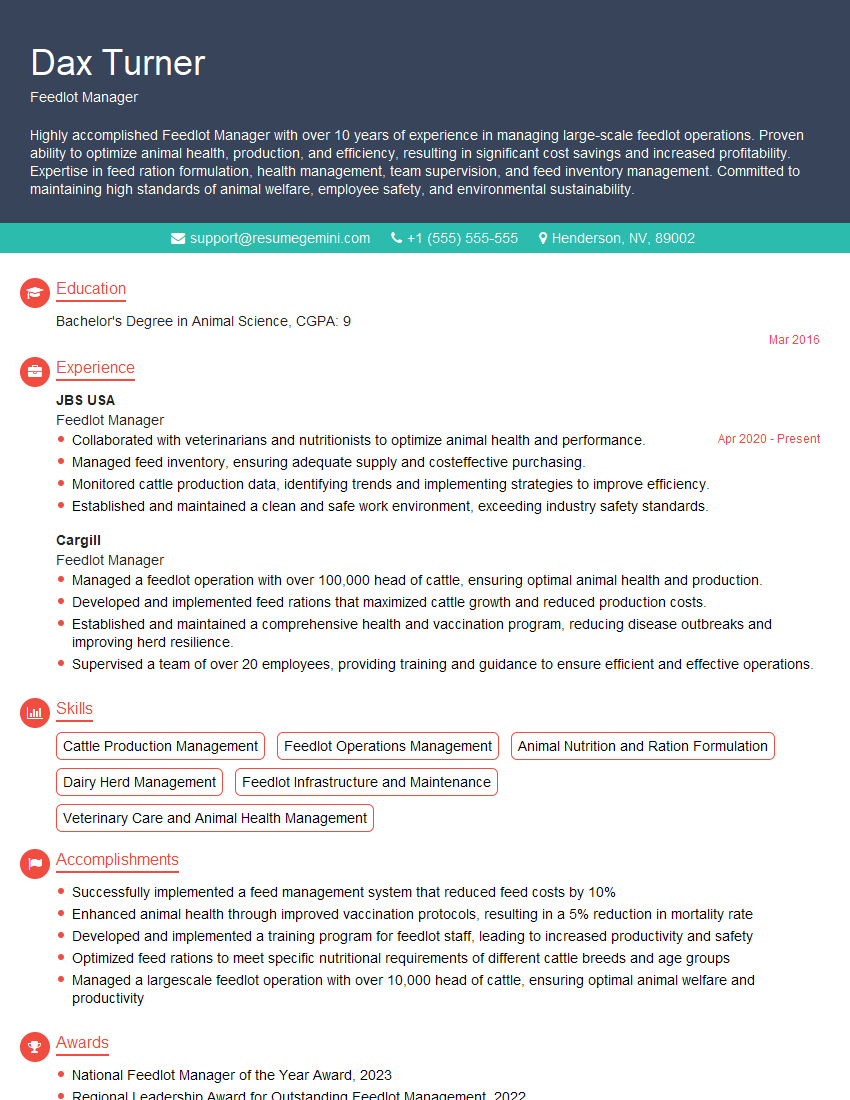
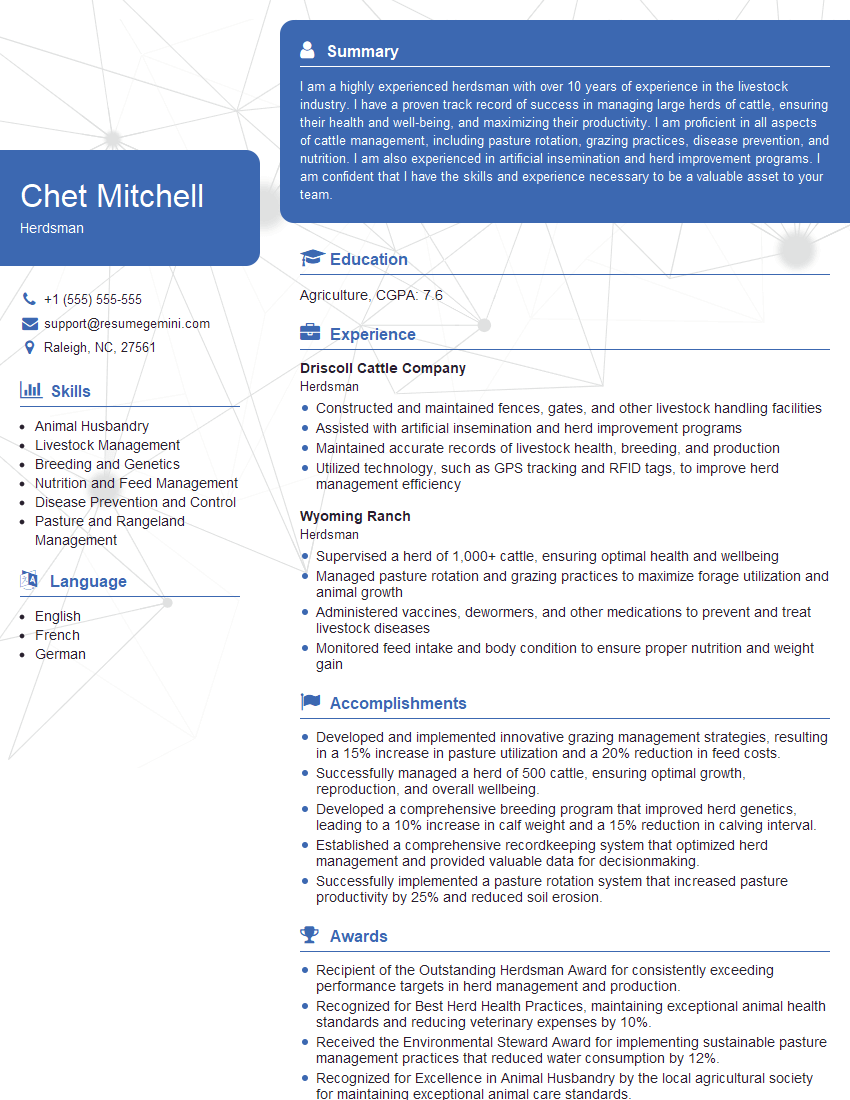
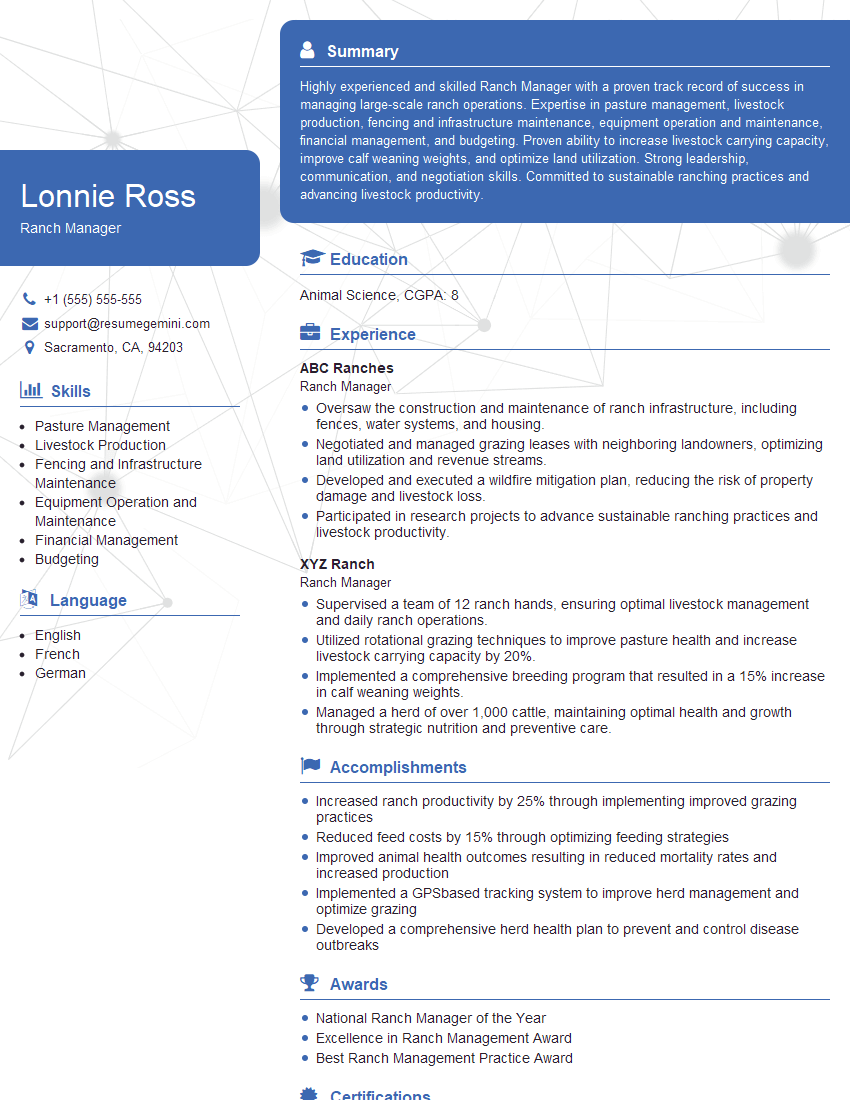
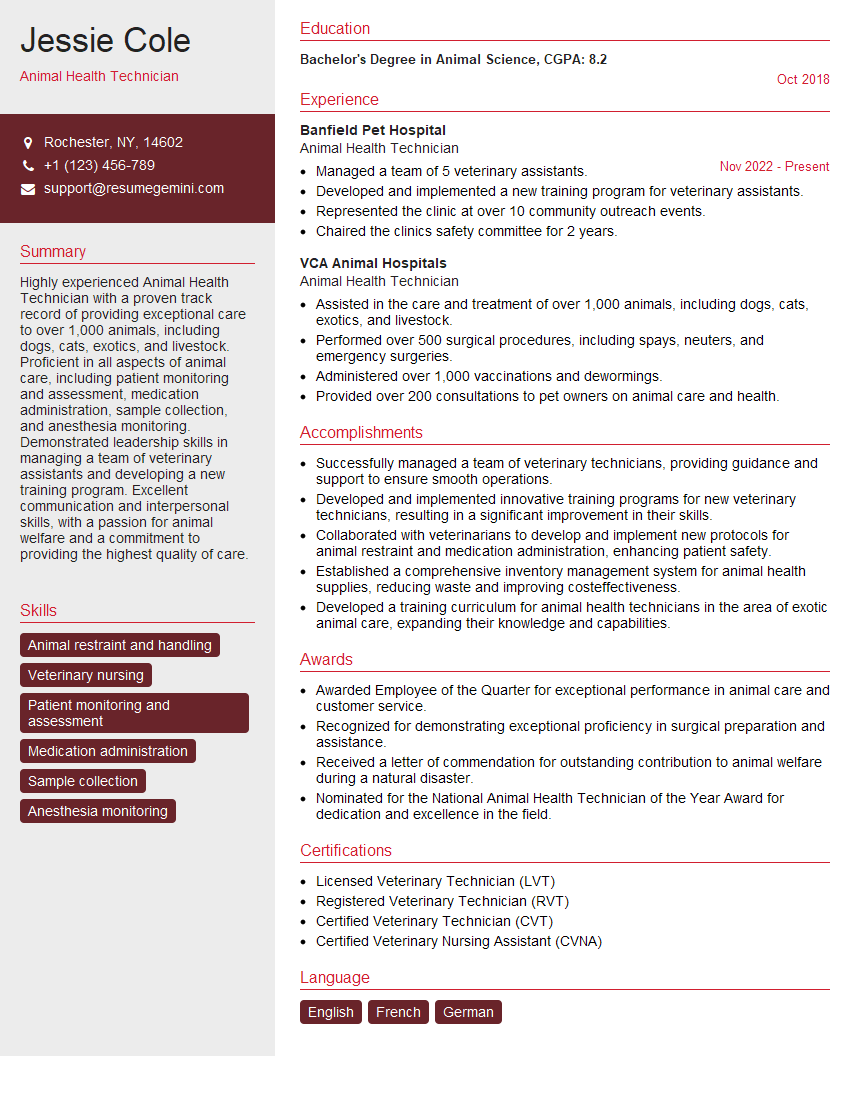
Mastering the intricacies of Cow-Calf Operations significantly enhances your career prospects in the agricultural sector, opening doors to leadership roles and increased earning potential. A well-crafted, ATS-friendly resume is crucial for showcasing your skills and experience to potential employers. ResumeGemini is a trusted resource to help you build a professional and impactful resume that gets noticed. Take advantage of their tools and resources – examples of resumes tailored to Experience in Cow-Calf Operations are available to guide you in crafting a compelling application.
Explore more articles
Users Rating of Our Blogs
Share Your Experience
We value your feedback! Please rate our content and share your thoughts (optional).
What Readers Say About Our Blog
I Redesigned Spongebob Squarepants and his main characters of my artwork.
https://www.deviantart.com/reimaginesponge/art/Redesigned-Spongebob-characters-1223583608
IT gave me an insight and words to use and be able to think of examples
Hi, I’m Jay, we have a few potential clients that are interested in your services, thought you might be a good fit. I’d love to talk about the details, when do you have time to talk?
Best,
Jay
Founder | CEO