Every successful interview starts with knowing what to expect. In this blog, we’ll take you through the top Shelter Medicine interview questions, breaking them down with expert tips to help you deliver impactful answers. Step into your next interview fully prepared and ready to succeed.
Questions Asked in Shelter Medicine Interview
Q 1. Describe your experience with common feline and canine diseases prevalent in shelter environments.
My experience encompasses a wide range of feline and canine diseases common in shelter settings. These are often exacerbated by the high-density environment and the animals’ varied health histories. For canines, highly contagious diseases like kennel cough (caused by Bordetella bronchiseptica and other pathogens), parvovirus, and distemper are frequent concerns. We see significant numbers of cases requiring management of secondary bacterial infections due to the immunosuppressive effects of these primary viral pathogens. In felines, upper respiratory infections (URIs), caused by viruses like feline herpesvirus and calicivirus, are incredibly common, often leading to secondary bacterial infections and conjunctivitis. Feline leukemia virus (FeLV) and feline immunodeficiency virus (FIV) are also significant concerns, weakening the immune system and predisposing cats to various opportunistic infections. We also see a substantial number of cases involving gastrointestinal issues, such as giardiasis and coccidiosis, related to sanitation challenges in overcrowded environments. Managing these requires a rigorous approach to preventative medicine, including vaccination programs, stringent hygiene protocols, and effective quarantine procedures.
- Canine Diseases: Kennel cough, Parvovirus, Distemper, Leptospirosis, Heartworm
- Feline Diseases: Upper Respiratory Infections (URIs), Feline Leukemia Virus (FeLV), Feline Immunodeficiency Virus (FIV), Feline Infectious Peritonitis (FIP), Giardiasis
One memorable case involved a puppy with severe parvovirus. Through aggressive supportive care, including intravenous fluids, antiemetics, and strict isolation, we managed to successfully nurse him back to health, highlighting the importance of early detection and proactive intervention.
Q 2. Explain your approach to managing infectious disease outbreaks in a shelter setting.
Managing infectious disease outbreaks requires a rapid and decisive response, starting with immediate isolation of affected animals. We employ a ‘cohorting’ system where animals with suspected or confirmed infections are separated from the general population to prevent further spread. Thorough disinfection of affected areas using EPA-registered disinfectants is crucial. We also implement strict hygiene protocols for staff, including handwashing, the use of personal protective equipment (PPE), and proper disposal of contaminated materials. Rapid diagnostic testing is paramount to identify the causative agent, allowing for targeted treatment strategies. In cases of highly contagious viruses like parvovirus or distemper, we might implement a temporary halt to new intakes to allow the situation to stabilize. Contact tracing and careful monitoring of exposed animals are also vital. A detailed record-keeping system tracks exposure, symptoms, and treatment to inform future preventative measures.
For example, during a recent outbreak of kennel cough, we rapidly isolated affected dogs, implemented enhanced disinfection protocols, and administered appropriate antibiotic therapy to reduce secondary bacterial infections. We also temporarily suspended dog intakes until the outbreak subsided, protecting the remaining canine population.
Q 3. What are your strategies for controlling parasite infestations in shelter animals?
Controlling parasite infestations is achieved through a multi-pronged approach focusing on prevention, detection, and treatment. Preventative measures include regular fecal exams, monthly preventative medications (such as heartworm, flea, and tick preventatives) tailored to the individual animal’s age and health, and rigorous environmental cleaning. We frequently use broad-spectrum dewormers to treat intestinal parasites, and topical or oral medications to control external parasites like fleas and ticks. Environments are treated regularly with appropriate insecticides to mitigate the parasite load in the shelter. Regular inspection of animals for external parasites is paramount to detect infestations early and prevent outbreaks.
Think of it like this: controlling parasites is like dealing with weeds in a garden. We need to use a combination of preventative measures (like weeding regularly), targeted treatments (like herbicides), and ongoing maintenance to keep the problem under control.
Q 4. How do you prioritize medical cases in a high-volume shelter environment?
Prioritizing medical cases in a high-volume shelter requires a triage system. We utilize a combination of factors to assess urgency, including the animal’s overall condition (appearance, mentation, hydration), severity of the presenting symptoms, and the potential for rapid deterioration or transmission to other animals. Animals with life-threatening conditions (e.g., severe trauma, respiratory distress, shock) are given immediate attention. Those with less urgent but still significant issues are prioritized based on the potential for long-term health consequences or contagiousness. A clear and well-defined system enables us to allocate resources effectively and ensure that animals with the greatest need receive timely care. We use a color-coded system to quickly identify animals based on their needs (red for critical, yellow for urgent, green for routine).
Q 5. Detail your knowledge of shelter animal enrichment and behavior modification techniques.
Shelter animal enrichment and behavior modification are crucial for promoting well-being and increasing adoptability. Enrichment focuses on providing stimulating environments that cater to the animal’s natural behaviors. This includes providing appropriate toys, puzzle feeders, climbing structures, and opportunities for social interaction (if compatible). Behavioral modification techniques utilize positive reinforcement methods to address unwanted behaviors, such as barking or aggression. We use techniques like desensitization and counter-conditioning to help animals cope with stressful stimuli and learn appropriate responses. Training protocols should be positive and rewarding, building a positive relationship with shelter staff that helps the animal cope with its environment.
For example, a fearful dog might benefit from a quiet space away from loud noises, gradually introduced to new stimuli, and rewarded for calm behavior. Enrichment and training play a significant role in preparing animals for adoption, helping them adapt to new homes more readily.
Q 6. Discuss your experience with euthanasia procedures in a shelter setting. What are your ethical considerations?
Euthanasia is a deeply sensitive and ethically complex issue in shelter medicine. It’s a last resort, only considered when an animal is suffering from an incurable and irremediable condition, and there is no reasonable prospect of improving its quality of life. Our approach emphasizes humane, painless procedures, using appropriate anesthetic protocols and employing methods that minimize stress and anxiety for the animal. We adhere to strict protocols and guidelines ensuring both the comfort of the animal and the emotional well-being of our staff. Ethical considerations include ensuring informed consent when applicable, maintaining the animal’s dignity, and minimizing any unnecessary suffering. Open and honest communication with staff and volunteers regarding euthanasia is crucial to address emotional and ethical challenges.
We use a combination of methods depending on the individual animal and circumstances. Intravenous injection of barbiturates is a common method, ensuring a peaceful and swift death.
Q 7. Explain your familiarity with different anesthetic protocols for shelter animals.
My familiarity with anesthetic protocols for shelter animals is extensive. We use a variety of anesthetic agents and techniques tailored to the individual animal’s species, age, health status, and the specific procedure required. Common agents include injectable anesthetics like propofol or ketamine, often combined with other drugs to provide analgesia (pain relief) and muscle relaxation. We carefully monitor vital signs throughout the procedure to ensure patient safety. For routine procedures, a lighter level of anesthesia may be appropriate while more extensive surgeries require deeper anesthesia. Pre-anesthetic assessments are crucial to identify any underlying health conditions that might influence anesthetic choices and to reduce the risk of complications. Post-anesthetic monitoring is essential to ensure a smooth recovery, managing potential side effects and ensuring the animal’s comfort.
The choice of anesthetic protocol depends on many factors. For example, a geriatric animal with kidney disease may require a different anesthetic plan compared to a young, healthy animal.
Q 8. What is your experience with managing animal injuries and trauma cases in a shelter?
Managing animal injuries and trauma in a shelter setting requires a swift and systematic approach. It begins with a thorough triage system, prioritizing cases based on the severity of the injury. This involves immediate assessment of vital signs – heart rate, respiratory rate, and level of consciousness – to determine the urgency of treatment.
We use a color-coded system (red, yellow, green) to categorize injuries, allowing us to focus on critical cases first. Red indicates life-threatening injuries requiring immediate veterinary attention, yellow signifies injuries requiring urgent care, and green denotes minor injuries that can be addressed later.
For example, a dog hit by a car (red) needs immediate stabilization, potentially including oxygen therapy and fluid administration before radiographs and surgery. A cat with a minor laceration (green) can be cleaned and bandaged later in the day. We maintain detailed records of all injuries, treatments, and responses, including photographic documentation to track progress. This data helps us improve our protocols and identify trends that can aid in prevention.
Collaboration with veterinary professionals is essential. We have established strong relationships with local veterinary clinics and emergency services to ensure animals receive appropriate care. We also focus on pain management, using analgesics and other supportive care to ease the animal’s discomfort throughout the healing process. This not only improves their well-being but also aids in recovery.
Q 9. How would you implement and manage a vaccination protocol in a shelter environment?
A robust vaccination protocol is vital to protect shelter animals and prevent outbreaks. Our protocol is guided by the latest AAHA (American Animal Hospital Association) guidelines and considers the age, species, and health status of each animal. It’s a multi-stage process:
- Initial Assessment: Upon intake, each animal undergoes a thorough health check to assess their existing immunity.
- Core Vaccines: Core vaccines, like rabies and distemper/parvovirus (for dogs) and feline viral rhinotracheitis, calicivirus, and panleukopenia (for cats), are administered according to the schedule recommended by the AAHA.
- Non-Core Vaccines: We assess the need for non-core vaccines, such as Bordetella (kennel cough) for dogs or feline leukemia (FeLV) for cats, depending on the animal’s risk factors.
- Record Keeping: We maintain meticulous vaccination records, including the vaccine type, manufacturer, lot number, and date of administration. This is essential for tracking immunity and compliance with regulations.
- Disease Monitoring: Regular monitoring and screening for infectious diseases, coupled with isolation and quarantine protocols, are crucial to ensure the effectiveness of the vaccination program.
We also educate adopters about the importance of continued vaccination and provide them with information about follow-up care. It’s a crucial part of responsible pet ownership.
Q 10. Describe your strategies for managing the intake and assessment of new animals in a shelter.
Our intake and assessment process is designed to ensure the smooth transition of animals into the shelter while minimizing stress. It involves a multi-step approach:
- Intake: Animals are received through various channels, including owner surrender, stray intake, or rescue partners. Initial information is gathered, including the animal’s history, if known.
- Initial Examination: A quick assessment determines the animal’s overall health, identifying any immediate medical needs. This includes noting the animal’s demeanor, body condition, and any visible injuries or illnesses.
- Data Entry: All information is carefully entered into our database, creating a comprehensive health record for each animal. This includes breed, age, sex, identifying markings, vaccination history, and any known medical conditions.
- Veterinary Evaluation: A thorough veterinary examination takes place, including diagnostics such as fecal tests, heartworm tests (dogs), and FeLV/FIV tests (cats) as needed.
- Isolation and Quarantine: Animals showing signs of illness or those with unknown health histories are placed in quarantine to prevent the spread of infectious diseases.
- Behavior Assessment: A behavior assessment is conducted to understand the animal’s personality and identify any behavioral concerns, to ensure proper placement in a suitable environment.
This standardized procedure allows us to effectively manage the influx of animals, ensuring appropriate care and responsible placement.
Q 11. Explain your experience with animal health record keeping and reporting.
Accurate and comprehensive record-keeping is paramount in shelter medicine. We utilize a sophisticated computerized system to manage animal health records. This system allows for the efficient tracking of each animal’s medical history, from intake to adoption or other outcome.
The system includes information such as:
- Identification details: Microchip number, breed, age, sex, and other identifying characteristics.
- Medical history: Detailed records of examinations, vaccinations, treatments administered, medications, diagnostic tests, and surgical procedures.
- Behavioral notes: Observations about the animal’s behavior and temperament.
- Intake and outcome information: The date of intake, source, and the animal’s eventual outcome (adoption, return to owner, transfer, euthanasia).
Regular reporting is also critical. We generate reports on various aspects of animal health, such as vaccination rates, common illnesses, and mortality rates. These reports help us evaluate the effectiveness of our programs, identify areas for improvement, and inform our decision-making processes. This information is crucial for meeting accreditation standards and complying with local regulations.
Q 12. What are your strategies for controlling shelter animal stress and anxiety?
Managing stress and anxiety in shelter animals is a priority. A stressed animal is more susceptible to illness and less likely to be adopted. Our approach involves creating a calming and enriching environment:
- Enrichment: Providing environmental enrichment such as toys, puzzle feeders, scratching posts, and opportunities for exploration reduces stress and boredom.
- Sensory Stimulation: Utilizing calming music, pheromone diffusers, and appropriate lighting can reduce anxiety.
- Socialization: Controlled and supervised socialization opportunities allow animals to interact positively with other animals or people, building confidence and reducing fear.
- Individualized Care: Recognizing that each animal is an individual with unique needs, we tailor our approach to accommodate specific anxieties. For example, shy cats might benefit from quiet areas to retreat to, while playful dogs might benefit from more interactive games.
- Staff Training: All staff receive training on positive reinforcement techniques and how to handle animals in a way that minimizes stress.
By creating a less stressful environment, we improve the animal’s overall well-being and increase their chances of a successful adoption.
Q 13. What is your approach to ensuring proper sanitation and hygiene protocols within a shelter?
Maintaining optimal sanitation and hygiene is vital for preventing disease outbreaks in the shelter. Our protocols follow strict guidelines:
- Cleaning and Disinfection: Regular cleaning and disinfection of all surfaces, kennels, and equipment are conducted daily, using EPA-registered disinfectants effective against a wide range of pathogens. We adhere to a strict schedule to ensure that all areas of the facility are cleaned and disinfected frequently.
- Waste Management: Proper waste management practices minimize the accumulation of waste and the risk of disease transmission. We employ procedures for effective removal, handling and disposal of animal waste.
- Laundry and Linen: Shelter laundry is handled meticulously. Clean bedding and towels are regularly provided for each animal, and soiled items are properly disinfected before laundering.
- Pest Control: A regular pest control program is in place to prevent infestation, minimizing the risk of parasite transmission.
- Staff Hygiene: We emphasize staff hygiene, including regular hand washing and the use of personal protective equipment (PPE) when handling animals, especially those with known or suspected infections.
Adherence to these protocols helps maintain a healthy and safe environment for both animals and staff.
Q 14. Describe your experience with working with shelter staff and volunteers.
Effective teamwork is essential in a shelter environment. I believe in fostering a collaborative and supportive atmosphere. I actively engage with staff and volunteers by:
- Clear Communication: Establishing clear communication channels and holding regular meetings to ensure everyone is informed and working towards common goals.
- Training and Development: Providing ongoing training and development opportunities to enhance skills and knowledge. This includes hands-on workshops on animal handling, disease prevention, and enrichment techniques.
- Recognition and Appreciation: Regularly recognizing and appreciating the efforts of staff and volunteers, acknowledging their contributions to the shelter’s success.
- Mentorship: Providing mentoring opportunities for junior staff and volunteers, fostering their growth and development within the organization.
- Conflict Resolution: Implementing strategies for resolving conflict constructively and fairly, maintaining a positive and productive work environment.
By building a strong team, we can provide better care for the animals and achieve our mission more effectively. I believe in empowerment and teamwork as the cornerstones of success.
Q 15. How do you approach conflict resolution within a shelter environment?
Conflict resolution in a shelter environment requires a multi-pronged approach prioritizing the well-being of both staff and animals. It’s crucial to remember that stress is often a significant factor in conflict, impacting both people and animals. My strategy focuses on proactive measures and structured conflict resolution processes.
- Proactive Measures: This involves fostering a positive and supportive work environment through clear communication, regular team meetings, and open-door policies. Providing adequate training and resources empowers staff to handle challenges effectively.
- Structured Conflict Resolution: When conflicts do arise, I utilize a structured approach, starting with open and respectful communication between the involved parties. Mediation may be necessary, facilitating a neutral space for discussion and finding common ground. Documentation of the conflict and the resolution process is crucial for accountability and learning.
- Addressing Root Causes: Beyond addressing immediate conflicts, identifying and addressing underlying issues is critical for preventing recurrence. This could involve improving workflow processes, addressing workload imbalances, or providing additional training.
For example, in a previous role, a disagreement between two staff members regarding kennel cleaning protocols escalated. Instead of immediate reprimand, I facilitated a meeting where both staff members explained their perspectives. This revealed a difference in interpretation of the shelter’s cleaning guidelines. By clarifying the protocols and providing additional training, the conflict was resolved and a more efficient cleaning system was implemented.
Career Expert Tips:
- Ace those interviews! Prepare effectively by reviewing the Top 50 Most Common Interview Questions on ResumeGemini.
- Navigate your job search with confidence! Explore a wide range of Career Tips on ResumeGemini. Learn about common challenges and recommendations to overcome them.
- Craft the perfect resume! Master the Art of Resume Writing with ResumeGemini’s guide. Showcase your unique qualifications and achievements effectively.
- Don’t miss out on holiday savings! Build your dream resume with ResumeGemini’s ATS optimized templates.
Q 16. What are your strategies for promoting animal adoption within a shelter?
Promoting animal adoption requires a multifaceted strategy encompassing marketing, community engagement, and creating a positive adoption experience. It’s about showcasing the animals’ unique personalities and highlighting the rewards of pet ownership.
- Strategic Marketing: This involves utilizing various platforms to reach potential adopters, including social media (Facebook, Instagram, TikTok), our shelter website, partnerships with local media outlets, and participation in adoption events. High-quality photos and videos are paramount, capturing each animal’s individual charm.
- Community Engagement: Building relationships with local businesses, veterinary clinics, and community organizations expands our reach and helps us connect with potential adopters. Hosting adoption events, participating in local fairs, and partnering with pet-related businesses can significantly boost visibility.
- Positive Adoption Experience: The adoption process should be streamlined and welcoming. This includes providing thorough information about each animal, allowing potential adopters ample time to interact, and offering post-adoption support.
- Data-Driven Decisions: Tracking adoption rates and analyzing the effectiveness of different marketing campaigns helps us optimize our strategies. This enables us to focus resources where they are most effective.
In my previous experience, we saw a significant increase in cat adoptions by implementing a ‘Meet and Greet’ program, where potential adopters could spend time with cats in a comfortable, home-like environment rather than a standard kennel. This fostered stronger connections and resulted in higher adoption rates.
Q 17. Discuss your experience with community outreach and education programs.
Community outreach and education are integral to a successful shelter. It’s about building trust and fostering a sense of shared responsibility for animal welfare.
- Educational Programs: These programs can take various forms, including workshops on responsible pet ownership, basic pet care, and dog training classes. We also offer educational materials on our website and social media platforms.
- Community Partnerships: Collaborating with local schools, community centers, and other organizations helps us reach a broader audience and build a stronger network of support. We frequently participate in local events, providing educational materials and engaging with the public.
- Volunteer Programs: Engaging the community through volunteer opportunities provides hands-on experience and helps build a network of dedicated supporters.
- Spay/Neuter Initiatives: Educating the public about the importance of spaying and neutering and providing low-cost or subsidized spay/neuter services significantly reduces pet overpopulation, a major challenge for animal shelters.
For instance, we once partnered with a local high school to develop an animal care curriculum, which not only educated students but also provided valuable volunteer support for the shelter. This collaboration built strong community ties and fostered a deeper understanding of shelter operations and the importance of animal welfare.
Q 18. How do you manage the budget for medical care in an animal shelter?
Managing the medical budget for an animal shelter requires careful planning, prioritization, and resourcefulness. It involves balancing immediate needs with long-term financial sustainability.
- Prioritization: A triage system is crucial, prioritizing life-saving treatments for critically ill or injured animals. This might involve categorizing medical cases based on urgency and severity.
- Budget Allocation: Developing a detailed budget that allocates funds to various medical expenses (vaccinations, preventative care, emergency treatments, ongoing chronic conditions) is essential. This should incorporate anticipated costs and potential fluctuations.
- Fundraising and Grants: Actively seeking grants and fundraising opportunities is vital for supplementing the shelter’s budget and ensuring access to necessary resources.
- Cost-Effective Strategies: Negotiating with veterinary suppliers, exploring bulk purchasing options, and seeking discounted services from veterinary professionals can significantly reduce costs without compromising quality of care.
- Regular Monitoring and Adjustments: Tracking expenses meticulously and reviewing the budget regularly allows for adjustments based on actual costs and unexpected events. This ensures responsible financial management.
For example, we implemented a system of pre-emptive vaccinations and preventative care, reducing the need for expensive emergency treatments in the long run. We also successfully secured a grant to fund a comprehensive spay/neuter program, which reduced the inflow of unwanted animals, thus reducing overall medical costs.
Q 19. What software or systems are you familiar with for managing animal shelter data?
I am proficient in several software systems commonly used for managing animal shelter data. These systems streamline operations, improve efficiency, and enhance the quality of animal care.
- Chameleon: A widely used system that manages animal records, including medical history, adoption applications, and volunteer information. Its comprehensive reporting features provide valuable insights into shelter operations.
- ShelterLuv: Another popular software solution, offering similar functionalities as Chameleon, with strong features for managing adoptions and fostering programs.
- Spreadsheet Software (Excel, Google Sheets): While less comprehensive, spreadsheets are useful for tracking basic data and creating simple reports, especially for smaller shelters with limited resources.
- Custom Database Systems: Some larger shelters may develop or use custom database systems to meet their specific data management needs.
The choice of software depends on the size and specific needs of the shelter. The ideal system would provide accurate and readily accessible information, ensuring efficient workflow and supporting informed decision-making. My experience using these systems enables me to extract crucial data for decision making, for example, identifying trends in animal intake, common health issues, or adoption rates.
Q 20. What is your understanding of zoonotic diseases and preventative measures within a shelter?
Zoonotic diseases – diseases transmitted from animals to humans – pose a significant risk within a shelter environment. Preventing their spread requires a comprehensive approach involving stringent protocols and preventative measures.
- Strict Hygiene Practices: This includes regular and thorough cleaning and disinfection of all surfaces, kennels, and equipment. Handwashing is paramount, with readily available hand sanitizer strategically placed throughout the facility.
- Quarantine Protocols: Newly admitted animals should be quarantined for a specified period to observe for any signs of illness before integrating them into the general population. This helps prevent the spread of infectious diseases.
- Vaccination and Preventative Medications: Implementing comprehensive vaccination programs for all animals is crucial for protecting them and reducing the risk of zoonotic disease transmission. Preventative medications, such as heartworm preventative for dogs, are also vital.
- Parasite Control: Regular parasite control, including flea, tick, and worm treatments, is vital. This minimizes the risk of parasite transmission to both animals and humans.
- Staff Training: Providing thorough training to all staff on proper hygiene protocols, disease recognition, and preventative measures is paramount. Regular updates on emerging diseases are also critical.
For example, in a previous role, we implemented a strict quarantine protocol for all new intakes, significantly reducing the incidence of contagious illnesses within the shelter. This included a comprehensive health assessment and appropriate treatments prior to integrating the animals into the general population.
Q 21. How would you ensure the ethical treatment of animals in a shelter environment?
Ensuring ethical treatment of animals is the cornerstone of responsible shelter management. This requires adhering to strict ethical guidelines, promoting a culture of compassion, and implementing transparent and accountable practices.
- Providing Humane Care: This encompasses providing adequate food, water, shelter, veterinary care, and enrichment activities. Animals should be housed in clean, appropriately sized enclosures, with opportunities for social interaction (where appropriate).
- Minimizing Stress: Creating a calm and enriching environment for the animals is crucial, reducing stress and promoting their well-being. This might involve providing comfortable bedding, appropriate environmental enrichment, and minimizing loud noises.
- Euthanasia Policy: A clear and compassionate euthanasia policy is vital. Euthanasia should only be considered as a last resort for animals suffering from incurable and untreatable conditions, prioritizing their quality of life.
- Transparency and Accountability: Maintaining open and transparent communication with staff, volunteers, and the public regarding shelter operations and animal care policies is essential. Regular audits and assessments ensure adherence to ethical standards.
- Commitment to Ongoing Improvement: Continuously evaluating our practices, seeking feedback, and implementing improvements demonstrate a dedication to high standards of ethical animal care. This is an ongoing process, demanding constant vigilance and adaptation.
For example, we developed and implemented a detailed enrichment program for our cats, which included interactive toys, climbing structures, and opportunities for social interaction. This program drastically improved their quality of life and reduced stress-related behaviours, significantly enhancing their well-being.
Q 22. Explain your experience with disaster preparedness and emergency response for shelter animals.
Disaster preparedness is paramount in shelter medicine. My experience encompasses developing and implementing comprehensive emergency plans, including evacuation procedures, resource allocation strategies (food, water, medications, etc.), and communication protocols with partnering organizations. This includes everything from minor weather events to large-scale natural disasters. For example, during Hurricane Irma, I was instrumental in coordinating the safe evacuation of over 200 animals from our shelter to a temporary facility, ensuring their well-being throughout the entire process. This involved pre-planning, securing transport, and establishing partnerships with receiving shelters. Post-disaster, we implemented a rigorous health assessment and reunification protocol, minimizing stress and ensuring the animals returned to their owners or found new homes safely.
Beyond evacuation, we conduct regular drills and training to ensure staff proficiency in emergency response procedures. This isn’t just about physical evacuation; it also includes protocols for handling medical emergencies, managing animal aggression under stressful conditions, and maintaining sanitation standards in the aftermath of a disaster. We maintain a detailed inventory of emergency supplies, regularly updated to ensure availability and functionality.
Q 23. Describe your understanding of the roles of different shelter personnel and how you collaborate with them.
Effective shelter operation hinges on collaboration between various personnel. Veterinary staff provide essential medical care, performing exams, administering treatments, and managing infectious disease outbreaks. Animal care staff are the heart of daily operations, providing for the animals’ basic needs – feeding, cleaning, enriching their environments, and observing them for any signs of illness or distress. Administrative staff manage records, finances, and community relations. Volunteer coordinators recruit, train, and manage volunteers. My role involves bridging these teams, ensuring clear communication, shared goals, and efficient workflow. For instance, I might work with veterinary staff to adjust medical protocols based on animal care staff’s observations of animal behavior, or collaborate with administrative staff to track the effectiveness of various enrichment programs. Regular team meetings, shared data, and open communication channels foster a collaborative environment where everyone’s expertise is valued and utilized to provide the best possible care.
Q 24. What are your strategies for promoting positive relationships with the community and stakeholders?
Building positive relationships with the community is crucial for shelter success. My strategies involve proactive outreach: hosting open houses, participating in community events, and establishing partnerships with local businesses and schools. This helps demystify the shelter environment and highlights our mission. I also prioritize transparent communication, providing regular updates about our programs and successes, and actively seeking feedback from the community. We utilize various platforms – social media, newsletters, local media – to share stories of successful adoptions, community impact, and the animals’ journey. Furthermore, I believe in fostering mutually beneficial partnerships. For example, we collaborate with local veterinarians to provide low-cost spay/neuter services, thereby reducing the number of animals entering the shelter. This collaborative model strengthens our standing in the community and increases the impact of our programs.
Q 25. Explain your experience with evaluating the effectiveness of shelter programs and policies.
Evaluating shelter programs and policies requires a data-driven approach. We use key performance indicators (KPIs) such as adoption rates, length of stay, live release rates, and return-to-owner rates to measure our effectiveness. We also track animal health data, including vaccination rates, parasite prevalence, and disease outbreaks. I use statistical analysis to identify trends and areas for improvement. For example, if we observe a low adoption rate for senior animals, we can implement targeted programs like senior-dog adoption events or develop marketing strategies highlighting the joys of adopting a mature companion. Regular program reviews, coupled with data analysis, help us refine our strategies and optimize resource allocation. This evidence-based approach ensures that our shelter is operating efficiently and effectively, constantly striving to improve the well-being of the animals in our care.
Q 26. Describe your approach to implementing and monitoring animal health standards in a shelter.
Maintaining stringent animal health standards is non-negotiable. This starts with a comprehensive intake protocol that includes a thorough veterinary examination, parasite screening, and vaccinations. We isolate animals with infectious diseases, implement strict sanitation protocols, and meticulously track medical records. Our cleaning procedures follow established guidelines to minimize the risk of disease transmission. We regularly review and update our protocols based on current veterinary best practices and disease surveillance. For instance, if there is an outbreak of kennel cough in the region, we immediately adjust our isolation and quarantine procedures to prevent its spread within the shelter. Staff training is essential; all personnel receive regular updates on animal health protocols and infection control measures. This proactive approach minimizes disease risk, ensuring the animals remain healthy and safe throughout their stay.
Q 27. How would you contribute to a positive and supportive shelter environment for both animals and staff?
Creating a positive environment involves focusing on both animals and staff well-being. For animals, this translates into enriching environments with appropriate socialization, play, and stimulation. For staff, it’s about fostering a supportive and collaborative work culture, recognizing achievements, providing opportunities for professional development, and promoting work-life balance. We implement stress-reduction techniques like regular team meetings, staff appreciation events, and access to resources for managing emotional burnout, a common challenge in the shelter setting. We also encourage regular breaks and prioritize open communication to address concerns promptly. A positive and supportive work environment translates directly to improved animal care and better overall shelter performance. It’s a virtuous cycle: happy and supported staff provide better care, leading to improved animal well-being, creating a more positive shelter experience for everyone.
Q 28. What are your career goals within the field of Shelter Medicine?
My career goals are focused on leadership and advocacy within shelter medicine. I aim to contribute to the development and implementation of innovative programs that improve shelter outcomes and promote a more humane approach to animal welfare. I’m particularly interested in expanding the use of data-driven decision-making in shelter management and advancing the understanding of shelter medicine best practices through research and collaboration with other professionals. Ultimately, I strive to enhance the overall quality of care provided to shelter animals and to advocate for policies that promote animal welfare on a broader scale. This includes working towards a no-kill philosophy and advocating for community-based solutions to prevent animal homelessness.
Key Topics to Learn for Your Shelter Medicine Interview
- Animal Welfare and Ethics: Understanding the ethical considerations in shelter medicine, including euthanasia protocols, and the importance of minimizing animal stress.
- Disease Management and Prevention: Practical application of disease control strategies within a shelter environment, including vaccination protocols, parasite control, and quarantine procedures.
- Population Management: Strategies for managing shelter populations effectively, considering adoption rates, spay/neuter programs, and humane population control.
- Shelter Operations and Workflow: Understanding the daily operations of an animal shelter, including intake, assessment, medical care, and adoption processes. Problem-solving scenarios related to efficiency and resource allocation.
- Public Health and Zoonoses: Recognizing and managing zoonotic diseases, and understanding the role of shelter medicine in protecting public health.
- Stress Reduction and Enrichment: Implementing strategies to minimize stress and enhance the well-being of animals in shelter environments, including appropriate housing, environmental enrichment, and handling techniques.
- Teamwork and Communication: Understanding the importance of effective communication and collaboration within a shelter team, including veterinarians, technicians, volunteers, and administrative staff.
- Data Management and Record Keeping: Effective record-keeping practices for tracking animal health, treatments, and outcomes. Analyzing data to improve shelter operations and animal welfare.
Next Steps
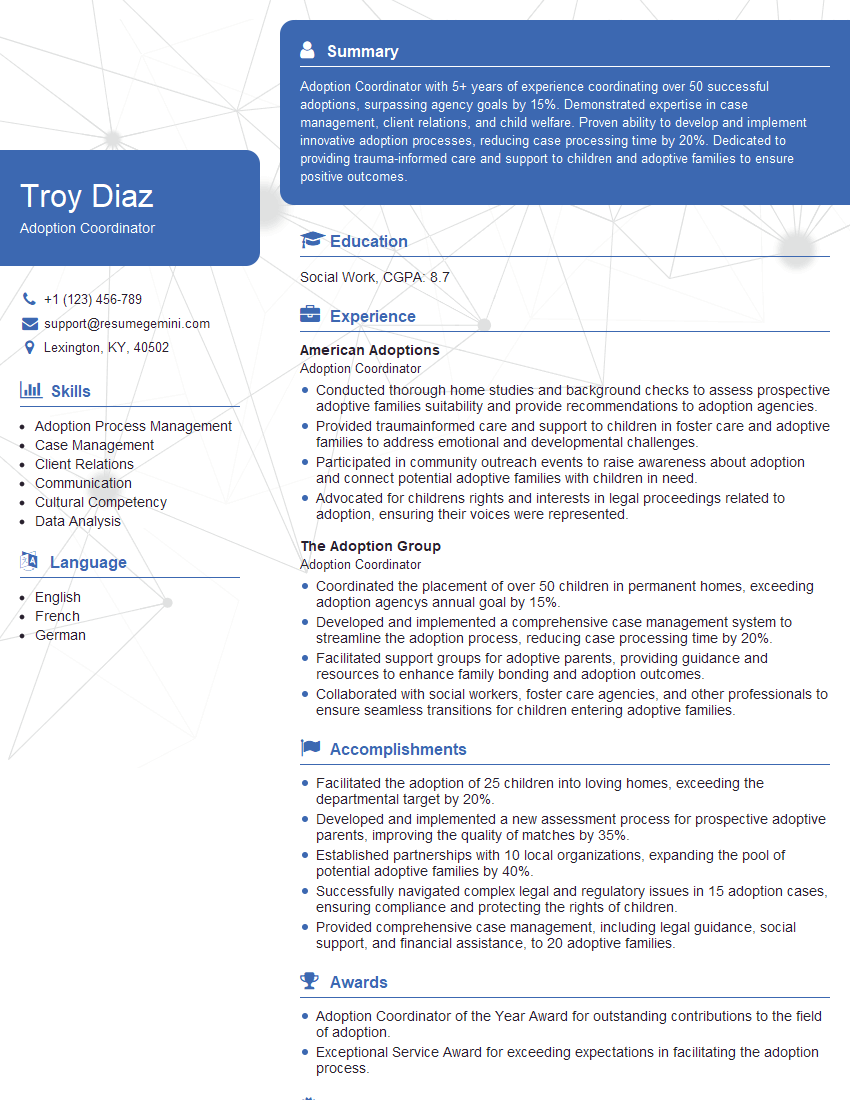
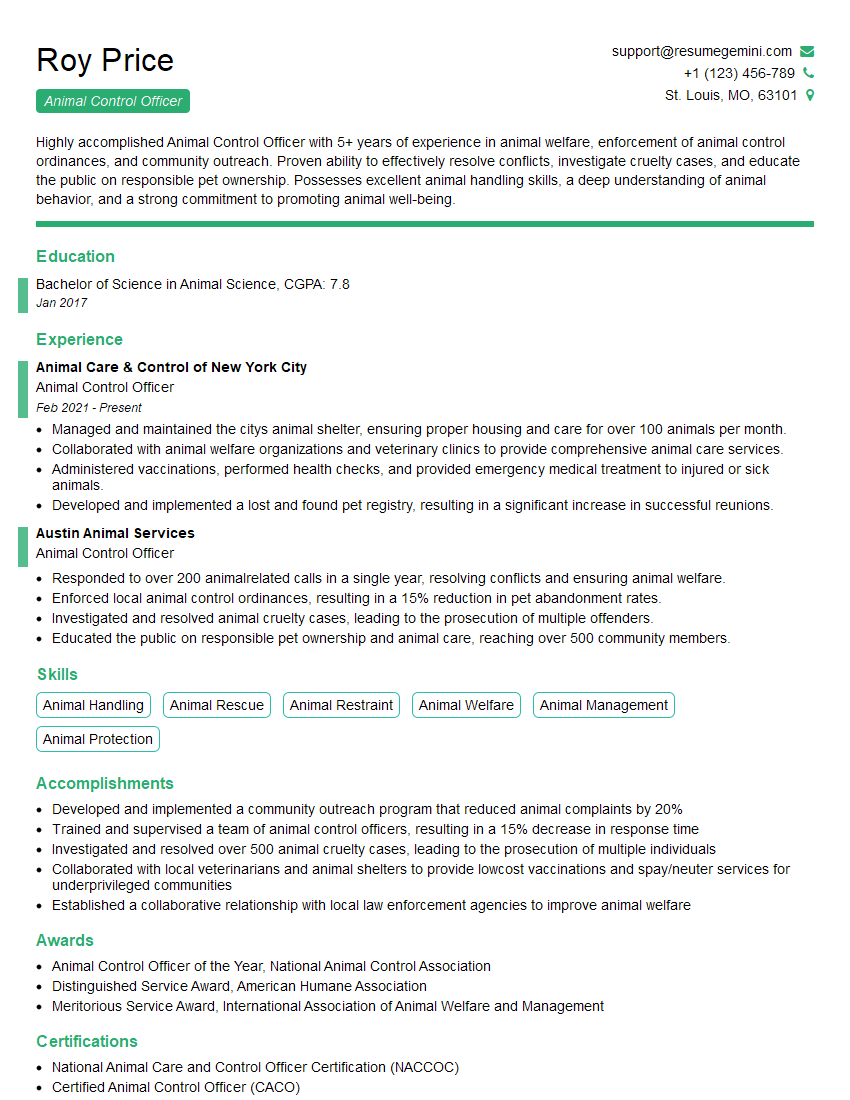
Mastering Shelter Medicine opens doors to a rewarding career dedicated to improving animal welfare. A strong foundation in these key areas will significantly enhance your interview performance and career prospects. To maximize your chances of landing your dream job, focus on creating an ATS-friendly resume that highlights your skills and experience. ResumeGemini is a trusted resource to help you build a professional and impactful resume. We provide examples of resumes tailored to Shelter Medicine to help you get started.
Explore more articles
Users Rating of Our Blogs
Share Your Experience
We value your feedback! Please rate our content and share your thoughts (optional).
What Readers Say About Our Blog
I Redesigned Spongebob Squarepants and his main characters of my artwork.
https://www.deviantart.com/reimaginesponge/art/Redesigned-Spongebob-characters-1223583608
IT gave me an insight and words to use and be able to think of examples
Hi, I’m Jay, we have a few potential clients that are interested in your services, thought you might be a good fit. I’d love to talk about the details, when do you have time to talk?
Best,
Jay
Founder | CEO