Every successful interview starts with knowing what to expect. In this blog, we’ll take you through the top Classroom Observations interview questions, breaking them down with expert tips to help you deliver impactful answers. Step into your next interview fully prepared and ready to succeed.
Questions Asked in Classroom Observations Interview
Q 1. Describe your process for planning a classroom observation.
Planning a classroom observation is crucial for ensuring a focused and productive session. My process begins with a pre-observation meeting with the teacher. We discuss their learning objectives for the lesson, the specific teaching strategies they plan to employ, and any areas they’d like feedback on. This collaborative approach fosters trust and sets clear expectations. Next, I review any relevant curriculum documents or lesson plans to gain context. Finally, I develop a specific observation protocol – a checklist or framework – to guide my notes, ensuring I capture key aspects of the lesson. This might involve focusing on specific teaching strategies like questioning techniques or classroom management strategies, or assessing student engagement and participation. For example, if the teacher wants feedback on their implementation of a new cooperative learning activity, my observation protocol will be heavily weighted towards assessing student collaboration, communication, and conflict resolution within the activity.
Q 2. What specific skills do you assess during a classroom observation?
During a classroom observation, I assess a range of skills, broadly categorized as teaching skills, classroom management skills, and student engagement. Teaching skills encompass instructional clarity (how well the teacher explains concepts), questioning techniques (the types of questions posed and how they stimulate thinking), pacing (the flow and timing of the lesson), and the use of varied instructional methods to cater to diverse learning styles. Classroom management involves assessing the teacher’s ability to create a positive learning environment, maintain student attention, and manage disruptions effectively. Finally, I observe student engagement, noting their participation, attentiveness, and overall level of understanding. Specific examples include observing the teacher’s use of formative assessment (checking for understanding throughout the lesson), their ability to differentiate instruction to meet the needs of all students, and the overall positive and respectful classroom climate.
Q 3. How do you ensure objectivity in your classroom observations?
Objectivity in classroom observations is paramount. I strive to minimize bias by using a structured observation protocol, detailed note-taking, and focusing solely on observable behaviors rather than making subjective judgments. This means documenting what I see and hear, such as the types of questions asked, the responses of students, and the teacher’s reactions. I avoid making assumptions about the teacher’s intentions or motivations. Furthermore, I utilize specific and measurable criteria within my observation framework. Instead of writing ‘good classroom management,’ I’ll note things like ‘Teacher addressed student disruptions promptly and effectively using positive reinforcement,’ ensuring a quantifiable measure of the teacher’s actions. Regular self-reflection on my own biases and potential blind spots is also essential to maintain objectivity.
Q 4. Explain your approach to providing constructive feedback after an observation.
Providing constructive feedback involves a collaborative approach, focusing on specific observable behaviors and their impact on student learning. I begin by highlighting positive aspects of the lesson, affirming the teacher’s strengths and creating a positive environment for discussion. Then, I use a ‘sandwich’ approach, starting with a positive comment, followed by specific suggestions for improvement, and concluding with another positive note. For example, I might say, ‘I was very impressed with your use of visual aids to explain complex concepts. However, consider incorporating more opportunities for student interaction during direct instruction, perhaps through think-pair-share activities. Overall, it was a very engaging and well-structured lesson.’ I always emphasize the impact of my suggestions on student learning, using data from my observations to support my feedback. The feedback is tailored to the teacher’s goals and framed as suggestions, not criticisms.
Q 5. How do you adapt your observation strategies for different grade levels and subjects?
Adapting observation strategies across different grade levels and subjects requires flexibility and understanding of developmental stages and subject-specific pedagogies. For younger students, I might focus on observation of play-based learning, social-emotional development, and the teacher’s ability to create a safe and supportive learning environment. In contrast, observations with older students may involve analyzing more complex discussions, critical thinking skills, and the use of higher-order questioning techniques. Subject-specific adaptations are also crucial; for instance, I’ll focus on scientific inquiry skills in a science class while paying attention to the use of literary analysis in a literature class. Regardless of the grade or subject, I always adjust my observation protocol to align with the specific learning objectives and developmental appropriateness.
Q 6. What are some common challenges you encounter during classroom observations, and how do you address them?
Common challenges include managing time constraints during observations, ensuring the observation remains unobtrusive, and navigating unexpected classroom events. To overcome time constraints, I create a targeted observation protocol that focuses on key aspects of the lesson. Maintaining unobtrusiveness requires careful positioning and minimizing distractions. Unexpected classroom events, such as a fire drill or disruptive student behavior, necessitate adapting my observation plan and focusing on how the teacher handles unforeseen circumstances. I always remain flexible and understanding, remembering that these events are a normal part of classroom life. Finally, thorough preparation and a collaborative relationship with the teacher helps prevent many challenges. For example, discussing potential issues before the observation helps reduce uncertainty and allows for collaborative problem-solving.
Q 7. How do you balance the need for detailed observation with the need to minimize disruption to the classroom?
Balancing detailed observation with minimal disruption requires a mindful approach. This involves careful planning, choosing a strategic observation location that minimizes disruption, and using non-intrusive observation methods. For example, I often utilize a combination of whole-class observation, small-group observation, and individual student observation, strategically shifting my focus to avoid constantly drawing attention to myself. Detailed notes are taken discreetly, often using shorthand or pre-defined codes for common behaviors. Moreover, I communicate my presence and purpose to the teacher and students beforehand, setting expectations and encouraging a sense of normalcy. After the observation, I debrief with the teacher to discuss my findings and ensure that I haven’t misinterpret any behaviors, further promoting a collaborative relationship.
Q 8. How do you use observation data to inform professional development plans for teachers?
Observation data is the cornerstone of effective teacher professional development. It provides concrete evidence of teaching practices, allowing for targeted feedback and growth. I use this data to collaboratively create individualized professional development plans, focusing on areas needing improvement and leveraging existing strengths.
For instance, if observations consistently reveal a teacher struggles with managing classroom disruptions, the professional development plan might include workshops on classroom management techniques, modeling effective strategies, and providing opportunities for peer coaching and observation of successful management practices. Conversely, if a teacher excels in differentiating instruction, the plan might focus on extending this skill to new content areas or sharing their expertise with colleagues. The key is to make the plan specific, measurable, achievable, relevant, and time-bound (SMART).
I always involve the teacher in the process; it’s not about imposing changes, but about partnering to achieve their professional goals. The plan becomes a dynamic document, adjusted based on ongoing observations and teacher reflection.
Q 9. Describe your experience using different observation frameworks or rubrics.
My experience encompasses a variety of observation frameworks, each offering unique perspectives. I’ve utilized frameworks focusing on specific teaching practices like questioning techniques (e.g., Bloom’s Taxonomy), classroom management strategies, and the use of formative assessment. I’ve also used more holistic rubrics that evaluate overall lesson effectiveness, including elements such as student engagement, clarity of instruction, and alignment with learning objectives.
For example, I’ve used the Danielson Framework for Teaching, which provides a structured approach to evaluating various aspects of teaching. Other times, I’ve adapted simpler rubrics to focus on specific areas identified as needing improvement in a particular school or classroom. The choice of framework depends greatly on the context and the goals of the observation.
The advantage of using rubrics is that they offer a consistent and objective measure; however, I always emphasize that these are tools to facilitate constructive conversations and not merely instruments for evaluation. The human element – the teacher’s unique strengths and context – remains paramount.
Q 10. How do you ensure confidentiality and ethical practices during classroom observations?
Confidentiality and ethical conduct are non-negotiable. Before any observation, I clearly communicate the purpose, process, and use of the data with the teacher. I emphasize that the goal is improvement, not judgment. All data is kept securely and access is strictly limited to those directly involved in the professional development process.
Observations are never used for disciplinary action or performance evaluation without prior notification and agreement. Any identifying information is anonymized in any reports or shared discussions. I actively foster trust and transparency to ensure the teacher feels safe and comfortable sharing their teaching practices. This approach not only protects the teacher but also creates a collaborative environment conducive to professional growth.
For example, I might use pseudonyms when referring to teachers or students in any reports or during discussions about observations. I always make sure that I am not sharing any sensitive information about the teacher or students, and that all data is handled in a secure and confidential manner.
Q 11. How do you handle situations where you observe an unexpected event or behavior during an observation?
Unexpected events are a part of the reality of teaching. If I witness an unexpected event or behavior, my primary concern is the safety and well-being of the students and the teacher. I’ll address the immediate situation as needed, prioritizing de-escalation and ensuring everyone is safe.
After addressing the situation, I document the event objectively, focusing on observable behaviors and avoiding interpretations or judgments. This documentation may include notes about the context of the event and my response. It’s crucial to separate factual observations from subjective opinions. In post-observation discussions, I’ll address the incident contextually, and if appropriate, we can discuss strategies for preventing similar occurrences in the future.
This approach ensures that both the unexpected event and the typical classroom dynamics are considered in the larger context of the teacher’s practice and professional development. It avoids making snap judgments based on isolated incidents and promotes a balanced and fair assessment.
Q 12. How do you differentiate between effective and ineffective teaching strategies based on observations?
Differentiating between effective and ineffective teaching strategies requires careful analysis of the observation data. Effective teaching involves a multitude of factors, including clear learning objectives, engaging instruction, student participation, and appropriate assessment. Conversely, ineffective strategies might be characterized by unclear objectives, disengaging activities, limited student involvement, and inappropriate assessment practices.
For example, an effective teacher might use a variety of questioning techniques to gauge student understanding, incorporating open-ended questions to stimulate critical thinking. An ineffective strategy might involve solely asking recall questions, leading to passive learning. Effective teaching also involves monitoring student understanding and adjusting instruction accordingly, while ineffective teaching might proceed regardless of student comprehension.
The key is to focus on the impact of the teaching strategies on student learning. Are students actively engaged? Are they demonstrating understanding of the material? Does the instruction align with the stated learning objectives? The answers to these questions help to identify the effectiveness of various teaching strategies.
Q 13. What specific data points do you prioritize during classroom observations?
During classroom observations, I prioritize data points that directly relate to student learning and teacher effectiveness. This includes:
- Student engagement: Are students actively participating? Do they show interest and enthusiasm?
- Clarity of instruction: Are the learning objectives clear? Is the instruction well-organized and easy to understand?
- Use of assessment: Are formative assessments used to monitor student understanding and adjust instruction?
- Classroom management: Is the classroom environment conducive to learning? Are disruptions handled effectively?
- Differentiation of instruction: Is the instruction adapted to meet the needs of all learners?
- Teacher-student interactions: What is the nature of the interactions between the teacher and students? Are they supportive and respectful?
These data points provide a holistic view of the teaching and learning process, allowing for a more comprehensive and nuanced understanding of both strengths and areas for improvement. While other aspects are observed, these are the critical elements that directly contribute to student success.
Q 14. How do you communicate your observations effectively to teachers?
Effective communication of observations is crucial. I begin by scheduling a timely meeting with the teacher, creating a safe and collaborative space. I present my findings using a combination of objective data (e.g., notes from the observation, student work samples) and my interpretations. I frame the feedback constructively, focusing on strengths and areas for growth, and avoiding judgmental language.
I actively involve the teacher in the discussion, encouraging reflection on their practice. We collaboratively identify specific, achievable goals and strategies for improvement. The conversation focuses on solutions, not just problems. I might suggest resources, professional development opportunities, or peer coaching connections to support the teacher’s growth. Finally, I follow up with written documentation summarizing the key points of the conversation, the agreed-upon goals, and a plan for ongoing support.
Think of it as a collaborative partnership: my role is to provide support and guidance, and the teacher’s role is to reflect, adapt, and grow. Open communication, mutual respect, and a shared focus on student learning are key to making this process effective.
Q 15. How do you foster a collaborative relationship with teachers during the observation process?
Building a strong collaborative relationship with teachers during observations is paramount. It’s not about evaluating them as if they were being judged, but rather about supporting their growth and improving student outcomes. I begin by establishing clear communication and mutual respect. Before the observation, I have an initial meeting with the teacher to discuss their goals, areas they’d like to focus on, and any concerns they might have. This isn’t just a formality; it’s a crucial opportunity to align our expectations and build trust. During the observation, I aim to be unobtrusive yet attentive, taking notes but also actively observing student engagement and classroom dynamics. Afterward, I offer feedback that is both constructive and encouraging, focusing on strengths as well as areas for improvement, always framing it within the context of their teaching goals. Finally, I provide follow-up support, offering resources or suggestions for professional development. This approach creates a safe space for teachers to reflect on their practice and seek guidance, fostering a partnership rather than a hierarchical relationship.
For example, I once worked with a teacher struggling with classroom management. By focusing on the positive aspects of their lesson plan and offering practical strategies for addressing disruptions, we were able to collaborate on a solution rather than simply highlighting the challenges.
Career Expert Tips:
- Ace those interviews! Prepare effectively by reviewing the Top 50 Most Common Interview Questions on ResumeGemini.
- Navigate your job search with confidence! Explore a wide range of Career Tips on ResumeGemini. Learn about common challenges and recommendations to overcome them.
- Craft the perfect resume! Master the Art of Resume Writing with ResumeGemini’s guide. Showcase your unique qualifications and achievements effectively.
- Don’t miss out on holiday savings! Build your dream resume with ResumeGemini’s ATS optimized templates.
Q 16. What is your experience with using technology to enhance classroom observations?
Technology significantly enhances classroom observations, allowing for more comprehensive and nuanced data collection. I regularly use digital tools for various aspects of the process. For instance, I utilize observation checklists and rating scales on tablets or laptops to streamline data entry and reduce the need for extensive note-taking during the observation itself. This allows me to fully focus on the classroom dynamics. Moreover, many platforms enable video or audio recording (with appropriate consent, of course), offering the ability to review specific moments later for more in-depth analysis. This is particularly helpful for capturing subtle interactions between students and the teacher, or for providing specific examples in feedback sessions. Finally, I might use learning analytics dashboards, if available, to examine student performance data in conjunction with classroom observations, providing a more complete picture of the effectiveness of instruction. Integrating technology requires careful consideration of ethical implications such as data privacy and teacher comfort levels.
Q 17. How do you ensure that observations are aligned with school-wide goals and standards?
Aligning observations with school-wide goals and standards is essential for ensuring consistency and promoting a shared vision for teaching and learning. This alignment begins by thoroughly reviewing the school’s improvement plan, curriculum map, and established learning standards. I use these documents as a framework for developing my observation protocols. This means selecting observation tools and focusing on specific indicators that directly relate to the school’s priorities. For instance, if the school is focused on improving literacy skills, the observations will likely include a detailed assessment of reading instruction strategies, student engagement in reading activities, and opportunities for students to practice reading. By consistently referencing these school-wide benchmarks, I can help teachers see the connection between their classroom practice and the school’s overall mission, making the observation process more meaningful and less isolated.
Q 18. Describe a time when you had to give difficult feedback after a classroom observation.
Providing difficult feedback requires sensitivity, empathy, and a focus on growth. I recall an observation where a seasoned teacher was struggling to engage their students in a particularly challenging science unit. While their subject matter expertise was impeccable, the lesson delivery felt overly didactic and lacked interactive elements. I started by acknowledging their experience and expertise, praising specific aspects of their planning and classroom management. Then, I gently pointed out that the students seemed disengaged during the lecture-heavy portions of the lesson, offering specific examples from my observations. Instead of direct criticism, I framed the feedback as opportunities for improvement, suggesting strategies like incorporating hands-on activities, group work, and technology to enhance student participation. I also shared research articles and teaching resources to support the implementation of these strategies. The follow-up conversations were vital in reinforcing the feedback and providing additional support. The key was focusing on the students’ learning needs and empowering the teacher to make positive changes.
Q 19. How do you address teacher concerns or resistance to classroom observations?
Addressing teacher concerns or resistance is crucial for creating a positive and productive observation process. Open communication is key. I address concerns proactively by explaining the purpose of observations, emphasizing that they are designed to support teacher growth, not to evaluate performance in a punitive way. I explain that the feedback is intended to help improve instruction and student outcomes. I actively listen to their concerns, validating their feelings and addressing their specific anxieties. If a teacher expresses apprehension about the observation process itself, I offer flexible options like co-planning lessons or adjusting the observation timeline. I might also involve them in selecting the focus areas of the observation, allowing them to feel more in control of the process. Building trust and demonstrating genuine care for their professional development often alleviates resistance. Ultimately, reframing observations as opportunities for collaboration and professional growth can transform resistance into engagement.
Q 20. How do you measure the effectiveness of your classroom observation strategies?
Measuring the effectiveness of observation strategies involves both quantitative and qualitative data analysis. Quantitative data might include tracking changes in student achievement scores (if relevant and applicable) in the observed classrooms after the implementation of feedback. Qualitative data collection involves gathering teacher feedback through surveys or interviews about their perceived impact from the observation and subsequent support. I also analyze the consistency and frequency of improvements in teaching practices observed during follow-up visits. Did the teacher incorporate the suggested strategies? Did student engagement increase? Are there any notable shifts in teaching approaches? This multifaceted approach, incorporating both numerical and descriptive data, gives a more comprehensive and meaningful picture of the effectiveness of my observation strategies. Regular reflection on the process and data collected allows me to refine my methods for better support and improved outcomes.
Q 21. What are the key differences between formative and summative classroom observations?
Formative and summative classroom observations differ primarily in their purpose and timing. Formative observations are ongoing, focused on providing continuous feedback to support teacher growth throughout the year. They are used to identify areas of strength and improvement in teaching practices and to provide timely support for teachers. Think of formative observations as ‘check-ins’ along the way. Summative observations, on the other hand, are typically conducted at the end of a term or year to evaluate overall teaching effectiveness and often contribute to formal performance reviews. They offer a broader perspective on the teacher’s performance over a longer period. The frequency and focus differ significantly. Formative observations are frequent, informal, and collaborative, whereas summative observations are less frequent, more formal, and often involve more structured evaluation rubrics. Both are essential for effective teacher development and evaluation, but they serve distinct purposes in the process.
- Formative: Frequent, informal, collaborative, focused on growth, ongoing support.
- Summative: Infrequent, formal, evaluative, focused on overall performance, often linked to performance reviews.
Q 22. How do you use observation data to identify areas for school improvement?
Classroom observation data is a powerful tool for identifying areas needing improvement at the school level. It’s not just about evaluating individual teachers; it’s about gathering a holistic picture of school-wide strengths and weaknesses. I analyze observation data by looking for patterns and trends across classrooms. For example, if multiple observations reveal a consistent lack of student engagement in specific subjects, it suggests a need for curriculum review or professional development focused on enhancing engagement strategies. Similarly, recurring issues with classroom management could point to a need for school-wide strategies or improved support for teachers in this area. I then use this aggregated data to propose targeted interventions, such as new professional development initiatives, adjustments to school policies, or resource allocation changes to address identified gaps.
For instance, if observations consistently show students struggling with a particular concept across different classes, we might need to revise the curriculum or implement supplemental learning materials. If multiple teachers struggle with implementing a particular teaching strategy, then dedicated professional development on that strategy is clearly needed. Ultimately, the goal is to use the data to create a more supportive and effective learning environment for all students.
Q 23. Explain your understanding of different observation methods, such as anecdotal notes, checklists, and rating scales.
I utilize a variety of observation methods, each with its strengths and weaknesses, to gain a comprehensive understanding of classroom dynamics. Anecdotal notes allow for a more flexible, narrative approach, capturing spontaneous events and rich qualitative data. I might note, for example, ‘Sarah consistently helped her peers during group work, demonstrating strong collaboration skills’. Checklists offer a structured approach, focusing on specific pre-determined criteria. This might include assessing the frequency of specific teaching strategies, such as questioning techniques or the use of formative assessments. A checklist item could be ‘Teacher uses open-ended questions at least 5 times during the lesson’. Rating scales provide a more quantitative assessment, assigning numerical scores to different aspects of teaching practices. A rating scale might assess the clarity of instructions or the effectiveness of classroom management on a scale of 1 to 5. The choice of method depends on the specific goals of the observation and the level of detail required.
Combining these methods enhances the richness and accuracy of my observations. For example, I might use a checklist to track the use of specific teaching strategies and then use anecdotal notes to capture nuanced details about the impact of those strategies on student learning. This mixed-methods approach provides a balanced perspective and helps me to avoid the limitations of relying on a single observation method.
Q 24. How do you ensure your observations are focused on student learning outcomes?
Focusing my observations on student learning outcomes is paramount. To achieve this, I start by clearly defining the learning objectives of the lesson. This could involve reviewing curriculum documents, discussing the objectives with the teacher beforehand, or observing the learning targets displayed in the classroom. During the observation, I actively look for evidence of student understanding and engagement with the material. I pay attention to student participation, their responses to questions, their work products, and their overall level of engagement. I look for both positive and negative indicators of learning. For example, frequent incorrect answers might suggest a need for clarification or additional support, whereas consistent correct responses and thoughtful questions indicate strong understanding. Post-observation, I analyze the data to assess whether students achieved the learning objectives and to identify potential areas for instructional improvement.
I might, for instance, note specific instances where a student demonstrated mastery of a concept, or where the majority of the class struggled. This information is then used to provide constructive feedback to the teacher, focused on refining instructional strategies to better support student learning. My aim is always to connect classroom practices directly to measurable student learning gains.
Q 25. What professional development have you undertaken to enhance your classroom observation skills?
I’ve actively pursued professional development to refine my observation skills throughout my career. I’ve participated in workshops on various observation techniques, including those focused on using effective questioning strategies during observations and providing constructive feedback to teachers. I’ve also completed training in using various observation tools, including rubrics, checklists, and rating scales, learning how to select and tailor them to specific contexts and learning objectives. I’ve undertaken professional learning communities (PLCs) focused on collaborative observation and data analysis, learning from colleagues and sharing best practices. Further, I’ve engaged in online courses and webinars specifically designed to enhance my skills in providing actionable feedback linked to specific research-based practices.
Most recently, I completed a course on culturally responsive observation, which broadened my understanding of how to observe students from diverse backgrounds and to identify and address potential biases in my observations. This continual professional development ensures that my observational practices remain current, relevant, and aligned with best practices in the field.
Q 26. Describe your experience working with diverse student populations in classroom observations.
My experience observing in diverse classrooms has significantly shaped my approach. I understand that students learn differently and that their learning styles and needs are influenced by a multitude of factors, including their cultural background, language proficiency, and learning disabilities. I actively look for evidence of culturally relevant pedagogy in the classroom, assessing how teachers adapt their instruction to meet the diverse learning needs of their students. I also pay close attention to how teachers create a supportive and inclusive classroom environment, where all students feel respected and valued. For example, I take note of whether the teacher utilizes differentiated instruction to meet the varying needs of students and if they incorporate diverse perspectives and materials into their lessons.
I had an experience observing a teacher who successfully integrated students’ diverse languages and cultural backgrounds into a lesson about different countries. It highlighted the impact of culturally responsive teaching on student engagement and learning. My understanding of diverse learners influences how I structure my observations, focusing on assessing the effectiveness of inclusive practices and strategies.
Q 27. How do you adapt your communication style to suit the needs of different teachers?
Adapting my communication style is crucial to building trust and facilitating effective collaboration with teachers. I recognize that different teachers have varying communication preferences and levels of experience. I tailor my approach based on individual needs and preferences. With more experienced teachers, I might engage in a more collaborative dialogue, focusing on shared analysis of observation data and exploring potential strategies for improvement together. With newer teachers, I might take a more supportive and mentoring approach, providing more explicit guidance and focusing on building their confidence and skills. I always strive to make my feedback specific, actionable, and focused on student learning outcomes, framing it as a collaborative process rather than a judgment.
For example, I might start a conversation with a teacher by saying, ‘I’ve noticed some incredible things happening in your class, particularly your use of group work. However, I also noticed that some students seemed to struggle with the activity. Let’s talk about how we could adapt the activity to better support their needs.’ This approach fosters a positive and collaborative relationship, promoting a culture of continuous improvement. I always prioritize active listening and ensure that my communication is clear, respectful, and constructive.
Key Topics to Learn for Classroom Observations Interview
- Understanding Learning Theories: Explore how various learning theories (e.g., constructivism, behaviorism) inform effective teaching practices and classroom management. Consider how you would apply these theories in your observations.
- Classroom Management Strategies: Analyze different classroom management techniques and their effectiveness in fostering a positive and productive learning environment. Be prepared to discuss strategies for addressing challenging behaviors and promoting student engagement.
- Assessment and Feedback: Examine various assessment methods (formative and summative) and their role in informing instruction. Discuss effective strategies for providing constructive feedback to teachers based on your observations.
- Instructional Strategies and Differentiation: Analyze different teaching methodologies (e.g., project-based learning, inquiry-based learning) and how they cater to diverse learners. Be ready to discuss how you would observe and evaluate the effectiveness of differentiated instruction.
- Data Analysis and Interpretation: Discuss how to collect and interpret data from classroom observations (e.g., student work samples, anecdotal notes) to inform your evaluation of teaching practices.
- Ethical Considerations in Observation: Understand the ethical implications of classroom observations and the importance of maintaining confidentiality and professional objectivity.
- Effective Communication and Reporting: Practice articulating your observations clearly and concisely, both verbally and in written reports. Consider how to provide constructive criticism while maintaining a supportive and collaborative approach.
Next Steps
Mastering classroom observation skills is crucial for career advancement in education. A strong understanding of teaching methodologies, classroom dynamics, and effective feedback strategies significantly enhances your value as an educator or evaluator. To maximize your job prospects, creating an ATS-friendly resume is vital. ResumeGemini is a trusted resource that can help you build a professional resume that showcases your skills and experience effectively. Examples of resumes tailored to classroom observations are available to help you get started.
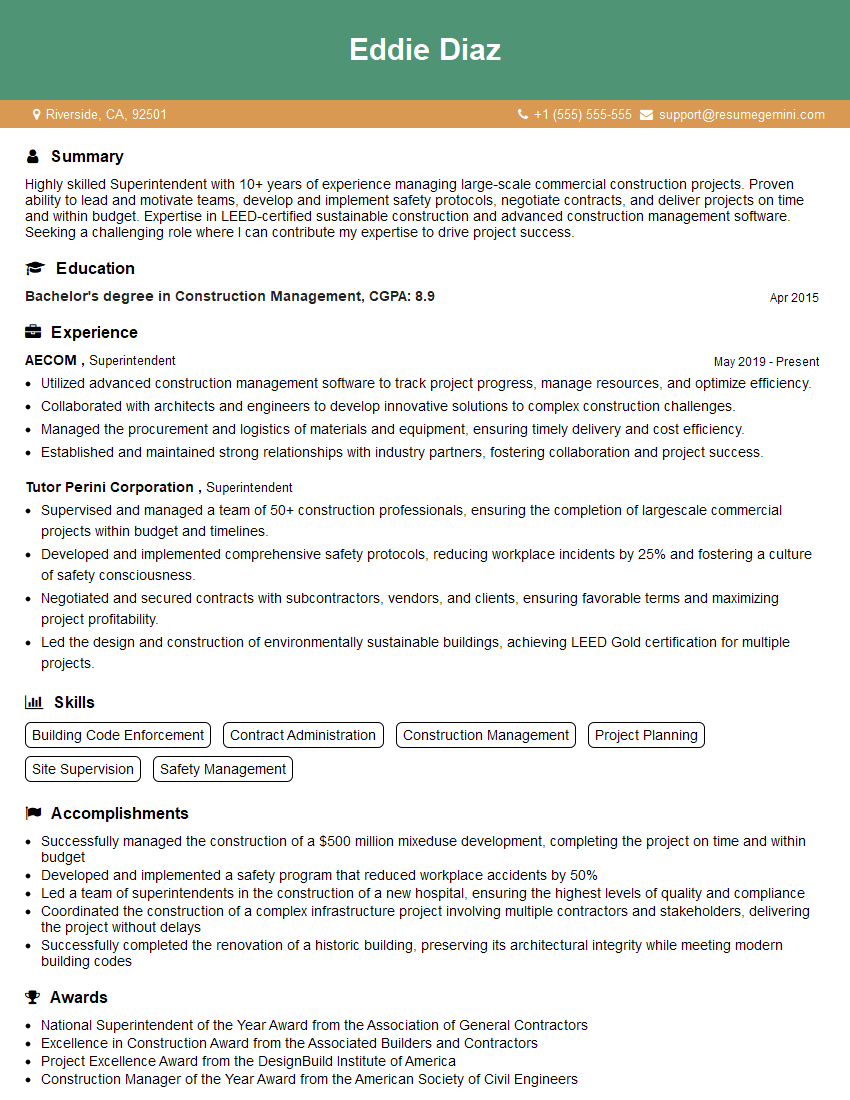
Superintendent Resume Sample
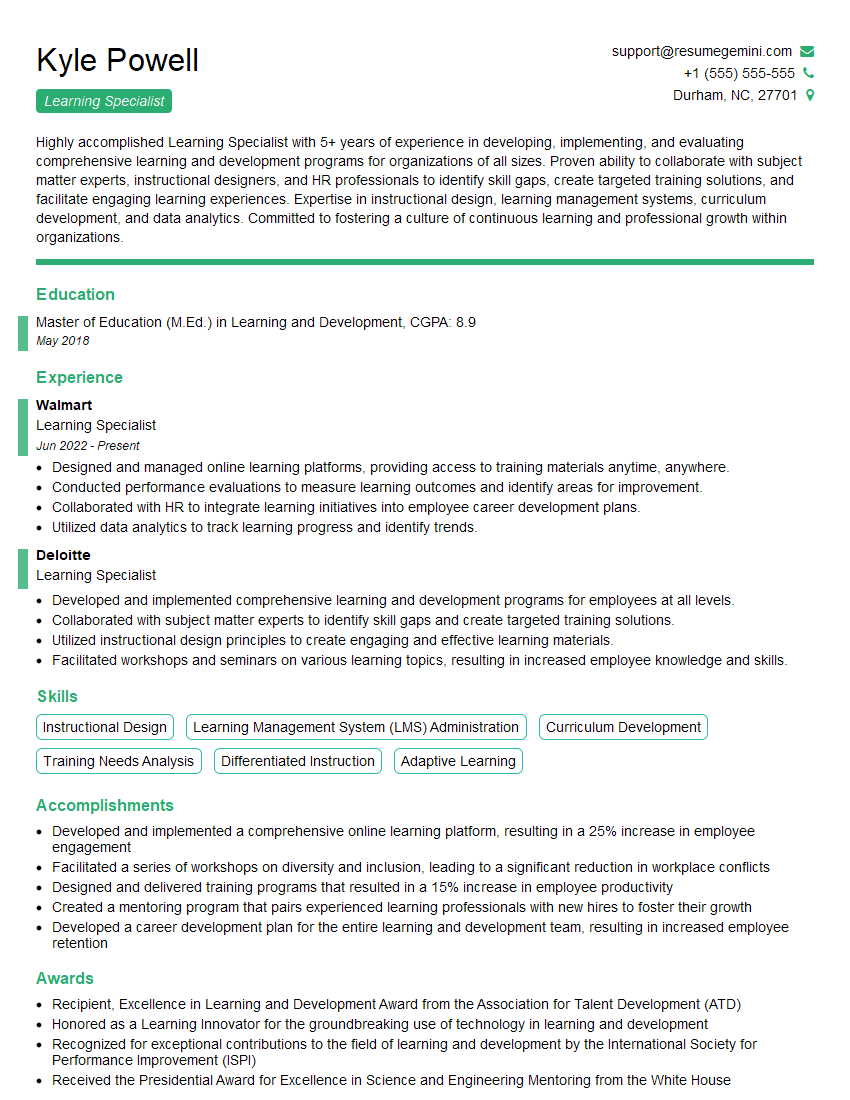
Learning Specialist Resume Sample
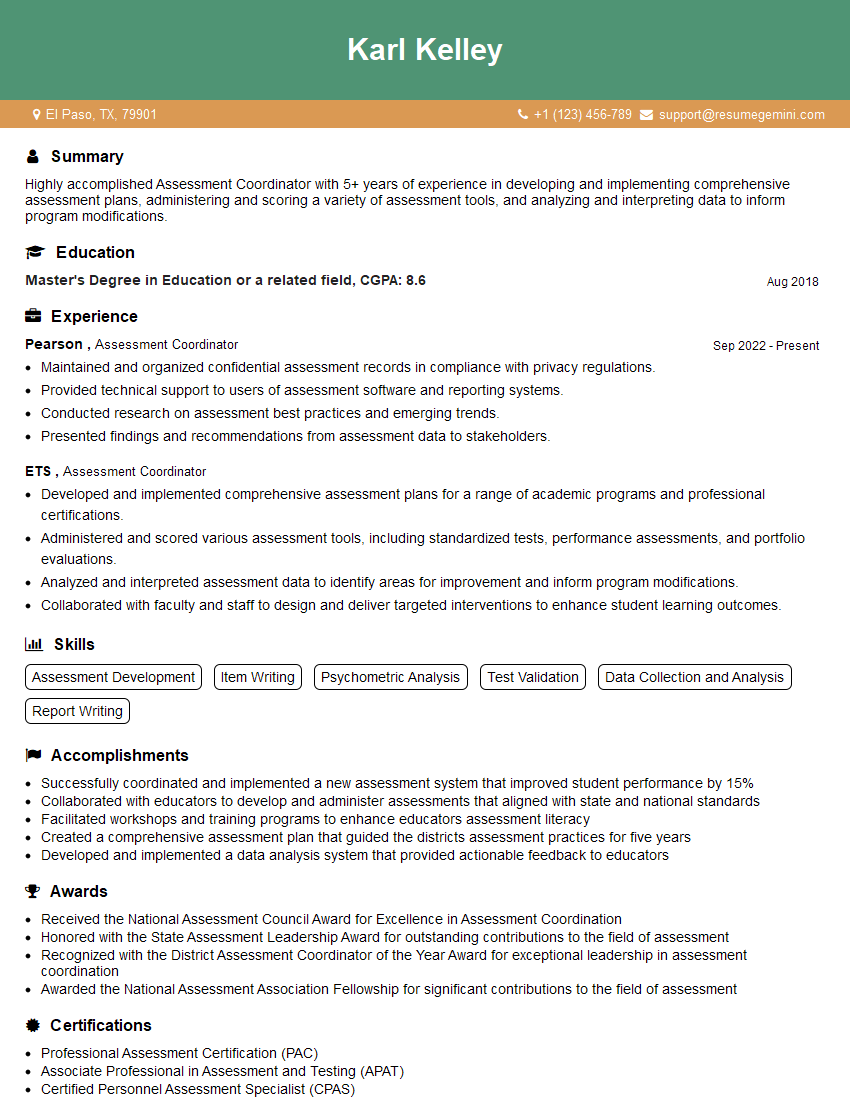
Assessment Coordinator Resume Sample
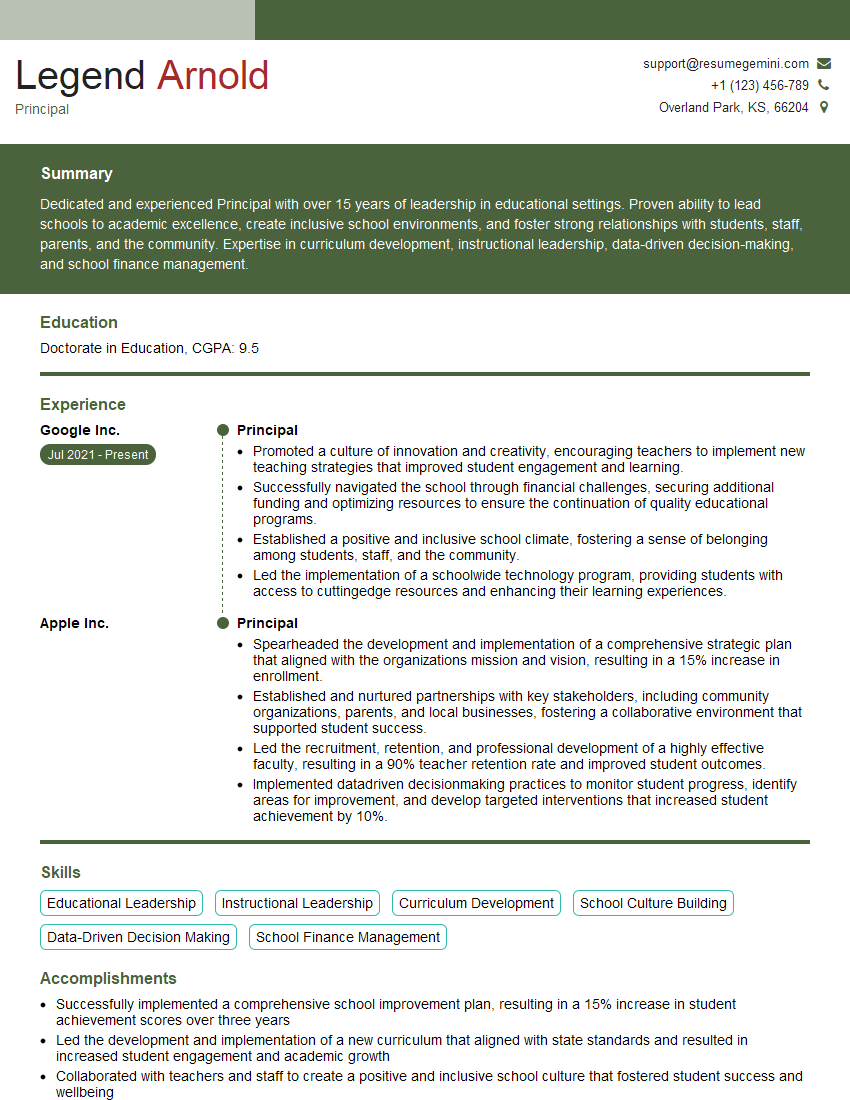
Principal Resume Sample
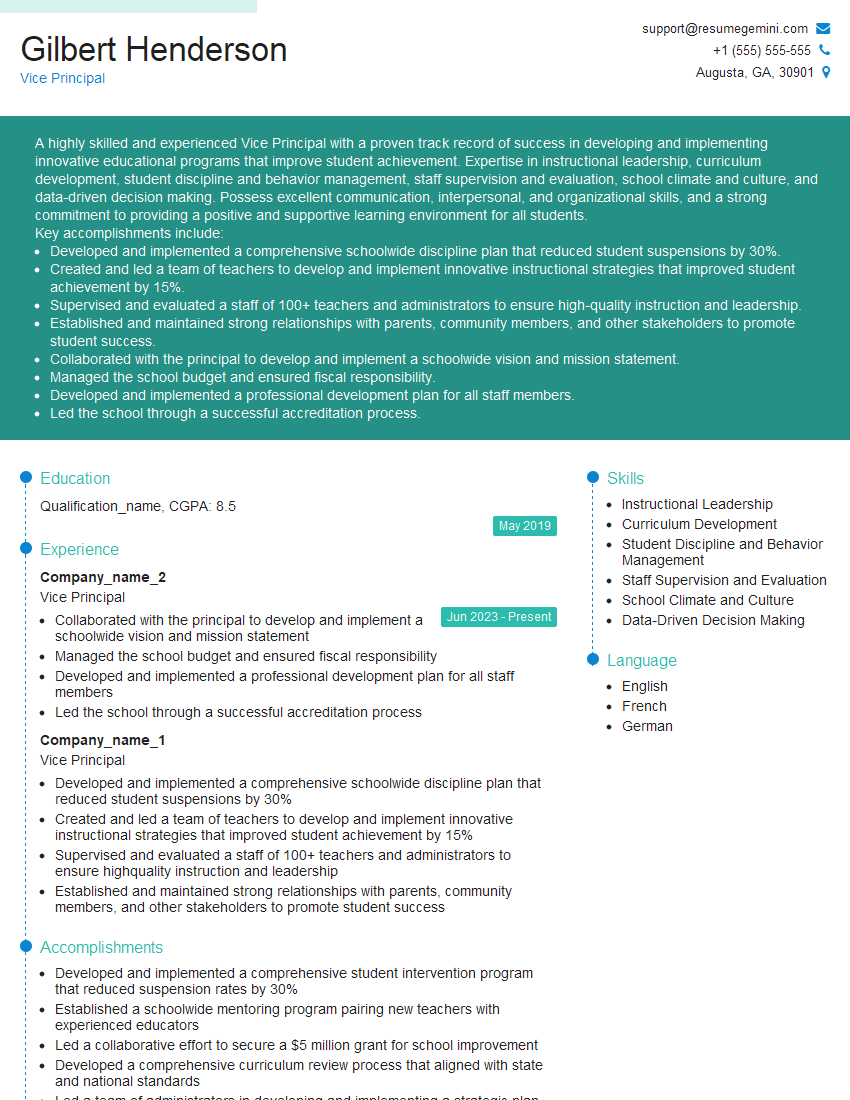
Vice Principal Resume Sample
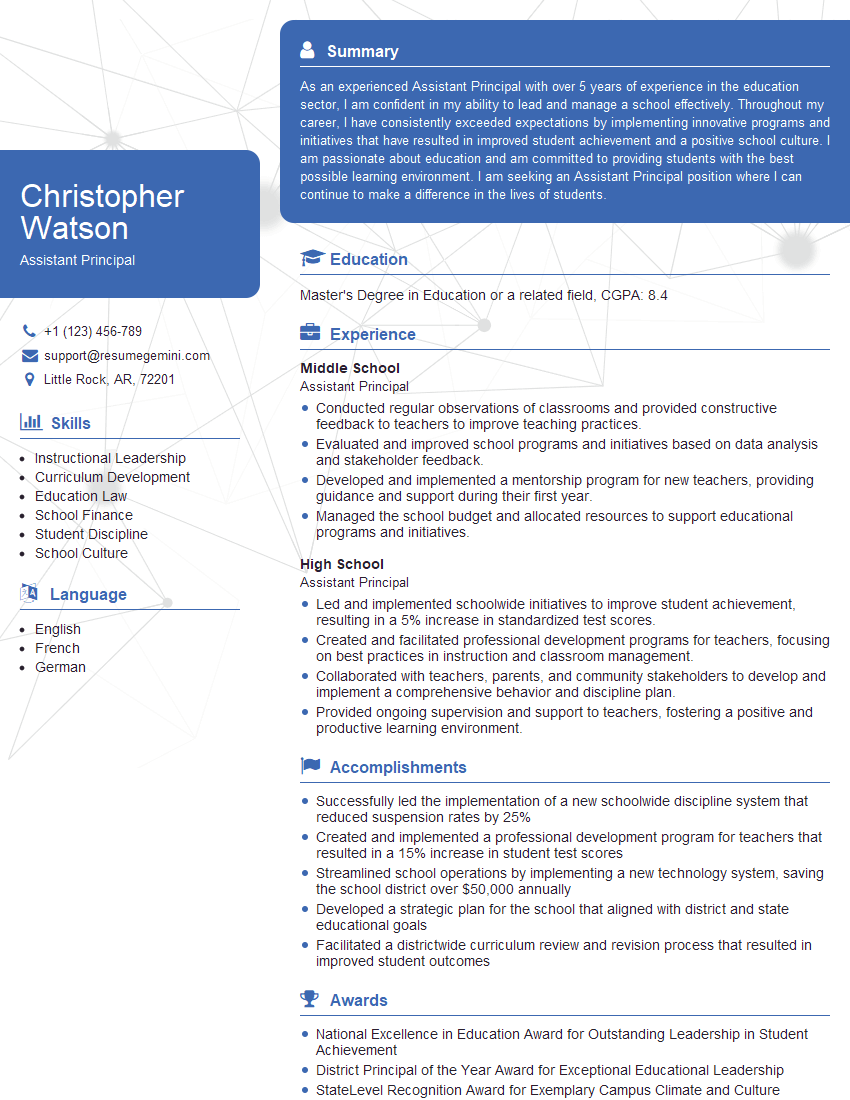
Assistant Principal Resume Sample
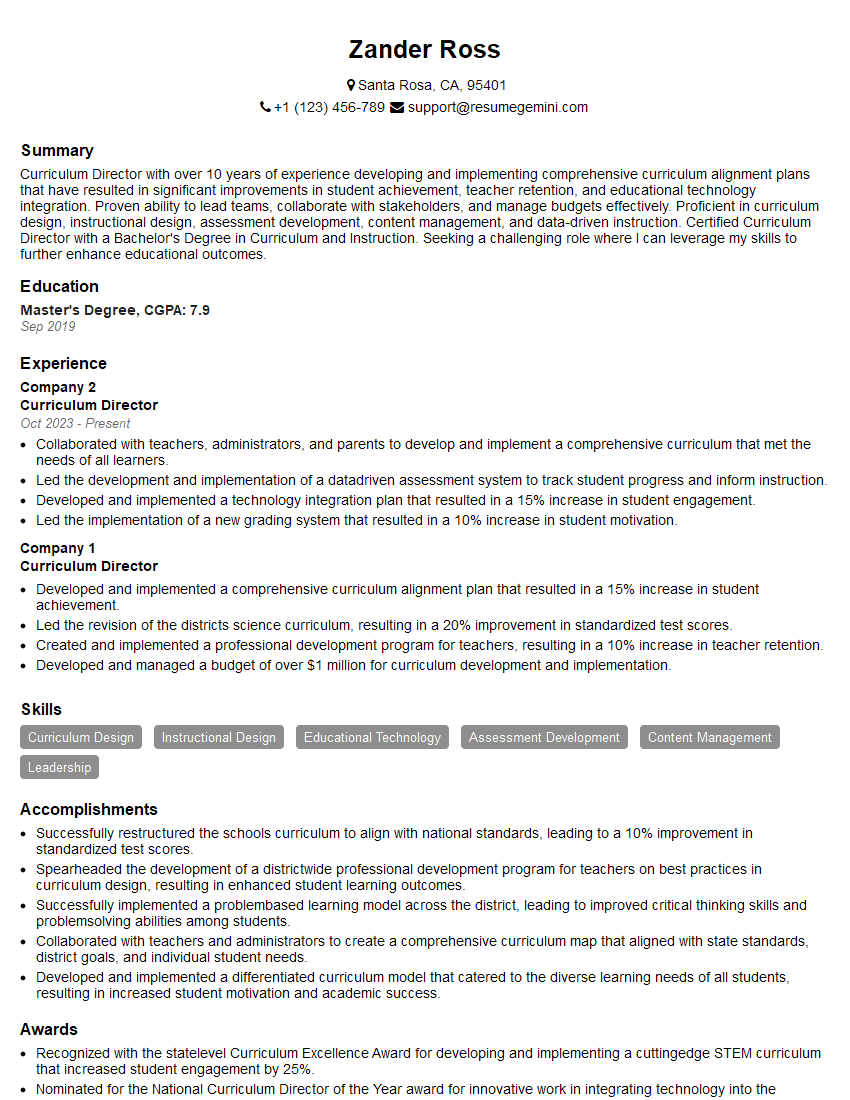
Curriculum Director Resume Sample
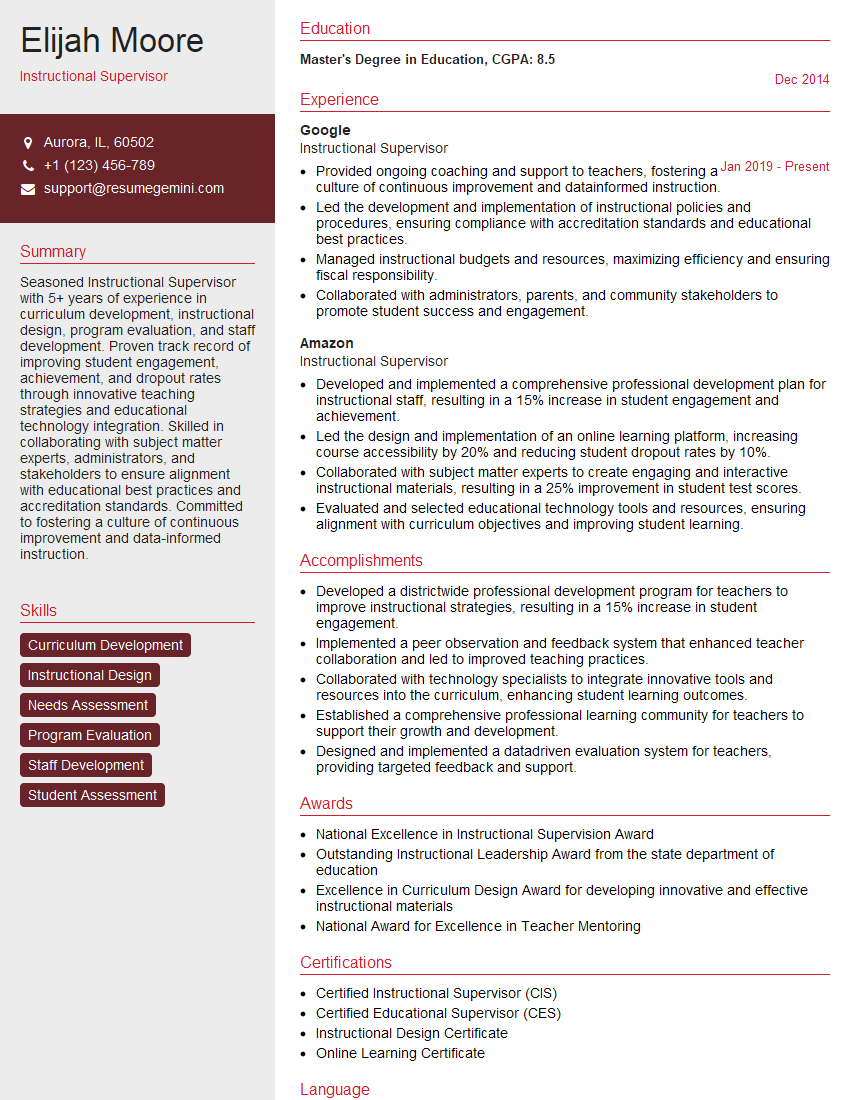
Instructional Supervisor Resume Sample
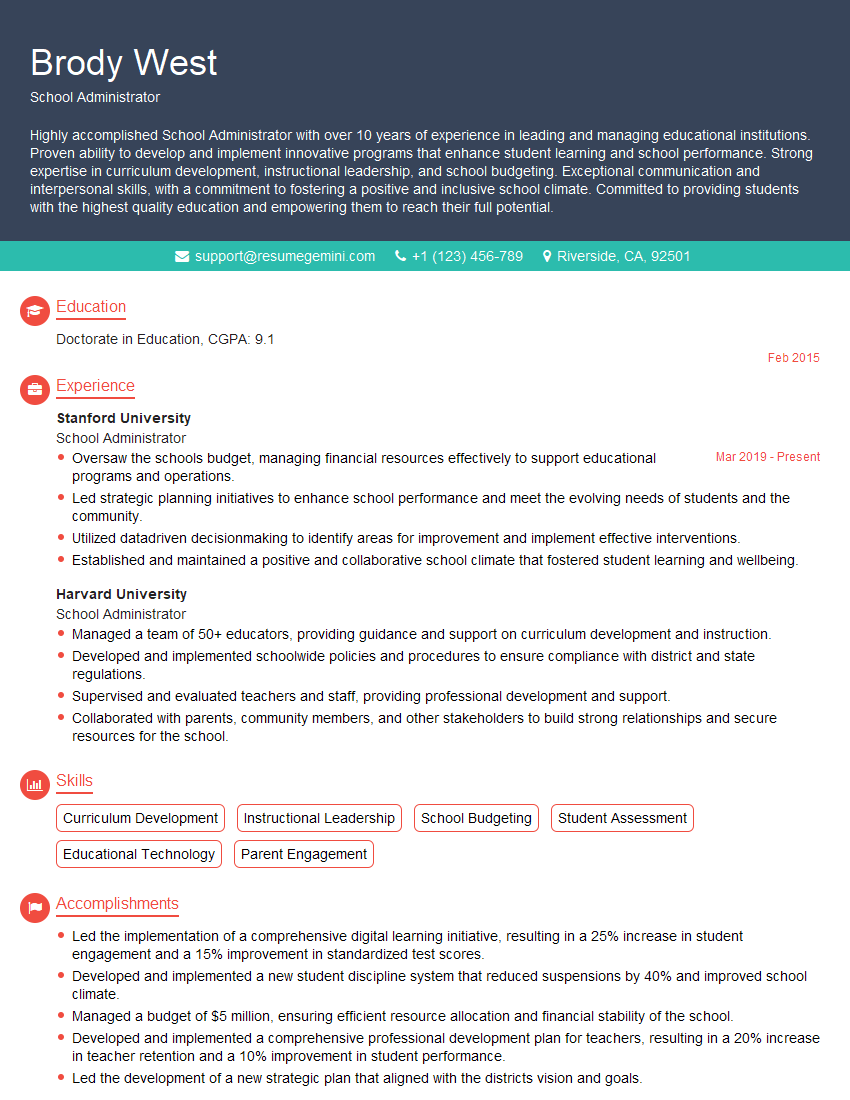
School Administrator Resume Sample
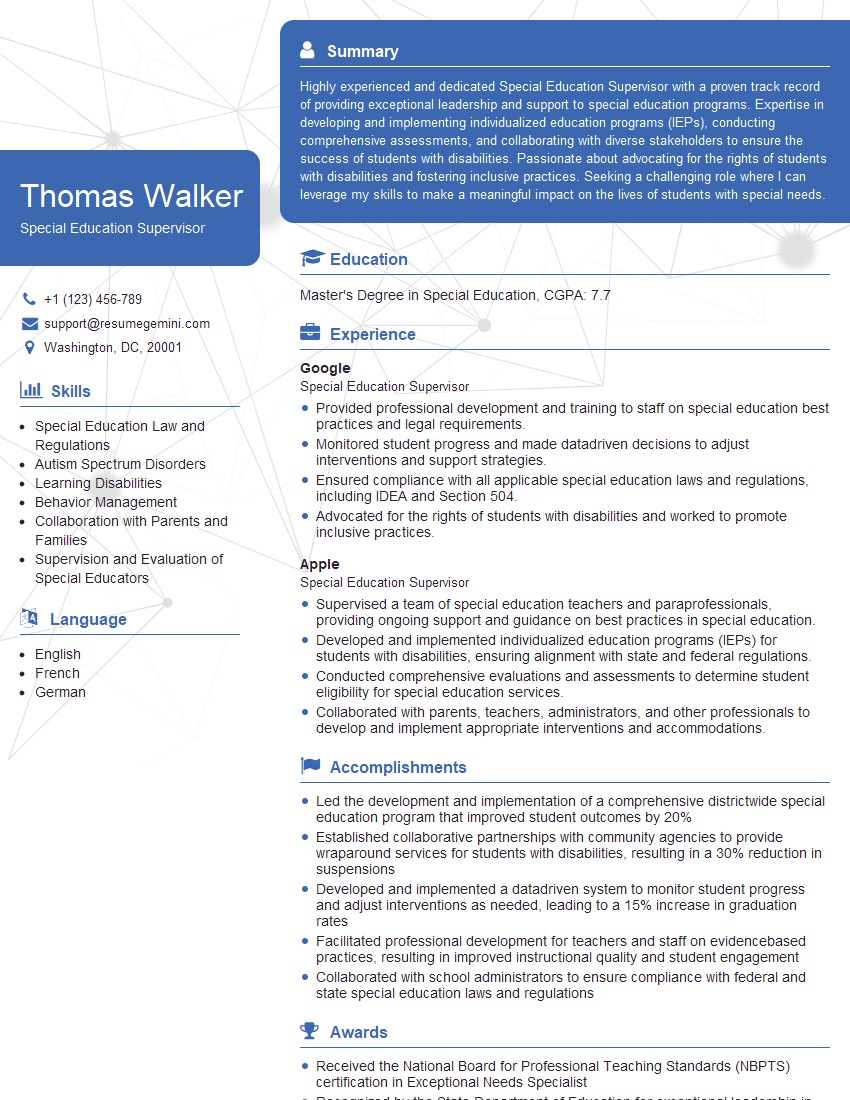
Special Education Supervisor Resume Sample
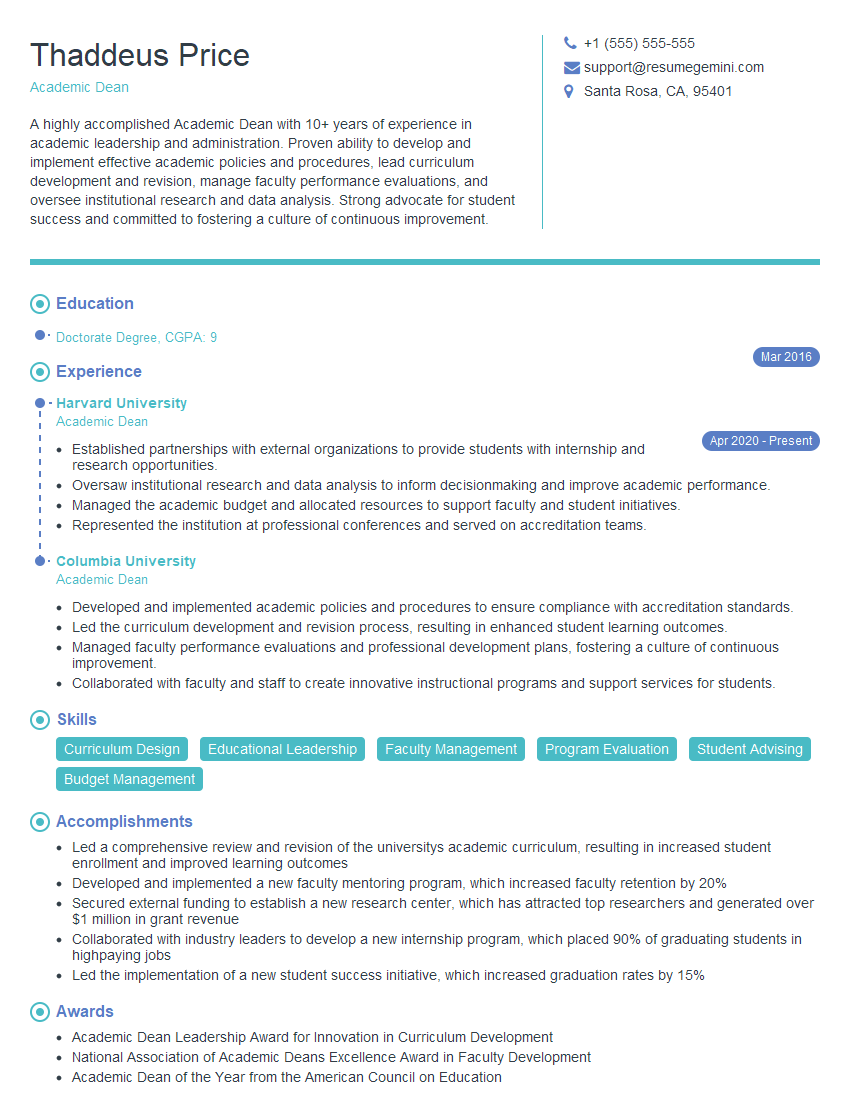
Academic Dean Resume Sample
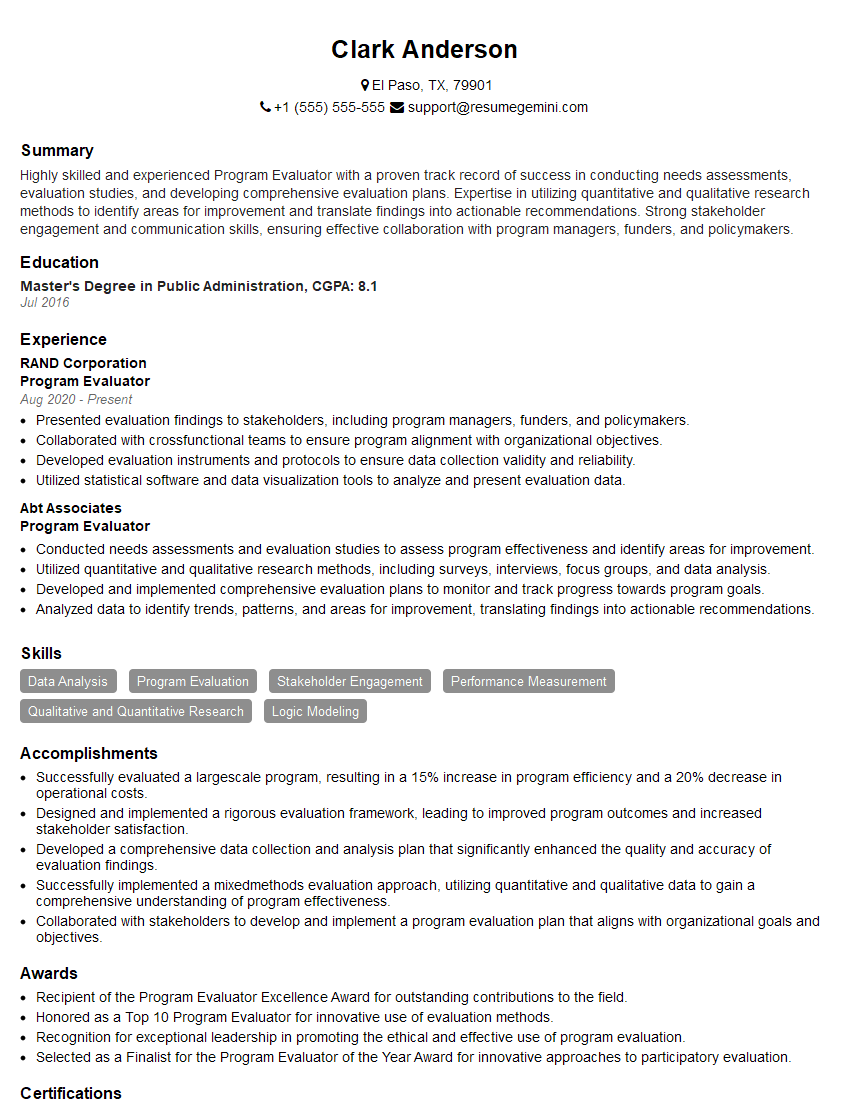
Program Evaluator Resume Sample
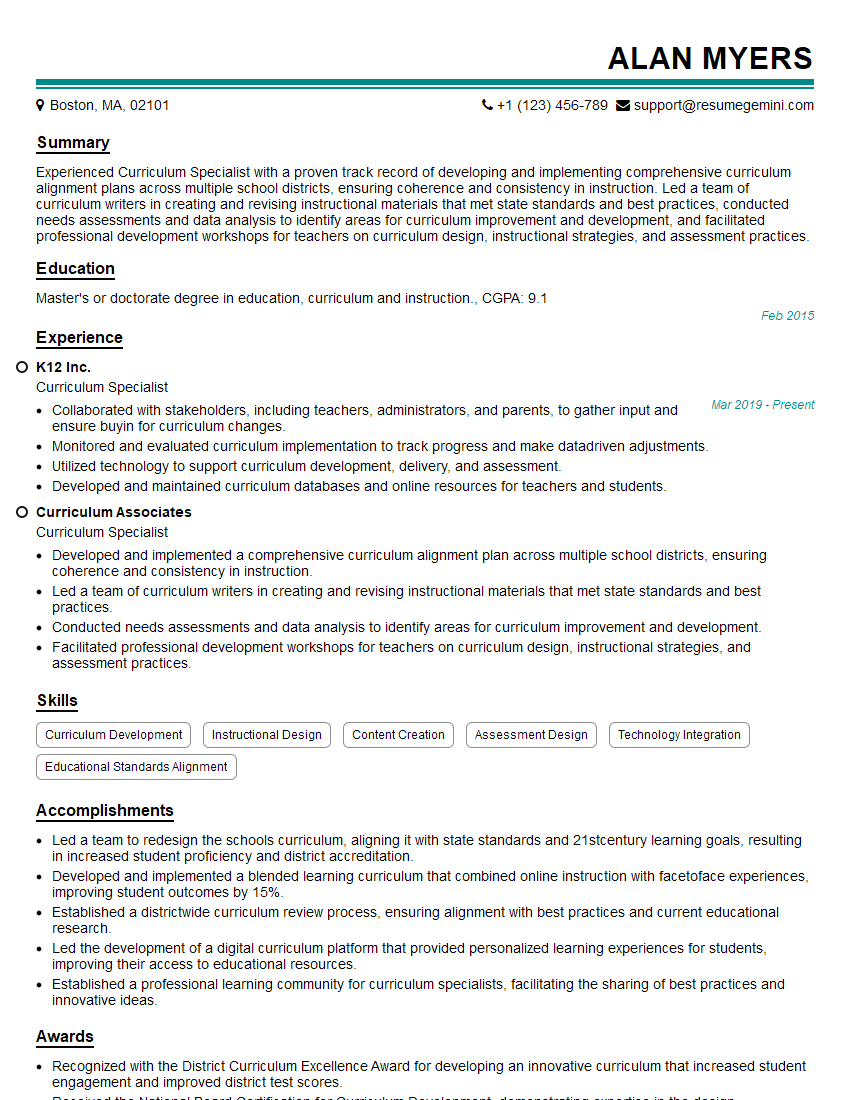
Curriculum Specialist Resume Sample
Explore more articles
Users Rating of Our Blogs
Share Your Experience
We value your feedback! Please rate our content and share your thoughts (optional).
What Readers Say About Our Blog
I Redesigned Spongebob Squarepants and his main characters of my artwork.
https://www.deviantart.com/reimaginesponge/art/Redesigned-Spongebob-characters-1223583608
IT gave me an insight and words to use and be able to think of examples
Hi, I’m Jay, we have a few potential clients that are interested in your services, thought you might be a good fit. I’d love to talk about the details, when do you have time to talk?
Best,
Jay
Founder | CEO