Cracking a skill-specific interview, like one for Animal Care Management, requires understanding the nuances of the role. In this blog, we present the questions you’re most likely to encounter, along with insights into how to answer them effectively. Let’s ensure you’re ready to make a strong impression.
Questions Asked in Animal Care Management Interview
Q 1. Describe your experience with animal handling techniques.
Animal handling is a cornerstone of responsible animal care, requiring a blend of knowledge, skill, and respect. My experience spans a wide range of species, from small rodents to large livestock, and encompasses various handling situations, from routine procedures like weighing and administering medication to more complex scenarios such as restraining animals for veterinary examinations or transporting them safely.
I employ species-specific techniques, always prioritizing the animal’s safety and well-being. For example, when handling a cat, I use a slow, calm approach, avoiding sudden movements or loud noises that might cause fear or aggression. Conversely, when working with a horse, I focus on clear communication through body language and voice commands, ensuring it feels secure and understands my intentions. I’m proficient in various restraint techniques, selecting the most appropriate method based on the animal’s size, temperament, and the procedure being performed. This includes using appropriate tools like halters, leads, and nets when necessary, always ensuring safe and humane handling.
My experience also includes training staff on proper animal handling techniques, emphasizing the importance of gentle handling, understanding animal behavior, and recognizing signs of stress or distress. Through observation and hands-on training, I’ve effectively reduced incidents of animal injury and stress within my teams.
Q 2. Explain your knowledge of animal anatomy and physiology.
A deep understanding of animal anatomy and physiology is crucial for effective animal care. This knowledge allows me to identify potential health problems, understand the impact of diseases, and make informed decisions regarding treatment and management. My understanding includes a thorough knowledge of skeletal structures, muscular systems, digestive processes, respiratory functions, and circulatory systems, varying across different species.
For example, knowing the precise location of a cat’s jugular vein is essential for safe and efficient blood sampling. Similarly, understanding equine digestive physiology allows me to recognize the signs of colic, a serious and potentially life-threatening condition. This knowledge extends to reproductive systems, enabling me to monitor pregnancies, understand birthing processes, and identify potential complications.
I use this anatomical and physiological knowledge to interpret laboratory results, diagnose illnesses, and develop appropriate treatment plans, always considering the specific needs of each animal. It allows me to assess the severity of injuries and develop rehabilitation plans, tailoring my approach to the animal’s individual needs and responses to treatment.
Q 3. How do you identify and address common animal health issues?
Identifying and addressing animal health issues requires a keen eye for detail, a solid understanding of animal behavior, and the ability to interpret subtle signs of illness or distress. I start by observing the animal’s behavior, looking for changes in appetite, activity levels, posture, and elimination patterns. I then assess its physical condition, looking for signs of illness such as fever, lethargy, unusual discharges, or skin lesions.
For instance, labored breathing in a dog could indicate pneumonia, while changes in fecal consistency might point to a digestive problem. If I suspect a health problem, I utilize appropriate diagnostic tools, including temperature checks, listening to heart and lung sounds (auscultation), and assessing mucous membranes. I also utilize routine preventative health checks like vaccinations and parasite control, preventing numerous health problems before they arise.
I’m adept at documenting observations meticulously and communicating effectively with veterinarians to develop and implement appropriate treatment plans. This includes administering medications, providing wound care, and monitoring the animal’s response to treatment. Throughout the process, I maintain accurate records for tracking the animal’s progress and ensuring continuity of care.
Q 4. What are your methods for maintaining a clean and sanitary animal environment?
Maintaining a clean and sanitary environment is critical for preventing disease outbreaks and ensuring the overall well-being of animals. My approach involves implementing a comprehensive sanitation program that encompasses regular cleaning and disinfection protocols. This starts with daily cleaning, removing waste, and replenishing food and water sources.
I utilize appropriate cleaning agents, ensuring they are safe for animals and effective against common pathogens. I’m familiar with the correct dilutions and application techniques, understanding that over-application can be harmful. For example, I utilize different disinfectants for different areas, given that some disinfectants are inappropriate for use in areas that animals directly come into contact with. Frequent disinfection of surfaces is critical in managing disease risk. I also regularly check ventilation systems to ensure adequate air circulation.
Beyond daily cleaning, we employ more thorough, deep-cleaning protocols on a schedule to ensure complete sanitation. I also implement pest control measures and regularly monitor for any signs of pest infestations, taking prompt action to address them.
Q 5. Describe your experience with animal enrichment and behavioral management.
Animal enrichment and behavioral management are crucial for ensuring the physical and psychological well-being of animals in captivity. My experience involves developing and implementing enrichment programs tailored to the specific needs of each species and individual animal. This encompasses providing opportunities for exploration, problem-solving, and social interaction.
For example, I might introduce puzzle feeders for dogs to stimulate their minds and provide mental stimulation. Similarly, providing climbing structures for primates or digging substrates for rodents caters to their natural instincts. This also includes rotating toys and enrichment items to maintain engagement and prevent boredom. I regularly assess the effectiveness of enrichment activities through observation and making adjustments as needed.
My behavioral management approach involves recognizing and addressing any abnormal behaviors, such as repetitive pacing or self-mutilation. This involves a thorough understanding of normal and abnormal behavior for each species, and the ability to identify and address underlying causes, which might be linked to inadequate environmental conditions or underlying health issues. I collaborate with veterinarians and animal behaviorists when addressing more complex behavioral challenges.
Q 6. How do you handle aggressive or fearful animals?
Handling aggressive or fearful animals requires a calm, patient, and thoughtful approach, prioritizing both the animal’s safety and the safety of those handling it. I utilize species-specific techniques and avoid actions that could escalate aggression or fear. My first step is always to assess the situation and identify the potential triggers for the animal’s behavior.
For instance, a fearful dog might react aggressively when approached directly. In such cases, I would use a slow, non-threatening approach, allowing the animal to observe me from a safe distance before attempting any interaction. I would also use calming signals, such as turning my body slightly away and avoiding direct eye contact. For aggressive animals, I might use appropriate barriers, such as a secure enclosure, to limit physical contact while still being able to provide necessary care.
I always prioritize safety and employ appropriate restraint techniques only when absolutely necessary, using tools such as catch poles or nets safely and correctly. When handling potentially aggressive animals, I always work with a team, ensuring proper communication and coordination to minimize risk. I also collaborate with veterinary behaviorists when needed to develop long-term management plans for chronically aggressive or fearful animals.
Q 7. Explain your knowledge of animal nutrition and dietary requirements.
Animal nutrition is a critical aspect of animal care, impacting overall health, behavior, and well-being. My knowledge extends to understanding the specific dietary needs of a wide range of species, considering age, breed, activity level, and health status. This includes understanding macronutrients (proteins, carbohydrates, fats), micronutrients (vitamins and minerals), and water requirements.
For example, a growing puppy has different nutritional requirements than an adult dog; a highly active dog requires a higher calorie intake than a sedentary dog; and an animal with kidney disease might need a diet modified in protein and phosphorus content. I utilize commercial diets as a baseline, making adjustments based on the specific needs of each animal.
I’m proficient in calculating dietary requirements and monitoring nutritional status, using weight monitoring, body condition scoring, and laboratory analyses to evaluate the effectiveness of dietary strategies. I also recognize the importance of providing appropriate feeding methods, considering the animal’s species and behavioral characteristics. I am knowledgeable about food safety, proper storage techniques and preventing foodborne illnesses.
Q 8. Describe your experience with administering medications to animals.
Administering medications to animals requires a meticulous approach, prioritizing both safety and efficacy. My experience encompasses a wide range of medication types, from oral and injectable to topical applications. Before administering any medication, I always verify the animal’s identity, confirm the correct dosage and route of administration, and check for any potential contraindications based on the animal’s medical history. For example, I’ve administered antibiotics to dogs recovering from surgery, ensuring correct dosage and timing to maximize therapeutic effect. I also have experience with administering fluids intravenously to dehydrated animals, carefully monitoring their response to avoid complications. For larger animals, such as horses, I utilize specialized techniques and equipment for safe and effective medication administration.
Safety is paramount. I always follow strict protocols, ensuring that all medications are stored securely and that appropriate personal protective equipment (PPE) is used, including gloves, masks, and eye protection where necessary. Following administration, I meticulously record the medication, dosage, route, time, and the animal’s response in their medical records, which aids in monitoring their progress and identifying any potential adverse reactions.
Q 9. How do you maintain accurate animal records?
Maintaining accurate animal records is crucial for effective animal care. I utilize a combination of electronic and paper-based systems depending on the facility’s protocols. Every animal has a unique identification number (ID) linked to a comprehensive record containing their species, breed, age, sex, date of arrival, vaccination history, medical history (including past illnesses, treatments, surgeries, and medications), behavioral observations, and any other relevant information. I religiously update these records after every interaction with the animal – whether it’s a routine health check, medication administration, or a significant behavioral change.
Digital record-keeping offers advantages such as easy accessibility, searchability, and the ability to generate reports efficiently. However, I understand the importance of maintaining backups and ensuring data security. A well-maintained record system not only streamlines daily operations, it’s vital for tracking trends, managing resources, and responding effectively to emergencies. For example, having accurate records on allergies is crucial for preventing adverse reactions during treatment.
Q 10. How do you ensure the safety of both animals and staff?
Ensuring the safety of both animals and staff is a core principle in my approach to animal care. My strategies encompass multiple layers of protection. For animal safety, this includes designing safe and appropriate enclosures, implementing behavior modification techniques to reduce aggression, and providing enrichment to minimize stress and promote natural behaviors. We carefully assess each animal’s temperament and use appropriate restraint methods when necessary, such as using halters and leashes, or, in certain situations, sedation under veterinary supervision. Clear signage and protocols are essential to manage potential hazards within the facility. Proper sanitation and hygiene practices are crucial to mitigate disease transmission.
Staff safety is equally critical. We train all staff on proper handling techniques, safety procedures, and emergency response protocols. I emphasize the importance of recognizing and avoiding potential hazards such as bites, scratches, or zoonotic diseases. The use of appropriate PPE is mandatory when handling animals, especially those with known behavioral issues. Regular safety training and drills help ensure everyone is prepared to respond to potential emergencies effectively, ensuring a safe environment for both animals and staff.
Q 11. What is your experience with emergency animal care protocols?
My experience with emergency animal care protocols is extensive. I’ve handled various emergencies, including traumatic injuries, respiratory distress, seizures, and allergic reactions. My response is always swift and systematic, following a pre-established protocol. This involves immediate assessment of the animal’s condition – checking vital signs (heart rate, respiration, temperature), identifying the cause of the emergency, and providing immediate first aid. For example, if an animal is having difficulty breathing, I’d administer oxygen and potentially perform CPR while simultaneously contacting the veterinarian or emergency services.
Effective communication is paramount during emergencies. I clearly communicate the animal’s condition and necessary actions to the veterinary staff and other team members. Maintaining accurate records of the emergency, including the time, symptoms, treatments administered, and the animal’s response is crucial for post-emergency care and learning from the event. Regular participation in emergency drills ensures everyone is well-prepared to react effectively and efficiently.
Q 12. Describe your experience with animal restraint techniques.
Animal restraint is a critical skill in animal care, requiring both technical proficiency and an understanding of animal behavior. My experience includes a variety of restraint techniques tailored to the species, size, and temperament of the animal. For smaller animals like cats and dogs, I’m proficient in techniques such as scruffing (for cats), gentle but firm handling, and the use of towels or muzzles when necessary. For larger animals such as horses, I utilize specialized equipment and techniques like halters and lead ropes, ensuring proper control and minimizing stress on the animal.
The key is minimizing the stress and discomfort experienced by the animal. I prioritize gentle and humane approaches, always choosing the least restrictive method that guarantees both animal and staff safety. Before initiating any restraint procedure, I assess the animal’s behavior and adapt my approach accordingly. I also emphasize the importance of regular training to improve and refine restraint techniques, ensuring both efficacy and animal welfare. The use of positive reinforcement techniques, such as rewards and calming communication, can significantly improve the animal’s experience.
Q 13. Explain your understanding of animal welfare regulations.
My understanding of animal welfare regulations is comprehensive. I’m familiar with federal, state, and local laws governing animal care, including those related to housing, sanitation, enrichment, veterinary care, and transportation. These regulations are designed to ensure that animals are provided with adequate care, avoiding unnecessary suffering. Understanding these regulations ensures compliance and helps to create a safe and healthy environment for the animals under our care.
For example, I understand the requirements for providing appropriate housing space, enrichment, and veterinary care, which vary based on the species and age of the animal. I’m also aware of the regulations surrounding the humane handling, transportation, and euthanasia of animals. I stay informed on any updates or changes to these regulations through continuing education and professional development. Compliance with these regulations isn’t just a legal necessity, it’s a moral imperative, ensuring that we provide the best possible care for the animals in our charge.
Q 14. How do you handle animal waste disposal?
Animal waste disposal is crucial for maintaining a sanitary environment and preventing disease transmission. My approach adheres to strict protocols and regulations. The type of waste and its disposal method varies with the species and the nature of the waste. For example, solid waste (feces and urine) is typically collected regularly and disposed of in designated receptacles. These receptacles are regularly cleaned and disinfected to prevent the build-up of bacteria and parasites. Sharps and other biohazardous materials are handled with extreme care using designated containers and puncture-resistant bags, following specific protocols for disposal.
In some settings, we may compost organic waste, following strict guidelines to avoid contamination. All disposal procedures are conducted according to health and safety regulations to protect both animals and staff from potential hazards. Proper record-keeping of waste disposal is essential for tracking compliance and managing potential environmental impact. We often utilize specialized equipment such as autoclaves to sterilize certain waste materials before disposal, ensuring a sanitary and safe environment.
Q 15. Describe your experience with animal breeding programs.
My experience with animal breeding programs spans over a decade, encompassing various species, from domestic dogs and cats to exotic birds and small mammals. I’ve been involved in every stage, from initial genetic assessments and mate selection to offspring health monitoring and record-keeping. A key aspect is understanding the specific genetic traits of each breed and selecting parents to improve desirable characteristics like temperament, health, and conformation. This involves studying pedigrees, researching genetic diseases common within certain lineages, and utilizing breeding strategies such as linebreeding or outcrossing to enhance genetic diversity or eliminate unwanted traits. For example, I once worked with a dog breeding program where we focused on reducing the incidence of hip dysplasia through careful selection of breeding partners with excellent hip scores and through the use of genetic testing. We meticulously tracked the health and genetic lineage of every dog in the program, allowing us to analyze the effectiveness of our breeding program over generations. My work always emphasizes ethical breeding practices that prioritize the welfare of the animals above all else.
Career Expert Tips:
- Ace those interviews! Prepare effectively by reviewing the Top 50 Most Common Interview Questions on ResumeGemini.
- Navigate your job search with confidence! Explore a wide range of Career Tips on ResumeGemini. Learn about common challenges and recommendations to overcome them.
- Craft the perfect resume! Master the Art of Resume Writing with ResumeGemini’s guide. Showcase your unique qualifications and achievements effectively.
- Don’t miss out on holiday savings! Build your dream resume with ResumeGemini’s ATS optimized templates.
Q 16. What is your approach to training animals?
My approach to animal training is rooted in positive reinforcement, focusing on rewarding desired behaviors rather than punishing undesirable ones. This method fosters trust and a positive learning environment. I utilize a variety of techniques tailored to the individual animal’s species, age, temperament, and learning style. This might involve shaping behaviors through successive approximations, using clicker training to mark and reward desired actions, or employing operant conditioning principles. For instance, when training a dog, I’d start with simple commands like ‘sit’ and ‘stay,’ rewarding each successful attempt with treats and praise. Gradually, I’d increase the complexity of the commands and introduce distractions. With more challenging animals, such as certain primate species, I may employ observational learning techniques, demonstrating the desired behavior and then rewarding imitation. The key is patience, consistency, and understanding the animal’s communication signals. It’s crucial to tailor the training to the specific animal’s needs and capabilities, always prioritizing their safety and well-being.
Q 17. How do you handle animal bites or scratches?
Handling animal bites or scratches requires immediate and decisive action, prioritizing both the safety of the person and the animal. My first step is to assess the severity of the injury. Minor scratches are cleaned thoroughly with soap and water, and a bandage is applied. However, for deeper bites or punctures, immediate medical attention is crucial. Beyond first aid, reporting the incident is vital, especially if the animal’s vaccination status is unknown. If the animal is known to be unvaccinated or aggressive, public health officials might need to be contacted for further assessment and potential quarantine. The animal’s behavior before, during, and after the incident is also carefully noted and reported to help assess the potential for future incidents and to assist any investigations. Proper documentation is vital throughout the process. Understanding the context of the incident – was it provoked? Was the animal frightened or in pain? – is vital for future preventive measures and animal management.
Q 18. Describe your knowledge of zoonotic diseases.
Zoonotic diseases, diseases that can be transmitted from animals to humans, are a critical concern in animal care management. My knowledge encompasses a wide range of these diseases, including rabies, leptospirosis, salmonellosis, and various fungal infections. I understand the modes of transmission, clinical signs in both animals and humans, and preventative measures. This knowledge directly informs my daily practices, including enforcing stringent hygiene protocols, ensuring proper vaccination schedules for animals under my care, and implementing effective biosecurity measures to limit exposure. For example, I always make sure to wear appropriate protective gear, including gloves, when handling animals, and I am well-versed in the proper protocols for cleaning and disinfecting animal enclosures and equipment to prevent the spread of disease. Thorough knowledge of these diseases is paramount for preventing outbreaks and protecting both animal and human health. Regular training and updates on emerging zoonotic diseases are crucial to staying ahead of potential threats.
Q 19. Explain your experience with animal quarantine procedures.
Animal quarantine procedures are essential for preventing the introduction and spread of infectious diseases. My experience includes implementing and overseeing quarantine protocols in various settings, from animal shelters to veterinary clinics. This includes isolating newly arrived or sick animals, monitoring their health closely, and implementing appropriate hygiene and biosecurity measures. The duration of quarantine varies depending on the species, the suspected or diagnosed disease, and relevant regulations. Accurate record-keeping is crucial, documenting the animal’s health status, treatments administered, and any interactions with personnel. For example, a newly rescued dog might be quarantined for a period of 10-14 days to observe for any signs of illness before being introduced to other animals. Strict adherence to protocols prevents the uncontrolled spread of pathogens within the facility and safeguards the health of all animals under my care.
Q 20. How do you manage animal populations in a controlled environment?
Managing animal populations in a controlled environment requires a multi-faceted approach that considers the specific species, their social dynamics, and environmental requirements. This involves careful monitoring of population size to prevent overcrowding or resource depletion. In practice, this often means implementing birth control methods, such as spaying or neutering, or employing population control strategies such as selective removal of animals. Maintaining appropriate habitat enrichment, such as providing ample space, suitable hiding places, and environmental stimulation, is key to ensuring the animals’ welfare. Regular health checks and disease prevention strategies are also implemented to control population health. For example, in a zoo setting, we might use a combination of reproductive management techniques and careful monitoring of enclosure space and resources to manage a population of primates. This ensures that the animals have enough space, resources, and social interaction, while preventing unsustainable population growth.
Q 21. Describe your experience with animal transportation and logistics.
My experience with animal transportation and logistics encompasses all aspects, from planning and preparation to execution and post-transport care. This includes understanding the specific transport needs of different species, ensuring appropriate climate control, and selecting suitable carriers or containers. Thorough documentation of the transportation process is essential, including details such as the animals’ identities, their health status, and transportation routes. Compliance with relevant regulations and permits is paramount. For example, when transporting primates, I would ensure that their containers are appropriately sized and equipped to maintain ideal temperature and humidity levels, and that the transport route minimizes stress. Post-transport monitoring of the animals’ health is also crucial to ensure a smooth transition and minimize the impact of the journey on their well-being. I always prioritize the animals’ comfort and safety during the entire process. This involves using appropriate restraint methods, providing access to food and water, and avoiding unnecessary delays or stressful handling.
Q 22. How do you handle euthanasia procedures?
Euthanasia is a deeply sensitive procedure, and my approach prioritizes minimizing the animal’s suffering and providing comfort and respect. It’s never taken lightly and is only considered as a last resort when all other treatment options have been exhausted and the animal is experiencing untreatable pain or suffering.
The process always begins with a thorough assessment of the animal’s condition by a veterinarian. This involves a careful examination, considering factors like the animal’s age, overall health, prognosis, and quality of life. We discuss all options with the owner, ensuring they understand the procedure, the associated risks, and the available alternatives. Transparency and compassionate communication are paramount.
The euthanasia itself is performed using humane methods, typically intravenous injection of a barbiturate solution. This provides a peaceful and painless transition. The animal is usually kept in a calm and comfortable environment, often with the owner present if they wish. After the procedure, I ensure proper handling and disposal of the remains, adhering to all relevant regulations and respecting the animal and its owner’s wishes.
Following euthanasia, we offer bereavement support to the owner, recognizing the emotional toll of losing a beloved pet. This can involve providing information on grief counseling or simply offering a listening ear and acknowledging the significance of their loss.
Q 23. What is your experience with animal surgery preparation and recovery?
My experience in animal surgery preparation and recovery encompasses a wide range of procedures, from routine spays and neuters to complex orthopedic surgeries. Preparation involves meticulous attention to detail and follows strict protocols to maintain asepsis and ensure the animal’s safety.
Pre-surgical preparation includes thorough physical examinations, diagnostic testing (bloodwork, radiographs), and fasting. The surgical site is carefully prepped and draped to minimize the risk of infection. During surgery, I assist the veterinarian, ensuring the animal’s vital signs are monitored closely. Post-operative care is critical, involving pain management, monitoring for complications (infection, bleeding, etc.), and providing appropriate nutrition and hydration.
Recovery protocols vary based on the type of surgery and the animal’s condition. This can include medication administration, wound care, physical therapy (in cases of orthopedic surgery), and close observation for signs of discomfort or complications. Regular communication with the owner regarding the animal’s progress and any necessary adjustments to the post-operative care plan is essential.
For example, in one case involving a dog with a fractured leg, my role included preparing the patient for surgery, assisting during the procedure, administering post-operative analgesics and antibiotics, and monitoring the wound healing process. This included regular bandage changes and close observation for signs of infection. We also worked with the owner to implement a strict rest regimen to ensure proper bone healing.
Q 24. Explain your understanding of animal behavior modification techniques.
Animal behavior modification involves understanding the underlying causes of unwanted behaviors and implementing strategies to change them. It’s a process that requires patience, consistency, and a thorough understanding of animal learning principles.
Common techniques include:
- Positive Reinforcement: Rewarding desired behaviors with treats, praise, or toys. For example, rewarding a dog for sitting calmly instead of jumping.
- Negative Punishment: Removing something desirable when an unwanted behavior occurs. For example, ignoring a dog that is begging for food at the table.
- Counter-Conditioning: Pairing a feared stimulus with a positive experience to reduce fear or anxiety. For example, gradually introducing a fearful dog to cats while offering high-value treats.
- Desensitization: Gradually exposing an animal to a feared stimulus at a low intensity, gradually increasing the intensity as the animal’s anxiety decreases. For instance, slowly introducing a dog to loud noises.
A successful behavior modification program requires a detailed behavioral assessment to identify the triggers and maintainers of the unwanted behavior, creating a tailored plan specific to the animal and its environment. Consistent implementation by the owner is key, and regular check-ins and adjustments to the plan are necessary to ensure effectiveness. Ignoring the underlying cause can often lead to failure, so it’s critical to fully understand the animal’s needs and context.
Q 25. Describe your experience with preventative animal health measures.
Preventative animal health measures are crucial for maintaining the well-being of animals and preventing costly and potentially life-threatening illnesses. My experience encompasses a wide range of strategies, including:
- Vaccinations: Administering core and non-core vaccines to protect against infectious diseases like rabies, distemper, and parvovirus.
- Parasite Control: Implementing preventative measures against internal and external parasites, such as heartworm, fleas, and ticks, using appropriate medications and environmental control.
- Dental Care: Promoting good oral hygiene through regular teeth brushing and professional dental cleanings to prevent periodontal disease.
- Nutritional Management: Advising owners on appropriate diets to meet the animal’s specific nutritional needs and prevent obesity and related health problems.
- Regular Health Checkups: Conducting routine physical examinations to detect early signs of disease and address potential issues proactively.
For instance, in a shelter setting, a comprehensive preventative health program includes mass vaccination campaigns, regular parasite treatments, and close monitoring for any signs of illness. This proactive approach helps maintain a healthy animal population and reduces the spread of disease.
Q 26. How do you identify and manage animal stress?
Identifying and managing animal stress is a key component of responsible animal care. Animals, much like humans, exhibit various signs of stress, which can manifest physically and behaviorally. These can include changes in appetite, changes in sleep patterns, excessive vocalization, aggression, self-mutilation, and changes in elimination habits.
Identifying stress involves careful observation of the animal’s behavior and physical condition. Understanding the animal’s normal behavior is crucial as a baseline for comparison. Environmental factors, such as overcrowding, noise, or lack of enrichment, can significantly contribute to stress. Medical conditions can also manifest as stress-like behaviors.
Management strategies depend on the underlying cause of the stress. This may include:
- Environmental Enrichment: Providing stimulating environments with appropriate toys, hiding places, and social interaction to reduce boredom and anxiety.
- Behavioral Modification: Addressing underlying behavioral issues that may be contributing to stress through positive reinforcement techniques.
- Medical Intervention: If the stress is related to a medical condition, providing appropriate veterinary care.
- Reducing stressors: Identifying and eliminating environmental stressors, such as loud noises or overcrowding.
For example, a dog showing signs of anxiety due to separation anxiety might benefit from desensitization and counter-conditioning techniques paired with environmental enrichment such as puzzle toys to keep them occupied when alone. A cat exhibiting stress due to a new pet in the house might benefit from creating separate spaces for each animal to reduce interactions, and introducing them gradually over time.
Q 27. How do you work effectively as part of a team in an animal care setting?
Effective teamwork in an animal care setting is paramount for providing the best possible care. It relies on clear communication, mutual respect, and a shared commitment to animal welfare. My approach to teamwork is based on collaboration, shared responsibility, and open communication.
I actively participate in team meetings, contributing my expertise and actively listening to the input of others. I value diverse perspectives and believe that a collaborative approach fosters creativity and efficiency. I am comfortable delegating tasks appropriately and readily assist colleagues when needed. I believe in proactive communication – addressing potential conflicts or concerns promptly and constructively.
For instance, in a high-pressure situation like a surgical emergency, clear and concise communication amongst the veterinary team is crucial. My role involves efficiently coordinating tasks, anticipating the needs of the surgeon and veterinary technicians, and ensuring the smooth flow of the procedure. Post-surgery, collaborative efforts in monitoring the patient’s recovery ensure the best possible outcome.
Q 28. Describe your experience with public education and outreach related to animals.
Public education and outreach are essential for promoting responsible pet ownership and animal welfare. I have experience delivering educational presentations on various animal-related topics, including responsible pet care, animal behavior, and the importance of spaying/neutering. I have also participated in community events, such as adoption days, to interact directly with the public and educate potential pet owners.
My approach involves using clear, accessible language and employing engaging methods like interactive demonstrations, question-and-answer sessions, and visual aids to reach a broad audience. I tailor my message to the specific audience and context, ensuring that the information is relevant and easily understood. For example, when talking to children, I might focus on responsible pet handling, while talking to adult potential adopters, I might emphasize responsible ownership and commitment. I aim to make these interactions positive, fostering a deeper understanding and appreciation for animals.
I also believe in utilizing various platforms to reach a wider audience, including social media, website content, and collaboration with local schools and community organizations. This multi-faceted approach maximizes outreach and amplifies the impact of my educational efforts. It’s about building trust within the community and creating responsible animal advocates.
Key Topics to Learn for Animal Care Management Interview
- Animal Anatomy and Physiology: Understanding animal body systems is fundamental. This includes recognizing common illnesses and injuries based on observable symptoms.
- Animal Behavior and Handling: Learn to identify and interpret animal behavior to ensure safe and effective handling techniques for various species and situations. This includes recognizing signs of stress or aggression.
- Animal Nutrition and Diet: Mastering dietary requirements for different animals, recognizing nutritional deficiencies, and formulating appropriate feeding plans is crucial.
- Disease Prevention and Control: Understand vaccination protocols, parasite control methods, and common animal diseases. Knowledge of quarantine procedures and biosecurity is essential.
- Facility Management and Hygiene: Demonstrate understanding of maintaining clean and sanitary environments, waste disposal protocols, and preventative maintenance of animal housing.
- Record Keeping and Data Management: Effective record-keeping is vital. Be prepared to discuss your experience with maintaining accurate animal health records, treatment logs, and inventory management.
- Emergency Response and First Aid: Showcase your knowledge of providing immediate care for injured or sick animals, including CPR and basic wound management techniques.
- Ethical Considerations and Animal Welfare: Discuss your understanding of animal welfare principles, ethical treatment, and responsible animal care practices.
- Teamwork and Communication: Highlight your ability to collaborate effectively with colleagues, communicate clearly with clients and supervisors, and work within a team environment.
Next Steps
Mastering Animal Care Management opens doors to a rewarding career with diverse opportunities for growth and specialization. To maximize your job prospects, a well-crafted, ATS-friendly resume is essential. ResumeGemini is a trusted resource to help you build a professional resume that showcases your skills and experience effectively. Examples of resumes tailored to Animal Care Management are available to guide you. Invest time in crafting a compelling resume—it’s your first impression on potential employers.
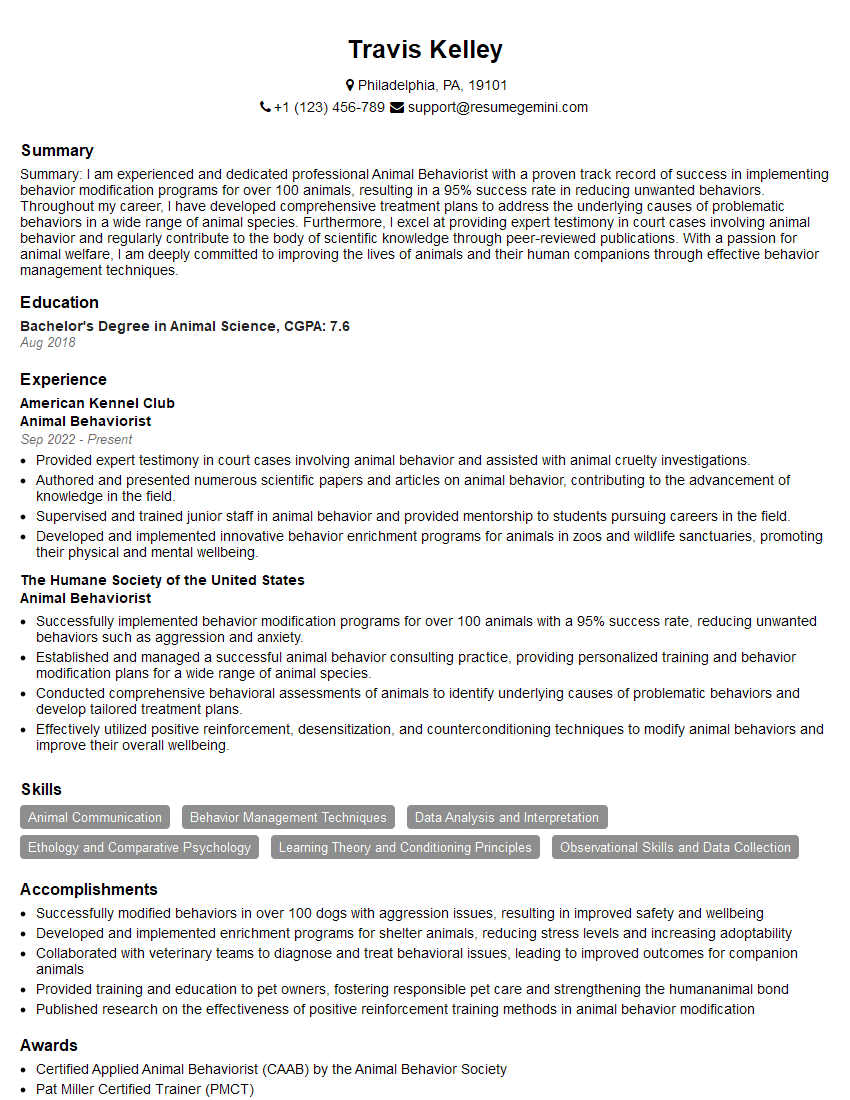
Animal Behaviorist Resume Sample
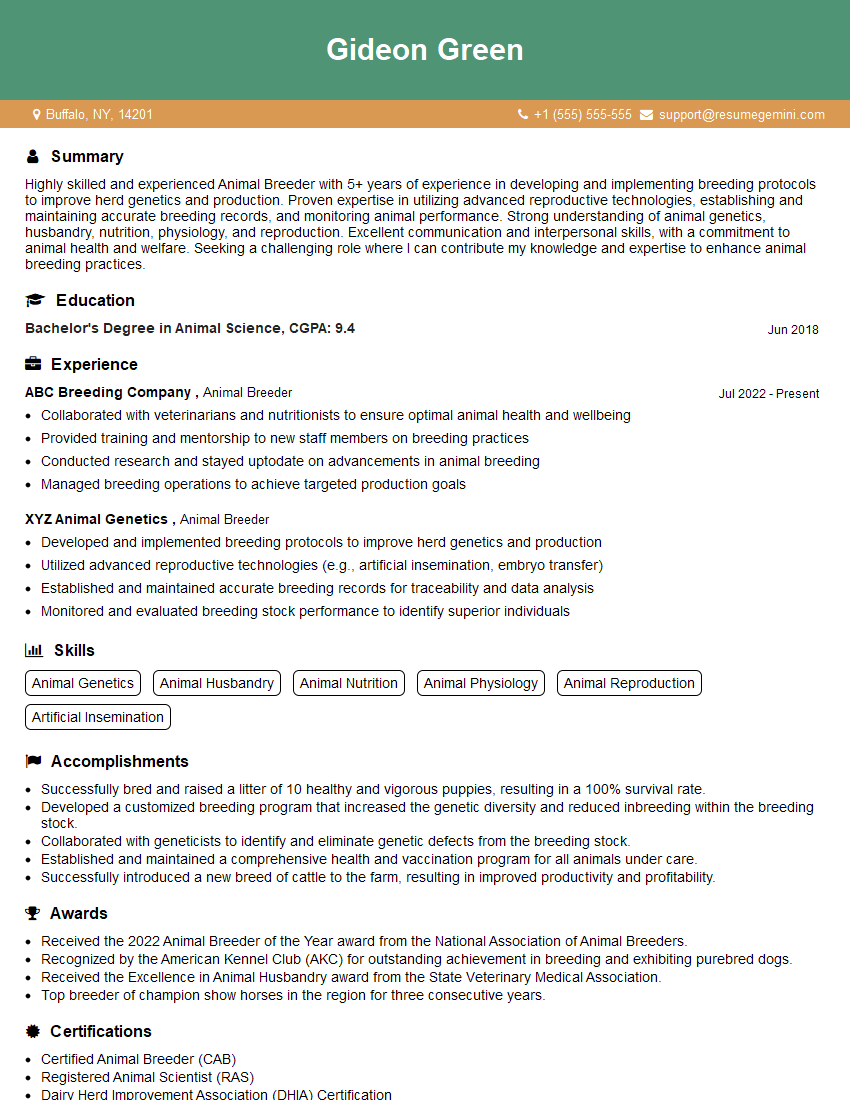
Animal Breeder Resume Sample
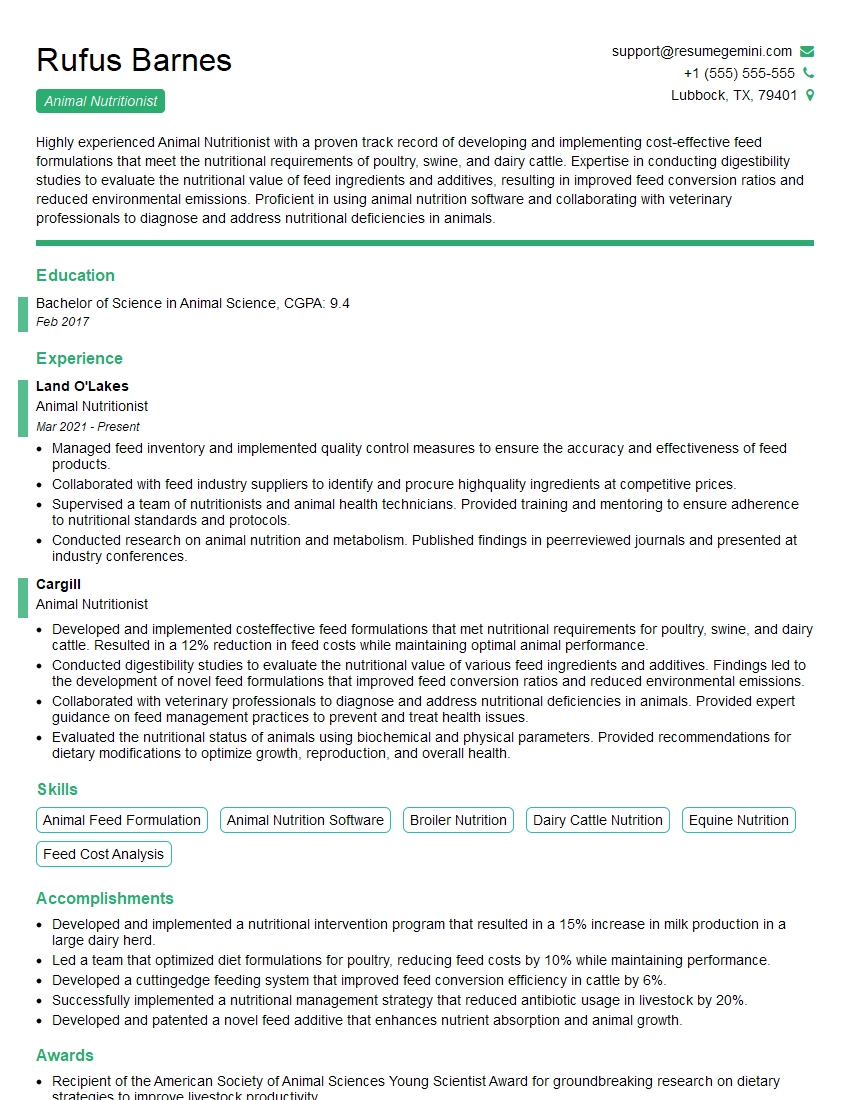
Animal Nutritionist Resume Sample

Wildlife Biologist Resume Sample
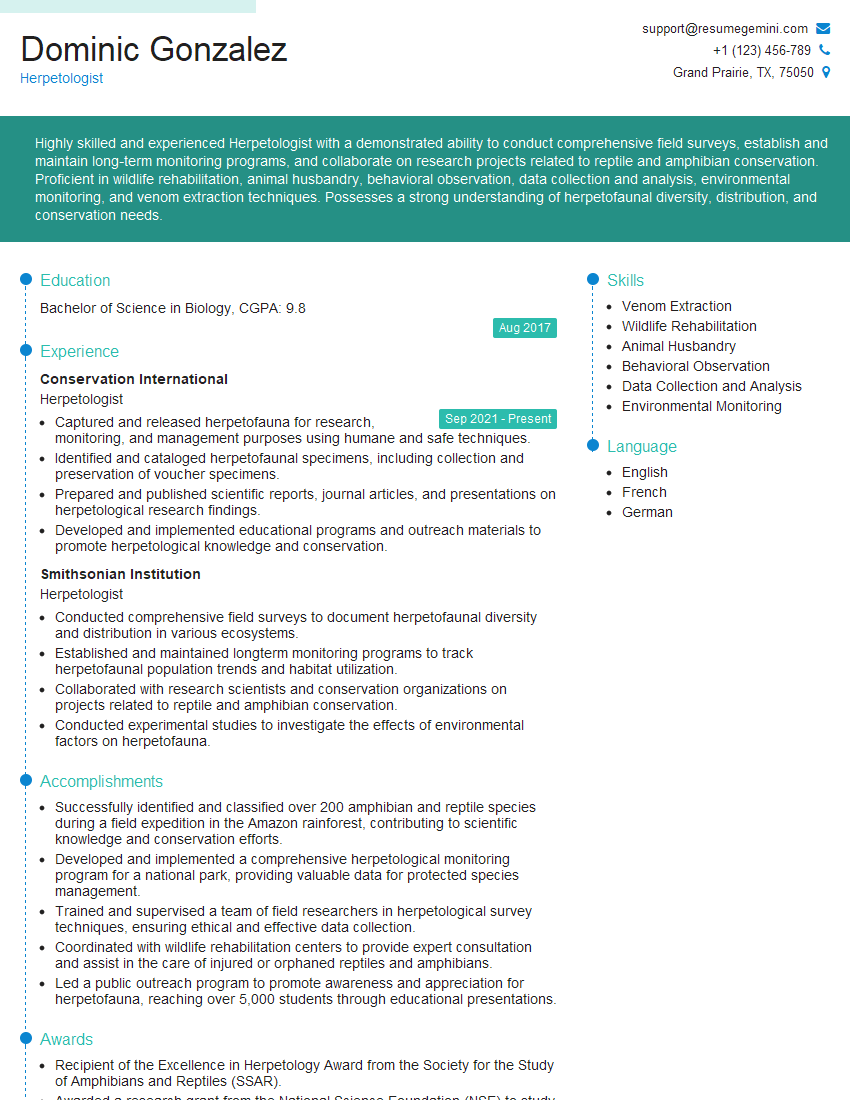
Herpetologist Resume Sample
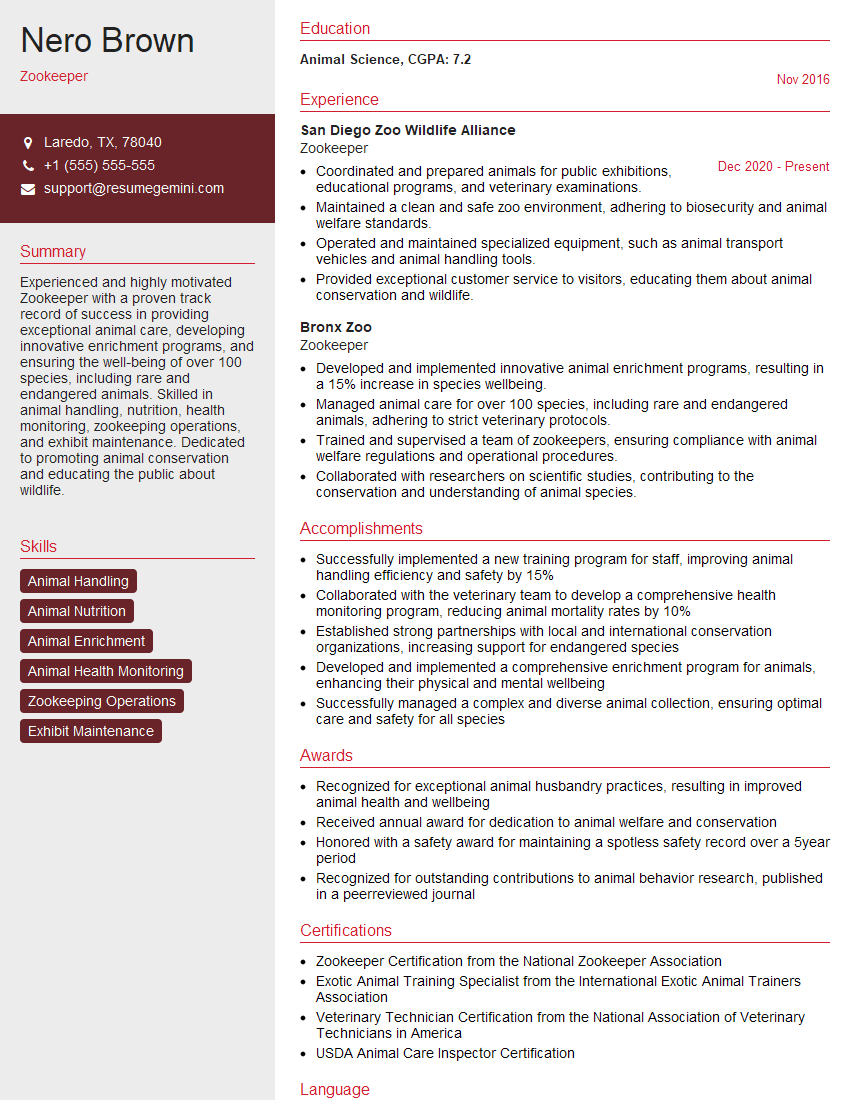
Zookeeper Resume Sample
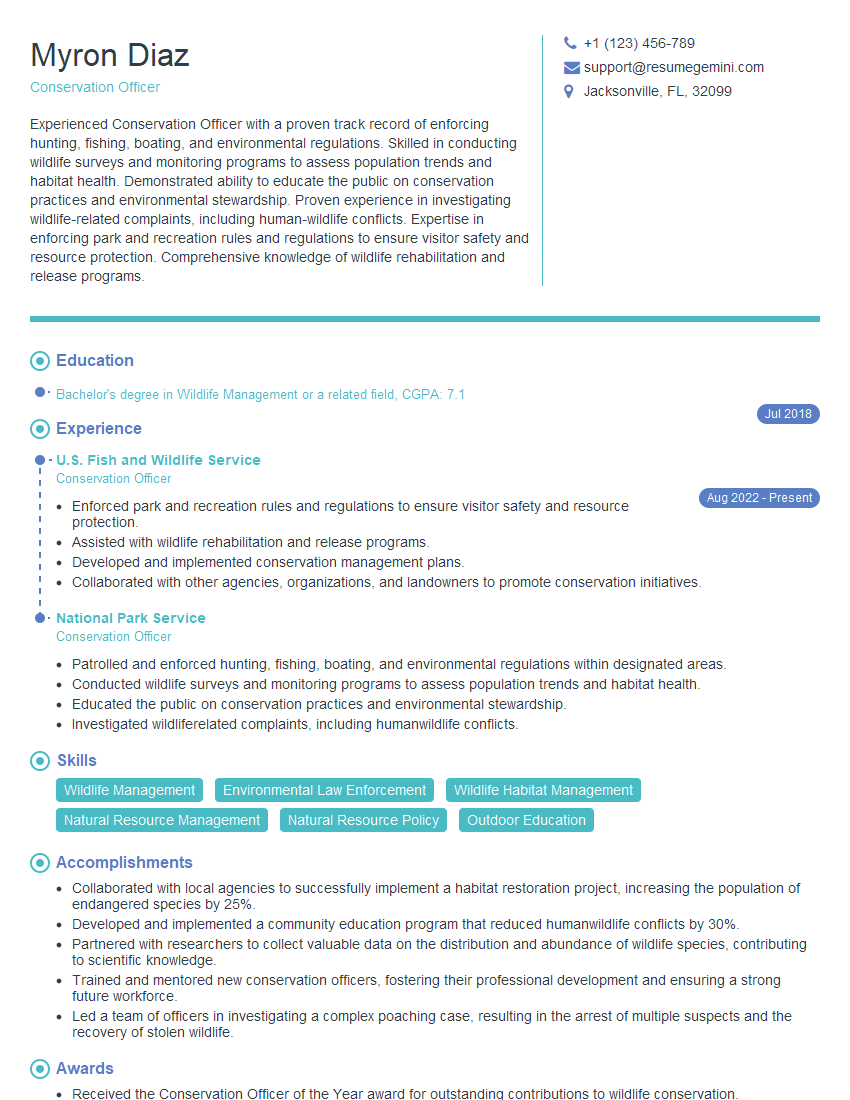
Conservation Officer Resume Sample
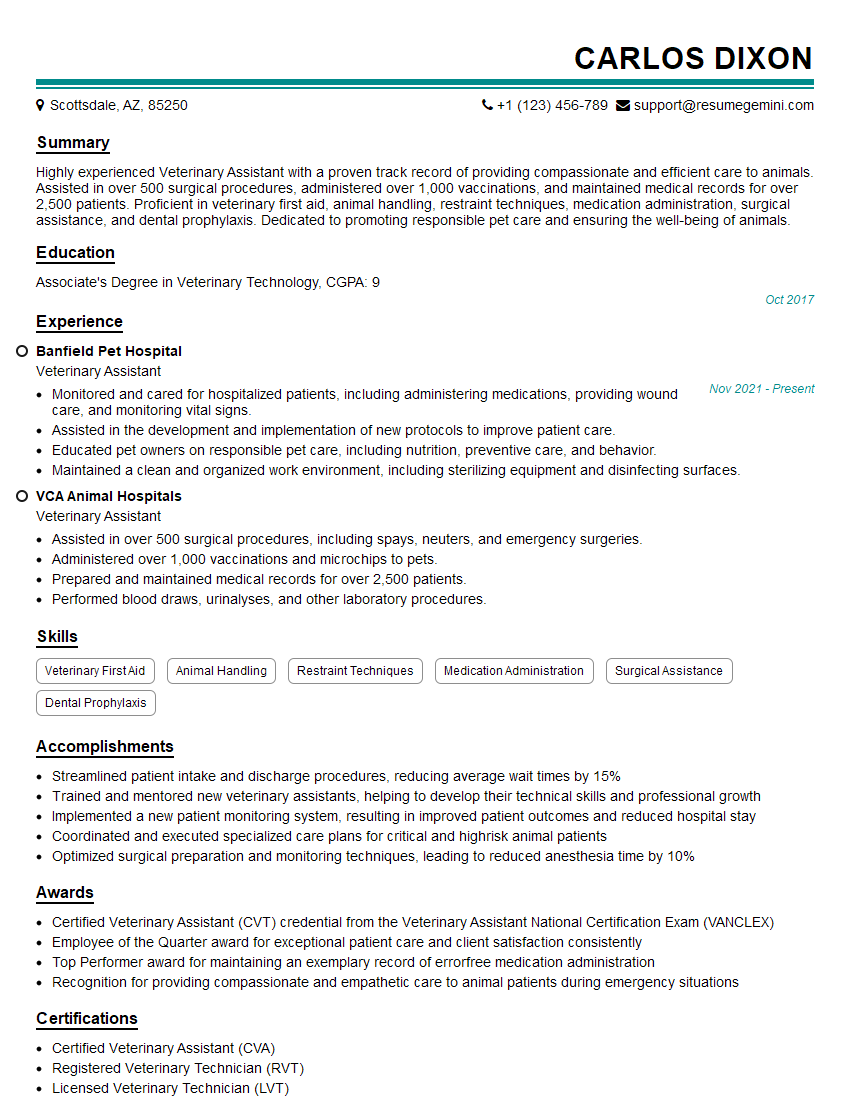
Veterinary Assistant Resume Sample
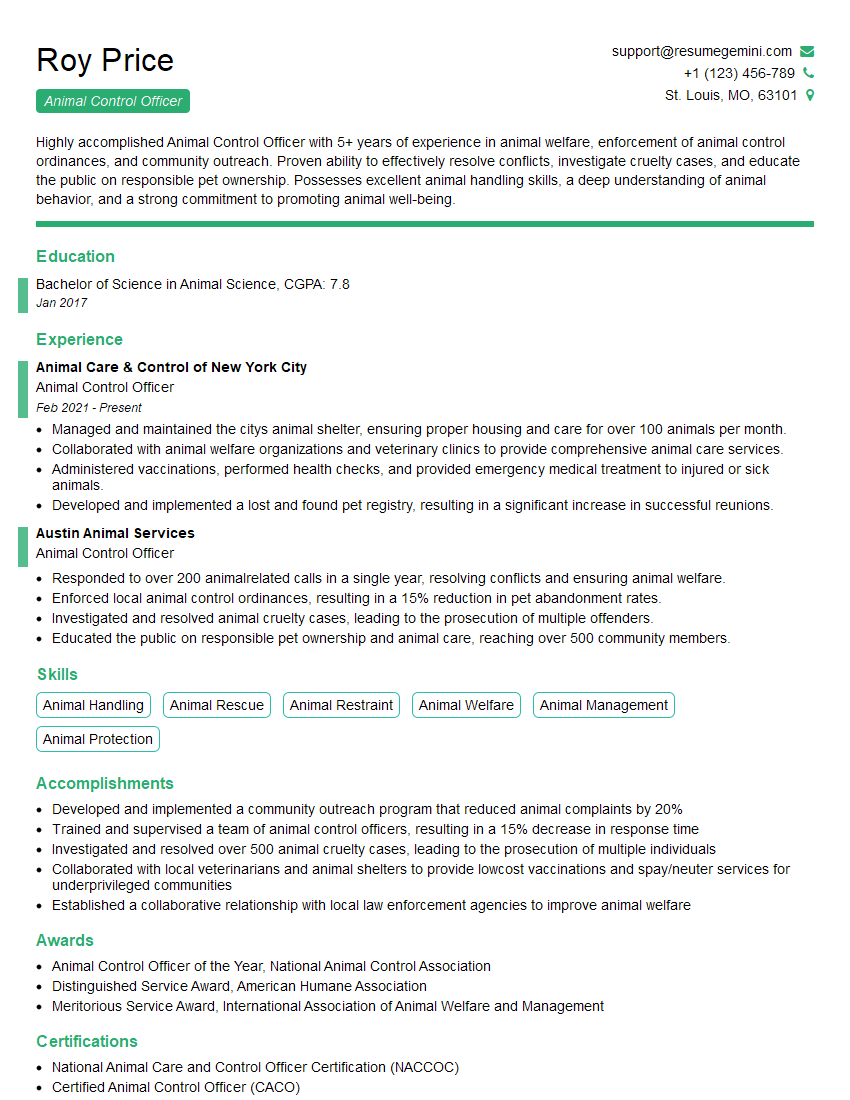
Animal Control Officer Resume Sample
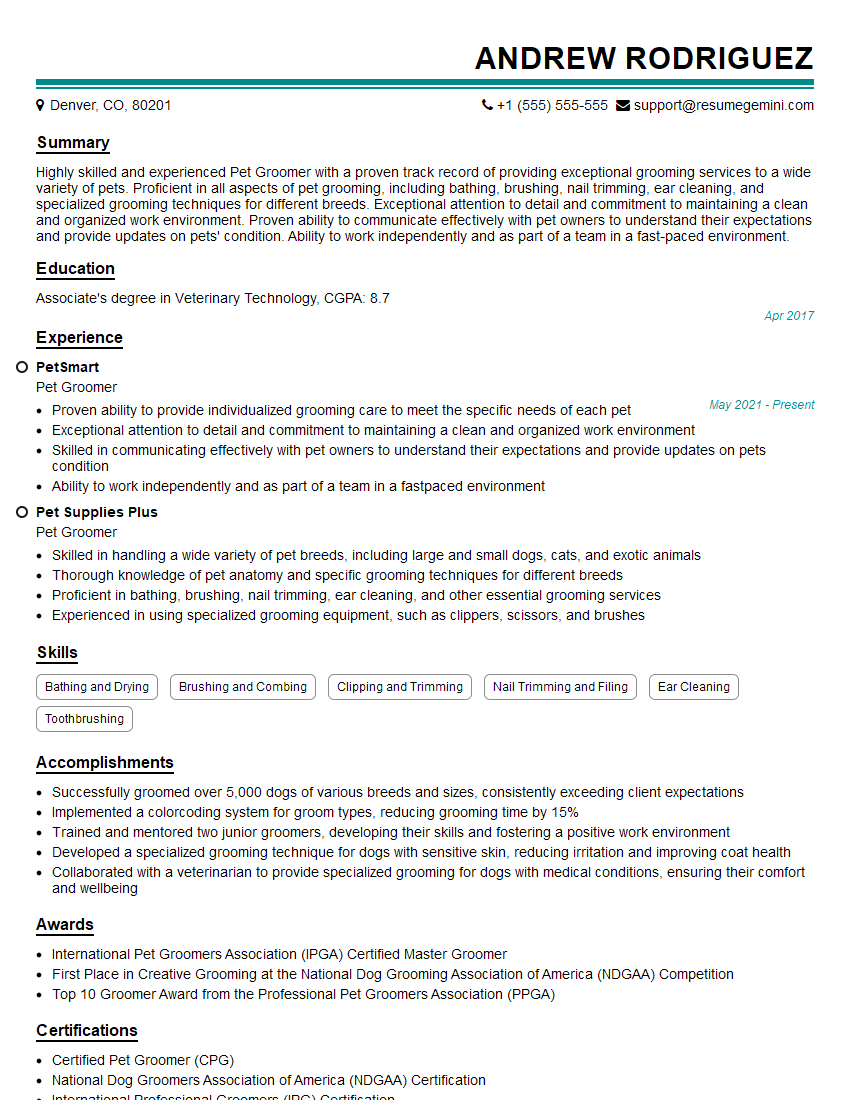
Pet Groomer Resume Sample
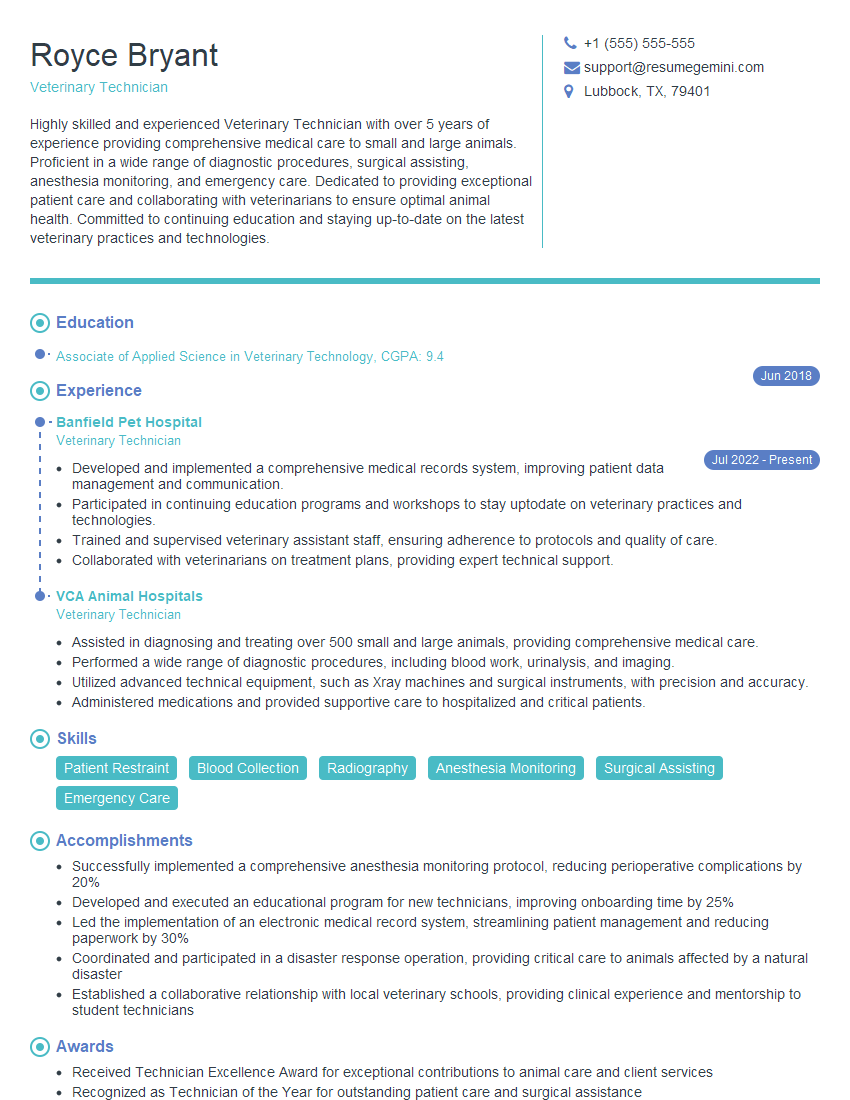
Veterinary Technician Resume Sample

Wildlife Rehabilitator Resume Sample
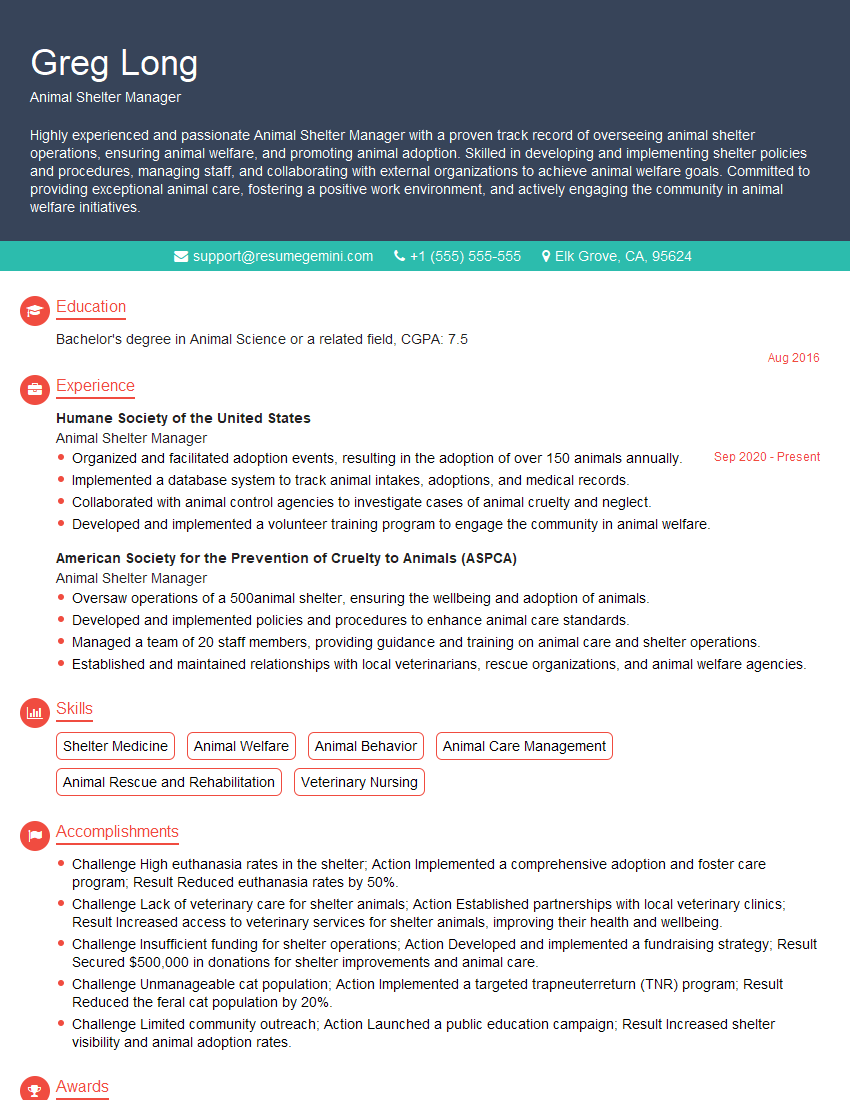
Animal Shelter Manager Resume Sample
Explore more articles
Users Rating of Our Blogs
Share Your Experience
We value your feedback! Please rate our content and share your thoughts (optional).
What Readers Say About Our Blog
I Redesigned Spongebob Squarepants and his main characters of my artwork.
https://www.deviantart.com/reimaginesponge/art/Redesigned-Spongebob-characters-1223583608
IT gave me an insight and words to use and be able to think of examples
Hi, I’m Jay, we have a few potential clients that are interested in your services, thought you might be a good fit. I’d love to talk about the details, when do you have time to talk?
Best,
Jay
Founder | CEO