Cracking a skill-specific interview, like one for Emergency Preparedness and Disaster Response, requires understanding the nuances of the role. In this blog, we present the questions you’re most likely to encounter, along with insights into how to answer them effectively. Let’s ensure you’re ready to make a strong impression.
Questions Asked in Emergency Preparedness and Disaster Response Interview
Q 1. Describe your experience in developing and implementing emergency preparedness plans.
Developing and implementing emergency preparedness plans requires a systematic approach. My experience spans various sectors, including healthcare and local government. I’ve led teams in conducting comprehensive risk assessments, identifying vulnerabilities, and developing tailored plans that address specific threats. For instance, in a recent project for a regional hospital, we developed a plan encompassing pandemic response, active shooter scenarios, and natural disasters like earthquakes. This involved detailed procedures for evacuation, staff communication, resource allocation, and patient care continuity. The plan’s implementation involved regular training exercises, tabletop simulations, and updates based on lessons learned from drills and real-world events. We emphasized clear communication protocols, utilizing multiple channels including mass notification systems and dedicated communication teams. The success of the implementation was measured through improved response times, reduced confusion, and increased staff confidence during mock drills.
Q 2. What are the key components of a comprehensive disaster recovery plan?
A comprehensive disaster recovery plan needs several key components. Think of it as a multi-layered security system for your operations. First, you need a risk assessment, identifying potential threats and vulnerabilities. This is followed by a business impact analysis to understand the potential impact of each threat on your organization. Next comes the development of recovery strategies outlining how to recover from different scenarios. This includes defining recovery time objectives (RTO) and recovery point objectives (RPO) for critical systems. Then comes the implementation phase, setting up backup systems, communication channels, and defining roles and responsibilities. Crucial to the plan is a testing and review mechanism, involving regular drills and updates based on feedback. Finally, a robust communication plan ensures timely and effective communication among staff, stakeholders, and the public. It is important to consider the various methods of communication, such as text alerts, emails, and public announcements, factoring in potential communication disruption during a disaster.
Q 3. How do you conduct a risk assessment for emergency preparedness?
Conducting a risk assessment for emergency preparedness involves a structured process. It starts with identifying potential hazards – anything that could disrupt operations, from natural disasters (hurricanes, earthquakes) to man-made incidents (cyberattacks, terrorism). Next comes vulnerability analysis, evaluating the weaknesses that make your organization susceptible to those hazards. We use tools like SWOT analysis (Strengths, Weaknesses, Opportunities, Threats) and qualitative questionnaires to understand these vulnerabilities. Then comes likelihood and impact assessment – determining the probability of each hazard occurring and its potential consequences. This often involves assigning scores based on qualitative judgements or using historical data, enabling risk ranking. Based on this evaluation, we develop mitigation strategies and prioritize resource allocation to the highest-risk areas. For example, a hospital might prioritize securing backup power generators in an area prone to hurricanes.
Q 4. Explain your understanding of the Incident Command System (ICS).
The Incident Command System (ICS) is a standardized management system designed to manage emergencies effectively. Imagine a well-orchestrated symphony; ICS is the conductor ensuring all instruments (teams, agencies) play together harmoniously. It provides a clear organizational structure with defined roles and responsibilities. Key components include the Incident Commander, who is ultimately in charge; the Operations Section, responsible for the tactical execution; the Planning Section, preparing for future actions; the Logistics Section, handling supplies and equipment; and the Finance/Administration Section, managing finances and records. ICS uses a modular design, adaptable to any scale of incident. The standardized terminology and procedures ensure seamless collaboration across various agencies. During a large-scale disaster, ICS facilitates a unified command, avoiding duplication of efforts and promoting efficient resource allocation. For example, in a wildfire scenario, different agencies (fire departments, law enforcement, medical services) can seamlessly coordinate their efforts under a unified ICS structure.
Q 5. What are the different phases of emergency management?
Emergency management is a cyclical process encompassing several phases. These are often depicted as a wheel or continuous loop, emphasizing the iterative nature of preparedness, response, recovery, and mitigation. Mitigation involves reducing the risks before an incident, such as strengthening building codes or developing public awareness campaigns. Preparedness focuses on planning and preparing for potential emergencies through drills and the development of detailed response plans. The Response phase involves immediate action during an incident, deploying resources, and controlling the situation. Recovery focuses on returning to normalcy after the event, rebuilding infrastructure, and providing support to affected communities. Each phase is interconnected and influences the others in a continuous cycle, enabling the communities to be more resilient to future disaster events.
Q 6. How do you prioritize resources during a disaster response?
Prioritizing resources during a disaster response is crucial. A structured approach is vital to prevent waste and ensure that resources are deployed where they are most needed. I use a combination of methods, including a triage system for prioritizing individuals in need of medical attention. For infrastructure and logistical resources, I consider factors such as the potential loss of life, the severity of damage, and the speed of degradation, and the accessibility of the locations. Cost-benefit analysis plays a part, weighing the cost of deploying resources against the potential outcome. A clear communication system ensures that all parties are aware of resource allocation decisions. For example, in a flood scenario, resources might first be directed to rescuing individuals trapped in rising waters, followed by providing essential supplies such as food and shelter. Then, the focus shifts towards restoring critical infrastructure, such as power and communication systems.
Q 7. Describe your experience in coordinating with different agencies during a crisis.
Coordinating with different agencies during a crisis requires strong communication, mutual respect, and a shared understanding of roles and responsibilities. In my experience, establishing clear communication channels is paramount. This includes regular briefings, utilizing common terminology, and establishing clear reporting structures, preferably using ICS principles to facilitate efficient coordination among different agencies such as the police, fire departments, and healthcare providers. I’ve found that building strong relationships with key personnel in different agencies beforehand is invaluable, facilitating rapid trust and cooperation during an emergency. During a large-scale event, shared situational awareness and proactive communication are essential, possibly using a joint operations center or a dedicated communication system. For example, during a large-scale hazardous materials spill, I collaborated with environmental protection agencies, health departments, and law enforcement to coordinate evacuation procedures, monitor environmental impacts, and manage public information.
Q 8. How do you manage communications during an emergency?
Effective emergency communication relies on a multi-faceted approach, ensuring information flows seamlessly between responders, affected communities, and supporting agencies. This involves establishing clear communication protocols before an emergency even occurs.
We utilize a tiered system: Primary communication channels (e.g., dedicated radio frequencies, satellite phones) for real-time updates between incident commanders and field teams; Secondary channels (e.g., SMS, email) for less time-sensitive information and broader dissemination; and Public information channels (e.g., social media, press releases, public address systems) to keep the public informed and calm. Regular testing and drills ensure all systems are functional and personnel are trained in their use. For instance, during a recent hurricane response, our pre-established radio network proved critical in coordinating rescue efforts, while social media updates kept the public informed about shelter locations and safety advice.
- Pre-defined roles and responsibilities: Each team member knows their communication role and who to contact.
- Redundancy and backup systems: We use multiple communication platforms to avoid single points of failure.
- Regular communication exercises: Simulations allow us to identify and address weaknesses in our communication protocols.
Q 9. What are some common communication challenges during a disaster and how do you mitigate them?
Communication challenges during a disaster are numerous and often interconnected. Infrastructure damage (power outages, downed communication towers) is a primary obstacle, leading to information blackouts. This is compounded by the chaos and stress of the event, resulting in misinformation spreading rapidly. Overwhelmed communication channels, language barriers, and the influx of information from multiple sources can all contribute to confusion.
Mitigation strategies involve:
- Redundant communication systems: Employing multiple channels ensures continued communication even if one fails. This might include satellite phones, mesh networks, and HAM radio operators.
- Clear communication protocols: Pre-defined messaging formats and reporting procedures streamline information flow and reduce ambiguity.
- Centralized information hub: A designated command center acts as a filter and disseminator of accurate information, counteracting misinformation.
- Multi-lingual communication: Ensuring information is accessible in multiple languages is critical in diverse communities.
- Community engagement: Building relationships with community leaders before a disaster can greatly improve communication during an emergency.
For example, during a wildfire, we used a combination of satellite phones and short-wave radios to coordinate firefighting efforts despite cell tower outages. Simultaneously, we leveraged social media to disseminate accurate evacuation orders and safety tips, combating rumors.
Q 10. How do you ensure business continuity during a disaster?
Business continuity during a disaster involves preemptive planning and quick reaction. It’s not just about keeping the lights on; it’s about ensuring essential operations continue, minimizing disruption, and safeguarding employees and assets. This requires a layered approach:
- Risk assessment: Identifying potential threats and their impact on business operations.
- Disaster recovery plan: Defining procedures for restoring operations after a disaster. This should include detailed steps, responsibilities, and communication protocols.
- Data backup and recovery: Regular data backups and a robust recovery plan ensure critical information is protected and accessible.
- Redundant systems and facilities: Having backup systems and potentially geographically dispersed facilities mitigates the impact of localized disasters.
- Employee training: Equipping employees with the knowledge and skills to react appropriately during a disaster.
- Supply chain resilience: Understanding and mitigating risks within the supply chain ensures business operations aren’t hampered by shortages or disruptions.
Imagine a financial institution; their business continuity plan would encompass secure offsite data backups, redundant servers, and contingency plans for staff access to critical systems from remote locations. Regular testing and simulations are essential for validating plans and identifying shortcomings.
Q 11. What is your experience with developing and conducting emergency preparedness training?
I have extensive experience designing and delivering emergency preparedness training programs for diverse audiences, ranging from first responders and healthcare workers to corporate employees and community members. My approach is tailored to the specific needs and roles of the participants.
My training programs incorporate a blend of classroom instruction, hands-on simulations, and realistic scenarios. For example, I’ve developed and delivered training on incident command systems (ICS), mass casualty management, and hazardous materials response. I use interactive exercises and case studies to reinforce learning and foster critical thinking skills. I also incorporate feedback mechanisms to assess training effectiveness and continuously improve the curriculum. One successful example involved developing a tailored program for a local hospital staff, which significantly improved their response time and coordination during a simulated earthquake.
Q 12. Describe your experience in post-disaster recovery and assessment.
Post-disaster recovery and assessment involves a structured approach to evaluating the impact of an event and implementing recovery strategies. My experience includes leading assessment teams to damaged areas, conducting damage surveys, and coordinating resource allocation. This involves:
- Needs assessment: Identifying immediate and long-term needs of affected communities.
- Damage assessment: Evaluating the extent of damage to infrastructure and property.
- Resource allocation: Coordinating the distribution of aid and resources.
- Recovery planning: Developing and implementing strategies for rebuilding and restoring normalcy.
- Psychological support: Providing support services to address the mental health needs of affected individuals.
Following a major flood event, I led a team in conducting a comprehensive needs assessment, identifying critical infrastructure damage, and coordinating the delivery of emergency supplies and medical care. The lessons learned from this assessment were crucial in informing future preparedness strategies and improved community resilience.
Q 13. How do you measure the effectiveness of your emergency preparedness plan?
Measuring the effectiveness of an emergency preparedness plan requires a multi-pronged approach, going beyond simply checking off boxes. We utilize a combination of methods:
- Tabletop exercises: Simulated scenarios allow us to evaluate the plan’s effectiveness in a controlled environment.
- Functional exercises: These involve real-world actions, testing the plan’s ability to handle a simulated event.
- Full-scale exercises: Large-scale simulations that engage multiple agencies and stakeholders.
- Post-exercise evaluations: A detailed review process identifies areas for improvement after each exercise.
- Data analysis: Tracking key metrics like response times, resource allocation, and community engagement helps understand areas of strength and weakness.
- After-action reviews: Analyzing a real-world event, comparing actual response to the planned response.
For instance, we use data from our tabletop exercises to track response times to specific incidents. Improvements are then implemented, and the success of these improvements is measured in subsequent exercises.
Q 14. What is your experience with different types of disasters (e.g., natural, technological, human-caused)?
My experience encompasses a broad range of disasters. I’ve worked on responses to natural disasters, including hurricanes, earthquakes, wildfires, and floods; technological disasters, such as industrial accidents and cyberattacks; and human-caused disasters, like terrorist attacks and civil unrest. Each type presents unique challenges, requiring adaptable strategies.
For example, hurricane response requires a focus on evacuation, shelter management, and immediate needs like food and water. Wildfires demand rapid response, focusing on containment and protecting lives and property. A technological disaster might prioritize containment of hazardous materials and minimizing environmental impact. Each scenario calls for a distinct approach, utilizing specialized resources and expertise, with a common thread of robust communication, clear roles, and collaboration across various agencies and communities.
Q 15. How familiar are you with relevant legislation and regulations regarding emergency management?
My familiarity with emergency management legislation and regulations is extensive. I have a deep understanding of the National Incident Management System (NIMS), the Homeland Security Presidential Directives (HSPD), and relevant state and local ordinances. This includes knowledge of legal frameworks concerning disaster declarations, resource allocation, liability, and the rights of individuals during emergencies. For example, I’m intimately familiar with the Stafford Act, which governs federal disaster relief in the United States, and its stipulations on federal assistance, individual assistance programs, and the process of obtaining declarations. I also understand the nuances of regulations surrounding data privacy and security in emergency contexts, ensuring compliance with laws like HIPAA and GDPR where applicable.
I regularly review updates and changes to these regulations, ensuring my practices remain current and compliant. This includes tracking changes in best practices and attending professional development courses. Understanding these frameworks is paramount for effective and legally sound emergency management.
Career Expert Tips:
- Ace those interviews! Prepare effectively by reviewing the Top 50 Most Common Interview Questions on ResumeGemini.
- Navigate your job search with confidence! Explore a wide range of Career Tips on ResumeGemini. Learn about common challenges and recommendations to overcome them.
- Craft the perfect resume! Master the Art of Resume Writing with ResumeGemini’s guide. Showcase your unique qualifications and achievements effectively.
- Don’t miss out on holiday savings! Build your dream resume with ResumeGemini’s ATS optimized templates.
Q 16. Describe a time you had to make a difficult decision under pressure during an emergency.
During a major hurricane, I faced the decision of whether to evacuate a vulnerable elderly population from a nursing home located in the direct path of the storm. Evacuation presented significant logistical challenges including limited transport resources and the physical limitations of the residents. However, remaining in place meant risking their lives.
After consulting with medical staff, emergency responders, and family members where possible, and carefully weighing the potential risks and benefits, I made the difficult decision to prioritize evacuation. This involved coordinating multiple ambulances, buses, and volunteer support, ensuring the safe transfer and accommodation of every resident. The operation was stressful and demanding, yet ultimately successful. Although there were risks, the choice to evacuate saved lives. It highlighted the importance of a risk-based approach and the need to make timely decisions with incomplete information.
Q 17. How do you manage stress and maintain composure during a crisis?
Maintaining composure and managing stress during crises requires a multifaceted approach. Firstly, robust pre-planning is crucial. Establishing clear protocols, assigning roles, and simulating different scenarios helps build confidence and reduce uncertainty. This allows for a more reactive, decisive approach during the actual emergency.
Secondly, self-care is vital. This involves maintaining good physical health, including adequate sleep and nutrition. In the heat of a crisis, I prioritize short breaks for deep breaths and mindfulness exercises to prevent burnout. Finally, I build a supportive network, knowing I can rely on colleagues and supervisors for assistance when needed. Effective communication and delegation of tasks are key to avoiding feeling overwhelmed.
Q 18. Describe your experience with developing and using emergency response technologies.
My experience with emergency response technologies encompasses a broad range of tools and systems. This includes Geographic Information Systems (GIS) for mapping and resource allocation, emergency alert systems for mass communication (such as utilizing reverse 911 systems), and various software platforms for coordinating personnel and managing incident data.
For example, I’ve used GIS to model potential flood zones, allowing for proactive evacuation planning and resource deployment. I’ve also been involved in the implementation of real-time data feeds from various sensors to monitor environmental conditions during wildfires and other natural disasters. Furthermore, experience with various communication platforms, from two-way radios to social media for public information dissemination, is a critical component of my skillset.
Keeping abreast of the latest technological advancements is an ongoing process which I prioritize in my professional development.
Q 19. How do you ensure the security of sensitive information during a disaster?
Securing sensitive information during a disaster is paramount. Our approach involves a multi-layered strategy that starts with robust data encryption and access control measures. Only authorized personnel have access to sensitive data, and access levels are carefully defined and reviewed regularly.
We employ strong password policies and multi-factor authentication to prevent unauthorized access. In the event of a physical breach, we have procedures in place for data backup and recovery, including secure offsite storage. We also regularly conduct security audits and penetration testing to identify and address vulnerabilities proactively. Compliance with relevant privacy regulations is also essential, and we maintain detailed documentation of all data handling practices.
Q 20. How do you handle conflicting priorities during a disaster?
Handling conflicting priorities during a disaster necessitates a structured and prioritized approach. We use a standardized incident management framework, typically based on NIMS, to establish clear objectives and assign tasks based on urgency and importance.
A crucial element is constant communication and collaboration between different teams and stakeholders. This ensures that everyone is aware of the overall priorities and can adapt their actions accordingly. Sometimes, difficult decisions must be made about resource allocation and task prioritization; in such cases, a transparent decision-making process is key to maintaining trust and morale. The use of decision matrices, where potential actions are weighed against their risks and benefits, is instrumental in navigating these complexities. This framework helps ensure that resources are dedicated to the most critical needs first, while acknowledging and addressing the less urgent issues as effectively as possible.
Q 21. Describe your experience with volunteer management during an emergency.
My experience with volunteer management during emergencies emphasizes the importance of clear communication, training, and support. Before any event, we conduct thorough background checks and provide comprehensive training to volunteers. This ensures they understand their roles, responsibilities, and safety procedures.
Effective communication is paramount. We use various tools, from email and text messaging to dedicated communication platforms, to keep volunteers informed and updated throughout the operation. This ensures a unified approach and avoids confusion. During the operation, we provide regular breaks, meals, and opportunities for debriefing, as volunteer well-being is crucial. Following the event, we organize debriefing sessions to gather feedback and identify areas for improvement. Recognizing and rewarding the contributions of volunteers reinforces their commitment and improves morale.
Q 22. What are your strategies for resource allocation in a large-scale disaster?
Resource allocation in a large-scale disaster is a complex, dynamic process demanding immediate, strategic decision-making under immense pressure. My approach focuses on a tiered system prioritizing the most critical needs first. This involves a rapid needs assessment, followed by a prioritization matrix based on urgency and impact. This matrix considers factors such as the number of people affected, the severity of their needs (life-threatening injuries vs. shelter), and the availability of resources.
For example, in a hurricane aftermath, immediate needs like search and rescue, medical care for the critically injured, and provision of clean water and food would take precedence over long-term recovery efforts like infrastructure repair. I use a combination of pre-positioned resources and those rapidly mobilized during the event. This involves close coordination with various agencies and stakeholders, leveraging technological tools like Geographic Information Systems (GIS) for real-time resource tracking and deployment.
My strategy also incorporates a robust inventory management system, ensuring transparency and accountability in resource allocation. This accountability is crucial to maintain trust with the affected population and participating organizations. Finally, I firmly believe in ongoing evaluation and adaptation; post-disaster reviews are critical to learn from successes and failures, refining our resource allocation strategies for future emergencies.
Q 23. How do you assess the needs of affected populations after a disaster?
Assessing the needs of affected populations requires a multi-faceted approach that combines rapid data collection with empathetic engagement. We employ a combination of methods, including:
- Rapid Needs Assessments (RNAs): These involve quick surveys and observations to identify immediate needs such as food, water, shelter, medical attention, and security.
- Community-Based Participatory Assessments: We actively involve community leaders and residents in the assessment process to gain accurate, culturally-sensitive information, ensuring that no group’s needs are overlooked. This approach prioritizes local knowledge and empowers communities in the recovery process.
- Data Analysis and Technology: We leverage technology like GIS mapping to visualize affected areas, population density, and resource distribution, assisting in targeted resource allocation. Social media monitoring can also identify emerging needs and concerns.
- Mobile Teams: Deploying trained teams directly into affected areas allows for on-the-ground assessments, identifying needs that might otherwise be missed through remote methods.
For instance, after an earthquake, a combination of aerial surveys, house-to-house checks by mobile teams, and community meetings would help us understand the extent of damage, the number of injured and displaced, and the specific requirements of various population segments, including children, elderly people, and those with disabilities.
Q 24. How do you maintain situational awareness during an unfolding emergency?
Maintaining situational awareness during an unfolding emergency is paramount. It requires a robust information-gathering system and effective communication channels. My strategies include:
- Establishing a dedicated situation room: This serves as a central hub for information gathering and analysis, utilizing real-time data from various sources.
- Utilizing multiple information sources: We rely on a variety of sources, including official reports, social media monitoring, news agencies, and firsthand reports from field teams, to create a comprehensive picture of the situation.
- Implementing a robust communication system: Clear and consistent communication between field teams, command centers, and other stakeholders is vital. This necessitates redundant communication channels to ensure continuity even during network disruptions.
- Employing Geographic Information Systems (GIS): GIS helps to visualize the event’s impact geographically, identifying affected areas, resource distribution, and potential hazards.
- Regular situation reports and briefings: Frequent updates ensure that everyone involved has access to the latest information, allowing for adaptive decision-making.
For example, during a wildfire, we might use satellite imagery to track fire spread, social media to monitor evacuation routes, and field reports to assess the needs of displaced residents, all contributing to an up-to-the-minute situational understanding.
Q 25. Explain your understanding of different types of hazard mitigation strategies.
Hazard mitigation strategies aim to reduce the impact of disasters before they occur. These strategies can be categorized into several approaches:
- Structural Measures: These involve physical modifications to the environment, such as building earthquake-resistant structures, constructing levees to prevent flooding, or installing wind-resistant roofing.
- Non-Structural Measures: These focus on changing human behavior or policies, including land-use planning to avoid building in high-risk areas, developing early warning systems, and implementing building codes.
- Social Measures: These encompass community education and awareness programs, emergency preparedness training, and the development of community-based disaster response plans. This also includes fostering community resilience by strengthening social networks.
- Technological Measures: These involve utilizing advanced technologies to enhance disaster preparedness and response, such as weather forecasting models, satellite imagery for damage assessment, and early warning systems.
For instance, in a coastal community prone to hurricanes, mitigation efforts might include constructing seawalls (structural), implementing zoning regulations that restrict development in floodplains (non-structural), and conducting regular hurricane preparedness drills (social).
Q 26. What is your experience with developing and implementing continuity of operations plans (COOP)?
I have extensive experience in developing and implementing Continuity of Operations Plans (COOPs). A COOP is a plan that ensures an organization can continue essential functions during a disruption. My approach involves a phased process:
- Risk Assessment: Identify potential threats and vulnerabilities that could disrupt operations. This includes natural disasters, cyberattacks, pandemics, and other emergencies.
- Essential Function Analysis: Determine which functions are critical to the organization’s mission and must continue during a disruption.
- Plan Development: Develop a detailed plan outlining how essential functions will be maintained, including alternative work locations, communication protocols, and resource allocation strategies.
- Testing and Training: Conduct regular exercises and drills to test the plan’s effectiveness and train personnel on their roles and responsibilities.
- Plan Maintenance and Updates: Regularly review and update the plan to reflect changes in the organization’s operations, technology, and risk environment.
I’ve led the development of COOPs for various organizations, ensuring the plans are tailored to their specific needs and aligned with broader community and national emergency response strategies. This includes the creation of detailed decision trees to guide actions during various levels of disruption.
Q 27. How do you ensure the safety and well-being of your team during an emergency?
Ensuring the safety and well-being of my team is an absolute priority. My approach is multifaceted and prioritizes proactive measures:
- Pre-Deployment Training: Comprehensive training includes emergency response procedures, self-care strategies, and mental health awareness. This prepares the team for the psychological and physical demands of emergency situations.
- Personal Protective Equipment (PPE): Providing and ensuring the correct use of appropriate PPE, such as helmets, high-visibility clothing, and safety boots, is crucial.
- Buddy System: Team members work in pairs or small groups to enhance safety and provide mutual support. Regular check-ins ensure everyone’s well-being.
- Communication Protocols: Establishing clear communication protocols ensures rapid response in emergencies, facilitating the quick relay of information and requests for assistance.
- Post-Incident Debriefing: Providing a safe space for team members to process their experiences, address emotional needs, and discuss lessons learned is critical to their overall well-being and future preparedness. This includes access to mental health professionals when necessary.
For example, during a search and rescue operation, ensuring team members have adequate training, proper equipment, and clear communication channels minimizes risks and helps maintain their safety and morale. Post-incident debriefings help us identify areas for improvement and provide emotional support for the team.
Key Topics to Learn for Emergency Preparedness and Disaster Response Interview
- Risk Assessment and Mitigation: Understanding vulnerability assessments, hazard identification, and developing mitigation strategies. Practical application includes analyzing potential risks in a specific geographical area and proposing proactive measures.
- Emergency Response Planning: Developing and implementing comprehensive emergency plans, including communication protocols, resource allocation, and evacuation procedures. Practical application includes designing a response plan for a specific disaster scenario (e.g., hurricane, earthquake).
- Disaster Logistics and Supply Chain Management: Managing resources, coordinating logistics, and ensuring efficient distribution of aid during and after a disaster. Practical application involves understanding the challenges of providing aid in a crisis environment.
- Incident Command Systems (ICS): Understanding the organizational structure and principles of ICS for effective disaster response coordination. Practical application includes describing your experience working within an ICS structure or your understanding of its various components.
- Recovery and Resilience: Strategies for post-disaster recovery, community resilience building, and long-term mitigation efforts. Practical application includes understanding the phases of recovery and the importance of community engagement.
- Communication and Public Information: Effective communication strategies during emergencies, including public warnings, media relations, and community outreach. Practical application includes describing methods for disseminating critical information accurately and efficiently during a crisis.
- Legal and Ethical Considerations: Understanding relevant laws, regulations, and ethical considerations related to disaster response. Practical application involves demonstrating awareness of legal frameworks governing emergency response operations.
Next Steps
Mastering Emergency Preparedness and Disaster Response opens doors to impactful and rewarding careers, offering opportunities for significant growth and contribution to society. A strong resume is crucial in showcasing your skills and experience to potential employers. Crafting an ATS-friendly resume that highlights your relevant qualifications is paramount to increasing your job prospects. We strongly recommend using ResumeGemini to build a professional and effective resume tailored to the specific demands of this field. ResumeGemini provides examples of resumes specifically designed for Emergency Preparedness and Disaster Response professionals, helping you create a document that stands out.
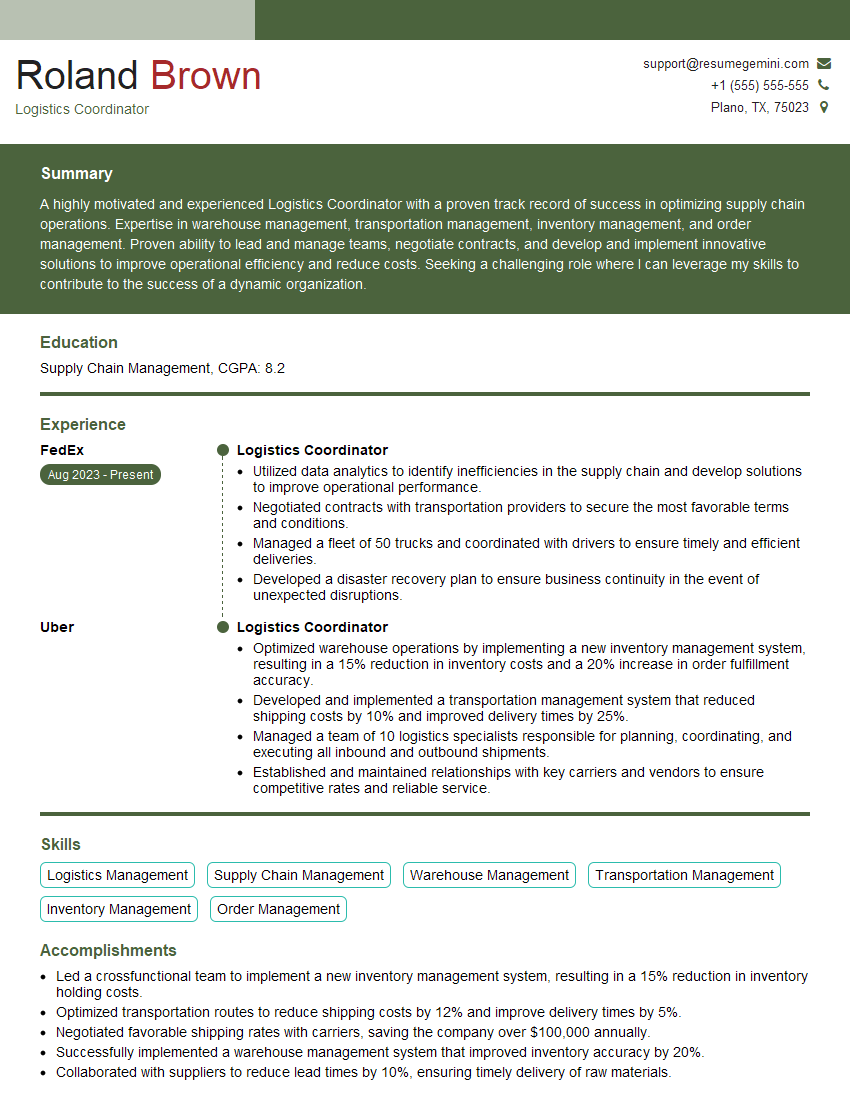
Logistics Coordinator Resume Sample
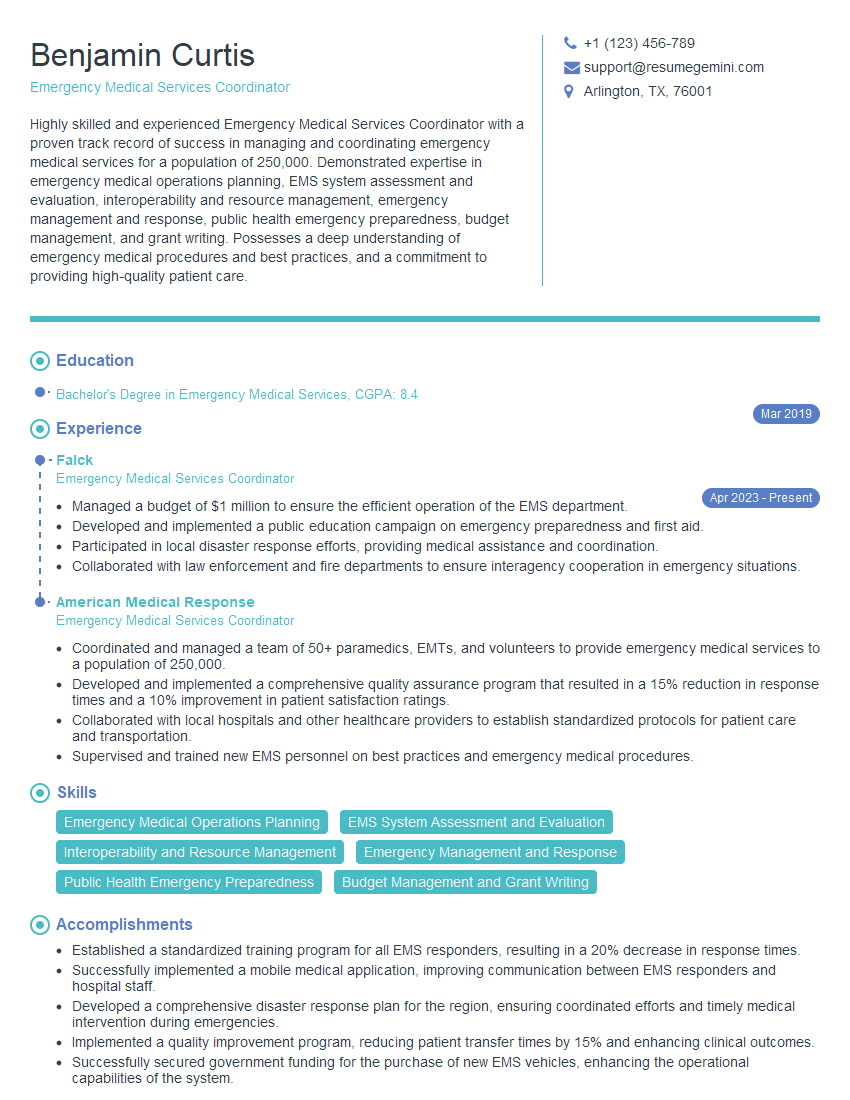
Emergency Medical Services Coordinator Resume Sample
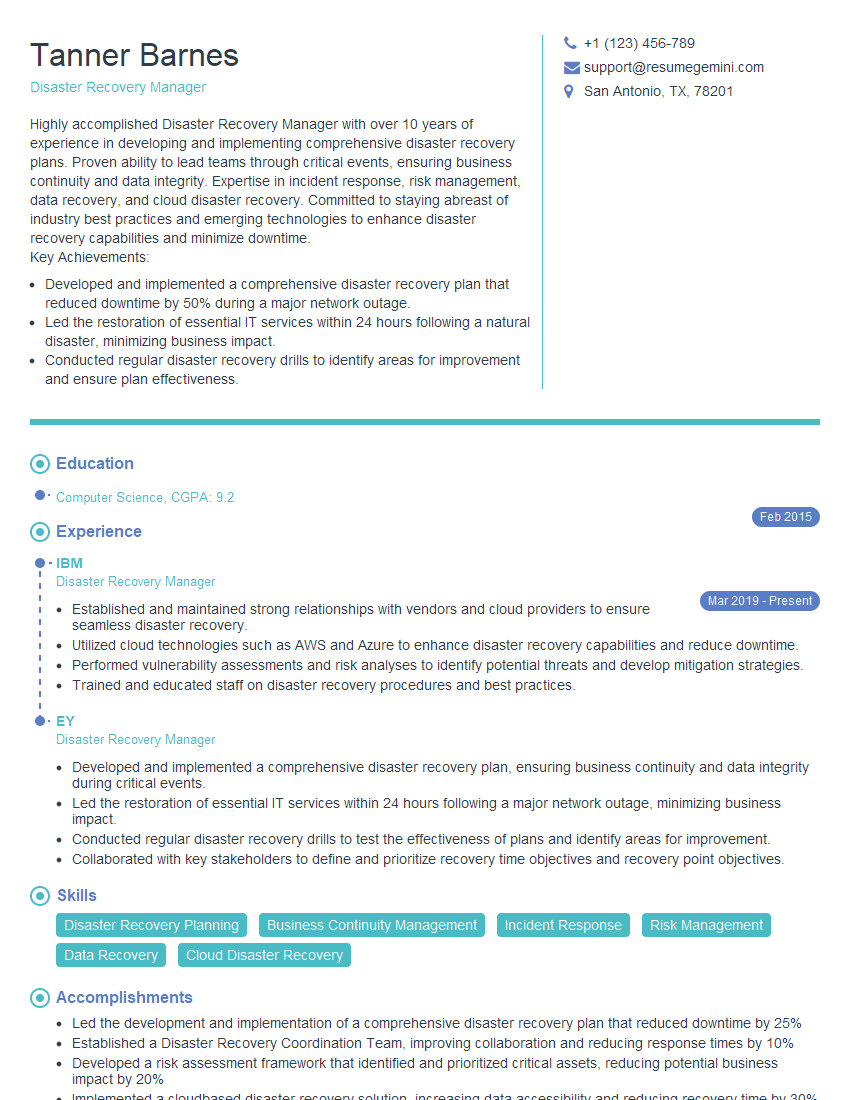
Disaster Recovery Manager Resume Sample
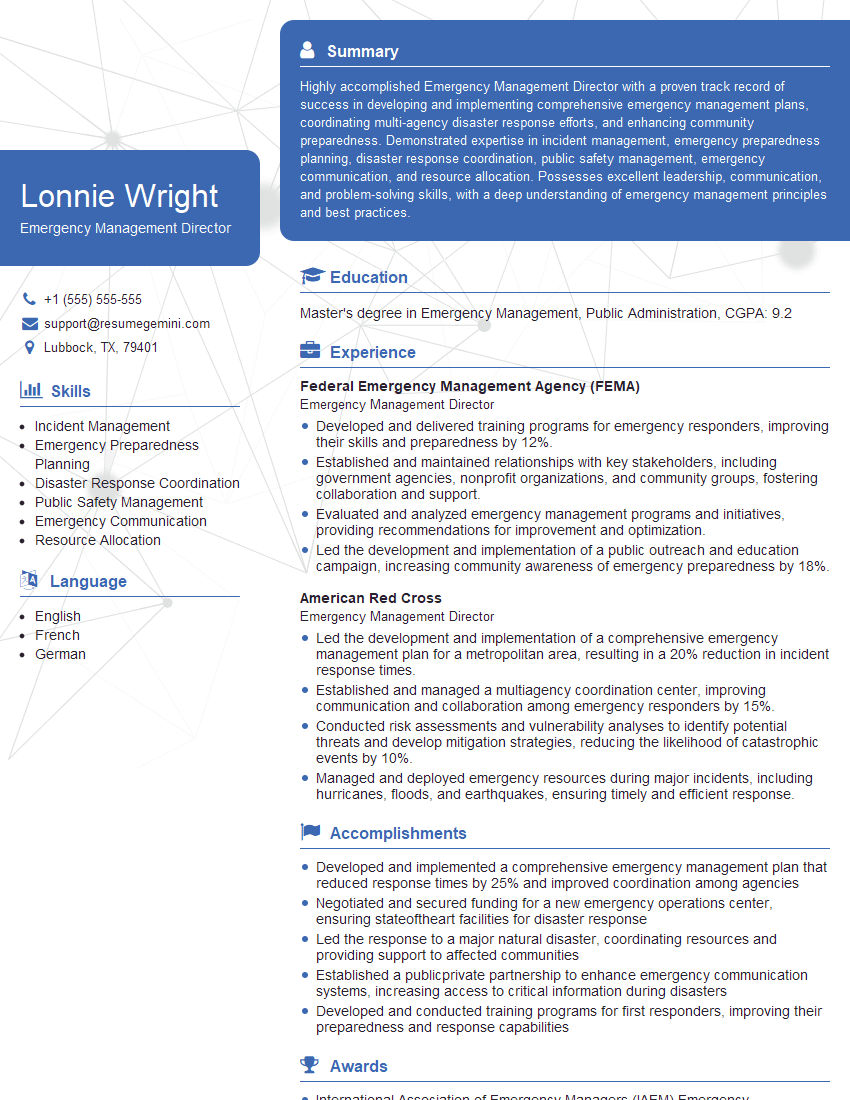
Emergency Management Director Resume Sample
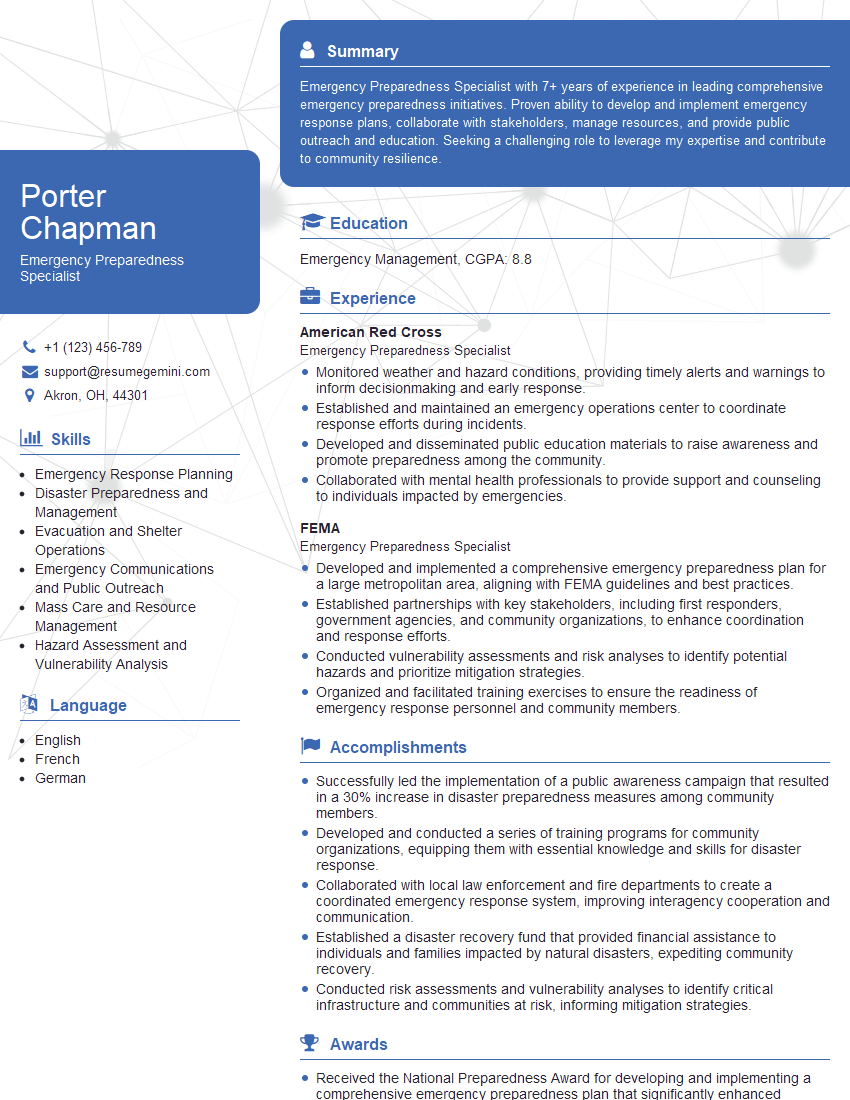
Emergency Preparedness Specialist Resume Sample
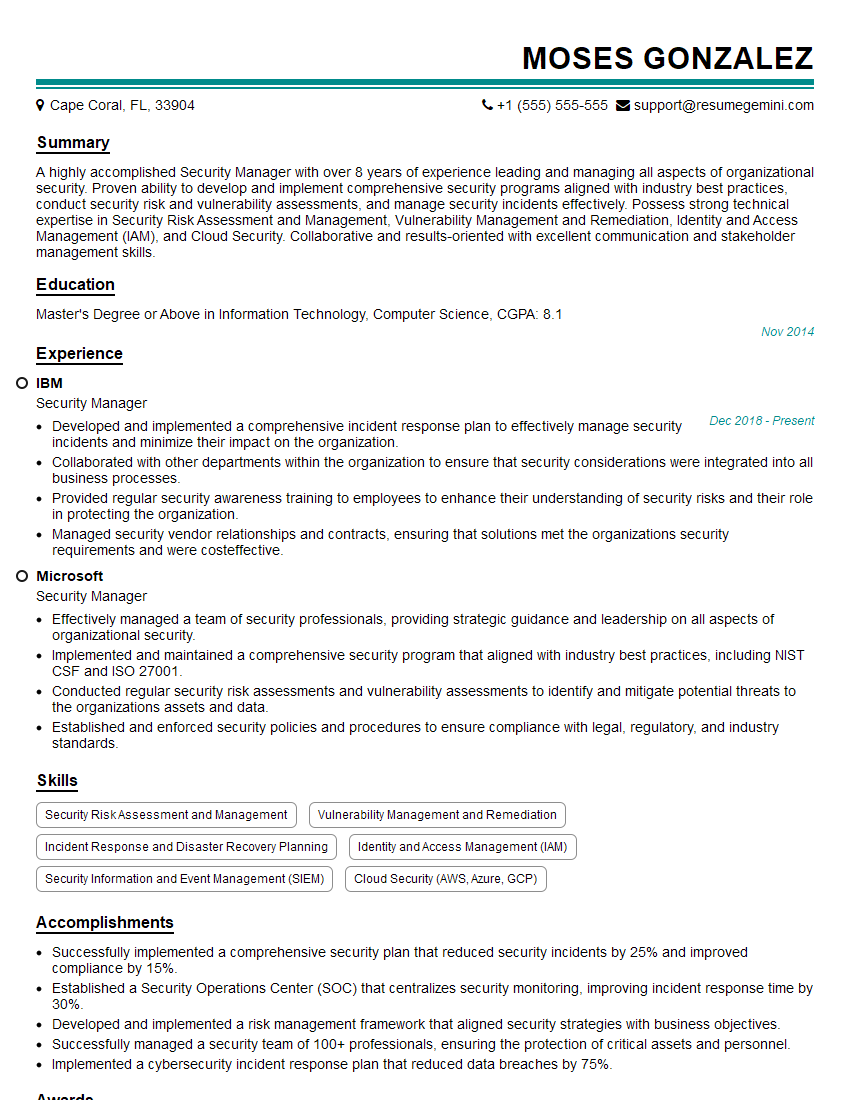
Security Manager Resume Sample
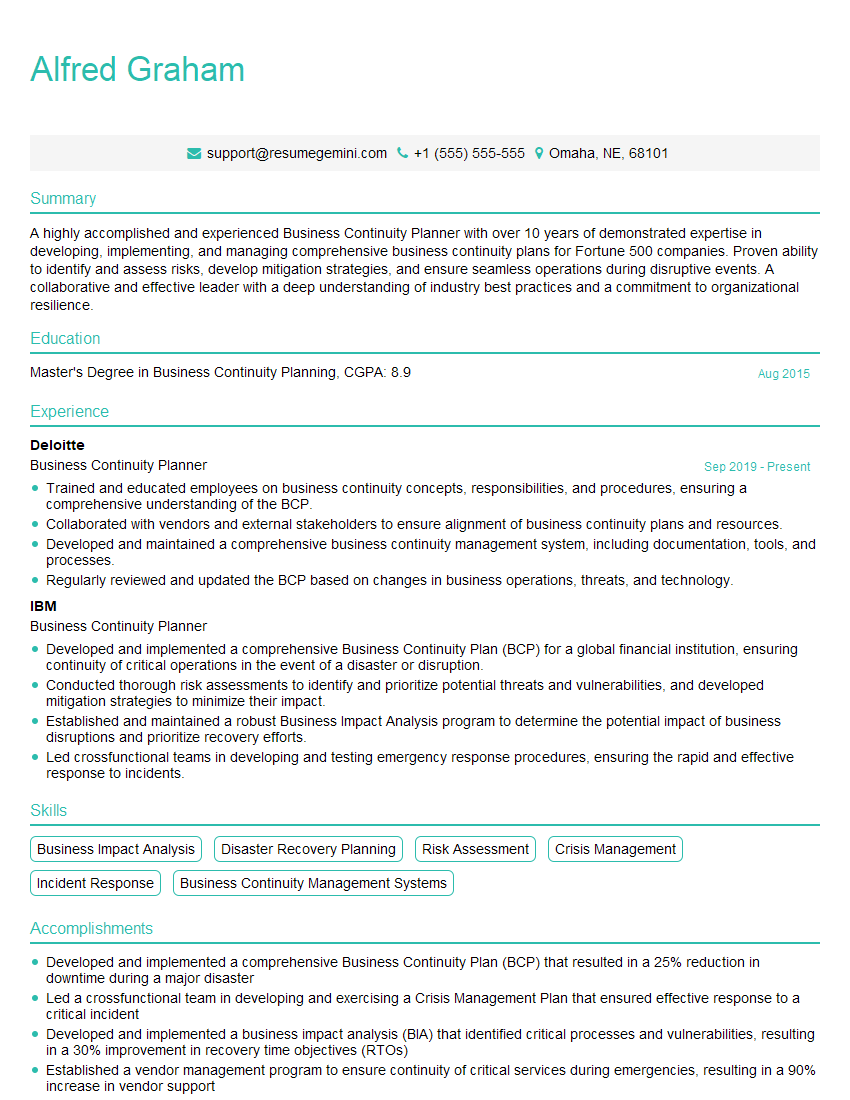
Business Continuity Planner Resume Sample
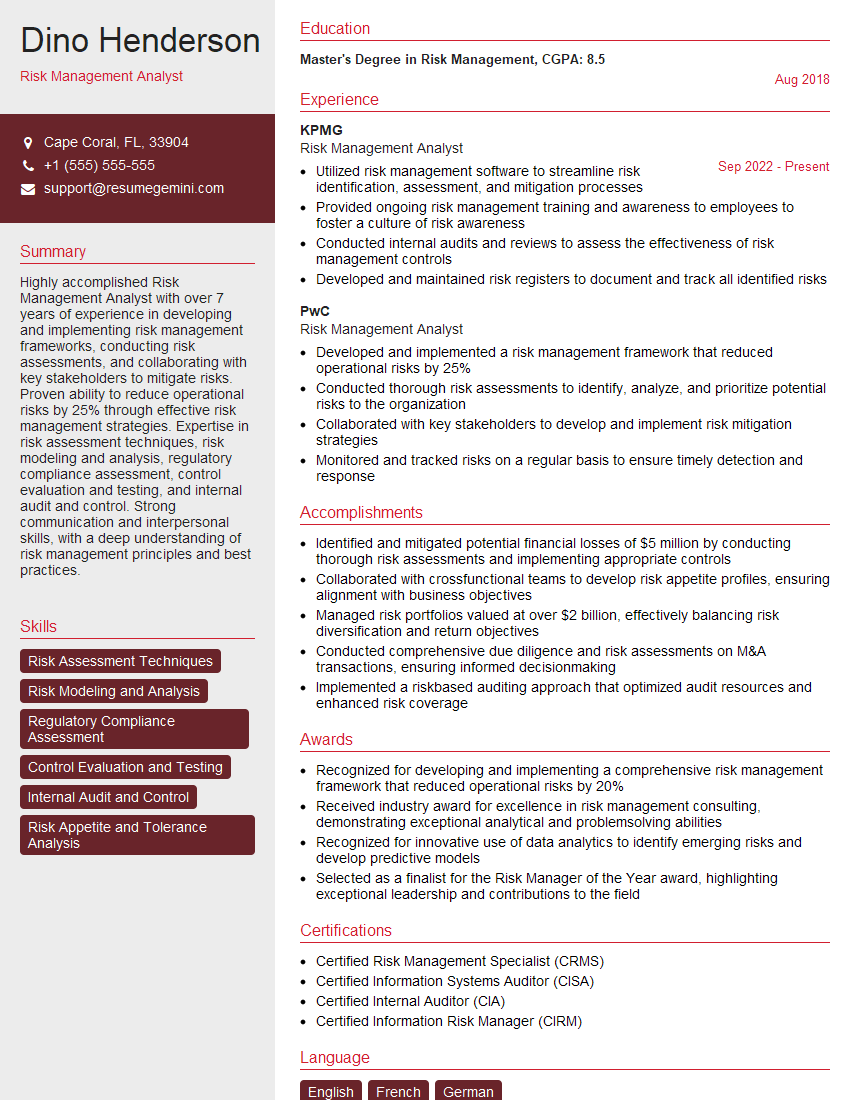
Risk Management Analyst Resume Sample
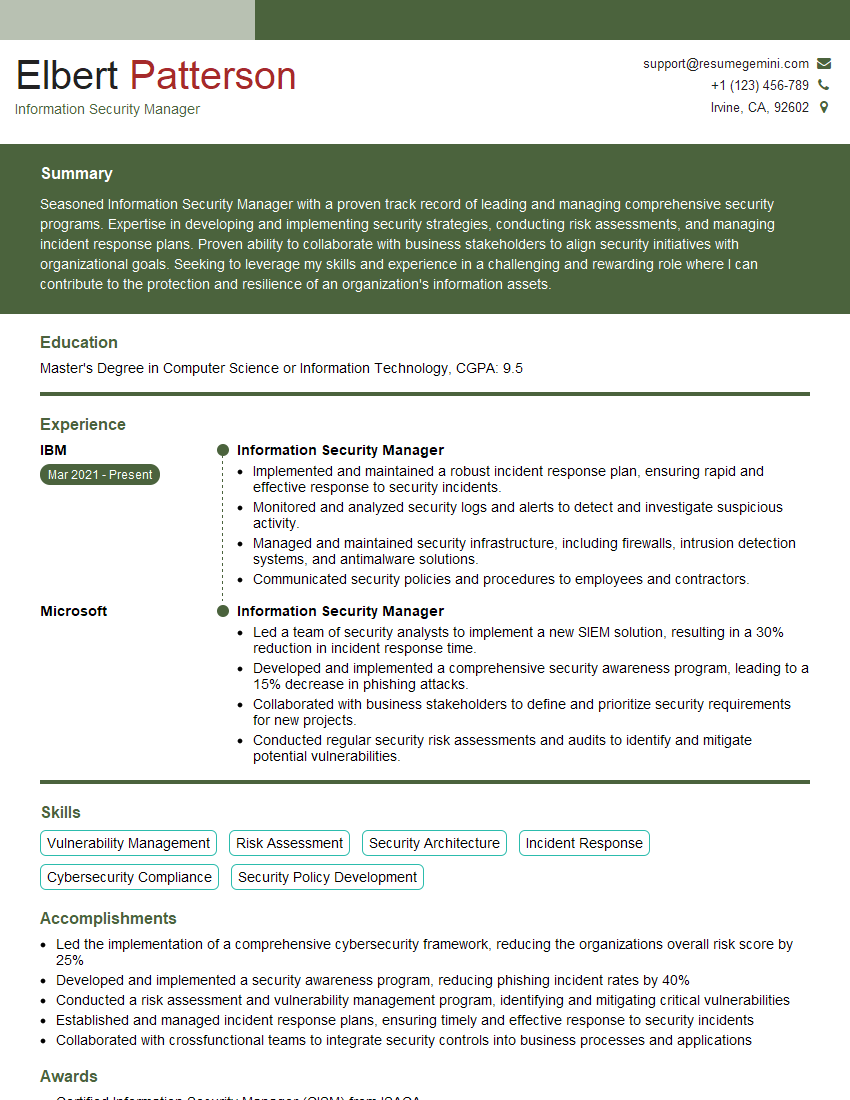
Information Security Manager Resume Sample
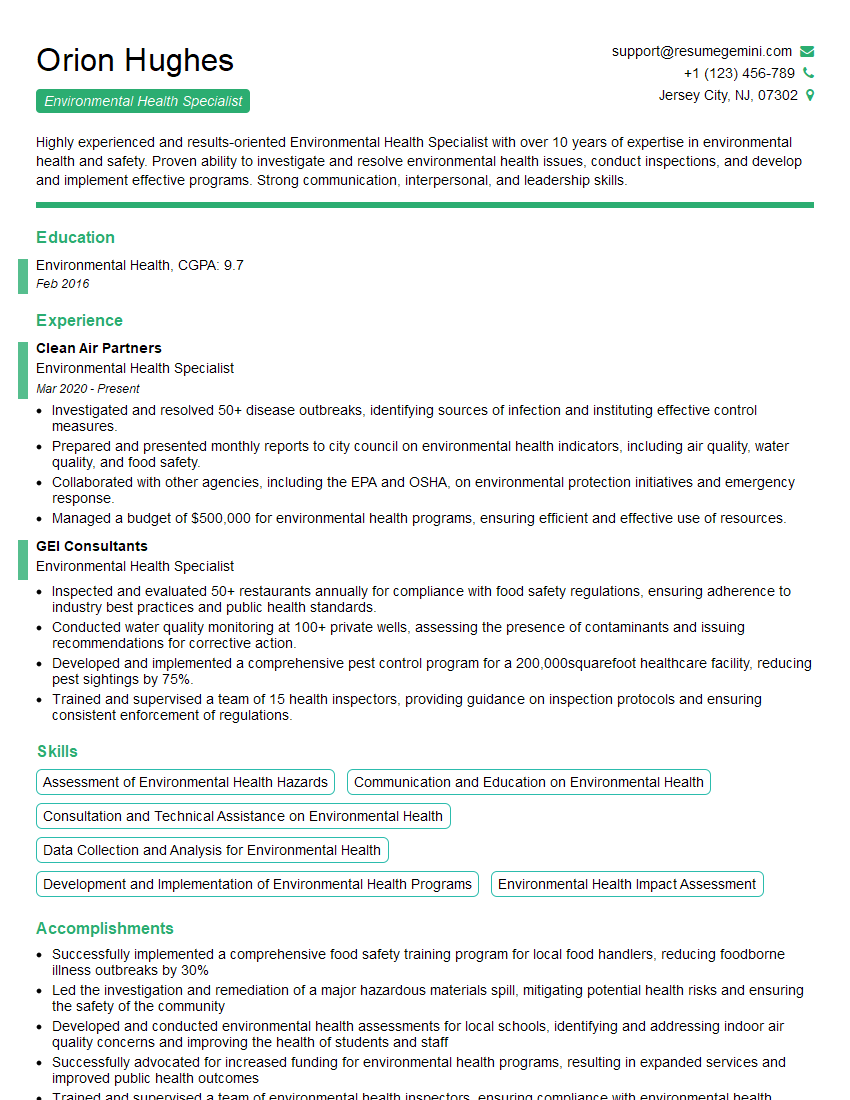
Environmental Health Specialist Resume Sample
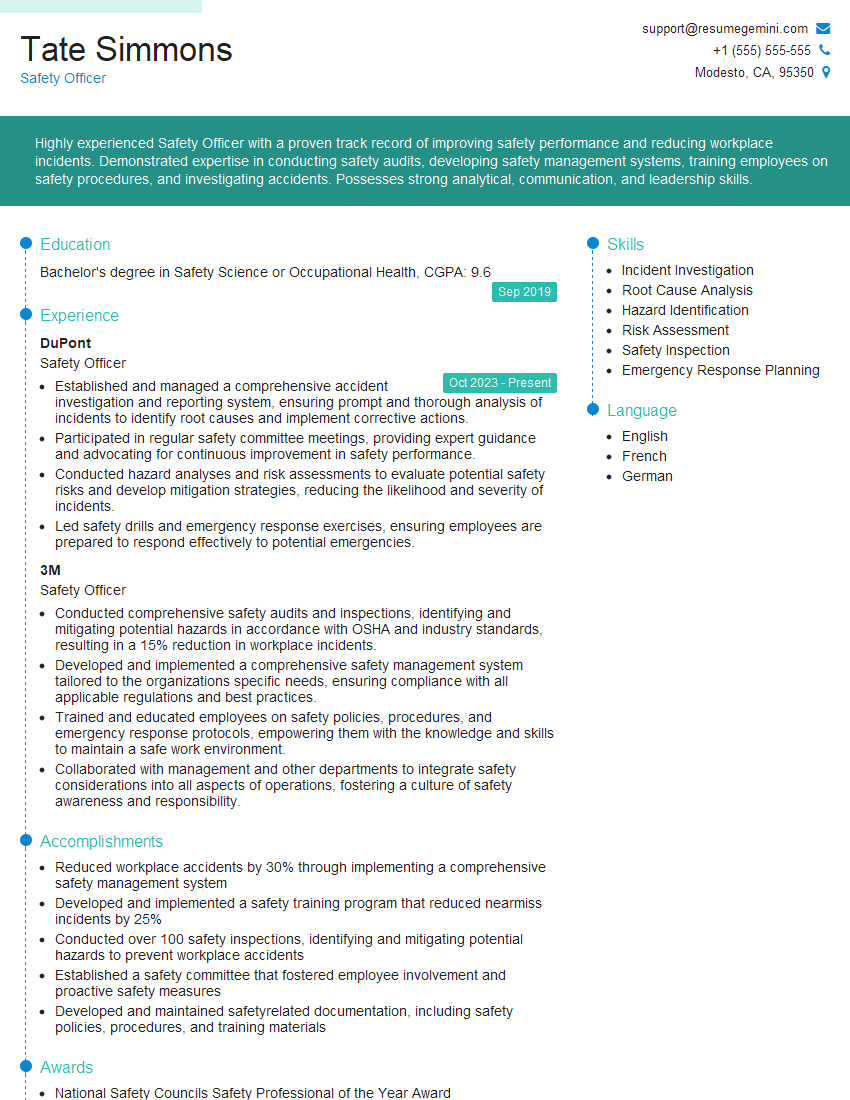
Safety Officer Resume Sample
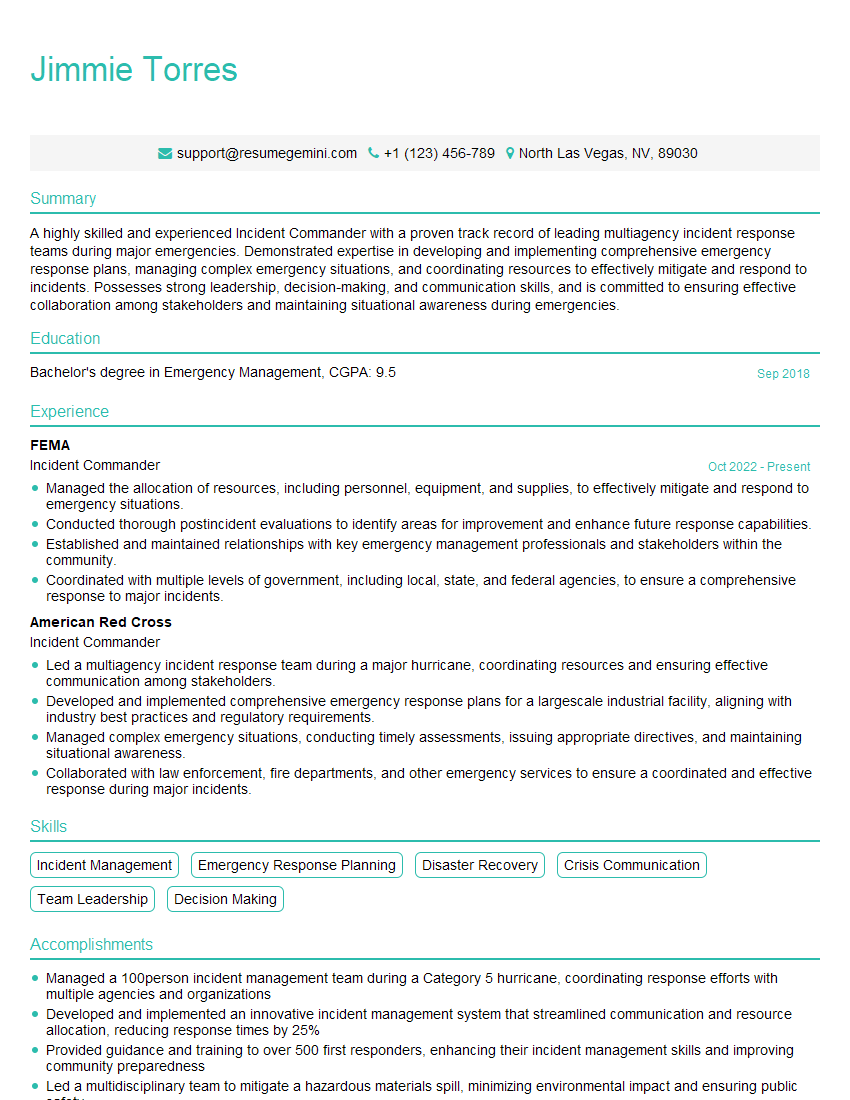
Incident Commander Resume Sample
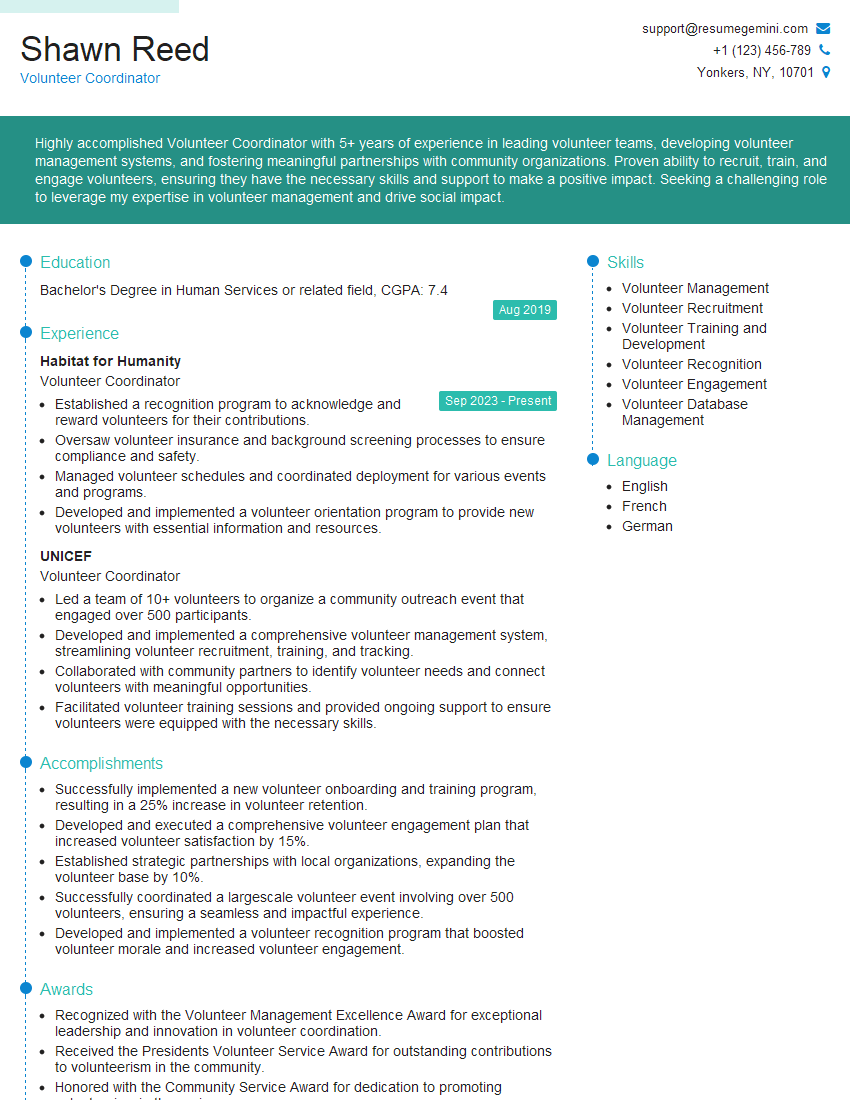
Volunteer Coordinator Resume Sample
- Logistics Coordinator
- Emergency Medical Services Coordinator
- Disaster Recovery Manager
- Emergency Management Director
- Emergency Preparedness Specialist
- Security Manager
- Business Continuity Planner
- Risk Management Analyst
- Information Security Manager
- Environmental Health Specialist
- Safety Officer
- Incident Commander
- Volunteer Coordinator
Explore more articles
Users Rating of Our Blogs
Share Your Experience
We value your feedback! Please rate our content and share your thoughts (optional).
What Readers Say About Our Blog
I Redesigned Spongebob Squarepants and his main characters of my artwork.
https://www.deviantart.com/reimaginesponge/art/Redesigned-Spongebob-characters-1223583608
IT gave me an insight and words to use and be able to think of examples
Hi, I’m Jay, we have a few potential clients that are interested in your services, thought you might be a good fit. I’d love to talk about the details, when do you have time to talk?
Best,
Jay
Founder | CEO