Are you ready to stand out in your next interview? Understanding and preparing for Animal Law and Regulations interview questions is a game-changer. In this blog, we’ve compiled key questions and expert advice to help you showcase your skills with confidence and precision. Let’s get started on your journey to acing the interview.
Questions Asked in Animal Law and Regulations Interview
Q 1. What are the key differences between animal welfare and animal rights?
Animal welfare and animal rights are distinct but related concepts. Animal welfare focuses on the humane treatment of animals, emphasizing their well-being and minimizing suffering. It accepts the use of animals by humans, but argues for responsible and ethical treatment. Think of it as minimizing harm and improving living conditions. Animal rights, on the other hand, asserts that animals have inherent rights similar to humans, including the right to life and liberty. This philosophy opposes the use of animals for human purposes, including food, research, and entertainment.
- Welfare Example: Enacting stricter regulations on factory farming to improve living space and reduce stress on livestock.
- Rights Example: Advocating for the complete abolition of animal testing and the closure of zoos.
The key difference lies in the philosophical approach: welfare seeks to improve conditions within existing systems, while rights advocates for a complete overhaul of human-animal relationships.
Q 2. Explain the legal concept of ‘animal sentience’ and its implications.
Animal sentience is the capacity of an animal to experience feelings, including pleasure, pain, and emotions. Legally, recognizing animal sentience has significant implications. It shifts the focus from simply considering animals as property to acknowledging their capacity for suffering and their interests. This has led to legislative changes in several countries, impacting areas such as animal research, farming practices, and even criminal law.
For instance, the acknowledgment of sentience may lead to:
- Stricter regulations on animal experimentation: Requiring more robust ethical review processes and minimizing painful procedures.
- Improved animal welfare standards in agriculture: Implementing regulations that prohibit practices like tail docking and beak trimming without proper anesthesia.
- Enhanced animal protection laws: Creating specific offenses for causing unnecessary suffering to sentient animals, potentially leading to harsher penalties.
The legal recognition of animal sentience is an evolving area of law, with ongoing debates about the extent to which it should inform legal protections.
Q 3. Describe the Animal Welfare Act and its key provisions.
The Animal Welfare Act (AWA) in the United States regulates the treatment of animals in research, exhibition, transport, and by dealers. It’s important to remember it doesn’t cover all animals; it excludes rats, mice, birds, and farm animals used for food or fiber.
Key provisions include:
- Standards for animal housing, handling, and transportation: These dictate minimum requirements for space, environmental enrichment, and humane transportation practices.
- Regulations on animal research: Requiring the use of Institutional Animal Care and Use Committees (IACUCs) to review and approve research protocols to ensure humane treatment.
- Licensing and record-keeping requirements: Regulating who can handle and transport certain animals and requiring detailed record-keeping to ensure compliance.
- Enforcement mechanisms: The USDA is responsible for enforcing the AWA through inspections and investigations, with the power to issue fines and cease operations for violations.
The AWA aims to ensure animals are treated humanely, but its effectiveness is often debated, with calls for stronger enforcement and broader coverage.
Q 4. What are the main challenges in enforcing animal cruelty laws?
Enforcing animal cruelty laws presents several significant challenges:
- Difficulty in gathering evidence: Cases often rely on eyewitness testimony, which can be unreliable or insufficient. Proving intent to inflict cruelty is also difficult.
- Lack of resources: Law enforcement agencies often lack the dedicated personnel, training, and funding necessary for effective investigation and prosecution of animal cruelty cases.
- Limited public awareness: Many individuals are unaware of the laws and the severity of the crimes involved, resulting in underreporting.
- Weak penalties: Sentences for animal cruelty can be lenient, resulting in a lack of deterrence.
- Jurisdictional complexities: Determining which laws apply and which agency has jurisdiction can be problematic, especially in cases involving multiple states or jurisdictions.
Overcoming these challenges requires increased funding for law enforcement, improved training, public awareness campaigns, and stronger penalties for convicted offenders. Stronger collaboration between animal welfare organizations and law enforcement agencies is also crucial.
Q 5. How does the Endangered Species Act protect endangered animals?
The Endangered Species Act (ESA) is a US law designed to protect imperiled species and the ecosystems they depend on. It works through several mechanisms:
- Listing endangered and threatened species: The US Fish and Wildlife Service (FWS) and the National Marine Fisheries Service (NMFS) identify and list species based on scientific data, determining their endangerment status.
- Habitat protection: The ESA prohibits the “taking” of listed species, which includes harming, harassing, or killing them, and also protects their critical habitats. This can involve acquiring land, restricting development, and creating protected areas.
- Recovery plans: The ESA mandates the development of recovery plans to outline steps necessary to help the species recover and ultimately be delisted.
- Enforcement: The ESA provides for civil and criminal penalties for violations, including fines and imprisonment.
The ESA is a powerful tool for conservation, but its effectiveness is sometimes debated due to factors such as political influence, funding limitations, and the complex nature of conservation challenges.
Q 6. Discuss the legal aspects of wildlife trafficking.
Wildlife trafficking involves the illegal trade in wild animals and their parts. This is a major transnational crime, driven by high demand for products like ivory, rhino horn, and exotic pets. The legal aspects are complex and involve multiple jurisdictions and international treaties.
Legal frameworks targeting wildlife trafficking include:
- National laws: Most countries have laws prohibiting the illegal hunting, trade, and possession of protected species. These laws vary in their strength and enforcement.
- International treaties: Agreements like CITES (Convention on International Trade in Endangered Species of Wild Fauna and Flora) regulate international trade in endangered species and their products. These treaties set standards that participating countries are expected to implement.
- International cooperation: Combating wildlife trafficking requires cooperation between countries to track shipments, share intelligence, and prosecute offenders. This involves collaborative efforts between law enforcement, customs agencies, and conservation organizations.
Challenges in combating wildlife trafficking include weak enforcement, corruption, and the involvement of organized crime. Effective enforcement requires strong international collaboration and significant investment in law enforcement and conservation efforts.
Q 7. Explain the legal responsibilities of zoos and animal sanctuaries.
Zoos and animal sanctuaries have legal responsibilities concerning the animals in their care. These responsibilities vary depending on location and specific regulations, but generally include:
- Compliance with animal welfare laws: Zoos and sanctuaries must meet standards for housing, animal care, and enrichment, following laws like the AWA (in the US) or equivalent legislation in other countries.
- Licensing and permits: They typically need licenses or permits to operate and may require specific permits for specific species or activities.
- Animal health and safety: Maintaining the health of their animals, providing veterinary care, and implementing biosecurity measures to prevent disease outbreaks.
- Public safety: Ensuring the safety of visitors and staff from potentially dangerous animals.
- Conservation efforts: Many zoos and sanctuaries participate in conservation breeding programs and support conservation efforts in the wild.
- Transparency and accountability: Maintaining accurate records, allowing for inspections, and being transparent about their operations and animal welfare practices.
Failure to comply with these responsibilities can result in penalties, including fines, license revocation, and even criminal charges.
Q 8. What are the legal implications of using animals in research?
The legal implications of using animals in research are complex and vary significantly depending on the jurisdiction. Most countries have regulations aimed at minimizing animal suffering while allowing for vital scientific advancements. These regulations often involve:
- Ethical Review Boards: Research proposals involving animals must typically undergo rigorous ethical review by independent boards. These boards assess the scientific merit of the research, the potential for animal suffering, and the justification for using animals over alternative methods. They ensure compliance with established guidelines and regulations.
- Species-Specific Regulations: Specific regulations exist for different animal species, reflecting their varying sensitivities and cognitive abilities. Primates, for example, often receive higher levels of protection than rodents.
- The 3Rs: The guiding principles are often based on the ‘3Rs’ – Replacement (using non-animal methods where possible), Reduction (minimizing the number of animals used), and Refinement (minimizing pain, suffering, and distress). Failure to adhere to these principles can result in legal sanctions.
- Licensing and Permits: Researchers typically require licenses and permits to conduct animal research. These licenses are often subject to regular inspections to ensure compliance with regulations.
- Penalties for Violations: Penalties for violating animal research regulations can range from fines and suspension of research licenses to criminal prosecution in severe cases of animal cruelty.
For example, a researcher failing to provide adequate analgesia (pain relief) to animals undergoing a surgical procedure could face disciplinary action, loss of funding, or even criminal charges.
Q 9. How do you balance animal welfare concerns with the economic interests of agriculture?
Balancing animal welfare with the economic interests of agriculture is a constant challenge. It necessitates a pragmatic approach that recognizes the importance of both food production and ethical treatment of animals. This balance is often achieved through:
- Legislation and Regulations: Laws and regulations set minimum standards for animal welfare in farming practices, such as providing adequate space, food, water, and veterinary care. These regulations are often subject to debate and change based on evolving scientific understanding and public opinion.
- Industry Standards and Codes of Practice: Many agricultural industries have developed their own codes of practice that go beyond minimum legal requirements. These codes often reflect best practices and aim to improve animal welfare while maintaining economic viability.
- Consumer Demand: Growing consumer demand for ethically produced food is driving change within the agricultural sector. Consumers are increasingly willing to pay more for products from farms that demonstrate a commitment to animal welfare. This market pressure incentivizes farms to adopt better practices.
- Certification Schemes: Several certification schemes (e.g., organic farming certifications) exist that provide independent verification of farms’ adherence to animal welfare standards. This provides consumers with assurance and transparency.
- Technological Advancements: Technology can play a role in improving animal welfare and efficiency in agriculture. For example, precision livestock farming technologies can monitor animal health and behavior, allowing farmers to intervene quickly if problems arise.
Imagine a dairy farm. Balancing welfare requires ensuring cows have sufficient space, access to pasture (where feasible), and prompt veterinary attention for illnesses, all while maintaining a profitable milk production. It’s a delicate but achievable balance.
Q 10. Describe the process of obtaining permits for wildlife handling or trade.
The process of obtaining permits for wildlife handling or trade is generally quite stringent and varies considerably depending on the specific species, the purpose of handling or trade, and the jurisdiction. The steps usually involve:
- Identifying the Relevant Authority: Determine the appropriate government agency responsible for wildlife permits in your region (this could be a federal, state, or local agency).
- Submitting an Application: Complete a detailed application form, which will likely require information about the species involved, the purpose of handling or trade (e.g., research, conservation, commercial purposes), the proposed methods, and the intended location.
- Providing Supporting Documentation: You will likely need to provide supporting documentation, such as evidence of qualifications, insurance, facilities, and plans for animal welfare.
- Environmental Impact Assessment (where necessary): Depending on the scale of the operation, an environmental impact assessment may be required to evaluate potential effects on the environment and other wildlife.
- Fee Payment: Permit applications usually involve the payment of a fee.
- Permit Review and Issuance: The application will undergo review by the relevant authority, who may conduct site inspections. Once approved, the permit will be issued.
Failure to obtain the necessary permits can result in heavy fines, confiscation of animals, and even criminal prosecution. Imagine someone trying to import endangered parrots without the proper paperwork – they could face severe penalties.
Q 11. What are the legal ramifications of violating animal import/export regulations?
Violating animal import/export regulations carries severe legal ramifications, often with significant consequences for both individuals and businesses involved. Penalties can include:
- Heavy Fines: Financial penalties can be substantial, varying depending on the severity of the violation and the species involved. Endangered species violations typically carry the most significant fines.
- Imprisonment: In some cases, particularly for serious violations involving endangered species or large-scale illegal trade, imprisonment can be a penalty.
- Confiscation of Animals: Animals involved in illegal import/export activities are usually confiscated and either rehomed appropriately or returned to their country of origin.
- Civil Penalties: Civil lawsuits may be filed against violators by conservation organizations or government agencies.
- Reputational Damage: Violating animal import/export regulations can severely damage an individual’s or organization’s reputation, making it difficult to obtain future permits or engage in legitimate wildlife trade.
For example, smuggling a protected primate across international borders could result in a lengthy prison sentence and crippling fines. These regulations are crucial for conservation efforts worldwide.
Q 12. Explain the concept of ‘negligence’ in the context of animal care.
Negligence in the context of animal care refers to a failure to provide the reasonable standard of care that a reasonable person would provide under similar circumstances. This means failing to meet the basic needs of an animal, resulting in harm or suffering. This isn’t necessarily intentional cruelty but a failure to act responsibly.
- Failure to provide adequate food and water: Leaving an animal without sufficient access to essential nutrients or clean water constitutes negligence.
- Neglecting veterinary care: Failing to seek veterinary attention for an injured or ill animal when necessary is a clear form of negligence.
- Inadequate housing or shelter: Providing inadequate shelter from extreme weather conditions or failing to provide appropriate living space is also negligence.
- Ignoring signs of distress or illness: Failing to recognize and respond to clear indications that an animal is suffering or unwell is a form of negligence.
For instance, leaving a dog outside in freezing temperatures without proper shelter is negligence, regardless of the owner’s intent. The legal consequences of negligence can involve fines, court-ordered care changes, and even the loss of custody of the animal.
Q 13. How would you handle a case involving alleged animal abuse?
Handling a case involving alleged animal abuse requires a systematic and careful approach. The process typically involves:
- Gathering Evidence: This is crucial and includes photos, videos, witness statements, veterinary reports, and any other relevant documentation that can substantiate the allegations. The evidence must be meticulously collected and preserved.
- Filing a Report: A formal report needs to be filed with the appropriate authorities, such as animal control, the police, or a relevant animal welfare organization. The report should provide details of the alleged abuse, including dates, times, location, and the involved parties.
- Investigation: Law enforcement agencies or animal welfare inspectors will conduct an investigation, which may involve interviewing witnesses, inspecting the premises where the animal is kept, and seizing the animal if necessary.
- Legal Proceedings: Depending on the severity of the alleged abuse and the jurisdiction, legal proceedings may follow, ranging from fines and warnings to criminal prosecution.
- Animal Seizure and Care: If the animal’s safety is at risk, it might be seized and placed in the care of a shelter or rescue organization while the case proceeds.
I would prioritize the animal’s immediate safety and well-being while ensuring a thorough and fair investigation. This might involve liaising with veterinary professionals, animal welfare organizations, and law enforcement to ensure the best outcome for the animal.
Q 14. What are the different types of animal abuse and their legal definitions?
Animal abuse encompasses a broad range of acts that cause harm, suffering, or distress to animals. Legal definitions vary somewhat between jurisdictions, but generally include:
- Physical Abuse: This includes acts of violence such as hitting, kicking, burning, or otherwise inflicting physical injury on an animal. The severity can range from minor injuries to fatal attacks.
- Neglect: This involves failing to provide for an animal’s basic needs, such as food, water, shelter, and veterinary care. Chronic neglect can result in serious health problems and even death.
- Emotional Abuse: While harder to define and prove legally, this category includes acts that cause psychological distress to animals, such as prolonged confinement, isolation, or intimidation. Extreme fear or stress can have significant health consequences.
- Sexual Abuse: This is the sexual exploitation of animals, which is illegal and considered a particularly heinous form of animal abuse.
- Animal Fighting: Participating in or facilitating animal fighting, such as dog fighting or cockfighting, is illegal in most jurisdictions.
- Hoarding: Accumulating a large number of animals without the ability to provide proper care is considered a form of neglect, often involving unsanitary conditions and animal suffering.
Legal definitions are important for establishing clear standards and ensuring effective prosecution of abusers. The specifics of each type of abuse and the corresponding penalties will vary based on location and the severity of the offense.
Q 15. Discuss the role of expert witnesses in animal cruelty cases.
Expert witnesses in animal cruelty cases play a crucial role in bridging the gap between complex scientific evidence and legal understanding. They provide specialized knowledge to help the court understand the injuries, suffering, and overall circumstances surrounding the alleged cruelty. This often involves veterinarians, animal behaviorists, forensic scientists, or other specialists who can assess the evidence and provide expert opinions.
For example, a veterinarian might testify about the nature and severity of an animal’s injuries, linking them to specific acts of cruelty. An animal behaviorist might explain the behavioral indicators of distress or trauma, providing crucial context to observed actions. These experts help jurors understand the often subtle signs of neglect or abuse, ensuring a just outcome for the animal. Their testimony often includes visual aids such as photographs, medical records, and behavioral assessments to support their findings.
Career Expert Tips:
- Ace those interviews! Prepare effectively by reviewing the Top 50 Most Common Interview Questions on ResumeGemini.
- Navigate your job search with confidence! Explore a wide range of Career Tips on ResumeGemini. Learn about common challenges and recommendations to overcome them.
- Craft the perfect resume! Master the Art of Resume Writing with ResumeGemini’s guide. Showcase your unique qualifications and achievements effectively.
- Don’t miss out on holiday savings! Build your dream resume with ResumeGemini’s ATS optimized templates.
Q 16. Explain the legal framework surrounding animal ownership and liability.
The legal framework surrounding animal ownership and liability varies depending on jurisdiction, but generally focuses on the responsibilities of owners to ensure the welfare of their animals. This encompasses providing adequate food, water, shelter, and veterinary care. Owners are legally liable for the actions of their animals, particularly if they knew or should have known about the animal’s propensity for aggressive or dangerous behavior.
For instance, a dog owner may be held liable for injuries caused by their dog if they failed to properly restrain the animal or were aware of a history of aggression. This liability often extends beyond direct physical harm to include property damage caused by the animal. Laws regarding specific animals like exotic pets or livestock add layers of complexity, often requiring special permits or licenses and adherence to specific care standards. Failure to meet these standards can result in fines, animal seizure, and even criminal charges.
Q 17. What are the legal restrictions on hunting and trapping wild animals?
Hunting and trapping wild animals are regulated by a complex web of laws designed to manage wildlife populations and protect endangered species. These laws vary widely by region and often include specific hunting seasons, bag limits (the number of animals that can be hunted), licensing requirements, and restrictions on the types of weapons and methods allowed.
For example, many jurisdictions prohibit hunting specific endangered species, while others may impose quotas on the number of animals that can be harvested to prevent overpopulation. Regulations on trapping frequently involve specifications on trap types to minimize suffering and ensure humane practices. Violation of these hunting and trapping regulations can result in hefty fines, license revocation, and even criminal charges.
- Licensing: Most jurisdictions require hunters and trappers to obtain licenses and tags.
- Seasonality: Specific seasons are designated for hunting certain animals to protect breeding cycles.
- Methods: Restrictions are often placed on methods of hunting and trapping to ensure humane practices.
Q 18. How do you approach cases involving the humane euthanasia of animals?
Approaching cases involving the humane euthanasia of animals requires careful consideration of ethical and legal implications. The decision to euthanize should always be made on the basis of veterinary assessment of the animal’s suffering, considering its prognosis and the potential for relief from pain and suffering. The method of euthanasia must be consistent with accepted veterinary standards and designed to minimize pain and distress.
In legal contexts, documenting the decision-making process is critical. This includes a thorough veterinary examination recording the animal’s condition, pain levels, and prognosis. The chosen method must be justified based on the animal’s specific circumstances. For instance, in cases of severe trauma or untreatable diseases causing extreme suffering, euthanasia becomes a compassionate option. However, if alternatives exist to alleviate suffering, those should be explored first. Failure to adhere to humane euthanasia standards can result in legal repercussions for veterinary professionals.
Q 19. Describe the role of public education in promoting animal welfare.
Public education plays a vital role in promoting animal welfare by raising awareness about animal cruelty, neglect, and responsible pet ownership. Effective educational campaigns can inform the public about animal rights, welfare laws, and the ethical treatment of animals. These campaigns can utilize various methods including:
- School programs: Educating children about animal welfare from a young age fosters responsible attitudes.
- Public service announcements (PSAs): Raising awareness through media campaigns can reach a wide audience.
- Community outreach events: Direct engagement with the public provides opportunities to answer questions and address concerns.
- Social media campaigns: Leveraging online platforms can reach diverse demographics and promote information sharing.
Successful public education initiatives foster empathy, responsible pet ownership, and a better understanding of animal welfare laws, leading to reduced instances of animal cruelty and increased compliance.
Q 20. Discuss the ethical considerations in animal welfare law and policy.
Ethical considerations in animal welfare law and policy are paramount. The fundamental question is, what constitutes acceptable treatment of animals? Balancing the human desire to utilize animals (for food, research, companionship, etc.) with their intrinsic rights and welfare is an ongoing challenge. This involves considering:
- Sentience: Recognizing the capacity of animals to experience pleasure and pain influences our ethical approach.
- Intrinsic value: Assigning animals a value independent of their usefulness to humans is crucial.
- Minimizing harm: Efforts to minimize suffering and promote the welfare of animals should be central.
- Speciesism: The bias towards prioritizing human interests over other species needs to be addressed.
Ethical frameworks often involve cost-benefit analyses, but ultimately strive to create laws that prioritize the well-being of animals, even when it means limitations on certain human activities.
Q 21. How do international treaties impact national animal welfare laws?
International treaties significantly influence national animal welfare laws by establishing minimum standards and promoting global cooperation on animal protection. These treaties often address specific issues such as the illegal wildlife trade, the protection of endangered species, and the humane treatment of animals in transport and research.
For instance, the Convention on International Trade in Endangered Species of Wild Fauna and Flora (CITES) regulates international trade in endangered animals and plants, influencing national laws regarding import, export, and possession of protected species. Other treaties may set standards for animal welfare in international transportation, prompting national legislation to ensure compliance with these international norms. While international treaties don’t automatically become national law, they can exert considerable pressure on countries to improve their animal welfare standards and harmonize their laws with international best practices.
Q 22. What are some common legal defenses in animal cruelty cases?
Legal defenses in animal cruelty cases are multifaceted and often depend heavily on the specifics of the alleged crime and jurisdiction. Common defenses aim to refute the prosecution’s claim that the defendant knowingly and intentionally inflicted harm or neglected an animal’s needs. These defenses can include:
Lack of intent or knowledge: This defense argues the defendant was unaware of the animal’s suffering or didn’t intend to cause harm. For example, a farmer might argue they didn’t realize their cows were malnourished due to a faulty feeding system. This hinges on demonstrating reasonable steps were taken to ensure animal welfare.
Necessity: This defense might be used in situations where the defendant claims they acted to prevent greater harm, such as euthanizing an animal suffering from an incurable and intensely painful condition. This is a high burden to meet and requires clear evidence of the necessity and lack of alternatives.
Lack of causation: The defense could argue the defendant’s actions didn’t directly cause the alleged harm. Perhaps an illness, not neglect, led to an animal’s poor condition. Proving this requires expert veterinary testimony.
Mistaken belief: The defendant acted on a reasonable, albeit incorrect, belief about the animal’s condition or needs. This could involve relying on outdated advice or misinterpreting an animal’s behavior.
Improper procedure or evidence collection: Challenges to the prosecution’s case can arise from flaws in how the evidence was gathered or how the case was handled. For instance, improper seizure of an animal without a warrant could be challenged.
It’s crucial to note that the success of any defense depends on presenting compelling evidence and a strong legal strategy. The specifics of animal cruelty laws vary significantly between jurisdictions, influencing the available defenses and the burden of proof on the prosecution.
Q 23. Explain the concept of ‘best practices’ in animal husbandry and welfare.
‘Best practices’ in animal husbandry and welfare refer to the scientifically-backed and ethically sound methods that maximize animal health, well-being, and productivity while minimizing stress and suffering. These practices go beyond simply meeting the minimum legal requirements. They represent a commitment to proactive and preventative care.
For example, ‘best practices’ in dairy farming might include:
Providing ample space and comfortable housing, with considerations for natural behaviors like grazing and ruminating.
Implementing robust disease prevention and management programs, focusing on preventative care and early detection.
Ensuring access to clean water and high-quality feed, tailored to the animals’ nutritional needs.
Regular monitoring of animal health and well-being, including behavioral assessments to detect early signs of illness or stress.
Minimizing pain and distress during procedures like milking and veterinary treatments.
In poultry farming, best practices would include avoiding overcrowded conditions, providing enrichment opportunities, and using humane slaughtering techniques. These standards are frequently set by professional organizations, such as the American Veterinary Medical Association (AVMA), and increasingly incorporated into industry codes of practice and certifications.
Adopting best practices isn’t just ethically responsible; it also often translates to improved productivity and efficiency. Healthier, less stressed animals tend to be more productive, reducing economic losses associated with illness and mortality.
Q 24. Describe the legal challenges faced by wildlife conservation efforts.
Wildlife conservation efforts face numerous legal challenges, many stemming from conflicting interests and jurisdictional complexities. These challenges include:
Balancing conservation with human activities: Conflicts arise between protecting wildlife and land development, resource extraction (logging, mining), and agricultural expansion. Legal frameworks often need to navigate these competing interests, sometimes resulting in inadequate protection for wildlife.
Enforcement difficulties: Poaching, illegal wildlife trade, and habitat destruction are often difficult to detect and prosecute effectively, especially in remote areas or across international borders. This requires strong international cooperation and significant resources.
Lack of clarity or enforcement of laws: In many regions, wildlife laws might be insufficiently comprehensive, poorly enforced, or lack the necessary resources for effective implementation. This can lead to a lack of accountability for those who violate wildlife protection regulations.
Property rights and indigenous rights: Conservation efforts can clash with private land ownership rights or the traditional rights of indigenous communities who may depend on wildlife resources for their livelihoods. Sensitive negotiation and fair compensation schemes are often required.
Transboundary issues: Migratory animals and shared ecosystems often transcend national borders, making it crucial to coordinate conservation efforts across multiple jurisdictions. This requires international agreements and collaborative management strategies, which can be complex and challenging to negotiate.
Overcoming these legal challenges requires strong legal frameworks, increased international cooperation, effective enforcement mechanisms, and careful consideration of all stakeholders’ interests. The success of wildlife conservation often hinges on addressing these legal and political complexities.
Q 25. What are the implications of climate change on animal welfare laws?
Climate change poses significant and multifaceted threats to animal welfare, creating new challenges for existing laws and necessitating adaptations in legal frameworks. The implications include:
Habitat loss and fragmentation: Rising sea levels, extreme weather events, and changes in temperature and precipitation patterns are destroying and altering animal habitats, leading to population declines and increased competition for resources. Existing laws may not adequately address the scale and pace of these habitat changes.
Increased disease outbreaks: Changing climate conditions can alter disease vectors and expand the ranges of infectious diseases, impacting both wild and domestic animals. Existing animal disease control laws may require updating to address emerging threats.
Conflicts with humans: Climate change-induced resource scarcity can intensify conflicts between humans and animals, leading to increased human-wildlife interactions and potential harm to both. This necessitates robust conflict mitigation strategies and revised management plans.
Difficulty in enforcing existing laws: Extreme weather events can disrupt enforcement efforts, making it challenging to monitor and protect animals. Additionally, shifting ecological conditions might require reassessing existing regulations and establishing new protective measures.
Adaptation measures: Addressing the impacts of climate change on animal welfare may necessitate new laws and regulations related to climate adaptation, such as relocation strategies for threatened species or guidelines for managing water resources during droughts.
Legal systems worldwide need to adapt to these emerging challenges by incorporating climate change considerations into animal welfare legislation, promoting proactive adaptation measures, and strengthening enforcement mechanisms.
Q 26. How can technology be used to improve animal welfare and enforcement?
Technology offers powerful tools for improving animal welfare and enforcement efforts. These technologies include:
Remote monitoring systems: Sensors, cameras, and GPS trackers can provide real-time data on animal location, behavior, and environmental conditions, allowing for early detection of problems and more effective interventions. This is especially useful for monitoring animals in remote areas or those with limited human interaction.
AI-powered surveillance: Artificial intelligence can analyze large datasets from monitoring systems to identify patterns indicative of animal abuse or neglect, assisting in efficient investigation and prosecution of animal cruelty cases.
Blockchain technology: This can improve traceability of animals throughout their lifecycle, ensuring transparent and accountable supply chains. This helps to combat illegal wildlife trade and promote responsible animal sourcing.
Predictive modeling: Using historical data and climate projections, AI can predict areas at high risk of wildlife-human conflict or disease outbreaks, allowing for proactive resource allocation and mitigation efforts.
Drones and aerial surveillance: Drones can be used for efficient monitoring of large areas, including wildlife populations and habitats, enhancing enforcement capabilities.
The integration of these technologies requires careful consideration of data privacy, ethical implications, and the potential for bias in algorithms. However, when used responsibly, technology can significantly enhance our capacity to protect and improve the welfare of animals.
Q 27. Discuss the role of advocacy groups in shaping animal welfare legislation.
Advocacy groups play a crucial role in shaping animal welfare legislation by raising public awareness, lobbying policymakers, conducting research, and providing legal expertise. Their impact can be seen in:
Influencing public opinion: Through campaigns, educational programs, and media outreach, these groups inform the public about animal welfare issues, shaping public opinion and generating political pressure for stronger legislation.
Lobbying policymakers: Advocacy groups directly engage with legislators and government officials, advocating for stronger animal protection laws and influencing the legislative process.
Conducting research: Many groups conduct research on animal welfare issues, providing evidence-based information to inform policy decisions and support legislative proposals.
Providing legal expertise: Some groups have legal teams that provide legal representation to animals and assist in litigation related to animal cruelty or conservation.
Monitoring enforcement: These groups often monitor the enforcement of existing animal welfare laws, reporting violations and advocating for increased accountability.
Examples of successful advocacy include the passage of laws banning cruel animal fighting practices, improving standards for animal transportation, and expanding legal protections for endangered species. While the effectiveness of advocacy groups varies across jurisdictions, their persistent efforts have significantly improved animal welfare worldwide.
Q 28. What are your strategies for dealing with conflicting perspectives on animal welfare?
Dealing with conflicting perspectives on animal welfare requires a nuanced and collaborative approach, emphasizing respectful dialogue, evidence-based arguments, and a focus on shared goals. My strategies include:
Active listening and empathy: Understanding the underlying values and concerns of different stakeholders is paramount. This involves actively listening to their perspectives, showing empathy, and acknowledging the validity of their concerns, even if differing in opinion.
Finding common ground: While differing in approaches, many stakeholders share a common goal of promoting animal well-being. Identifying this shared goal can provide a basis for constructive dialogue and compromise.
Using evidence-based arguments: Presenting scientific evidence and data to support claims is essential to foster a rational discussion based on facts rather than emotions.
Transparency and open communication: Openly sharing information and engaging in transparent discussions helps build trust and facilitate collaborative problem-solving.
Negotiation and compromise: Finding mutually acceptable solutions requires a willingness to negotiate and compromise, recognizing that perfect solutions are often unattainable.
Mediation and facilitation: If necessary, involving a neutral third party to mediate discussions can help find consensus among conflicting perspectives.
Addressing complex animal welfare issues often requires balancing competing interests and values. A successful approach prioritizes respectful engagement, evidence-based decision-making, and collaborative solutions that promote the well-being of animals while acknowledging the diverse perspectives of stakeholders.
Key Topics to Learn for Your Animal Law and Regulations Interview
- Animal Welfare Legislation: Understanding the core principles and key legislation governing animal welfare at local, national, and potentially international levels. Consider the historical context and evolution of these laws.
- Cruelty to Animals: Defining and identifying different forms of animal cruelty, including neglect, abuse, and fighting. Analyze case studies and understand the legal processes involved in prosecuting such crimes.
- Wildlife Protection Laws: Exploring the legal frameworks designed to protect endangered species, migratory birds, and other wildlife. Examine permit requirements, enforcement mechanisms, and conservation strategies.
- Animal Rights and Advocacy: Understanding the philosophical underpinnings of animal rights and the various advocacy strategies employed. Analyze the interplay between animal rights and animal welfare legislation.
- Companion Animal Laws: Familiarize yourself with regulations regarding pet ownership, including licensing, responsible pet ownership ordinances, and breed-specific legislation.
- Ethical Considerations in Animal Research: Grasp the ethical dilemmas surrounding animal experimentation and the legal regulations aiming to minimize animal suffering and ensure humane treatment.
- Environmental Law Intersections: Analyze how environmental regulations impact animal populations and habitats. Consider the legal implications of habitat destruction and pollution on wildlife.
- Practical Application: Be prepared to discuss real-world scenarios, such as analyzing a hypothetical case of animal cruelty, or outlining the legal steps to take in a specific wildlife protection situation.
- Problem-Solving: Practice applying your knowledge to solve complex legal problems involving animal welfare, wildlife conservation, or other relevant areas. Consider the ethical and practical implications of your proposed solutions.
Next Steps: Launch Your Animal Law Career
Mastering Animal Law and Regulations is crucial for career advancement in this increasingly important field. A strong understanding of these topics will significantly enhance your interview performance and open doors to exciting opportunities. To maximize your job prospects, focus on creating an ATS-friendly resume that highlights your skills and experience effectively. We highly recommend using ResumeGemini to build a professional and impactful resume. ResumeGemini offers a user-friendly platform and provides examples of resumes tailored specifically to Animal Law and Regulations, helping you showcase your qualifications in the best possible light. Invest time in crafting a compelling resume – it’s your first impression and a critical step in securing your dream job.

Environmental Compliance Officer Resume Sample
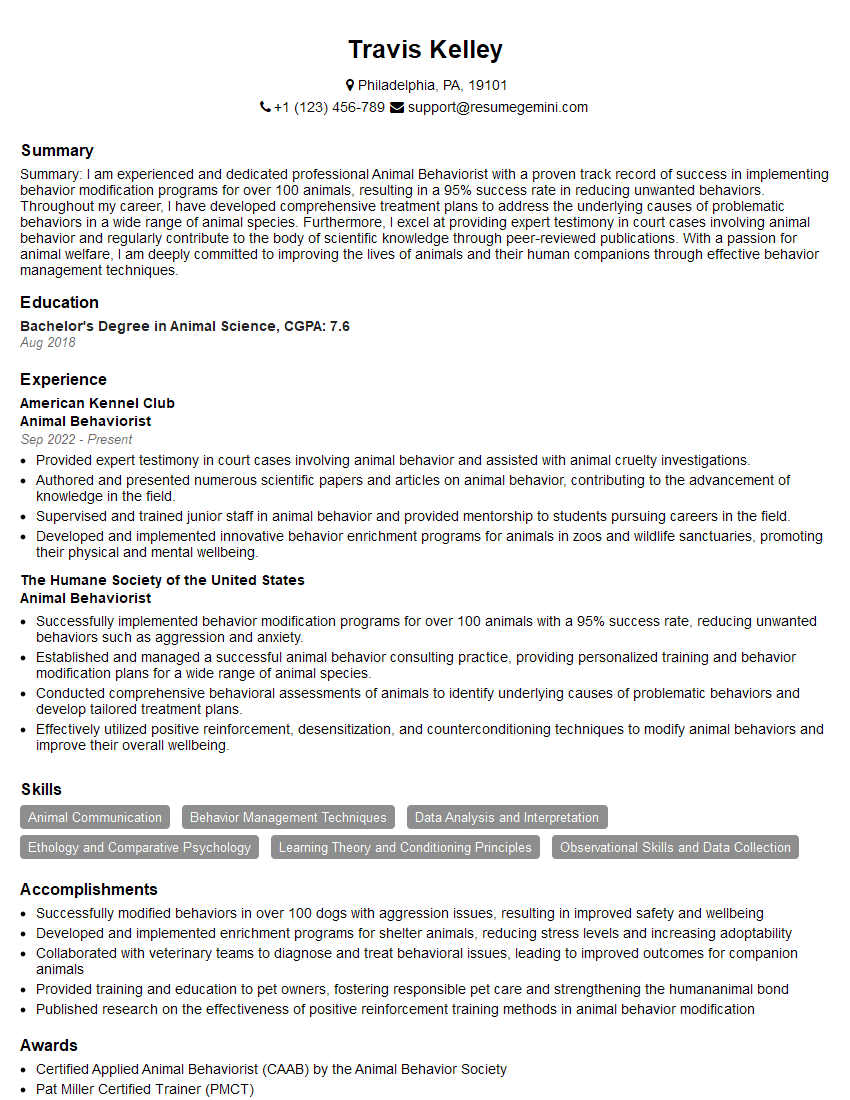
Animal Behaviorist Resume Sample
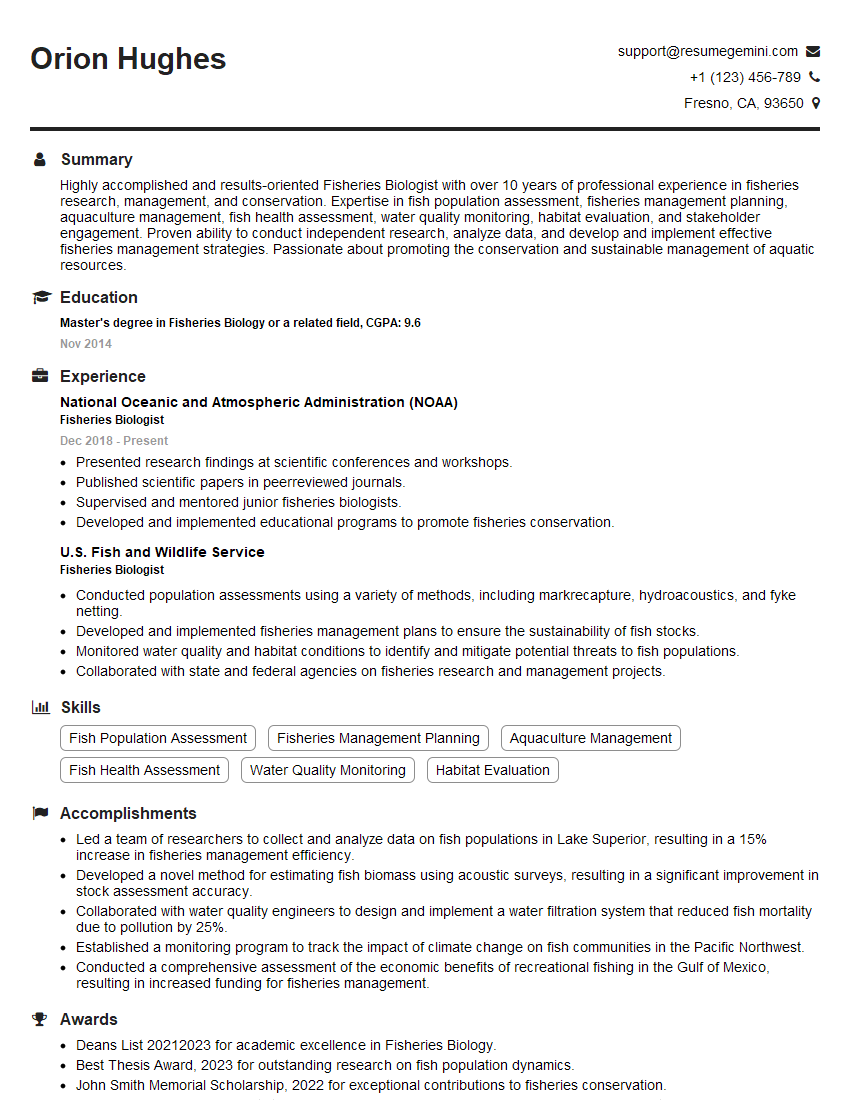
Fisheries Biologist Resume Sample

Wildlife Manager Resume Sample
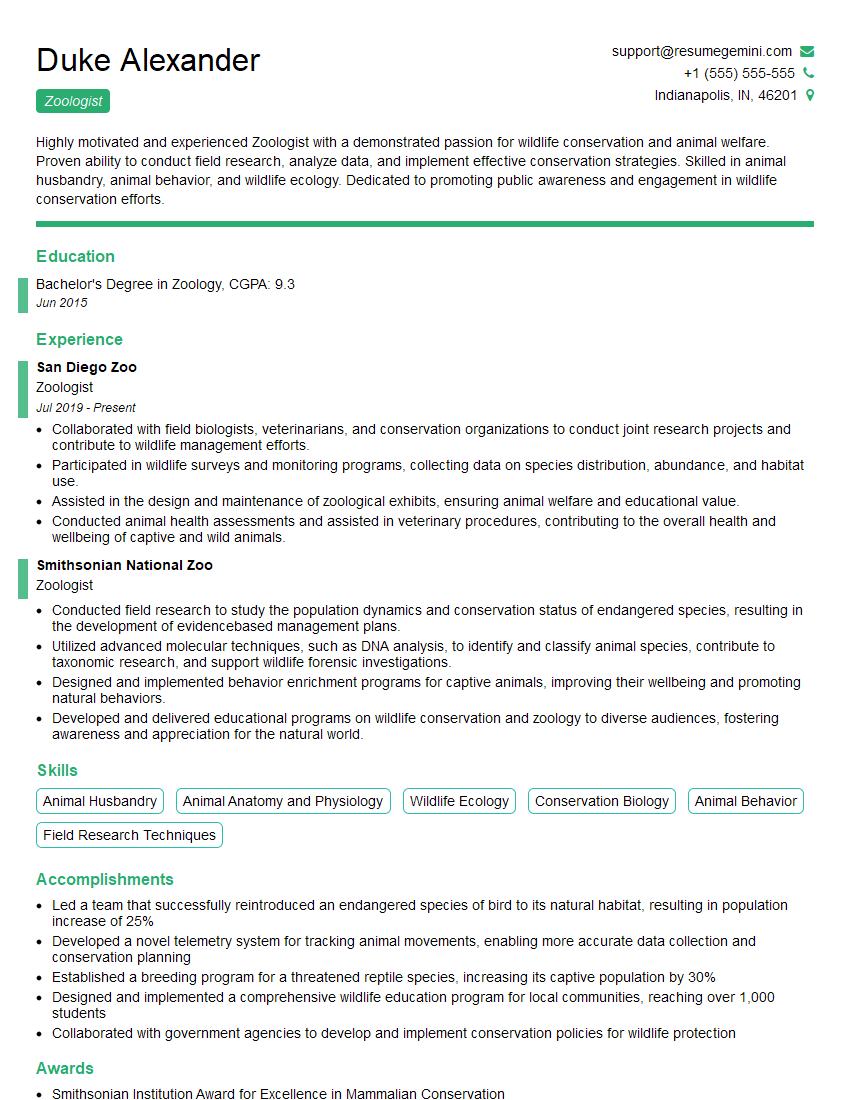
Zoologist Resume Sample
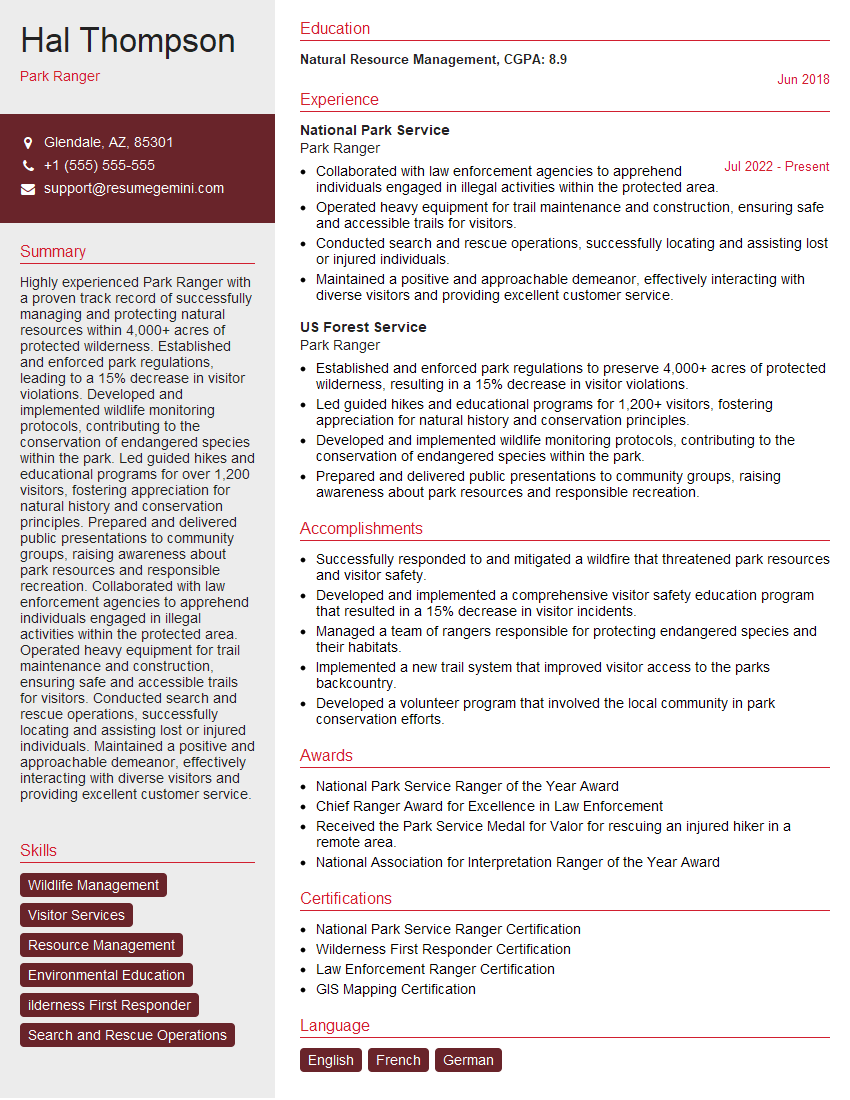
Park Ranger Resume Sample
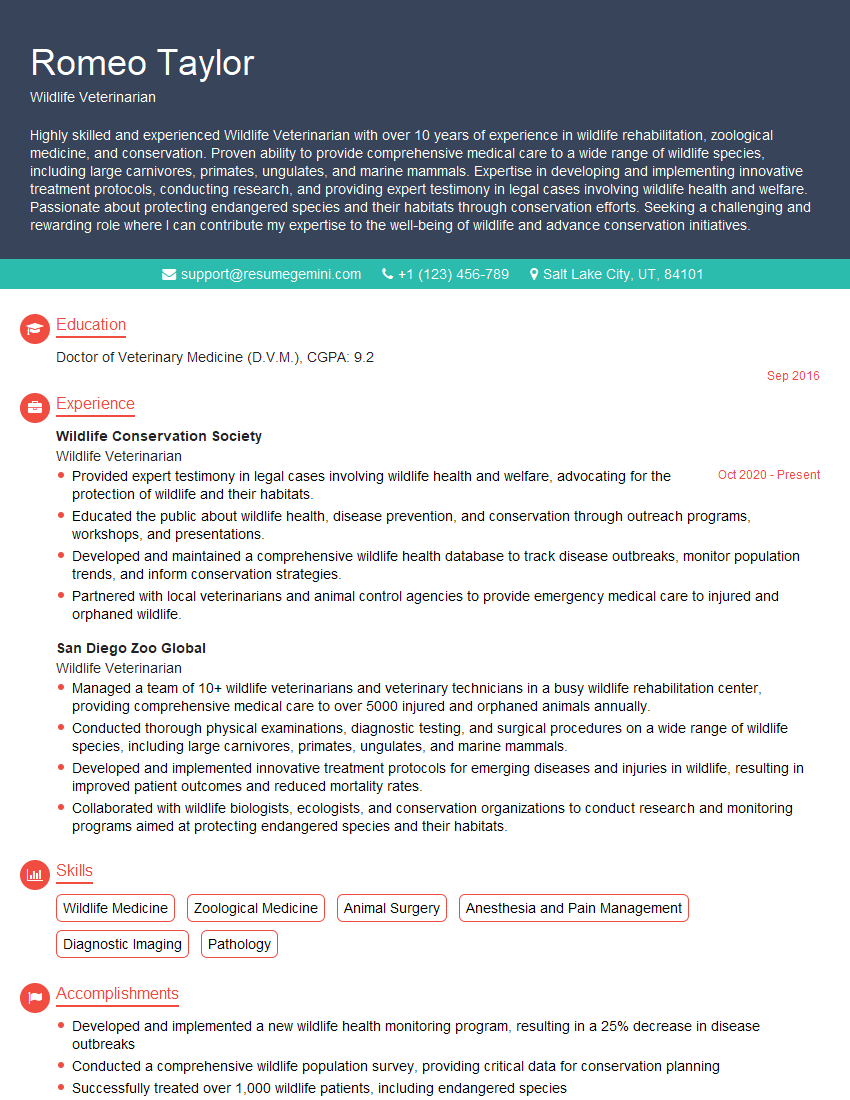
Wildlife Veterinarian Resume Sample
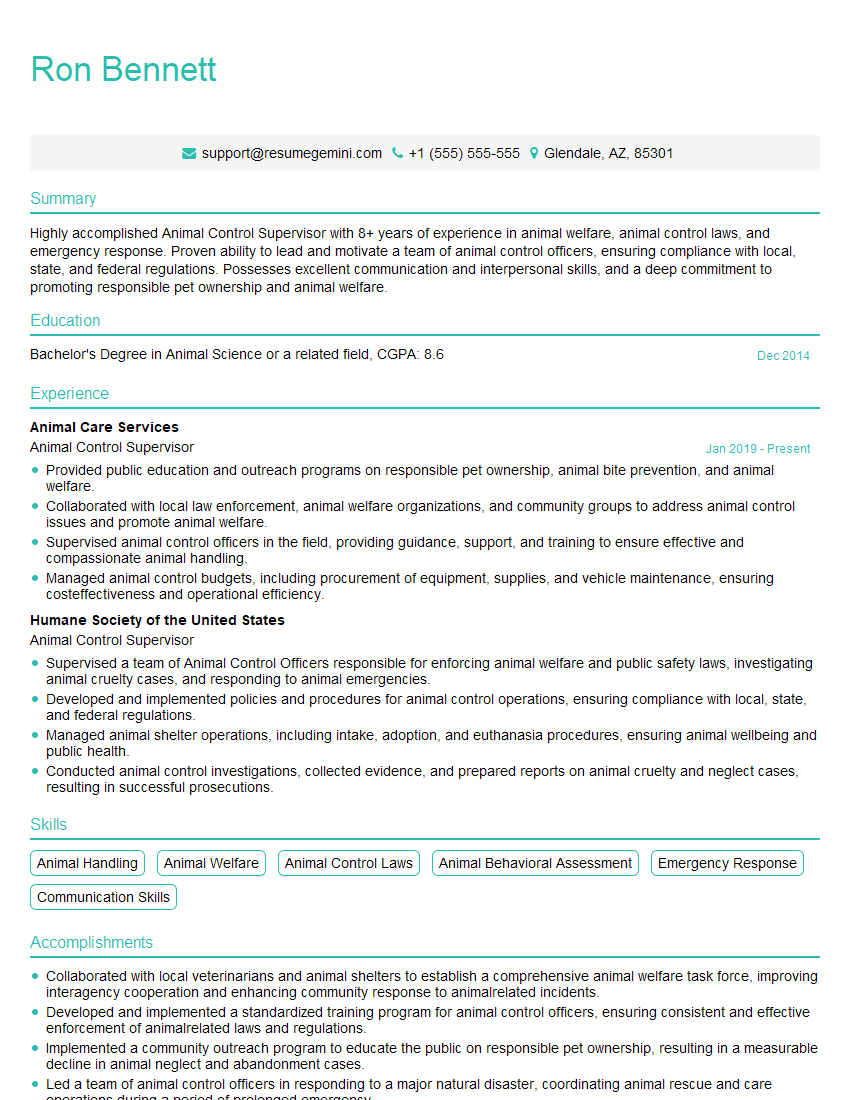
Animal Control Supervisor Resume Sample
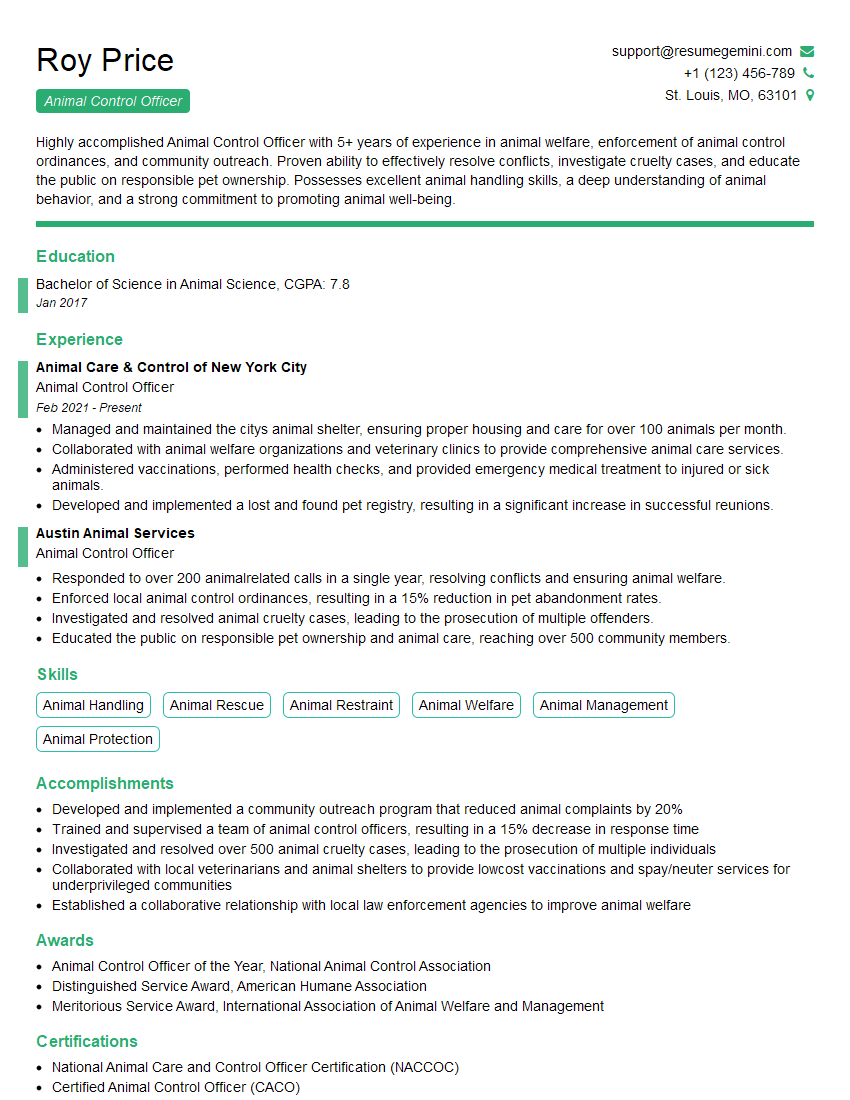
Animal Control Officer Resume Sample
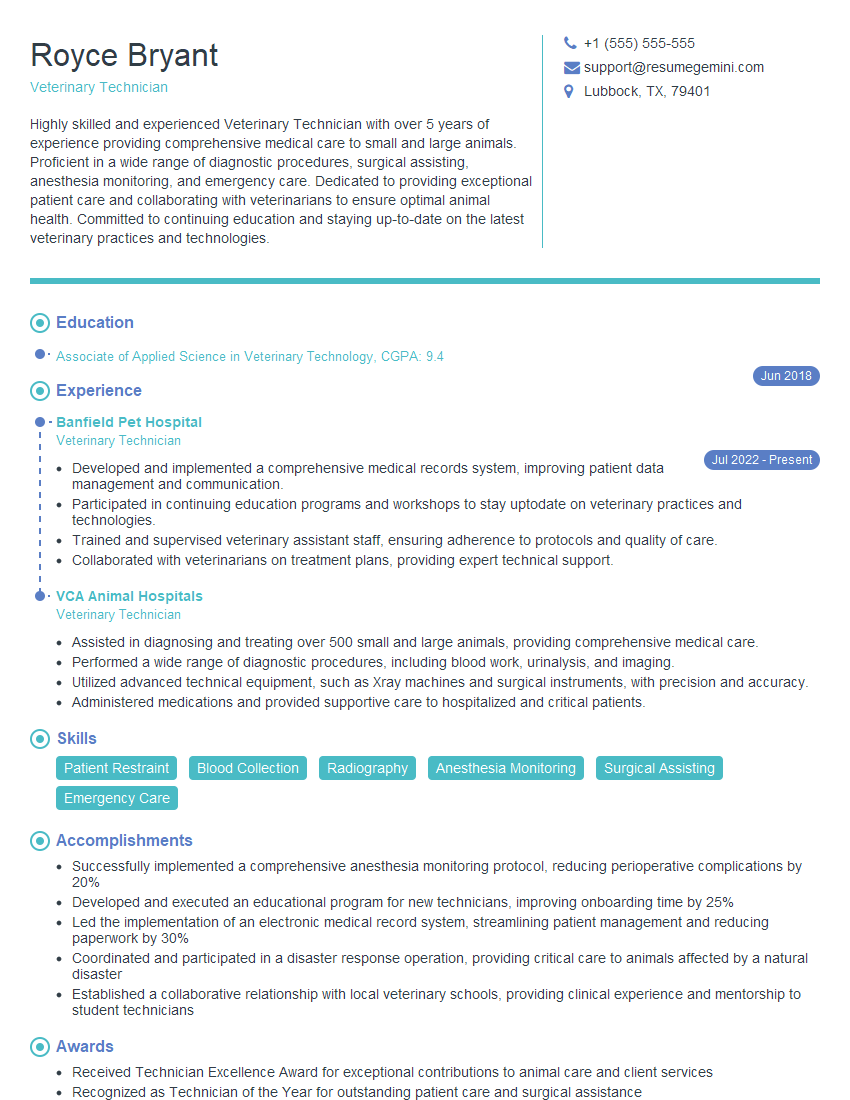
Veterinary Technician Resume Sample

Wildlife Rehabilitator Resume Sample
Explore more articles
Users Rating of Our Blogs
Share Your Experience
We value your feedback! Please rate our content and share your thoughts (optional).
What Readers Say About Our Blog
I Redesigned Spongebob Squarepants and his main characters of my artwork.
https://www.deviantart.com/reimaginesponge/art/Redesigned-Spongebob-characters-1223583608
IT gave me an insight and words to use and be able to think of examples
Hi, I’m Jay, we have a few potential clients that are interested in your services, thought you might be a good fit. I’d love to talk about the details, when do you have time to talk?
Best,
Jay
Founder | CEO