Every successful interview starts with knowing what to expect. In this blog, we’ll take you through the top Positive Reinforcement Techniques interview questions, breaking them down with expert tips to help you deliver impactful answers. Step into your next interview fully prepared and ready to succeed.
Questions Asked in Positive Reinforcement Techniques Interview
Q 1. Define positive reinforcement and provide three examples.
Positive reinforcement is a technique used in behavior modification where a desirable behavior is strengthened by presenting a positive reinforcer immediately after the behavior occurs. This increases the likelihood that the behavior will be repeated in the future. Think of it like rewarding a dog with a treat for sitting – the treat is the positive reinforcer, and the act of sitting is the behavior that’s being strengthened.
Example 1: A child cleans their room (behavior) and receives praise from their parent (positive reinforcer). The praise increases the likelihood the child will clean their room again.
Example 2: An employee consistently meets sales targets (behavior) and receives a bonus (positive reinforcer). The bonus motivates the employee to continue achieving sales goals.
Example 3: A student studies diligently (behavior) and earns a good grade on a test (positive reinforcer). The good grade encourages further diligent study habits.
Q 2. Explain the difference between positive reinforcement and positive punishment.
Positive reinforcement and positive punishment are often confused, but they are opposites. Positive reinforcement adds something desirable to increase a behavior, while positive punishment adds something undesirable to decrease a behavior.
Positive Reinforcement: Adding something good to increase a behavior. Example: Giving a child a sticker for completing homework.
Positive Punishment: Adding something unpleasant to decrease a behavior. Example: Giving a child extra chores for being disrespectful.
Q 3. Describe the concept of shaping in positive reinforcement.
Shaping is a process in positive reinforcement where you gradually guide a subject toward a desired complex behavior by reinforcing successive approximations of that behavior. You break down the target behavior into smaller, manageable steps, rewarding each step along the way. Imagine teaching a dog to fetch a ball. You wouldn’t expect it to immediately retrieve the ball and bring it back. Instead, you would first reward the dog for looking at the ball, then for touching it, then for picking it up, and finally, for bringing it back to you.
This method is incredibly effective for teaching complex behaviors, as it avoids overwhelming the subject and provides positive reinforcement at every stage, making the learning process more enjoyable and successful.
Q 4. What are the key components of a successful positive reinforcement program?
A successful positive reinforcement program hinges on several key components:
Clearly Defined Behavior: The target behavior must be specific and measurable. Instead of ‘behave better,’ specify ‘complete homework assignments without prompting’.
Appropriate Reinforcer: The reinforcer should be something the subject finds valuable and motivating. What’s motivating for one person might not be for another.
Immediate Reinforcement: Reinforcement should be delivered immediately after the desired behavior to create a strong association. The faster the better.
Consistency: Consistent reinforcement is crucial. Reinforce the behavior every time it occurs, at least initially, to build a strong habit.
Monitoring and Adjustment: Regularly monitor the effectiveness of the program and adjust as needed. If the behavior isn’t improving, consider changing the reinforcer or the reinforcement schedule.
Q 5. How do you identify and measure the effectiveness of a positive reinforcement strategy?
Measuring the effectiveness of a positive reinforcement strategy involves tracking the frequency of the target behavior before, during, and after implementing the strategy. This could involve:
Data Collection: Use a chart or spreadsheet to record the frequency of the desired behavior. For example, if training a dog to sit, record how many times the dog sits on command each day.
Baseline Data: Collect baseline data before intervention to establish the starting point.
Graphs and Visualizations: Graph the data to visually represent the progress. This allows for easy identification of trends and improvements.
Qualitative Feedback: Incorporate subjective observations about the subject’s attitude and engagement during the process.
If the frequency of the desired behavior increases significantly after the implementation of the strategy, then the strategy can be considered effective.
Q 6. What are some common challenges in implementing positive reinforcement, and how do you overcome them?
Challenges in implementing positive reinforcement include:
Identifying Effective Reinforcers: What motivates one individual might not motivate another. Experimentation and observation are key.
Inconsistent Reinforcement: Occasional reinforcement weakens the connection between behavior and reward, reducing effectiveness.
Over-reliance on Reinforcement: The goal is to eventually fade the reinforcement schedule, so the behavior becomes intrinsic rather than relying solely on external rewards.
Resistance to Change: Some individuals or groups may resist new methods. Patience, clear communication, and demonstrating success are important.
Overcoming Challenges: Address these challenges by carefully selecting reinforcers, maintaining consistency, planning for a gradual reduction in reinforcement, and addressing resistance through education and demonstration of positive outcomes.
Q 7. Explain the importance of immediacy and consistency in positive reinforcement.
Immediacy and consistency are crucial for the success of positive reinforcement.
Immediacy: The closer the reinforcement follows the desired behavior, the stronger the association between the two. If there’s a delay, the subject might not connect the reward with the behavior. Think of it like this: If you reward a dog for sitting 10 minutes after it sat, it’s less likely to understand the connection.
Consistency: Consistent reinforcement strengthens the habit. If the behavior is sometimes rewarded and sometimes not, the subject becomes confused and the behavior is less likely to be repeated consistently. Imagine if you sometimes give your child praise for cleaning their room, and sometimes you don’t. They’ll likely be less motivated to clean consistently.
Both immediacy and consistency maximize the effectiveness of the reinforcement, creating a clear link between the action and its positive consequence, making the desired behavior more likely to be repeated.
Q 8. How do you select appropriate reinforcers for individuals with diverse needs?
Selecting appropriate reinforcers is crucial for the success of any positive reinforcement program. It’s all about understanding the individual’s unique preferences and motivations. We can’t assume what motivates one person will motivate another. Think of it like choosing a gift – you wouldn’t give everyone the same thing, right?
My approach involves a thorough assessment process. This includes:
- Preference Assessments: These involve systematically presenting various items or activities to the individual and observing which ones they choose or engage with more frequently. We might use methods like single-stimulus preference assessments (presenting one item at a time), paired-choice preference assessments (presenting two items and seeing which one is chosen), or multiple-stimulus preference assessments with replacement (presenting several items and allowing repeated choices).
- Interviews with Caregivers and Professionals: Talking to people who know the individual well, like parents, teachers, or therapists, provides valuable insights into their likes, dislikes, and current motivators. This helps me to understand their context and environment better.
- Direct Observation: Spending time observing the individual in their natural environment can reveal clues about their interests and preferences. What do they naturally gravitate towards? What activities do they seem to enjoy the most?
Once I have a good understanding of the individual’s preferences, I can then select reinforcers that are highly motivating and relevant to them. This might include tangible rewards (e.g., stickers, small toys), edible rewards (e.g., a favorite snack), social rewards (e.g., praise, high-fives), or activity rewards (e.g., extra playtime, access to a preferred activity). The key is to choose reinforcers that are easily delivered, readily available, and safe.
Q 9. Discuss the ethical considerations involved in using positive reinforcement.
Ethical considerations are paramount in using positive reinforcement. It’s not just about getting the desired behavior; it’s about doing it responsibly and ethically. Key ethical considerations include:
- Avoidance of Coercion and Manipulation: Positive reinforcement should always be voluntary. We never want to use it to force someone into doing something they don’t want to do. The individual should always have the freedom to choose whether or not to participate in the program.
- Respect for Dignity and Autonomy: The individual’s dignity and autonomy must be respected throughout the process. The reinforcers should be appropriate and not undermine their self-esteem or sense of worth.
- Transparency and Informed Consent: Whenever possible, the individual (or their guardian) should be fully informed about the purpose and procedures of the positive reinforcement program and should provide informed consent. We need to ensure they understand the process.
- Avoiding Harmful or Aversive Reinforcers: We must only use safe and positive reinforcers that won’t cause physical or emotional harm. The rewards should be enjoyable and beneficial.
- Continuous Monitoring and Evaluation: It’s crucial to monitor the program’s effects continuously and make necessary adjustments to ensure it remains ethical and effective. If the program isn’t working or is causing unintended negative consequences, we must be willing to adapt or discontinue it.
For example, using food as a reinforcer with an individual who has dietary restrictions or an eating disorder would be unethical. Similarly, using a social reward such as praise in a way that feels disingenuous or patronizing could also be harmful.
Q 10. How do you adapt positive reinforcement strategies to different learning styles?
Different individuals learn and respond to reinforcement in different ways. Adapting positive reinforcement strategies to diverse learning styles is essential for maximizing effectiveness. Learning styles are often categorized as visual, auditory, and kinesthetic.
- Visual Learners: For visual learners, using visual aids such as charts, graphs, and pictures can be particularly effective. We might use visual schedules to show the steps involved in a task or a reward chart to track progress towards a goal. Examples include using color-coded systems or visual timers.
- Auditory Learners: Auditory learners benefit from verbal instructions, clear explanations, and positive feedback. We might use verbal praise, songs, or stories to reinforce desired behaviors. For instance, using verbal prompts and reminders, or singing a short song about desired behavior.
- Kinesthetic Learners: Kinesthetic learners prefer hands-on activities and physical engagement. We might use physical rewards, such as high-fives or hugs, or incorporate movement into the reinforcement process, like a short dance break after completing a task. Examples include providing opportunities for active engagement, such as using manipulatives or interactive games.
It’s important to note that many individuals are a blend of these learning styles, and it’s beneficial to incorporate elements from each style into your approach. A flexible and adaptable approach is key to success.
Q 11. Explain the difference between continuous and intermittent reinforcement schedules.
Reinforcement schedules dictate how often a reinforcer is delivered following a desired behavior. The frequency of reinforcement significantly impacts the strength and persistence of the learned behavior.
- Continuous Reinforcement: In continuous reinforcement, the desired behavior is reinforced every single time it occurs. This is highly effective for establishing a new behavior initially. Think of teaching a dog a new trick – you reward them every time they perform it correctly.
Example: Every time a child cleans their room, they get a sticker. - Intermittent Reinforcement: In intermittent reinforcement, the desired behavior is reinforced only some of the time. This schedule is better for maintaining a behavior once it’s been established, as it makes the behavior more resistant to extinction. There are various types of intermittent schedules, including:
- Fixed-Ratio: Reinforcement after a specific number of responses (e.g., rewarding every 5th correct answer).
Example: A worker receives a bonus after completing 10 projects. - Variable-Ratio: Reinforcement after an unpredictable number of responses (e.g., slot machines).
Example: A salesperson gets a commission after an unpredictable number of sales. - Fixed-Interval: Reinforcement after a specific amount of time has passed (e.g., receiving a paycheck every two weeks).
Example: A student is given a break after studying for 30 minutes. - Variable-Interval: Reinforcement after an unpredictable amount of time has passed (e.g., checking email).
Example: A teacher randomly checks on students' work.
Intermittent schedules, particularly variable ones, are more resistant to extinction because the individual is never quite sure when the next reinforcement will come, making them more likely to continue the behavior.
Q 12. Describe the concept of extinction in relation to positive reinforcement.
Extinction, in the context of positive reinforcement, refers to the weakening and eventual disappearance of a learned behavior when the reinforcement is withheld. It’s a natural process, not a punishment. Think of it as the opposite of reinforcement.
If a behavior was previously reinforced (e.g., a child tantrums and gets attention, so the tantrums increase), and that reinforcement is consistently removed (the child tantrums and gets no attention), the behavior is likely to decrease over time. However, it’s crucial to understand that extinction is not instantaneous. There’s often an extinction burst – a temporary increase in the behavior – before it decreases. The child might tantrum even more intensely at first before giving up.
Extinction is most effective when it’s consistent and across all situations where the behavior was previously reinforced. If the child sometimes still gets attention during tantrums, the extinction process will be significantly slower and less effective. It’s also crucial to have an alternative, appropriate behavior to reinforce. For example, if the behavior of a student interrupting is being extinguished, the student should be taught and reinforced for raising their hand.
Q 13. How do you handle resistance or lack of engagement when implementing positive reinforcement?
Resistance or lack of engagement can stem from various factors, including inappropriate reinforcers, an overly demanding program, or underlying issues impacting motivation. Addressing resistance requires a systematic and flexible approach.
- Re-evaluate Reinforcers: If the individual isn’t responding, I’d reassess the reinforcers. Are they truly motivating? Are there other things they might prefer? I would conduct another preference assessment.
- Adjust the Program: The program might be too demanding or complex. I’d break down tasks into smaller, more manageable steps, and increase the frequency of reinforcement initially. This makes it easier to achieve success.
- Address Underlying Issues: Resistance might indicate underlying emotional or behavioral challenges. Collaboration with other professionals, such as therapists or counselors, might be needed to address these issues. For instance, anxiety or lack of self-esteem could impede engagement.
- Increase Reinforcer Effectiveness: Boosting the intensity or value of the reinforcers can sometimes help. Instead of one sticker, offering a small toy or extra time. Using a variety of reinforcers keeps things interesting.
- Provide Clear Expectations and Feedback: Ensure the individual clearly understands what behavior is expected and how they will be rewarded. Frequent positive feedback helps maintain engagement.
Ultimately, a collaborative approach, involving the individual (and caregivers if applicable), is crucial. It’s a process of trial and error, adaptation, and ongoing evaluation.
Q 14. Explain the role of data collection and analysis in positive reinforcement programs.
Data collection and analysis are essential for evaluating the effectiveness of a positive reinforcement program and making necessary adjustments. It provides objective evidence to track progress and demonstrates the impact of the interventions.
Data can be collected in various ways, including:
- Frequency Counts: Simply counting how often the target behavior occurs.
- Duration Recording: Measuring how long the behavior lasts.
- Latency Recording: Measuring the time between a cue or prompt and the occurrence of the behavior.
- Interval Recording: Observing whether the behavior occurs during specific time intervals.
Data should be collected systematically and consistently. This data is then analyzed to determine whether the program is effective in increasing the target behavior. Graphs and charts can visually represent the data, making it easier to understand trends and patterns. If the data shows the program isn’t working, I’d reassess the reinforcers, the schedule of reinforcement, or other aspects of the program. The goal is to make data-driven decisions to maximize the program’s success and effectiveness.
For instance, if we’re working with a child to increase their on-task behavior in the classroom, we might record the amount of time the child is engaged in their work during each 30-minute interval. We could then graph this data over time to see if the intervention is leading to an increase in on-task behavior.
Q 15. How do you measure the success of a positive reinforcement intervention?
Measuring the success of a positive reinforcement intervention relies on objectively tracking behavioral changes. We don’t just look for improvements; we quantify them. This involves establishing clear, measurable goals before implementing the intervention. For example, if we’re working with a child to increase on-task behavior during homework, we might define success as a 20% increase in focused work time over a two-week period, measured using a simple timer and observation checklist.
- Baseline Data: Before implementing any intervention, collect baseline data on the target behavior. This provides a benchmark against which to measure improvement.
- Frequency Counts: Track how often the desired behavior occurs. For instance, count the number of times a student completes a task correctly, or the number of times a dog sits on command.
- Duration Recording: Measure how long a behavior lasts. This is helpful for behaviors like sustained attention or independent work.
- Interval Recording: Observe the behavior at set intervals and record whether it occurred during that interval. Useful for behaviors that are difficult to pinpoint a clear start and end point.
- Data Visualization: Graphing the data allows for easy visualization of progress and identification of trends. A simple line graph showing the frequency of the target behavior over time is highly effective.
Ultimately, success isn’t just about the numbers; it’s about observing meaningful improvements in the individual’s well-being and overall functioning. We should also look for generalization, meaning the learned behavior transfers to new environments or situations.
Career Expert Tips:
- Ace those interviews! Prepare effectively by reviewing the Top 50 Most Common Interview Questions on ResumeGemini.
- Navigate your job search with confidence! Explore a wide range of Career Tips on ResumeGemini. Learn about common challenges and recommendations to overcome them.
- Craft the perfect resume! Master the Art of Resume Writing with ResumeGemini’s guide. Showcase your unique qualifications and achievements effectively.
- Don’t miss out on holiday savings! Build your dream resume with ResumeGemini’s ATS optimized templates.
Q 16. What are some common pitfalls to avoid when using positive reinforcement?
Several pitfalls can undermine the effectiveness of positive reinforcement. Avoiding these is crucial for success.
- Inconsistent Reinforcement: Intermittent or unpredictable reinforcement weakens the association between the behavior and the reward, leading to inconsistent results. Think of it like training a dog – if you sometimes reward a sit and sometimes don’t, the dog will become confused and less likely to perform the behavior reliably.
- Delayed Reinforcement: The closer the reward follows the behavior, the stronger the learning. Delaying reinforcement weakens its effect. If you praise a child for completing homework an hour later, the connection between completion and praise is less clear.
- Overuse of Rewards: Frequent rewarding can diminish the value of the reward, making it less motivating. It’s essential to use a variety of rewards and gradually fade out their frequency as the desired behavior becomes habitual.
- Inappropriate Rewards: Rewards should be meaningful and motivating to the individual. What motivates one person might not motivate another. A small toy might be a great reward for a child, but not for an adult.
- Ignoring Other Behaviors: Focusing solely on rewarding the target behavior without addressing other challenging behaviors can be counterproductive. It’s important to develop a comprehensive behavior plan that addresses all aspects of the individual’s behavior.
Q 17. How can positive reinforcement be integrated with other behavioral modification techniques?
Positive reinforcement is most effective when integrated with other evidence-based behavioral modification techniques. It shouldn’t be used in isolation.
- Modeling: Demonstrating the desired behavior can be powerful, especially for young children or individuals with limited skills. Showing them how to perform the task before providing reinforcement helps them learn the steps involved.
- Shaping: Break down complex behaviors into smaller, manageable steps. Reward progress toward the final goal, gradually increasing the requirements for reinforcement as the individual masters each step. For example, if teaching a child to tie their shoes, you might initially reward them for holding the laces correctly, then for making a loop, and finally for completing the knot.
- Prompting: Providing verbal or physical cues to encourage the desired behavior can be very effective, particularly in the early stages of learning. As the individual’s skills improve, gradually fade out the prompts.
- Extinction: While focusing on positive reinforcement, it’s important to manage undesirable behaviors by not providing reinforcement for those actions. However, extinction needs careful planning to avoid unintended escalation of challenging behaviors. Professional guidance is recommended in these cases.
The key is to create a cohesive and comprehensive plan that leverages the strengths of each technique to support lasting behavior change.
Q 18. Discuss the importance of feedback in a positive reinforcement system.
Feedback is an integral part of a positive reinforcement system. It provides information to both the individual and the behavior modifier. It’s more than just saying “good job.”
- Specific Feedback: Instead of general praise, focus on describing the specific behavior that was rewarded. “I really liked how you stayed focused on your work for the last 15 minutes and completed three problems.” This makes it clear what behavior is being reinforced.
- Descriptive Feedback: Focus on observable behaviors, rather than internal states. Instead of saying “You’re being so cooperative today,” try, “I noticed you shared your crayons with your friend and helped them clean up.” This is more objective and avoids subjective interpretations.
- Immediate Feedback: Provide feedback as close as possible to the occurrence of the desired behavior to strengthen the connection. The immediacy reinforces the impact of the behavior.
- Positive and Encouraging Tone: Maintain a positive and encouraging tone, even when providing constructive feedback. Focus on what the individual did well and suggest improvements for future attempts.
Effective feedback helps the individual understand the expectations and reinforces the link between behavior and reward, promoting better learning and greater success.
Q 19. How do you prevent the overuse or misuse of rewards in a positive reinforcement strategy?
Preventing overuse or misuse of rewards requires careful planning and execution. The goal is to foster intrinsic motivation – an internal drive to perform a behavior – rather than relying solely on external rewards.
- Reward Variety: Use a range of rewards to avoid satiation. This could include verbal praise, tangible items, privileges, or social rewards like extra playtime.
- Gradual Reward Fading: As the desired behavior becomes habitual, gradually reduce the frequency and magnitude of rewards. This helps to transition the individual to intrinsic motivation.
- Focus on Intrinsic Motivation: Highlight the inherent benefits of the behavior, such as improved skills, increased independence, or feelings of accomplishment. Emphasize the positive impact of the behavior on their life.
- Reinforce Effort and Improvement: Reward effort and improvement, even if the desired outcome isn’t perfectly achieved. This fosters persistence and resilience.
- Natural Rewards: Incorporate natural rewards whenever possible. For instance, the satisfaction of completing a task or the social approval of peers can be highly motivating.
The key is to create a system that supports both immediate reinforcement and the development of long-term intrinsic motivation. We are aiming for self-sufficiency in performing desired behaviors, not dependence on external rewards.
Q 20. Explain how you would address non-compliance in a positive reinforcement program.
Addressing non-compliance within a positive reinforcement program requires a multi-faceted approach. It’s crucial to avoid punishment, as it can undermine the positive reinforcement strategy. Instead, we focus on identifying the reasons for non-compliance and adjusting our approach accordingly.
- Functional Behavioral Assessment (FBA): Conduct a thorough FBA to understand the function of the non-compliant behavior. What is the individual gaining from this behavior? Is it attention, escape from a task, or access to something desirable?
- Adjust the Reinforcers: If the current rewards aren’t motivating, try different ones. The reward must be valuable to the individual.
- Adjust Task Demands: If the task is too difficult or overwhelming, break it down into smaller, more manageable steps. Provide support and guidance to help the individual succeed.
- Increase Reinforcement Frequency: If the current frequency is insufficient, increase the frequency of reinforcement for compliant behavior.
- Antecedent Manipulations: Modify the environment or situation to make it easier for the individual to exhibit the desired behavior. For instance, minimize distractions or provide clear instructions.
It’s essential to be patient and persistent. Addressing non-compliance often requires adjustments to the plan, and ongoing monitoring is crucial for identifying and addressing any emerging challenges.
Q 21. Describe a time you successfully implemented positive reinforcement to achieve a specific goal.
I worked with a young child diagnosed with autism who exhibited significant challenges with transitioning between activities. This often resulted in meltdowns and disrupted the entire classroom. We implemented a positive reinforcement program focusing on improving transition behavior.
First, we established a clear baseline by meticulously documenting the frequency and duration of his meltdowns during transitions. Then we introduced a visual schedule using pictures to represent each activity. Before each transition, we provided him with a verbal and visual cue, explaining the upcoming activity. When he transitioned without a meltdown, he received immediate verbal praise and a small, preferred item (a small toy car). We used a token board, awarding a token for each successful transition. Accumulating a certain number of tokens earned him a larger reward, like extra playtime with a preferred activity.
We gradually faded the frequency of the small rewards and increased the interval between transitions while continuing to provide verbal praise and monitoring his behavior. The visual schedule remained a constant element. Over time, his transition behavior significantly improved, his meltdowns decreased dramatically, and he became more independent in managing transitions. The success was measured by a marked reduction in meltdowns, increased time spent in productive activities, and positive feedback from teachers and parents.
Q 22. How do you handle situations where positive reinforcement doesn’t seem to be effective?
When positive reinforcement seems ineffective, it’s crucial to troubleshoot the system. We need to consider several factors. Firstly, is the reinforcement truly valued by the individual? A reward that holds no appeal won’t motivate. For example, offering extra work as a reward to someone who already feels overworked is counterproductive. Secondly, is the timing of the reinforcement appropriate? Immediate reinforcement is most effective. Delaying praise or rewards weakens their impact. Thirdly, is the reinforcement consistently applied? Inconsistent application confuses the individual and weakens the learning process. Finally, are there other factors interfering, like underlying anxieties, lack of understanding, or competing motivations? Addressing these underlying issues is key. A structured approach involves: (1) Identifying the specific behavior needing reinforcement, (2) Choosing a valued and appropriate reinforcer, (3) Delivering reinforcement immediately after the desired behavior, (4) Maintaining consistency, and (5) Re-evaluating the process if no improvement is observed, potentially adjusting the reinforcer or addressing underlying issues.
For instance, I once worked with a team where positive reinforcement for on-time project delivery wasn’t working. Upon closer inspection, we found that the team felt overburdened and the deadlines were unrealistic. Adjusting the workload and celebrating smaller milestones, alongside the larger project completion, significantly improved performance and engagement.
Q 23. What are the limitations of positive reinforcement, and how do you compensate for them?
Positive reinforcement, while incredibly powerful, does have limitations. It may not be effective for all individuals, especially those with severe behavioral challenges or underlying conditions. It can also be challenging to implement consistently, requiring significant time and effort. Moreover, relying solely on positive reinforcement can lead to a perceived lack of accountability when negative behaviors are not adequately addressed. To compensate for these limitations, I often integrate positive reinforcement with other strategies, such as clear expectations, constructive feedback, and, when necessary, logical consequences for negative behaviors. It’s about creating a balanced approach rather than relying on a single technique. This holistic approach ensures fairness and a more comprehensive behavior management system.
For example, in a classroom setting, while rewarding good behavior with stickers and praise is effective, we need clear rules and logical consequences (like time-out or loss of privileges) for disruptive behaviors. This balanced approach ensures a conducive learning environment.
Q 24. How do you build a culture of positive reinforcement within a team or organization?
Building a culture of positive reinforcement requires a multi-pronged approach. Firstly, leadership buy-in is critical. Leaders must actively model and encourage positive reinforcement. Secondly, clear communication is paramount. The team needs to understand the desired behaviors and the associated rewards. Thirdly, consistent implementation is key. Everyone should be involved in recognizing and reinforcing positive behaviors. Fourthly, regular recognition is important. This can be achieved through team meetings, informal acknowledgements, or formal reward programs. Finally, a system of regular feedback and evaluation is necessary. This helps to ensure the effectiveness of the system and to adjust it as needed. This iterative process allows for adjustments and refinements based on the specific dynamics of the team or organization.
I’ve seen this work effectively in companies that have instituted ‘Employee of the Month’ awards or ‘Kudos’ systems, publicly acknowledging achievements. This fosters a supportive and motivating environment.
Q 25. What are some alternative strategies for individuals who are unresponsive to positive reinforcement?
For individuals unresponsive to positive reinforcement, a comprehensive assessment is vital. This might involve consulting with specialists to rule out underlying issues. Alternative strategies include: functional behavior assessment (FBA) to understand the function of the behavior, negative reinforcement (removing an aversive stimulus after a desired behavior), extinction (ignoring undesirable behaviors), and differential reinforcement (reinforcing desired behaviors while ignoring undesirable ones). The choice of strategy depends heavily on the individual’s needs and the nature of the behavior. Each method should be implemented with careful consideration of ethical implications and potential side effects.
For example, a child consistently disrupting class might be responding to a need for attention. Instead of focusing solely on rewarding quiet behavior, FBA might reveal this, leading to strategies to provide positive attention for appropriate behaviors, thus reducing the need for disruptive attention-seeking.
Q 26. Explain how you would tailor positive reinforcement strategies for different age groups.
Tailoring positive reinforcement strategies for different age groups requires understanding developmental stages. For young children, tangible rewards (stickers, small toys) and immediate praise are highly effective. Adolescents respond well to privileges, increased autonomy, and social recognition. Adults appreciate recognition of their skills, opportunities for professional development, and increased responsibilities. The key is to align the reinforcement with the individual’s developmental stage and motivational factors. It’s about understanding what motivates each age group.
For instance, a preschool teacher might use stickers to reward good behavior, whereas a high school teacher might implement a system of extra credit or class leadership opportunities.
Q 27. How do you ensure fairness and equity when implementing a positive reinforcement system?
Ensuring fairness and equity is paramount. A well-designed system clearly defines the desired behaviors and the associated rewards, leaving little room for subjective interpretation. The system should be transparent and accessible to everyone. Furthermore, rewards should be distributed fairly, based on performance and not on personal bias. Regular audits of the system can help identify and address any potential disparities. Addressing concerns about fairness promptly and transparently builds trust and strengthens the program’s effectiveness. This is critical for maintaining team morale and ensuring everyone feels valued.
For example, a performance-based reward system should have clear, measurable criteria, allowing everyone to understand how rewards are earned. Regular reviews ensure the criteria remain fair and relevant.
Q 28. Describe your experience using technology to support positive reinforcement interventions.
Technology offers numerous opportunities to support positive reinforcement interventions. Point-based systems, gamified apps, and progress-tracking software provide immediate feedback and visual representations of achievements. These tools can make the process more engaging and efficient, especially for large groups or remote teams. For instance, I’ve used platforms that allow team members to give each other digital ‘kudos’ or points for positive contributions. This system provides immediate feedback and encourages peer-to-peer recognition. Data analytics associated with these systems allow for monitoring and adjusting the effectiveness of the program over time. These technological aids enhance the efficiency and impact of positive reinforcement initiatives.
For example, a project management software could track individual contributions and automatically award points based on task completion, fostering team collaboration and motivation.
Key Topics to Learn for Positive Reinforcement Techniques Interview
- Defining Positive Reinforcement: Understanding the core principles and differentiating it from other reinforcement methods (e.g., negative reinforcement, punishment).
- Schedules of Reinforcement: Exploring various schedules (continuous, intermittent, fixed-ratio, variable-ratio, etc.) and their impact on behavior modification. Practical application: Discussing how different schedules are best applied in various professional contexts (e.g., team management, sales, training).
- Reinforcement Strategies: Identifying and selecting appropriate reinforcers (tangible, social, activity) based on individual needs and preferences. Practical application: Analyzing case studies where reinforcement strategies were successfully (or unsuccessfully) implemented and explaining the reasons behind the outcomes.
- Shaping Behavior: Mastering the process of gradually guiding desired behaviors through successive approximations. Practical application: Designing a step-by-step training program using shaping techniques.
- Extinction and Spontaneous Recovery: Understanding the processes of behavior weakening and potential resurgence, and how to manage them effectively. Practical application: Developing strategies to prevent relapse and maintain desired behaviors over time.
- Ethical Considerations: Addressing the potential pitfalls and ethical implications of using positive reinforcement techniques, such as ensuring fairness, avoiding manipulation, and respecting individual autonomy.
- Measuring Effectiveness: Discussing methods for objectively evaluating the success of implemented positive reinforcement strategies. Practical application: Describing various data collection and analysis methods relevant to behavioral change.
Next Steps
Mastering Positive Reinforcement Techniques significantly enhances your ability to motivate and manage individuals and teams effectively, opening doors to leadership roles and career advancement in various fields. A strong resume is crucial for showcasing these skills to potential employers. Create an ATS-friendly resume that highlights your understanding of these techniques and your practical experience applying them. ResumeGemini is a trusted resource for building a professional and impactful resume that gets noticed. We offer examples of resumes tailored to highlight expertise in Positive Reinforcement Techniques to help you craft your winning application.
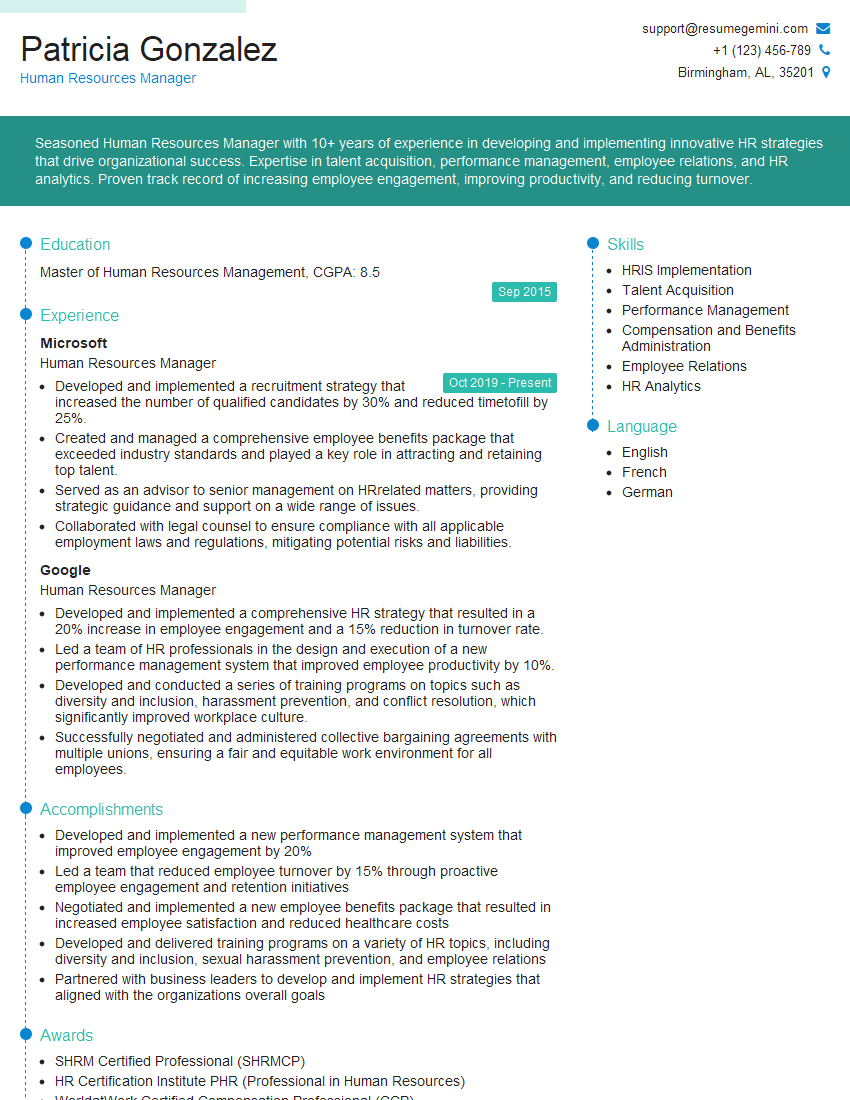
Human Resources Manager Resume Sample

Training Manager Resume Sample
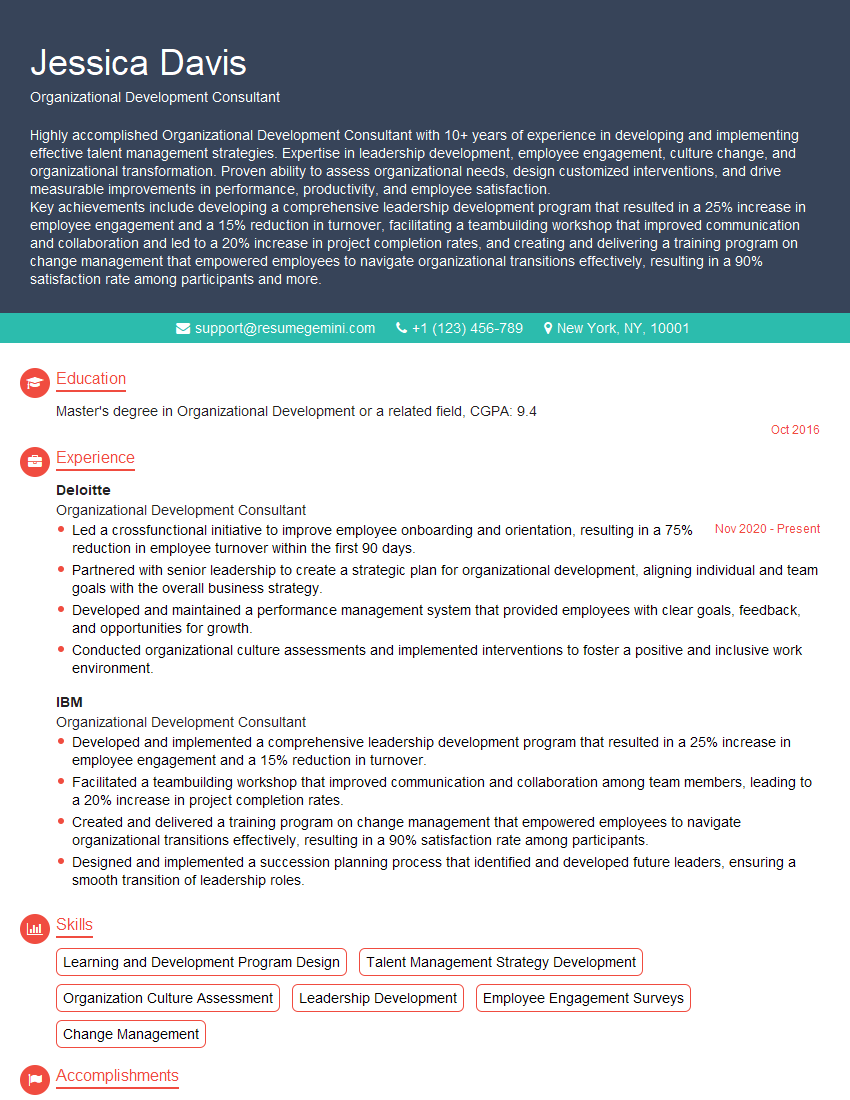
Organizational Development Consultant Resume Sample
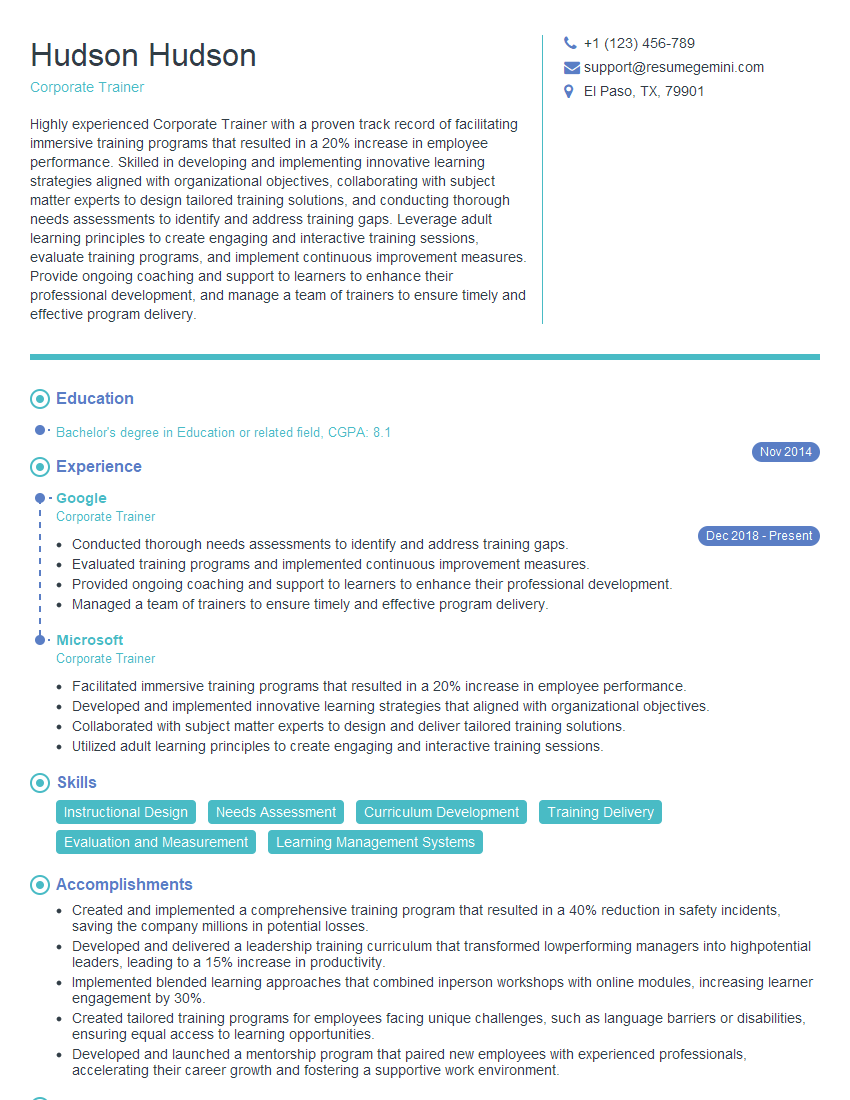
Corporate Trainer Resume Sample

School Psychologist Resume Sample
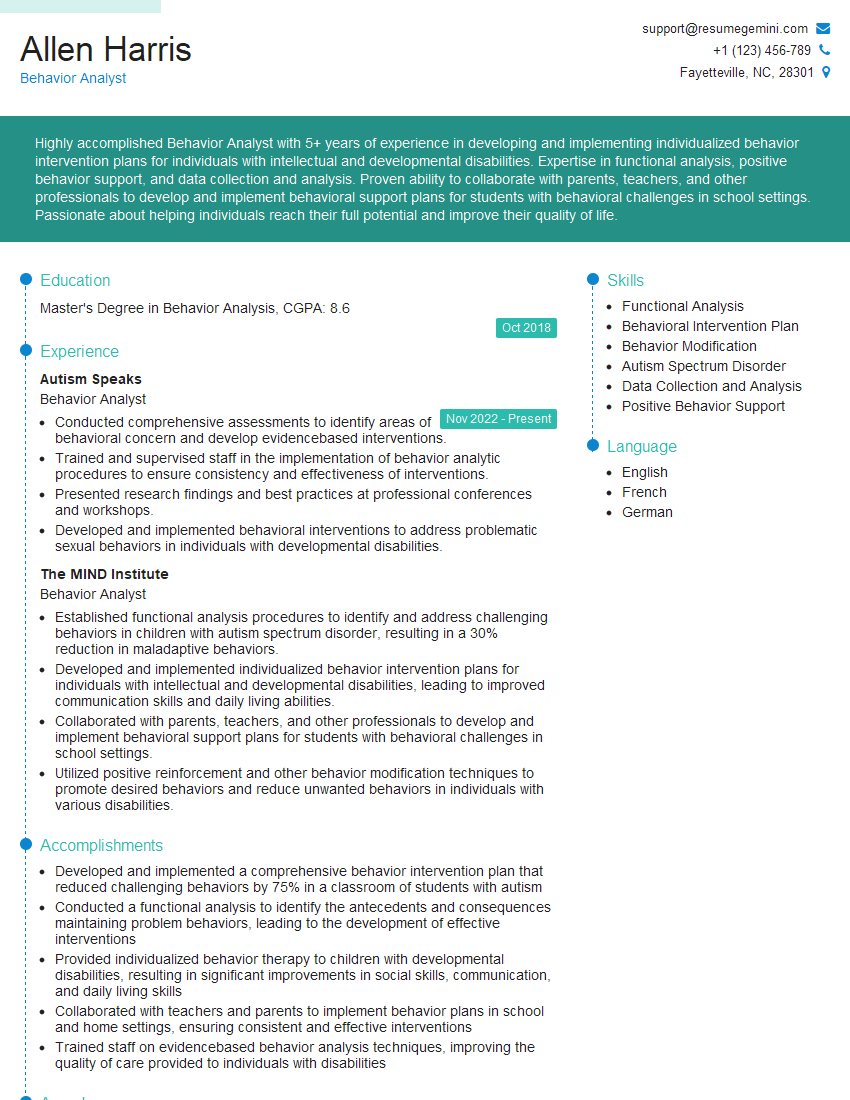
Behavior Analyst Resume Sample
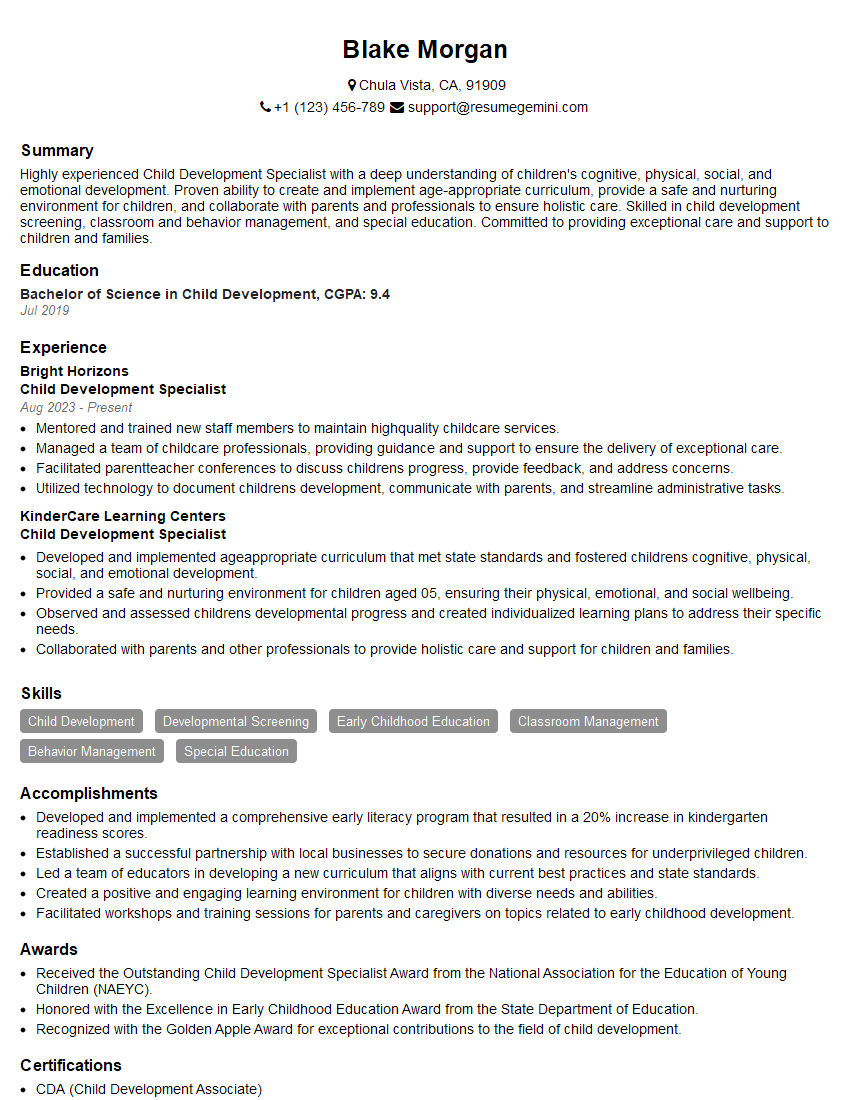
Child Development Specialist Resume Sample
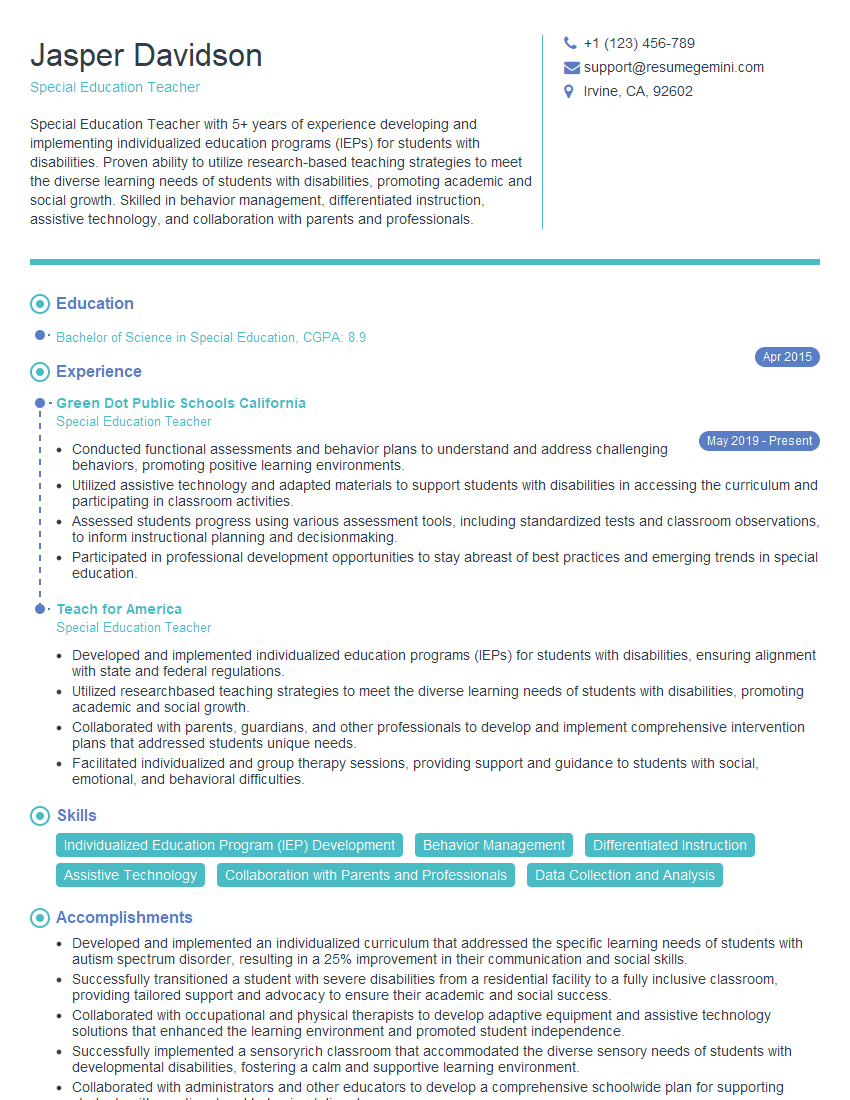
Special Education Teacher Resume Sample
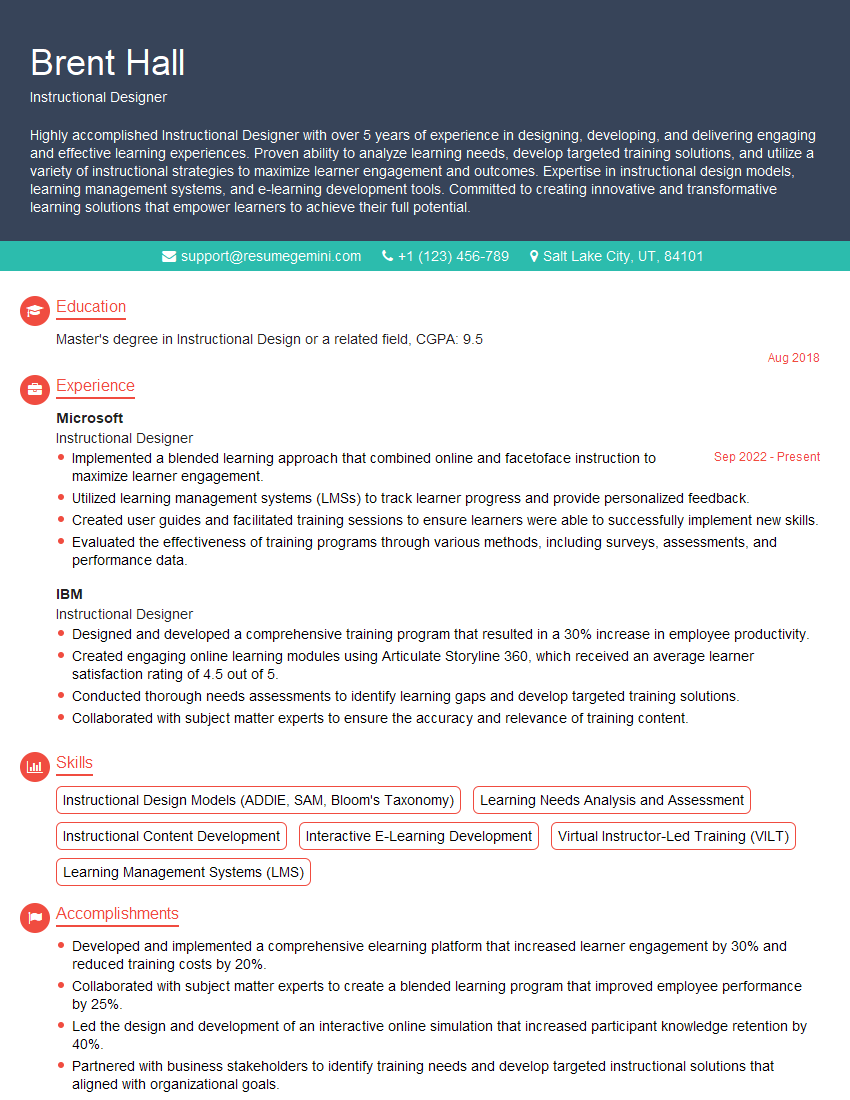
Instructional Designer Resume Sample
Explore more articles
Users Rating of Our Blogs
Share Your Experience
We value your feedback! Please rate our content and share your thoughts (optional).
What Readers Say About Our Blog
I Redesigned Spongebob Squarepants and his main characters of my artwork.
https://www.deviantart.com/reimaginesponge/art/Redesigned-Spongebob-characters-1223583608
IT gave me an insight and words to use and be able to think of examples
Hi, I’m Jay, we have a few potential clients that are interested in your services, thought you might be a good fit. I’d love to talk about the details, when do you have time to talk?
Best,
Jay
Founder | CEO