Cracking a skill-specific interview, like one for Animal Health Monitoring and Assessment, requires understanding the nuances of the role. In this blog, we present the questions you’re most likely to encounter, along with insights into how to answer them effectively. Let’s ensure you’re ready to make a strong impression.
Questions Asked in Animal Health Monitoring and Assessment Interview
Q 1. Explain the importance of proactive animal health monitoring.
Proactive animal health monitoring is crucial for preventing disease outbreaks, improving animal welfare, and maximizing productivity. Instead of reacting to problems after they arise, a proactive approach focuses on early detection and prevention. Think of it like regular check-ups for your own health – it’s far better to catch something early than to wait until it becomes a major crisis.
The benefits include reduced mortality and morbidity, minimized economic losses from treatment and lost production, enhanced biosecurity, and a more sustainable and ethical farming practice. Early detection allows for timely interventions, such as targeted vaccination programs or implementing biosecurity measures to prevent spread. This prevents widespread disease and minimizes the overall impact on the herd or flock.
Q 2. Describe different methods for collecting animal health data.
Collecting animal health data involves a multifaceted approach utilizing various methods. The specific techniques depend on the species, the production system (e.g., dairy, poultry, beef), and the available resources. Common methods include:
- Clinical Examinations: Regular visual inspections of animals, checking for signs of illness (e.g., lameness, respiratory distress, changes in behavior), and performing physical examinations (e.g., taking temperature, listening to heart and lung sounds).
- Record Keeping: Maintaining detailed records of animal production parameters (milk yield, weight gain, egg production), mortality rates, and any treatments administered. This provides a longitudinal view of animal health trends.
- Laboratory Diagnostics: Utilizing various tests such as blood work (complete blood count, biochemistry profile), fecal examinations, and microbiological cultures to identify pathogens or metabolic disorders.
- Post-Mortem Examinations (Necropsies): Performing autopsies on deceased animals to determine the cause of death and identify potential disease agents. This is especially important in investigating outbreaks.
- Remote Monitoring Technologies: Employing sensors and wearable devices to track animal activity, location, temperature, and other vital signs. This is particularly useful in larger herds or flocks.
For example, a dairy farmer might use a combination of clinical examinations, milk recording, and somatic cell counts to monitor udder health. A poultry producer may utilize daily mortality records alongside post-mortem examinations to understand causes of death within their flock.
Q 3. What are the key indicators of animal health to monitor?
Key indicators of animal health vary depending on the species and the specific production system but generally include:
- Production Parameters: Milk yield, weight gain, egg production, feed conversion ratio – significant drops often indicate underlying health issues.
- Mortality and Morbidity Rates: Tracking the number of animals that die or become ill provides insights into overall herd or flock health. Sudden increases warrant immediate investigation.
- Clinical Signs: Lameness, respiratory problems, diarrhea, changes in behavior, decreased appetite – these are often early warning signs of disease.
- Body Condition Score: A visual assessment of an animal’s body fat reserves, reflecting its nutritional status and overall health. Poor body condition can indicate underlying health problems or nutritional deficiencies.
- Reproductive Performance: In breeding animals, factors like conception rates, pregnancy rates, and birth weights are key indicators of health and fertility.
- Laboratory Values: Abnormal blood counts, enzyme levels, or other diagnostic test results can point to various health problems.
For instance, a decrease in milk production in dairy cows accompanied by an increase in somatic cell count (indicative of udder inflammation) suggests a potential mastitis outbreak.
Q 4. How do you interpret animal health data to identify trends and potential problems?
Interpreting animal health data involves analyzing trends over time to identify potential problems. This often requires statistical methods and visualization techniques. The process typically includes:
- Data Collection and Organization: Gathering data from various sources (clinical records, lab results, production records) and organizing it into a usable format (e.g., spreadsheets, databases).
- Data Cleaning and Validation: Identifying and correcting errors or inconsistencies in the data to ensure its accuracy and reliability.
- Descriptive Statistics: Calculating summary statistics (e.g., mean, median, standard deviation) to understand the central tendency and variability of the data.
- Trend Analysis: Plotting data over time to identify patterns or deviations from the norm. Increases in mortality, decreases in production, or unusual patterns in clinical signs may suggest underlying issues.
- Statistical Modeling: Using statistical models (e.g., regression analysis) to identify relationships between different variables and predict future outcomes.
- Data Visualization: Creating graphs and charts to visually represent the data and make it easier to identify trends and outliers.
For example, a consistent increase in respiratory disease cases over several months might indicate a need to improve ventilation or investigate potential environmental factors.
Q 5. Explain the process of developing an animal health monitoring plan.
Developing an animal health monitoring plan requires a systematic approach tailored to the specific needs of the operation. This involves:
- Define Objectives: Clearly state the goals of the monitoring program (e.g., reduce mortality, improve production, prevent disease outbreaks).
- Identify Key Indicators: Determine the key health indicators that will be monitored (specific to the animal species and production system).
- Data Collection Methods: Choose appropriate data collection methods (clinical examinations, laboratory tests, record keeping) based on resources and objectives.
- Frequency of Monitoring: Establish a schedule for data collection (daily, weekly, monthly) based on the urgency and nature of the indicators.
- Data Analysis and Interpretation: Determine the methods for analyzing and interpreting the data (statistical methods, visualizations).
- Intervention Strategies: Develop plans for intervention based on the identified problems (e.g., vaccination programs, changes in management practices).
- Record Keeping System: Implement a system for storing and retrieving data, ensuring data integrity and accessibility.
- Review and Evaluation: Regularly review the monitoring plan to ensure its effectiveness and make adjustments as needed.
The plan should be documented and communicated to all personnel involved in animal care. Regular review and adaptation are crucial to its long-term success.
Q 6. What are the common biosecurity measures used in animal health monitoring?
Biosecurity measures are critical in preventing the introduction and spread of disease. They form the cornerstone of any effective animal health monitoring plan. Common measures include:
- Quarantine: Isolating new animals for a period before integrating them into the main herd or flock to prevent introduction of diseases.
- Hygiene and Sanitation: Maintaining clean and disinfected facilities and equipment, using appropriate disinfectants, and practicing good hygiene practices among personnel.
- Traffic Control: Limiting access to the animal facilities to authorized personnel and vehicles only. Implementing footbaths and vehicle disinfection protocols.
- Vector Control: Controlling rodents, birds, and insects that can transmit diseases.
- Waste Management: Proper disposal of animal manure and other waste materials to prevent environmental contamination.
- Personnel Hygiene: Requiring personnel to wear appropriate protective clothing, wash hands, and change clothes before entering and exiting animal facilities.
- Vaccination Programs: Implementing vaccination protocols to protect animals against common diseases.
Effective biosecurity is a continuous process, requiring constant vigilance and adaptation to changing circumstances.
Q 7. How do you address data gaps in animal health monitoring?
Data gaps in animal health monitoring are common and can significantly impact the accuracy and reliability of analyses. Addressing these gaps involves a systematic approach:
- Identify Missing Data: Carefully review existing data to pinpoint areas where information is lacking.
- Determine the Cause of Gaps: Investigate why the data is missing (e.g., inadequate record-keeping, lack of resources, equipment failure).
- Develop Strategies to Fill Gaps: Use various methods to collect missing data (e.g., retrospective record reviews, conducting additional clinical examinations, using proxy variables).
- Imputation Techniques: Consider using statistical imputation techniques (e.g., mean imputation, regression imputation) to estimate missing values, but be aware of the limitations of these methods.
- Sensitivity Analysis: Assess the impact of missing data on the analysis results by performing sensitivity analysis to understand how different imputation methods affect conclusions.
- Improve Data Collection Procedures: Implement changes in data collection to prevent future gaps. This might involve improved training for personnel, better record-keeping systems, or investing in new technologies.
It is crucial to document any assumptions made when addressing data gaps and to acknowledge potential limitations in the analysis due to missing information. Transparency in reporting is key.
Q 8. Describe your experience with different diagnostic tests used in animal health.
My experience encompasses a wide range of diagnostic tests used in animal health, from the basic to the highly specialized. This includes:
- Hematology and Clinical Chemistry: These are fundamental tests analyzing blood samples to assess organ function, identify infections, and detect anemia or other blood disorders. For example, a low white blood cell count might indicate an immune deficiency, while elevated liver enzymes could point to liver damage.
- Microscopy: Examining blood smears, fecal samples, and tissue biopsies under a microscope allows for the identification of parasites, bacteria, and other pathogens. I’ve used this extensively to diagnose everything from coccidiosis in poultry to giardiasis in dogs.
- Serology: Serological tests, such as ELISA (enzyme-linked immunosorbent assay) and Western blots, detect antibodies in the blood, indicating past or present exposure to specific pathogens. These are crucial for disease surveillance and confirming diagnoses like brucellosis or leptospirosis.
- Molecular Diagnostics: PCR (polymerase chain reaction) and other molecular techniques are increasingly important for detecting pathogens at the genetic level, offering high sensitivity and specificity, even in early stages of infection. I’ve used PCR to detect avian influenza and other highly contagious viruses.
- Imaging Techniques: Radiography (X-rays), ultrasonography, and CT scans provide invaluable visual information for diagnosing musculoskeletal problems, internal organ abnormalities, and other conditions. For example, ultrasound is frequently used to assess pregnancy in livestock.
The selection of appropriate tests depends heavily on the clinical presentation, species involved, and available resources. A systematic approach, combining clinical examination with targeted laboratory testing, is essential for accurate diagnosis.
Q 9. How do you ensure the accuracy and reliability of animal health data?
Ensuring accuracy and reliability of animal health data is paramount. This involves a multi-faceted approach:
- Quality Control in Sample Collection and Handling: Proper sample collection techniques, appropriate preservatives, and adherence to chain-of-custody protocols are crucial. Errors at this stage can invalidate subsequent results. Imagine a fecal sample contaminated with environmental bacteria providing a false positive for a specific pathogen.
- Calibration and Validation of Diagnostic Tests: Regular calibration and validation of equipment and diagnostic tests using certified reference materials are essential to minimize measurement error. This is like regularly checking the scales in a butcher shop to ensure accurate weight measurements.
- Data Management and Analysis: Using robust data management systems and employing appropriate statistical methods for data analysis are vital for drawing meaningful conclusions. This involves not only recording the data accurately but also appropriately analyzing it to identify trends and potential outbreaks.
- Quality Assurance Programs: Implementing internal and external quality assurance programs helps identify and rectify any weaknesses in the process. Regular audits and proficiency testing are part of this process.
- Proper Documentation: Thorough documentation of all procedures, results, and interpretations is essential for traceability and transparency. It allows for review and correction of errors if they are discovered later.
By implementing these quality control measures, we can ensure the reliability and integrity of our data, leading to more accurate diagnoses and informed decisions for animal health management.
Q 10. What are the ethical considerations involved in animal health monitoring?
Ethical considerations in animal health monitoring are central to responsible veterinary practice. They encompass:
- Minimizing Animal Distress: Diagnostic procedures should be performed with minimal stress and pain to the animals. Appropriate anesthesia and analgesia must be used when necessary. The potential benefit of the procedure must always outweigh the potential harm to the animal.
- Informed Consent (when applicable): When dealing with companion animals, obtaining informed consent from the owner regarding diagnostic procedures and treatments is crucial. This ensures transparency and allows owners to make informed decisions about their pet’s care.
- Humane Endpoints: In research settings, clear humane endpoints must be defined to prevent unnecessary suffering if an animal’s condition deteriorates beyond a point of recovery. This ethical consideration is crucial in any study involving animals.
- Data Privacy and Confidentiality: Maintaining the confidentiality of animal health data is vital, particularly when dealing with sensitive information. Strict adherence to data protection regulations is essential.
- Responsible Use of Resources: Monitoring programs should be designed efficiently to avoid unnecessary use of resources and ensure cost-effectiveness.
Ethical considerations must be at the forefront of every decision made within animal health monitoring, ensuring that the well-being of animals is always prioritized.
Q 11. Explain the role of technology in modern animal health monitoring.
Technology has revolutionized animal health monitoring, offering enhanced efficiency, accuracy, and accessibility. Key technological advancements include:
- Remote Sensing Technologies: GPS tracking, drones, and satellite imagery can be used for monitoring animal movements, assessing environmental conditions, and detecting potential disease outbreaks in large populations or geographically dispersed areas. This technology is particularly beneficial in wildlife management and large-scale livestock operations.
- Wearable Sensors: Sensors attached to animals can collect real-time data on various physiological parameters, such as body temperature, heart rate, activity levels, and location. This enables early detection of disease and allows for more precise management of individual animals. Think of activity trackers for cows, providing early warnings of illness or calving complications.
- Artificial Intelligence (AI) and Machine Learning (ML): AI and ML algorithms can analyze large datasets from various sources to identify patterns, predict disease outbreaks, and assist in diagnosis. For example, AI can analyze images from radiographs or ultrasound scans to detect subtle abnormalities that might be missed by the human eye.
- Big Data Analytics: Advanced analytics enable the processing and interpretation of large volumes of animal health data, enabling identification of trends and risk factors associated with diseases. This allows for more targeted and proactive interventions.
- Telemedicine and Remote Diagnostics: Telemedicine platforms allow for remote consultation with veterinary professionals, enhancing access to veterinary care in remote areas and facilitating rapid response to disease outbreaks.
Integrating these technologies transforms animal health monitoring from a reactive to a proactive approach, leading to improved animal welfare and disease control.
Q 12. How do you communicate animal health findings to stakeholders?
Communicating animal health findings effectively to stakeholders is critical. My approach involves:
- Tailoring Communication: Adapting the message to the audience’s background and understanding is essential. A technical report for veterinary professionals would differ significantly from an explanation to farmers or the general public.
- Clear and Concise Language: Avoiding technical jargon and using plain language ensure that the information is accessible and easily understood. Visual aids like charts and graphs can greatly improve understanding.
- Multiple Communication Channels: Utilizing various channels, such as reports, presentations, meetings, and webinars, ensures that information reaches the intended audience effectively. A combination of written and visual tools often works best.
- Transparency and Openness: Being transparent about uncertainties and limitations in the data helps build trust and credibility. Openly addressing concerns and questions strengthens the communication process.
- Collaboration and Feedback: Encouraging feedback from stakeholders ensures that the communication is relevant and meets their needs. Collaborative communication helps build shared understanding and commitment to action.
By implementing these strategies, I aim to facilitate informed decision-making and collaborative action to improve animal health and welfare.
Q 13. Describe your experience with disease surveillance programs.
My experience with disease surveillance programs involves participation in both national and regional initiatives. This includes:
- Data Collection and Analysis: I’ve been involved in designing and implementing data collection protocols, using various methods such as farm visits, laboratory testing, and epidemiological investigations. Analyzing collected data identifies disease trends, patterns, and risk factors.
- Risk Assessment and Prioritization: Evaluating the risk of disease emergence and spread is crucial. This involves considering factors like the pathogen’s characteristics, animal populations at risk, and environmental conditions. Prioritizing high-risk areas allows for efficient allocation of resources.
- Development of Surveillance Plans: I’ve assisted in the development of comprehensive surveillance plans which outline specific objectives, methods, and timelines for data collection and analysis. These plans provide a framework for systematic and efficient monitoring.
- Early Warning Systems: Establishing and maintaining early warning systems is essential for detecting and responding promptly to disease outbreaks. These systems involve continuous monitoring of disease signals and quick response mechanisms.
- Collaboration with Stakeholders: Successful surveillance programs require strong collaboration with various stakeholders, including veterinarians, farmers, government agencies, and research institutions. This collaborative approach facilitates timely information sharing and effective response.
My contribution to disease surveillance has consistently focused on improving the efficiency, accuracy, and timeliness of information gathering and dissemination, leading to more effective disease control strategies.
Q 14. How do you manage outbreaks of infectious diseases in animals?
Managing outbreaks of infectious diseases requires a swift and coordinated response based on a well-defined plan. This includes:
- Rapid Confirmation of Diagnosis: Accurate and timely diagnosis of the causative agent is crucial using rapid diagnostic tests. This ensures that appropriate control measures are implemented immediately.
- Implementing Biosecurity Measures: Strict biosecurity measures, including quarantine, movement restrictions, disinfection, and hygiene protocols, are critical in containing the spread of infection. This limits contact between infected and healthy animals.
- Treatment and Vaccination: Appropriate treatment strategies using approved medications, along with vaccination programs where applicable, should be implemented to control the disease and prevent further spread.
- Culling (as a last resort): In severe outbreaks where other measures fail to control the disease, culling might be considered to prevent the further spread of infection. This is always a last resort and requires careful ethical consideration.
- Surveillance and Monitoring: Post-outbreak surveillance is essential to monitor the effectiveness of control measures, detect any remaining infection, and prevent future outbreaks. This involves continued monitoring of disease prevalence and implementation of any necessary preventative measures.
- Communication and Collaboration: Clear and effective communication with stakeholders throughout the outbreak response is vital. Collaboration with government agencies, veterinary professionals, and other relevant parties helps coordinate the response effectively.
Managing an outbreak is a dynamic process requiring flexibility, adaptability, and strong leadership. The specific strategies employed will vary depending on the nature of the disease, the affected species, and the resources available.
Q 15. Explain the importance of record-keeping in animal health monitoring.
Record-keeping is the backbone of effective animal health monitoring. It provides a historical perspective on animal health, allowing for the identification of trends, disease outbreaks, and the effectiveness of implemented control measures. Think of it like a patient’s medical chart, but for animals. Without detailed records, we’re essentially working blind.
Comprehensive records should include:
- Individual animal identification: Unique identifiers like ear tags or microchips ensure accurate tracking of health data.
- Vaccination history: Documenting vaccination dates and types allows us to track herd immunity and identify potential gaps.
- Treatment records: Detailed logs of medications administered, including dosage, route of administration, and response.
- Production records: Milk yield in dairy cows, egg production in poultry, or weight gain in livestock provides insights into overall animal health and can reveal subtle signs of illness.
- Mortality data: Recording causes of death helps identify potential health risks and inform preventative strategies.
- Biosecurity measures implemented: This allows us to assess the effectiveness of protocols designed to prevent disease entry and spread.
For instance, by tracking the incidence of mastitis (udder infection) in a dairy herd over time, we can pinpoint potential risk factors, such as poor hygiene practices or inadequate ventilation, and implement targeted interventions.
Career Expert Tips:
- Ace those interviews! Prepare effectively by reviewing the Top 50 Most Common Interview Questions on ResumeGemini.
- Navigate your job search with confidence! Explore a wide range of Career Tips on ResumeGemini. Learn about common challenges and recommendations to overcome them.
- Craft the perfect resume! Master the Art of Resume Writing with ResumeGemini’s guide. Showcase your unique qualifications and achievements effectively.
- Don’t miss out on holiday savings! Build your dream resume with ResumeGemini’s ATS optimized templates.
Q 16. How do you evaluate the effectiveness of an animal health program?
Evaluating an animal health program’s effectiveness involves a multifaceted approach. We need to move beyond simply measuring the absence of disease and focus on quantifiable outcomes.
- Disease incidence and prevalence: Has the program reduced the number of animals affected by specific diseases? Are outbreaks less frequent and severe?
- Mortality rates: Has the program led to a reduction in animal deaths? A lower mortality rate is a strong indicator of success.
- Production parameters: Has the program improved milk yield, egg production, weight gain, or other relevant production metrics? Improved productivity suggests healthier animals.
- Treatment costs: Has the program reduced the need for veterinary intervention and associated costs? This is an important economic indicator.
- Animal welfare: Subjective but important! Has the program improved animal comfort, reduced stress, and enhanced overall well-being? This can be assessed through behavioral observations and other welfare indicators.
For example, a successful parasite control program should show a reduction in parasite burdens, fewer cases of parasitic disease, improved weight gain in livestock, and lower medication costs. We might use statistical methods to compare data from before and after the program’s implementation to demonstrate effectiveness.
Q 17. What are the key challenges in animal health monitoring and how do you overcome them?
Animal health monitoring faces several challenges. One major hurdle is the sheer diversity of species, each with its unique health needs and susceptibility to diseases. Another is the limitations in diagnostic tools and resources, particularly in low-resource settings. Data management and analysis can also be complex, particularly when dealing with large datasets from diverse sources.
Overcoming these challenges requires:
- Utilizing advanced technologies: Remote sensing, GPS tracking, and diagnostic tools like PCR can enhance monitoring capabilities and allow for early disease detection.
- Improving data management systems: Implementing robust databases and using analytical software can help manage and interpret large amounts of data efficiently.
- Strengthening collaboration: Working closely with veterinarians, researchers, and other stakeholders is critical for sharing knowledge, resources, and best practices.
- Developing standardized protocols: Adopting standardized procedures for data collection, analysis, and reporting ensures consistency and comparability across different locations and settings.
- Addressing resource limitations: This can involve advocating for increased funding, training local personnel, and promoting innovative low-cost solutions.
For instance, in a resource-limited setting, a community-based participatory approach can be used, empowering local farmers to participate in monitoring and reporting, thereby overcoming limitations in personnel and resources.
Q 18. Describe your experience with various animal species and their specific health needs.
My experience spans a wide range of animal species, including dairy cattle, poultry, swine, and companion animals. Each species presents unique health challenges.
- Dairy cattle: Common issues include mastitis, lameness, and metabolic disorders. Monitoring milk production, body condition scores, and lameness scores are critical.
- Poultry: Infectious diseases like avian influenza and Newcastle disease are significant concerns. Monitoring mortality rates, egg production, and feed conversion ratios is essential.
- Swine: Reproductive problems, respiratory diseases, and gastrointestinal issues are prevalent. Monitoring reproductive performance, mortality rates, and feed efficiency is crucial.
- Companion animals: The focus is on preventative care, early detection of diseases, and addressing specific breed predispositions. Regular check-ups, vaccinations, and parasite control are key.
For example, in working with a dairy herd experiencing high rates of mastitis, I would implement strategies to improve hygiene, optimize milking procedures, and implement selective dry cow therapy, tailored to the specific risk factors identified during the monitoring process.
Q 19. How do you maintain data integrity and confidentiality in animal health monitoring?
Maintaining data integrity and confidentiality in animal health monitoring is paramount. Breaches of confidentiality can have serious repercussions for farmers and the wider community.
Key strategies include:
- Secure data storage: Using password-protected databases, cloud storage with encryption, and regular data backups are essential.
- Access control: Limiting access to sensitive data to authorized personnel only is crucial. This may involve using role-based access control systems.
- Data validation: Implementing checks and balances to ensure data accuracy and consistency is vital. This might involve double-checking data entry and using automated error-checking tools.
- Anonymisation of data: When sharing data for research or other purposes, removing identifying information (e.g., farm name, location) is crucial to protect confidentiality.
- Compliance with regulations: Adhering to relevant data privacy laws and regulations is crucial. This may involve obtaining informed consent from farmers before collecting data.
For instance, all data collected on a farm might be encrypted and stored on a secure server, accessible only to the farm owner and the veterinarian. Any reports generated would use aggregate data, without specific farm identifiers, to protect confidentiality while still allowing for analysis and sharing of information.
Q 20. What are some common animal diseases and their typical signs?
Many common animal diseases exist, and their signs vary depending on the species and the specific disease. Here are a few examples:
- Bovine Respiratory Disease (BRD) in cattle: Signs include coughing, nasal discharge, fever, and reduced appetite.
- Avian Influenza in poultry: Symptoms can range from mild respiratory issues to sudden death. High mortality rates and reduced egg production are common.
- Porcine Reproductive and Respiratory Syndrome (PRRS) in swine: This virus affects both reproductive performance and respiratory health, leading to reduced fertility, abortions, and respiratory problems in piglets.
- Canine Parvovirus in dogs: Characterized by severe vomiting, diarrhea, lethargy, and dehydration.
- Feline Leukemia Virus (FeLV) in cats: Can cause various health problems, including anemia, weakened immune system, and cancer.
It’s important to note that these are just general signs, and accurate diagnosis requires a thorough clinical examination and laboratory testing.
Q 21. Explain your understanding of epidemiology in the context of animal health.
Epidemiology is the study of the distribution and determinants of health-related states or events in specified populations, and the application of this study to the control of health problems. In animal health, this means understanding how diseases spread within and between animal populations.
Key aspects of animal health epidemiology include:
- Disease surveillance: Systematic collection, analysis, interpretation, and dissemination of data on disease occurrence.
- Risk factor identification: Determining the factors that increase the likelihood of disease occurrence, such as management practices, environmental conditions, and pathogen characteristics.
- Disease outbreak investigation: Identifying the source and mode of transmission of a disease during an outbreak to implement control measures.
- Disease modeling: Using mathematical models to predict disease spread and evaluate the effectiveness of different control strategies.
- Disease control and prevention: Developing and implementing strategies to prevent and control disease outbreaks, such as vaccination programs, biosecurity measures, and culling.
For instance, if we are investigating a suspected outbreak of Salmonella in a poultry flock, epidemiological methods would help us identify potential sources of contamination, the route of transmission, and the risk factors contributing to the outbreak. This would inform the development of control measures such as improved hygiene, sanitation, and biosecurity protocols.
Q 22. How do you utilize statistical analysis in animal health data interpretation?
Statistical analysis is crucial for interpreting animal health data, transforming raw numbers into meaningful insights. It allows us to move beyond simple observation and identify trends, correlations, and risk factors impacting animal well-being.
For example, I might use descriptive statistics like mean, median, and standard deviation to understand the average weight gain of piglets in a farm, identifying potential underperformance. Inferential statistics, such as t-tests or ANOVA, become vital when comparing different treatment groups or assessing the effectiveness of a new vaccination program. Regression analysis can help model the relationship between variables, perhaps exploring the correlation between humidity levels and the incidence of respiratory disease.
Furthermore, survival analysis techniques prove invaluable when studying the lifespan of animals under different conditions, or even predicting the likelihood of mortality based on various risk factors. Visualizations, including charts and graphs, are critical in communicating complex data effectively to a wider audience, including farmers and veterinary professionals. Properly applied statistical methods ensure that any conclusions drawn are robust, objective, and evidence-based.
Q 23. Describe your experience with different types of animal housing and their impact on animal health.
My experience encompasses a wide range of animal housing systems, from intensive, high-density confinement operations to extensive, pasture-based systems. Each system presents unique challenges and opportunities for animal health.
- Intensive systems, like battery cages for laying hens or farrowing crates for sows, often lead to increased stress and potential for disease spread due to close proximity. Monitoring is crucial, focusing on indicators like respiratory disease prevalence, footpad lesions (in pigs), and feather pecking (in poultry). We carefully assess stocking density, ventilation, and hygiene to minimize health risks.
- Extensive systems, involving free-range poultry or pasture-raised livestock, offer opportunities for improved welfare and reduced stress, but pose different challenges. Parasite burdens can be higher, and animals are more exposed to environmental hazards and predators. Monitoring here focuses on pasture quality, parasite loads, and injuries.
- Mixed systems commonly incorporate elements of both, presenting a unique set of challenges requiring careful consideration of both confinement-related and environmental risks.
Ultimately, the impact of housing on animal health is multifaceted and depends on multiple interacting factors. Successful monitoring requires a comprehensive understanding of the specific system and its potential impacts.
Q 24. How do you adapt your monitoring approach based on different animal populations?
Adapting the monitoring approach depends heavily on the specific animal population. Factors like species, breed, age, production system, and disease prevalence influence the parameters monitored and the frequency of monitoring.
- Dairy cows require regular monitoring of milk production, somatic cell counts (indicators of mastitis), and reproductive performance. We’d use different parameters than with poultry or pigs.
- Poultry flocks necessitate continuous surveillance for respiratory diseases and monitoring of egg production and mortality rates. Biosecurity protocols are particularly stringent in intensive poultry systems.
- Wildlife populations demand different approaches, focusing on non-invasive methods like fecal sampling and remote camera trapping to assess health and population dynamics. The challenges of data collection are often amplified with wildlife.
In essence, a tailored approach is essential. A standardized protocol may not be suitable across all populations. We leverage advanced diagnostic techniques, including serology and PCR, where appropriate to enhance our understanding of disease prevalence and transmission dynamics within the specific population.
Q 25. What are the roles and responsibilities of different professionals involved in animal health monitoring?
Animal health monitoring involves a collaborative team with diverse expertise. Their roles and responsibilities intertwine to achieve optimal animal well-being.
- Veterinarians provide medical expertise, diagnose diseases, prescribe treatments, and oversee health programs. They are responsible for interpreting the data and developing appropriate interventions.
- Animal Health Technicians assist veterinarians in clinical examinations, sample collection, and data recording. They provide crucial on-the-ground support for monitoring activities.
- Farmers/Producers play a pivotal role by observing daily animal behavior and reporting changes that may indicate health problems. Their daily observations provide critical data for early detection of disease outbreaks.
- Laboratory personnel conduct diagnostic tests and analyze samples, providing essential data for disease confirmation and monitoring disease prevalence. Accuracy and efficiency in the lab are vital.
- Data analysts/Statisticians process and interpret the large volumes of data generated from monitoring programs, identify trends, and support evidence-based decision-making.
Effective collaboration across all these roles is fundamental for successful animal health management.
Q 26. Explain the process of developing and implementing quarantine procedures.
Developing and implementing quarantine procedures is critical in preventing disease introduction and spread. The process involves several key steps.
- Risk Assessment: Identify potential disease threats based on the origin of the animals, the prevalence of diseases in the surrounding area, and the animal’s species and breed.
- Quarantine Site Selection: Choose a site isolated from the main animal population, with appropriate infrastructure for housing and sanitation.
- Quarantine Protocol Development: This outlines the duration of quarantine (often 21-30 days depending on the disease and risk), health checks (clinical examination, sample collection), and biosecurity measures (access control, disinfection, personal protective equipment).
- Implementation and Monitoring: Closely observe the animals for any signs of disease during the quarantine period. This involves daily health checks and regular sample collection and testing. We maintain detailed records of all observations and test results.
- Post-Quarantine Management: Once the quarantine period ends, a final health assessment is performed to ensure the animals are healthy before integration into the main population.
Effective quarantine procedures are essential for protecting animal health and minimizing economic losses from disease outbreaks. Flexibility is key; the exact procedures are tailored to specific diseases and situations.
Q 27. How do you collaborate with other professionals to improve animal health outcomes?
Collaboration is the cornerstone of improving animal health outcomes. I actively engage with a network of professionals including veterinarians, farmers, researchers, and regulatory agencies.
- Information sharing is paramount. We regularly attend conferences and workshops to stay updated on the latest research and best practices.
- Joint problem-solving: We collaborate on diagnostic challenges and the development of disease control strategies, ensuring a multi-faceted approach.
- Data sharing and analysis: Collaboration enhances the quality and depth of analysis, leading to more informed decisions. We often pool data from multiple farms or regions to identify broader trends and risks.
- Educational initiatives: I actively participate in training programs and workshops to disseminate knowledge and best practices to farmers and other professionals, empowering them to improve animal health management on their own farms.
Building strong relationships with stakeholders across the entire animal health ecosystem creates a virtuous cycle of knowledge sharing and improved outcomes.
Q 28. Describe your experience with compliance and regulatory requirements related to animal health.
Compliance with regulatory requirements is paramount in animal health. My experience involves a deep understanding and adherence to relevant legislation, guidelines, and standards.
This includes familiarity with national and international regulations on animal welfare, disease control, and biosecurity. I am proficient in maintaining accurate records, ensuring traceability, and implementing appropriate reporting mechanisms to regulatory authorities. Understanding and complying with these standards is not simply a legal imperative, it’s a crucial component of maintaining animal health and public health.
For example, I’m well-versed in the reporting requirements for notifiable diseases and the procedures for dealing with disease outbreaks, ensuring timely action to prevent the spread of infection. Regular audits and inspections are part of the process, and my experience includes actively participating in these and implementing corrective measures if needed. This commitment ensures the highest standards of animal health management and ethical operations.
Key Topics to Learn for Animal Health Monitoring and Assessment Interview
- Disease Surveillance and Reporting: Understanding passive and active surveillance methods, data collection techniques, and the importance of accurate and timely reporting to relevant authorities.
- Epidemiological Principles: Applying epidemiological concepts like incidence, prevalence, and risk factors to analyze animal health data and identify disease outbreaks.
- Diagnostic Techniques: Familiarity with various diagnostic tools and techniques, including clinical examination, laboratory tests, and imaging, and their appropriate application in different scenarios.
- Data Analysis and Interpretation: Proficiency in analyzing animal health data using statistical methods and interpreting findings to inform management decisions.
- Risk Assessment and Management: Identifying and assessing biosecurity risks, developing and implementing mitigation strategies to prevent and control disease outbreaks.
- Animal Welfare Considerations: Integrating animal welfare principles into monitoring and assessment protocols to ensure humane treatment and minimize stress.
- Specific Disease Knowledge: Demonstrate understanding of common diseases affecting target animal species (e.g., poultry, cattle, swine) relevant to your experience and the job description.
- Biosecurity Protocols and Implementation: Knowledge of and ability to explain biosecurity measures and their practical implementation on farms and in veterinary settings.
- Regulatory Frameworks: Understanding relevant national and international regulations and guidelines related to animal health monitoring and disease control.
- Problem-Solving and Decision-Making: Ability to analyze complex scenarios, identify potential problems, and develop effective solutions based on available data and expertise.
Next Steps
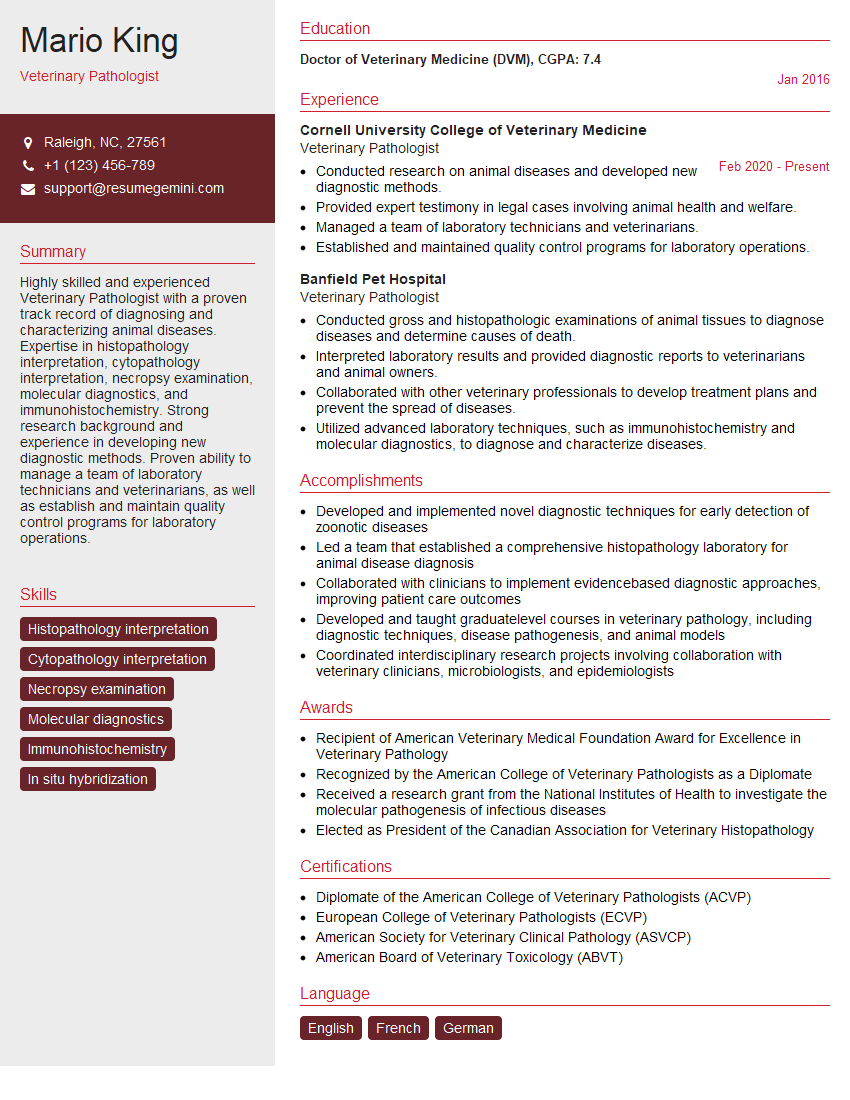
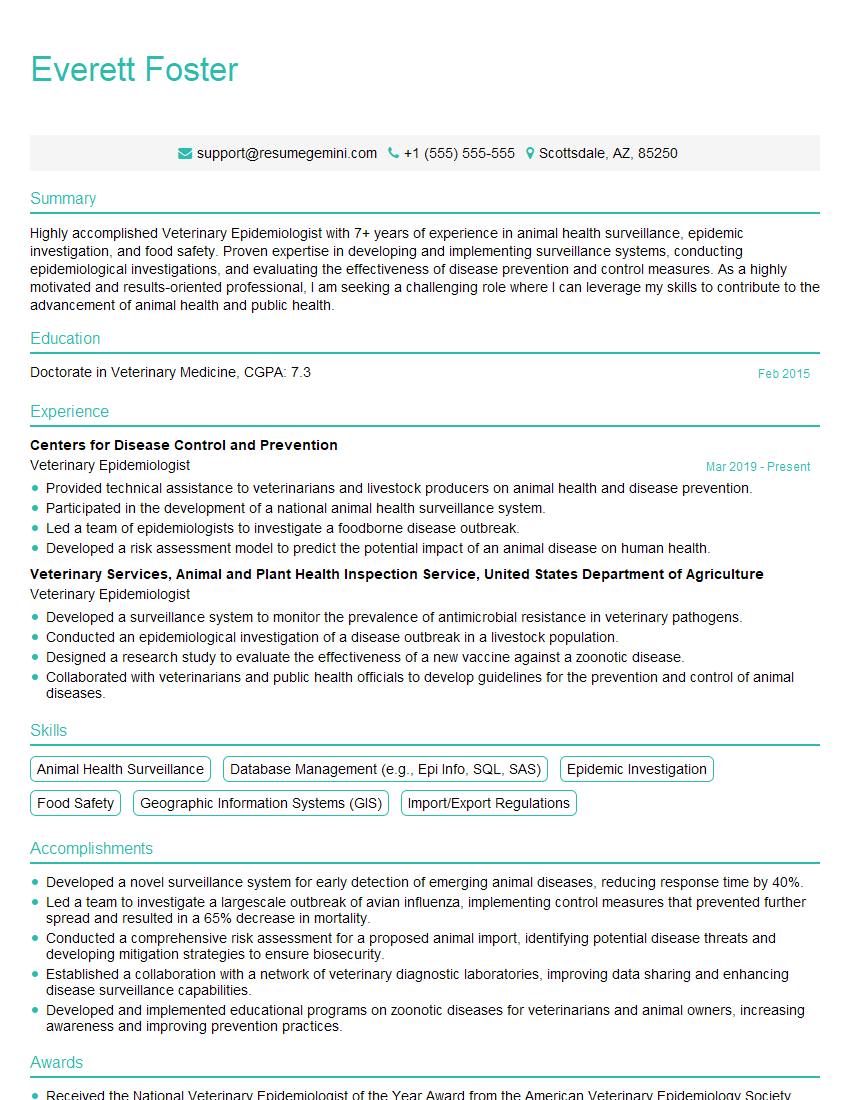
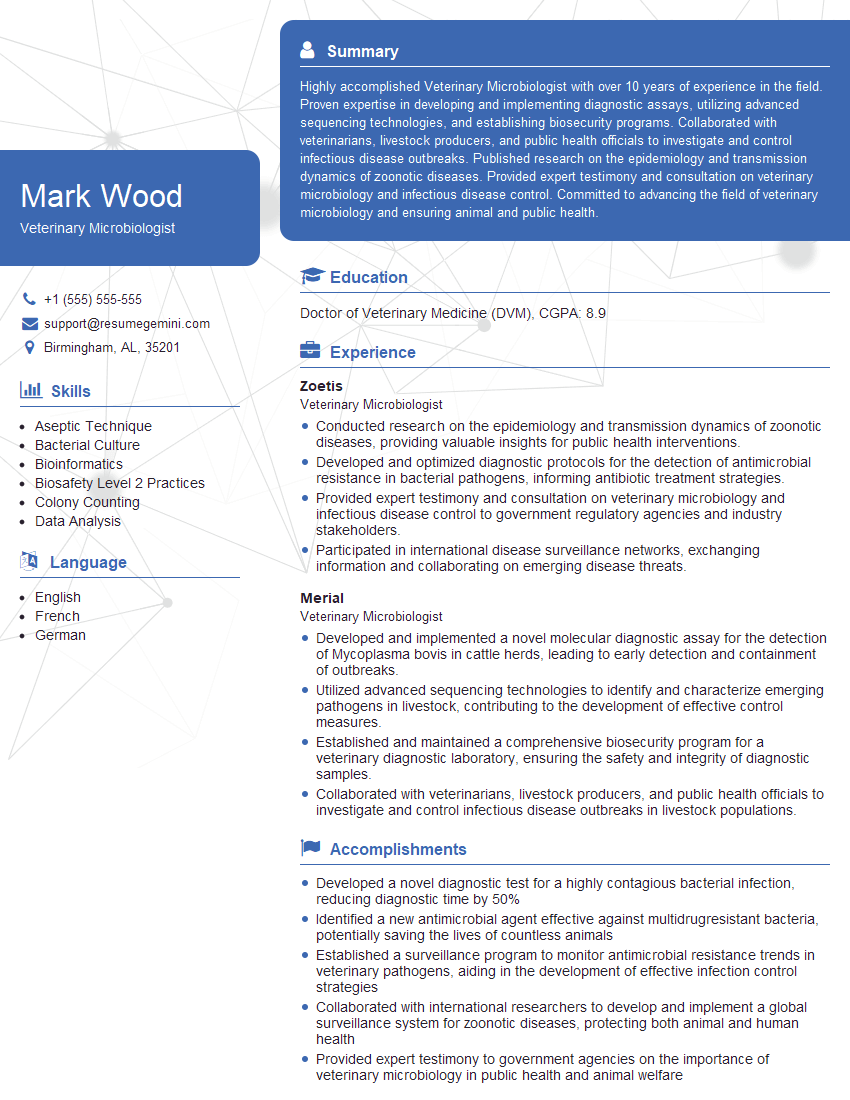
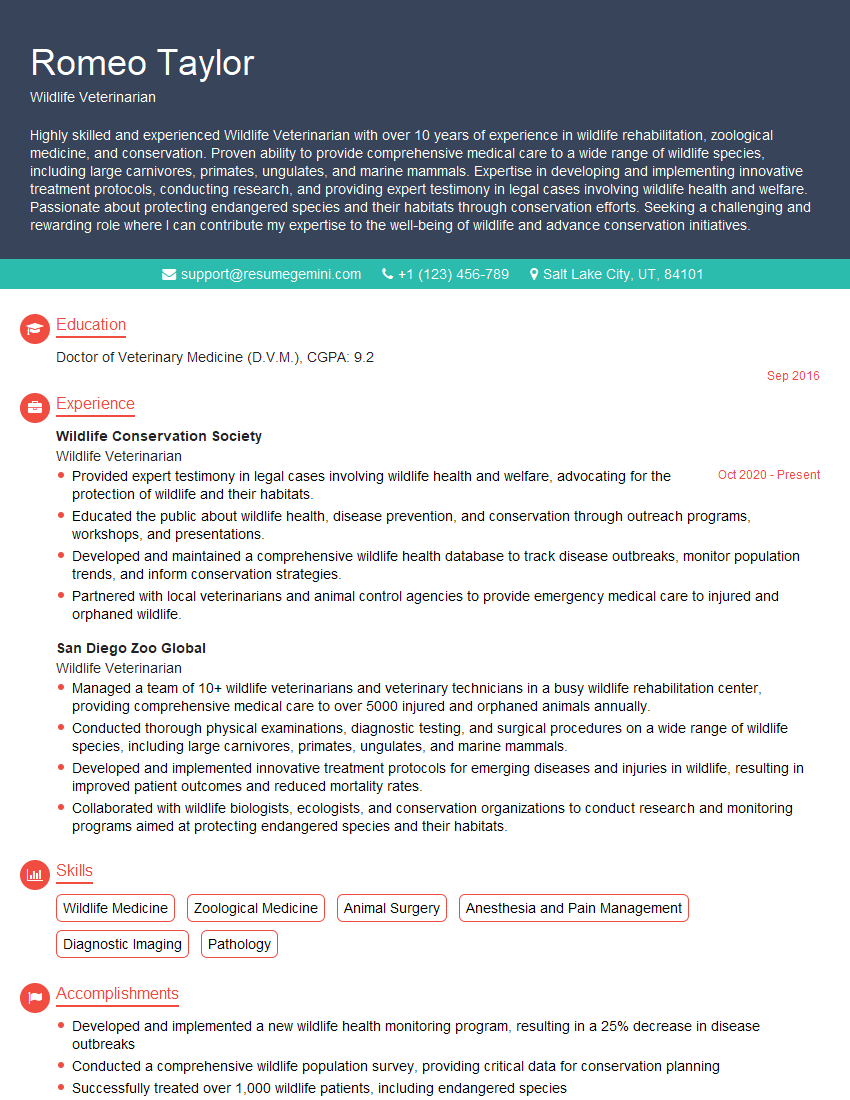
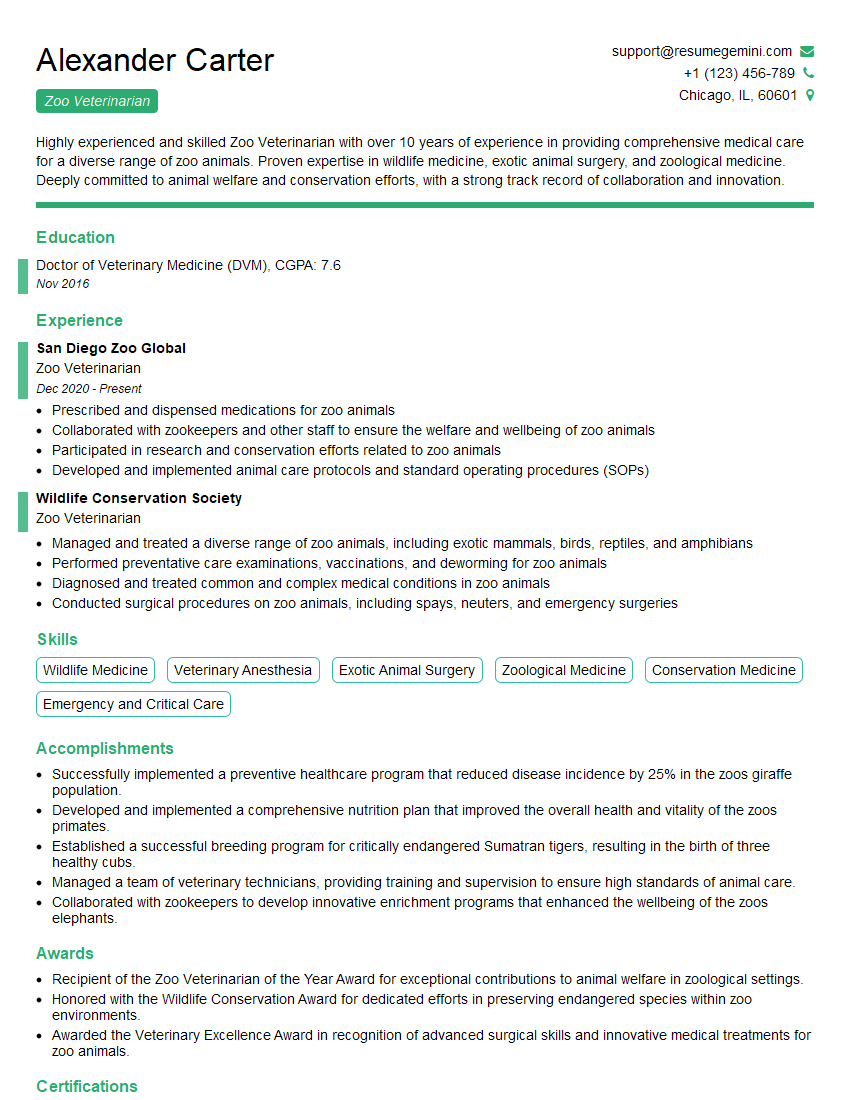
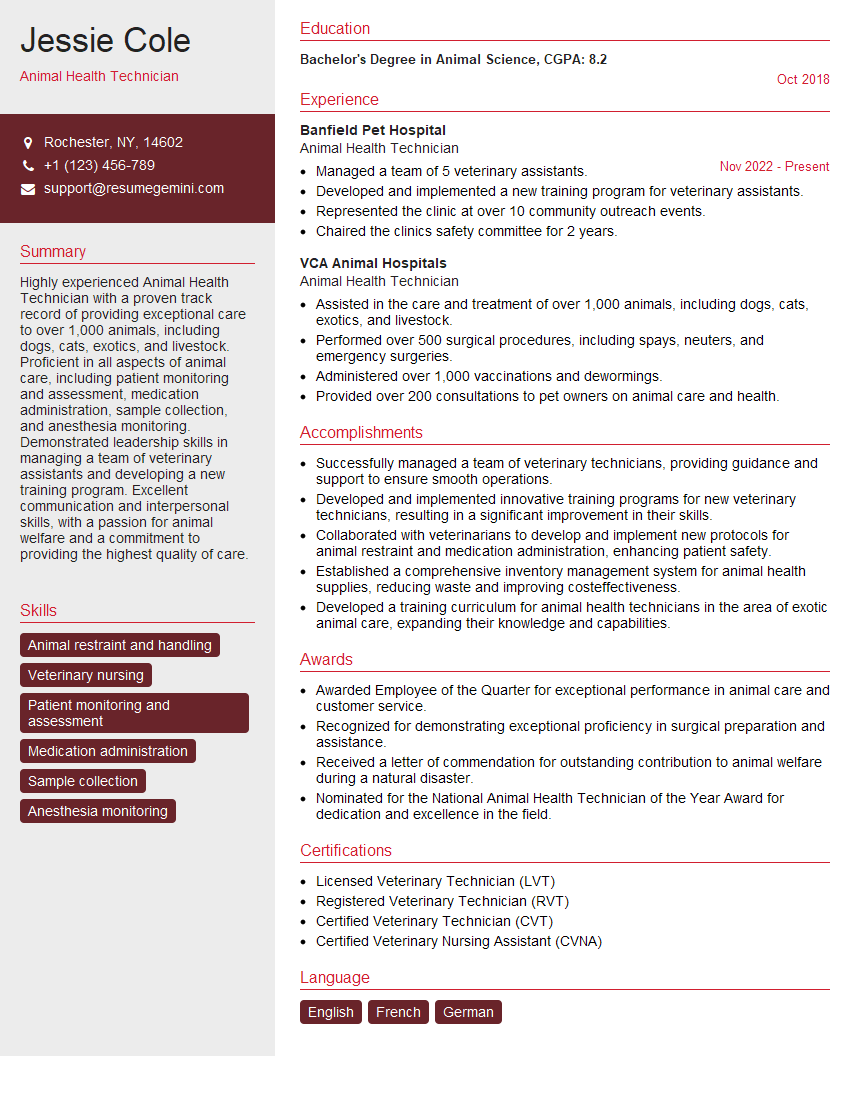
Mastering Animal Health Monitoring and Assessment is crucial for career advancement in the veterinary and animal health industries. It opens doors to diverse roles with increased responsibility and higher earning potential. To significantly improve your job prospects, create an ATS-friendly resume that highlights your skills and experience effectively. ResumeGemini is a trusted resource that can help you build a professional and impactful resume tailored to your specific experience. Examples of resumes tailored to Animal Health Monitoring and Assessment are available to guide you through the process.
Explore more articles
Users Rating of Our Blogs
Share Your Experience
We value your feedback! Please rate our content and share your thoughts (optional).
What Readers Say About Our Blog
Really detailed insights and content, thank you for writing this detailed article.
IT gave me an insight and words to use and be able to think of examples