Cracking a skill-specific interview, like one for Experience working with diverse student populations, requires understanding the nuances of the role. In this blog, we present the questions you’re most likely to encounter, along with insights into how to answer them effectively. Let’s ensure you’re ready to make a strong impression.
Questions Asked in Experience working with diverse student populations Interview
Q 1. Describe your experience working with students from diverse socioeconomic backgrounds.
My experience working with students from diverse socioeconomic backgrounds has been extensive. I’ve worked in schools and community centers serving populations with significant economic disparities. Understanding these differences is crucial because socioeconomic status profoundly impacts a student’s access to resources like technology, tutoring, healthy food, and stable housing. This, in turn, directly affects their academic performance and overall well-being.
For example, in my previous role at [School/Organization Name], I worked with students who lacked reliable internet access at home. To address this, I collaborated with the school administration to secure after-school access to computers and Wi-Fi, and I also organized tutoring sessions specifically designed to help students catch up on missed coursework. I also created opportunities for students to participate in enrichment programs which wouldn’t have been possible otherwise, fostering a sense of belonging and encouraging them to thrive beyond their current circumstances. Furthermore, I worked closely with families to identify and connect them with resources like food banks and housing assistance programs. This holistic approach recognized that academic success is closely linked to a student’s overall well-being.
Q 2. Explain your approach to addressing cultural differences in a classroom or student support setting.
Addressing cultural differences requires a multifaceted approach rooted in respect, understanding, and ongoing learning. My approach begins with active listening and a genuine effort to understand each student’s unique cultural background and perspective. This involves creating a safe space where students feel comfortable sharing their experiences and perspectives without judgment. I ensure my teaching materials and classroom activities are inclusive and represent diverse cultures and perspectives.
For instance, I incorporate culturally relevant examples and case studies into my lessons, and I encourage students to share their own cultural experiences and knowledge. I’m also mindful of potential cultural misunderstandings regarding communication styles or classroom etiquette. I actively seek feedback from students to identify areas where adjustments may be needed to make the learning environment more inclusive and culturally sensitive. I also utilize culturally responsive teaching strategies where I leverage students’ prior knowledge and cultural experiences to enhance their learning.
Q 3. How have you facilitated inclusive learning environments for students with varying learning styles and abilities?
Creating inclusive learning environments for students with varying learning styles and abilities is paramount. I believe in differentiating instruction to meet the individual needs of every student. This means employing a variety of teaching methods, such as visual aids, hands-on activities, group work, and individual projects, to cater to diverse learning preferences. I also incorporate technology effectively to cater to varying learning styles and paces.
For example, I might use interactive simulations for visual learners, provide hands-on experiments for kinesthetic learners, and offer audio recordings for auditory learners. I work closely with students who have learning disabilities or other special needs, collaborating with special education teachers and utilizing appropriate accommodations and modifications, such as assistive technologies or extended time on assessments. Regularly assessing student progress and adapting my teaching strategies accordingly is vital. I also ensure that the classroom is physically accessible to all students.
Q 4. Describe a time you had to navigate a conflict between students from different cultural backgrounds. What was your strategy?
In one instance, a conflict arose between two students from different cultural backgrounds regarding a group project. One student, from a collectivist culture, felt the other, from an individualistic culture, was not contributing fairly. My strategy involved facilitating a structured discussion where each student could express their perspective without interruption. I emphasized active listening and empathy, helping each student understand the other’s viewpoint and cultural context. I then worked with them to collaboratively redefine roles and responsibilities, ensuring a fair distribution of work that respected both their cultural values and individual strengths.
Crucially, I refrained from imposing a solution but instead guided them to reach a mutually agreeable outcome. This process not only resolved the immediate conflict but also provided a valuable learning experience for both students, promoting cultural understanding and conflict-resolution skills. Post-conflict, I also held follow-up discussions to reinforce the lessons learned and make sure that harmony was maintained.
Q 5. How do you identify and address potential biases in your interactions with students?
Identifying and addressing potential biases is an ongoing process of self-reflection and critical analysis. I regularly engage in self-assessment to identify any unconscious biases that might affect my interactions with students. I actively seek feedback from students and colleagues to gain different perspectives on my teaching practices and interactions. I attend professional development workshops and trainings focusing on diversity, equity, and inclusion.
For instance, I actively monitor my own language and actions to ensure I am treating all students fairly and respectfully, regardless of their background or identity. When I become aware of a potential bias in my actions, I strive to correct it immediately and reflect on what caused it to ensure it doesn’t happen again. I am also particularly careful to avoid making assumptions based on stereotypes or generalizations about any student or group of students.
Q 6. What strategies do you employ to support the academic success of underrepresented students?
Supporting the academic success of underrepresented students requires a multi-pronged approach. First, I create a supportive and inclusive classroom environment where all students feel valued and respected. I build strong relationships with students, creating a sense of trust and rapport that encourages them to seek help when needed. I provide individualized academic support, offering tutoring or mentoring to help students overcome academic challenges.
I also advocate for equitable access to resources and opportunities for underrepresented students, working with school administrators and counselors to address systemic barriers to their success. I actively seek out and use culturally responsive teaching materials that reflect the diversity of my students. I also collaborate with families and community organizations to provide additional support and resources to students and their families. Finally, I celebrate the achievements of underrepresented students, ensuring that their accomplishments are recognized and celebrated throughout the school community.
Q 7. How do you assess the effectiveness of your diversity and inclusion initiatives?
Assessing the effectiveness of diversity and inclusion initiatives is crucial for continuous improvement. I use a variety of methods to gauge their impact. I collect quantitative data, such as student grades, attendance rates, and participation in extracurricular activities, to track progress and identify areas for improvement. I also collect qualitative data through student surveys, focus groups, and individual interviews to gather feedback on their experiences in the classroom and their perceptions of inclusivity.
I regularly review my teaching materials and practices to ensure they are inclusive and relevant to the diverse needs and experiences of my students. I also collaborate with colleagues, administrators, and community members to share best practices and strategies for promoting diversity and inclusion. By combining quantitative and qualitative data, and continuous reflection and improvement, I ensure that my efforts to foster a diverse and inclusive learning environment are effective and impactful.
Q 8. Describe your experience implementing culturally responsive teaching strategies.
Culturally responsive teaching involves creating a classroom environment that values and respects the diverse cultural backgrounds of all students. It moves beyond simply acknowledging diversity to actively incorporating students’ cultural experiences and perspectives into the learning process. This includes adapting teaching methods, curriculum content, and assessment strategies to be relevant and engaging for all learners.
In my experience, I’ve implemented culturally responsive teaching by:
- Utilizing diverse learning materials: I actively seek out and incorporate reading materials, videos, and examples that represent a wide range of cultures and perspectives. This ensures that students see themselves reflected in the curriculum and feel a sense of belonging.
- Incorporating culturally relevant pedagogy: I use teaching strategies that align with the learning styles and cultural values of my students. For example, I might incorporate collaborative learning activities that reflect the importance of community in certain cultures, or storytelling techniques that are common in many oral traditions.
- Building relationships with families: I communicate regularly with families to understand their cultural backgrounds and perspectives, and to collaborate on ways to support their children’s learning. This might involve attending community events or inviting families to participate in classroom activities.
- Assessing student learning in culturally sensitive ways: I use a variety of assessment methods that allow students to demonstrate their understanding in ways that are meaningful to them. This might include oral presentations, projects, or portfolios, in addition to traditional tests.
For example, when teaching about historical events, I ensure that multiple perspectives are presented, challenging any single, dominant narrative and acknowledging the experiences of marginalized groups.
Q 9. How do you create a welcoming and inclusive environment for students from diverse racial and ethnic backgrounds?
Creating a welcoming and inclusive environment for students from diverse racial and ethnic backgrounds requires a multifaceted approach that fosters a sense of belonging and respect. It’s about creating a classroom where every student feels valued, safe, and empowered to learn.
My strategies include:
- Establishing clear expectations for respectful behavior: This involves explicitly discussing issues of diversity, equity, and inclusion and setting clear expectations for how students interact with one another. This includes zero tolerance for any form of prejudice or discrimination.
- Creating a physically inclusive space: This might involve displaying artwork and materials that represent a range of cultures, using inclusive language in all communications, and ensuring that classroom materials are accessible to students with disabilities.
- Developing positive relationships with students: I take the time to get to know each student individually, learn about their interests and backgrounds, and show genuine care for their well-being. This builds trust and creates a safe space for open communication.
- Using culturally relevant teaching practices: This involves incorporating diverse perspectives and experiences into the curriculum and adjusting teaching methods to meet the needs of all learners. This allows students to see themselves and their cultures reflected in the learning process.
- Celebrating diversity through classroom activities: Integrating cultural celebrations, sharing personal stories, and exploring different cultural traditions can help foster a sense of community and mutual respect.
For instance, I might dedicate a class period to exploring the cultural traditions surrounding holidays observed by different groups in the classroom, allowing students to share their own experiences and learn from each other.
Q 10. Explain your understanding of microaggressions and how you address them.
Microaggressions are subtle, often unintentional, expressions of prejudice or bias. They can be verbal, nonverbal, or environmental, and they can have a cumulative negative impact on the targeted individual. Understanding and addressing microaggressions is crucial for creating an inclusive learning environment.
My approach involves:
- Educating myself and students on microaggressions: I actively seek out resources and engage in professional development to enhance my understanding of microaggressions and their impact. I also incorporate discussions about microaggressions into the classroom curriculum, fostering open dialogue about bias and prejudice.
- Creating a safe space for reporting microaggressions: I clearly communicate to students that they can report any instances of microaggressions to me without fear of retribution. I ensure that such reports are taken seriously and addressed promptly.
- Addressing microaggressions directly and constructively: When I witness a microaggression, I intervene appropriately, providing educational feedback to the perpetrator in a private and constructive manner. I focus on helping them understand the impact of their actions and how to avoid making similar mistakes in the future. The goal is education, not punishment.
- Promoting empathy and understanding: I encourage students to develop empathy and understanding for individuals from different backgrounds, fostering a culture of respect and inclusion.
For example, if a student makes a comment that inadvertently perpetuates a stereotype, I might address it by saying something like, ‘That’s an interesting perspective, but it’s important to remember that not all members of that group share those characteristics. Can you rephrase your comment to avoid perpetuating a stereotype?’
Q 11. How do you build relationships with students from diverse backgrounds?
Building positive relationships with students from diverse backgrounds requires genuine effort, empathy, and cultural sensitivity. It’s about creating a connection based on mutual respect and understanding.
I build these relationships by:
- Showing genuine interest in their lives: I take the time to learn about students’ interests, hobbies, and cultural backgrounds. This involves actively listening to their stories and showing genuine curiosity about their experiences.
- Communicating effectively and respectfully: I use clear and concise language, avoiding jargon or slang that might be confusing or alienating. I ensure that my communication style is respectful of their individual cultures and backgrounds.
- Creating opportunities for interaction: I create opportunities for students to interact with each other and with me in a variety of settings, both inside and outside the classroom. This might involve group projects, classroom discussions, or informal conversations.
- Providing individualized support: I provide individualized support to students who are struggling academically or emotionally. This might involve adjusting my teaching methods, offering extra help, or referring them to appropriate resources.
- Celebrating their achievements: I actively celebrate students’ achievements, both academic and personal. This helps build their confidence and self-esteem, and it reinforces the message that their contributions are valued.
For example, I might make a point of learning a few basic phrases in the languages spoken by my students, or I might invite them to share aspects of their culture with the class.
Q 12. Share an example of a time you adapted your approach to better meet the needs of a diverse student population.
In a previous role, I taught a diverse group of students with varying levels of English proficiency. I initially used a predominantly lecture-based approach, which proved ineffective for many students who struggled to understand the complex concepts I was presenting. This led to frustration and disengagement among some students.
To adapt my approach, I implemented the following strategies:
- Incorporating visual aids: I started using more visual aids, such as diagrams, charts, and real-world examples, to help students grasp the concepts more easily.
- Utilizing small group activities: I incorporated small group activities that allowed students to collaborate and support one another. This provided opportunities for peer learning and interaction, helping those with limited English proficiency to feel more confident.
- Differentiated instruction: I provided differentiated instruction to meet the diverse needs of my students. This included offering different levels of support, using a variety of assessment methods, and adjusting assignments based on individual learning styles and needs.
- Seeking feedback: I regularly sought feedback from my students to assess the effectiveness of my teaching methods and make adjustments as needed.
By adopting these strategies, I was able to create a more inclusive and effective learning environment for all students, significantly improving their engagement and academic performance. Student participation increased markedly, and overall grades improved substantially.
Q 13. Describe your experience working with students with disabilities.
My experience working with students with disabilities has reinforced the importance of individualized instruction and the creation of accessible learning environments. I understand the necessity of working collaboratively with support staff and utilizing appropriate accommodations and modifications to ensure that all students can fully participate in and succeed in the learning process.
This involves:
- Familiarizing myself with individual student’s IEPs/504 plans: I carefully review each student’s Individualized Education Program (IEP) or 504 plan to understand their specific learning needs and accommodations.
- Collaborating with support staff: I work closely with special education teachers, therapists, and other support staff to coordinate services and ensure that students receive the support they need. Regular communication is vital.
- Utilizing assistive technologies: I am proficient in utilizing various assistive technologies, such as text-to-speech software, screen readers, and alternative input devices, to make learning materials accessible.
- Modifying instruction as needed: I adapt my teaching methods, assignments, and assessments to meet the individual needs of students with disabilities. This might include providing extended time for assignments, breaking down tasks into smaller steps, or modifying assessment formats.
- Creating a supportive and inclusive classroom environment: I foster a supportive and inclusive classroom environment where all students feel valued, respected, and empowered to learn. This includes modeling positive interactions with all students and encouraging peer support.
For example, I’ve worked with students with dyslexia by providing them with audiobooks, graphic organizers, and extra time on tests. For students with ADHD, I’ve implemented strategies like frequent breaks, clear expectations, and visual timers to help them stay focused and engaged.
Q 14. How do you incorporate diverse perspectives into your curriculum or program design?
Incorporating diverse perspectives into curriculum and program design is critical for creating an engaging and relevant learning experience for all students. It’s about ensuring that the curriculum reflects the richness and complexity of the world and that all students see themselves and their cultures represented.
My approach involves:
- Using diverse sources and materials: I select textbooks, articles, videos, and other learning materials that reflect a broad range of cultural perspectives and experiences. I move beyond a Eurocentric view of history and literature, for example, to incorporate narratives and perspectives from around the world.
- Incorporating diverse teaching methods: I use a variety of teaching methods that cater to different learning styles and cultural preferences. This might include storytelling, collaborative learning, project-based learning, and inquiry-based learning.
- Creating opportunities for student voice and agency: I create opportunities for students to share their own perspectives and experiences, and to contribute to the curriculum. This might involve student-led discussions, presentations, or projects.
- Engaging in culturally responsive assessment: I design assessments that allow students to demonstrate their understanding in a variety of ways, taking into account cultural differences in learning styles and communication preferences. This might involve providing options for oral presentations, written assignments, or visual representations.
- Collaborating with community members: I work with community members from diverse backgrounds to enrich the curriculum and provide authentic learning experiences for students. This could include inviting guest speakers or taking students on field trips to culturally relevant sites.
For instance, when teaching about social justice, I incorporate readings and discussions from diverse activists and scholars, ensuring that a wide range of viewpoints are represented. I also create opportunities for students to research and present on issues that are relevant to their own communities.
Q 15. What resources do you utilize to support students from diverse backgrounds?
Supporting students from diverse backgrounds requires a multifaceted approach leveraging various resources. I utilize a combination of institutional resources, community partnerships, and personalized strategies.
- Institutional Resources: I actively engage with campus offices like the Multicultural Center, Disability Services, and International Student Services. These offices provide crucial resources such as academic advising, mental health services, and cultural events.
- Community Partnerships: Building relationships with local organizations that serve diverse communities is essential. This allows me to connect students with mentors, internships, and community support networks tailored to their specific needs.
- Personalized Strategies: Understanding individual student needs is paramount. I conduct thorough intake interviews to identify challenges, preferences, and learning styles. This personalized approach helps in tailoring support plans effectively. For instance, a student from a low-income background might benefit from scholarship guidance, while a first-generation college student might need additional academic advising or mentoring.
Furthermore, I stay updated on best practices in culturally responsive teaching and student support through professional development workshops and relevant literature.
Career Expert Tips:
- Ace those interviews! Prepare effectively by reviewing the Top 50 Most Common Interview Questions on ResumeGemini.
- Navigate your job search with confidence! Explore a wide range of Career Tips on ResumeGemini. Learn about common challenges and recommendations to overcome them.
- Craft the perfect resume! Master the Art of Resume Writing with ResumeGemini’s guide. Showcase your unique qualifications and achievements effectively.
- Don’t miss out on holiday savings! Build your dream resume with ResumeGemini’s ATS optimized templates.
Q 16. How do you promote inclusivity in extracurricular activities or student organizations?
Promoting inclusivity in extracurricular activities and student organizations requires a proactive and deliberate approach. It’s not enough to simply have diverse representation; we need to foster an environment where everyone feels welcome, respected, and valued.
- Inclusive Leadership: Encouraging diverse leadership within these organizations is key. This ensures that the perspectives and needs of all members are considered in decision-making processes.
- Culturally Relevant Programming: Offering events and activities that celebrate the diverse backgrounds and cultures of the student body is crucial. This could include cultural festivals, awareness campaigns, or workshops on topics relevant to specific student communities.
- Accessibility and Inclusivity: Ensuring that activities are accessible to students with disabilities and accommodate various learning styles and needs is crucial. This might involve providing alternative formats for materials, offering accommodations for physical limitations, or creating a welcoming space for students from all backgrounds.
- Bystander Intervention Training: Educating students on recognizing and responding to instances of bias and discrimination within extracurricular activities can create a safer and more welcoming environment for all.
I believe in empowering students to create inclusive spaces themselves by offering training on effective allyship and anti-bias practices.
Q 17. Describe a time you had to advocate for a student from an underrepresented group.
In my previous role, I advocated for a first-generation, low-income Latina student who was facing significant financial and academic challenges. She was struggling to balance her part-time job with her demanding coursework, and was on the verge of dropping out.
I began by actively listening to her concerns and validating her experiences. I then worked with her to develop a comprehensive support plan. This involved connecting her with campus resources like the financial aid office and academic advising, as well as exploring potential scholarship opportunities. I also helped her advocate for herself with professors by helping her understand her rights and strategies for effective communication. Ultimately, I successfully assisted her in securing additional financial support and academic adjustments, allowing her to continue her studies and graduate. This experience reinforced the importance of building trusting relationships with students and understanding the systemic barriers they may face.
Q 18. What is your understanding of intersectionality and its relevance to student support?
Intersectionality is the understanding that various social and political identities—such as race, class, gender, sexual orientation, and disability—combine to create unique experiences of discrimination and privilege. It recognizes that a person’s identity is not a single, isolated element but a complex interplay of factors that shape their life experiences.
In student support, understanding intersectionality is crucial because it helps us recognize that students may face overlapping disadvantages or advantages based on their multiple identities. For example, a Black female student may experience different forms of discrimination than a white female student or a Black male student. Ignoring these intersecting identities can lead to ineffective and inequitable support strategies. By acknowledging the complexity of student experiences, we can create more holistic and responsive support systems that address the unique needs of each individual.
Q 19. How do you ensure equitable access to resources and opportunities for all students?
Ensuring equitable access to resources and opportunities involves a proactive, multi-pronged approach that addresses both systemic barriers and individual needs. It’s about creating a level playing field, not just treating everyone the same.
- Universal Design for Learning (UDL): Applying UDL principles to curriculum and resources ensures that materials and instruction are accessible to students with diverse learning styles and abilities.
- Targeted Support Programs: Developing targeted programs to address the specific needs of underrepresented student groups, such as mentoring programs for first-generation students or supplemental instruction for students from historically underserved communities.
- Bias Audits: Conducting regular audits of policies, practices, and resources to identify and address potential biases that may limit equitable access. This can involve reviewing admissions criteria, scholarship applications, or extracurricular activity selection processes.
- Data-Driven Decision Making: Using data to track student outcomes and identify areas where disparities exist. This allows us to measure the effectiveness of our efforts and to make data-informed adjustments to our support strategies.
It’s important to remember that equitable access is an ongoing process that requires consistent reflection, evaluation, and adaptation.
Q 20. Describe your experience working with international students.
My experience working with international students has been incredibly rewarding. I understand the unique challenges they face, from navigating cultural differences and language barriers to adapting to a new academic system and social environment.
I have supported international students in many ways, including: providing academic advising, helping them access health and immigration services, connecting them with peer mentors and cultural events, and addressing visa and immigration concerns. I also actively participate in orientation programs for new international students to make them feel welcome and help them integrate into the campus community. A key component of my approach is to create a safe space for them to share their experiences and challenges without judgment. Empathy and cultural sensitivity are essential in this work.
Q 21. How do you address issues of implicit bias in student affairs?
Addressing implicit bias in student affairs requires a commitment to self-reflection, ongoing education, and systemic change. Implicit bias refers to unconscious attitudes or stereotypes that affect our understanding, actions, and decisions.
- Implicit Bias Training: Participating in and offering implicit bias training programs helps staff and faculty become aware of their own biases and learn strategies to mitigate their impact on decision-making and student interactions.
- Data Analysis: Regularly analyzing student data to identify potential disparities in outcomes and access to resources. This helps to pinpoint areas where implicit bias may be influencing decision-making processes.
- Diverse Hiring Practices: Implementing diverse hiring practices to ensure that the student affairs team reflects the diversity of the student body. A more diverse team brings a wider range of perspectives and reduces the potential for biased decision-making.
- Culturally Responsive Policies: Reviewing and revising policies and procedures to ensure they are fair and equitable for all students, regardless of background. This could involve changes to disciplinary processes, academic support structures, or student conduct codes.
Addressing implicit bias is an ongoing process that requires constant vigilance and a commitment to creating a more just and equitable campus environment for all students.
Q 22. How do you promote cross-cultural understanding among students?
Promoting cross-cultural understanding requires a multifaceted approach that goes beyond simple tolerance and actively cultivates appreciation for diverse perspectives. It’s about creating an inclusive environment where students feel safe to share their experiences and learn from each other.
Structured Activities: I incorporate activities like collaborative projects, intercultural dialogues, and guest speakers from diverse backgrounds to facilitate interaction and understanding. For instance, I’ve organized a ‘Global Potluck’ where students brought dishes representing their cultures, sharing stories and recipes alongside their food.
Curriculum Integration: I integrate diverse perspectives into the curriculum itself, ensuring that materials and examples represent a wide range of cultures and viewpoints. This avoids the ‘default to dominant culture’ trap and ensures all students see themselves reflected in the learning materials.
Open Dialogue and Safe Spaces: Creating a classroom environment where students feel comfortable sharing their experiences, even challenging ones, is crucial. This requires establishing clear guidelines for respectful communication and providing opportunities for open discussion. I actively model respectful dialogue and mediate conversations to ensure all voices are heard.
Q 23. What strategies do you use to assess student needs and tailor your approach accordingly?
Assessing student needs is an ongoing process that involves using a variety of methods to understand their individual learning styles, cultural backgrounds, and challenges. It’s not a one-size-fits-all approach; rather, it’s a dynamic process of observation and adaptation.
Formative Assessments: I use regular quizzes, short assignments, and in-class activities to monitor student understanding and identify areas where individuals might be struggling. This allows for timely intervention and adjustments to teaching methods.
Surveys and Feedback: Anonymous surveys and feedback sessions provide valuable insights into students’ learning preferences, their comfort levels, and any concerns they might have. I analyze this feedback to tailor my teaching approach and resources.
Individual Check-ins: I schedule regular one-on-one meetings with students to discuss their progress, address concerns, and provide personalized support. This allows me to understand their unique circumstances and adapt my teaching style accordingly. For example, I might adjust assignment deadlines for students facing exceptional circumstances.
Observation: I actively observe students during class, paying attention to their participation, body language, and any other cues that might indicate difficulties or needs. This helps me to identify students who might be hesitant to speak up or who require additional support.
Q 24. How do you measure the impact of your work on student diversity and inclusion?
Measuring the impact of my work on student diversity and inclusion is essential to ensure that my efforts are effective and to identify areas for improvement. I use a combination of quantitative and qualitative methods.
Quantitative Data: I track metrics like student participation rates in class discussions, grades on assignments that assess intercultural understanding, and survey results measuring student satisfaction and sense of belonging. Significant improvements in these areas indicate positive impact.
Qualitative Data: I gather qualitative data through focus groups, individual interviews, and reflective writing assignments. These provide richer insights into students’ experiences and perspectives, allowing me to understand the nuances of their interactions and the impact of the inclusive environment I’ve fostered.
Student Feedback: Regular feedback mechanisms, such as end-of-semester evaluations, are crucial for understanding how students perceive the effectiveness of my initiatives and identify areas for future improvement. For example, a significant increase in positive comments regarding inclusivity in end-of-semester evaluations shows progress.
Q 25. Explain your experience using data to inform decision-making related to diverse student populations.
Data-driven decision-making is crucial for ensuring equity and effectiveness in supporting diverse student populations. I utilize various data points to guide my strategies and interventions.
Demographic Data: Understanding the demographic composition of the student body—including ethnicity, gender, socioeconomic background, and first language—helps me to identify potential disparities and tailor my approaches to meet the specific needs of different subgroups.
Academic Performance Data: Analyzing grade distributions and patterns of academic success and challenges across different student groups allows me to identify areas where certain groups might be facing disproportionate difficulties. This informs targeted interventions like supplemental tutoring or specialized academic support.
Attendance and Engagement Data: Monitoring attendance and engagement levels helps to identify students who may be disengaging or facing barriers to participation. This can indicate the need for adjustments to teaching methods or additional support services.
Example: In one instance, analysis of attendance data revealed that a significant number of first-generation college students were missing classes due to work commitments. This led to the development of a flexible assignment schedule and the establishment of partnerships with local organizations providing childcare support.
Q 26. Describe your experience with conflict resolution in diverse settings.
Conflict resolution in diverse settings requires sensitivity, cultural awareness, and a structured approach. It’s about understanding that conflicts can stem from cultural differences in communication styles, values, and perceptions.
Active Listening: I prioritize active listening to understand each party’s perspective, validating their feelings without necessarily agreeing with their viewpoints. This is crucial for building trust and fostering a sense of being heard.
Mediation, Not Judgment: I act as a neutral mediator, guiding the parties towards finding a mutually acceptable solution rather than imposing my own judgment. This approach respects the autonomy of individuals while fostering collaboration.
Cultural Sensitivity: I’m mindful of cultural differences in communication styles and conflict resolution strategies. For example, some cultures value direct confrontation, while others prioritize indirect approaches. My approach adapts to the specific cultural context.
Focus on Shared Goals: I help parties refocus on shared goals and objectives, reminding them of their common interests and the importance of maintaining positive relationships. This often helps de-escalate conflict and facilitate constructive dialogue.
Q 27. How do you ensure that your communication strategies are culturally sensitive?
Culturally sensitive communication involves being mindful of language, tone, and nonverbal cues, and adapting your approach to resonate with diverse audiences. It’s about avoiding language that could be misinterpreted or offensive and being aware of potential cultural biases in communication styles.
Inclusive Language: I use inclusive language that avoids gendered or culturally biased terms and is accessible to all learners. I also strive to use language that is appropriate for the level of understanding of the audience.
Nonverbal Communication: I pay attention to my own nonverbal cues, such as body language and tone of voice, ensuring that they convey respect and openness. I also observe and interpret the nonverbal cues of others, adapting my communication style accordingly.
Multiple Communication Channels: I utilize multiple communication channels, such as email, announcements, and face-to-face meetings, to reach students with diverse communication preferences. This helps ensure information is conveyed clearly and effectively to all.
Translation and Interpretation: When working with students who have limited English proficiency, I ensure access to translation and interpretation services to ensure that all students can fully participate and understand.
Q 28. How do you stay informed about best practices in diversity and inclusion?
Staying informed about best practices in diversity and inclusion is an ongoing process that requires continuous learning and engagement. I do this through a variety of methods:
Professional Development: I actively participate in workshops, conferences, and training sessions related to diversity and inclusion. This keeps me abreast of current research, best practices, and innovative approaches in the field.
Scholarly Articles and Publications: I regularly read scholarly articles and publications on diversity and inclusion to stay updated on the latest research and theoretical frameworks.
Professional Networks: I actively engage with professional networks and organizations focused on diversity and inclusion, participating in discussions, sharing best practices, and learning from others in the field.
Mentorship and Collaboration: I seek mentorship from experienced professionals in the field and collaborate with colleagues to share knowledge and learn from each other’s experiences.
Key Topics to Learn for Experience working with Diverse Student Populations Interview
- Understanding Diverse Learning Styles: Explore various learning preferences (visual, auditory, kinesthetic) and their implications for teaching and support strategies. Consider how cultural backgrounds influence learning styles.
- Culturally Responsive Teaching Practices: Discuss practical applications of inclusive pedagogy, such as adapting curriculum to reflect diverse perspectives and incorporating culturally relevant materials. Provide examples of how you’ve successfully implemented such practices.
- Addressing Equity and Inclusion: Analyze the challenges of bias in education and describe strategies for fostering an equitable learning environment. Discuss specific instances where you advocated for students from marginalized communities.
- Effective Communication with Diverse Families: Explain how you build trust and rapport with parents/guardians from diverse backgrounds, overcoming language barriers and cultural differences. Share examples of successful communication strategies.
- Conflict Resolution and Mediation: Detail your approach to resolving conflicts among students from diverse backgrounds, emphasizing sensitivity and cultural awareness. Describe your experience mediating disagreements and fostering understanding.
- Utilizing Resources and Support Systems: Discuss your familiarity with available resources and support systems for diverse learners, such as special education services, language support programs, and counseling services. Explain how you effectively leverage these resources.
- Advocating for Student Needs: Explain your experience advocating for students from diverse backgrounds, ensuring their voices are heard and their needs are met. Describe specific situations where you played a crucial role in achieving positive outcomes for students.
Next Steps
Mastering the art of working with diverse student populations is crucial for career advancement in education and related fields. It demonstrates your commitment to inclusivity, empathy, and effective teaching practices, making you a highly sought-after candidate. Building an ATS-friendly resume is essential to maximize your job prospects. We strongly recommend using ResumeGemini to craft a compelling and effective resume that highlights your experience and skills. ResumeGemini provides tools and resources to help you build a professional resume, and examples of resumes tailored to showcasing experience with diverse student populations are available to guide you.
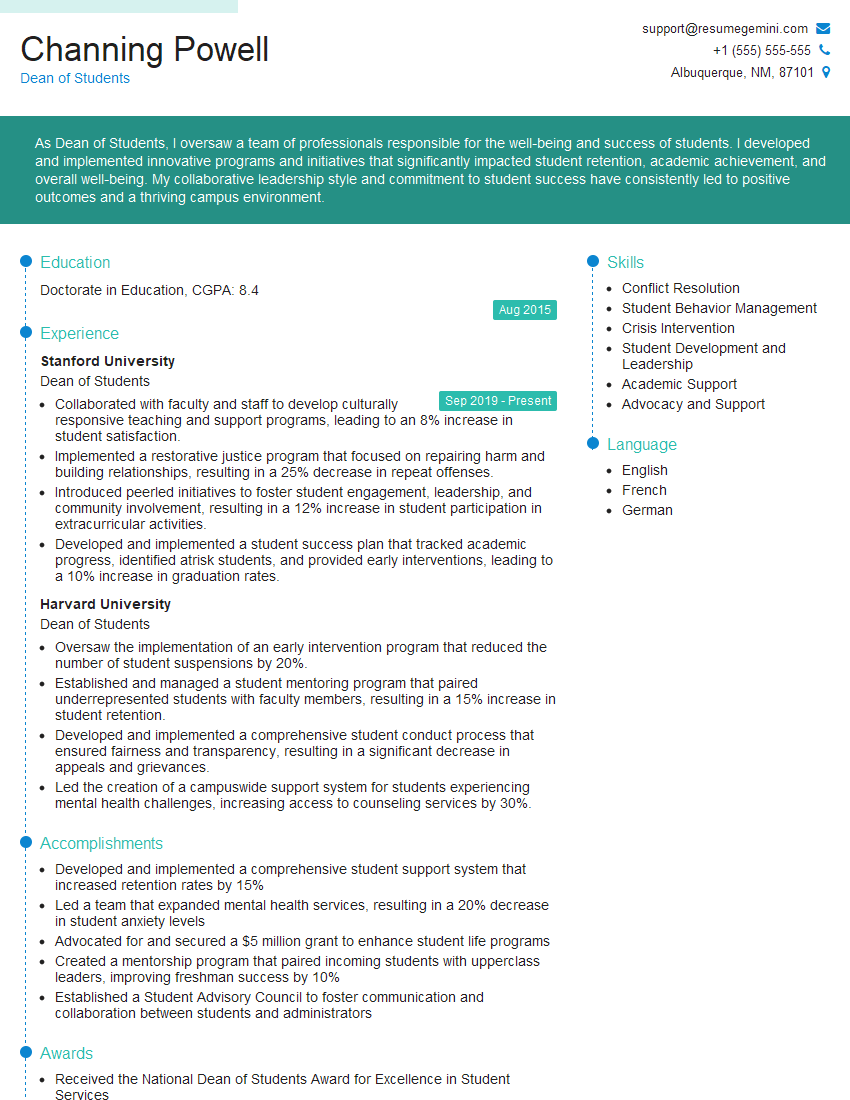
Dean of Students Resume Sample
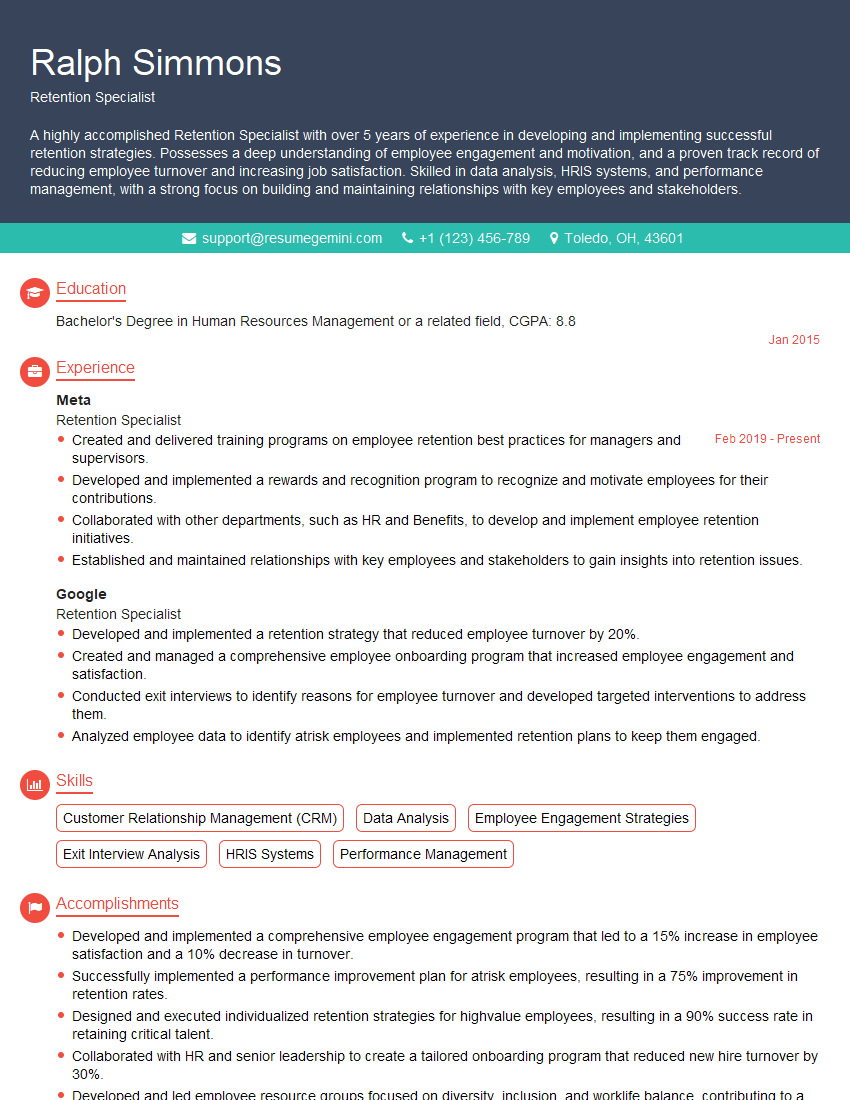
Retention Specialist Resume Sample
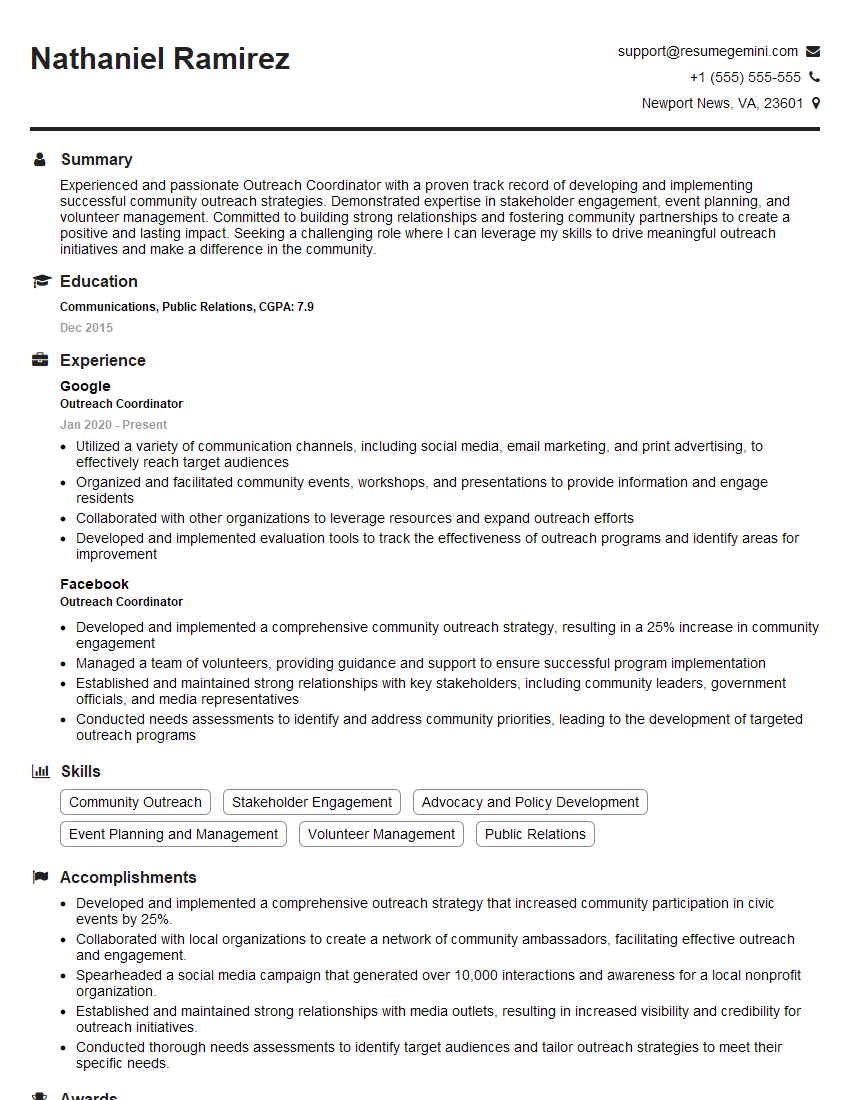
Outreach Coordinator Resume Sample
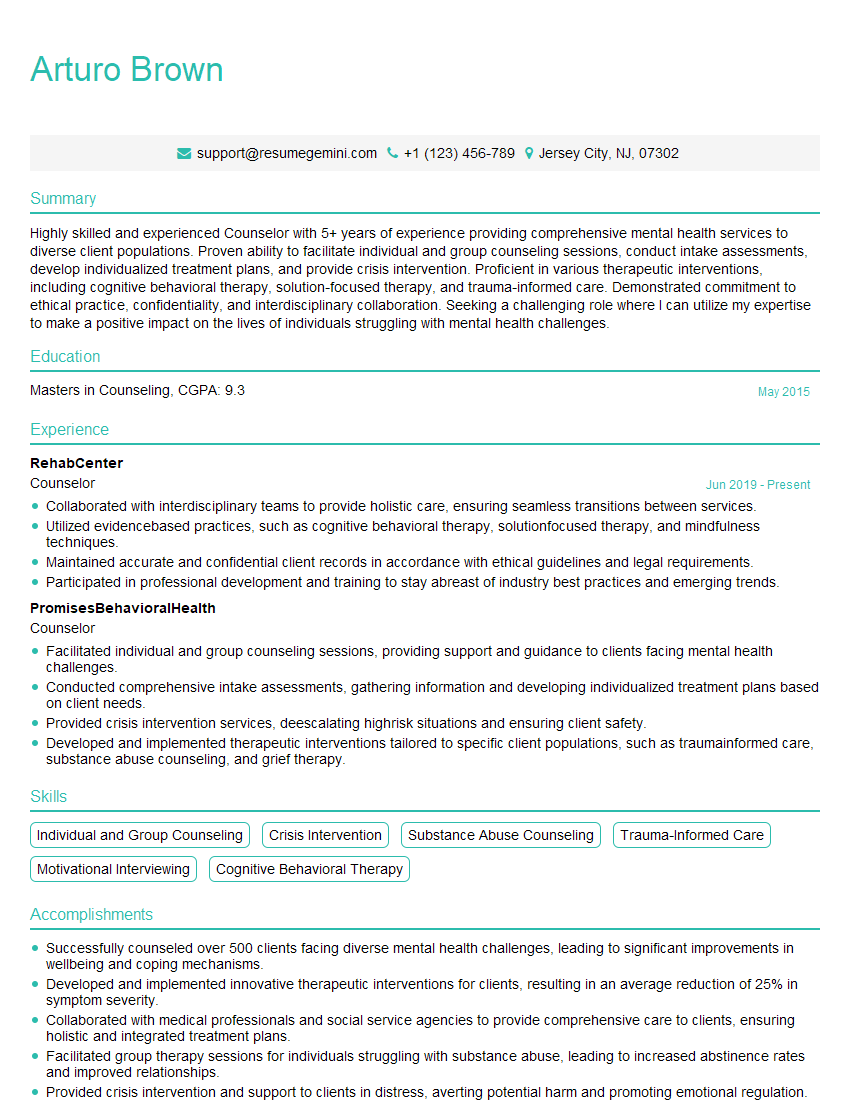
Counselor Resume Sample
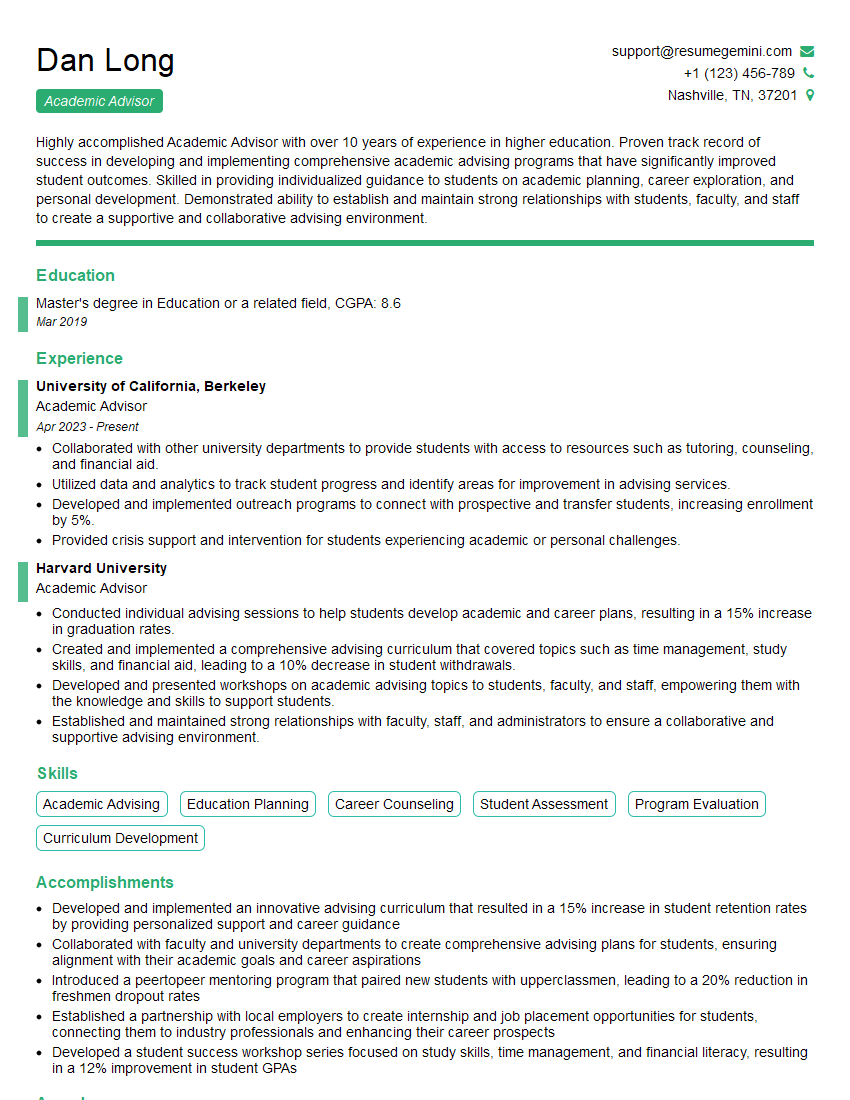
Academic Advisor Resume Sample
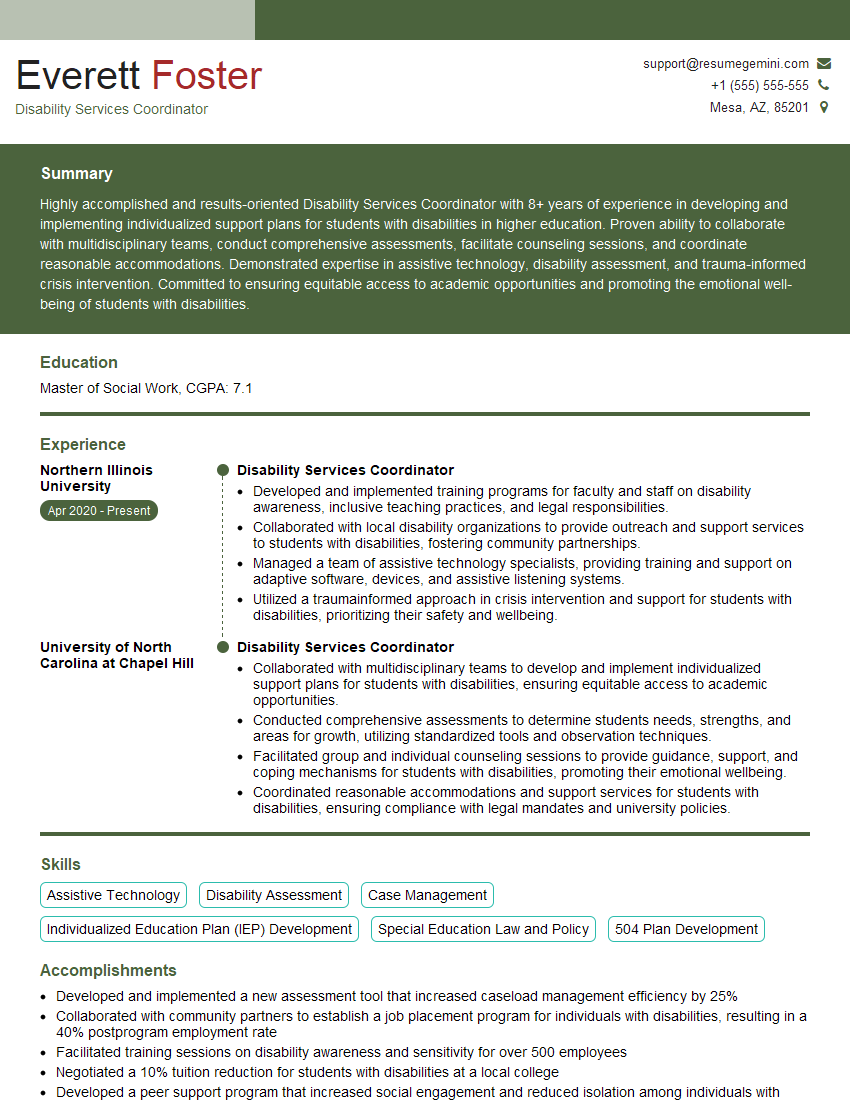
Disability Services Coordinator Resume Sample
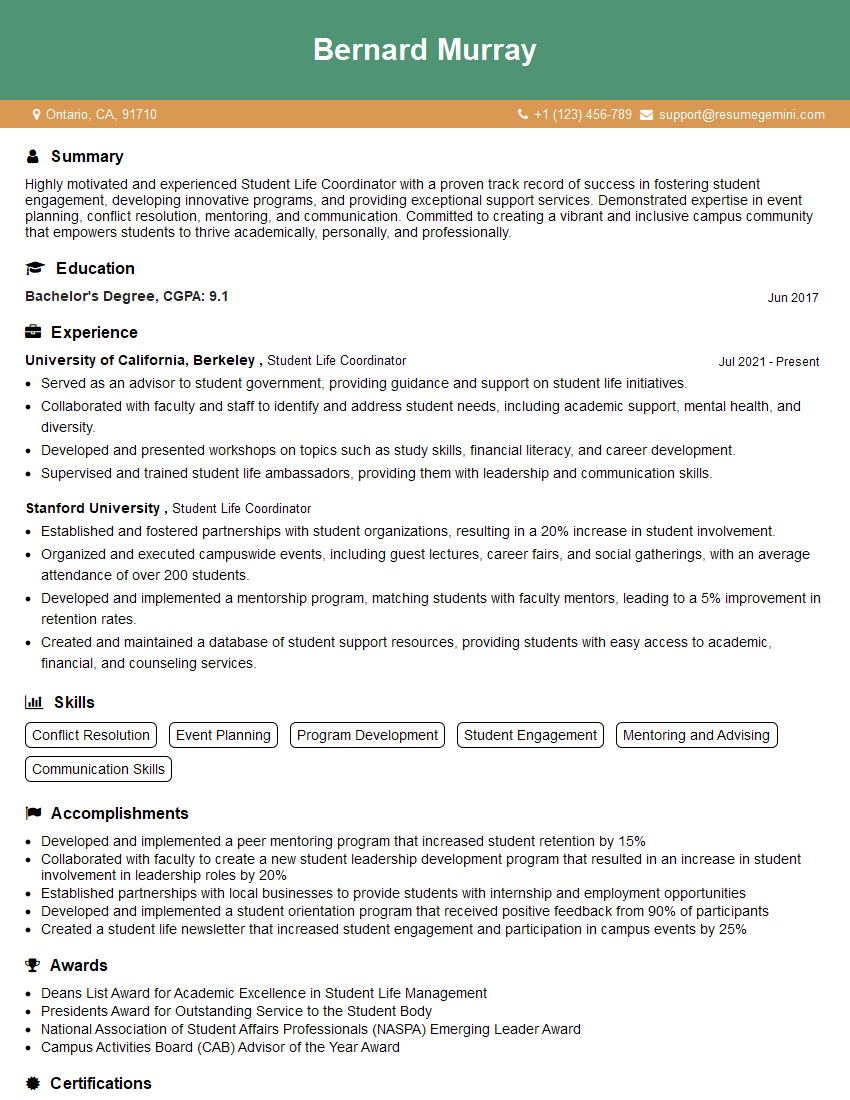
Student Life Coordinator Resume Sample

Resident Assistant Resume Sample
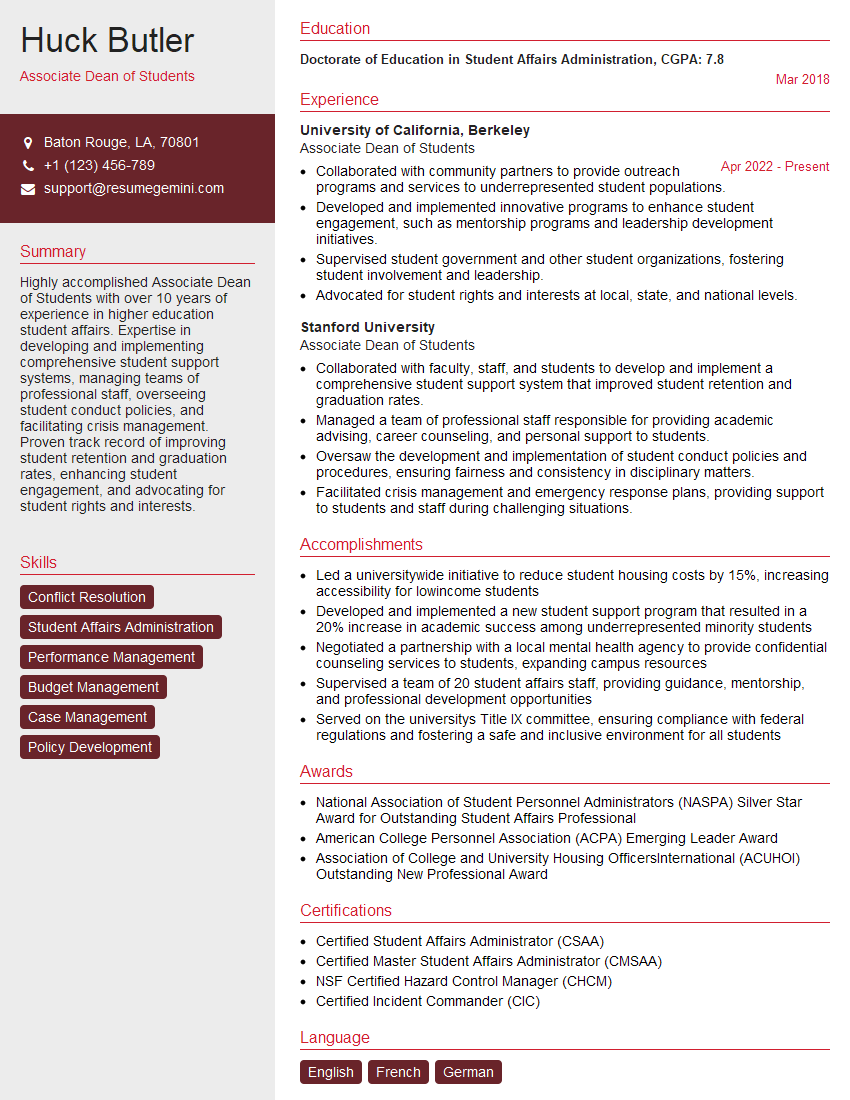
Associate Dean of Students Resume Sample
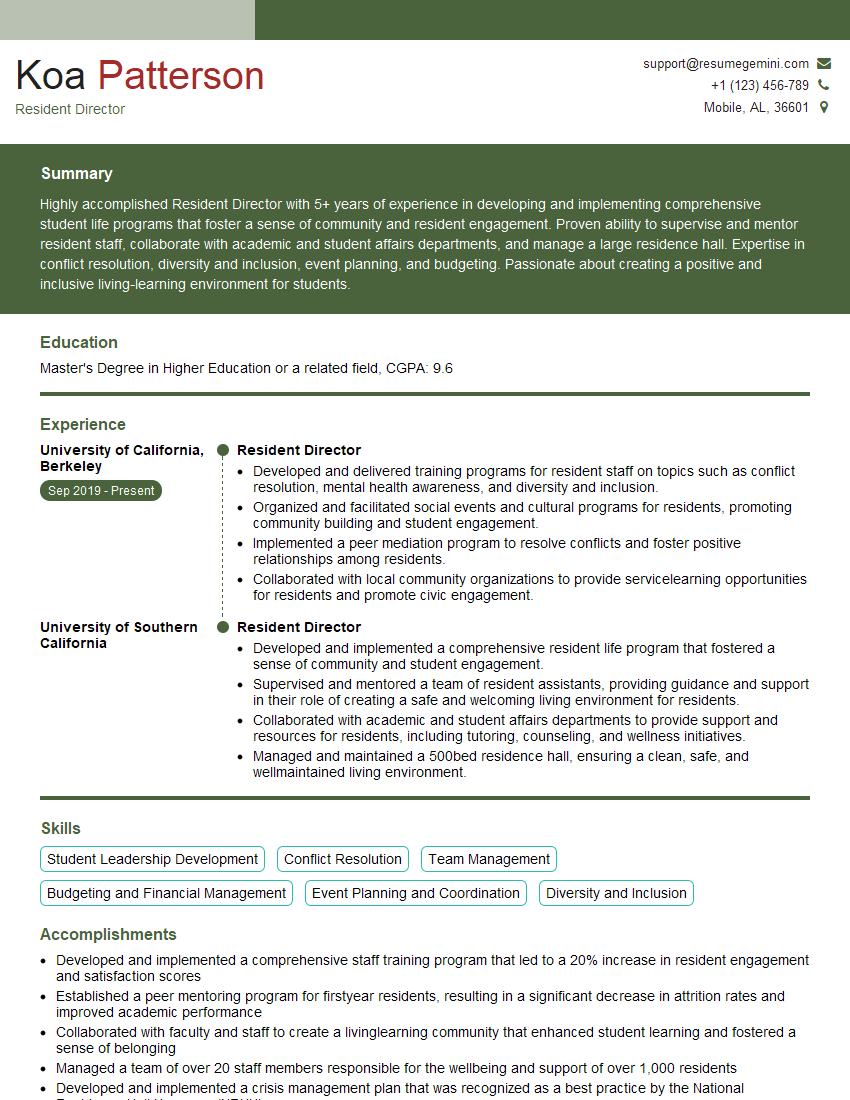
Resident Director Resume Sample
Explore more articles
Users Rating of Our Blogs
Share Your Experience
We value your feedback! Please rate our content and share your thoughts (optional).
What Readers Say About Our Blog
Really detailed insights and content, thank you for writing this detailed article.
IT gave me an insight and words to use and be able to think of examples