The thought of an interview can be nerve-wracking, but the right preparation can make all the difference. Explore this comprehensive guide to Pet Handling and Restraint interview questions and gain the confidence you need to showcase your abilities and secure the role.
Questions Asked in Pet Handling and Restraint Interview
Q 1. Describe the different types of animal restraint techniques.
Animal restraint techniques vary greatly depending on the species, size, temperament, and the procedure being performed. The goal is always to minimize stress and ensure both animal and handler safety. Techniques can be broadly categorized as:
- Physical Restraint: This involves using your hands or body to control the animal. This might include holding a cat gently but firmly, or using a specific hold to control a dog’s legs during an examination. It requires skill and understanding of the animal’s body language.
- Chemical Restraint: This involves using medications like tranquilizers or anesthetics to sedate the animal before handling. This is usually done by a veterinarian and is reserved for animals that are extremely aggressive or pose a significant risk to handlers. The choice of drug and dosage depends on the animal’s species, size, and health status.
- Environmental Restraint: This utilizes the environment to limit the animal’s movement. Examples include using a carrier for transport, a secure enclosure for observation, or a specialized table with restraints for veterinary procedures.
- Equipment-Assisted Restraint: This includes using tools designed to safely control animals. This can range from simple muzzles for dogs to specialized nets or capture poles for more challenging animals. Proper training on the use of these tools is crucial.
The best approach often involves a combination of these techniques, tailored to the individual animal and situation.
Q 2. Explain the importance of proper animal handling techniques.
Proper animal handling is paramount for both the animal’s and the handler’s well-being. Improper techniques can lead to injury for both parties, increased stress and fear in the animal, and inaccurate diagnostic or treatment outcomes. Key benefits include:
- Reduced Stress and Anxiety: Gentle, confident handling minimizes fear and makes the animal more cooperative.
- Improved Accuracy of Examinations: Proper restraint ensures accurate readings and a clear view of the animal during procedures.
- Enhanced Safety: Correct techniques protect both the animal and the handler from bites, scratches, or kicks.
- Positive Animal-Human Interactions: Positive handling experiences build trust and improve the animal’s overall temperament.
Think of it like this: If you approach a task calmly and efficiently, you’re less likely to make mistakes. The same applies to handling animals. A calm, knowledgeable handler inspires trust and reduces the likelihood of problems.
Q 3. How do you handle an aggressive dog?
Handling an aggressive dog requires a cautious, methodical approach, prioritizing safety. Never attempt to handle an aggressive dog alone. First, assess the situation. Is the aggression fear-based or territorial? Is it provoked or spontaneous? The approach depends heavily on the context.
- Professional Help: If possible, contact a professional dog handler or animal control officer. They have the training and equipment to handle aggressive animals safely.
- Never Approach Directly: Avoid direct eye contact and sudden movements that could escalate the situation.
- Use a Barrier: If you must approach, use a barrier such as a crate, fence, or a solid object for protection.
- Calm and Low Voice: Speak in a soothing, low tone to calm the dog. Avoid loud noises or sudden movements.
- Give Space: Allow the dog to maintain its personal space. Do not attempt to force interaction.
- Use Appropriate Restraint: If professional help isn’t immediate, consider using a muzzle (only if trained to do so) to prevent biting, but only as a last resort, and always under the guidance of a qualified professional.
Example: A dog exhibiting resource guarding (aggression over food or toys) might require a modified feeding approach or professional behavior modification before any handling can take place.
Q 4. How do you safely restrain a cat for examination?
Safely restraining a cat for examination requires a gentle yet firm approach. The technique will depend on the cat’s temperament and the procedure. Never attempt to restrain a cat forcefully, as it can result in injury to both the cat and yourself.
- Towel Restraint: A towel can provide a secure, comforting hold. Wrap the cat gently in a large towel, leaving its head exposed for examination. This method provides a sense of security and reduces the cat’s ability to scratch or bite.
- Scruffing: Gently grasping the scruff of the cat’s neck (the loose skin at the back of the neck) can temporarily immobilize it, but this should be done briefly and with extreme care. It mimics the way a mother cat carries her kittens. Use this method in conjunction with other supportive measures, and never solely rely on scruffing.
- Physical Restraint: With one hand supporting the cat’s back and the other holding its hindquarters, you can effectively keep it still for short periods. This requires a steady hand and good body positioning.
- Cat Carriers: Transferring the cat into a safe, secure carrier before the examination will help keep it contained.
Important: Always speak softly and calmly to the cat, using a reassuring tone. After the examination, reward the cat with treats or praise to create a positive association.
Q 5. What are the signs of animal stress during handling?
Recognizing signs of stress in animals is vital for safe and humane handling. Animals under stress can become unpredictable and react defensively. Common signs include:
- Increased Heart Rate and Respiration: You may observe rapid breathing, panting (in dogs), or a rapid pulse.
- Dilated Pupils: Wide, enlarged pupils often indicate fear or anxiety.
- Excessive Salivation: Drooling or excessive salivation can be a sign of stress or fear.
- Muscle Tension: Stiff posture, tucked tail, flattened ears, or a rigid body are all signs of tension.
- Vocalization: Whining, growling, hissing, or meowing are all potential vocal indicators of stress.
- Attempting to Escape: The animal may try to run, jump, or climb away from the situation.
- Aggressive Behavior: Biting, scratching, swatting, or lunging are clear signs of stress and possible aggression.
- Urination or Defecation: Stress can lead to involuntary urination or defecation.
If you observe any of these signs, immediately adjust your approach to reduce the animal’s stress. This may involve slowing down, giving the animal more space, or seeking assistance from a colleague or veterinarian.
Q 6. How do you approach a fearful or anxious animal?
Approaching a fearful or anxious animal requires patience, understanding, and a gentle, non-threatening approach. The key is to build trust and make the animal feel safe.
- Slow and Steady Approach: Avoid sudden movements or loud noises. Approach slowly and calmly, allowing the animal to observe you from a distance.
- Low Posture: Crouching down can make you appear less intimidating.
- Avoid Direct Eye Contact: Direct eye contact can be perceived as a threat. Instead, avert your gaze slightly.
- Speak Softly: Use a calm, reassuring voice. Avoid high-pitched or excited tones.
- Offer Positive Reinforcement: Provide treats or gentle petting if the animal allows it. Positive reinforcement helps to build trust.
- Give Space: Respect the animal’s personal space and allow it to retreat if necessary. Forceful interaction will only increase fear and anxiety.
- Desensitization and Counter-Conditioning: For chronic fear, gradual desensitization paired with positive reinforcement is an important technique in behavioral modification.
Example: A cat hiding under a bed might need several days of gentle, indirect interaction (providing food near its hiding spot) before it feels comfortable enough for closer contact.
Q 7. What safety measures do you take when handling animals?
Safety is paramount when handling animals. Always prioritize the well-being of both yourself and the animal. Key safety measures include:
- Appropriate Protective Gear: Wear gloves, long sleeves, and closed-toe shoes to minimize the risk of scratches or bites. Consider using protective eyewear or a face shield for certain procedures.
- Proper Restraint Techniques: Use safe and effective restraint techniques appropriate to the species and situation. Never attempt to handle an animal beyond your skill level.
- Awareness of Body Language: Pay close attention to the animal’s body language. Recognize warning signs of aggression or stress and adjust your approach accordingly.
- Working with a Partner: Whenever possible, have another person assist with handling, especially when dealing with larger or more aggressive animals. A second pair of hands can significantly improve safety.
- Clean and Sanitize: Always sanitize your hands and equipment before and after handling animals to prevent the spread of disease.
- Emergency Plan: Have a plan in place in case of an emergency, including knowing how to respond to bites or scratches and having access to appropriate medical care.
- Understanding Animal Behavior: Continuous learning about animal behavior and species-specific handling techniques are crucial.
Remember, a safe environment is a cornerstone of effective animal handling.
Q 8. How do you assess an animal’s body language before handling?
Assessing an animal’s body language before handling is crucial for safe and effective interaction. It’s like reading a silent language; you need to pay close attention to subtle cues to understand the animal’s emotional state and predict its potential reactions.
- Posture: A relaxed animal will typically have a loose, low posture, while a tense animal might be stiff, arched, or crouched low. For example, a dog with its tail wagging loosely and ears relaxed is generally comfortable, whereas a dog with its tail tucked, ears pinned back, and body tense is showing signs of fear or aggression.
- Facial Expressions: Eyes, ears, and mouth offer valuable insights. Wide, dilated pupils can indicate fear or stress; narrowed pupils can suggest aggression. Relaxed ears are a good sign, while flattened ears often signal fear or aggression. A bared mouth with teeth showing is a clear sign of aggression.
- Vocalizations: Growls, hisses, and other vocalizations provide clear warnings about the animal’s emotional state. A soft whimper might indicate fear or pain, while a loud bark or growl is a clear warning.
- Tail Movements: A wagging tail doesn’t always mean happiness. A stiff, high tail could suggest aggression, while a tucked tail might indicate fear. The speed and type of wag also matter.
- Overall demeanor: Look for signs of pacing, panting, lip licking, yawning, or excessive salivation. These behaviors often indicate stress or anxiety.
By carefully observing these cues, you can determine whether an animal is likely to tolerate handling or whether additional precautions are needed. Ignoring these signs can lead to accidents and injuries.
Q 9. What are the ethical considerations in animal handling?
Ethical considerations in animal handling are paramount. Our interactions must always prioritize the animal’s welfare and safety.
- Minimizing Stress and Pain: We must handle animals in a calm, gentle manner, avoiding sudden movements or loud noises that could frighten them. We should always strive to handle them only when necessary and for the shortest amount of time possible.
- Respecting Natural Behaviors: Understanding and respecting an animal’s natural behaviors is crucial. For instance, cornering an animal might cause it to feel trapped and react defensively.
- Avoiding Punishment: Using punishment or harsh methods is unethical and can create fear and distrust, negatively impacting the human-animal bond. Positive reinforcement is always preferred.
- Appropriate Restraint Techniques: Using appropriate and safe restraint techniques is critical. Incorrect restraint can cause injury to both the animal and the handler.
- Species-Specific Knowledge: Handling techniques should be tailored to the specific species, breed, age, and temperament of the animal.
- Professional Competence: Only trained individuals should handle animals, especially those requiring specific handling protocols such as venomous snakes or large predatory animals.
Ethical handling ensures not only the safety of the animal but also the safety of the handler, and it fosters a positive relationship built on trust and mutual respect.
Q 10. Describe your experience with different animal species and their unique handling requirements.
My experience spans a wide range of animal species, each with unique handling requirements.
- Dogs: I’ve handled dogs of all breeds and sizes, from small lap dogs to large working breeds. My approach varies depending on their temperament. A gentle, calm approach is usually effective for nervous or anxious dogs, while a more firm, confident approach might be necessary for assertive or dominant breeds. I always ensure I have appropriate control to manage excited or reactive behaviours.
- Cats: Cats require a more delicate and patient approach. Their natural instincts often lead them to resist restraint, so it is crucial to minimize stress and discomfort. I often use techniques such as towel wraps or gentle scruffing, ensuring minimal pressure.
- Horses: Horses are large and powerful animals that demand respect and proper handling techniques. I am proficient in halter and lead techniques, along with safe methods for leading and controlling horses. Knowing horse body language is essential to avoid conflict.
- Small Mammals (Rabbits, Guinea Pigs, etc.): These smaller animals need gentle and supportive handling. Supporting their bodies correctly to avoid injury and stress is key.
- Reptiles: Working with reptiles requires specialized knowledge. I have experience handling a variety of reptiles, understanding each species’ unique behaviors and appropriate restraint techniques. Safety precautions, like protective gloves, are always necessary.
In each case, adapting my technique to the individual animal’s needs is crucial to safe and successful handling.
Q 11. How do you handle a bite or scratch from an animal?
Animal bites and scratches require immediate and appropriate action. Prevention is always the best approach, but accidents happen.
- Assess the Injury: Immediately assess the severity of the wound. Clean the area thoroughly with soap and water.
- Control Bleeding: Apply direct pressure to stop any bleeding.
- Seek Medical Attention: Seek medical attention immediately, especially if the wound is deep, the animal is unknown, or signs of infection develop. This is crucial for rabies and other potential infections.
- Report the Incident: Report the incident to relevant authorities, particularly if the animal is suspected to have rabies or other infectious diseases.
- Animal’s Well-being: If possible, try to identify the animal to check its vaccination history and health status. However, safety remains the top priority.
Proper post-exposure prophylaxis is essential to prevent potential infections. Restraint techniques that reduce the risk of bites are always the preferred method.
Q 12. What is your experience with administering medication to animals?
Administering medication to animals requires careful attention to detail and safety. My experience includes various methods, tailored to the animal and the medication.
- Oral Medications: For pills, I may use a pill pusher or hide the pill in food. For liquids, I’ll use a syringe to administer it directly into the mouth, avoiding aspiration.
- Injectable Medications: I am proficient in intramuscular and subcutaneous injections, always using appropriate needle sizes and techniques to minimize pain and discomfort. Aseptic techniques are strictly followed.
- Topical Medications: For topical applications, such as ointments or creams, I apply the medication directly to the affected area, following the veterinary instructions carefully.
Safety and accuracy are paramount. Incorrect administration can be harmful to the animal, so familiarity with proper techniques is crucial. I always confirm the medication, dosage, and route with veterinary instructions before administration.
Q 13. Describe your experience with assisting in veterinary procedures.
I have extensive experience assisting in various veterinary procedures, always under the direct supervision of a licensed veterinarian.
- Restraint during examinations: I am skilled in safely restraining animals of different sizes and temperaments during physical examinations, blood draws, and other diagnostic procedures.
- Surgical Assisting: I’ve assisted in surgical procedures, preparing the animal for surgery, setting up the surgical field, and providing assistance during the procedure as directed by the veterinarian.
- Anesthesia Monitoring: I’ve monitored animals under anesthesia, ensuring their safety and comfort throughout the procedure.
- Post-operative Care: I’ve assisted with post-operative care, providing comfort and monitoring the animal’s recovery.
My role is always supportive, ensuring the safety and well-being of the animal while assisting the veterinarian in performing their duties efficiently and effectively. My contribution emphasizes sterile technique and animal welfare.
Q 14. How do you handle a situation where an animal is injured?
Handling an injured animal requires a calm and methodical approach, prioritizing the animal’s safety and well-being.
- Assess the Situation: First, ensure your own safety. Approach the animal cautiously, assessing the extent of its injuries and its demeanor.
- Control the Animal (if necessary): If the animal is agitated or aggressive, use appropriate restraint techniques to prevent further injury to itself or others. This might include using towels or other protective gear.
- Provide First Aid (if possible and safe): If you are qualified to do so, provide basic first aid, such as controlling bleeding or stabilizing fractures. Avoid handling the animal unnecessarily.
- Transport to Veterinary Care: Arrange for safe transport to a veterinary clinic. If the animal is severely injured, seek immediate emergency veterinary attention.
- Maintain Animal Comfort: Keep the animal warm, quiet and as comfortable as possible during transport.
Remember that your primary goal is to get the animal to professional veterinary care as quickly and safely as possible. Attempting to treat significant injuries yourself can cause more harm.
Q 15. How do you ensure the safety of both the animal and yourself during handling?
Ensuring the safety of both the animal and handler during handling is paramount and relies on a combination of proactive measures and reactive responses. It begins with a thorough assessment of the animal’s temperament, size, and any known medical conditions. This assessment guides the choice of handling techniques and equipment.
Proactive Measures: This includes using appropriate restraint equipment only when necessary, approaching the animal calmly and confidently, and understanding its body language. For example, a fearful animal may require a gentler, slower approach than a more confident animal. Never approach an animal from behind or directly face on. Always provide an escape route for the animal should it become frightened.
Reactive Measures: If the animal shows signs of aggression (e.g., flattened ears, bared teeth, growling), immediately cease interaction and retreat slowly. Never punish or scold an animal during a stressful situation. It’s crucial to understand that every animal is an individual, and what works for one may not work for another. Having a clear understanding of animal body language is fundamental to preventing accidents.
Personal safety also involves proper use of Personal Protective Equipment (PPE), such as gloves, sturdy shoes, and, depending on the animal, protective clothing.
Career Expert Tips:
- Ace those interviews! Prepare effectively by reviewing the Top 50 Most Common Interview Questions on ResumeGemini.
- Navigate your job search with confidence! Explore a wide range of Career Tips on ResumeGemini. Learn about common challenges and recommendations to overcome them.
- Craft the perfect resume! Master the Art of Resume Writing with ResumeGemini’s guide. Showcase your unique qualifications and achievements effectively.
- Don’t miss out on holiday savings! Build your dream resume with ResumeGemini’s ATS optimized templates.
Q 16. What is your experience with using various restraint equipment?
My experience with various restraint equipment is extensive, encompassing both common and specialized tools. I’m proficient in the use of leads, collars, harnesses, muzzles, nets, and other restraining devices. The selection of appropriate equipment is crucial; it depends on the animal species, size, temperament, and the procedure being performed.
For instance, a small dog might be safely restrained using a gentle leash and collar for a routine examination, while a large, potentially aggressive dog might require a more robust muzzle and a well-trained handler. Similarly, large animals, like horses or cattle, necessitate the use of specialized halters, ropes, and possibly even sedation for specific procedures. It’s essential to know the limitations of each piece of equipment and to use it correctly to avoid injury to both the animal and the handler. Incorrect use can lead to accidents and create fear or trauma for the animal. I always prioritize the least restrictive method that ensures the safety of both the animal and myself.
Q 17. Explain your understanding of animal behavior and how it affects handling.
Understanding animal behavior is the cornerstone of safe and effective handling. An animal’s behavior is influenced by a multitude of factors, including its species, breed, age, past experiences, and its current physical and emotional state. Recognizing signs of stress, fear, or aggression is critical for preventing negative interactions.
- Body Language: A crucial aspect of this understanding lies in reading animal body language. This encompasses posture, facial expressions, tail position, and vocalizations. For example, a dog displaying a tucked tail, flattened ears, and averted gaze may be fearful or apprehensive. Understanding these cues allows for adjusting handling techniques to create a safer and less stressful environment.
- Species-Specific Behaviors: Different animal species exhibit unique behavioral patterns. Knowing these species-specific behaviors is essential to anticipate potential problems and react appropriately. For example, cats are often more easily stressed than dogs, and handling techniques must reflect this difference.
- Environmental Factors: The animal’s environment significantly impacts its behavior. A noisy, crowded environment can increase stress levels, leading to unpredictable behavior. Creating a calm, quiet environment where possible contributes greatly to a more positive handling experience.
Q 18. How do you adapt your handling techniques to different animal temperaments?
Adapting handling techniques to different animal temperaments is essential for safe and effective interaction. A calm, confident animal might require minimal restraint, while a fearful or aggressive animal will need a more cautious and controlled approach.
Examples:
- Fearful Animals: These animals require slow, gentle movements, a quiet voice, and minimal physical contact. Using positive reinforcement, such as offering treats, can be beneficial in building trust.
- Aggressive Animals: These require more caution and may necessitate the use of protective equipment, such as muzzles or specialized restraint techniques. Professional guidance is crucial when handling animals exhibiting signs of aggression. Reducing stress factors in the environment and creating an escape route should also be a priority.
- Excitable Animals: A calm and confident demeanor is vital when handling excitable animals. Slow, deliberate movements and a firm but gentle touch can help control their energy levels.
In each situation, the goal is to minimize the animal’s stress and ensure its safety and well-being while completing necessary tasks efficiently and safely. Observation and proper training are key to assessing and adapting approaches to the individual animal’s temperament.
Q 19. What is your experience with handling animals with medical conditions?
Experience handling animals with medical conditions requires a nuanced approach combining knowledge of animal handling with an understanding of the specific condition. Handling techniques must be adapted to accommodate limitations caused by injuries, illnesses, or disabilities.
Examples:
- Injured Animals: Special care is required when handling injured animals, minimizing movement of the affected area. Proper support and stabilization might be needed to prevent further harm.
- Animals with Pre-existing Conditions: For animals with conditions like arthritis, respiratory issues, or heart problems, handling must be gentle and efficient, avoiding sudden movements or excessive stress. The handler needs to be aware of potential limitations and adjust their approach accordingly.
- Animals Under Medication: Some medications can impact an animal’s behavior, making them more or less responsive to handling. Knowledge of the medication and its potential side effects is crucial.
Collaboration with veterinary professionals is essential in these cases to ensure the best possible approach for the animal’s health and safety. Careful planning and execution are critical for minimizing further distress to already compromised animals.
Q 20. How do you handle a situation where an animal escapes?
An animal escaping is a serious situation requiring a calm and controlled response. The priority is always to ensure the safety of the animal and the public. Panic will only worsen the situation.
Steps to Take:
- Assess the Situation: Determine the animal’s species, size, and temperament to develop a safe and effective retrieval strategy.
- Secure the Area: If possible, immediately secure the area, preventing further escape or public interaction.
- Approach Cautiously: Avoid making sudden movements or loud noises that could frighten the animal further.
- Utilize Appropriate Tools: If available, use appropriate tools such as a net, catch pole, or other suitable equipment to safely restrain the animal.
- Seek Assistance: If necessary, don’t hesitate to seek assistance from other trained handlers or animal control authorities.
- Post-Escape Procedures: After retrieval, thoroughly investigate the cause of the escape to improve safety measures. This might involve improving enclosure design or reviewing handling protocols.
Prevention is key. Regular checks on enclosure security, proper training of handlers, and the use of appropriate restraint measures are vital in reducing the likelihood of escapes.
Q 21. What is your experience with large animal handling?
My experience with large animal handling includes working with various species, such as horses, cattle, sheep, and pigs. Large animal handling requires specialized knowledge and skills beyond those used for smaller animals. Size and strength are significant factors requiring different techniques and safety measures.
Key Considerations:
- Understanding Herd Dynamics: When handling livestock, understanding herd behavior is crucial. Animals will often respond to each other’s behaviors and can become agitated if separated or frightened.
- Specialized Equipment: Specialized equipment like halters, ropes, and chutes is frequently used to safely restrain and control large animals. Proper use of this equipment is essential to prevent injury to both the animal and handler.
- Appropriate Restraint: Restraint should always be the least restrictive method appropriate for the situation. Overly forceful restraint can lead to injury or stress. A skilled handler anticipates the animals’ movements and uses restraint to facilitate the task without causing unnecessary distress.
- Working Safely in Teams: Large animal handling is often a team effort. Communication and coordination among handlers are critical for safe and efficient handling.
Safe and effective handling of large animals necessitates consistent training and a deep understanding of their unique physical and behavioral characteristics. It’s critical to prioritize safety protocols in order to prevent accidents and reduce the risk of injury to both the animals and the handlers involved.
Q 22. What are the legal and regulatory requirements for animal handling in your area?
Legal and regulatory requirements for animal handling vary significantly depending on location, the type of animal, and the context of handling (e.g., veterinary practice, research, animal control). In my area, we must adhere to both federal and state laws concerning animal welfare. This includes regulations set by the [Insert relevant governing bodies, e.g., USDA, Animal Welfare Act, local animal control ordinances]. Key aspects involve ensuring proper animal housing, avoiding unnecessary pain or distress, maintaining sanitation standards, and possessing appropriate permits or licenses for handling specific species. For example, handling specific endangered species requires extra permits and strict adherence to conservation protocols. We also regularly undergo audits to ensure compliance.
Failure to comply can result in significant penalties, including fines, suspension of licenses, and even criminal charges. Detailed knowledge of these regulations is paramount for safe and legal animal handling practices. It’s crucial to stay updated on any changes to these laws to maintain compliance.
Q 23. Describe a time you had to improvise a restraint technique.
During a routine examination of a large, frightened dog, the standard restraint methods proved ineffective. The dog was extremely anxious and any attempt to use a leash or muzzle only heightened its fear, increasing the risk of injury to both the animal and myself. I needed to draw blood for analysis.
I improvised by using a large, soft towel to gently wrap the dog’s body, restricting movement minimally while still allowing access to the required area. A colleague provided calming verbal reassurance. This method, combined with a slow, deliberate approach and gentle voice, helped calm the dog enough to complete the procedure without further incident. This situation highlighted the importance of adaptability and quick thinking, and the need to have a range of restraint techniques in our arsenal.
Q 24. How do you maintain a clean and safe handling environment?
Maintaining a clean and safe handling environment is critical for both animal and human well-being. We implement strict protocols to achieve this. The area is thoroughly cleaned and disinfected between each animal handling session using approved veterinary disinfectants. All surfaces are cleaned and equipment sterilized.
- We utilize appropriate personal protective equipment (PPE), such as gloves, gowns, and eye protection, to prevent cross-contamination and protect ourselves from potential hazards like zoonotic diseases.
- Proper waste disposal is strictly followed; sharps containers are used for needles and other sharp objects, and biohazardous waste is handled according to established protocols.
- The environment itself is designed for safety, with appropriate lighting, clear pathways, and secure containment areas to prevent escapes or accidental injuries.
Regular inspections ensure everything remains up to standard, preventing the build-up of dirt or potential hazards that could compromise safety or animal welfare.
Q 25. What training have you received in animal handling and restraint?
My training in animal handling and restraint has been extensive and ongoing. I started with foundational courses covering basic animal handling principles, safety procedures, and humane restraint techniques for different species. This included both classroom instruction and hands-on practical experience with a range of animals, from small rodents to large mammals.
I’ve further specialized with advanced training in [Specify areas of expertise, e.g., chemical immobilization, emergency procedures, specific species handling]. I participate regularly in continuing education programs and workshops to stay updated on best practices and new techniques, including those involving advanced restraint equipment. My professional certifications reflect my ongoing commitment to professional development in this critical area.
Q 26. How do you recognize and respond to signs of illness or injury in an animal?
Recognizing and responding to signs of illness or injury in an animal requires careful observation and knowledge of animal behavior. Subtle changes, such as lethargy, loss of appetite, changes in respiratory rate or fecal consistency, or unusual vocalizations, could all indicate a problem.
Visible injuries such as wounds, swellings, or bleeding should be immediately attended to. I always assess the animal’s overall condition, including its temperature, heart rate, and respiratory rate. If I notice any abnormalities, I document these findings, alert a veterinarian or other senior staff member immediately and take appropriate measures based on their assessment. Our protocol includes carefully documenting all observations and actions taken. Early detection and intervention are crucial for the best possible outcome.
Q 27. Describe your experience working in a team environment during animal handling procedures.
Teamwork is essential for safe and efficient animal handling, especially with larger or more challenging animals. Effective communication, clear roles, and coordinated actions are vital.
I regularly work within a team setting and value the collaborative aspect of this work. For example, during the immobilization of a large horse for surgery, I worked with a team consisting of the attending veterinarian, nurses, and other handlers. Each member was responsible for a specific task, with clear communication on hand signals and verbal cues to ensure the safety of the animal and ourselves. This coordinated approach ensured the procedure was completed safely and efficiently, minimizing stress on the horse. Clear leadership and open communication are critical to avoiding conflict or confusion.
Q 28. How do you prioritize animal welfare during handling procedures?
Prioritizing animal welfare is fundamental to every aspect of my work. It informs every decision I make, from choosing the appropriate restraint technique to ensuring the animal’s comfort and minimizing its stress.
This includes utilizing the least restrictive methods possible, providing positive reinforcement and calm reassurance where appropriate, and being mindful of the animal’s natural behaviors and sensitivities. We prioritize the use of humane restraint techniques and avoid any procedures that could cause unnecessary pain or distress. Regular monitoring of the animal’s condition during and after handling procedures ensures its well-being. Continuous professional development ensures that I am always up-to-date on the latest techniques and best practices for animal welfare.
Key Topics to Learn for Pet Handling and Restraint Interview
- Animal Body Language: Understanding canine and feline communication (e.g., postures, vocalizations, tail movements) to predict behavior and adjust handling techniques.
- Safe Restraint Techniques: Mastering various restraint methods (e.g., towel restraint, scruffing, muzzle application) for different animal sizes and temperaments, prioritizing both animal and handler safety.
- Stress Reduction and De-escalation: Implementing calming strategies to minimize animal stress during handling procedures (e.g., creating a safe and comfortable environment, using gentle voice and touch).
- Species-Specific Handling: Recognizing and adapting handling techniques to the unique needs and characteristics of different animal species (e.g., cats, dogs, rabbits, birds).
- Practical Application: Discussing scenarios involving handling animals for various procedures (e.g., administering medication, performing examinations, grooming, transport).
- Emergency Procedures: Knowing how to safely manage aggressive or frightened animals and respond effectively to bites or scratches. This includes understanding first aid protocols.
- Ethical Considerations: Highlighting the importance of humane and ethical treatment of animals at all times, adhering to professional standards and best practices.
- Legal and Safety Compliance: Familiarity with relevant health and safety regulations regarding animal handling and restraint in your working environment.
Next Steps
Mastering pet handling and restraint is crucial for building a successful and rewarding career in animal care. It demonstrates your commitment to animal welfare and your ability to work safely and effectively with a variety of animals. To enhance your job prospects, create a strong, ATS-friendly resume that showcases your skills and experience. ResumeGemini is a trusted resource that can help you build a professional and impactful resume. Examples of resumes tailored to Pet Handling and Restraint are available to help you get started.
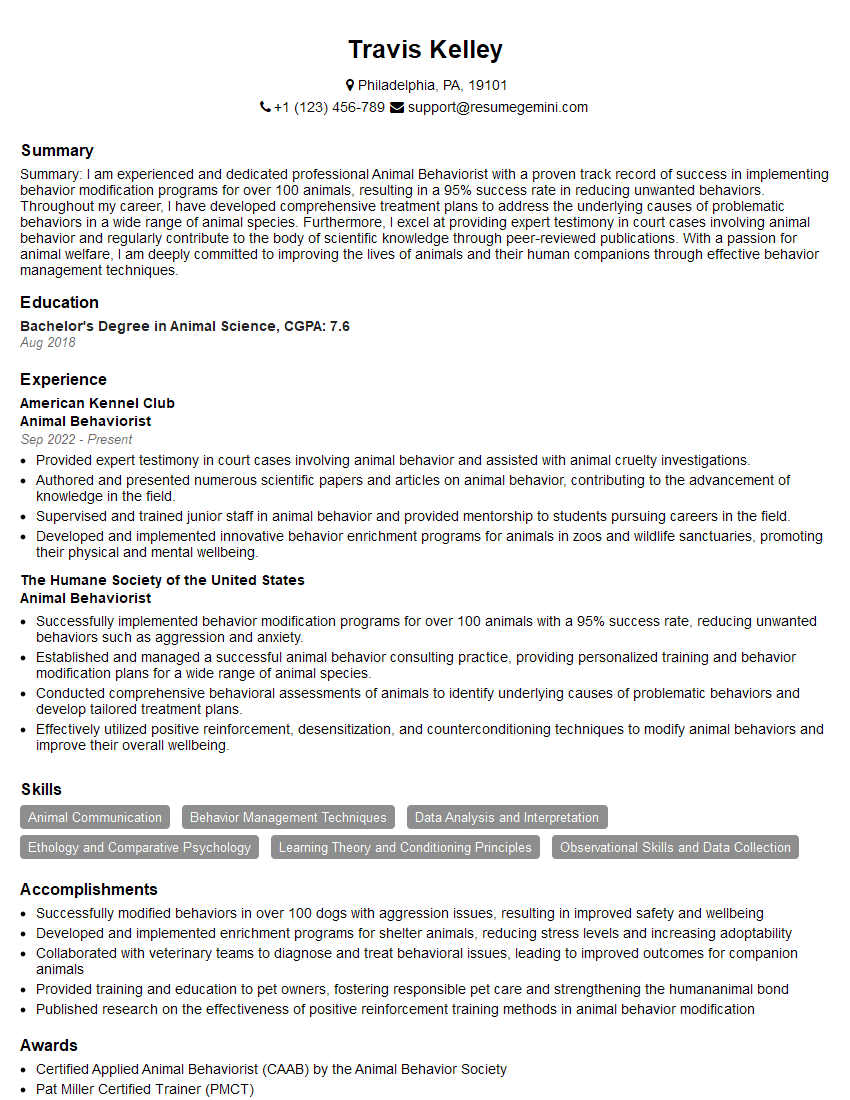
Animal Behaviorist Resume Sample
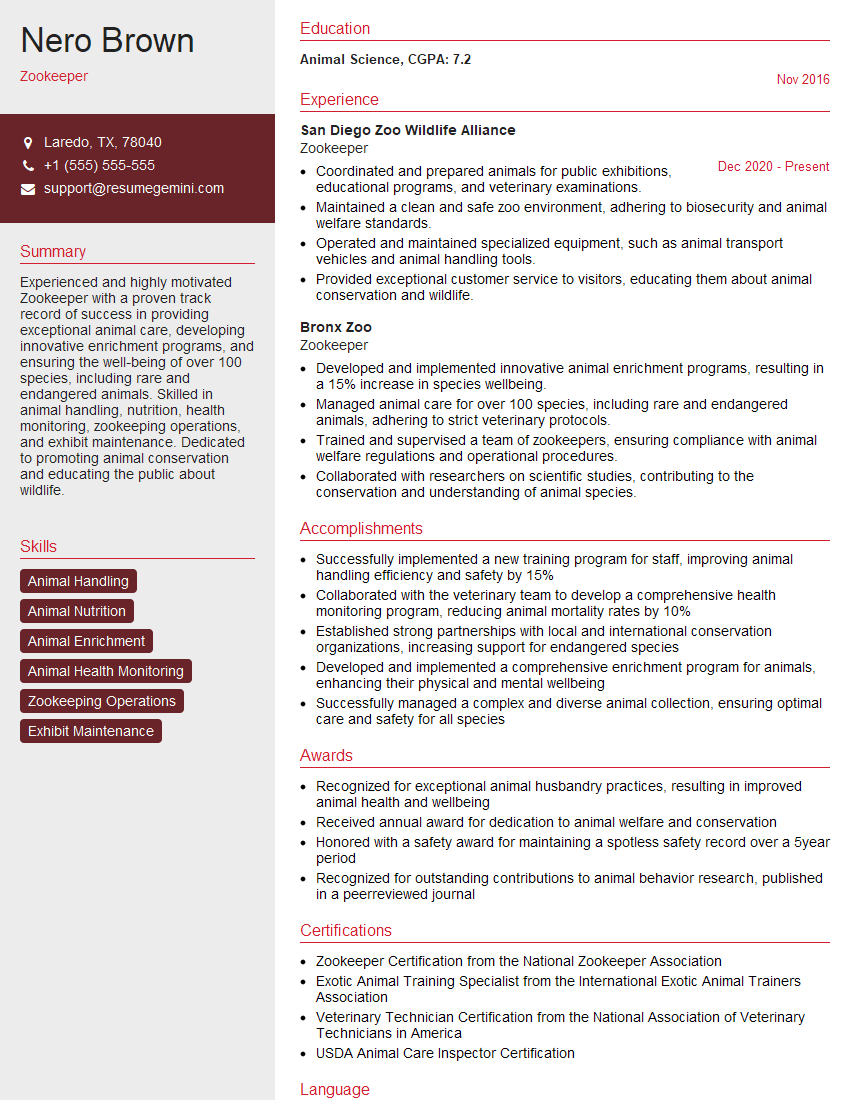
Zookeeper Resume Sample

Veterinary Assistant Resume Sample
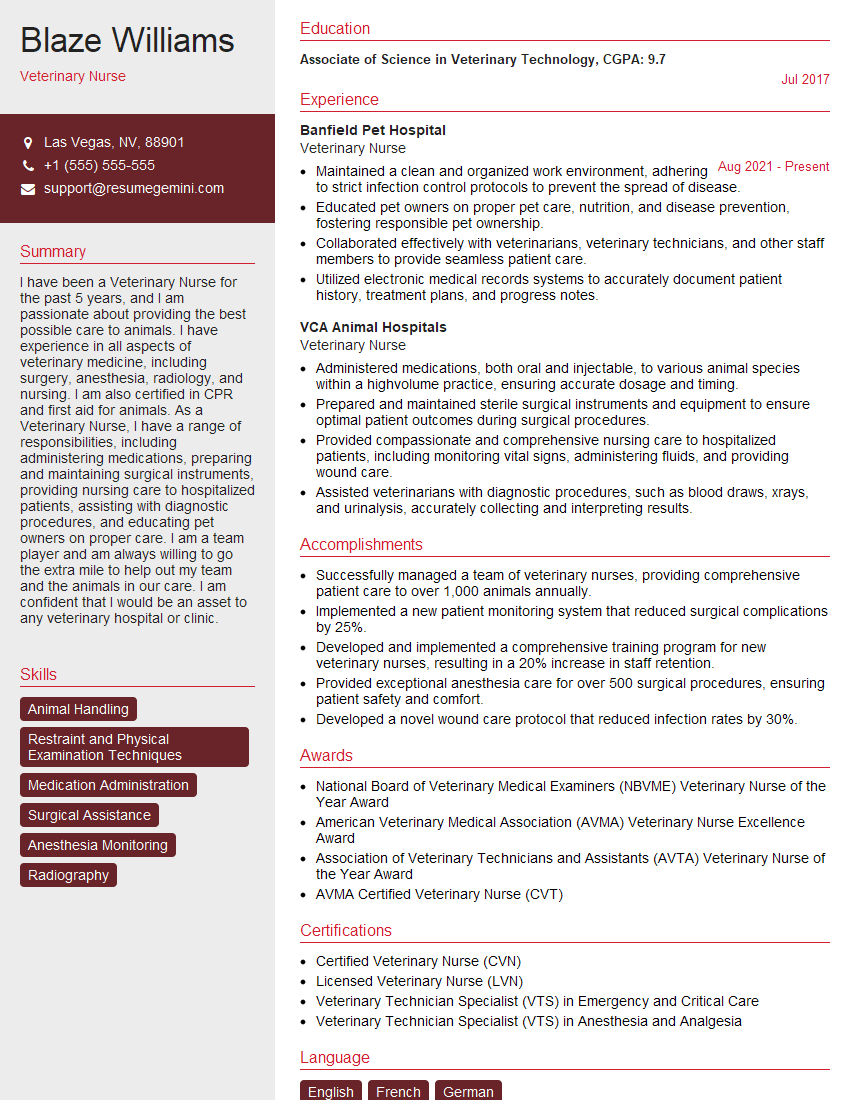
Veterinary Nurse Resume Sample
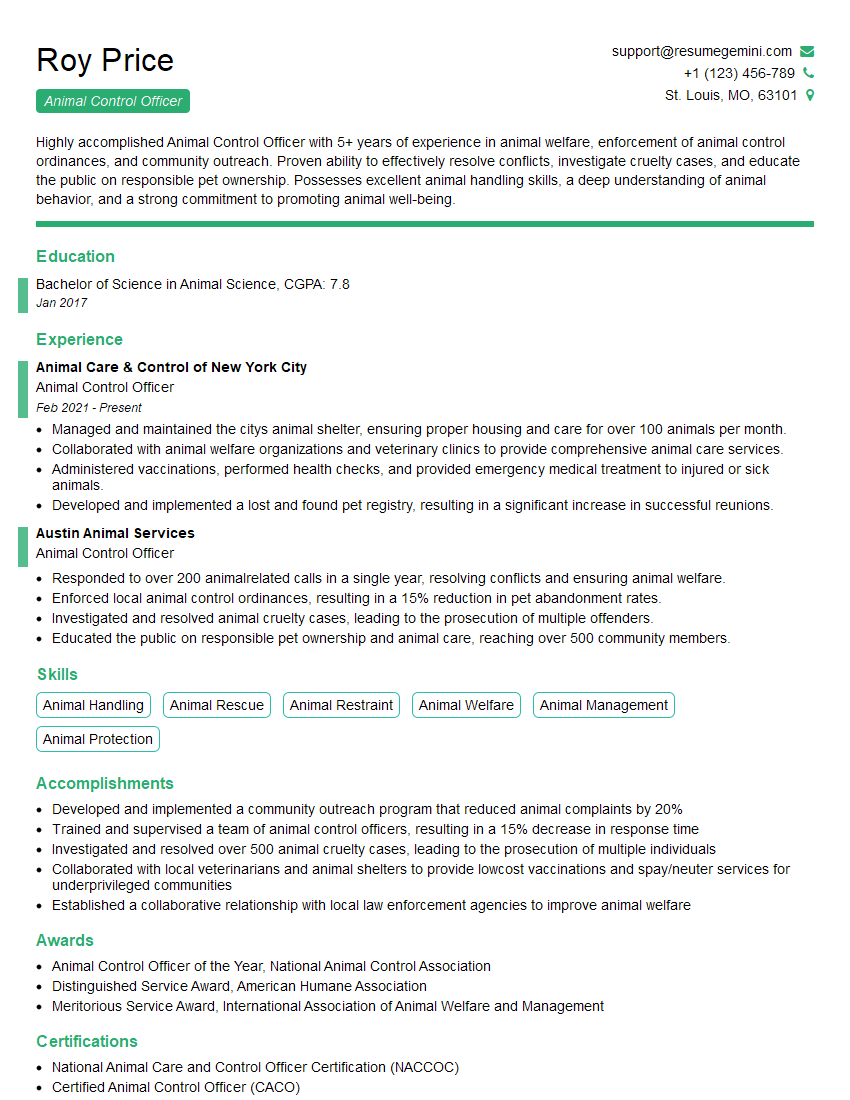
Animal Control Officer Resume Sample
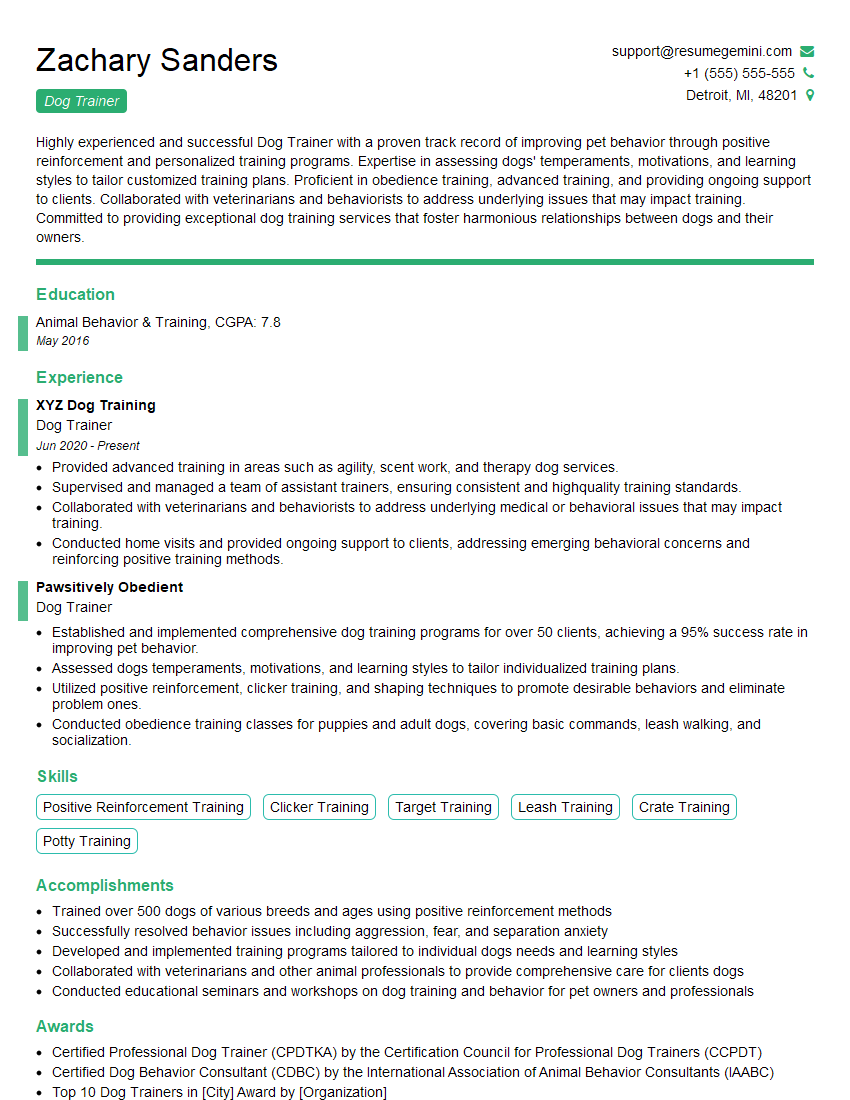
Dog Trainer Resume Sample
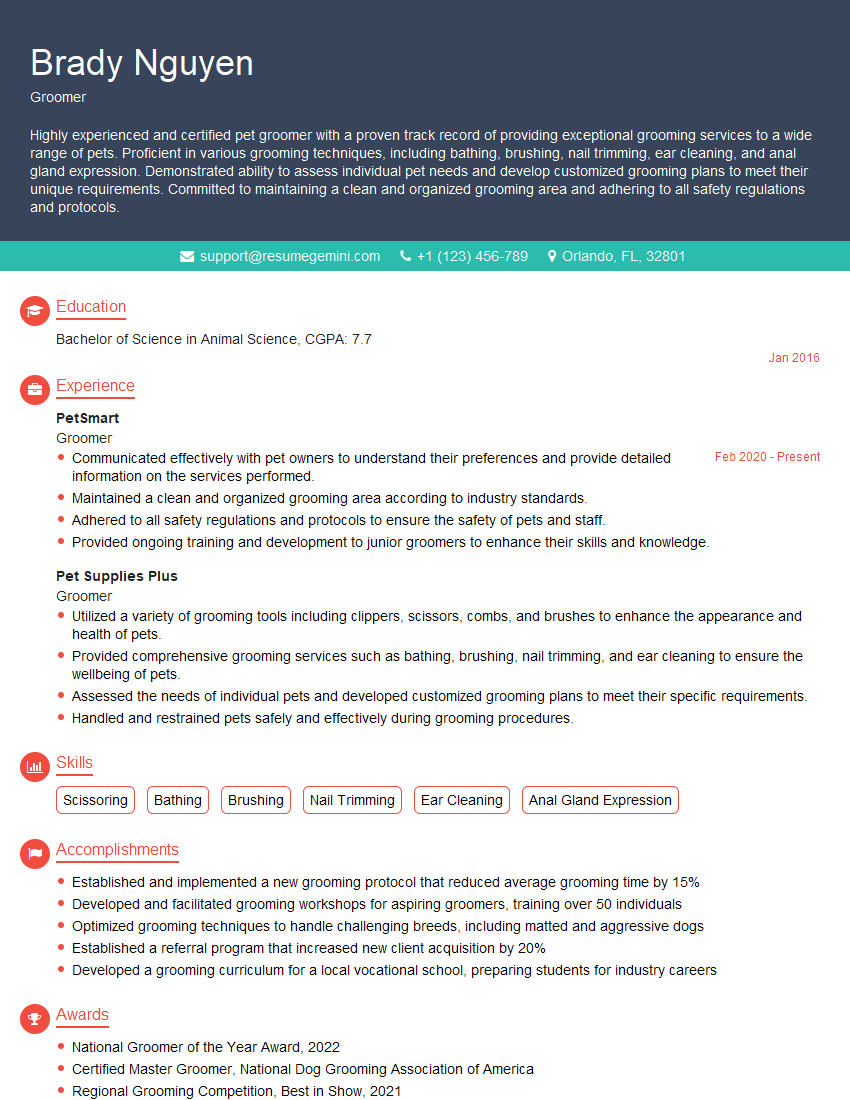
Groomer Resume Sample
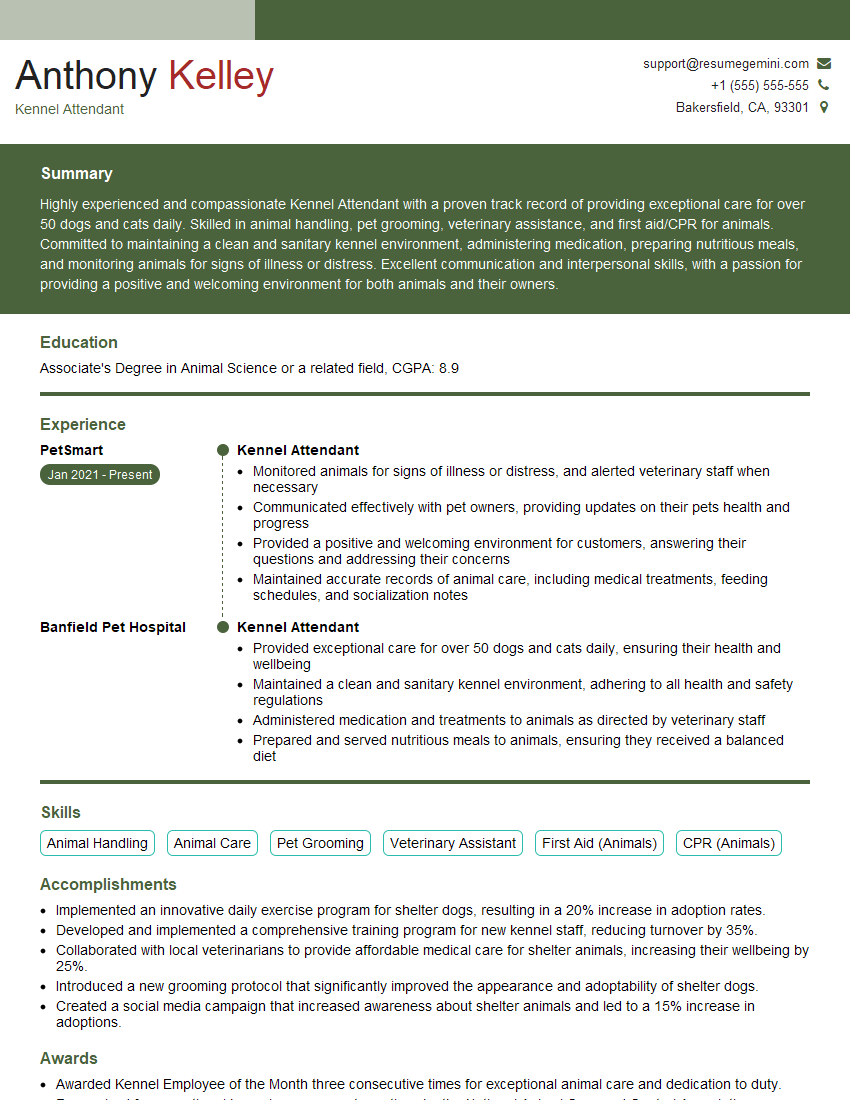
Kennel Attendant Resume Sample
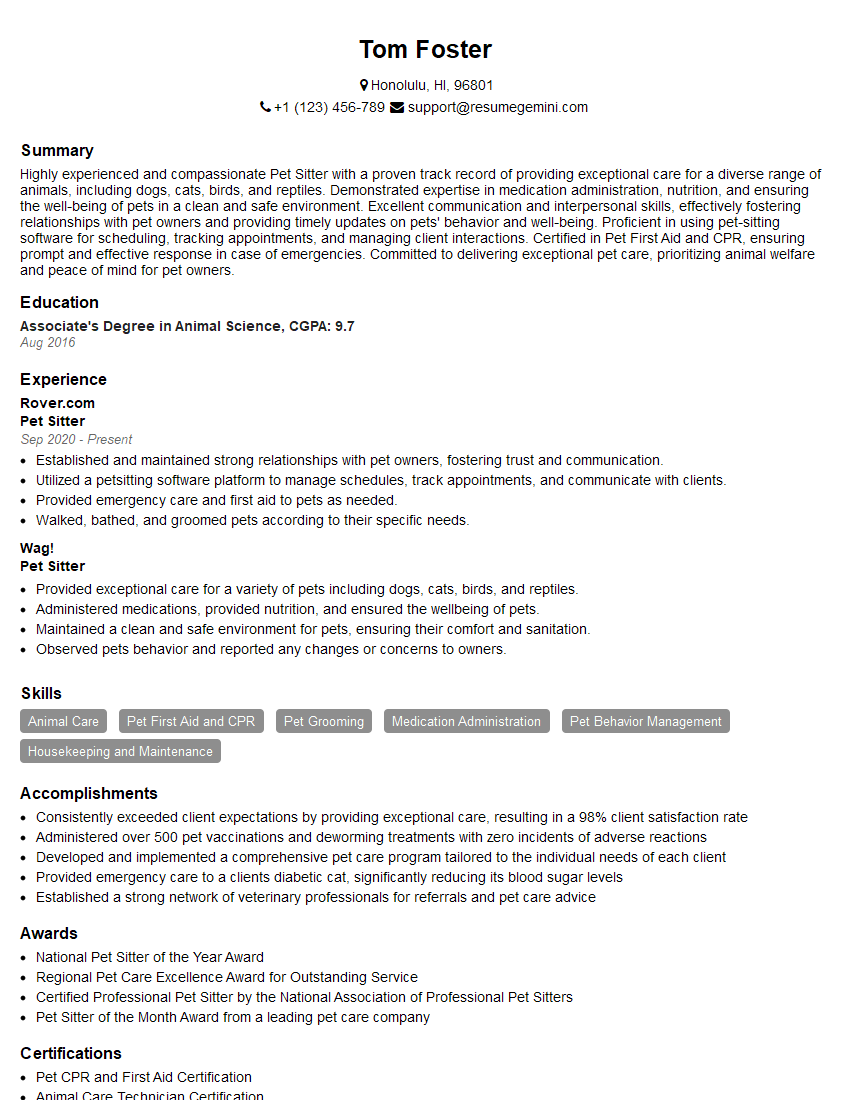
Pet Sitter Resume Sample
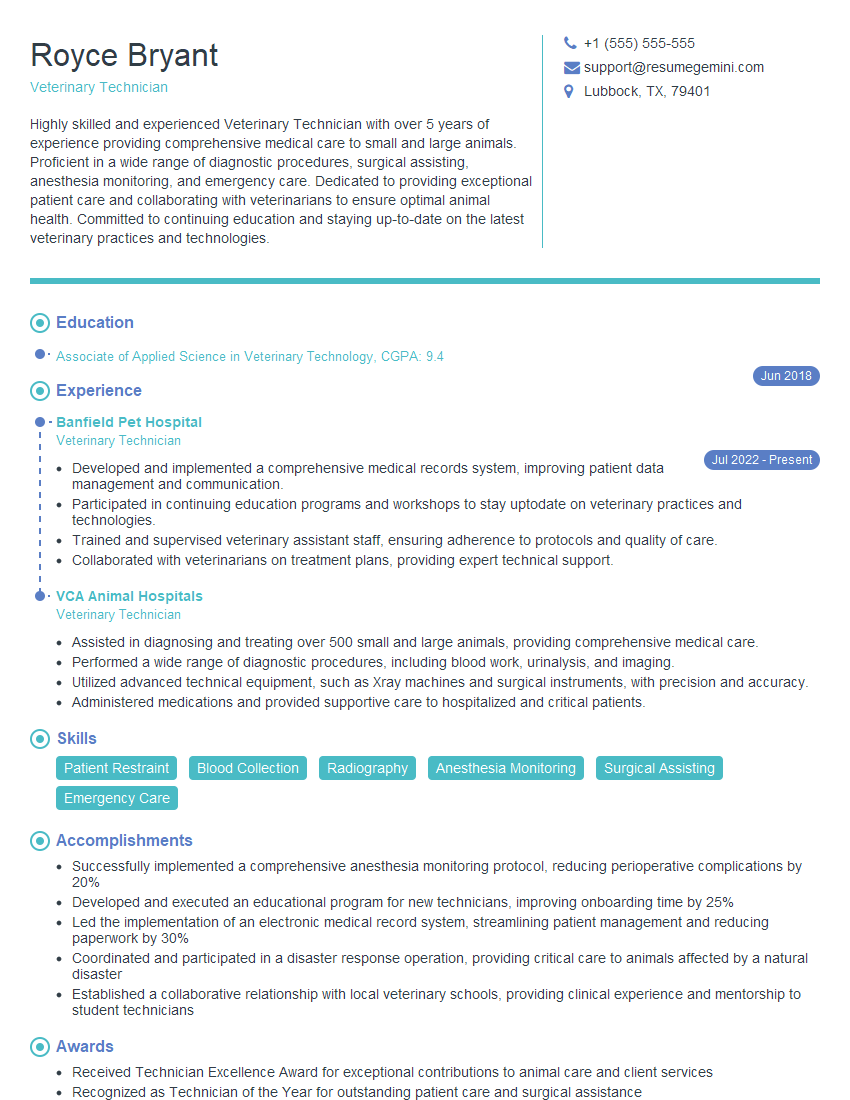
Veterinary Technician Resume Sample

Wildlife Rehabilitator Resume Sample
Explore more articles
Users Rating of Our Blogs
Share Your Experience
We value your feedback! Please rate our content and share your thoughts (optional).
What Readers Say About Our Blog
I Redesigned Spongebob Squarepants and his main characters of my artwork.
https://www.deviantart.com/reimaginesponge/art/Redesigned-Spongebob-characters-1223583608
IT gave me an insight and words to use and be able to think of examples
Hi, I’m Jay, we have a few potential clients that are interested in your services, thought you might be a good fit. I’d love to talk about the details, when do you have time to talk?
Best,
Jay
Founder | CEO