Feeling uncertain about what to expect in your upcoming interview? We’ve got you covered! This blog highlights the most important Compassion for Animals interview questions and provides actionable advice to help you stand out as the ideal candidate. Let’s pave the way for your success.
Questions Asked in Compassion for Animals Interview
Q 1. Describe your experience handling distressed animals.
Handling distressed animals requires a calm, patient, and observant approach. My experience involves understanding the root cause of the distress – is it pain, fear, separation anxiety, or something else? I begin by assessing the animal’s immediate safety and my own. This might involve creating a safe space, minimizing noise and visual stimulation, or using appropriate protective gear if necessary. Then, I employ gentle, non-threatening body language, avoiding direct eye contact (which can be perceived as aggressive by some species). I use slow, deliberate movements and a soft, reassuring voice. I might offer a comforting touch if the animal seems receptive, or simply allow it space to de-stress. Each animal is unique, so I adapt my technique based on species, individual temperament, and the specific situation. For instance, a frightened cat will react differently to a distressed dog. A gentle approach involving providing hiding places and slow, calm interactions is appropriate for cats, whereas calming verbal cues and controlled movement may be preferable with dogs.
For example, I once encountered a dog who had been hit by a car. It was clearly in pain and terrified. My initial focus was on stabilizing it, preventing further injury, and keeping it warm until veterinary help arrived. I spoke to it softly, avoiding any sudden movements. Once the vet assessed the injuries, I worked alongside the team to ensure it received the necessary pain relief and care.
Q 2. Explain your understanding of animal pain and suffering.
Understanding animal pain and suffering is crucial for effective animal care. It’s not just about recognizing obvious physical injuries; it’s about recognizing subtle behavioral changes that indicate discomfort. This includes changes in posture (hunched back, reluctance to move), vocalizations (whining, crying), appetite changes (loss of appetite, increased thirst), altered sleep patterns, and changes in interaction with humans or other animals (withdrawal, aggression). While we can’t directly ask animals about their pain, we can observe these subtle indicators and relate them to their normal behavior. Recognizing species-specific behaviors is also key; for instance, a cat hiding might indicate pain, while a dog hiding might indicate fear. We must consider the context as well. A change in behavior could result from pain, illness, stress, or environmental factors.
This understanding relies heavily on a combination of observation skills, anatomical and physiological knowledge, and a deep respect for animal sentience. My approach is to take a holistic view, examining the animal’s entire presentation – not just one symptom – to accurately assess its experience of pain and suffering.
Q 3. How do you assess an animal’s need for veterinary care?
Assessing an animal’s need for veterinary care involves a systematic approach. I begin by observing the animal’s overall condition – its posture, alertness, breathing, and any visible injuries or abnormalities. Next, I check vital signs like temperature, heart rate, and respiratory rate, using species-specific norms. I then assess behavior, looking for signs of pain, distress, or unusual behavior mentioned in the previous question. I pay attention to any changes in appetite, urination, defecation, or activity levels. Any deviation from normal warrants further investigation. For example, lethargy, labored breathing, vomiting, diarrhea, or limping are all strong indicators of a potential problem. If there is any uncertainty or the condition seems severe, veterinary intervention is immediately necessary.
The assessment process considers the species, age, breed, and history of the animal. For instance, a limping older dog might have osteoarthritis, while a limping young dog might have a ligament injury. Accurate observation and record-keeping are vital for effective communication with the veterinary team.
Q 4. What is your approach to conflict resolution in animal care situations?
Conflict resolution in animal care involves prioritizing the well-being of the animals while also considering the needs and concerns of involved humans. My approach involves active listening to all parties, seeking to understand the perspectives and concerns of each individual. I encourage open communication and collaboration, focusing on finding mutually acceptable solutions. This often includes educating others about animal behavior, needs, and appropriate handling techniques. If there are disagreements or disputes, I strive to mediate fairly, ensuring everyone feels heard and respected.
For example, I once dealt with a conflict between neighbors over a dog barking excessively. Through patient communication and education, I worked with the dog’s owner to implement training strategies to reduce barking, and with the neighbors to understand the triggers and work towards compromises such as noise reduction measures.
Q 5. Explain your knowledge of animal behavior and its impact on care.
Understanding animal behavior is paramount to providing effective and compassionate care. Different species, breeds, and even individual animals exhibit unique behavioral patterns. Knowing these patterns helps us anticipate potential problems, understand the animal’s communication signals, and respond appropriately. For instance, certain body postures, vocalizations, and facial expressions can indicate fear, aggression, or stress. Understanding species-specific communication helps in avoiding misinterpretations and ensures appropriate responses. For instance, a cat’s flattened ears might indicate fear, while a dog’s tail tucked between its legs suggests submission or fear.
This knowledge translates into designing enriched environments that cater to the species-specific behavioral needs of the animals. It also informs how we interact with animals, choosing handling techniques that minimize stress and promote trust. Failure to understand these behaviors can lead to misinterpretations and inappropriate responses resulting in unnecessary distress and potential harm to the animal.
Q 6. Describe a time you had to prioritize animal needs in a challenging situation.
During a severe storm, a local animal shelter experienced a power outage. Many animals were distressed, and the backup generator was insufficient to power all the necessary equipment, including life-support systems for some critically ill animals. I had to prioritize which animals needed immediate attention. Using my knowledge of animal physiology and the severity of their conditions, I prioritized those with the most critical medical needs, ensuring they received oxygen, medication, and warmth. This meant temporarily delaying some less urgent tasks, but it ensured the survival of the most vulnerable. It was a stressful situation, but my priority remained to minimize suffering and make the best decisions with the available resources, ensuring the most vulnerable received the utmost care.
Q 7. How do you handle aggressive or fearful animals?
Handling aggressive or fearful animals requires specialized knowledge and a calm, controlled approach. My priority is safety – both the animal’s and my own. I begin by assessing the situation, identifying potential triggers for aggression or fear. This might involve observing the animal’s body language, its environment, and any recent experiences that might be contributing to its behavior. I avoid direct eye contact and sudden movements, using slow, deliberate movements to minimize perceived threat. I may use positive reinforcement techniques such as offering treats or toys, creating a safe space, or providing a calming pheromone diffuser. If the animal continues to exhibit aggression, I seek professional help from a veterinarian or certified animal behaviorist who can provide safer, more effective strategies.
In some cases, specialized equipment like muzzles or catch poles might be necessary, always used with caution and under the guidance of experienced professionals, aiming for minimal stress and maximum safety. The underlying cause of aggression or fear should be addressed to prevent future occurrences.
Q 8. How do you maintain animal hygiene and sanitation standards?
Maintaining animal hygiene and sanitation is paramount to preventing disease and ensuring animal welfare. It’s a multifaceted process involving meticulous cleaning, disinfection, and waste management. Think of it like keeping a spotless home, but on a larger scale and with specific needs for different species.
Cleaning: Regular cleaning of animal enclosures, including floors, walls, feeders, and water troughs, is essential. The frequency depends on the species and the type of enclosure. For example, a rabbit hutch needs daily spot cleaning, while a larger primate enclosure might require a more thorough cleaning several times a week. We use appropriate cleaning agents, always ensuring thorough rinsing to prevent residue that could harm the animals.
Disinfection: After cleaning, disinfection is crucial to eliminate pathogens. We select disinfectants based on their effectiveness against specific bacteria and viruses, while also considering their safety for the animals. Proper ventilation is key during disinfection to prevent harmful fumes from accumulating.
Waste Management: Efficient waste removal is critical. This involves regular emptying of litter boxes, removal of manure, and proper disposal of waste to prevent the spread of disease. We utilize appropriate waste disposal methods, often separating different waste types for proper handling and recycling where possible.
Pest Control: Regular pest control measures are implemented to prevent infestation. This includes monitoring for rodents, insects, and other pests, and implementing humane and effective control methods. We prioritize methods that minimize the risk of harm to the animals.
For example, in my previous role at the wildlife sanctuary, we implemented a strict cleaning schedule, using designated cleaning equipment for each enclosure type to prevent cross-contamination. Our proactive approach led to a significant reduction in animal illnesses.
Q 9. What are the ethical considerations in animal research?
Ethical considerations in animal research are paramount. The core principle is the ‘3Rs’: Replacement, Reduction, and Refinement. These guidelines aim to minimize animal suffering and ensure research is justified and necessary.
Replacement: Researchers should explore alternatives to animal use whenever possible, such as using cell cultures, computer models, or human volunteers. This is the highest priority.
Reduction: The number of animals used in research should be minimized to the absolute minimum needed to obtain statistically valid results. Careful experimental design and statistical analysis are crucial here.
Refinement: Procedures should be refined to minimize pain, suffering, distress, and lasting harm to the animals. This includes providing proper anesthesia, analgesia (pain relief), and post-operative care. Environmental enrichment is also crucial to reduce stress.
Ethical review boards, comprised of scientists, veterinarians, and ethicists, oversee research proposals to ensure adherence to these principles. Transparency and accountability are vital in this process. For example, a study involving pain could only be ethically approved if it offered a substantial benefit to human health and rigorously followed refinement protocols, such as using the lowest effective dose of a potentially painful substance and providing adequate pain relief post-procedure.
Q 10. Describe your experience with animal enrichment and welfare programs.
Animal enrichment and welfare programs are essential for maintaining the physical and psychological well-being of animals in captivity. These programs aim to provide animals with opportunities for natural behaviors and reduce stress.
Environmental Enrichment: This involves modifying the animal’s environment to provide more stimulating and engaging experiences. Examples include providing climbing structures for primates, puzzle feeders for dogs, and varied substrates for reptiles.
Behavioral Enrichment: This involves introducing activities that encourage natural behaviors, such as foraging, playing, and social interaction. Training sessions, puzzle-solving games, and scent-based activities are examples of behavioral enrichment.
Social Enrichment: For social animals, providing appropriate companions is crucial for their welfare. Careful consideration of social dynamics and compatibility is necessary to prevent aggression or stress.
In my experience at a zoo, we implemented a successful program using foraging enrichment for our orangutans. We started by hiding food in various locations within their enclosure, encouraging them to search and find their meals, mimicking their natural foraging behaviors. This led to a significant increase in their activity levels and reduced signs of boredom and stress. Regular behavioral observations allowed us to assess the success of the enrichment program and adapt it as needed.
Q 11. How do you recognize and respond to signs of animal illness or injury?
Recognizing and responding to signs of animal illness or injury requires a keen eye for detail and a thorough understanding of animal behavior. Early detection is crucial for effective treatment.
Behavioral Changes: Changes in appetite, activity levels, social interaction, vocalizations, or elimination habits can be early indicators of illness. For example, a lethargic cat that is normally playful may be unwell.
Physical Signs: Visible signs such as discharge from eyes or nose, coughing, sneezing, lameness, skin lesions, or abnormal droppings are clear indications that something is wrong.
Vital Signs: Monitoring vital signs like heart rate, respiratory rate, and temperature can provide further clues. Abnormal readings warrant immediate veterinary attention.
My approach involves a systematic assessment. I begin with careful observation, noting any deviations from normal behavior. Then, I check for physical abnormalities and take vital signs. If I suspect illness or injury, I immediately contact a veterinarian for guidance and implement supportive care, such as providing warm bedding or ensuring access to fresh water, while awaiting professional veterinary intervention. For instance, observing a dog with labored breathing and a rapid heart rate prompted me to immediately contact the vet and begin administering oxygen while awaiting their arrival, potentially saving its life.
Q 12. Explain your knowledge of different animal species and their specific needs.
Understanding the specific needs of different animal species is fundamental to providing appropriate care. This includes their dietary requirements, housing needs, social structures, and behavioral patterns.
Dietary Needs: Different species have vastly different dietary requirements. For example, a carnivore like a cat needs a diet high in protein and fat, while an herbivore like a rabbit requires a diet rich in fiber.
Housing Needs: Appropriate housing is essential for each species. This includes the type of enclosure, temperature, humidity, and substrate. A reptile requires a specific temperature gradient, while a primate might need a spacious enclosure with climbing structures.
Social Structures: Understanding an animal’s social structure is crucial for their well-being. Social animals may require companionship, while solitary animals may need space and minimal interaction.
Behavioral Patterns: Knowledge of species-specific behaviors allows for appropriate enrichment and care. Understanding their natural behaviors allows us to provide opportunities for natural expression and reduce stress.
For instance, I’ve worked extensively with both canine and feline species, understanding the importance of providing varied play activities for dogs to prevent boredom and behavioral issues, and ensuring sufficient quiet space and scratching posts for cats to meet their inherent needs. In addition, my experience with avian species necessitates a careful balance between individual needs and group interaction, often involving specialized enrichment tailored to each bird’s personality and species-specific needs.
Q 13. How would you handle a situation involving a public safety threat from an animal?
Handling a public safety threat from an animal requires a calm, measured approach, prioritizing both public safety and animal welfare. The specific response depends on the nature of the threat and the animal involved.
Assessment: First, assess the situation. Determine the animal’s behavior, its potential to cause harm, and the level of risk to the public.
Intervention: Depending on the assessment, the intervention could range from simple distraction techniques (e.g., using loud noises or a water hose to deter an aggressive dog) to more assertive measures, such as physical restraint (only by trained personnel) or the use of tranquilizer darts (by appropriately licensed personnel).
Safety: Public safety must always be the top priority. Evacuate the area if necessary, and ensure people are kept at a safe distance from the animal. Use protective measures such as shields or barriers to further minimize risk to human safety and well-being.
Animal Welfare: After securing the animal and ensuring public safety, focus on the animal’s welfare. Assess if the animal is injured and provide necessary immediate care. Contact animal control or a wildlife rescue organization for assistance in handling the situation and providing appropriate care for the animal.
In one instance, I calmly guided people away from a loose dog exhibiting aggressive behavior while contacting animal control. The dog was eventually safely captured using a catchpole and no one was harmed. It highlights the importance of a strategic and considered response, prioritizing a swift, safe resolution for both the animals involved and the public.
Q 14. Describe your experience with euthanasia and end-of-life care for animals.
Euthanasia and end-of-life care for animals are emotionally challenging but sometimes necessary aspects of animal care. The goal is to provide a peaceful and painless passing for the animal.
Indications: Euthanasia is considered when an animal is suffering from an incurable and painful condition, or when its quality of life is severely compromised. This decision is made in consultation with the owner and/or veterinary staff, based on thorough assessment of the animal’s condition and prognosis.
Methods: Humane euthanasia methods are used, typically involving intravenous injection of a barbiturate solution that causes rapid and painless loss of consciousness and death. This is administered by a licensed veterinarian and must follow established guidelines and regulations.
End-of-Life Care: Even when euthanasia is not immediately necessary, end-of-life care provides comfort and support to the animal. This can involve providing pain medication, adjusting the animal’s environment for comfort, and providing emotional support to the animal and its owner.
Providing compassionate end-of-life care involves acknowledging the emotional aspect of both animal and owner. During my time at a veterinary clinic, I assisted with many euthanasia procedures, emphasizing both the technical skill and the emotional support needed to make it a peaceful transition. I made sure to handle the animal gently and offer comfort to the owner, who was understandably distressed. It’s vital to provide this support with both professional expertise and a sensitive understanding of the emotional factors.
Q 15. How do you ensure the safety of both animals and handlers in your work?
Ensuring the safety of both animals and handlers is paramount in my work. It’s a multifaceted approach built on rigorous training, proper protocols, and a deep understanding of animal behavior. For handlers, this includes comprehensive training on safe handling techniques, species-specific knowledge, and the ability to recognize and react to signs of stress or aggression in animals. We use personal protective equipment (PPE) like bite-resistant gloves, sturdy boots, and protective clothing depending on the animal and situation. Regular safety meetings and refreshers reinforce best practices. For animal safety, we prioritize creating a calm, predictable environment. Enclosures are designed to be secure and escape-proof, and animals are housed appropriately based on their species and temperament – separating aggressive or territorial animals, for example. We closely monitor animals for signs of illness or injury, immediately implementing treatment plans when necessary. We also meticulously maintain clean and sanitary environments to minimize the risk of disease transmission. Think of it like a well-oiled machine, where every part, from PPE to enclosure design, works together for everyone’s safety.
Career Expert Tips:
- Ace those interviews! Prepare effectively by reviewing the Top 50 Most Common Interview Questions on ResumeGemini.
- Navigate your job search with confidence! Explore a wide range of Career Tips on ResumeGemini. Learn about common challenges and recommendations to overcome them.
- Craft the perfect resume! Master the Art of Resume Writing with ResumeGemini’s guide. Showcase your unique qualifications and achievements effectively.
- Don’t miss out on holiday savings! Build your dream resume with ResumeGemini’s ATS optimized templates.
Q 16. What are some common animal-related diseases and their treatments?
Common animal diseases vary greatly depending on the species. In dogs and cats, common illnesses include parvovirus (a highly contagious viral disease), kennel cough (a respiratory infection), and feline leukemia virus (FeLV). Treatment protocols involve vaccination, supportive care (such as fluid therapy and nutritional support), and in some cases, antiviral medications. For example, parvovirus often necessitates hospitalization for intravenous fluids and careful monitoring. In livestock, diseases like bovine respiratory disease (BRD) in cattle and avian influenza in poultry are significant concerns. These often require veterinary intervention including antibiotics, antiviral medications, and quarantine measures to prevent widespread infection. Parasites, such as fleas, ticks, and heartworms, are another significant concern across many animal species, requiring preventative medications and targeted treatments. Accurate diagnosis is vital, relying on physical examinations, laboratory tests (blood work, fecal analysis), and sometimes imaging techniques. A holistic approach, considering factors like age, breed, and overall health, guides treatment plans.
Q 17. Describe your experience with animal restraint and handling techniques.
My experience with animal restraint and handling encompasses a wide range of techniques tailored to each species and individual animal’s temperament. I am proficient in methods ranging from gentle persuasion for calm animals to more controlled techniques for potentially aggressive or fearful creatures. For example, when handling a dog, I might utilize techniques like positive reinforcement and gentle physical control, while a large ungulate might require specialized equipment like halters and chutes. I have significant experience with various restraint devices and know the proper and safe way to use them, emphasizing the minimization of stress and trauma to the animal. It’s crucial to understand animal body language, recognizing signs of stress or discomfort to adjust handling approaches immediately. For instance, a cat showing flattened ears and a puffed tail indicates stress and requires a different approach than one showing relaxed body posture. Safety is paramount; I always prioritize both my safety and the animal’s well-being through careful planning and execution.
Q 18. How do you approach the problem of animal overcrowding in shelters?
Animal overcrowding in shelters is a significant challenge, requiring a multi-pronged approach. Firstly, it’s critical to increase adoption rates through effective marketing and community outreach. This involves showcasing adoptable animals through online platforms, partnering with local rescue organizations, and engaging in community events to connect animals with potential adopters. Secondly, we must address the root causes of intake, which often involve responsible pet ownership initiatives. Public education campaigns emphasizing spaying and neutering, responsible breeding practices, and the commitment involved in pet ownership can substantially reduce shelter intakes. Thirdly, expanding shelter capacity through partnerships with foster homes and other organizations is crucial. Foster programs provide temporary care for animals, reducing overcrowding while also allowing for socialization and behavioral assessment. This creates a win-win: the shelter gains valuable space, and the animals receive valuable individual care. Finally, efficient and effective animal welfare protocols must be in place to quickly triage animals, prioritize urgent care, and find placements or long-term care solutions.
Q 19. How do you maintain accurate animal records and documentation?
Maintaining accurate animal records is essential for effective animal care and management. We utilize a comprehensive database system that tracks each animal’s history, from intake to adoption or other outcomes. This system includes detailed information about the animal’s species, breed, age, medical history (including vaccinations, treatments, and any pre-existing conditions), behavioral characteristics, and any special needs. We use clear and consistent protocols for data entry, ensuring data accuracy and reliability. Regular data backups are implemented to safeguard against data loss. Access to these records is restricted to authorized personnel, maintaining confidentiality and security. This detailed record-keeping is crucial for tracking health trends, identifying potential outbreaks of disease, and facilitating responsible animal placement. The ability to quickly access an animal’s complete history ensures efficient and informed decision-making for their care. Imagine trying to treat a dog with a history of allergies without access to its records – disaster! Our system prevents that.
Q 20. Describe your experience with animal adoption and placement procedures.
Animal adoption and placement are critical aspects of our work. The process begins with a thorough assessment of both the animal and the potential adopter. This includes evaluating the animal’s temperament, health, and any special needs, as well as understanding the adopter’s lifestyle, experience with animals, and living situation. We perform detailed behavioral assessments to match animals to appropriate homes. For example, a high-energy dog might not be suitable for a sedentary owner. A detailed application process screens potential adopters, ensuring they are prepared to provide adequate care. Following adoption, post-adoption support is provided, including guidance on training, nutrition, and veterinary care. Regular follow-up contact helps us to ensure the animal’s well-being and address any concerns that might arise. Success here relies on clear communication and thorough matching of animals to the right homes. It is more than simply finding a new home; it’s about facilitating lasting, loving relationships.
Q 21. What are your views on responsible pet ownership?
Responsible pet ownership is the cornerstone of animal welfare. It’s not just about providing food and shelter; it encompasses a much broader commitment. This includes making an informed decision about getting a pet, understanding the long-term commitment involved – considering factors like the animal’s lifespan, financial implications (food, vet care, etc.), and lifestyle compatibility. Responsible pet ownership also demands providing proper nutrition, ensuring regular veterinary care (vaccinations, preventative medications, and prompt attention to illness), and providing adequate exercise and mental stimulation. Crucially, responsible pet ownership includes spaying or neutering to prevent unwanted litters, and ensuring the animal’s safety through proper identification (microchipping) and responsible containment. It’s about building a loving and respectful relationship with your pet, acknowledging their needs as sentient beings. Think of it as a partnership, not ownership. It’s about making a commitment to the animal’s well-being for its entire life. This is fundamental to preventing animal suffering and promoting their well-being.
Q 22. How do you promote animal welfare awareness in your community?
Promoting animal welfare awareness in my community involves a multi-pronged approach focusing on education, advocacy, and community engagement. I believe in a holistic strategy that reaches diverse segments of the population.
Educational Initiatives: I organize and participate in workshops, seminars, and school programs to educate children and adults about responsible pet ownership, the signs of animal abuse or neglect, and the importance of spaying/neutering. For example, I recently partnered with a local school to teach children about responsible dog handling and the importance of respecting animals’ personal space.
Community Outreach: I actively participate in community events like farmers’ markets and pet adoption days, distributing educational materials and engaging in conversations with community members. This allows me to address concerns directly and offer practical advice on animal care.
Advocacy and Collaboration: I work closely with local animal shelters, rescue organizations, and veterinary clinics to promote their services and raise awareness of their needs. For example, I helped organize a fundraising event for a local animal shelter that was struggling with overcrowding.
Social Media Campaigns: Utilizing social media platforms to share informative content, promote adoption events, and highlight animal welfare issues is crucial in today’s digital landscape. I regularly post engaging content and stories to increase awareness and connect with a wider audience.
Q 23. Explain your understanding of animal legislation and regulations.
My understanding of animal legislation and regulations encompasses both federal and local laws designed to protect animals from cruelty, neglect, and exploitation. This includes a wide range of statutes covering areas like animal fighting, animal transportation, and the use of animals in research.
Animal Cruelty Laws: These laws define what constitutes animal cruelty (e.g., physical abuse, neglect, starvation) and outline the penalties for violations. It’s crucial to understand the specific definitions within your jurisdiction, as they can vary.
Animal Transportation Regulations: These regulations govern the humane transportation of animals, specifying requirements for vehicle conditions, rest stops, and handling procedures to prevent stress and injury. For example, animals must have adequate space, ventilation, and access to water during transport.
Animal Research Regulations: Laws and guidelines governing the use of animals in research emphasize minimizing suffering and ensuring the humane treatment of animals. This involves strict ethical review boards and adherence to specific protocols.
Staying updated on changes and interpretations of these laws is critical to ensure compliance and effective advocacy. I regularly consult legal databases and relevant professional organizations to stay informed.
Q 24. How do you ensure the humane transportation of animals?
Ensuring the humane transportation of animals requires meticulous planning and adherence to strict guidelines. It’s not just about getting them from point A to point B; it’s about minimizing stress and preventing injury.
Appropriate Vehicles: Animals must be transported in vehicles specifically designed for their size, species, and number. Ventilation, temperature control, and secure containment are essential.
Proper Handling: Animals should be handled gently and calmly to avoid causing fear or distress. Trained personnel are necessary, especially when dealing with potentially aggressive or fearful animals.
Regular Stops: Frequent rest stops allow for the animals to relieve themselves, drink water, and stretch. The duration and frequency of these stops depend on the animal’s species, age, and the length of the journey.
Monitoring Animal Health: Throughout the transportation process, animals should be closely monitored for signs of stress, illness, or injury. Any issues should be addressed promptly. This could involve providing veterinary care during the journey if necessary.
Ignoring these guidelines can lead to serious health problems or even death for the animals. A well-planned transportation strategy is crucial for their welfare.
Q 25. Describe your experience with emergency animal care procedures.
My experience with emergency animal care procedures spans various scenarios, from treating minor injuries to managing life-threatening situations. I’ve received specialized training in first aid and emergency response for animals.
Trauma Management: I’m proficient in assessing and stabilizing animals suffering from trauma, including injuries from accidents or attacks. This involves controlling bleeding, splinting fractures, and administering first aid until veterinary care can be provided.
Resuscitation Techniques: I’m trained in cardiopulmonary resuscitation (CPR) for animals and understand how to recognize and respond to respiratory and cardiac arrest. This involves administering oxygen and performing chest compressions, adapted to the animal’s specific anatomy.
Poisoning and Toxin Exposure: I’m familiar with recognizing and managing cases of animal poisoning and know the appropriate steps to take, including inducing vomiting (when safe), administering activated charcoal, and contacting a veterinary professional immediately.
Seizure Management: I’m skilled in observing and documenting seizure activity in animals, ensuring their safety during the event, and providing post-seizure care.
Every emergency situation is unique, requiring quick assessment, appropriate interventions, and efficient communication with veterinary professionals to ensure the best possible outcome for the animal.
Q 26. What is your approach to working collaboratively with colleagues in animal care?
Collaborative teamwork is essential in animal care. My approach emphasizes open communication, shared responsibility, and mutual respect.
Open Communication: I believe in fostering a culture of open and honest communication among colleagues. Regular team meetings, clear task assignments, and effective feedback mechanisms are vital.
Shared Responsibility: I encourage a team-based approach where everyone feels responsible for the overall well-being of the animals. This involves shared decision-making, support for colleagues, and mutual assistance when needed.
Mutual Respect: I value the expertise and contributions of each team member, recognizing that different individuals bring different skills and perspectives to the table. This fosters a positive and supportive work environment.
Conflict Resolution: Should disagreements arise, I strive to resolve them constructively through respectful dialogue and collaborative problem-solving. The focus is always on the best interest of the animals.
For example, in a recent situation where a particularly challenging animal required specialized care, our team worked together seamlessly, leveraging our individual skills to provide comprehensive support. The collaborative approach resulted in a successful outcome.
Q 27. How do you deal with difficult animal owners or members of the public?
Dealing with difficult animal owners or members of the public requires patience, empathy, and effective communication skills. My approach focuses on de-escalation, active listening, and clear explanation.
Active Listening: I begin by actively listening to the individual’s concerns, even if they are expressed emotionally or aggressively. This shows respect and helps establish a foundation for productive dialogue.
Empathetic Approach: I try to understand their perspective, even if I don’t necessarily agree with it. This empathetic approach can help de-escalate tense situations and build rapport.
Clear and Calm Explanation: I explain the situation calmly and clearly, providing factual information and avoiding judgmental language. This ensures they understand the situation and the reasons behind any actions taken.
Setting Boundaries: If necessary, I set clear boundaries to protect myself and the animals. This may involve involving security personnel or law enforcement if the situation becomes unsafe or threatening.
One instance involved an owner who was upset about the cost of treatment for their pet. Through patient communication and exploring different payment options, we were able to find a solution that satisfied both parties. This demonstrated that effective communication can often resolve challenging situations.
Q 28. How do you stay up-to-date with the latest advancements in animal welfare and care?
Staying current with advancements in animal welfare and care requires a proactive and multi-faceted approach.
Professional Development: I regularly attend conferences, workshops, and seminars related to animal welfare, veterinary medicine, and animal behavior. This ensures I stay abreast of the latest research, best practices, and technological innovations.
Professional Journals and Publications: I subscribe to and regularly read peer-reviewed journals and publications in the field of animal welfare. This keeps me informed about new research findings and breakthroughs.
Networking and Collaboration: I actively participate in professional organizations and networks, engaging with colleagues and experts to exchange knowledge and stay updated on emerging trends. Attending conferences and online forums provides invaluable opportunities for networking.
Online Resources and Continuing Education: I utilize online resources, webinars, and continuing education courses to enhance my knowledge and skills in specific areas. Many organizations offer online training modules and certification programs.
Continuous learning is paramount in this ever-evolving field. By embracing these strategies, I ensure I’m equipped to provide the best possible care and advocacy for animals.
Key Topics to Learn for Compassion for Animals Interview
- Animal Welfare Principles: Understanding ethical treatment, recognizing signs of distress, and advocating for humane practices.
- Animal Behavior and Psychology: Applying knowledge of animal behavior to assess needs, predict responses, and develop effective care strategies. This includes recognizing species-specific behaviors and needs.
- Shelter Management & Operations: Familiarity with shelter procedures, including intake, assessment, care, and adoption processes. Understanding the challenges of managing a high-volume shelter environment.
- Conservation and Wildlife Protection: Knowledge of conservation efforts, threats to wildlife, and the role of organizations in protecting endangered species (if applicable to the specific role).
- Community Engagement and Outreach: Understanding the importance of community involvement, education, and fundraising for animal welfare organizations. Demonstrating skills in communication and public speaking.
- Legislation and Policy: Awareness of relevant animal welfare laws and regulations, and the ability to advocate for stronger protections for animals.
- Problem-Solving and Decision-Making: Demonstrating the ability to assess complex situations involving animal welfare, prioritize needs, and make effective decisions under pressure. For example, handling emergency situations involving injured or distressed animals.
- Teamwork and Collaboration: Highlighting experience in collaborative environments, and the ability to work effectively with diverse teams including volunteers, staff, and veterinary professionals.
Next Steps
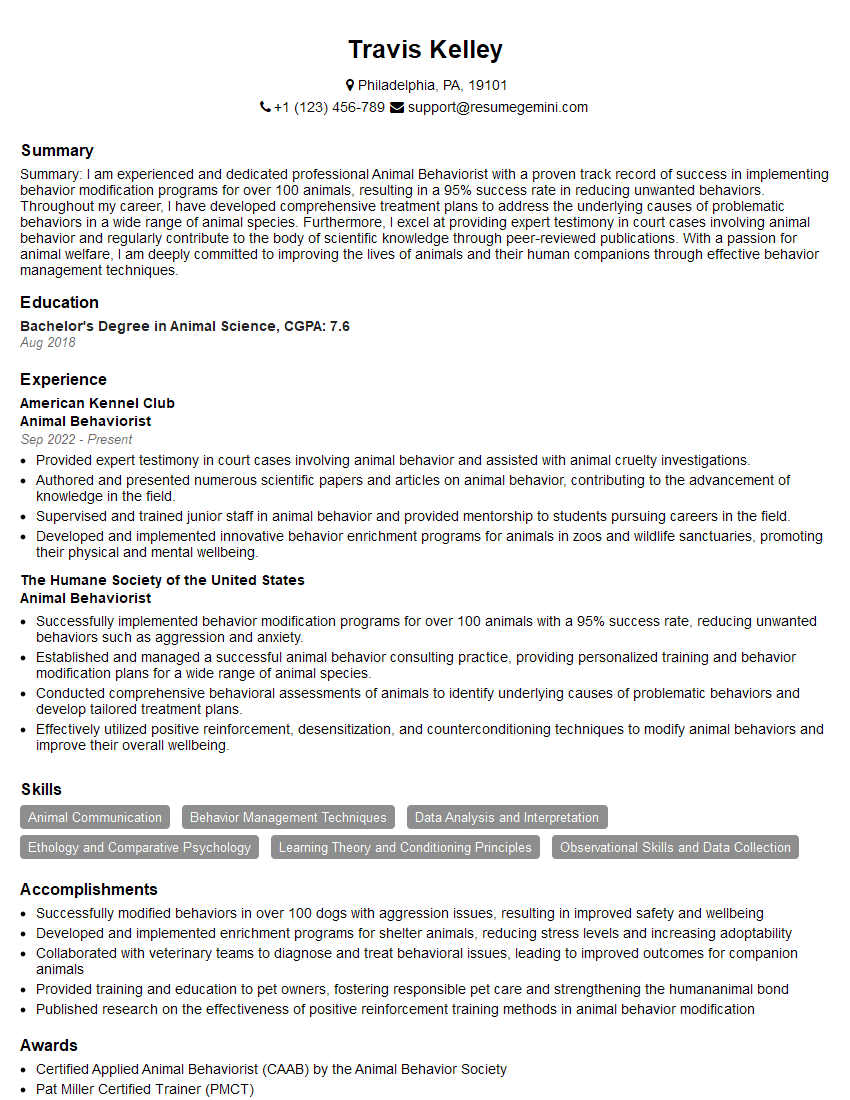
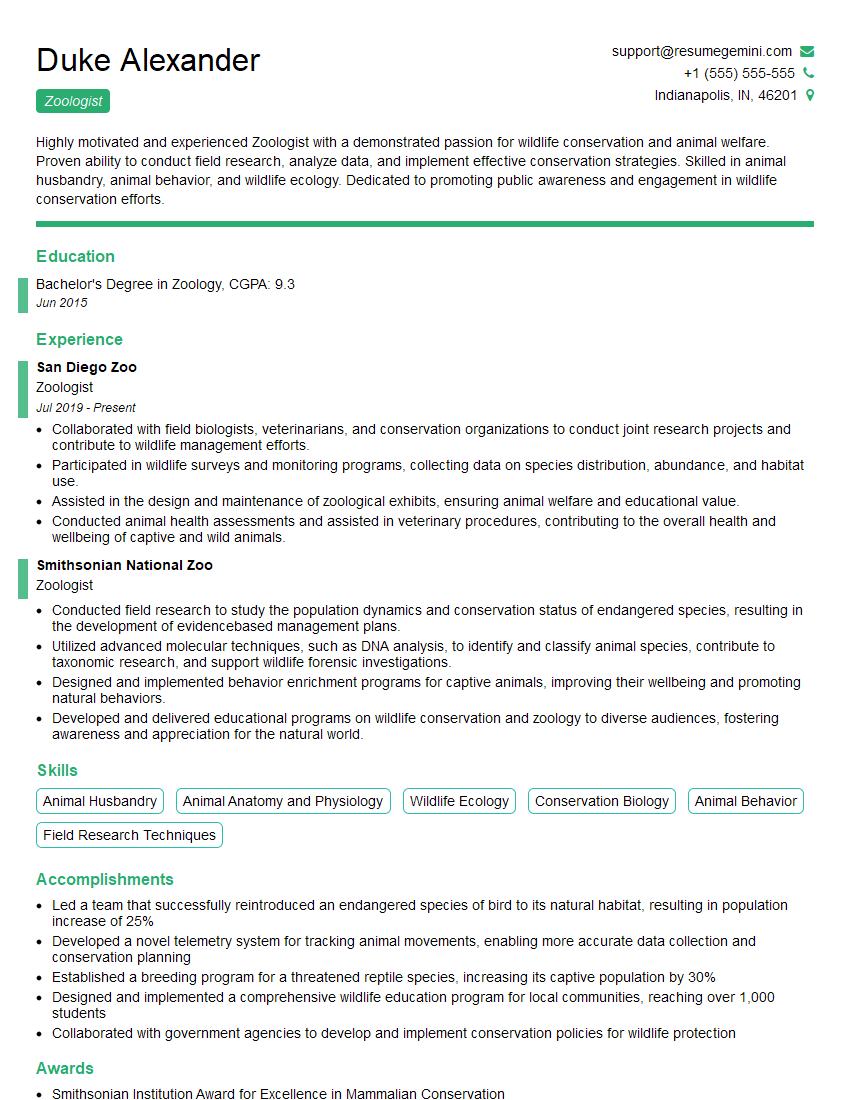
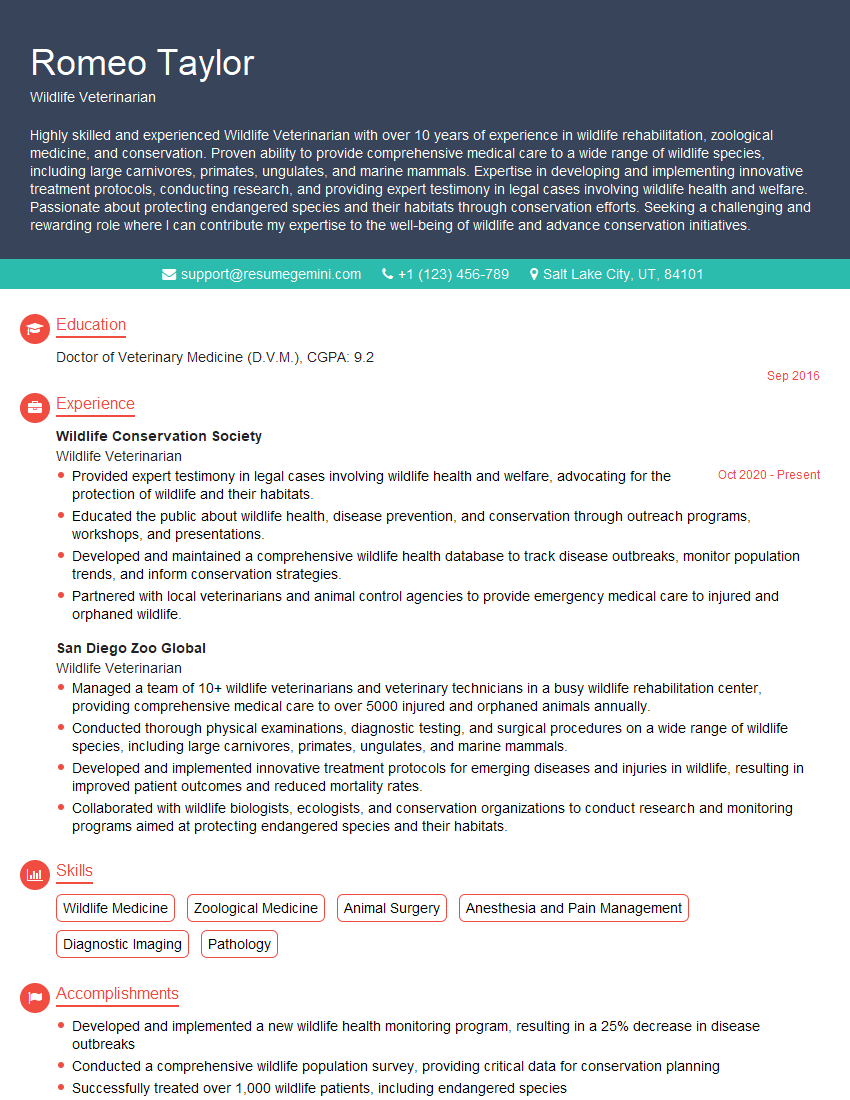
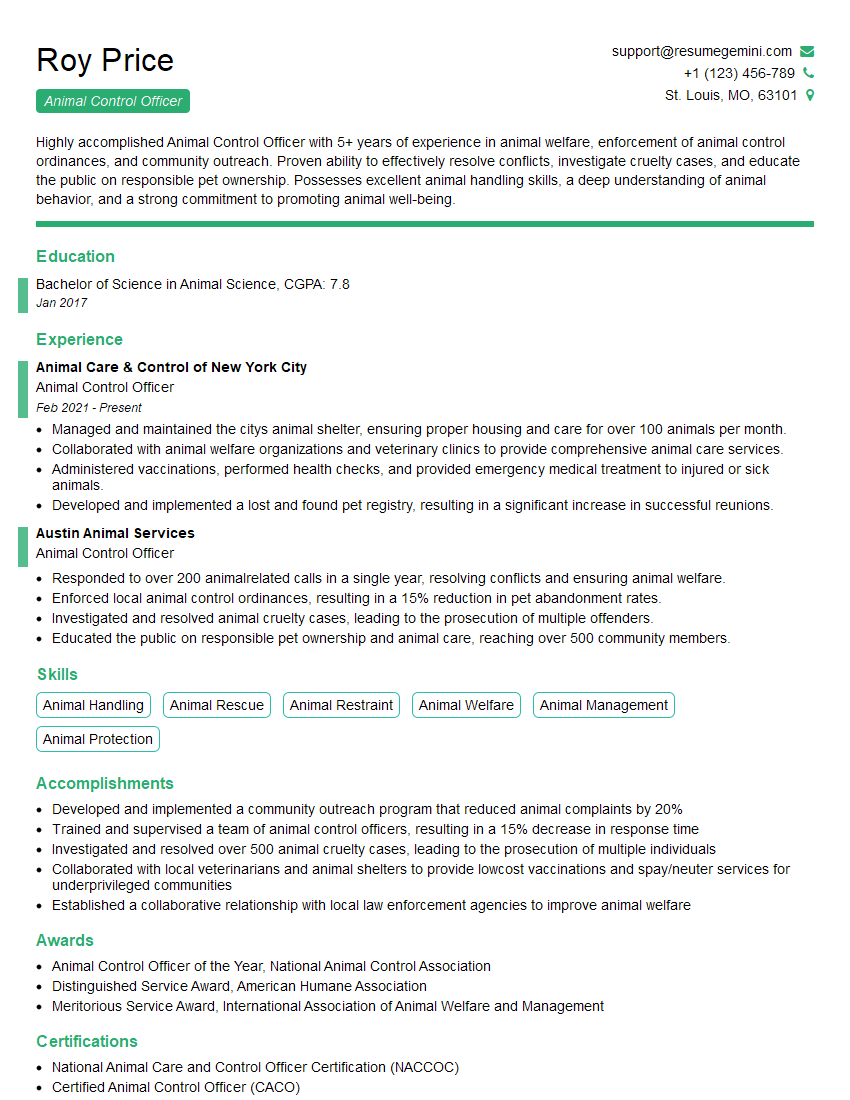
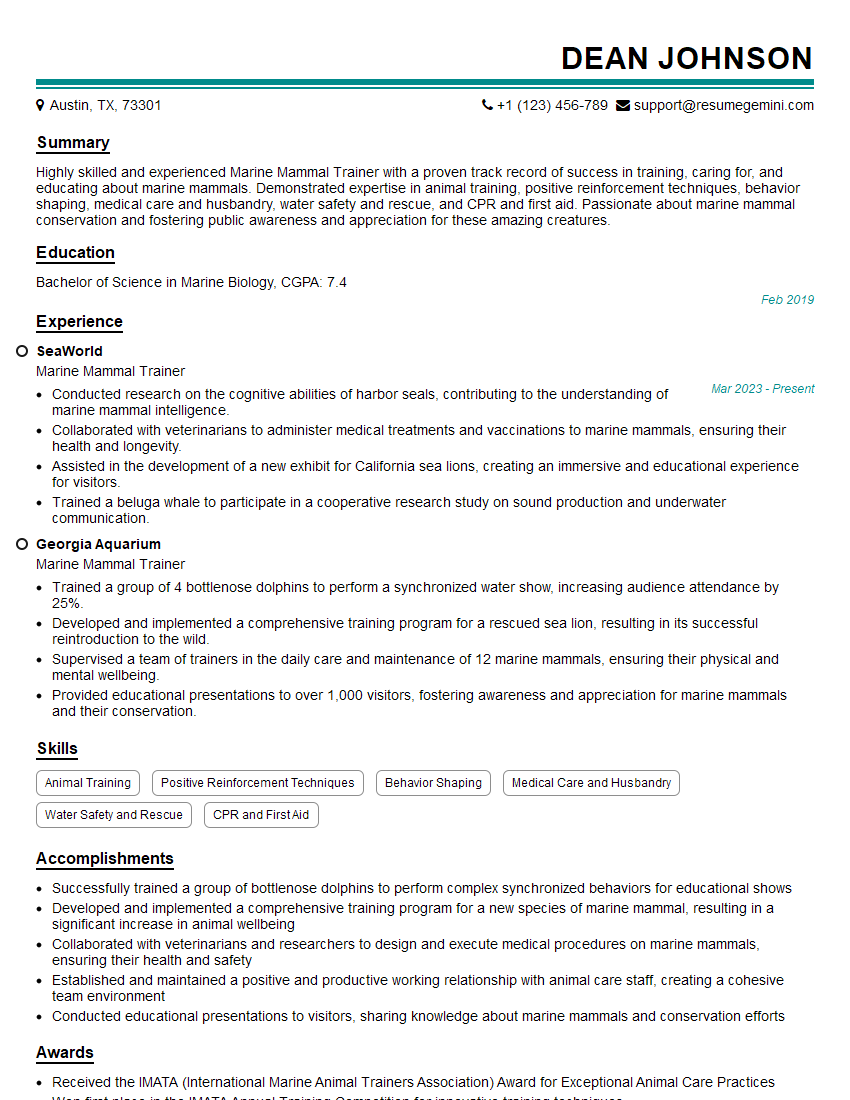
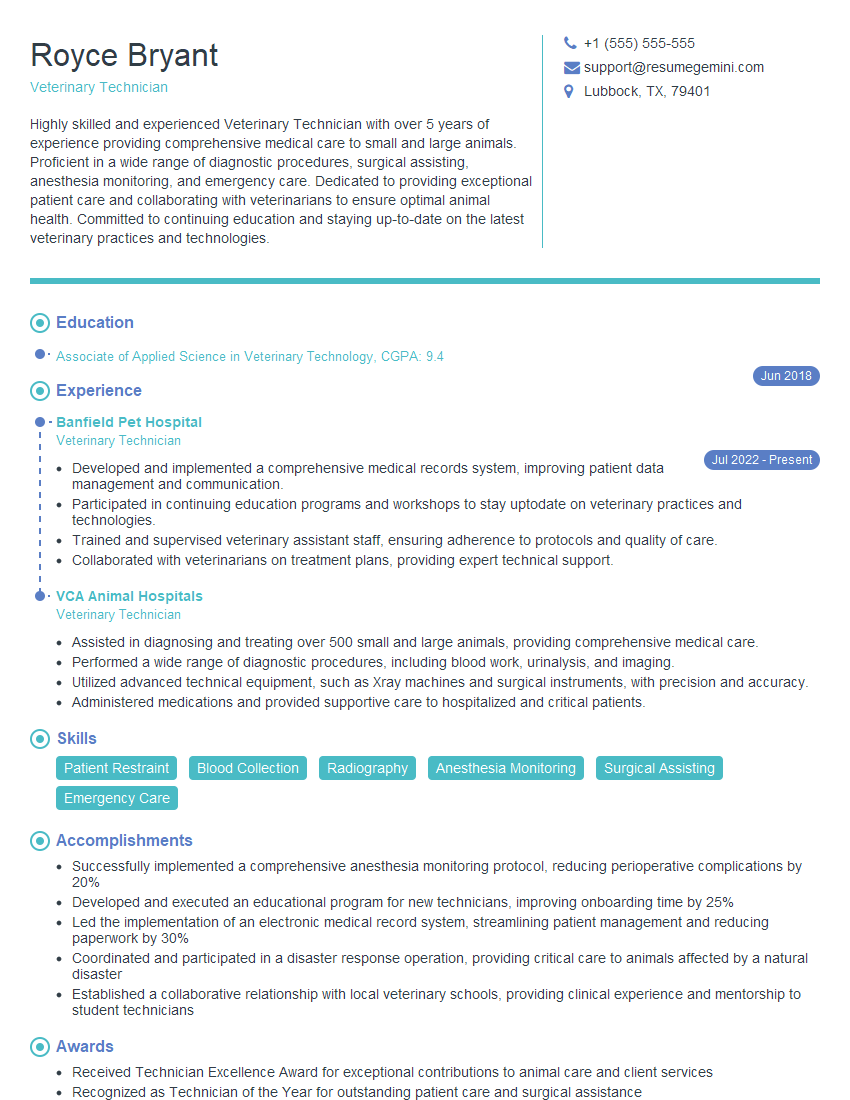
Mastering the principles of Compassion for Animals significantly enhances your career prospects in the animal welfare field, opening doors to rewarding roles with impactful organizations. A well-crafted, ATS-friendly resume is crucial for showcasing your skills and experience to potential employers. To make your resume stand out and increase your chances of securing an interview, we strongly encourage you to use ResumeGemini. ResumeGemini provides a powerful tool for building professional resumes, and we have examples of resumes tailored to Compassion for Animals available to help you get started.


Explore more articles
Users Rating of Our Blogs
Share Your Experience
We value your feedback! Please rate our content and share your thoughts (optional).
What Readers Say About Our Blog
I Redesigned Spongebob Squarepants and his main characters of my artwork.
https://www.deviantart.com/reimaginesponge/art/Redesigned-Spongebob-characters-1223583608
IT gave me an insight and words to use and be able to think of examples
Hi, I’m Jay, we have a few potential clients that are interested in your services, thought you might be a good fit. I’d love to talk about the details, when do you have time to talk?
Best,
Jay
Founder | CEO