The right preparation can turn an interview into an opportunity to showcase your expertise. This guide to Commodity Inspection (Quality and Quantity) interview questions is your ultimate resource, providing key insights and tips to help you ace your responses and stand out as a top candidate.
Questions Asked in Commodity Inspection (Quality and Quantity) Interview
Q 1. Explain the difference between qualitative and quantitative inspection.
Qualitative inspection focuses on the characteristics and properties of a commodity, assessing its quality. Think of it like judging a fruit – is it ripe, bruised, or the right color? Quantitative inspection, on the other hand, focuses on the amount or quantity of the commodity, like weighing a shipment of grain or measuring the volume of oil in a tanker. One assesses quality (attributes), the other assesses quantity (amount).
- Qualitative Example: Assessing the moisture content of a grain shipment using a moisture meter to ensure it meets contract specifications. Visual inspection for defects, discoloration, or foreign materials.
- Quantitative Example: Measuring the volume of a liquid cargo using calibrated tank gauging or weighing a bulk cargo on a certified scale.
Q 2. Describe your experience with various sampling techniques.
My experience encompasses a wide range of sampling techniques, tailored to the specific commodity and inspection requirements. For example, with bulk grain, I’ve utilized stratified random sampling to ensure representation from different parts of the storage area. This avoids bias resulting from uneven distribution of quality or quantity. For liquids, I’ve used composite sampling, collecting multiple samples from various points within the tank and combining them for analysis, which provides a representative sample. With packaged goods, random sampling, systematic sampling or even targeted sampling (e.g., inspecting a specific batch known to have potential issues) might be employed depending on risk levels and contract stipulations. Selecting the appropriate technique is crucial to ensure accurate results and avoid misleading conclusions.
Q 3. How do you ensure accurate quantity measurement of bulk commodities?
Ensuring accurate quantity measurement of bulk commodities demands meticulousness and adherence to standardized procedures. This involves several steps. Firstly, we use calibrated instruments. For example, weighbridges must be regularly checked for accuracy using certified weights. For liquid cargo, tank gauging involves meticulous measurements of the liquid level, utilizing calibrated instruments and accounting for temperature effects on volume. Secondly, we consider environmental factors. Temperature, humidity, and even atmospheric pressure can affect the measured quantity, especially with certain commodities. Lastly, proper documentation is paramount. All measurements must be recorded, including timestamps, instrument identification numbers, and any environmental corrections applied, ensuring traceability and transparency.
Q 4. What are the common challenges encountered during commodity inspection?
Commodity inspection presents several challenges. One common issue is access limitations. Inspecting goods in remote locations or those requiring specialized equipment can be difficult and costly. Another major hurdle is the potential for human error, from incorrect sampling procedures to misreading measurement instruments. Furthermore, discrepancies in documentation often arise, leading to delays and disputes. Weather conditions, especially for outdoor inspections, can also significantly hinder progress and introduce uncertainties. Lastly, staying up-to-date on ever-evolving international standards and regulations is also a constant challenge.
Q 5. How do you handle discrepancies between declared and inspected quantities?
Discrepancies between declared and inspected quantities are handled systematically. First, a thorough investigation is conducted, reviewing all documentation, sampling procedures, and measurement processes to identify the source of the discrepancy. If the discrepancy is minor and within an acceptable tolerance range (defined in the contract), it might be resolved through an agreed-upon adjustment. However, significant discrepancies necessitate a more in-depth analysis, possibly involving re-inspection or even arbitration. Detailed reports, incorporating all findings and the methodology used, are crucial for transparency and to support any necessary adjustments or dispute resolution. It’s important to maintain a professional and impartial approach, always focusing on the facts and evidence.
Q 6. Describe your experience with different types of inspection equipment.
My experience with inspection equipment is extensive. I’ve used a variety of instruments, including calibrated scales (for weighing), moisture meters (for measuring moisture content), probes (for sampling liquids), spectrophotometers (for color analysis), and various testing kits (to assess quality parameters). The specific equipment used depends on the commodity and required tests, but proper calibration, maintenance, and documentation are essential to ensure accurate and reliable results. I am also familiar with using advanced tools like handheld XRF analyzers for compositional analysis and digital moisture meters with data logging capabilities for enhanced record keeping and traceability.
Q 7. How do you verify the quality of goods against specified standards?
Verification against specified standards is achieved through a combination of methods. First, we carefully examine the relevant standards. These might include international standards (e.g., ISO standards), national regulations, or contractually agreed-upon specifications. Then, appropriate testing is performed. This might range from simple visual inspections to complex laboratory analyses. The results are then compared against the defined standards. Any deviations from these standards are documented, and their significance is assessed. This could lead to actions such as rejection of the entire shipment, accepting only a portion, or requesting remedial actions from the supplier. Thorough documentation and clear communication are critical at each step of this process.
Q 8. Explain your process for documenting inspection findings.
Documenting inspection findings is crucial for maintaining transparency, accountability, and legal compliance. My process involves a multi-step approach, beginning with a pre-inspection checklist to ensure all necessary equipment and documentation are in place. During the inspection, I meticulously record all observations, using standardized forms and templates tailored to the specific commodity and relevant international standards (e.g., ISO).
- Detailed descriptions: I provide clear and concise descriptions of any quality or quantity discrepancies, including photographic or video evidence where applicable. For example, if inspecting grain, I’d note the presence of any foreign materials, insect infestation, or moisture content exceeding acceptable limits. I’d also include precise measurements of the quantities inspected.
- Sampling procedures: The sampling method used is meticulously documented, including the location, date, time, and the number of samples taken. This ensures traceability and minimizes bias.
- Quantitative data: All quantitative data, such as weight, volume, moisture content, and chemical composition, is recorded accurately using calibrated instruments. Any deviations from the specified standards are clearly highlighted.
- Final report generation: After the inspection, a comprehensive report is generated, summarizing the findings, including any non-conformances, recommendations for corrective actions, and supporting documentation (photos, test results, etc.). This report is then reviewed and signed before distribution to the relevant stakeholders.
This systematic approach guarantees clear, concise, and legally sound documentation that protects all parties involved.
Q 9. How do you deal with damaged or substandard goods?
Dealing with damaged or substandard goods requires a systematic approach prioritizing safety, legal compliance, and client satisfaction. The first step is to thoroughly document the damage or substandard quality, including photographic evidence and detailed descriptions in the inspection report. This documentation is crucial for any subsequent claims or disputes.
- Classification of damage: I categorize the damage (e.g., minor damage, significant damage, total loss) based on the severity and its impact on the overall quality and usability of the goods. This helps in determining the appropriate course of action.
- Communication with stakeholders: I promptly inform all relevant parties, including the buyer, seller, and insurer, about the findings. Open and transparent communication is vital in managing expectations and minimizing potential conflicts.
- Negotiation and dispute resolution: Depending on the circumstances, I may facilitate negotiations between the buyer and seller to find a mutually agreeable solution, such as price adjustments, replacement of damaged goods, or claims processing with the insurer.
- Disposal or salvage: In cases of significant damage, I may assist in arranging for the safe disposal of the goods in compliance with relevant environmental regulations, or explore options for salvage and re-use of recoverable materials.
My goal is to ensure a fair and efficient resolution that protects the interests of all involved while maintaining ethical and legal standards. For instance, I’ve successfully mediated a dispute involving a shipment of damaged textiles by documenting the extent of damage and working with both parties to agree on a partial refund.
Q 10. What are your strategies for efficient and timely inspections?
Efficient and timely inspections are achieved through meticulous planning and execution. This involves:
- Pre-inspection planning: Thoroughly reviewing the inspection requirements, including commodity specifics, relevant standards, and client instructions, before arriving at the inspection site. This includes confirming the availability of necessary equipment and personnel.
- Optimized sampling techniques: Employing statistically sound sampling methods to minimize inspection time without compromising accuracy. This involves using appropriate sampling tools and adhering to established standards.
- Effective communication: Maintaining clear and consistent communication with all stakeholders, including timely updates and prompt responses to queries. This minimizes delays and potential misunderstandings.
- Leveraging technology: Utilizing inspection software and mobile devices for data entry, report generation, and data analysis. This streamlines the process and facilitates faster reporting.
- Prioritization and delegation: Prioritizing inspections based on urgency and delegating tasks effectively when appropriate, ensuring a well-coordinated team effort.
For example, I once used drone technology to quickly and accurately assess the quantity of stored grains in a large silo, significantly reducing the inspection time compared to traditional methods.
Q 11. Describe your experience with international inspection standards (e.g., ISO).
I have extensive experience with international inspection standards, particularly ISO standards. I am well-versed in ISO 2859 (sampling plans), ISO 9001 (quality management systems), and ISO 17025 (testing and calibration laboratories). Understanding these standards is essential for ensuring the consistency, reliability, and credibility of inspection processes.
My practical application of these standards includes:
- Adherence to sampling plans: Using appropriate sampling plans, as defined by ISO 2859, to obtain representative samples, ensuring the inspection results accurately reflect the overall quality and quantity of the commodity.
- Implementing quality management systems: Applying principles from ISO 9001 to ensure consistency and traceability in inspection procedures, improving accuracy and reducing errors.
- Working with accredited laboratories: Collaborating with ISO 17025-accredited laboratories for testing and analysis, which assures reliable and internationally recognized results.
Incorporating these standards not only ensures compliance but also enhances the credibility and value of the inspection reports, fostering trust among clients and stakeholders.
Q 12. How do you ensure the integrity and security of samples?
Ensuring the integrity and security of samples is critical to maintain the validity of inspection results. My methods include:
- Chain of custody: A detailed chain of custody is maintained for each sample, from collection to testing and disposal. This includes documenting who handled the sample, when, and where. Each transfer of custody is signed and dated.
- Secure packaging and labeling: Samples are stored in tamper-evident containers, clearly labeled with identifiers (sample ID, date, location, commodity), and sealed to prevent unauthorized access or tampering.
- Appropriate storage conditions: Samples are stored under appropriate environmental conditions (temperature, humidity, etc.) to prevent deterioration or contamination, preserving their integrity until testing is completed.
- Secured transport: Samples are transported securely to testing laboratories or storage facilities, minimizing the risk of loss, damage, or unauthorized access.
This ensures the samples remain representative of the original commodity and that the test results are reliable and accurate. For example, I once had to transport sensitive agricultural samples across international borders and ensured all customs documentation was in order, along with secure transport to ensure their integrity was maintained.
Q 13. How familiar are you with various commodity types (e.g., grains, minerals, textiles)?
I possess extensive knowledge of various commodity types, including grains (wheat, corn, rice, soybeans), minerals (ores, coal, aggregates), textiles (fibers, fabrics, garments), and other agricultural products (coffee, cocoa, sugar). My expertise extends to understanding the unique quality and quantity assessment methods specific to each commodity type.
This includes understanding:
- Quality parameters: Knowing the key quality characteristics for each commodity, such as moisture content, foreign material content, size distribution, and chemical composition.
- Quantity measurement techniques: Being proficient in various quantity measurement techniques like weighing, volume measurement, and counting, based on the commodity and its properties.
- Industry standards: Familiarity with relevant industry standards and regulations for each commodity type.
This broad understanding enables me to perform thorough and accurate inspections across a wide range of commodities. I’ve worked on projects involving everything from inspecting large shipments of iron ore to auditing the quality of fine textiles in garment factories.
Q 14. What software or systems have you used for managing inspection data?
Throughout my career, I have utilized several software systems for managing inspection data. These include:
- Spreadsheet software (e.g., Microsoft Excel): For data entry, calculations, and report generation, particularly for smaller-scale inspections.
- Specialized inspection software: These often include features like sample tracking, data analysis, report generation, and database management. They streamline the process and allow for more efficient data management.
- Cloud-based platforms: These facilitate data sharing and collaboration among team members and stakeholders, enhancing transparency and efficiency. Examples include platforms that manage the entire inspection lifecycle, from sample tracking to final report generation.
My experience with these systems allows me to adapt to different technological environments and efficiently manage large volumes of data, ensuring accuracy and timely reporting. I am also adept at learning new software quickly to meet evolving industry needs and client requirements.
Q 15. Describe your experience with report writing and data analysis.
Report writing and data analysis are crucial aspects of my work. I’ve consistently produced detailed, accurate, and objective reports summarizing inspection findings, including both qualitative observations and quantitative data. My reports clearly articulate the condition of commodities, highlighting any discrepancies or deviations from agreed-upon standards. Data analysis involves using statistical methods and software to identify trends, patterns, and outliers in inspection data. For example, I might analyze moisture content data from multiple grain shipments to identify a supplier consistently exceeding acceptable levels, allowing for proactive measures to address the issue. This goes beyond simply stating the facts; I incorporate insightful conclusions and recommendations based on the data analysis to guide clients on corrective actions or preventative measures. I am proficient in using spreadsheet software like Excel and statistical software packages to manage and analyze large datasets. My reports are structured for clarity and easy understanding, whether for internal use or submission to regulatory bodies.
Career Expert Tips:
- Ace those interviews! Prepare effectively by reviewing the Top 50 Most Common Interview Questions on ResumeGemini.
- Navigate your job search with confidence! Explore a wide range of Career Tips on ResumeGemini. Learn about common challenges and recommendations to overcome them.
- Craft the perfect resume! Master the Art of Resume Writing with ResumeGemini’s guide. Showcase your unique qualifications and achievements effectively.
- Don’t miss out on holiday savings! Build your dream resume with ResumeGemini’s ATS optimized templates.
Q 16. How do you handle disputes or disagreements with involved parties?
Disputes are inevitable in commodity inspection. My approach is always to maintain professionalism and objectivity, prioritizing collaboration and clear communication. I begin by thoroughly reviewing the inspection documentation, including photographs and test results, to ensure that my findings are supported by evidence. I then facilitate a meeting with all involved parties—buyers, sellers, and any relevant third parties—to discuss the discrepancies and present my findings in a neutral and unbiased manner. I encourage open dialogue, actively listening to all perspectives and addressing concerns respectfully. If a resolution cannot be reached through discussion, I suggest independent testing or arbitration as a fair and transparent way to reach a consensus. I’ve found that a collaborative approach, where everyone understands the process and evidence, is significantly more effective than adversarial tactics. A recent example involved a dispute over the weight of a cocoa bean shipment. By presenting detailed weighing scales data, along with photos of the weighing process, I was able to resolve the discrepancy without resorting to formal legal action.
Q 17. Explain your understanding of legal and regulatory compliance in commodity inspection.
Legal and regulatory compliance is paramount in commodity inspection. My understanding encompasses international standards (like ISO standards), national regulations (varying by country and commodity), and any specific contractual agreements between buyer and seller. This includes familiarity with regulations regarding sampling procedures, testing methods, documentation, and reporting requirements. I understand the importance of maintaining accurate records, ensuring chain of custody is clear, and adhering to all relevant safety protocols. Non-compliance can have serious consequences, including legal disputes, financial penalties, and reputational damage. For instance, I have experience working with regulations governing the import and export of agricultural products, adhering to phytosanitary requirements and ensuring compliance with food safety regulations. My knowledge base is constantly updated to reflect changes in regulations and best practices. I ensure all my work adheres to the most current and relevant regulations.
Q 18. What are your experience with different methods of quality control testing?
My experience encompasses a wide range of quality control testing methods, tailored to the specific commodity being inspected. For agricultural products, this can include moisture content determination (using oven-drying or Karl Fischer titration), analysis of protein content (Kjeldahl method), assessment of foreign material contamination, and detection of mycotoxins (using ELISA or HPLC). In the case of metals, testing may involve checks for chemical composition (spectroscopy), physical properties (tensile strength, hardness), and surface quality assessments. Each test method has its strengths and limitations, and selecting the appropriate methods is crucial for accurate and reliable results. I understand the importance of proper calibration of equipment, adherence to standardized procedures, and the interpretation of test results within the context of relevant specifications. My proficiency extends to the use and interpretation of various analytical instruments.
Q 19. How do you identify and mitigate potential risks during inspections?
Risk mitigation is an integral part of my inspection process. I identify potential risks through a thorough pre-inspection planning phase, considering factors such as the commodity’s nature, the transportation method, storage conditions, and the inspection location. Possible risks include damage during transit, contamination, adulteration, theft, and inaccurate measurements. My mitigation strategies involve implementing robust sampling procedures, using appropriate equipment and techniques, and documenting everything meticulously. I also emphasize rigorous quality control measures at every stage, from sample collection to testing and reporting. For instance, I might use sealed sample containers to prevent tampering, or employ multiple weighing methods to minimize error. In high-risk situations, I might involve additional personnel or utilize specialized equipment. Regular training and updating my knowledge on emerging risks are vital to my approach.
Q 20. How do you maintain accuracy and consistency in your inspections?
Maintaining accuracy and consistency is achieved through a combination of standardized procedures, calibrated equipment, and rigorous quality control. I use pre-defined checklists and standardized sampling protocols that ensure consistency across inspections. All equipment used for measurement and testing is regularly calibrated and verified against traceable standards. Detailed documentation, including photographs and video recordings, supports the accuracy of my findings. I participate in regular proficiency testing programs to ensure the accuracy of my work and maintain my expertise. Using a standardized reporting format further ensures consistency in the presentation of information. Internal quality checks and peer reviews also contribute to identifying and correcting any potential deviations from established standards. This systematic approach ensures the reliability and consistency of my inspections.
Q 21. Explain your approach to problem-solving in challenging inspection situations.
My approach to problem-solving in challenging inspection situations is systematic and data-driven. I start by clearly defining the problem, gathering all relevant information and data, and identifying the root cause. I use a structured approach, such as a flowchart or decision tree, to analyze potential solutions. This involves brainstorming, evaluating the feasibility and risks of different options, and selecting the most effective solution. Communication is key; I keep all involved parties informed of the progress and challenges. If necessary, I seek assistance from colleagues or experts with specialized knowledge. A recent challenge involved a discrepancy between the declared quantity and the actual quantity of a bulk shipment of minerals. By meticulously analyzing the loading and unloading procedures, reviewing the vessel’s documentation and involving experts in maritime surveying, we were able to pinpoint the source of the discrepancy and find a satisfactory resolution. Documentation of the problem-solving process is vital, not only for resolution but also for future reference and improvement.
Q 22. How do you prioritize tasks and manage time effectively during inspections?
Effective time management during commodity inspections is crucial for ensuring thoroughness and meeting deadlines. My approach involves a three-step process: prioritization, planning, and execution.
Prioritization: I use a combination of techniques. The urgency and importance matrix helps me categorize tasks based on their impact and deadline. For example, verifying the quantity of a highly perishable good takes precedence over a less time-sensitive quality check. I also consider the potential risks associated with each task; a potential contamination issue requires immediate attention.
Planning: Once prioritized, I create a detailed schedule, allocating specific time slots for each task. This includes considering potential delays, such as waiting for lab results or access to equipment. I break down larger tasks into smaller, more manageable ones, making the entire process less overwhelming.
Execution: I adhere to the schedule as closely as possible, using time-tracking tools to monitor progress and identify areas needing adjustment. Regular self-checks ensure I’m on track. If unexpected issues arise, I reassess the schedule, re-prioritizing tasks to minimize disruptions. For example, if a crucial piece of equipment malfunctions, I may need to temporarily reschedule other tasks to fix it first.
This structured approach allows me to complete inspections efficiently and accurately, minimizing delays and ensuring the integrity of the process.
Q 23. Describe your experience with working independently and as part of a team.
Throughout my career, I’ve consistently demonstrated the ability to work effectively both independently and collaboratively. Independent work is crucial for tasks like reviewing documentation, analyzing samples, and preparing reports. My meticulous attention to detail and self-motivation allow me to handle these tasks efficiently and accurately. For instance, during an inspection of a large grain shipment, I independently assessed the moisture content of numerous samples, ensuring consistency and accuracy in my findings. This involved using a variety of measuring tools and applying my knowledge of best practices.
Teamwork is equally important, particularly during complex inspections requiring coordination. My experience in large-scale projects has honed my communication and collaboration skills. I am adept at working with diverse teams, including inspectors, lab technicians, and clients, facilitating smooth communication and shared understanding. For example, in a recent inspection of a container load of textiles, I collaborated effectively with a laboratory technician and a logistics specialist to ensure both quality and quantity checks were completed expeditiously. We shared our findings openly and resolved any differences in opinion quickly and effectively, leading to the timely conclusion of the inspection.
Q 24. How do you stay updated with the latest industry standards and best practices?
Staying updated on industry standards and best practices is paramount in commodity inspection. I utilize several strategies to maintain my expertise.
Professional Organizations: Active membership in organizations such as [mention relevant professional organizations e.g., the Institute of Inspection Cleaning and Restoration Certification (IICRC) or relevant commodity-specific organizations] provides access to industry publications, conferences, and networking opportunities. These resources offer valuable insights into emerging trends and regulatory changes.
Industry Publications and Journals: I regularly read industry-specific journals and online publications to stay abreast of new techniques, technologies, and regulatory updates. This keeps my knowledge current and relevant.
Training Courses and Workshops: I actively participate in training courses and workshops to enhance my skills and learn about new inspection methods. This includes hands-on training with new equipment and techniques.
Online Resources: I leverage online resources, including reputable websites and databases, to access the latest information on industry standards and best practices. This allows for continuous learning and knowledge enhancement.
This multi-faceted approach guarantees that my inspection practices remain aligned with the highest standards and best practices in the field.
Q 25. What are your strengths and weaknesses regarding commodity inspection?
My strengths lie in my meticulous attention to detail, analytical skills, and problem-solving abilities. I possess a strong understanding of various commodity types and their specific quality and quantity assessment methods. I’m also proficient in using various inspection equipment and interpreting lab results accurately. For example, my experience in identifying subtle variations in the color and texture of fabrics has enabled me to prevent the release of substandard batches of textiles on several occasions.
While I possess a strong understanding of various commodity inspection methods, one area for improvement is expanding my knowledge on the use of advanced analytical instruments such as near-infrared spectroscopy for grain testing. I am actively seeking opportunities to enhance my skills in this area through training courses and hands-on experience.
Q 26. How do you handle stressful or high-pressure inspection situations?
High-pressure inspection situations, such as dealing with time constraints or unexpected discrepancies, require a calm and methodical approach. My strategy focuses on maintaining composure, prioritizing tasks, and effectively communicating with relevant stakeholders.
Remain Calm and Focused: I take deep breaths, prioritize tasks, and focus on addressing issues methodically. Panicking will only compound the problem.
Effective Communication: Open communication with all parties involved – clients, team members, and other stakeholders – is key. Keeping everyone informed about the situation and my plans for addressing it helps to prevent miscommunication and unnecessary stress.
Problem-Solving: I approach the situation as a problem-solving challenge, systematically evaluating the issue, identifying potential solutions, and selecting the most effective course of action. This often involves seeking additional expertise when necessary.
Documentation: Meticulous documentation throughout the process is critical, especially in stressful situations, to ensure a clear and accurate record of events and decisions.
For instance, during a large-scale inspection of a bulk cargo ship under tight time constraints, the unexpected discovery of damaged goods required a swift decision. By communicating effectively with the shipping company and port authorities, we were able to initiate a damage assessment, document all the findings, and reach a fair solution without causing further delays.
Q 27. Describe a situation where you had to make a critical decision during an inspection.
During an inspection of a shipment of coffee beans, I noticed inconsistencies between the declared weight and the actual measured weight. Initial measurements indicated a significant shortage. This could have resulted in significant financial losses for both the importer and exporter. I had to make a critical decision: whether to proceed with the current findings or conduct further investigation.
Instead of immediately issuing a report based on the initial findings, I decided to conduct a thorough re-examination. I checked the weighing scales for calibration errors and meticulously reviewed the loading and unloading procedures. I also consulted with the port authorities and the shipping company to ensure accurate documentation. After a thorough investigation, I discovered that the discrepancy stemmed from an error in the initial weighing process due to equipment malfunction, not from theft or deliberate misrepresentation. My decision to conduct a further investigation prevented potentially incorrect and damaging accusations.
This experience highlighted the importance of thoroughness and critical thinking in commodity inspection. A hasty conclusion based on incomplete information could have had significant repercussions.
Key Topics to Learn for Commodity Inspection (Quality and Quantity) Interview
- Sampling Techniques: Understanding various sampling methods (random, stratified, systematic) and their application in ensuring representative samples for accurate quality and quantity assessments. Practical application includes choosing the appropriate sampling method based on commodity type and inspection objectives.
- Quality Control Methods: Mastering techniques for assessing physical and chemical properties, including visual inspection, laboratory testing, and the use of specialized equipment. Practical application involves interpreting test results and identifying potential quality deviations.
- Quantity Measurement Techniques: Proficiency in utilizing various measurement tools and techniques (weighing, volumetric measurements, dimensional checks) to ensure accurate quantity determination. Practical application includes understanding and mitigating potential errors in measurement and ensuring consistency across different measurement methods.
- Documentation and Reporting: Developing clear and concise inspection reports, adhering to relevant standards and regulations. Practical application involves effectively communicating findings to stakeholders and maintaining accurate records.
- International Standards and Regulations: Familiarity with relevant international standards (e.g., ISO) and regulatory frameworks governing commodity inspection. Practical application involves applying these standards during inspections and ensuring compliance.
- Data Analysis and Interpretation: Analyzing inspection data to identify trends, patterns, and potential issues. Practical application involves using statistical methods to draw meaningful conclusions and support decision-making.
- Problem-Solving and Decision-Making: Developing effective strategies for addressing quality and quantity discrepancies. Practical application includes identifying root causes of issues and implementing corrective actions.
- Health and Safety Regulations: Understanding and adhering to all relevant health and safety regulations related to commodity handling and inspection.
Next Steps
Mastering Commodity Inspection (Quality and Quantity) opens doors to a rewarding career with excellent growth potential in international trade, logistics, and quality assurance. A strong resume is crucial for securing your dream role. Creating an ATS-friendly resume significantly improves your chances of getting noticed by recruiters. We highly recommend using ResumeGemini to build a professional and effective resume tailored to the specifics of Commodity Inspection (Quality and Quantity). ResumeGemini provides valuable tools and resources, including examples of resumes designed for this field, to help you present your skills and experience in the best possible light. Invest time in crafting a compelling resume – it’s your first impression and a key to unlocking your career aspirations.
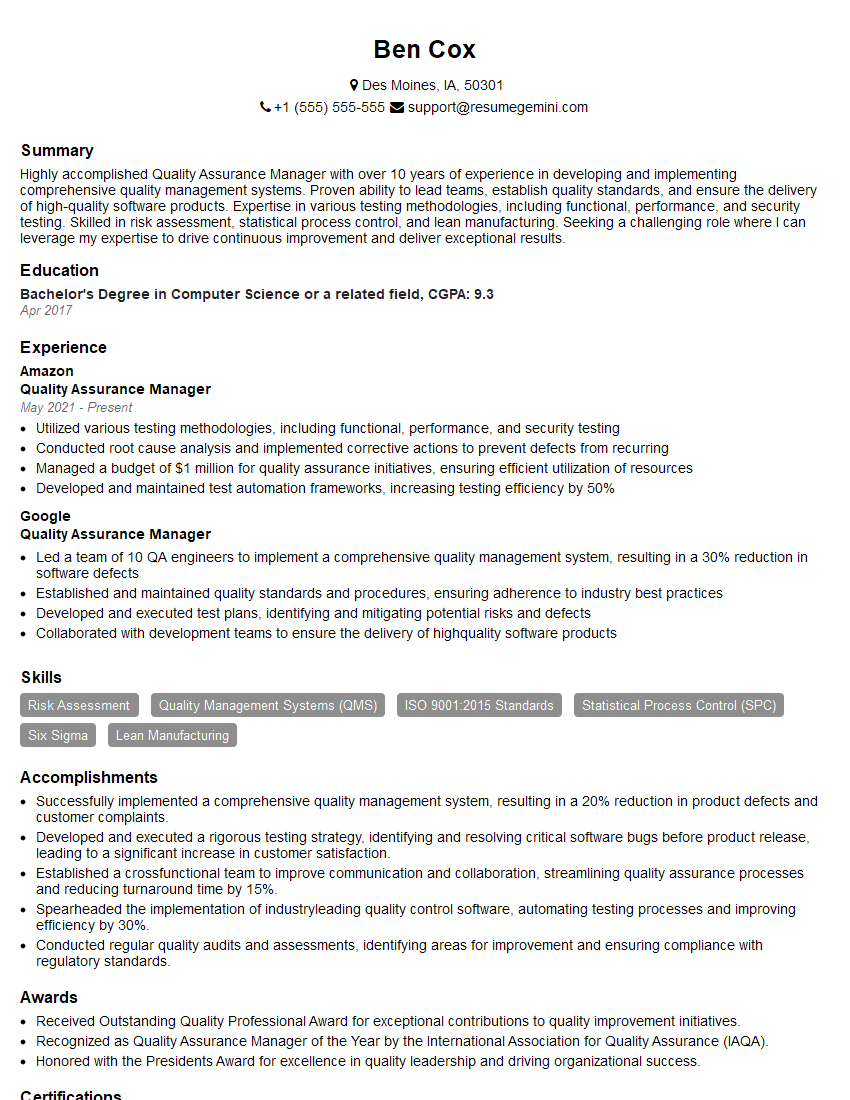
Quality Assurance Manager Resume Sample
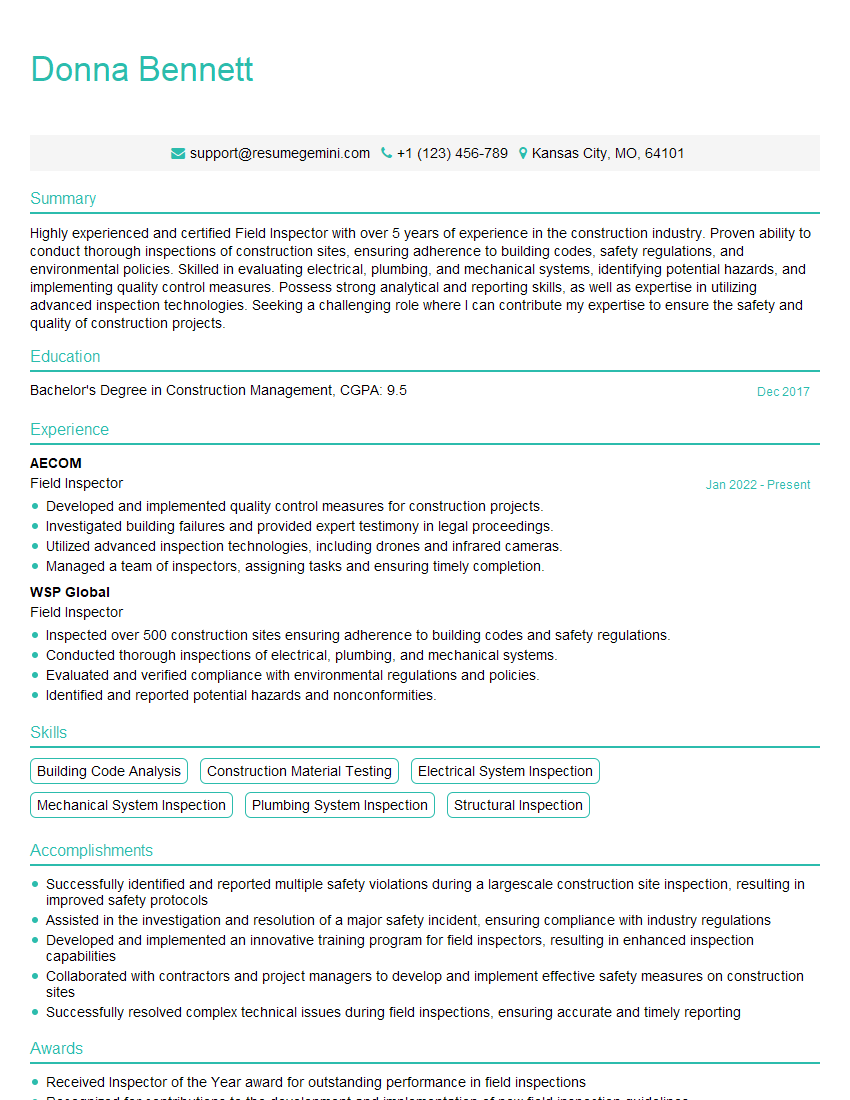
Field Inspector Resume Sample
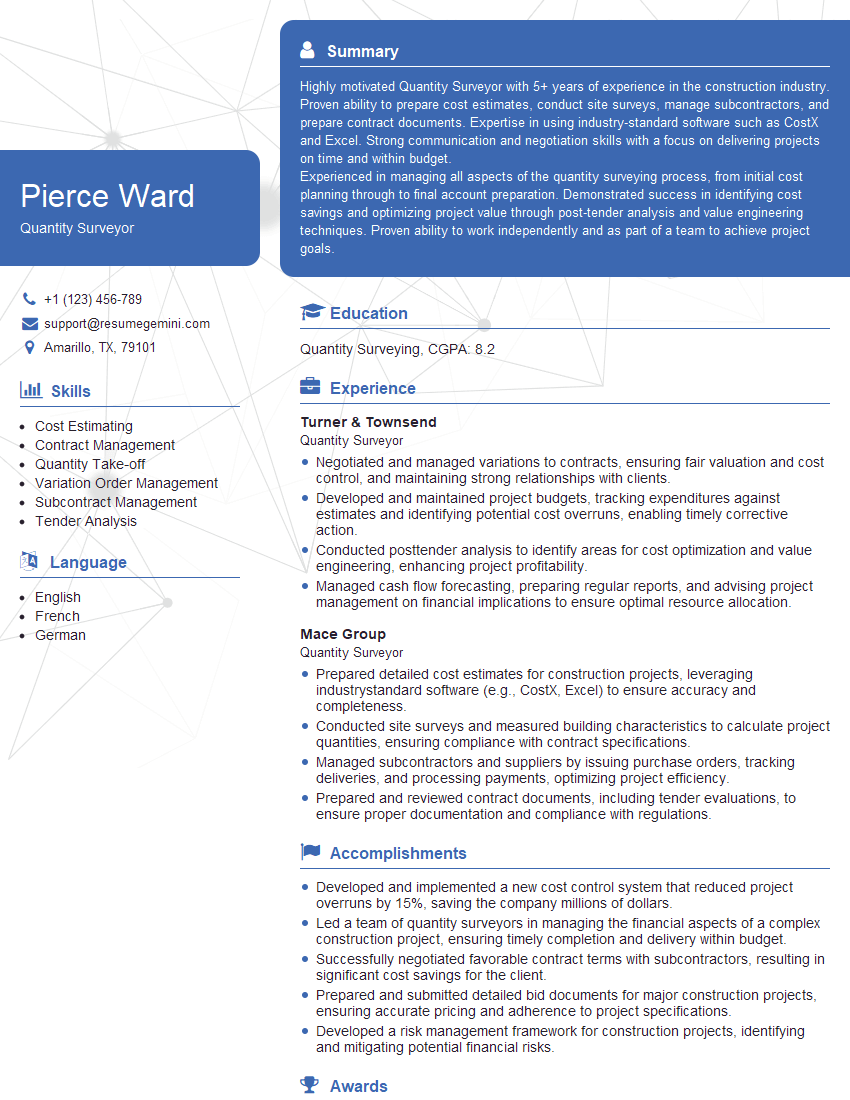
Quantity Surveyor Resume Sample
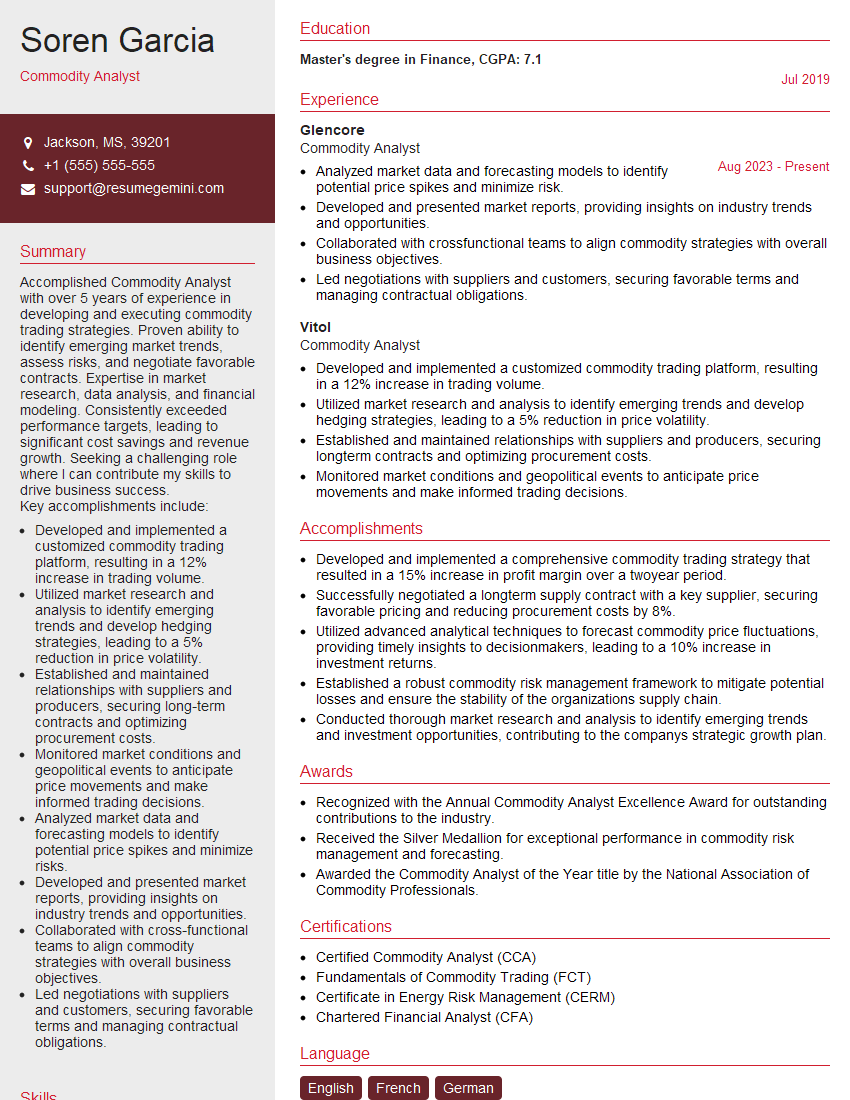
Commodity Analyst Resume Sample
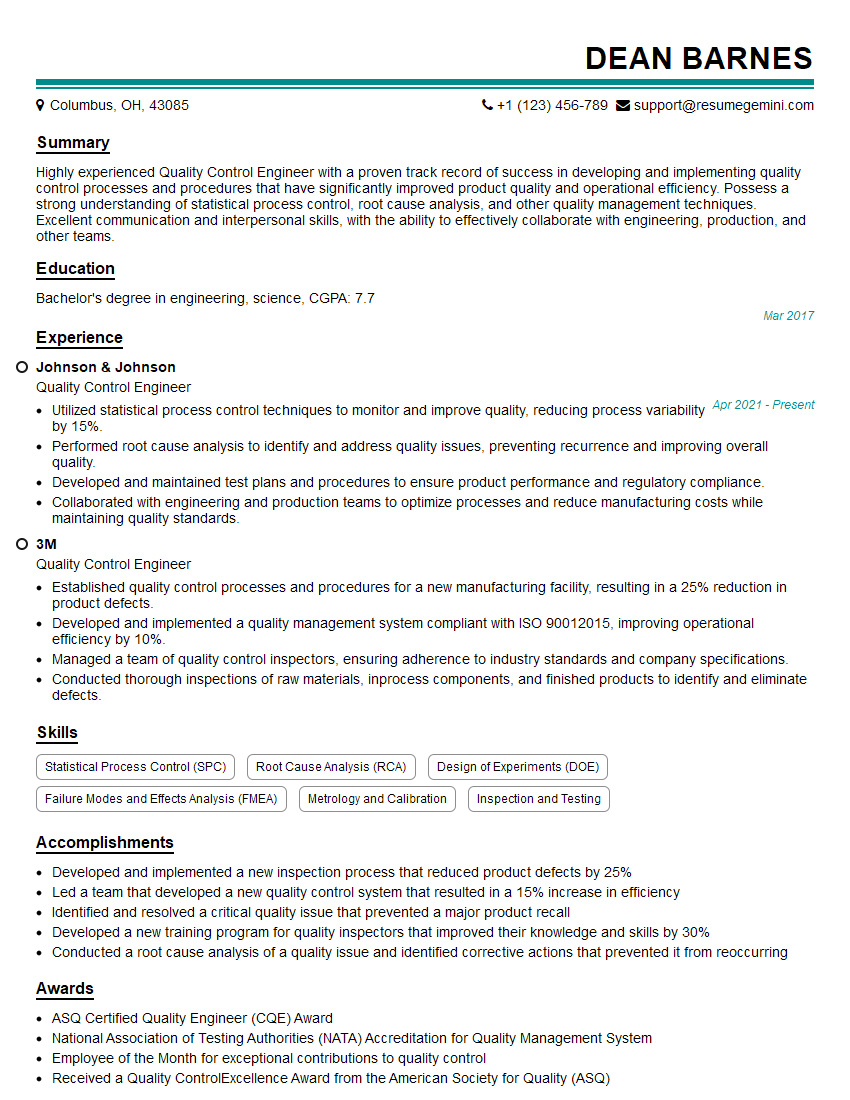
Quality Control Engineer Resume Sample
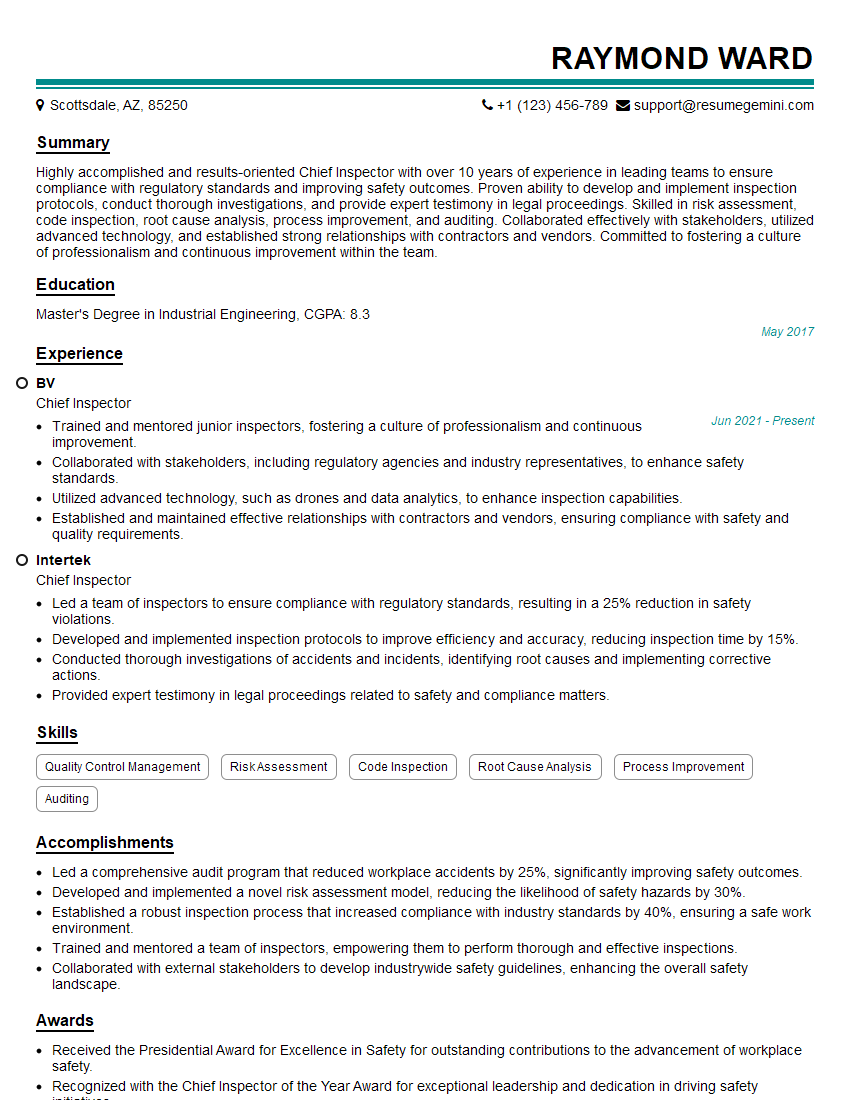
Chief Inspector Resume Sample
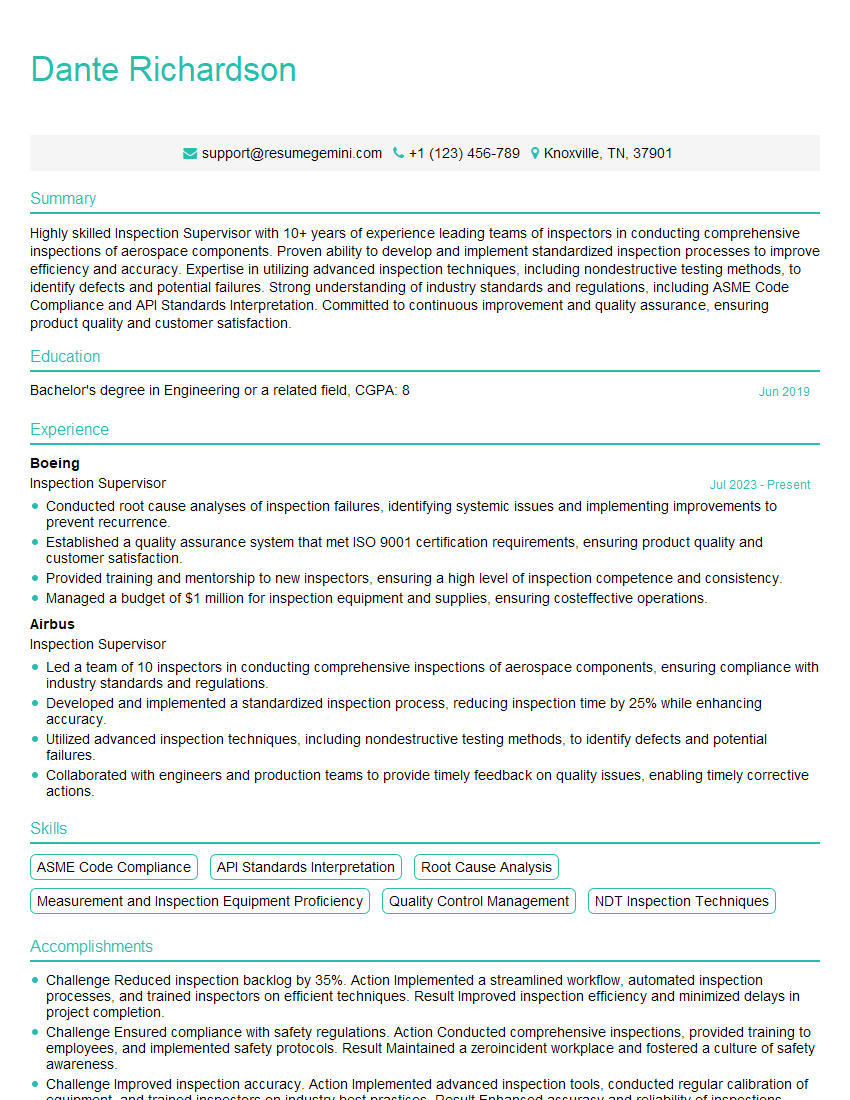
Inspection Supervisor Resume Sample
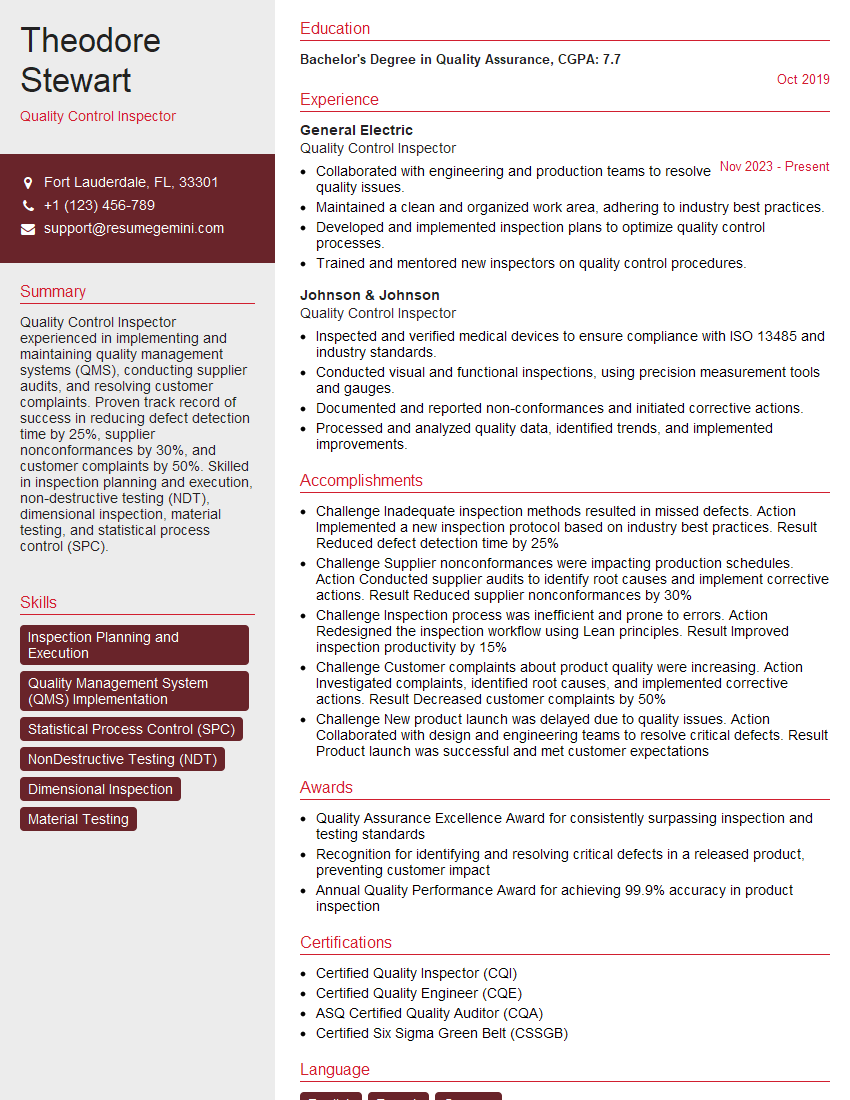
Quality Control Inspector Resume Sample
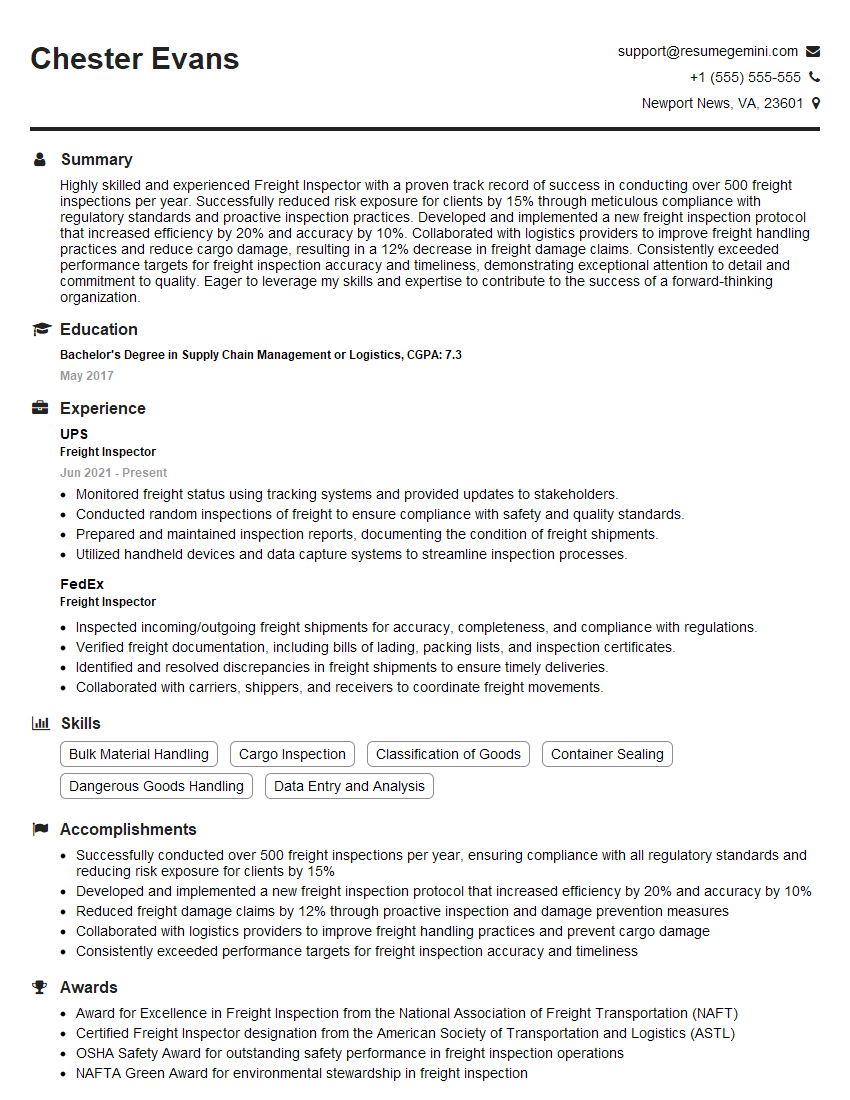
Freight Inspector Resume Sample
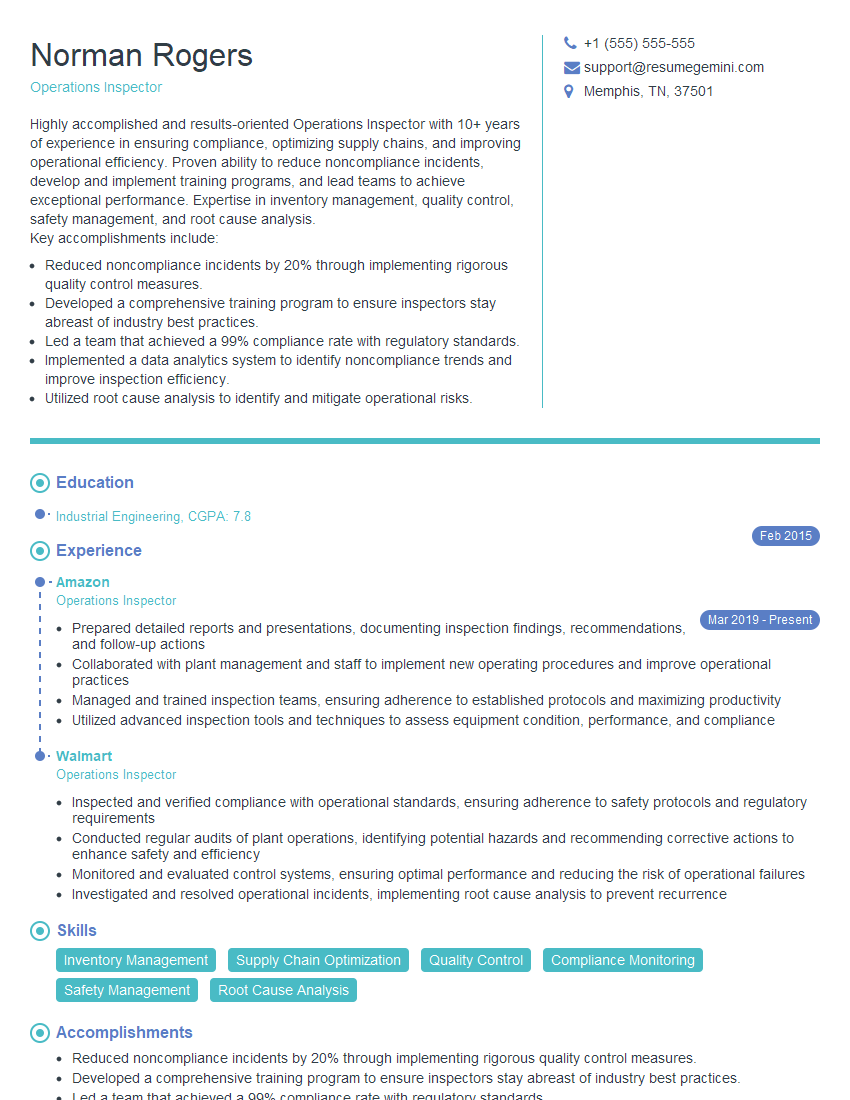
Operations Inspector Resume Sample

Cargo Surveyor Resume Sample
Explore more articles
Users Rating of Our Blogs
Share Your Experience
We value your feedback! Please rate our content and share your thoughts (optional).
What Readers Say About Our Blog
I Redesigned Spongebob Squarepants and his main characters of my artwork.
https://www.deviantart.com/reimaginesponge/art/Redesigned-Spongebob-characters-1223583608
IT gave me an insight and words to use and be able to think of examples
Hi, I’m Jay, we have a few potential clients that are interested in your services, thought you might be a good fit. I’d love to talk about the details, when do you have time to talk?
Best,
Jay
Founder | CEO