Interviews are opportunities to demonstrate your expertise, and this guide is here to help you shine. Explore the essential Dismantling interview questions that employers frequently ask, paired with strategies for crafting responses that set you apart from the competition.
Questions Asked in Dismantling Interview
Q 1. Describe your experience with different dismantling techniques.
My experience spans various dismantling techniques, categorized broadly by material and structure. For instance, I’m proficient in mechanical dismantling, which involves using tools like hydraulic shears, excavators, and specialized cutting equipment to break down large structures like steel bridges or industrial machinery. This often requires a phased approach, starting with the removal of non-structural components before tackling the main structure.
Chemical dismantling, on the other hand, uses solvents or other chemicals to dissolve or break down materials, particularly useful for delicate electronic components or structures with hazardous materials embedded. This needs meticulous planning and adherence to safety regulations, including proper waste disposal.
Finally, I have experience with explosive dismantling, albeit under highly controlled circumstances and with all necessary permits. This technique is employed for very large or complex structures where other methods are impractical. This approach demands rigorous risk assessment and safety protocols, focusing on precision detonation to minimize collateral damage.
- Example: A recent project involved dismantling a large chemical plant. We used a combination of mechanical and chemical methods, carefully segregating hazardous materials for safe disposal.
Q 2. Explain your understanding of safety protocols in dismantling operations.
Safety is paramount in dismantling operations. Our protocols adhere to strict industry standards and regulations (e.g., OSHA in the US). These protocols encompass multiple layers, from initial site surveys and risk assessments to ongoing safety briefings for the entire team.
Before any work commences, a detailed risk assessment identifies potential hazards like asbestos, confined spaces, electrical hazards, and unstable structures. Control measures are implemented—permit-to-work systems, engineering controls (e.g., isolation of electrical systems), and personal protective equipment (PPE), including harnesses, respirators, and safety glasses—to mitigate these risks.
Regular safety inspections and toolbox talks are essential to reinforce safety awareness. Emergency response plans are developed and practiced, with clear communication protocols and emergency contact details readily available. Detailed documentation of all safety procedures and incidents is maintained to ensure continuous improvement.
Q 3. How do you identify and mitigate potential hazards during dismantling?
Identifying and mitigating hazards is an iterative process that starts long before the first tool touches the structure. We employ a methodical approach that includes:
- Pre-dismantling Site Survey: A thorough inspection to identify potential hazards – structural instability, presence of asbestos, hazardous materials, utilities, etc.
- Risk Assessment: Analyzing identified hazards to determine their severity and likelihood, prioritizing mitigation efforts accordingly.
- Method Statement: Developing a step-by-step plan outlining the dismantling process, including safety precautions for each step.
- Mitigation Strategies: Implementing appropriate controls such as engineering controls (e.g., scaffolding for working at heights), administrative controls (e.g., work permits), and PPE.
- Regular Monitoring: Continuous oversight during the dismantling process to ensure adherence to safety protocols and promptly address any emerging hazards.
Example: During the dismantling of an old factory, we discovered unexpected asbestos insulation. The project was immediately halted, and specialized asbestos removal contractors were engaged to safely remove the material, following strict decontamination procedures.
Q 4. What experience do you have with specific dismantling equipment (e.g., cranes, torches)?
I have extensive experience operating and overseeing the use of various dismantling equipment. My experience with cranes ranges from small mobile cranes for handling lighter components to large tower cranes used for dismantling tall structures. Safety is paramount, including pre-operational checks, load calculations, and the use of qualified crane operators.
I’m also proficient in the safe and efficient use of cutting torches, primarily for severing metal components. This requires understanding different metal types, appropriate torch settings to prevent damage, and implementing fire safety measures.
Beyond these, I have experience with other equipment like excavators (for demolition and material handling), hydraulic shears (for cutting metal), and specialized lifting gear—all operated with a strong emphasis on safety regulations and best practices.
Q 5. Describe your experience with the safe handling and disposal of hazardous materials.
Safe handling and disposal of hazardous materials are critical. We follow strict procedures complying with all relevant environmental regulations and waste management guidelines. This includes identifying and segregating hazardous waste (asbestos, lead paint, PCBs, etc.) according to their classification.
Appropriate PPE, specialized containers, and transportation methods are employed to minimize the risk of exposure or accidental release. We work closely with licensed waste disposal companies to ensure that hazardous materials are disposed of in accordance with regulations, and maintain detailed records of waste disposal throughout the process.
Example: In a recent project involving the dismantling of a chemical processing plant, we meticulously separated different types of hazardous waste—organic solvents, heavy metals, and corrosive materials—using clearly labeled containers and ensuring compliance with all transportation and disposal regulations.
Q 6. How do you ensure the efficient and cost-effective dismantling of equipment?
Efficient and cost-effective dismantling requires careful planning and execution. We begin by optimizing the dismantling sequence, focusing on minimizing downtime and maximizing material recovery. This involves detailed sequencing and the selection of the most efficient techniques for each stage. For example, we may prioritize the removal of valuable components for reuse or resale before proceeding with demolition.
Detailed cost estimations are created at the outset, taking into account labor, equipment, material disposal, and potential revenue from reclaimed materials. Regular progress monitoring ensures the project stays on schedule and within budget, with any necessary adjustments made promptly.
Negotiating favorable contracts with waste disposal companies and material recyclers can also significantly reduce costs. Employing innovative techniques and equipment can also lead to greater efficiency and cost savings.
Q 7. What is your experience with creating detailed dismantling plans and schedules?
Developing detailed dismantling plans and schedules is fundamental to successful project execution. These plans are far more than simple lists; they are comprehensive documents detailing every aspect of the dismantling process. They begin with a thorough site assessment and risk assessment, identifying potential challenges and devising solutions.
The plan defines a sequential breakdown of the structure, outlining each stage, the required equipment, the necessary safety precautions, and the estimated time required for each task. This is often represented visually through diagrams and drawings. A detailed schedule, incorporating dependencies between tasks, is created to optimize the overall timeframe.
Regular reviews and updates to the plan are essential to accommodate any unforeseen circumstances or changes in scope. Proper documentation ensures that the project remains on track and aligns with safety regulations and client expectations.
Example: A recent project involved the dismantling of a large power plant. The plan included detailed sequence diagrams, risk assessments for each phase, equipment specifications, worker assignments, waste management strategies, and a critical path schedule that showed task dependencies and potential delays.
Q 8. How do you manage a team during a complex dismantling project?
Managing a team during a complex dismantling project requires a structured approach focusing on clear communication, delegation, and safety. I begin by establishing a clear project plan, breaking down the project into manageable tasks with assigned responsibilities and deadlines. Regular team meetings are crucial, not only for updates but also for open dialogue addressing challenges and concerns.
For example, on a recent petrochemical plant decommissioning, I divided the team into specialized groups: demolition, material handling, environmental compliance, and logistics. Each group had a lead, responsible for daily reporting and problem-solving within their domain. Daily stand-up meetings ensured transparency and proactive issue identification.
Furthermore, I prioritize safety training and adherence to safety protocols. This includes regular safety briefings, toolbox talks, and the use of personal protective equipment (PPE). A strong emphasis on open communication fosters a culture where team members feel comfortable reporting near misses or potential hazards without fear of retribution.
Q 9. How do you ensure compliance with relevant environmental regulations during dismantling?
Ensuring environmental compliance is paramount. This starts with a thorough understanding of all relevant local, regional, and national regulations. This often involves researching specific permits, waste disposal protocols, and air/water quality standards. We meticulously plan for waste segregation and management from the outset, anticipating the types and quantities of materials to be removed.
For instance, during the dismantling of an old power plant, we had to meticulously categorize asbestos-containing materials, ensuring their safe removal and disposal according to strict guidelines. We partnered with certified asbestos removal contractors and utilized specialized equipment and protocols to guarantee complete compliance. All waste streams are meticulously documented and tracked, maintaining detailed manifests for auditability. Regular audits and inspections are performed to verify compliance throughout the project.
Q 10. Explain your experience with dismantling large-scale industrial equipment.
My experience with large-scale industrial equipment dismantling includes projects involving power generation plants, chemical processing facilities, and steel mills. These projects often require intricate planning, specialized equipment, and a deep understanding of the equipment’s structure and functionality. I’ve overseen the dismantling of massive boilers, turbines, and other heavy machinery, requiring careful sequencing of operations to ensure safety and prevent damage.
One significant project involved the decommissioning of a large refinery unit. This demanded a phased approach, beginning with complete isolation and de-energization of systems, followed by careful dismantling of piping, vessels, and structural components. We utilized techniques like controlled demolition and precision cutting to minimize waste and ensure worker safety. Detailed procedures and engineering drawings were essential for managing the complex interconnections of the equipment.
Q 11. Describe your knowledge of different dismantling tools and their applications.
My knowledge of dismantling tools is extensive, ranging from basic hand tools like bolt cutters and wrenches to sophisticated machinery like hydraulic shears, plasma cutters, and demolition robots. The selection of tools depends on the material, size, and complexity of the structure.
For example, while dismantling a steel structure, we might use a plasma cutter for precise cutting of beams and a hydraulic shear for heavier sections. For concrete structures, we may employ demolition robots or specialized hydraulic breakers. Proper selection ensures efficiency, safety, and minimal damage to surrounding structures. Regular maintenance and inspection of all equipment are vital for ensuring operational safety and efficiency.
Q 12. How do you handle unexpected challenges or delays during a dismantling project?
Unexpected challenges are inevitable in dismantling projects. My approach involves a proactive risk assessment, identifying potential issues beforehand and developing contingency plans. However, even with meticulous planning, unforeseen obstacles arise. My strategy focuses on immediate problem identification, collaboration with the team, and rapid adaptation to find effective solutions.
For instance, during the dismantling of a bridge, we discovered unexpected reinforcement that wasn’t indicated on the blueprints. This required a temporary halt to assess the situation, consult engineering experts, and revise our dismantling plan. Open communication was key to keeping stakeholders informed and maintaining a positive team morale. Effective communication, flexibility, and problem-solving skills are critical for navigating such challenges.
Q 13. How familiar are you with different types of demolition techniques?
I’m familiar with various demolition techniques including controlled demolition (using explosives), mechanical demolition (using excavators, breakers), and selective demolition (targeted removal of specific components). The choice of technique depends heavily on the structure’s size, material, location, and environmental considerations.
Controlled demolition, for instance, is ideal for large, complex structures where precision and safety are paramount. Mechanical demolition is often more cost-effective for simpler structures. Selective demolition allows for the preservation and reuse of certain components, minimizing waste. Each technique has its own safety implications and requires specialized expertise and equipment.
Q 14. Explain your experience with risk assessments related to dismantling projects.
Risk assessment is the cornerstone of any successful dismantling project. I use a systematic approach, beginning with a thorough site survey identifying potential hazards: structural instability, hazardous materials, confined spaces, and electrical risks. This assessment involves reviewing existing documentation, conducting visual inspections, and utilizing specialized testing where necessary (e.g., asbestos testing).
Once identified, risks are evaluated and categorized based on their likelihood and severity. This leads to the development of control measures, including engineering controls (e.g., using specialized equipment), administrative controls (e.g., work permits), and personal protective equipment (PPE). The risk assessment process is iterative; it’s continually reviewed and updated throughout the project to accommodate unforeseen circumstances and ensure ongoing safety.
Q 15. Describe your method for documenting the dismantling process and progress.
Meticulous documentation is paramount in dismantling. My method involves a multi-layered approach ensuring complete traceability and accountability throughout the process. This begins with a comprehensive pre-dismantling survey, including detailed photographic records and as-built drawings. We then create a detailed dismantling plan, outlining each step, safety precautions, and the sequence of operations. This plan is a dynamic document updated daily.
Progress is documented daily using several methods:
- Digital Progress Reports: These reports include photos, videos, and checklists confirming completion of specific tasks, noting any unexpected issues, and highlighting changes to the initial plan.
- Detailed Logs: Every component removed is logged, detailing its location, condition, and its intended disposal or salvage pathway.
- Waste Management Tracking: We meticulously track all waste materials, complying with environmental regulations and minimizing landfill contributions.
This robust documentation system allows for effective project management, facilitates efficient communication among team members, ensures compliance with regulations, and provides a valuable record for future reference and analysis.
Career Expert Tips:
- Ace those interviews! Prepare effectively by reviewing the Top 50 Most Common Interview Questions on ResumeGemini.
- Navigate your job search with confidence! Explore a wide range of Career Tips on ResumeGemini. Learn about common challenges and recommendations to overcome them.
- Craft the perfect resume! Master the Art of Resume Writing with ResumeGemini’s guide. Showcase your unique qualifications and achievements effectively.
- Don’t miss out on holiday savings! Build your dream resume with ResumeGemini’s ATS optimized templates.
Q 16. How do you ensure the structural integrity of the remaining structure after dismantling?
Maintaining structural integrity is critical. Our approach involves a phased and controlled dismantling process using techniques tailored to the specific structure. Before commencing any dismantling, we conduct a thorough structural assessment to identify any potential weaknesses or risks. We then develop a sequential dismantling plan to minimize load transfers and prevent unforeseen collapse.
Key strategies include:
- Temporary Support Systems: We often employ temporary shoring, bracing, or scaffolding to support remaining structural elements during the removal of components.
- Progressive Dismantling: This involves removing components in a carefully planned sequence, starting from the top or least critical areas and working downwards. This prevents excessive loads on remaining structures.
- Regular Inspections: Throughout the process, we conduct regular inspections by qualified structural engineers and our team to verify structural stability and identify any potential issues.
- Controlled Demolition Techniques: In some cases, controlled demolition methods, such as hydraulic cutting or precise explosives (only when approved and by licensed professionals), might be used to ensure minimal disruption to the remaining structure.
For example, during the dismantling of a large industrial building, we strategically removed roof trusses before tackling the supporting columns, using temporary support to prevent collapse. A post-dismantling structural inspection then confirms the stability of the remaining foundations.
Q 17. Explain your experience with salvage and recovery of reusable parts.
Salvage and recovery of reusable parts is a key aspect of sustainable dismantling. My experience encompasses a wide range of materials and components, from steel and concrete to specialized machinery and electrical fittings.
Our process involves:
- Initial Assessment: We assess the potential for salvage during the pre-dismantling survey, identifying reusable materials and components.
- Careful Dismantling: We utilize techniques that minimize damage to reusable items, employing specialized tools and equipment where necessary.
- Cleaning and Sorting: Recovered components undergo cleaning and categorization for potential reuse or sale.
- Documentation and Inventory: We maintain a detailed record of all salvaged items, including their condition and quantity.
- Marketing and Sales: We often market and sell salvaged materials to reduce waste and generate revenue.
In one project, we salvaged over 70% of the steel components from a demolished factory, significantly reducing disposal costs and offering the material to other construction projects.
Q 18. What is your experience with working at heights and confined spaces during dismantling?
Safety is paramount. I have extensive experience working at heights and in confined spaces, always adhering to strict safety protocols and best practices. This includes comprehensive training, regular safety briefings, and the use of appropriate personal protective equipment (PPE).
Specific measures include:
- Height Safety Systems: This includes harnesses, lanyards, and fall arrest systems, ensuring workers are securely anchored when working at heights. We use appropriate scaffolding and access equipment.
- Confined Space Entry Procedures: We strictly adhere to confined space entry protocols, including atmospheric monitoring, ventilation, and rescue plans.
- Regular Inspections: We conduct regular inspections of all equipment and safety systems before, during, and after work. This includes ensuring fall protection systems are in place, inspecting scaffolding, and confirming proper ventilation in confined spaces.
- Emergency Response Planning: Thorough emergency response plans are created and practiced regularly to prepare for any unexpected event.
For instance, during the dismantling of a tall tower, we employed specialized rope access techniques and robust fall protection systems to ensure the safety of workers at all times.
Q 19. Describe your knowledge of relevant industry standards and regulations.
My knowledge of industry standards and regulations is extensive. I am familiar with OSHA (Occupational Safety and Health Administration), EPA (Environmental Protection Agency), and local building codes relevant to demolition and dismantling. We always obtain necessary permits and approvals prior to starting any project.
These regulations cover various aspects, including:
- Worker Safety: This is a top priority, ensuring compliance with all relevant safety standards, including those related to working at heights, confined spaces, and handling hazardous materials.
- Environmental Protection: We follow strict guidelines for waste management, handling asbestos, and minimizing environmental impact. We ensure proper disposal of hazardous materials and recycling of reusable materials.
- Structural Integrity: We adhere to regulations ensuring the safety of nearby structures and surrounding areas during the dismantling process.
- Permitting and Approvals: We obtain all necessary permits and approvals from relevant authorities before commencing work.
Continuous professional development helps keep my knowledge up-to-date with evolving industry best practices and regulatory changes.
Q 20. How do you coordinate with other trades or contractors during a dismantling project?
Effective coordination is vital. We begin with pre-planning meetings with all involved trades and contractors to clearly define roles, responsibilities, and timelines. This includes establishing clear communication channels and procedures.
Our approach involves:
- Detailed Scheduling: Creating a detailed schedule that considers the work of all trades to minimize conflicts and delays. This includes coordinating access to the site and the sequence of activities.
- Regular Communication: Maintaining regular communication through daily briefings, meetings, and progress reports.
- Safety Coordination: Working closely with other contractors on safety protocols to establish unified standards and ensure a safe working environment.
- Conflict Resolution: Establishing a clear process for resolving conflicts or issues that may arise during the project.
For example, in a recent project, we coordinated closely with asbestos removal contractors, ensuring their work was completed safely and efficiently before our dismantling team could begin.
Q 21. What is your approach to training and supervising less experienced personnel?
Training and supervision are critical for safety and efficiency. My approach involves a combination of formal training, on-the-job mentoring, and ongoing performance feedback.
The process includes:
- Formal Training: Less experienced personnel receive comprehensive safety training and instruction on the specific techniques and procedures required for the project. This includes both classroom training and practical demonstrations.
- On-the-Job Mentoring: Experienced team members mentor less experienced personnel, providing hands-on guidance and supervision.
- Regular Performance Reviews: We conduct regular performance reviews, providing constructive feedback and identifying areas for improvement.
- Safety Audits: Regular safety audits are conducted to ensure compliance with safety regulations and procedures.
I believe in a supportive environment where questioning and learning are encouraged. It’s crucial to create a safe culture where team members feel comfortable bringing up concerns or seeking clarification.
Q 22. Describe your experience with creating and implementing detailed safety plans.
Creating and implementing detailed safety plans is paramount in dismantling operations. It’s not just about ticking boxes; it’s about proactively mitigating risks to ensure the well-being of the workforce and the surrounding environment. My approach involves a multi-stage process.
- Hazard Identification and Risk Assessment: This crucial first step involves a thorough site survey to identify all potential hazards, from asbestos and hazardous materials to structural instability and confined spaces. We use checklists and specialized software to document our findings and quantify the associated risks.
- Control Measures: Once hazards are identified, we develop and implement control measures. This might involve engineering controls (e.g., using specialized equipment to safely remove hazardous materials), administrative controls (e.g., establishing strict work permits and access control), and personal protective equipment (PPE) requirements. For example, during the dismantling of an old factory, we implemented strict air monitoring and respiratory protection protocols due to suspected asbestos contamination.
- Emergency Response Plan: A robust emergency response plan is essential. This plan outlines procedures for handling various scenarios, including accidents, injuries, and emergencies like fire or chemical spills. We conduct regular drills to ensure the team is well-prepared and familiar with the plan.
- Training and Communication: All team members receive comprehensive safety training relevant to the specific dismantling project. Regular communication is key, ensuring everyone understands their roles and responsibilities in maintaining a safe work environment.
I’ve successfully implemented safety plans across various projects, consistently achieving zero workplace incidents. One notable example was the dismantling of a large chemical plant, where our detailed safety plan, including rigorous decontamination procedures, allowed us to complete the project without any environmental breaches or worker injuries.
Q 23. How do you handle conflicts or disagreements between team members during a dismantling project?
Conflict resolution is a vital skill in project management, especially during complex dismantling operations. I approach such situations with a focus on collaboration and finding mutually acceptable solutions.
- Open Communication: I encourage open and honest communication between team members. I facilitate discussions where everyone feels comfortable expressing their concerns and perspectives.
- Active Listening: I listen carefully to each party involved, seeking to understand the root cause of the disagreement. Often, misunderstandings are at the core of the conflict.
- Mediation: If necessary, I act as a mediator, guiding the discussion towards a constructive resolution. This might involve brainstorming alternative solutions and finding common ground.
- Fair and Consistent Decision-Making: Once a solution is reached, I ensure it’s fair and consistent with the project’s overall goals and safety guidelines. Transparency is vital in this step.
- Documentation: I maintain thorough documentation of all conflicts and the resolution strategies employed. This helps in preventing similar conflicts in the future and learning from past experiences.
For instance, during the dismantling of a bridge, a disagreement arose between the demolition crew and the structural engineers regarding the sequencing of demolition. By facilitating open communication and incorporating input from both sides, we developed a revised plan that addressed everyone’s concerns, leading to a safer and more efficient demolition process.
Q 24. What is your experience with post-dismantling site cleanup and restoration?
Post-dismantling site cleanup and restoration is a critical final stage, ensuring the site is safe and returned to its intended state, whether that is for redevelopment or simply to meet environmental regulations. My experience includes:
- Waste Management: We meticulously sort, categorize, and dispose of waste materials according to local regulations. Hazardous materials require special handling and disposal procedures. For instance, we carefully segregated asbestos-containing materials, following strict protocols for their transportation and disposal at licensed facilities.
- Soil Remediation: If soil contamination is suspected or confirmed, we employ appropriate remediation techniques to clean up the site. This might involve excavation and removal of contaminated soil, or in-situ treatment methods.
- Surface Restoration: Once the site is cleaned, the surface is restored, often involving landscaping, re-grading, and reseeding. We work closely with environmental consultants to ensure the site meets regulatory standards.
- Documentation: Thorough documentation of all cleanup activities is critical. This includes waste manifests, soil analysis reports, and other relevant documentation to demonstrate compliance with regulations.
In a recent project involving the dismantling of an old power plant, our rigorous cleanup and restoration efforts resulted in a site that was successfully redeveloped into a public park, exceeding all environmental regulatory requirements.
Q 25. Explain your understanding of the legal implications of dismantling operations.
Understanding the legal implications of dismantling operations is crucial. This involves familiarity with a wide range of regulations, permits, and liabilities.
- Environmental Regulations: These encompass handling of hazardous materials, waste disposal, and air and water quality standards. Compliance is paramount, and violations can lead to significant penalties.
- Occupational Safety and Health Regulations: These dictate worker safety protocols, including PPE requirements, risk assessment, and emergency procedures. Non-compliance can result in fines and legal action.
- Building Codes and Permits: Dismantling often requires specific permits, and the process must adhere to relevant building codes and regulations. Failure to obtain necessary permits can lead to legal consequences.
- Liability and Insurance: Understanding liability issues is vital. Adequate insurance coverage protects against potential accidents, injuries, and environmental damage.
We always work closely with legal counsel to ensure full compliance with all applicable regulations and to mitigate potential legal risks. For example, before commencing the dismantling of a historical building, we consulted with historical preservation societies and obtained the necessary permits to ensure the process aligned with preservation laws.
Q 26. Describe your experience with using specialized software for dismantling planning and management.
Specialized software plays a critical role in efficient and safe dismantling planning and management. My experience includes using software for:
- 3D Modeling and Simulation: Software like Autodesk Revit or similar programs allows for creating detailed 3D models of structures, helping visualize the dismantling process and identify potential challenges. This allows for optimized sequencing and minimizes risks.
- Project Management Software: Tools like Microsoft Project or Primavera P6 are used to schedule tasks, track progress, manage resources, and monitor costs. This enhances efficiency and ensures the project stays on schedule and within budget.
- Safety Management Software: Dedicated safety management software helps manage safety documentation, track safety training, and conduct risk assessments. This promotes a culture of safety and ensures compliance with regulations.
- Waste Management Software: Software can aid in tracking waste materials, ensuring proper disposal and compliance with environmental regulations.
In a recent project, the use of 3D modeling software enabled us to identify a potential structural weakness during the planning phase, allowing us to implement preventative measures and avert a potential safety hazard. This prevented delays and cost overruns.
Q 27. How do you communicate effectively with clients, supervisors, and other stakeholders?
Effective communication is essential for successful project outcomes. I employ a multi-faceted approach to ensure clear and consistent communication with all stakeholders.
- Regular Meetings: I hold regular meetings with clients, supervisors, and team members to discuss project progress, address concerns, and make necessary adjustments. These meetings are documented and minutes are distributed.
- Progress Reports: I provide regular written progress reports, detailing key milestones achieved, challenges encountered, and future plans. These reports include photos and other visual aids to enhance understanding.
- Transparent Communication: I maintain transparency in all communications, keeping stakeholders informed of any changes or potential issues.
- Active Listening: I actively listen to concerns and feedback, taking them seriously and incorporating them into the project plan where appropriate.
- Choice of Communication Methods: I adapt my communication style to suit the audience and the context. This might include emails, phone calls, or face-to-face meetings.
For example, during the dismantling of a high-rise building, I held weekly meetings with the client to update them on progress and address any concerns. This open and transparent communication fostered trust and ensured a smooth and successful project completion.
Q 28. How do you prioritize tasks and manage your time effectively during a dismantling project?
Effective task prioritization and time management are critical to successful dismantling projects. I utilize several strategies:
- Project Breakdown: I start by breaking down the project into smaller, manageable tasks. This makes the overall project less daunting and easier to track.
- Prioritization Matrix: I employ a prioritization matrix (e.g., Eisenhower Matrix) to rank tasks based on urgency and importance. This ensures critical tasks are addressed first.
- Scheduling and Sequencing: I develop a detailed schedule using project management software, optimizing task sequencing to minimize delays and maximize efficiency. This also accounts for dependencies between tasks.
- Resource Allocation: I carefully allocate resources, including personnel and equipment, to ensure optimal utilization and minimize bottlenecks. This is often done with the help of specialized software.
- Regular Monitoring and Adjustment: I regularly monitor progress and make necessary adjustments to the schedule and resource allocation to address unforeseen issues or delays.
During a recent project, using a prioritization matrix allowed us to quickly identify and address a critical safety issue that had the potential to significantly delay the project. This proactive approach ensured we met the deadline despite the unexpected challenge.
Key Topics to Learn for Dismantling Interview
- Safety Procedures and Regulations: Understanding and adhering to all relevant safety protocols and regulations during dismantling processes. This includes personal protective equipment (PPE) and emergency procedures.
- Structural Analysis and Assessment: Developing the ability to assess the structural integrity of the object being dismantled, identifying potential hazards and planning a safe and efficient approach.
- Disassembly Techniques and Methodologies: Mastering various disassembly techniques based on material type, structural design, and the desired outcome. This might include using specialized tools and equipment.
- Waste Management and Disposal: Understanding the proper procedures for handling and disposing of hazardous materials and waste generated during the dismantling process, complying with environmental regulations.
- Tools and Equipment: Demonstrating familiarity with a range of tools and equipment commonly used in dismantling, including their safe operation and maintenance.
- Planning and Sequencing: The ability to plan and sequence dismantling operations efficiently and effectively, minimizing downtime and potential risks.
- Documentation and Reporting: Maintaining accurate records of the dismantling process, including any challenges encountered and solutions implemented.
- Problem-Solving and Troubleshooting: Developing the ability to identify and resolve unexpected issues that may arise during the dismantling process.
Next Steps
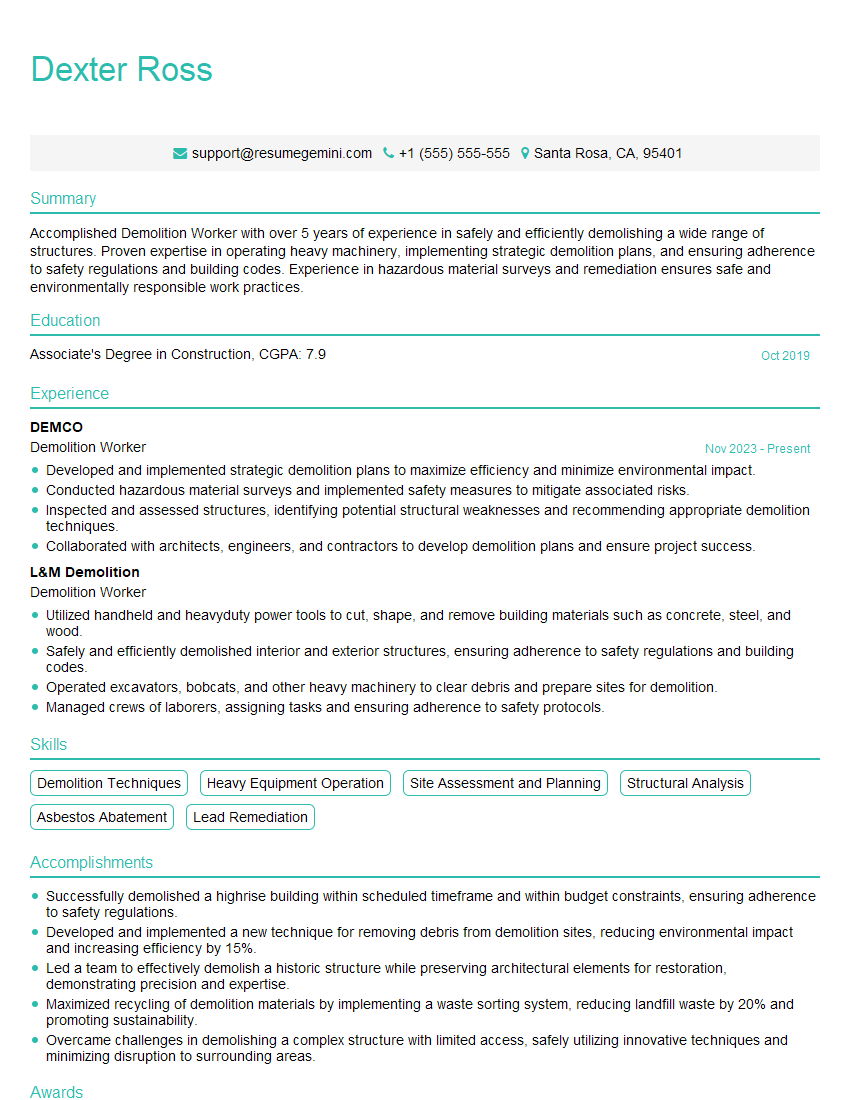
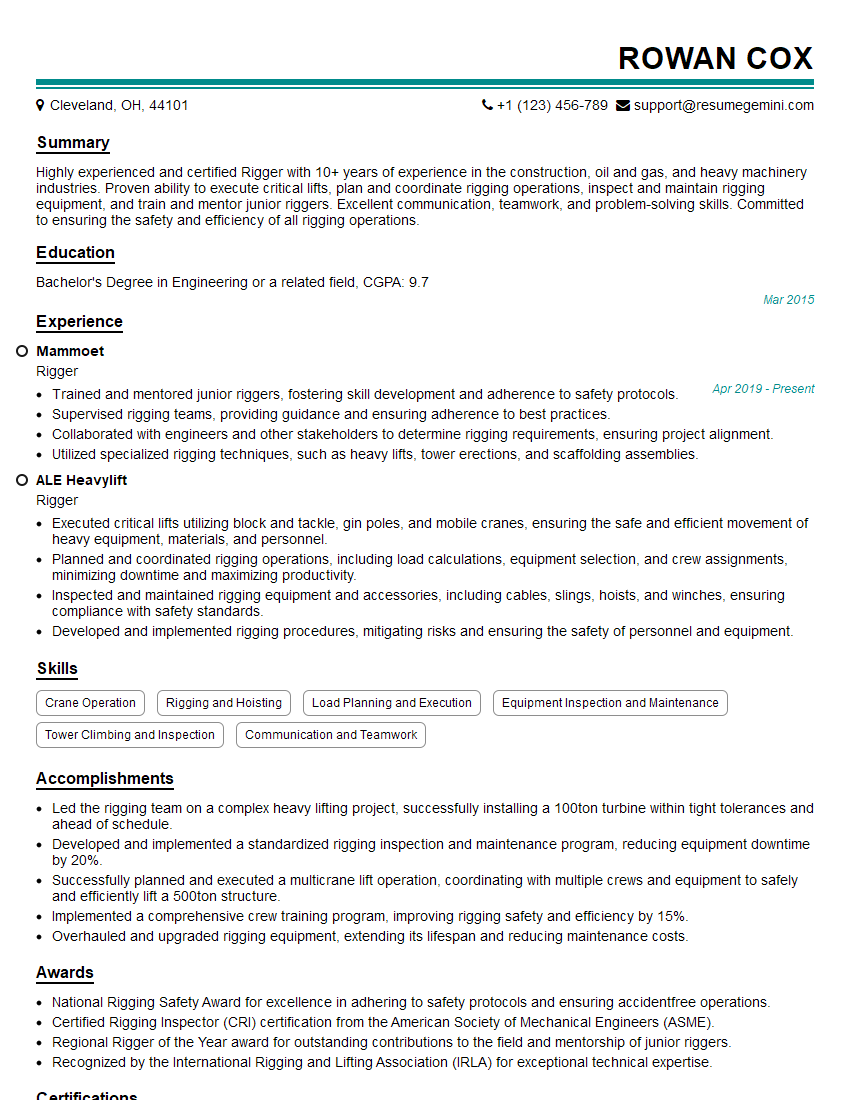
Mastering dismantling techniques is crucial for career advancement in many industries, opening doors to specialized roles and increased earning potential. A strong resume is your key to unlocking these opportunities. An ATS-friendly resume, optimized for Applicant Tracking Systems, significantly increases your chances of getting your application noticed by recruiters. We highly recommend using ResumeGemini to build a professional and effective resume that highlights your skills and experience in dismantling. Examples of resumes tailored to the dismantling field are available to help you get started.
Explore more articles
Users Rating of Our Blogs
Share Your Experience
We value your feedback! Please rate our content and share your thoughts (optional).
What Readers Say About Our Blog
Really detailed insights and content, thank you for writing this detailed article.
IT gave me an insight and words to use and be able to think of examples