Every successful interview starts with knowing what to expect. In this blog, we’ll take you through the top Knowledge of OSHA Standards interview questions, breaking them down with expert tips to help you deliver impactful answers. Step into your next interview fully prepared and ready to succeed.
Questions Asked in Knowledge of OSHA Standards Interview
Q 1. Explain the General Duty Clause of OSHA.
The General Duty Clause, found in Section 5(a)(1) of the Occupational Safety and Health Act, is OSHA’s cornerstone. It mandates that every employer provide a workplace free from recognized hazards that are causing or are likely to cause death or serious physical harm to employees. Think of it as a ‘catch-all’ provision. If a specific OSHA standard doesn’t address a particular hazard, but the hazard is still recognized as dangerous within the industry, this clause holds employers accountable. For example, if a new chemical is introduced into a workplace and its long-term effects aren’t fully understood, but preliminary research indicates potential harm, the General Duty Clause could be invoked to compel the employer to implement protective measures. It’s not about the absence of specific rules; it’s about the presence of reasonable safeguards. The clause allows OSHA to cite employers for hazards that may not be explicitly covered in specific regulations.
Q 2. Describe the process for reporting a workplace injury or illness.
Reporting a workplace injury or illness is crucial for OSHA recordkeeping and for ensuring employee safety. The process begins immediately after the incident. First, administer first aid and seek medical attention if necessary. Then, the employer must record the incident on the OSHA 300 Log within seven calendar days. This includes recording the date, employee’s name (confidential), nature of the injury, and the body part affected. For fatalities, hospitalizations, days away from work, restricted work, or job transfer, a more detailed OSHA 301 Incident Report must be completed. Finally, OSHA Form 300A (Summary of Work-Related Injuries and Illnesses) must be posted from February 1st to April 30th of each year. Failure to properly report can result in significant penalties. For example, if an employee suffers a serious injury but the employer fails to report it, this can lead to fines and legal repercussions.
Q 3. What are the key elements of an OSHA inspection?
An OSHA inspection is a systematic examination of a workplace to identify safety and health hazards. It typically starts with an opening conference where the inspector explains the scope and purpose of the inspection. The inspector then conducts a walkthrough, observing working conditions and interviewing employees. This often includes reviewing the employer’s safety programs, examining equipment, and checking for compliance with relevant OSHA standards. They’ll look for things like proper use of PPE, machine guarding, emergency exits, and hazardous material handling procedures. During the inspection, the inspector will take photographs and gather evidence of violations. This is followed by a closing conference, where the inspector discusses findings and potential citations. The process can vary depending on the reason for the inspection (complaint, fatality, programmed inspection, etc.). For example, a programmed inspection in a high-risk industry might be far more comprehensive than an inspection spurred by a minor complaint.
Q 4. How do you determine if a hazard requires the use of Personal Protective Equipment (PPE)?
Determining if PPE is necessary involves a thorough hazard assessment. First, identify all potential hazards in the workplace, such as chemical exposure, noise, or physical hazards like falling objects. Then, assess the risks associated with each hazard. This includes considering the severity and likelihood of the harm. If the hazard assessment reveals that existing controls (engineering controls, administrative controls) are insufficient to protect employees from harm, PPE becomes necessary. The employer must then select appropriate PPE that meets OSHA standards and train employees on its proper use and maintenance. For example, if employees work with loud machinery and engineering controls like soundproofing cannot reduce noise levels below safe limits, hearing protection (PPE) is mandatory. PPE should always be the last line of defense – ideally, hazards are controlled through safer work practices or engineering solutions.
Q 5. What are the common OSHA recordkeeping requirements?
OSHA recordkeeping requirements mandate employers to maintain accurate records of work-related injuries and illnesses. This primarily involves completing and posting OSHA forms 300, 301, and 300A. Form 300 is the log of work-related injuries and illnesses, which must be kept for five years. Form 301 is the supplementary incident report, providing more detail on each recorded incident. Form 300A is the annual summary, which must be posted from February 1st to April 30th. The specific requirements vary depending on the size of the employer. Smaller establishments may have simplified recordkeeping requirements. Failure to maintain accurate and complete records can lead to substantial penalties. Accurate recordkeeping is not just about compliance; it allows employers to identify trends, improve safety practices, and ultimately, reduce workplace injuries and illnesses.
Q 6. Explain the difference between a hazard and a risk.
A hazard is a potential source of harm, a dangerous condition or substance. A risk is the chance, high or low, that a person will be harmed or experience an adverse health effect if exposed to a hazard. Think of it this way: a hazard is the *what* (e.g., a slippery floor), and the risk is the *how likely* and *how severe* the harm could be (e.g., high risk of a fall resulting in a broken bone). A hazard always exists, whether or not anyone is at risk. To illustrate, a chemical is a hazard; the risk is the likelihood and severity of injury depending on the exposure level and lack of adequate safety measures.
Q 7. Describe your experience with OSHA’s lockout/tagout procedures.
My experience with OSHA’s lockout/tagout (LOTO) procedures is extensive. I’ve been involved in developing and implementing LOTO programs in various settings, ensuring compliance with 29 CFR 1470. This involves training employees on the proper procedures, conducting regular inspections of LOTO devices, and ensuring that all energy sources are isolated before maintenance or repair work begins. I’ve personally conducted LOTO audits and helped to identify and correct deficiencies. I understand the importance of following a standardized procedure, including verifying the isolation of energy sources, applying appropriate locks and tags, and ensuring that only authorized personnel can restore energy. A critical aspect is understanding that LOTO is not a one-size-fits-all solution; procedures must be tailored to specific equipment and processes. I’ve witnessed firsthand the crucial role LOTO plays in preventing catastrophic accidents resulting from unexpected equipment energization during maintenance.
Q 8. How would you conduct a job hazard analysis?
A Job Hazard Analysis (JHA) is a systematic process to identify and control hazards in a specific job or task. Think of it as a proactive way to prevent accidents before they happen. It’s not just a checklist; it involves actively thinking through each step of a job to anticipate potential problems.
My approach involves these key steps:
- Identify the Job Tasks: Break down the job into individual steps, being as detailed as possible. For example, if the job is ‘changing a tire,’ steps would include ‘loosen lug nuts,’ ‘jack up the car,’ ‘remove the flat tire,’ etc.
- Identify Potential Hazards: For each step, brainstorm potential hazards. This might involve using your experience, consulting safety data sheets (SDS), and talking to workers who perform the task. For changing a tire, hazards could be ‘struck by traffic,’ ‘crushing injury from jack failure,’ or ‘cuts from sharp metal.’
- Evaluate the Risks: Assess the likelihood and severity of each hazard. A likelihood scale (e.g., low, medium, high) and a severity scale (e.g., minor injury, lost time injury, fatality) are helpful. This helps prioritize which hazards need immediate attention.
- Develop and Implement Controls: Identify ways to eliminate or mitigate the hazards. This could include engineering controls (e.g., using a safer jack), administrative controls (e.g., work permits), or personal protective equipment (PPE) (e.g., safety glasses). For our tire change example, this might mean using wheel chocks, a stable jack stand, and gloves.
- Document and Review: All findings should be documented in a JHA form and regularly reviewed and updated, especially after incidents or changes in procedures.
In practice, I’ve used JHAs in diverse settings, from construction sites to manufacturing plants, always adapting the process to the specific job and industry regulations.
Q 9. What are the key components of an effective safety training program?
An effective safety training program is much more than just handing out a manual; it’s about fostering a safety culture. It needs to be engaging, relevant, and tailored to the specific needs of the workforce. Key components include:
- Needs Assessment: Identifying specific training needs based on job hazards and worker knowledge gaps. This might involve interviews, observations, and reviewing incident reports.
- Clear Objectives: Defining what employees should know and be able to do after the training. These should be measurable and achievable.
- Engaging Delivery Methods: Using a variety of methods like classroom lectures, hands-on demonstrations, videos, and simulations to keep learners engaged. I often incorporate real-life case studies and interactive exercises.
- Practical Application: Providing opportunities for employees to practice the skills and knowledge learned. This could include simulations, job shadowing, or on-the-job training.
- Evaluation and Feedback: Assessing employee understanding and skills through quizzes, tests, or observations. This helps measure training effectiveness and identify areas for improvement. Regular feedback from employees is also crucial.
- Documentation: Maintaining detailed records of training, including attendance, materials used, and assessment results. This ensures compliance and allows for tracking of training effectiveness over time.
For instance, in a previous role, I developed a comprehensive fall protection training program that included a combination of classroom instruction, hands-on practice with harnesses and anchors, and a simulated fall arrest exercise. This multi-faceted approach significantly improved employee understanding and performance.
Q 10. Describe your experience with OSHA’s Hazard Communication Standard.
OSHA’s Hazard Communication Standard (HCS) is all about ensuring workers are informed about the hazards associated with the chemicals they handle. It’s crucial for preventing workplace injuries and illnesses. My experience includes developing and implementing HCS programs, from creating chemical inventories and SDS management systems to conducting employee training on hazard recognition and control.
Specifically, I have extensive experience in:
- Creating and maintaining a chemical inventory: This includes accurately identifying all hazardous chemicals present in the workplace and keeping detailed records.
- Developing and distributing Safety Data Sheets (SDS): Ensuring readily available and up-to-date SDSs are accessible to all workers.
- Implementing labeling programs: Properly labeling containers of hazardous chemicals according to the HCS requirements.
- Training employees: Educating workers on the hazards associated with the chemicals they use, how to interpret SDSs, and proper handling procedures. This includes hands-on demonstrations and interactive exercises to ensure understanding.
- Maintaining compliance: Staying up-to-date on HCS changes and ensuring our company’s practices remain compliant.
In one instance, I helped a company transition to the Globally Harmonized System (GHS) of classification and labeling, ensuring a smooth transition with minimal disruption to operations.
Q 11. How do you identify and control workplace hazards?
Hazard identification and control is a continuous process, not a one-time event. It requires a proactive and systematic approach. My strategy involves:
- Regular Inspections: Conducting routine inspections of the workplace to identify potential hazards. This includes visual inspections, checking equipment, and talking to workers. I use checklists to ensure consistency and thoroughness.
- Incident Investigations: Thoroughly investigating all accidents and near misses to understand their root causes and implement corrective actions. This is critical for preventing similar incidents in the future.
- Employee Input: Encouraging employees to report hazards and near misses without fear of reprisal. A strong safety culture relies on open communication.
- Hierarchy of Controls: Applying the hierarchy of controls: Elimination, Substitution, Engineering Controls, Administrative Controls, and finally, PPE. Eliminating a hazard is always the preferred method.
- Implementing Control Measures: Putting control measures in place to eliminate or mitigate hazards, such as guarding machinery, implementing lockout/tagout procedures, or providing PPE.
- Monitoring and Evaluation: Regularly monitoring the effectiveness of control measures and making adjustments as needed. This ensures that the controls remain effective over time.
For example, during an inspection at a construction site, I noticed a lack of fall protection around an open excavation. This immediately prompted me to halt operations and implement appropriate fall protection measures, preventing potential serious injuries.
Q 12. What is your experience with OSHA’s fall protection standards?
OSHA’s fall protection standards are critical for preventing fatalities and serious injuries. My experience covers various aspects of fall protection, from selecting appropriate equipment to implementing comprehensive fall protection plans. I am proficient in:
- Selecting appropriate fall protection systems: This includes choosing the right type of harness, lifeline, anchor point, and fall arrest system based on the specific job and environment. This requires a deep understanding of different systems and their limitations.
- Developing fall protection plans: Creating detailed plans that outline procedures for working at heights, including hazard identification, risk assessment, and selection of control measures.
- Ensuring proper equipment use and inspection: Training employees on the correct use of fall protection equipment and regularly inspecting equipment for damage or wear. I emphasize the importance of regular inspection and proper storage.
- Compliance with OSHA standards: Maintaining compliance with all applicable OSHA fall protection regulations, including training requirements, equipment standards, and permit-required confined space entry procedures.
I once worked on a project where improper anchor points were being used, posing a significant risk. I immediately intervened, implemented corrective measures, and provided training to the crew on safe anchoring techniques, preventing a potential disaster.
Q 13. How do you ensure compliance with OSHA regulations?
Ensuring compliance with OSHA regulations requires a multi-pronged approach that integrates proactive measures with reactive responses. It’s not just about avoiding penalties; it’s about creating a safe and healthy workplace. My approach includes:
- Staying Updated: Regularly reviewing and updating our knowledge of OSHA standards and any changes in regulations. This includes subscribing to relevant publications and attending industry conferences.
- Developing and Implementing Safety Programs: Creating comprehensive safety programs tailored to our specific workplace hazards and industry regulations. These programs address hazard communication, emergency response, and ongoing training.
- Conducting Regular Inspections and Audits: Performing regular inspections and audits to identify and correct potential hazards and ensure compliance with OSHA standards. I often use a combination of scheduled inspections and random spot checks.
- Investigating Incidents and Near Misses: Thoroughly investigating all workplace accidents, near misses, and employee reports to understand the root causes and implement corrective actions. This is critical for preventing future incidents and demonstrates commitment to safety.
- Training and Communication: Providing comprehensive safety training to employees and maintaining open communication to encourage reporting of hazards and near misses.
- Recordkeeping: Maintaining accurate records of safety inspections, training, and incident investigations. This is essential for demonstrating compliance and identifying trends in hazards and incidents.
I consider compliance not just a legal requirement, but a moral obligation to safeguard the well-being of our workers.
Q 14. Explain your experience with conducting safety inspections and audits.
Conducting safety inspections and audits is a crucial aspect of ensuring a safe work environment. My experience includes performing both routine and targeted inspections across a variety of industries. I employ a systematic approach that combines observation, documentation, and follow-up.
My process involves:
- Planning: Defining the scope of the inspection, identifying areas to focus on, and gathering necessary resources, such as checklists, safety data sheets, and previous inspection reports. I tailor the inspection to the specific hazards present.
- Inspection: Systematically examining the workplace, identifying existing and potential hazards, and documenting findings with photographs and detailed descriptions. I use standardized checklists to ensure consistency and completeness.
- Documentation: Accurately documenting all findings, including the location, nature, and severity of hazards identified. This documentation forms the basis for corrective actions.
- Reporting: Communicating inspection findings to management, identifying appropriate corrective actions, and setting deadlines for implementation. Reports include recommendations for improvements and necessary training.
- Follow-up: Following up to verify that corrective actions have been implemented and that hazards have been mitigated. This ensures that the inspection process leads to tangible improvements in workplace safety.
For instance, in a recent audit of a manufacturing plant, I identified a lack of adequate machine guarding, a significant hazard. My report led to the immediate implementation of appropriate safety guards, preventing potential injuries.
Q 15. What are some common OSHA violations you’ve encountered?
In my experience, some of the most common OSHA violations stem from a lack of basic safety training and implementation of established safety protocols. These frequently include:
- Lack of proper Lockout/Tagout (LOTO) procedures: I’ve seen instances where machinery wasn’t properly de-energized before maintenance, leading to serious injuries. This is a critical violation, as LOTO procedures are designed to prevent accidental start-up of equipment.
- Inadequate Personal Protective Equipment (PPE): Employees often lack the proper PPE, or don’t use it correctly. This can range from not wearing hard hats in construction zones to neglecting eye protection during chemical handling.
- Unsafe working conditions: This is a broad category, but common examples include cluttered workspaces leading to trips and falls, improper storage of hazardous materials, and insufficient lighting.
- Failure to report and investigate accidents: Companies sometimes downplay or fail to thoroughly investigate incidents, preventing the identification of root causes and the implementation of preventative measures. This is a significant oversight as accident investigation is crucial for improving safety.
- Inadequate hazard communication: Not providing clear and accessible Safety Data Sheets (SDS) for hazardous chemicals, or failing to properly label containers are serious violations. Workers need to know the risks they are facing.
Addressing these violations involves thorough training, regular inspections, and a commitment from management to prioritize safety above all else.
Career Expert Tips:
- Ace those interviews! Prepare effectively by reviewing the Top 50 Most Common Interview Questions on ResumeGemini.
- Navigate your job search with confidence! Explore a wide range of Career Tips on ResumeGemini. Learn about common challenges and recommendations to overcome them.
- Craft the perfect resume! Master the Art of Resume Writing with ResumeGemini’s guide. Showcase your unique qualifications and achievements effectively.
- Don’t miss out on holiday savings! Build your dream resume with ResumeGemini’s ATS optimized templates.
Q 16. How do you handle disagreements with employees regarding safety procedures?
Disagreements regarding safety procedures are addressed through a collaborative and respectful approach. My first step is always to listen attentively to the employee’s concerns. Often, perceived safety issues stem from a lack of understanding of the underlying risks or the procedures themselves.
I would then clearly explain the rationale behind the procedure, using visual aids or demonstrations if necessary. This is where OSHA guidelines, industry best practices, and even case studies of accidents can be powerful tools. I emphasize the importance of the procedure for the employee’s well-being and that of their colleagues.
If the disagreement persists, I involve a supervisor or other relevant personnel to mediate. The goal is to find a solution that addresses the employee’s concerns while maintaining safety standards. Documentation of the conversation, the agreed-upon solution, and any follow-up actions is crucial. In rare cases, if a safety violation persists despite efforts to address it, disciplinary actions might be necessary, always in compliance with company policies and OSHA regulations.
Q 17. Describe your experience with implementing safety improvement plans.
Implementing safety improvement plans requires a systematic approach. It begins with a thorough assessment of the workplace hazards, which may involve detailed walkthroughs, safety audits, and reviewing accident records. Based on the assessment, a prioritized list of improvements is developed. This might include:
- Engineering controls: Installing guards on machinery, improving ventilation systems, or modifying workspaces to reduce hazards.
- Administrative controls: Implementing stricter safety procedures, providing additional training, adjusting work schedules to reduce fatigue, or establishing a robust safety reporting system.
- Personal Protective Equipment (PPE): Providing and enforcing the use of appropriate PPE for identified hazards.
The plan must be documented, with timelines for implementation and assigned responsibilities. Regular monitoring and evaluation are critical to ensure effectiveness. I utilize data-driven metrics to track progress and identify areas needing further attention. For instance, tracking the number of near misses, accidents, and safety violations provides valuable insight into plan effectiveness. Open communication with employees is essential throughout the process, ensuring their input and fostering buy-in.
Q 18. What is your experience with OSHA’s emergency action plan requirements?
OSHA’s Emergency Action Plan (EAP) requirements are crucial for workplace safety. An effective EAP outlines procedures for emergencies, including fire, chemical spills, and natural disasters. My experience includes developing and implementing EAPs that address specific workplace hazards. A comprehensive EAP includes:
- Emergency escape procedures and routes: Clearly marked and practiced regularly. I use floor plans with escape routes clearly illustrated.
- Procedures for employees who remain to operate critical equipment during emergencies: This designates trained personnel to ensure facility shutdown and safety.
- Procedures to account for all employees: Roll call or similar methods ensure everyone is accounted for post-emergency.
- Rescue and medical duties for employees: Trained personnel are identified and their responsibilities clearly defined.
- Reporting procedures: Clear procedures for notifying emergency services and management.
- Alarm systems: Testing and maintaining the alarm systems regularly to ensure functionality.
Regular drills and training are essential to ensure employees are familiar with and comfortable following the EAP. These drills should be realistic and simulate various emergency scenarios.
Q 19. Explain your knowledge of OSHA’s bloodborne pathogens standard.
OSHA’s Bloodborne Pathogens Standard (29 CFR 1910.1030) aims to protect employees from occupational exposure to bloodborne pathogens like Hepatitis B, Hepatitis C, and HIV. My experience involves ensuring compliance with this standard through various measures. This includes:
- Exposure Control Plan: Developing and implementing a written Exposure Control Plan that details job classifications with potential exposures, methods for engineering controls, work practice controls, and PPE. I’ve created plans that specifically address the unique needs of various healthcare and laboratory settings.
- Hepatitis B Vaccination: Offering free Hepatitis B vaccinations to all employees with potential exposure, and maintaining accurate vaccination records.
- Personal Protective Equipment (PPE): Providing appropriate PPE, such as gloves, gowns, and eye protection, and ensuring proper use and disposal.
- Engineering Controls: Implementing engineering controls such as sharps containers, self-sheathing needles, and safer medical devices to minimize exposure.
- Housekeeping and Decontamination: Establishing procedures for cleaning and disinfecting contaminated surfaces and equipment. This also includes proper disposal of contaminated materials.
- Post-Exposure Follow-up: Establishing procedures for evaluating and reporting exposures and ensuring prompt medical follow-up.
Regular training is crucial, ensuring employees understand the risks, prevention methods, and the procedures to follow in case of exposure.
Q 20. How do you manage workplace safety in a multi-cultural environment?
Managing workplace safety in a multi-cultural environment necessitates a multifaceted approach that considers language barriers and cultural nuances. The key is to ensure clear and accessible communication, regardless of language or cultural background. This can be achieved through:
- Translation services: Providing training materials and safety information in multiple languages.
- Visual aids: Using pictograms and other visual aids to convey safety messages effectively, bypassing language barriers.
- Cultural sensitivity training: Educating supervisors and employees about cultural differences and how they might impact safety procedures and communication.
- Cultural competency: Developing an understanding of various cultural norms and beliefs to ensure effective communication and collaboration.
- Diverse safety teams: Including employees from various cultural backgrounds on safety committees to represent the diverse perspectives of the workforce.
Effective communication is paramount to ensure all employees understand and follow safety procedures. Using culturally appropriate communication methods and employing diverse communication channels will help to bridge the gap and foster a safety-conscious environment.
Q 21. How do you stay current on OSHA regulations and updates?
Staying current on OSHA regulations and updates is crucial for maintaining compliance and ensuring workplace safety. I utilize several methods to stay informed:
- OSHA website: Regularly reviewing the OSHA website for updates, new standards, and enforcement policies. I set up alerts for changes related to my industry.
- Professional organizations: Actively participating in professional organizations related to occupational safety and health, attending conferences, and networking with other professionals.
- Industry publications and journals: Staying updated through industry publications and journals focusing on OSHA compliance and safety best practices.
- Training courses and webinars: Attending training courses and webinars offered by OSHA and other reputable organizations to deepen my knowledge and earn continuing education credits.
- Consultants and experts: Consulting with OSHA experts or specialists for complex issues or clarifications.
Staying informed is an ongoing process requiring dedicated effort. This commitment reflects my commitment to providing a safe and healthy work environment for all employees.
Q 22. Describe your experience with investigating workplace accidents.
My experience in investigating workplace accidents involves a systematic approach adhering to OSHA guidelines. I begin by securing the scene, ensuring the safety of all personnel. Then, I conduct a thorough investigation, collecting evidence such as witness statements, photos, and videos. This evidence is analyzed to determine the root cause of the accident, identifying contributing factors like unsafe conditions, unsafe acts, or a combination of both. For instance, in a recent incident involving a forklift accident, I found that improper training and a lack of designated pedestrian walkways were primary contributors. This meticulous approach allows for the creation of a comprehensive report outlining the findings, recommendations for corrective actions, and preventative measures to mitigate future occurrences.
I utilize various investigative techniques, including interviewing witnesses, reviewing safety procedures, and analyzing equipment maintenance records. My goal isn’t just to assign blame but to identify systemic issues requiring change to prevent similar incidents. The final report usually includes a detailed accident timeline, a causal analysis diagram (e.g., a fishbone diagram), and specific recommendations for improvements.
Q 23. What is your approach to promoting a strong safety culture within a workplace?
Promoting a strong safety culture requires a multifaceted approach that goes beyond simply enforcing rules. It’s about fostering a shared commitment to safety at all levels of the organization. This starts with leadership actively championing safety as a core value, demonstrating visible commitment through their actions and words. I believe in leading by example, ensuring compliance with all safety regulations, and proactively addressing any safety concerns.
- Open Communication: Establishing open channels of communication to encourage employees to report hazards without fear of retribution is crucial. Regular safety meetings, suggestion boxes, and anonymous reporting systems can facilitate this.
- Employee Training and Engagement: Comprehensive safety training tailored to specific job roles, regular refresher courses, and engaging safety campaigns are vital in building awareness. We use interactive sessions, hands-on training, and gamification to make the learning experience impactful.
- Incentive Programs: Recognizing and rewarding safe behaviors through incentive programs can significantly boost morale and participation. This includes safety awards, employee-of-the-month awards for safety achievements, and team-based safety competitions.
- Regular Inspections & Audits: Conducting regular safety inspections and audits allows for proactive identification of hazards and helps in enforcing corrective actions. These inspections should involve employees and management.
In essence, building a strong safety culture is a continuous improvement process. It demands consistent effort, open dialogue, and a genuine commitment from everyone involved.
Q 24. Explain your experience with using safety data sheets (SDS).
My experience with Safety Data Sheets (SDS) is extensive. I understand their critical role in hazard communication and ensuring worker safety. I am proficient in locating, interpreting, and applying the information contained within SDSs to develop appropriate control measures. I ensure that SDSs are readily accessible to all employees who handle hazardous chemicals, and that they understand the information presented in a clear and concise manner. For example, when we introduced a new cleaning agent, I reviewed the SDS to determine appropriate personal protective equipment (PPE), handling procedures, and emergency response protocols. This information was then incorporated into our training programs and included in our chemical hygiene plan. I also ensure that SDSs are updated regularly to reflect any changes in product formulations or hazards.
I understand that SDSs are not merely paperwork but vital tools for managing risks associated with hazardous materials. Ignoring SDS information can lead to serious accidents and health consequences.
Q 25. How do you ensure proper ventilation and air quality in the workplace?
Ensuring proper ventilation and air quality involves a multi-pronged approach. It starts with a thorough assessment of potential airborne hazards present in the workplace. This may involve air quality monitoring to identify specific contaminants such as dust, fumes, gases, or vapors. Based on this assessment, appropriate engineering controls are implemented. This could range from installing local exhaust ventilation systems to improve airflow around specific operations, to incorporating general ventilation systems to dilute airborne contaminants.
Administrative controls also play a significant role. This includes establishing work practices that minimize the release of airborne contaminants and providing employees with respiratory protection as a supplementary measure when engineering controls alone are insufficient. Proper maintenance of ventilation systems is critical. Regular inspections, filter changes, and cleaning schedules are essential to maintain their effectiveness. Employee training on ventilation systems, hazards, and safety procedures is also important.
For example, in a welding shop, we implemented a combination of local exhaust ventilation at each welding station and general ventilation to maintain a healthy air quality. Additionally, welders received training on proper ventilation procedures and the correct usage of respirators.
Q 26. Describe your experience with implementing ergonomic controls to prevent musculoskeletal disorders.
Implementing ergonomic controls to prevent musculoskeletal disorders (MSDs) is a key aspect of my safety expertise. My approach involves a thorough job hazard analysis, identifying tasks and workstations that contribute to MSD risk factors, such as repetitive motions, awkward postures, and forceful exertions.
Based on this analysis, I implement a range of controls, starting with engineering controls which are the most effective. Examples include modifying workstations to improve posture, using adjustable chairs and work surfaces, providing ergonomic tools, and automating repetitive tasks. When engineering controls are not feasible, administrative controls are implemented, such as job rotation, work-rest schedules, and training employees on proper lifting techniques and body mechanics. Finally, personal protective equipment (PPE), such as back supports or gloves, is employed as a last resort.
For example, in an assembly line setting, we implemented adjustable height workstations, provided ergonomic chairs, and introduced shorter work cycles to reduce repetitive strain injuries. We also provided training on proper lifting techniques and encouraged employees to report any discomfort or pain.
Q 27. How would you respond to an OSHA citation?
Responding to an OSHA citation requires a methodical and professional approach. The first step is to thoroughly review the citation to understand the alleged violations and the associated penalties. This careful review will include checking the accuracy of the cited standards and the evidence presented by the OSHA inspector. Next, I would compile a detailed response addressing each cited violation.
This response would include evidence demonstrating our efforts to comply with OSHA standards, such as safety training records, maintenance logs, and corrective actions already implemented. If we disagree with a particular citation, we would provide documented evidence to support our position. This response should be submitted within the designated timeframe as stipulated in the citation. We might consider negotiating a settlement with OSHA to reduce penalties or extend the abatement timeline if necessary. It is vital to maintain open communication with OSHA throughout the entire process.
A proactive approach to safety is crucial. The objective is not just to react to citations but to prevent them entirely through a robust safety program.
Q 28. What are your strategies for preventing workplace violence?
Preventing workplace violence requires a comprehensive strategy encompassing several layers of protection. It begins with identifying potential risk factors within the workplace, such as stressful work environments, inadequate security measures, and a lack of effective conflict-resolution mechanisms.
- Training Programs: Robust training programs are crucial, educating employees on recognizing warning signs of potential violence, de-escalation techniques, and reporting procedures. This training should be tailored to different roles and responsibilities within the organization.
- Security Measures: Implementing effective security measures, such as access controls, security cameras, well-lit work areas, and emergency response plans, plays a significant role in deterring violence.
- Zero Tolerance Policy: A clear and consistently enforced zero-tolerance policy regarding violence and harassment is essential. This policy should outline procedures for reporting incidents and the consequences of violating the policy.
- Conflict Resolution Mechanisms: Establishing mechanisms for addressing conflicts peacefully and effectively, including conflict mediation and counseling services, can prevent escalation of disputes.
- Employee Assistance Programs (EAPs): Providing access to employee assistance programs (EAPs) for employees facing personal or work-related stressors can help prevent violence stemming from underlying issues.
Furthermore, regular workplace violence risk assessments should be conducted to identify potential vulnerabilities and refine preventive measures. Collaboration with law enforcement agencies can also be crucial in high-risk environments.
Key Topics to Learn for Knowledge of OSHA Standards Interview
- OSHA Act of 1970: Understand the fundamental principles, employer responsibilities, and employee rights outlined in the act. Consider the historical context and evolution of OSHA regulations.
- Hazard Identification and Control: Learn practical methods for identifying workplace hazards (e.g., using Job Hazard Analyses, conducting workplace inspections). Discuss strategies for implementing effective control measures (engineering, administrative, and PPE).
- Specific OSHA Standards: Focus on key standards relevant to your target industry (e.g., construction, manufacturing, healthcare). Be prepared to discuss the requirements, practical application, and potential consequences of non-compliance.
- Recordkeeping and Reporting: Understand OSHA’s requirements for maintaining injury and illness logs, incident reporting, and documentation. Be able to explain the process and importance of accurate recordkeeping.
- Emergency Action Plans and Procedures: Familiarize yourself with the development and implementation of emergency action plans, including evacuation procedures, fire safety, and first aid response. Consider the role of training and drills.
- Personal Protective Equipment (PPE): Discuss different types of PPE, their proper selection and use, and limitations. Understand the employer’s responsibility to provide and train employees on PPE usage.
- Inspections and Citations: Understand the OSHA inspection process, common citation types, and the rights and responsibilities of employers and employees during an inspection. Be prepared to discuss contesting citations.
- Problem-Solving and Critical Thinking: Practice applying your knowledge of OSHA standards to hypothetical scenarios. Be ready to demonstrate your ability to identify and analyze potential hazards, propose solutions, and justify your recommendations.
Next Steps
Mastering OSHA standards significantly enhances your career prospects, demonstrating your commitment to workplace safety and legal compliance. This expertise is highly valued across many industries and can lead to increased responsibility and earning potential. To further strengthen your job application, focus on creating an ATS-friendly resume that highlights your skills and experience effectively. ResumeGemini is a trusted resource to help you build a professional and impactful resume, showcasing your knowledge of OSHA standards. Examples of resumes tailored to this specific area of expertise are available to guide you.
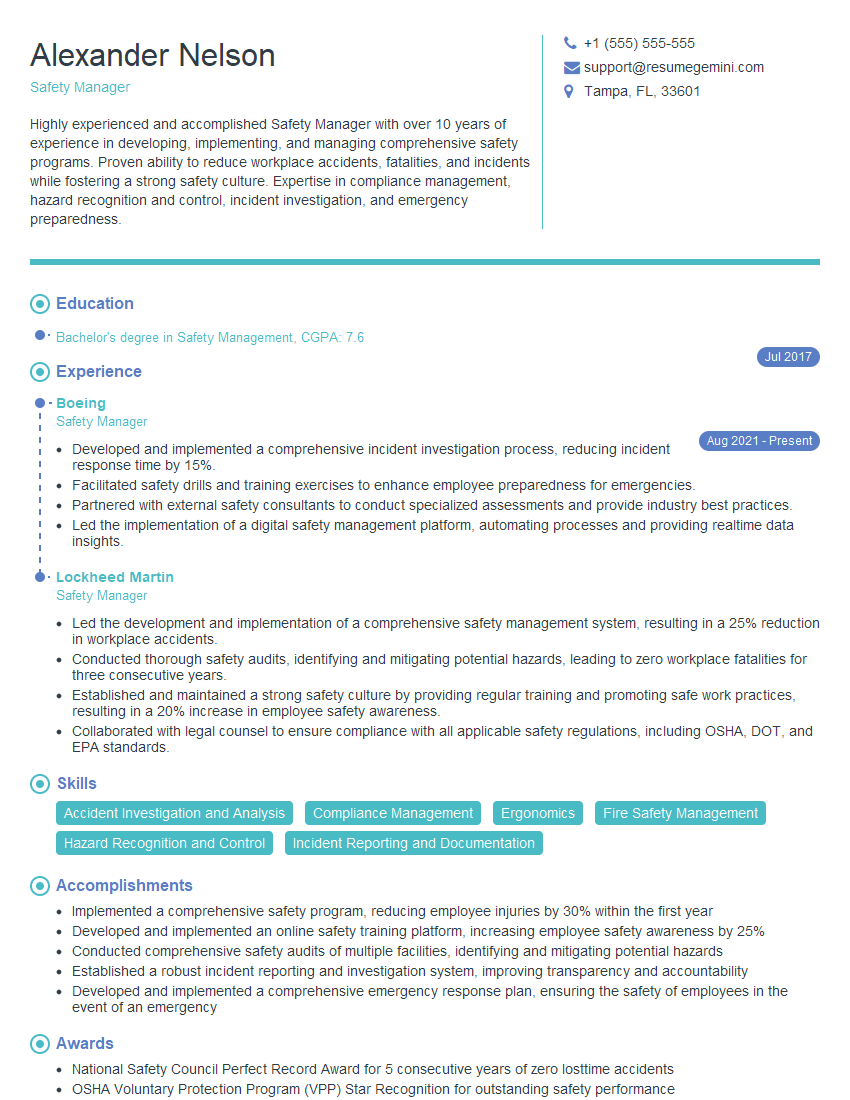
Safety Manager Resume Sample
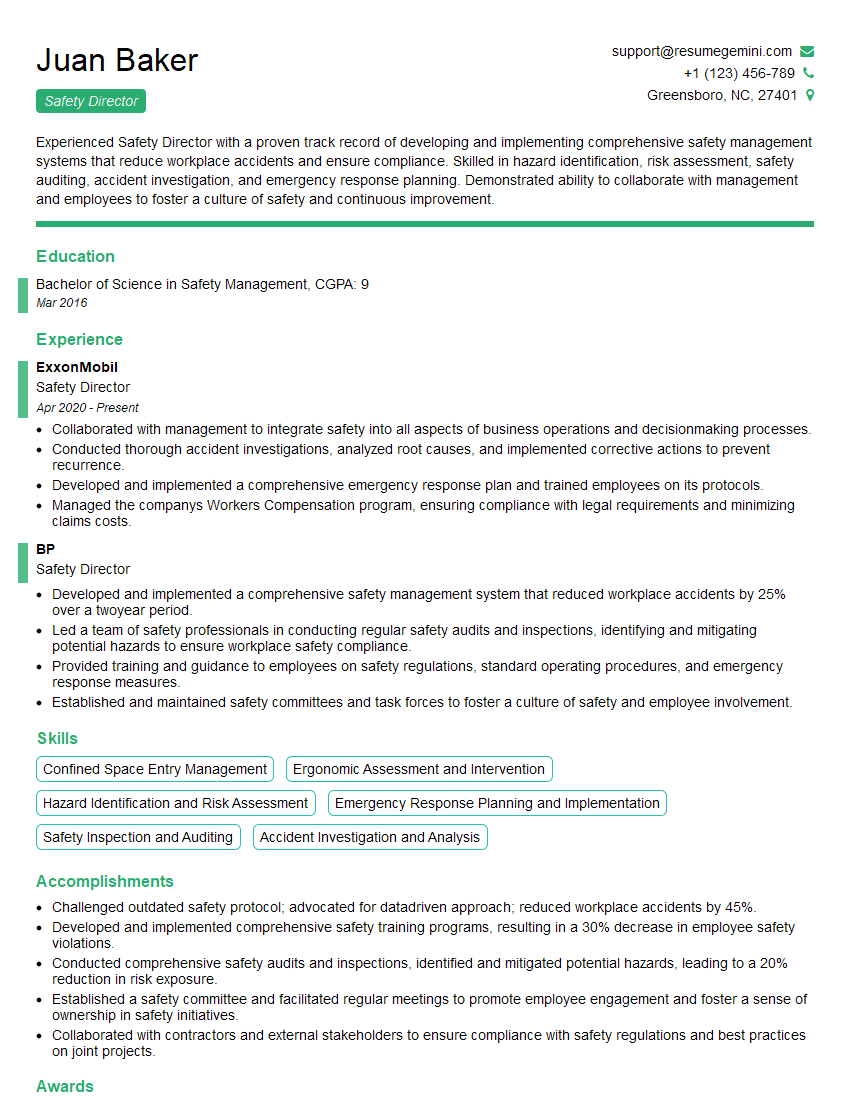
Safety Director Resume Sample
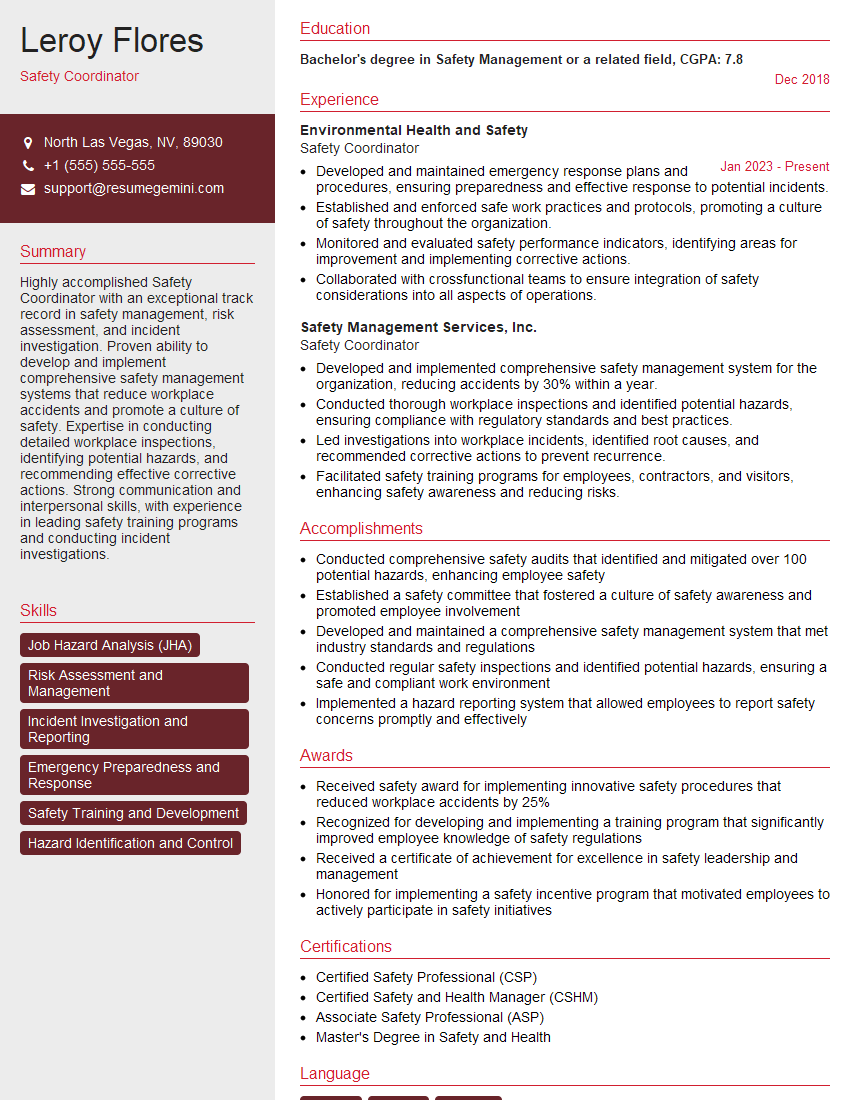
Safety Coordinator Resume Sample

Compliance Officer Resume Sample
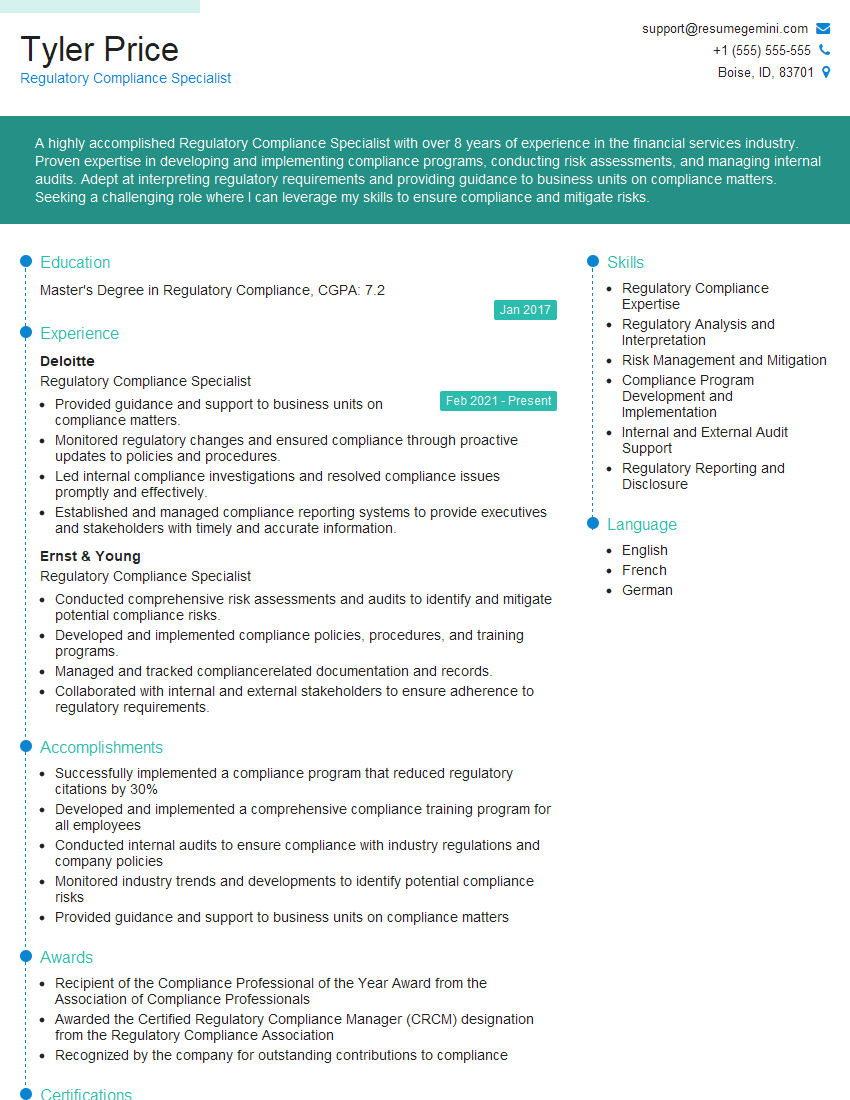
Regulatory Compliance Specialist Resume Sample
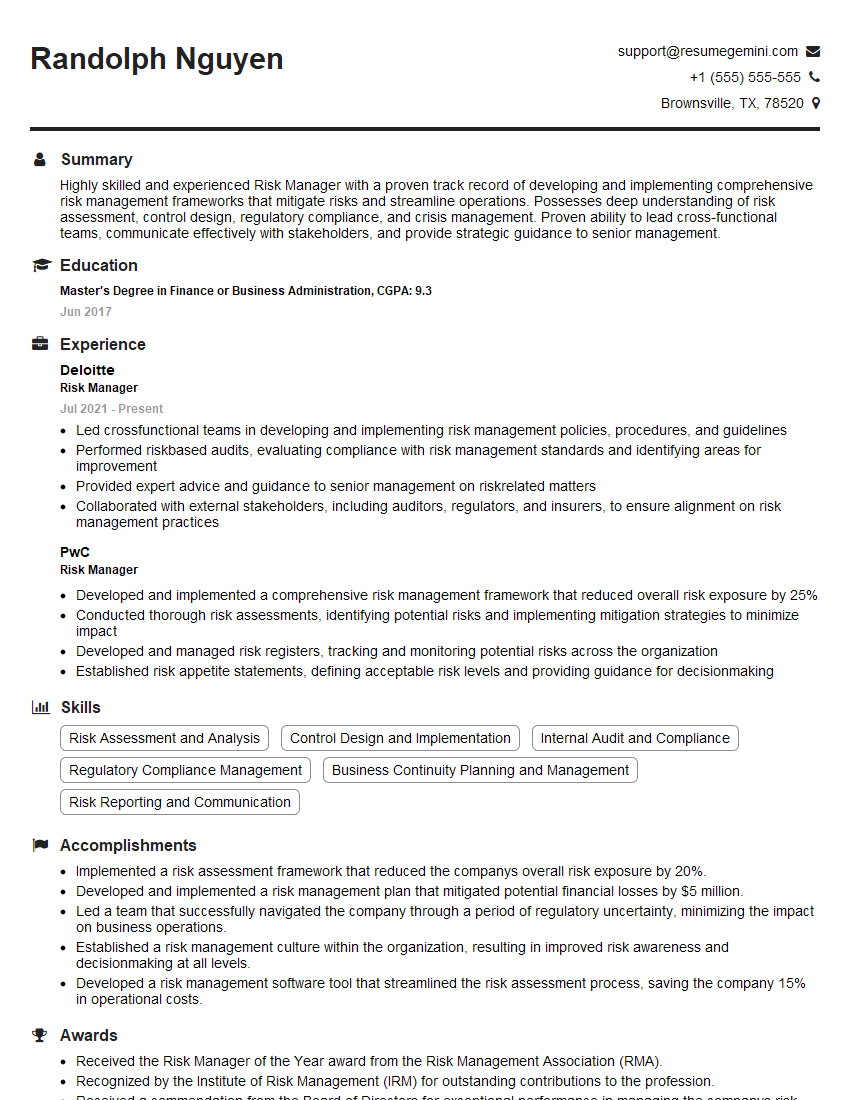
Risk Manager Resume Sample
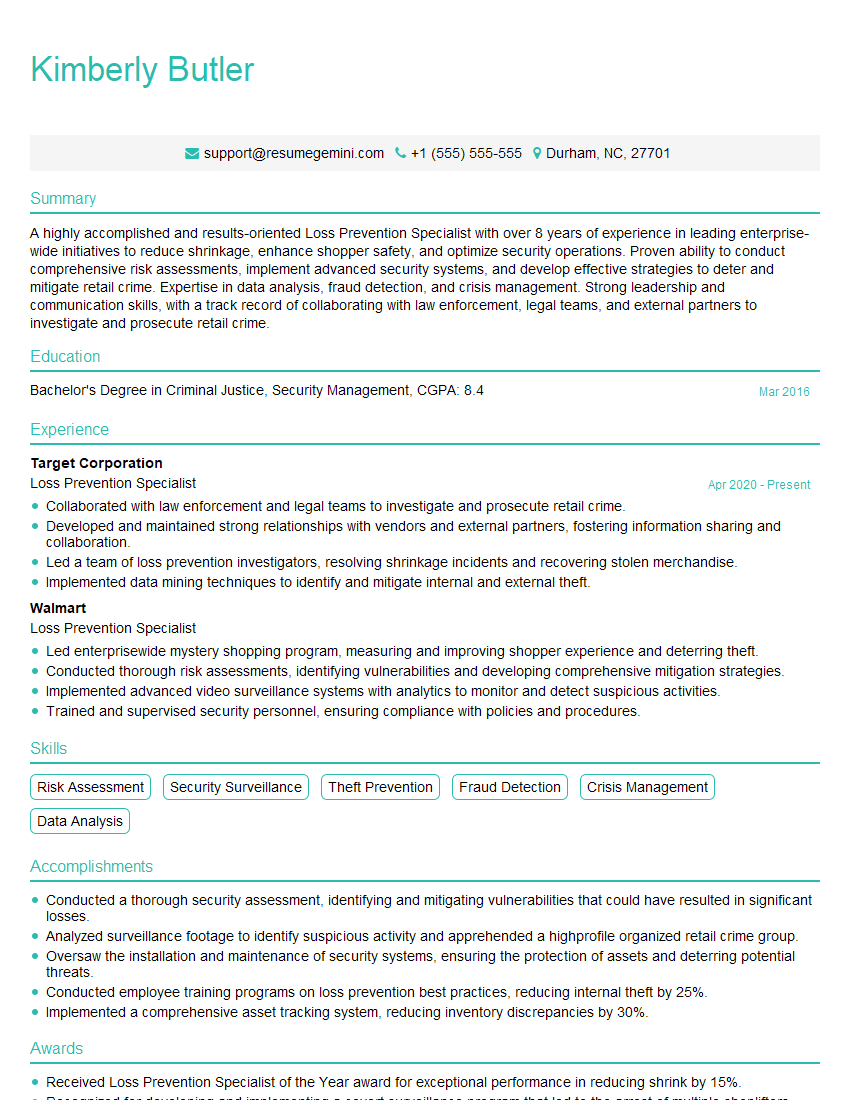
Loss Prevention Specialist Resume Sample
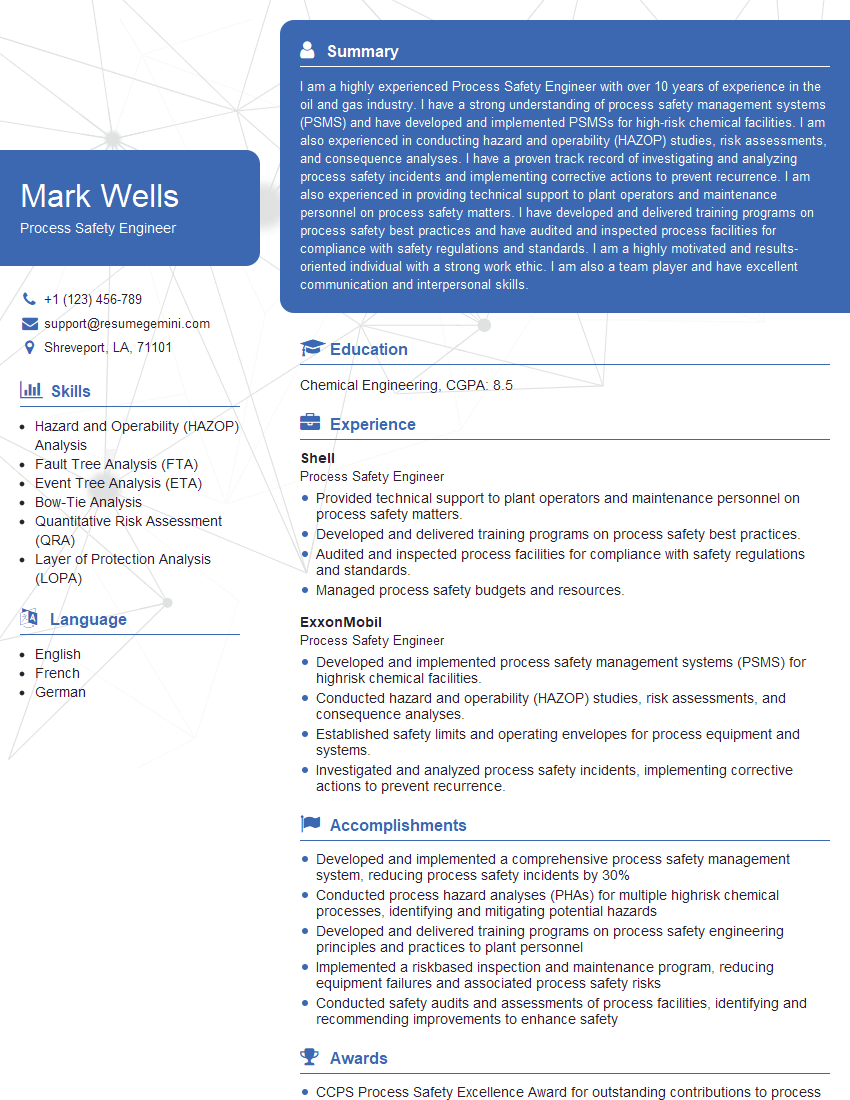
Process Safety Engineer Resume Sample
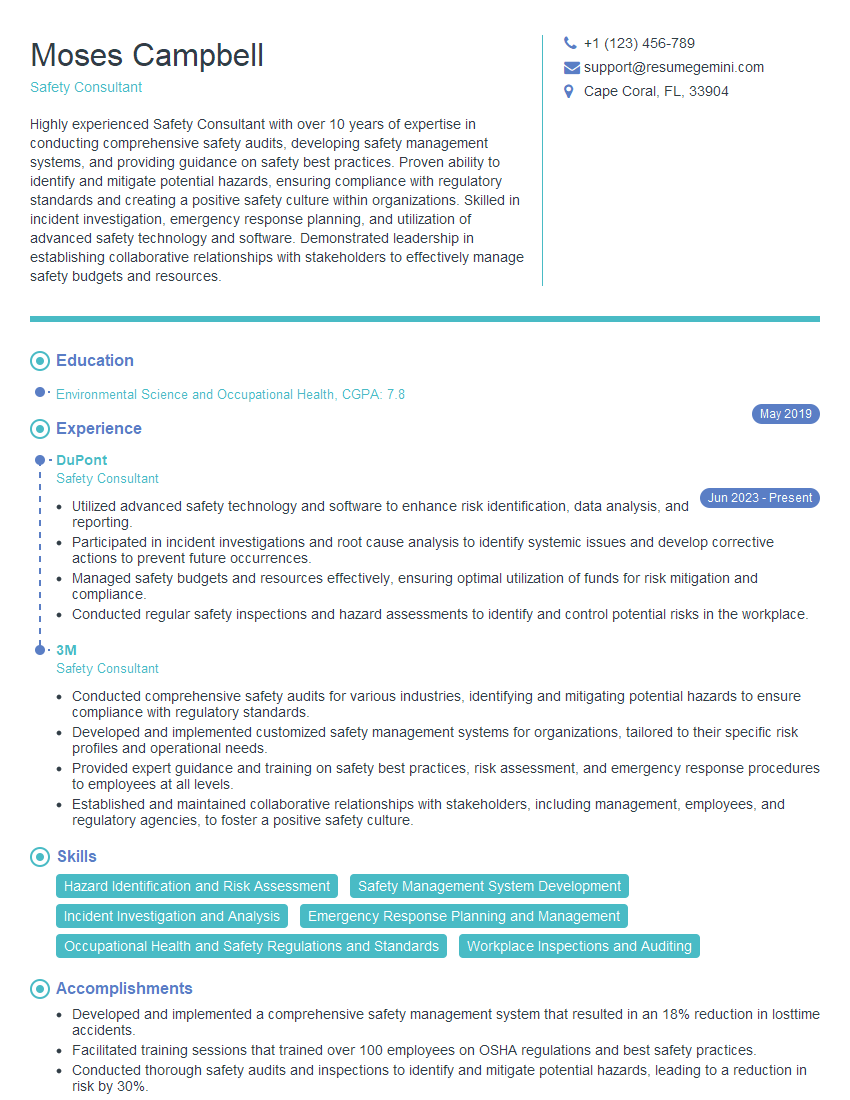
Safety Consultant Resume Sample
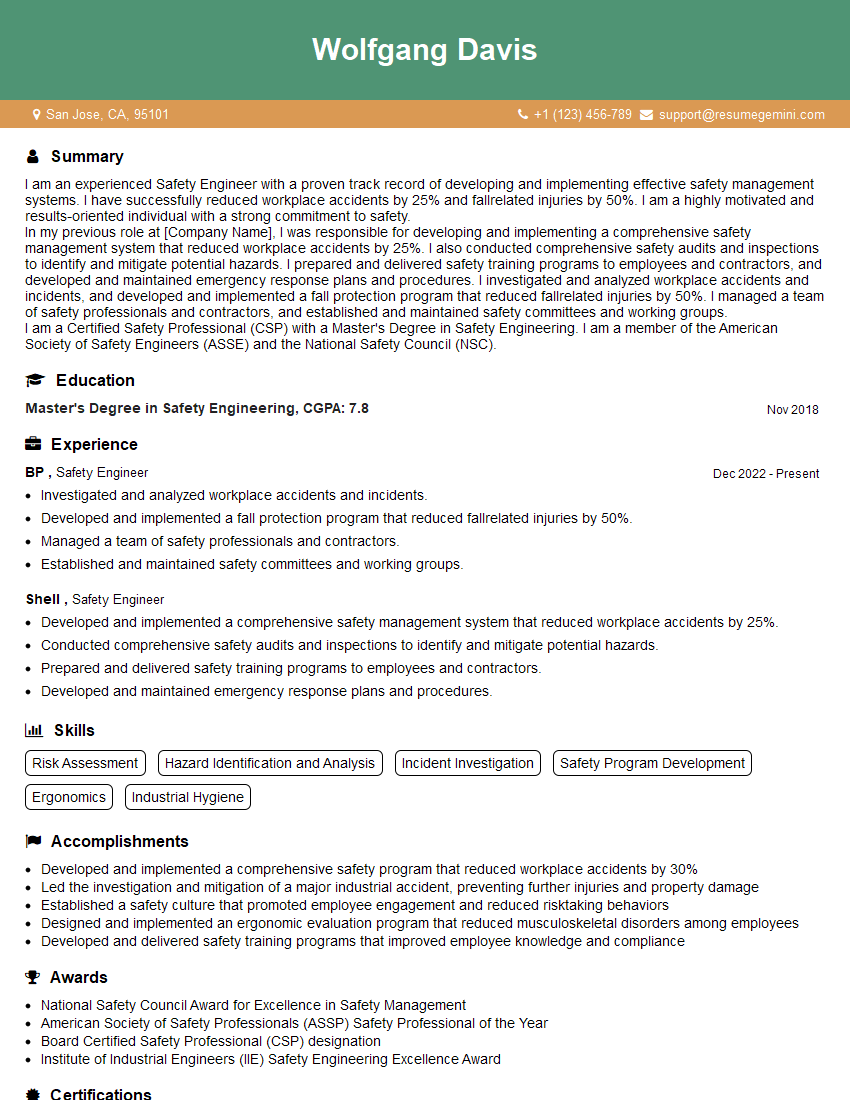
Safety Engineer Resume Sample
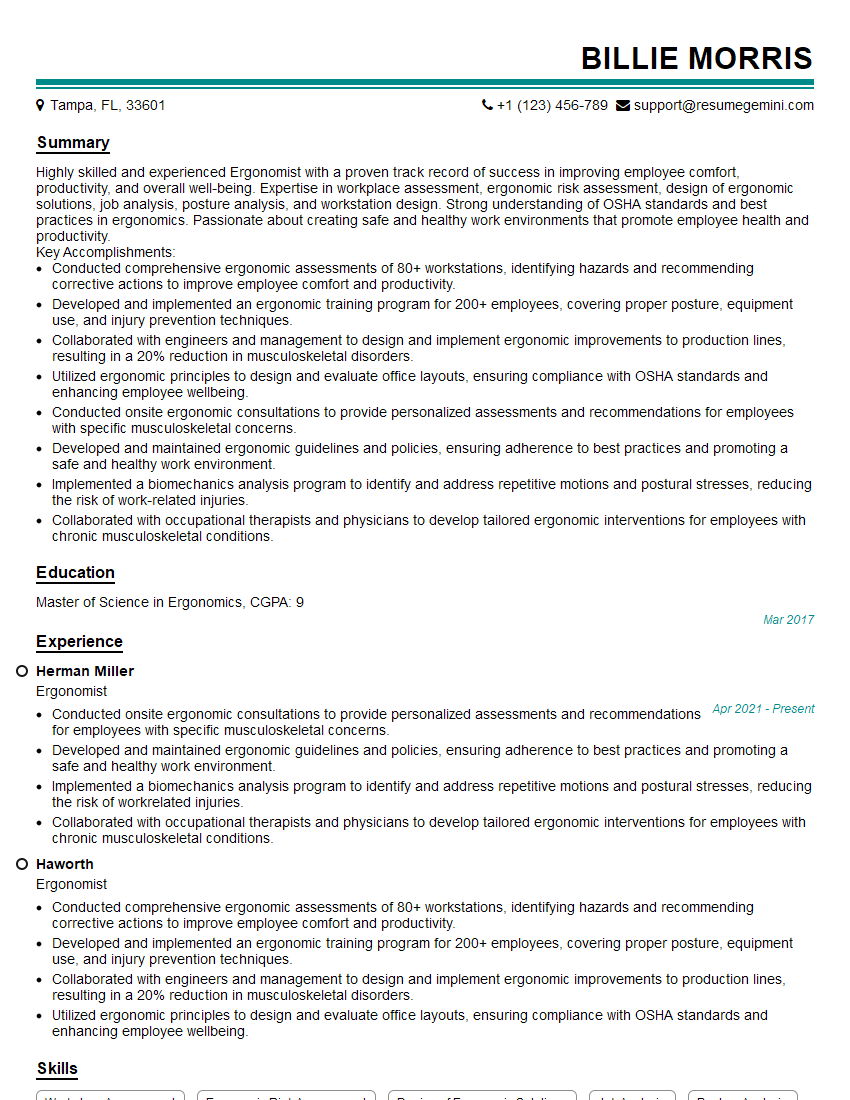
Ergonomist Resume Sample
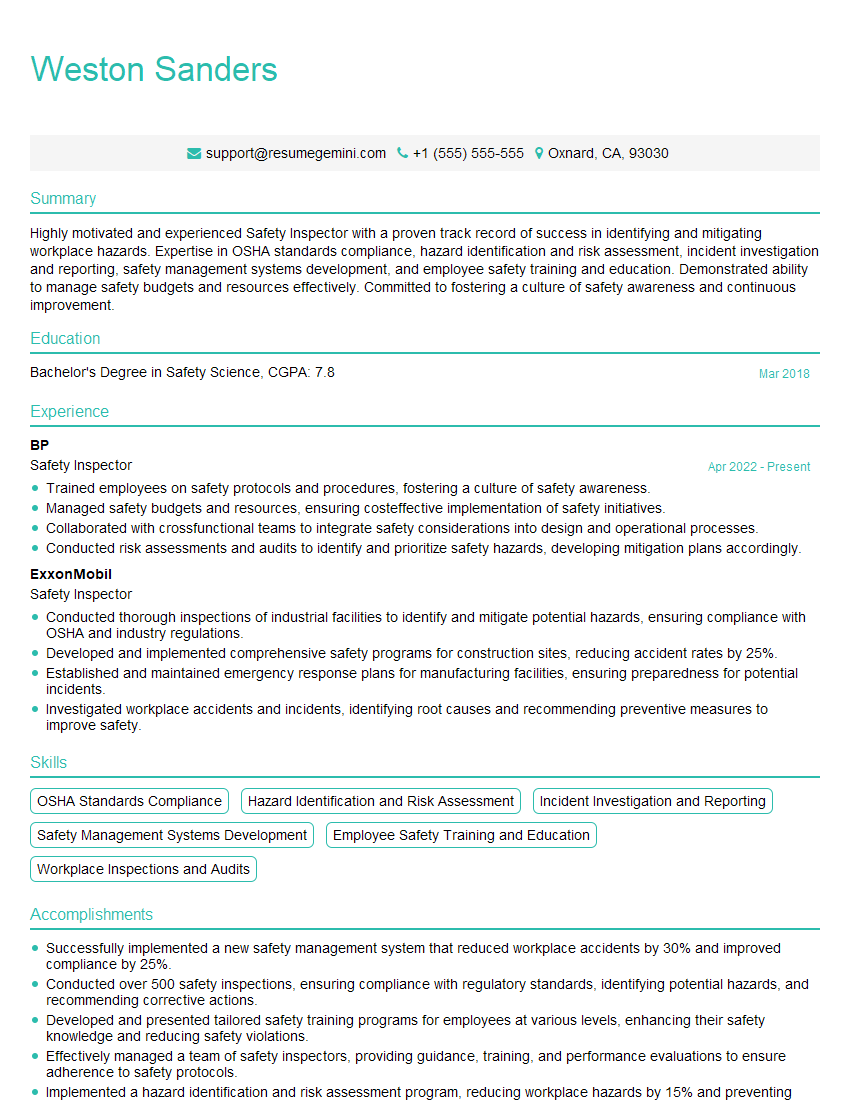
Safety Inspector Resume Sample
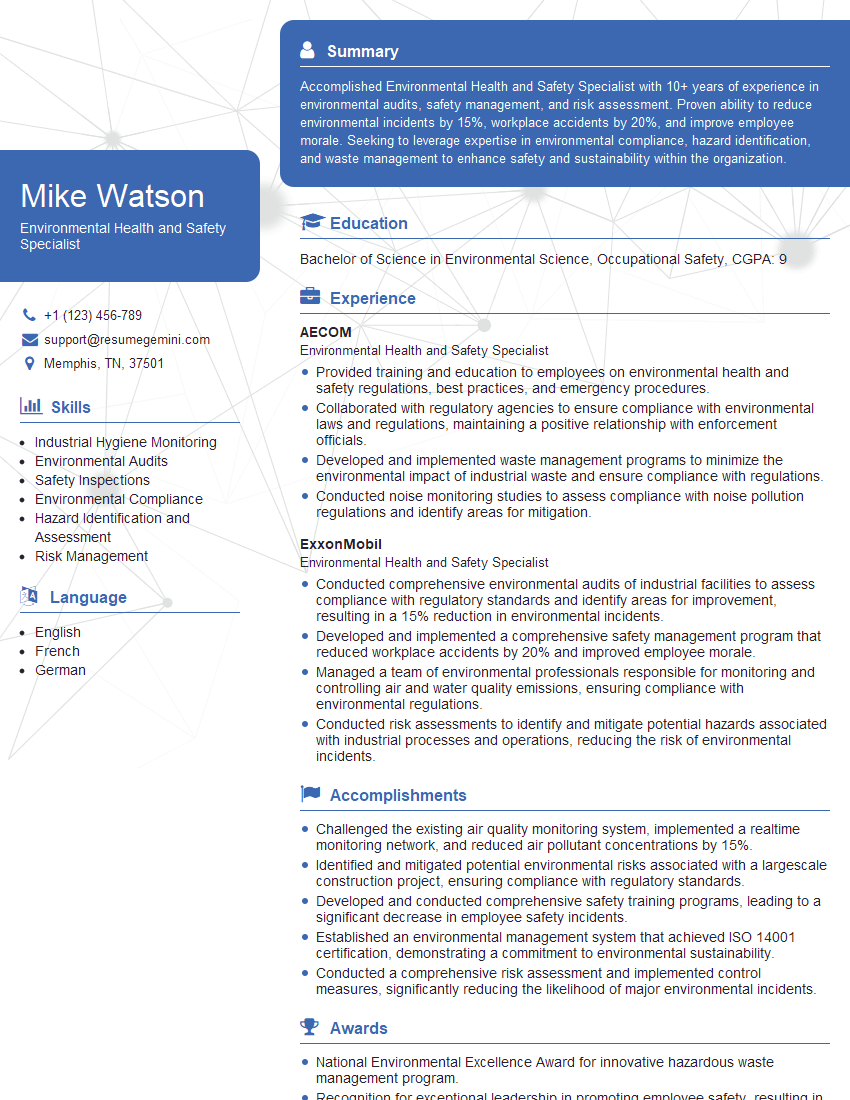
Environmental Health and Safety Specialist Resume Sample
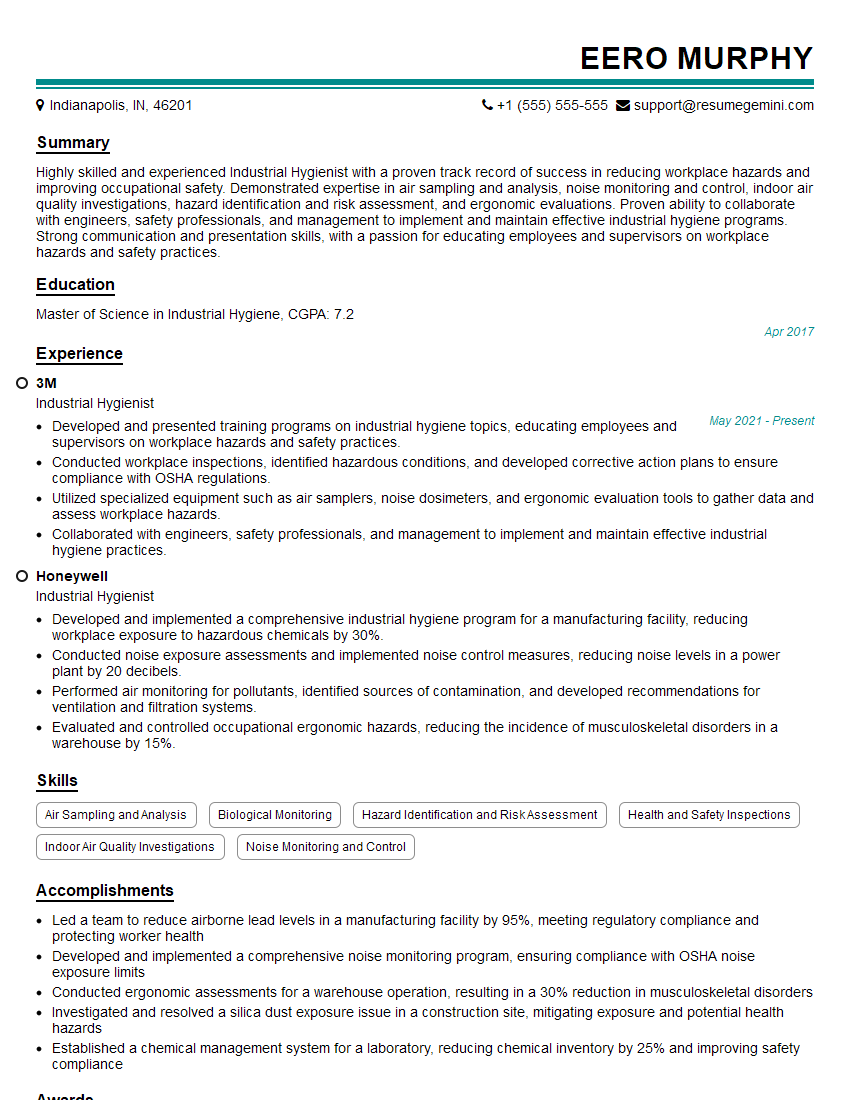
Industrial Hygienist Resume Sample
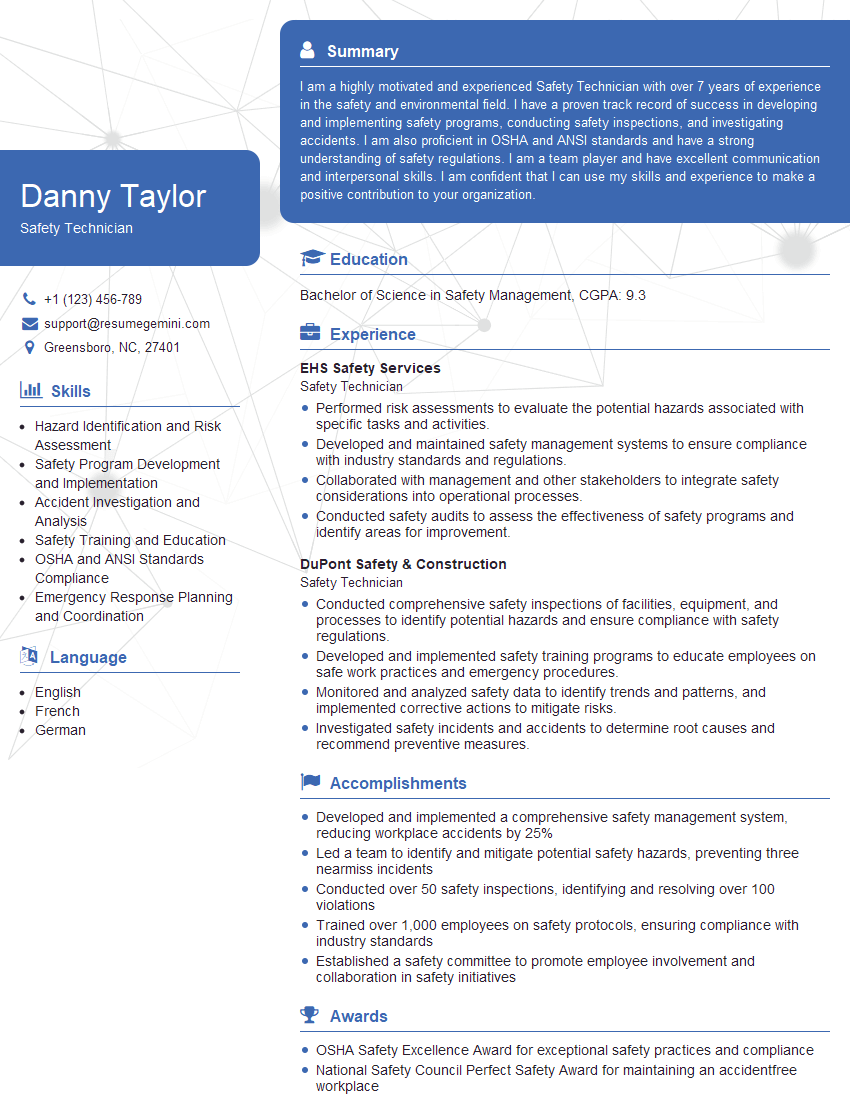
Safety Technician Resume Sample
- Safety Manager
- Safety Director
- Safety Coordinator
- Compliance Officer
- Regulatory Compliance Specialist
- Risk Manager
- Loss Prevention Specialist
- Process Safety Engineer
- Safety Consultant
- Safety Engineer
- Ergonomist
- Safety Inspector
- Environmental Health and Safety Specialist
- Industrial Hygienist
- Safety Technician
Explore more articles
Users Rating of Our Blogs
Share Your Experience
We value your feedback! Please rate our content and share your thoughts (optional).
What Readers Say About Our Blog
Really detailed insights and content, thank you for writing this detailed article.
IT gave me an insight and words to use and be able to think of examples