Interviews are more than just a Q&A session—they’re a chance to prove your worth. This blog dives into essential Experience in Consumer Product Safety interview questions and expert tips to help you align your answers with what hiring managers are looking for. Start preparing to shine!
Questions Asked in Experience in Consumer Product Safety Interview
Q 1. Describe your experience with conducting risk assessments for consumer products.
Conducting a risk assessment for a consumer product involves systematically identifying potential hazards, analyzing their likelihood and severity, and implementing controls to mitigate those risks. It’s like playing detective, but instead of solving crimes, we’re preventing accidents. We use a structured approach, often following a hazard analysis and critical control points (HACCP) methodology or a similar framework.
This process typically begins with brainstorming potential hazards – anything from sharp edges on a toy to overheating of an electronic device. Then, we assess the likelihood of each hazard occurring (probability) and the severity of the harm it could cause (impact). This often involves reviewing design specifications, materials used, intended use, and foreseeable misuse. The combination of probability and severity dictates the risk level. For instance, a low probability but high severity hazard (like a rare but catastrophic failure) still requires attention. We then implement control measures, such as redesigning a product to eliminate sharp edges, including warnings, or adding safety features. Each control is evaluated for its effectiveness, resulting in a prioritized list of actions. The entire process is documented meticulously to track and manage the risks.
For example, in assessing a children’s toy, we might consider choking hazards from small parts, potential burns from overheating electronics, or injuries from sharp points. The assessment would involve analyzing the size and material of components, testing the durability of the product, and considering the age range of intended users. The end result is a risk management plan outlining steps to minimize hazards.
Q 2. Explain your understanding of relevant safety standards (e.g., ASTM, ISO, UL).
My understanding of relevant safety standards is extensive and covers a broad range of standards from organizations like ASTM International, ISO (International Organization for Standardization), and UL (Underwriters Laboratories). These standards provide specifications and test methods for various product attributes, ensuring safety and performance.
ASTM develops and publishes voluntary consensus standards for materials, products, systems, and services. For example, ASTM F963 covers the safety standards for toys. ISO publishes international standards across numerous sectors, with a significant focus on safety. Some relevant ISO standards include those related to electrical safety and flammability. UL, a global safety science company, develops and publishes safety standards and performs testing and certification services. They are particularly known for their standards on electrical appliances and electronics.
Understanding these standards is crucial because they represent industry best practices and often form the basis for regulatory requirements. We use these standards to guide design, testing, and verification of product safety, reducing the chance of accidents and litigation. Compliance with these standards often serves as proof of compliance for regulatory agencies.
Q 3. How do you ensure compliance with CPSC regulations?
Ensuring compliance with CPSC (Consumer Product Safety Commission) regulations requires a multifaceted approach. The CPSC sets safety standards for various consumer products and has the authority to enforce these regulations. This involves continuous vigilance and proactive measures.
- Proactive Compliance: This is about designing and manufacturing products to meet or exceed all applicable CPSC standards and guidelines from the beginning of the product lifecycle. It involves thorough research and understanding of all relevant regulations, and testing procedures to ensure the product’s safety.
- Testing and Certification: We conduct rigorous testing programs that meet or exceed the CPSC standards. This might involve third-party testing labs to ensure objectivity. We then maintain detailed documentation of all test results.
- Reporting Requirements: We have procedures in place for promptly reporting any incidents or hazards related to our products to the CPSC, following their guidelines and timelines meticulously. This transparency is key.
- Ongoing Monitoring: Even after a product launch, we continuously monitor for any safety issues reported by customers or identified in post-market surveillance. We act promptly on any such information.
Non-compliance can lead to significant penalties, including product recalls, fines, and legal actions. Proactive compliance is always the best strategy; it not only prevents legal problems but protects consumers and builds brand trust.
Q 4. Describe your experience with product recall procedures.
My experience with product recall procedures encompasses all aspects from initial identification of a safety defect through to the final stages of resolving the issue. It’s a critical process requiring precise coordination and communication.
A recall typically begins with identifying a potential hazard through various channels, such as customer complaints, internal testing, or CPSC advisories. Then, a thorough investigation is launched to determine the root cause of the problem and the extent of the potential risk. Once confirmed, we work closely with legal counsel and the CPSC to develop a comprehensive recall plan, which outlines the scope of the recall, the communication strategy for notifying consumers, and the remediation process (repair, replacement, or refund). This also involves working with supply chain partners to quickly and effectively remove defective products from the market and provide replacement products or solutions to consumers. Post-recall activities focus on analyzing what went wrong, implementing corrective actions to prevent recurrence, and collecting feedback from consumers to improve future processes.
For example, if a toy’s paint were found to contain lead, a recall would immediately follow. The plan would outline removing the affected toys, informing consumers via various channels including media announcements, website updates and direct contact, and offering replacement toys or refunds. The company would also implement stricter quality control measures to prevent future incidents of lead in its paints.
Q 5. How do you identify and mitigate potential hazards in product design?
Identifying and mitigating potential hazards in product design is a proactive process integrated throughout the entire design lifecycle. It’s not an afterthought; it’s fundamentally woven into the process.
We employ a multi-step approach:
- Hazard Analysis: This is a systematic method for identifying potential hazards during each stage of product design, from concept to manufacturing. This might involve Failure Mode and Effects Analysis (FMEA) and similar techniques.
- Design for Safety: We incorporate safety features into the design from the outset. This could involve choosing safe materials, designing for robustness, incorporating safety mechanisms (e.g., circuit breakers, thermal fuses), or eliminating sharp edges and small parts.
- Testing and Prototyping: Prototypes undergo rigorous testing to identify and address potential hazards before mass production. This includes both functional tests to ensure the product works as intended and safety tests, such as drop tests, impact tests, and flammability tests.
- User-Centered Design: Considering how consumers might actually use (and misuse) a product is crucial. We account for anticipated uses and foreseeable misuse scenarios.
- Warning Labels and Instructions: Clear and concise warnings and instructions are critical to ensuring safe usage. This is a final check point to mitigate risks related to user error.
For example, in designing a power tool, we’d consider features such as double insulation to prevent electrical shocks, emergency shutoff switches, and ergonomic handles to prevent user fatigue and injury. We would then rigorously test these safety features in various scenarios, including potential misuses of the tool.
Q 6. What are your methods for investigating and reporting safety incidents?
Investigating and reporting safety incidents requires a systematic and thorough approach to ensure accurate information gathering and timely reporting. This often involves collaboration with internal teams, external experts, and regulatory agencies.
The process usually begins with receiving a report—whether from a customer, retailer, or internal source. A thorough investigation immediately follows, attempting to gather as much data as possible, including:
- Circumstances of the incident: Detailed description of how the incident occurred, including the product’s condition, the user’s actions, and any environmental factors.
- Product information: Model number, date of manufacture, purchase location, and any relevant serial numbers.
- Injury details: If applicable, the nature and severity of any injuries sustained.
- Evidence collection: Photographs, videos, and the product itself (if available) are collected and preserved as evidence.
Once the investigation is complete, a comprehensive report is prepared, summarizing findings and providing recommendations for corrective actions and prevention of future incidents. This report will be shared with relevant stakeholders, including the CPSC, if required. Transparency and prompt action are paramount.
For example, if a consumer reports that a power cord on a product has frayed and caused a shock, the investigation will review the design of the cord, its manufacturing process, and the conditions of use. The report will clearly explain the incident, the investigation’s findings, and recommend improvements such as strengthening the cord design or improving quality control.
Q 7. Explain your experience with different testing methodologies for consumer products.
My experience spans a wide range of testing methodologies for consumer products, including both physical testing and analytical testing. Each method serves a specific purpose in assessing the safety and performance of a product.
Physical Testing: This involves directly subjecting the product to various stresses and conditions to evaluate its robustness and safety. Examples include:
- Mechanical Testing: Drop tests, impact tests, tensile strength tests, and fatigue tests, to determine the product’s resistance to physical damage.
- Environmental Testing: Temperature and humidity testing to see how a product performs under different climate conditions, and vibration testing to evaluate its resilience to shocks and vibrations during shipping and handling.
- Electrical Testing: Testing for electrical insulation resistance, dielectric strength, leakage current, and other electrical parameters to ensure safety.
- Flammability Testing: Tests such as UL 94 to assess the flammability characteristics of materials.
Analytical Testing: This involves analyzing the chemical composition and structure of materials to identify potential hazards. Examples include:
- Chemical Analysis: Assessing the presence of harmful substances such as lead, cadmium, or phthalates in materials.
- Microbial Testing: Testing for the presence of harmful bacteria or fungi in certain products.
The specific tests conducted depend heavily on the product type and its intended use. We carefully select the appropriate methodologies and follow established standards to ensure accurate and reliable results. Thorough testing is critical in ensuring product safety.
Q 8. How do you manage and interpret Material Safety Data Sheets (MSDS)?
Material Safety Data Sheets (MSDS), now often called Safety Data Sheets (SDS), are crucial documents providing comprehensive information about the hazards of a chemical product and how to handle it safely. Managing them involves a multi-step process.
- Organization: I use a centralized digital system to store and organize SDSs, often categorized by chemical name, product line, or supplier. This ensures easy retrieval and prevents duplicates.
- Review and Interpretation: I carefully review each SDS, paying close attention to sections on hazards (health, flammability, reactivity), handling and storage precautions, emergency procedures, and disposal methods. I specifically look for potential conflicts with other chemicals and identify any special handling requirements.
- Data Validation: I verify the SDS information against the manufacturer’s website or contact the supplier directly to ensure the document is up-to-date and accurate. Outdated SDSs can pose significant safety risks.
- Communication: I translate complex technical information from the SDS into clear, concise language for different audiences, including production staff, warehouse personnel, and emergency response teams. This may involve creating summaries or training materials.
- Updating and Archiving: I maintain a robust system for updating SDSs as new versions are issued by suppliers and ensure proper archiving of outdated documents to maintain compliance with regulations.
For example, in a previous role, I identified an outdated SDS for a cleaning solvent that omitted crucial information on its reactivity with other chemicals used in our production process. By updating the SDS and communicating the changes, I prevented a potential fire hazard.
Q 9. Describe your experience with root cause analysis techniques for safety failures.
Root cause analysis (RCA) is essential for understanding why safety failures occur and preventing their recurrence. I’ve utilized several techniques, including the ‘5 Whys,’ fault tree analysis, and fishbone diagrams (Ishikawa diagrams).
The ‘5 Whys’ involves repeatedly asking ‘why’ to progressively drill down to the root cause. For instance, if a machine malfunctioned, I might ask: Why did the machine malfunction? (worn-out part). Why was the part worn out? (lack of preventative maintenance). Why was there a lack of maintenance? (inadequate training). Why was there inadequate training? (budget constraints). Why were there budget constraints? (poor resource allocation). This final answer reveals the true root cause and allows for targeted corrective actions.
Fault Tree Analysis uses a top-down approach, starting with the undesirable event and working backward to identify contributing factors and potential root causes. This method is particularly useful for complex systems.
Fishbone Diagrams visually represent potential causes categorized into different groups (e.g., methods, materials, environment, manpower). This aids in brainstorming and collaborative problem-solving. Each technique contributes valuable insights.
In a past incident involving a product recall due to a faulty component, employing fault tree analysis allowed us to pinpoint the root cause as a flaw in the supplier’s manufacturing process, leading to successful mitigation strategies and preventing future occurrences.
Q 10. What is your experience with creating and maintaining safety documentation?
Creating and maintaining safety documentation is crucial for compliance and risk mitigation. My experience encompasses developing a wide range of documents, including:
- Safety Manuals: Comprehensive guides covering all aspects of workplace safety, including emergency procedures, hazard identification, and safe work practices.
- Standard Operating Procedures (SOPs): Step-by-step instructions for performing tasks safely and consistently.
- Risk Assessments: Identifying and evaluating potential hazards and developing control measures.
- Accident/Incident Reports: Detailed records of safety incidents, including causes, consequences, and corrective actions.
- Training Materials: Presentations, manuals, and other resources to educate employees on safety policies and procedures.
I utilize a version control system to manage document updates and ensure all stakeholders have access to the most current versions. For instance, we implemented a digital document management system in my last role which significantly improved the efficiency and accuracy of safety document control.
Q 11. Explain your understanding of product liability and its implications.
Product liability refers to the legal responsibility of manufacturers, distributors, and sellers for injuries or damages caused by defective products. It’s a critical aspect of consumer product safety. Understanding product liability involves grasping several key points:
- Defect Types: Defects can be manufacturing defects (errors in production), design defects (inherent flaws in the product’s design), or marketing defects (inadequate warnings or instructions).
- Legal Standards: The legal standards for proving product liability vary by jurisdiction, but generally involve demonstrating the defect, causation (the defect caused the injury), and damages.
- Risk Management: Proactive risk management, including robust quality control, thorough testing, and clear warnings, is crucial to minimizing product liability risks.
- Insurance: Product liability insurance is essential to protect businesses from potential financial losses associated with lawsuits.
A thorough understanding of product liability guides decision-making across the product lifecycle, from design and manufacturing to marketing and distribution. For example, in one case, we identified a potential design flaw in a children’s toy during testing, preventing a potential product liability claim and ensuring customer safety.
Q 12. How do you communicate safety information effectively to various stakeholders?
Effective communication of safety information is paramount. I tailor my communication style to the audience and utilize various methods:
- Visual Aids: Using diagrams, videos, and other visuals simplifies complex information for different levels of understanding. Images can be much more easily grasped than detailed text.
- Plain Language: I avoid technical jargon and use clear, concise language suitable for all stakeholders. I have experience in developing safety materials for various literacy levels.
- Interactive Training: Hands-on training sessions, simulations, and quizzes enhance engagement and knowledge retention. Active participation ensures that concepts sink in.
- Multi-Channel Communication: Employing different channels like emails, memos, posters, and meetings ensures information reaches all stakeholders effectively. Redundancy is crucial in safety.
- Feedback Mechanisms: Gathering feedback from employees and customers helps identify areas for improvement in safety communication strategies.
For example, when introducing new safety protocols, I used a combination of videos, posters, and interactive workshops to ensure clear understanding and build employee confidence.
Q 13. Describe your experience working with regulatory bodies.
I have extensive experience working with regulatory bodies such as the Consumer Product Safety Commission (CPSC) and other international equivalents. This includes:
- Compliance: Ensuring all products meet relevant safety standards and regulations. This involves staying abreast of evolving regulations and adapting to new requirements.
- Reporting: Submitting mandatory reports on incidents, injuries, and product defects to the relevant authorities in a timely manner.
- Audits: Collaborating with auditors to ensure compliance and identify areas for improvement.
- Recalls: Participating in product recalls, working closely with regulatory agencies to manage the process efficiently and effectively.
- Consultation: Seeking guidance and clarification on safety regulations from regulatory bodies as needed.
For instance, in a past recall, I worked closely with the CPSC to execute a timely and effective recall strategy which minimized the negative impact on consumers and the company’s reputation.
Q 14. How do you stay updated on changes in consumer product safety regulations?
Staying updated on consumer product safety regulations requires a proactive and multi-faceted approach:
- Subscription Services: Subscribing to newsletters and updates from relevant regulatory bodies (CPSC, international equivalents) provides timely information on new regulations and changes.
- Industry Associations: Joining professional organizations focused on consumer product safety provides access to industry insights, best practices, and networking opportunities.
- Regulatory Websites: Regularly checking the websites of relevant regulatory bodies for updates, new rules, and guidance documents.
- Professional Development: Attending conferences, seminars, and workshops focused on consumer product safety ensures I remain informed about the latest advancements and regulatory changes.
- Legal Counsel: Consulting with legal experts specializing in product liability and safety regulations provides guidance on complex legal issues.
Maintaining awareness of these updates is crucial for proactive compliance and preventing potential safety issues. For example, recent changes in labeling requirements for certain chemicals necessitated immediate updates to our packaging and documentation.
Q 15. How do you balance safety with product innovation?
Balancing safety and innovation is a crucial aspect of consumer product development. It’s not a zero-sum game; rather, it’s about integrating safety considerations from the very inception of an idea. We achieve this through a proactive approach, embedding safety assessments into each stage of the design process, rather than treating it as an afterthought.
For example, during brainstorming sessions for a new children’s toy, we wouldn’t just focus on the toy’s functionality and appeal. We would simultaneously consider potential hazards – could small parts detach and pose a choking hazard? Are the materials toxic? How durable is the product to withstand typical child use? By asking these questions upfront, we can proactively design out hazards, minimizing the need for costly redesigns and recalls later. This integrated approach leads to innovative solutions that are also inherently safer.
This often involves exploring alternative materials, designs, and manufacturing processes. Sometimes, a slight modification in design—like reinforcing a weak point or adding a safety guard—can significantly reduce risk without compromising functionality or aesthetics.
Career Expert Tips:
- Ace those interviews! Prepare effectively by reviewing the Top 50 Most Common Interview Questions on ResumeGemini.
- Navigate your job search with confidence! Explore a wide range of Career Tips on ResumeGemini. Learn about common challenges and recommendations to overcome them.
- Craft the perfect resume! Master the Art of Resume Writing with ResumeGemini’s guide. Showcase your unique qualifications and achievements effectively.
- Don’t miss out on holiday savings! Build your dream resume with ResumeGemini’s ATS optimized templates.
Q 16. Describe your experience with designing for safety in the product development lifecycle.
My experience with designing for safety spans the entire product development lifecycle. It begins with hazard analysis, where we systematically identify potential hazards through techniques like Failure Mode and Effects Analysis (FMEA) and Hazard and Operability studies (HAZOP). This involves considering all possible scenarios – from manufacturing defects to misuse by the end-user.
During the design phase, we employ safety engineering principles to mitigate these identified hazards. This could involve selecting appropriate materials, incorporating safety features, and developing clear instructions. For instance, in designing a power tool, we’d consider features like overload protection, insulated handles, and clear safety warnings.
Prototyping and testing are crucial steps. We conduct rigorous testing, including functional tests, durability tests, and safety tests – often exceeding regulatory requirements. Data from these tests inform design iterations, ensuring the final product meets safety standards and performs reliably. Finally, post-market surveillance involves monitoring product performance and addressing any safety concerns that arise after launch. This entire process is documented meticulously, creating a transparent and auditable trail.
Q 17. How would you handle a situation where a product fails to meet safety standards?
If a product fails to meet safety standards, our immediate response is to initiate a thorough investigation to understand the root cause of the failure. This involves reviewing design documentation, testing procedures, manufacturing processes, and even field reports. The goal is not just to identify the problem but also to understand why it occurred.
Depending on the severity of the failure, we might initiate a voluntary recall or work with regulatory agencies to implement corrective actions. Transparency is key; we communicate openly with consumers and relevant authorities. Corrective actions may include redesigning the product, improving manufacturing processes, issuing safety alerts or recalls, or even discontinuing the product entirely. We also take proactive steps to prevent similar failures in the future by reviewing our design, testing, and manufacturing processes. This incident becomes a valuable learning experience, improving our overall safety management system.
A real-world example would be a recall due to a faulty component. We would immediately identify the affected products, notify retailers and consumers, provide replacement parts or a full refund, and then conduct a thorough investigation into the supplier’s manufacturing process to prevent recurrence.
Q 18. What is your experience with safety audits and inspections?
I have extensive experience with safety audits and inspections, both internal and external. Internal audits assess our adherence to established safety protocols and identify areas for improvement. These are crucial for maintaining a strong safety culture and preventing potential problems. External audits, conducted by regulatory bodies or independent third-party organizations, verify compliance with relevant safety standards and regulations.
My experience includes working collaboratively with auditors, providing documentation, and addressing any findings or recommendations. I see audits not just as compliance exercises but as opportunities to learn and strengthen our safety programs. A successful audit demonstrates our commitment to safety and builds trust with consumers and regulators. Preparation for these audits involves maintaining detailed records of design, testing, and manufacturing processes, and ensuring all personnel are trained in relevant safety protocols.
Q 19. Explain your understanding of different hazard classifications.
Hazard classification involves categorizing hazards based on their severity and likelihood of occurrence. Several standards exist, such as the ANSI/NFPA 70E standard for electrical hazards, or the ISO 14971 standard for risk management in medical devices. These classifications typically involve a risk matrix, where severity and likelihood are plotted to determine the overall risk level.
For example, a minor hazard might be a slightly sharp edge on a plastic toy (low severity, low likelihood), while a major hazard could be a potential for fire in an electrical appliance (high severity, even a low likelihood is still unacceptable). This classification informs the appropriate risk mitigation strategies, from minor design modifications for low-risk hazards to significant redesign or recall for high-risk hazards. A clear understanding of hazard classifications enables prioritization of risk mitigation efforts, focusing resources on the most critical safety concerns.
Q 20. How do you collaborate with cross-functional teams to ensure product safety?
Collaboration is paramount in ensuring product safety. I routinely work with cross-functional teams, including engineers, designers, manufacturers, marketing, and legal teams. Effective communication and shared understanding of safety goals are critical. We leverage tools like shared document repositories and regular meetings to ensure everyone is on the same page regarding safety requirements and potential hazards.
For example, during the design phase, close collaboration with engineers ensures that safety features are effectively integrated into the product. With the marketing team, we ensure that safety warnings and instructions are clear and understandable for the consumer. Legal guidance ensures that we comply with all relevant regulations and standards. This collaborative approach ensures a holistic perspective on safety, covering all aspects of the product’s lifecycle.
Q 21. Describe your experience with implementing a safety management system.
Implementing a safety management system (SMS) involves establishing a structured framework for managing safety risks throughout the entire product lifecycle. This typically includes defining roles and responsibilities, establishing clear procedures for hazard identification and risk assessment, developing safety protocols for design, manufacturing, and distribution, and implementing mechanisms for monitoring product performance and addressing any safety issues that arise.
Key elements of an effective SMS include documented processes, regular training for employees, and ongoing improvement through audits and reviews. A well-implemented SMS is not just a collection of policies and procedures; it’s a living system that continuously adapts to new challenges and information. It’s vital for fostering a strong safety culture within the organization, demonstrating commitment to safety to stakeholders, and mitigating risks effectively.
In my experience, successful SMS implementation requires strong leadership support, clear communication, and a commitment to continuous improvement. The ISO 45001 standard provides a framework for establishing and maintaining an occupational health and safety management system, offering guidance for implementing a robust and effective SMS.
Q 22. What is your experience with conducting safety training programs?
Developing and delivering effective safety training is crucial for a proactive safety culture. My experience encompasses designing and implementing training programs for various audiences, from factory floor workers to senior management, tailored to their specific roles and responsibilities.
For example, I developed a comprehensive program for a food processing plant focusing on Hazard Analysis and Critical Control Points (HACCP). This involved creating interactive modules covering hygiene practices, equipment safety, and allergen control. Post-training assessments and regular refresher courses ensured knowledge retention and consistent safe work practices. I also utilized simulations and scenario-based learning to engage participants and improve practical skills.
Another example involved a program for retail staff on safe handling and storage of hazardous materials, focusing on proper labeling, storage conditions and emergency procedures in case of spills or accidents.
Q 23. How do you manage and prioritize multiple safety-related tasks and projects?
Managing multiple safety tasks and projects requires a structured approach. I employ a prioritization matrix that considers factors like risk level, regulatory deadlines, and business impact. High-risk issues with imminent deadlines, like a product recall, naturally take precedence.
I utilize project management tools to track progress, allocate resources, and ensure accountability. This includes setting clear objectives, defining timelines, and regularly monitoring progress against milestones. Regular team meetings help identify potential roadblocks and facilitate collaboration. I also leverage data analysis to identify trends and allocate resources effectively, addressing high-impact areas first.
For instance, I once managed simultaneous investigations into two separate product defect reports, a potential chemical leak at a manufacturing facility, and the implementation of a new safety management system. By using a prioritized task list and regular communication with stakeholders, I successfully managed all projects within budget and timeline constraints.
Q 24. Explain your experience with analyzing and interpreting safety test results.
Analyzing and interpreting safety test results requires a deep understanding of testing methodologies, statistical analysis, and regulatory requirements. My experience involves reviewing data from various sources, including laboratory reports, field testing, and simulations.
I’m proficient in using statistical software to analyze data, identify trends, and draw conclusions. For example, I once analyzed tensile strength data from a series of material tests to determine if a new product design met safety standards. I used ANOVA to compare the mean strength across different batches and identified outliers that required further investigation. This helped ensure that the product met the required safety criteria before launch. The interpretation of results always considers the context of the test and its limitations, reporting findings clearly and concisely.
Q 25. How do you track and report key safety metrics?
Tracking and reporting safety metrics is essential for continuous improvement. I use a combination of methods to monitor key performance indicators (KPIs), such as incident rates, near misses, and product defect rates.
I’ve implemented systems utilizing databases and reporting tools to track these metrics over time. This allows for the identification of trends and areas needing attention. Reports are generated regularly, using charts and graphs to visually represent the data, making it easy for stakeholders to understand the safety performance of the organization. For example, I used a dashboard to track the number of workplace injuries, categorizing them by type and location to pinpoint areas for improvement in safety protocols.
Q 26. How do you address consumer complaints related to product safety?
Addressing consumer complaints regarding product safety requires a systematic approach that prioritizes consumer safety and brand protection. My experience involves establishing a clear process for receiving, investigating, and resolving complaints.
Each complaint is thoroughly investigated to determine the cause and identify any potential safety hazards. This may involve reviewing product documentation, conducting inspections, and interviewing consumers. Depending on the nature of the complaint, corrective actions may range from providing a replacement product to initiating a product recall. Transparency and prompt communication with consumers are critical to maintaining trust and ensuring customer satisfaction. For instance, I once managed a series of complaints related to a faulty product feature. Through thorough investigation, I determined the root cause, implemented corrective measures, and proactively contacted potentially affected customers.
Q 27. Describe your experience with international safety standards and regulations.
Familiarity with international safety standards and regulations is crucial for global companies. My experience includes working with standards from various regions, including the US (CPSC), the EU (CE Marking), and others.
I understand the nuances of different regulatory frameworks and their implications for product design, testing, and labeling. I’ve led efforts to ensure compliance with these standards, working with internal and external experts to ensure our products meet the required criteria. For example, I was instrumental in getting a new product certified under the EU’s RoHS directive (Restriction of Hazardous Substances), ensuring the product’s compliance with environmental regulations and gaining access to the European market.
Q 28. How do you ensure the safety of products throughout the supply chain?
Ensuring product safety throughout the supply chain necessitates strong oversight and collaboration with suppliers. My approach involves establishing clear safety requirements, conducting supplier audits, and implementing quality control measures at each stage of production.
Regular communication with suppliers is key to identifying and addressing potential risks. This includes sharing safety standards, best practices, and conducting training programs for supplier personnel. I also incorporate regular quality checks at various points in the supply chain, ensuring consistency and identifying potential issues early. For instance, I implemented a supplier certification program, requiring all our suppliers to demonstrate compliance with our safety standards, resulting in a significant reduction in safety-related incidents during manufacturing and shipping.
Key Topics to Learn for Your Consumer Product Safety Interview
- Regulatory Compliance: Understand key regulations like CPSIA, ASTM standards, and international safety directives. Be prepared to discuss your experience navigating these frameworks.
- Hazard Identification & Risk Assessment: Discuss your experience in identifying potential hazards in product design and materials, and conducting thorough risk assessments to mitigate those hazards. Include examples of methodologies used.
- Testing & Certification: Detail your familiarity with various testing methods and certifications relevant to consumer product safety. Showcase your understanding of their purpose and application.
- Incident Reporting & Investigation: Explain your experience in handling product incidents, conducting root cause analyses, and implementing corrective actions. Emphasize problem-solving skills and proactive approaches.
- Quality Management Systems (QMS): Demonstrate understanding of ISO 9001 or similar QMS standards and their role in ensuring product safety. Highlight your experience in implementing and maintaining safety protocols within a QMS framework.
- Communication & Collaboration: Discuss your ability to effectively communicate safety concerns to various stakeholders (design teams, management, regulatory bodies). Highlight teamwork and collaboration skills.
- Data Analysis & Reporting: Showcase experience in analyzing safety data, identifying trends, and creating insightful reports to support decision-making regarding product safety improvements.
Next Steps: Level Up Your Career in Consumer Product Safety
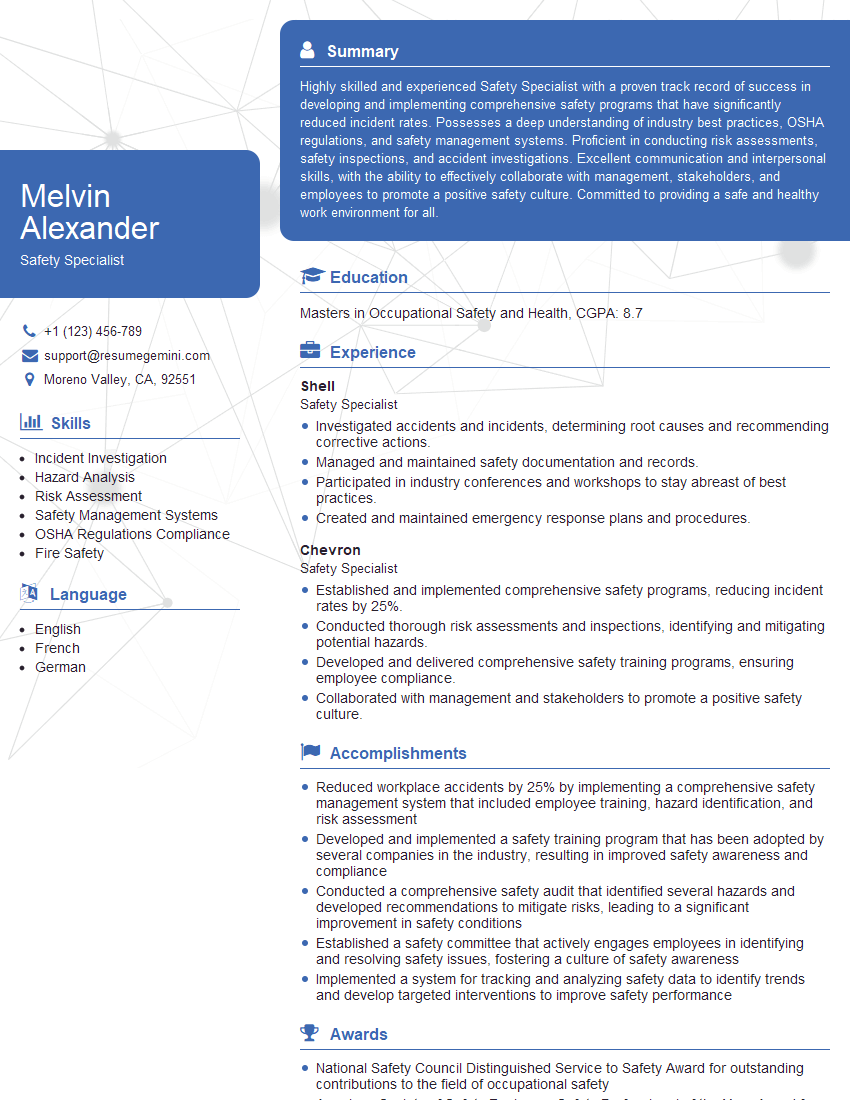
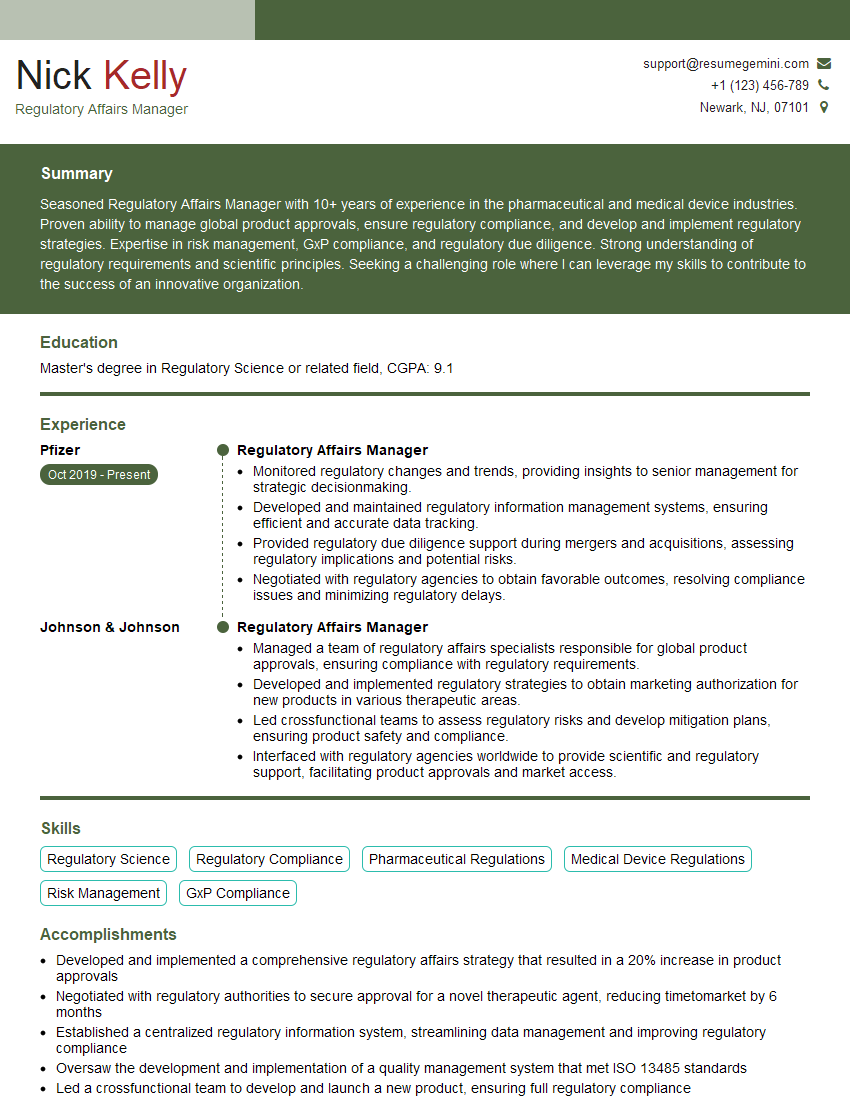
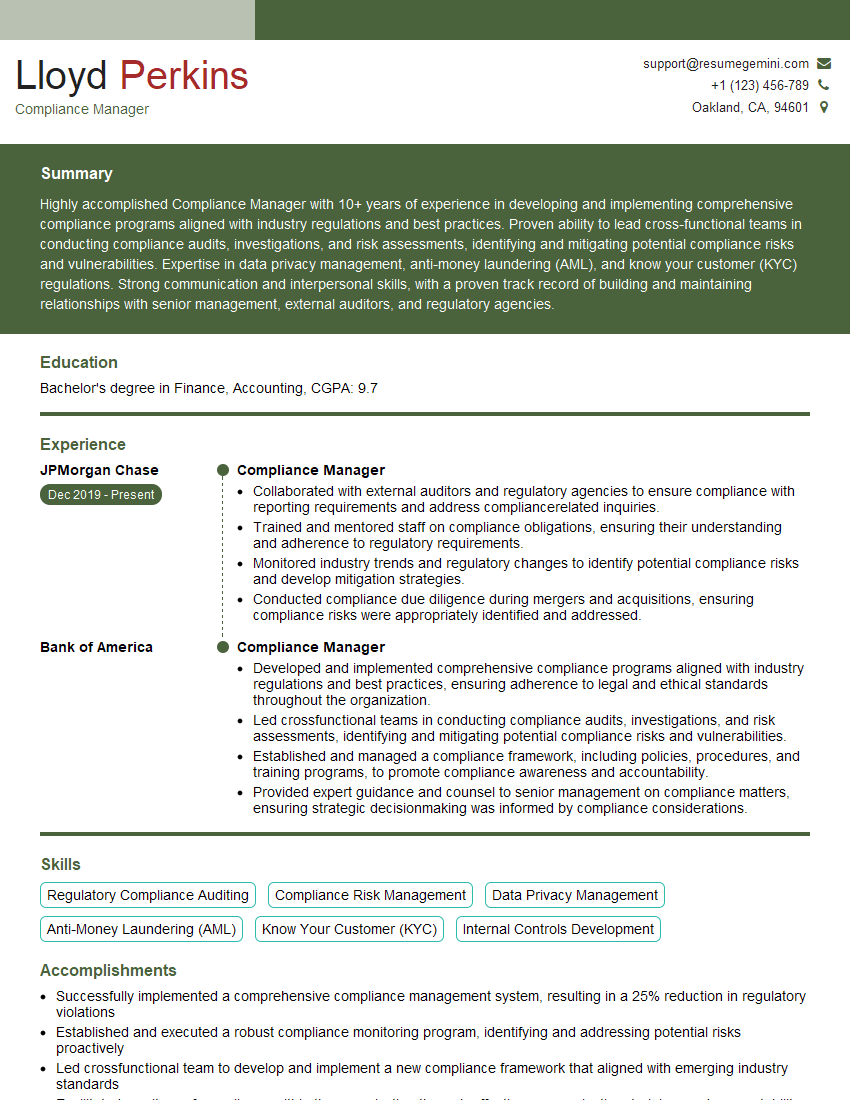
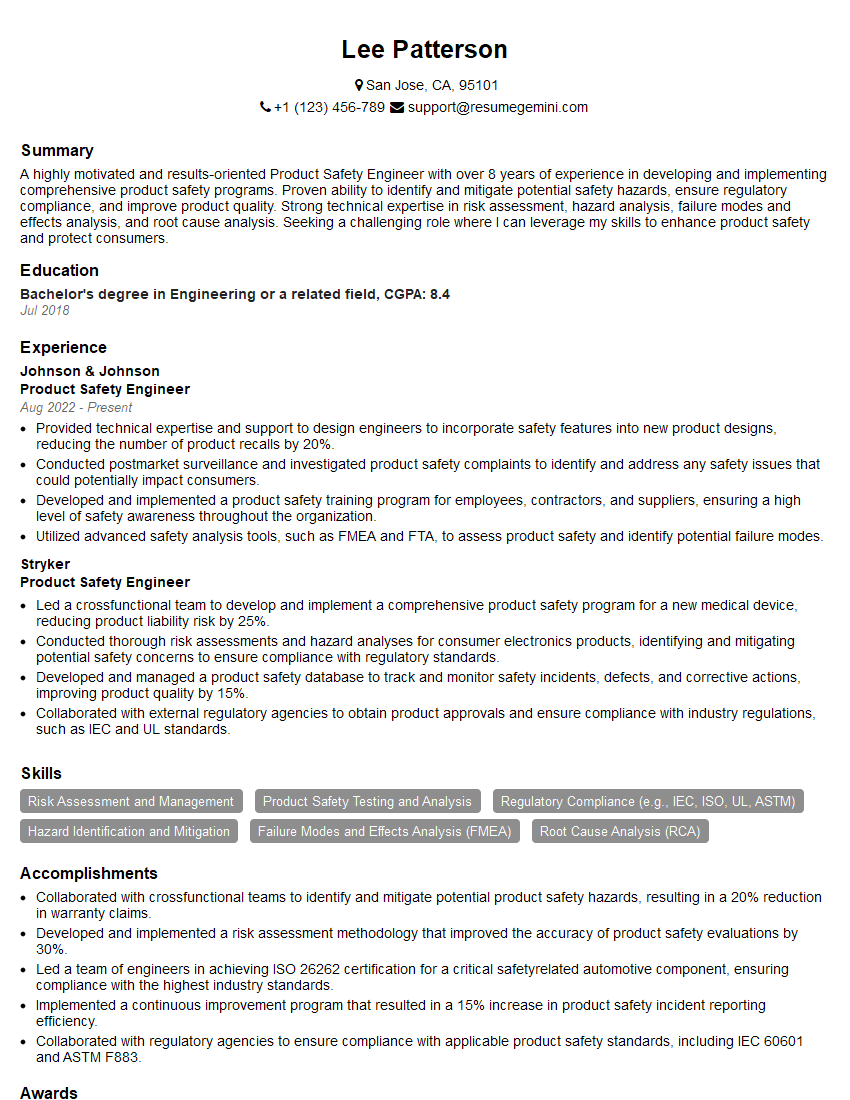
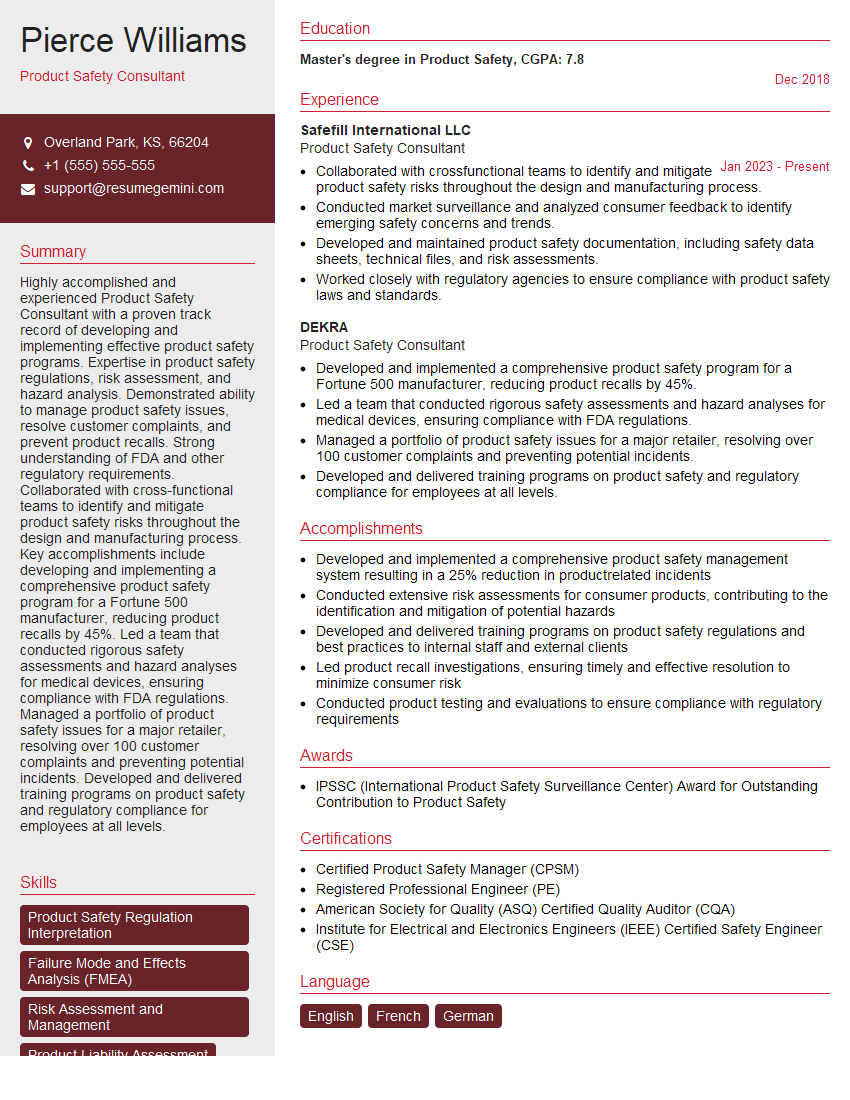
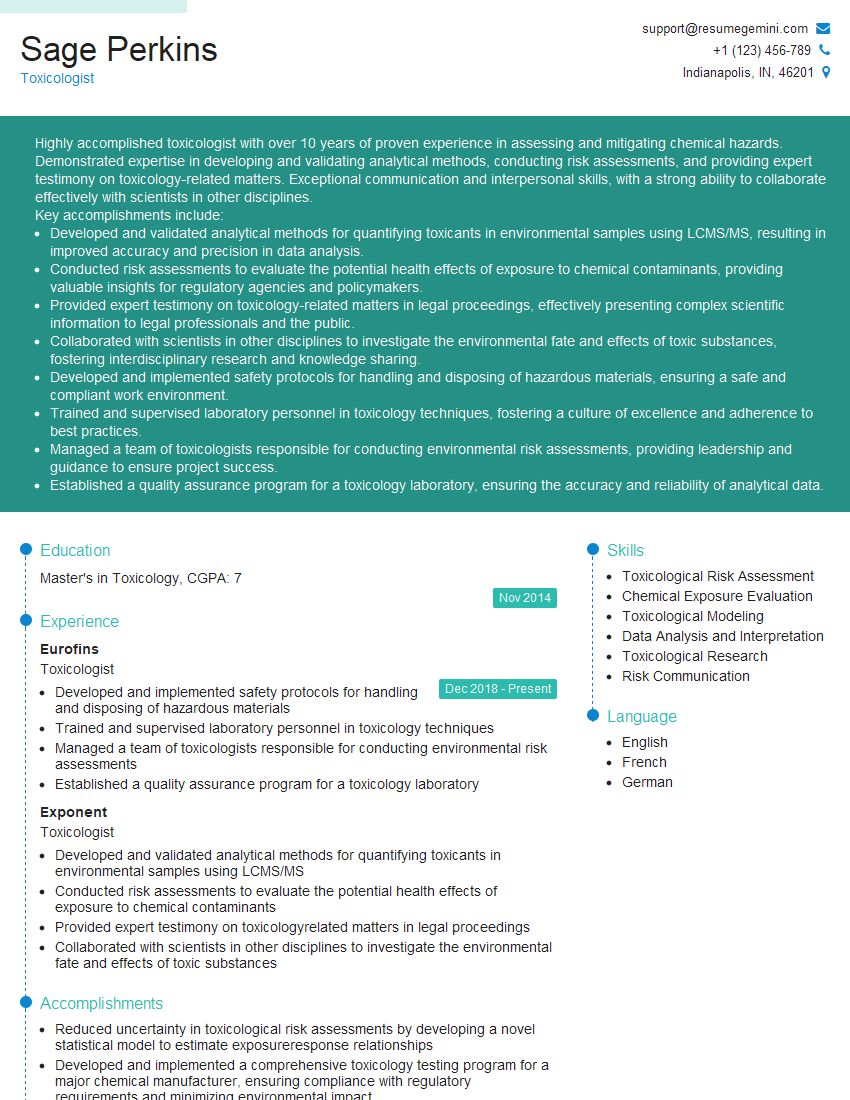
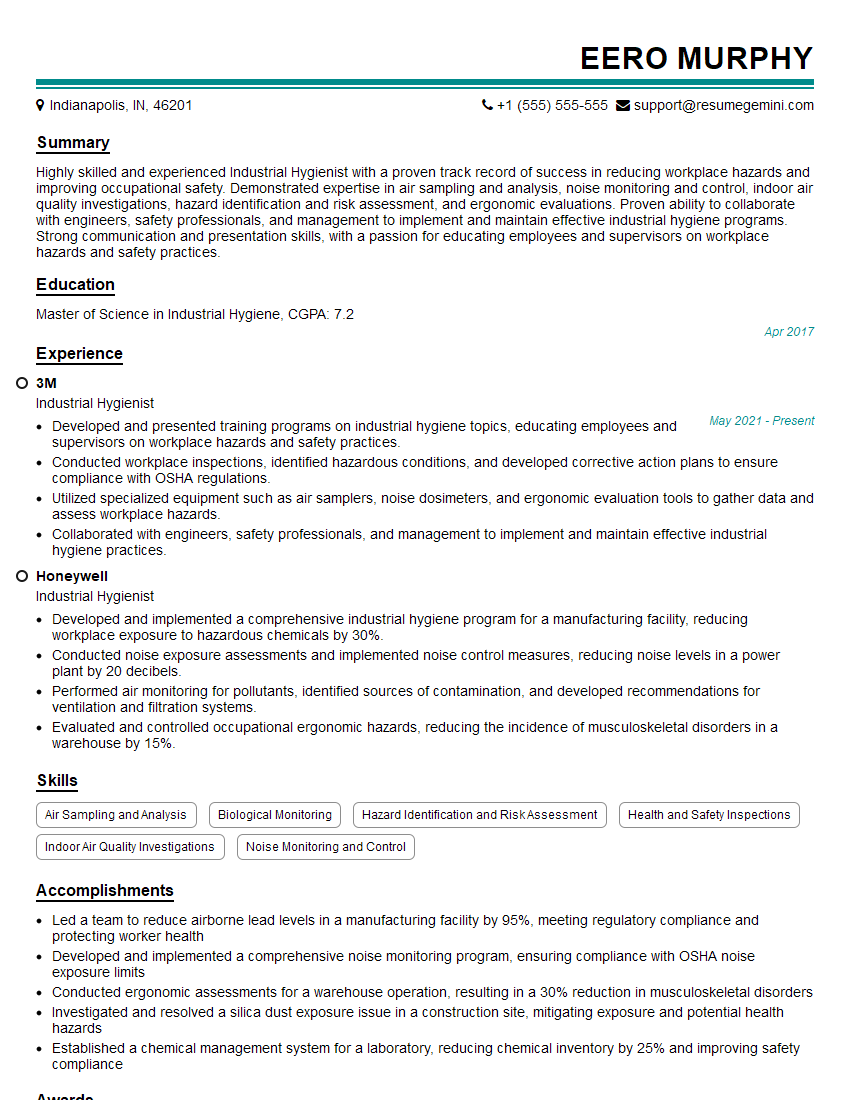
Mastering consumer product safety knowledge is crucial for career advancement in this vital field. A strong understanding of these principles demonstrates your commitment to protecting consumers and your ability to contribute significantly to a company’s success. To significantly boost your job prospects, creating an ATS-friendly resume is essential. This ensures your application gets noticed by recruiters and hiring managers. We highly recommend using ResumeGemini to build a professional and impactful resume that highlights your qualifications and experience in consumer product safety. ResumeGemini provides examples of resumes tailored to this specific field to help you craft a compelling application. Take the next step toward your dream career – build a resume that gets you noticed!

Explore more articles
Users Rating of Our Blogs
Share Your Experience
We value your feedback! Please rate our content and share your thoughts (optional).
What Readers Say About Our Blog
Really detailed insights and content, thank you for writing this detailed article.
IT gave me an insight and words to use and be able to think of examples