Cracking a skill-specific interview, like one for Chemical Spill Response and Containment, requires understanding the nuances of the role. In this blog, we present the questions you’re most likely to encounter, along with insights into how to answer them effectively. Let’s ensure you’re ready to make a strong impression.
Questions Asked in Chemical Spill Response and Containment Interview
Q 1. Describe your experience with developing and implementing SPCC plans.
Developing and implementing Spill Prevention, Control, and Countermeasure (SPCC) plans is a crucial aspect of my work. It involves a thorough assessment of potential spill risks, designing preventative measures, and outlining detailed response procedures. My experience encompasses all phases, from initial site surveys and hazard identification to plan writing, regulatory compliance, and plan training/drills. For example, I recently led the development of an SPCC plan for a large chemical manufacturing facility. This involved mapping potential spill sources, calculating storage capacities, and designing secondary containment systems. The plan also detailed emergency response procedures, including notification protocols, containment strategies, and cleanup methods. The successful implementation involved collaborating with facility engineers, safety personnel, and regulatory agencies to ensure compliance with all relevant regulations.
Another project involved updating an existing SPCC plan for an oil storage terminal. This required a comprehensive review of the existing plan against updated regulatory requirements and changes in facility operations. The update included revised spill prevention measures, improved response procedures, and enhanced training programs for personnel. Successful implementation involved regular inspections, drills, and a robust record-keeping system.
Q 2. What are the key components of a successful chemical spill response plan?
A successful chemical spill response plan hinges on several key components. Think of it like a well-orchestrated emergency response team: each member needs a clear role and the right equipment. First, you need a clear hazard identification and assessment. This involves knowing exactly what chemicals are present, their properties (flammability, toxicity, reactivity), and the potential consequences of a spill. Next, you need a pre-planned response strategy that outlines immediate actions (e.g., evacuation, containment), cleanup procedures, and waste disposal methods. This strategy is crucial; knowing what to do *before* a spill is critical. Emergency contact information is paramount – including emergency services, regulatory agencies, and specialized cleanup contractors. A well-defined communication plan ensures everyone involved knows their role and the status of the spill. Finally, regular training and drills are vital to prepare personnel for handling real-world scenarios effectively. Without practice, even the best plan is useless. Imagine trying to assemble a complex piece of furniture without instructions – it will be chaotic!
Q 3. Explain the different types of containment booms and their applications.
Containment booms are crucial for preventing the spread of spilled chemicals. There are various types, each with specific applications. Absorbent booms are made of materials like polypropylene or polyurethane foam that soak up the spilled liquid. They are best suited for smaller spills of less viscous liquids in calm water. Floating booms are typically made from durable materials like PVC or polyurethane and are designed to float on the surface of water, creating a barrier to prevent the spread of the spill. These are ideal for larger spills and open bodies of water. Pillow booms are similar to floating booms but have a thicker, more robust design, offering better containment for larger volumes and rougher waters. Skirt booms have a submerged skirt extending below the waterline, effectively containing spills even in currents. Lastly, combination booms integrate features from multiple types, providing enhanced performance in specific scenarios. The choice of boom depends on factors like spill size, type of liquid, water conditions, and environmental concerns.
Q 4. How do you identify and classify hazardous materials involved in a spill?
Identifying and classifying hazardous materials involved in a spill is a critical first step. This usually involves consulting the Safety Data Sheet (SDS), also known as a Material Safety Data Sheet (MSDS). The SDS provides comprehensive information about the chemical, including its hazards, proper handling procedures, and emergency response guidelines. If the SDS isn’t immediately available, visual inspection (if safe to do so), and any available labeling on containers can provide initial clues. Next, the chemical’s properties must be classified according to its hazard class (flammable, toxic, corrosive, etc.). This classification is governed by regulations such as the Globally Harmonized System of Classification and Labelling of Chemicals (GHS) and the U.S. Department of Transportation (DOT) Hazardous Materials Regulations. Using appropriate testing equipment (e.g., gas detectors, pH meters) can confirm the presence and concentrations of hazardous substances. Accurate classification dictates the appropriate response strategies and PPE required.
Q 5. What are the immediate actions to take upon discovering a chemical spill?
Upon discovering a chemical spill, immediate actions are paramount and hinge on prioritizing safety. The first step is to ensure the safety of all personnel – evacuation of the area is often necessary. This is crucial to prevent exposure to hazardous materials. Then, contain the spill to prevent further spread. This might involve using absorbent materials, deploying containment booms (as discussed earlier), or diverting the flow of the spill. Next, notify emergency services and relevant authorities according to your pre-established emergency response plan. This also includes informing other personnel who may be affected. Simultaneously, assess the situation to determine the extent of the spill, the type of chemicals involved, and any immediate threats to human health or the environment. These initial actions set the stage for more extensive cleanup efforts.
Q 6. Explain the process of neutralizing different types of chemical spills.
Neutralizing chemical spills requires a careful and specific approach, as the wrong method could worsen the situation. The process depends entirely on the nature of the spilled chemical. For example, acid spills might be neutralized using a base like sodium bicarbonate (baking soda), while alkaline spills could be neutralized using an acid like citric acid (though always diluted). Flammable liquid spills often require the use of absorbent materials and the prevention of ignition sources. Never attempt to mix chemicals without expert knowledge – the resulting reaction could be dangerous. The safest method is often to contain and remove the spill using appropriate techniques, depending on its nature and location. The process typically involves careful dilution, absorption, or containment, followed by proper disposal in accordance with environmental regulations. In many instances, specialized cleanup contractors are necessary to handle complex neutralization procedures safely and effectively.
Q 7. Describe your experience with personal protective equipment (PPE) used in spill response.
My experience with personal protective equipment (PPE) in spill response is extensive, emphasizing that selecting the correct PPE is non-negotiable. The specific type of PPE depends entirely on the nature of the spilled chemical and its potential health hazards. For example, spills involving corrosive chemicals necessitate the use of chemical-resistant suits, gloves, and eye protection. Spills involving flammable materials require flame-resistant clothing and potentially self-contained breathing apparatus (SCBA) in confined spaces or high concentration areas. For spills involving airborne hazardous materials, a respirator is essential. Proper training on the selection, donning, and doffing (removal) of PPE is critical to ensure worker safety and prevent cross-contamination. Regular inspection and maintenance of PPE are also crucial to maintain its effectiveness. Improper PPE can lead to serious injuries, underlining the importance of safety protocols in spill response operations.
Q 8. How do you assess the environmental impact of a chemical spill?
Assessing the environmental impact of a chemical spill involves a multi-faceted approach. We need to consider the type and quantity of the spilled chemical, its toxicity and persistence in the environment, and the nature of the affected ecosystem. This includes factors such as soil type, water bodies present, local flora and fauna, and the potential for migration of the contaminant.
Firstly, we conduct a site assessment to determine the extent of the spill. This involves visual inspection, sampling of soil and water, and potentially air monitoring for volatile compounds. Secondly, we use this data to model the potential pathways of the spill, predicting how the chemical might spread through the environment via runoff, groundwater infiltration, or atmospheric dispersion. We leverage established models and software to simulate these processes. Thirdly, we assess the ecological impact, considering potential effects on plants, animals, and microorganisms. This might involve analyzing samples for biological indicators of stress, using risk assessment tools to estimate the probability of harm, or consulting relevant ecological databases to understand the sensitivity of the local species.
For example, a spill of a persistent organic pollutant (POP) like dioxin into a wetland would have a vastly different and more severe impact than a spill of readily biodegradable detergent into a paved area. The assessment informs the cleanup strategy and helps determine the scale of remediation needed.
Q 9. What are the regulatory requirements for reporting chemical spills?
Regulatory requirements for reporting chemical spills vary greatly depending on the location, the type and quantity of the chemical, and the potential environmental impact. Generally, there’s a tiered system where smaller spills might only require notification to local authorities, while larger or more hazardous spills demand immediate reporting to state and potentially federal agencies. This usually involves specifying the exact location, time, type and quantity of the released substance and initial containment measures taken.
In the United States, for instance, the Environmental Protection Agency (EPA) and the Department of Transportation (DOT) have stringent regulations under the Comprehensive Environmental Response, Compensation, and Liability Act (CERCLA) and the Hazardous Materials Transportation Act (HMTA). Failure to comply can result in hefty fines and legal repercussions. Similar stringent regulations exist in other countries, often governed by national environmental protection agencies. A critical aspect is the accurate and timely reporting of the incident to relevant authorities.
It’s crucial to consult specific local, state, and national regulations to ensure full compliance. Often, specific reporting forms or online portals are provided for this purpose.
Q 10. Describe your experience with using absorbent materials for spill cleanup.
Absorbent materials play a crucial role in the initial containment and cleanup of chemical spills. My experience involves using a wide range of materials, chosen based on the specific chemical spilled and the environmental conditions. For example, we’ve used diatomaceous earth for absorbing less viscous liquids and sorbent pads made of polypropylene or other synthetic materials for more viscous substances or those that are easily soluble in water. We’ve also used vermiculite for absorbing hydrocarbons and certain other chemicals. The choice depends on the material’s absorbency capacity, compatibility with the spilled chemical, and the ease of disposal after use.
The process typically involves deploying the absorbent material directly onto the spilled liquid to soak it up. Once saturated, the absorbent material is carefully collected, sealed in appropriate containers, and disposed of according to hazardous waste regulations. For larger spills, booms can be deployed to prevent further spread across water bodies.
One challenging situation I recall involved a spill of a highly corrosive acid. We used specialized, acid-resistant absorbent pads and ensured personnel wore appropriate personal protective equipment (PPE) during cleanup. The careful selection of the absorbent material and proper safety precautions were critical in preventing further damage and ensuring worker safety.
Q 11. How do you manage personnel safety during a chemical spill response?
Personnel safety is paramount during any chemical spill response. This begins with pre-incident planning, including developing detailed emergency response plans, establishing communication protocols, and providing comprehensive training to all personnel involved. Before approaching the spill site, individuals must be equipped with the appropriate personal protective equipment (PPE), which may include respirators, protective suits, gloves, eye protection, and boots, depending on the specific chemical hazards. This PPE selection is based on a thorough risk assessment.
Establishing a clear command structure is crucial to avoid confusion and ensure efficient response. We utilize clearly defined roles and responsibilities, ensuring that trained personnel handle different aspects of the response. We also prioritize site control, which involves establishing safety zones and restricting access to unauthorized personnel. Continuous monitoring of air quality is critical, using appropriate equipment to detect and measure airborne hazards. Decontamination procedures must also be well-defined and readily implemented.
For example, during a spill of a highly toxic substance, we would implement a strict entry and exit procedure, requiring full decontamination before personnel are allowed to leave the response area. Regular health checkups and follow-ups for all responders are essential for long term health monitoring.
Q 12. What are the different methods for removing contaminated soil?
Removing contaminated soil depends heavily on the nature of the contamination, the extent of the spread, and the regulatory requirements. Several methods exist:
- Excavation and Disposal: This involves digging up and removing the contaminated soil. This is suitable for smaller, localized spills. The excavated soil must be handled and disposed of as hazardous waste according to regulations.
- In-situ Treatment: This involves treating the contaminated soil in place, minimizing the need for excavation and transport. Techniques may include bioremediation (using microorganisms to break down the contaminant), chemical oxidation, or soil washing.
- Soil Vapor Extraction (SVE): This method is used to remove volatile organic compounds (VOCs) from the soil by creating a vacuum that draws the contaminated vapor from the ground. It is often used in conjunction with other methods.
- Vitrification: This involves heating the contaminated soil to very high temperatures, converting it to a glassy, non-leachable material.
The selection of the appropriate method often involves a cost-benefit analysis and environmental impact assessment. The choice also depends on the level of contamination, the type of soil, and the local regulatory requirements. For example, bioremediation is often preferred for environmentally sensitive areas because of its minimal disruption to the surrounding landscape.
Q 13. Explain the process of documenting a chemical spill incident.
Comprehensive documentation is critical for legal, insurance, and future reference purposes. The documentation process should begin immediately after the spill is discovered. It should include the following:
- Initial Incident Report: This includes details such as the date, time, location, type and quantity of the chemical spilled, and initial observations.
- Site Assessment and Mapping: Detailed maps illustrating the extent of the spill, the location of contaminated areas, and any affected waterways or sensitive ecosystems.
- Sampling Data: Records of all samples collected (soil, water, air), the analytical methods used, and the results of laboratory analysis.
- Cleanup Activities Log: A detailed record of all cleanup activities, including the methods used, the personnel involved, the amount of material removed, and any challenges encountered.
- Disposal Records: Documentation of the disposal of contaminated materials, including the name and location of the disposal facility, and manifests or other relevant paperwork.
- Photographs and Videos: Visual records of the spill site before, during, and after the cleanup process.
- Incident Summary Report: A final report summarizing the entire incident, its impact, and the effectiveness of the cleanup.
All documentation should be stored securely and be easily accessible for future audits or investigations. Maintaining accurate and complete records is essential for demonstrating compliance with regulations and ensuring the safety of the environment and the community.
Q 14. How do you determine the appropriate cleanup methods for different types of chemicals?
Choosing the appropriate cleanup method for different chemicals requires a deep understanding of their properties and reactivity. Factors to consider include:
- Toxicity and Flammability: Highly toxic or flammable chemicals require specialized handling and cleanup methods, potentially demanding more stringent safety precautions.
- Solubility and Volatility: Water-soluble chemicals might require different approaches than those that are insoluble. Volatile chemicals may require methods to prevent their evaporation and dispersion.
- Reactivity: Chemicals that react violently with water or other substances necessitate careful selection of cleanup materials and methods to avoid hazardous reactions.
- Environmental Fate and Transport: The persistence and mobility of a chemical in the environment will influence cleanup strategies. Persistent chemicals may require more extensive remediation efforts.
For example, a spill of oil will require different methods than a spill of strong acids. Oil spills may involve booms, skimmers, and dispersants, while strong acids may require neutralization and careful absorption with specialized materials. A thorough risk assessment, chemical analysis, and consideration of environmental factors are crucial in making informed decisions on the most appropriate and effective cleanup methods.
Q 15. What are the limitations of different containment methods?
Containment methods for chemical spills, while crucial, have inherent limitations depending on the spilled substance, the environment, and the resources available. Let’s examine some common methods and their drawbacks:
Absorbents (e.g., spill pads, clay): Effective for smaller spills of liquids, but can be inefficient for large volumes or rapidly spreading spills. They also require proper disposal as contaminated waste, adding to the cleanup cost and environmental burden. For example, using absorbents on a large gasoline spill on a highway would be impractical due to the sheer volume.
Dams and Berms: These physical barriers are great for containing liquids within a defined area, preventing further spread. However, they are less effective with volatile liquids that can evaporate or with chemicals that can seep through the materials. A poorly constructed berm might fail under pressure from a large volume of liquid.
Vacuum Trucks: These are powerful for removing liquids from relatively flat surfaces. However, they are not suitable for all substances (e.g., those that are highly viscous or react with the vacuum system). They also struggle with spills in confined spaces or uneven terrain. I’ve personally experienced a situation where the viscosity of a spilled resin made vacuuming almost impossible, requiring manual cleanup.
In-situ Neutralization: Chemical neutralization is sometimes used to render a hazardous substance less harmful. However, this requires precise knowledge of the chemical properties of the spill and can result in unintended consequences (e.g., exothermic reactions, generation of toxic byproducts). Improper neutralization can worsen the situation.
Choosing the right containment method involves a careful assessment of the specific spill, considering its size, the properties of the chemical, the environment, and the available resources.
Career Expert Tips:
- Ace those interviews! Prepare effectively by reviewing the Top 50 Most Common Interview Questions on ResumeGemini.
- Navigate your job search with confidence! Explore a wide range of Career Tips on ResumeGemini. Learn about common challenges and recommendations to overcome them.
- Craft the perfect resume! Master the Art of Resume Writing with ResumeGemini’s guide. Showcase your unique qualifications and achievements effectively.
- Don’t miss out on holiday savings! Build your dream resume with ResumeGemini’s ATS optimized templates.
Q 16. How do you prioritize cleanup efforts during a large-scale spill?
Prioritizing cleanup efforts during a large-scale spill requires a systematic approach. My strategy centers around the following:
Immediate Safety: First, ensure the safety of responders and the public. This involves establishing a perimeter, evacuating the area if necessary, and implementing appropriate personal protective equipment (PPE). This is paramount, preventing further harm is the top priority.
Containment: Next, focus on containing the spill to prevent further spread. This involves using the appropriate containment methods (as discussed earlier), considering the chemical’s properties and the environment.
Source Control: Stopping the source of the spill is critical. This may involve shutting down a leaking pipe, securing a damaged container, or stopping the flow from a ruptured tank. This step prevents the spill from getting larger.
Decontamination: Once the spill is contained, decontamination of affected areas and equipment is vital to prevent secondary contamination and protect responders’ health.
Recovery and Disposal: After containment and decontamination, the focus shifts to recovering the spilled material and its proper disposal according to regulations. This often involves specialized equipment and waste management companies.
This hierarchical approach ensures efficient and safe cleanup operations, minimizing environmental damage and protecting human health.
Q 17. Describe your experience with using specialized equipment for spill cleanup (e.g., vacuum trucks).
I have extensive experience using specialized equipment for spill cleanup, particularly vacuum trucks. My experience includes:
Operation and Maintenance: I am proficient in operating various vacuum truck models, understanding their capabilities and limitations. This includes familiarity with vacuum pressure controls, liquid transfer systems, and filter maintenance.
Selecting Appropriate Equipment: Choosing the right vacuum truck depends on factors like the volume and viscosity of the spilled material, the terrain, and the accessibility of the spill site. For instance, a smaller truck with a powerful vacuum might be needed for a viscous spill in a confined space, whereas a larger truck with a high-capacity tank might be better suited for a large-volume spill in an open area.
Troubleshooting: I am well-versed in troubleshooting common equipment malfunctions during operations, from clogged filters to hydraulic failures. This experience ensures minimal downtime and efficient cleanup.
Safety Procedures: I strictly adhere to safety protocols when operating vacuum trucks, including using appropriate PPE and following lockout/tagout procedures for maintenance. Safety is always my top priority.
In one instance, we used a combination of smaller vacuum trucks and absorbent booms to effectively manage a large spill of lubricating oil in a sensitive wetland environment. The phased approach minimized environmental impact.
Q 18. How do you prevent secondary contamination during a spill response?
Preventing secondary contamination during a spill response is crucial for protecting human health and the environment. Strategies include:
Establishing a Clean Zone: Creating a perimeter around the spill site and designating a clean zone for responders to change PPE, rest, and decontaminate equipment is essential. This prevents the spread of the spilled material to unaffected areas.
Proper PPE: Responders must use appropriate PPE, including respirators, gloves, boots, and protective suits, depending on the specific chemical involved. This provides a barrier against exposure to hazardous materials. Selecting the right PPE is critical based on the substance’s properties.
Decontamination Procedures: Implementing strict decontamination procedures for personnel and equipment after exposure to the spill is necessary. This might involve washing, showering, and using specialized decontamination solutions.
Waste Management: Properly handling and disposing of contaminated materials is crucial to prevent further contamination. This includes using designated containers and working with authorized waste management companies.
Careful Material Handling: Using appropriate absorbent materials and avoiding cross-contamination of cleanup tools is important. Clean tools should be kept separate from contaminated ones to prevent spreading of the material.
By implementing these measures, we can minimize the risk of spreading the spilled material and protect both human health and the environment.
Q 19. What are the health risks associated with exposure to common industrial chemicals?
Exposure to common industrial chemicals poses a wide array of health risks, depending on the specific chemical, the concentration, and the duration of exposure. These risks can range from mild irritation to severe health consequences, including death. Some examples include:
Acids (e.g., sulfuric acid): Can cause severe burns to skin and eyes, respiratory irritation, and internal organ damage.
Bases (e.g., sodium hydroxide): Similar to acids, can cause severe burns and tissue damage.
Solvents (e.g., toluene, acetone): Can cause dizziness, headaches, nausea, and central nervous system depression. Long-term exposure can cause organ damage.
Flammable Liquids (e.g., gasoline, benzene): Pose fire and explosion hazards, as well as toxicity risks from inhalation or skin contact. Benzene, a particularly dangerous component of gasoline, is a known carcinogen.
Heavy Metals (e.g., lead, mercury): Can cause neurological damage, kidney damage, and other severe health problems.
It’s crucial to understand the specific hazards of each chemical to implement the appropriate safety measures and respond effectively to any exposure incidents. Safety Data Sheets (SDS) provide detailed information about the potential hazards of chemicals.
Q 20. How do you communicate effectively during a chemical spill emergency?
Effective communication during a chemical spill emergency is vital for a coordinated and successful response. My approach includes:
Clear and Concise Messaging: Using plain language and avoiding technical jargon, I ensure everyone understands the situation’s urgency and the necessary actions.
Multiple Communication Channels: I utilize various communication methods, such as radios, phones, and emergency alert systems, to reach all stakeholders.
Designated Spokesperson: Establishing a single point of contact for media inquiries and public updates helps to prevent confusion and maintain a consistent message.
Regular Updates: Providing timely updates on the situation’s progress to all stakeholders keeps everyone informed.
Incident Command System (ICS): I use the ICS framework, a standardized approach to managing emergency incidents, to ensure clear roles and responsibilities, effective communication, and efficient decision-making. ICS provides a structure to organize communication during chaos.
In a recent spill incident, clear communication between the cleanup crews, the local authorities, and the media through a centralized information system proved invaluable in mitigating public panic and ensuring a smooth and efficient cleanup process.
Q 21. Describe your experience with working with emergency responders (e.g., fire department).
I have a long and positive history of collaborating with various emergency responders, most notably fire departments, during chemical spill incidents. This collaboration is crucial for a coordinated and effective response:
Pre-Incident Planning: I actively participate in pre-incident planning exercises with local fire departments to review potential spill scenarios and develop emergency response plans. Familiarization with each other’s procedures is important.
On-Scene Coordination: During an actual spill, I work closely with fire department personnel, coordinating actions and ensuring everyone’s safety. This involves sharing information about the spilled material’s hazards, and establishing safety perimeters and access points.
Equipment and Expertise: Fire departments often possess specialized equipment that complements our cleanup efforts (e.g., foam application for flammable liquids). Knowing their resources helps with more efficient and safer cleanup.
Mutual Respect and Trust: Building a strong working relationship based on mutual respect and trust with emergency responders is essential for efficient collaboration.
For example, during a large-scale chemical spill at a manufacturing facility, our coordinated efforts with the local fire department, utilizing their expertise in hazardous material handling and our specialized equipment, enabled us to rapidly contain the spill and minimize environmental damage.
Q 22. Explain your understanding of various hazard communication systems (e.g., GHS).
Hazard communication systems are crucial for ensuring worker safety and preventing accidents during chemical handling. The Globally Harmonized System of Classification and Labelling of Chemicals (GHS) is a globally accepted system designed to standardize the classification and communication of chemical hazards. It uses pictograms, signal words (danger or warning), hazard statements, and precautionary statements to convey the risks associated with a particular chemical.
- Pictograms: Standardized symbols that visually represent specific hazard classes (e.g., flammability, toxicity).
- Signal Words: ‘Danger’ indicates severe hazard, ‘Warning’ indicates less severe but still significant hazard.
- Hazard Statements: Describe the nature of the hazard (e.g., ‘May cause eye irritation’).
- Precautionary Statements: Recommend actions to minimize or prevent hazards (e.g., ‘Keep out of reach of children’).
Beyond GHS, other systems like Safety Data Sheets (SDS) provide comprehensive information about a chemical, including its properties, hazards, safe handling procedures, and emergency response information. Understanding and utilizing these systems is vital for effective chemical spill response and prevention.
Q 23. How do you handle situations where there is conflicting information about a spilled material?
Conflicting information regarding a spilled material is a serious issue that demands a methodical approach. My strategy involves:
- Identify the Source: Determine the reliability of each source. Is it a reputable SDS, a credible laboratory analysis, or anecdotal evidence? Prioritize information from trusted sources.
- Cross-Reference Information: Compare the conflicting data points. Look for patterns or inconsistencies. For example, if one source lists a flash point significantly higher than another, this discrepancy warrants further investigation.
- Consult Experts: If the conflict persists, consult with a qualified chemist, toxicologist, or emergency response specialist. Their expertise can help resolve ambiguities and ensure the most appropriate response.
- Err on the Side of Caution: In case of doubt, always adopt the most conservative approach. Assume the higher hazard level until definitive clarification is obtained. This is crucial in protecting human health and the environment.
- Document Everything: Meticulously document all sources of information, discrepancies, and the resolution process. This documentation is essential for post-incident analysis and future reference.
For instance, if one SDS indicates a chemical is highly flammable and another doesn’t mention flammability, I would prioritize the SDS that indicates flammability and treat the material as highly flammable until proven otherwise. This cautious approach is critical for worker safety.
Q 24. Describe a challenging chemical spill you responded to and the lessons learned.
One particularly challenging spill involved a large quantity of concentrated sulfuric acid leaking from a corroded storage tank in a manufacturing facility. The leak went undetected for several hours, leading to significant environmental contamination and posing a substantial threat to workers and the surrounding community.
The challenge stemmed from the highly corrosive nature of sulfuric acid, the large volume of the spill, and the time lapse before discovery. Our response involved:
- Immediate Evacuation and Isolation: Rapid evacuation of the area and establishment of a perimeter to prevent further exposure.
- Neutralization and Containment: Using specialized equipment and neutralizing agents to contain the spill and minimize further environmental damage. This required careful calculation of neutralization agent quantities to prevent uncontrolled reactions.
- Specialized Personnel: Employing teams with expertise in hazardous materials handling, including hazmat suits and respiratory protection.
- Environmental Monitoring: Extensive soil and water sampling to assess the extent of contamination and guide remediation efforts.
The lessons learned emphasized the crucial importance of regular tank inspections, leak detection systems, and rigorous employee training on emergency procedures. We subsequently implemented improved preventative maintenance schedules and upgraded our emergency response protocols, strengthening our preparedness for future incidents.
Q 25. What are your strategies for preventing future chemical spills?
Preventing chemical spills requires a multifaceted approach focusing on proactive measures, employee training, and robust safety systems.
- Proper Storage and Handling: Implementing appropriate storage containers, ensuring proper labeling, and adhering to strict handling procedures. This includes using secondary containment, preventing overfilling, and ensuring proper ventilation.
- Regular Inspections and Maintenance: Frequent inspections of storage tanks, piping, and equipment to identify and address potential leaks or damage promptly. This involves preventative maintenance schedules and regular leak detection checks.
- Employee Training: Providing thorough training to all personnel involved in handling chemicals, emphasizing safe practices, emergency procedures, and the use of personal protective equipment (PPE).
- Spill Prevention Plans: Developing and implementing comprehensive spill prevention plans that include detailed procedures for handling various types of chemical spills and addressing potential scenarios.
- Engineering Controls: Employing engineering controls such as improved containment systems, automated shut-off valves, and leak detection sensors to minimize the risk of spills.
For example, implementing a color-coded system for chemical storage, coupled with regular inspections and employee training, can drastically reduce the likelihood of mishaps. These proactive measures are far more effective and cost-efficient than responding to spills after they occur.
Q 26. How familiar are you with different types of sampling and analysis methods for contaminated materials?
I am proficient in various sampling and analysis methods for contaminated materials. The choice of method depends on the specific chemical, the nature of the contamination, and the objectives of the analysis.
- Sampling Methods: This includes grab sampling (a single sample), composite sampling (multiple samples combined), and stratified sampling (samples from different locations). The sampling strategy must ensure representative samples are obtained to accurately reflect the contamination.
- Analysis Methods: Analysis methods range from simple field tests (e.g., pH strips) to sophisticated laboratory analyses such as gas chromatography-mass spectrometry (GC-MS) and high-performance liquid chromatography (HPLC). GC-MS and HPLC allow for the identification and quantification of various chemicals in complex mixtures.
For instance, in a soil contamination scenario, I might use stratified sampling to collect samples from various depths and locations to obtain a representative profile of the contamination. Subsequently, I would employ GC-MS analysis in a laboratory setting to identify and quantify the specific contaminants present.
Q 27. Explain the role of risk assessment in chemical spill prevention and response.
Risk assessment plays a pivotal role in both preventing and responding to chemical spills. It provides a systematic framework for identifying, evaluating, and controlling hazards associated with chemical handling and storage.
Prevention: A thorough risk assessment identifies potential hazards (e.g., chemical incompatibilities, faulty equipment, human error) and estimates the likelihood and severity of a spill occurring. This assessment helps prioritize preventative measures, such as improved storage practices, employee training, and implementation of engineering controls.
Response: Risk assessment also informs the development of emergency response plans. By understanding the potential consequences of a spill (e.g., environmental damage, health impacts), the response plan can be tailored to mitigate these risks effectively. This includes selecting appropriate protective equipment, determining containment strategies, and outlining emergency communication protocols.
For example, a risk assessment might reveal that a particular chemical is highly flammable and stored near an ignition source. This assessment would then drive the implementation of preventative measures such as improved ventilation, fire suppression systems, and relocation of the chemical to a safer location. The response plan would subsequently include procedures for handling a fire, evacuation protocols, and the use of specialized firefighting equipment.
Q 28. What are your strategies for maintaining your knowledge and skills in chemical spill response?
Maintaining up-to-date knowledge and skills in chemical spill response is paramount. My strategies include:
- Continuing Education: Participating in workshops, seminars, and conferences related to chemical safety, spill response, and environmental remediation.
- Professional Certifications: Obtaining and maintaining relevant certifications such as those offered by organizations specializing in hazardous materials handling.
- Staying Current with Regulations: Keeping abreast of changes in regulations and best practices in chemical safety and emergency response. This includes following updates from relevant agencies and professional organizations.
- Reviewing Case Studies: Analyzing past chemical spill incidents and learning from lessons learned to refine response techniques.
- Networking with Peers: Engaging with other professionals in the field to share knowledge, discuss best practices, and stay informed of emerging trends.
Regularly reviewing safety data sheets (SDS), participating in refresher training courses, and engaging in continuous learning activities ensures I remain proficient and prepared for any chemical spill scenario.
Key Topics to Learn for Chemical Spill Response and Containment Interview
- Hazard Identification and Risk Assessment: Understanding the properties of various chemicals, identifying potential hazards, and conducting thorough risk assessments to determine the severity and potential impact of a spill.
- Spill Response Planning and Procedures: Developing and implementing comprehensive spill response plans, including emergency procedures, communication protocols, and personnel roles and responsibilities. Practical application includes familiarizing yourself with relevant safety data sheets (SDS) and emergency response guidelines.
- Containment and Control Methods: Mastering techniques for containing and controlling spills using various methods such as booms, dams, absorbents, and dispersants. This includes understanding the limitations and appropriate applications of each method.
- Decontamination and Remediation: Knowing the procedures for safely decontaminating personnel, equipment, and the affected environment following a spill. This involves understanding different decontamination techniques and the disposal of contaminated materials.
- Personal Protective Equipment (PPE): Demonstrating knowledge of appropriate PPE selection and use for various chemical spills, and understanding the limitations of different PPE types.
- Legal and Regulatory Compliance: Understanding relevant environmental regulations and reporting requirements related to chemical spills and waste disposal.
- Emergency Response Teamwork and Communication: Highlighting experience and understanding of effective communication and coordination within a team during a crisis situation.
- Spill Prevention and Minimization: Discussing strategies and best practices for preventing chemical spills and minimizing their potential impact.
- Post-Spill Investigation and Reporting: Understanding the process of investigating the cause of a spill, documenting findings, and preparing comprehensive reports.
Next Steps
Mastering Chemical Spill Response and Containment is crucial for career advancement in the environmental and safety sectors. It showcases your commitment to safety and your ability to handle high-pressure situations. To significantly boost your job prospects, create an ATS-friendly resume that highlights your skills and experience effectively. ResumeGemini is a trusted resource that can help you build a professional and impactful resume. They provide examples of resumes tailored to Chemical Spill Response and Containment roles, ensuring your application stands out from the competition. Take advantage of these resources to present yourself as the ideal candidate.
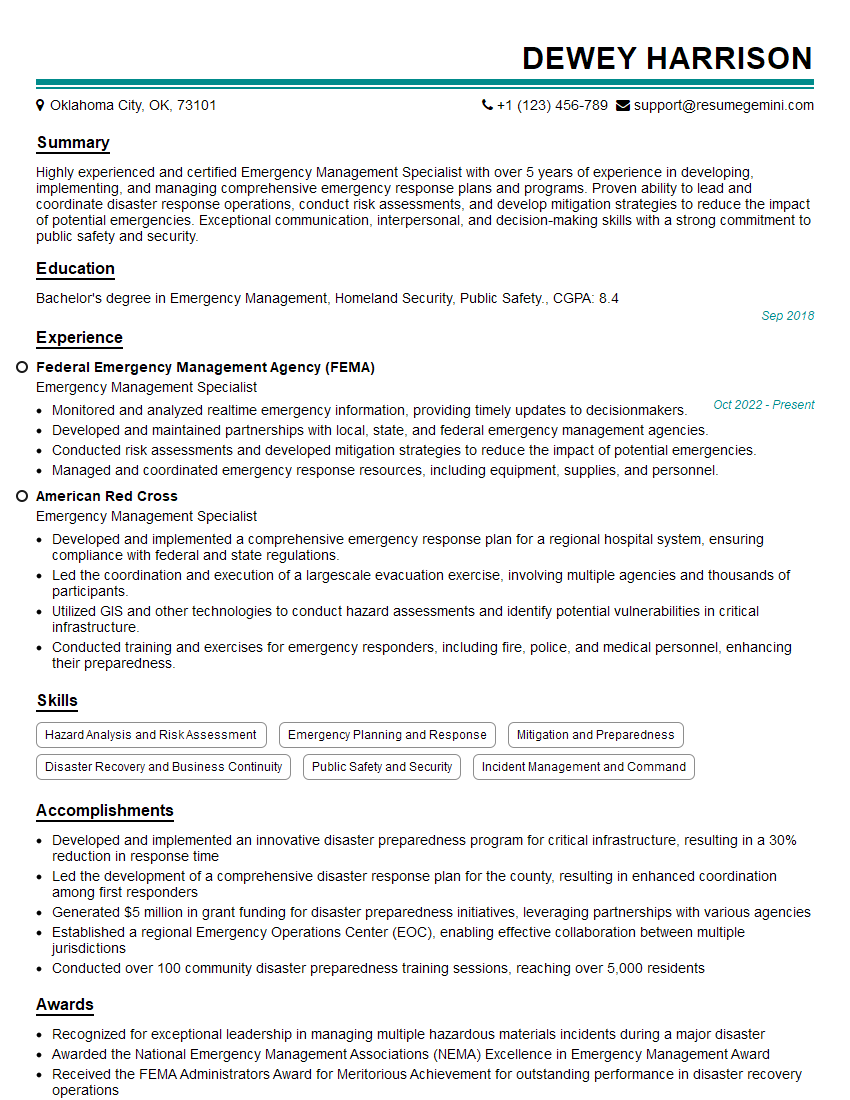
Emergency Management Specialist Resume Sample

Compliance Officer Resume Sample
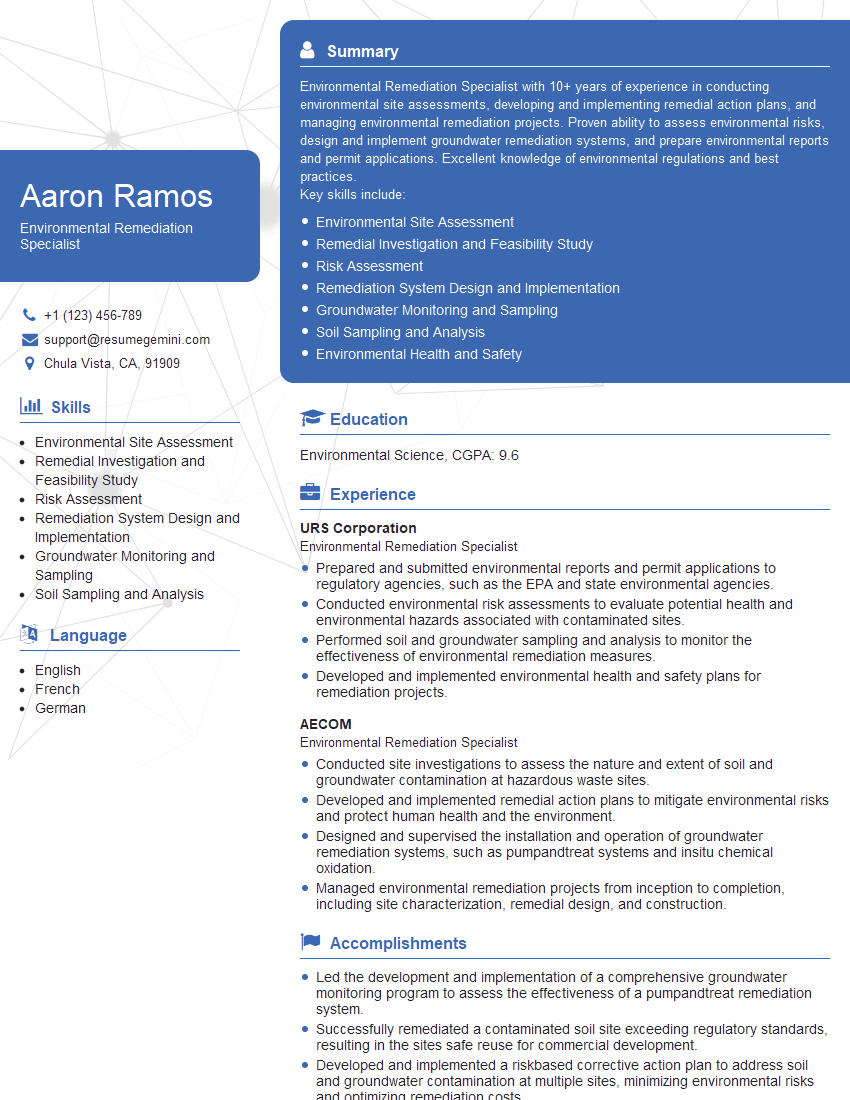
Environmental Remediation Specialist Resume Sample
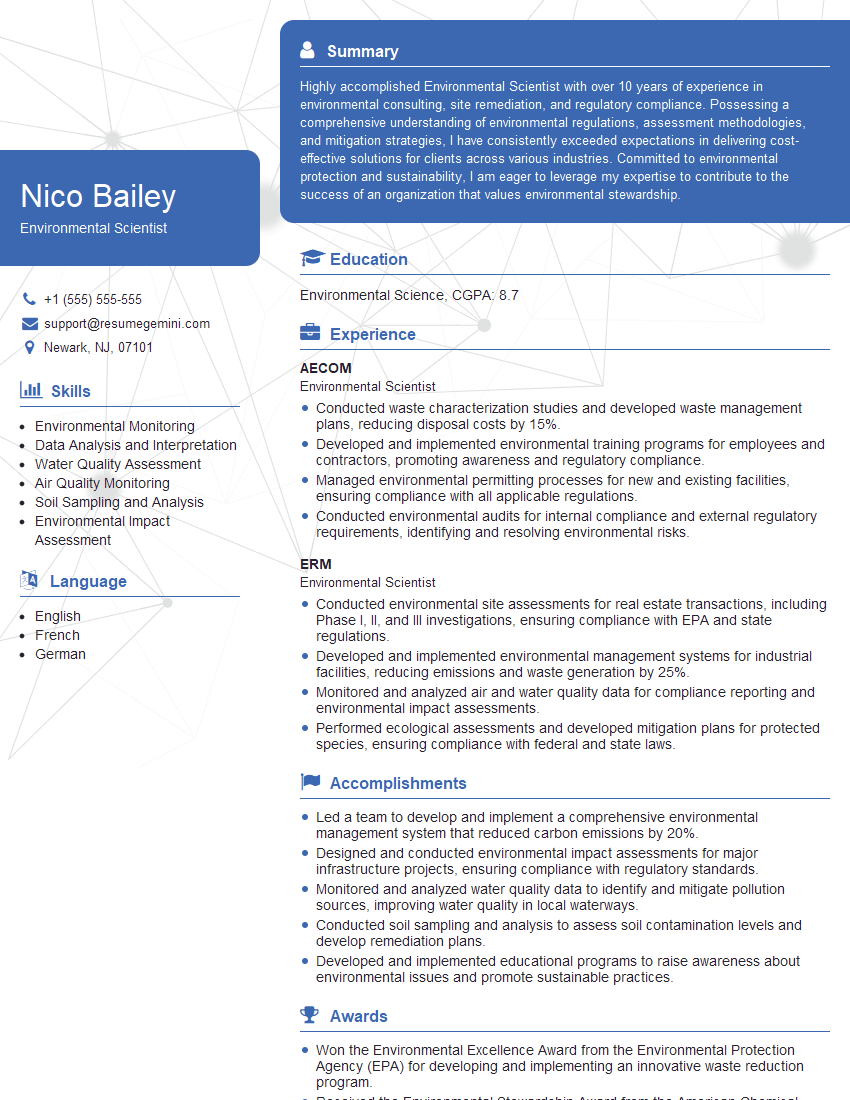
Environmental Scientist Resume Sample
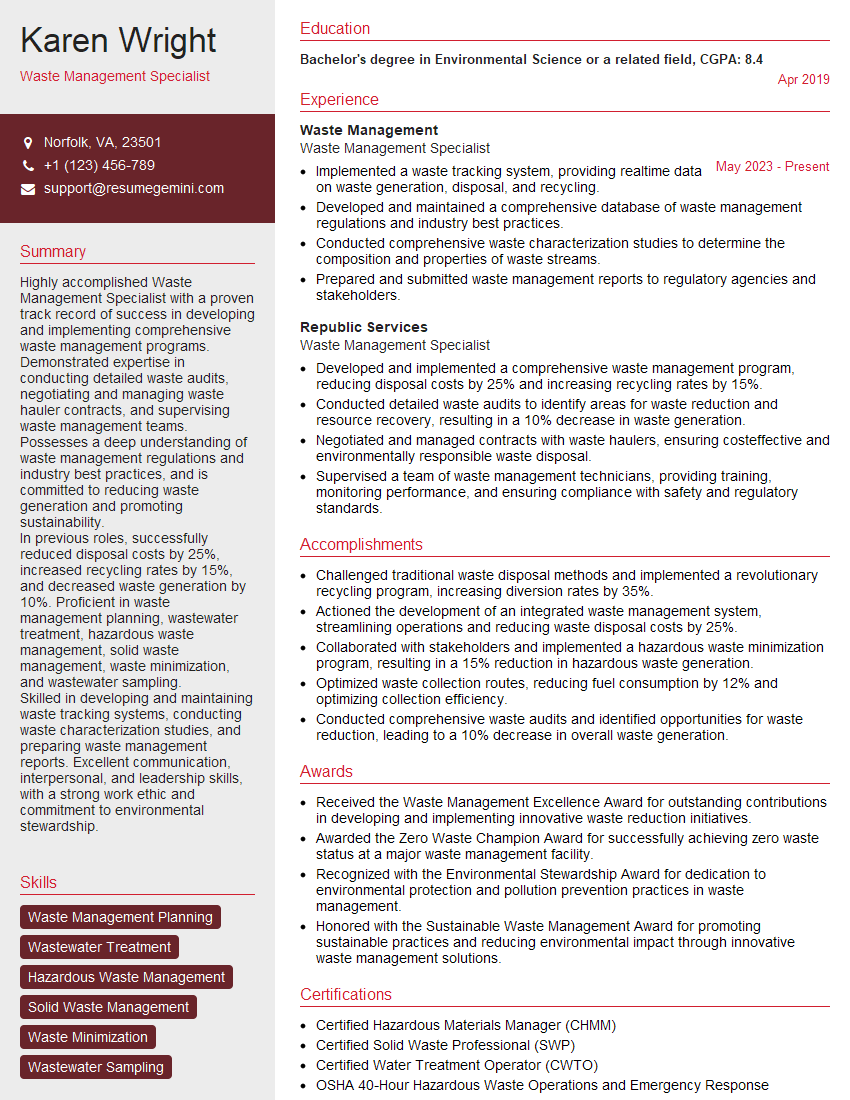
Waste Management Specialist Resume Sample
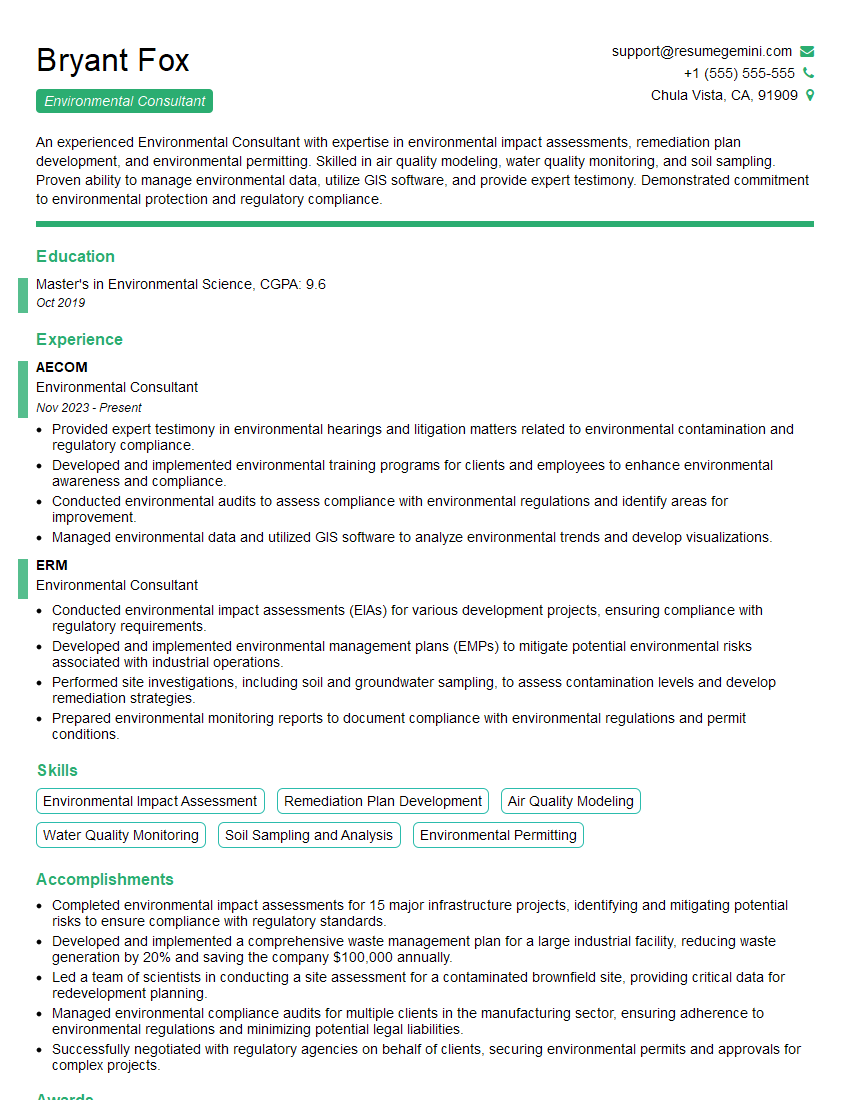
Environmental Consultant Resume Sample
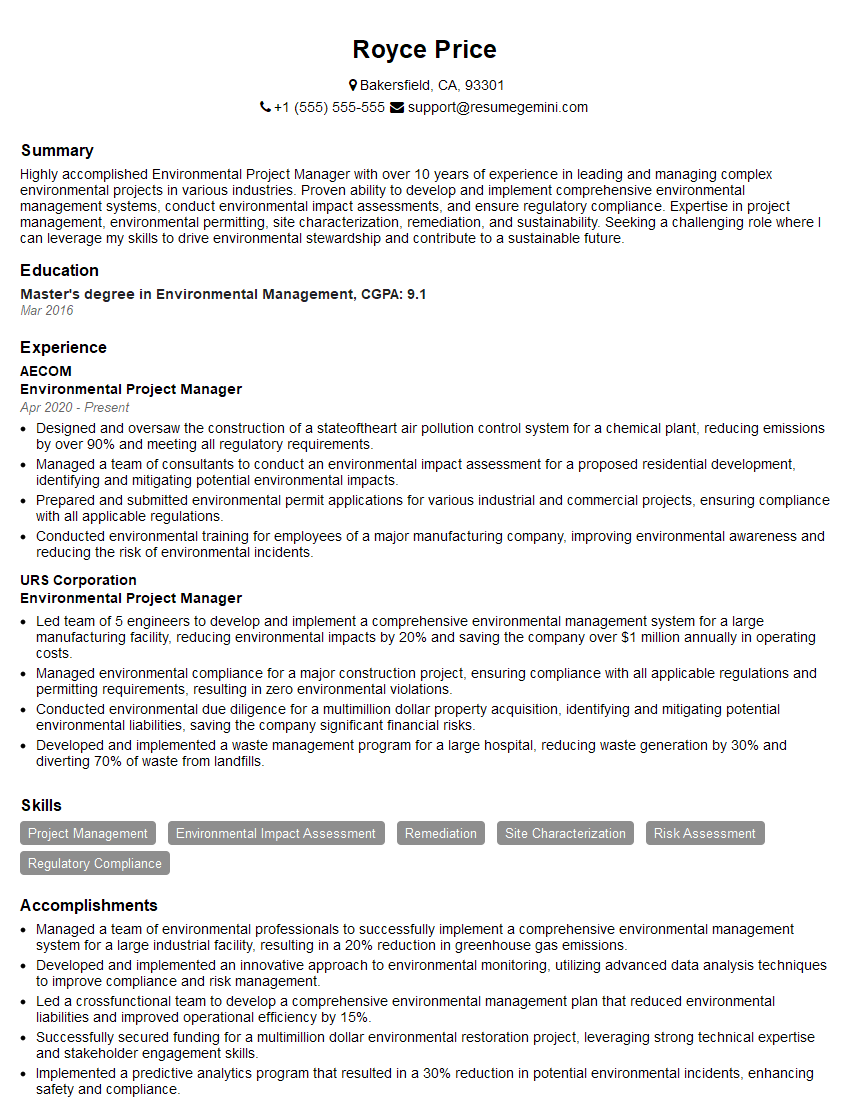
Environmental Project Manager Resume Sample
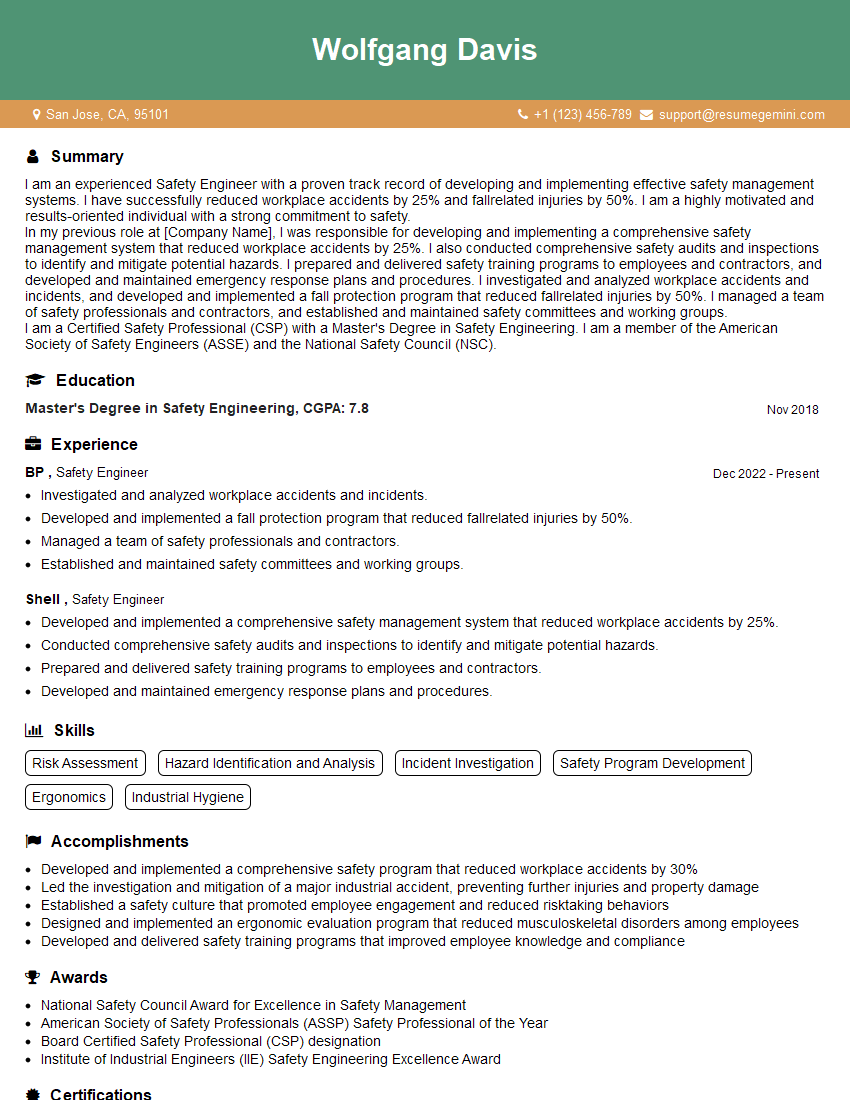
Safety Engineer Resume Sample
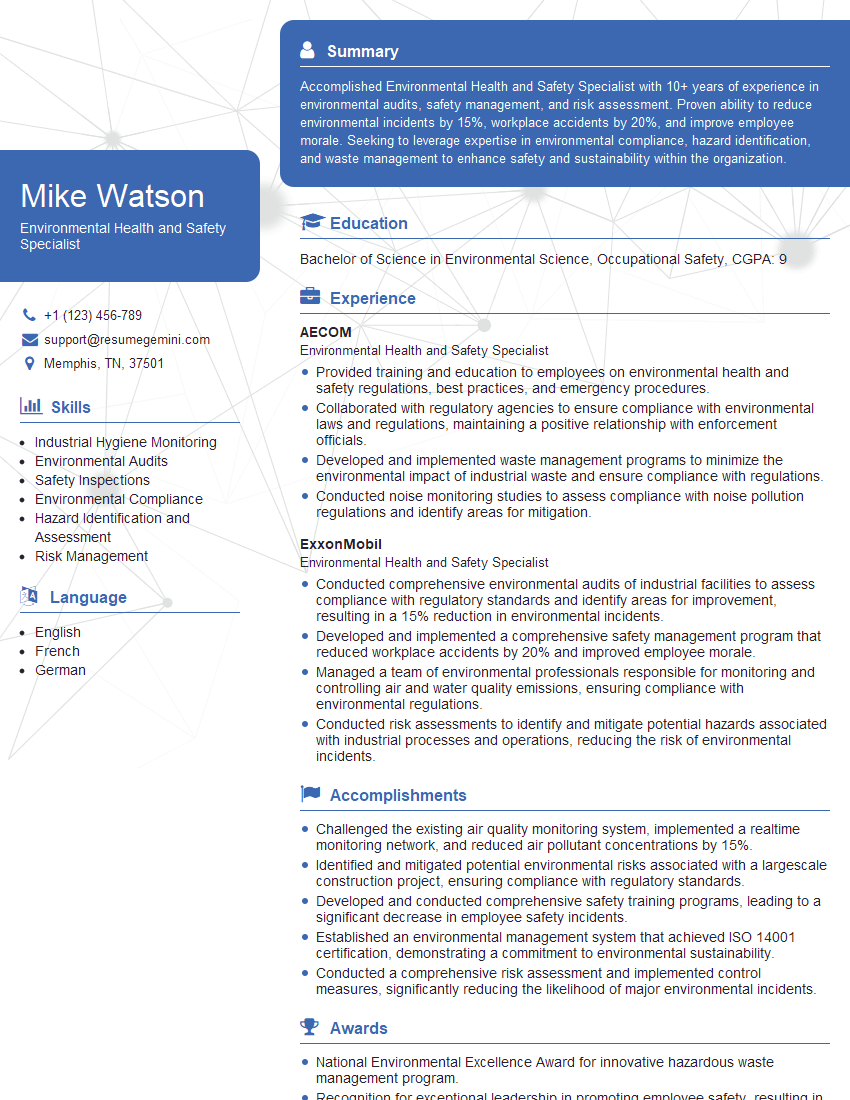
Environmental Health and Safety Specialist Resume Sample
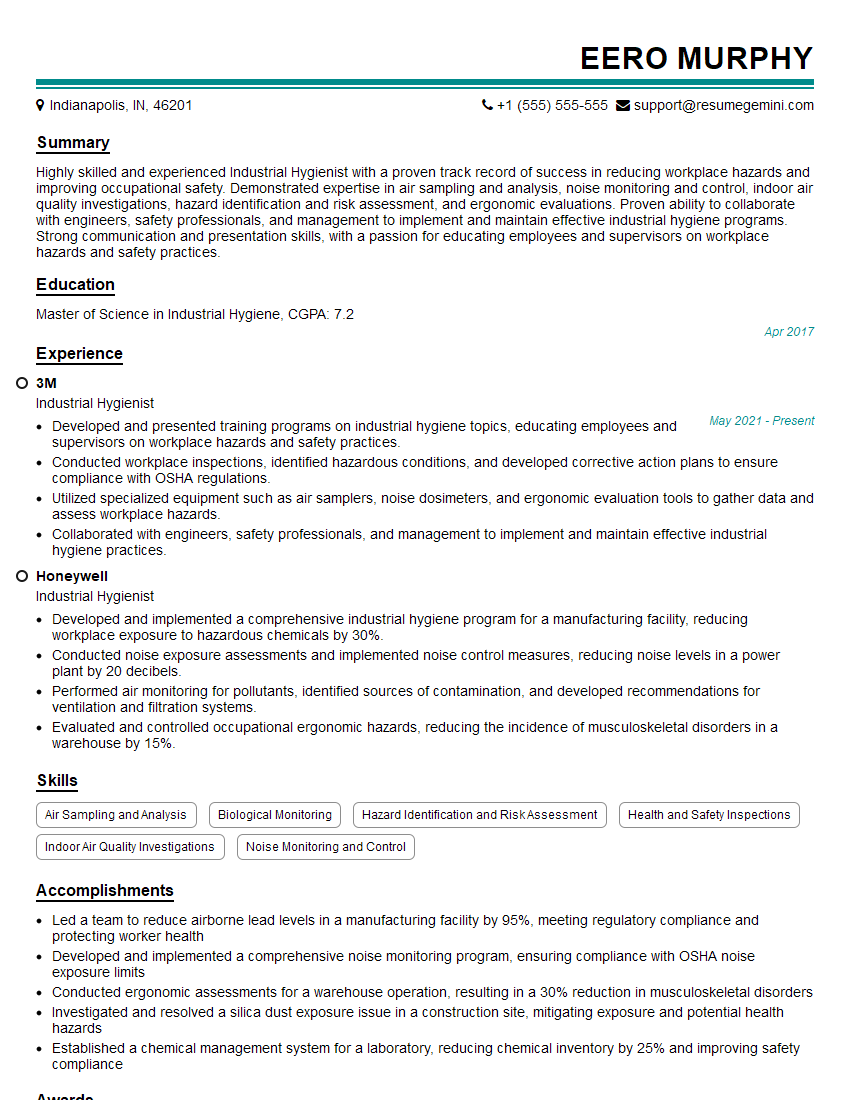
Industrial Hygienist Resume Sample
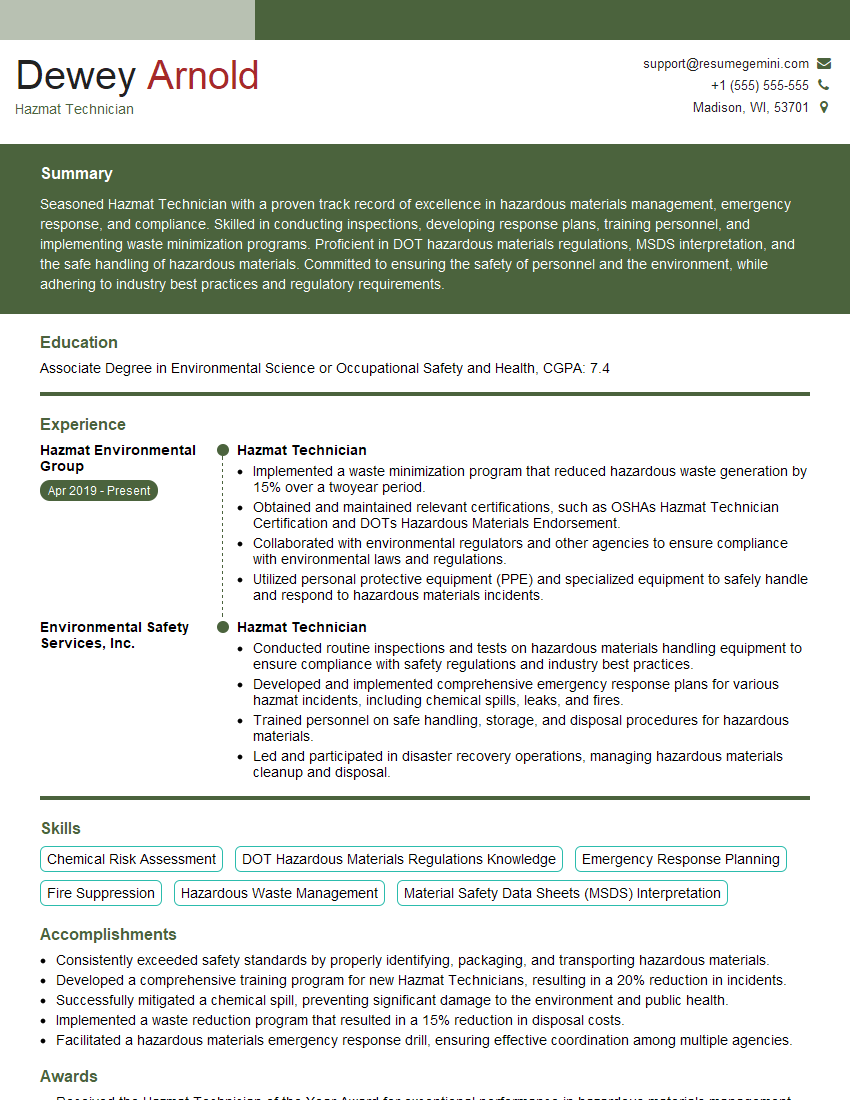
Hazmat Technician Resume Sample
Explore more articles
Users Rating of Our Blogs
Share Your Experience
We value your feedback! Please rate our content and share your thoughts (optional).
What Readers Say About Our Blog
Really detailed insights and content, thank you for writing this detailed article.
IT gave me an insight and words to use and be able to think of examples