Unlock your full potential by mastering the most common Understanding of ISO 9001 and other quality management systems interview questions. This blog offers a deep dive into the critical topics, ensuring you’re not only prepared to answer but to excel. With these insights, you’ll approach your interview with clarity and confidence.
Questions Asked in Understanding of ISO 9001 and other quality management systems Interview
Q 1. Explain the PDCA cycle and its application in ISO 9001.
The PDCA cycle, or Plan-Do-Check-Act cycle, is a foundational iterative process for continuous improvement. It’s a simple yet powerful tool for problem-solving and enhancing processes. In the context of ISO 9001, it forms the backbone of the quality management system (QMS).
- Plan: Define the objective, identify necessary resources, and develop a plan to achieve the objective. This involves setting clear goals, defining responsibilities, and establishing metrics for success.
- Do: Implement the plan. This stage involves executing the planned actions and gathering data on the process performance.
- Check: Monitor and evaluate the results against the planned objectives. This often includes analyzing data, conducting audits, and identifying any deviations or non-conformances.
- Act: Take corrective actions to address any issues identified in the ‘Check’ phase or implement improvements to optimize the process. This might involve modifying procedures, training personnel, or investing in new equipment.
Application in ISO 9001: ISO 9001 requires organizations to establish, implement, maintain, and continually improve a QMS. The PDCA cycle is integral to this continuous improvement process. It’s used across various aspects of the QMS, from improving specific processes to addressing customer complaints or enhancing product design.
Example: Imagine a manufacturing company experiencing high defect rates in a particular assembly line. Using PDCA, they might:
- Plan: Analyze the root causes of defects (e.g., inadequate training, faulty equipment), develop a training program for operators, and purchase new precision tools.
- Do: Implement the training program and introduce the new tools into the production line.
- Check: Monitor the defect rate, analyze the effectiveness of training and new tools through data collection and analysis.
- Act: Based on the data, adjust training materials if necessary, refine tool usage procedures or identify other improvements to further reduce defects.
Q 2. Describe the key principles of ISO 9001:2015.
ISO 9001:2015 is based on seven key principles that guide the development and implementation of a robust QMS. These principles are:
- Customer Focus: Understanding and meeting customer needs and expectations is paramount.
- Leadership: Leaders at all levels must establish unity of purpose and direction for the organization.
- Engagement of People: Empowering employees at all levels to contribute fully to the achievement of organizational objectives.
- Process Approach: Processes should be managed and improved systematically to enhance efficiency and effectiveness.
- Improvement: Continuous improvement is a core element of the QMS; organizations should constantly seek to improve their products, services, and processes.
- Evidence-based Decision Making: Decisions must be based on the analysis of data and other objective evidence.
- Relationship Management: Maintaining positive and mutually beneficial relationships with external and internal stakeholders enhances organizational performance.
These principles are not just abstract concepts; they are woven throughout the standard and guide practical applications within the QMS. A successful QMS actively integrates these principles into its daily operations.
Q 3. What are the main clauses of ISO 9001 and their significance?
ISO 9001:2015 is structured around clauses, each addressing a specific aspect of the QMS. While the specific clause numbering might be updated in subsequent revisions, the core areas remain largely consistent. The key clauses and their significance include:
- Clause 4: Context of the organization: Understanding the internal and external issues that affect the organization’s ability to achieve its objectives (e.g., market conditions, regulatory environment, internal resources).
- Clause 5: Leadership: Defining the roles, responsibilities, and authorities related to quality management and demonstrating commitment to the QMS from top management.
- Clause 6: Planning: Establishing quality objectives, planning for change, and defining how risks and opportunities will be addressed.
- Clause 7: Support: Ensuring resources (human, infrastructural, financial) are available and managed effectively to support the QMS.
- Clause 8: Operation: Managing processes related to product realization (design, procurement, production, service delivery).
- Clause 9: Performance Evaluation: Monitoring, measuring, analyzing, and evaluating the QMS’s performance, including customer satisfaction and process effectiveness.
- Clause 10: Improvement: Implementing corrective actions, preventive actions, and continual improvement strategies based on performance evaluation findings.
Each clause is interconnected and contributes to the overall effectiveness of the QMS. Ignoring any clause weakens the entire system.
Q 4. How do you conduct an internal audit according to ISO 9001 requirements?
Conducting an internal audit according to ISO 9001 requirements involves a systematic and documented process to verify the effectiveness of the QMS. This process ensures the system conforms to ISO 9001 requirements and the organization’s own documented procedures. Here’s a step-by-step approach:
- Planning: Define the scope of the audit (specific processes, departments, etc.), determine the audit team (qualified auditors with relevant expertise), and schedule the audit.
- Document Review: Review relevant documents such as quality manuals, procedures, and records to understand the documented QMS before starting the on-site audit.
- On-site Audit: Conduct the audit using established audit procedures. This involves observing processes, interviewing personnel, examining records, and checking compliance with requirements. Gather evidence and document findings.
- Audit Reporting: Prepare a comprehensive report that summarizes the audit findings. This includes confirmed conformances, non-conformances, observations (potential issues), and any corrective actions needed.
- Follow-up: Follow up with the audited areas to verify that corrective actions are implemented and effective. This is a crucial part of the audit process and ensures continued improvement.
Effective internal auditing requires a combination of audit skills, knowledge of the QMS, and a strong understanding of ISO 9001 requirements. Auditors must maintain objectivity and impartiality throughout the process.
Q 5. What are corrective actions and preventive actions (CAPA)? Explain with an example.
Corrective Actions (CA) and Preventive Actions (PA), often referred to as CAPA, are essential components of a robust QMS. They address both existing problems (CA) and potential future problems (PA).
- Corrective Actions (CA): Address non-conformances that have already occurred. The goal is to eliminate the cause of the non-conformance and prevent its recurrence.
- Preventive Actions (PA): Address potential non-conformances before they occur. The goal is to prevent problems from happening in the first place.
Example: Consider a manufacturing company that discovers a batch of products with a high defect rate.
- Corrective Action (CA): They’d identify the root cause (e.g., faulty equipment), remove the defective products from the market, repair or replace the equipment, and conduct thorough testing on the repaired batch.
- Preventive Action (PA): To prevent future occurrences, they might implement a more rigorous maintenance schedule for the equipment, improve operator training, and implement a more robust quality control system at each stage of production to detect defects early.
Effective CAPA requires thorough investigation of root causes and the implementation of verified solutions. The effectiveness of CA and PA should be monitored and reviewed to ensure their ongoing efficacy.
Q 6. Describe your experience with document control within a quality management system.
Document control is a cornerstone of any effective QMS. My experience encompasses the entire lifecycle of documents, from creation and approval to distribution, revision, and eventual retirement. This involves:
- Document Creation and Approval: Establishing clear procedures for creating, reviewing, and approving documents to ensure accuracy and consistency.
- Version Control: Maintaining a robust system for managing different versions of documents to prevent the use of outdated information. This often involves using document numbering systems and controlled release procedures.
- Distribution and Access: Controlling access to documents to ensure that only authorized personnel have access to relevant information.
- Revision and Update: Establishing a process for reviewing and updating documents as needed. This ensures that the QMS remains current and effective.
- Document Storage and Retention: Maintaining a secure and organized system for storing and retrieving documents, ensuring both physical and electronic records are properly managed and archived according to retention policies.
- Document Retirement: Defining procedures for permanently removing outdated or superseded documents to avoid confusion and maintain control.
In my experience, a well-implemented document control system contributes significantly to the overall efficiency and effectiveness of the QMS by ensuring consistent practices and reducing errors.
Q 7. How do you ensure traceability of products or services in a quality management system?
Traceability in a QMS is the ability to trace the history, application, or location of a product, service, or process. It ensures that the origin, transformation, and ultimate destination of anything within the system are clearly documented. This is crucial for managing and resolving issues, ensuring product quality, and meeting regulatory requirements.
Methods for ensuring traceability include:
- Unique Identification: Assigning unique identification numbers or codes to products, materials, and processes at every stage. This could include batch numbers, serial numbers, or other identifying markers.
- Record Keeping: Maintaining accurate and complete records of all processes and activities related to the product or service. This includes detailed logs of material usage, production processes, testing results, and distribution records.
- Barcodes and RFID: Utilizing technologies such as barcodes and RFID tags to track products and materials through the supply chain, making tracing more efficient and automated.
- Digital Documentation Systems: Implementing digital systems for document management and traceability, ensuring that all relevant information is easily accessible and interconnected.
Example: In a pharmaceutical company, traceability is critical. Each batch of medicine receives a unique ID number tracked from raw material sourcing to distribution. If a problem arises with a batch, the company can quickly identify its origin, distribution points, and affected patients.
Effective traceability requires a proactive approach to record-keeping and the implementation of systems that make it easy to follow the product journey.
Q 8. Explain the importance of management review in ISO 9001.
Management review in ISO 9001 is a crucial process for top management to systematically evaluate the effectiveness of the Quality Management System (QMS) and its alignment with the organization’s strategic goals. Think of it as a high-level check-up, ensuring the QMS is functioning as intended and delivering the desired results.
The management review ensures continuous improvement by analyzing performance data, identifying areas for improvement, and making necessary changes to the QMS. This process isn’t just a box-ticking exercise; it’s a strategic opportunity to refine processes, allocate resources effectively, and ensure the organization stays competitive.
- Review of QMS performance: This involves analyzing key performance indicators (KPIs) such as customer satisfaction, defect rates, and process efficiency.
- Review of opportunities for improvement: The management team discusses areas needing attention, often using data from internal audits, customer feedback, and management observation.
- Resource allocation: Management decides how resources will be allocated to support improvements, addressing any gaps in the QMS.
- Review of actions from previous reviews: Tracking the effectiveness of past actions ensures accountability and demonstrates continuous improvement.
For example, in a manufacturing company, the management review might reveal a high rate of customer returns due to a specific defect in a product. This would trigger a deeper investigation, leading to corrective actions such as improved process controls, staff training, or even a redesign of the product itself.
Q 9. What are the different types of audits and their purposes?
ISO 9001 encourages various types of audits to assess the QMS’s effectiveness. These audits provide objective evidence that the system conforms to requirements and is continually improving.
- Internal Audits: These are conducted by internal personnel to assess conformity to the organization’s QMS and identify areas needing improvement. They provide a proactive approach to identifying and correcting issues before an external audit.
- External Audits (Certification Audits): These are performed by independent, accredited certification bodies to verify the organization’s compliance with ISO 9001 requirements. Successful completion leads to certification, demonstrating commitment to quality.
- Supplier Audits: These audits assess the quality management systems of suppliers to ensure they meet the organization’s requirements and maintain a consistent level of quality in delivered goods or services. This is essential for managing supply chain risks.
- Second-Party Audits: These are audits conducted by a customer or another interested party to assess the supplier’s QMS. It’s a way for buyers to verify that their suppliers are maintaining quality standards.
The purpose of all audits is to provide objective evidence, identify gaps and risks, and ultimately enhance the effectiveness of the QMS. Think of them as a health check for your quality management processes.
Q 10. How do you handle nonconformities and customer complaints?
Handling nonconformities (deviations from the established requirements) and customer complaints requires a systematic and proactive approach. The goal is not only to address the immediate issue but also to prevent recurrence.
Nonconformities: A structured process typically involves:
- Identification and Documentation: The nonconformity is clearly defined and documented, including its nature, location, and severity.
- Investigation: Root cause analysis is performed to determine the underlying cause(s) of the nonconformity.
- Corrective Action: Steps are taken to correct the nonconformity and prevent recurrence (Corrective Action, CA). This often involves process improvements or staff training.
- Preventive Action: Measures are put in place to prevent similar nonconformities from happening in the future (Preventive Action, PA).
- Verification: The effectiveness of the corrective and preventive actions is verified to ensure the problem is resolved and won’t reappear.
Customer Complaints: A similar approach is used, with emphasis on customer satisfaction:
- Acknowledgement and Investigation: The complaint is promptly acknowledged and investigated to understand the customer’s concerns.
- Resolution: A solution is provided that addresses the customer’s concerns and aims to restore their satisfaction. This might involve a refund, replacement, or an apology.
- Analysis and Improvement: The root cause of the complaint is analyzed, and preventive actions are implemented to prevent similar complaints in the future.
- Follow-up: Following up with the customer to ensure their satisfaction reinforces customer loyalty and improves future relationships.
In practice, a well-documented system for tracking, analyzing, and resolving both nonconformities and customer complaints, is key to continuous improvement.
Q 11. What is a root cause analysis? Explain a method you have used.
Root cause analysis (RCA) is a systematic method used to identify the underlying cause(s) of a problem, rather than just treating the symptoms. It’s critical for effective corrective and preventive actions. Think of it like diagnosing an illness – you need to find the root cause, not just treat the symptoms.
I’ve extensively used the 5 Whys method, a simple yet powerful technique. It involves repeatedly asking “Why?” to drill down to the root cause. For example:
Problem: High defect rate in a manufactured component.
- Why 1: The machine was improperly calibrated.
- Why 2: The calibration procedure wasn’t followed correctly.
- Why 3: The operator wasn’t properly trained on the calibration procedure.
- Why 4: The training materials were outdated and inadequate.
- Why 5: The company didn’t allocate sufficient resources for training material updates.
This reveals that the root cause of the high defect rate is insufficient resource allocation for training material updates. Addressing this root cause – by updating training materials and allocating resources – is far more effective than just recalibrating the machine repeatedly.
Other methods include Fishbone diagrams (Ishikawa diagrams), Fault Tree Analysis (FTA), and Failure Mode and Effects Analysis (FMEA), each offering different perspectives for identifying root causes.
Q 12. Explain your experience with implementing and maintaining ISO 9001.
I have extensive experience in implementing and maintaining ISO 9001 across various organizations. My experience spans from initial gap analysis and documentation development to internal audit planning and conducting management reviews.
In one instance, I led the implementation of ISO 9001 in a small manufacturing company. This involved a thorough gap analysis to assess their existing practices, development of a comprehensive quality manual and procedures, training of employees, and implementation of a robust document control system. We used a phased approach, focusing on critical processes first. This ensured a manageable implementation process and early wins, building momentum and buy-in from staff.
Maintaining the system required continuous monitoring and improvement, including regular internal audits, management reviews, and addressing nonconformities promptly. We tracked KPIs, such as customer satisfaction and defect rates, to assess the effectiveness of the system and identify areas for further improvement. This involved using data-driven decision making, reviewing performance trends and implementing corrective actions based on objective evidence.
Through this, I have gained proficiency in managing the documentation, training staff on the QMS requirements, and ensuring continuous improvement of the company’s processes. The successful certification and sustained compliance served as a testament to our diligent implementation and maintenance efforts.
Q 13. What are the key performance indicators (KPIs) you would monitor in a quality management system?
The specific KPIs to monitor depend on the organization’s context and industry. However, some key indicators consistently demonstrate the effectiveness of a QMS:
- Customer Satisfaction: Measured through surveys, feedback forms, and complaint rates. High customer satisfaction indicates a well-functioning QMS meeting customer needs.
- Defect Rate: Tracks the number of defects per unit produced or service delivered. A decreasing defect rate shows improvement in process quality.
- Process Efficiency: Measured by factors like cycle time, throughput, and resource utilization. Improved efficiency suggests optimized processes.
- On-Time Delivery: Measures the percentage of orders or projects delivered on time. High on-time delivery reflects good planning and execution.
- Employee Satisfaction: Engaged employees are more likely to contribute to a high-quality QMS. Monitoring employee satisfaction reveals areas for improvement in the work environment.
- Internal Audit Findings: The number and severity of nonconformities found during internal audits indicates the effectiveness of the QMS controls. A decrease in nonconformities is a positive sign.
These KPIs need to be measurable, tracked regularly, and analyzed to support continuous improvement.
Q 14. How would you measure the effectiveness of a quality management system?
Measuring the effectiveness of a QMS is an ongoing process, not a one-time event. Effectiveness can be assessed through a combination of qualitative and quantitative measures.
- Compliance with Requirements: Regular internal audits, management reviews, and external certification audits demonstrate adherence to ISO 9001 requirements. A well-functioning system is consistently compliant with standards.
- KPIs Improvement: Tracking and analyzing KPIs such as those listed above provides a quantitative measure of the QMS’s impact. Trends showing improvement in customer satisfaction, defect rates, and process efficiency demonstrate the effectiveness of the system.
- Customer Feedback: Analyzing customer feedback provides valuable insight into the QMS’s performance from the customer’s perspective.
- Internal Audit Findings Reduction: A decrease in the number and severity of nonconformities detected during internal audits signifies improvements in processes and controls. This suggests a better functioning system.
- Employee Engagement and Training: Higher levels of employee engagement and effective training programs point to a robust system that invests in its people, improving the overall quality.
By combining these measures, a holistic picture of the QMS’s effectiveness emerges. Continuous improvement is key; the system should be dynamic and adaptable to address changing needs and market conditions.
Q 15. What is risk-based thinking and its role in ISO 9001?
Risk-based thinking is a proactive approach to identifying, analyzing, and managing risks that could affect an organization’s ability to achieve its quality objectives. In ISO 9001, it’s not just about reacting to problems; it’s about anticipating them. It’s woven throughout the standard, influencing decisions at every level, from setting quality objectives to implementing processes and monitoring performance.
For example, imagine a manufacturing company producing medical devices. Risk-based thinking would involve identifying potential risks like equipment failure, supply chain disruptions, or human error. These risks would then be analyzed to determine their likelihood and potential impact. This analysis informs the development of risk mitigation strategies – preventative actions to reduce the likelihood of risks occurring or minimizing their impact should they occur. This could involve things like implementing redundancy in equipment, diversifying suppliers, and investing in robust employee training programs.
In essence, risk-based thinking helps organizations to make informed decisions, allocate resources effectively, and improve their overall quality management system by focusing on the most significant potential threats to achieving their quality objectives.
Career Expert Tips:
- Ace those interviews! Prepare effectively by reviewing the Top 50 Most Common Interview Questions on ResumeGemini.
- Navigate your job search with confidence! Explore a wide range of Career Tips on ResumeGemini. Learn about common challenges and recommendations to overcome them.
- Craft the perfect resume! Master the Art of Resume Writing with ResumeGemini’s guide. Showcase your unique qualifications and achievements effectively.
- Don’t miss out on holiday savings! Build your dream resume with ResumeGemini’s ATS optimized templates.
Q 16. Describe your experience with continuous improvement methodologies.
I have extensive experience with various continuous improvement methodologies, most notably Plan-Do-Check-Act (PDCA), Six Sigma, and Lean. I’ve successfully implemented these methodologies in diverse settings, leading to significant improvements in efficiency, quality, and customer satisfaction.
For instance, in a previous role, we utilized Six Sigma’s DMAIC (Define, Measure, Analyze, Improve, Control) methodology to reduce defects in a manufacturing process. We began by defining the problem (high defect rate), then measured the current process performance. Through data analysis, we identified the root causes of the defects. We then implemented improvements, such as modifying the production equipment and retraining staff. Finally, we established control measures to prevent future defects. This resulted in a 75% reduction in defects and a significant cost saving.
My approach to continuous improvement is data-driven and collaborative. I strongly believe in engaging all levels of the organization to identify opportunities for improvement and foster a culture of continuous learning and improvement.
Q 17. How would you handle a conflict between quality requirements and production deadlines?
Conflicts between quality requirements and production deadlines are common challenges. My approach is to find a balanced solution that prioritizes both quality and timely delivery, rather than sacrificing one for the other. The solution depends on the specific situation.
I would first carefully assess the situation, involving stakeholders from both quality and production. We would jointly identify the root cause of the conflict. Is it due to unrealistic deadlines, insufficient resources, lack of clear communication, or inadequate process planning? This requires open communication and a willingness to compromise.
Possible solutions could include: re-negotiating the deadline, prioritizing critical quality aspects, identifying process bottlenecks and streamlining the workflow, increasing resources (human or technological), or exploring alternative solutions to meet the required quality without compromising the timeline completely. Proper risk assessment and communication are key in these scenarios.
Q 18. Explain the differences between quality assurance and quality control.
While both quality assurance (QA) and quality control (QC) aim to ensure quality, they differ in their focus and approach.
Quality Assurance is a proactive process focused on preventing defects. It involves establishing and maintaining a quality management system, defining processes, setting standards, and conducting regular audits to ensure processes are effective and meet requirements. It focuses on the ‘what’ and the ‘how’ of the system. Think of QA as building a solid foundation to ensure the product is built correctly from the start.
Quality Control, on the other hand, is a reactive process focused on detecting defects. It involves inspecting products or services to identify and correct defects. QC focuses on the ‘verification’ of the results. It’s like quality assurance through inspection, testing, or measurement. Think of QC as checking the final product to ensure it meets the required standards.
In short, QA aims to prevent problems, while QC aims to identify and rectify problems that have already occurred.
Q 19. Describe your experience with statistical process control (SPC).
I have significant experience using Statistical Process Control (SPC) to monitor and improve processes. SPC utilizes statistical methods to identify and analyze variations in processes, enabling proactive intervention to prevent defects and enhance quality. I’m proficient in using control charts like X-bar and R charts, as well as other statistical tools such as Pareto charts and histograms.
For example, in a previous project, we used control charts to monitor the weight of a product during manufacturing. By analyzing the data from the control charts, we were able to identify a trend of increasing variation in the weight. This alerted us to a potential problem in the manufacturing process before it resulted in a significant number of non-conforming products. We investigated the root cause – a worn-out component in the dispensing machine – and replaced it. The use of SPC prevented a potential batch of defective products, saving the company significant costs and preventing customer dissatisfaction.
Q 20. What are the benefits of ISO 9001 certification for an organization?
ISO 9001 certification offers numerous benefits for an organization. It provides a framework for establishing and maintaining a robust quality management system, leading to several key advantages:
- Improved Customer Satisfaction: A well-defined quality management system focuses on meeting customer requirements, leading to increased customer satisfaction and loyalty.
- Enhanced Efficiency and Productivity: ISO 9001 encourages process optimization and waste reduction, resulting in improved efficiency and productivity.
- Reduced Costs: By preventing defects and improving processes, organizations can significantly reduce costs associated with rework, scrap, and customer complaints.
- Increased Market Competitiveness: ISO 9001 certification demonstrates a commitment to quality, giving organizations a competitive edge in the marketplace.
- Improved Risk Management: The risk-based thinking inherent in ISO 9001 helps organizations proactively identify and manage risks, reducing potential disruptions and losses.
- Improved Employee Morale: A well-structured and efficient work environment often leads to improved employee engagement and job satisfaction.
In essence, ISO 9001 certification provides a structured approach to quality management, creating a foundation for continuous improvement and overall organizational success.
Q 21. How do you ensure customer satisfaction within a quality management system?
Ensuring customer satisfaction within a quality management system is paramount. It involves a multifaceted approach focused on understanding and meeting customer needs and expectations at every stage.
This begins with understanding customer requirements through various means like surveys, feedback forms, focus groups, and market research. These insights inform the development of products and services, ensuring alignment with customer needs. The whole process, from design and development to delivery and post-sales support, should be centered around the customer. Regular monitoring of customer satisfaction through feedback mechanisms and performance indicators is crucial. This data provides insights for continuous improvement, identifying areas for enhancement and ensuring the QMS remains effective in meeting and exceeding customer expectations.
Moreover, a robust complaint handling system is essential to address customer issues promptly and effectively. This not only demonstrates a commitment to customer satisfaction but also provides valuable information for process improvements.
Finally, a strong emphasis on communication – keeping customers informed about the progress of their requests and proactively addressing concerns – fosters trust and loyalty, contributing significantly to overall customer satisfaction.
Q 22. What is your experience with internal and external audits?
Throughout my career, I’ve been extensively involved in both internal and external audits related to ISO 9001 and other quality management systems. Internal audits are crucial for proactively identifying areas for improvement within an organization. I’ve led numerous internal audits, utilizing checklists and documented procedures to assess compliance against the quality management system (QMS). This involves reviewing records, interviewing staff, observing processes, and analyzing data to identify non-conformances and opportunities for improvement. I’ve found that a collaborative approach, focusing on process improvement rather than simply finding fault, is most effective.
External audits, on the other hand, are conducted by independent certification bodies to verify the effectiveness of the QMS. I’ve participated in several external audits, both from the perspective of the auditee (preparing documentation and responding to auditor questions) and as a member of the audit team. Understanding the auditor’s perspective is vital for preparing thoroughly and ensuring a smooth audit process. I’ve found that maintaining thorough, traceable documentation is key to success in both internal and external audits.
Q 23. Describe a situation where you had to identify and solve a quality problem.
In a previous role, we experienced a significant increase in customer complaints regarding defects in a particular product line. Initially, we suspected a problem with the raw materials. To solve this, I implemented a structured problem-solving approach using a method similar to DMAIC (Define, Measure, Analyze, Improve, Control).
- Define: We clearly defined the problem: increased customer complaints due to defective products.
- Measure: We meticulously collected data on the number of complaints, types of defects, and their frequency.
- Analyze: We used statistical process control (SPC) charts and Pareto analysis to identify the root cause. It turned out that the problem wasn’t the raw materials, but rather inconsistent calibration of a critical piece of equipment in the production process.
- Improve: We implemented a new calibration schedule, provided additional training to operators on proper equipment usage, and revised the standard operating procedure (SOP).
- Control: We established a monitoring system to track the effectiveness of the implemented changes and ensure consistent calibration going forward.
By following this structured approach, we were able to significantly reduce customer complaints and improve product quality. The key was a thorough data-driven analysis and a commitment to implementing effective corrective actions.
Q 24. What is your understanding of the ISO 9001 process approach?
The ISO 9001 process approach emphasizes managing an organization’s activities as processes and interacting processes. It’s all about understanding how different parts of your system work together to achieve the desired outcome. Imagine a well-oiled machine: each part has a specific function, and they all work in harmony. This approach promotes efficiency and helps to identify bottlenecks and areas for improvement.
Key elements of the process approach include:
- Process identification and mapping: Clearly defining each process and its inputs, outputs, and interactions with other processes. Flowcharts are extremely helpful here.
- Process performance monitoring and measurement: Regularly tracking key performance indicators (KPIs) to ensure processes are meeting their objectives. This might involve measuring defect rates, cycle times, or customer satisfaction.
- Process improvement: Continuously seeking ways to optimize processes and eliminate waste. Tools like Lean and Six Sigma are valuable here.
- Risk-based thinking: Identifying and mitigating potential risks that could impact the effectiveness of the QMS.
By implementing a process approach, organizations gain better control over their operations, improve efficiency, and enhance customer satisfaction.
Q 25. How familiar are you with other quality management standards like ISO 14001 or IATF 16949?
I’m familiar with several other quality management standards, including ISO 14001 (Environmental Management Systems) and IATF 16949 (Automotive Quality Management Systems). While ISO 9001 focuses on general quality management principles, ISO 14001 provides a framework for managing environmental aspects and impacts. I understand the requirements for environmental aspects identification, legal compliance, and continual improvement. IATF 16949, on the other hand, is a more specific standard tailored to the automotive industry, incorporating stricter requirements for process control and risk management. It builds upon the foundation of ISO 9001 but adds requirements specific to automotive manufacturing processes. I have practical experience with integrating these standards where they overlap and understand the synergies between them.
Q 26. How do you maintain the integrity of the quality management system documentation?
Maintaining the integrity of QMS documentation is paramount. It ensures consistency, traceability, and provides evidence of compliance. This involves a multi-pronged approach:
- Version control: A robust version control system must be in place to track revisions and prevent the use of outdated documents. This could involve numbering systems, revision dates, and clear identification of the current version.
- Document control procedure: A clearly defined procedure must dictate how documents are created, reviewed, approved, distributed, and archived. This procedure should specify roles and responsibilities.
- Access control: Restricting access to documents based on roles and responsibilities. Only authorized personnel should have the ability to modify documents.
- Regular reviews: Documents should be reviewed periodically to ensure accuracy and relevance. This is particularly important after significant changes or audits.
- Secure storage: Documents should be securely stored, both electronically and physically, to prevent loss or damage.
By adhering to these practices, we can ensure the accuracy and reliability of our documentation, a crucial element in a successful quality management system.
Q 27. How would you train employees on ISO 9001 requirements?
Training employees on ISO 9001 requirements is vital for effective QMS implementation. I prefer a multi-faceted approach, combining different learning styles to maximize retention:
- Interactive workshops: Engaging employees in hands-on activities and group discussions to promote understanding and knowledge sharing.
- Online modules: Providing self-paced e-learning modules for convenient access to information.
- On-the-job training: Mentoring and coaching employees to apply their knowledge in real-world scenarios.
- Case studies: Analyzing real-life examples to illustrate the application of ISO 9001 principles.
- Regular refresher courses: Providing periodic updates and reinforcement of key concepts.
After training, assessments and evaluations should be conducted to ensure employees understand the concepts and can apply them. The success of the training program should be continuously monitored and improved based on employee feedback and performance data.
Q 28. Describe your experience using quality management software.
I have extensive experience using various quality management software solutions, including both cloud-based and on-premise systems. This includes software for managing documents, tracking non-conformances, conducting audits, and analyzing data. For example, I’ve used software to manage the entire document control process, ensuring version control and facilitating easy access to the latest documents. This software also allowed for the tracking of any changes made to documents and generated audit trails for compliance. I’ve also used software for tracking and analyzing non-conformances, providing valuable insights into areas needing improvement. In addition, some solutions offered tools for conducting and managing audits, automatically generating reports, and tracking corrective actions. Choosing the right software depends on the organization’s size, complexity, and specific needs.
Key Topics to Learn for Understanding of ISO 9001 and other quality management systems Interview
- ISO 9001:2015 Core Principles: Understand the seven core principles (customer focus, leadership, engagement of people, process approach, improvement, evidence-based decision making, relationship management) and their practical application within an organization.
- Quality Management System (QMS) Implementation: Learn about the stages involved in implementing a QMS, including planning, implementation, monitoring, and improvement. Understand the role of documentation and internal audits.
- Risk-Based Thinking: Grasp the concept of proactively identifying, analyzing, and mitigating risks affecting the QMS. Be prepared to discuss risk assessment methodologies and their practical implementation.
- Internal Audits and Corrective Actions: Know the purpose and processes involved in conducting internal audits and implementing corrective actions to address identified nonconformities. Understand the importance of root cause analysis.
- Continuous Improvement (Kaizen): Familiarize yourself with various continuous improvement methodologies (e.g., PDCA cycle, Lean, Six Sigma) and how they contribute to enhancing the QMS.
- Other Quality Management Systems: Develop a broad understanding of other relevant quality management systems, such as ISO 14001 (environmental management) and ISO 45001 (occupational health and safety), and their potential synergies with ISO 9001.
- Practical Application Scenarios: Be ready to discuss how you would apply these concepts in real-world situations, such as improving a process, resolving a quality issue, or contributing to a quality improvement project.
Next Steps
Mastering the principles and practices of ISO 9001 and other quality management systems significantly enhances your career prospects in various industries. Demonstrating this expertise through a strong resume is crucial. To maximize your job search success, create an ATS-friendly resume that effectively highlights your skills and experience. ResumeGemini is a trusted resource that can help you build a professional and impactful resume. Examples of resumes tailored to showcasing expertise in Understanding of ISO 9001 and other quality management systems are available to guide you.
Operations Manager Resume Sample
Manufacturing Manager Resume Sample
Quality Manager Resume Sample
Quality Assurance Manager Resume Sample
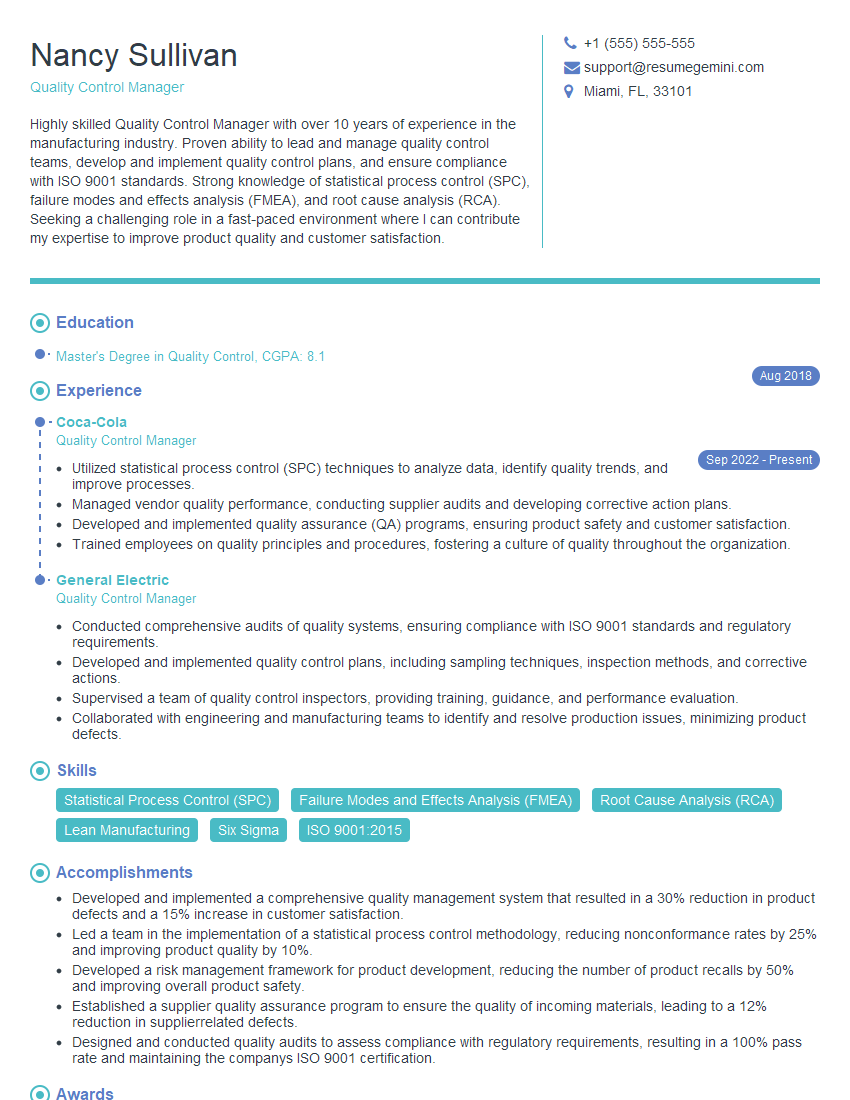
Quality Control Manager Resume Sample
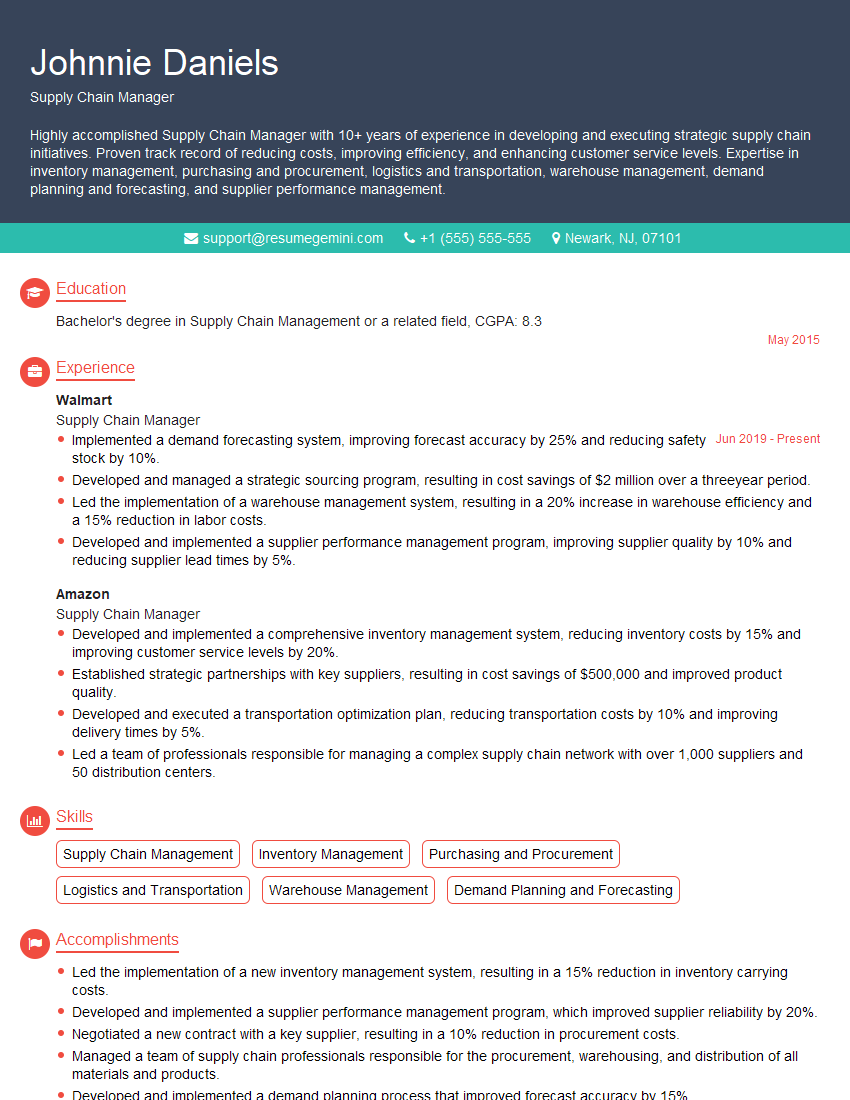
Supply Chain Manager Resume Sample
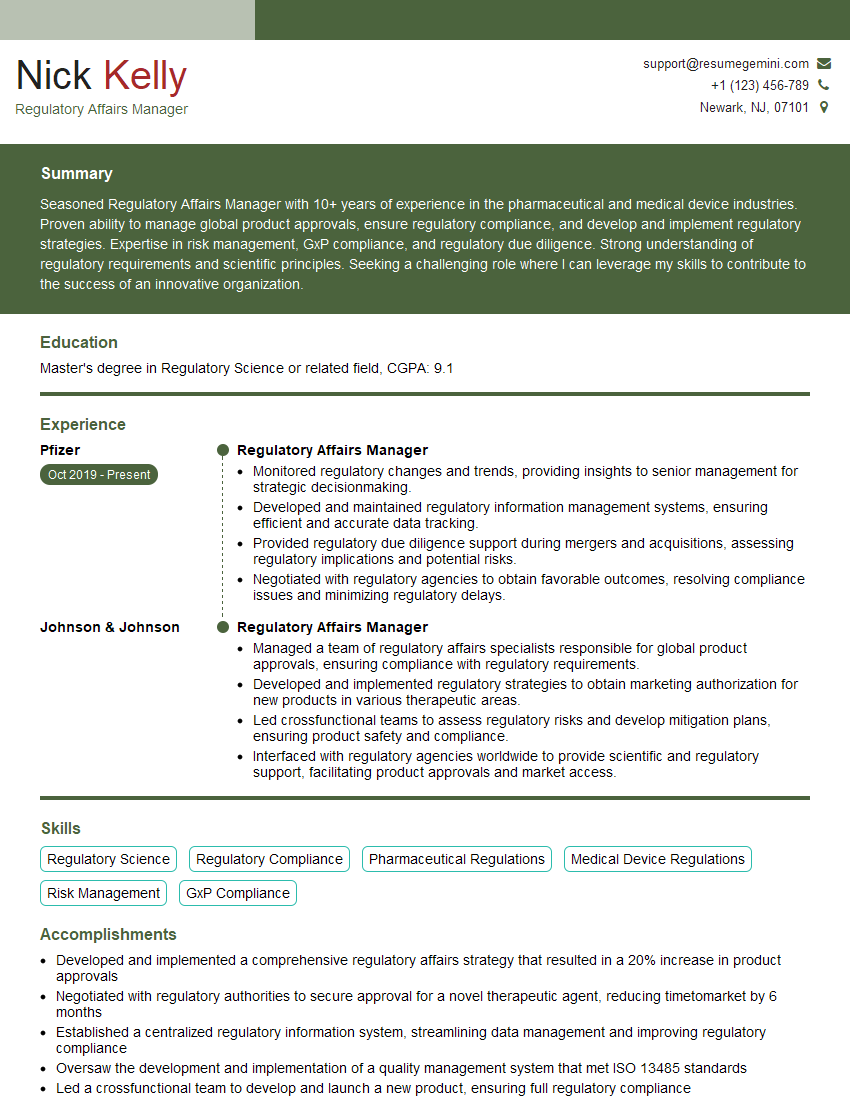
Regulatory Affairs Manager Resume Sample
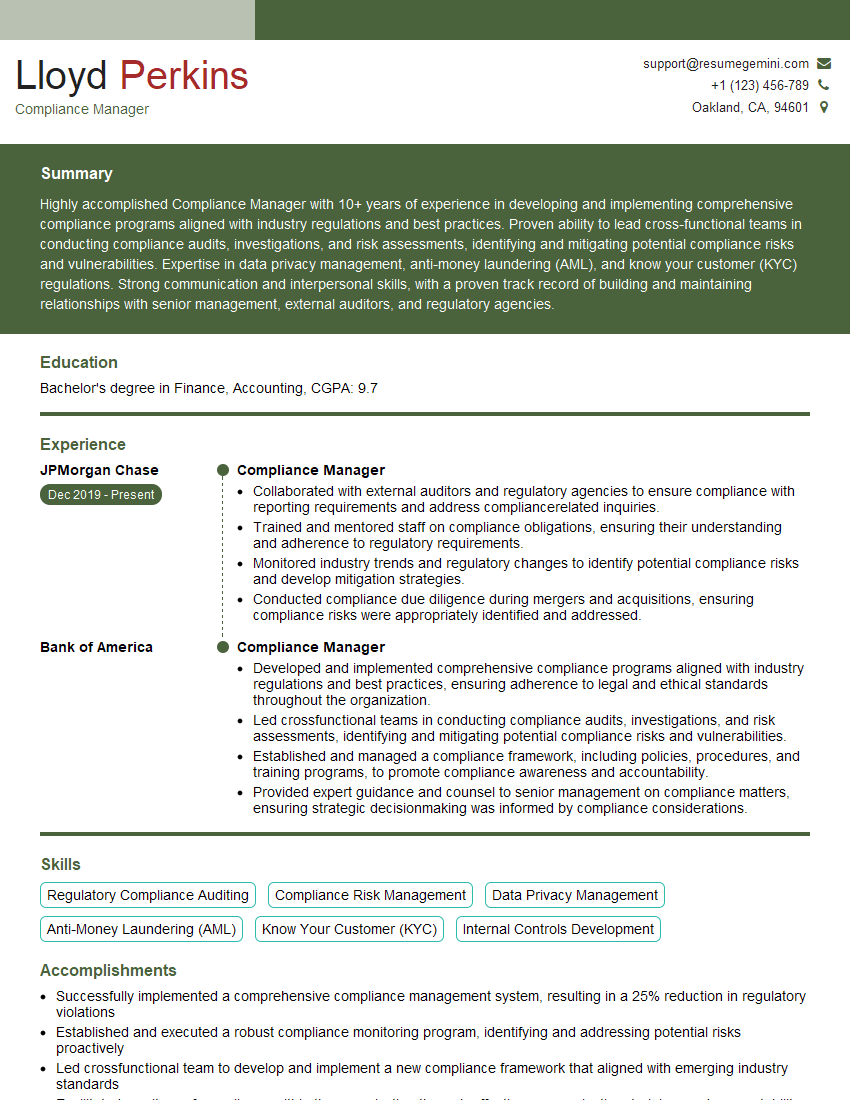
Compliance Manager Resume Sample
Compliance Officer Resume Sample
Quality Assurance Specialist Resume Sample
Internal Auditor Resume Sample

Risk Management Specialist Resume Sample
Quality Engineer Resume Sample

Quality Assurance Technician Resume Sample
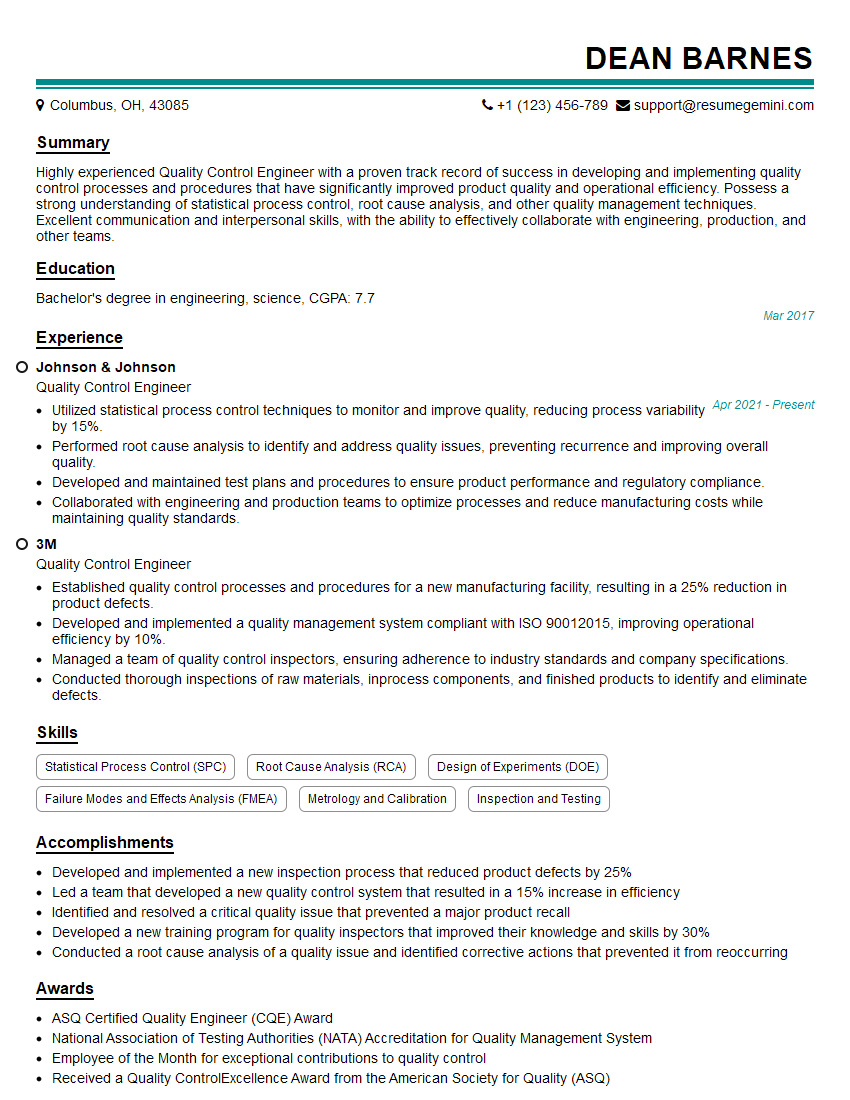
Quality Control Engineer Resume Sample
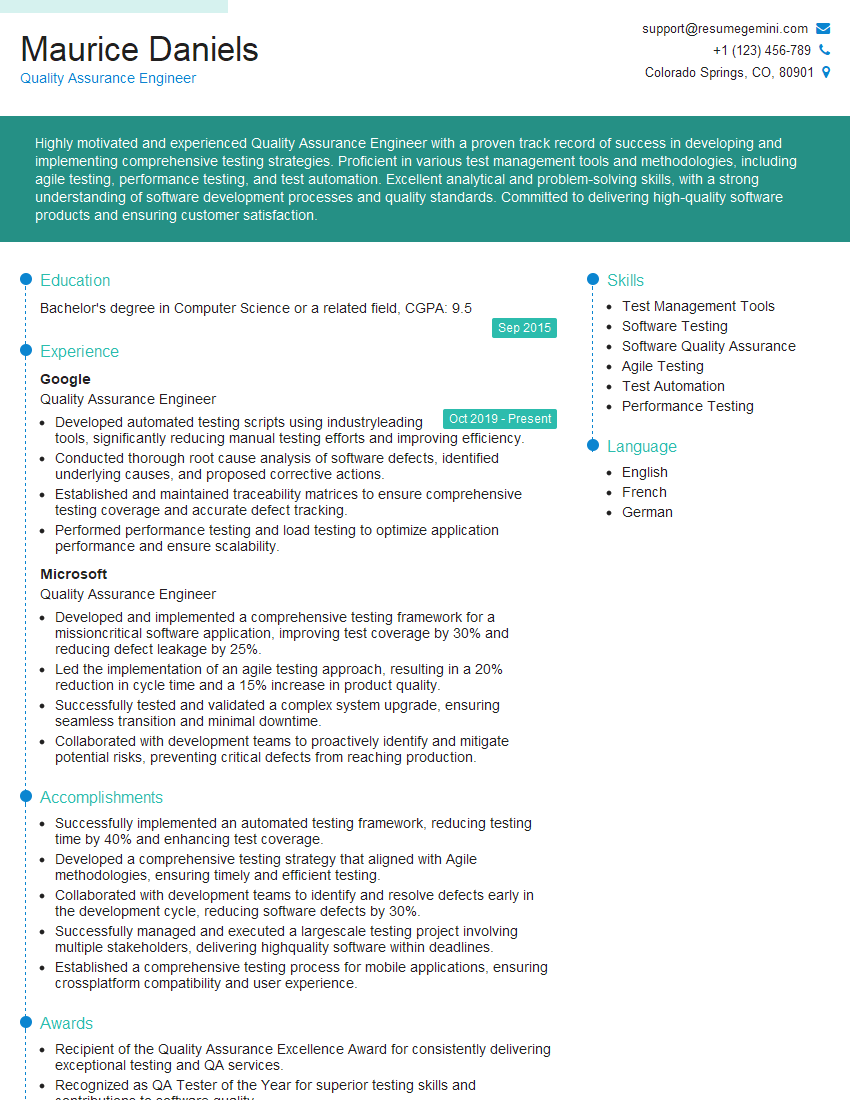
Quality Assurance Engineer Resume Sample
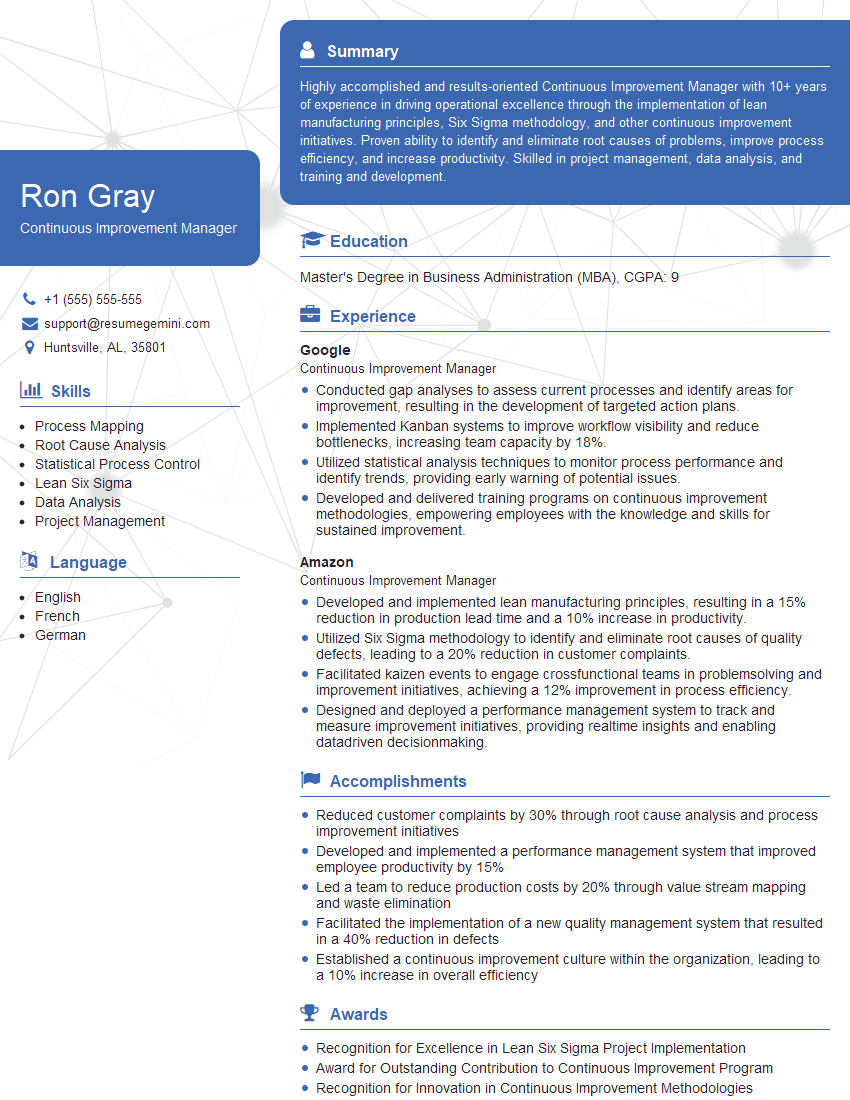
Continuous Improvement Manager Resume Sample
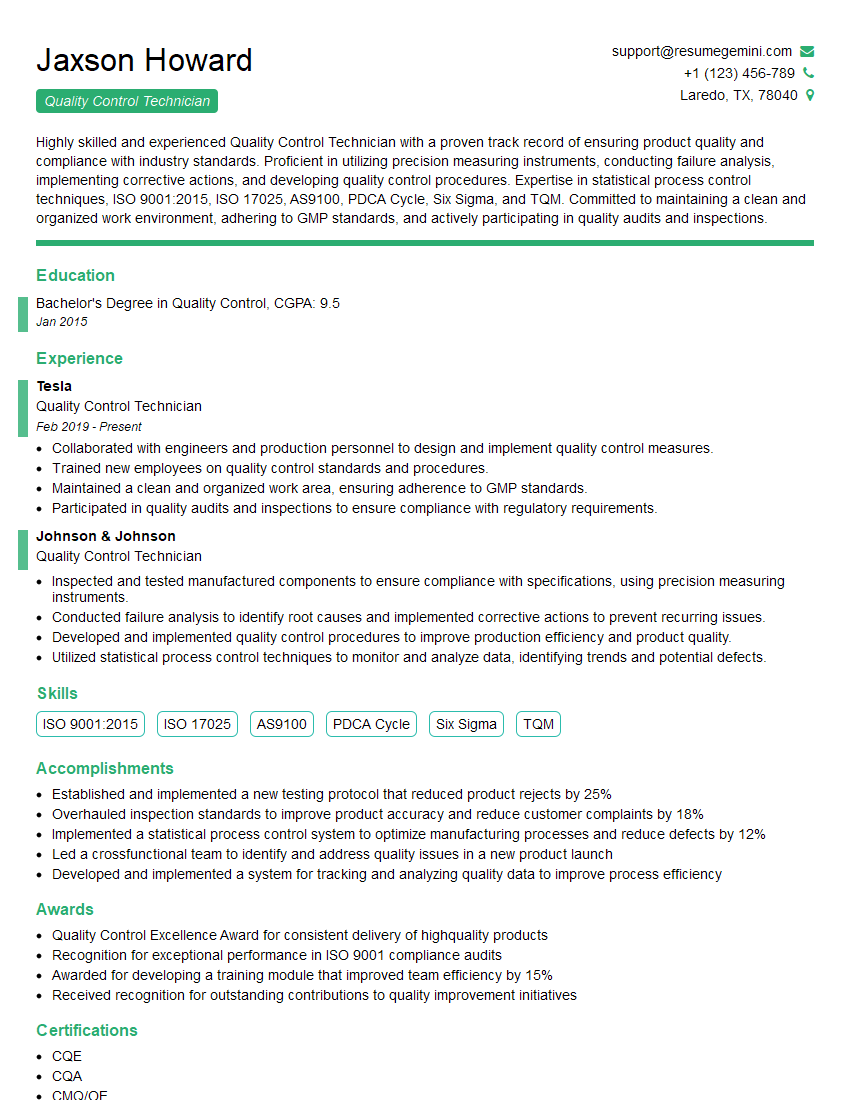
Quality Control Technician Resume Sample
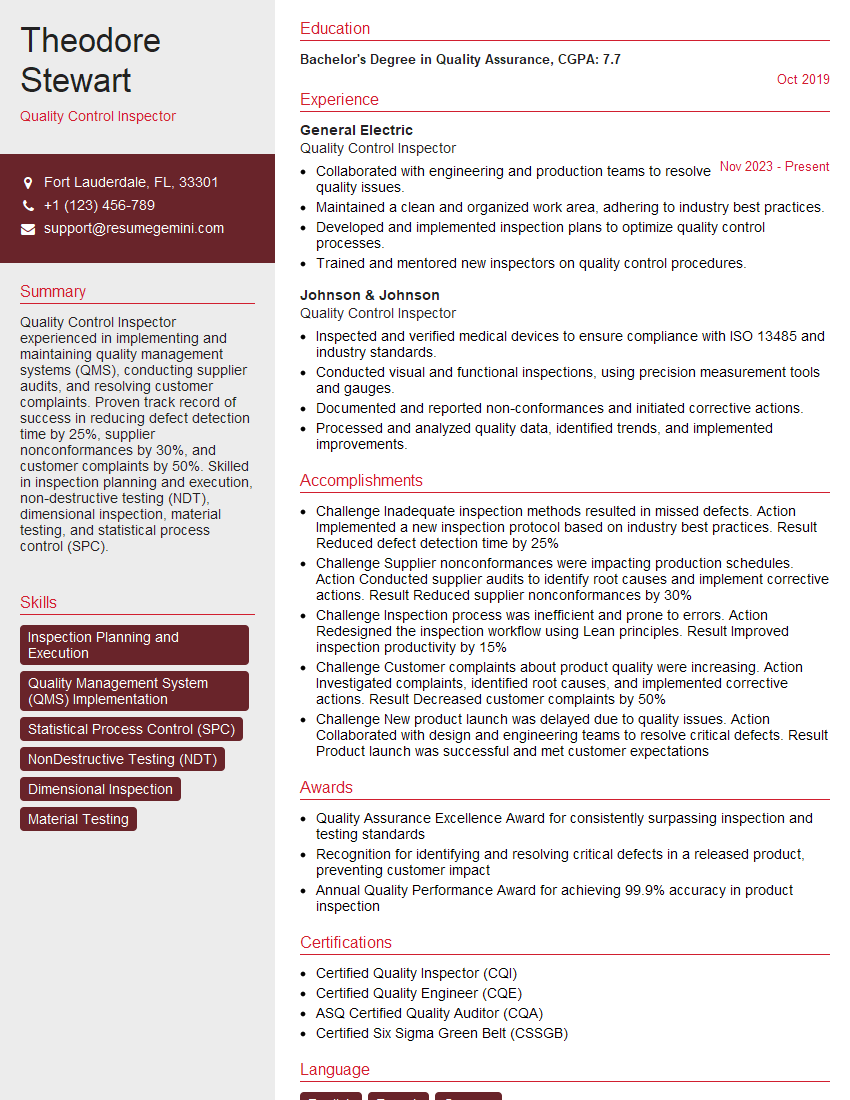
Quality Control Inspector Resume Sample
- Operations Manager
- Manufacturing Manager
- Quality Manager
- Quality Assurance Manager
- Quality Control Manager
- Supply Chain Manager
- Regulatory Affairs Manager
- Compliance Manager
- Compliance Officer
- Quality Assurance Specialist
- Internal Auditor
- Risk Management Specialist
- Quality Engineer
- Quality Assurance Technician
- Quality Control Engineer
- Quality Assurance Engineer
- Continuous Improvement Manager
- Quality Control Technician
- Quality Control Inspector
Explore more articles
Users Rating of Our Blogs
Share Your Experience
We value your feedback! Please rate our content and share your thoughts (optional).
What Readers Say About Our Blog
Really detailed insights and content, thank you for writing this detailed article.
IT gave me an insight and words to use and be able to think of examples