Every successful interview starts with knowing what to expect. In this blog, we’ll take you through the top Quality Control and Safety Assurance interview questions, breaking them down with expert tips to help you deliver impactful answers. Step into your next interview fully prepared and ready to succeed.
Questions Asked in Quality Control and Safety Assurance Interview
Q 1. Explain the difference between Quality Control and Quality Assurance.
Quality Control (QC) and Quality Assurance (QA) are often confused, but they represent distinct yet complementary approaches to achieving high-quality products or services. Think of QA as the prevention strategy and QC as the detection strategy.
Quality Assurance (QA) is a proactive process focused on preventing defects. It involves establishing a system of processes, procedures, and documentation designed to ensure that products or services consistently meet defined quality standards. This includes planning, defining standards, training staff, and conducting regular audits to identify potential weaknesses before they lead to defects. It’s about building quality into the process itself.
Quality Control (QC), on the other hand, is a reactive process focused on detecting defects. It involves inspecting finished products or services to ensure they conform to established specifications. This typically includes testing, measurements, and analysis to identify non-conformances and take corrective actions. QC is about verifying that the final product meets quality standards.
Analogy: Imagine baking a cake. QA is like carefully checking your recipe, ensuring you have all the right ingredients, and following the instructions precisely. QC is like tasting the cake after it’s baked to ensure it tastes as expected and doesn’t have any burnt parts.
Q 2. Describe your experience with ISO 9001.
I have extensive experience working within ISO 9001 frameworks. In my previous role at [Previous Company Name], I was responsible for implementing and maintaining our ISO 9001:2015 certified Quality Management System (QMS). This involved developing and revising documented procedures, conducting internal audits, managing corrective and preventative actions (CAPA), and participating in external audits. We focused on continuous improvement using the Plan-Do-Check-Act (PDCA) cycle.
My responsibilities included:
- Developing and maintaining the QMS documentation, ensuring alignment with ISO 9001 requirements.
- Conducting regular internal audits to identify non-conformances and areas for improvement.
- Leading the implementation of corrective and preventative actions to address identified issues.
- Participating in external audits conducted by certification bodies, demonstrating our compliance with the standard.
- Training employees on the QMS and their roles in maintaining quality standards.
Successfully maintaining our ISO 9001 certification demonstrated our commitment to consistently meeting customer requirements and continuously improving our processes. We saw improvements in efficiency, reduced waste, and enhanced customer satisfaction as a direct result of implementing and maintaining a robust QMS.
Q 3. What are the key principles of Total Quality Management (TQM)?
Total Quality Management (TQM) is a holistic management approach that aims to achieve long-term success through customer satisfaction. It’s not just about quality control; it’s about embedding quality into every aspect of the organization. Key principles include:
- Customer Focus: Understanding and meeting customer needs and expectations is paramount.
- Continuous Improvement: Constantly striving to improve processes and products, often using methodologies like Kaizen (continuous improvement) and Lean manufacturing.
- Employee Empowerment: Giving employees the authority and responsibility to identify and solve quality issues.
- Process Approach: Focusing on improving processes to ensure consistent quality rather than solely focusing on end products.
- Management Commitment: Leaders must demonstrate their commitment to TQM through active involvement and resource allocation.
- Fact-Based Decision Making: Using data and analysis to make informed decisions about quality improvements.
- Supplier Relationships: Collaborating with suppliers to ensure they meet quality requirements.
TQM requires a cultural shift within an organization. Everyone, from top management to frontline employees, needs to be committed to the pursuit of excellence.
Q 4. How do you conduct a root cause analysis?
Root cause analysis (RCA) is a systematic approach to identifying the underlying causes of problems, rather than just addressing the symptoms. Several methods exist, but a common one is the 5 Whys technique.
The 5 Whys process: Repeatedly ask “Why?” to drill down to the root cause. Let’s say a machine keeps malfunctioning:
- Problem: The machine keeps malfunctioning.
- Why? Because a sensor is faulty.
- Why? Because the sensor wasn’t calibrated properly.
- Why? Because the calibration procedure wasn’t followed correctly.
- Why? Because the training for the maintenance staff was inadequate.
The root cause is inadequate training. Addressing this will prevent future sensor malfunctions. Other techniques include Fishbone diagrams (Ishikawa diagrams) which visually represent potential causes, and Fault Tree Analysis (FTA), which uses a top-down approach to break down a problem into its contributing factors.
Regardless of the method used, a successful RCA involves:
- Gathering data from various sources.
- Involving relevant personnel.
- Developing and implementing corrective actions.
- Monitoring effectiveness of the solution.
Q 5. Explain your experience with statistical process control (SPC).
Statistical Process Control (SPC) is a powerful tool for monitoring and controlling processes to prevent defects. It uses statistical methods to analyze data and identify trends, variations, and anomalies. I’ve utilized SPC extensively to monitor manufacturing processes, identifying sources of variability and implementing changes to improve process capability.
My experience involves using control charts, such as:
- X-bar and R charts: To monitor the average and range of a process.
- p-charts: To monitor the proportion of non-conforming items.
- c-charts: To monitor the number of defects per unit.
By analyzing data plotted on these charts, I can quickly identify shifts in the process mean, increasing variability, or the presence of special causes of variation. This allows for timely interventions to prevent defects and maintain consistent process performance. For example, in one project, using control charts revealed a pattern of increased defect rates during specific shifts. Further investigation revealed a training gap amongst those shifts; addressing that gap significantly improved the process capability.
Q 6. Describe a time you identified a quality issue. How did you resolve it?
During a project involving the manufacturing of precision components, we noticed a significant increase in the rejection rate of a specific part. Initial QC checks revealed dimensional inconsistencies. Instead of simply scrapping the faulty parts, we launched a thorough investigation.
We used a combination of methods:
- Data Collection: We meticulously documented the dimensions of the rejected parts, noting the type and frequency of defects.
- Root Cause Analysis (5 Whys): This revealed that the issue stemmed from a poorly maintained machine tool, leading to inconsistent cutting actions.
- Corrective Actions: We scheduled immediate maintenance of the machine, including recalibration and replacement of worn parts.
- Preventative Measures: We implemented a more robust preventative maintenance schedule and enhanced operator training to prevent future recurrences.
After implementing these changes, the rejection rate dropped significantly, demonstrating the importance of proactive investigation and comprehensive corrective actions in ensuring quality.
Q 7. What are your preferred quality control methodologies?
My preferred quality control methodologies depend on the context but generally include:
- Statistical Process Control (SPC): Essential for monitoring and controlling processes, preventing defects before they occur.
- Root Cause Analysis (RCA): Critical for identifying the underlying causes of quality issues and implementing effective corrective actions.
- Failure Mode and Effects Analysis (FMEA): Proactive method for identifying potential failure modes and their effects, enabling preventive measures to be put in place.
- Design of Experiments (DOE): Used to optimize processes and improve product quality by systematically investigating the effects of various factors.
- Six Sigma methodologies: A data-driven approach to reduce process variation and improve quality.
The selection of specific methodologies depends on the nature of the product, the manufacturing process, and the type of quality issue encountered. A comprehensive approach often combines several methodologies for maximum effectiveness.
Q 8. How do you measure the effectiveness of your quality control processes?
Measuring the effectiveness of quality control processes isn’t a one-size-fits-all approach. It requires a multifaceted strategy focusing on key performance indicators (KPIs). We need to track metrics that directly reflect the impact of our QC efforts on product quality and customer satisfaction.
Defect rates: Tracking the number of defects per unit produced is a fundamental measure. A consistent decrease in this rate signifies improving QC effectiveness. For example, if we moved from 5 defects per 1000 units to 2 per 1000, that’s a significant improvement.
Customer complaints: Analyzing customer feedback and complaints reveals areas where QC might be failing. A reduction in complaints indicates improved product quality due to effective QC.
Rework and scrap rates: High rework or scrap rates signify inefficiencies and potential flaws in the QC process. Continuous reduction is a good indicator of process improvement.
Process capability indices (Cp, Cpk): These statistical measures assess the process’s ability to meet specifications. Values above 1.33 generally indicate a capable process.
Audit scores: Internal and external audits provide an objective assessment of our QC system’s compliance and effectiveness. Consistently high scores reflect a well-functioning system.
By regularly monitoring these KPIs and analyzing trends, we can pinpoint areas for improvement and demonstrate the effectiveness of our QC processes. It’s not just about the numbers, though; it’s about understanding the why behind the numbers and using that information to proactively prevent future issues.
Q 9. What is your experience with risk assessments and hazard analysis?
Risk assessment and hazard analysis are critical components of any robust safety and quality system. My experience spans various methodologies, including Failure Mode and Effects Analysis (FMEA), Hazard and Operability Study (HAZOP), and Fault Tree Analysis (FTA).
In a previous role, we used FMEA to analyze the manufacturing process for a medical device. We identified potential failure modes at each stage, assessed their severity, occurrence, and detection, and prioritized corrective actions based on the Risk Priority Number (RPN). This systematic approach allowed us to proactively mitigate risks and prevent potential harm.
HAZOP studies were used for process safety reviews, examining deviations from intended operating parameters to uncover potential hazards. For instance, during a HAZOP of a chemical reaction, we identified the risk of runaway reactions due to temperature fluctuations and implemented safety interlocks to prevent such occurrences.
I am proficient in using both qualitative and quantitative risk assessment techniques, tailoring my approach based on the specific context and available data. This includes using software tools to support calculations and documentation.
Q 10. How do you ensure compliance with safety regulations?
Ensuring compliance with safety regulations requires a proactive and multi-layered approach. It begins with a thorough understanding of all applicable regulations and standards relevant to our industry and operations. This includes regularly reviewing and updating our knowledge base to stay abreast of any changes or new requirements.
Documentation: We maintain meticulous records of all safety-related activities, including training records, inspection reports, and any corrective actions taken. This documentation is crucial for demonstrating compliance during audits.
Training: All personnel receive comprehensive safety training tailored to their specific roles and responsibilities. Regular refresher courses keep employees up-to-date on safety procedures and best practices.
Internal Audits: Conducting regular internal audits allows us to proactively identify and address any compliance gaps before external audits. These audits follow a structured checklist and documented procedures.
Emergency Preparedness: We develop and regularly practice emergency response plans, ensuring all employees know how to react in various scenarios. Drills and simulations are conducted to verify the effectiveness of our emergency procedures.
Compliance is not merely a checklist; it’s a continuous process of improvement and adaptation. We actively seek feedback, continuously refine our processes, and stay informed about emerging safety standards to maintain the highest level of safety and compliance.
Q 11. What are the key elements of a safety management system?
A robust safety management system (SMS) is the cornerstone of a safe and efficient workplace. It’s not a static document but a dynamic process that requires continuous monitoring, review, and improvement. Key elements include:
Leadership commitment: Top management must demonstrate a visible and unwavering commitment to safety, setting the tone and allocating necessary resources.
Hazard identification and risk assessment: A systematic process for identifying potential hazards and evaluating the associated risks. This includes considering the likelihood and severity of potential incidents.
Risk control measures: Implementing appropriate control measures to mitigate identified risks. This might include engineering controls (e.g., guarding machinery), administrative controls (e.g., safety procedures), and personal protective equipment (PPE).
Emergency preparedness and response: Developing and practicing emergency response plans to handle incidents effectively and minimize consequences.
Training and communication: Providing comprehensive safety training to all employees and establishing clear communication channels to share safety information.
Monitoring and review: Regularly monitoring safety performance, conducting audits, and reviewing the effectiveness of the SMS. This includes tracking leading indicators (e.g., near misses) and lagging indicators (e.g., accidents).
Continuous improvement: Using data and feedback to continuously improve the SMS and adapt it to changing circumstances.
Ultimately, a successful SMS creates a safety culture where everyone takes responsibility for safety, and incidents are viewed as opportunities for learning and improvement.
Q 12. Describe your experience with audits and inspections.
My experience with audits and inspections is extensive. I’ve participated in both internal and external audits, covering various aspects of quality and safety management systems. I’m familiar with various auditing standards, including ISO 9001 and ISO 14001.
During audits, I’ve played roles ranging from auditor to auditee, gaining valuable perspectives on both sides of the process. I understand the importance of objective evaluation, evidence-based findings, and constructive feedback. I’m skilled in developing audit plans, conducting thorough inspections, documenting findings, and reporting results in a clear and concise manner.
In one instance, I led an internal audit of our manufacturing facility, resulting in the identification of several non-conformances related to equipment maintenance procedures. These findings led to improvements in our maintenance program and a reduction in equipment-related incidents. My experience enables me to identify areas of strength and weakness within a system and recommend solutions for continuous improvement.
Q 13. How do you handle conflicts between quality and production timelines?
Conflicts between quality and production timelines are a common challenge. The solution lies in proactive planning and open communication. Blindly prioritizing speed over quality is a recipe for disaster, leading to costly rework, customer dissatisfaction, and potential safety hazards.
My approach involves:
Clear definition of quality standards: Establishing clear, measurable quality standards from the outset. This prevents ambiguity and ensures everyone understands expectations.
Risk-based prioritization: Identifying critical quality characteristics that cannot be compromised and finding ways to expedite non-critical aspects without sacrificing quality.
Process optimization: Analyzing the production process to identify bottlenecks and inefficiencies. This may involve process improvement techniques like Lean Manufacturing or Six Sigma to increase efficiency without compromising quality.
Proactive communication: Open and transparent communication between quality control, production, and management is crucial to identify and address potential conflicts early on. This might include daily stand-up meetings or regular progress reviews.
Data-driven decision making: Using data to support decisions related to quality and timelines. This includes tracking key metrics to identify trends and prioritize actions.
Ultimately, finding the right balance requires collaboration, understanding the potential consequences of shortcuts, and maintaining a focus on delivering high-quality products while meeting deadlines.
Q 14. Explain your experience with corrective and preventive actions (CAPA).
Corrective and Preventive Actions (CAPA) is a critical component of any quality management system. It’s a systematic approach to identify the root cause of problems, implement corrective actions to resolve immediate issues, and preventive actions to prevent recurrence.
My experience with CAPA involves several key steps:
Problem identification and reporting: Establishing a clear and efficient system for identifying and reporting quality issues, near misses, and non-conformances.
Root cause analysis: Using tools such as the 5 Whys, fishbone diagrams, or fault tree analysis to thoroughly investigate the root cause(s) of the problem. This goes beyond addressing surface-level symptoms.
Corrective action implementation: Developing and implementing corrective actions to address the immediate problem and restore conformance.
Preventive action implementation: Identifying and implementing preventive actions to prevent the recurrence of the problem. This often involves process improvements or changes in procedures.
Effectiveness verification: Verifying the effectiveness of the implemented corrective and preventive actions to ensure that the problem has been resolved and will not reappear.
Documentation: Meticulously documenting all aspects of the CAPA process, from problem identification to verification of effectiveness. This documentation is essential for demonstrating compliance and continuous improvement.
I’ve successfully used CAPA to address various issues, from minor equipment malfunctions to significant process failures. A well-managed CAPA system not only resolves immediate problems but also contributes to a culture of continuous improvement and enhanced quality.
Q 15. What is your understanding of Six Sigma methodologies?
Six Sigma is a data-driven methodology aimed at improving processes by reducing defects and variability. Think of it as a highly structured approach to problem-solving, focusing on achieving near-perfection. It uses statistical methods to identify and eliminate the root causes of defects, aiming for a defect rate of 3.4 per million opportunities (DPMO). The methodology utilizes DMAIC (Define, Measure, Analyze, Improve, Control) and DMADV (Define, Measure, Analyze, Design, Verify) cycles.
DMAIC is used for improving existing processes. For example, in a manufacturing setting, we might use DMAIC to reduce the number of defective parts produced on an assembly line. We’d define the problem (high defect rate), measure the current defect rate and its causes, analyze the data to pinpoint root causes, improve the process by addressing those causes (e.g., better training, new equipment), and then control the improved process to maintain the gains.
DMADV, on the other hand, is used for designing new processes. Imagine developing a new product. DMADV would guide the design and development, ensuring quality is built in from the start, rather than addressed as an afterthought.
My experience includes leading Six Sigma projects, resulting in significant improvements in efficiency and quality across various operational areas.
Career Expert Tips:
- Ace those interviews! Prepare effectively by reviewing the Top 50 Most Common Interview Questions on ResumeGemini.
- Navigate your job search with confidence! Explore a wide range of Career Tips on ResumeGemini. Learn about common challenges and recommendations to overcome them.
- Craft the perfect resume! Master the Art of Resume Writing with ResumeGemini’s guide. Showcase your unique qualifications and achievements effectively.
- Don’t miss out on holiday savings! Build your dream resume with ResumeGemini’s ATS optimized templates.
Q 16. Describe your experience with Lean Manufacturing principles.
Lean Manufacturing focuses on eliminating waste in all forms, optimizing processes to maximize value for the customer. Think of it as streamlining operations to achieve more with less – less inventory, less time, less effort, less space, and less cost. Key principles include identifying and eliminating waste (muda) through techniques such as Value Stream Mapping (VSM), Kaizen (continuous improvement), and 5S (sort, set in order, shine, standardize, sustain).
In a previous role, I implemented Lean principles in our warehouse operations. We used VSM to map the entire material handling process, identifying bottlenecks and areas of inefficiency. Through Kaizen events involving the warehouse team, we implemented changes that reduced processing time by 20% and inventory holding costs by 15%. The 5S methodology helped organize the warehouse, leading to improved safety and efficiency.
Q 17. How do you document quality control processes?
Documenting quality control processes is critical for maintaining consistency, traceability, and compliance. We use a combination of methods, including:
- Standard Operating Procedures (SOPs): These detail step-by-step instructions for performing specific tasks, ensuring everyone follows the same procedures.
- Checklists: Used to ensure all necessary steps are completed during inspections or audits.
- Forms and Templates: Structured forms for recording inspection data, test results, and corrective actions.
- Quality Management System (QMS) documentation: A comprehensive system documenting all aspects of quality management, including policies, procedures, and records.
- Data Management Systems: Software systems are frequently used to store, track and analyse QC data
All documentation is version-controlled and readily accessible to relevant personnel. This ensures everyone is on the same page and that we can easily track changes and improvements over time.
Q 18. What is your experience with using quality control software?
I have extensive experience using various quality control software packages, including Minitab (for statistical analysis), and enterprise resource planning (ERP) systems integrated with quality modules. These systems allow for data collection, analysis, reporting, and trend identification. For example, I utilized Minitab to analyze data from a production line, identifying a specific machine as the source of increased defect rates. The software’s capability to perform statistical process control (SPC) analysis was instrumental in this investigation.
My experience extends to implementing and managing these systems, training staff on their usage, and ensuring data integrity and accuracy. I’m proficient in interpreting software outputs and translating them into actionable insights.
Q 19. How do you communicate quality control findings to management?
Communicating quality control findings to management requires clear, concise, and impactful reporting. I typically use a combination of:
- Regular reports: Summarizing key performance indicators (KPIs) and highlighting any deviations from targets.
- Data visualizations: Charts, graphs, and dashboards that make complex data easily understandable.
- Executive summaries: Concise summaries of findings and recommendations for management review.
- Formal presentations: Presenting findings and recommendations in person, allowing for interactive discussion and Q&A.
My approach is to focus on the impact of the findings on the business and offer data-driven recommendations for improvement. I always ensure the information is presented in a way that is easily digestible, even for those without a technical background.
Q 20. How do you manage quality control in a team setting?
Managing quality control in a team setting requires fostering a culture of shared responsibility and continuous improvement. I achieve this by:
- Clearly defining roles and responsibilities: Ensuring each team member understands their role in the quality control process.
- Providing training and development: Equipping team members with the necessary skills and knowledge.
- Promoting open communication: Creating an environment where team members feel comfortable raising concerns and sharing ideas.
- Utilizing team-based problem-solving techniques: Involving the team in identifying and resolving quality issues.
- Regular team meetings: To discuss progress, challenges, and improvements.
By empowering the team and fostering collaboration, I can create a high-performing quality control team.
Q 21. What are your experience with different quality control charts?
I’m experienced with a variety of quality control charts, including:
- Control Charts (Shewhart Charts): Used to monitor process stability and identify out-of-control points. These include X-bar and R charts (for variables data) and p-charts and c-charts (for attributes data).
- Pareto Charts: Used to identify the vital few causes contributing to the majority of problems.
- Histograms: Visual representations of data distribution, showing the frequency of different values.
- Scatter Diagrams: Used to explore relationships between two variables.
- Cause-and-Effect Diagrams (Fishbone Diagrams): Used to brainstorm potential causes of a problem.
Selecting the appropriate chart depends on the type of data and the specific objective of the analysis. For example, if we’re monitoring the weight of a product, we’d use X-bar and R charts. If we’re tracking the number of defects per batch, we’d use a p-chart. My experience in interpreting these charts allows me to draw actionable insights for process improvements.
Q 22. Describe a time you had to make a difficult decision regarding quality or safety.
In my previous role, we were launching a new medical device. During final testing, we discovered a potential issue with the device’s pressure sensor – a small percentage of units showed inconsistent readings. This posed a significant safety risk, as inaccurate pressure could lead to patient harm. The difficult decision was whether to delay the launch, potentially impacting revenue targets, or proceed with a potentially flawed product. After extensive deliberation with the engineering, regulatory, and executive teams, we opted for a delay. We implemented a thorough investigation, isolating the root cause to a faulty component from a specific supplier batch. This led to a full recall of the affected batch, and a rigorous re-evaluation of our supplier management processes. While costly, prioritizing patient safety was paramount. This decision, though difficult at the time, solidified our commitment to quality and safety and ultimately strengthened our reputation. It also highlighted the importance of robust testing and contingency planning.
Q 23. How do you stay current with industry best practices in quality and safety?
Staying current in quality and safety is crucial. I employ a multi-pronged approach. Firstly, I actively participate in professional organizations like ASQ (American Society for Quality) and attend industry conferences and webinars. These provide exposure to cutting-edge techniques and regulatory changes. Secondly, I regularly review industry publications, journals, and regulatory updates from bodies such as the FDA (Food and Drug Administration), depending on the industry. Thirdly, I engage in continuous learning through online courses and certifications in relevant quality management systems (QMS) like ISO 9001 and specialized safety standards. Finally, I actively network with colleagues and peers, sharing knowledge and best practices. This holistic strategy ensures I remain informed on evolving standards and innovations.
Q 24. How do you balance the costs of quality with business objectives?
Balancing the cost of quality with business objectives is a critical aspect of effective management. It’s not about minimizing quality costs, but rather optimizing them. This involves understanding the different categories of quality costs: prevention costs (training, process improvement), appraisal costs (inspections, testing), internal failure costs (rework, scrap), and external failure costs (warranty claims, customer returns). A proactive approach focusing on prevention and appraisal costs often results in lower overall costs in the long run by preventing costly failures down the line. We can use techniques like cost-benefit analysis to evaluate the return on investment for quality initiatives. For example, investing in better training might seem costly upfront, but it can significantly reduce errors and rework, leading to substantial cost savings in the long run. It’s about demonstrating the positive ROI of quality investments to the business, not just presenting them as expenses.
Q 25. What is your experience with supplier quality management?
My experience with supplier quality management encompasses all stages, from supplier selection and qualification through to ongoing performance monitoring. I’ve implemented and managed supplier quality agreements (SQAs) that outline quality requirements, inspection procedures, and performance metrics. We use various tools for evaluation, including supplier audits (both on-site and off-site), capability studies, and performance scorecards. I’ve also led initiatives to improve supplier performance, including corrective and preventive actions (CAPAs) when quality issues arise. For example, when a supplier consistently failed to meet specifications on a critical component, I collaborated with their quality team to implement process improvements and provided training on our quality standards. This proactive approach resulted in significant improvements in supplier performance and a reduction in defective parts.
Q 26. How do you handle customer complaints related to quality issues?
Handling customer complaints related to quality issues requires a systematic and empathetic approach. First, I acknowledge the complaint promptly and assure the customer that their concerns are being taken seriously. Then, I gather all the necessary information from the customer, including details about the product, the issue, and any supporting documentation (e.g., photos, videos). I then conduct a thorough investigation, involving engineering, production, and potentially external testing if needed, to determine the root cause of the problem. Once the root cause is identified, we implement corrective actions to prevent similar issues from happening again and develop a plan to resolve the customer’s complaint. This might include offering a refund, replacement, or repair, depending on the nature of the issue and company policy. Finally, I communicate the findings and resolution plan to the customer, keeping them updated throughout the process. Transparent and timely communication is key to maintaining customer satisfaction and trust.
Q 27. What is your experience with failure mode and effects analysis (FMEA)?
Failure Mode and Effects Analysis (FMEA) is a crucial proactive risk assessment tool. My experience with FMEA involves facilitating workshops to identify potential failure modes in products, processes, or systems. We use a structured approach, evaluating each potential failure’s severity, occurrence, and detection, resulting in a Risk Priority Number (RPN). A high RPN indicates a high-risk failure mode requiring immediate attention. We then develop and implement control plans to mitigate these risks, which may involve design changes, process improvements, or additional testing procedures. For instance, in a previous project, we conducted an FMEA on a new manufacturing process, identifying a potential failure mode of machine malfunction. The resulting control plan included implementing redundant safety systems and a more robust preventative maintenance schedule. Regularly updating the FMEA throughout the product lifecycle is vital to address emerging risks.
Q 28. Describe your experience with implementing quality improvement initiatives.
I have extensive experience implementing quality improvement initiatives, utilizing methodologies like Lean, Six Sigma, and DMAIC (Define, Measure, Analyze, Improve, Control). In one project, we utilized Six Sigma to reduce defects in a manufacturing process. Following the DMAIC framework, we defined the problem (high defect rate), measured the current process performance, analyzed the root causes using statistical tools, implemented improvements such as process adjustments and operator training, and controlled the improved process to maintain the gains. This initiative resulted in a significant reduction in defects, improved productivity, and cost savings. Other successful initiatives included implementing a Kanban system to improve workflow, reducing lead times, and utilizing root cause analysis tools to address recurring quality problems effectively. Successful implementation requires strong leadership, team involvement, and a data-driven approach, combined with continuous monitoring and adjustments to maintain improvements.
Key Topics to Learn for Quality Control and Safety Assurance Interview
- Quality Management Systems (QMS): Understand ISO 9001, its principles, and practical implementation within various industries. Consider how different QMS frameworks compare and contrast.
- Statistical Process Control (SPC): Learn about control charts (e.g., Shewhart, CUSUM), process capability analysis (Cp, Cpk), and their application in identifying and reducing process variation. Practice interpreting control charts and identifying out-of-control situations.
- Root Cause Analysis (RCA): Master techniques like the 5 Whys, Fishbone diagrams, and Fault Tree Analysis to effectively investigate and resolve quality and safety issues. Be prepared to discuss your experience with RCA methodologies and their effectiveness.
- Safety Regulations and Compliance: Familiarize yourself with relevant industry-specific safety regulations (e.g., OSHA, FDA) and best practices. Discuss how these regulations impact quality control processes and procedures.
- Auditing and Inspection Techniques: Understand different audit types (internal, external), inspection methods, and the documentation required for effective audits. Practice describing your approach to conducting thorough and efficient audits.
- Risk Assessment and Management: Learn about risk identification, analysis (e.g., FMEA), and mitigation strategies. Be prepared to discuss your experience in assessing and managing risks related to quality and safety.
- Corrective and Preventive Actions (CAPA): Understand the CAPA process and how to effectively implement corrective actions to prevent recurrence of quality and safety issues. Consider how to measure the effectiveness of implemented CAPAs.
- Data Analysis and Reporting: Develop your skills in interpreting and presenting quality and safety data through reports and presentations. Prepare examples of how you’ve used data to drive improvements.
Next Steps
Mastering Quality Control and Safety Assurance opens doors to diverse and rewarding career paths, offering significant growth potential within any industry that prioritizes quality and safety. An ATS-friendly resume is crucial for maximizing your job prospects. It needs to clearly highlight your skills and experience in a format easily parsed by applicant tracking systems. To significantly enhance your resume and increase your chances of landing your dream role, we strongly encourage you to utilize ResumeGemini. ResumeGemini provides a powerful and user-friendly platform to craft a professional and impactful resume. Examples of resumes tailored to Quality Control and Safety Assurance professionals are available to help you get started.
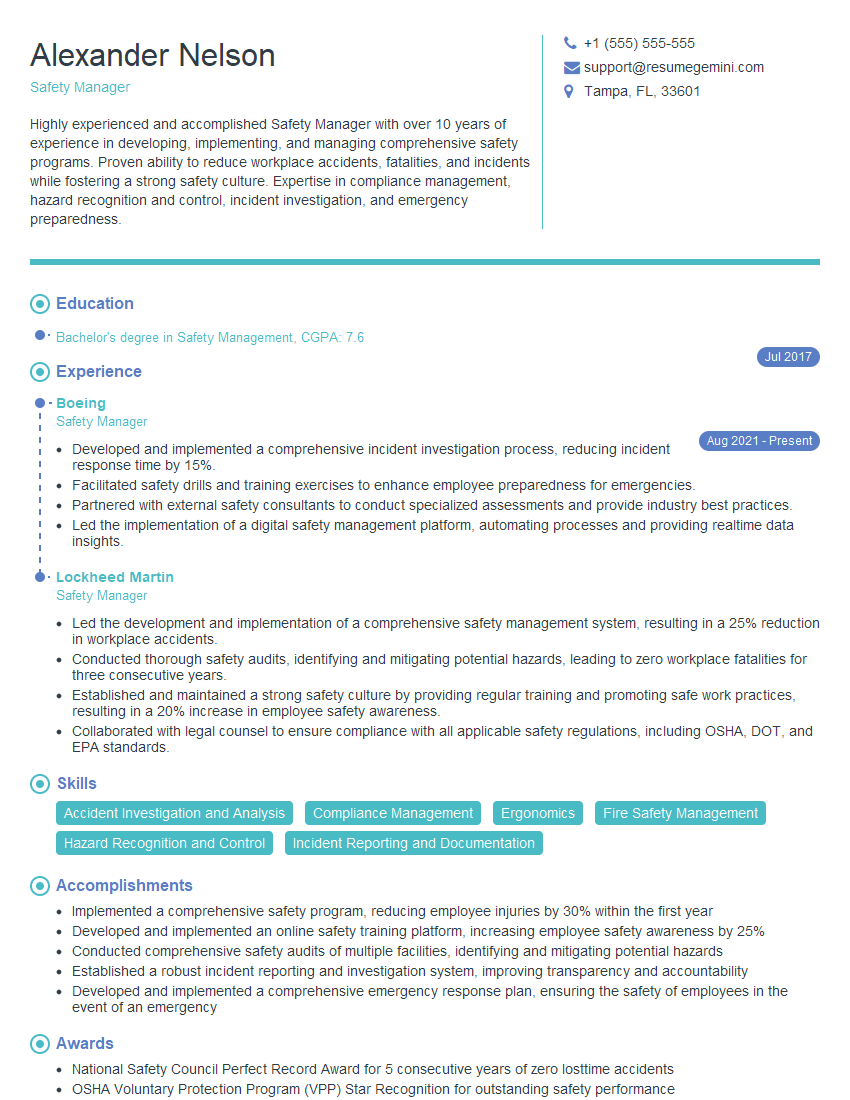
Safety Manager Resume Sample
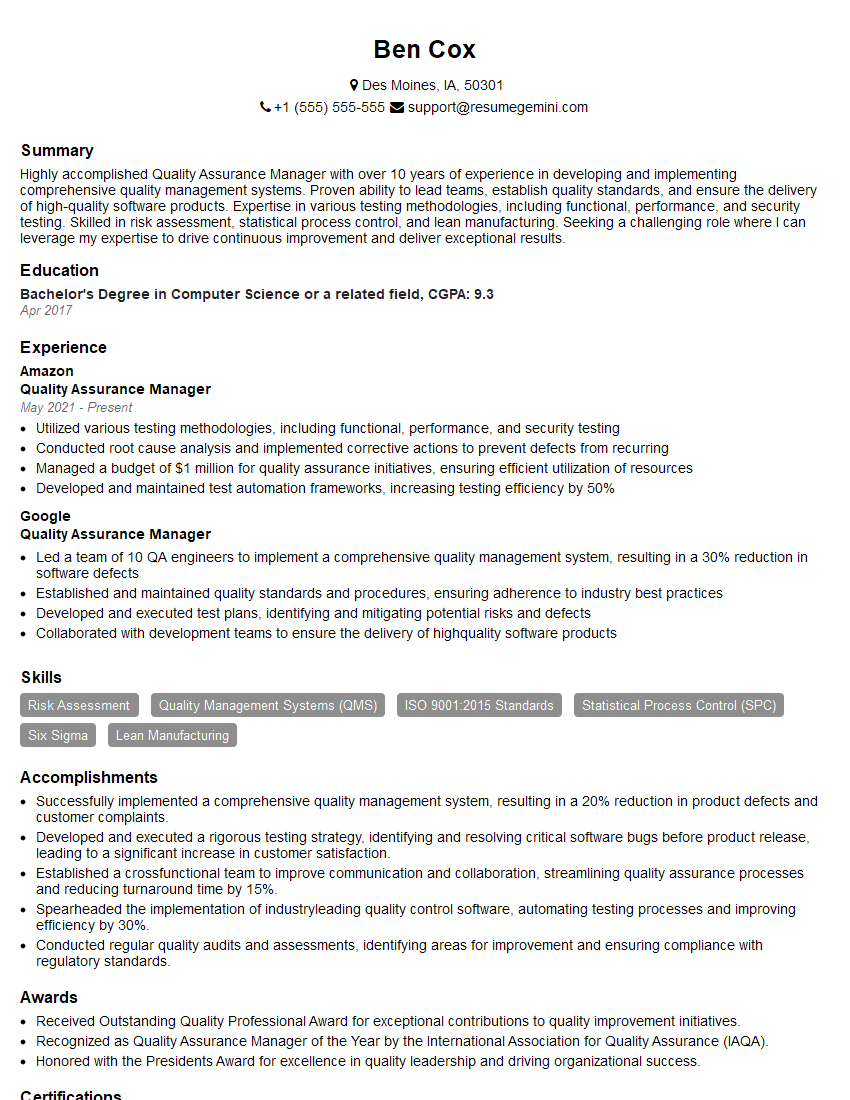
Quality Assurance Manager Resume Sample
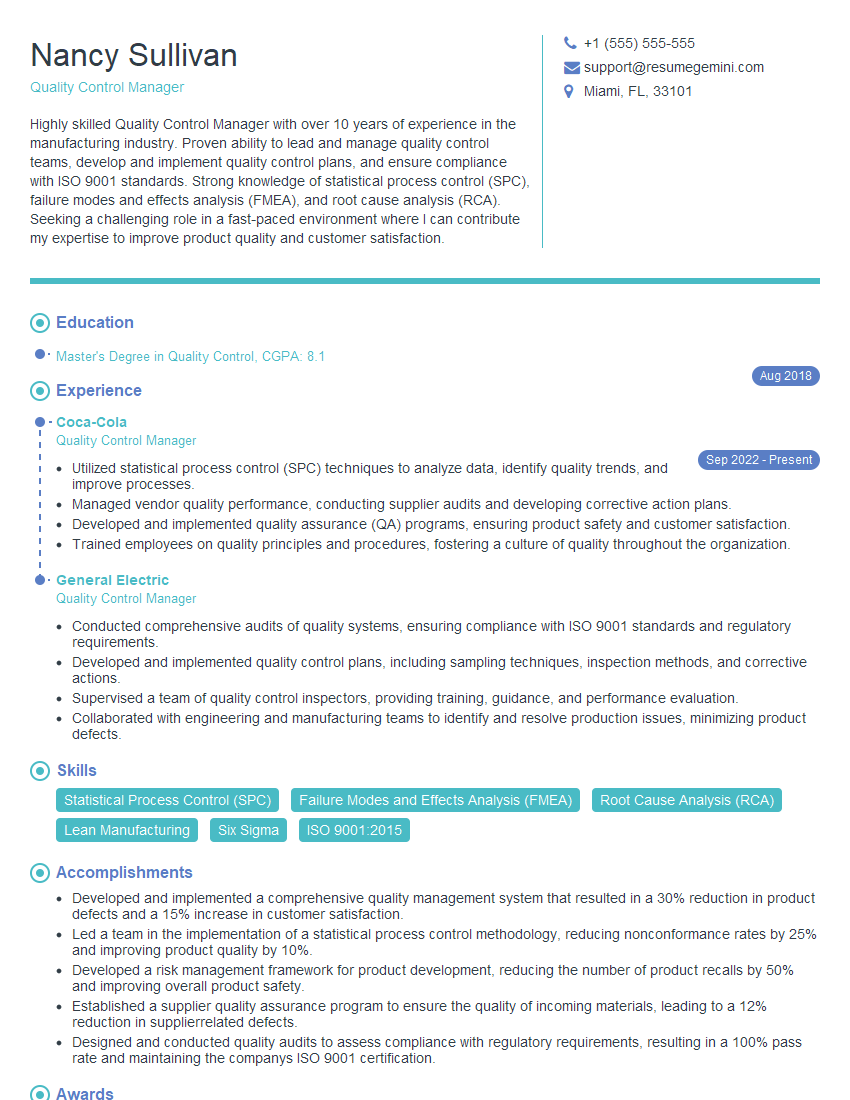
Quality Control Manager Resume Sample
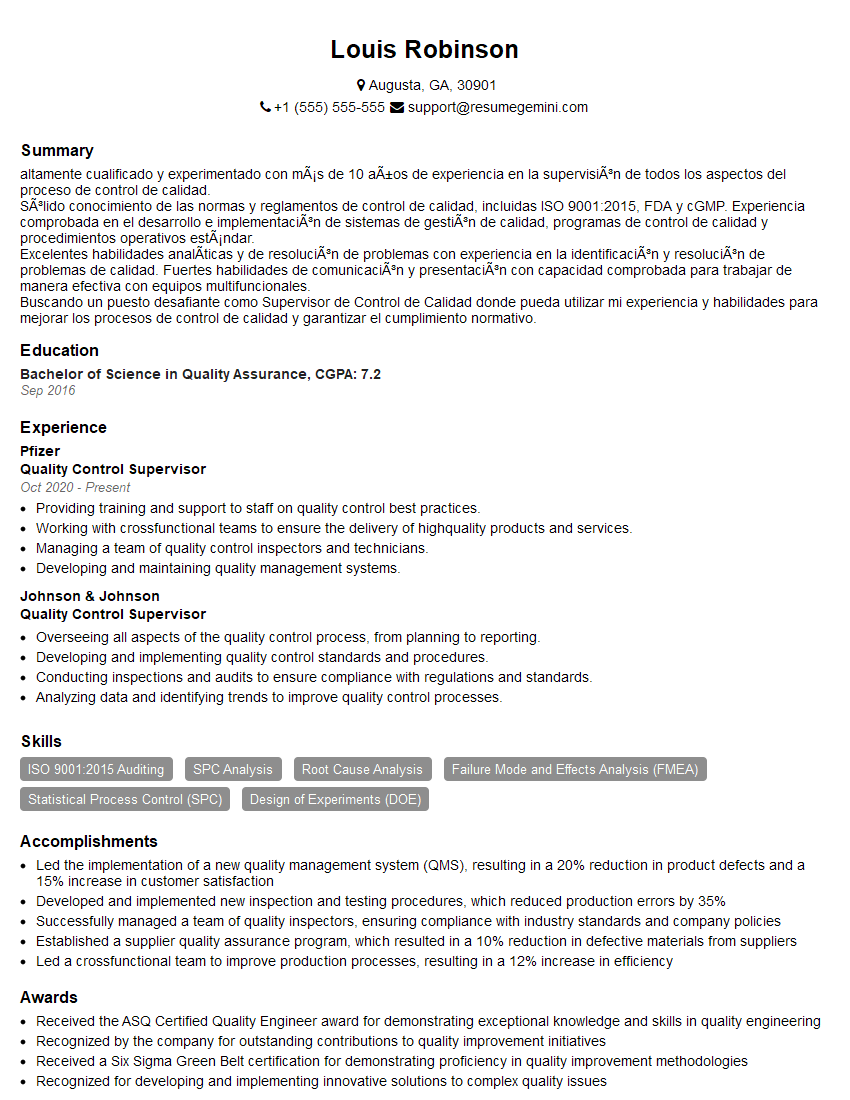
Quality Control Supervisor Resume Sample
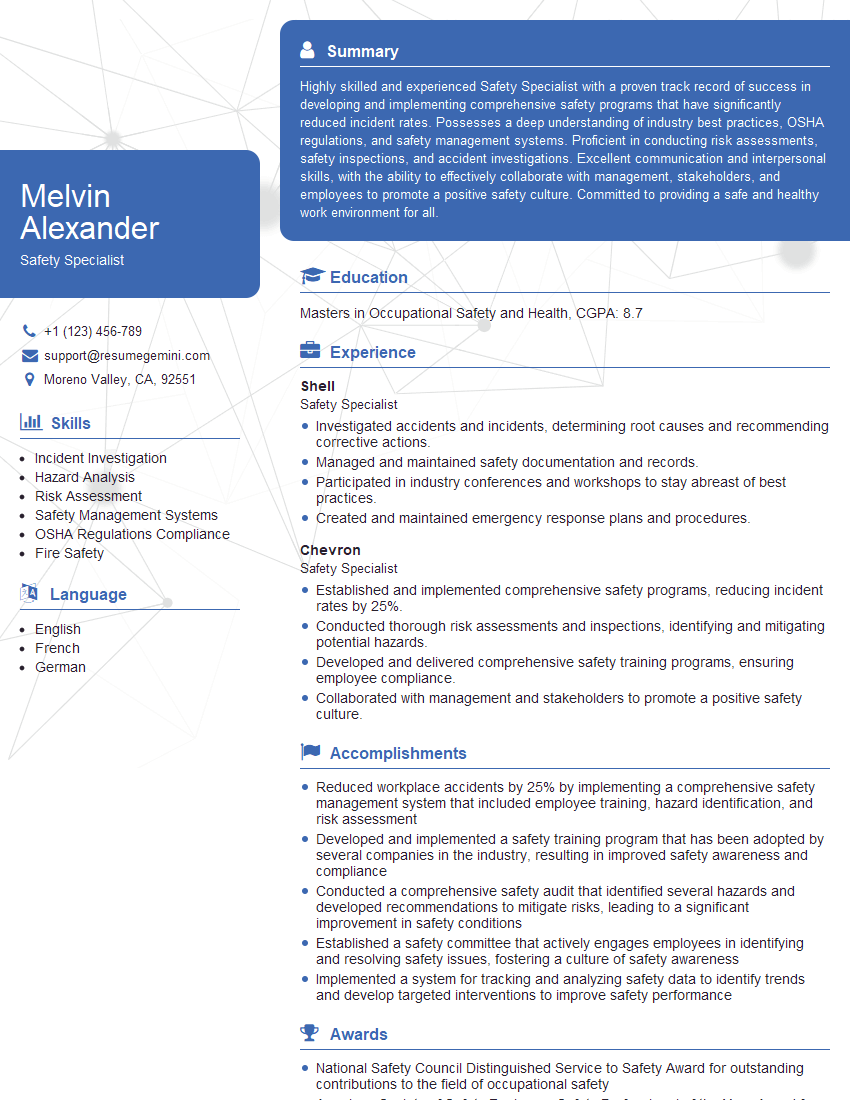
Safety Specialist Resume Sample
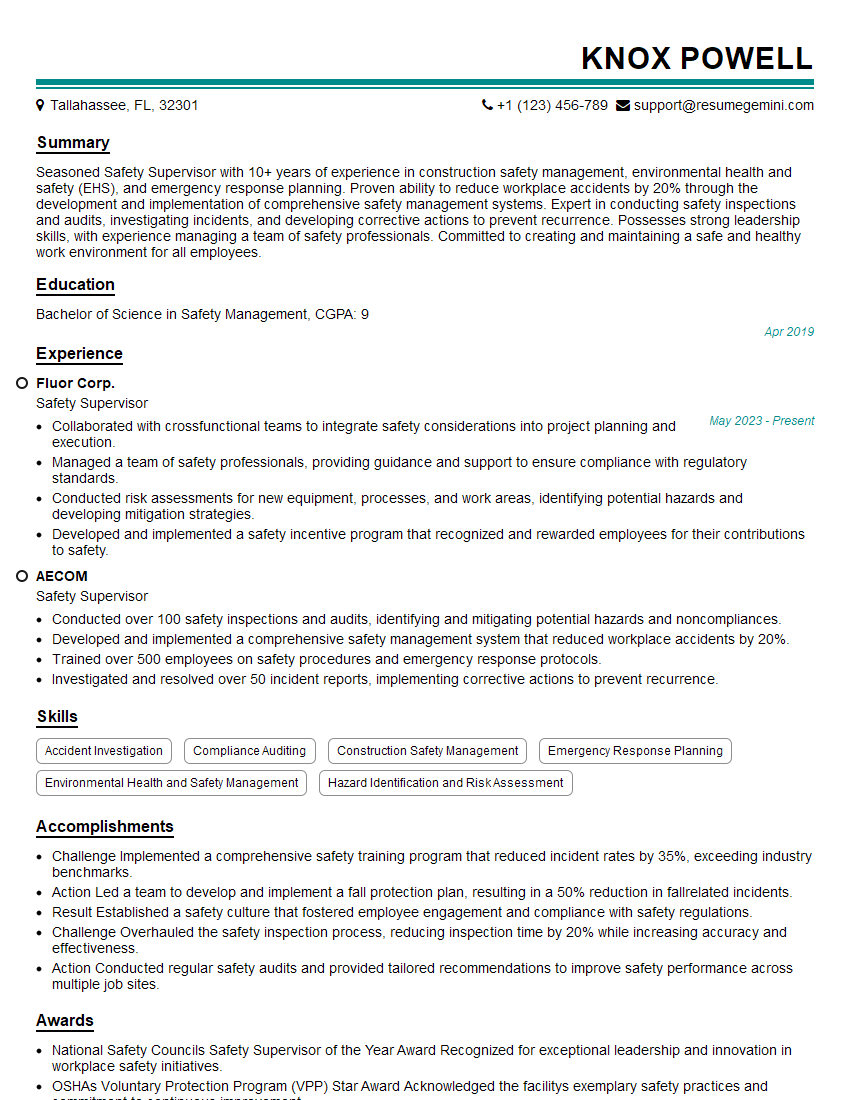
Safety Supervisor Resume Sample
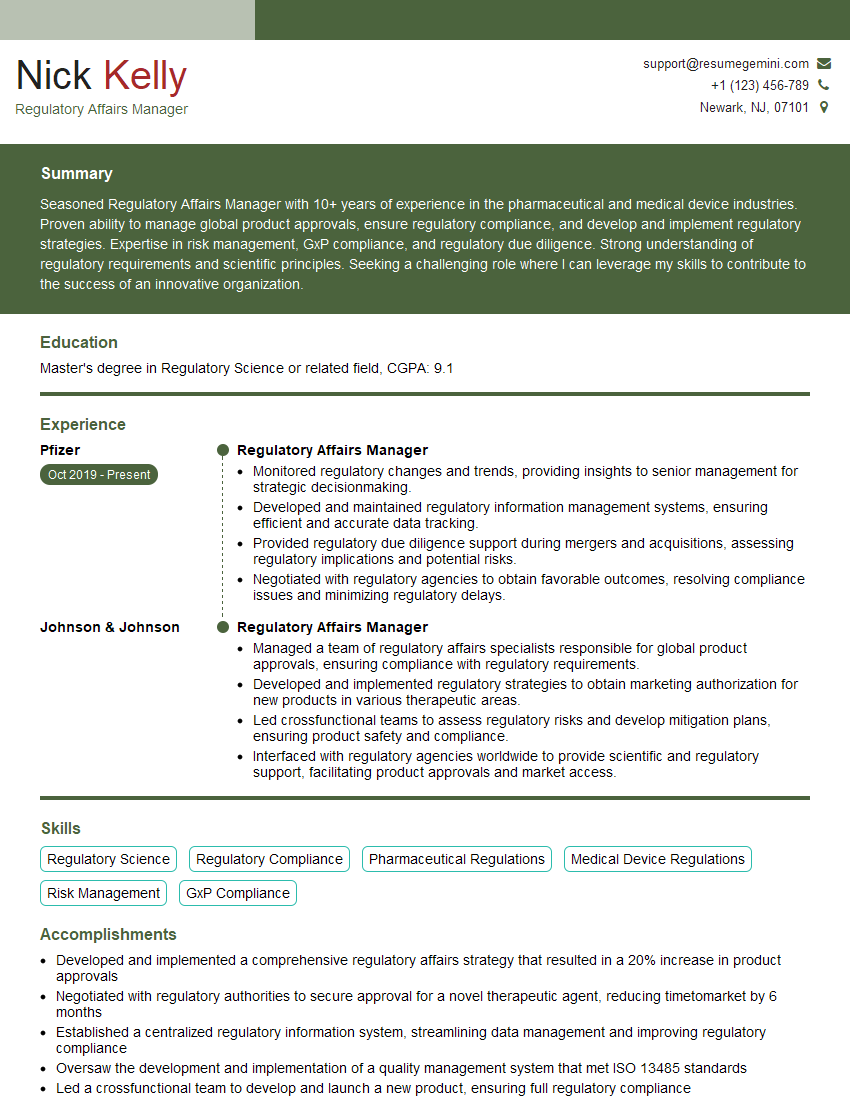
Regulatory Affairs Manager Resume Sample
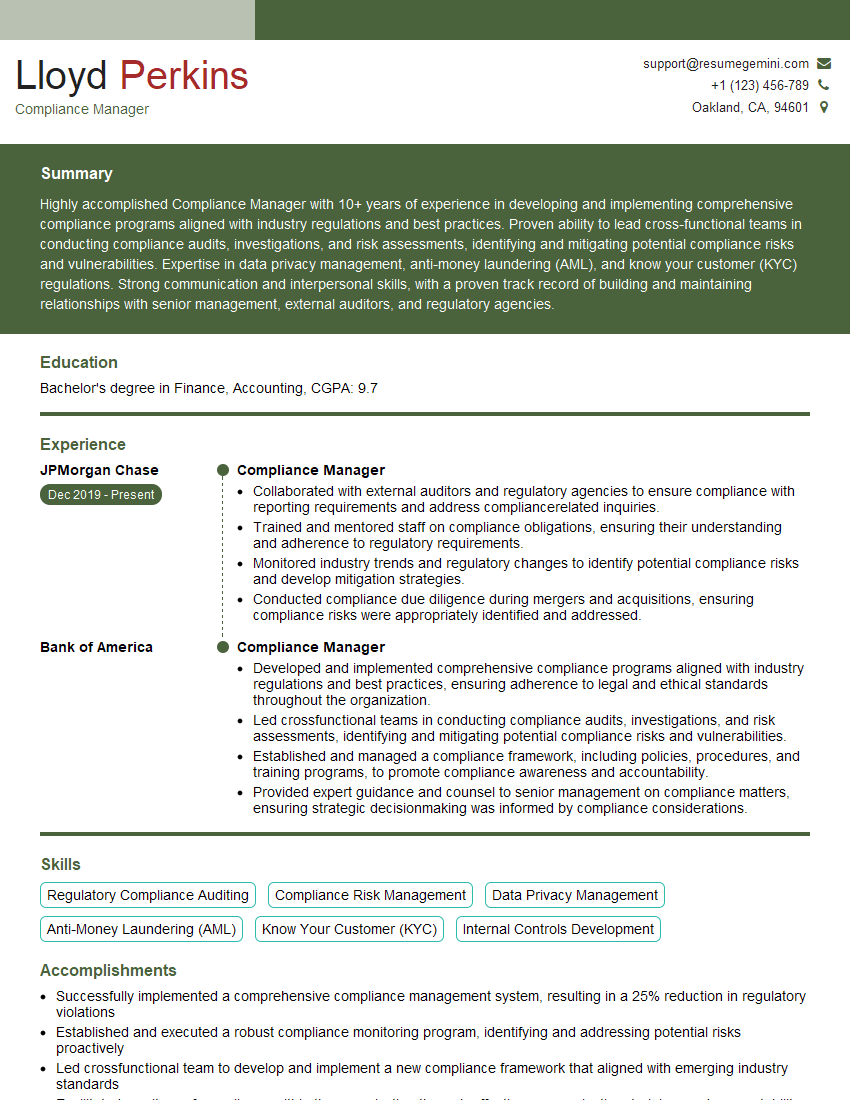
Compliance Manager Resume Sample
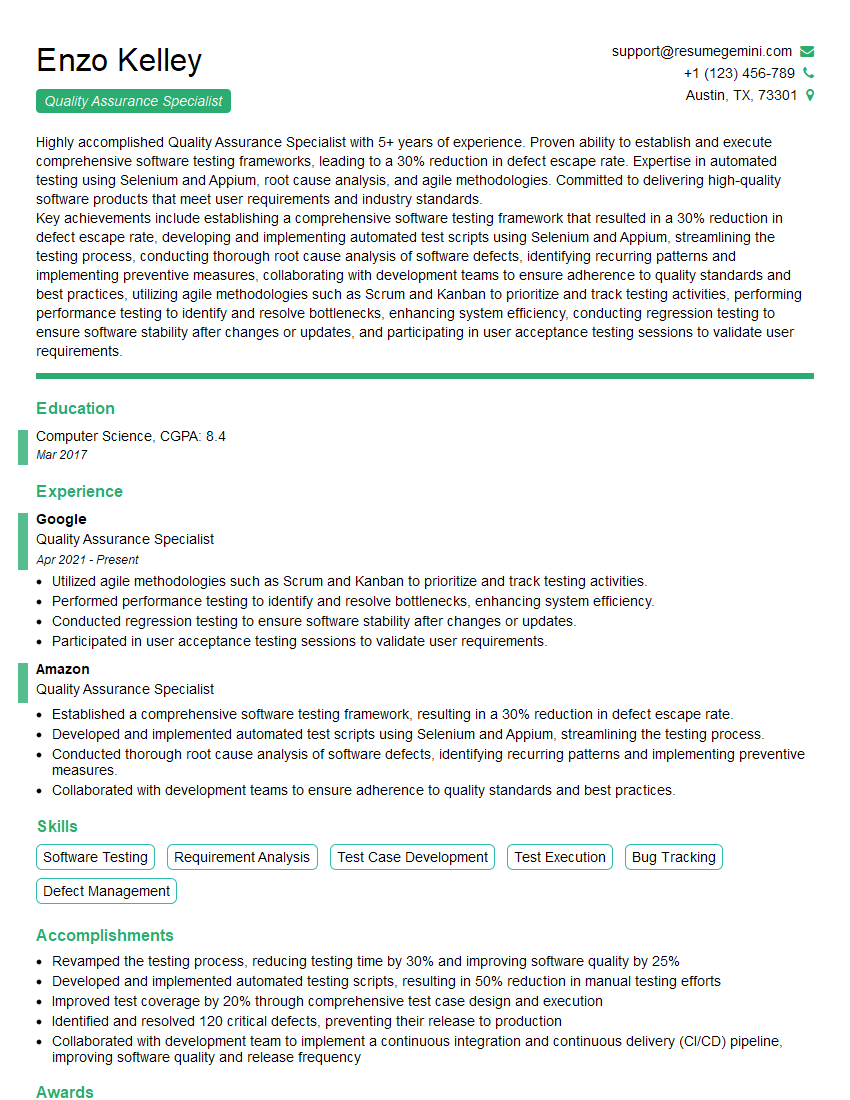
Quality Assurance Specialist Resume Sample
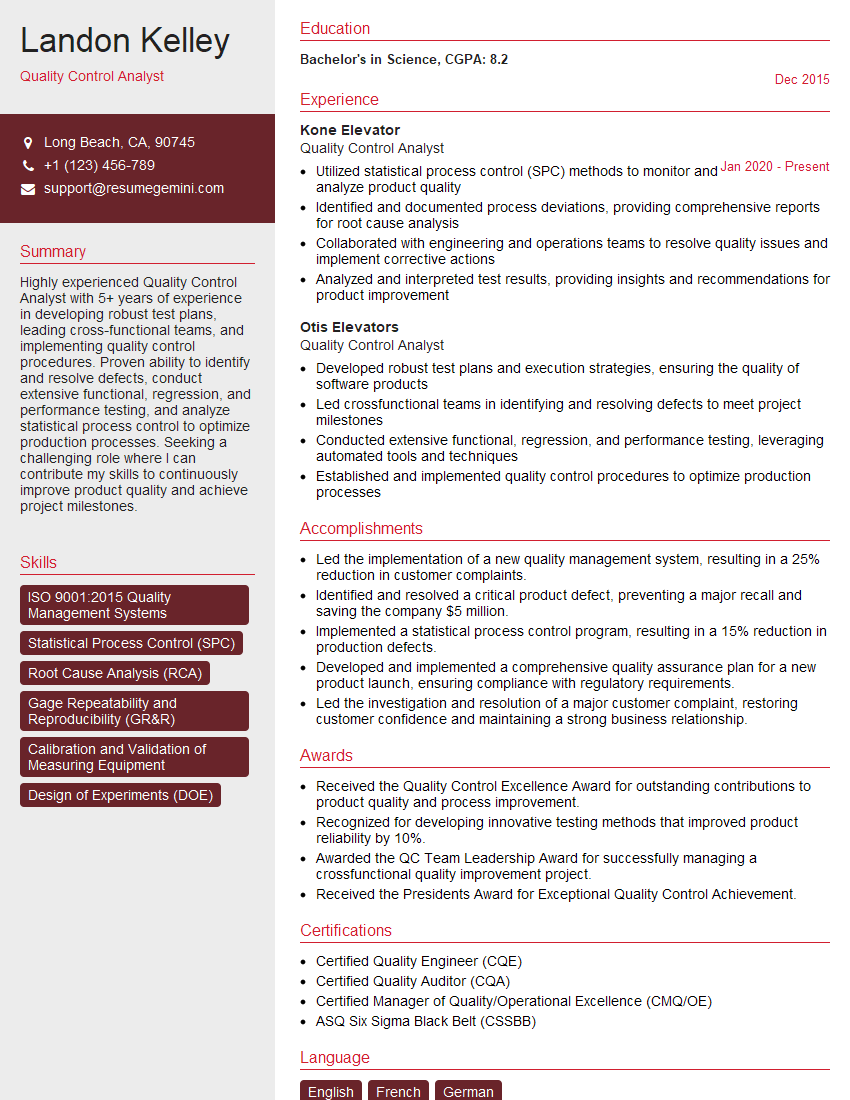
Quality Control Analyst Resume Sample
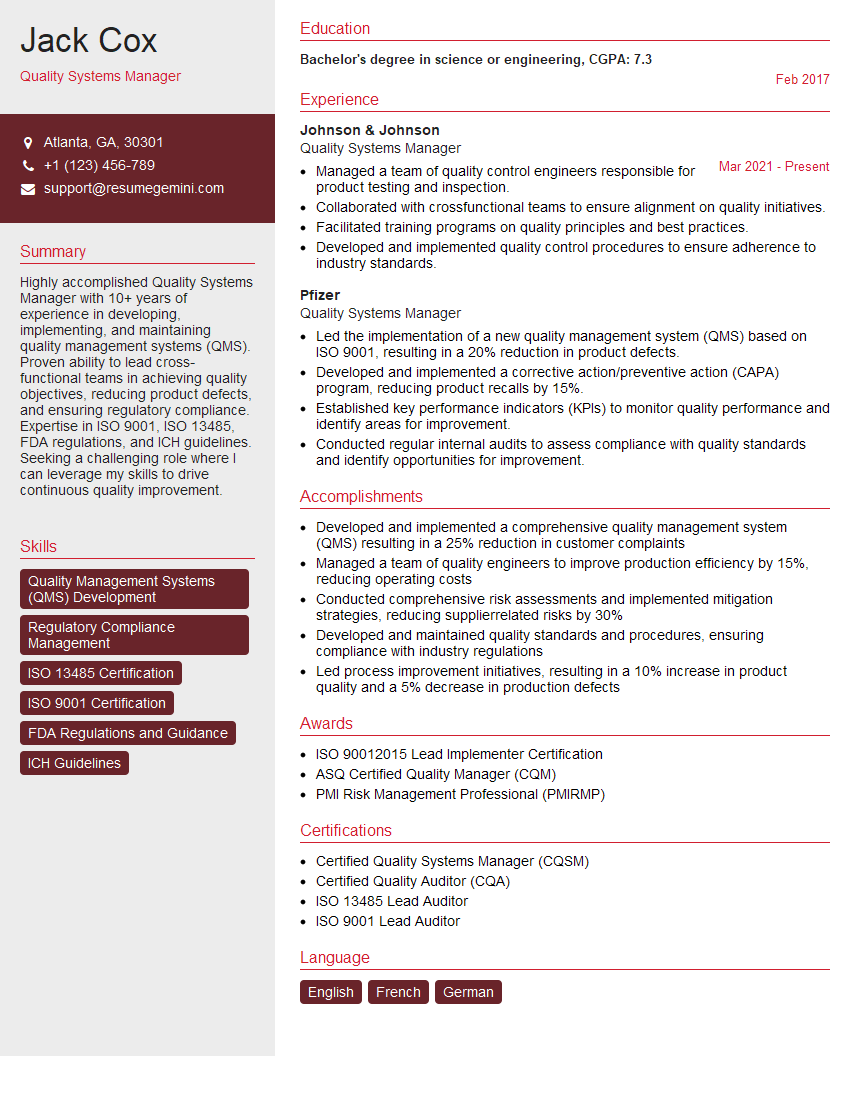
Quality Systems Manager Resume Sample
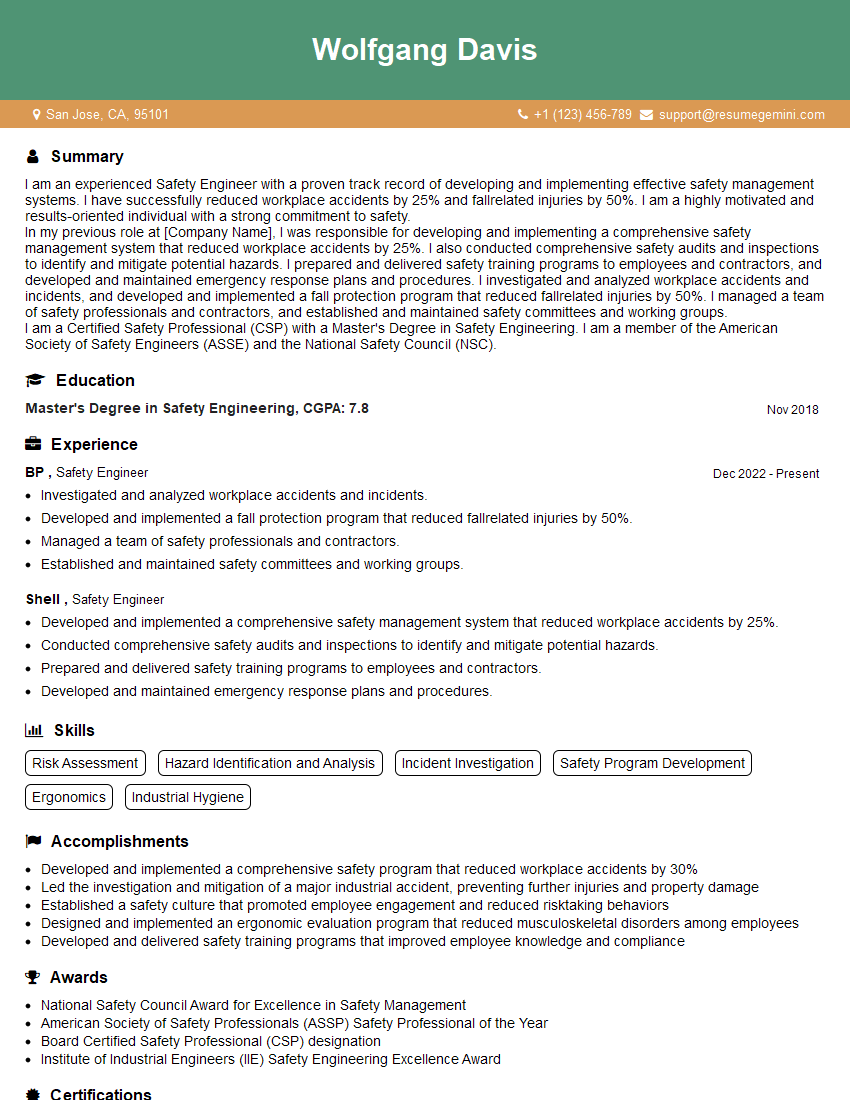
Safety Engineer Resume Sample
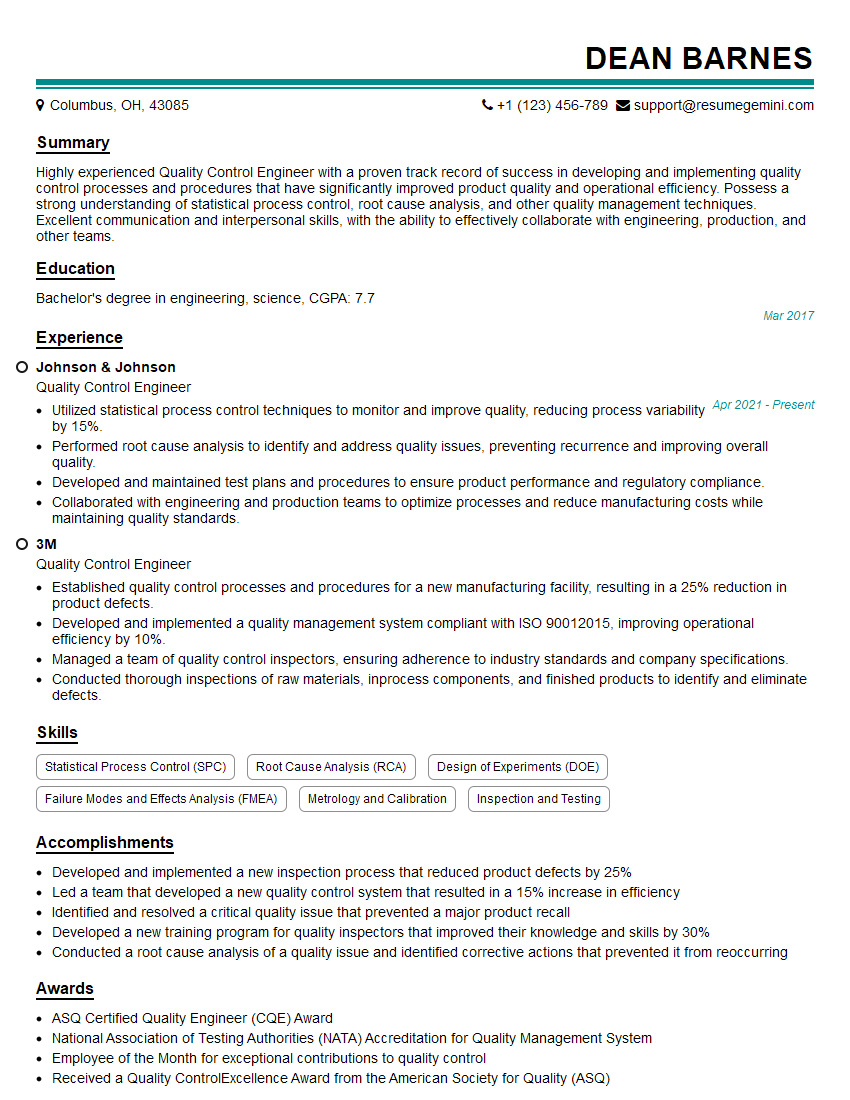
Quality Control Engineer Resume Sample
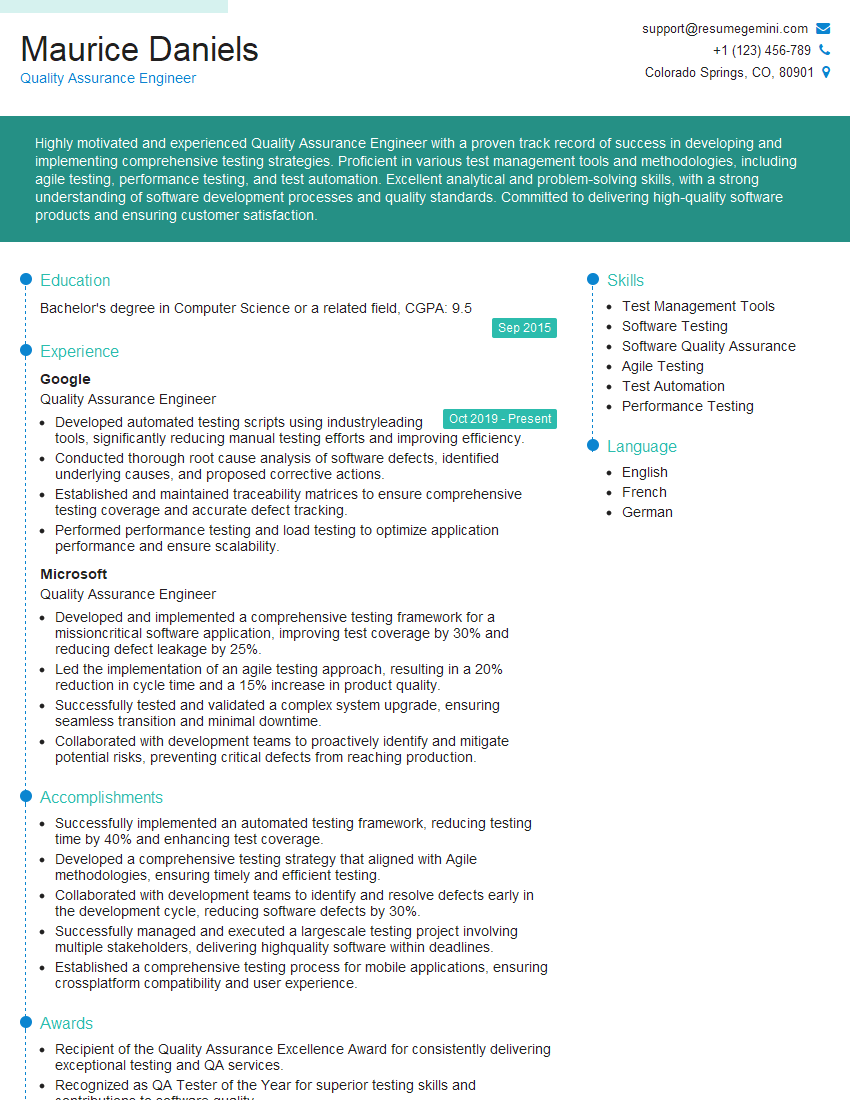
Quality Assurance Engineer Resume Sample
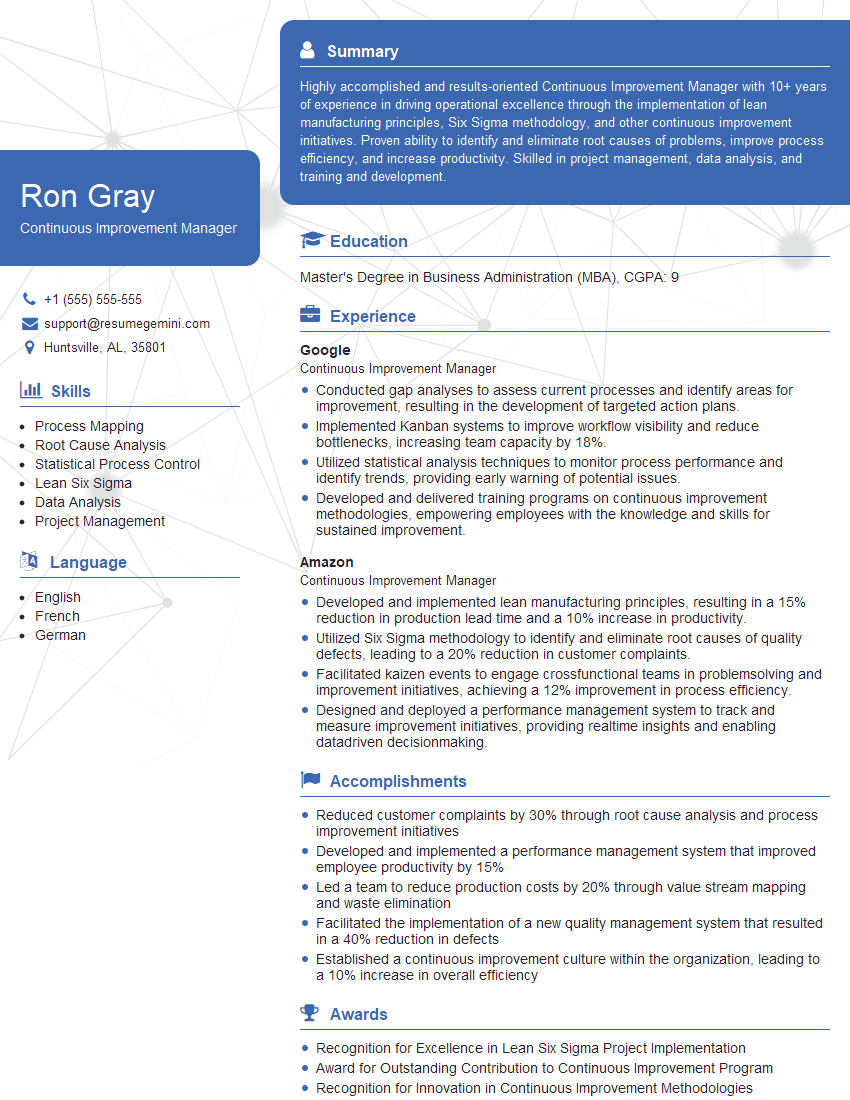
Continuous Improvement Manager Resume Sample
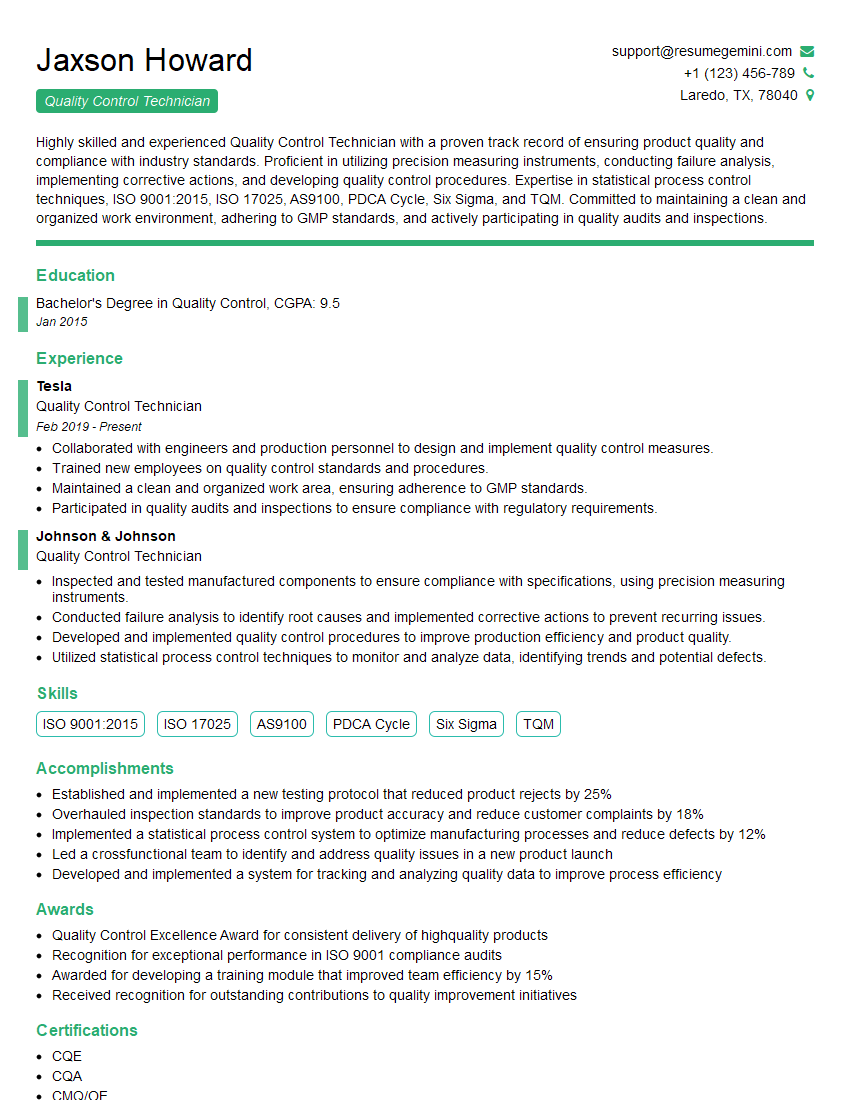
Quality Control Technician Resume Sample
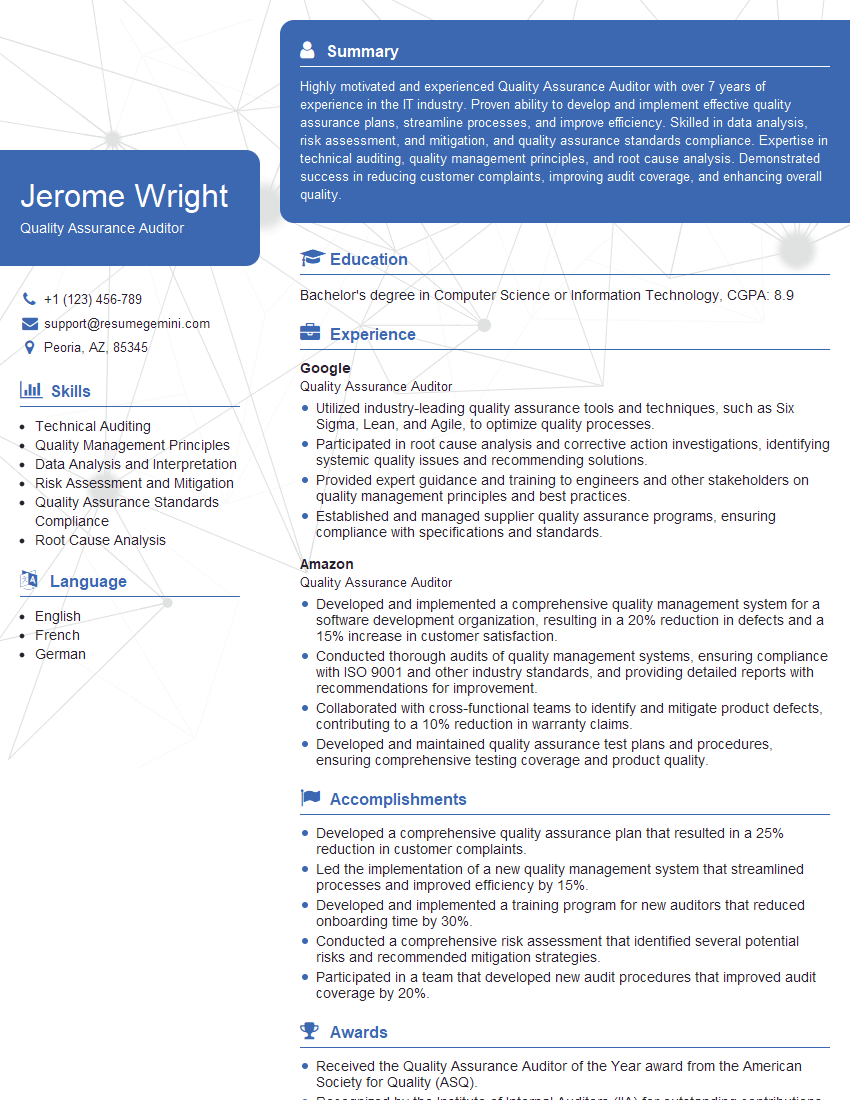
Quality Assurance Auditor Resume Sample
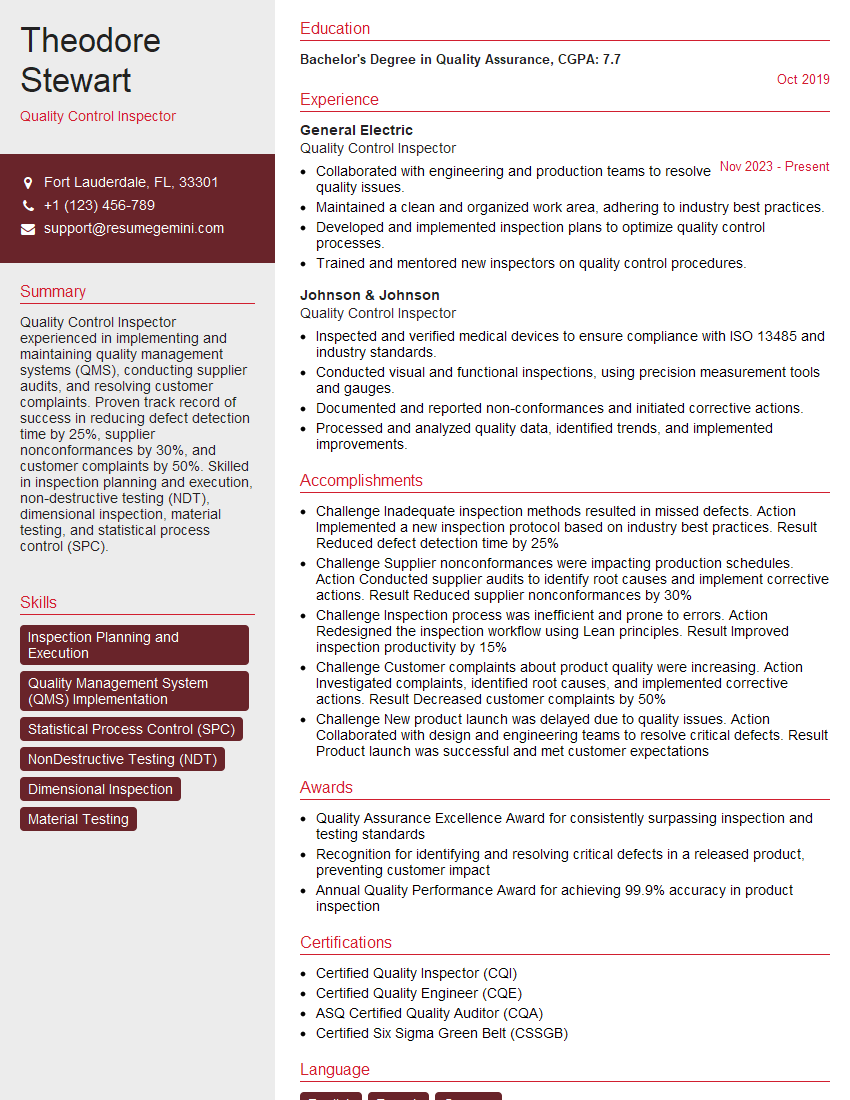
Quality Control Inspector Resume Sample
- Safety Manager
- Quality Assurance Manager
- Quality Control Manager
- Quality Control Supervisor
- Safety Specialist
- Safety Supervisor
- Regulatory Affairs Manager
- Compliance Manager
- Quality Assurance Specialist
- Quality Control Analyst
- Quality Systems Manager
- Safety Engineer
- Quality Control Engineer
- Quality Assurance Engineer
- Continuous Improvement Manager
- Quality Control Technician
- Quality Assurance Auditor
- Quality Control Inspector
Explore more articles
Users Rating of Our Blogs
Share Your Experience
We value your feedback! Please rate our content and share your thoughts (optional).
What Readers Say About Our Blog
Really detailed insights and content, thank you for writing this detailed article.
IT gave me an insight and words to use and be able to think of examples