The right preparation can turn an interview into an opportunity to showcase your expertise. This guide to Microbiological Analysis interview questions is your ultimate resource, providing key insights and tips to help you ace your responses and stand out as a top candidate.
Questions Asked in Microbiological Analysis Interview
Q 1. Explain the principles of microbial growth and its different phases.
Microbial growth follows a predictable pattern, often represented by a growth curve. It describes the increase in the number of microbial cells over time under specific environmental conditions. This growth is typically divided into four distinct phases:
- Lag Phase: Cells adapt to their new environment. There’s little to no increase in cell number as they synthesize necessary enzymes and prepare for growth. Think of it like athletes warming up before a race.
- Log (Exponential) Phase: Cells divide at a constant rate, resulting in exponential growth. This is the period of most rapid growth, as resources are plentiful and conditions are optimal. This is the peak performance phase for our athletes.
- Stationary Phase: The growth rate slows and eventually plateaus. This is due to factors like nutrient depletion, accumulation of waste products, and a decrease in available space. It’s like the athletes hitting a wall during their endurance run.
- Death Phase: The number of viable cells begins to decline as the cells die at a faster rate than they reproduce. Resources are completely exhausted and conditions are unfavorable. This is like the athletes experiencing extreme fatigue.
Understanding these phases is crucial in applications like food preservation (targeting the lag phase to slow down spoilage) and antibiotic treatment (targeting the log phase for maximum efficacy).
Q 2. Describe various methods for microbial identification.
Microbial identification uses a variety of techniques, combining phenotypic and genotypic methods. Phenotypic methods examine observable characteristics, while genotypic methods analyze the organism’s genetic material.
- Microscopic Examination: Observing cell morphology (shape, size, arrangement), staining characteristics (Gram stain, acid-fast stain), and motility. The Gram stain, for example, is a cornerstone technique differentiating bacteria based on cell wall structure.
- Biochemical Tests: Assessing metabolic capabilities through enzyme activity tests (e.g., catalase, oxidase tests) and fermentation patterns. Each microbe has a unique metabolic fingerprint.
- Growth Characteristics: Observing growth on different media types (agar plates), noting colony morphology (shape, color, texture), and oxygen requirements (aerobic, anaerobic).
- Immunological Methods: Using antibodies to detect specific antigens on the microbial surface. This includes techniques like ELISA (Enzyme-Linked Immunosorbent Assay) and agglutination tests, which are highly specific and sensitive.
- Molecular Techniques: Analyzing the genetic material of the microbe. This can include 16S rRNA gene sequencing (for bacteria) and DNA fingerprinting to identify the species and even strain of the microorganism. This is often the gold standard for precise identification.
In practice, a combination of these methods is often used to achieve a confident identification. For instance, a Gram stain followed by biochemical tests may narrow down the possibilities, with DNA sequencing providing definitive confirmation.
Q 3. What are the key differences between Gram-positive and Gram-negative bacteria?
Gram-positive and Gram-negative bacteria are distinguished primarily by their cell wall structure, which impacts their staining properties and antibiotic susceptibility.
- Gram-positive bacteria: Possess a thick peptidoglycan layer in their cell wall, which retains the crystal violet stain during the Gram staining procedure, resulting in a purple color. They are generally more susceptible to penicillin and other β-lactam antibiotics, which target peptidoglycan synthesis.
- Gram-negative bacteria: Have a thin peptidoglycan layer sandwiched between two membranes (outer and inner membranes). The outer membrane contains lipopolysaccharide (LPS), also known as endotoxin, which is a potent immunostimulant and can contribute to pathogenesis. They tend to be less susceptible to penicillin and require different antibiotics like aminoglycosides or quinolones to target their cell wall or other cellular processes.
This fundamental difference influences their interactions with the host immune system and their response to various antimicrobial agents. For example, Staphylococcus aureus (Gram-positive) is commonly treated with penicillin, while Escherichia coli (Gram-negative) often requires different antibiotics due to its outer membrane barrier.
Q 4. Explain the procedure for performing a viable plate count.
A viable plate count determines the number of live, culturable microorganisms in a sample. It’s a crucial method in food safety, environmental monitoring, and clinical diagnostics.
- Sample Preparation: Dilute the sample serially to obtain countable colony-forming units (CFUs) on the agar plates (typically between 30 and 300 CFUs per plate). Serial dilutions ensure that the number of colonies is manageable and statistically relevant.
- Plating: Use either the spread plate or pour plate method to distribute the diluted sample onto nutrient agar plates. In the spread plate method, the diluted sample is spread evenly over the surface of solidified agar. In the pour plate method, the diluted sample is mixed with molten agar before pouring into a sterile Petri dish and allowing it to solidify.
- Incubation: Incubate the plates under appropriate conditions (temperature, atmosphere) for a suitable period to allow microbial colonies to develop. The duration will vary depending on the microorganisms being cultured.
- Counting: Count the number of colonies on each plate. Only plates within the countable range (30-300 CFUs) are used for calculations.
- Calculations: Calculate the CFU/ml (or CFU/g for solid samples) using the following formula: CFU/ml = (Number of colonies × Dilution factor) / Volume plated.
For instance, if a 10-6 dilution yields 50 colonies on a plate with 0.1ml spread, then the original sample concentration is 5 x 10⁷ CFU/ml. This method provides an estimate of viable cells, which may not represent the total microbial population in some instances.
Q 5. How do you interpret results from a microbial enumeration test?
Interpreting microbial enumeration test results involves considering the number of CFUs, the type of microorganism (if identified), and the context of the sample. A high CFU count may indicate contamination or infection, while a low count may suggest a clean or sterile sample. The type of microorganism is vital for determining health risks or potential spoilage issues.
For example, a high count of E. coli in a water sample would indicate fecal contamination and a significant public health risk, while a high count of lactic acid bacteria in yogurt is expected and desirable. Considering the specific context is paramount. A high CFU count in a sterile pharmaceutical product would be unacceptable, whilst a high CFU count of certain microbes in soil would be entirely normal.
Furthermore, the results must be considered within the limitations of the method itself. For example, the viable plate count only detects culturable organisms and might underestimate the total microbial population.
Q 6. What are the limitations of using the pour plate method?
The pour plate method, while useful, has some limitations:
- Heat Sensitivity: Mixing the sample with molten agar can expose heat-sensitive microorganisms to potentially lethal temperatures, leading to inaccurate counts. Some microbes might be killed before they can form colonies, resulting in an underestimation of the population.
- Aerobic/Anaerobic Considerations: Colonies can be buried in the agar, especially in the pour plate method, potentially affecting the growth of aerobic or oxygen-sensitive microorganisms. This issue is less pronounced in the spread plate method where colonies grow on the agar surface.
- Colony Overlap: Colonies developing within the agar can overlap, making accurate counting difficult, especially at high concentrations.
These limitations should be considered when choosing a plating method. If heat sensitivity is a concern, the spread plate method is preferred. The pour plate method works relatively well for organisms that grow either aerobically or anaerobically.
Q 7. Describe different sterilization techniques and their applications.
Sterilization eliminates all forms of microbial life, including spores, whereas disinfection reduces microbial load but doesn’t necessarily eliminate all organisms. Different methods are used based on the material and application:
- Heat Sterilization:
- Autoclaving: Uses high-pressure saturated steam (121°C, 15 psi for 15-20 minutes) to kill microorganisms and spores. Widely used for sterilizing laboratory media, equipment, and surgical instruments.
- Dry Heat Sterilization: Uses high temperatures (160-170°C for 2 hours) in an oven to sterilize glassware and materials that cannot withstand autoclaving.
- Filtration: Removes microorganisms by passing a liquid or gas through a filter with pores small enough to retain them (0.22 μm or smaller). Commonly used for sterilizing heat-sensitive solutions like media components and certain pharmaceuticals.
- Radiation Sterilization:
- UV Radiation: Used for surface sterilization of work areas and equipment. Its effectiveness is limited by its low penetration power.
- Gamma Irradiation: A highly effective sterilization method that penetrates deeply. Often used to sterilize medical supplies, pharmaceuticals, and food products.
- Chemical Sterilization:
- Ethylene Oxide (EtO): Used to sterilize heat-sensitive medical devices. It’s a potent alkylating agent that kills microorganisms by modifying their DNA.
- Glutaraldehyde: A high-level disinfectant that can also be used for sterilization under specific conditions. Used for sterilizing endoscopes and other medical equipment.
Choosing the appropriate sterilization method depends on the nature of the material to be sterilized, the level of sterility required, and the potential impact on the material itself. For example, autoclaving is a versatile and widely applicable technique, whereas filtration is preferable for heat-sensitive liquids.
Q 8. What are the common indicators of microbial contamination in different settings (e.g., food, water, pharmaceuticals)?
Microbial contamination indicators vary significantly depending on the setting. The presence of contamination isn’t always visible to the naked eye, requiring sophisticated techniques for detection.
- Food: Spoilage indicators include changes in smell (sourness, putridity), texture (slimy, mushy), and color (discoloration, mold growth). Microbiological testing, such as plate counts or PCR, is essential for quantifying bacterial or fungal loads, particularly for pathogens like Salmonella or Listeria. The presence of toxins (e.g., aflatoxins from molds) also signals contamination even if the organism is no longer present.
- Water: Turbidity (cloudiness) suggests the presence of microorganisms, although not necessarily pathogenic ones. Elevated levels of fecal coliforms (E. coli) and other indicator organisms are strong signs of fecal contamination, which could indicate the presence of disease-causing bacteria like Vibrio cholerae. Water testing usually includes microscopic analysis, culture techniques on selective media, and molecular tests.
- Pharmaceuticals: Sterile products should be free of any microorganisms. Any visible particulate matter or microbial growth in a parenteral solution is unacceptable. Contamination detection involves sterility testing, using methods like membrane filtration and direct inoculation of culture media, and endotoxin testing (for Gram-negative bacteria). Regular environmental monitoring is crucial to prevent contamination during manufacturing.
Q 9. Explain the principles of aseptic technique.
Aseptic technique is a set of procedures designed to prevent contamination of sterile materials and environments with microorganisms. Think of it as creating a ‘microorganism-free bubble’ for your work. It’s paramount in microbiology labs, hospitals, and pharmaceutical manufacturing.
Principles include:
- Disinfection of work surfaces: Thoroughly cleaning and disinfecting all surfaces (benches, equipment) before and after work using an appropriate disinfectant (e.g., 70% ethanol).
- Hand hygiene: Washing hands thoroughly with soap and water, followed by alcohol-based hand sanitizer.
- Sterile equipment: Using sterile equipment and media, including pipettes, culture tubes, and Petri dishes. Autoclaving (steam sterilization) is a common method for ensuring sterility.
- Minimizing airborne contamination: Working near a Bunsen burner flame creates an upward air current, which helps to reduce airborne contamination. Laminar flow hoods provide a sterile workspace.
- Proper handling of cultures: Using sterile techniques when handling microbial cultures, such as flaming the mouths of tubes before and after use to prevent contamination.
Q 10. How do you perform a serial dilution?
Serial dilution is a method to reduce the concentration of a microbial sample stepwise, allowing for the accurate counting of microorganisms that would otherwise be too numerous to count directly. It’s like diluting a very strong cup of coffee to make it drinkable – you do it step-by-step.
Steps:
- Start with a known volume (e.g., 1 ml) of your original sample.
- Add this 1 ml to 9 ml of sterile diluent (e.g., saline or broth), creating a 1:10 dilution (1/10 the original concentration).
- Mix thoroughly.
- Take 1 ml from this 1:10 dilution and add it to another 9 ml of sterile diluent, creating a 1:100 dilution (1/100 the original concentration).
- Repeat this process to achieve the desired dilutions (e.g., 1:1000, 1:10,000, etc.).
- Plate known volumes of each dilution onto agar plates. After incubation, count the colonies on the plate with the most easily countable number (typically 30-300 colonies). This allows you to calculate the original concentration of microorganisms in the sample.
For example, if you count 50 colonies on a plate from a 1:1000 dilution, you would calculate the original concentration as 50 colonies/ml * 1000 = 50,000 colonies/ml.
Q 11. What are the common types of microbial media and their uses?
Microbial media are nutrient solutions used to cultivate microorganisms in the laboratory. Different media are designed to support the growth of specific types of microorganisms or to perform specific tests.
- Nutrient agar: A general-purpose medium that supports the growth of many bacteria and fungi. It’s like a basic, well-balanced meal for microbes.
- Blood agar: Enriched medium containing blood, used to grow fastidious (picky) bacteria that require extra nutrients. It’s a more luxurious meal.
- MacConkey agar: Selective and differential medium used to isolate and identify Gram-negative bacteria, particularly enteric bacteria (those found in the intestines). It only lets certain guests enter the ‘restaurant’.
- Sabouraud dextrose agar: Selective medium used to grow fungi. It’s tailored to the needs of fungi, not bacteria.
- Minimal media: Contains only essential nutrients, often used to study microbial metabolism and genetics.
Q 12. Describe different types of microbial cultures (e.g., broth, agar plates, slants).
Microbial cultures are grown in various forms, each suited to specific applications.
- Broth cultures: Microorganisms are grown in a liquid medium. This allows for high cell yields and is useful for studying microbial growth kinetics or harvesting large quantities of cells. Think of it like growing microbes in a soup.
- Agar plates: Microorganisms are grown on the surface of a solid medium (agar) in Petri dishes. This allows for the isolation of individual colonies, making it ideal for identifying and counting microorganisms. It’s like growing them on a flat surface.
- Agar slants: Microorganisms are grown on a solid medium in a slanted tube. This provides a larger surface area for growth and is often used for storing cultures for extended periods. It’s a way to keep microbes alive longer.
Q 13. What is the difference between disinfection and sterilization?
While both disinfection and sterilization aim to reduce or eliminate microorganisms, they differ in their effectiveness:
- Sterilization: This process completely eliminates all forms of microbial life, including bacteria, viruses, fungi, and spores. Methods include autoclaving, dry heat sterilization, and filtration. Sterility is critical for medical devices, pharmaceuticals, and certain lab procedures.
- Disinfection: This process reduces the number of viable microorganisms to a safe level, but it doesn’t necessarily eliminate all microorganisms. Disinfectants are often used on surfaces and instruments to prevent the spread of infection. Examples include using bleach solutions or ethanol to clean a lab bench.
The key difference lies in the degree of microbial reduction: sterilization is complete elimination, while disinfection is a significant reduction.
Q 14. What are some common microbial pathogens and their associated diseases?
Numerous microbial pathogens cause various diseases. Here are a few examples:
- Escherichia coli (E. coli): Some strains cause food poisoning, urinary tract infections, and other illnesses.
- Salmonella spp.: Causes salmonellosis, characterized by diarrhea, fever, and abdominal cramps.
- Staphylococcus aureus: Causes skin infections, food poisoning, and more serious systemic infections.
- Streptococcus pneumoniae: Causes pneumonia, meningitis, and ear infections.
- Mycobacterium tuberculosis: Causes tuberculosis (TB), a lung infection.
- Vibrio cholerae: Causes cholera, a severe diarrheal disease.
- Influenza viruses: Cause influenza (the flu).
Identifying the specific pathogen is crucial for effective treatment, as different pathogens respond differently to antibiotics or antiviral therapies.
Q 15. Explain the role of microbial quality control in various industries.
Microbial quality control (MQC) is crucial across various industries to ensure product safety, maintain quality, and prevent contamination. It involves implementing procedures and tests to monitor and control the presence and growth of microorganisms throughout the production process.
- Food and Beverage Industry: MQC prevents foodborne illnesses by monitoring microbial loads in raw materials, during processing, and in finished products. For example, testing for Salmonella and E. coli in meat products is essential.
- Pharmaceutical Industry: Sterility testing and endotoxin assays are critical in pharmaceutical MQC to guarantee the safety and efficacy of drugs and medical devices. Contamination can render a batch of medicine useless or even dangerous.
- Cosmetics Industry: MQC focuses on preventing microbial growth that could compromise the product’s quality and cause skin infections. Preservative efficacy testing is a vital part of this.
- Water Treatment: Monitoring for indicator organisms like E. coli helps assess the safety and potability of water. Regular testing ensures the treatment process is effective.
In essence, MQC is a proactive strategy to minimize risks associated with microbial contamination, safeguarding both public health and product integrity.
Career Expert Tips:
- Ace those interviews! Prepare effectively by reviewing the Top 50 Most Common Interview Questions on ResumeGemini.
- Navigate your job search with confidence! Explore a wide range of Career Tips on ResumeGemini. Learn about common challenges and recommendations to overcome them.
- Craft the perfect resume! Master the Art of Resume Writing with ResumeGemini’s guide. Showcase your unique qualifications and achievements effectively.
- Don’t miss out on holiday savings! Build your dream resume with ResumeGemini’s ATS optimized templates.
Q 16. Describe different methods for preserving microbial cultures.
Preserving microbial cultures is paramount for research, diagnostics, and industrial applications. Several methods exist, each with its advantages and limitations:
- Cryopreservation: This involves freezing cultures in a cryoprotective agent like glycerol or DMSO at ultra-low temperatures (-80°C or lower). This method is excellent for long-term storage and maintains high viability. Think of it as putting your microbes in a deep freeze for a long nap!
- Lyophilization (Freeze-drying): This method removes water from the culture under vacuum after freezing. It’s ideal for long-term storage and easier to transport than frozen cultures. Think of it as mummifying your microbes.
- Slant Cultures: Cultures are grown on agar slants in test tubes. The slant provides a larger surface area for growth and allows for longer storage at room temperature or refrigeration (but for shorter periods compared to cryopreservation or lyophilization).
- Stock Cultures in Broth: Cultures are stored in broth media at low temperatures (refrigeration). This method is suitable for short-term storage and is convenient for subculturing.
The choice of method depends on the type of microorganism, the desired storage duration, and the resources available.
Q 17. How do you identify and control microbial contamination in a laboratory setting?
Controlling microbial contamination in a lab setting is critical for accurate and reliable results. It involves a combination of preventive measures and detection methods:
- Preventive Measures: These include maintaining a clean and organized workspace, using proper aseptic techniques (like flame sterilization), regularly disinfecting surfaces, using sterile equipment and media, and employing proper personal protective equipment (PPE).
- Detection Methods: Contamination can be detected through visual inspection (looking for turbidity or unusual growth), using selective media (to grow specific types of microbes and suppress others), performing sterility tests (to assess the absence of viable microorganisms), and using molecular techniques like PCR (explained further in question 5).
If contamination is detected, the source must be identified (e.g., contaminated reagents, equipment, or poor technique). Contaminated materials should be discarded properly following established biosafety protocols. For example, if a bacterial contamination is found in a cell culture, it’s crucial to eliminate the contaminated cells and disinfect the incubator.
Q 18. What is the significance of microbial limit tests?
Microbial limit tests are crucial quality control procedures to ensure the absence or a very low level of undesirable microorganisms in various products, like pharmaceuticals, cosmetics, and food. They don’t aim for complete sterility but rather set acceptable limits for specific microorganisms. These limits are based on risk assessment and public health considerations.
For instance, a pharmaceutical product might have microbial limits set for total aerobic microbial count and specific pathogens like Staphylococcus aureus or Pseudomonas aeruginosa. Exceeding these limits indicates a potential safety concern and necessitates investigation and corrective action. These tests are essential for ensuring product safety and compliance with regulatory standards.
Q 19. Explain the principles of PCR (Polymerase Chain Reaction) and its applications in microbiology.
Polymerase Chain Reaction (PCR) is a molecular technique used to amplify specific DNA sequences. It’s based on the principles of DNA replication, using a heat-stable enzyme (polymerase) to create millions of copies of a target DNA segment.
Principles: PCR involves repeated cycles of heating and cooling, each cycle consisting of three steps: denaturation (separating the DNA strands), annealing (primers bind to target sequences), and extension (polymerase synthesizes new DNA strands).
Applications in Microbiology: PCR is extensively used in microbiology for:
- Microbial Identification: Amplifying and sequencing specific microbial genes (e.g., 16S rRNA for bacteria) allows for rapid and accurate identification of microorganisms.
- Detection of Pathogens: PCR can detect very low levels of pathogens, even before symptoms appear, making it valuable for disease diagnosis and outbreak investigations. Think of COVID-19 testing, that’s PCR in action!
- Quantification of Microorganisms: Real-time PCR (qPCR) allows for precise quantification of microbial DNA, providing information on microbial load.
- Detection of Antibiotic Resistance Genes: PCR can be used to detect genes that confer antibiotic resistance in bacteria, helping guide treatment strategies.
PCR has revolutionized microbiology by providing faster, more sensitive, and specific methods for detecting and identifying microorganisms.
Q 20. How does microbial testing ensure product safety and quality?
Microbial testing is paramount in ensuring product safety and quality by identifying and quantifying microorganisms that may pose a health risk or affect product integrity.
For example, in the food industry, testing for pathogens like Listeria or Salmonella prevents foodborne illnesses. In the pharmaceutical industry, sterility testing guarantees the safety of drugs and medical devices, preventing life-threatening infections. In cosmetics, microbial testing ensures the absence of microorganisms that can cause skin infections or compromise product quality.
Beyond safety, microbial testing also contributes to product quality by ensuring consistent microbial load and preventing spoilage. For example, monitoring yeast and mold counts in beverages maintains their shelf life and quality. In essence, microbial testing acts as a safeguard, protecting consumers and upholding product standards.
Q 21. Describe your experience using various microbiological analytical instruments.
Throughout my career, I’ve extensively used various microbiological analytical instruments. My experience includes:
- Spectrophotometers: For measuring the optical density of microbial cultures, providing an estimate of cell concentration. This is essential for standardizing inoculums and monitoring microbial growth.
- Automated Colony Counters: These instruments accelerate the counting of bacterial colonies on agar plates, improving accuracy and efficiency in routine microbiological analysis.
- Microscope (Bright-field, Phase-contrast, Fluorescence): Essential for microscopic examination of microbial morphology, identifying specific microorganisms, and assessing the purity of cultures.
- Real-time PCR machine: Used for sensitive and quantitative detection of specific microorganisms or genes. This has been invaluable in projects involving pathogen detection and quantification.
- Automated microbial identification systems: These systems use biochemical tests and other methods to rapidly identify microorganisms. They greatly improve the efficiency of microbiological analysis.
Proficiency in using these instruments is critical for accurate and efficient microbial analysis, allowing me to generate reliable data and contribute to informed decision-making.
Q 22. Explain the principles of ELISA (Enzyme-Linked Immunosorbent Assay).
ELISA, or Enzyme-Linked Immunosorbent Assay, is a powerful laboratory technique used to detect and quantify substances, such as proteins, antibodies, or hormones, in a liquid sample. It’s based on the principle of antigen-antibody binding. Imagine it like a lock and key – a specific antibody (the key) binds to a specific antigen (the lock), which is the target substance we want to detect.
The process generally involves coating a surface (usually a microplate well) with an antigen or antibody. Then, the sample containing the target substance is added. If the target substance is present, it will bind to the coated substance. After washing away unbound materials, an enzyme-linked antibody (a second antibody that recognizes a different part of the target substance) is added. This enzyme converts a substrate into a colored product, the intensity of which is proportional to the amount of target substance present. The color change is measured using a spectrophotometer, allowing for quantitative analysis.
For example, ELISA can be used to detect antibodies against a specific virus in a patient’s blood serum, indicating past or present infection. Or, it could measure the amount of a specific hormone in a blood sample to diagnose endocrine disorders.
Different ELISA formats exist, including direct, indirect, competitive, and sandwich ELISAs, each offering advantages depending on the specific application.
Q 23. What safety measures should be taken when working with microbial cultures?
Safety is paramount when working with microbial cultures. The overarching principle is to prevent both the exposure of yourself and the environment to potentially harmful microorganisms. This requires a multi-faceted approach:
- Personal Protective Equipment (PPE): Always wear appropriate PPE, including lab coats, gloves (nitrile or latex), and eye protection. Depending on the organisms being handled, a respirator might also be necessary.
- Aseptic Techniques: Employ strict aseptic techniques to prevent contamination of cultures and the environment. This includes sterilizing work surfaces, using sterile equipment, and working near a Bunsen burner to create an upward airflow that minimizes airborne contamination.
- Biosafety Cabinets: For work with higher-risk organisms, a biosafety cabinet (BSC) is essential. These cabinets provide a sterile work environment by filtering the air and preventing the escape of aerosols.
- Waste Disposal: Dispose of all contaminated materials properly according to established protocols. This often involves autoclaving (high-pressure steam sterilization) before discarding to ensure inactivation of the microorganisms.
- Training and Standard Operating Procedures (SOPs): Regular training on safe microbiological practices and adherence to established SOPs are critical. This ensures everyone in the laboratory understands and follows proper procedures.
- Emergency Procedures: Knowing and practicing emergency procedures, such as spill response, is vital. Having readily available disinfectants and spill kits is essential.
In my experience, a thorough understanding of the organisms being handled and the associated risks is crucial for selecting and implementing appropriate safety measures.
Q 24. How do you manage and interpret data from microbiological analysis?
Managing and interpreting data from microbiological analysis involves several key steps. First, data is meticulously recorded in lab notebooks or electronic laboratory information management systems (LIMS), ensuring traceability and accuracy. Then, data undergoes quality control checks to identify and address any outliers or inconsistencies. This may involve reviewing the methodology, repeating tests, or investigating potential errors. Next, data is analyzed using appropriate statistical methods; for example, calculating colony-forming units (CFU) to determine microbial load, or performing statistical tests to compare results across different samples.
Interpretation depends heavily on the context. For example, a high CFU count in a food sample might indicate spoilage or contamination, while in a soil sample, it might be expected. Understanding the limits of detection (LOD) and quantification (LOQ) is also crucial for proper interpretation. Any deviations from expected values or established standards necessitate investigation. Often, microbiological analysis isn’t isolated; results might need to be correlated with other data, such as physical or chemical analysis, to obtain a complete understanding of the system. Visual inspections, such as microscopy, often complement quantitative data analysis. This holistic approach provides a richer, more informative interpretation of the results.
Q 25. What is your experience with different types of microscopes used in microbiology?
My experience encompasses various microscopy techniques crucial in microbiology. I’m proficient with:
- Bright-field microscopy: This is the most common type, used for observing stained or unstained specimens. It’s invaluable for visualizing bacterial morphology, cell arrangements, and basic structures.
- Dark-field microscopy: Ideal for visualizing unstained specimens with high contrast, particularly useful for viewing spirochetes which are difficult to visualize with bright-field microscopy.
- Phase-contrast microscopy: This technique enhances contrast in unstained specimens, enabling visualization of internal structures without the need for staining, which can kill or distort cells. This allows observation of live microorganisms and their motility.
- Fluorescence microscopy: This uses fluorescent dyes to label specific cellular components or organisms, enabling highly specific visualization and identification. For example, immunofluorescence can be used to detect specific bacteria or antibodies.
- Electron microscopy (TEM and SEM): While less frequently used for routine analysis due to higher cost and complexity, transmission electron microscopy (TEM) and scanning electron microscopy (SEM) offer ultra-high resolution, allowing visualization of minute cellular structures like bacterial flagella or viral particles. I have utilized SEM extensively for surface characterization and have trained on TEM analysis.
The choice of microscope depends on the specific application and the level of detail required. I always select the most appropriate technique to provide the most accurate and informative results.
Q 26. Explain the different types of microbial contamination and their sources.
Microbial contamination comes in various forms, originating from diverse sources:
- Airborne contamination: Microorganisms present in the air can settle on surfaces or be inhaled, causing contamination. This is a major concern in laboratories and food processing facilities. Sources include dust, spores from fungi, and aerosolized bacteria.
- Waterborne contamination: Water can harbor various microorganisms, including bacteria, viruses, and protozoa. Contaminated water sources can lead to contamination of products, surfaces, and even laboratory equipment.
- Surface contamination: Microorganisms can persist on surfaces, leading to cross-contamination. This is particularly relevant in food handling and healthcare settings. Proper sanitation and disinfection are crucial to minimizing this type of contamination.
- Human contamination: Humans serve as carriers for various microorganisms, particularly skin flora. Proper hygiene and handwashing are essential to prevent contamination of samples and work surfaces.
- Equipment contamination: Laboratory equipment, if not properly sterilized, can introduce microbial contaminants into samples. This highlights the importance of sterilization procedures and routine maintenance of laboratory equipment.
Identifying the source of contamination is crucial for implementing effective control measures. Trace-back investigations are often necessary to pinpoint the origin, whether it’s a specific piece of equipment, a particular individual, or a flawed procedure.
Q 27. Describe your experience with environmental monitoring in a microbiology laboratory.
My experience with environmental monitoring in a microbiology laboratory is extensive. It’s crucial for ensuring the quality and reliability of the results. This involves regularly monitoring various areas and surfaces within the laboratory for microbial contamination. This includes active monitoring (e.g., air sampling using settling plates or impaction samplers) and passive monitoring (e.g., using contact plates to assess surface contamination). We follow strict SOPs for these procedures, employing standardized methods and regularly calibrating equipment.
Samples are collected systematically, often according to a defined schedule and from critical locations. Results are then analyzed to determine the level of contamination and compare them to established limits. Any deviations require immediate investigation and corrective actions, such as enhanced cleaning and disinfection, equipment maintenance, or even facility-wide reviews of our procedures. Effective environmental monitoring is vital for ensuring the integrity of our testing and the reliability of the data generated.
Q 28. What is your approach to troubleshooting issues encountered during microbiological testing?
Troubleshooting in microbiological testing requires a systematic approach. I typically follow a structured process:
- Identify the problem: Clearly define the issue. Is it unexpected results, contamination, equipment malfunction, or a procedural error?
- Gather information: Collect all relevant information. This includes reviewing lab notes, examining the test procedures, and checking the equipment calibration records.
- Formulate hypotheses: Based on the information gathered, develop possible explanations for the problem. For example, contamination could be due to inadequate sterilization, procedural errors, or faulty equipment.
- Test hypotheses: Design and conduct experiments to test each hypothesis. This might involve repeating tests with modifications to the procedure or equipment, testing reagents for contamination, or performing control experiments.
- Implement solutions: Once the root cause is identified, implement corrective actions to address the problem and prevent recurrence. This could include retraining staff, improving procedures, or replacing faulty equipment.
- Document findings: Thoroughly document all findings, including the troubleshooting process, implemented solutions, and the results obtained. This forms a valuable record for future reference.
A crucial aspect of troubleshooting is maintaining good record-keeping and employing a scientific, systematic approach. It’s a process that necessitates careful observation, critical thinking, and a thorough understanding of microbiological principles and laboratory techniques.
Key Topics to Learn for Microbiological Analysis Interview
- Sterilization and Disinfection Techniques: Understanding various methods (autoclaving, filtration, etc.) and their applications in different contexts. Consider the limitations of each method and how to validate their effectiveness.
- Microbial Growth and Culture: Mastering the principles of bacterial growth curves, media selection (selective, differential, enriched), and aseptic techniques. Be prepared to discuss practical applications like bacterial identification and quantification.
- Microscopic Techniques: Familiarize yourself with common microscopy methods (brightfield, Gram staining, etc.) used in microbiological analysis. Understand how to interpret results and troubleshoot common issues.
- Molecular Techniques: Gain a strong understanding of PCR, qPCR, and other molecular methods used for microbial identification and quantification. Be ready to discuss their advantages and disadvantages compared to traditional methods.
- Quality Control and Assurance: Understand the importance of quality control in microbiological analysis, including proficiency testing, method validation, and the interpretation of quality control data. This is crucial for ensuring accurate and reliable results.
- Food Microbiology & Water Microbiology: Explore the specific challenges and techniques involved in analyzing microbiological samples from food and water sources, including regulatory compliance and safety considerations.
- Data Analysis and Interpretation: Develop your skills in interpreting microbiological data, including statistical analysis and the use of software for data management and visualization. Be ready to discuss how you would present your findings to a non-technical audience.
- Troubleshooting and Problem Solving: Prepare examples demonstrating your ability to identify and resolve issues encountered during microbiological analysis. Focus on your methodical approach to problem-solving.
Next Steps
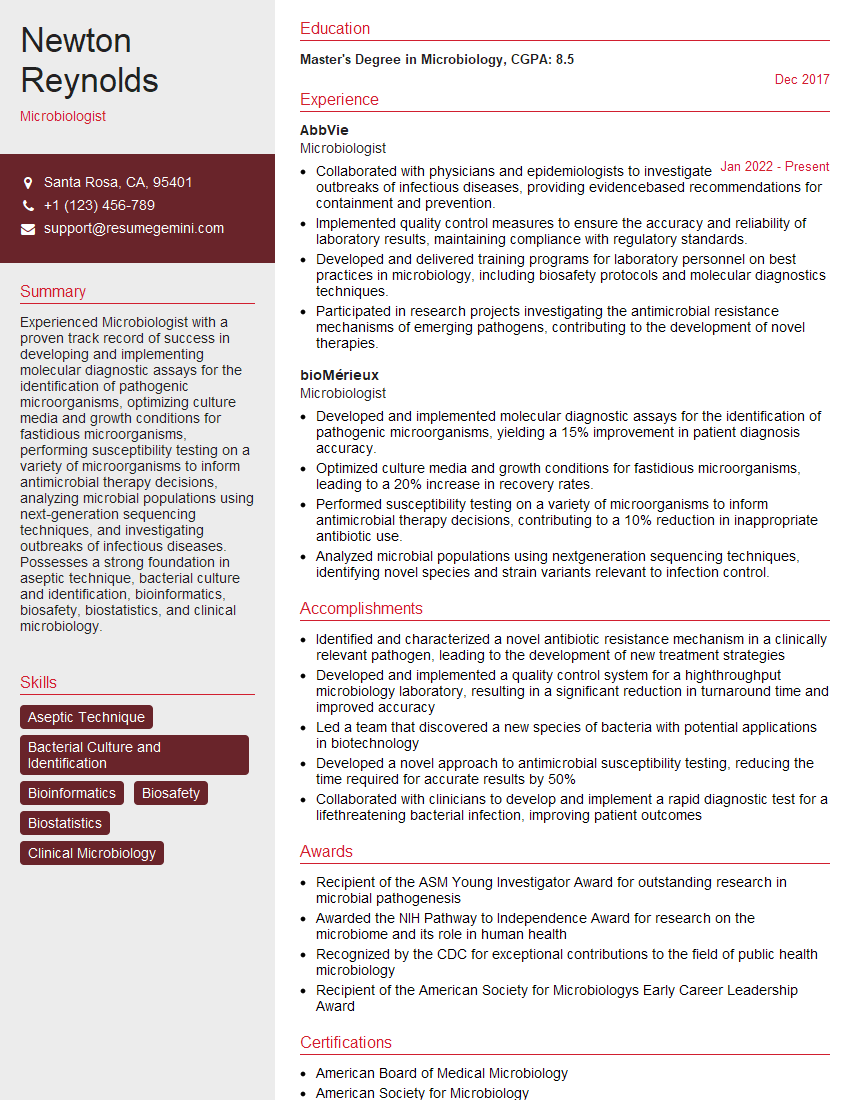
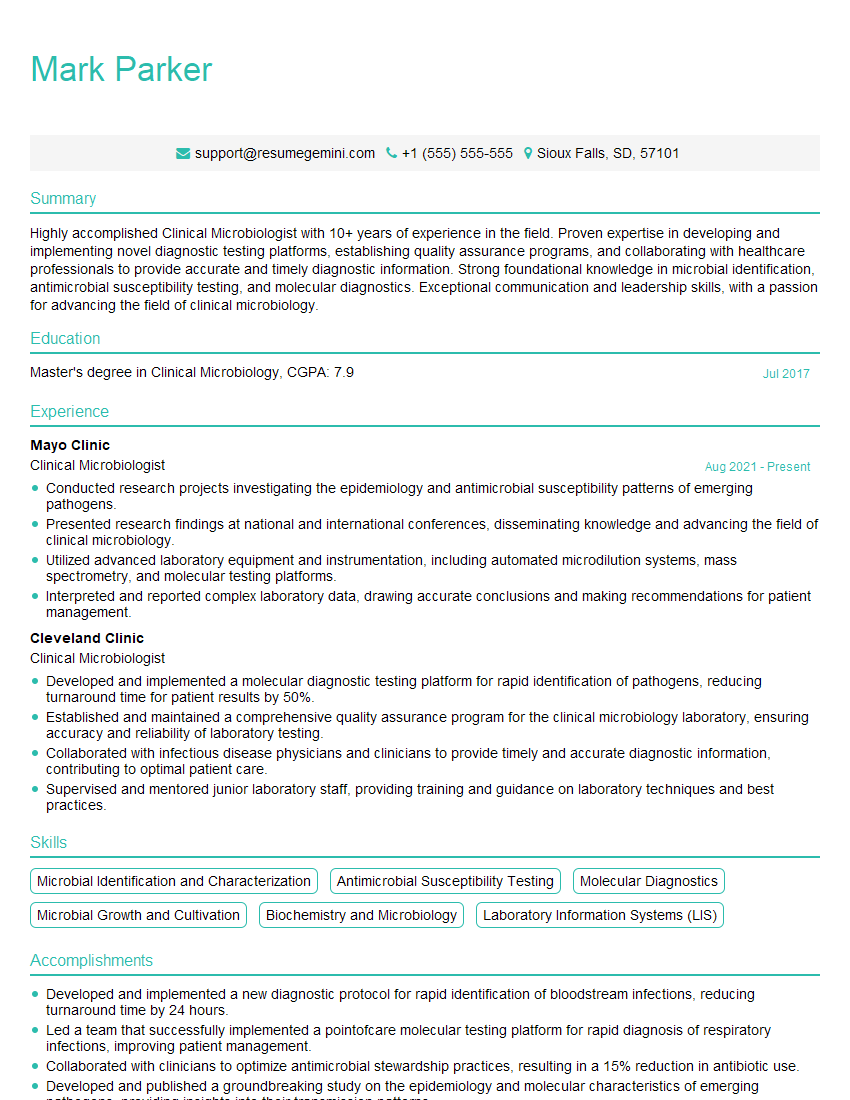
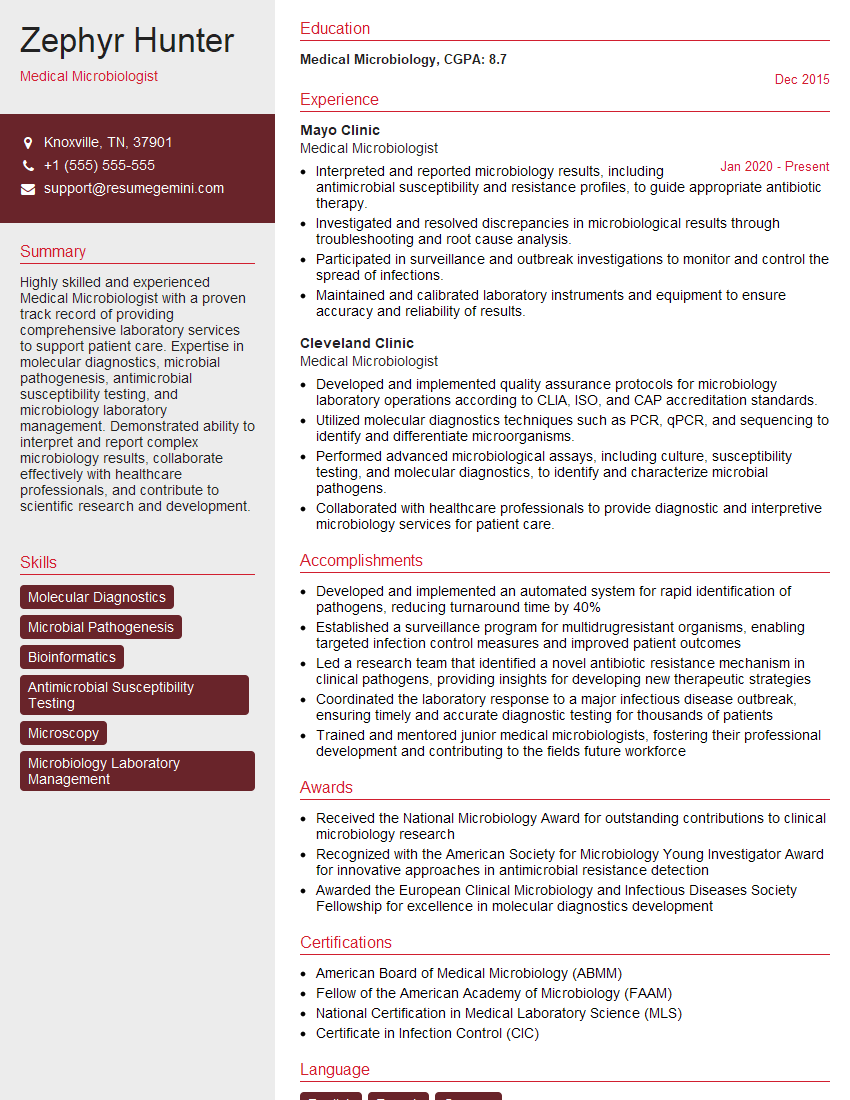
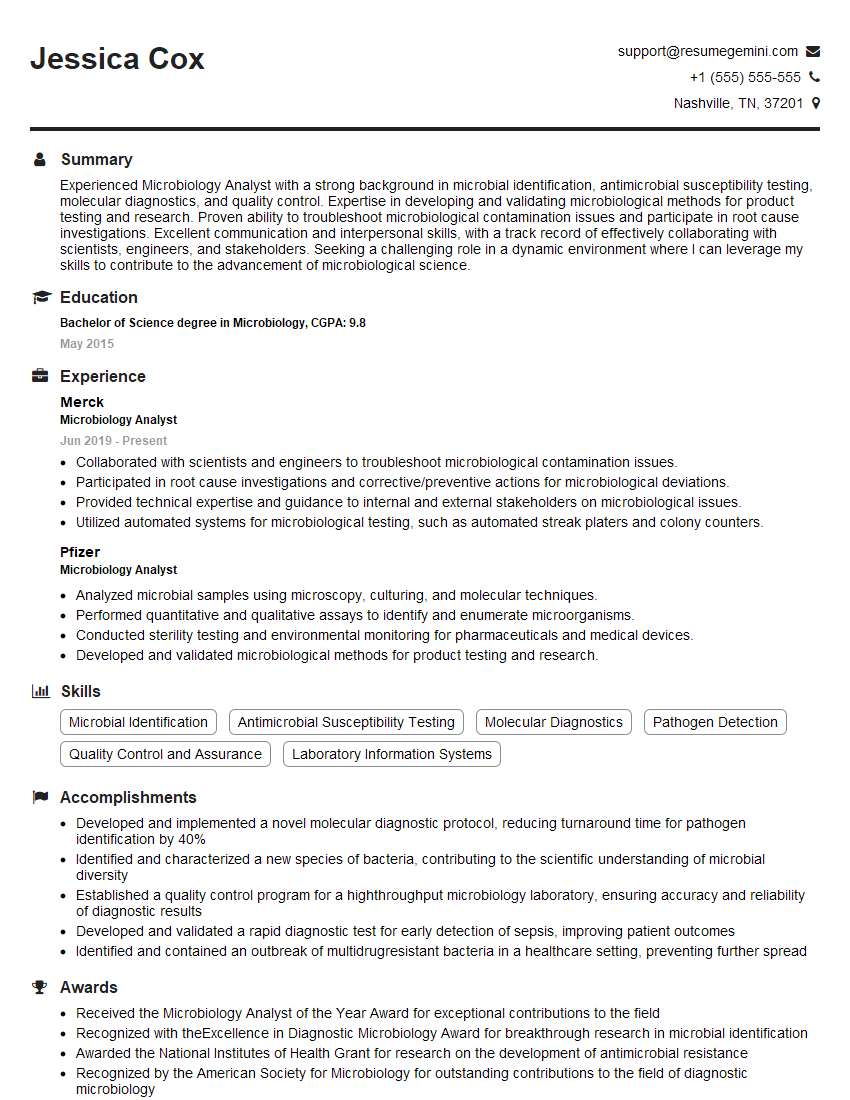
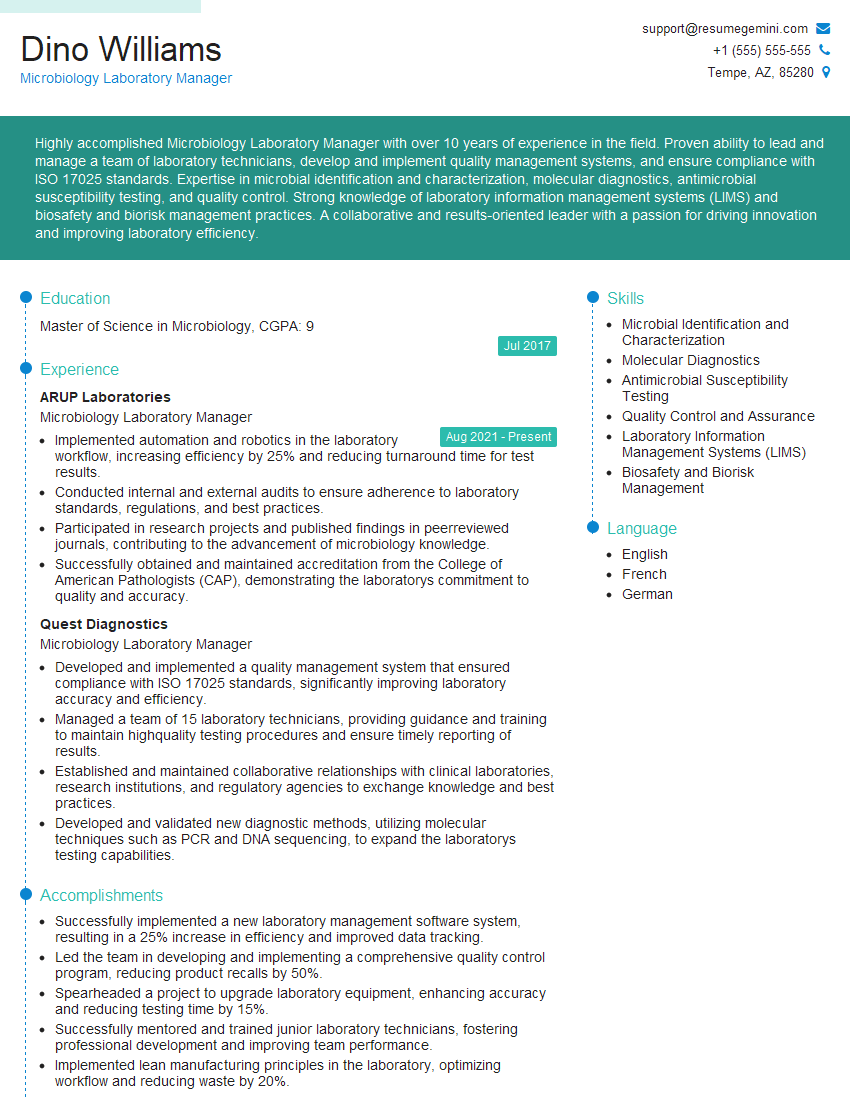
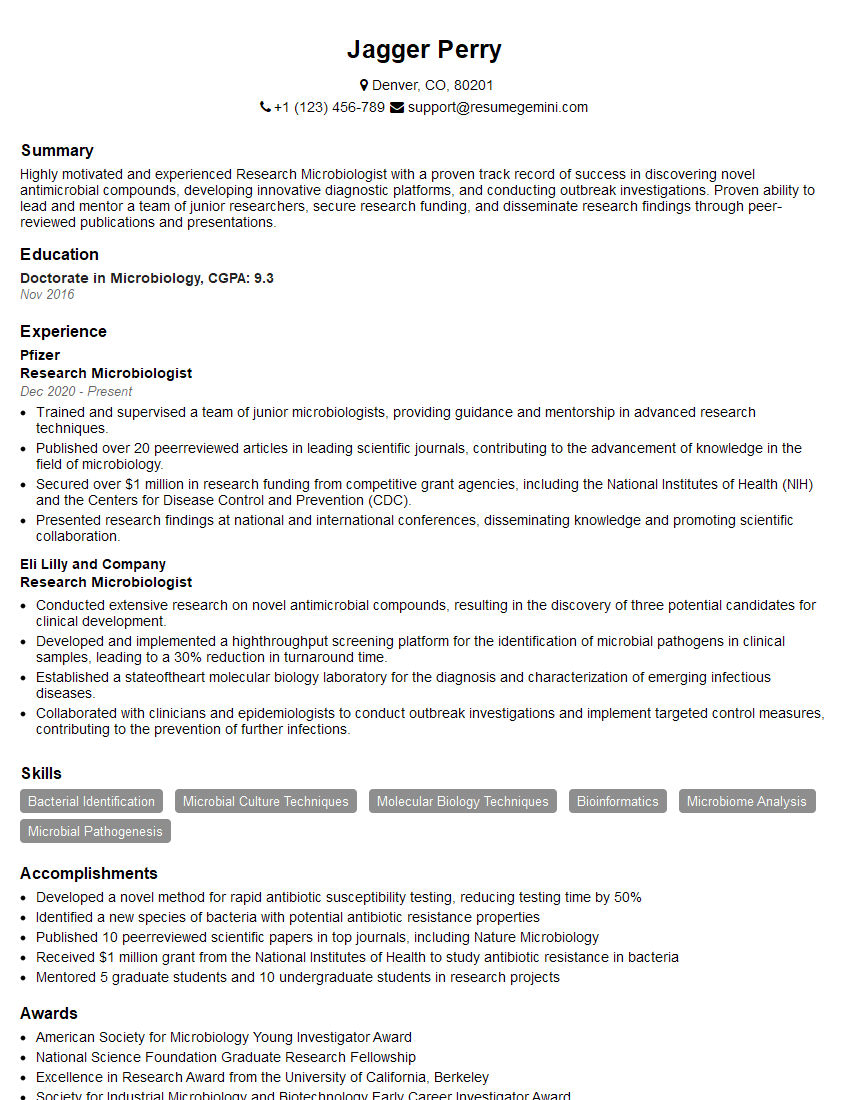
Mastering Microbiological Analysis opens doors to exciting career opportunities in various sectors, from pharmaceuticals and food safety to environmental monitoring and clinical diagnostics. To maximize your job prospects, creating a strong, ATS-friendly resume is essential. ResumeGemini is a trusted resource that can help you build a professional and impactful resume tailored to highlight your skills and experience. Examples of resumes specifically designed for Microbiological Analysis professionals are available, providing you with a valuable template to adapt and customize for your own unique qualifications. Invest the time in crafting a compelling resume – it’s your first impression on potential employers.
Explore more articles
Users Rating of Our Blogs
Share Your Experience
We value your feedback! Please rate our content and share your thoughts (optional).
What Readers Say About Our Blog
Really detailed insights and content, thank you for writing this detailed article.
IT gave me an insight and words to use and be able to think of examples