Preparation is the key to success in any interview. In this post, we’ll explore crucial Knowledge of food safety regulations and standards interview questions and equip you with strategies to craft impactful answers. Whether you’re a beginner or a pro, these tips will elevate your preparation.
Questions Asked in Knowledge of food safety regulations and standards Interview
Q 1. Describe your experience with HACCP principles and implementation.
HACCP, or Hazard Analysis and Critical Control Points, is a preventative food safety system. My experience with HACCP spans over ten years, encompassing its implementation across various food production environments, from small-batch bakeries to large-scale meat processing plants. I’ve been involved in every stage, from conducting hazard analyses and identifying critical control points (CCPs) to developing and implementing monitoring procedures, corrective actions, and record-keeping systems. For instance, in a bakery setting, we identified the baking temperature as a CCP for E. coli control, establishing a minimum temperature and monitoring system with detailed records. In a meat processing plant, we focused on CCPs like chilling and sanitation to prevent Listeria contamination.
My expertise also extends to HACCP validation and verification. This involves ensuring the effectiveness of the system through regular audits, reviewing records and adjusting procedures where necessary. I’ve trained numerous personnel in HACCP principles, enabling them to understand and apply these crucial food safety measures effectively.
Q 2. Explain the difference between GMPs and HACCP.
While both GMPs (Good Manufacturing Practices) and HACCP are crucial for food safety, they address different aspects. GMPs are general guidelines covering all aspects of production, focusing on hygiene, sanitation, facility design, and personnel practices. Think of GMPs as the foundation – they establish a clean and organized production environment. HACCP, on the other hand, is a preventative system specifically targeting potential hazards within the production process. It’s a more proactive, scientific approach to identifying and controlling specific risks.
A helpful analogy is building a house: GMPs are like building a strong and sturdy structure with proper materials and techniques, while HACCP is like installing a fire alarm and sprinkler system to prevent and mitigate specific hazards. Both are essential for a safe and functional home (or food production facility).
Q 3. How do you conduct a food safety audit?
Conducting a food safety audit involves a systematic review of a food business’s operations to assess its compliance with relevant regulations and standards. This process usually involves a multi-step approach. Firstly, I’d review relevant documentation such as HACCP plans, GMP records, supplier certifications, and training records. Secondly, I’d conduct an on-site inspection, observing production processes, equipment sanitation, worker hygiene, and storage practices. I’d look for potential hazards, gaps in the food safety system, and documentation inconsistencies. Finally, I would analyze all collected data, identifying areas of strength and weakness, and producing a comprehensive report detailing findings, recommendations for improvement, and corrective actions. A key part of the process is communicating my findings clearly and collaborating with the facility to develop a plan for improvement.
For example, during an audit of a restaurant, I might observe improper handwashing techniques, leading to a recommendation for retraining staff on hand hygiene and implementing visual prompts in the kitchen.
Q 4. What are the key elements of a food safety management system?
A robust Food Safety Management System (FSMS) integrates various elements to ensure food safety throughout the entire supply chain. Key elements include:
- Hazard Analysis: Identifying potential biological, chemical, and physical hazards.
- HACCP Plan: Developing a plan to control identified hazards.
- GMPs: Implementing good manufacturing practices for hygiene and sanitation.
- Supplier Management: Ensuring safe sourcing of ingredients.
- Traceability: Establishing a system to trace products throughout the supply chain.
- Internal Audits: Regularly assessing the effectiveness of the FSMS.
- Corrective Actions: Implementing procedures to address identified problems.
- Record Keeping: Maintaining detailed records of all aspects of the FSMS.
- Personnel Training: Educating employees on food safety procedures.
- Continuous Improvement: Regularly evaluating and improving the FSMS.
A strong FSMS is not a one-time implementation, but rather a dynamic and evolving system designed to anticipate and prevent food safety issues.
Q 5. Describe your experience with food allergen management.
My experience with food allergen management is extensive, encompassing the development and implementation of allergen control programs across diverse food facilities. I understand the legal requirements and the critical importance of preventing allergen cross-contamination. This includes establishing procedures to prevent allergen cross-contact during processing, packaging, and storage. For example, in a nut processing facility, we implemented a dedicated, segregated line for nut-free products, ensuring complete separation throughout the entire process. We also put robust cleaning and sanitation protocols in place to remove any trace of allergens between production runs.
Moreover, I’m skilled in designing and implementing allergen labeling protocols, ensuring accurate and compliant labeling to meet regulatory requirements and protect consumers with allergies. This involves managing ingredient specifications, verifying supplier declarations and creating traceability systems to track allergens through the supply chain.
Q 6. How do you handle food safety incidents or recalls?
Handling food safety incidents or recalls requires a swift, decisive, and coordinated response. My experience involves initiating and managing recall procedures, working closely with regulatory bodies and internal teams. The first step involves promptly identifying the scope and nature of the problem through thorough investigation. This involves reviewing production records, tracing affected products, and collaborating with laboratories to confirm the nature of the contamination or hazard. Once confirmed, a comprehensive recall strategy is developed and implemented, including notifying customers, distributors, and retailers.
Communication is key throughout this process. We inform relevant authorities (e.g., FDA), issue public alerts, and provide clear instructions for consumers on how to return affected products. Post-recall, a thorough investigation is carried out to determine the root cause and prevent future incidents. This often includes adjustments to our HACCP plans, training programs, and supplier management procedures.
Q 7. Explain your understanding of foodborne illness prevention.
Foodborne illness prevention is paramount in food safety. My understanding encompasses multiple layers of control, beginning with proper hygiene practices among food handlers. This includes handwashing, proper sanitation of equipment, and safe food handling techniques. We must also maintain adequate temperature control throughout the entire food chain, keeping hot foods hot and cold foods cold to inhibit microbial growth. This includes safe food storage, proper cooling procedures, and utilization of temperature monitoring tools.
Preventing cross-contamination is crucial, too. This involves separating raw and cooked foods, using separate cutting boards and utensils, and practicing effective cleaning and sanitizing protocols. Finally, robust supplier management ensures the quality and safety of raw ingredients, and regular training programs keep food handlers updated on best practices and changing regulatory requirements.
Q 8. What are the critical control points (CCPs) in a specific food production process (e.g., canning)?
Critical Control Points (CCPs) are steps in a food production process where a loss of control could lead to an unacceptable food safety risk. In canning, several CCPs are crucial. Think of it like a chain – if one link breaks, the whole thing fails. Let’s look at canning low-acid foods, like vegetables:
Ingredient Receiving and Handling: Ensuring raw materials are safe, free from contamination, and meet quality standards. A failure here could introduce pathogens early in the process.
Pre-treatment (Blanching): This step inactivates enzymes that could affect quality and safety. Insufficient blanching could lead to spoilage or off-flavors.
Filling and Sealing: Maintaining proper headspace (the space between the food and the lid) is critical. Incorrect headspace can lead to inadequate vacuum sealing and potential for microbial growth.
Heat Processing (Retorting): This is arguably the most crucial CCP. It’s essential to achieve the correct temperature and time to destroy harmful microorganisms. Underprocessing leaves dangerous bacteria alive, leading to botulism – a deadly form of food poisoning. Overprocessing can lead to poor quality.
Cooling: Rapid cooling post-retorting is important to prevent spoilage and maintain product quality. Failure to cool properly can cause microbial growth.
Storage and Distribution: Maintaining proper temperature and preventing contamination during storage and distribution is critical to preventing spoilage and maintaining food safety until the product reaches the consumer.
Each of these steps requires precise monitoring and control to ensure food safety.
Q 9. How do you ensure the effectiveness of sanitation programs?
Effective sanitation programs hinge on a multifaceted approach that goes beyond simple cleaning. It’s about systematically reducing or eliminating pathogens and maintaining a hygienic environment. Think of it like meticulous house cleaning, but for a food production facility. Key elements include:
Standard Operating Procedures (SOPs): Detailed written procedures for all sanitation tasks, outlining steps, chemicals, concentrations, contact times, and verification methods. These SOPs must be followed religiously.
Proper Cleaning and Sanitizing Agents: Selecting appropriate chemicals and using them at correct concentrations is critical. Using the wrong chemical or improper concentration can be ineffective or even damage equipment.
Effective Cleaning Methods: Using appropriate tools and techniques to remove visible soil and food residues before sanitization. This is about getting rid of the dirt before killing the remaining germs.
Sanitization Verification: Utilizing methods like ATP bioluminescence testing or microbial swabbing to verify the effectiveness of the sanitation process. This provides objective proof that your cleaning efforts are successful.
Employee Training: Thorough training of employees on proper sanitation procedures, emphasizing personal hygiene and safe handling of cleaning chemicals. Your team is the most important part of keeping things clean.
Monitoring and Documentation: Regular monitoring, recording, and reviewing of sanitation practices to identify weaknesses and improve efficiency. Good records are key to demonstrating compliance and identifying trends.
Regular audits and inspections are vital for ensuring continuous improvement and maintaining high sanitation standards.
Q 10. What are your methods for monitoring and controlling temperature in food storage and processing?
Temperature control is paramount in food safety. Think of it like Goldilocks and the Three Bears – the temperature needs to be just right. We use a combination of methods:
Calibration and Maintenance of Equipment: Regular calibration of thermometers and other temperature monitoring devices is crucial for accuracy. Equipment needs regular maintenance to ensure it functions correctly.
Monitoring Devices: Using a variety of temperature monitoring devices, including thermocouples, data loggers, and refrigeration thermometers, to track temperatures in various locations throughout the facility. These devices provide a detailed record of temperatures over time.
Temperature Recording: Meticulous record-keeping, often using electronic systems, to document temperature readings at regular intervals. This provides an auditable trail.
Temperature Control Strategies: Implementing procedures for adjusting temperature settings and responding to temperature deviations. This could involve adjusting refrigeration settings or implementing corrective actions if temperatures go out of range.
HACCP (Hazard Analysis and Critical Control Point) Implementation: Integrating temperature control into the HACCP plan to identify critical control points and establish monitoring parameters.
For example, in a cold storage facility, we might have multiple temperature probes monitoring different sections to ensure uniform temperatures. Any deviation triggers an alert, allowing for immediate corrective action.
Q 11. How familiar are you with FDA and USDA regulations?
I’m very familiar with both FDA (Food and Drug Administration) and USDA (United States Department of Agriculture) regulations. My understanding encompasses their respective jurisdictions, and I can readily interpret and apply their guidelines to various food production processes. The FDA regulates most foods (except meat, poultry, and egg products), while the USDA handles these specific products. I’m also up-to-date on the most current regulations such as the Food Safety Modernization Act (FSMA), which significantly changed the landscape of food safety regulation, focusing on preventative controls.
For instance, I understand the requirements for Hazard Analysis and Critical Control Points (HACCP) plans mandated by both agencies, including the detailed documentation and validation necessary for compliance. My experience covers various areas of regulatory compliance including labeling, processing standards, and facility sanitation requirements.
Q 12. Describe your experience with food labeling regulations.
Food labeling regulations are complex and crucial for consumer protection. I’ve worked extensively with both FDA and USDA labeling requirements. This includes understanding and adhering to the detailed information needed for correct labeling, such as ingredient lists, nutritional facts, allergen information, net weight, and any necessary warnings. Imagine the chaos if consumers couldn’t trust the information on food labels!
My experience includes ensuring accuracy and compliance with regulations concerning claims like ‘organic,’ ‘gluten-free,’ or ‘low sodium.’ I’m adept at navigating the nuances of different labeling requirements for various food categories and handling updates to regulations.
For example, I’ve been involved in developing and verifying labels for both processed and raw products, ensuring they meet all legal requirements and avoid misleading information.
Q 13. What are your knowledge of pest control measures in a food environment?
Pest control is non-negotiable in a food production environment. It’s about protecting the food supply from contamination. A comprehensive pest control program involves:
Prevention: Creating a pest-resistant environment through good sanitation, proper storage of materials, and sealing cracks and crevices where pests could enter.
Monitoring: Regularly monitoring for pest activity using traps, visual inspections, and other methods. This helps detect infestations early on.
Integrated Pest Management (IPM): Implementing an IPM program that prioritizes preventative measures and uses pesticides only when necessary. This is a more environmentally friendly and effective approach compared to relying solely on pesticides.
Pest Control Professionals: Working with licensed and experienced pest control professionals who understand food safety regulations and use appropriate methods and products.
Documentation: Maintaining detailed records of pest control activities, including monitoring results, pesticide applications, and professional service reports. This demonstrates compliance and allows for tracking of potential issues.
One example of a preventative measure is ensuring proper storage of raw materials to prevent attracting pests. Effective sanitation prevents pests from finding food sources.
Q 14. How do you ensure traceability of food products?
Traceability is the ability to track a food product through all stages of its production, processing, and distribution. It’s like having a detailed ‘family tree’ for your food. This is critical for identifying the source of contamination in case of a foodborne illness outbreak. Effective traceability systems involve:
Lot Numbering and Coding: Assigning unique lot numbers or codes to each batch of product, allowing for tracking throughout the entire supply chain.
Record Keeping: Maintaining accurate and detailed records of all activities related to the product, including processing dates, suppliers, storage locations, and distribution points.
Electronic Systems: Utilizing electronic data management systems to track products and information efficiently. This improves speed and accuracy.
Supplier Relationships: Developing strong relationships with suppliers to ensure they have robust traceability systems in place. It’s a team effort.
Verification: Regular verification and audits of traceability systems to ensure accuracy and effectiveness. This helps catch errors and prevents disruptions.
For example, if a batch of contaminated product is identified, traceability enables quick identification and removal of all affected products from the market, minimizing risk to consumers.
Q 15. How would you train employees on food safety practices?
Food safety training is crucial for preventing contamination and ensuring the safety of consumers. My approach is multifaceted and combines various training methods to cater to different learning styles.
- Interactive Workshops: Hands-on sessions covering topics like proper handwashing, hygiene, temperature control, allergen awareness, and safe food handling practices. We use real-life scenarios and interactive exercises to reinforce learning. For example, we might simulate a food preparation scenario and have employees identify potential hazards.
- Online Modules: Utilizing online platforms allows for self-paced learning, covering regulatory information and company-specific policies. Quizzes and assessments ensure comprehension. This is especially useful for ongoing refresher training.
- On-the-Job Training (OJT): Experienced food safety personnel shadow and mentor new hires, providing practical, real-time guidance. This is critical for skill development and immediate application of knowledge.
- Regular Audits and Feedback: Periodic observations and evaluations of employees’ practices help identify areas for improvement and ensure consistent application of food safety protocols. Regular feedback sessions provide constructive criticism and support.
- Documentation and Certification: Employees must sign off on training materials to acknowledge their understanding and commitment. We also track certifications and ensure all personnel are properly qualified.
This comprehensive approach ensures that all employees are adequately trained and confident in their ability to maintain high food safety standards.
Career Expert Tips:
- Ace those interviews! Prepare effectively by reviewing the Top 50 Most Common Interview Questions on ResumeGemini.
- Navigate your job search with confidence! Explore a wide range of Career Tips on ResumeGemini. Learn about common challenges and recommendations to overcome them.
- Craft the perfect resume! Master the Art of Resume Writing with ResumeGemini’s guide. Showcase your unique qualifications and achievements effectively.
- Don’t miss out on holiday savings! Build your dream resume with ResumeGemini’s ATS optimized templates.
Q 16. How do you address food safety concerns raised by employees?
Addressing employee concerns regarding food safety is paramount. My approach prioritizes open communication, thorough investigation, and prompt resolution.
- Open Communication Channels: Encouraging employees to voice their concerns through multiple channels (e.g., suggestion boxes, direct reporting to supervisors, anonymous reporting systems) ensures that issues are not ignored.
- Thorough Investigation: Upon receiving a concern, a prompt and thorough investigation is launched. This involves interviewing involved parties, reviewing relevant documentation, and potentially conducting environmental testing. The goal is to identify the root cause and prevent recurrence.
- Corrective Actions: Based on the investigation’s findings, immediate corrective actions are implemented to address the identified hazard. This might involve equipment repair, retraining staff, implementing new procedures, or discarding contaminated products.
- Documentation and Follow-Up: All concerns, investigations, and corrective actions are meticulously documented. Follow-up checks ensure the effectiveness of the implemented solutions and that similar incidents are avoided. For example, a documented procedure for addressing a temperature fluctuation in a refrigerator might include checking the unit’s functionality and retraining staff on temperature monitoring.
- Employee Feedback: Regularly soliciting feedback ensures the effectiveness of implemented solutions and further enhances employee engagement in maintaining food safety.
This system ensures that potential food safety problems are addressed quickly and efficiently, protecting both employees and consumers.
Q 17. What are your experience with food safety record-keeping and documentation?
Accurate and comprehensive record-keeping is essential for demonstrating compliance with food safety regulations and facilitating continuous improvement. My experience encompasses all facets of food safety documentation.
- HACCP Plans: I have extensive experience in developing, implementing, and maintaining Hazard Analysis and Critical Control Point (HACCP) plans, which document potential hazards and the controls needed to mitigate them. This includes establishing critical limits, monitoring procedures, and corrective actions.
- Temperature Logs: I ensure consistent and accurate monitoring and recording of temperatures at all critical control points (e.g., refrigerators, freezers, cooking processes). Deviations are investigated and documented.
- Supplier Records: Maintain detailed records of suppliers, including certifications, product specifications, and delivery information to trace sources of ingredients and identify potential problems.
- Pest Control Logs: Keeping meticulous records of pest control activities, including inspections, treatments, and follow-up actions, is vital for preventing contamination.
- Training Records: Maintain records of all employee training activities, including attendance, assessments, and certifications.
- Incident Reporting and Investigations: Detailed documentation of any incidents, investigations, and corrective actions is maintained to prevent recurrence and demonstrate proactive management of food safety.
My approach emphasizes digital record-keeping systems for efficient data management, analysis, and easy retrieval during audits. We ensure easy access for authorized personnel and maintain secure data storage practices.
Q 18. What are the key factors that influence food safety risk assessment?
A food safety risk assessment identifies hazards that could compromise food safety and determines the likelihood and severity of those hazards. Key factors influencing this assessment include:
- Hazard Identification: Identifying biological (bacteria, viruses), chemical (pesticides, cleaning agents), and physical (glass, metal) hazards present in the food production process.
- Severity Assessment: Determining the potential severity of the consequences if a hazard occurs. This may involve assessing potential illnesses, injuries, or economic losses.
- Probability Assessment: Estimating the likelihood of a hazard occurring based on factors such as frequency of occurrence, control measures, and environmental conditions.
- Vulnerable Populations: Considering populations at higher risk from foodborne illness, such as young children, elderly people, or those with compromised immune systems.
- Food Characteristics: Considering the food’s inherent properties (perishability, water activity, pH) which influence the growth of microorganisms.
- Process Steps: Analyzing all steps of the food production process, from procurement of raw materials to packaging and distribution, to identify vulnerable points.
- Environmental Factors: Taking into account factors like temperature, humidity, and sanitation conditions that impact microbial growth and survival.
- Control Measures: Evaluating existing and potential control measures (e.g., temperature control, sanitation, allergen management) to reduce the likelihood and severity of hazards.
A thorough risk assessment guides the development and implementation of effective control measures to minimize food safety risks.
Q 19. What is your approach to ensuring compliance with food safety standards?
Ensuring compliance with food safety standards requires a proactive and comprehensive approach.
- Regular Audits: Conducting internal audits to identify gaps in compliance and areas needing improvement. These audits should cover all aspects of the food safety management system.
- Regulatory Compliance: Staying updated on current food safety regulations (e.g., FDA, USDA) and adapting processes to meet all legal requirements. This includes understanding and implementing relevant standards like HACCP, GMP (Good Manufacturing Practices), and other specific requirements.
- Supplier Management: Establishing strong relationships with suppliers and requiring them to provide necessary certifications and documentation to ensure that ingredients meet food safety standards.
- Employee Training: Providing thorough and ongoing food safety training for all employees to ensure that everyone understands their role in maintaining a safe food environment.
- Record Keeping: Maintaining accurate and detailed records of all food safety activities, including audits, training, temperature logs, and corrective actions.
- Corrective Actions: Developing and implementing effective corrective actions to address any identified non-conformances or deviations from standards.
- Continuous Improvement: Regularly reviewing and improving the food safety management system based on audits, feedback, and emerging best practices.
Proactive compliance not only prevents legal issues but also builds consumer trust and enhances the reputation of the organization.
Q 20. Explain your understanding of food spoilage and its prevention.
Food spoilage is the undesirable changes in food that make it unpalatable or unsafe for consumption. This is typically caused by the action of microorganisms (bacteria, yeasts, molds), enzymes, or chemical reactions.
- Microbial Spoilage: Bacteria, yeasts, and molds grow and multiply in food, producing off-flavors, odors, and potentially harmful toxins. Factors influencing microbial growth include temperature, water activity, pH, and the presence of oxygen.
- Enzymatic Spoilage: Enzymes naturally present in food can cause undesirable changes in color, texture, and flavor, even in the absence of microbial growth. This is often seen in browning of fruits and vegetables.
- Chemical Spoilage: Chemical reactions, such as oxidation, can lead to rancidity in fats and oils, changes in color, and off-flavors.
Prevention strategies include:
- Temperature Control: Refrigeration and freezing inhibit microbial growth. Proper cooking temperatures kill harmful microorganisms.
- Water Activity Control: Reducing the water content of food (e.g., drying, dehydration) limits microbial growth.
- pH Control: Adjusting the acidity or alkalinity of food can inhibit the growth of certain microorganisms.
- Packaging: Using appropriate packaging materials that prevent microbial entry, reduce oxygen exposure, and maintain quality.
- Proper Storage: Storing food in appropriate conditions (temperature, humidity, and light exposure) slows spoilage.
- First-In, First-Out (FIFO): Rotating stock to use older products first ensures that food doesn’t stay in storage for extended periods.
Implementing these strategies minimizes spoilage and ensures food safety and quality.
Q 21. How do you evaluate the effectiveness of sanitation procedures?
Evaluating sanitation procedures involves both visual inspection and objective measurement to confirm effectiveness. My approach involves a multi-pronged strategy.
- Visual Inspection: Regular visual checks for cleanliness of equipment, surfaces, and work areas. This includes checking for visible dirt, food residue, grease, and evidence of pest activity.
- ATP Bioluminescence Testing: Using ATP swabs to measure adenosine triphosphate (ATP), an indicator of organic residue. High ATP readings indicate inadequate cleaning. This provides an objective measure of cleanliness.
- Microbial Testing: Regular environmental swabs are taken to detect the presence of pathogenic or indicator microorganisms. This reveals potential contamination sources. Specific tests depend on the food product and processing environment.
- Sanitizer Effectiveness Testing: Periodically testing the concentration and effectiveness of sanitizers used to ensure they are killing microorganisms effectively.
- Documentation Review: Reviewing sanitation logs, checklists, and other documentation to ensure procedures are being followed correctly and consistently.
- Employee Training: Evaluating the effectiveness of sanitation training by observing employee practices and identifying any areas for improvement.
By combining these methods, a comprehensive assessment of sanitation effectiveness is obtained. This allows for the implementation of corrective actions, improved sanitation procedures, and ultimately, increased food safety.
Q 22. Describe your knowledge of different types of food contamination.
Food contamination can be broadly categorized into three main types: biological, chemical, and physical. Biological contamination involves the presence of harmful microorganisms such as bacteria (like Salmonella or E. coli), viruses (like norovirus), parasites (like Toxoplasma gondii), and fungi (like Aspergillus). These can cause foodborne illnesses ranging from mild discomfort to severe, even life-threatening, conditions. Chemical contamination refers to the presence of harmful chemicals in food, either intentionally (e.g., pesticide residues exceeding safe limits) or unintentionally (e.g., heavy metals leaching from packaging). Physical contamination involves foreign objects in food, such as pieces of glass, metal, plastic, or insects. Think of finding a hair in your soup – that’s a classic example of physical contamination. Each type poses unique risks, and understanding their sources and prevention methods is crucial for ensuring food safety.
- Biological: Improper handling of raw meat, inadequate cooking temperatures, cross-contamination during preparation.
- Chemical: Use of contaminated water for irrigation, pesticide overuse, improper storage of chemicals near food.
- Physical: Poor hygiene practices during food preparation, damaged equipment shedding particles into food, pest infestations.
Q 23. What is your experience with validating food safety equipment?
My experience with validating food safety equipment is extensive. I’ve been involved in validating a wide range of equipment, including high-temperature ovens, refrigeration units, and metal detectors. Validation isn’t just about checking if the equipment works; it’s about rigorously proving that it consistently performs as intended within specified parameters. This involves documenting the entire process, from establishing acceptance criteria based on relevant standards and regulations (e.g., temperature accuracy for ovens), to designing and conducting tests, and finally, analyzing the data to demonstrate compliance. For example, validating a high-temperature oven might involve using calibrated thermometers at multiple points within the oven to confirm that it reaches and maintains the required temperature for a specified duration. Failure to properly validate equipment increases the risk of food safety failures and can lead to costly recalls and reputational damage.
Q 24. Describe your experience with investigating food safety complaints.
Investigating food safety complaints requires a systematic and thorough approach. My experience involves interviewing affected individuals to understand the nature of their complaint, collecting and analyzing food samples (if available), tracing the food’s journey through the supply chain, and reviewing production and handling records. I’ve been involved in several investigations ranging from individual complaints of illness to larger-scale outbreaks. One memorable case involved tracing a salmonella outbreak to contaminated chicken at a local restaurant. The investigation involved reviewing supplier records, examining kitchen practices, and interviewing staff. Through meticulous record-keeping and analysis, we were able to identify the source and implement corrective actions to prevent future occurrences. Effective investigation is crucial not only for resolving individual complaints but also for identifying systemic weaknesses that could impact public health.
Q 25. How familiar are you with ISO 22000?
I’m very familiar with ISO 22000, the internationally recognized standard for food safety management systems. It’s a comprehensive standard that outlines the requirements for establishing, implementing, maintaining, and continually improving a food safety management system across the entire food chain. My understanding encompasses the principles of hazard analysis and critical control points (HACCP), prerequisite programs (PRPs), and the importance of management commitment and employee training. ISO 22000 provides a framework for integrating all aspects of food safety, from raw material sourcing to finished product distribution, ensuring consistent safety and quality. I’ve assisted numerous organizations in implementing and maintaining ISO 22000 compliance, helping them improve their food safety practices and gain a competitive advantage.
Q 26. How do you stay up-to-date with changes in food safety regulations?
Staying current with changes in food safety regulations requires continuous effort. I regularly monitor updates from relevant agencies like the FDA (Food and Drug Administration) and the USDA (United States Department of Agriculture) through their websites, newsletters, and publications. I also attend industry conferences, workshops, and webinars. Subscription to professional journals and participation in industry associations help me maintain an up-to-date understanding of evolving best practices and regulatory requirements. Professional networking with other food safety professionals allows for the exchange of information and experiences, ensuring a comprehensive understanding of the ever-changing landscape of food safety.
Q 27. Describe your experience with implementing and maintaining a food safety management system.
I have extensive experience in implementing and maintaining food safety management systems. This includes developing and documenting procedures, conducting regular internal audits, managing corrective and preventive actions (CAPAs), and conducting staff training. For instance, I worked with a large food processing plant to implement a HACCP plan, identifying critical control points and establishing monitoring procedures. This involved a thorough hazard analysis, mapping the production process, and developing control measures for each critical control point. Ongoing monitoring and record-keeping are essential to ensure the effectiveness of the system, and regular internal audits allow for the identification of areas for improvement. The ultimate goal is to establish a culture of food safety within the organization, where every employee understands their role in preventing contamination and ensuring food safety.
Q 28. How would you handle a situation where a food safety violation is discovered?
Discovering a food safety violation requires immediate and decisive action. The first step is to contain the situation to prevent further contamination or harm. This might involve isolating the affected product, halting production if necessary, and informing relevant authorities. A thorough investigation is then initiated to determine the root cause of the violation. This investigation would follow a structured approach, collecting evidence, interviewing personnel, and reviewing records. Once the root cause is identified, corrective actions are implemented to rectify the situation and prevent recurrence. Depending on the severity of the violation, a recall might be necessary. Finally, a thorough documentation of the entire process, including the investigation findings, corrective actions, and preventive measures, is essential to demonstrate compliance and to prevent future incidents. Transparency and clear communication are key throughout the process, both internally and with relevant regulatory bodies.
Key Topics to Learn for a Food Safety Regulations and Standards Interview
- Hazard Analysis and Critical Control Points (HACCP): Understand the principles of HACCP, including hazard identification, critical control point determination, and monitoring procedures. Consider practical applications like developing a HACCP plan for a specific food product.
- Foodborne Illness Prevention: Learn about common foodborne pathogens (e.g., Salmonella, E. coli, Listeria), their sources, and methods for prevention. Think about how you would address a potential contamination incident in a food production setting.
- Good Manufacturing Practices (GMPs) and Good Hygiene Practices (GHPs): Master the principles of GMPs and GHPs, including sanitation, personal hygiene, and facility maintenance. Be prepared to discuss how these practices contribute to overall food safety.
- Food Safety Regulations (Specific to your region): Familiarize yourself with relevant federal, state, or local food safety regulations. This might involve understanding labeling requirements, allergen control, or specific regulations for your industry.
- Food Safety Management Systems (FSMS): Understand the implementation and maintenance of food safety management systems, such as ISO 22000 or other relevant standards. Explore how these systems ensure consistent food safety practices.
- Allergen Control and Management: Develop a strong understanding of allergen control measures, including labeling requirements, cross-contamination prevention, and procedures for managing allergic reactions.
- Traceability and Recall Procedures: Learn about the importance of traceability systems in food production and how to effectively manage a product recall if necessary. Prepare to discuss practical solutions for tracking and identifying contaminated products.
- Food Storage and Transportation: Understand proper temperature control, storage conditions, and transportation practices to maintain food safety throughout the supply chain.
Next Steps
Mastering food safety regulations and standards is crucial for career advancement in the food industry, opening doors to higher-level positions and increased responsibility. A strong understanding of these principles demonstrates your commitment to safety and quality, making you a highly desirable candidate. To maximize your job prospects, create an ATS-friendly resume that highlights your skills and experience effectively. ResumeGemini is a trusted resource that can help you build a professional resume that stands out. They provide examples of resumes tailored to food safety regulations and standards to help guide you in showcasing your expertise. Invest the time in crafting a compelling resume – it’s your first impression to a potential employer.
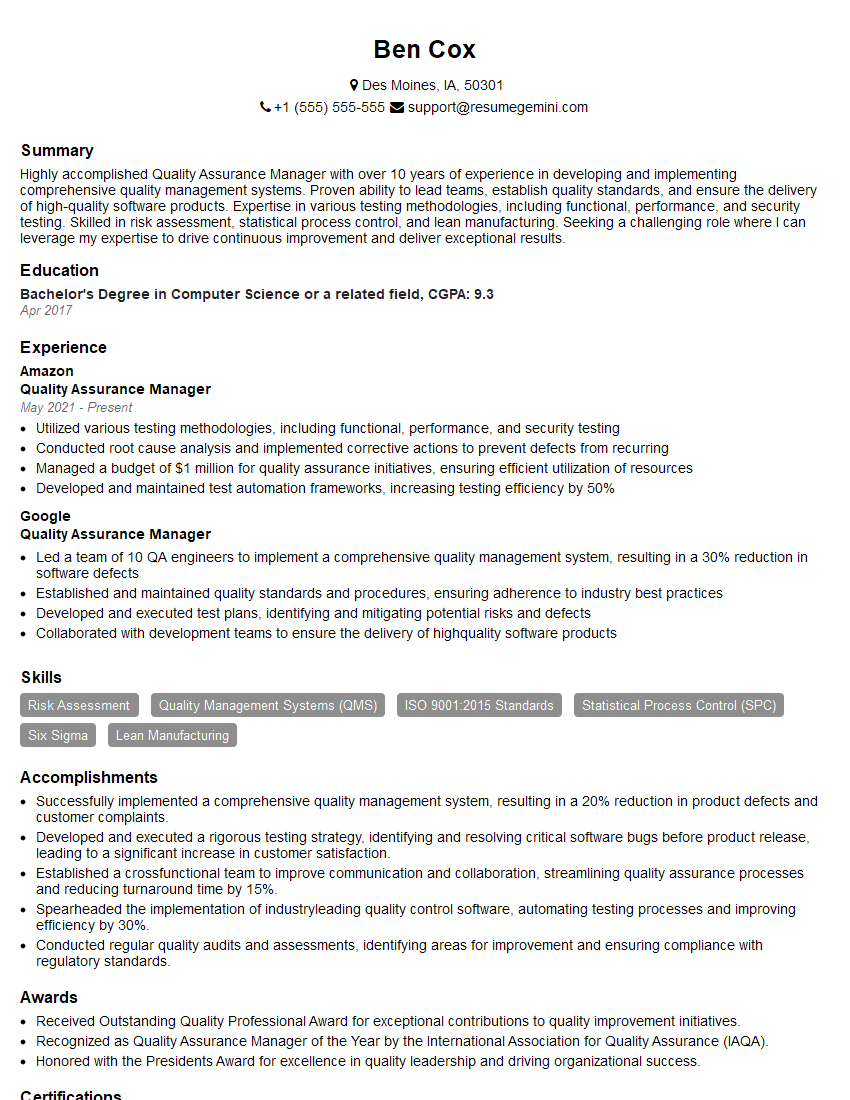
Quality Assurance Manager Resume Sample
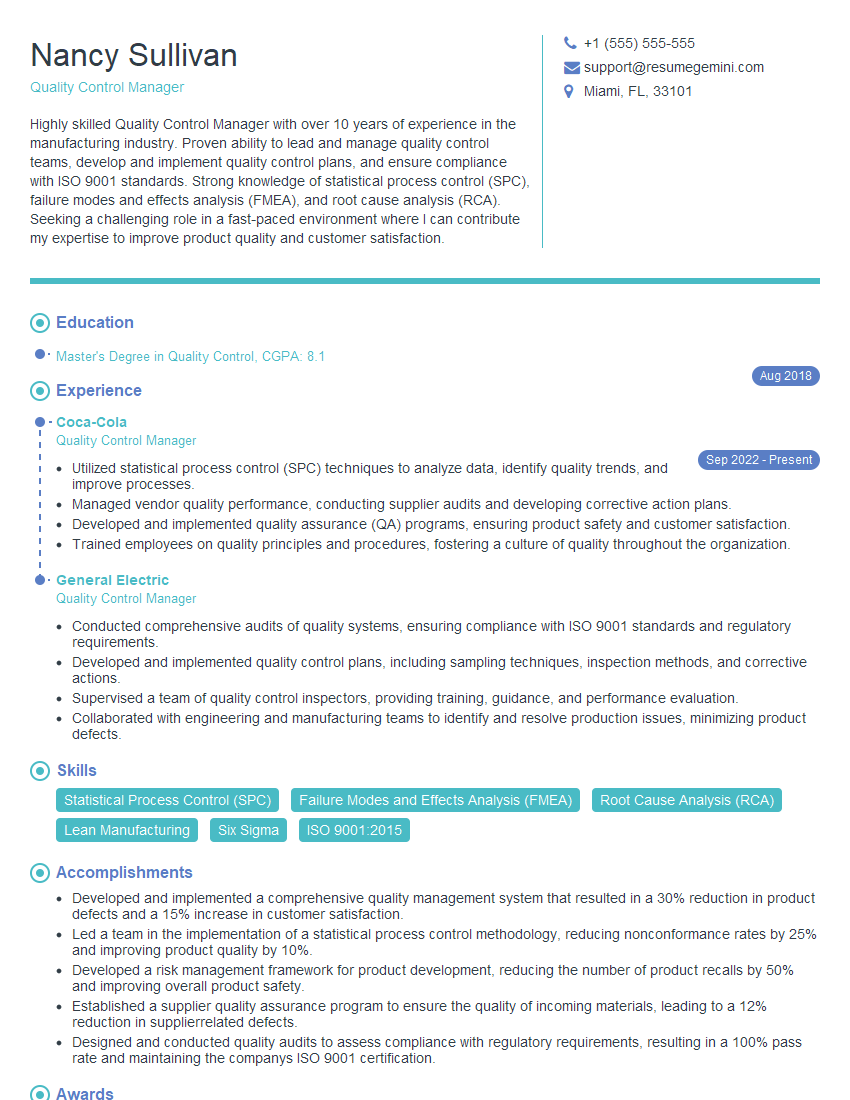
Quality Control Manager Resume Sample
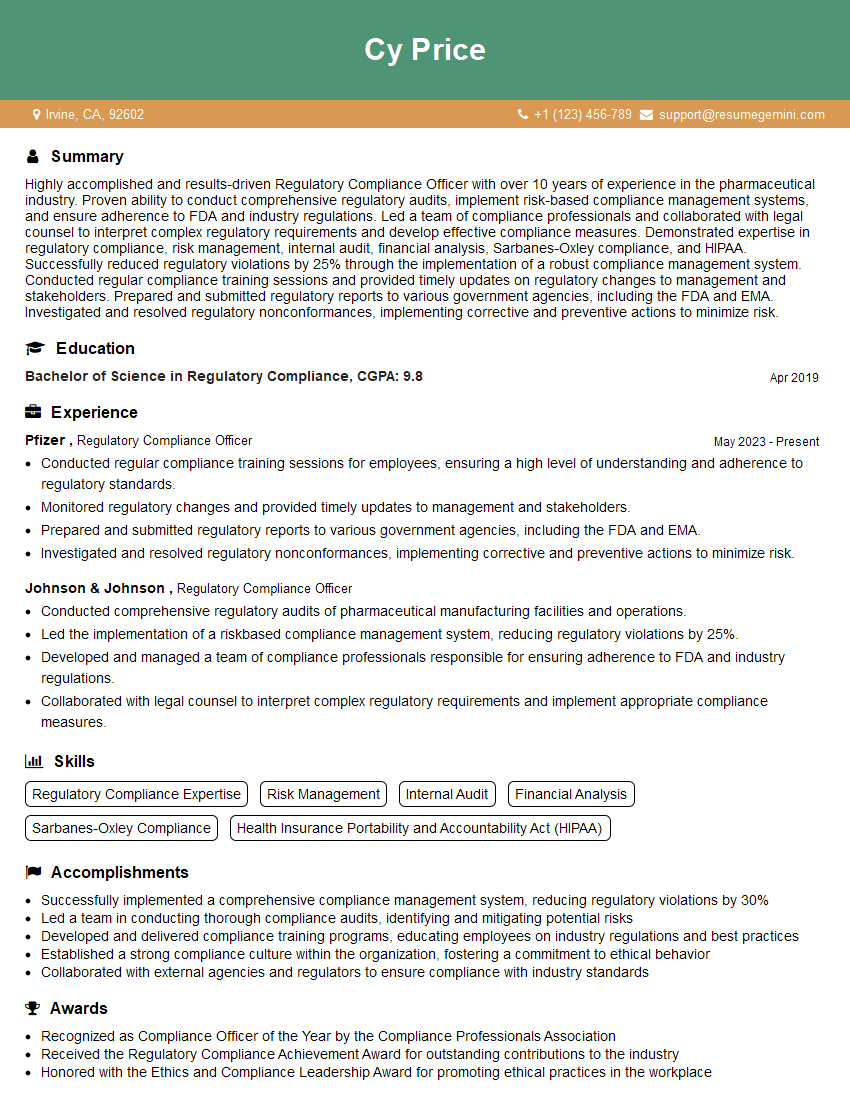
Regulatory Compliance Officer Resume Sample
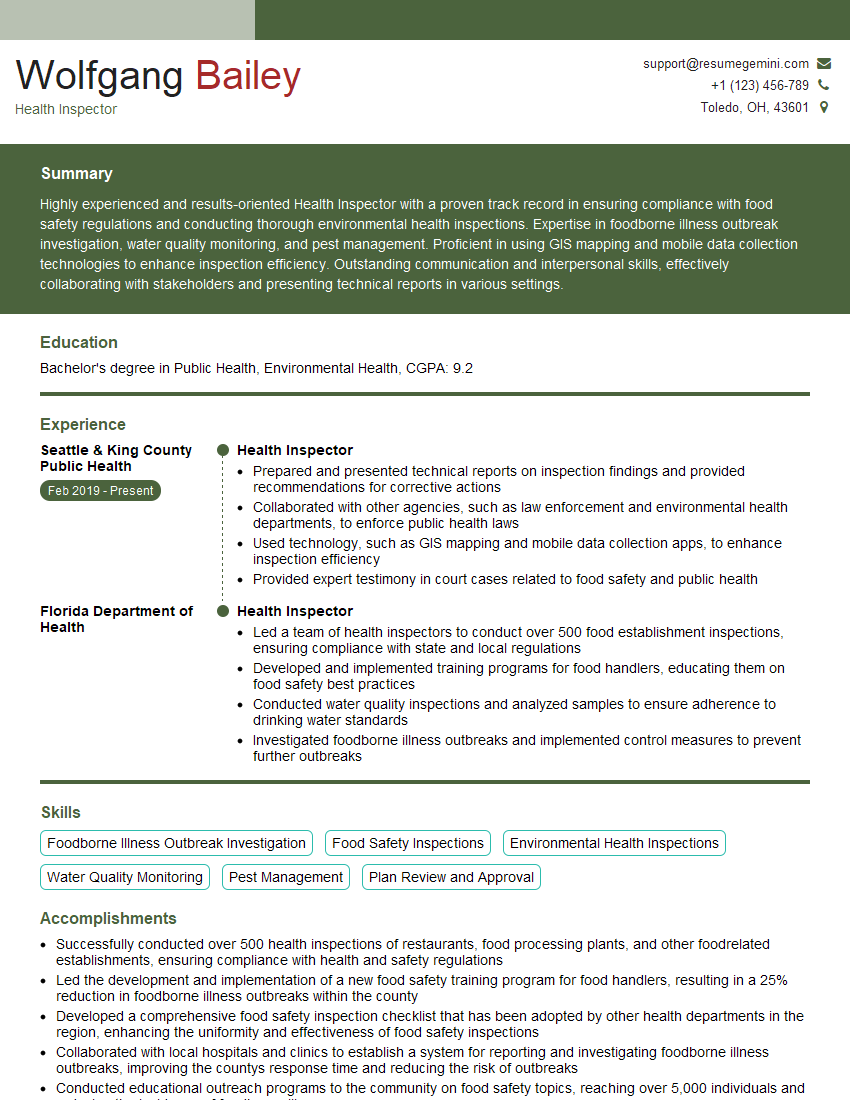
Health Inspector Resume Sample
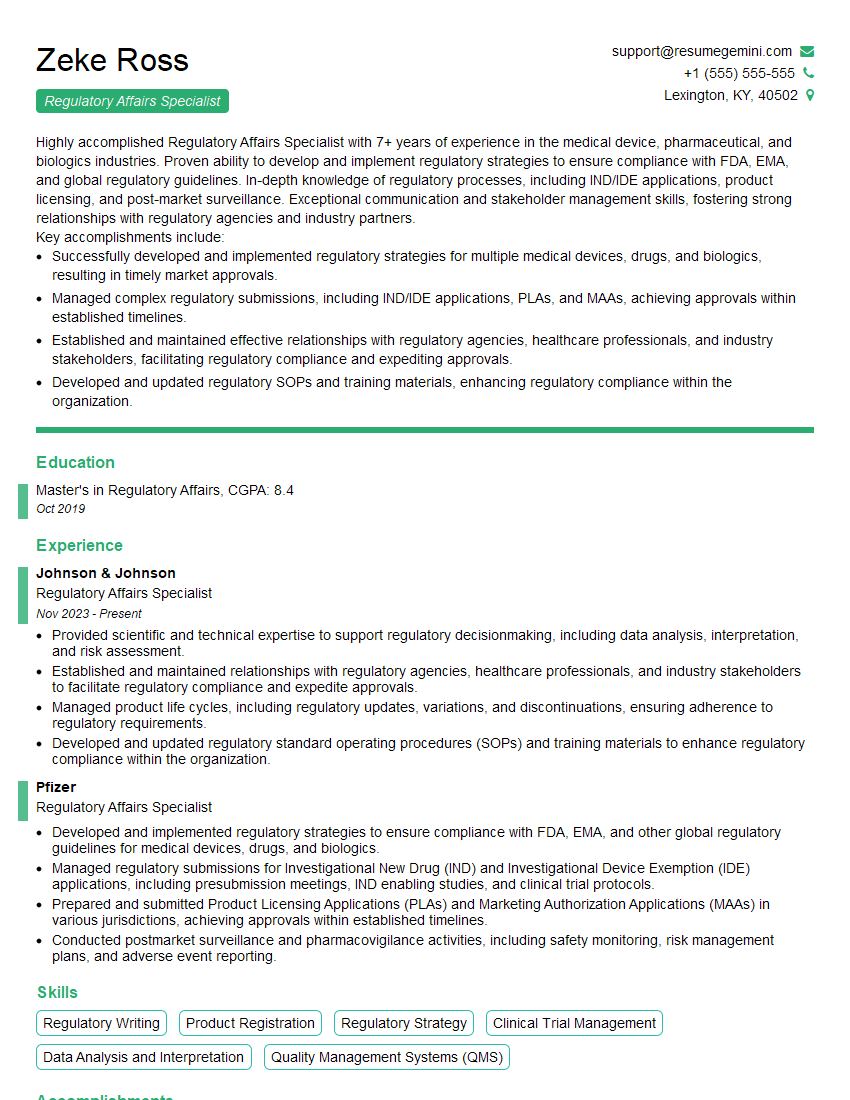
Regulatory Affairs Specialist Resume Sample
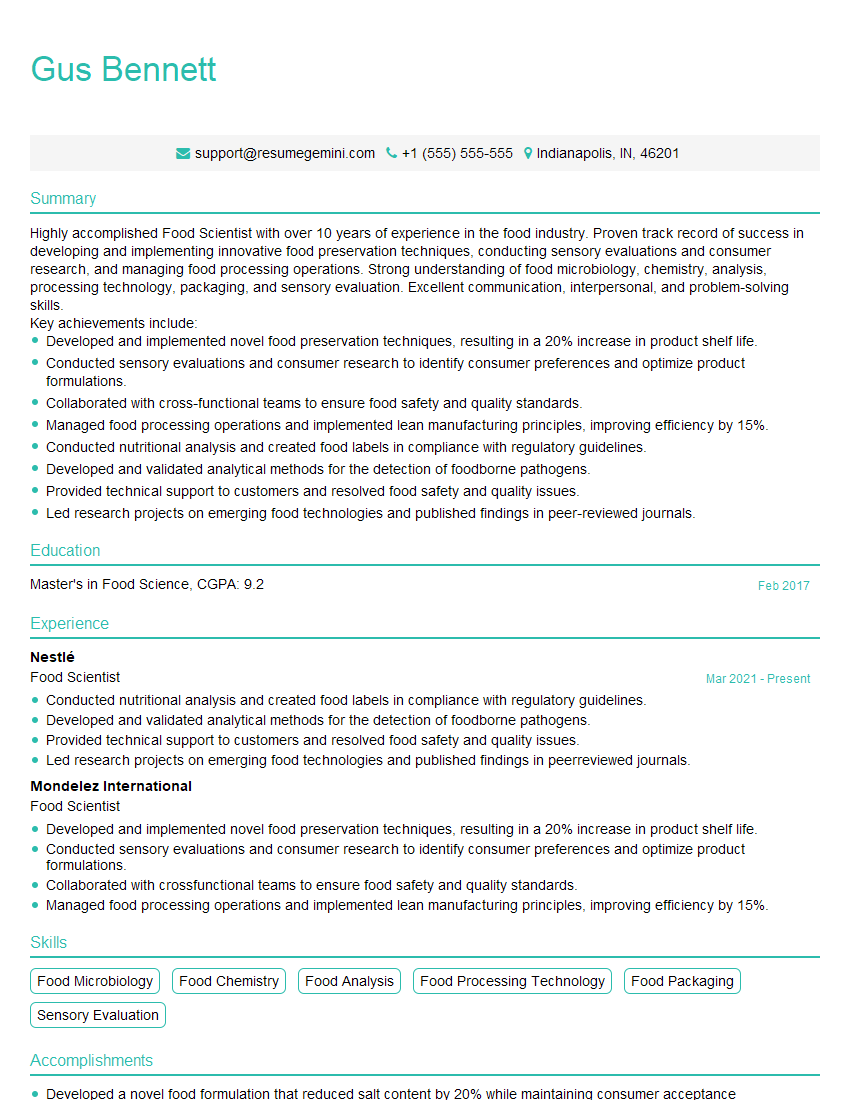
Food Scientist Resume Sample

Food Technologist Resume Sample
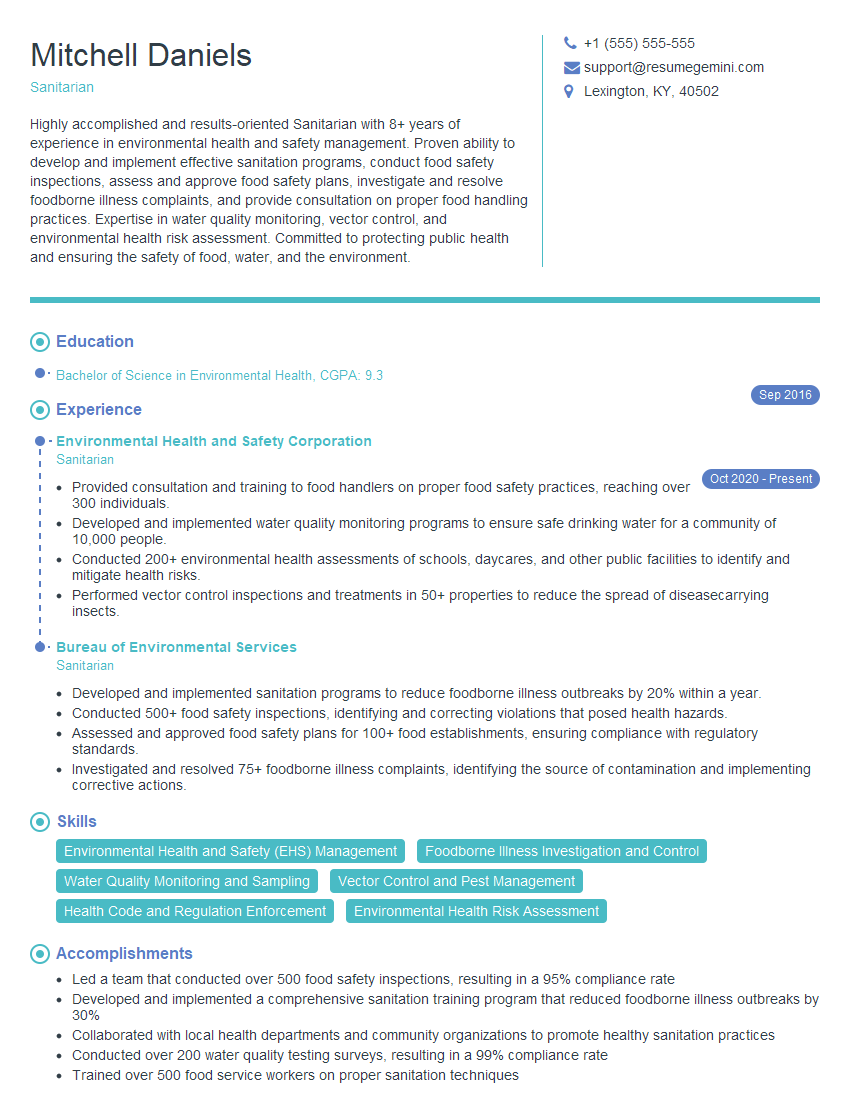
Sanitarian Resume Sample
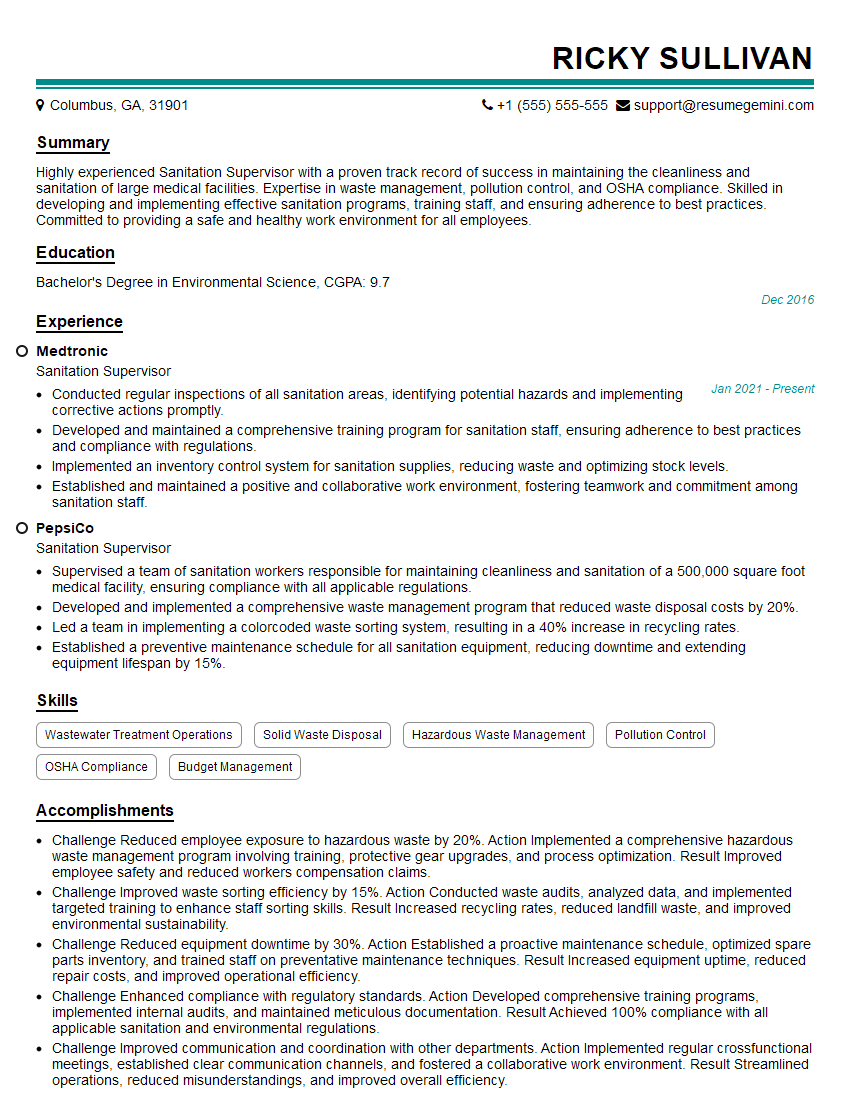
Sanitation Supervisor Resume Sample
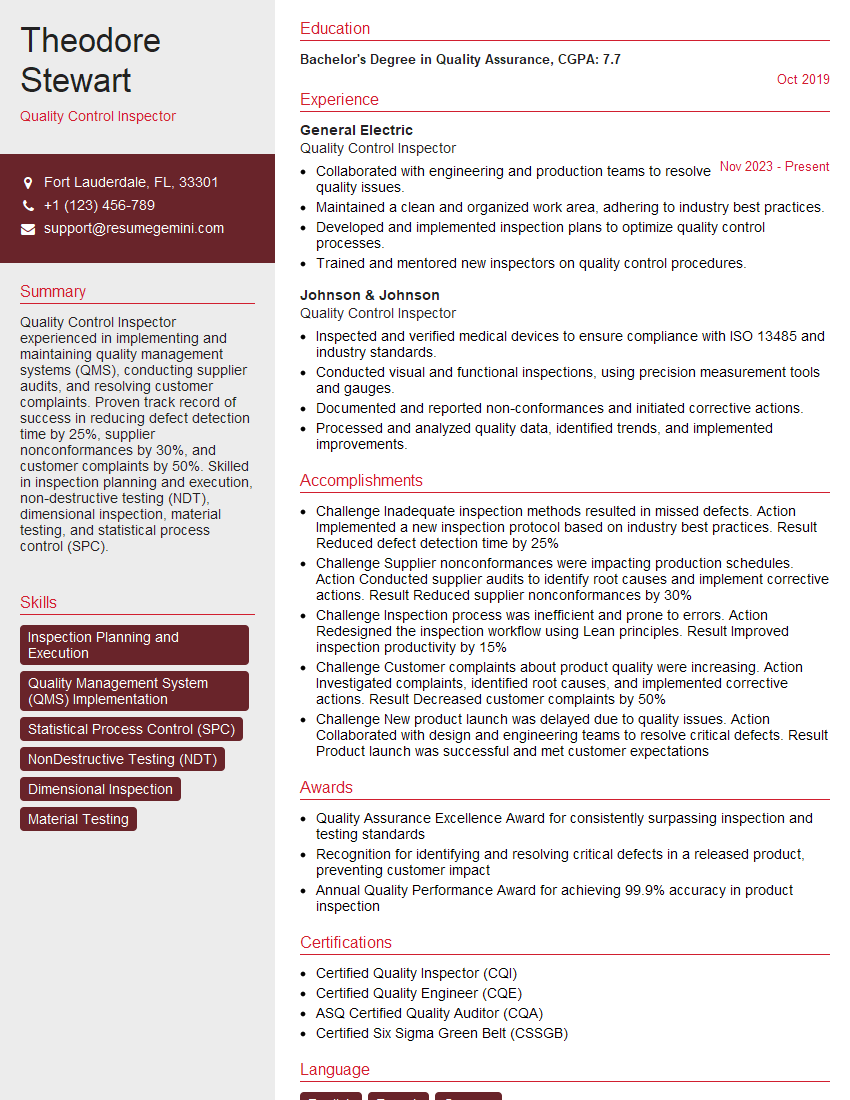
Quality Control Inspector Resume Sample
Explore more articles
Users Rating of Our Blogs
Share Your Experience
We value your feedback! Please rate our content and share your thoughts (optional).
What Readers Say About Our Blog
Really detailed insights and content, thank you for writing this detailed article.
IT gave me an insight and words to use and be able to think of examples