Every successful interview starts with knowing what to expect. In this blog, we’ll take you through the top Adhere to safety and environmental regulations interview questions, breaking them down with expert tips to help you deliver impactful answers. Step into your next interview fully prepared and ready to succeed.
Questions Asked in Adhere to safety and environmental regulations Interview
Q 1. Describe your experience with OSHA regulations.
My experience with OSHA regulations is extensive. OSHA, or the Occupational Safety and Health Administration, sets and enforces standards to ensure safe and healthful working conditions. Over the years, I’ve been directly involved in implementing and maintaining OSHA compliance across various industries. This includes:
- Developing and implementing safety programs: This involves creating comprehensive programs that address hazards specific to the workplace, incorporating elements like hazard identification, risk assessment, and control measures. For example, in a manufacturing setting, I’d develop protocols for machine guarding, lockout/tagout procedures, and personal protective equipment (PPE) usage, all in accordance with relevant OSHA standards.
- Conducting regular safety inspections and training: I’ve led numerous workplace inspections, identifying potential hazards and ensuring compliance with OSHA standards. This also involves delivering training to employees on topics such as hazard recognition, safe work practices, and emergency procedures. A recent example involved training employees on the proper use of forklifts to prevent accidents.
- Investigating workplace accidents and incidents: In the event of accidents, I’ve conducted thorough investigations to determine root causes, implement corrective actions, and prevent recurrence. This often involves analyzing incident reports, interviewing witnesses, and recommending improvements to safety procedures.
- Maintaining OSHA recordkeeping: I’m familiar with the requirements for maintaining accurate records of workplace injuries and illnesses, ensuring compliance with OSHA’s reporting regulations.
My approach emphasizes proactive safety measures, continuous improvement, and employee engagement to foster a culture of safety within the workplace.
Q 2. Explain your understanding of ISO 14001.
ISO 14001 is an internationally recognized standard for environmental management systems (EMS). It provides a framework for organizations to manage their environmental impact, reduce pollution, and improve overall environmental performance. My understanding encompasses its core principles, including:
- Environmental Policy: The foundation of an EMS, defining the organization’s commitment to environmental protection and outlining its objectives and targets.
- Planning: Identifying environmental aspects (activities that can interact with the environment), assessing their potential impacts, and establishing controls to minimize those impacts.
- Implementation and Operation: Putting the EMS into practice, including resource allocation, training, and operational controls.
- Checking and Corrective Action: Monitoring and measuring environmental performance, identifying deviations from established targets, and implementing corrective actions.
- Management Review: A regular review process to ensure the EMS remains effective and achieves its intended objectives.
I’ve worked with organizations to implement and maintain ISO 14001 certification, guiding them through the process of documentation, audits, and continuous improvement. For example, I helped a manufacturing company reduce its water consumption by 20% by optimizing its production processes and implementing water-saving technologies. This exemplifies the practical application of ISO 14001 principles.
Q 3. How would you conduct a workplace safety audit?
Conducting a workplace safety audit involves a systematic process to evaluate the effectiveness of safety programs and identify potential hazards. My approach follows these steps:
- Planning: Defining the scope, objectives, and methodology of the audit. This involves identifying areas to be audited, the relevant safety regulations and standards, and the team members involved.
- Document Review: Examining existing safety procedures, training records, and incident reports to understand the current state of safety management.
- On-site Inspection: Conducting a physical walkthrough of the workplace, observing work practices, identifying hazards, and assessing the effectiveness of controls. This includes checking for proper use of PPE, machine guarding, emergency exits, and other safety features.
- Interviews: Speaking with employees at various levels to gather their perspectives on safety practices and identify any concerns or issues. This ensures a comprehensive understanding from all viewpoints.
- Findings and Reporting: Documenting all observations, findings, and recommendations for corrective actions. The report clearly outlines the identified hazards, their potential consequences, and specific recommendations to mitigate the risks.
- Follow-up: Monitoring the implementation of corrective actions to ensure that identified hazards are effectively addressed.
For instance, in a recent audit, I discovered inadequate lighting in a storage area, which increased the risk of slips, trips, and falls. My report included recommendations for improved lighting and additional safety signage.
Q 4. What are your methods for identifying and mitigating environmental risks?
Identifying and mitigating environmental risks involves a proactive and systematic approach. My methods include:
- Environmental Impact Assessment (EIA): Conducting comprehensive EIAs to evaluate the potential environmental effects of projects or activities. This includes identifying potential impacts on air, water, and land, as well as considering the social and economic aspects.
- Hazard Identification and Risk Assessment: Systematically identifying potential environmental hazards, such as pollution, spills, and waste generation. Assessing the likelihood and potential consequences of these hazards to prioritize risk mitigation efforts.
- Pollution Prevention: Implementing measures to prevent pollution at its source, such as using cleaner technologies, improving process efficiency, and implementing waste minimization strategies. For instance, I’ve assisted companies in switching to less polluting solvents and reducing energy consumption.
- Emergency Preparedness and Response: Developing emergency plans to manage and respond to environmental incidents, including spills, leaks, and other emergencies. This often involves establishing procedures for containment, cleanup, and reporting.
- Compliance Monitoring: Continuously monitoring environmental performance against regulatory requirements and established targets. This might involve regular environmental monitoring, reporting, and auditing to maintain compliance.
A practical example would be working with a construction site to implement measures to prevent soil erosion and water pollution during construction activities, using appropriate erosion and sediment control measures.
Q 5. Describe your experience with environmental impact assessments.
My experience with environmental impact assessments (EIAs) is extensive. I have conducted numerous EIAs for various projects, ranging from small-scale developments to large-scale industrial projects. The process typically involves:
- Scoping: Defining the scope of the EIA, identifying the key environmental issues and potential impacts.
- Baseline Data Collection: Gathering data on the existing environmental conditions in the project area.
- Impact Prediction: Predicting the potential environmental impacts of the project, using various modeling techniques and expert judgment.
- Mitigation Measures: Developing and evaluating mitigation measures to reduce or eliminate negative environmental impacts.
- Public Consultation: Engaging with stakeholders, including local communities and regulatory agencies, to gather input and address concerns.
- Reporting: Preparing a comprehensive EIA report that documents the findings and recommendations.
A memorable project involved an EIA for a proposed wind farm. We had to carefully assess the potential impacts on bird populations and develop mitigation strategies to minimize those impacts, which included adjusting turbine placement and implementing bird monitoring programs.
Q 6. How do you ensure compliance with environmental permits and licenses?
Ensuring compliance with environmental permits and licenses is crucial for minimizing environmental risks and avoiding penalties. My approach involves:
- Permit Acquisition: Assisting organizations in obtaining the necessary environmental permits and licenses, ensuring all required information is accurate and complete.
- Permit Conditions: Thoroughly understanding the conditions of each permit, ensuring the organization adheres to all stipulated requirements.
- Record Keeping: Maintaining accurate and detailed records of all environmental activities and monitoring data, as required by the permits.
- Regular Monitoring: Implementing a robust monitoring program to track environmental performance and ensure compliance with permit limits.
- Reporting: Submitting timely and accurate reports to regulatory agencies, as required by the permits. This often includes annual reports summarizing compliance and any deviations.
- Audits and Inspections: Participating in internal and external audits to identify areas for improvement and ensure ongoing compliance.
For example, I’ve worked with industrial facilities to ensure they are consistently monitoring their wastewater discharge and reporting the results to the environmental protection agency, preventing non-compliance and potential fines.
Q 7. Explain your experience with waste management and disposal practices.
My experience with waste management and disposal practices encompasses a broad range of techniques and strategies. This includes:
- Waste Minimization: Implementing strategies to reduce waste generation at its source, such as process optimization, material substitution, and recycling.
- Waste Segregation: Developing and implementing systems for segregating waste streams, facilitating recycling and proper disposal.
- Waste Treatment: Utilizing appropriate waste treatment technologies, such as incineration, composting, or biological treatment, to reduce the volume and hazardous nature of waste.
- Waste Disposal: Ensuring proper disposal of waste according to relevant regulations, utilizing licensed landfills or other approved disposal facilities.
- Hazardous Waste Management: Managing hazardous waste according to stringent regulations, including proper labeling, storage, transportation, and disposal.
- Waste Audits: Conducting regular waste audits to assess the effectiveness of waste management practices and identify areas for improvement.
In a previous role, I helped a company implement a comprehensive waste management program that significantly reduced landfill waste and increased recycling rates. This involved introducing new waste segregation procedures, negotiating contracts with recycling facilities, and conducting employee training on proper waste handling.
Q 8. How do you handle emergencies related to environmental spills or accidents?
Emergency response to environmental spills or accidents is a critical aspect of responsible environmental management. Our protocol follows a well-defined, tiered approach, prioritizing safety and minimizing environmental damage. First, we activate our emergency response team, which comprises trained personnel equipped with appropriate personal protective equipment (PPE) and specialized equipment. The team’s immediate actions focus on containing the spill – preventing further spread and protecting sensitive ecosystems. This might involve deploying booms to contain liquid spills on water, or absorbent materials for land-based spills. Simultaneously, we initiate notification procedures, contacting relevant authorities like the Environmental Protection Agency (EPA) or local emergency services, as required by law. A comprehensive assessment of the spill’s extent and the affected area then follows, using methods like soil sampling or water quality testing. The cleanup process is carefully planned and executed based on the specific contaminant and environmental conditions. Post-incident, we conduct a thorough review of the incident, analyzing what went wrong and identifying areas for improvement in our prevention and response protocols. We meticulously document all steps of the process for regulatory compliance and future reference. For instance, during a recent chemical spill at our facility, the rapid deployment of our emergency response team, coupled with the quick notification to the relevant authorities, minimized environmental impact, preventing contamination of a nearby stream.
Q 9. Describe your understanding of air and water quality regulations.
My understanding of air and water quality regulations is extensive and encompasses both federal and state-level legislation. At the federal level, the Clean Air Act (CAA) and the Clean Water Act (CWA) are cornerstones of environmental protection. The CAA regulates air pollutants, setting emission standards for various industries and vehicles. It mandates the use of pollution control technologies and establishes air quality monitoring programs. Similarly, the CWA regulates water pollution, setting limits on discharges into waterways and protecting water quality for human health and aquatic life. Specific regulations under the CWA cover discharge permits (NPDES permits), water quality standards, and the protection of wetlands. At the state level, many states have their own regulations that are often stricter than federal standards. I’m familiar with [mention specific state regulations if applicable, e.g., California’s stringent air quality standards] and regularly review updated legislation to maintain compliance. Understanding these regulations is vital for ensuring that our operations adhere to legal standards and for proactively mitigating environmental risks. For example, we routinely monitor our facility’s air emissions using continuous emission monitoring systems (CEMS) and regularly submit reports to regulatory agencies as required under the CAA.
Q 10. How do you train employees on safety and environmental protocols?
Employee training on safety and environmental protocols is a continuous and multifaceted process. It’s not a one-time event, but an ongoing commitment to building a safety-conscious culture. We use a multi-pronged approach, which includes initial training upon employment that covers all relevant safety and environmental procedures. This training is customized to each employee’s role and responsibilities. For instance, our production line workers receive more detailed training on handling specific materials and using safety equipment, while office staff focus on waste management and emergency procedures. We incorporate refresher training sessions on a regular basis, covering updates in regulations, best practices, and new technologies. The training methods are diverse: we use online modules, interactive workshops, on-the-job training, and regular safety meetings. We utilize simulations, case studies, and real-world examples to enhance learning and engagement. Additionally, we provide a platform for employees to ask questions and raise concerns about safety and environmental matters. We also encourage employees to participate in environmental initiatives within the company and the community to build ownership and increase awareness. Our commitment to safety and environmental training has resulted in significantly fewer accidents and improved environmental performance.
Q 11. What are your methods for tracking and reporting environmental performance?
Tracking and reporting environmental performance is crucial for continuous improvement and regulatory compliance. We employ a comprehensive system for monitoring various key performance indicators (KPIs). We use a combination of manual data collection and automated monitoring systems. For instance, emission data from CEMS is automatically logged and analyzed. Data on waste generation, water usage, and energy consumption are collected and entered into a database. We utilize specialized software to manage and analyze this data, generating regular reports on our environmental performance. These reports include metrics such as emissions reductions, waste diversion rates, and water consumption per unit of production. We not only track our performance internally but also submit regular reports to regulatory agencies, as required by law. Moreover, we use this data to identify areas for improvement and set targets for future performance. This data-driven approach ensures continuous enhancement of our environmental management system. For example, by analyzing our waste generation data, we identified opportunities to optimize processes and reduce waste, significantly improving our environmental footprint.
Q 12. Explain your experience with environmental remediation projects.
I have extensive experience with environmental remediation projects, encompassing various types of contamination and site conditions. My experience includes working on sites contaminated with petroleum hydrocarbons, heavy metals, and other hazardous substances. The remediation process typically begins with a thorough site assessment, which involves collecting soil and groundwater samples, conducting geophysical surveys, and reviewing historical records. Based on this assessment, a remediation strategy is developed, considering the nature and extent of the contamination, regulatory requirements, and cost-effectiveness. Remediation techniques vary widely and can include excavation and disposal of contaminated soil, pump-and-treat systems for groundwater remediation, bioremediation (using microorganisms to break down contaminants), and phytoremediation (using plants to remove contaminants). Successful remediation requires careful planning, execution, and monitoring to ensure that the chosen methods effectively reduce contamination levels to acceptable standards. In one project, I oversaw the successful remediation of a site contaminated with petroleum hydrocarbons using a combination of soil excavation and bioremediation, resulting in a significant reduction in contamination levels and the site’s eventual redevelopment.
Q 13. How do you ensure proper handling and storage of hazardous materials?
Proper handling and storage of hazardous materials is paramount for preventing accidents and protecting the environment. Our procedures adhere strictly to all relevant regulations, including OSHA and EPA guidelines. We begin with a thorough hazard assessment for each hazardous material we handle, which includes identifying the material’s physical, health, and environmental hazards. This information is documented in Safety Data Sheets (SDSs), which are readily accessible to all employees. Hazardous materials are stored in designated areas, using appropriate containment systems, such as spill pallets and secondary containment. Storage areas are well-ventilated and clearly marked with warning signs. Employees handling hazardous materials receive specialized training on proper handling techniques, personal protective equipment (PPE), and emergency procedures. Regular inspections are conducted to ensure that storage areas are maintained properly and that materials are stored in accordance with regulations. We also maintain detailed inventory records, tracking the quantity, location, and expiry dates of hazardous materials. Our rigorous approach ensures safe handling and reduces the risk of accidental spills or releases.
Q 14. Describe your understanding of environmental monitoring techniques.
Environmental monitoring techniques are essential for assessing the effectiveness of our environmental management system and ensuring regulatory compliance. We employ a range of techniques, depending on the specific parameters being monitored and the environmental media involved. For air quality monitoring, we use continuous emission monitoring systems (CEMS) to monitor emissions from our stacks, and we also conduct periodic ambient air quality sampling. For water quality monitoring, we collect samples from various points throughout our facility and send them to accredited laboratories for analysis. We monitor parameters such as pH, dissolved oxygen, temperature, and the presence of specific contaminants. Soil monitoring involves collecting soil samples at regular intervals and analyzing them for the presence of contaminants. We use a variety of analytical techniques in our laboratories, including chromatography, spectroscopy, and other advanced methods to identify and quantify contaminants. The data collected through environmental monitoring is used to assess our compliance with regulatory requirements and to identify areas for improvement in our environmental management practices. Regular monitoring helps us maintain a sustainable and environmentally responsible operation.
Q 15. How do you develop and implement environmental management systems?
Developing and implementing an Environmental Management System (EMS) involves a structured approach to minimize environmental impact. It’s like creating a detailed roadmap for your organization’s environmental responsibility. This typically follows a Plan-Do-Check-Act (PDCA) cycle, aligned with standards like ISO 14001.
- Plan: This stage involves defining environmental aspects (what your activities impact), identifying significant impacts, establishing environmental objectives and targets, and developing programs to achieve them. For example, a manufacturing plant might aim to reduce water consumption by 15% in a year. This would require identifying water-intensive processes and implementing measures like leak detection and repair programs, and more efficient equipment.
- Do: Implementing the planned programs and procedures. This includes training employees, procuring necessary equipment, and modifying processes.
- Check: Monitoring and measuring performance against the established objectives and targets. This might involve regular audits, data collection on emissions or waste generated, and reviewing environmental performance indicators (KPIs). For example, tracking water usage monthly and comparing it to the target.
- Act: Reviewing the results of the monitoring and making improvements to the EMS. This could involve corrective actions to address issues or adjustments to improve the effectiveness of the system. A continuous improvement loop is crucial.
Implementing an EMS also requires strong leadership commitment, employee involvement, and resource allocation. Regular reviews and management oversight are essential for continuous improvement and to ensure compliance with legal and regulatory requirements.
Career Expert Tips:
- Ace those interviews! Prepare effectively by reviewing the Top 50 Most Common Interview Questions on ResumeGemini.
- Navigate your job search with confidence! Explore a wide range of Career Tips on ResumeGemini. Learn about common challenges and recommendations to overcome them.
- Craft the perfect resume! Master the Art of Resume Writing with ResumeGemini’s guide. Showcase your unique qualifications and achievements effectively.
- Don’t miss out on holiday savings! Build your dream resume with ResumeGemini’s ATS optimized templates.
Q 16. What are your methods for communicating environmental compliance information to stakeholders?
Communicating environmental compliance information effectively is crucial for maintaining transparency and fostering a culture of responsibility. My approach involves a multi-faceted strategy targeted at different stakeholders.
- Internal Communication: Regular training sessions, newsletters, intranet updates, and team meetings are used to keep employees informed about environmental policies, procedures, and performance. We use simple, clear language and visual aids to ensure understanding.
- External Communication: This includes providing environmental reports and performance data to investors, customers, and the public via websites, sustainability reports, and engaging with local communities. Transparency builds trust and demonstrates commitment.
- Regulatory Reporting: Accurate and timely submission of required environmental reports to regulatory agencies is critical. We ensure strict adherence to reporting deadlines and formats.
- Stakeholder Engagement: Proactive engagement with stakeholders through forums, consultations, and feedback mechanisms allows us to address concerns and build consensus. This is crucial for securing their buy-in and maintaining positive relationships.
For example, I’ve developed an online portal with easy-to-understand FAQs and videos explaining environmental policies. This improved employee understanding and participation in our sustainability initiatives.
Q 17. Explain your experience with sustainability initiatives.
My experience with sustainability initiatives spans several projects, focusing on reducing our environmental footprint and promoting responsible resource management. I’ve been involved in initiatives like:
- Waste Reduction Programs: Implementing waste segregation, recycling programs, and exploring opportunities for waste-to-energy solutions. This involved working with suppliers and waste management companies to identify cost-effective and environmentally sound solutions.
- Energy Efficiency Improvements: Implementing energy-efficient lighting, upgrading equipment to reduce energy consumption, and exploring renewable energy options like solar panels. We used energy audits to identify areas for improvement and tracked energy usage meticulously to measure our progress.
- Sustainable Sourcing: Collaborating with suppliers to source materials and products from responsible and sustainable sources. This often involves reviewing their environmental practices and certifications.
- Carbon Footprint Reduction: Conducting carbon footprint assessments and implementing strategies to reduce greenhouse gas emissions. This has involved calculating emissions from our operations, setting reduction targets, and exploring carbon offsetting projects.
One notable success was reducing our company’s carbon footprint by 20% in three years through a combination of energy efficiency upgrades and renewable energy adoption. This involved a cross-functional team effort involving procurement, operations, and engineering.
Q 18. How do you measure the effectiveness of your safety and environmental programs?
Measuring the effectiveness of safety and environmental programs is crucial for continuous improvement and demonstrating accountability. We use a combination of quantitative and qualitative methods:
- Key Performance Indicators (KPIs): We track KPIs such as the number of safety incidents, environmental non-compliances, waste generation rates, energy consumption, and emissions. These are regularly monitored and reported on.
- Audits and Inspections: Regular internal and external audits ensure compliance with regulations and best practices. These audits identify areas for improvement and highlight potential risks.
- Employee Surveys and Feedback: We collect employee feedback through surveys and regular meetings to assess their understanding of safety and environmental procedures and identify areas where improvements can be made.
- Incident Investigations: Thorough investigations of safety and environmental incidents are conducted to identify root causes and prevent recurrence. This involves using techniques like root cause analysis and fault tree analysis.
- Benchmarking: Comparing our performance against industry best practices and competitors helps identify areas where we can improve.
For example, by tracking the number of near misses and implementing corrective actions based on root cause analysis, we reduced safety incidents by 35% in one year.
Q 19. Describe a situation where you had to resolve a safety or environmental violation.
In a previous role, we discovered a leak in one of our chemical storage tanks. This posed a significant environmental risk. My response followed a structured approach:
- Immediate Action: We immediately contained the leak, preventing further spillage. Emergency responders were contacted, and evacuation procedures were implemented as per our emergency response plan.
- Investigation: A thorough investigation was launched to determine the cause of the leak, including reviewing maintenance records, inspecting the tank, and interviewing relevant personnel.
- Corrective Actions: Based on the investigation, we implemented corrective actions to prevent future leaks. This included repairing the tank, implementing a more robust inspection and maintenance program, and upgrading our leak detection systems.
- Reporting and Remediation: We reported the incident to the relevant regulatory agencies and followed their instructions for remediation. This included soil testing and cleanup operations.
- Communication: We communicated transparently with all stakeholders, including employees, the community, and regulatory agencies, to keep them informed of the situation and the remediation efforts.
The incident highlighted the importance of proactive maintenance, thorough inspections, and effective emergency response planning. We learned valuable lessons and implemented significant improvements to our safety and environmental management systems to prevent similar incidents.
Q 20. How do you stay updated on changes in safety and environmental regulations?
Staying updated on changes in safety and environmental regulations is crucial for maintaining compliance. My approach involves a multi-pronged strategy:
- Subscription to Regulatory Updates: We subscribe to newsletters and alerts from relevant regulatory agencies. This provides timely updates on changes to regulations and guidance.
- Professional Development: I regularly attend conferences, webinars, and training courses to stay abreast of best practices and emerging trends in safety and environmental management.
- Industry Associations: Membership in relevant industry associations provides access to valuable resources, publications, and networking opportunities to learn from other professionals.
- Legal Counsel: We consult with legal counsel to ensure our interpretations of regulations are accurate and to understand the implications of any changes.
- Internal Knowledge Sharing: We maintain an internal system for sharing updates and best practices related to safety and environmental regulations among our team.
This ensures we proactively adapt to regulatory changes and maintain a high level of compliance.
Q 21. What is your approach to risk assessment and management?
Risk assessment and management is a systematic process of identifying, analyzing, and controlling potential hazards and risks. My approach follows a structured framework:
- Hazard Identification: This involves identifying all potential hazards related to our operations, including safety and environmental risks. We use techniques such as brainstorming, checklists, and hazard and operability studies (HAZOP).
- Risk Analysis: This involves assessing the likelihood and severity of each identified hazard. This often involves using risk matrices that combine likelihood and severity to determine the overall risk level. For example, a risk matrix might categorize risks as low, medium, high, or critical.
- Risk Evaluation: We evaluate the risks to determine which require immediate action. This involves prioritizing risks based on their severity and likelihood.
- Risk Control: This involves developing and implementing control measures to reduce or eliminate the identified risks. This might include engineering controls (e.g., safety guards on machinery), administrative controls (e.g., work permits), and personal protective equipment (PPE).
- Monitoring and Review: Regular monitoring and review of the risk assessment and control measures are crucial to ensure their effectiveness. The risk assessment should be updated as needed to reflect changes in our operations or regulations.
For example, a risk assessment might identify the risk of chemical spills. Control measures would then include proper storage procedures, regular inspections, spill containment systems, and employee training on spill response procedures.
Q 22. Explain your familiarity with different types of environmental permits.
Environmental permits are legal authorizations allowing specific activities with potential environmental impacts. The types vary significantly depending on the activity and jurisdiction. Some common examples include:
- Air Permits: Authorize emissions from sources like factories or power plants, often specifying allowable pollutant levels (e.g., NOx, SO2). These are frequently governed by the Clean Air Act (in the US) or equivalent legislation in other countries.
- Water Discharge Permits (NPDES permits in the US): Allow the discharge of treated or untreated wastewater into surface waters. They set limits on pollutants like heavy metals and biochemical oxygen demand (BOD).
- Wastewater Treatment Permits: Govern the operation of wastewater treatment facilities, ensuring they meet stringent effluent quality standards.
- Solid Waste Permits: Regulate the handling, storage, and disposal of solid and hazardous waste, including landfills and waste transfer stations.
- Stormwater Permits: Require controls to manage pollutants in stormwater runoff from construction sites and industrial facilities. This is crucial to prevent water contamination.
- Spills Prevention, Control, and Countermeasure (SPCC) Plans: These plans outline procedures to prevent and respond to oil spills, particularly important for facilities handling significant quantities of oil.
My familiarity extends to understanding the specific requirements of each permit type, the permitting process, compliance monitoring, and the potential consequences of non-compliance, which can include significant fines and legal action. I’ve worked directly with obtaining and maintaining permits for various projects across different sectors.
Q 23. How do you prioritize safety and environmental concerns in project planning?
Prioritizing safety and environmental concerns starts in the initial project planning phase – it’s not an afterthought. We use a risk-based approach, identifying potential hazards and environmental impacts early on. This involves:
- Hazard Identification and Risk Assessment (HIRA): A systematic process to identify potential hazards to both workers and the environment (e.g., chemical spills, air emissions, habitat destruction). We quantify the likelihood and severity of each hazard to determine the level of risk.
- Environmental Impact Assessment (EIA): A comprehensive study evaluating the potential environmental consequences of a project. This helps us determine the best mitigation strategies.
- Implementing Control Measures: Based on the HIRA and EIA, we develop and implement control measures (e.g., engineering controls, administrative controls, personal protective equipment) to minimize risks. This might involve selecting environmentally friendly materials, implementing waste reduction strategies, or incorporating green building practices.
- Emergency Response Planning: Developing and regularly testing emergency response plans to effectively handle incidents and minimize environmental damage. This includes spill response plans, fire safety plans, and procedures for handling hazardous materials.
Think of it like building a house – you wouldn’t start constructing without blueprints and safety precautions. Similarly, projects need a comprehensive plan considering both safety and environmental sustainability from the outset. I consistently advocate for proactive measures, aiming for ‘prevention over cure’ in all my projects.
Q 24. Describe your experience using environmental management software.
I’ve extensively used environmental management software, including [Mention specific software names if you have experience with them, e.g., Enviance, Intelex, EHS Insight]. These tools are crucial for managing environmental data, tracking compliance, and improving environmental performance. My experience includes:
- Data Management: Inputting and managing environmental data such as emissions, waste generation, and water consumption. These systems ensure accurate record-keeping, critical for audits and reporting.
- Compliance Tracking: Monitoring permit limits, regulatory changes, and upcoming deadlines to ensure ongoing compliance. The software provides alerts and notifications to prevent violations.
- Reporting and Analysis: Generating reports for regulatory agencies and internal stakeholders. The analytical capabilities of the software allows us to identify trends, improve processes, and demonstrate environmental progress.
- Incident Management: Documenting and investigating environmental incidents and tracking corrective actions. This ensures accountability and helps prevent future occurrences.
For instance, in a past project, I used [Software Name] to effectively track our air emissions, ensuring we stayed within our permit limits. The software’s automated reporting feature significantly reduced the time spent on compliance paperwork, freeing resources for other important tasks.
Q 25. What are your strategies for promoting a safety-conscious culture within a workplace?
Building a safety-conscious culture requires a multi-pronged approach. It’s not just about rules; it’s about fostering a mindset where safety is a shared value. My strategies include:
- Leadership Commitment: Visible and consistent leadership commitment to safety, starting from the top. This includes active participation in safety meetings, promoting safety initiatives, and ensuring sufficient resources are allocated.
- Employee Training and Education: Comprehensive safety training programs tailored to specific job roles and hazards. Regular refresher courses and updates on new regulations are crucial.
- Open Communication and Feedback: Establishing open channels for employees to report hazards, near misses, and concerns without fear of reprisal. Regular safety meetings and feedback sessions allow for two-way communication.
- Incentivizing Safe Behavior: Recognizing and rewarding safe work practices. This could include safety awards, bonuses, or public acknowledgment of individuals or teams.
- Incident Investigation and Learning: Thoroughly investigating all incidents, analyzing root causes, and implementing corrective actions. This focuses on learning from mistakes rather than blame.
- Promoting a Culture of Reporting: Creating an environment where reporting near misses and unsafe practices is encouraged rather than penalized. This allows for early identification and remediation of potential hazards.
In one project, I implemented a peer-to-peer safety observation program, where employees were trained to identify and report potential hazards. This fostered a strong sense of collective responsibility for safety, resulting in a significant reduction in incidents.
Q 26. How do you handle disagreements with other departments regarding safety or environmental compliance?
Disagreements regarding safety or environmental compliance are inevitable in complex projects. My approach focuses on collaboration and finding mutually acceptable solutions. I would:
- Gather Information and Data: Clearly define the points of disagreement, gathering all relevant data and regulations. This provides a factual basis for discussion.
- Open and Respectful Dialogue: Engage in open and respectful dialogue with all parties involved, actively listening to different perspectives.
- Focus on Shared Goals: Remind everyone that we share the same overall goals – project success, worker safety, and environmental protection. Framing the discussion in terms of shared objectives often helps in finding common ground.
- Mediation if Necessary: If necessary, I would suggest involving a neutral third party to mediate the discussion and help reach a consensus.
- Escalation if Needed: If all else fails, I wouldn’t hesitate to escalate the issue to senior management to facilitate a resolution. This emphasizes the importance of safety and environmental compliance.
The key is to remain professional, objective, and data-driven throughout the process. I’ve found that emphasizing the potential consequences of non-compliance – both legal and reputational – often motivates cooperation.
Q 27. Describe your experience with incident investigation and reporting.
Incident investigation and reporting is crucial for preventing future occurrences and improving safety and environmental performance. My approach follows a structured methodology:
- Immediate Response: Secure the scene, provide first aid if needed, and notify relevant authorities as required.
- Data Collection: Gather factual information, including witness statements, photographs, videos, and environmental monitoring data.
- Root Cause Analysis: Use appropriate techniques, such as the “5 Whys” or fault tree analysis, to identify the underlying causes of the incident. This goes beyond simply identifying the immediate cause to find the systemic issues.
- Corrective Actions: Develop and implement corrective actions to prevent similar incidents from happening again. This might involve modifying procedures, improving training, or upgrading equipment.
- Documentation and Reporting: Thoroughly document the investigation findings and corrective actions. Reports are shared with relevant stakeholders and regulatory agencies, as required.
For instance, in investigating a chemical spill, I used a fault tree analysis to identify multiple contributing factors, including inadequate labeling, insufficient training, and a lack of proper spill containment measures. The resulting corrective actions addressed all of these root causes, greatly reducing the risk of future spills.
Q 28. How do you balance environmental protection with business operations?
Balancing environmental protection and business operations isn’t a zero-sum game; it’s about finding synergies. It’s about integrating environmental considerations into all aspects of business planning and operations to achieve both environmental sustainability and economic viability. Strategies include:
- Integrating Environmental Considerations into Business Decisions: Considering environmental impacts when making investment decisions, selecting suppliers, and designing products and services. This ensures that environmental concerns are not treated as an add-on but as an integral part of the business process.
- Implementing Sustainable Practices: Adopting environmentally friendly practices across the organization, such as reducing energy consumption, minimizing waste generation, and improving resource efficiency. This can lead to cost savings and enhance the company’s reputation.
- Investing in Green Technologies: Adopting new technologies and processes that are more environmentally friendly. This might involve switching to renewable energy sources or implementing cleaner production methods.
- Continuous Improvement: Regularly monitoring and evaluating environmental performance and identifying opportunities for improvement. This demonstrates commitment to sustainability and ensures that progress is consistently made.
- Collaboration and Stakeholder Engagement: Engaging with stakeholders, including government agencies, local communities, and environmental groups, to ensure transparency and foster collaboration. This builds trust and support for sustainable practices.
For example, I worked with a manufacturing company to implement a waste reduction program that not only reduced environmental impact but also decreased disposal costs, leading to significant cost savings for the company. This demonstrated that environmental stewardship and financial success can go hand in hand.
Key Topics to Learn for Adhere to safety and environmental regulations Interview
- Safety Regulations & Procedures: Understanding and applying relevant safety regulations (OSHA, etc.), including hazard identification, risk assessment, and control measures. This includes practical knowledge of safety equipment and personal protective equipment (PPE).
- Environmental Compliance: Knowledge of environmental laws and regulations (Clean Air Act, Clean Water Act, etc.), permit requirements, and reporting procedures. This includes understanding environmental impact assessments and mitigation strategies.
- Waste Management: Safe handling, storage, and disposal of hazardous and non-hazardous waste materials, including recycling and waste reduction strategies. Understanding relevant regulations and best practices is key.
- Emergency Response Planning: Familiarity with emergency procedures, including spill response, evacuation plans, and first aid/CPR. Being able to demonstrate problem-solving skills in emergency situations is crucial.
- Environmental Monitoring & Auditing: Understanding methods for monitoring environmental parameters, conducting audits, and interpreting results to ensure compliance. This involves data analysis and reporting skills.
- Sustainable Practices: Knowledge of sustainable practices within the workplace, including energy conservation, resource efficiency, and reducing the company’s environmental footprint. This demonstrates a commitment to environmental responsibility.
- Communication & Teamwork: Effectively communicating safety and environmental concerns to colleagues and supervisors. Demonstrating teamwork and collaboration skills in a safety-conscious environment is vital.
Next Steps
Mastering adherence to safety and environmental regulations is paramount for career advancement in almost any industry. It showcases your commitment to responsible practices and demonstrates your ability to contribute to a safe and sustainable work environment. To significantly boost your job prospects, focus on creating an ATS-friendly resume that highlights your relevant skills and experience. ResumeGemini is a trusted resource that can help you build a professional and effective resume tailored to your specific career goals. Examples of resumes tailored to “Adhere to safety and environmental regulations” roles are available to help you build yours.
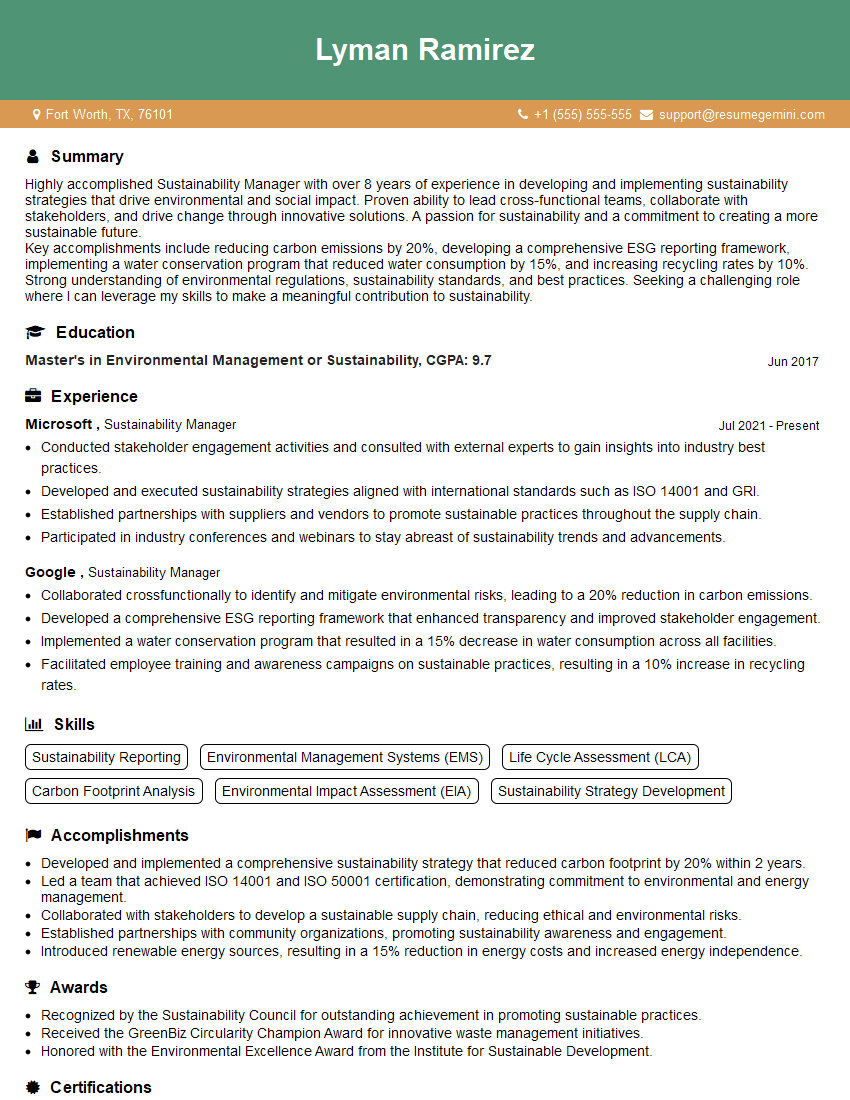
Sustainability Manager Resume Sample
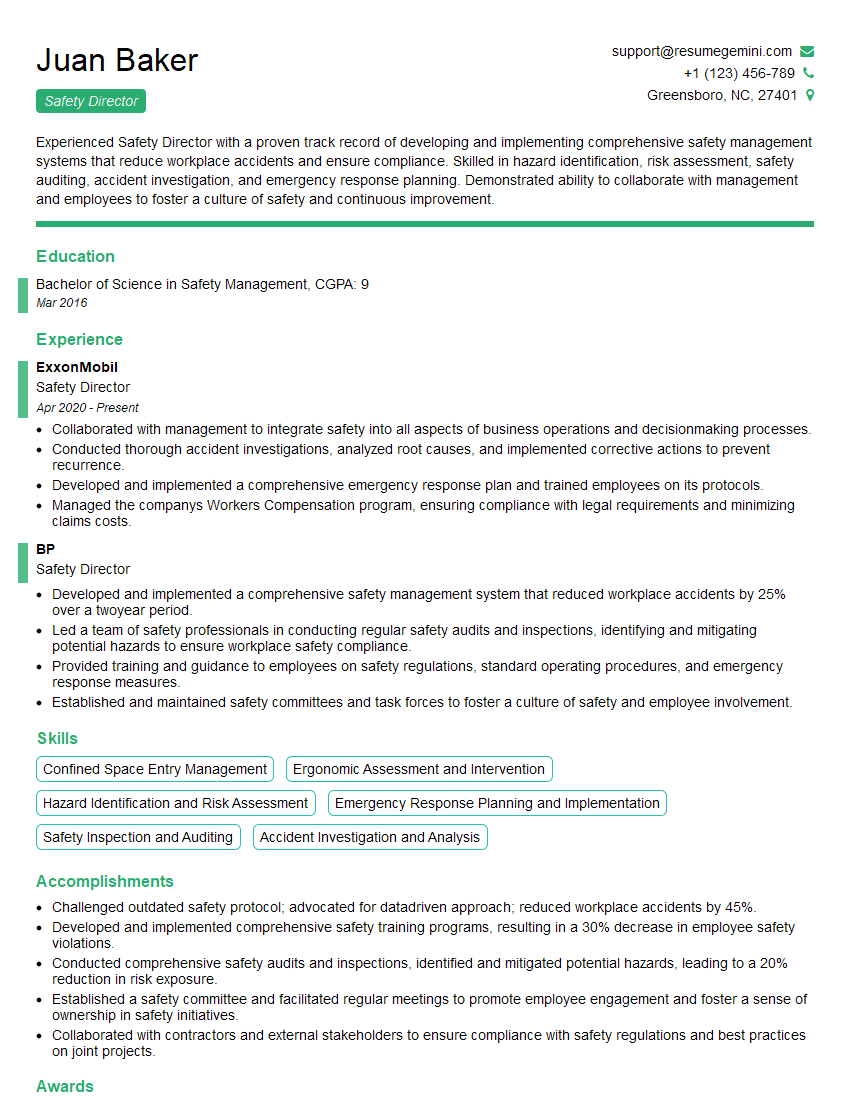
Safety Director Resume Sample
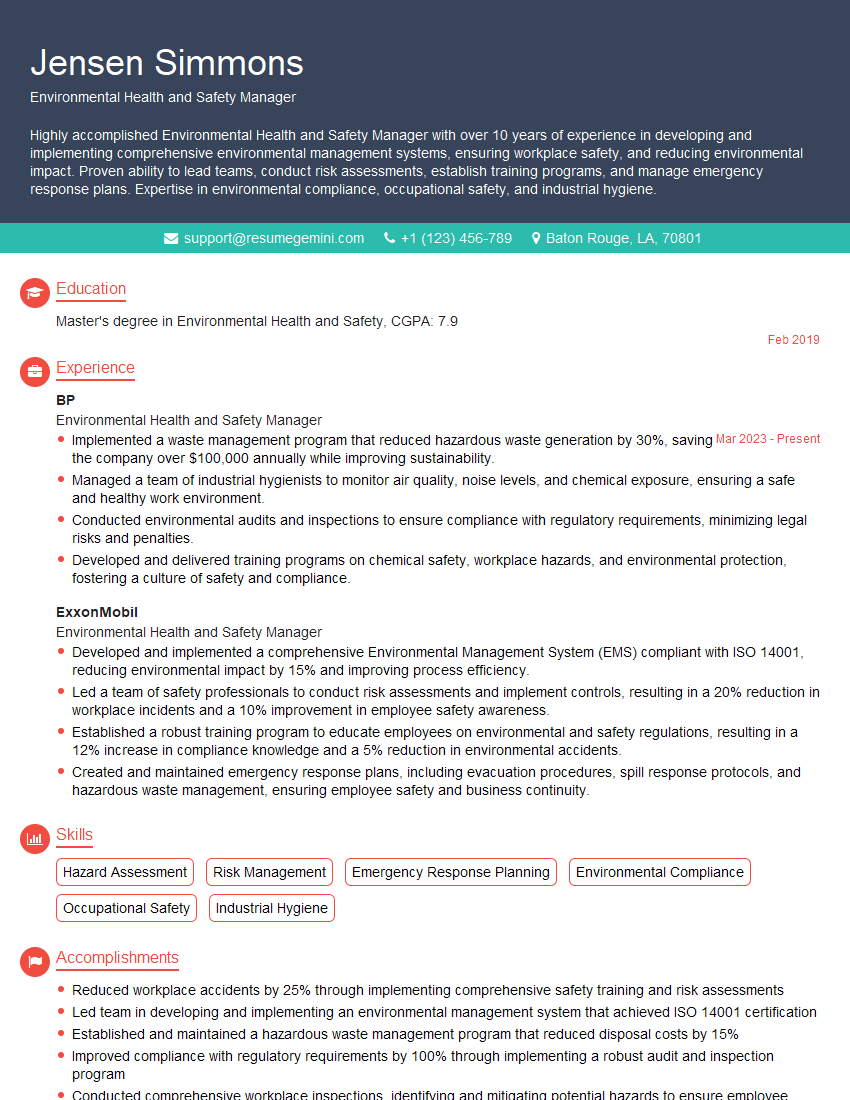
Environmental Health and Safety Manager Resume Sample
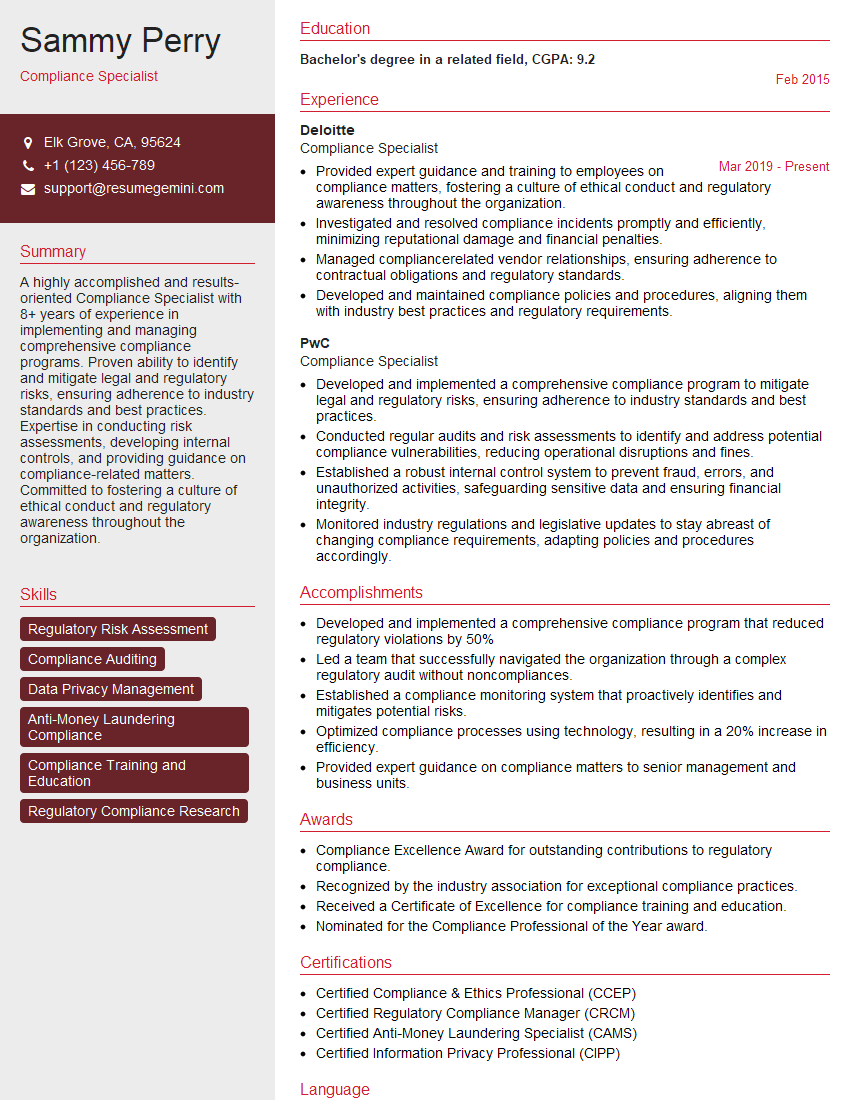
Compliance Specialist Resume Sample
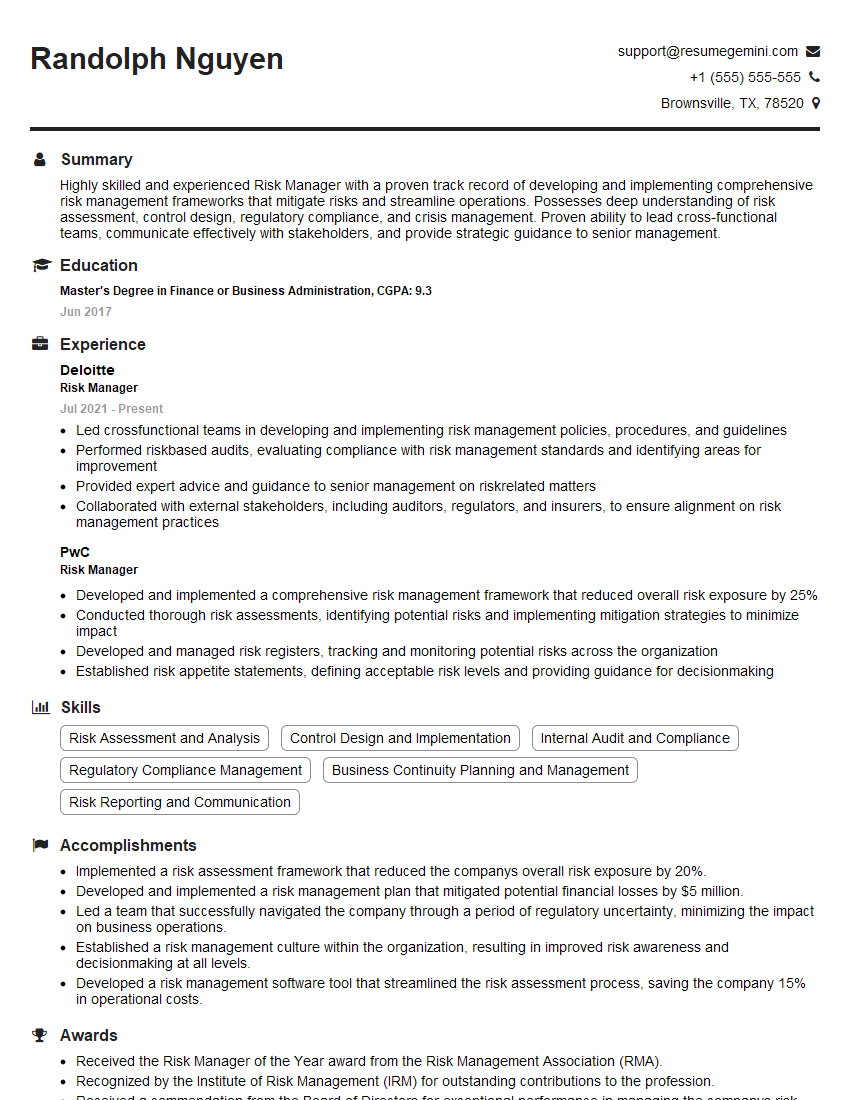
Risk Manager Resume Sample
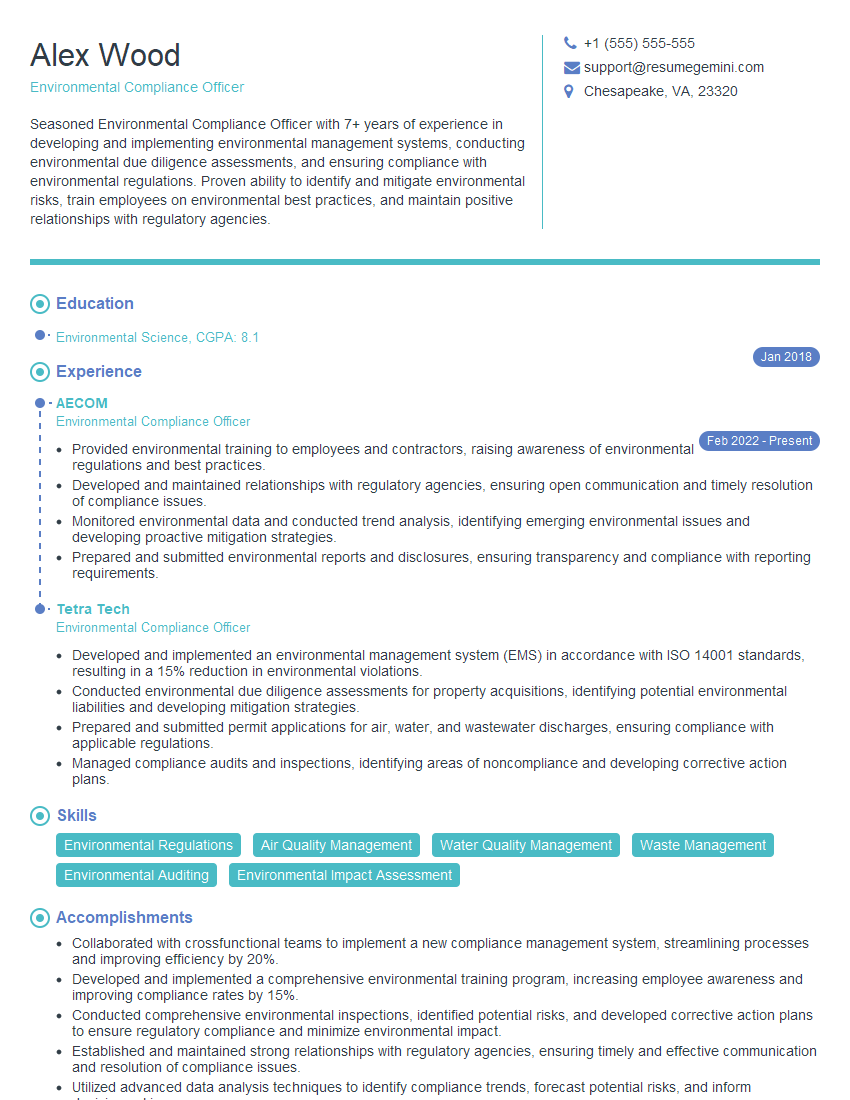
Environmental Compliance Officer Resume Sample
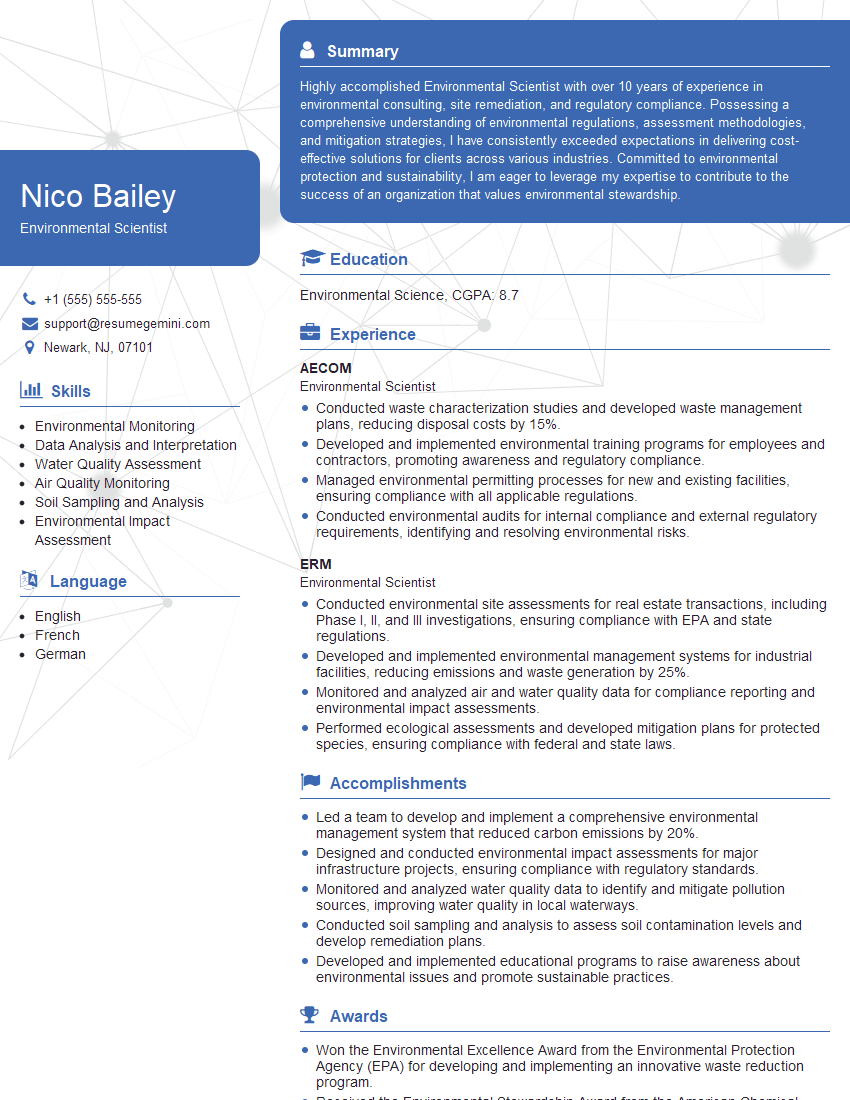
Environmental Scientist Resume Sample

Sustainability Consultant Resume Sample
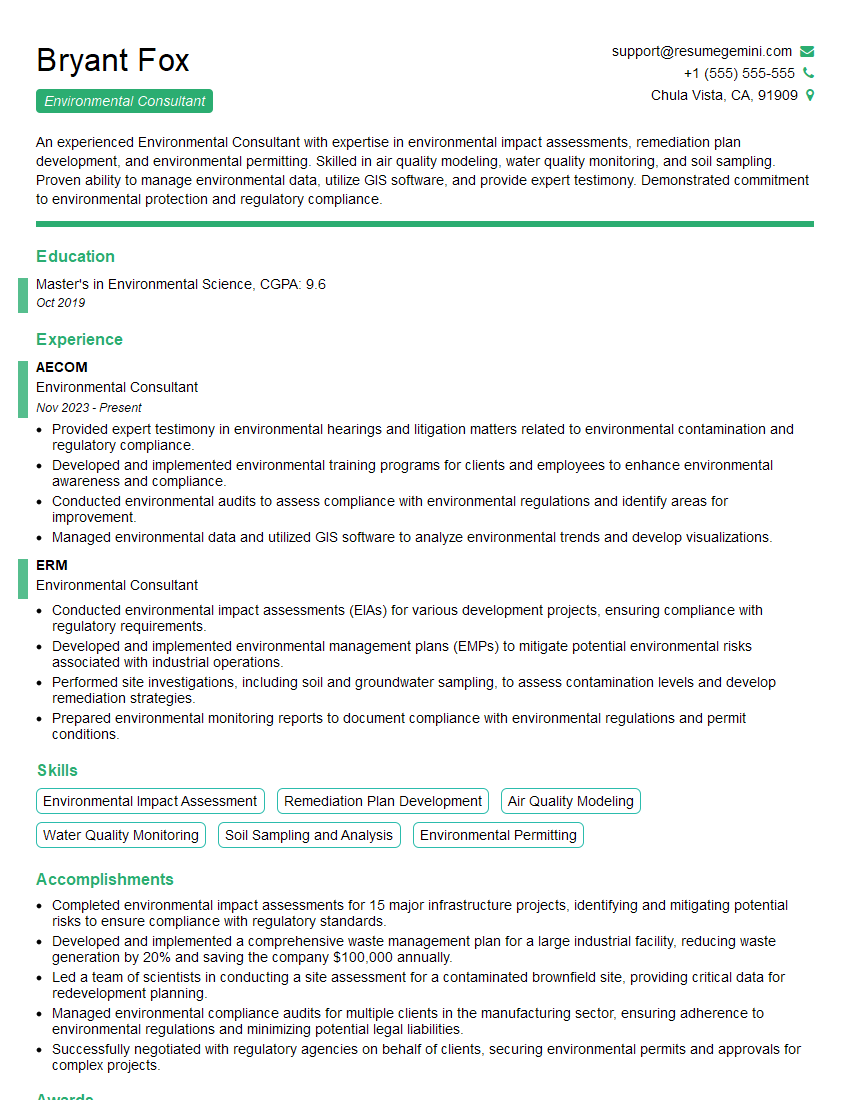
Environmental Consultant Resume Sample
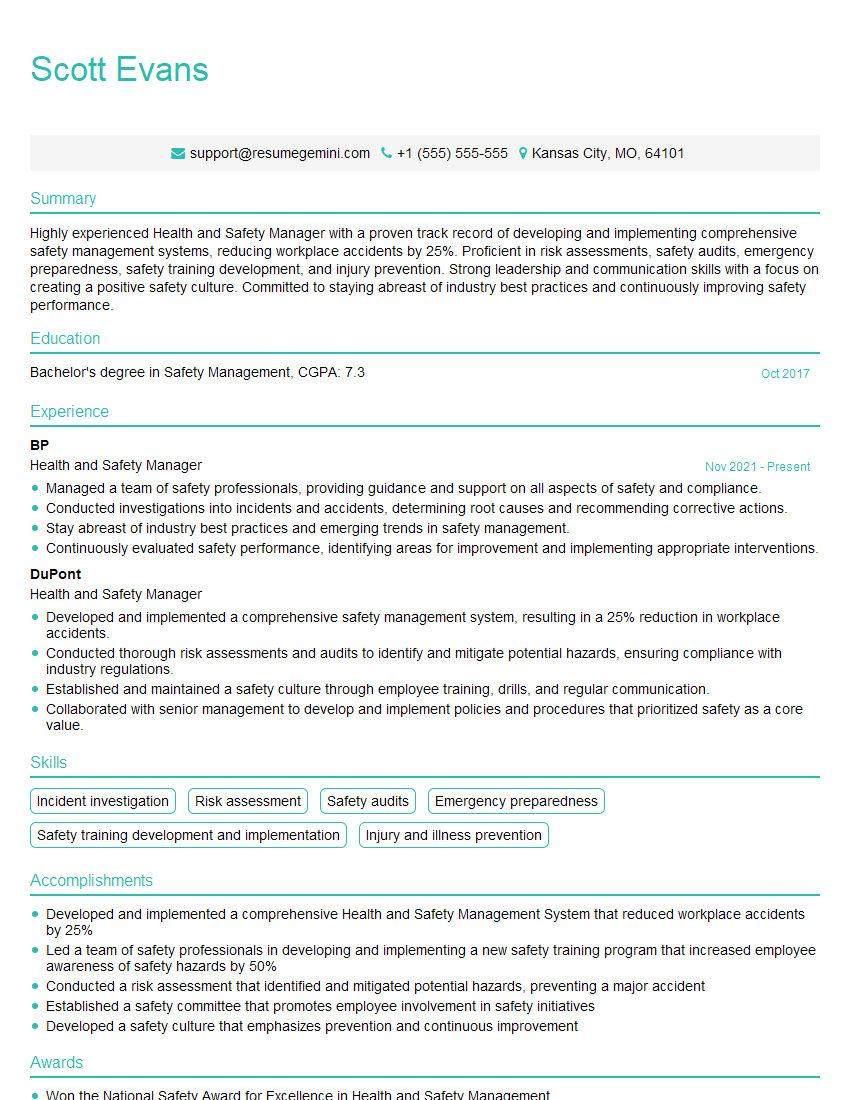
Health and Safety Manager Resume Sample
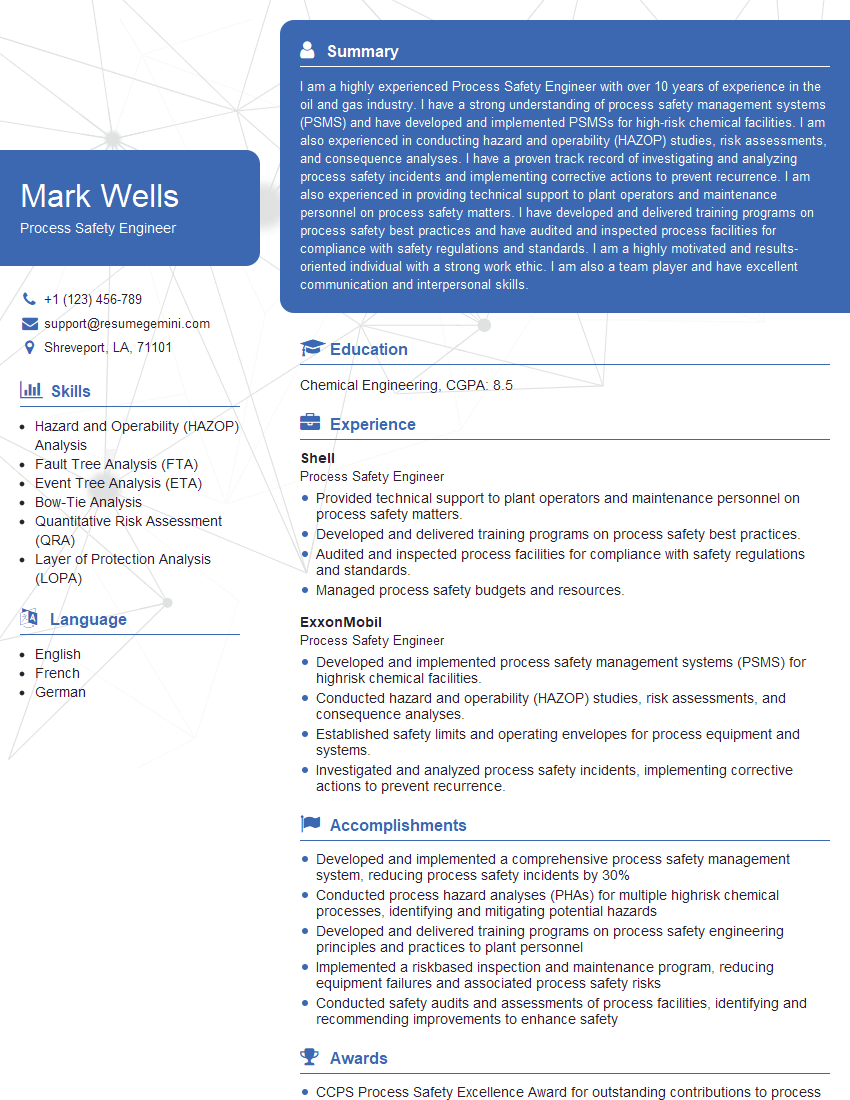
Process Safety Engineer Resume Sample
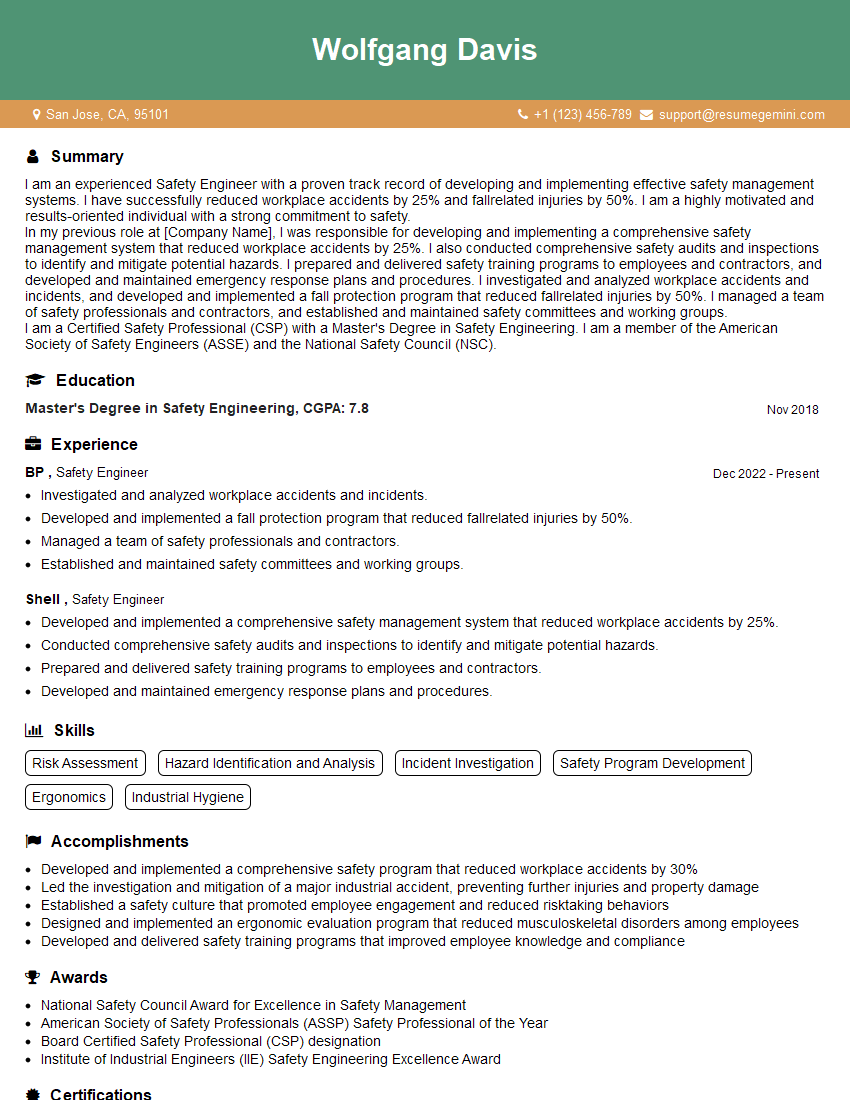
Safety Engineer Resume Sample
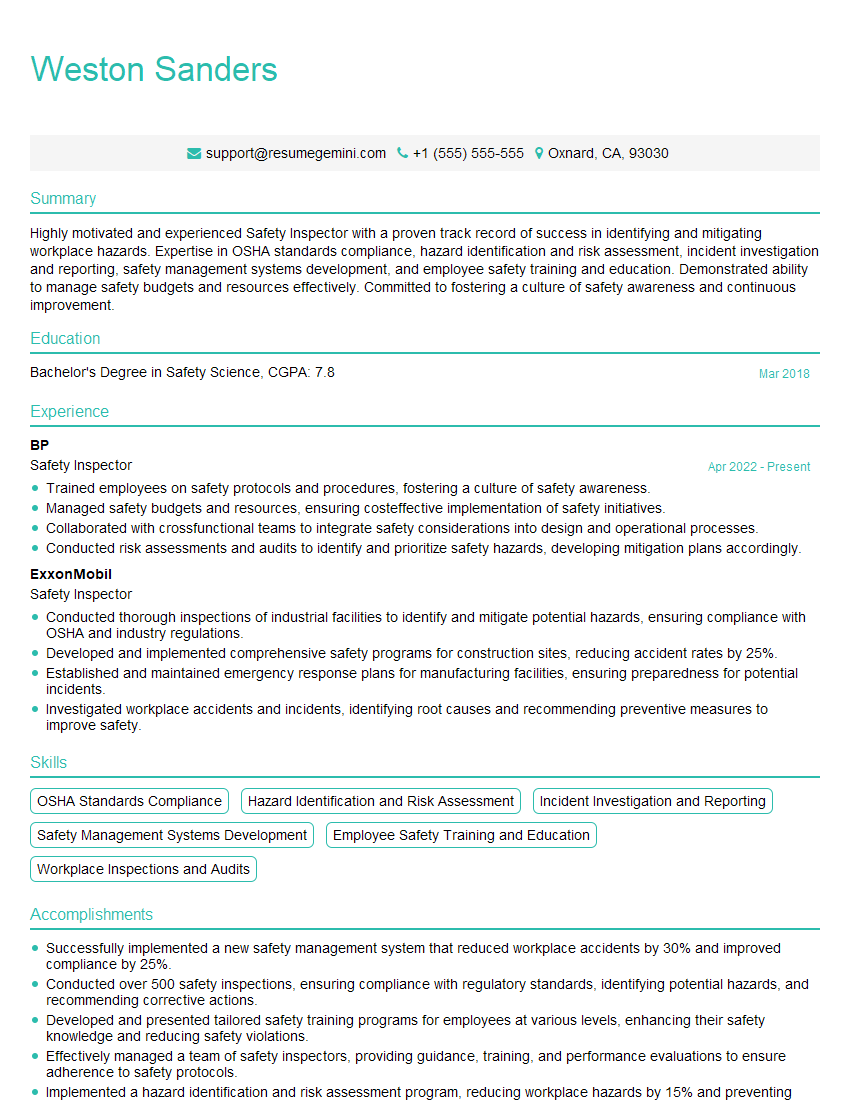
Safety Inspector Resume Sample
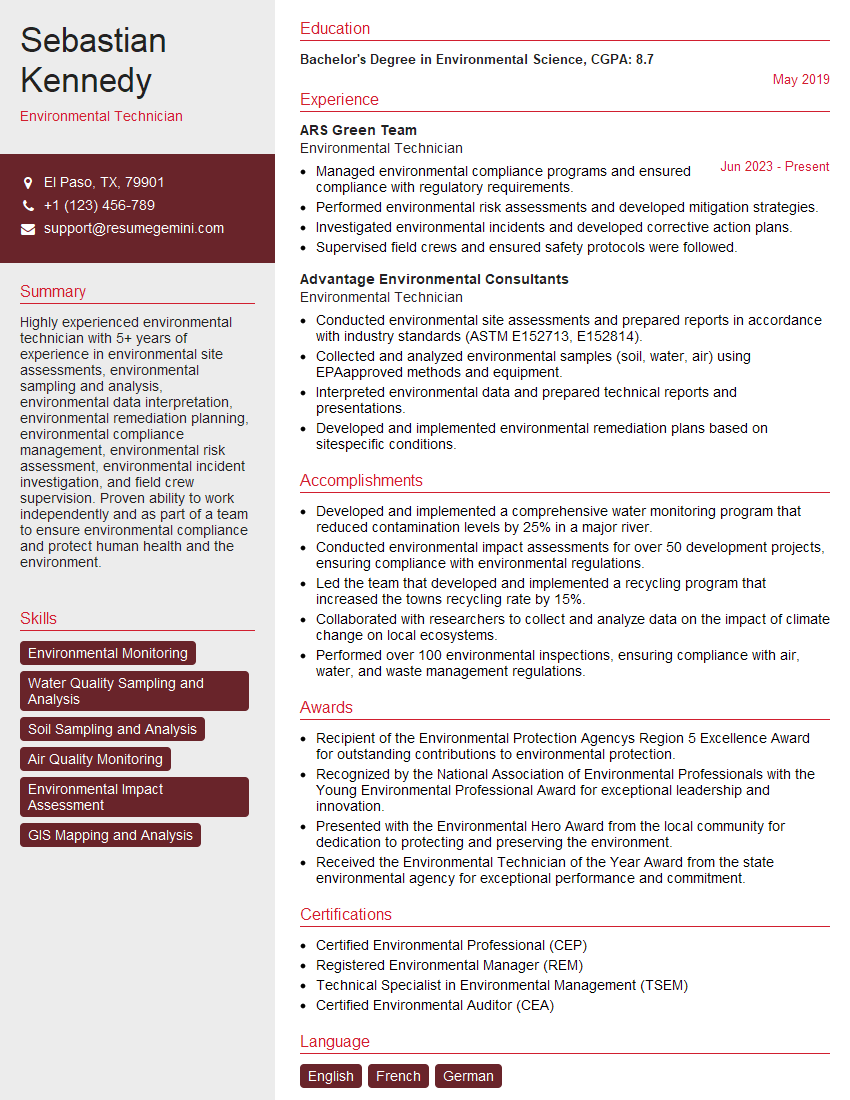
Environmental Technician Resume Sample
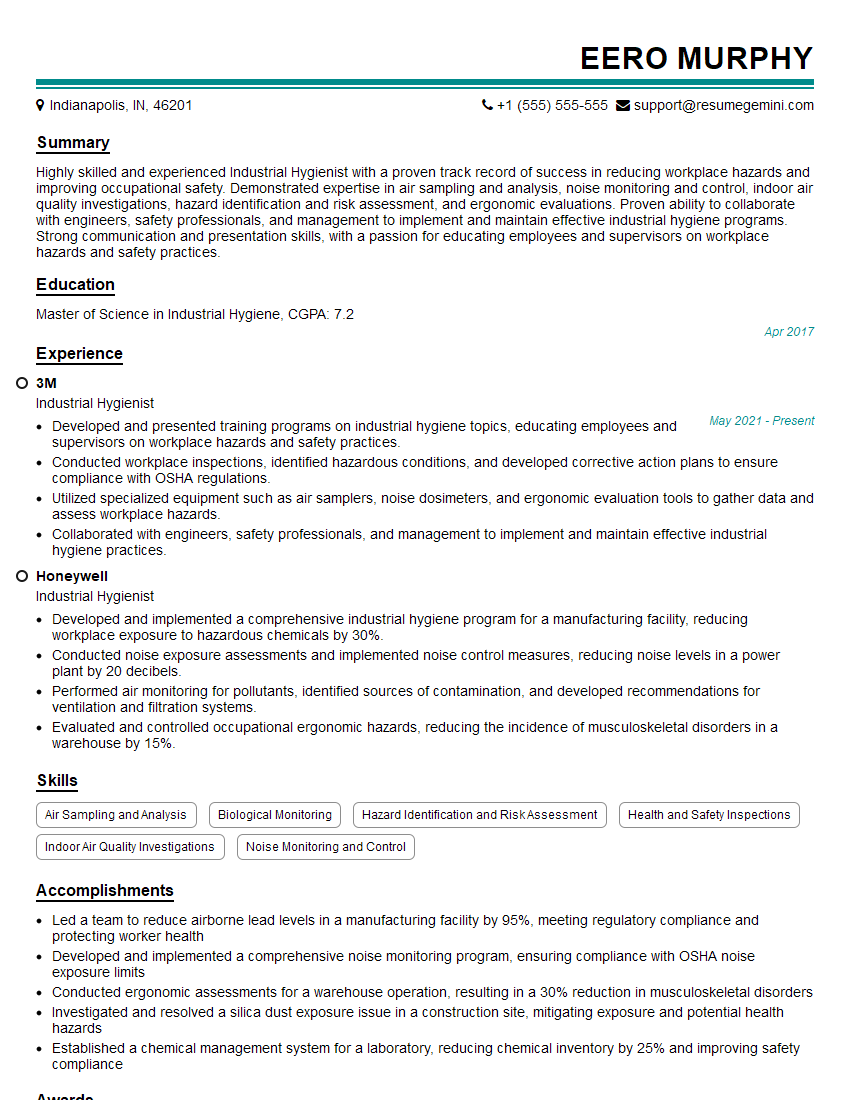
Industrial Hygienist Resume Sample
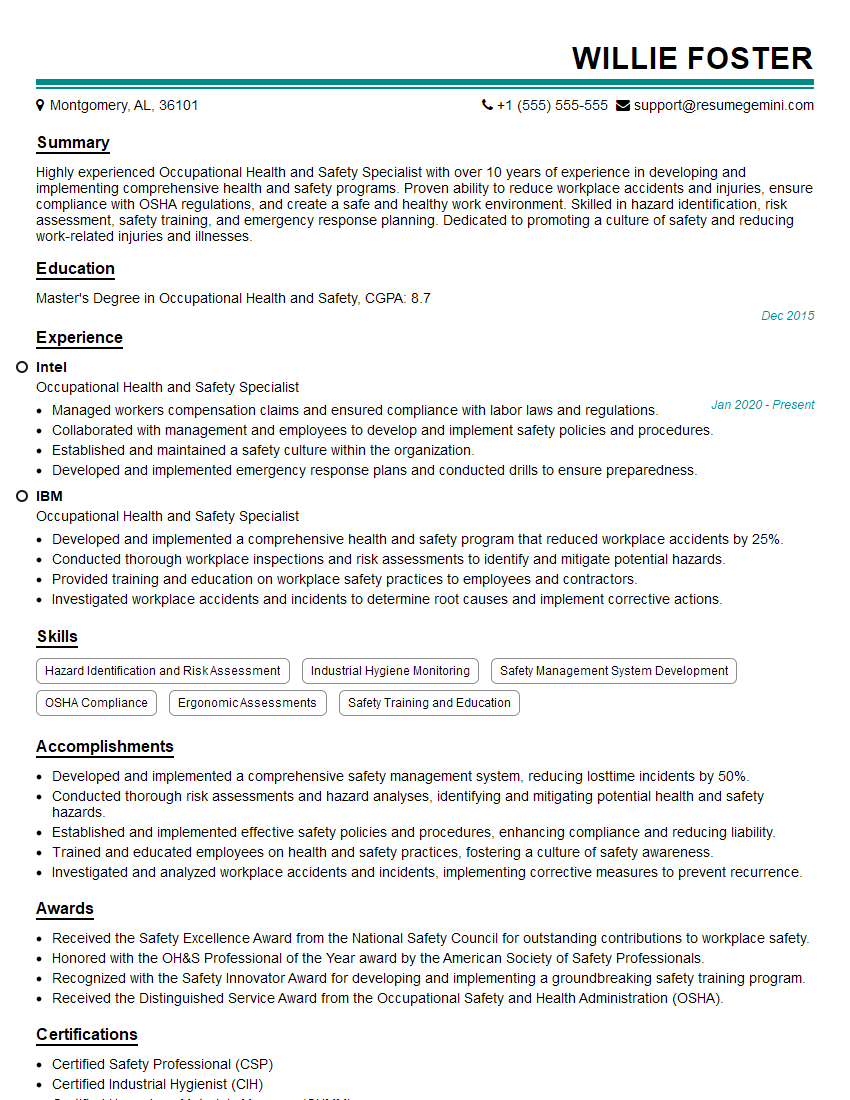
Occupational Health and Safety Specialist Resume Sample
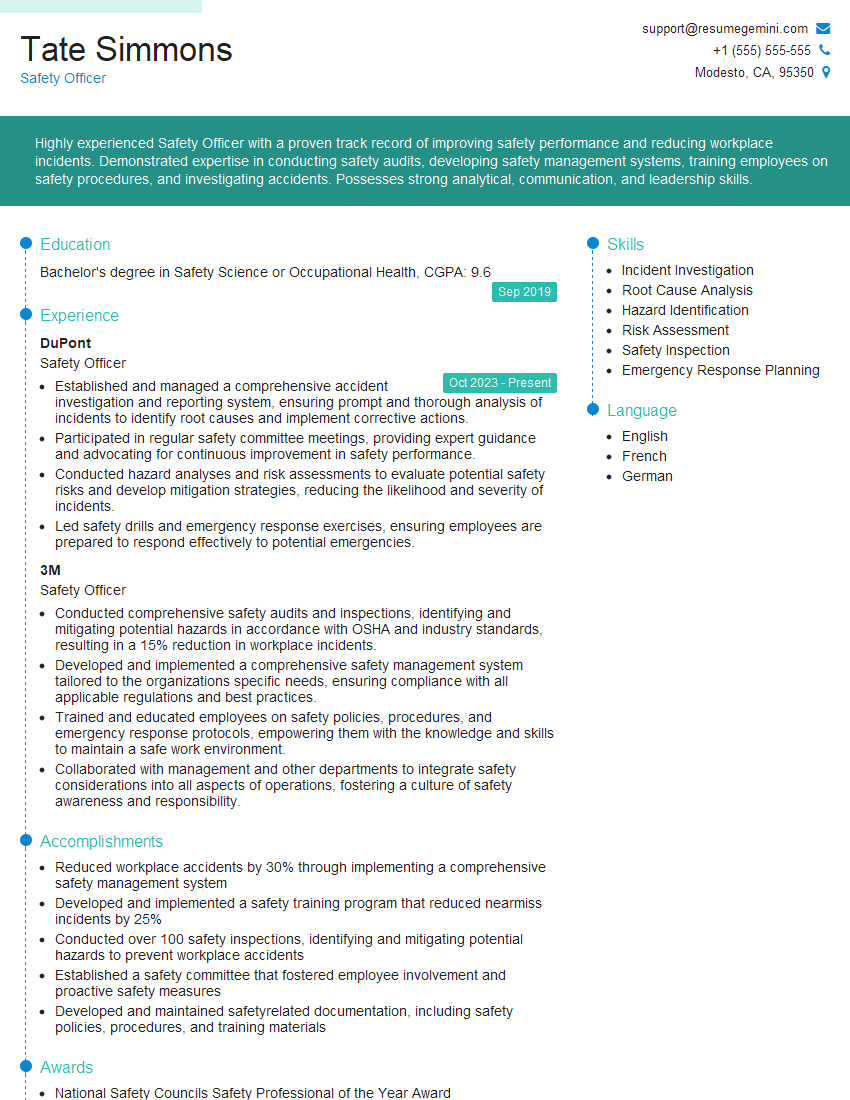
Safety Officer Resume Sample
- Sustainability Manager
- Safety Director
- Environmental Health and Safety Manager
- Compliance Specialist
- Risk Manager
- Environmental Compliance Officer
- Environmental Scientist
- Sustainability Consultant
- Environmental Consultant
- Health and Safety Manager
- Process Safety Engineer
- Safety Engineer
- Safety Inspector
- Environmental Technician
- Industrial Hygienist
- Occupational Health and Safety Specialist
- Safety Officer
Explore more articles
Users Rating of Our Blogs
Share Your Experience
We value your feedback! Please rate our content and share your thoughts (optional).
What Readers Say About Our Blog
Really detailed insights and content, thank you for writing this detailed article.
IT gave me an insight and words to use and be able to think of examples