Unlock your full potential by mastering the most common Boiler Tube Repair interview questions. This blog offers a deep dive into the critical topics, ensuring you’re not only prepared to answer but to excel. With these insights, you’ll approach your interview with clarity and confidence.
Questions Asked in Boiler Tube Repair Interview
Q 1. Describe the different types of boiler tube failures.
Boiler tube failures can be broadly categorized into several types, each with distinct characteristics and causes. Understanding these failure modes is crucial for effective diagnosis and repair.
- Corrosion: This is perhaps the most common cause, encompassing various forms like pitting corrosion (localized attack), stress corrosion cracking (under tensile stress and corrosive environment), and erosion-corrosion (a combination of erosion and chemical attack). Imagine a slow, gradual eating away of the metal.
- Erosion: High-velocity water or steam can erode the tube’s inner surface, thinning the wall and eventually causing failure. Think of a river eroding the banks over time.
- Water Hammer: Sudden changes in water flow can create shock waves, leading to fatigue and cracking. It’s like repeatedly banging a hammer against a metal pipe.
- Fatigue: Repeated thermal cycling (heating and cooling) or vibrations can cause microscopic cracks to develop and propagate, ultimately leading to failure. This is similar to bending a paper clip back and forth until it breaks.
- Creep: Sustained high temperatures and pressures can cause the metal to slowly deform over time, leading to thinning and eventual failure. Think of a candle slowly melting.
- Overheating: Insufficient water flow or other operational issues can cause overheating, weakening the tube and leading to bulges or rupture. This is like putting a metal spoon directly into a flame.
Identifying the specific type of failure is essential for choosing the appropriate repair method. For example, corrosion might require chemical cleaning, while fatigue could necessitate tube replacement.
Q 2. Explain the process of boiler tube rolling.
Boiler tube rolling is a crucial process for securing tubes within the tube sheet (the plate that holds the tubes). It ensures a tight, leak-free connection, capable of withstanding high pressures and temperatures. The process is intricate and requires skilled technicians.
The process typically involves these steps:
- Preparation: The tube ends are carefully prepared to ensure a snug fit in the tube sheet holes. This often includes beading or flaring the end.
- Insertion: The tube is carefully inserted into the pre-drilled hole in the tube sheet.
- Rolling: A specialized rolling tool, often hydraulically powered, is used to expand the tube end, creating a secure mechanical bond with the tube sheet. The rolling process is precisely controlled to avoid damaging the tube or the tube sheet.
- Inspection: After rolling, the joint is thoroughly inspected to ensure a proper seal and to detect any imperfections. This might involve visual inspection, dye penetrant testing, or even ultrasonic testing.
The success of the rolling process relies on factors such as proper tube and tube sheet materials, accurate hole sizing, and the skill of the technician. Improper rolling can lead to leaks or tube damage.
Q 3. What are the common causes of boiler tube leaks?
Boiler tube leaks are a serious concern, often stemming from several common causes. Addressing these root causes is key to preventing future failures.
- Corrosion: As discussed earlier, various forms of corrosion can weaken the tube wall, leading to pinhole leaks or larger cracks.
- Erosion: High-velocity water or steam, especially at bends or obstructions, can erode the tube wall over time.
- Water Hammer: The shock waves generated by water hammer can cause fatigue cracking and leaks.
- External Corrosion: Corrosion from the outside of the tube, often due to exposure to air or chemicals, can weaken the tube.
- Fouling: Build-up of scale or other deposits inside the tube can cause overheating and subsequent failure. This insulating layer prevents efficient heat transfer.
- Improper Installation: Faulty rolling or welding during initial installation can lead to leaks. This highlights the importance of qualified technicians.
Identifying the exact cause of a leak is crucial for implementing the right preventive measures and repair strategies. A thorough investigation, often involving visual inspection, metallurgical analysis, and operational data review, is essential.
Q 4. How do you inspect boiler tubes for damage?
Inspecting boiler tubes for damage requires a systematic approach, combining visual inspection with more advanced techniques for a comprehensive assessment.
- Visual Inspection: This is often the first step, allowing for the detection of obvious damage like cracks, bulges, or pitting. Using a borescope (a flexible tube with a camera) is often necessary to inspect the internal surface of the tubes.
- Dye Penetrant Testing (DPT): This non-destructive testing method reveals surface cracks by applying a dye that penetrates the cracks and is then revealed with a developer. It is effective for identifying small surface cracks that might be otherwise missed.
- Ultrasonic Testing (UT): UT uses sound waves to detect internal flaws like corrosion or cracks within the tube wall. This provides more detailed information about the extent and location of the damage.
- Eddy Current Testing (ECT): ECT uses electromagnetic induction to detect flaws on the tube surface and just beneath the surface. This technique is particularly useful for detecting wall thinning.
The choice of inspection method depends on the type of damage suspected, the accessibility of the tubes, and the level of detail required. A combination of techniques is often used to provide a complete assessment.
Q 5. What are the different methods for repairing boiler tubes?
Repairing boiler tubes involves various methods, chosen based on the severity and type of damage, the accessibility of the tube, and the boiler’s operating conditions. Safety is always paramount.
- Patching: Small leaks or surface damage can be repaired using patches, often welded or brazed onto the affected area. This is a relatively simple and cost-effective method for minor repairs.
- Welding: More extensive damage might require welding, using appropriate welding procedures and materials to restore the tube’s integrity. This could involve internal or external welding, depending on the location of the damage.
- Tube Plugging: Severely damaged tubes might need to be plugged, effectively removing them from service. This involves inserting a plug into the tube to prevent leaks.
- Tube Replacement: The most extensive repair involves replacing the damaged tube entirely. This ensures the boiler’s long-term integrity and is often the preferred method for serious damage.
The decision on which method to use involves careful consideration of the cost, downtime, and the long-term reliability of the boiler system. A thorough assessment is always recommended before initiating repairs.
Q 6. Describe your experience with boiler tube welding techniques.
My experience with boiler tube welding encompasses a wide range of techniques, always emphasizing safety and quality. I’m proficient in various welding processes including:
- Gas Tungsten Arc Welding (GTAW) or TIG welding: This is a precise method, often used for smaller repairs and critical areas due to its excellent control and high-quality welds.
- Gas Metal Arc Welding (GMAW) or MIG welding: This is a faster process, suitable for larger repairs where higher deposition rates are needed. It offers good penetration and can be automated for increased efficiency.
- Shielded Metal Arc Welding (SMAW) or Stick welding: This method is versatile and can be used in various situations, but it requires more skill to achieve high-quality welds.
I’ve worked extensively on different tube materials, including carbon steel, stainless steel, and various alloys, understanding the specific challenges and requirements for each material. Each welding process requires precise control of parameters such as current, voltage, and shielding gas to ensure a strong, leak-proof weld.
Beyond the technical aspects, my experience includes understanding relevant codes and standards (e.g., ASME Section IX) and ensuring proper weld inspection and documentation, crucial for boiler safety and compliance.
Q 7. What safety precautions are necessary when repairing boiler tubes?
Safety is paramount when repairing boiler tubes, as working with high-pressure systems and potentially hazardous materials requires strict adherence to safety protocols. My approach always prioritizes the following:
- Lockout/Tagout Procedures: Before any work begins, the boiler must be completely isolated and depressurized. Lockout/Tagout (LOTO) procedures are strictly followed to prevent accidental energization or activation.
- Personal Protective Equipment (PPE): Appropriate PPE, including welding helmets, gloves, safety glasses, and protective clothing, is worn at all times. Respiratory protection may also be required, depending on the welding process and the materials used.
- Confined Space Entry Procedures: If the repair requires entry into a confined space, proper confined space entry permits and procedures must be followed.
- Hot Work Permits: Hot work permits are necessary for welding or other hot work operations, ensuring all necessary precautions are taken to prevent fires or explosions.
- Emergency Response Plan: A clear emergency response plan must be in place, including procedures for handling fire, leaks, or other emergencies.
- Regular Inspections and Maintenance: Regular inspections and maintenance of the equipment and procedures are crucial to identifying potential hazards and ensuring a safe working environment.
Thorough training and adherence to established safety guidelines are essential for the safety of all personnel involved in boiler tube repair.
Q 8. Explain the importance of proper boiler water chemistry.
Proper boiler water chemistry is paramount to preventing corrosion, scaling, and other issues that can severely damage boiler tubes and compromise operational efficiency. Think of it like this: your boiler’s tubes are like the arteries of a human body. If the blood (water) is impure, these arteries will clog and become diseased. Maintaining the correct chemical balance prevents this.
Key aspects include:
- pH control: Maintaining the optimal pH level (typically slightly alkaline) prevents corrosion. Too acidic, and the metal will dissolve; too alkaline, and scaling can occur.
- Dissolved oxygen control: Oxygen is a major contributor to corrosion. Oxygen scavengers are often added to the water to minimize its presence.
- Chemical treatment: Various chemicals are used to control hardness, alkalinity, and prevent fouling. Regular testing and adjustments are crucial.
- Regular blowdowns: Periodically removing a small amount of boiler water helps to remove accumulated solids and impurities.
Neglecting boiler water chemistry leads to premature tube failure, reduced boiler efficiency, increased maintenance costs, and potential safety hazards.
Q 9. How do you identify and address water hammer in boilers?
Water hammer, the forceful banging sound in a boiler’s piping system, is caused by the rapid deceleration or stoppage of water flow. Imagine a fast-moving train suddenly braking – the shock is similar. This can be caused by several factors:
- Rapid valve closure: Quickly closing valves can create a pressure surge.
- Condensation: Steam condensing in a pipe can create a void, followed by a sudden surge when water fills the void.
- Air pockets: Air pockets in the system can compress and expand, causing hammering sounds.
Addressing water hammer involves:
- Identifying the source: Carefully listen to pinpoint the location of the noise. Inspect valves, pipes, and traps.
- Slow valve operation: Train operators to close valves slowly and deliberately.
- Air venting: Ensure proper venting to remove air pockets from the system.
- Installing water hammer arrestors: These devices absorb the shock waves generated by water hammer.
- Pipe insulation: Proper insulation can prevent condensation that contributes to water hammer.
Q 10. What is the significance of boiler tube alignment?
Boiler tube alignment is crucial for efficient heat transfer and preventing premature tube failure. Misaligned tubes create uneven stress distribution, leading to localized overheating, erosion, and ultimately, tube failure. Think of a bridge: if the supports are misaligned, the entire structure will suffer.
Proper alignment ensures even water and steam flow through the tubes, maximizing heat transfer efficiency. Poor alignment can lead to:
- Reduced heat transfer efficiency: Uneven flow leads to lower steam production.
- Increased risk of tube failure: Localized overheating causes stress and weakness.
- Increased maintenance costs: Frequent repairs and replacements are required.
During boiler construction and maintenance, precise alignment techniques are used to ensure the tubes are correctly positioned within the boiler drum and headers. Regular inspections are needed to detect any misalignment that may develop over time due to thermal stresses and vibration.
Q 11. Describe your experience with different types of boiler tube materials.
My experience encompasses various boiler tube materials, each with its own strengths and weaknesses. The selection of material depends on operating pressure, temperature, and the type of boiler.
- Carbon Steel: Commonly used due to cost-effectiveness, but susceptible to corrosion, particularly at higher temperatures.
- Alloy Steel: Offers better corrosion resistance than carbon steel and is suitable for higher temperatures and pressures. Specific alloy compositions (like chromium-molybdenum steels) are chosen to withstand specific operating conditions.
- Stainless Steel: Exhibits excellent corrosion resistance and is used in environments where corrosion is a major concern. Different grades (e.g., 304, 316) offer varying levels of resistance.
- Copper Alloys: Used in specific applications, particularly where corrosion resistance to certain chemicals is required. They offer excellent thermal conductivity.
I’ve worked on repairs involving all these materials, understanding the nuances of each – its weldability, susceptibility to specific types of damage, and the appropriate repair techniques.
Q 12. How do you determine the appropriate repair method for a damaged boiler tube?
Determining the appropriate repair method for a damaged boiler tube is a critical decision based on several factors: the extent of the damage, the tube material, the boiler’s operating conditions, and the available resources. It’s a systematic process:
- Assessment: A thorough inspection, potentially including non-destructive testing (NDT) techniques like ultrasonic testing or radiography, is crucial to fully understand the extent and nature of the damage.
- Damage Classification: Is it localized pitting, a crack, or more extensive damage?
- Repair Options: Based on the assessment, suitable repair options are considered. These include:
- Welding: Suitable for smaller localized damage, requires skilled welders and adherence to strict welding codes.
- Plugging: Used for damaged sections that cannot be repaired effectively otherwise. The tube is blocked off.
- Tube Replacement: For significant damage or when repair is not economically feasible.
- Cost-Benefit Analysis: The cost of repair versus the cost of replacement, considering downtime and safety, guides the decision.
- Regulatory Compliance: All repairs must adhere to relevant safety regulations and codes.
For instance, a small pit might be weld-repaired, while a significant crack might require tube replacement.
Q 13. Explain the process of boiler tube plugging.
Boiler tube plugging is a repair method where a damaged tube section is sealed off to prevent leaks and maintain boiler operation. It’s a temporary fix but can be crucial in preventing further damage or allowing for continued operation until a more permanent repair can be scheduled.
The process typically involves:
- Preparation: The boiler is depressurized and cooled down to a safe temperature.
- Tube Cleaning: The inside and outside of the damaged tube are thoroughly cleaned to ensure a good seal.
- Plug Installation: A suitable plug (often a metal rod or specialized plug) is inserted into the tube. This may involve welding or mechanical fastening.
- Leak Testing: After the plug is installed, the area is thoroughly checked for leaks.
- Documentation: The plug location and details of the repair are carefully documented.
Plugging is a cost-effective solution for relatively minor damage but reduces the boiler’s overall capacity. It’s not a permanent fix and will eventually require proper tube replacement or more extensive repair.
Q 14. What are the limitations of different boiler tube repair methods?
Each boiler tube repair method has limitations. Understanding these limitations is critical for making informed decisions:
- Welding: Requires highly skilled welders, potentially causing distortion or residual stress if not done correctly. Not suitable for extensive damage.
- Plugging: A temporary solution that reduces boiler capacity. Not suitable for situations with multiple damaged tubes or severe damage.
- Tube Replacement: The most comprehensive method but is expensive, time-consuming, and requires significant downtime. Specialized tools and expertise may be needed.
For example, welding might be unsuitable for high-pressure boilers with complex tube geometries. Plugging can only be a temporary solution, not long-term. The choice of repair method is based on a careful evaluation of the extent of damage and the overall operational needs.
Q 15. How do you ensure the quality of a boiler tube repair?
Ensuring the quality of a boiler tube repair is paramount for safety and operational efficiency. It’s a multi-faceted process involving meticulous inspection, precise repair techniques, and thorough post-repair verification. We begin with a thorough assessment of the damage, identifying the extent of the problem, the type of defect (e.g., pitting, thinning, cracking), and its location. This informs the choice of repair method – whether it’s a simple patch, a more complex weld repair, or even tube replacement.
The repair itself must adhere to strict codes and standards, using qualified welders and appropriate materials. For welding, we would utilize techniques such as gas tungsten arc welding (GTAW) or gas metal arc welding (GMAW), selecting the best option based on the material and defect type. Each weld is meticulously inspected for imperfections and ensuring proper penetration and fusion.
Finally, and critically, non-destructive testing (NDT) is used to verify the integrity of the repair. This could include methods like radiographic testing (RT), ultrasonic testing (UT), or dye penetrant testing (PT), depending on the specific application and the type of defect being addressed. Only after successful NDT is the tube deemed safe for operation. Think of it like building a bridge – you wouldn’t open it to traffic until thorough inspection verified its structural soundness.
Career Expert Tips:
- Ace those interviews! Prepare effectively by reviewing the Top 50 Most Common Interview Questions on ResumeGemini.
- Navigate your job search with confidence! Explore a wide range of Career Tips on ResumeGemini. Learn about common challenges and recommendations to overcome them.
- Craft the perfect resume! Master the Art of Resume Writing with ResumeGemini’s guide. Showcase your unique qualifications and achievements effectively.
- Don’t miss out on holiday savings! Build your dream resume with ResumeGemini’s ATS optimized templates.
Q 16. Describe your experience with non-destructive testing (NDT) of boiler tubes.
My experience with NDT of boiler tubes is extensive. I’ve been involved in numerous projects using various techniques. Ultrasonic testing (UT) is particularly valuable for detecting internal flaws, like pitting or cracks, that aren’t visible on the surface. I’ve used UT extensively on various tube materials, including carbon steel and stainless steel, interpreting the resulting scans to assess wall thickness and identify defects. Radiographic testing (RT) provides a visual image of the tube’s internal structure, which is crucial for identifying larger defects or weld imperfections. I often use RT in conjunction with UT for a comprehensive assessment.
Dye penetrant testing (PT) is useful for detecting surface cracks. It’s a simpler, faster method than UT or RT, and it’s particularly helpful for pre- and post-repair inspection. For example, I once used PT to quickly identify a surface crack that had been missed during a visual inspection. This prevented a potentially catastrophic failure. Proper NDT is essential. It’s not just about finding defects; it’s about providing the necessary confidence that a repaired tube is safe and ready for service.
Q 17. What are the common causes of boiler tube corrosion?
Boiler tube corrosion is a significant concern, and its causes are varied and often complex. One major culprit is water chemistry. Impurities in the boiler water, such as dissolved oxygen, chlorides, and sulfates, can lead to various forms of corrosion. Oxygen corrosion, for instance, is a common problem resulting in pitting and general thinning of the tube walls. High chloride concentrations can cause stress corrosion cracking, especially in high-pressure applications.
Another cause is overheating. Localized overheating, often due to poor water circulation or scale buildup inside the tubes, can weaken the metal and lead to tube failure. This is why regular boiler cleaning and water treatment are crucial preventative measures. The material of the tube itself also plays a role. Different materials have different corrosion resistances, and improper material selection for a specific boiler environment can accelerate degradation.
Finally, external corrosion, though less common, can still occur. This is often due to external leaks or the presence of corrosive substances in the environment surrounding the boiler. I remember one case where external corrosion from a nearby chemical spill led to the failure of several boiler tubes, underscoring the need for comprehensive inspections and environmental monitoring.
Q 18. How do you prevent boiler tube corrosion?
Preventing boiler tube corrosion is a proactive approach combining water treatment, regular inspection, and proper operation. Water treatment is the cornerstone of prevention. Chemical treatments are used to control the pH, remove dissolved oxygen, and reduce the concentration of corrosive impurities in the boiler water. Regular testing and analysis of the boiler water chemistry are essential to ensure the effectiveness of the treatment program.
Regular inspection and maintenance are critical for early detection of corrosion. Visual inspections, along with NDT techniques like UT and RT, allow for timely identification and remediation of corrosion problems. Scale buildup is a significant contributor to overheating and corrosion, so regular cleaning is essential. Proper boiler operation is vital; maintaining appropriate water levels, steam pressure, and temperature helps prevent conditions that can lead to corrosion.
Finally, selecting appropriate materials for the boiler tubes, based on the specific operating conditions, is crucial. Selecting corrosion-resistant alloys can significantly extend tube life. It’s a holistic strategy – thinking about water chemistry, operation, inspection, and material selection simultaneously. It’s not just about fixing problems; it’s about proactively preventing them.
Q 19. What is your experience with different types of boiler tube expanders?
My experience encompasses a variety of boiler tube expanders, each with its own strengths and weaknesses. Roll expanders are commonly used for smaller diameter tubes and involve using a series of rollers to expand the tube into the tube sheet hole. This method is relatively simple and cost-effective. However, it might not be suitable for all tube materials or for tubes with complex geometries.
Hydraulic expanders are well-suited for larger diameter tubes and offer precise control over the expansion process. They are particularly useful in situations where a very tight fit is required or when dealing with difficult-to-expand materials. I have experience with both manual and powered hydraulic expanders, and the choice often depends on the tube size and the required expansion force.
Other expander types, like pneumatic or electric expanders, have also become more prevalent in recent years. Pneumatic expanders offer a good balance of speed and control. Electric expanders are becoming more sophisticated, offering enhanced precision and data logging capabilities for better quality control. The selection of the right expander depends significantly on the job specifics, tube material, and the overall repair strategy.
Q 20. Describe your experience with hydraulic tube expanders.
Hydraulic tube expanders are a cornerstone of my boiler tube repair expertise. I have extensive experience using both manual and power-driven hydraulic expanders. Manual expanders require more physical effort but provide excellent control in precise situations and on smaller diameter tubes. Power-driven expanders are much more efficient for larger diameter tubes and high-volume expansion work. They provide greater power and consistency, which is vital for creating reliable, uniform expansions.
A critical aspect of using hydraulic expanders is proper setup and operation. Accurate measurement of the tube and tube sheet hole is paramount. We use precision tools to ensure the proper expander size is selected and that the expansion process is controlled to prevent tube damage. Throughout the process, careful monitoring of the pressure gauge is crucial to prevent over-expansion, which can lead to tube failure. Safety is paramount, as improper use can result in serious injury.
I’ve used hydraulic expanders on a wide range of boiler tube materials, from carbon steel to various stainless steel alloys. Proper lubrication and technique are vital to avoid damaging the tube surface and ensuring a secure, leak-free fit. For example, in one project, we used a power-driven hydraulic expander to replace several tubes in a high-pressure boiler, requiring careful control to avoid damaging the fragile tube sheet.
Q 21. What are the challenges of repairing boiler tubes in high-pressure boilers?
Repairing boiler tubes in high-pressure boilers presents unique challenges. The high pressure and temperature inside these boilers create a demanding environment, requiring specialized techniques and equipment. Access to the tubes can be limited, often requiring significant disassembly and potential downtime. The precise expansion and welding techniques are critical, as any flaws could lead to catastrophic failure under high-pressure operation. Safety protocols are far more rigorous, requiring specialized training and protective equipment.
The materials used in high-pressure boiler tubes are often high-strength, corrosion-resistant alloys that require specialized welding procedures. The risk of tube failure and potential damage to the boiler are high, making thorough NDT inspection critical. The repair process needs to minimize downtime to reduce the financial impact of boiler outage. Time is money, and in high-pressure boiler repair, efficiency is crucial. We use advanced techniques, specialized tools, and rigorous quality control to meet the demanding requirements of this type of repair.
For example, a recent project involved repairing a tube in a high-pressure superheater. Access was extremely limited, and we had to employ specialized tools and remotely controlled equipment to minimize disassembly and downtime. The repair was followed by rigorous NDT to ensure its integrity before returning the boiler to operation.
Q 22. How do you handle emergency boiler tube repairs?
Emergency boiler tube repairs demand swift, decisive action to minimize downtime and prevent further damage. The first step is always safety – ensuring the boiler is isolated and depressurized according to established safety procedures. We then conduct a thorough assessment of the damage, determining the extent of the leak or failure. This often involves visual inspection, sometimes aided by specialized tools like borescopes for internal examination.
Depending on the severity and location, we might employ temporary patching methods like welding a temporary sleeve over the damaged section. This buys us time for a more permanent solution, but it’s crucial to understand the limitations and potential risks of a temporary fix. A more significant failure may require immediate replacement of the affected tube. In such cases, we prioritize fast removal and installation of the new tube, followed by rigorous testing and pressure checks before returning the boiler to service. Every step is meticulously documented to adhere to safety and regulatory requirements.
Q 23. What are the regulatory compliance requirements for boiler tube repairs?
Regulatory compliance is paramount in boiler tube repair. These regulations vary by location but generally involve adherence to codes established by organizations such as ASME (American Society of Mechanical Engineers) and local authorities. Key aspects include maintaining detailed records of all repairs, ensuring that any welding or fabrication adheres to specific standards (like AWS – American Welding Society), using certified materials, and having qualified personnel perform the work. Regular inspections and pressure tests, both before and after repair, are mandated to verify the structural integrity of the boiler system. Failing to meet these regulations can lead to significant fines, operational shutdowns, and even safety hazards.
For example, documentation should include the date of repair, the type of repair made, the materials used, the names of the personnel involved, and the results of all pressure tests. Failure to comply can result in hefty penalties and potential legal repercussions.
Q 24. Describe your experience working with different boiler types (e.g., fire-tube, water-tube).
My experience spans both fire-tube and water-tube boilers, each presenting unique challenges. Fire-tube boilers, with tubes running through the furnace, are often found in smaller industrial settings or older systems. Repairs often involve addressing issues like tube corrosion or overheating. Water-tube boilers, conversely, are commonly used in larger power plants and industrial facilities, with water circulating inside tubes that are externally heated. Repairs here often focus on issues like tube leaks, erosion, and scaling.
For instance, in a fire-tube boiler, repairing a severely corroded tube might involve carefully removing the section and then using specialized equipment to install a new tube. The process involves expanding the tube ends to create a tight seal. In a water-tube boiler, a tube leak might be tackled using an on-site welding repair, provided the damage is not extensive. For more severe damage, we may opt to replace individual tubes using specialized tools and procedures to ensure a proper fit and pressure seal.
Q 25. What are the key performance indicators (KPIs) for boiler tube repair effectiveness?
Key Performance Indicators (KPIs) for boiler tube repair effectiveness center around safety, efficiency, and longevity. These include:
- Repair time: Minimizing downtime is critical. We track the time taken from initial assessment to returning the boiler to service.
- Mean Time Between Failures (MTBF): This metric reflects the longevity of the repair. A high MTBF indicates successful repairs.
- Number of repairs per year: This metric indicates the overall health of the boiler and whether preventative maintenance is effective.
- Cost per repair: Analyzing costs helps in optimizing repair strategies and preventing future issues.
- Safety incidents during repair: A zero-incident rate is the ultimate goal.
By monitoring these KPIs, we can identify areas for improvement, optimize our repair processes, and ultimately ensure the efficient and safe operation of the boiler system.
Q 26. How do you document boiler tube repairs and maintenance?
Documentation is meticulously maintained using both physical and digital records. This ensures traceability and compliance. Physical records might involve hard copies of inspection reports, repair orders, and welder certifications. Digitally, we use a computerized maintenance management system (CMMS) to log all repairs, including detailed descriptions of the damage, the repair method used, materials employed, and the personnel involved. Photographs and videos are often included to provide visual evidence of the repair process. This detailed documentation is essential for auditing, tracking repair history, planning preventative maintenance, and fulfilling regulatory requirements.
A robust CMMS makes it easy to track the lifespan of repairs and the overall health of the boiler, allowing for more effective preventative maintenance schedules.
Q 27. Explain your experience with preventive maintenance programs for boilers.
Preventive maintenance is crucial for extending the lifespan of a boiler and minimizing the need for costly emergency repairs. Our programs typically involve regular inspections, including visual checks for corrosion, erosion, or scaling. We also conduct regular chemical cleaning to remove deposits that can reduce efficiency and damage tubes. These preventative measures significantly reduce the risk of failures and improve the overall health of the boiler. A well-structured program utilizes a combination of regular inspections, water testing, and non-destructive testing techniques.
Think of it like regular checkups for a car; preventative measures prevent major breakdowns later on, saving time and money in the long run. This includes developing a scheduled maintenance plan, including frequency of inspections, cleaning, and potential replacement of parts as needed.
Q 28. Describe a challenging boiler tube repair you successfully completed.
One particularly challenging repair involved a water-tube boiler in a large processing plant. A significant leak developed in a tube located in a very inaccessible area within the boiler. The tube was severely corroded and was very close to other crucial components; we could not use standard tube extraction methods. This required a specialized solution. We developed a plan involving minimally invasive techniques that used robotic welding and specialized tools to access the compromised section, ensuring no damage to adjacent parts. Using high-definition endoscopes and robotic manipulation, we successfully repaired the leak while minimizing the plant’s downtime. The repair required extensive planning and coordination, and the successful outcome was a testament to the team’s expertise and resourcefulness.
This project showcased our ability to adapt and innovate, utilizing cutting-edge technologies to address a unique and difficult challenge. It underscores the importance of thinking outside the box and embracing advanced techniques for boiler tube repairs.
Key Topics to Learn for Boiler Tube Repair Interview
- Boiler Tube Failure Mechanisms: Understanding common causes like corrosion, erosion, overheating, and fatigue cracking. This includes recognizing visual indicators and understanding the underlying metallurgical processes.
- Tube Repair Techniques: Becoming proficient in various repair methods, including welding (different types and their applications), sleeving, plugging, and patching. Consider the advantages and disadvantages of each method in different scenarios.
- Safety Procedures and Regulations: Demonstrating a strong understanding of OSHA regulations, confined space entry protocols, and the safe handling of welding equipment and hazardous materials is crucial.
- Non-Destructive Testing (NDT): Familiarity with various NDT methods used in boiler tube inspection, such as visual inspection, ultrasonic testing (UT), and radiographic testing (RT), and their interpretation.
- Boiler Tube Materials and Properties: Understanding the properties of different materials used in boiler tubes (e.g., carbon steel, stainless steel) and their suitability for specific applications and operating conditions.
- Troubleshooting and Problem-Solving: Practicing your ability to diagnose boiler tube problems, identify root causes, and propose effective solutions. This includes analyzing operational data and effectively communicating findings.
- Boiler System Operations: A foundational understanding of how boilers work, including steam generation, pressure regulation, and water treatment, helps contextualize tube repair within the broader system.
Next Steps
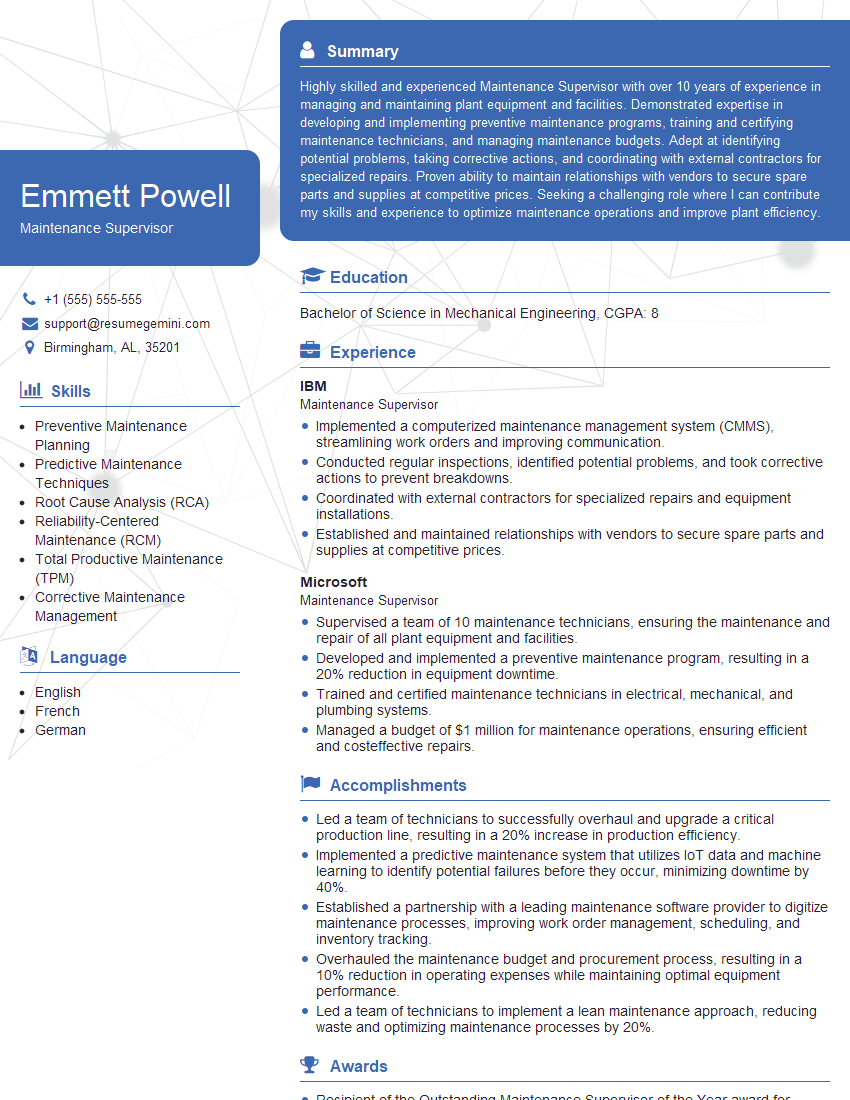
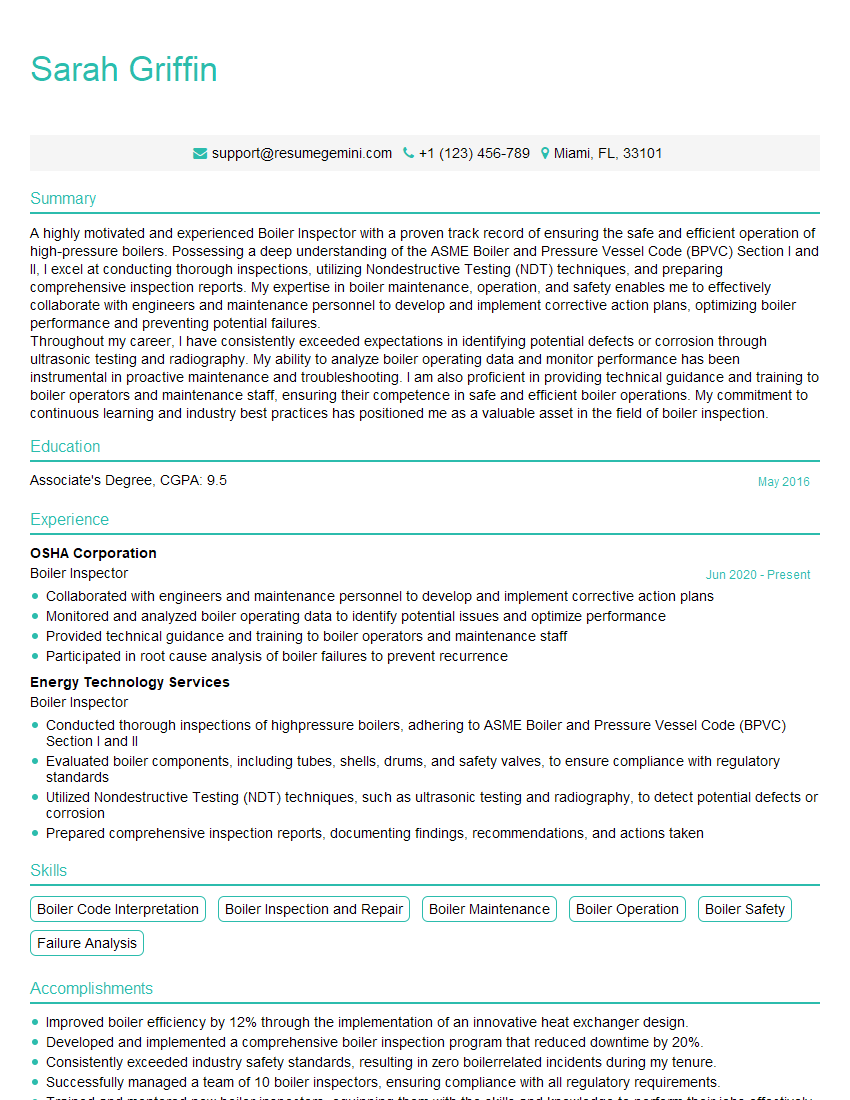
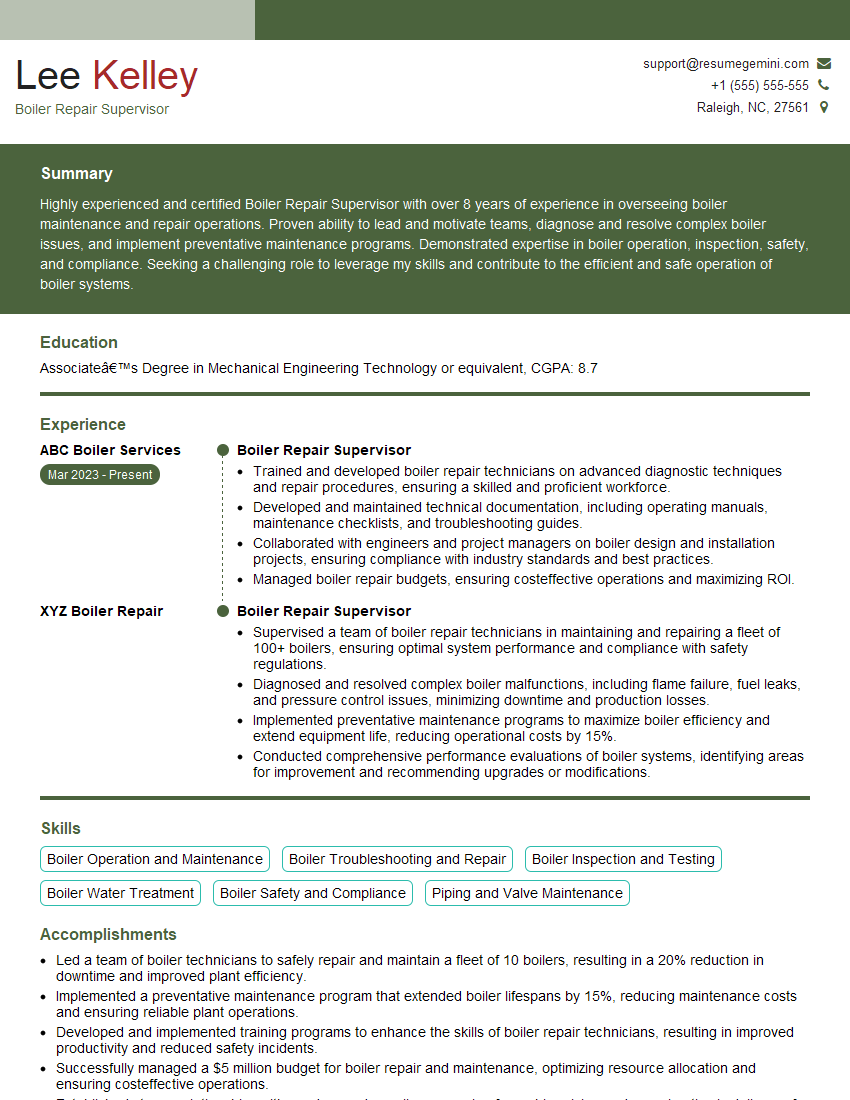
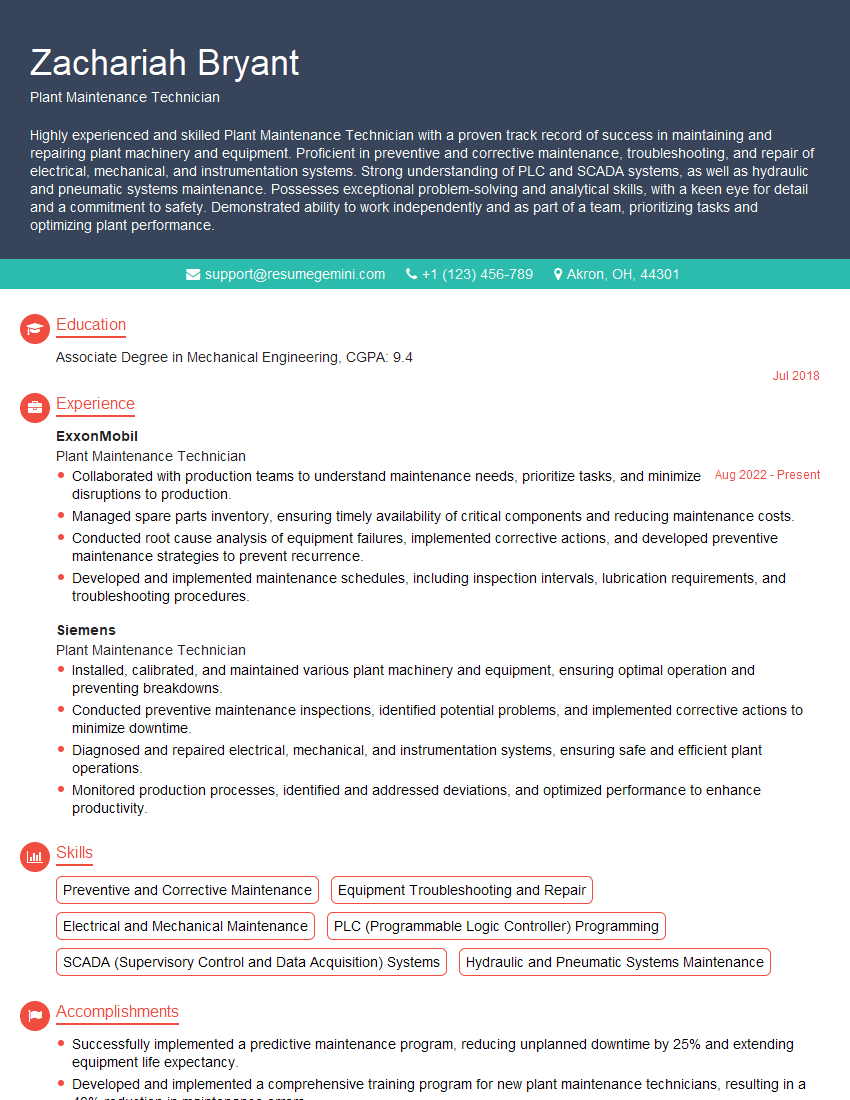
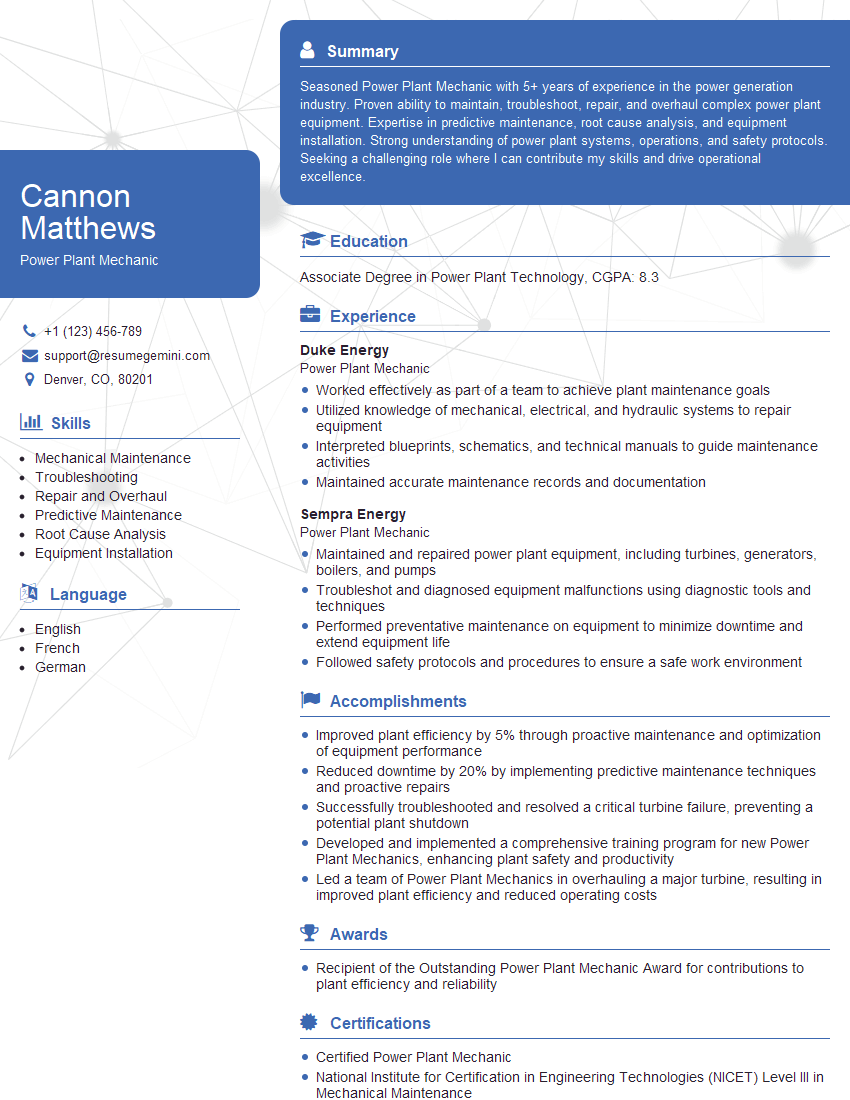
Mastering Boiler Tube Repair opens doors to a rewarding career with excellent growth potential in a vital industry. As you advance your skills, a strong resume is key to showcasing your expertise to potential employers. An ATS-friendly resume ensures your qualifications are effectively communicated to Applicant Tracking Systems, maximizing your chances of securing an interview. To create a professional and impactful resume, we recommend using ResumeGemini, a trusted resource for building compelling resumes. Examples of resumes tailored specifically for Boiler Tube Repair professionals are available to help you get started.
Explore more articles
Users Rating of Our Blogs
Share Your Experience
We value your feedback! Please rate our content and share your thoughts (optional).
What Readers Say About Our Blog
Really detailed insights and content, thank you for writing this detailed article.
IT gave me an insight and words to use and be able to think of examples