Every successful interview starts with knowing what to expect. In this blog, we’ll take you through the top Automotive Aesthetics and Design interview questions, breaking them down with expert tips to help you deliver impactful answers. Step into your next interview fully prepared and ready to succeed.
Questions Asked in Automotive Aesthetics and Design Interview
Q 1. Explain your understanding of automotive design principles.
Automotive design principles encompass a multifaceted approach, blending artistic vision with engineering constraints. It’s about creating a vehicle that’s not only visually appealing but also safe, functional, and efficient. Key principles include:
- Form follows function: The design should prioritize the vehicle’s purpose and functionality. A sports car, for example, will have a low, aerodynamic profile, unlike a family SUV, which needs space and practicality.
- Ergonomics: The design must prioritize driver and passenger comfort and safety. This includes factors like seat positioning, visibility, control placement, and accessibility.
- Aesthetics: This involves creating a visually appealing design that conveys the vehicle’s brand identity and target market. This encompasses lines, proportions, surface treatments, and color.
- Aerodynamics: Optimizing the vehicle’s shape to reduce drag and improve fuel efficiency is crucial. This often involves computational fluid dynamics (CFD) analysis and wind tunnel testing.
- Manufacturing considerations: Design choices must be feasible and cost-effective to manufacture. This requires collaboration between designers and engineers throughout the process.
Consider the iconic design of the Porsche 911; its timeless shape is a perfect example of form following function – the rear-engine layout dictates much of its design, yet it remains aesthetically pleasing and highly recognizable.
Q 2. Describe your experience with different CAD software.
My experience with CAD software is extensive, encompassing a wide range of industry-standard tools. I’m proficient in Alias Automotive, which I use primarily for Class-A surface modeling, creating the smooth, refined surfaces of a vehicle’s exterior. I’m also skilled in CATIA V5, frequently used for more complex engineering tasks, such as creating detailed models for components and assemblies. Additionally, I have experience with SolidWorks for prototyping and concept design and have used Rhino for quick model generation and conceptual studies. My expertise goes beyond just software operation; I understand the underlying principles of surface modeling, NURBS (Non-Uniform Rational B-Splines) curves, and parametric design. I frequently use scripting in these softwares to automate tasks and streamline my workflow, leading to faster iterations and refined design solutions.
Q 3. How do you balance aesthetics and functionality in automotive design?
Balancing aesthetics and functionality is a central challenge in automotive design, requiring constant compromise and creative problem-solving. It’s not a question of choosing one over the other, but rather a delicate dance of integration. For example, a sharp, aggressive front end might look stunning but could hinder pedestrian safety. Similarly, an overly aerodynamic design might improve fuel efficiency but compromise interior space. My approach involves:
- Early collaboration: Working closely with engineers from the outset to understand constraints and opportunities. This ensures design choices are feasible and don’t compromise critical functions.
- Iterative design process: Constantly reviewing and refining designs based on feedback from engineers, simulations, and user testing. This allows for early identification and resolution of conflicts.
- Data-driven decision-making: Employing simulations (CFD, crash testing, etc.) to validate design choices and quantify their impact on functionality and performance.
- Prioritization: Defining which aspects are most crucial for the vehicle’s overall success. Sometimes aesthetic compromises are necessary to ensure critical functionalities are met.
A great example of this balance is the Tesla Model S. Its sleek, minimalist design doesn’t compromise on practicality or aerodynamic performance. This reflects a thoughtful integration of aesthetics and functionality.
Q 4. Discuss your approach to creating a compelling car design brief.
Creating a compelling car design brief requires a clear understanding of the target market, brand identity, and the vehicle’s intended purpose. My approach involves a structured framework encompassing these key elements:
- Market analysis: Thorough research into the competitive landscape, identifying key features, trends, and unmet needs. This informs the direction and characteristics of the design.
- Brand identity: Defining the brand’s values, personality, and existing design language. This ensures design consistency and reinforces brand recognition.
- Vehicle specifications: Clear articulation of technical requirements, such as dimensions, platform, powertrain, and safety features. These constraints shape design possibilities.
- Target audience: Developing detailed personas of the intended customers, understanding their lifestyles, needs, and aspirations. This helps define design choices that resonate with the target demographic.
- Design goals: Specifying the key design objectives, for example, aerodynamics, fuel efficiency, or passenger capacity. This clarifies the focus and priorities of the design effort.
- Visual references: Providing mood boards and style guides with imagery that exemplifies the desired aesthetic. This facilitates communication and ensures a shared understanding of the design vision.
A well-written brief acts as a roadmap for the entire design process, ensuring everyone involved is on the same page and working towards a common goal.
Q 5. How do you incorporate user feedback into your design process?
User feedback is integral to the success of any automotive design. I incorporate it throughout the process through various methods:
- Surveys and questionnaires: Gathering quantitative data about preferences, needs, and expectations.
- Focus groups: Facilitating discussions and observing user interactions with prototypes or renderings.
- Usability testing: Evaluating the ergonomic aspects of the design, identifying potential issues and areas for improvement.
- Online forums and social media monitoring: Gathering qualitative feedback and understanding public opinion about the design.
- Competitive analysis: Comparing our designs to those of competitors, understanding market trends and user preferences.
This feedback helps identify design flaws, unmet needs, and areas where the design can be enhanced to better meet user expectations. I use this data to make informed decisions and refine the design iteratively.
Q 6. What are your favorite automotive design trends?
Several exciting automotive design trends currently capture my attention:
- Sustainable design: Increased focus on lightweight materials, aerodynamic optimization, and efficient powertrains, aligning with environmental concerns.
- Digitalization: Integration of advanced technologies like augmented reality head-up displays, personalized infotainment systems, and autonomous driving features. Design needs to seamlessly integrate these technologies.
- Personalization: Greater emphasis on offering customers customizable options to create a unique driving experience. This trend is reflected in bespoke interior choices and exterior modifications.
- Retro-futurism: A blend of classic design elements with modern technology and aesthetics. We see this in cars that reinterpret iconic shapes with a modern twist.
- Emphasis on simplicity and minimalism: Clean lines, reduced ornamentation, and a focus on functionality are gaining traction, reflecting a shift towards a more modern and less cluttered design language.
These trends are not mutually exclusive; many vehicles successfully combine several of them. For example, a sustainable vehicle might also incorporate digital features and a minimalist design language.
Q 7. Explain your understanding of automotive ergonomics.
Automotive ergonomics focuses on optimizing the design of vehicles for human comfort, safety, and efficiency. It’s about creating a driving and riding experience that is both enjoyable and safe. Key aspects include:
- Driver’s seat positioning: Ensuring optimal visibility, reach to controls, and support to minimize fatigue during extended driving.
- Control layout: Strategically positioning all controls (steering wheel, pedals, gear shift, infotainment) to minimize driver distraction and enhance intuitive operation.
- Visibility: Maximizing driver’s field of vision through careful consideration of window placement, pillar design, and mirror positioning.
- Accessibility: Designing vehicles that are easily accessible to people of various physical abilities and sizes.
- Passenger comfort: Providing ample space, comfortable seating, and convenient features for passengers.
- Climate control: Ensuring efficient heating, ventilation, and air conditioning (HVAC) systems for optimal cabin comfort.
Poor ergonomics can lead to driver fatigue, discomfort, and potentially accidents. Conversely, well-designed ergonomics contribute to a safer, more pleasant, and more efficient driving experience.
Q 8. How do you stay updated on the latest automotive design technologies?
Staying current in automotive design requires a multi-pronged approach. It’s not just about knowing the latest software, but understanding the broader trends shaping the industry.
- Industry Publications and Conferences: I regularly subscribe to magazines like Automotive Design & Production and attend events like the North American International Auto Show. These provide insights into new materials, technologies, and design philosophies.
- Online Resources and Communities: Websites like Behance and platforms like LinkedIn connect me with other designers, allowing for idea sharing and exposure to cutting-edge projects. I actively participate in online forums and discussions to learn from the collective expertise of the community.
- Competitor Analysis: Studying the designs of leading automotive manufacturers – from established brands to innovative startups – helps me identify emerging trends and understand market demands.
- Material and Technology Research: I dedicate time to researching new materials like advanced composites and sustainable alternatives, as well as emerging technologies like autonomous driving systems and their impact on vehicle aesthetics.
This holistic approach ensures I remain at the forefront of automotive design technology and trends.
Q 9. Describe your process for creating realistic renderings of automotive designs.
Creating realistic renderings is a multi-step process that combines artistic skill with technical expertise. It’s like painting a photorealistic portrait, but with a car instead of a person.
- 3D Modeling: I begin by creating a highly detailed 3D model of the vehicle using software like Alias or SolidWorks. This stage focuses on precise geometry and surface modeling, ensuring accurate representation of the vehicle’s shape and features.
- UV Mapping: Next, I create UV maps, which essentially flatten the 3D model’s surface onto a 2D plane to facilitate the application of textures.
- Texturing: I then apply high-resolution textures to the model, creating realistic surfaces with detailed materials – paint, chrome, carbon fiber, etc. This requires a good understanding of material properties and lighting interactions.
- Lighting and Rendering: Finally, I use rendering software like Keyshot or V-Ray to create realistic lighting and shadows. This involves carefully setting up light sources, adjusting material properties, and manipulating post-processing effects to achieve the desired level of realism. I often iterate on this stage to refine the final image.
Each stage requires a keen eye for detail and a strong understanding of lighting, materials, and reflection properties. The goal is to create an image that is indistinguishable from a photograph, showcasing the design in its most compelling light.
Q 10. How would you address a design conflict between the engineering and design teams?
Design conflicts between engineering and design teams are common but can be resolved through effective communication and collaboration. It’s like a dance between art and science, and both need to be in harmony.
- Open Communication: I believe in fostering open dialogue. Regular meetings and transparent communication channels ensure that both teams are fully aware of each other’s constraints and objectives.
- Compromise and Collaboration: Design often needs to accommodate engineering realities (e.g., aerodynamics, safety regulations). Successful resolution involves finding mutually agreeable solutions where design intent is preserved as much as possible while meeting the engineering requirements. This often requires creative problem-solving and iterative design revisions.
- Data-Driven Decision Making: Using data from simulations and physical prototypes helps bridge the gap between aesthetic preferences and engineering feasibility. For example, wind tunnel testing can inform design decisions related to aerodynamics, allowing for a balance between form and function.
- Mediation if Necessary: If disagreements persist, a neutral third party might be needed to mediate and facilitate a compromise.
The key is to approach the conflict as a problem to be solved collaboratively, not as an adversarial situation. The result is a better product, where both aesthetics and functionality are optimized.
Q 11. Describe your experience with creating 3D models of automotive components.
I have extensive experience in creating 3D models of automotive components, ranging from exterior body panels to interior trim parts. My process typically starts with a clear understanding of the component’s function and design intent.
- Reference Material Gathering: I begin by gathering detailed blueprints, sketches, and physical samples (if available) to ensure accuracy and fidelity.
- Software Selection: The choice of software (e.g., Alias, SolidWorks, Rhino) depends on the complexity and type of component. Complex surfacing requires specialized software like Alias, whereas simpler components might be modeled efficiently in SolidWorks.
- Model Building: I use a combination of techniques including NURBS modeling, surface patching, and solid modeling to create the 3D model. Attention to detail is crucial, ensuring that all curves, surfaces, and features are precisely rendered.
- Quality Control: Throughout the modeling process, I regularly check for errors and inconsistencies. This may involve using analysis tools to assess surface quality and identify potential manufacturing issues.
My experience extends to creating models for both virtual prototyping and physical manufacturing, requiring a strong understanding of manufacturing processes and tolerances.
Q 12. What is your preferred modeling software, and why?
My preferred modeling software is Alias Automotive. While other software like SolidWorks and Rhino have their strengths, Alias excels in creating the complex, free-flowing surfaces typical of automotive design. Think of it like sculpting with digital clay.
Alias provides the necessary tools for creating Class-A surfaces (high-quality, smooth surfaces ready for manufacturing), precise control over curvature, and a user interface that’s optimized for automotive design workflows. This allows me to create visually stunning and technically accurate models that seamlessly transition from the virtual world to the real one.
While I am proficient in other software, Alias’s focus on surface modeling and its industry standard status make it my go-to choice for most automotive design projects.
Q 13. How do you ensure your designs are manufacturable?
Ensuring manufacturability is crucial in automotive design. A beautiful design is useless if it can’t be produced efficiently and cost-effectively. It’s like designing a cake that looks amazing but is impossible to bake.
- Understanding Manufacturing Processes: I have a strong grasp of various manufacturing techniques, including stamping, casting, injection molding, and machining. This allows me to design components that are compatible with the chosen manufacturing process.
- Design for Manufacturing (DFM): I incorporate DFM principles throughout the design process, considering factors like material selection, part tolerances, draft angles, and assembly considerations. This ensures the design can be easily produced with minimal tooling costs and waste.
- Collaboration with Manufacturing Engineers: Close collaboration with manufacturing engineers is vital. Regular consultations ensure that the design meets manufacturing requirements and avoids potential issues early in the process.
- Prototyping: Creating physical prototypes, even at a small scale, is a valuable step in verifying manufacturability and identifying potential design flaws before mass production.
By proactively considering manufacturability at each design stage, I contribute to the development of efficient, cost-effective, and high-quality automotive products.
Q 14. Explain your understanding of color theory and its application in automotive design.
Color theory plays a crucial role in automotive design, influencing how a vehicle is perceived and affecting brand identity, target market appeal, and overall aesthetic impact. It’s about more than just picking a pretty shade.
- Color Psychology: Understanding color psychology is essential. Different colors evoke different emotions and associations. For example, red is often associated with excitement and passion, while blue can represent trust and reliability. These associations guide color choices to align with the vehicle’s intended brand image and target audience.
- Color Harmonies: Employing color harmonies, such as complementary, analogous, or triadic schemes, ensures visually appealing combinations. This prevents jarring color clashes and creates a balanced, harmonious design.
- Color and Light Interaction: The way light interacts with color is crucial. The same color can appear drastically different under different lighting conditions. Therefore, careful consideration of how the chosen colors will appear under various lighting scenarios (direct sunlight, shade, artificial light) is critical.
- Brand Identity: Color is often a key element of a brand’s visual identity. Maintaining consistency in color usage across a brand’s vehicles and marketing materials reinforces brand recognition and strengthens consumer loyalty.
Through skillful application of color theory, automotive designers create vehicles that are not only visually striking but also communicate specific brand values and resonate emotionally with consumers.
Q 15. How do you incorporate sustainability into your automotive designs?
Sustainability is no longer a trend in automotive design; it’s a necessity. My approach involves a holistic view, integrating eco-conscious materials and manufacturing processes from the initial concept stage. This includes exploring lightweighting techniques using recycled materials like carbon fiber composites and bio-based plastics, minimizing waste during production through efficient design for manufacturing (DFM), and designing for recyclability and end-of-life considerations. For example, I’ve worked on a project where we replaced traditional leather interiors with a sustainable alternative made from recycled plastic bottles, significantly reducing the environmental impact without compromising aesthetic appeal. We also analyze the entire life cycle of a vehicle—from material sourcing to disposal—to identify areas for improvement and minimize the carbon footprint.
- Material Selection: Prioritizing recycled, renewable, and bio-based materials.
- Lightweighting: Reducing vehicle weight through design optimization, leading to improved fuel efficiency.
- Design for Manufacturing (DFM): Optimizing design for minimal material waste and efficient production.
- Design for Disassembly (DfD) and Recycling: Designing components for easy separation and recycling at the end of the vehicle’s life.
Career Expert Tips:
- Ace those interviews! Prepare effectively by reviewing the Top 50 Most Common Interview Questions on ResumeGemini.
- Navigate your job search with confidence! Explore a wide range of Career Tips on ResumeGemini. Learn about common challenges and recommendations to overcome them.
- Craft the perfect resume! Master the Art of Resume Writing with ResumeGemini’s guide. Showcase your unique qualifications and achievements effectively.
- Don’t miss out on holiday savings! Build your dream resume with ResumeGemini’s ATS optimized templates.
Q 16. Describe your approach to designing for different target audiences.
Designing for diverse target audiences requires a deep understanding of their needs, lifestyles, and aspirations. My approach involves thorough market research, encompassing demographics, psychographics, and cultural influences. This informs the design language, features, and overall aesthetic. For example, a young, urban professional might appreciate a sleek, minimalist design with advanced technology features, whereas a family-oriented buyer might prioritize spaciousness, safety features, and practicality. I utilize personas—detailed representations of target customer segments—to guide design decisions. This ensures the final product resonates with its intended audience. We use data-driven insights, including surveys and focus groups, to validate design concepts and refine them based on feedback.
- Market Research: Analyzing demographics, psychographics, and cultural trends to understand target audiences.
- Persona Development: Creating detailed representations of target customer segments to guide design choices.
- Design Language: Tailoring the visual style and features to resonate with specific target groups.
- User Feedback: Incorporating feedback from surveys, focus groups, and usability testing.
Q 17. How do you ensure your designs meet safety regulations?
Safety is paramount in automotive design. My process involves rigorous compliance with all relevant regulations and standards, including those set by organizations like NHTSA (National Highway Traffic Safety Administration) and IIHS (Insurance Institute for Highway Safety). This starts with integrating safety features from the initial conceptualization stage, such as incorporating crumple zones, pedestrian safety features, and advanced driver-assistance systems (ADAS). Throughout the design process, we conduct simulations and crash tests using advanced computer-aided engineering (CAE) software to ensure structural integrity and passenger protection. This iterative process of design, simulation, and validation allows us to refine the design until it meets or exceeds all safety standards.
- Compliance: Adhering to all relevant safety regulations and standards.
- CAE Simulation: Utilizing computer simulations to test structural integrity and passenger safety.
- Crash Testing: Conducting physical crash tests to validate the design’s performance.
- Safety Features: Integrating advanced safety features like airbags, seatbelts, and ADAS.
Q 18. Explain your understanding of automotive lighting design.
Automotive lighting design is a critical aspect of both safety and aesthetics. It goes beyond simple illumination; it’s about creating a signature visual identity and enhancing visibility and safety. This involves understanding the interplay of light intensity, color temperature, and beam pattern to optimize visibility for the driver and other road users. I incorporate advanced technologies like LED and laser lighting to achieve precise control over light distribution. Designing for daytime running lights (DRLs) and adaptive headlights plays a significant role in visibility. Furthermore, I consider the aesthetics—how the lighting integrates seamlessly with the vehicle’s overall design to create a unified and visually appealing look. The placement and shape of headlights and taillights contribute significantly to the car’s personality.
- Technology: Utilizing advanced technologies like LED and laser lighting.
- Visibility: Optimizing light intensity, color, and beam pattern for safety.
- Aesthetics: Integrating lighting seamlessly into the overall design for visual appeal.
- Regulations: Adhering to regulations governing lighting specifications and performance.
Q 19. How do you create a cohesive design language across multiple vehicle models?
Creating a cohesive design language across multiple vehicle models is crucial for establishing brand identity and recognition. This involves developing a consistent set of design principles and elements—such as signature lines, grille designs, and lighting signatures—that are applied across different models, while allowing for variations to reflect individual vehicle segments and target audiences. We develop a design style guide that serves as a reference point for all designers, ensuring consistency in the application of these elements. This process requires strong communication and collaboration within the design team and across different departments. For example, a common grille design with slight variations might be used across an SUV, sedan, and hatchback, maintaining brand recognition while allowing each vehicle to have its own distinct personality.
- Design Principles: Establishing a set of guiding principles for design elements.
- Style Guide: Creating a comprehensive document outlining design standards and specifications.
- Brand Identity: Maintaining visual consistency to reinforce brand recognition.
- Collaboration: Fostering strong communication between design teams and different departments.
Q 20. Discuss your experience working with design review boards.
Working with design review boards is an integral part of the automotive design process. It’s a collaborative effort where design proposals are presented to a panel of experts, including engineers, marketing personnel, and senior management, for feedback and approval. I’ve found that effective communication is key—clearly articulating the design rationale, addressing potential concerns, and being open to constructive criticism. This process often involves iterations and revisions, refining the design based on feedback. It allows for a diverse perspective, ensuring that design solutions are not only aesthetically pleasing but also practical, manufacturable, and marketable. I prepare detailed presentations with renderings, simulations, and prototypes to effectively communicate the design concept and its key features.
- Preparation: Creating thorough presentations with renderings, simulations, and prototypes.
- Communication: Clearly articulating design rationale and addressing potential concerns.
- Collaboration: Working effectively with various stakeholders to incorporate feedback.
- Iteration: Refining the design based on constructive criticism and feedback.
Q 21. Explain your understanding of human-machine interface design in automotive applications.
Human-machine interface (HMI) design in automotive applications focuses on creating intuitive and safe interactions between the driver and the vehicle’s systems. This encompasses all aspects of the driver’s interaction with the vehicle, from the steering wheel and instrument cluster to the infotainment system and advanced driver-assistance features. My approach centers around user-centered design principles, prioritizing usability, ergonomics, and safety. We conduct extensive user research, including usability testing and driving simulations, to ensure that controls are easily accessible, understandable, and minimally distracting. For example, I’ve worked on projects involving the design of intuitive infotainment systems with voice control, gesture recognition, and large, high-resolution displays that provide essential information in a clear and concise manner without compromising driving safety. The goal is to create an HMI that seamlessly integrates into the driving experience, enabling effortless control and enhancing safety.
- User-Centered Design: Prioritizing usability, ergonomics, and safety in the design process.
- User Research: Conducting usability testing and driving simulations to gather user feedback.
- Intuitive Controls: Designing controls that are easily accessible and understandable.
- Safety Considerations: Minimizing distractions and ensuring safe operation of vehicle systems.
Q 22. Describe your experience with digital prototyping.
Digital prototyping is an indispensable tool in modern automotive design, allowing us to create and test virtual models before committing to expensive physical prototypes. My experience spans various software packages, including Alias, CATIA, and Rhino, along with rendering engines like Keyshot and V-Ray. I’ve used these tools to create everything from initial concept sketches to highly detailed, fully textured 3D models, including simulations of lighting, material properties, and even aerodynamic performance. For example, on a recent project, we used digital prototyping to explore various headlamp designs, rapidly iterating through different shapes and sizes to optimize both aesthetics and functionality, ultimately saving significant time and resources compared to traditional physical modeling.
This process involves creating a digital model, then using simulations to evaluate aspects like manufacturability, aerodynamics, and ergonomics. We can also use virtual reality (VR) to experience the design in a realistic environment, allowing for early detection of potential issues and leading to a more refined final product. It’s a truly collaborative process, where engineers and designers can work together concurrently to refine designs based on performance data and design feedback.
Q 23. How do you utilize user research to inform your design decisions?
User research is the cornerstone of successful automotive design. It’s not just about aesthetics; it’s about understanding the needs, desires, and behaviors of our target audience. My approach involves a multi-faceted strategy, combining qualitative and quantitative methods. This includes:
- Surveys: Gathering large-scale data on preferences and usage patterns.
- Focus groups: Facilitating in-depth discussions to uncover underlying motivations and attitudes.
- Interviews: Conducting one-on-one conversations to gain detailed insights into specific user needs.
- Ethnographic studies: Observing users in their natural environment to understand how they interact with vehicles.
- Usability testing: Evaluating the ease of use and functionality of design features.
For instance, on a recent project focused on a family SUV, we conducted ethnographic studies to observe how families loaded and unloaded their vehicles, identifying pain points and opportunities for improvement in the design of cargo space and access points. This user feedback directly informed design decisions, leading to a vehicle with significantly improved functionality and usability for families.
Q 24. Discuss your experience with material selection for automotive interiors and exteriors.
Material selection is crucial for both the aesthetic appeal and functional performance of a vehicle. My experience encompasses a wide range of materials, from traditional metals and plastics to cutting-edge composites and sustainable alternatives. For exteriors, considerations include durability, weather resistance, repairability, and recyclability. We might choose aluminum for its lightweight properties, high-strength steel for its impact resistance, or carbon fiber for its stiffness and weight reduction potential. Each material impacts the manufacturing process and the overall cost, so careful analysis is needed.
For interiors, the focus shifts toward tactile appeal, comfort, and safety. Here, we might utilize leather, Alcantara, various fabrics, and recycled plastics. The selection process considers factors like durability, texture, color fastness, and regulatory compliance (e.g., flammability standards). I’ve worked with suppliers to develop custom materials that meet specific design and performance requirements. For example, in one project we collaborated with a supplier to develop a new type of recycled plastic that matched the aesthetic and tactile qualities of leather but with a significantly lower environmental impact.
Q 25. Explain your understanding of the automotive design approval process.
The automotive design approval process is a rigorous and multi-stage journey. It starts with initial concept sketches and evolves through numerous reviews and sign-offs from various stakeholders, including design, engineering, manufacturing, marketing, and ultimately, senior management. The process typically involves:
- Concept Reviews: Initial design presentations to gain buy-in on the overall direction.
- Design Reviews: Detailed reviews of specific design elements, ensuring alignment with engineering feasibility and manufacturing capabilities.
- Engineering Reviews: Assessment of design’s impact on vehicle performance and safety.
- Manufacturing Reviews: Evaluation of design’s manufacturability and cost-effectiveness.
- Marketing Reviews: Evaluation of the design’s appeal to the target market.
- Management Approvals: Final sign-offs from senior management to proceed with production.
Each stage involves detailed documentation, presentations, and discussions to address potential challenges and ensure alignment across departments. The process emphasizes clear communication and collaborative problem-solving. It’s a continuous feedback loop, with design iterations occurring throughout the process to refine and optimize the final product.
Q 26. How do you handle design changes during the development cycle?
Design changes during the development cycle are inevitable, driven by factors like manufacturing constraints, regulatory changes, or feedback from testing and market analysis. My approach to managing design changes involves a structured process that emphasizes clear communication, impact assessment, and rigorous documentation.
First, the nature and scope of the proposed change are clearly defined. Then, we assess its impact on other design elements, engineering requirements, manufacturing processes, and the project schedule. This usually involves close collaboration with engineers and manufacturing specialists. We then develop and evaluate potential solutions, selecting the optimal option based on a trade-off analysis considering cost, time, and performance impacts. Finally, the change is documented, communicated to all relevant stakeholders, and integrated into the design through a formal change request process. This process minimizes disruption while ensuring that all necessary approvals and checks are in place.
Q 27. Describe your approach to creating compelling design presentations.
Creating compelling design presentations is key to effectively communicating the design vision and securing approvals. My approach centers on a narrative that tells a story, combining strong visuals with clear and concise explanations. The presentation should not just showcase the design but also explain the rationale behind the design decisions. I use high-quality renderings, animations, and physical models (when appropriate) to immerse the audience and bring the design to life. The use of storytelling techniques, such as presenting a problem and showing how the design provides a solution, is effective in gaining buy-in. Data visualization of key performance metrics, like aerodynamic efficiency or interior space, reinforces the design’s merit. I believe in a less-is-more approach, focusing on clarity and impact rather than overwhelming the audience with excessive details. A well-structured and clear presentation ensures the design speaks for itself and leaves a lasting impression.
Q 28. How would you incorporate innovative technologies into a future car design?
Incorporating innovative technologies into a future car design is about seamlessly integrating them into the overall user experience, not just adding features for the sake of it. I envision a future car design that leverages:
- Advanced driver-assistance systems (ADAS): Seamlessly integrated ADAS features, enhancing safety and convenience without overwhelming the driver. This could include predictive collision avoidance, automated parking, and hands-free driving capabilities.
- Sustainable materials: A shift towards lightweight, recyclable, and bio-based materials, minimizing the vehicle’s environmental impact.
- Personalized interiors: Interior configurations that adapt to individual preferences and needs, using smart materials and responsive systems.
- Augmented reality (AR) head-up displays: Overlays real-time information onto the driver’s view of the road, providing a safer and more informative driving experience.
- Human-machine interfaces (HMI): Intuitive and personalized HMIs that use voice control, gestures, and other natural interaction methods.
The design needs to be holistic, ensuring these technologies work together harmoniously. The aesthetic design should complement the technological advancements, creating a cohesive and aesthetically pleasing experience that reflects both innovation and elegance. The key is to design a car that is not just technologically advanced but also intuitive, enjoyable, and sustainable.
Key Topics to Learn for Automotive Aesthetics and Design Interview
- Automotive Design Principles: Understanding fundamental design elements like form, proportion, balance, and rhythm, and how they contribute to a vehicle’s overall aesthetic appeal. Explore classic design schools and contemporary trends.
- Sketching and Rendering Techniques: Developing proficiency in sketching, digital rendering, and model-making to effectively communicate design ideas. Practice translating concepts into visual representations that highlight key features and proportions.
- Ergonomics and Human Factors: Applying ergonomic principles to ensure driver and passenger comfort and safety. Consider the interplay between interior design and functionality.
- CAD Software Proficiency: Demonstrating expertise in industry-standard CAD software (e.g., Alias, Rhino) for 3D modeling, surface design, and visualization. Be prepared to discuss your experience with different software packages and workflows.
- Material Selection and Technology: Understanding the properties and applications of various materials used in automotive design, including composites, metals, and plastics. Discuss current trends in sustainable and innovative materials.
- Automotive Styling Trends and History: Demonstrating knowledge of past, present, and emerging design trends. Be able to discuss the evolution of automotive styling and its influence on current designs.
- Design Process and Collaboration: Understanding the iterative nature of the automotive design process and the importance of effective collaboration within a design team. Highlight your problem-solving skills and ability to work effectively in a collaborative environment.
- Presentation and Communication Skills: Effectively communicating design concepts and rationale to both technical and non-technical audiences. Be prepared to articulate your design choices and justify your decisions.
Next Steps
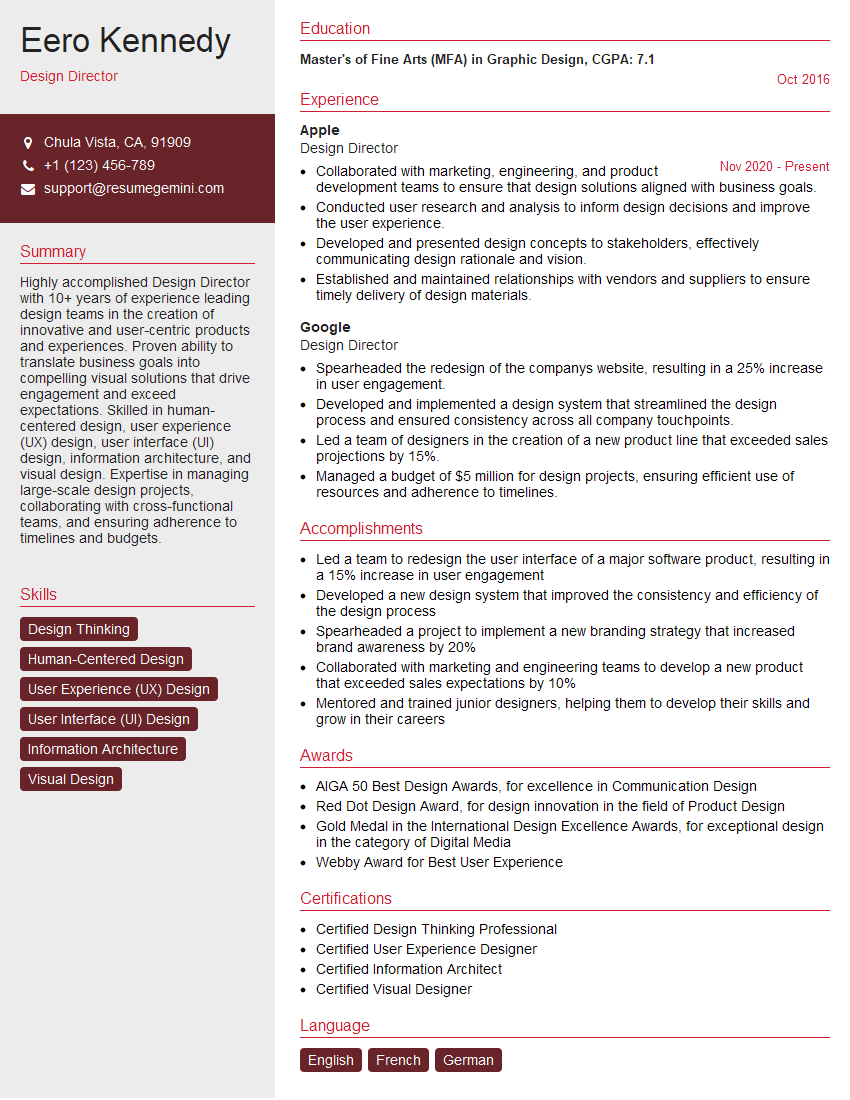
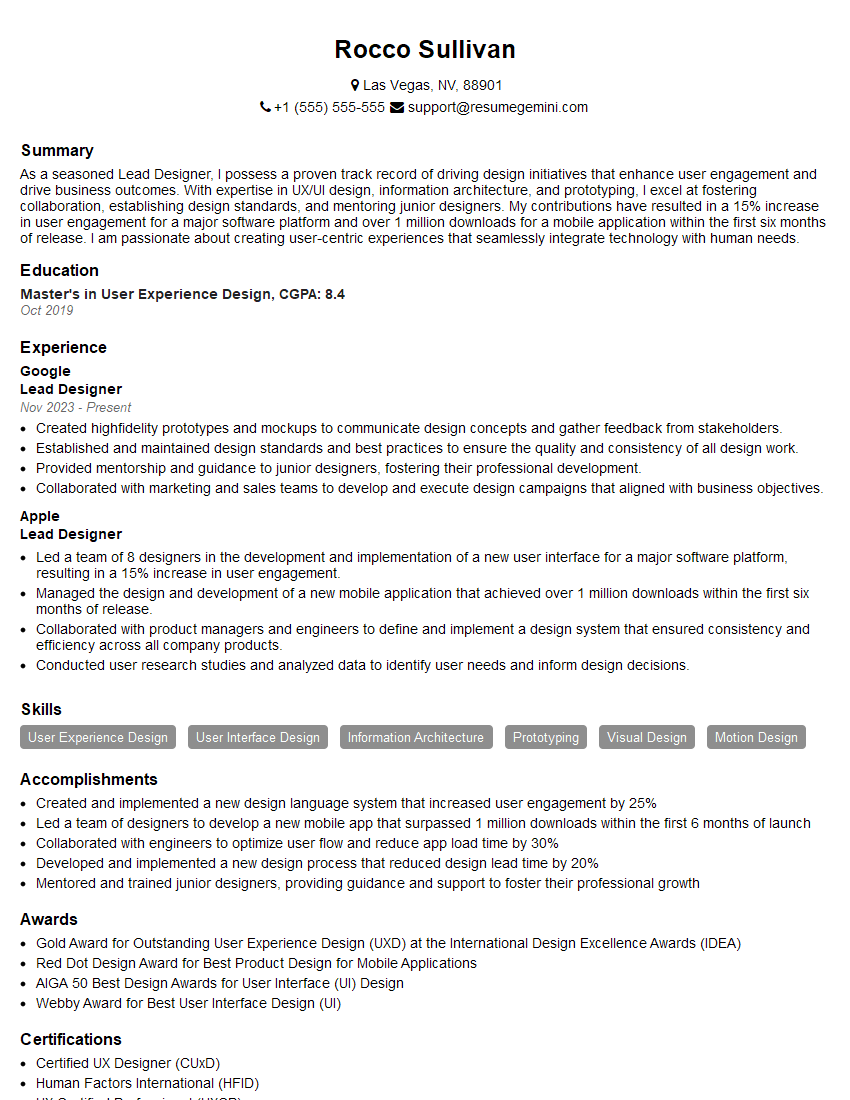
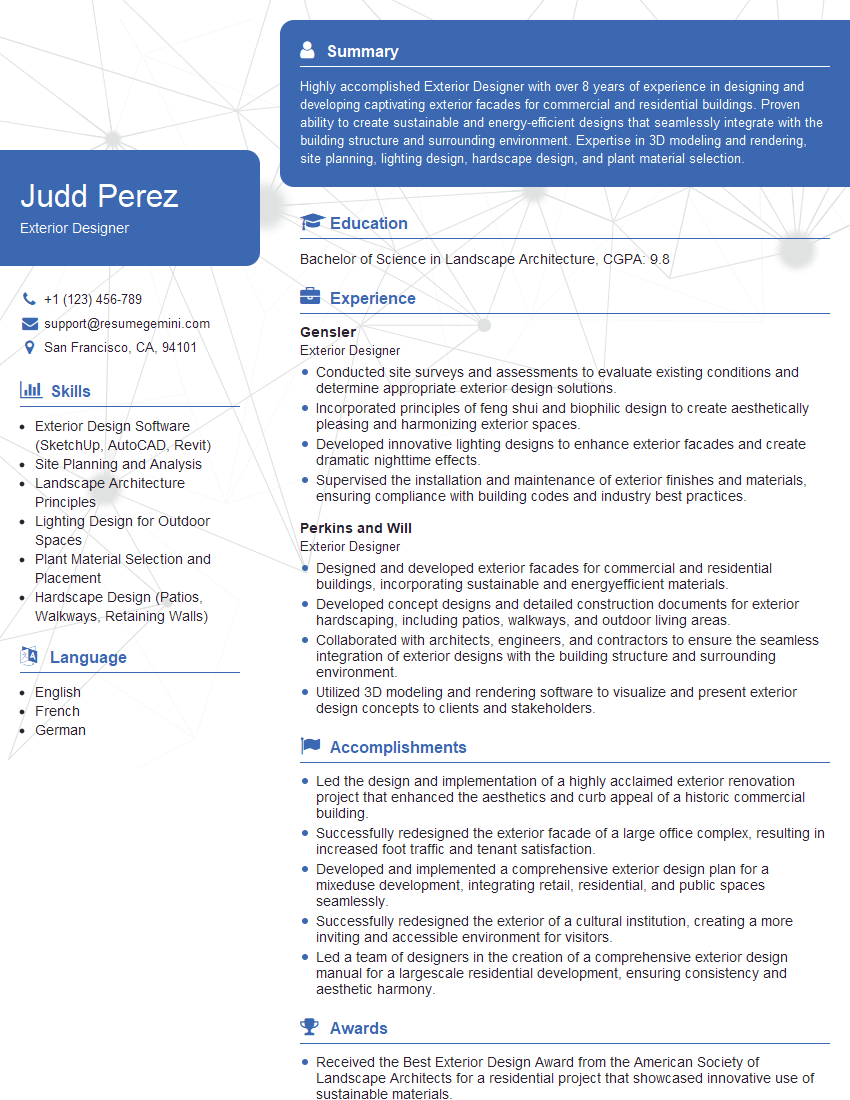
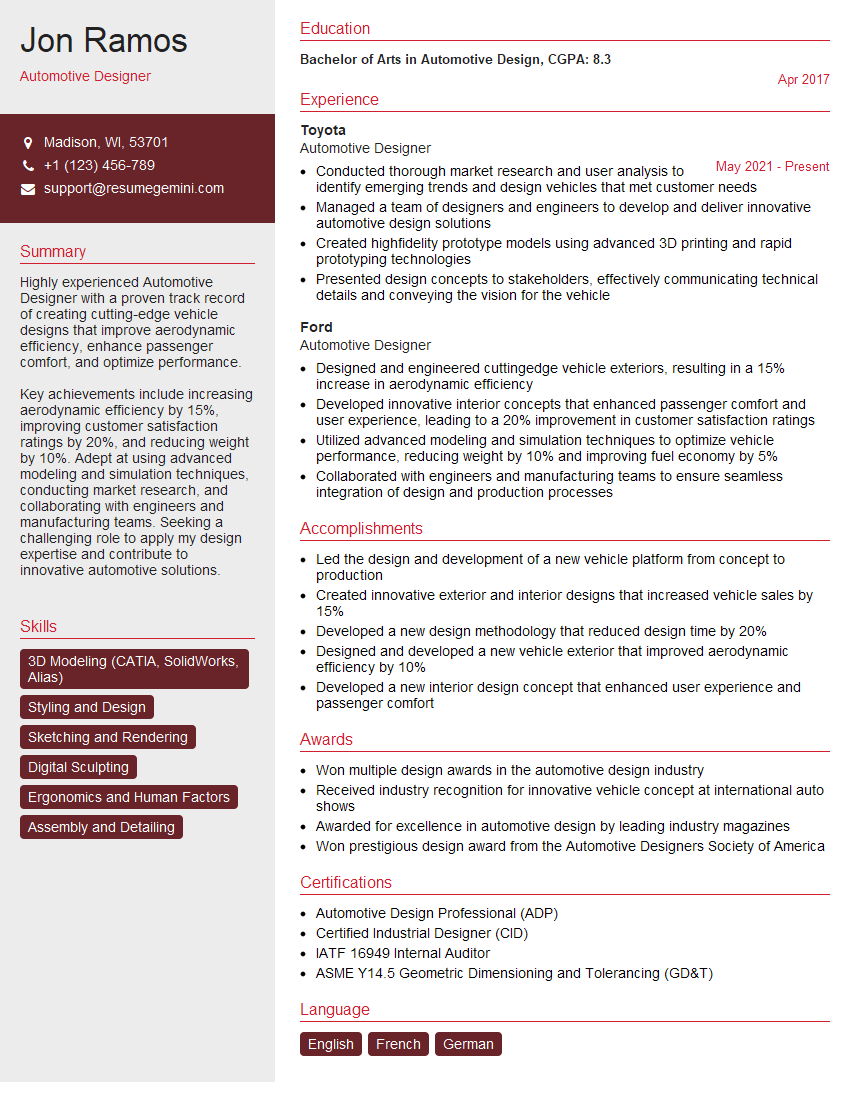
Mastering Automotive Aesthetics and Design is crucial for career advancement in this exciting and competitive field. A strong understanding of these principles, combined with practical skills, will significantly enhance your job prospects. To stand out, it’s essential to create a compelling and ATS-friendly resume that highlights your achievements and skills. ResumeGemini is a trusted resource that can help you build a professional resume tailored to your specific experience and the demands of the automotive industry. Examples of resumes tailored to Automotive Aesthetics and Design are available to help guide you through the process. Invest time in crafting a powerful resume – it’s your first impression on potential employers.
Explore more articles
Users Rating of Our Blogs
Share Your Experience
We value your feedback! Please rate our content and share your thoughts (optional).
What Readers Say About Our Blog
Really detailed insights and content, thank you for writing this detailed article.
IT gave me an insight and words to use and be able to think of examples