The right preparation can turn an interview into an opportunity to showcase your expertise. This guide to Veterinary Medicine and Animal Health interview questions is your ultimate resource, providing key insights and tips to help you ace your responses and stand out as a top candidate.
Questions Asked in Veterinary Medicine and Animal Health Interview
Q 1. Describe your experience with diagnosing and treating canine parvovirus.
Canine parvovirus is a highly contagious and often fatal viral disease. Diagnosing it involves a combination of clinical signs and laboratory tests. I typically start by taking a thorough history, focusing on the patient’s vaccination status, recent exposure to other dogs, and the onset and progression of symptoms. Classic symptoms include severe vomiting, bloody diarrhea, lethargy, and dehydration.
A key diagnostic step is a fecal ELISA test to detect the presence of parvoviral antigen. This is a rapid and relatively inexpensive test. We might also run a complete blood count (CBC) to assess the severity of dehydration and anemia, and blood chemistry panels to evaluate kidney and liver function, which can be compromised by the disease.
Treatment is supportive and focuses on combating dehydration, addressing vomiting and diarrhea, and providing nutritional support. This frequently involves intravenous fluid therapy to correct dehydration and electrolyte imbalances. Anti-emetics can help control vomiting, while medications to manage diarrhea are also crucial. Pain management is important as the disease is incredibly painful. Nutritional support may be through intravenous fluids initially, progressing to easily digestible food as the patient improves. Hospitalization is often necessary, especially in severe cases, for close monitoring and fluid administration.
I’ve seen numerous cases where early diagnosis and aggressive supportive care were crucial in saving a patient’s life. One instance stands out where a puppy presented with severe dehydration and near-lethal levels of blood loss from diarrhea. Through intensive fluid therapy, antiemetics, and close monitoring, we successfully nursed him back to health. Prognosis depends greatly on the severity at presentation and the patient’s overall health.
Q 2. Explain the process of performing a feline physical examination.
A complete feline physical exam is a systematic process that assesses various body systems. I begin with a visual observation of the cat’s overall demeanor – assessing alertness, posture, and any signs of distress. This is followed by a systematic approach, often starting with the head and working down the body.
The examination includes:
- Eyes: Assessing the conjunctiva (membrane lining the eyelids), sclera (white of the eye), pupils (size and response to light), and looking for any discharge or abnormalities.
- Ears: Checking for ear mites, infections, or excessive wax buildup.
- Nose: Evaluating for discharge and assessing nasal patency.
- Mouth: Examining the teeth, gums, and tongue for any lesions, inflammation, or dental disease.
- Neck and Lymph Nodes: Palpating for any swelling or enlargement of the lymph nodes.
- Respiratory System: Auscultation (listening) to the lungs for any abnormal sounds like wheezes or crackles.
- Cardiovascular System: Auscultating the heart for rhythm, rate, and any murmurs.
- Abdomen: Palpating the abdomen gently to assess the size and consistency of the organs, detecting any masses or tenderness.
- Musculoskeletal System: Assessing range of motion in the limbs and palpating for any pain, swelling, or abnormalities.
- Neurological System: Assessing gait, posture, and reflexes.
- Skin and Coat: Examining for parasites, lesions, or abnormalities in the coat.
Throughout the exam, I observe the cat’s reaction to palpation and handling, noting any signs of pain or discomfort. This overall assessment helps identify potential underlying health issues and guides further diagnostic tests if necessary.
Q 3. What are the common signs of equine colic, and how would you approach diagnosis?
Equine colic is a broad term encompassing various abdominal disorders, ranging from mild discomfort to life-threatening emergencies. The clinical presentation can be highly variable, making diagnosis challenging. Common signs include pawing at the ground, rolling, kicking at the abdomen, decreased or absent appetite, sweating, and increased heart and respiratory rates. Some horses might exhibit signs of abdominal distension. The severity of the clinical signs often reflects the seriousness of the underlying problem.
My approach to diagnosis involves a combination of techniques. I begin with a thorough history, focusing on the horse’s diet, recent changes in management, and the timeline of symptom onset. A rectal examination is a critical first step to assess the tone and contents of the rectum and large colon. This helps identify the presence of gas or impaction.
I then proceed with a careful physical examination, noting the horse’s vital signs and palpation of the abdomen for any pain, distension, or abnormal masses. Abdominal auscultation using a stethoscope is vital to assess intestinal motility. Lack of bowel sounds can be indicative of a serious problem. In many cases, further diagnostic testing is needed. This might include:
- Bloodwork: To evaluate hydration status, inflammation, and organ function.
- Abdominal ultrasound: Provides detailed images of the abdominal organs to help pinpoint the location and nature of the problem.
- Abdominocentesis (taking a fluid sample from the abdomen): Can provide valuable information about the presence of infection or other abnormalities.
- Nasogastric intubation: Inserting a tube into the stomach to help decompress it and relieve gas.
Treatment varies greatly depending on the underlying cause of the colic. It can range from conservative management with fluids and pain medication to more aggressive interventions such as surgery. Early and accurate diagnosis is critical for a successful outcome.
Q 4. Discuss your experience with administering anesthesia to different animal species.
Administering anesthesia requires a deep understanding of pharmacology and physiology, with careful consideration given to the individual animal’s species, breed, age, health status, and the specific procedure being performed. I have extensive experience administering anesthesia to a wide range of species including dogs, cats, horses, and cattle.
My approach always starts with a thorough pre-anesthetic examination, including a detailed history and physical exam. I’ll run relevant bloodwork to evaluate organ function and assess any potential risks. The choice of anesthetic agents depends heavily on the individual animal and the procedure’s specifics. For instance, for a simple procedure, we might use a short-acting inhalant anesthetic. More complex surgeries may require a combination of intravenous and inhalant agents. For horses, careful monitoring during recovery is particularly crucial, due to their susceptibility to complications. For smaller animals, meticulous attention to detail is vital to ensure safety and effectiveness.
Safe anesthetic practice demands continuous monitoring throughout the procedure, including vital signs like heart rate, blood pressure, respiratory rate, and oxygen saturation. I utilize various monitoring devices, including pulse oximeters, electrocardiograms (ECGs), and capnographs, which allow for real-time assessment of the animal’s response to anesthesia. Post-operative monitoring is equally critical, watching for complications and ensuring a smooth recovery.
I always prioritize patient safety and comfort, tailoring the anesthetic protocol to minimize risks and optimize patient well-being. Careful record keeping and meticulous attention to detail are critical for successful anesthesia management across all species.
Q 5. How do you handle aggressive animals during a veterinary procedure?
Handling aggressive animals requires a calm, confident, and methodical approach. Safety for both the animal and the veterinary team is paramount. I employ several strategies depending on the animal’s behavior and the procedure required.
Prioritizing Safety: The first step involves assessing the animal’s behavior to understand the triggers for aggression. This might involve observing the animal in its environment and interacting with it carefully before attempting any physical handling. Appropriate personal protective equipment (PPE), such as thick gloves, bite sleeves, and protective eyewear, is crucial.
Techniques for Restraint: We might utilize physical restraints such as muzzles or specialized restraint devices. For cats, we might use a towel to gently restrict movement. In some cases, sedation might be necessary to make the procedure safe and feasible. The choice of sedation must take into account the animal’s health status and the specific procedure.
Teamwork and Communication: When dealing with aggressive animals, having a well-coordinated team is crucial. Clear communication among veterinary staff is critical to ensure everyone understands their role and responsibilities. We assign roles – for example, one person might be responsible for restraint, while another administers medications, and another performs the procedure.
Minimizing Stress: A calm and quiet environment can help reduce the animal’s stress and anxiety. We use gentle handling techniques and avoid sudden movements. I might use positive reinforcement techniques such as rewarding calm behavior to help the process. The goal is always to minimize the animal’s stress and anxiety throughout the procedure to ensure both safety and a positive outcome.
Q 6. Explain your approach to pain management in veterinary patients.
Pain management is a core component of providing high-quality veterinary care. My approach is multifaceted and emphasizes a proactive strategy aimed at preventing and minimizing pain whenever possible.
Assessment of Pain: Accurately assessing pain is the first step. This goes beyond just relying on visible signs like vocalization or limping. I carefully consider the animal’s behavior, posture, and physiological parameters, such as heart rate and respiratory rate. Pain scales are used to objectively quantify the severity of pain. These might be species-specific scales validated for their effectiveness.
Analgesic Strategies: The choice of analgesic depends on factors such as the severity and type of pain, the animal’s species and overall health, and the duration of the pain. We use a variety of analgesics, including NSAIDs (Non-Steroidal Anti-Inflammatory Drugs), opioids, local anesthetics, and multimodal analgesic approaches.
Multimodal Approach: Combining different analgesics with different mechanisms of action (multimodal approach) is often more effective than using a single drug. This helps achieve better pain relief with reduced side effects. For example, an NSAID to reduce inflammation combined with an opioid to address the pain itself can be highly effective.
Post-operative Care: Post-operative pain management is crucial for successful recovery. We provide analgesics and monitor the patient carefully, adjusting the pain management plan as needed to ensure comfort and prevent complications.
Patient-Centered Approach: I treat pain on a case-by-case basis taking into account the specific animal’s circumstances and needs. This allows for a personalized approach that prioritizes patient comfort and wellbeing.
Q 7. Describe your experience with surgical techniques in small animals.
I have extensive experience performing a range of surgical procedures in small animals, from routine spays and neuters to more complex procedures such as orthopedic surgeries, soft tissue surgeries, and emergency surgeries.
Surgical Techniques: My surgical technique adheres to strict aseptic procedures to minimize the risk of infection. This begins with proper preparation of the surgical site, using appropriate surgical attire, and maintaining a sterile field.
Common Procedures: I have performed hundreds of spays and neuters, using both traditional and minimally invasive techniques depending on the situation. Orthopedic surgeries, involving repair of fractures or ligament injuries, require specialized techniques and instruments. Soft tissue surgeries include procedures like mass removals, gastrointestinal surgeries, and urinary tract surgeries.
Advanced Techniques: In addition to routine surgeries, I’m proficient in laparoscopic surgery, which involves using minimally invasive techniques to perform complex procedures through small incisions. This is associated with reduced pain, quicker recovery times, and improved cosmetic outcomes.
Patient Selection and Pre-operative Planning: Pre-operative assessment is crucial. I conduct a thorough physical examination, run necessary blood tests, and ensure the animal is appropriately anesthetized before any surgical procedure begins. The patient’s age, breed, and overall health greatly influence the chosen surgical approach and post-operative plan.
Post-Operative Care: Post-operative care is crucial for surgical success and patient recovery. This includes providing appropriate pain management, monitoring the patient for complications, and providing clear instructions to pet owners for continued care at home.
Q 8. How would you manage a case of bovine mastitis?
Managing bovine mastitis, an inflammation of the mammary gland in cows, requires a multi-faceted approach. It’s crucial to identify the causative agent (bacterial, environmental, or a combination) as treatment varies. The severity of the infection also dictates the management strategy.
Initial Steps: A thorough clinical examination, including physical assessment of the udder (e.g., checking for heat, swelling, pain, and changes in milk consistency), milk somatic cell count (SCC) analysis, and possibly bacterial culture and sensitivity testing are paramount. This helps determine the severity and identify the specific pathogen.
Treatment Strategies:
- Antibiotic Therapy: This forms the cornerstone of treatment for bacterial mastitis. The choice of antibiotic is guided by the culture and sensitivity results, ensuring targeted therapy and minimizing the development of antibiotic resistance. Intramammary infusions (directly into the infected gland) are generally preferred for localized infections.
- Supportive Care: This includes ensuring adequate hydration, proper nutrition, and pain management. Regular milking (even if milk yield is reduced), careful udder hygiene, and potentially anti-inflammatory drugs might be needed.
- Culling: In severe, chronic, or recurring cases where treatment fails, culling (removing the infected animal from the herd) may be the most economically and ethically sound decision to prevent further spread of infection.
Prevention: Proactive measures are crucial in preventing mastitis outbreaks. These include:
- Maintaining clean and dry housing conditions: This reduces exposure to environmental pathogens.
- Proper milking hygiene: This minimizes the introduction of bacteria during milking procedures.
- Vaccination: Vaccination against common mastitis-causing bacteria is a widely used prophylactic measure.
- Teat dipping: Applying an antiseptic solution to the teats after milking helps prevent infection.
Example: I once managed a case of severe Streptococcus agalactiae mastitis in a high-producing Holstein cow. After obtaining a culture and sensitivity, we administered intramammary amoxicillin for a week, combined with supportive care, and closely monitored the cow’s response. The infection successfully resolved, highlighting the importance of accurate diagnosis and targeted treatment.
Q 9. What are the common causes of feline lower urinary tract disease?
Feline lower urinary tract disease (FLUTD) encompasses a range of conditions affecting the bladder and urethra in cats. It’s a common and often frustrating problem for both owners and veterinarians. While the exact cause is frequently idiopathic (meaning unknown), several factors contribute to its development.
Common Causes:
- Idiopathic Feline Cystitis (FIC): This is the most prevalent form of FLUTD and isn’t associated with a specific bacterial or viral infection. Stress, diet, and environmental factors play a significant role. We often see signs of inflammation in the bladder wall without any evidence of infection.
- Urinary Tract Infections (UTIs): Bacterial infections are a potential cause, but often secondary to underlying conditions. Common pathogens include E. coli and Staphylococcus species.
- Urolithiasis (Bladder Stones): The formation of stones (crystals that solidify) in the urinary tract can obstruct urine flow, causing pain, and increasing risk of infection.
- Urethral Plugs: These are composed of a mixture of mucus, cells, and crystals, obstructing the urethra. This is more common in male cats.
- Structural Abnormalities: In some cases, anatomical issues (like urethral strictures or abnormalities) can predispose cats to FLUTD.
Diagnosis: A comprehensive diagnosis requires a complete history, physical exam (including palpation of the abdomen), urinalysis (to detect crystals, bacteria, and blood), and potentially radiography or ultrasound to identify bladder stones or structural abnormalities.
Example: I recently treated a cat presenting with stranguria (straining to urinate) and hematuria (blood in the urine). Initial urinalysis ruled out infection, but ultrasound revealed bladder stones. The cat underwent surgical removal of the stones, and post-operative care included a special diet to prevent recurrence.
Q 10. Discuss your knowledge of different types of veterinary imaging (radiography, ultrasound, etc.).
Veterinary imaging plays a crucial role in diagnosing and managing various animal health conditions. Different modalities offer unique advantages and are selected based on the suspected problem and the animal’s size and condition.
Radiography (X-rays): This is a fundamental imaging technique used to visualize bones, teeth, lungs, and some soft tissues. It’s excellent for detecting fractures, foreign bodies, and certain lung diseases. Contrast media (like barium) can enhance visualization of the gastrointestinal tract.
Ultrasound (Sonography): This uses high-frequency sound waves to create images of soft tissues. It’s invaluable for examining organs like the liver, kidneys, spleen, heart, and reproductive organs. It’s also helpful in detecting pregnancy and assessing fluid accumulations.
Computed Tomography (CT): This produces detailed cross-sectional images of the body. CT offers superior resolution to radiography, particularly for visualizing bone and soft tissue structures. It is very useful for evaluating complex fractures or intracranial lesions.
Magnetic Resonance Imaging (MRI): This technique utilizes magnetic fields and radio waves to create high-resolution images of soft tissues. MRI is superior to CT for imaging the brain, spinal cord, and other soft tissues with exceptional detail. It’s a very useful imaging tool to evaluate soft tissue masses and subtle changes.
Fluoroscopy: This is a dynamic imaging technique utilizing x-rays to visualize real-time movement. It’s useful for examining the swallowing mechanism, assessing joint mobility, and performing minimally invasive procedures.
Example: In a case of suspected gastric torsion (stomach twisting) in a dog, I would initially use radiography to assess the location of the stomach. However, for detailed visualization of soft tissues and fluid, ultrasound would be more appropriate.
Q 11. Explain your understanding of zoonotic diseases and their prevention.
Zoonotic diseases are infections that can be transmitted from animals to humans. Understanding these diseases and their prevention is vital for public health. Transmission can occur through various routes, including direct contact with infected animals, bites, scratches, ingestion of contaminated food or water, or via vectors like ticks and fleas.
Examples of Zoonotic Diseases:
- Rabies: A deadly viral disease transmitted through bites or scratches from infected animals.
- Lyme Disease: Caused by bacteria transmitted by infected ticks.
- Toxoplasmosis: Parasitic infection often acquired through contact with cat feces.
- Salmonella: Bacterial infection often contracted through handling contaminated poultry or reptiles.
- Brucellosis: Bacterial disease that can spread from infected animals to humans through direct contact or ingestion of contaminated food.
Prevention:
- Vaccination: Vaccinating pets against rabies and other zoonotic diseases is a critical preventive measure.
- Hygiene Practices: Thorough handwashing after handling animals or animal waste is essential.
- Parasite Control: Regular use of flea and tick preventatives reduces the risk of vector-borne diseases.
- Proper Food Handling: Cooking meat thoroughly and maintaining proper hygiene in the kitchen prevents foodborne zoonotic diseases.
- Avoiding contact with wild animals: Minimizing contact with wild animals reduces the risk of exposure to diseases.
Example: Prompt vaccination of pets against rabies is crucial to prevent human exposure, emphasizing the importance of preventative medicine in controlling zoonotic disease spread.
Q 12. How do you approach client communication regarding diagnosis and treatment plans?
Client communication is paramount in veterinary medicine. It involves not only explaining complex medical information clearly but also building rapport and trust.
Approaching Diagnosis and Treatment Plans:
- Establish a Comfortable Environment: Creating a calm and welcoming atmosphere is the first step. I always ensure the client feels heard and respected.
- Use Clear and Simple Language: I avoid medical jargon and explain the diagnosis and treatment plans in terms the client understands. I utilize visual aids like diagrams or images when necessary.
- Provide Options: Whenever possible, I present different treatment options with their pros, cons, and associated costs, allowing clients to make informed decisions.
- Answer Questions Honestly and Patiently: I answer all client questions thoroughly and patiently, even if they seem repetitive. Addressing concerns promptly can prevent misunderstandings.
- Provide Written Information: I provide written summaries of the diagnosis, treatment plan, prognosis, and follow-up instructions. This ensures the client has a reference point to review later.
- Empathy and Compassion: I always approach the client with empathy and compassion, acknowledging the emotional impact of their pet’s illness.
Example: When explaining a cancer diagnosis to a client, I use straightforward language, providing detailed information on the disease’s progression and treatment options while simultaneously expressing compassion for their emotional distress. This approach ensures the client feels informed and supported.
Q 13. Describe your experience with emergency veterinary procedures.
My experience with emergency veterinary procedures spans various situations, from managing trauma cases to addressing life-threatening conditions.
Types of Procedures: I’ve been involved in:
- Cardiopulmonary resuscitation (CPR): Performing CPR on various species to maintain blood circulation and oxygenation in cases of cardiac arrest.
- Trauma stabilization: Managing animals with injuries from accidents, including wound management, fracture stabilization, and fluid therapy.
- Emergency surgery: Performing emergency surgeries such as gastrotomy (opening the stomach) for foreign body removal, or Caesarean sections for obstructed labor.
- Intubation and mechanical ventilation: Providing respiratory support in cases of respiratory distress or failure.
- Fluid therapy: Administering intravenous fluids to correct dehydration, hypovolemic shock, and electrolyte imbalances.
Example: I once successfully resuscitated a dog that had suffered a severe head injury in a car accident. The quick response and immediate application of life-saving measures including intubation and CPR significantly improved the dog’s chances of survival. This highlights the critical importance of quick thinking and decisive action in emergency situations.
Q 14. What is your understanding of veterinary pharmacology and drug interactions?
Veterinary pharmacology involves the study of drugs used to treat and manage animal diseases. Understanding drug interactions is crucial for ensuring effective and safe medication use.
Pharmacokinetic and Pharmacodynamic Principles: I am well-versed in pharmacokinetic principles (what the body does to the drug) and pharmacodynamic principles (what the drug does to the body). This includes understanding absorption, distribution, metabolism, and excretion of drugs, as well as their mechanisms of action and therapeutic effects.
Drug Interactions: Drug interactions occur when one drug alters the effects of another. This can either enhance or reduce the drug’s efficacy, and in some cases, lead to adverse effects. These interactions can be:
- Pharmacokinetic interactions: One drug might alter the absorption, distribution, metabolism, or excretion of another.
- Pharmacodynamic interactions: Two drugs might have opposing or synergistic effects on the same physiological pathway.
Examples of Interactions: Some common interactions include:
- Enzyme Induction: Certain drugs can increase the activity of hepatic enzymes, leading to increased metabolism and reduced efficacy of other drugs.
- Competition for Binding Sites: Two drugs competing for the same binding site on a protein can alter the efficacy of one or both.
- Additive or Synergistic Effects: Using two drugs with similar effects can increase the overall therapeutic effect.
- Antagonistic Effects: One drug can block or counteract the effects of another.
Importance: Careful attention to drug interactions is crucial in ensuring safe and effective medication use. This requires a thorough understanding of the drugs being used and potential interactions.
Example: I encountered a case where administering a commonly used NSAID concurrently with an ACE inhibitor resulted in significant kidney dysfunction due to decreased renal blood flow.
Q 15. Explain your experience with animal behavior and handling techniques.
Animal behavior and handling are fundamental to safe and effective veterinary care. My experience encompasses a wide range of species, from small companion animals like cats and dogs to larger farm animals. I’ve developed proficiency in recognizing and interpreting various behavioral cues, understanding the underlying causes of anxiety or aggression, and implementing appropriate handling techniques to minimize stress and ensure the safety of both the animal and veterinary staff.
- Species-Specific Approaches: I tailor my handling techniques to each species. For example, felines often require a gentler, more controlled approach compared to canines, who might respond better to firm but reassuring guidance.
- Positive Reinforcement: I strongly emphasize positive reinforcement training methods. This involves rewarding calm behavior with treats, praise, and a calm demeanor. This builds trust and helps animals become more cooperative during examinations and procedures.
- Fear-Free Handling: I am certified in Fear Free techniques, which prioritize creating a comfortable and non-threatening environment. This includes minimizing loud noises, using pheromone diffusers, and employing slow, deliberate movements.
- Difficult Cases: For aggressive or fearful animals, I utilize specialized equipment like muzzles and restraint techniques while ensuring patient safety and comfort remain paramount. This often requires collaboration with the owner to understand the animal’s history and triggers. I’ve successfully managed cases involving dogs with severe anxiety stemming from previous trauma, using a desensitization and counter-conditioning approach.
Career Expert Tips:
- Ace those interviews! Prepare effectively by reviewing the Top 50 Most Common Interview Questions on ResumeGemini.
- Navigate your job search with confidence! Explore a wide range of Career Tips on ResumeGemini. Learn about common challenges and recommendations to overcome them.
- Craft the perfect resume! Master the Art of Resume Writing with ResumeGemini’s guide. Showcase your unique qualifications and achievements effectively.
- Don’t miss out on holiday savings! Build your dream resume with ResumeGemini’s ATS optimized templates.
Q 16. How do you manage a case of canine hip dysplasia?
Canine hip dysplasia (CHD) is a debilitating condition affecting the hip joint. Management involves a multi-faceted approach tailored to the severity of the disease and the individual dog’s age, breed, and activity level.
- Diagnosis: Accurate diagnosis typically involves physical examination, radiographs (X-rays), and potentially advanced imaging techniques like computed tomography (CT) scans.
- Conservative Management (Mild Cases): This might include weight management (obesity significantly exacerbates CHD), physical therapy, regular exercise (low-impact), and nonsteroidal anti-inflammatory drugs (NSAIDs) to manage pain and inflammation.
- Surgical Intervention (Moderate to Severe Cases): Surgical options range from femoral head ostectomy (removing the head of the femur) to total hip replacement. The choice depends on the dog’s age, severity of the dysplasia, and the owner’s preferences and financial capabilities.
- Post-Surgical Care: Post-operative care is crucial and includes pain management, restricted activity, physical rehabilitation, and regular veterinary check-ups to monitor healing progress.
- Lifestyle Adjustments: Long-term management often includes adjustments to the dog’s lifestyle, such as limiting strenuous activity and providing supportive bedding to minimize joint stress.
For example, I recently managed a case of a young Labrador with severe CHD. We opted for a total hip replacement surgery, followed by intensive physiotherapy, resulting in a remarkable recovery with the dog regaining much of its mobility and quality of life.
Q 17. What are the common causes of feline respiratory infections?
Feline respiratory infections are commonly caused by a range of viruses and bacteria. The most prevalent culprits are:
- Viral Infections: Feline herpesvirus (FHV-1) and feline calicivirus (FCV) are the most common culprits. These viruses cause upper respiratory tract symptoms such as sneezing, nasal discharge, conjunctivitis, and sometimes pneumonia.
- Bacterial Infections: Bordetella bronchiseptica and Mycoplasma felis are common bacterial pathogens that can cause secondary infections following viral infections. These bacteria can exacerbate the respiratory symptoms and prolong the illness.
- Other Factors: Environmental factors like stress, overcrowding, and poor ventilation can predispose cats to respiratory infections.
Diagnosing these infections often involves a thorough physical examination, assessing clinical signs, and sometimes diagnostic tests like PCR for viral identification or bacterial cultures.
Treatment is tailored to the underlying cause and may involve supportive care (fluid therapy, nutritional support), antiviral medications (for viral infections), and antibiotics (for bacterial infections).
Q 18. Describe your experience with dental procedures in veterinary patients.
Dental procedures are a significant part of routine veterinary care. My experience includes a wide spectrum of dental procedures, ranging from routine cleanings and extractions to more complex procedures like root canal therapy and oral surgery.
- Routine Dental Prophylaxis: This involves scaling and polishing teeth to remove plaque and tartar buildup, crucial for preventing periodontal disease.
- Extractions: I’m proficient in performing tooth extractions, a common procedure for severely damaged or infected teeth.
- Advanced Procedures: While I regularly perform these procedures, I would always refer the animal to a specialist for complex procedures such as oral surgery that goes beyond my professional competency.
- Anesthesia and Pain Management: Safe and effective anesthesia is crucial for all dental procedures. I am experienced in administering and monitoring anesthesia, and always use appropriate pain management techniques to ensure patient comfort.
For example, I recently managed a case involving a senior dog with severe periodontal disease. We performed multiple extractions and a thorough dental cleaning under general anesthesia, significantly improving the dog’s oral health and overall well-being.
Q 19. How do you handle difficult clients or challenging situations?
Handling difficult clients or challenging situations requires patience, empathy, and strong communication skills.
- Active Listening: I prioritize actively listening to the client’s concerns and perspectives, even if I disagree with their views. Understanding their perspective is crucial to building trust and finding common ground.
- Clear Communication: I explain medical information in a clear, concise, and non-judgmental way, using terminology that is easily understood. I always encourage clients to ask questions.
- Empathy and Compassion: Recognizing that clients may be stressed or emotional is paramount. Offering empathy and compassion can help de-escalate tense situations.
- Collaboration: When necessary, I involve other team members, such as veterinary technicians or practice managers, to help resolve conflicts or address complex situations.
- Setting Boundaries: Maintaining professional boundaries is essential. I’m firm but respectful in addressing inappropriate behavior or unrealistic expectations.
For instance, I recently handled a situation with a client who was upset about the cost of their pet’s treatment. Through careful listening and clear explanations of the treatment plan and its necessity, I was able to address their concerns and work out a payment plan that suited their needs.
Q 20. What is your understanding of veterinary ethics and professional responsibility?
Veterinary ethics and professional responsibility are the cornerstone of my practice. My commitment to upholding the highest ethical standards guides all my decisions and actions. This involves adhering to the principles of:
- Beneficence: Acting in the best interests of the animal, always prioritizing their welfare and well-being.
- Non-maleficence: Avoiding causing harm to the animal, both intentionally and unintentionally.
- Respect for Autonomy: Respecting the client’s decisions regarding their animal’s care, unless those decisions compromise the animal’s welfare.
- Justice: Ensuring fair and equitable access to veterinary care for all animals.
- Professional Integrity: Maintaining honesty, integrity, and transparency in all aspects of my practice.
- Confidentiality: Maintaining the confidentiality of client information.
I am committed to continuing professional development to stay abreast of the latest advances in veterinary medicine and ethical guidelines.
Q 21. Explain your experience with preventative veterinary medicine.
Preventative veterinary medicine is crucial for maintaining animal health and preventing costly and time-consuming treatments later on. My experience in this area is extensive and encompasses:
- Vaccinations: Administering core and non-core vaccinations appropriate to the species, age, lifestyle, and risk factors of the animal.
- Parasite Prevention: Recommending and implementing appropriate parasite control strategies, including heartworm prevention, flea and tick control, and internal parasite control.
- Nutrition Counseling: Providing guidance on appropriate nutrition based on age, breed, activity level, and health status.
- Dental Care: Educating clients on the importance of dental hygiene and providing prophylactic dental care.
- Wellness Examinations: Performing comprehensive physical examinations to detect early signs of disease and provide timely interventions.
- Early Detection Programs: Encouraging clients to participate in early detection programs for diseases such as cancer and kidney disease.
I believe a proactive approach to preventative care is far more effective and humane than reactive treatment of diseases. I regularly counsel clients on preventative care strategies, tailoring my recommendations to their specific pets and their lifestyles. This has often prevented serious illness and significantly improved the quality of life for many animals under my care.
Q 22. How do you stay up-to-date with the latest advancements in veterinary medicine?
Staying current in veterinary medicine requires a multi-pronged approach. It’s a dynamic field with constant advancements in diagnostics, treatments, and surgical techniques. I utilize several key strategies to ensure I’m always learning and improving my practice.
Professional Journals and Publications: I subscribe to and regularly read leading veterinary journals like the Journal of the American Veterinary Medical Association (JAVMA) and others specific to my areas of interest (e.g., feline medicine, surgery). These publications offer peer-reviewed research articles and updates on the latest breakthroughs.
Continuing Education (CE) Courses and Conferences: I actively participate in CE courses, both online and in-person, offered by veterinary organizations and universities. These provide focused training on specific topics and allow for interaction with other professionals. Attending conferences allows for networking and exposure to a wider range of expertise.
Professional Organizations: Membership in professional organizations like the American Veterinary Medical Association (AVMA) provides access to resources, newsletters, and networking opportunities that keep me informed about emerging trends and best practices. They often host webinars and online communities for ongoing learning.
Online Resources and Databases: Reliable online databases and veterinary-specific websites offer access to research papers, treatment guidelines, and the latest medical news. I regularly review these resources to stay abreast of any significant advancements or changes in veterinary protocols.
Mentorship and Collaboration: Engaging in discussions with experienced colleagues and mentors provides invaluable insight. Collaborative case studies and sharing knowledge with peers allows for a holistic understanding of complex medical challenges.
Q 23. Describe your experience with necropsy procedures.
Necropsy procedures, or animal autopsies, are a critical component of veterinary diagnostics. They provide crucial information to understand the cause of death, disease progression, and potential treatment failures. My experience encompasses a wide range of species, from small animals like dogs and cats to larger animals such as livestock. The procedure typically involves a systematic examination of the animal’s organs and tissues, collecting samples for histopathology (microscopic examination of tissues), microbiology (identifying infectious agents), and toxicology (detecting toxins).
The process begins with a thorough external examination, noting any external lesions or injuries. Then, a meticulous internal examination follows, including the opening of body cavities, the careful removal and examination of each organ, and the collection of samples. Throughout the procedure, detailed records are maintained, including photographic documentation. This detailed information helps us understand disease processes, improve our diagnostic capabilities, and ultimately contribute to better patient care.
For example, I once conducted a necropsy on a dog that presented with sudden death. The necropsy revealed a massive pulmonary thromboembolism (blood clot in the lungs), which was not suspected clinically. This finding helped us learn more about the animal’s underlying condition and adjust our clinical approach in similar cases.
Q 24. What are your strengths and weaknesses as a veterinarian/veterinary technician?
As a veterinarian, my greatest strengths lie in my problem-solving skills, empathy, and dedication to patient care. I am a detail-oriented individual and I approach each case with a systematic and thorough evaluation process. I am also comfortable working independently and as part of a team. My communication skills allow me to effectively explain complex medical issues to clients, thereby strengthening the bond between pet owner and veterinarian.
One area I am continually working to improve is time management, particularly during particularly busy days in the clinic. The fast-paced nature of veterinary practice can sometimes lead to feeling overwhelmed, so I am actively implementing strategies like prioritization and task delegation to handle this effectively.
Q 25. Describe a time you had to make a difficult decision in a veterinary setting.
One of the most difficult decisions I had to make involved an elderly dog with advanced cancer. The owner was emotionally attached and wanted to pursue all available treatments, even though the prognosis was poor and the treatments would likely cause significant discomfort to the animal. After a thorough discussion with the owner, explaining the potential benefits and drawbacks of each treatment option, including the potential for significant suffering, we decided to prioritize the animal’s comfort and quality of life.
We opted for palliative care, focusing on pain management and symptom relief, rather than aggressive, potentially debilitating therapies. This decision, while emotionally challenging, ultimately allowed the dog to spend its final days in relative comfort and peace, surrounded by its loving owner. It reinforced the importance of open communication and shared decision-making when discussing end-of-life care.
Q 26. How do you handle stressful situations in a fast-paced veterinary clinic?
A fast-paced veterinary clinic environment often presents stressful situations, but I’ve developed strategies to manage them effectively. I prioritize tasks using a system that combines urgency and importance. I also practice mindfulness techniques to remain calm and focused under pressure. Effective communication and teamwork are essential. This involves clearly assigning roles and responsibilities to team members, facilitating efficient workflow.
I’ve found that taking short breaks throughout the day helps prevent burnout. Stepping away for a few minutes to clear my head can significantly improve my focus and productivity. Maintaining a positive attitude and focusing on the positive impact we are having on animal lives contributes to my ability to remain calm and effective under pressure.
Q 27. Explain your understanding of animal welfare and ethical considerations.
Animal welfare and ethical considerations are paramount in my veterinary practice. It’s about ensuring that animals receive the best possible care, minimizing stress and suffering, and prioritizing their physical and psychological well-being. This extends beyond basic medical care to include aspects like appropriate housing, environmental enrichment, and humane euthanasia when necessary.
Ethical considerations guide my decisions in every aspect of my work. I adhere strictly to professional guidelines, ensuring responsible use of medications and treatments. I always maintain open and honest communication with clients, providing them with all necessary information to make informed decisions regarding their pets’ care. For example, I would never perform a procedure that was not medically justified or would cause unnecessary pain or suffering, even if requested by the owner.
Q 28. What are your career goals in veterinary medicine?
My career goals in veterinary medicine are multifaceted. I aim to continue improving my clinical skills and expanding my expertise through further education and specialization. I am particularly interested in pursuing advanced training in diagnostic imaging. Beyond clinical practice, I want to contribute to the advancement of veterinary medicine through research and collaboration. I am also committed to educating the public about animal welfare and responsible pet ownership. Ultimately, I strive to make a significant and lasting contribution to animal health and well-being.
Key Topics to Learn for Veterinary Medicine and Animal Health Interviews
- Animal Anatomy and Physiology: Understanding organ systems, their functions, and common pathologies is fundamental. Consider practical applications like diagnosing conditions based on clinical signs.
- Veterinary Pharmacology and Therapeutics: Mastering drug classes, dosages, and administration routes is crucial. Be prepared to discuss safe and effective medication protocols for various animal species and conditions.
- Diagnostic Imaging and Interpretation: Familiarize yourself with reading and interpreting X-rays, ultrasounds, and other diagnostic images. Practice analyzing images and correlating findings with clinical presentations.
- Infectious Diseases: Understand common infectious agents, transmission pathways, and preventative measures. Be ready to discuss disease control strategies and public health implications.
- Surgical Techniques and Principles: Review basic surgical procedures, asepsis, and post-operative care. Be prepared to discuss surgical planning and risk assessment.
- Animal Behavior and Welfare: Knowledge of animal behavior is essential for effective diagnosis and treatment. Consider how to assess and address behavioral issues, and ethical considerations in animal care.
- Emergency and Critical Care: Review techniques for managing life-threatening situations such as shock, trauma, and respiratory distress. Be prepared to discuss triage and stabilization procedures.
- Client Communication and Professionalism: Effective communication with clients is vital. Practice explaining complex medical information in a clear and compassionate manner.
- Veterinary Public Health: Understanding zoonotic diseases and their prevention is crucial for protecting both animal and human health.
- Research Methods and Data Analysis: Familiarity with research design, statistical analysis, and interpretation of scientific literature is advantageous, especially for research-oriented roles.
Next Steps
Mastering these key areas in Veterinary Medicine and Animal Health is essential for a successful career. A strong foundation in these topics will not only enhance your interview performance but also equip you for a rewarding and impactful career in this field. To significantly boost your job prospects, creating an ATS-friendly resume is crucial. ResumeGemini is a trusted resource that can help you build a professional and impactful resume that highlights your skills and experience effectively. ResumeGemini provides examples of resumes tailored to Veterinary Medicine and Animal Health to guide you in creating your own standout application.
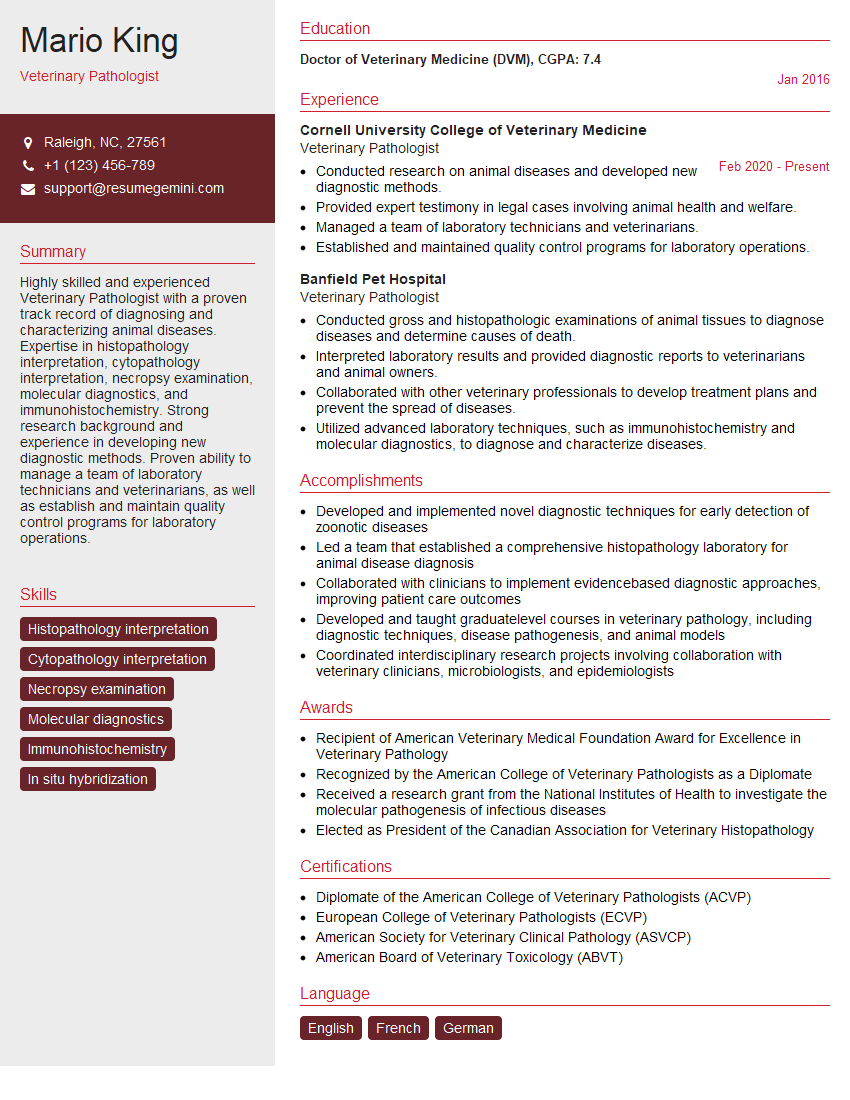
Veterinary Pathologist Resume Sample
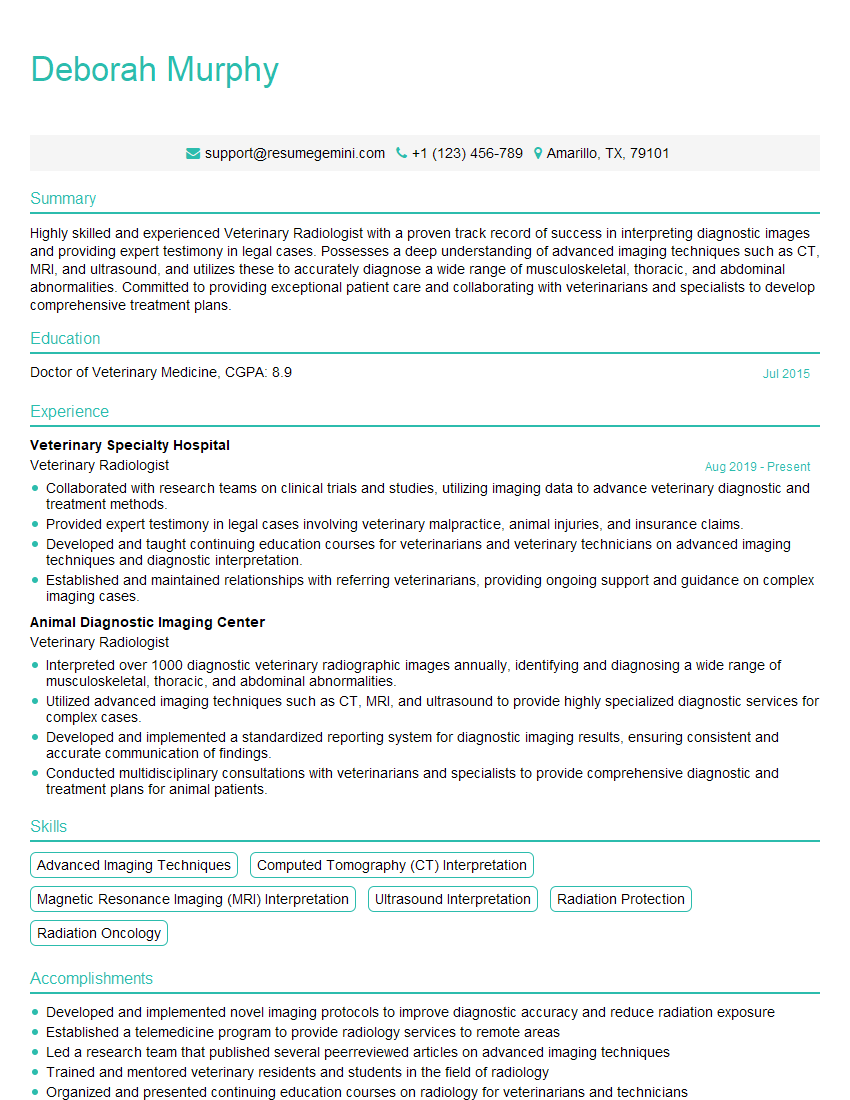
Veterinary Radiologist Resume Sample
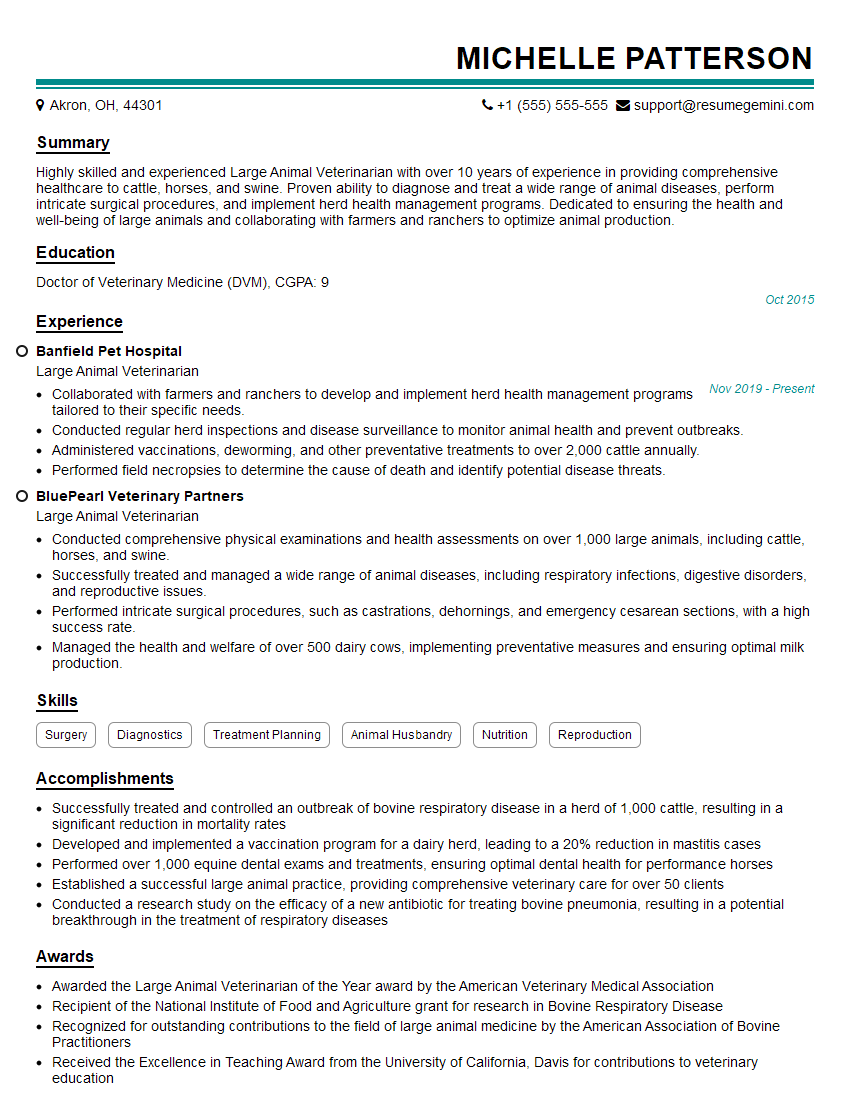
Large Animal Veterinarian Resume Sample
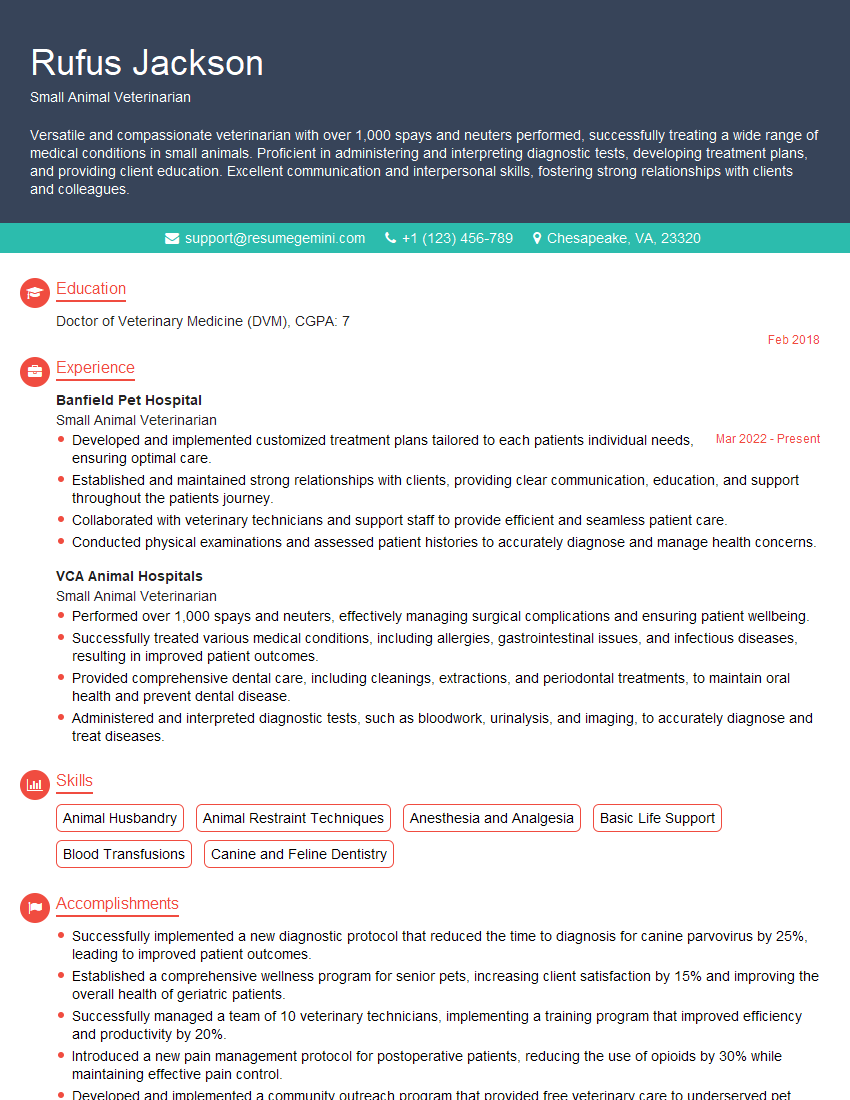
Small Animal Veterinarian Resume Sample
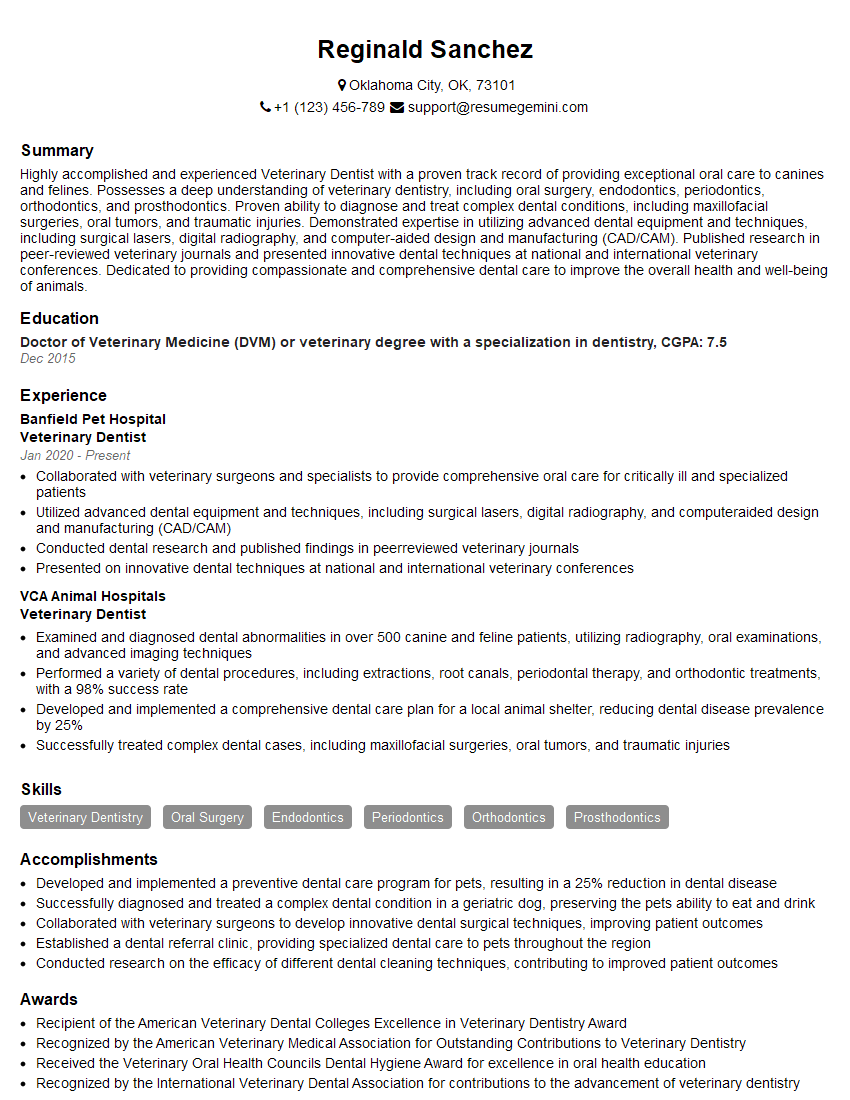
Veterinary Dentist Resume Sample
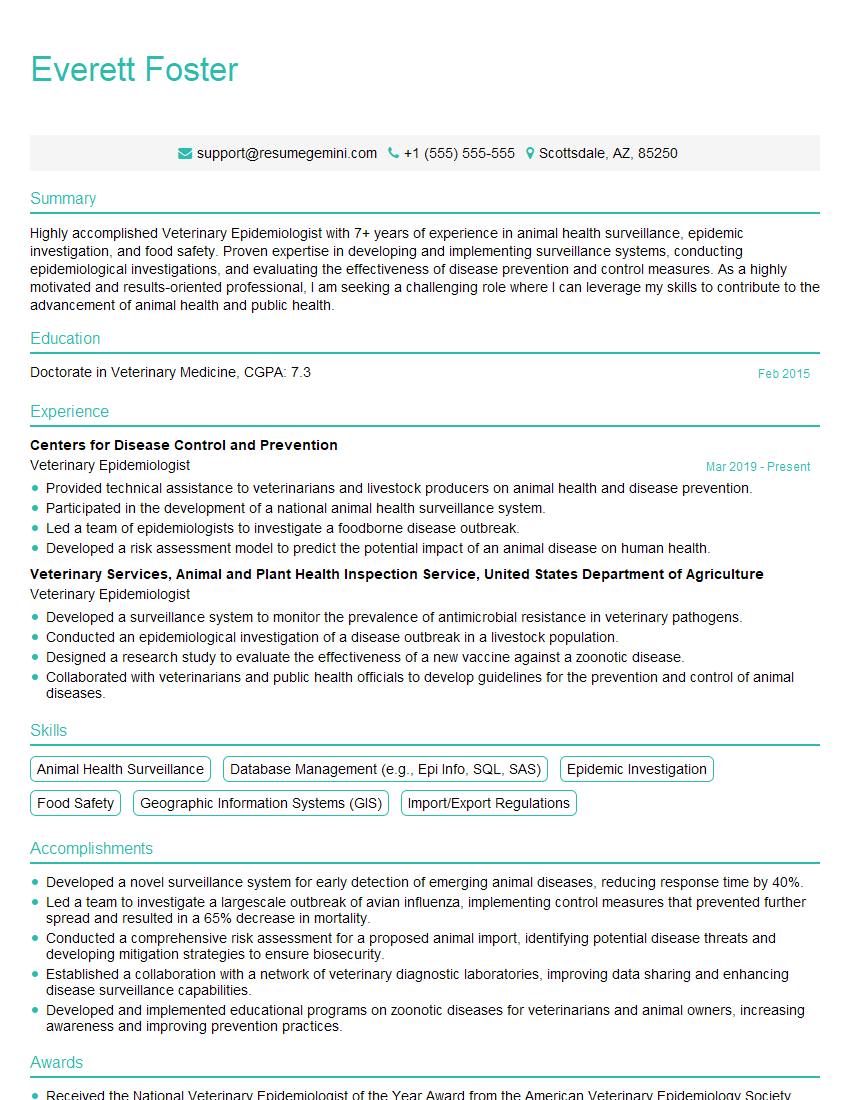
Veterinary Epidemiologist Resume Sample
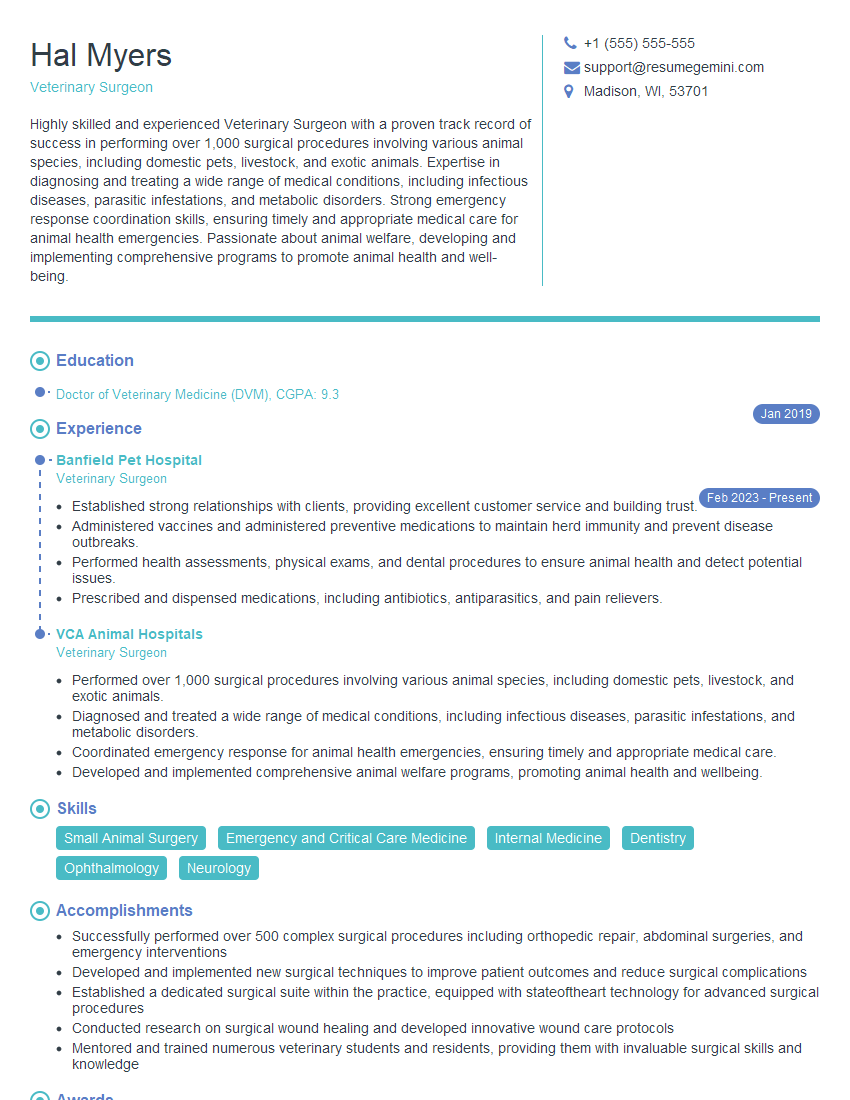
Veterinary Surgeon Resume Sample
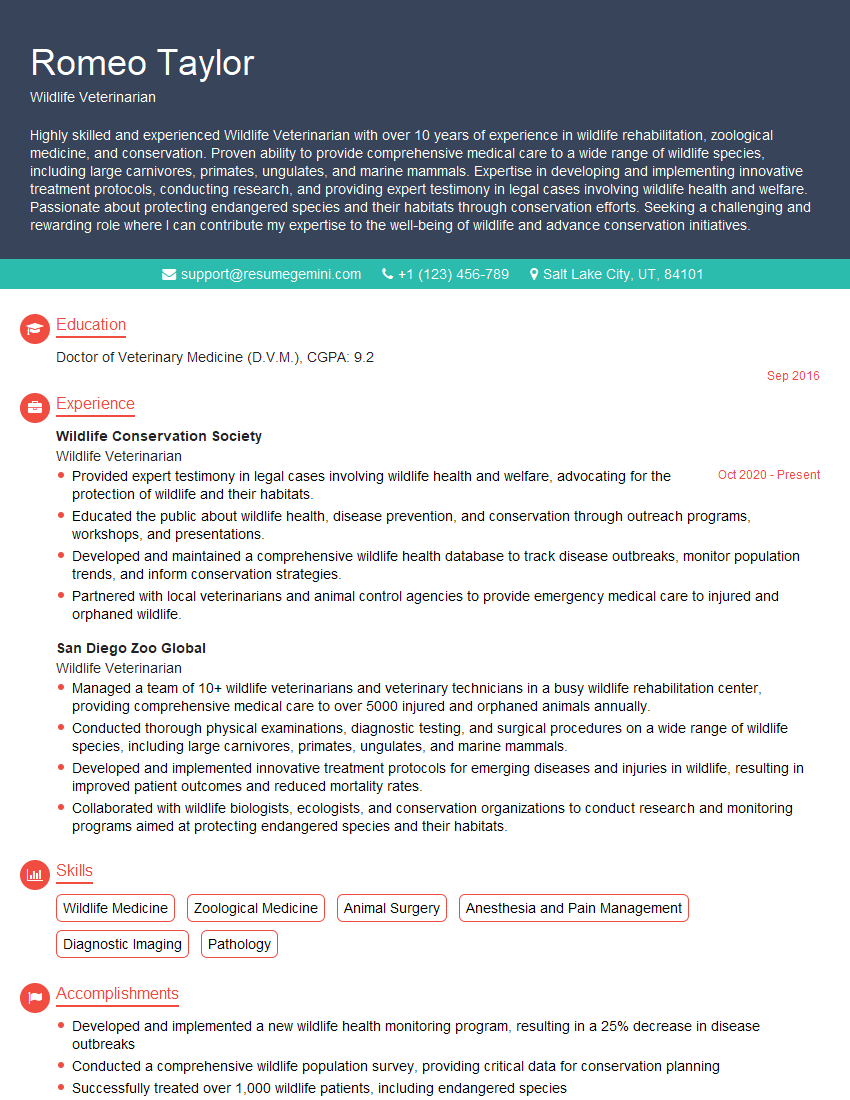
Wildlife Veterinarian Resume Sample
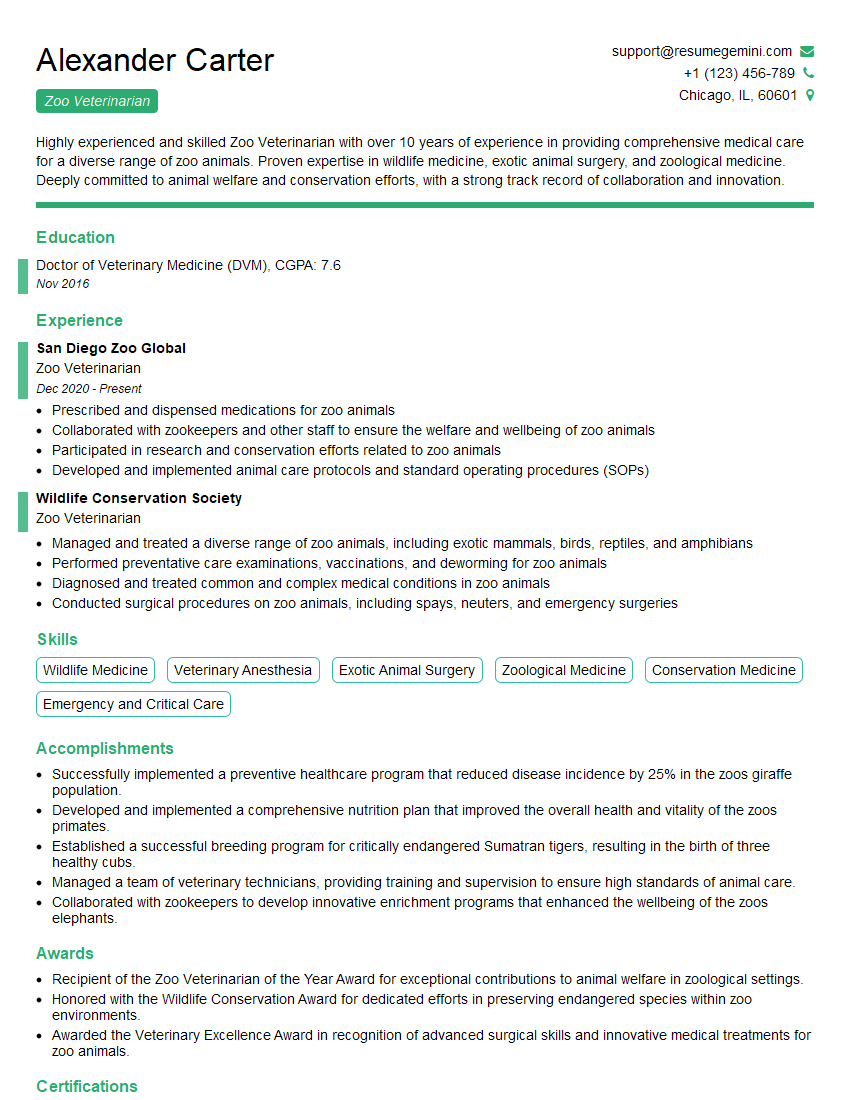
Zoo Veterinarian Resume Sample
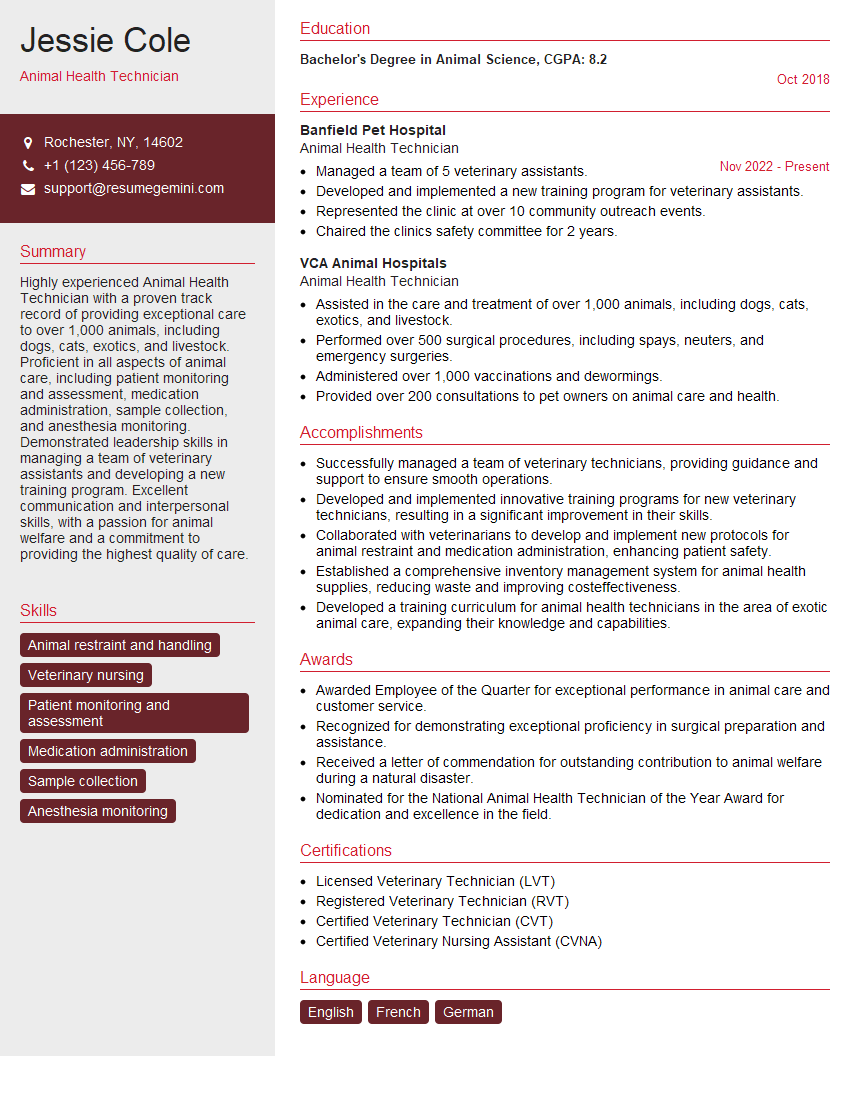
Animal Health Technician Resume Sample
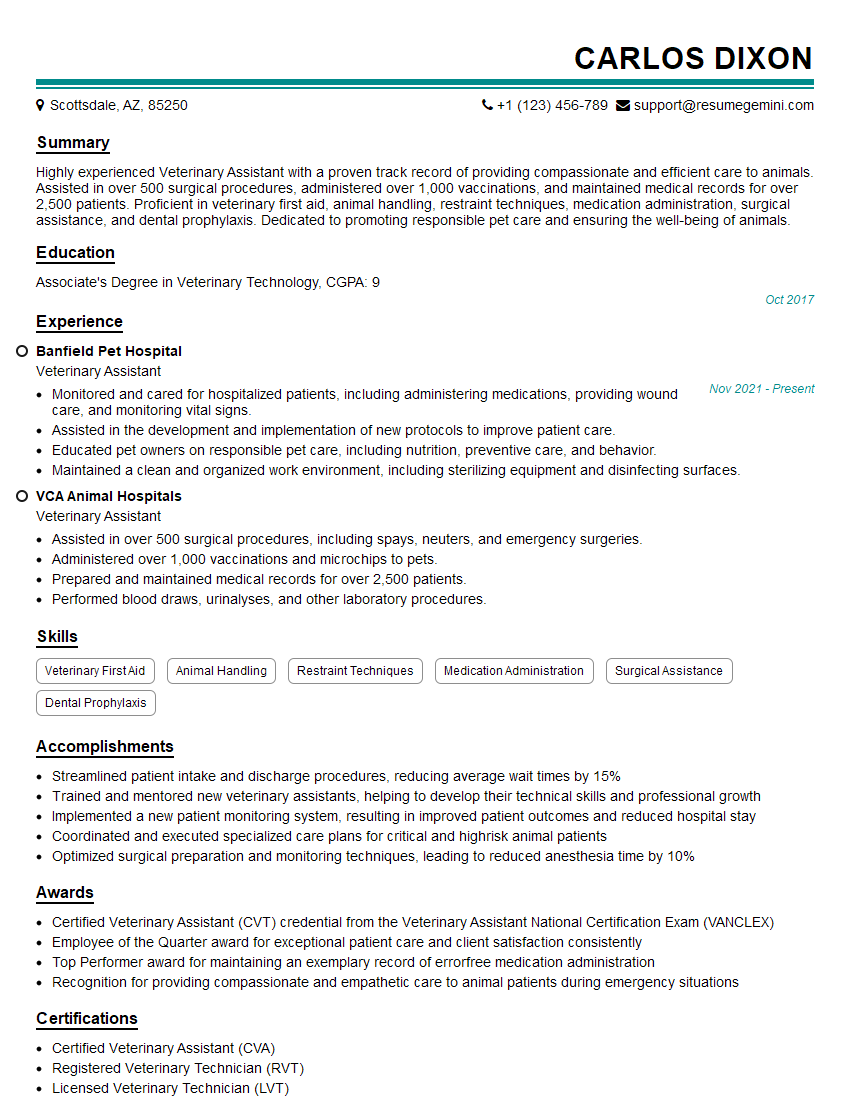
Veterinary Assistant Resume Sample
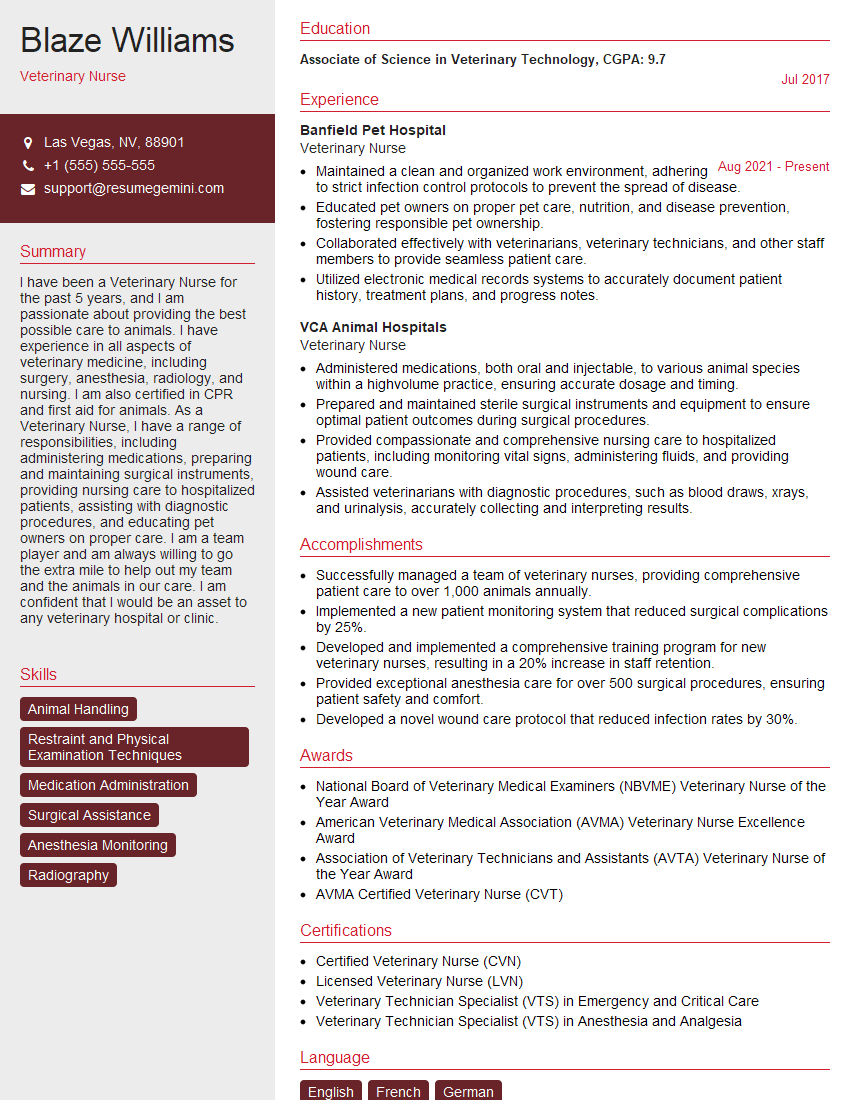
Veterinary Nurse Resume Sample
Explore more articles
Users Rating of Our Blogs
Share Your Experience
We value your feedback! Please rate our content and share your thoughts (optional).
What Readers Say About Our Blog
Really detailed insights and content, thank you for writing this detailed article.
IT gave me an insight and words to use and be able to think of examples