The thought of an interview can be nerve-wracking, but the right preparation can make all the difference. Explore this comprehensive guide to Strong storytelling and narrative development skills interview questions and gain the confidence you need to showcase your abilities and secure the role.
Questions Asked in Strong storytelling and narrative development skills Interview
Q 1. Describe your process for developing a compelling narrative arc.
Developing a compelling narrative arc involves crafting a journey for your audience, taking them from point A to point Z in a satisfying and engaging way. It’s like planning a road trip; you need a clear destination (the resolution), interesting stops along the way (plot points), and a reliable vehicle (your story’s structure).
- The Inciting Incident: This is the event that kicks off the story, disrupting the protagonist’s world and setting them on their journey. Think of it as the flat tire that forces your road trip to take an unexpected turn.
- Rising Action: This is where the protagonist faces challenges and obstacles, building tension and raising the stakes. These are the detours and roadblocks encountered along the way.
- Climax: This is the peak of the conflict, the moment of highest tension where the protagonist confronts their greatest challenge. It’s the moment you finally reach the summit of that mountain you’ve been climbing.
- Falling Action: The aftermath of the climax, where the consequences of the protagonist’s actions begin to unfold. It’s the slow descent from the mountaintop, taking in the breathtaking views.
- Resolution: The conclusion of the story, where the central conflict is resolved, and the protagonist has undergone a significant transformation. This is arriving at your final destination, tired but fulfilled.
For example, in the classic hero’s journey, the inciting incident might be a call to adventure, the rising action involves various trials, the climax is a final confrontation with the antagonist, and the resolution sees the hero returning home transformed.
Q 2. How do you ensure your storytelling resonates with a target audience?
Resonating with a target audience requires deep understanding of their values, beliefs, and aspirations. It’s about speaking their language, both literally and figuratively. I achieve this through:
- Audience Research: Thorough research helps identify the audience’s demographics, psychographics, and media consumption habits. This informs the story’s themes, tone, and style.
- Empathy & Perspective-Taking: I immerse myself in the audience’s world, trying to see things from their perspective. This allows me to craft characters and situations that genuinely connect with them.
- Storytelling Techniques: Employing various narrative techniques such as relatable characters, strong emotional appeals, and impactful imagery enhances the story’s resonance.
- Testing & Feedback: Gathering feedback from the target audience during the development process is crucial for refining the story and ensuring it achieves its intended impact.
For instance, a story aimed at young adults might employ a faster pace, contemporary language, and themes of self-discovery, while a story for senior citizens might focus on themes of legacy and reflection, using a more measured pace.
Q 3. Explain how you would adapt a story for different mediums (e.g., written, video, presentation).
Adapting a story across different mediums requires recognizing the unique strengths and limitations of each platform. It’s like translating a song from one language to another; the meaning should remain the same, but the expression changes.
- Written: Focuses on rich internal monologues, detailed descriptions, and nuanced character development. The story unfolds through the reader’s imagination.
- Video: Relies heavily on visuals, pacing, and sound design. The story is told through imagery, dialogue, and action.
- Presentation: Emphasizes clarity, conciseness, and visual aids. The story needs to be easily digestible and impactful within a specific timeframe.
For example, a complex plot might be streamlined for a presentation, while a detailed character study might be more suitable for a written format. A video adaptation might use dramatic music and close-ups to emphasize emotional moments, whereas a written version would rely on descriptive language and internal monologues.
Q 4. What are the key elements of a strong narrative structure?
A strong narrative structure provides a framework for engaging the audience and conveying the story’s meaning effectively. Key elements include:
- Plot: The sequence of events that make up the story. A well-structured plot keeps the audience engaged and ensures a satisfying resolution.
- Characters: Believable and relatable characters are crucial. Their actions, motivations, and relationships drive the story forward.
- Setting: The time and place in which the story unfolds. A well-defined setting contributes to the story’s atmosphere and credibility.
- Theme: The underlying message or idea explored in the story. A compelling theme resonates with the audience and provides a deeper layer of meaning.
- Point of View: The perspective from which the story is told (first-person, third-person limited, third-person omniscient). This impacts the reader’s connection to the story.
For instance, a story set in a dystopian future might use a first-person perspective to highlight the protagonist’s struggle for survival, while a story about a historical event might employ a third-person omniscient perspective to give a broader view of the events.
Q 5. How do you incorporate conflict and resolution effectively in your storytelling?
Conflict and resolution are the heart of any compelling narrative. Conflict creates tension and keeps the audience engaged, while resolution provides a sense of closure and satisfaction.
- Internal Conflict: A struggle within the protagonist’s mind, such as a moral dilemma or internal struggle. This makes the character relatable and adds depth.
- External Conflict: A struggle between the protagonist and an outside force, such as another character, nature, or society. This provides dramatic tension and excitement.
- Resolution: The outcome of the conflict. A satisfying resolution doesn’t necessarily mean a happy ending, but it should feel earned and appropriate to the story’s development.
For example, a story about a lawyer facing a moral dilemma (internal conflict) might also involve a high-stakes court case (external conflict). The resolution might see the lawyer choosing integrity over success, leading to personal growth and a sense of fulfillment (even if they lose the case).
Q 6. Describe a time you used storytelling to influence a decision.
During a project proposal meeting, my team was struggling to secure funding for a new initiative. While the data supported our idea, the presentation lacked the emotional impact to truly resonate with the stakeholders. I decided to shift the focus from technical details to a compelling narrative.
I structured my presentation around a story about a fictional community facing a similar problem to the one our initiative was designed to solve. I vividly depicted the community’s struggle, their resilience, and the eventual positive outcomes after receiving support. This narrative resonated powerfully with the stakeholders, shifting their focus from purely financial considerations to the potential human impact of the project. The story added an emotional dimension, which helped secure the funding.
Q 7. How do you ensure clarity and conciseness in your narrative?
Clarity and conciseness are essential for effective storytelling. A cluttered narrative confuses the audience and dilutes the impact of the story. I ensure clarity and conciseness through:
- Show, Don’t Tell: Instead of telling the audience about a character’s emotions, show them through actions and dialogue. This creates a more immersive and engaging experience.
- Strong Verbs and Precise Language: Using precise words avoids ambiguity and enhances the impact of the narrative. Avoid unnecessary adjectives or adverbs.
- Focused Narrative: Every element of the story should contribute to the overall message. Eliminate unnecessary subplots or details that distract from the main narrative.
- Editing and Revision: Multiple rounds of editing and revision help refine the narrative, removing unnecessary words and clarifying confusing passages.
For example, instead of writing ‘He was angry,’ one might write, ‘His fists clenched, and his jaw tightened.’ The second sentence conveys anger more effectively and engagingly.
Q 8. What are some common pitfalls to avoid when developing a narrative?
Developing a compelling narrative is a delicate process, and several pitfalls can derail even the most promising stories. One common mistake is info-dumping – overwhelming the reader with excessive exposition all at once. Instead of gradually revealing information organically through dialogue, action, and character interaction, the writer presents a large block of backstory or explanation, disrupting the narrative flow and reader engagement.
Another pitfall is weak characterization. Characters that are poorly defined, lack motivations, or behave inconsistently can make the story feel unbelievable and unengaging. Readers need to connect with characters; they need to understand their goals and empathize with their struggles.
Plotting issues are also frequent. A poorly structured plot may lack conflict, have unconvincing resolutions, or suffer from pacing problems (either too fast or too slow). A good plot needs a clear beginning, rising action, climax, falling action, and resolution. It also needs effective pacing to maintain reader interest.
Finally, unclear themes can make a narrative feel directionless. The story needs to have a central idea or message that resonates with the reader. This thematic element unifies the narrative and provides a sense of purpose and meaning.
Q 9. Explain the importance of character development in storytelling.
Character development is the cornerstone of effective storytelling. Well-developed characters are not just props; they are the driving force behind the plot, the emotional core of the narrative, and the key to reader engagement. Without compelling characters, even the most intricate plot will feel hollow.
Consider a classic detective novel like Agatha Christie’s Murder on the Orient Express. The success of the narrative hinges not just on the mystery itself but also on the nuanced personalities of the diverse suspects. Each character’s unique traits, motivations, and secrets contribute to the overall intrigue and resolution. Their development – their internal conflicts, their relationships with other characters, their growth or decline throughout the story – makes the narrative believable and emotionally resonant.
Effective character development allows readers to connect with the characters on an emotional level, fostering empathy and creating a more immersive and memorable reading experience.
Q 10. How do you create believable and relatable characters?
Creating believable and relatable characters requires a deep understanding of human psychology and motivations. Start by giving your characters flaws. Perfection is boring. Characters with flaws, even significant ones, are more relatable because they reflect the complexities of real people. Think of characters like Sherlock Holmes (his social awkwardness) or Katniss Everdeen (her fierceness and vulnerability).
Next, give your characters clear motivations. What do they want? What are their goals? What obstacles stand in their way? These motivations should drive their actions and shape their relationships with other characters. Consistent character actions are critical. A sudden, inexplicable shift in behavior can break the suspension of disbelief.
Finally, show, don’t tell. Instead of stating a character’s traits, reveal them through their actions, dialogue, and interactions with others. Let the reader infer their personality and motivations. For example, instead of saying ‘John was angry,’ show him slamming his fist on the table.
Q 11. How do you use setting and atmosphere to enhance your storytelling?
Setting and atmosphere are crucial elements that contribute significantly to a narrative’s mood, tone, and overall impact. The setting isn’t merely a backdrop; it’s an active participant in the story, influencing characters’ behaviors, shaping the plot, and contributing to the narrative’s thematic resonance.
Imagine a gothic horror novel. The gloomy, decaying mansion, shrouded in mist and darkness, immediately sets a specific atmosphere of suspense and dread. This setting isn’t just descriptive; it actively contributes to the overall feeling of unease and foreboding. The characters’ actions and decisions are directly influenced by this environment. Conversely, a vibrant, sun-drenched beach setting might evoke feelings of freedom, relaxation, or even intense romanticism.
Using sensory details – sights, sounds, smells, tastes, and textures – is key to creating a vivid and immersive atmosphere. This allows readers to experience the story world as if they were actually present.
Q 12. Discuss the role of theme in shaping a narrative.
Theme is the underlying message or idea that a narrative explores. It’s the central concept that unifies the plot, characters, and setting. A well-defined theme provides a sense of purpose and meaning, adding depth and complexity to the narrative. Without a clear theme, the story might feel shallow or directionless.
For instance, in the novel To Kill a Mockingbird, themes of racial injustice, prejudice, and childhood innocence intertwine throughout the narrative. These themes shape the plot, motivate the characters, and resonate with readers long after they finish the book. The exploration of these themes gives the story meaning and makes it a classic.
It’s crucial to note that themes should emerge organically from the narrative itself, rather than being explicitly stated. They are best conveyed through the actions and decisions of characters, the conflicts they face, and the resolutions they achieve.
Q 13. How do you incorporate symbolism and metaphor effectively?
Symbolism and metaphor are powerful literary devices that add layers of meaning and depth to a narrative. Symbolism uses objects, characters, events, or settings to represent abstract ideas or concepts, while metaphor directly compares two seemingly unrelated things to create a more vivid and meaningful image.
In The Great Gatsby, the green light at the end of Daisy’s dock is a potent symbol of Gatsby’s unattainable dream and his longing for the past. This symbol resonates throughout the novel, enriching its thematic exploration of hope, loss, and the American Dream.
Metaphors can be equally effective in creating memorable imagery and enhancing understanding. For example, describing someone’s anger as a ‘volcano about to erupt’ creates a much more powerful image than simply stating that they were angry.
Effective use of symbolism and metaphor requires subtlety and restraint. Overusing these devices can make the narrative feel heavy-handed and obscure rather than enriching.
Q 14. What are some techniques for building suspense and anticipation?
Building suspense and anticipation is vital for keeping readers engaged and invested in a narrative. Several techniques can be effectively employed to achieve this. One is to introduce a ticking clock, a deadline that adds urgency and pressure. Think of a bomb about to explode or a deadline to solve a crime.
Another effective technique is the use of foreshadowing – hinting at future events without revealing too much. This creates a sense of anticipation and makes the reader eager to learn what will happen. Similarly, creating cliffhangers at the end of chapters or scenes keeps readers hooked, eager to find out what happens next.
Raising the stakes progressively throughout the narrative also enhances suspense. The challenges faced by the protagonist should gradually become more difficult and dangerous. This creates a sense of rising tension and keeps the reader on the edge of their seat.
Finally, don’t forget the power of mystery. Unresolved questions, unanswered clues, and ambiguous situations all contribute to the overall feeling of suspense.
Q 15. Explain the difference between plot and narrative.
Plot and narrative are often used interchangeably, but they are distinct elements of storytelling. The plot is the sequence of events in a story, the bare bones of what happens: the protagonist’s journey, the conflicts faced, and the resolution. Think of it as the skeletal structure. The narrative, on the other hand, is the broader framework encompassing the plot, characters, setting, theme, and the overall manner in which the story is told. It’s the flesh and skin on the bones, giving the story its life and meaning. The plot answers ‘What happened?’, while the narrative answers ‘How was it told?’ and ‘What does it all mean?’
Example: A simple plot might be: ‘A young woman discovers a hidden treasure, faces danger, and ultimately escapes with the treasure.’ The narrative could tell that story from her perspective, focusing on her inner thoughts and feelings, or it could be a more objective, third-person account. It could use flashbacks, dream sequences, or non-linear storytelling techniques. The narrative adds depth, style, and emotional resonance.
Career Expert Tips:
- Ace those interviews! Prepare effectively by reviewing the Top 50 Most Common Interview Questions on ResumeGemini.
- Navigate your job search with confidence! Explore a wide range of Career Tips on ResumeGemini. Learn about common challenges and recommendations to overcome them.
- Craft the perfect resume! Master the Art of Resume Writing with ResumeGemini’s guide. Showcase your unique qualifications and achievements effectively.
- Don’t miss out on holiday savings! Build your dream resume with ResumeGemini’s ATS optimized templates.
Q 16. How do you manage multiple plotlines within a single narrative?
Managing multiple plotlines requires careful planning and execution. Each plotline should be relevant to the central narrative and contribute to the overall theme or goal. Interweaving plotlines effectively requires:
- Clear connections: Each plotline should have a clear connection to others, ideally converging at some point. They shouldn’t feel disjointed or irrelevant.
- Balanced pacing: Avoid neglecting certain plotlines while overemphasizing others. Allocate sufficient space and attention to each thread to maintain reader interest.
- Strategic foreshadowing and hints: subtly connect the plotlines early on, letting the reader anticipate their eventual intersection.
- Character interaction: Use character interactions to bridge the plotlines and show their relationship.
Example: In a mystery novel, one plotline might focus on the detective’s investigation, while another follows the killer’s actions. These plotlines might initially seem separate but gradually intertwine as the detective uncovers clues that lead them closer to the killer.
Q 17. How do you ensure your narrative remains engaging throughout?
Maintaining engagement requires a multifaceted approach. Key strategies include:
- Compelling characters: Readers need to connect with and care about your characters. Give them depth, flaws, and compelling motivations.
- Intriguing conflicts: Introduce challenges and obstacles that keep the reader guessing. Raise the stakes gradually, building suspense.
- Varied pacing: Alternate between moments of high tension and quieter, reflective scenes to prevent monotony.
- Strong sensory details: Use vivid language to paint a picture for the reader, engaging their senses.
- Unexpected twists and turns: Keep the reader guessing with surprising plot developments, but ensure they feel organic and believable.
- Satisfying resolution: The ending should provide a sense of closure, answering key questions and leaving a lasting impression.
Example: A slow-burn mystery might build tension gradually, revealing clues slowly. This contrasts with an action-packed thriller that might maintain high stakes and suspense throughout. The key is adapting pacing to suit the genre and the specific needs of the story.
Q 18. Describe your preferred methods for gathering information and conducting research for storytelling purposes.
My research process is iterative and depends heavily on the story’s needs. It usually involves:
- Immersive research: If my story involves a specific historical period or setting, I immerse myself in that world. This might include visiting relevant locations, reading books and articles, watching documentaries, and even interviewing experts.
- Character development research: To create realistic and believable characters, I might observe people, conduct interviews, or read biographies and psychological studies.
- Brainstorming and mind-mapping: I use these techniques to generate ideas, explore different possibilities, and connect seemingly disparate elements.
- Detailed outlining and plotting: Before I start writing, I create a detailed outline to map out the plot, characters, and key events. This provides a strong foundation for the narrative.
Example: For a story set in 1920s Paris, I might visit museums and archives, read books on the art and culture of that era, and listen to music from the period. For a character who is a musician, I’d interview musicians, observe rehearsals, and study music theory. The goal is to inject authenticity and depth into the narrative.
Q 19. How do you incorporate audience feedback into your narrative development process?
Audience feedback is invaluable in refining a narrative. I use various methods to incorporate it:
- Beta readers: I share drafts with trusted beta readers who provide feedback on plot, characters, pacing, and overall impact. I select readers who represent my target audience.
- Surveys and questionnaires: These allow me to gather quantitative data about reader preferences and responses to specific elements of the story.
- Online forums and social media: Engaging with readers online provides direct feedback and insights into their reactions.
- Test readings: Conducting test readings with a small group of readers can give immediate feedback on the impact of my story.
Example: If beta readers consistently find a character unconvincing, I might revise their backstory or personality to make them more compelling. Similarly, if survey results show that a particular plot point is confusing, I’d clarify it in the revised draft.
Q 20. How do you handle constructive criticism of your storytelling?
Constructive criticism is essential for growth. I approach it with a balanced perspective:
- Separate the feedback from the person: The feedback is about the work, not a personal attack.
- Identify the valid points: Not all criticism is equally valid, but even negative feedback can offer insights.
- Analyze the criticism objectively: Consider whether the criticism points to a genuine flaw in the narrative or simply reflects a difference in taste.
- Determine the appropriate response: Sometimes revisions are needed; sometimes, the criticism can be acknowledged but ignored if it doesn’t align with the overall vision.
Example: If a reader finds a scene confusing, I’d analyze whether the scene lacks clarity or whether the reader may have missed prior clues. I might revise the scene to make it more straightforward or add additional context.
Q 21. Explain your understanding of different narrative styles (e.g., linear, nonlinear, episodic).
Narrative styles significantly impact how a story unfolds and the reader’s experience.
- Linear narrative: This is the most common style, where events are presented chronologically, from beginning to end. It’s straightforward and easy to follow. Example: Most classic novels and fairytales.
- Nonlinear narrative: This style jumps between different points in time, often using flashbacks, flash-forwards, or multiple perspectives. It can create suspense, reveal information gradually, or explore the complexities of character development. Example: Pulp Fiction, Cloud Atlas.
- Episodic narrative: This style is characterized by distinct episodes or chapters, each with a self-contained plot, but all contributing to the overarching narrative. It can be useful for depicting a journey or long-term change. Example: Many television series use episodic structures, with each episode presenting a self-contained case, while larger story arcs develop across seasons.
The choice of narrative style depends heavily on the nature of the story and the desired effect on the reader. A linear narrative might suit a simple adventure, while a nonlinear approach could be more effective for a complex mystery or character study.
Q 22. Describe a time you had to overcome a creative challenge in your storytelling.
One significant creative challenge involved crafting a narrative for a historical documentary about a largely unknown female inventor. The challenge wasn’t just in making her story engaging, but in building tension and drama around a life that, on the surface, lacked the typical dramatic arcs. My solution involved focusing on the internal conflict she faced – her struggle against societal expectations, her relentless pursuit of innovation despite setbacks, and her ultimate legacy.
I overcame this by shifting the narrative’s focus from external events to her internal journey. I meticulously researched letters, diaries, and historical records to understand her motivations, fears, and aspirations. I then structured the narrative around her evolving understanding of her own potential, framing her inventions not just as technological achievements but as manifestations of her personal growth and determination. This allowed us to create a compelling story of perseverance and self-discovery that resonated deeply with audiences.
Q 23. How do you stay updated on current trends in storytelling?
Staying updated on storytelling trends is crucial. I employ a multi-pronged approach. First, I actively engage with various forms of storytelling: podcasts, audiobooks, video games, documentaries, and of course, films and television series. This allows me to observe how different mediums are employing innovative techniques.
- Industry Publications and Blogs: I regularly read industry publications and blogs that focus on storytelling, screenwriting, and narrative design. These provide insights into emerging trends and best practices.
- Conferences and Workshops: Attending industry conferences and workshops is invaluable for networking with other storytellers and learning from experts.
- Analyzing Successful Works: I deconstruct successful stories across different mediums, analyzing their narrative structure, character development, pacing, and overall impact. I ask myself: what made this story work? What resonated with me? How could I adapt these techniques in my own work?
This holistic approach helps me remain abreast of the constantly evolving landscape of storytelling and integrate novel approaches into my own creative process.
Q 24. Explain your understanding of the hero’s journey narrative archetype.
The hero’s journey, a narrative archetype popularized by Joseph Campbell, describes a common template of adventure stories. It’s not just about the hero’s external quest but their internal transformation.
- The Ordinary World: The story begins by establishing the hero’s ordinary life and setting the stage for the upcoming adventure.
- The Call to Adventure: The hero receives a call to action, a disruption to their ordinary life that compels them to embark on a journey.
- Refusal of the Call: The hero initially hesitates or resists the call, often due to fear or self-doubt.
- Meeting the Mentor: The hero encounters a mentor figure who guides and supports them on their journey.
- Crossing the Threshold: The hero commits to the adventure and enters into a new, unfamiliar world.
- Tests, Allies, and Enemies: The hero faces various challenges, encounters allies, and confronts antagonists.
- Approach to the Inmost Cave: The hero prepares for the final confrontation, the most challenging aspect of their journey.
- The Ordeal: The hero faces a major crisis, a life-or-death struggle that tests their skills and resolve.
- Reward (Seizing the Sword): The hero emerges victorious from the ordeal, often achieving a significant reward.
- The Road Back: The hero begins their journey back to the ordinary world, often facing new challenges.
- Resurrection: The hero faces a final, climactic confrontation, usually a test of what they’ve learned.
- Return with the Elixir: The hero returns to their ordinary world, transformed and bringing back something of value, whether it’s an object, knowledge, or a newfound perspective.
Understanding this archetype helps in creating a satisfying and relatable narrative arc, providing a framework to build upon and adapt to fit unique stories.
Q 25. How do you evaluate the effectiveness of your storytelling after completion?
Evaluating storytelling effectiveness involves a multifaceted approach encompassing both quantitative and qualitative assessments.
- Audience Feedback: Gathering feedback through surveys, focus groups, and online reviews is crucial. This provides direct insight into audience engagement, emotional response, and understanding of the narrative.
- Analytical Metrics: For digital storytelling, analytics provide data on views, engagement time, shares, and comments. These metrics can indicate areas of success and potential improvements.
- Expert Review: Seeking feedback from fellow storytellers or industry professionals offers a valuable external perspective on narrative structure, character development, and overall impact.
- Self-Reflection: Critically reviewing the narrative’s structure, pacing, and emotional arc through the lens of storytelling principles is equally important. Identifying areas where the narrative could be more impactful or engaging is essential.
Combining these methods provides a comprehensive understanding of the narrative’s success and areas needing refinement. For instance, positive audience feedback coupled with high engagement metrics suggests a successful story, while low engagement and negative feedback highlight areas requiring improvement.
Q 26. How do you adapt your storytelling approach based on the context and audience?
Adapting storytelling to context and audience is paramount. It’s about understanding your target audience’s background, values, and expectations.
- Audience Research: Thorough research helps tailor the language, tone, and themes to resonate with the specific audience. A children’s story requires a different approach compared to a corporate presentation.
- Medium Selection: The choice of medium – written, visual, audio, or interactive – significantly impacts the storytelling approach. A complex narrative might be better suited to a novel than a short video.
- Narrative Structure: The narrative structure can be adjusted to fit the context and time constraints. A complex multi-layered narrative is appropriate for a long-form piece, while a short, concise story is better for a social media post.
- Language and Tone: The language and tone need to be appropriate for the context. A formal tone might be suitable for a professional setting, whereas a more informal tone may be appropriate for a casual audience.
For instance, a children’s story may utilize simple language and repetitive phrases, whereas a scientific presentation would employ precise terminology and complex ideas. Adaptability is key to effective storytelling.
Q 27. Describe your experience with collaborative storytelling.
Collaborative storytelling is an enriching experience. I’ve been part of teams working on various projects, including documentaries, video games, and marketing campaigns. Effective collaboration necessitates strong communication and a shared vision.
- Open Communication: Regular brainstorming sessions, feedback loops, and open dialogue are essential. Everyone’s ideas should be heard and considered.
- Defined Roles and Responsibilities: Clear roles and responsibilities prevent overlap and conflict, ensuring efficient workflow. This includes scriptwriting, storyboarding, design, and production aspects.
- Constructive Criticism: Providing and receiving constructive criticism is vital for refinement and improvement. Feedback should be specific and focused on enhancing the narrative.
- Respectful Collaboration: A collaborative environment that values diverse perspectives and fosters mutual respect is crucial for successful storytelling.
In one project, our team initially had conflicting visions for the ending of a video game. Through open discussion and compromise, we arrived at a satisfying conclusion that integrated elements from everyone’s ideas. The final product benefitted greatly from this collaborative process.
Q 28. How do you ensure your narrative aligns with brand guidelines and objectives?
Aligning narratives with brand guidelines and objectives is crucial for effective brand storytelling. This ensures consistency and reinforces brand messaging.
- Understanding Brand Values: Before starting, a thorough understanding of the brand’s mission, vision, values, and target audience is essential. This informs every aspect of the narrative development.
- Brand Voice and Tone: The narrative must reflect the brand’s established voice and tone, ensuring consistency across all communication channels.
- Key Messaging: The story should organically incorporate key brand messages and values, reinforcing brand identity without appearing overtly promotional.
- Visual Consistency: Visual elements like logos, color palettes, and imagery must align with the brand’s visual identity guidelines.
- Regular Check-ins: Frequent communication and check-ins with the brand’s marketing and communications teams are crucial for ensuring the narrative remains aligned with the overall strategy.
For example, when crafting a story for a sustainable fashion brand, the narrative would highlight ethical sourcing, eco-friendly practices, and the brand’s commitment to environmental responsibility. This ensures the story seamlessly integrates with the brand’s core values.
Key Topics to Learn for Strong Storytelling and Narrative Development Skills Interview
- Narrative Structure: Understanding plot, character arc, conflict, and resolution in the context of your professional experiences. Learn to craft compelling narratives that highlight your achievements and contributions.
- Show, Don’t Tell: Mastering the art of using vivid language and concrete examples to illustrate your points, rather than simply stating them. Practice using anecdotes and specific situations to showcase your skills.
- Audience Awareness: Tailoring your narrative to the specific audience and context of the interview. Understanding how to adapt your storytelling style to resonate with different interviewers and their perspectives.
- Emotional Resonance: Connecting with the interviewer on an emotional level by conveying passion, enthusiasm, and genuine engagement with your work. This helps them remember you and your contributions.
- STAR Method Application: Effectively utilizing the STAR method (Situation, Task, Action, Result) to structure your responses and build a coherent narrative around your experiences.
- Identifying Key Themes: Discerning the overarching themes and accomplishments that best showcase your skills in storytelling and narrative development. Focus on demonstrating consistency and impact.
- Handling Difficult Situations: Developing strategies for narrating challenging experiences in a positive and constructive light, demonstrating problem-solving skills and resilience.
Next Steps
Mastering strong storytelling and narrative development skills is crucial for career advancement. It allows you to effectively communicate your value, highlight achievements, and build rapport with potential employers. To significantly improve your job prospects, create an ATS-friendly resume that showcases your abilities clearly and concisely. ResumeGemini is a trusted resource that can help you build a professional and impactful resume. We provide examples of resumes tailored to showcase strong storytelling and narrative development skills, allowing you to see how these concepts translate into a powerful application document. Take the next step towards securing your dream role.
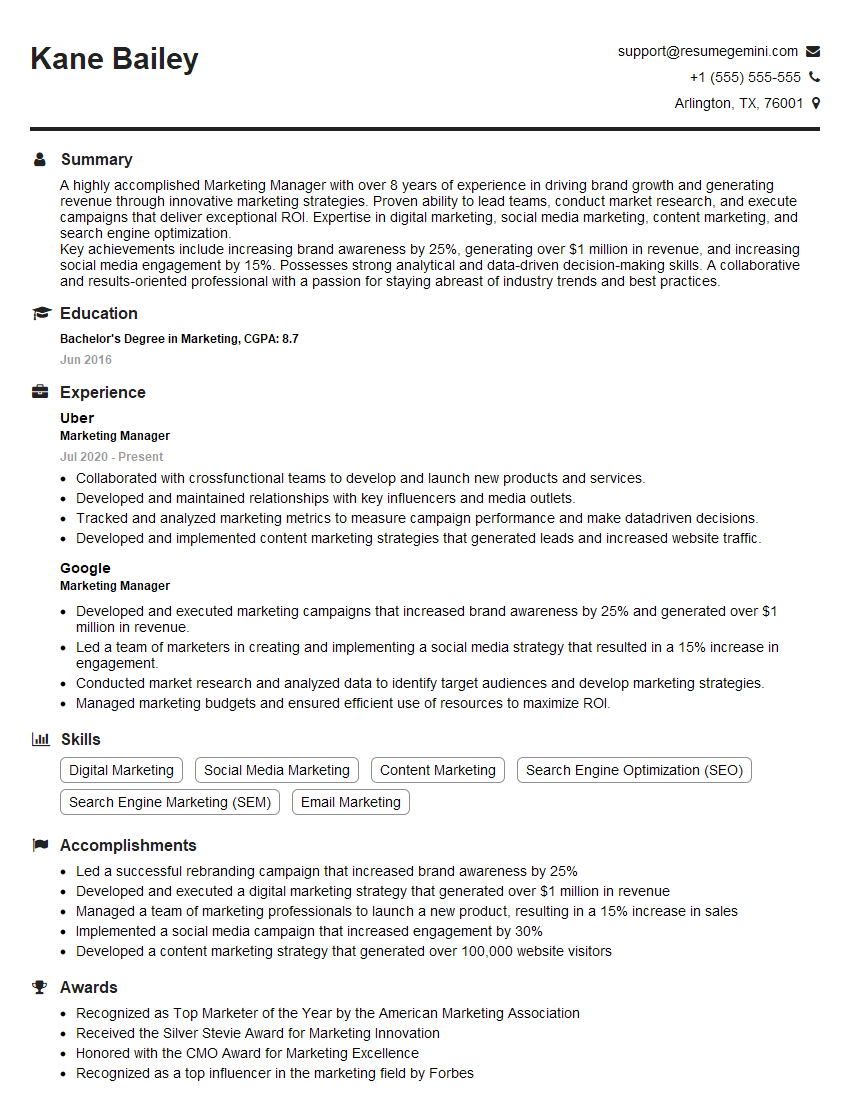
Marketing Manager Resume Sample

Communications Manager Resume Sample

Social Media Manager Resume Sample

Content Strategist Resume Sample
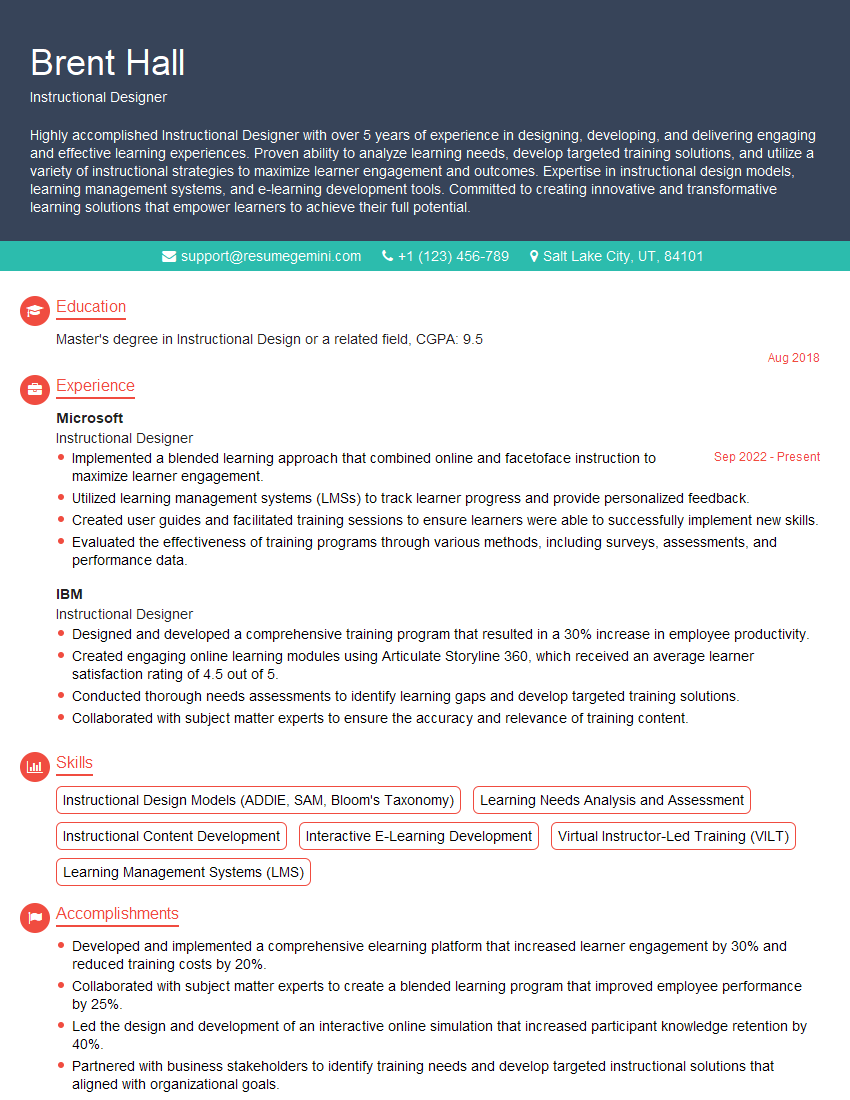
Instructional Designer Resume Sample
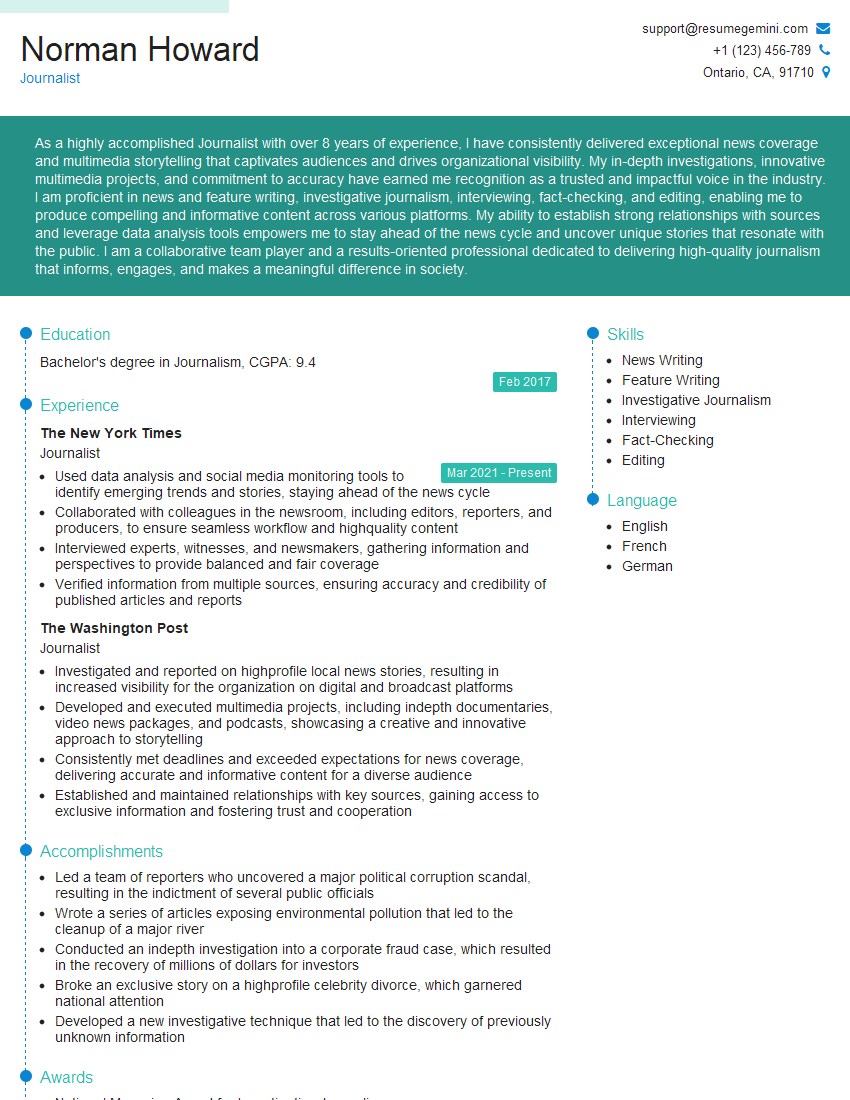
Journalist Resume Sample

Technical Writer Resume Sample

Copywriter Resume Sample
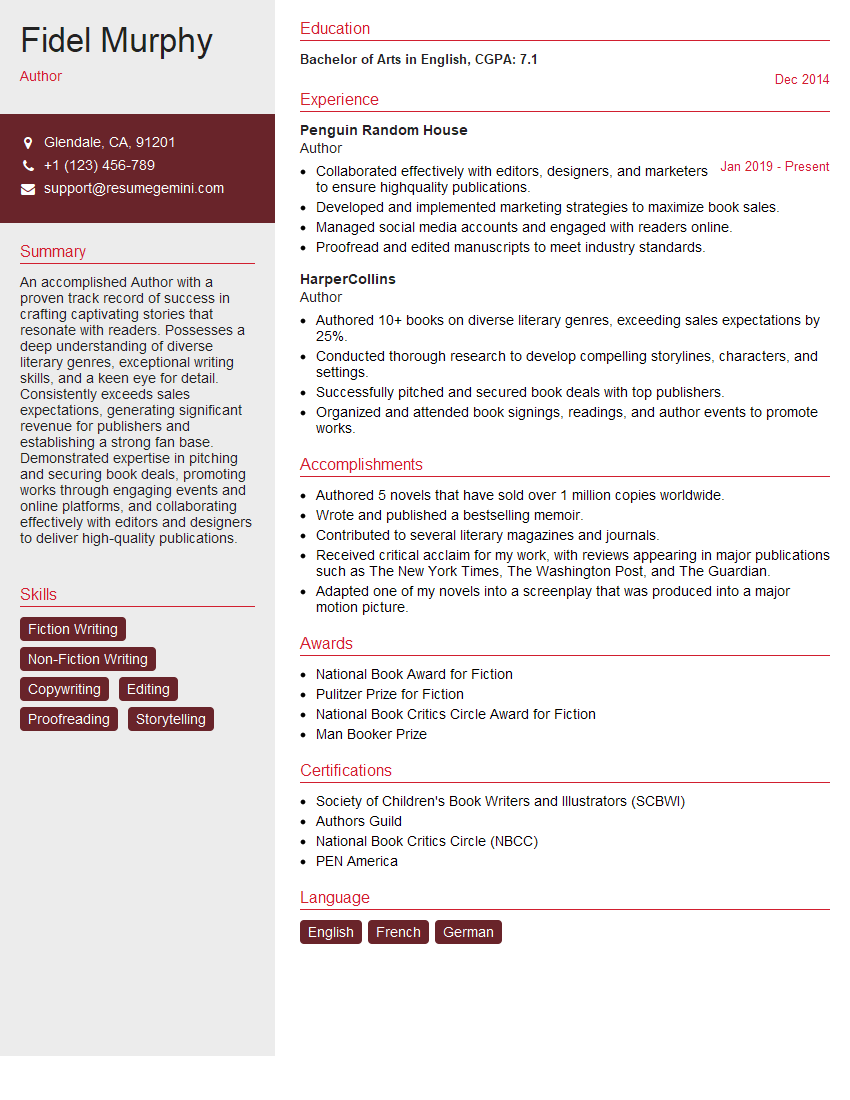
Author Resume Sample
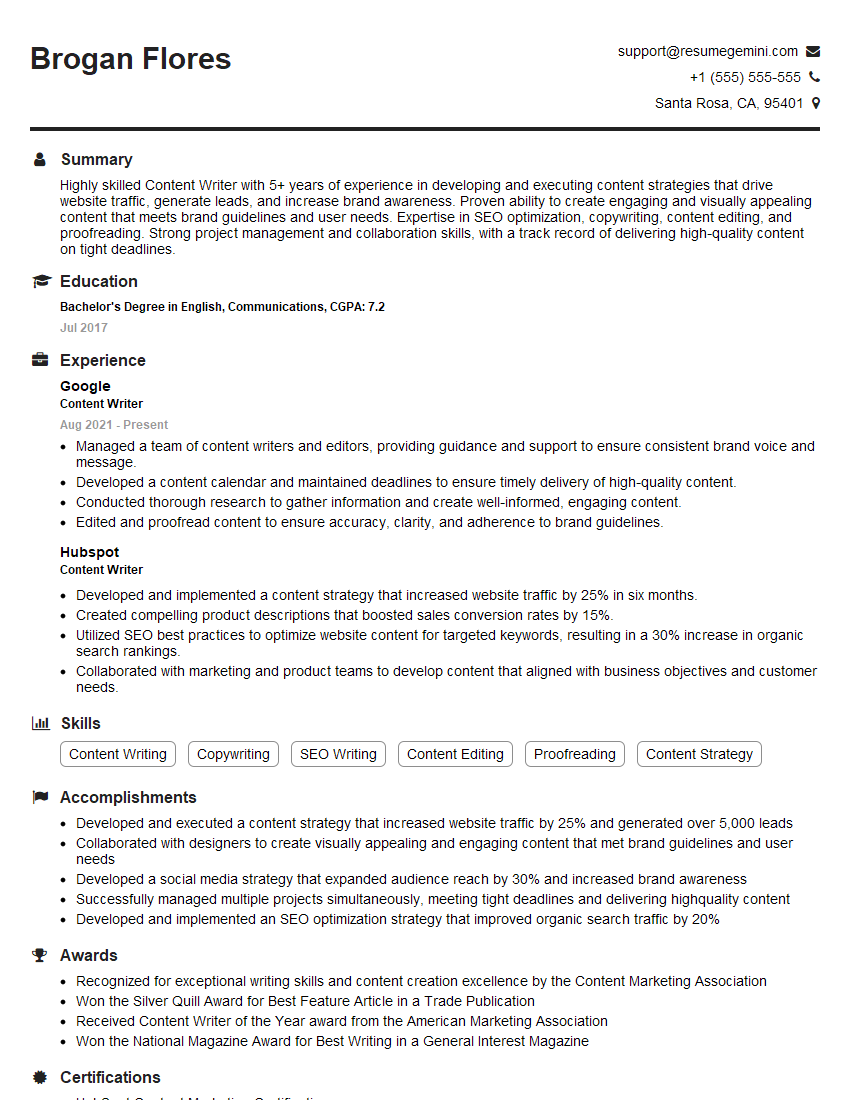
Content Writer Resume Sample
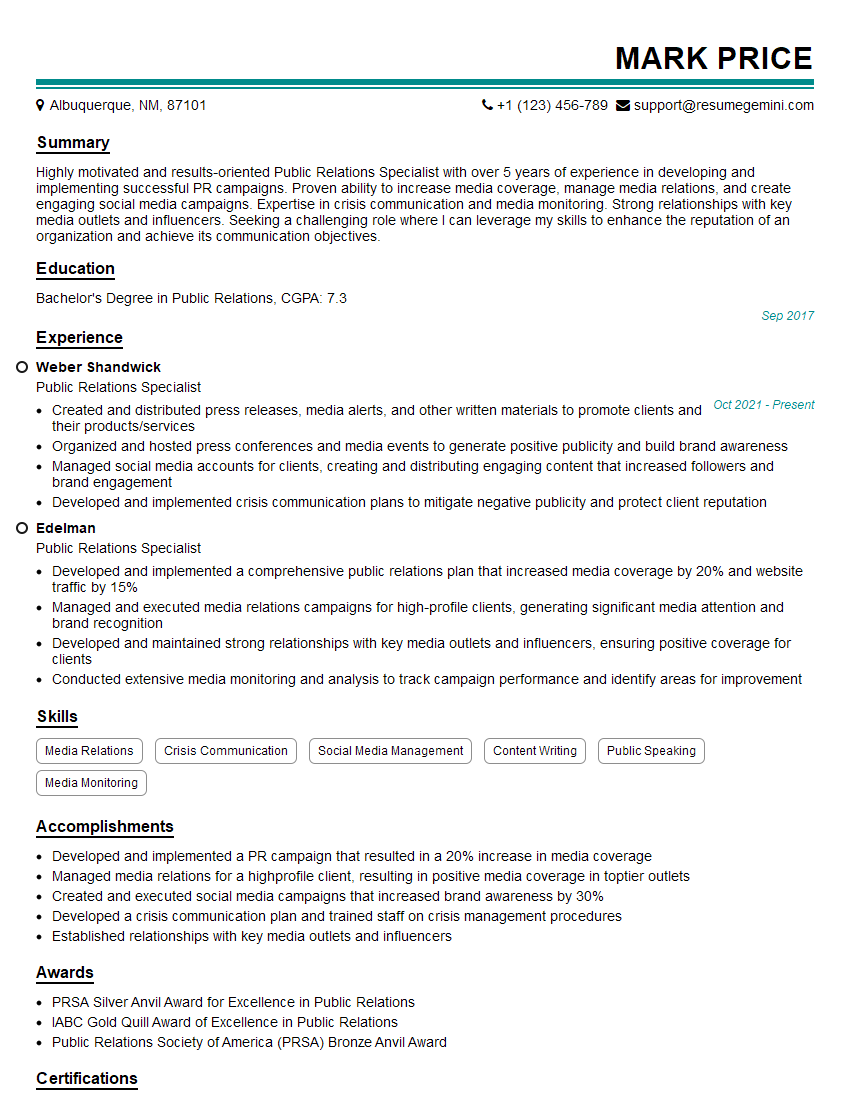
Public Relations Specialist Resume Sample
Explore more articles
Users Rating of Our Blogs
Share Your Experience
We value your feedback! Please rate our content and share your thoughts (optional).
What Readers Say About Our Blog
Really detailed insights and content, thank you for writing this detailed article.
IT gave me an insight and words to use and be able to think of examples