Every successful interview starts with knowing what to expect. In this blog, we’ll take you through the top Strong attention to detail and a commitment to accuracy interview questions, breaking them down with expert tips to help you deliver impactful answers. Step into your next interview fully prepared and ready to succeed.
Questions Asked in Strong attention to detail and a commitment to accuracy Interview
Q 1. Describe a time you caught a critical error others missed. How did you handle it?
In a previous role, we were finalizing a critical report detailing financial projections for a major client. The team had painstakingly gathered and analyzed data, and the report seemed ready for submission. However, during my final review, I noticed a discrepancy in the formulas used to calculate projected revenue for a specific product line. The team had mistakenly used last year’s production costs instead of the updated figures. This seemingly small oversight would have resulted in a significant misrepresentation of projected profitability – potentially jeopardizing the client relationship and costing the company considerable revenue.
My approach was methodical: First, I documented my findings precisely, detailing the formula error and its impact. I then compiled supporting evidence, including the correct production cost data. Rather than simply pointing out the error, I presented my findings to the team in a constructive manner, outlining my analysis and suggesting a corrected approach. We recalculated the projections, and I double-checked the revised report before submitting it. This proactive identification of the error prevented a costly mistake and bolstered my credibility within the team.
Q 2. How do you ensure accuracy in your work when under pressure?
Maintaining accuracy under pressure requires a structured approach. I employ several strategies: First, I prioritize tasks based on their criticality and potential impact of errors. This ensures I allocate sufficient time and focus to the most important tasks. Second, I break down complex tasks into smaller, manageable steps, making it easier to monitor accuracy at each stage. This prevents feeling overwhelmed and improves focus. Third, I utilize checklists and templates whenever possible. These act as a safety net, ensuring I don’t miss any crucial steps. Finally, and critically, I build in time for thorough review, even if it means sacrificing some initial speed. This allows for identification of mistakes before they escalate.
Q 3. Explain your process for reviewing your work for errors.
My review process is multi-layered and depends on the complexity of the work. It typically involves several stages: First, a quick self-check immediately after completion, focusing on obvious errors and omissions. Next, a more detailed review using checklists or templates relevant to the task. This ensures consistency and covers all necessary points. Then, I take a break before returning to review my work with fresh eyes. This helps identify errors I might have overlooked initially. For especially critical tasks, I seek a second pair of eyes – a peer review – to provide an independent verification of my work.
Q 4. How do you prioritize tasks to maintain accuracy and efficiency?
Prioritization is key to maintaining both accuracy and efficiency. I use a system that combines urgency and importance. I utilize Eisenhower Matrix (urgent/important), which categorizes tasks into four quadrants: Do, Decide, Delegate, and Delete. This framework helps me focus on high-impact, time-sensitive tasks first, while ensuring that important, but not urgent, tasks don’t fall through the cracks. Furthermore, I regularly review my prioritized task list to adapt to changing circumstances. This ensures I’m always working on what matters most, minimizing wasted effort and maximizing accuracy.
Q 5. What strategies do you use to manage complex projects requiring high attention to detail?
Managing complex, detail-oriented projects effectively involves a structured approach. I begin by breaking the project down into smaller, more manageable modules. This allows for better tracking of progress and individual component accuracy. Then, I assign clear responsibilities and deadlines to each module. This creates accountability and ensures timely completion. Next, I employ project management tools like Gantt charts to visualize dependencies and track progress against the timeline. Regular status meetings and progress reports ensure early detection of potential issues and facilitate proactive adjustments. Finally, maintaining thorough documentation throughout the process – this aids in troubleshooting and auditing later on.
Q 6. Describe a situation where meticulous attention to detail prevented a problem.
In a previous project involving the design of a complex database schema, my meticulous attention to detail prevented a significant problem. The design involved intricate relationships between various data tables. While others focused on the core functionality, I meticulously checked data type consistency, referential integrity, and potential data redundancy across all tables. This careful review uncovered a critical flaw in the design where a critical field was missing in one of the tables, a flaw that would have led to significant data inconsistency and potential data loss. Addressing this during the design phase saved countless hours of debugging and potential data recovery later on. The project was delivered on time and without the data integrity problems that would have otherwise occurred.
Q 7. How do you handle conflicting information or data discrepancies?
Handling conflicting information requires a methodical approach prioritizing verification and validation. My first step is to identify the source of each piece of information, assessing its credibility and reliability. Next, I cross-reference the conflicting information against other reliable sources. If discrepancies persist, I seek clarification from the original sources, documenting my inquiry and the responses received. If reconciliation is not possible, I clearly document the conflicting data and the rationale behind the decision made. The choice might involve prioritizing one source over another based on its demonstrable reliability, or flagging the conflict for further investigation by subject matter experts. Transparency and clear documentation are key in these situations to ensure traceability and accountability.
Q 8. How do you use technology to improve accuracy and efficiency in your work?
Technology plays a crucial role in enhancing both accuracy and efficiency in my work. I leverage various tools depending on the task. For instance, when working with large datasets, I utilize scripting languages like Python with libraries such as pandas and NumPy for data cleaning, transformation, and analysis. This automation significantly reduces the risk of manual errors and speeds up the process considerably. For complex calculations or simulations, I rely on specialized software, ensuring consistent and repeatable results. Furthermore, version control systems like Git are invaluable for tracking changes, facilitating collaboration, and allowing for easy rollback if errors are detected. Finally, I use robust databases for data storage and retrieval, guaranteeing data integrity and facilitating quick access to information when needed.
For example, during a recent project involving analyzing thousands of customer records, using pandas to automate data cleaning and identifying inconsistencies saved me approximately 80% of the time compared to manual methods. The automated process also ensured a higher level of consistency and reduced the chances of overlooking critical data points.
Q 9. How do you stay organized and focused when working on multiple tasks?
Staying organized and focused when juggling multiple tasks requires a structured approach. I employ a combination of techniques, including task prioritization using methods like the Eisenhower Matrix (urgent/important), time blocking to allocate specific time slots for different tasks, and the use of project management tools. These tools often allow for task breakdown into smaller, more manageable steps, making the overall project less daunting. I also regularly review my to-do list and adjust priorities as needed, ensuring I remain flexible and responsive to changing demands. Minimizing distractions is key; I dedicate specific blocks of time to focused work, silencing notifications and creating a conducive work environment.
For example, if I have a presentation to prepare, data analysis to conduct, and client emails to respond to, I might dedicate the morning to data analysis in a quiet space, the afternoon to writing the presentation, and allocate specific times in the evening to address emails.
Q 10. What steps do you take to double-check your work for accuracy?
Double-checking my work is a fundamental aspect of ensuring accuracy. My process involves several layers of verification. First, I perform a self-review, meticulously examining my work for any inconsistencies or potential errors. This often involves comparing results against expected values or checking calculations multiple times. Second, I utilize automated checks whenever possible. For example, data validation scripts in Python can identify inconsistencies or missing values in datasets. Third, I employ peer review where appropriate, asking a colleague to review my work, especially on critical tasks. Finally, I maintain detailed documentation and record-keeping, allowing me to trace my steps and identify potential sources of error if needed.
For instance, after creating a financial report, I would first manually review all calculations, then run automated checks for data consistency, before finally having a colleague review the final document for clarity and accuracy.
Q 11. How do you adapt your approach to detail when dealing with different types of information?
Adapting my approach to detail when handling different types of information is crucial. With numerical data, I prioritize precision and accuracy in calculations and ensure data integrity through validation techniques. With textual information, attention turns to clarity, grammar, and consistency in style and tone. Visual data, like charts and graphs, requires careful review for proper labeling, scale, and representation of the data. The level of scrutiny also varies depending on the context. A quick internal memo will receive less scrutiny than a formal publication.
For example, when reviewing a scientific paper, I meticulously check the methodology, statistical analysis, and data interpretation. In contrast, when reviewing a marketing email, I focus on grammar, clarity, and brand consistency.
Q 12. Describe a time you had to make a quick decision with limited information. How did you ensure accuracy?
In a previous role, we faced an unexpected server outage during a critical client presentation. With limited information on the cause and the time constraint, I had to quickly decide how to proceed. I immediately prioritized the most crucial information needed for the presentation, focusing on presenting the data that was already readily available and reliable. I clearly communicated the situation to the client, emphasizing transparency and offering alternative ways to access the complete data as soon as the issue was resolved. My focus on clarity and honesty during the presentation mitigated any negative impact from the unexpected event. Prioritizing what information I had at my disposal and focusing on clear, concise communication was key to ensuring accuracy in a high-pressure situation.
Q 13. How do you handle feedback regarding errors or inaccuracies in your work?
I welcome feedback regarding errors or inaccuracies as an opportunity for learning and improvement. My response is always professional and constructive. I carefully analyze the feedback, determining the root cause of the error and taking steps to prevent similar mistakes in the future. This might involve refining my processes, improving my understanding of relevant tools or procedures, or enhancing my communication skills. I make sure to thank the person providing the feedback, acknowledging its value in enhancing my work.
For example, if a colleague points out a calculation error in a report, I’ll not only correct the error but also review my calculation methodology and perhaps implement a double-checking system to prevent future errors.
Q 14. How do you maintain accuracy when working with large datasets or complex documents?
Maintaining accuracy with large datasets or complex documents requires a systematic and organized approach. I break down the task into smaller, manageable components. This might involve using data validation techniques to identify inconsistencies or errors in the data. I leverage automation through scripting languages to process and analyze the data more efficiently. I utilize data visualization tools to help spot patterns and anomalies which might indicate errors. Moreover, I employ techniques like data sampling to check the accuracy of the data before processing the entire dataset. Careful documentation of each step and data transformation is crucial for auditing and identifying the source of any potential errors.
For example, when working with a large customer database, I might start by randomly sampling a smaller subset of the data to check for data quality issues before processing the entire database. I’d also document each step of my data cleaning and analysis process to easily track and rectify potential errors.
Q 15. Give an example of when your attention to detail led to a positive outcome.
My attention to detail has consistently proven invaluable. For instance, during a recent project involving the development of a financial model for a major client, I noticed a discrepancy in a single cell within a vast spreadsheet. While seemingly insignificant at first glance, this discrepancy, a missing decimal point in a large figure, would have ultimately resulted in a projection error of over $1 million. My meticulous review identified this error before it impacted the final report and potential client decisions. The client was extremely grateful for catching this oversight, reaffirming the importance of attention to detail in high-stakes projects.
Career Expert Tips:
- Ace those interviews! Prepare effectively by reviewing the Top 50 Most Common Interview Questions on ResumeGemini.
- Navigate your job search with confidence! Explore a wide range of Career Tips on ResumeGemini. Learn about common challenges and recommendations to overcome them.
- Craft the perfect resume! Master the Art of Resume Writing with ResumeGemini’s guide. Showcase your unique qualifications and achievements effectively.
- Don’t miss out on holiday savings! Build your dream resume with ResumeGemini’s ATS optimized templates.
Q 16. How do you prioritize tasks to ensure accuracy and meet deadlines?
Prioritizing tasks for accuracy and timely delivery involves a structured approach. I employ a combination of methods, starting with a clear understanding of project deadlines and individual task dependencies. I then utilize a prioritization matrix, often assigning tasks based on urgency and importance (Eisenhower Matrix). This allows me to focus on critical tasks that significantly impact accuracy and deadlines first. Furthermore, I regularly review and adjust my priorities as needed, adapting to changing circumstances and unforeseen challenges. This flexibility ensures I remain productive while maintaining the highest level of accuracy.
Q 17. Describe your process for proofreading and editing documents.
My proofreading and editing process follows a multi-stage approach. First, I perform a comprehensive review for factual accuracy, ensuring all data, figures, and references are correct and consistent. Second, I focus on grammar, spelling, and punctuation using a combination of automated tools and manual checks. Third, I evaluate the overall clarity and flow of the document, ensuring it is easy to understand and free of any ambiguities. Finally, I conduct a final review to catch any remaining errors. This methodical approach minimizes the risk of mistakes and ensures the final product is polished and error-free.
Q 18. How do you handle situations where you’re not entirely sure about the accuracy of information?
When faced with uncertainty regarding information accuracy, I follow a rigorous verification process. My first step is to identify the source of the information. I then cross-reference this information with at least two other credible sources to corroborate its validity. If inconsistencies arise, I meticulously investigate the discrepancies, identifying the most reliable source and documenting my findings. If the accuracy still remains questionable, I clearly flag this uncertainty in the document or report, explaining the limitations of the data and highlighting the need for further investigation.
Q 19. How do you communicate effectively to ensure everyone has the correct information?
Effective communication is crucial for ensuring everyone possesses correct information. I prioritize clear, concise, and unambiguous communication. I utilize various methods, including well-structured emails, detailed reports, and presentations tailored to the audience’s understanding. When disseminating critical information, I provide context, background, and potential implications. I also actively encourage questions and feedback to ensure everyone understands the information accurately. Moreover, I strive for transparency by openly acknowledging uncertainties or limitations in the data.
Q 20. How do you use data validation techniques to ensure accuracy?
Data validation is central to ensuring accuracy. I employ a range of techniques, including data type validation (ensuring numbers are numbers, dates are dates, etc.), range checks (verifying values fall within expected parameters), consistency checks (comparing values across multiple data points), and cross-referencing with external data sources. For example, when working with databases, I leverage built-in constraint checks to enforce data integrity. Furthermore, I regularly perform data audits to detect inconsistencies or anomalies that might indicate data entry or processing errors.
Q 21. How do you deal with ambiguous instructions or unclear requirements?
Ambiguous instructions present a challenge but can be effectively managed with proactive communication and clarification. When confronted with unclear requirements, I initiate a dialogue with the relevant stakeholders to seek clarification. I ask targeted questions to gain a complete understanding, using visual aids if necessary, to ensure mutual understanding. I document all clarifications received to ensure consistency and avoid future misunderstandings. This collaborative approach helps transform ambiguity into actionable steps, maintaining accuracy and project success.
Q 22. Describe a time your attention to detail helped you solve a complex problem.
My attention to detail has been instrumental in resolving several complex issues. One instance involved a critical software bug in a financial application. The error, seemingly insignificant – a misplaced decimal point in a complex formula – was causing substantial inaccuracies in calculations. While others focused on broad troubleshooting, I meticulously reviewed every line of the formula, comparing it to the design specifications. This painstaking review eventually revealed the misplaced decimal. The correction prevented significant financial losses and showcased the importance of granular analysis even in large, complex systems. Imagine searching for a single typo in a 1000-page novel – that’s the level of precision needed in scenarios like these.
Q 23. What software or tools do you use to enhance accuracy and efficiency in your work?
To bolster accuracy and efficiency, I leverage a range of tools. For data analysis, I rely heavily on Python with libraries like Pandas and NumPy. import pandas as pd allows for efficient data manipulation and cleaning, significantly reducing the risk of human error. For visual representation and verification, tools like Tableau and Power BI are invaluable. They help me identify anomalies in data sets visually, often revealing errors that might be missed during numerical analysis. Furthermore, version control systems like Git ensure accurate tracking of changes and collaborative work, preventing accidental overwrites or loss of data.
Q 24. How do you balance speed and accuracy in your work?
Balancing speed and accuracy is crucial. I approach this using a phased methodology. First, I prioritize critical tasks that demand high accuracy – identifying and addressing these early minimizes the risk of cascading errors. Next, I employ efficient workflows and utilize automation wherever possible to speed up less critical tasks without compromising quality. For instance, I use scripting to automate repetitive data entry, freeing up time for more complex analyses requiring precision. Think of it as a strategic approach to speed: focusing on the areas that require less time investment while ensuring that those which demand accuracy receive adequate attention. Finally, regular self-checks and peer reviews help maintain the balance – preventing rapid work from impacting final quality.
Q 25. How do you identify potential sources of error in your work process?
Identifying potential sources of error is proactive. I utilize several techniques: Firstly, I rigorously analyze the project specifications, identifying areas prone to ambiguity or complexity. Secondly, I consider potential data entry errors – utilizing input validation and data type checking to mitigate this risk. Thirdly, I perform ‘what-if’ analyses, simulating edge-case scenarios to check robustness. Fourthly, and critically, I incorporate regular reviews and walkthroughs with colleagues – fresh eyes often catch details I may have missed. Think of it as a quality assurance ‘checklist’ approach, methodically covering all aspects of the workflow.
Q 26. Describe your process for conducting thorough quality checks.
My quality checks are multi-layered. They begin with self-review – validating against initial specifications and looking for inconsistencies or unexpected results. Next, I perform cross-checks, comparing results from different sources or methods to ensure consistency. I often use automated scripts for cross-referencing data, ensuring efficiency. Following this, peer reviews provide a fresh perspective. Finally, where applicable, I conduct rigorous unit and integration testing to confirm the accuracy and reliability of the final output. This layered approach – combining automated checks and human review – helps ensure quality across every stage of a project.
Q 27. How do you train others on the importance of attention to detail and accuracy?
Training others involves practical demonstrations and consistent feedback. I start by illustrating the impact of errors – using real-world examples to highlight the potential consequences. This is coupled with practical training involving detailed case studies and interactive exercises. I also emphasize the importance of methodical approaches – advocating for checklists, double-checking, and seeking external verification where necessary. Crucially, I offer constructive feedback, guiding them to identify their own areas for improvement. This combination of illustrative examples, practical exercises, and continuous feedback fosters a culture of quality and precision.
Q 28. How do you handle situations where accuracy conflicts with deadlines?
When accuracy and deadlines clash, prioritization is key. I immediately assess the severity of the potential consequences of any inaccuracies. If high-stakes decisions depend on accurate data, I advocate for a deadline extension. However, for tasks where minor inaccuracies have minimal impact, I may employ time-saving techniques to meet deadlines, while prioritizing accuracy in other high-impact tasks. This necessitates clear communication with stakeholders to manage expectations and ensure that tradeoffs are made transparently and thoughtfully. It’s about finding a balance, choosing to sacrifice speed in favor of accuracy where the stakes are high.
Key Topics to Learn for Strong Attention to Detail and a Commitment to Accuracy Interviews
- Understanding the Scope: Defining and clarifying requirements before starting any task. This includes actively seeking clarification when needed and confirming understanding with stakeholders.
- Process & Methodologies: Demonstrating familiarity with structured approaches to problem-solving, ensuring consistency and minimizing errors. Examples include checklists, double-checking, and peer review.
- Data Verification & Validation: Explaining techniques used to ensure data accuracy, identifying potential sources of error, and implementing strategies for error detection and correction. This includes discussing data integrity and validation rules.
- Practical Application: Providing examples from past experiences where meticulous attention to detail prevented errors or improved outcomes. Quantify the impact of your accuracy whenever possible.
- Error Prevention Strategies: Discussing proactive measures taken to avoid mistakes, such as planning, using templates, and employing error-checking tools.
- Problem-Solving Approach: Articulating your process for identifying, analyzing, and resolving discrepancies or inconsistencies. Highlight your ability to remain calm and methodical under pressure.
- Communication & Collaboration: Demonstrating the ability to clearly communicate findings and potential issues to others, fostering a collaborative environment focused on accuracy.
Next Steps
Mastering attention to detail and accuracy is paramount for career advancement. It builds trust, minimizes costly errors, and demonstrates professionalism. To significantly boost your job prospects, create an ATS-friendly resume that highlights these crucial skills. ResumeGemini is a trusted resource to help you build a professional resume that showcases your abilities effectively. We provide examples of resumes tailored to emphasizing strong attention to detail and a commitment to accuracy, helping you present yourself as the ideal candidate.

Operations Manager Resume Sample
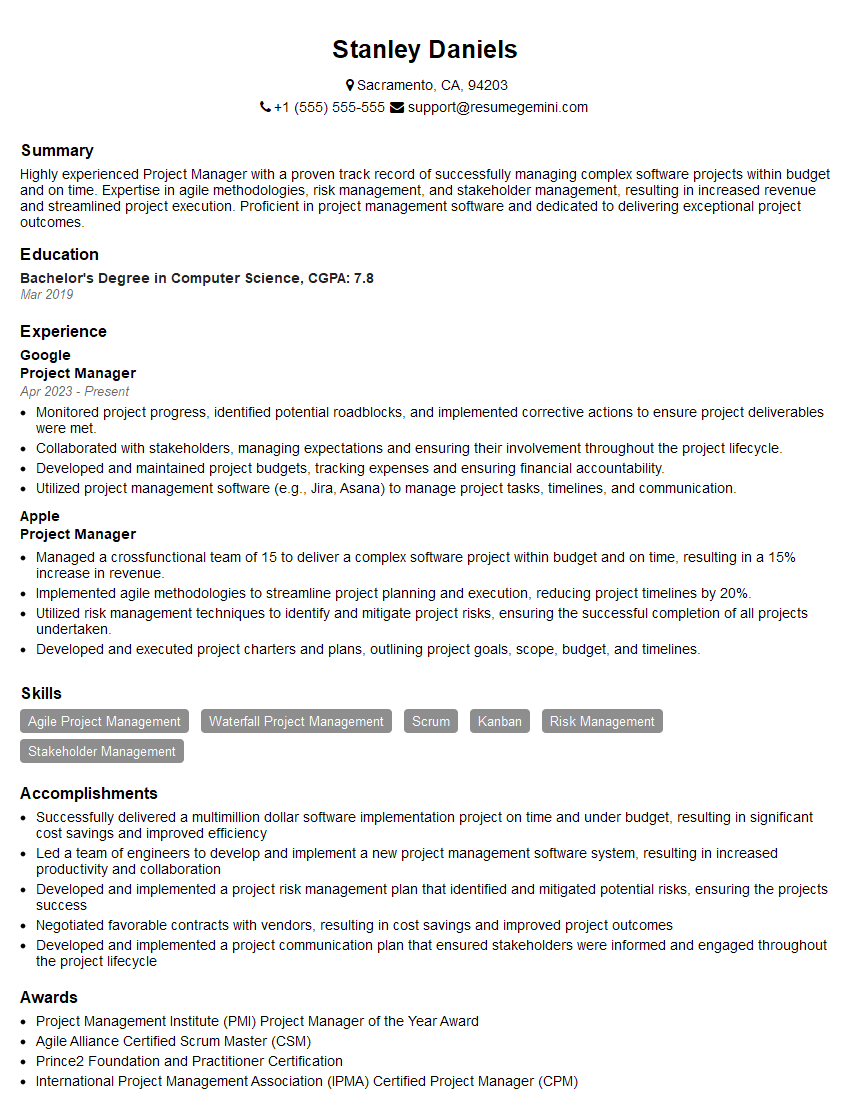
Project Manager Resume Sample

Compliance Officer Resume Sample
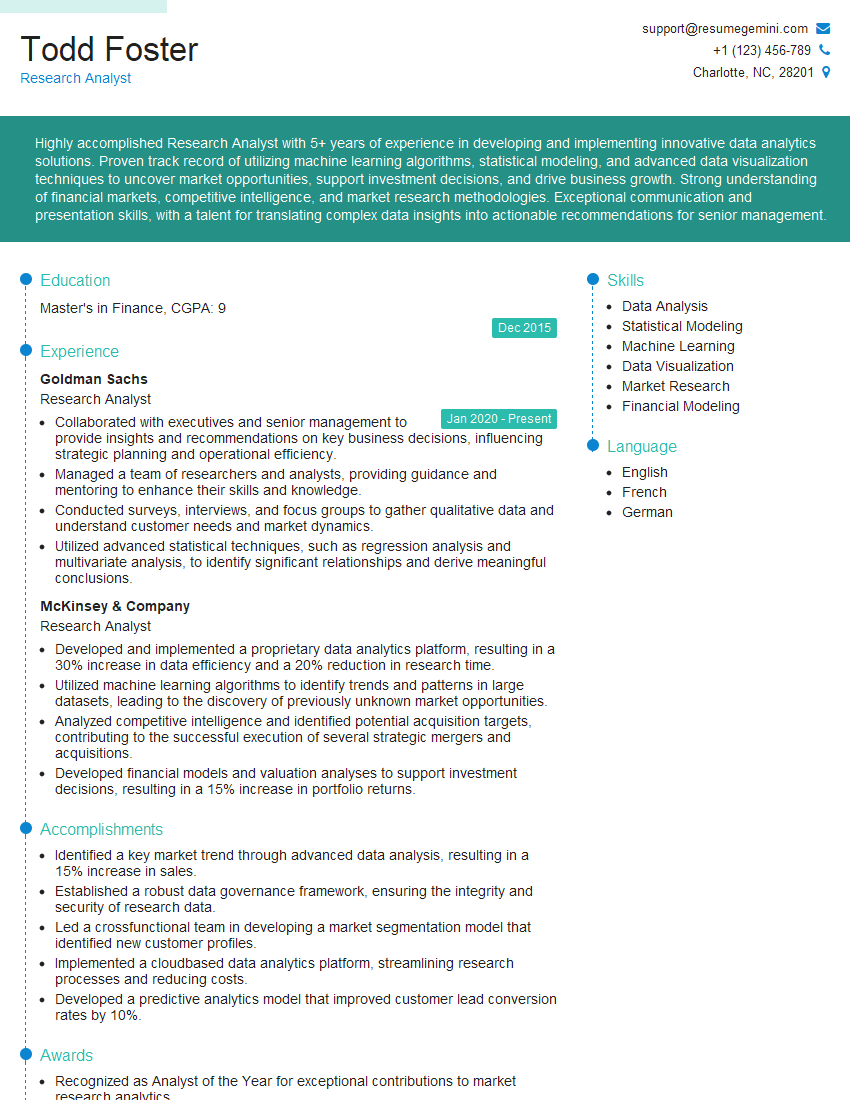
Research Analyst Resume Sample
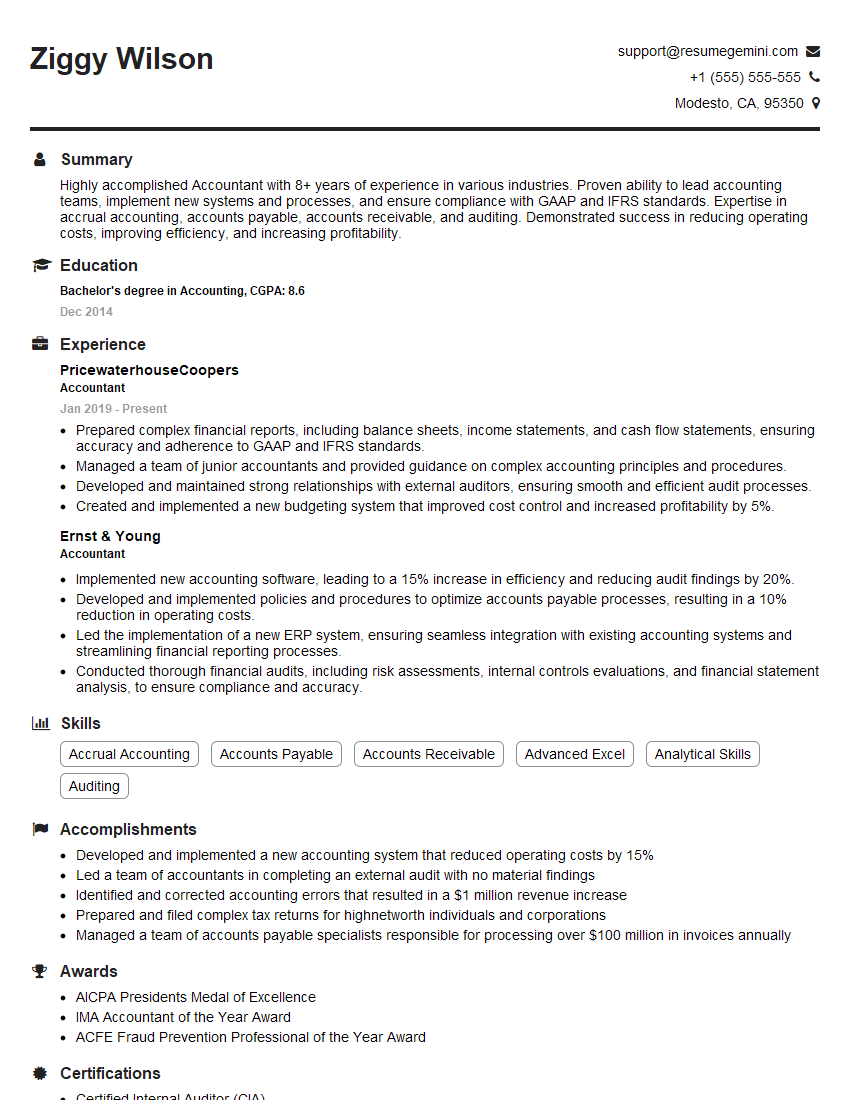
Accountant Resume Sample
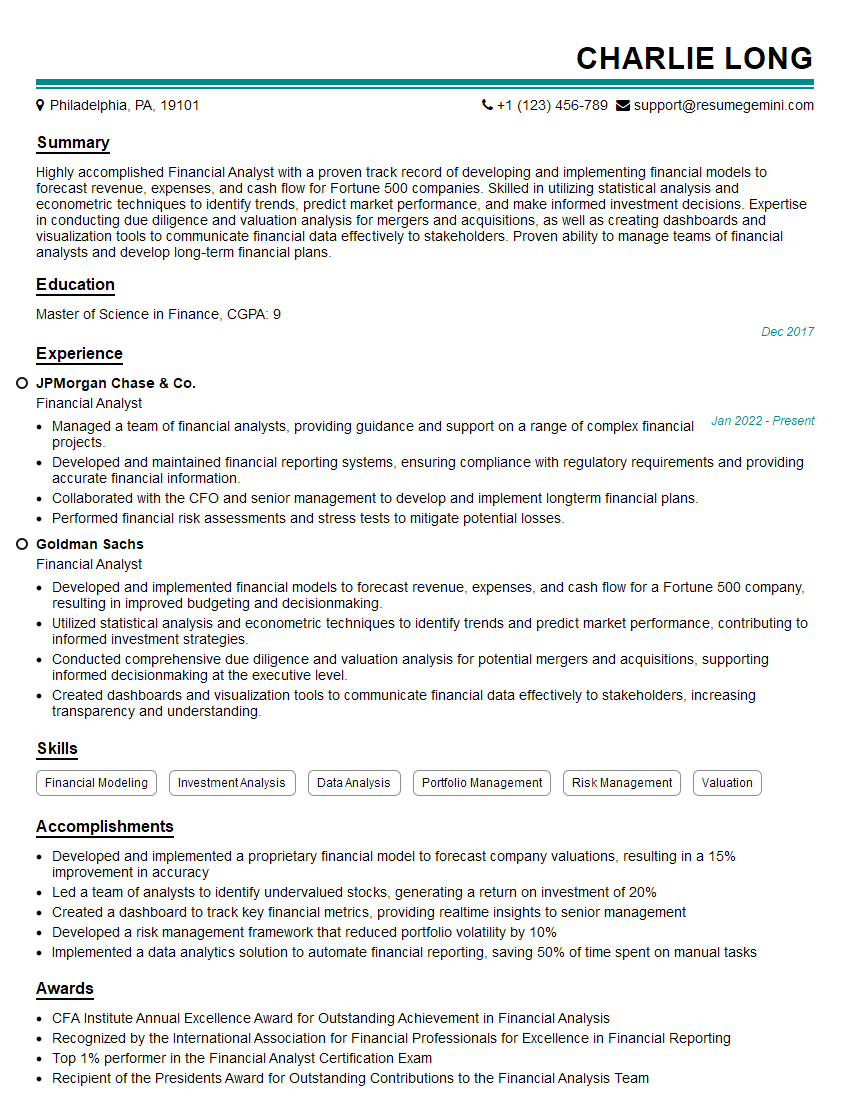
Financial Analyst Resume Sample
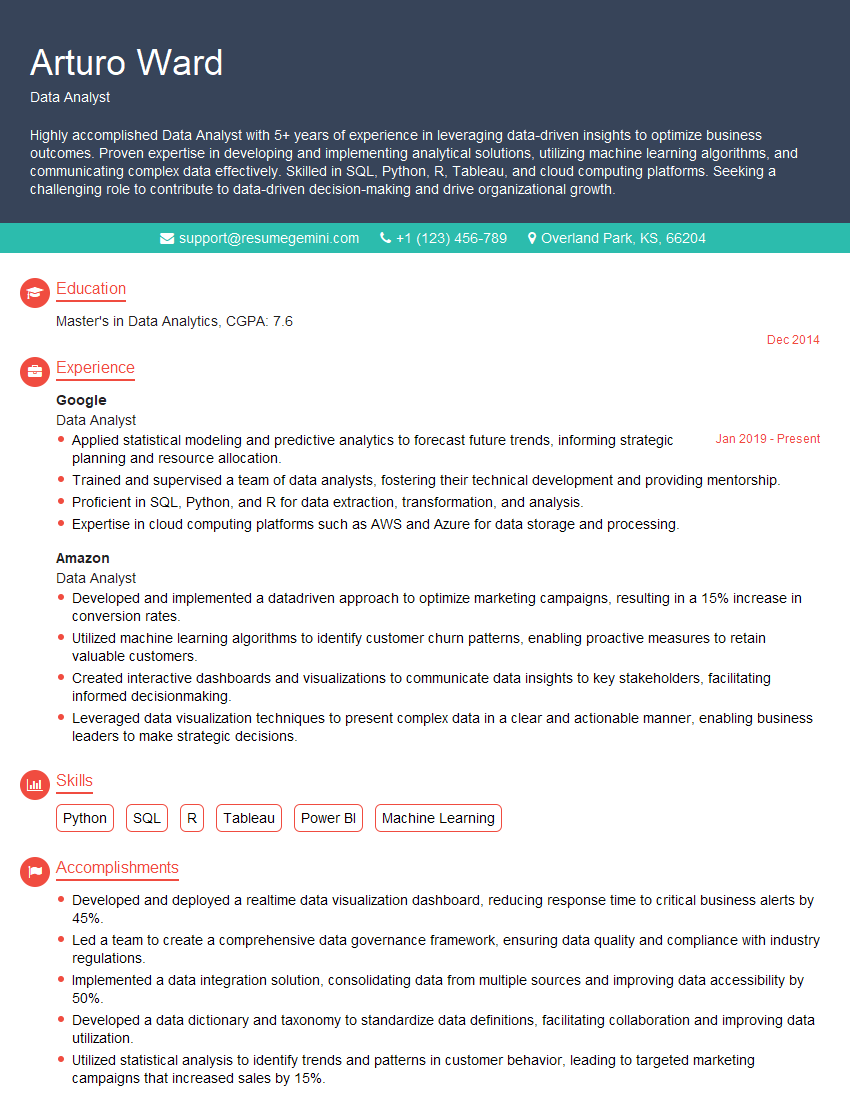
Data Analyst Resume Sample
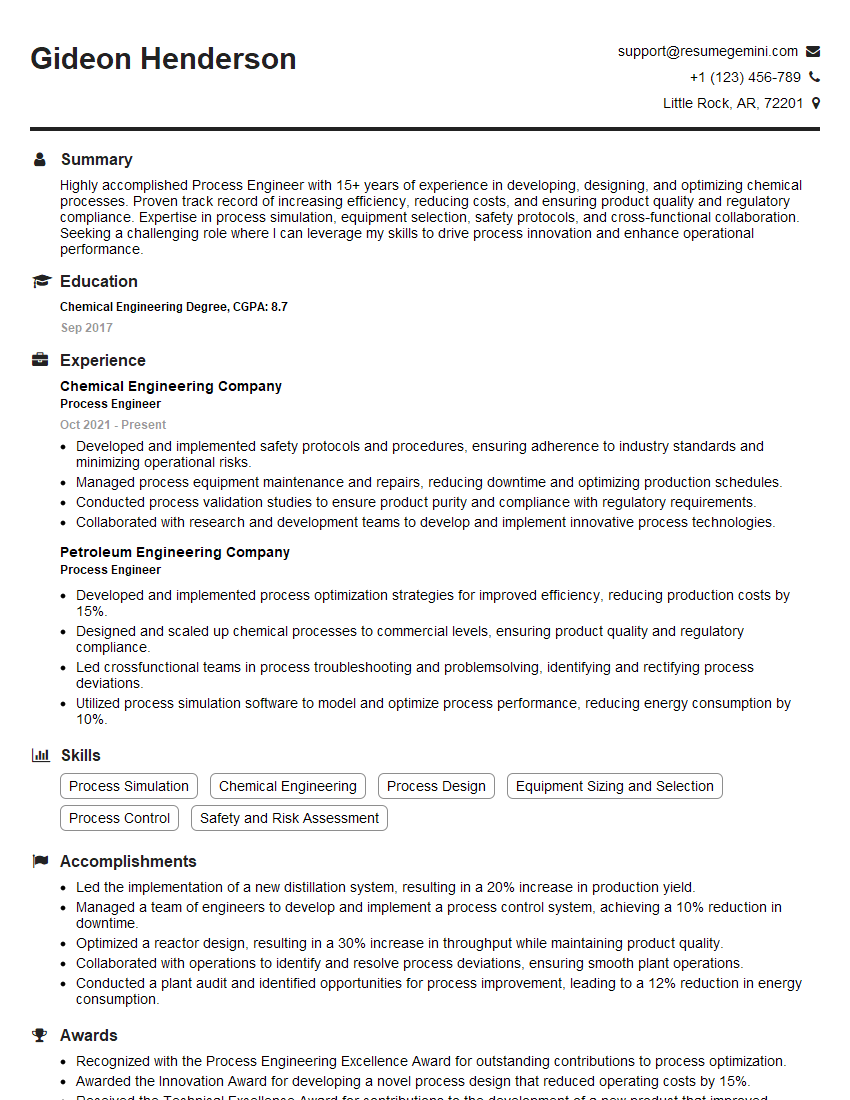
Process Engineer Resume Sample
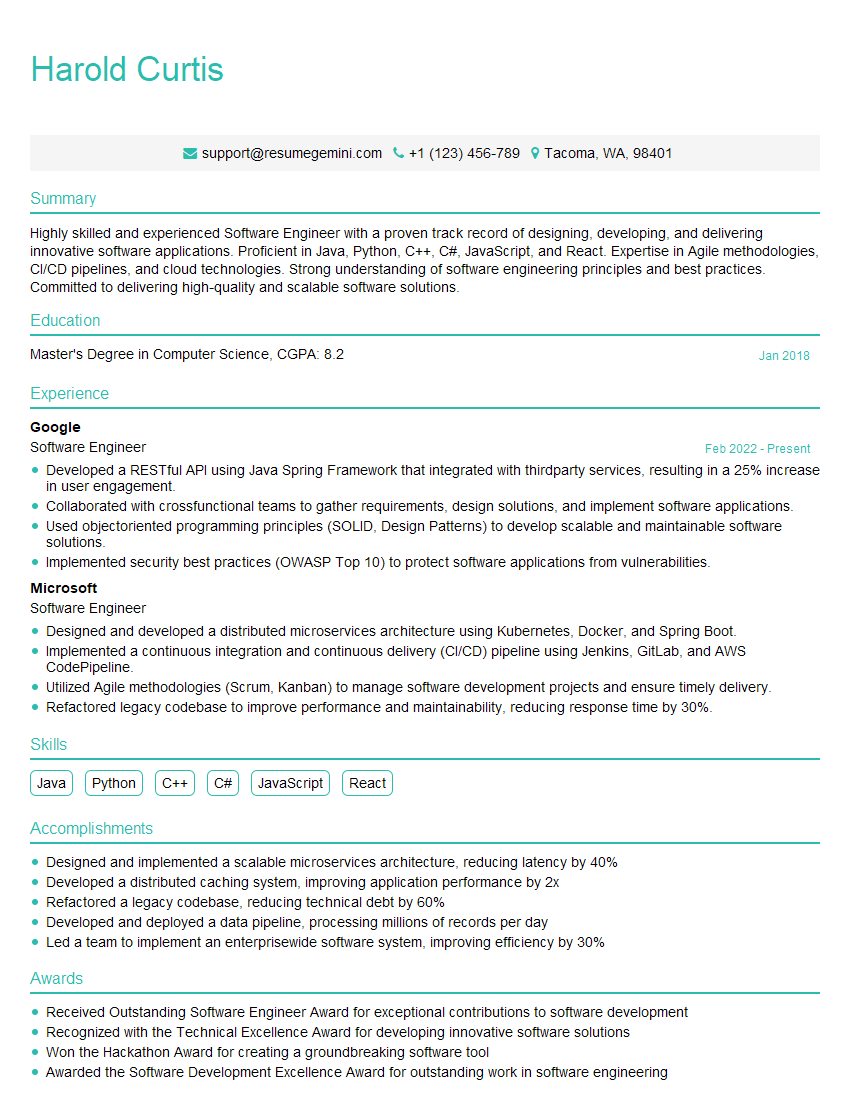
Software Engineer Resume Sample
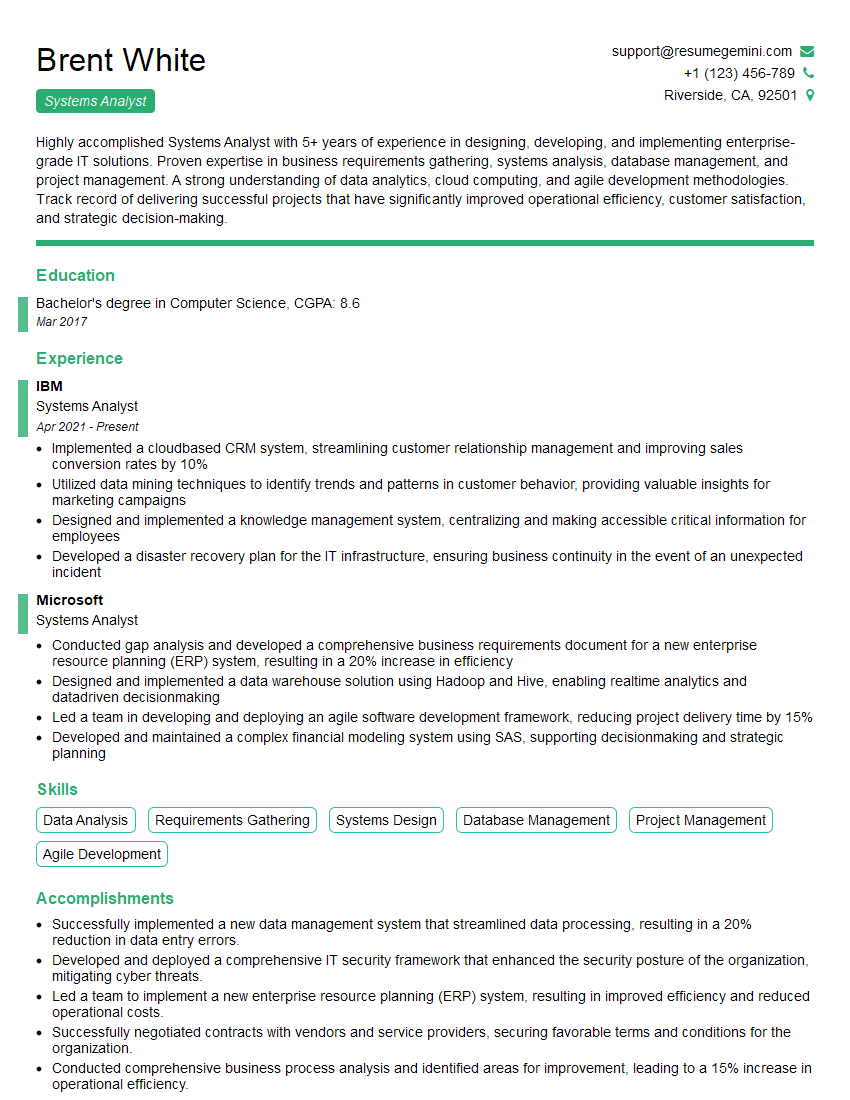
Systems Analyst Resume Sample
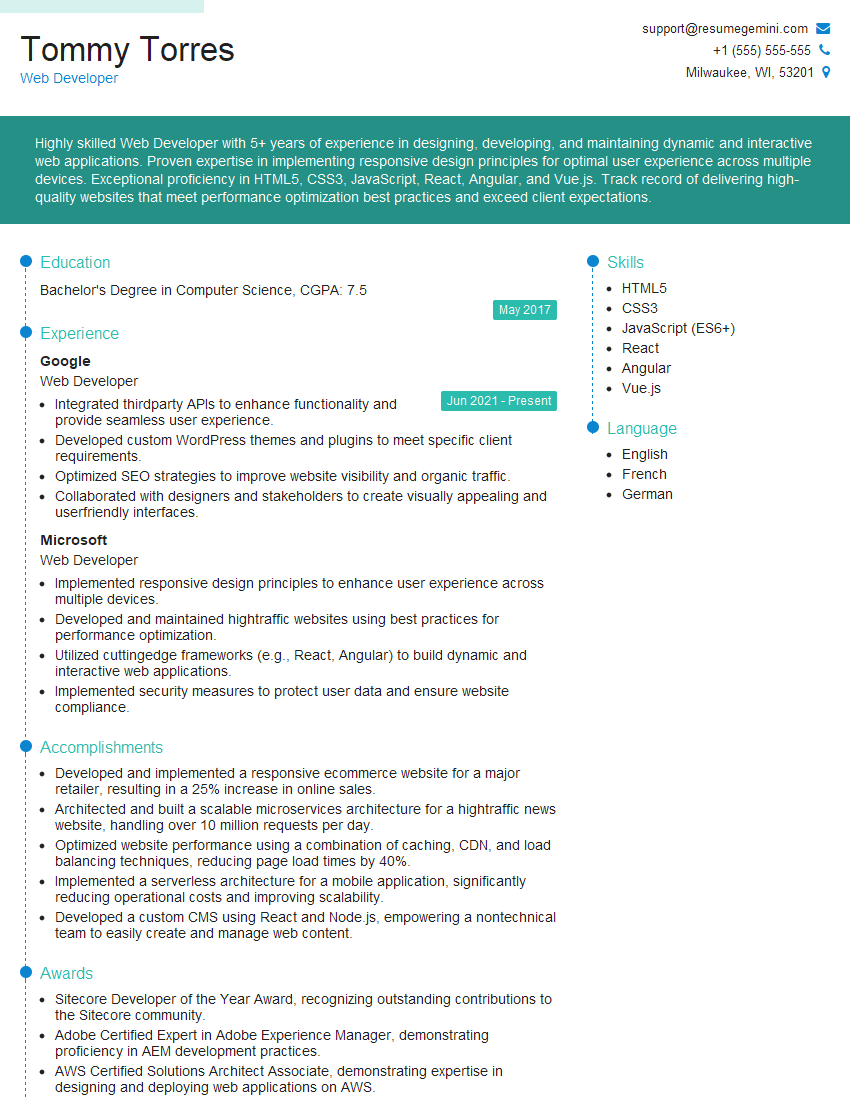
Web Developer Resume Sample
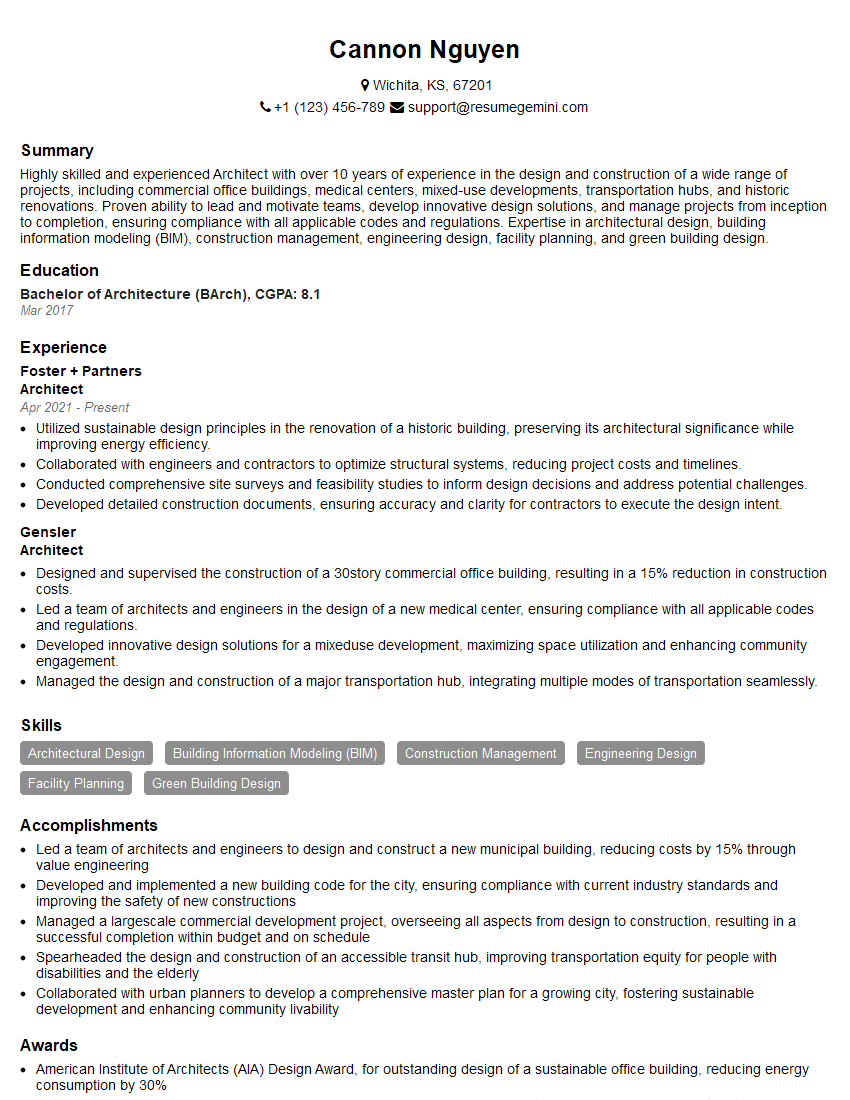
Architect Resume Sample
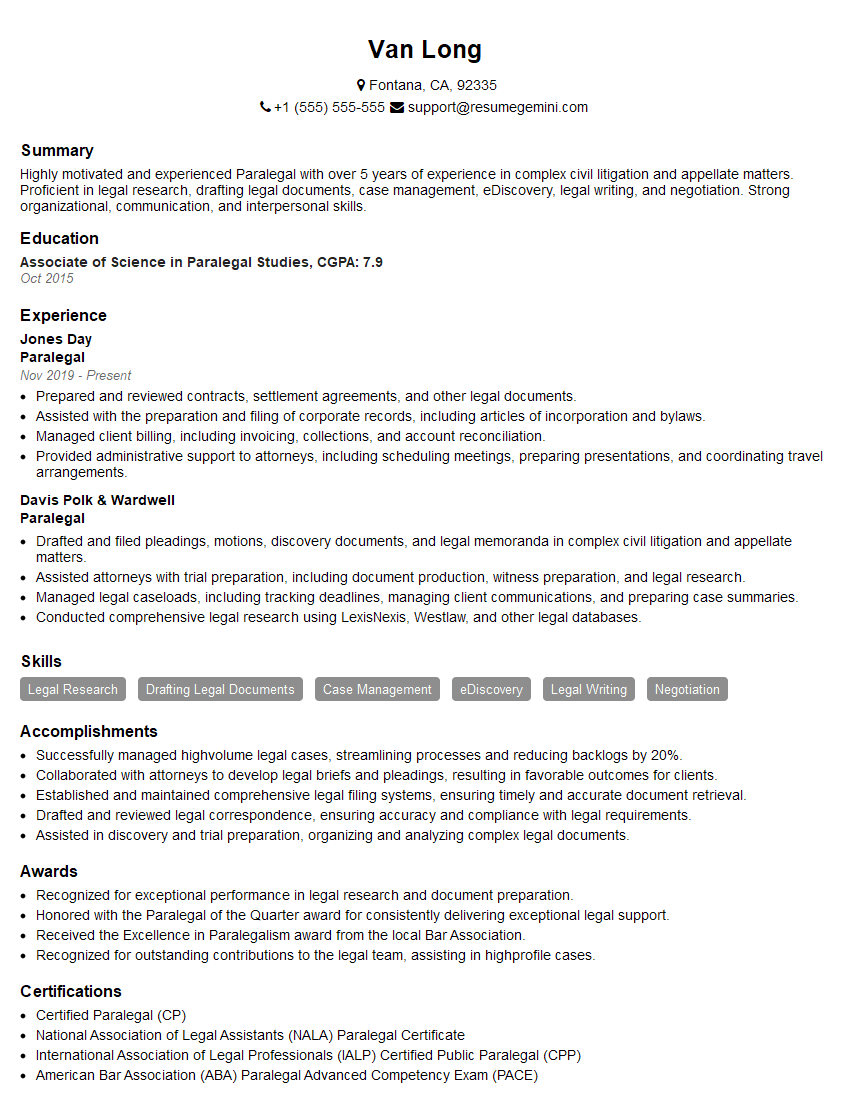
Paralegal Resume Sample
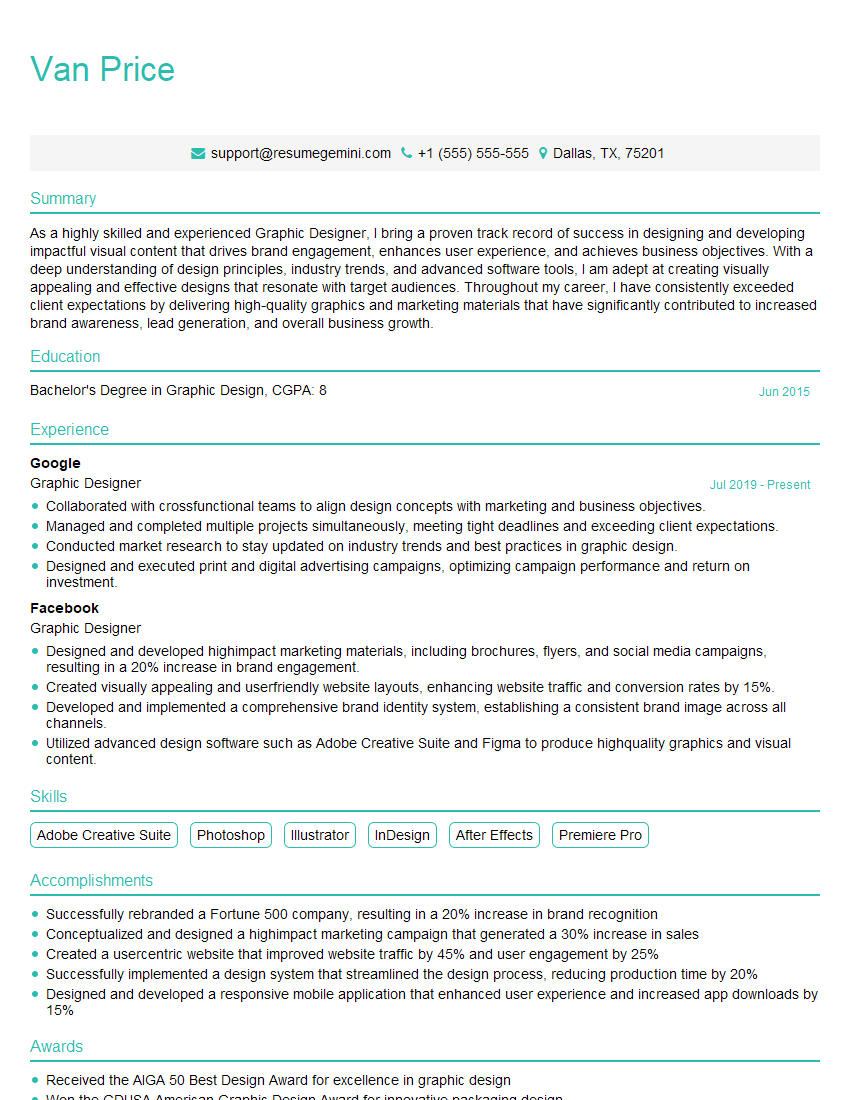
Graphic Designer Resume Sample
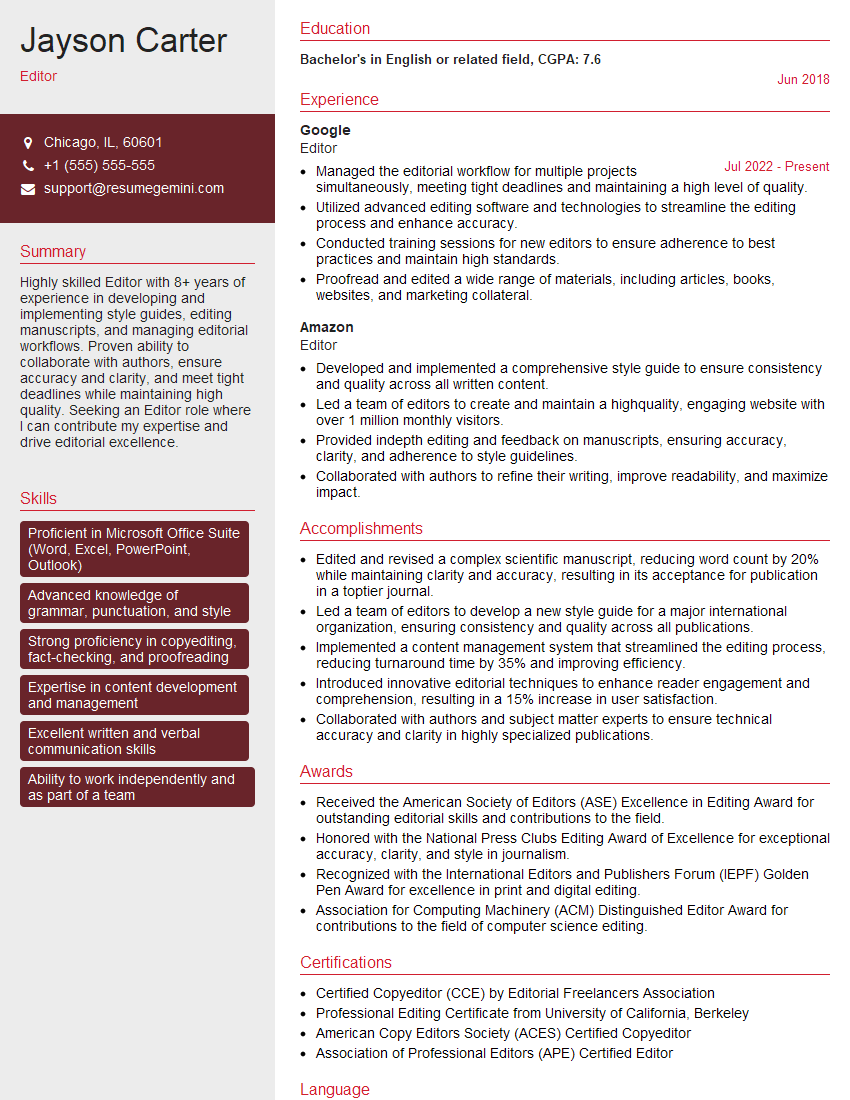
Editor Resume Sample
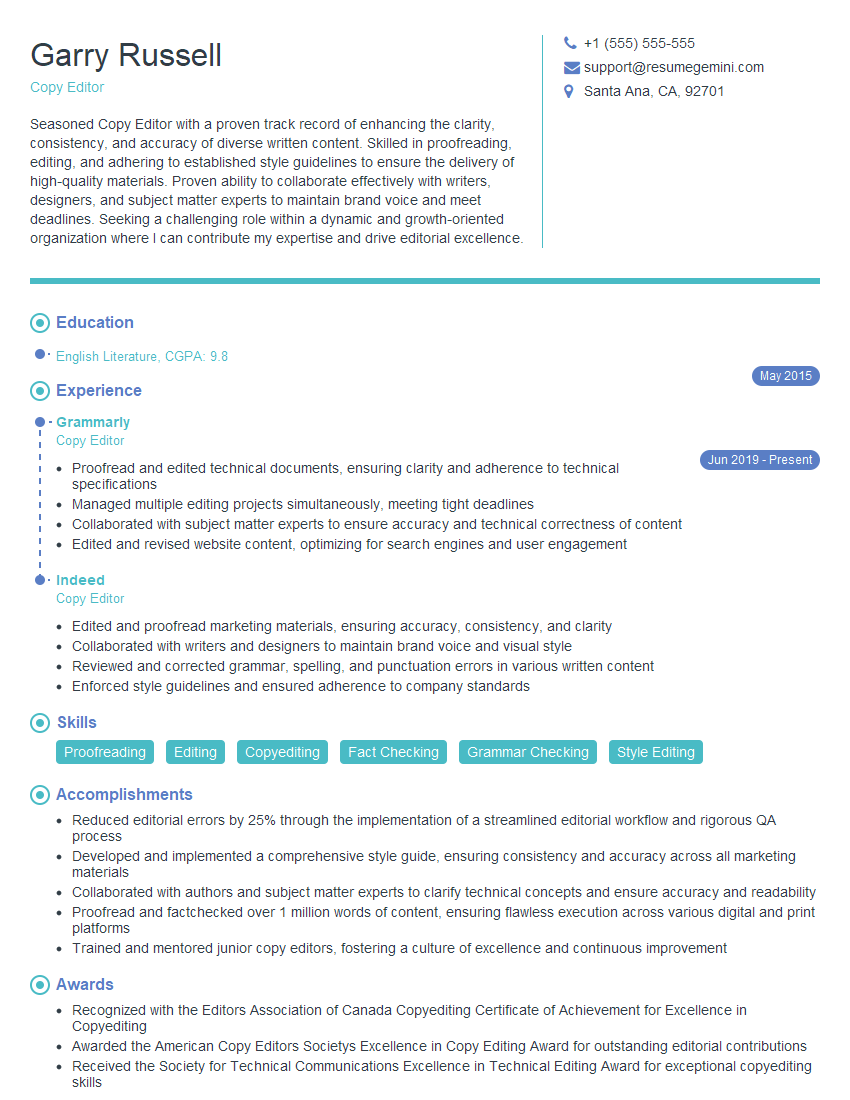
Copy Editor Resume Sample
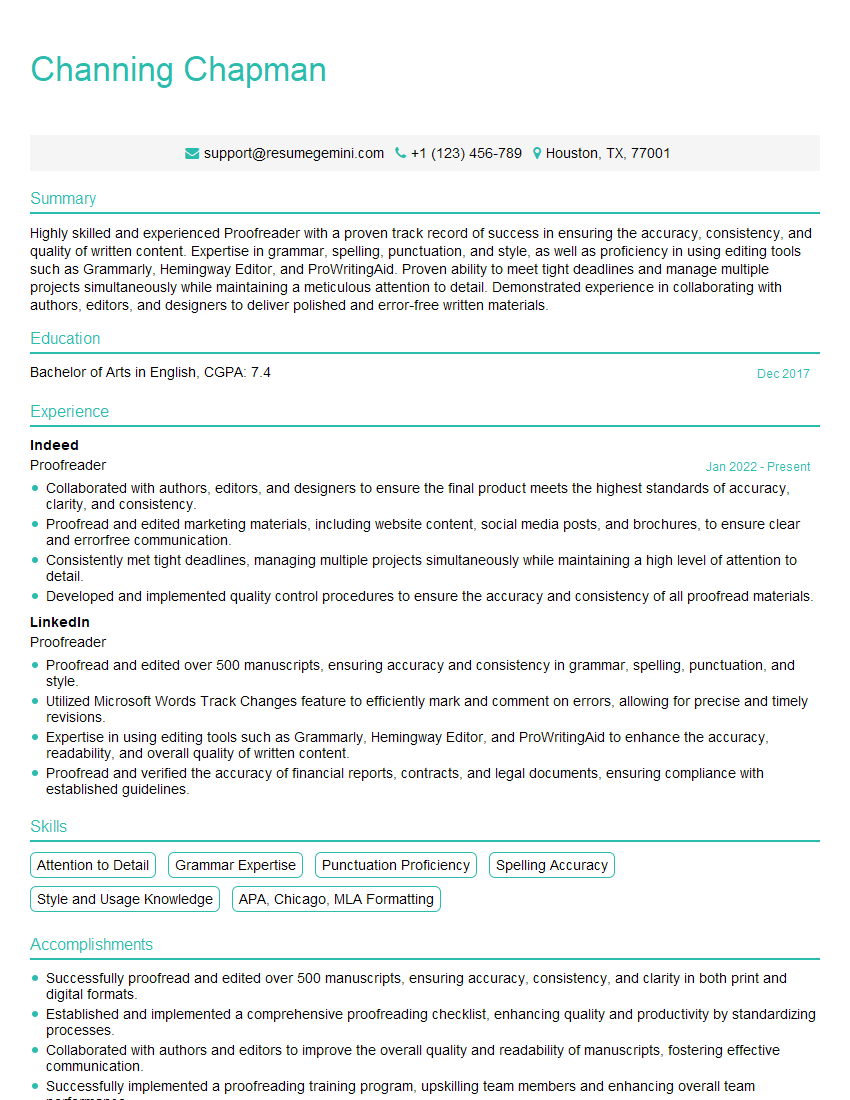
Proofreader Resume Sample

Technical Writer Resume Sample
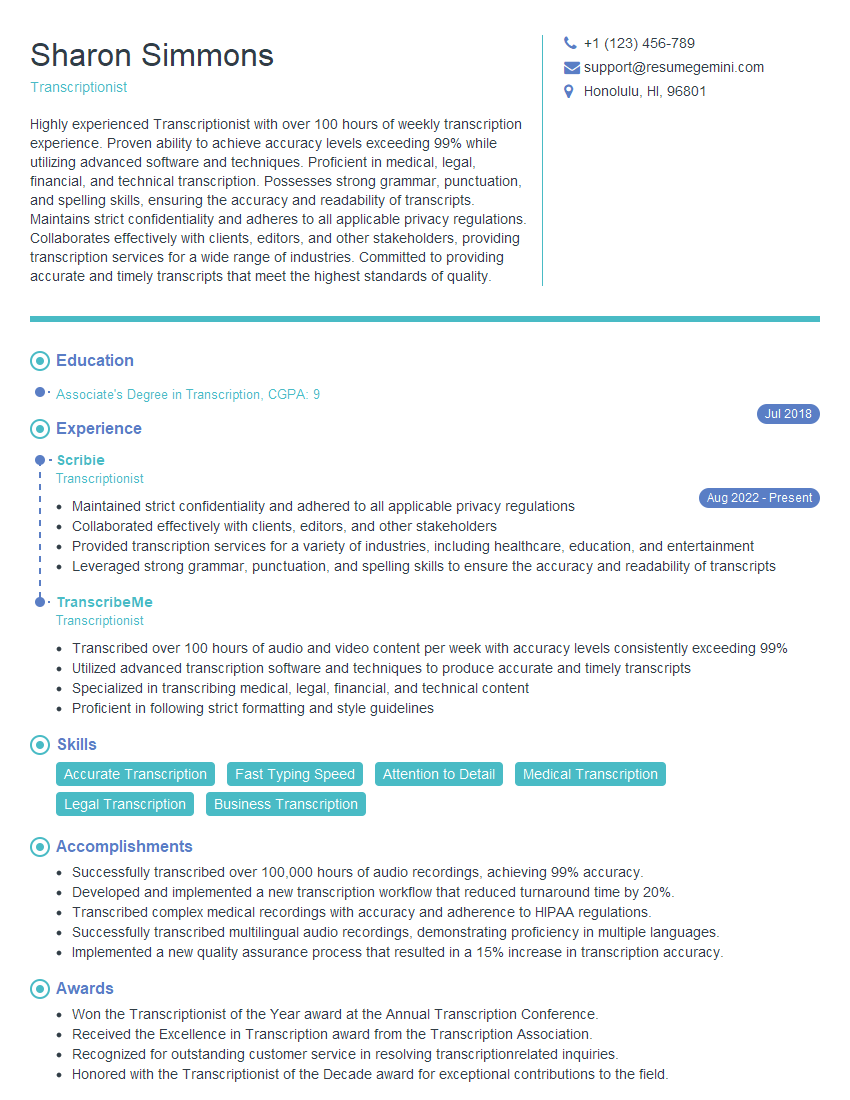
Transcriptionist Resume Sample
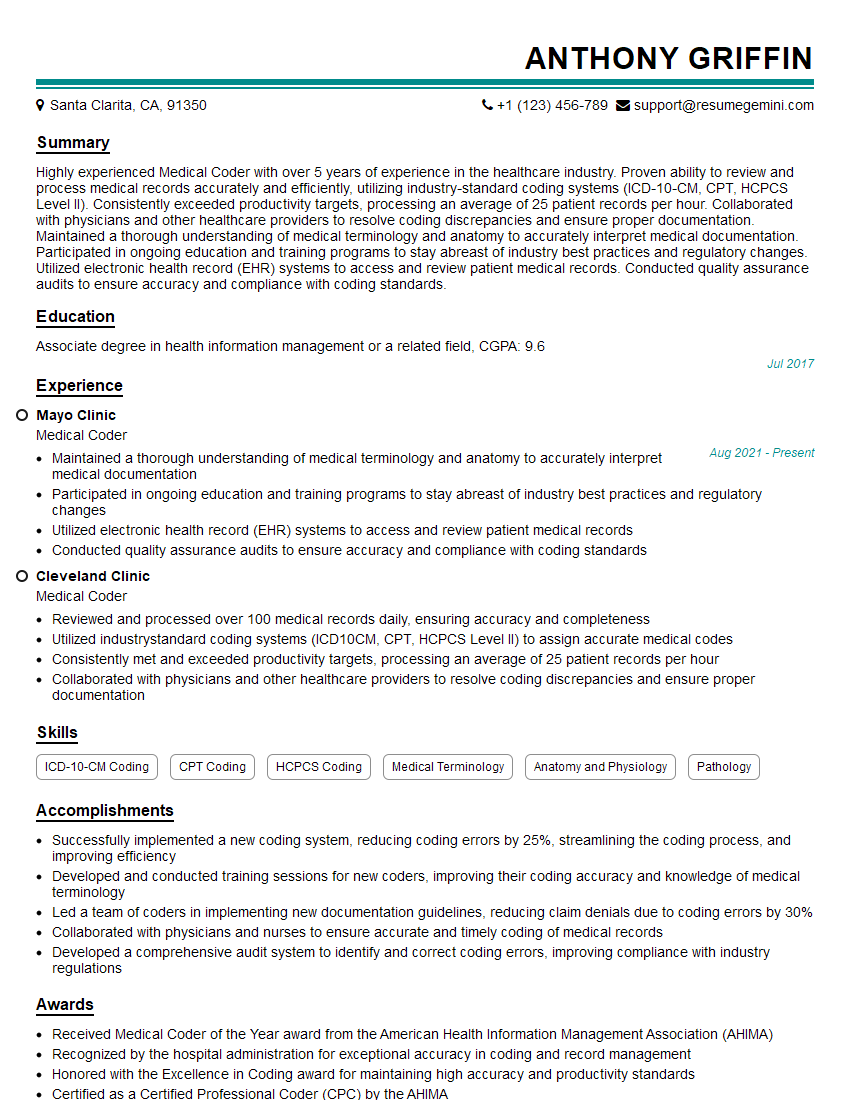
Medical Coder Resume Sample
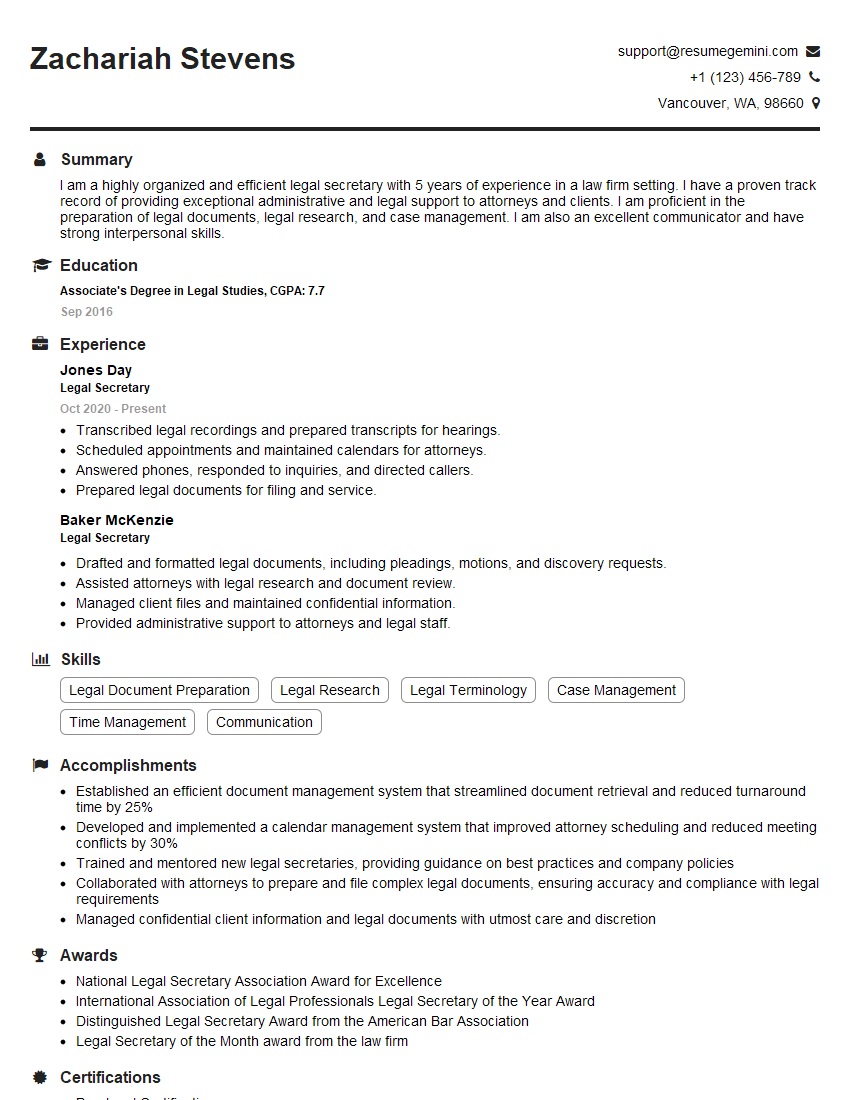
Legal Secretary Resume Sample
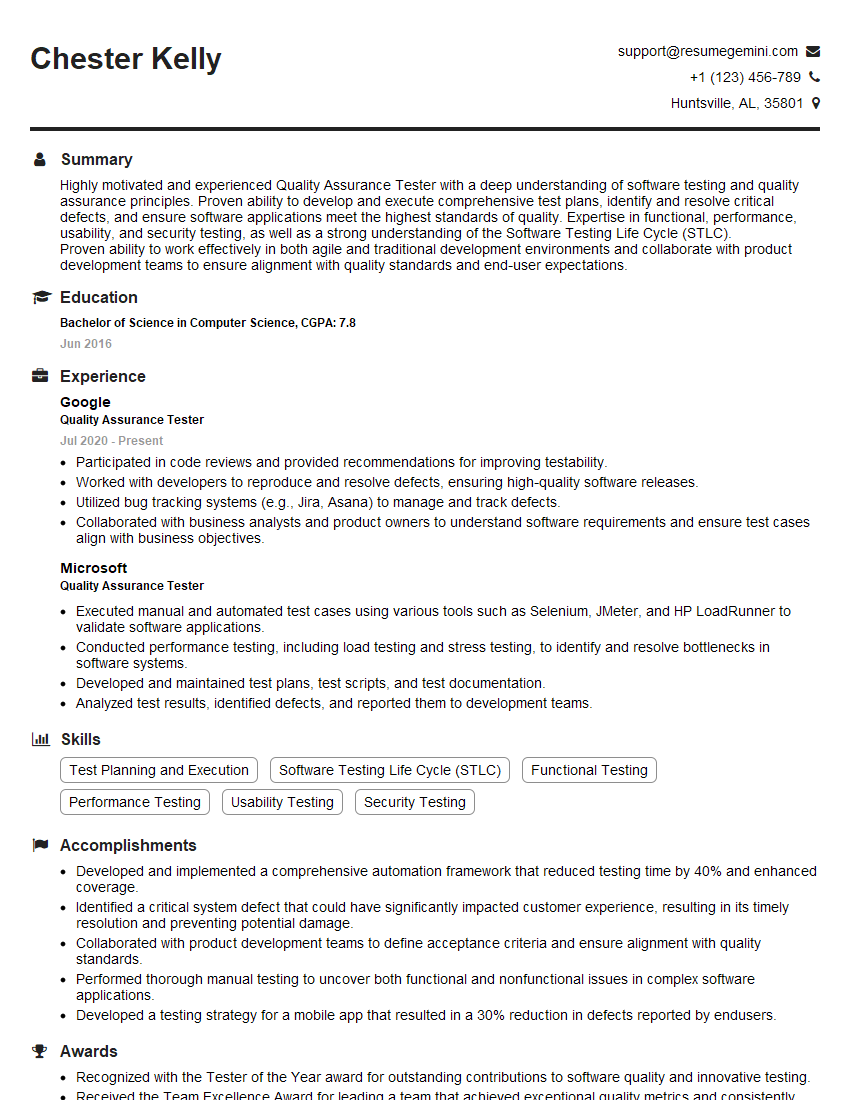
Quality Assurance Tester Resume Sample
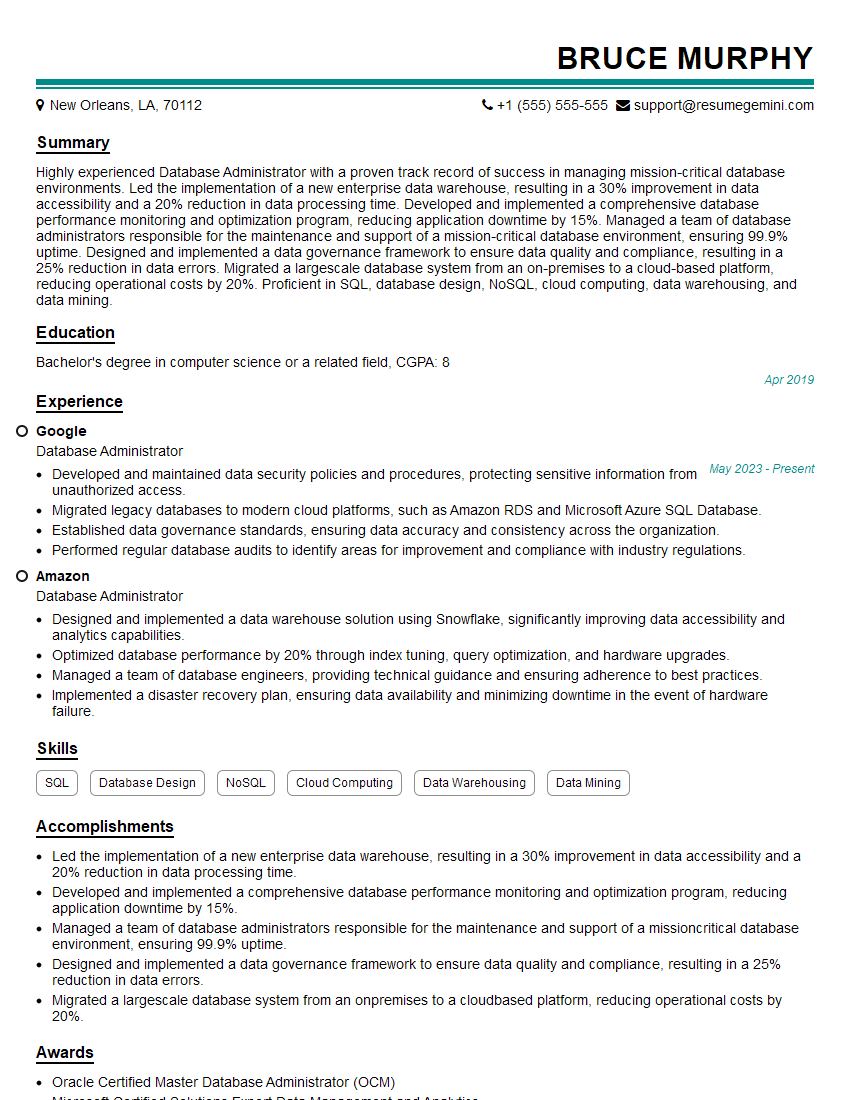
Database Administrator Resume Sample
- Operations Manager
- Project Manager
- Compliance Officer
- Research Analyst
- Accountant
- Financial Analyst
- Data Analyst
- Process Engineer
- Software Engineer
- Systems Analyst
- Web Developer
- Architect
- Paralegal
- Graphic Designer
- Editor
- Copy Editor
- Proofreader
- Technical Writer
- Transcriptionist
- Medical Coder
- Legal Secretary
- Quality Assurance Tester
- Database Administrator
Explore more articles
Users Rating of Our Blogs
Share Your Experience
We value your feedback! Please rate our content and share your thoughts (optional).
What Readers Say About Our Blog
Really detailed insights and content, thank you for writing this detailed article.
IT gave me an insight and words to use and be able to think of examples