Interviews are opportunities to demonstrate your expertise, and this guide is here to help you shine. Explore the essential Venipuncture interview questions that employers frequently ask, paired with strategies for crafting responses that set you apart from the competition.
Questions Asked in Venipuncture Interview
Q 1. Describe the steps involved in a standard venipuncture procedure.
Standard venipuncture is a multi-step process requiring precision and adherence to safety protocols. Think of it like a carefully choreographed dance, each step crucial for success.
- Patient Identification and Verification: Always confirm the patient’s identity using two identifiers (e.g., name and date of birth) against their requisition form. This prevents medication errors and ensures the right patient receives the appropriate care.
- Hand Hygiene and PPE: Thorough handwashing is paramount. Don gloves and other necessary personal protective equipment (PPE) like a gown or face shield, especially if there’s a risk of splashing.
- Vein Selection: Choose a vein that is prominent, relatively straight, and feels resilient to the touch. The median cubital vein in the antecubital fossa (the inner elbow) is often preferred. Avoid areas with hematomas, scars, or inflammation.
- Preparing the Site: Cleanse the selected area with an antiseptic solution (e.g., 70% isopropyl alcohol) using a concentric circular motion, moving outward from the center. Allow to air dry completely. This reduces the risk of infection.
- Needle Insertion: With the bevel facing upwards, insert the needle into the vein at a 15-30 degree angle, depending on the vein’s depth. You’ll feel a slight “give” as the needle enters the vein. Observe for flash of blood in the hub.
- Blood Collection: Attach the evacuated tube system (ETS) or syringe to the needle. Fill the tubes in the correct order, according to laboratory instructions, to avoid cross-contamination.
- Needle Removal and Pressure: Once the tubes are filled, remove the tourniquet first, then gently remove the needle while applying direct pressure to the site with a sterile gauze pad. This helps prevent hematoma formation.
- Bandage Application: Apply a bandage securely to the puncture site. Instruct the patient to keep the bandage in place for at least 15-30 minutes.
- Labeling and Disposal: Properly label each collected tube with the patient’s information and time of collection. Dispose of sharps appropriately in designated containers.
Q 2. What are the different types of needles used in venipuncture?
Various needle types are used in venipuncture, each suited to different situations and patient needs. The choice depends on the vein size and the volume of blood needed.
- Evacuated Tube System (ETS) Needles: These double-ended needles allow multiple tubes to be filled sequentially. They are commonly used due to their efficiency and ease of use. They typically come in 21-gauge to 23-gauge sizes (smaller gauge means larger diameter).
- Syringe Needles: These needles are attached to syringes, allowing for manual blood collection. They are useful for patients with small or fragile veins, as they offer more control during the procedure and allow for slower, gentler blood draw. Smaller gauges like 25G may be preferred.
- Butterfly Needles (Winged Infusion Sets): These needles have flexible wings that aid in vein stabilization, particularly beneficial for difficult-to-access veins in the hands or feet. Their smaller gauges (23-27 gauge) are appropriate for delicate veins.
The gauge of the needle is crucial; a larger gauge (smaller number) means a wider needle bore. This is crucial as it impacts how quickly blood flows. Choosing the correct gauge for each patient ensures a minimally invasive procedure.
Q 3. Explain the proper technique for selecting a vein for venipuncture.
Selecting the right vein is key to a successful venipuncture. Imagine trying to fill a glass with water from a tiny crack versus a wide-open faucet—one is far easier!
Consider these factors:
- Vein Size and Depth: Look for veins that are visible, palpable (you can feel them), and feel relatively resilient. Avoid veins that feel hard or cord-like, as these are likely thrombosed (clotted).
- Vein Location: The antecubital fossa is usually the first choice. However, other locations like the dorsal hand veins may be used if necessary.
- Patient Factors: Consider age, body habitus (size and build), and underlying conditions that could affect vein accessibility (e.g., edema, previous surgeries). Always ask about any medication the patient is on, as some can affect veins.
- Avoidance of Certain Areas: Don’t use areas with hematomas, infections, burns, or scars; these may cause complications or impede proper blood flow.
Palpation is crucial; gently touch the area to locate suitable veins before insertion. Sometimes, you need to try different veins for different patients to ensure successful collection.
Q 4. How do you identify and address complications such as hematoma formation?
Complications such as hematoma formation are a concern; prevention is better than cure! A hematoma is a bruise resulting from blood leaking into the surrounding tissue.
Identification: A hematoma presents as a localized swelling and discoloration at the venipuncture site. It usually feels tender to the touch.
Addressing Hematoma Formation:
- Apply Pressure: Immediately after needle removal, apply firm, direct pressure to the puncture site with a sterile gauze pad for at least 2-5 minutes, or longer if necessary.
- Elevate the Limb: Keeping the arm elevated above the heart helps reduce swelling.
- Ice Packs: Applying an ice pack wrapped in a cloth for 10-15 minutes intervals can help reduce pain and inflammation.
- Monitor the Site: Observe the site for any signs of increasing pain, swelling, or discoloration. If the hematoma is significant, notify the patient’s physician.
Other complications like nerve damage (rare) or phlebitis (vein inflammation) also need to be managed promptly through appropriate medical intervention and careful follow-up.
Q 5. What are the safety precautions to be taken during a venipuncture procedure?
Safety is paramount in venipuncture. Treating every procedure as if your own safety and the patient’s were at stake ensures a smooth and uneventful process.
- Hand Hygiene: Always start and end with thorough handwashing, according to facility guidelines. Gloves must be worn for every procedure.
- Sharps Safety: Dispose of all needles and other sharps immediately after use in a designated sharps container. Never recap needles.
- Infection Control: Use appropriate antiseptic solutions and maintain a sterile field during the procedure. Follow infection control protocols to prevent contamination.
- Body Substance Isolation: Wear appropriate PPE, including gloves, gowns, and eye protection, to prevent exposure to bloodborne pathogens.
- Proper Technique: Adhering to proper venipuncture techniques minimizes the risk of complications and ensures patient safety.
- Patient Education: Explain the procedure to the patient, addressing any concerns they may have. Their cooperation is crucial for a successful outcome.
Regular training and competency assessments are essential in maintaining a high standard of safety in venipuncture procedures.
Q 6. How do you handle a patient who is difficult to draw blood from?
Dealing with a patient who is difficult to draw blood from requires patience, skill, and adaptability. Think of it as a detective solving a puzzle.
Strategies:
- Hydration: Encourage the patient to drink plenty of fluids prior to the venipuncture to help increase vein prominence. Dehydration can make veins harder to find and access.
- Warm Compress: Applying a warm compress to the area for 5-10 minutes before attempting the draw can help dilate the veins, making them easier to access.
- Different Sites and Techniques: Explore different vein sites (e.g., dorsal hand veins) and use alternative techniques such as butterfly needles or smaller gauge needles if necessary.
- Patient Positioning: Ensure the patient is comfortable and relaxed. Sometimes, slightly changing their arm position can help improve vein visibility.
- Collaboration: Don’t hesitate to seek assistance from a colleague, especially if you have difficulty locating or accessing suitable veins.
- Documentation: Thoroughly document all attempts and any challenges encountered during the procedure.
Above all, maintain a calm and reassuring demeanor. A patient’s anxiety can constrict their veins, making the procedure more difficult.
Q 7. What are the common reasons for blood specimen rejection?
Blood specimen rejection is a serious issue that can delay test results and lead to unnecessary costs and patient inconvenience. It is very important to get it right the first time!
Common Reasons for Rejection:
- Inadequate Volume: The tube was not completely filled with the required amount of blood.
- Hemolysis: Red blood cells are broken down, causing the specimen to be pink or red. This can be caused by vigorous mixing, using a small needle size for a large vacuum tube, or drawing the blood too forcefully.
- Clotted Specimen: Blood specimens that contain clots are often rejected because they are difficult to analyze.
- Improper Labeling: Incorrectly labeled samples cannot be linked to the patient, rendering them unusable.
- Contamination: Introduction of other substances into the specimen during collection can compromise results.
- Incorrect Tube Type: Using the incorrect tube type can prevent appropriate testing and analysis, resulting in rejection.
- Insufficient Identification: Mismatch of patient identification is critical to prevent serious medical errors.
Prevention requires meticulous attention to detail during each step of the venipuncture process, including proper tube selection, handling techniques, and labeling. Adherence to laboratory guidelines is essential.
Q 8. Describe your experience with different types of blood collection tubes.
My experience encompasses a wide range of blood collection tubes, each designed for specific tests and analyses. Understanding their additive properties is crucial for accurate results. For instance:
- Serum tubes (red top): These contain no additives and allow blood to clot before centrifugation, yielding serum for various tests including cholesterol and liver function panels. I’m meticulous about ensuring adequate clotting time before processing.
- Plasma tubes (light blue top): These contain sodium citrate, an anticoagulant that prevents clotting, crucial for coagulation studies. The ratio of blood to anticoagulant is critical; improper ratios can lead to inaccurate results. I always ensure the tube is filled to the appropriate level.
- Heparin tubes (green top): Containing heparin, another anticoagulant, these tubes yield plasma for many chemistry and hematology tests. Different types of heparin exist, and their properties influence test selection.
- EDTA tubes (lavender top): Ethylenediaminetetraacetic acid (EDTA) is an anticoagulant that chelates calcium, preventing clotting and preserving cell morphology, ideal for hematology tests like a complete blood count (CBC). Gentle inversion after collection is essential to avoid hemolysis (rupture of red blood cells).
- Oxalate/fluoride tubes (gray top): These contain both sodium fluoride (an antiglycolytic agent that prevents glucose breakdown) and potassium oxalate (an anticoagulant), making them vital for glucose testing.
In my experience, properly selecting and handling these tubes is paramount to ensure the integrity and reliability of laboratory results. I’ve encountered instances where improper tube selection led to inaccurate results, highlighting the critical importance of this knowledge.
Q 9. How do you ensure proper patient identification before venipuncture?
Patient identification is the cornerstone of safe and accurate venipuncture. I employ a multi-step process to eliminate errors. This includes:
- Checking the requisition form: I meticulously verify the patient’s name, date of birth, medical record number, and requested tests against the patient’s identification bracelet. Any discrepancy requires clarification with the nurse or physician.
- Verbal confirmation: I always ask the patient to state their name and date of birth to confirm the information on the requisition form and identification bracelet. This simple step is often overlooked but incredibly valuable.
- Matching identifiers: I confirm that the patient’s information on the requisition form, identification bracelet, and any other identifying documents (if applicable) perfectly match. No discrepancies are tolerated.
I remember a situation where a patient had a similar name to another patient on the same floor. Following my rigorous identification process, I prevented a potentially serious medication error. Prioritizing thorough identification prevents medical mistakes and maintains patient safety.
Q 10. Explain the procedure for disposal of needles and other sharps after venipuncture.
Safety is paramount in handling sharps. After venipuncture, I immediately activate the safety feature on the needle, if available, and then place the entire collection device—including the needle and tube—into a puncture-resistant sharps container. This prevents accidental needle sticks and protects healthcare workers.
These containers are clearly labeled with biohazard symbols and are disposed of according to our facility’s established protocols. Once the container is full or nearly full, it is carefully sealed, and appropriate waste management personnel collect them for proper disposal. This rigorous process ensures the safety of both healthcare workers and the environment.
Failing to follow these procedures can lead to serious consequences, including needle stick injuries and the potential spread of infectious diseases. Safety is not merely a guideline; it’s an absolute requirement.
Q 11. What is your experience with point-of-care testing (POCT)?
My experience with point-of-care testing (POCT) involves performing tests at the patient’s bedside or near the site of care, rather than sending samples to a central laboratory. I’m proficient in using various POCT devices, including blood glucose meters, rapid influenza diagnostic tests, and some basic hematology analyzers.
The key to successful POCT is ensuring accurate sample collection and proper device operation. This involves strict adherence to manufacturer instructions, careful quality control measures, and documentation of results. I always understand the limitations of each test and know when to defer to a central lab for more comprehensive testing. I’ve often used POCT to provide immediate results, enabling prompt treatment decisions and enhancing patient care. A prime example is using a rapid strep test to determine if antibiotics are needed immediately.
Q 12. How do you handle a needle stick injury?
A needle stick injury is a serious event requiring immediate action. My response follows established protocols:
- Immediately wash the affected area with soap and water for at least 15 minutes. This is crucial to remove any potential contaminants.
- Report the incident to my supervisor immediately. This initiates the necessary steps for post-exposure prophylaxis (PEP).
- Undergo a thorough evaluation by the occupational health nurse. This typically involves blood tests for the injured healthcare worker and the source patient (if identifiable).
- Complete all necessary documentation and follow-up care. This is crucial for tracking and managing potential infections.
I’ve participated in PEP protocols, and understanding these procedures is essential for my safety and the safety of others. Post-exposure management has evolved over the years, and staying current on these guidelines is a priority for me.
Q 13. What are the different types of veins commonly used for venipuncture?
Several veins are commonly used for venipuncture, but the choice depends on the patient’s individual anatomy and the volume of blood needed. Commonly used veins include:
- Cephalic vein: Located on the lateral aspect of the forearm, this vein is often prominent and easily accessible.
- Basilic vein: Found on the medial aspect of the forearm, this vein is also relatively easy to access.
- Median cubital vein: This vein, located in the antecubital fossa (the area of the elbow), is often the preferred choice because of its size and ease of access. It’s frequently the first site I try.
- Metacarpal veins (hand veins): In some cases, veins in the hand are used if antecubital veins are inaccessible. However, these can be less comfortable for the patient.
I prioritize the patient’s comfort and assess the vein’s size and condition before making a selection. A skillful assessment of the vein helps minimize discomfort and increases the likelihood of a successful venipuncture.
Q 14. How do you manage patient anxiety during venipuncture?
Many patients experience anxiety during venipuncture. My approach involves building rapport and employing techniques to alleviate their concerns:
- Explain the procedure clearly and concisely. Using simple, understandable language and answering any questions helps reduce apprehension.
- Distract the patient. Engaging in conversation or focusing their attention on something else can help divert their attention from the procedure.
- Maintain a calm and reassuring demeanor. My own confidence and composure help calm the patient. I also use positive reinforcement and encourage them throughout.
- Use appropriate techniques, such as applying a warm compress to dilate the vein. This makes venipuncture easier and less painful, minimizing anxiety.
- Be patient and empathetic. Understanding and acknowledging the patient’s concerns is crucial. Some patients may need more time and reassurance than others.
I remember a patient who was intensely afraid of needles. By taking my time, explaining the procedure thoroughly, and using a distraction technique, I was able to successfully complete the venipuncture with minimal distress to the patient. Empathy and patience are as important as technical skill in providing excellent care.
Q 15. Explain your understanding of bloodborne pathogens and their prevention.
Bloodborne pathogens are microorganisms present in human blood that can cause disease. These include viruses like Hepatitis B, Hepatitis C, and HIV, as well as bacteria. Preventing exposure is paramount in venipuncture. This involves a multi-layered approach:
- Standard Precautions: Treating all blood and body fluids as potentially infectious is the cornerstone. This includes consistent use of gloves, gowns, and eye protection.
- Sharps Safety: Using safety-engineered devices like retractable needles and sharps containers prevents needlestick injuries – the primary route of transmission for many bloodborne pathogens. I always double-check the sharps container before discarding used needles, and I am very careful when recapping needles (following facility protocol, if recapping is even necessary).
- Hand Hygiene: Thorough handwashing before and after procedures is crucial in minimizing the spread of pathogens. Alcohol-based hand rubs are also used frequently.
- Decontamination: Spills of blood or other potentially infectious materials are immediately cleaned up with appropriate disinfectants, following established protocols.
- Vaccination: Hepatitis B vaccination is mandatory for healthcare workers, offering significant protection against this serious infection. The facility also offers access to other relevant vaccines like influenza, for better overall protection against a range of infections.
For example, during a recent venipuncture, a patient’s blood unexpectedly sprayed. I immediately donned additional protective gear, cleaned the area thoroughly, and reported the incident according to our facility’s protocol, ensuring the safety of myself and others.
Career Expert Tips:
- Ace those interviews! Prepare effectively by reviewing the Top 50 Most Common Interview Questions on ResumeGemini.
- Navigate your job search with confidence! Explore a wide range of Career Tips on ResumeGemini. Learn about common challenges and recommendations to overcome them.
- Craft the perfect resume! Master the Art of Resume Writing with ResumeGemini’s guide. Showcase your unique qualifications and achievements effectively.
- Don’t miss out on holiday savings! Build your dream resume with ResumeGemini’s ATS optimized templates.
Q 16. What are the legal and ethical considerations related to venipuncture?
Legal and ethical considerations in venipuncture are significant. Legally, we must adhere to patient privacy laws (like HIPAA in the US), ensuring confidentiality of medical information. Informed consent is essential – patients must understand the procedure, its risks, and benefits before giving permission. Proper documentation of each venipuncture, including patient identification, the date, time, and type of sample collected, is legally mandated.
Ethically, we are bound to provide safe and competent care. This includes respecting patient dignity and autonomy, obtaining consent in a clear and understandable manner, and providing support and reassurance to anxious patients. Maintaining patient confidentiality and acting with integrity are also vital ethical components of this practice. For instance, I always verify patient identity using two identifiers and explain the process clearly in language they understand, ensuring patient comfort and safety are prioritized, while upholding the legal and ethical standards of my practice.
Q 17. Describe your experience working in a fast-paced environment.
I thrive in fast-paced environments. My previous role in a busy hospital laboratory involved managing a high volume of samples with strict turnaround times. I am adept at prioritizing tasks, multitasking effectively, and maintaining accuracy under pressure. For example, during peak hours, when numerous samples arrive simultaneously, I employ efficient workflows, using organizational tools to ensure seamless processing. I can smoothly switch between tasks without compromising quality, utilizing my excellent time management abilities.
Q 18. How do you handle multiple patients simultaneously?
Handling multiple patients simultaneously requires meticulous organization and prioritization. I utilize a combination of techniques: I prioritize patients based on urgency (e.g., STAT orders), utilizing color-coded labels to keep track. I also use a system for managing patient information, ensuring clear identification and documentation for each individual. I communicate effectively with other team members, ensuring smooth workflow. Maintaining a calm demeanor and efficient processes allows me to manage multiple patients without compromising the quality of care or safety for any patient.
Q 19. How do you maintain the accuracy and integrity of blood samples?
Maintaining the accuracy and integrity of blood samples is critical. This begins with proper patient identification – using two identifiers, to prevent mistakes. I use appropriate vacutainer tubes with the correct anticoagulant (if needed), ensuring proper filling and avoiding hemolysis (damage to red blood cells). Samples are labeled clearly and accurately, with all relevant information and immediately transported to the laboratory following established protocols to avoid delays and prevent sample degradation. Any deviation from established protocols and potential errors are noted and promptly reported to relevant lab personnel.
Q 20. How do you maintain a sterile field during venipuncture?
Maintaining a sterile field is paramount to preventing contamination. Before each venipuncture, I thoroughly clean the venipuncture site with an antiseptic solution using proper technique (e.g., concentric circles). I use sterile gloves and ensure that all equipment is sterile, using aseptic techniques during the procedure, minimizing any opportunity for pathogens to reach the sample. Any non-sterile equipment is excluded from the immediate area. In the case of an accidental contamination, I promptly report it to the relevant personnel and repeat the procedure.
Q 21. What is your understanding of anticoagulants and their purpose?
Anticoagulants are substances that prevent blood from clotting. They are essential for many laboratory tests, preventing the formation of clots that would interfere with the analysis. Different anticoagulants are used depending on the test:
- EDTA (Ethylenediaminetetraacetic acid): Prevents coagulation by chelating calcium ions, commonly used in hematology tests (e.g., CBC).
- Citrate: Binds calcium ions, typically used in coagulation studies.
- Heparin: Inhibits several clotting factors, used in various tests.
The correct anticoagulant is crucial. Using the wrong one can lead to inaccurate results. For example, using an EDTA tube for a coagulation study would render the results useless. Careful attention to tube selection and proper filling are critical steps in ensuring accurate test results.
Q 22. How do you troubleshoot problems encountered during venipuncture (e.g., collapsed vein)?
Troubleshooting venipuncture problems requires a calm, systematic approach. A collapsed vein, for instance, is a common issue. This happens when the vein loses its structural integrity, often due to excessive pressure from the tourniquet or the needle.
- Assess the situation: Remove the tourniquet immediately. If blood isn’t flowing, gently remove the needle.
- Try a different site: Select a more distal vein or an alternative arm. Antecubital veins are preferred, but if those are problematic, consider the dorsal hand veins (though these are generally smaller and less preferable).
- Adjust technique: If you suspect the angle of insertion was incorrect, try a shallower angle. Alternatively, consider using a smaller gauge needle to minimize vein trauma.
- Use a different approach: If the vein remains difficult, consider using a butterfly needle, which allows for more flexibility. In some cases, using a smaller needle might reduce damage and increase flow.
- Apply warm compresses: Vasodilation may improve vein visibility and patency. This is especially helpful for patients with cold hands or poor venous access.
- Seek assistance: If you’ve exhausted all options, seek assistance from a more experienced phlebotomist or nurse. It’s better to admit difficulty than to risk harming the patient.
For example, I once encountered a collapsed vein during a blood draw from an elderly patient with fragile veins. After removing the needle, I applied warm compresses, tried a smaller gauge needle at a shallower angle on a different site, and successfully obtained the sample.
Q 23. Explain your experience with various blood collection devices.
My experience encompasses a wide range of blood collection devices, from standard evacuated tube systems to butterfly needles and syringe systems.
- Evacuated Tube Systems (ETS): These are the most common and efficient for routine blood draws. I’m proficient in using various ETS sizes and adapting to different tube additives (e.g., anticoagulants like EDTA, sodium citrate, or clot activators).
- Butterfly Needles (winged infusion sets): These are ideal for patients with fragile veins or those who require multiple draws from a small vein. The smaller gauge needles, and the flexible wings, allow for greater precision and control.
- Syringe Systems: I am experienced in using syringes for collecting blood when vacuum tubes are not feasible, such as when drawing from fragile veins or veins in less accessible locations. This method allows for more control over the vacuum pressure.
- Safety-engineered devices: I am highly proficient in using needle safety devices, such as retractable needles or needleless systems, to ensure the protection of both myself and the patient from needle-stick injuries.
The choice of device depends entirely on the patient’s individual circumstances, the type of blood test required, and the accessibility of their veins. I always prioritize the most appropriate and safest method to ensure a comfortable and successful venipuncture.
Q 24. What is your experience with pediatric or geriatric venipuncture?
Pediatric and geriatric venipuncture require specialized skills and patience due to the unique challenges presented by these age groups.
- Pediatric Venipuncture: I have significant experience with drawing blood from children, requiring a gentle and reassuring approach. I use age-appropriate communication techniques, often employing distraction strategies to minimize discomfort and anxiety. Smaller gauge needles are essential, and I prioritize vein selection in areas that minimize trauma (e.g., the dorsal hand veins). Parental or guardian support is crucial for obtaining consent and providing emotional support to the child.
- Geriatric Venipuncture: Older adults often have more fragile veins and potential underlying health conditions. A careful approach, including assessment of the patient’s skin integrity, and choosing appropriate sites, are critical. I employ techniques to minimize pain and complications such as using smaller needles, reducing tourniquet pressure and time, and using warm compresses to dilate veins.
Successful venipuncture in both pediatric and geriatric patients relies on a combination of technical skill, empathy, and tailored approach that considers each individual’s unique needs and vulnerabilities.
Q 25. How do you document venipuncture procedures accurately?
Accurate documentation of venipuncture procedures is paramount for patient safety and legal compliance. My documentation includes:
- Patient identification: This includes full name, date of birth, medical record number, and any unique identifiers.
- Date and time: Precise recording of the venipuncture procedure.
- Collection site: Specific location on the patient’s body (e.g., right antecubital vein).
- Needle gauge and type: Details of the needle used.
- Tube type and additives: Specifying each tube used and the specific additives (e.g., EDTA, serum separator tubes).
- Volume collected: The amount of blood collected in each tube.
- Complications: Any issues encountered during the procedure (e.g., hematoma formation, vein collapse) are meticulously documented.
- Initials: My initials as the phlebotomist who performed the procedure.
I adhere to the facility’s specific documentation policies and always ensure clarity and completeness. Maintaining detailed records ensures proper chain of custody and facilitates accurate interpretation of laboratory results. Any deviations from standard protocol are thoroughly explained.
Q 26. Describe your knowledge of different blood test types and their requirements.
My knowledge of different blood test types and their requirements is extensive. Understanding these requirements is crucial for ensuring accurate and reliable results.
- Complete Blood Count (CBC): Requires EDTA anticoagulant tube.
- Basic Metabolic Panel (BMP): Requires serum separator tube (SST).
- Coagulation Studies (PT/PTT): Requires sodium citrate tube.
- Blood Cultures: Requires specialized aerobic and anaerobic blood culture bottles.
- Glucose: Usually collected in a sodium fluoride tube.
Each test type has specific requirements regarding the type of collection tube and the order of draw (the sequence in which different tubes are filled), to avoid cross-contamination and ensure the integrity of the results. I am fully conversant with these procedures.
For instance, if a patient needs a CBC and a coagulation test, I know that the blue-top (sodium citrate) tube must be filled before the lavender top (EDTA) to avoid interference. Understanding these nuances is vital for accurate lab results.
Q 27. What are the signs and symptoms of syncope during or after venipuncture?
Syncope, or fainting, during or after venipuncture is a serious but relatively infrequent complication. Signs and symptoms can vary in severity but may include:
- Dizziness or lightheadedness: Often an early warning sign.
- Pallor (pale skin): Due to decreased blood flow to the skin.
- Nausea or sweating: The body’s response to decreased blood pressure.
- Loss of consciousness: The hallmark sign of syncope.
- Weak pulse or drop in blood pressure: Indicative of circulatory compromise.
- Muscle weakness: Contributing to potential falls and injuries.
Immediate action is crucial. If a patient exhibits these signs, I would immediately lower them to the floor, remove the needle, and loosen any restrictive clothing. I would then monitor their vital signs and seek medical assistance if needed. Post-venipuncture syncope is often related to vasovagal reactions (an overreaction of the autonomic nervous system), dehydration, or anxiety.
Q 28. How do you handle a situation where a patient refuses venipuncture?
Respect for patient autonomy is paramount. If a patient refuses venipuncture, I would first attempt to understand their reasons for refusal. It could be due to fear of needles, past negative experiences, or underlying medical concerns.
- Listen and empathize: Creating a calm, safe space is crucial. I would actively listen to their concerns without judgment.
- Explain the procedure: Clear, simple language can alleviate anxiety. I would explain the importance of the test, the process, and the measures taken to minimize discomfort.
- Address concerns: Answer their questions truthfully and comprehensively. If their concerns are valid, I would try to address them.
- Offer alternatives: If possible, explore alternative testing methods if available.
- Document refusal: I would thoroughly document the patient’s refusal, including the reasons they provided, any attempts made to address their concerns, and the outcome of the interaction. This protects both the patient and myself.
It’s crucial to respect the patient’s decision even if it is not optimal for their healthcare. I am trained to approach this with professionalism, compassion, and to ensure appropriate documentation of the situation. In case of a medical emergency where venipuncture might be life-saving despite patient refusal, I would involve the medical team for the best approach.
Key Topics to Learn for Your Venipuncture Interview
- Anatomy and Physiology of Veins: Understanding vein location, size, and variations is crucial for successful venipuncture. Be prepared to discuss superficial veins of the arm and factors influencing vein selection.
- Equipment and Supplies: Demonstrate knowledge of various needle gauges, vacutainer systems, tourniquets, antiseptic solutions, and safety procedures. Discuss proper handling and disposal techniques.
- Patient Assessment and Preparation: Explain the importance of identifying the patient, verifying information, and assessing their suitability for venipuncture. Discuss techniques for patient comfort and anxiety reduction.
- Technique and Procedure: Detail the step-by-step process of performing venipuncture, including vein selection, insertion technique, blood collection, and post-procedure care. Be ready to discuss modifications for difficult veins.
- Complications and Troubleshooting: Understand potential complications like hematoma formation, nerve injury, and syncope. Discuss strategies for preventing and managing these complications. Be prepared to explain how to handle failed attempts.
- Infection Control and Safety: Thoroughly review infection control protocols, including hand hygiene, aseptic technique, and proper disposal of sharps. Explain your understanding of OSHA regulations and standard precautions.
- Legal and Ethical Considerations: Discuss patient confidentiality, informed consent, and the importance of adhering to professional standards and best practices.
- Blood Collection Tubes and Additives: Explain the different types of blood collection tubes and the purpose of various additives. Understand the order of draw and how it impacts test results.
Next Steps: Mastering Venipuncture for Career Success
Mastering venipuncture is key to a fulfilling and successful career in healthcare. It demonstrates proficiency, attention to detail, and a commitment to patient well-being. To maximize your job prospects, creating a strong, ATS-friendly resume is essential. ResumeGemini is a trusted resource to help you build a professional and impactful resume that highlights your skills and experience. They provide examples of resumes tailored specifically to Venipuncture professionals, giving you a head start in your job search. Invest the time to craft a compelling resume – it’s your first impression!
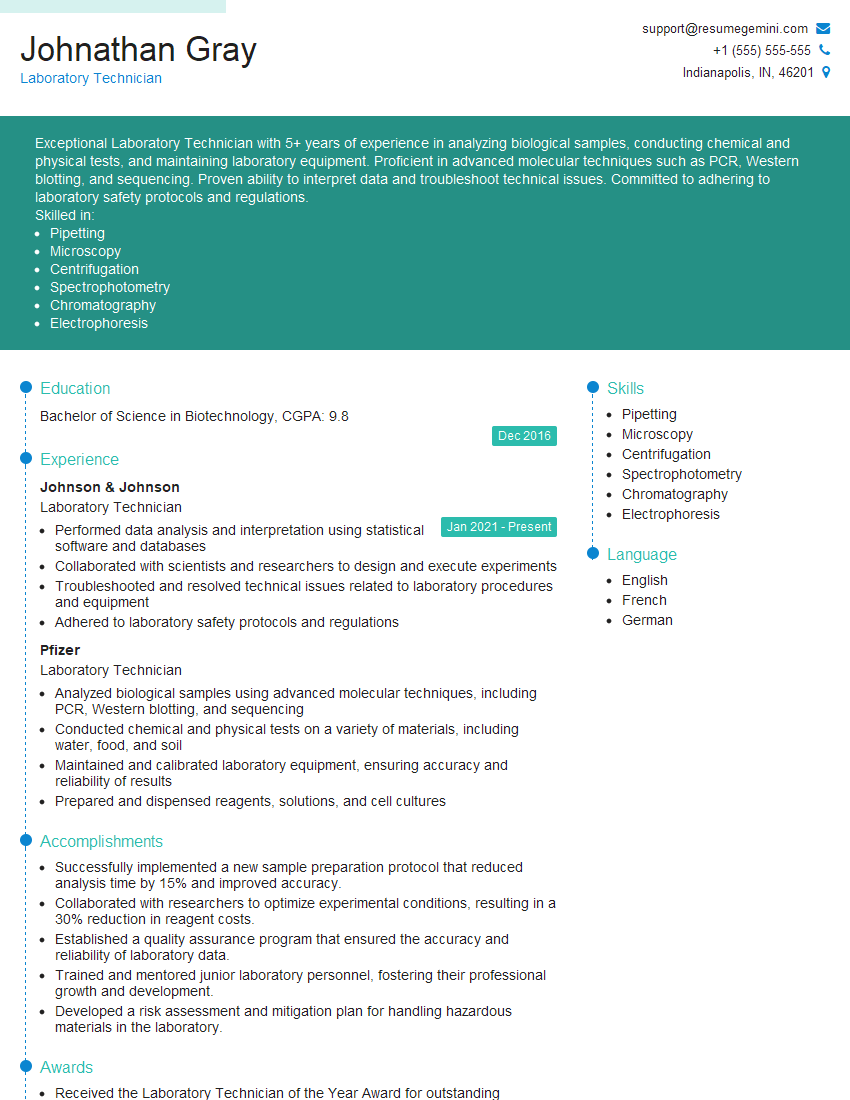
Laboratory Technician Resume Sample
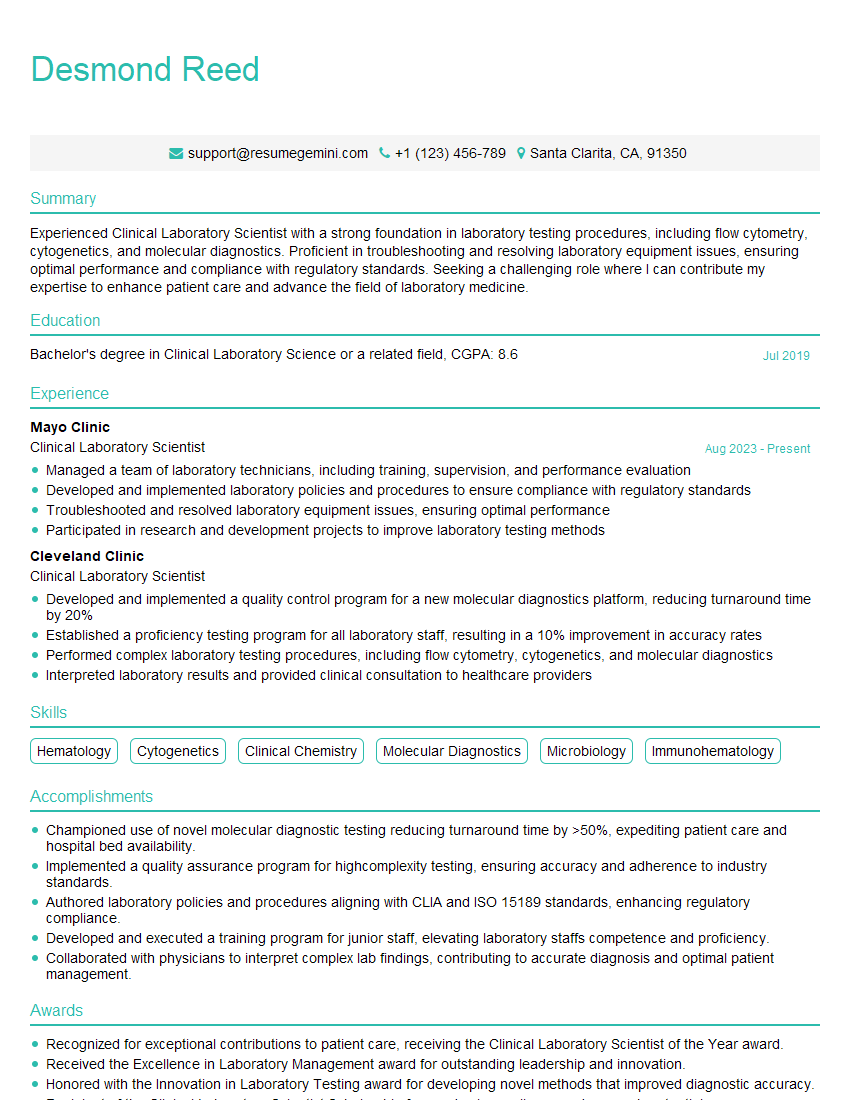
Clinical Laboratory Scientist Resume Sample
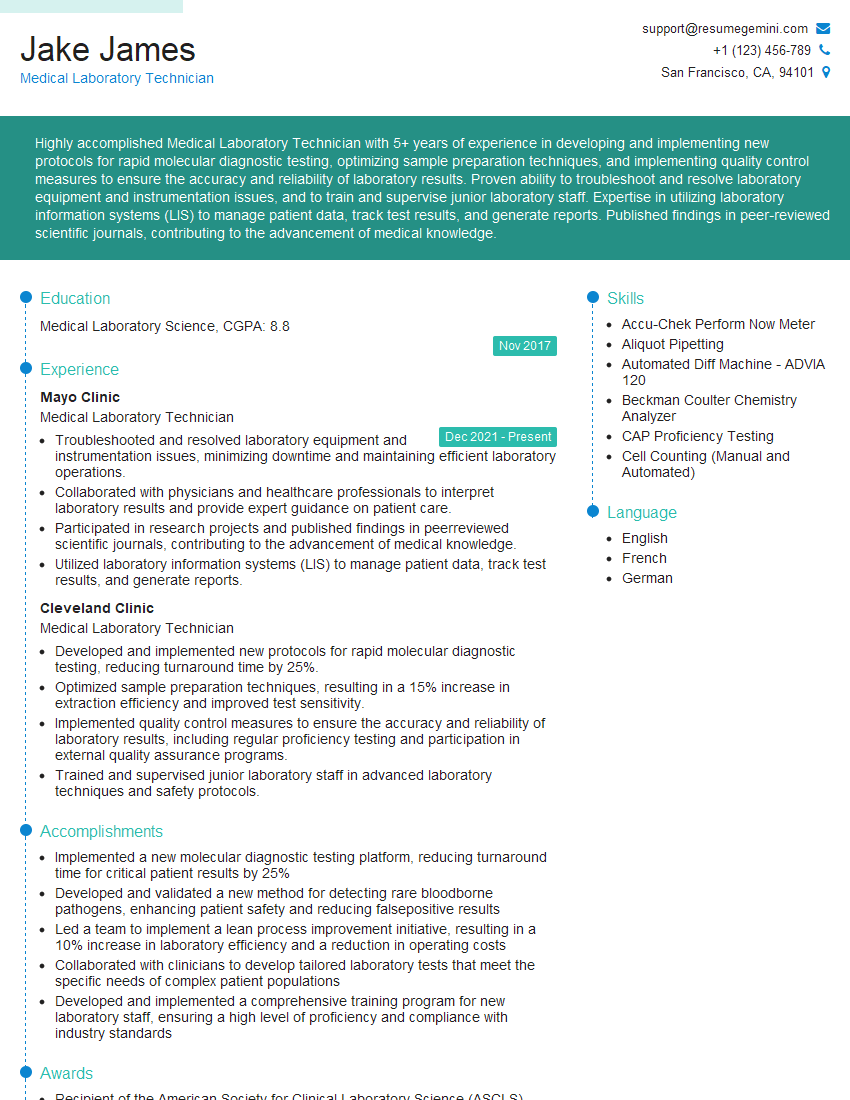
Medical Laboratory Technician Resume Sample
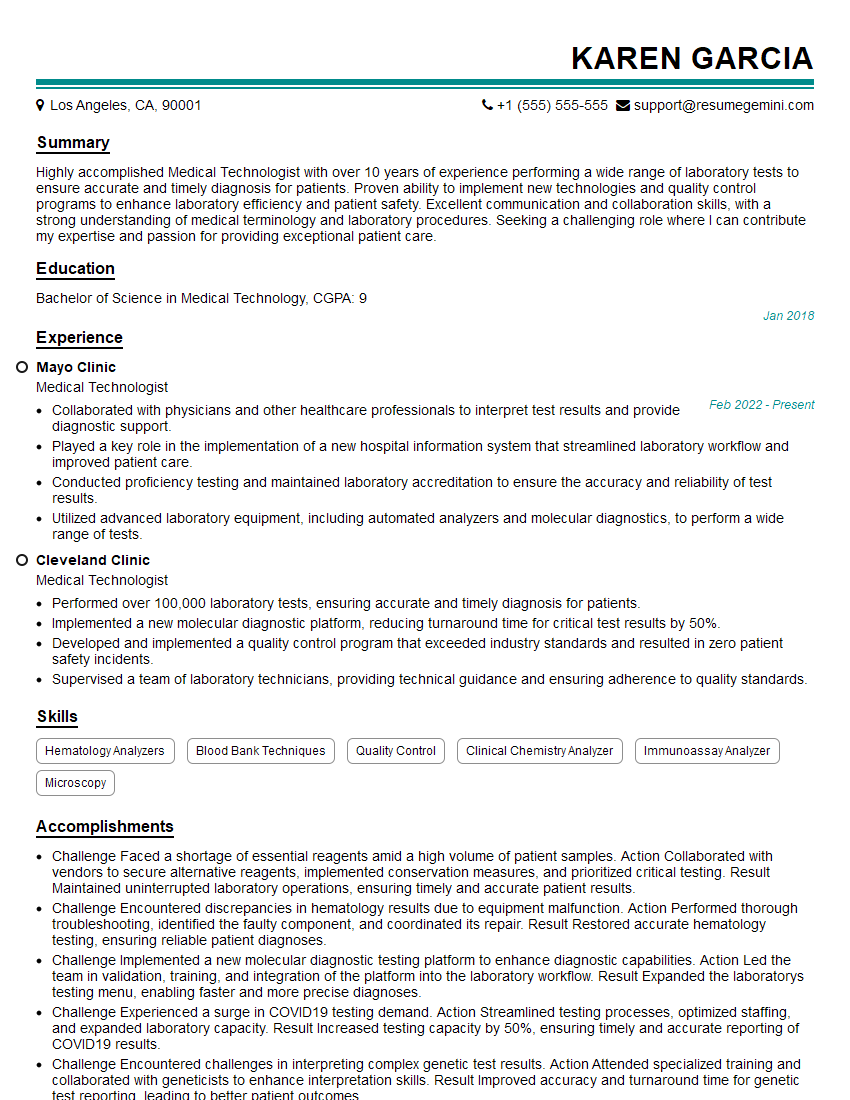
Medical Technologist Resume Sample
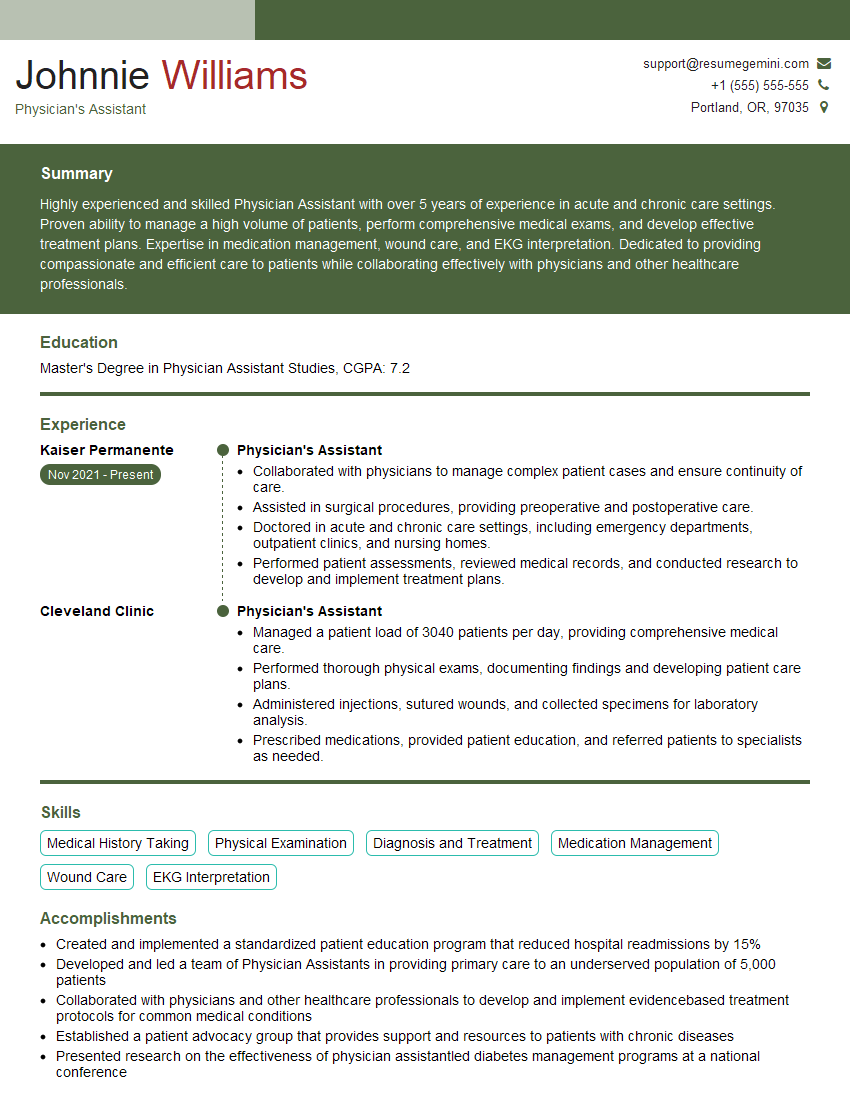
Physician’s Assistant Resume Sample

Medical Technician Resume Sample
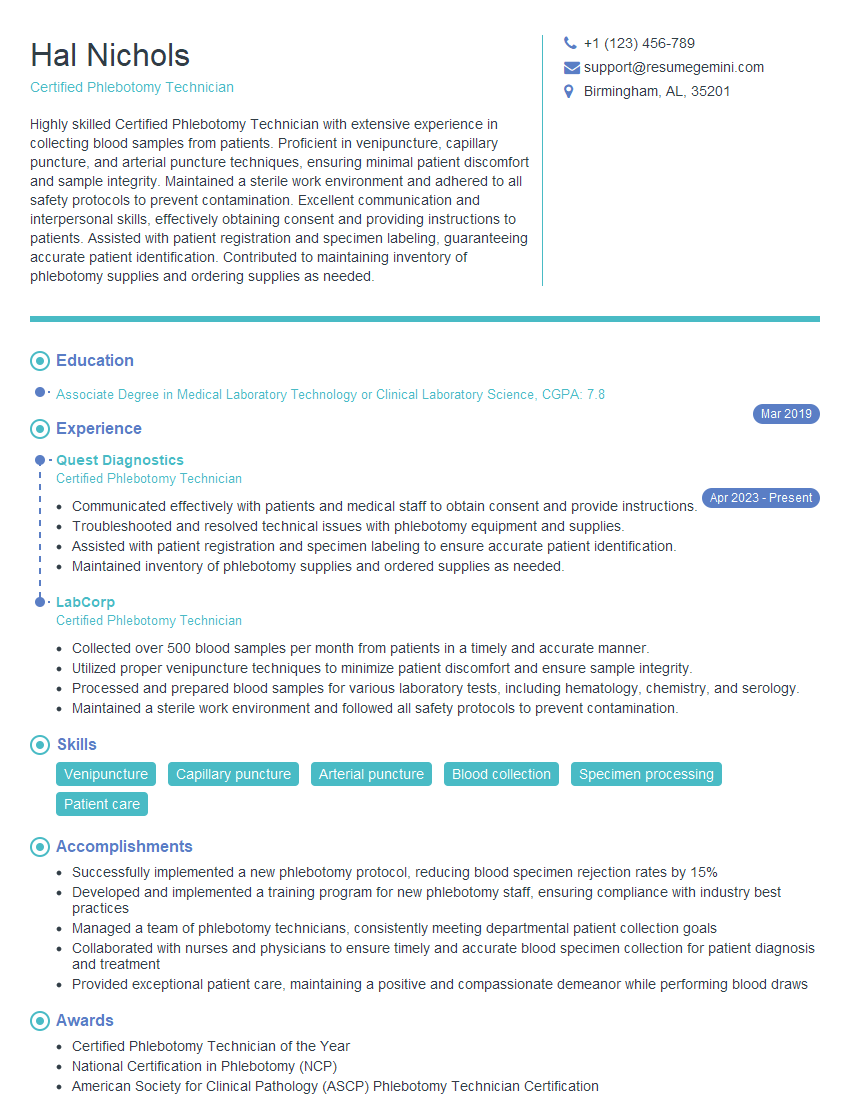
Certified Phlebotomy Technician Resume Sample
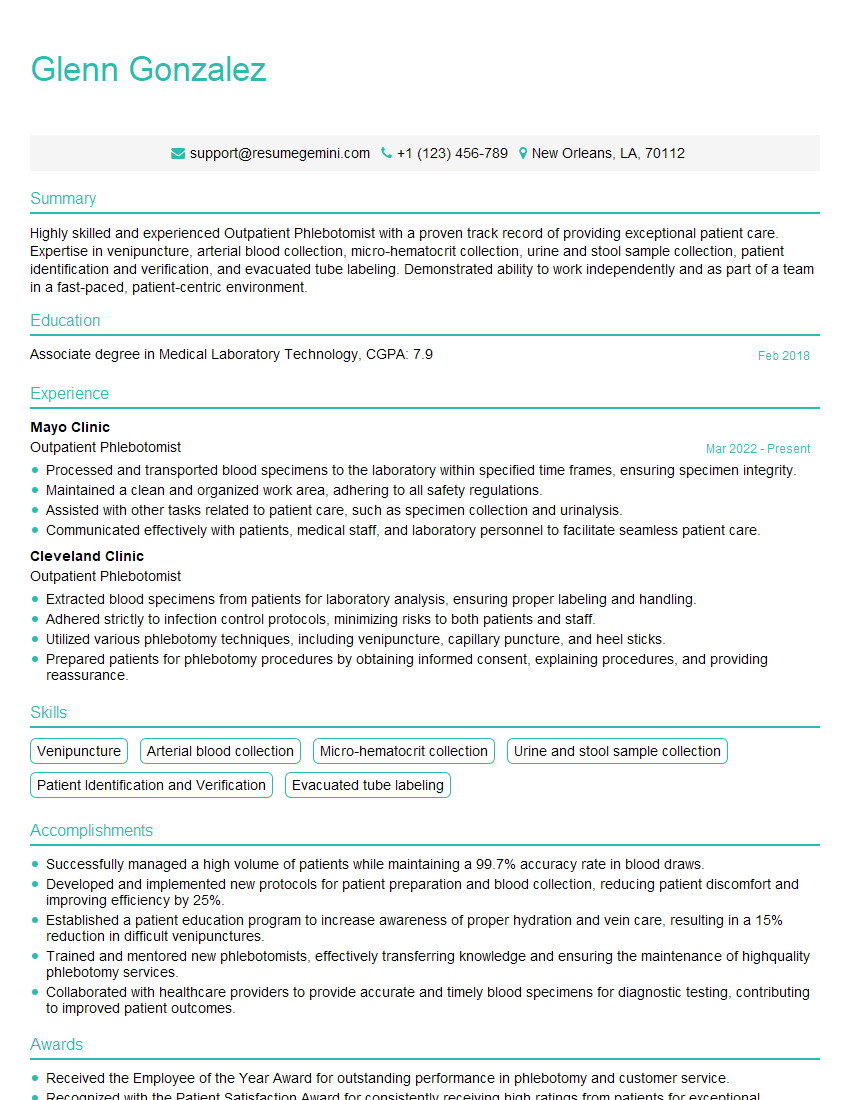
Outpatient Phlebotomist Resume Sample
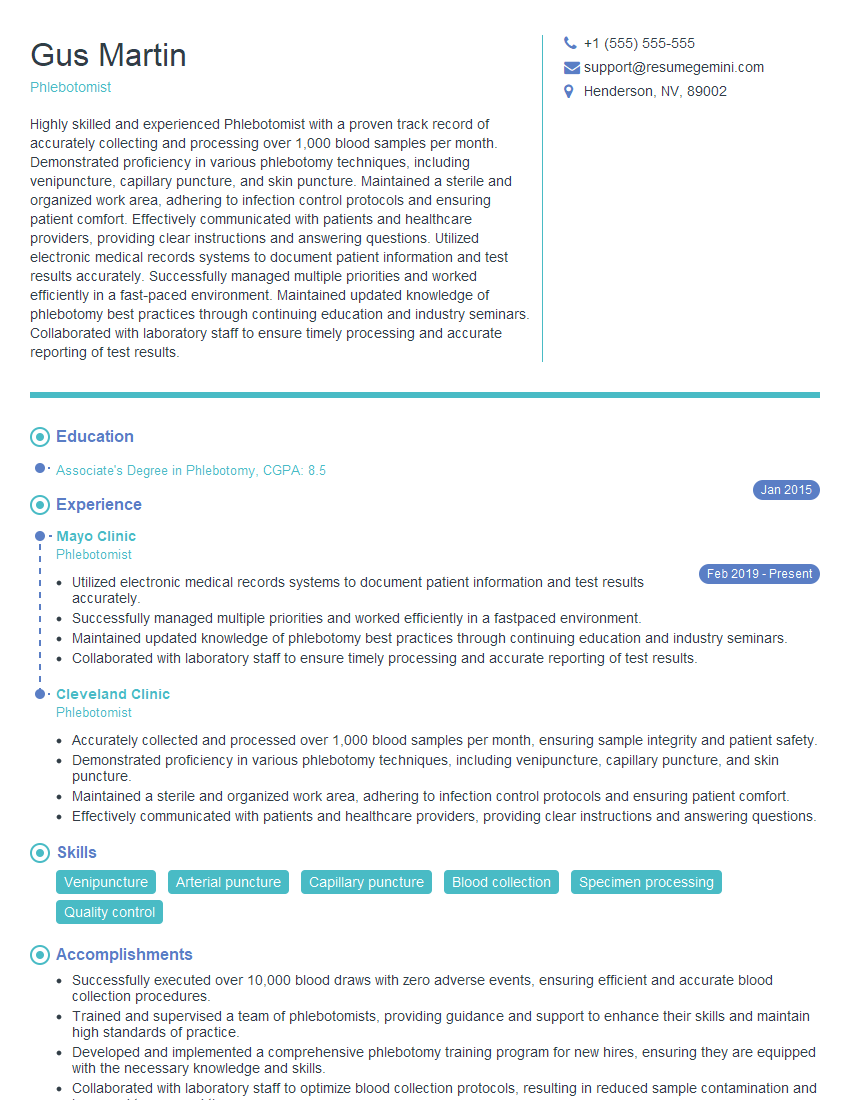
Phlebotomist Resume Sample
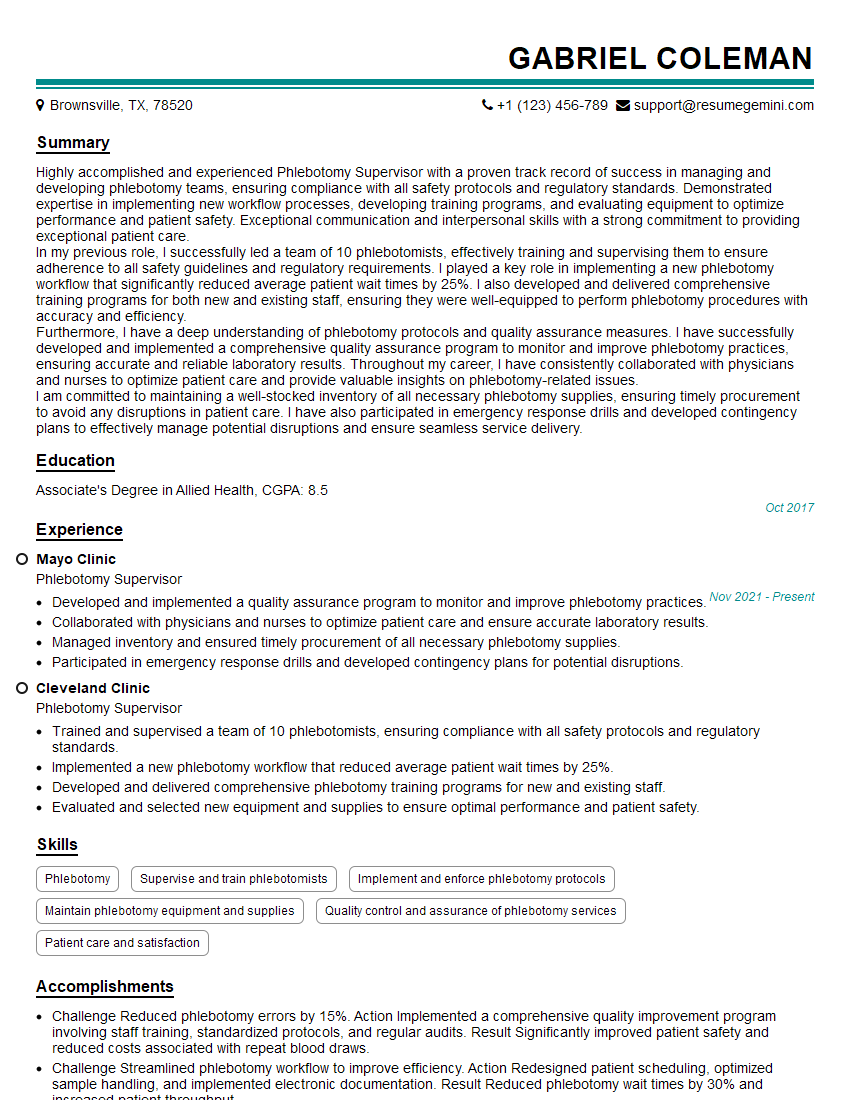
Phlebotomy Supervisor Resume Sample
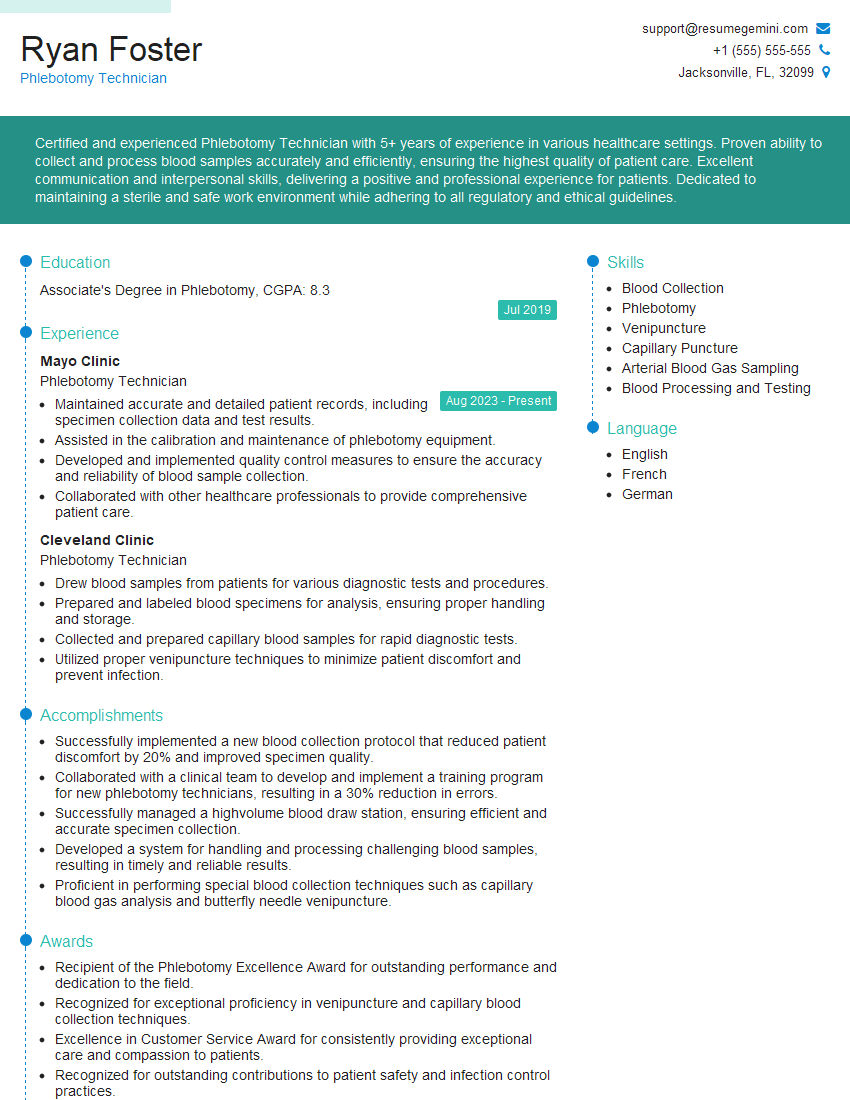
Phlebotomy Technician Resume Sample
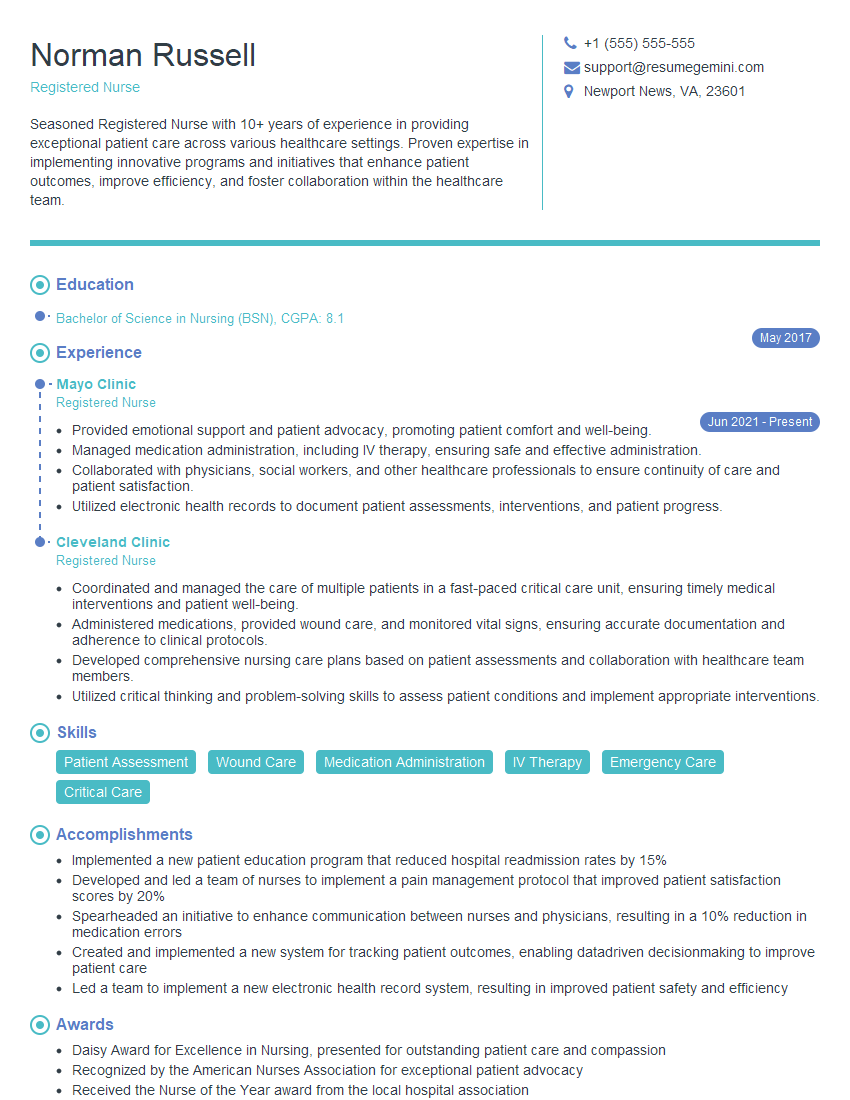
Registered Nurse Resume Sample

Nurse Resume Sample
Explore more articles
Users Rating of Our Blogs
Share Your Experience
We value your feedback! Please rate our content and share your thoughts (optional).
What Readers Say About Our Blog
Really detailed insights and content, thank you for writing this detailed article.
IT gave me an insight and words to use and be able to think of examples