Unlock your full potential by mastering the most common Aircraft Modification and Repair interview questions. This blog offers a deep dive into the critical topics, ensuring you’re not only prepared to answer but to excel. With these insights, you’ll approach your interview with clarity and confidence.
Questions Asked in Aircraft Modification and Repair Interview
Q 1. Explain the process of conducting a pre-flight inspection.
A pre-flight inspection is a crucial safety check performed before every flight to ensure the aircraft is airworthy. It’s a systematic visual examination of various aircraft components, covering everything from the exterior to essential systems. Think of it as a comprehensive health check for your plane before takeoff.
- Exterior Inspection: This includes checking for any damage to the fuselage, wings, control surfaces (ailerons, elevators, rudder), propellers (if applicable), and landing gear. We look for dents, cracks, corrosion, loose parts, or anything out of the ordinary.
- Fluid Levels: We meticulously check the levels of engine oil, hydraulic fluid, fuel, and coolant, ensuring they are within the acceptable ranges. Low fluid levels can indicate leaks or other critical problems.
- Control Checks: We verify the functionality of all flight controls, such as ailerons, elevators, rudder, and flaps. We ensure they move freely and smoothly without binding or unusual resistance.
- System Checks: This involves checking the functionality of essential systems, including the electrical system, fuel system, navigation lights, and communication equipment. We may conduct simple tests, such as turning on the lights or checking radio communication.
- Tire and Brake Inspection: We visually inspect the tires and brakes for any damage, wear, or irregularities. Proper tire inflation is also checked.
For example, during a recent pre-flight inspection, I noticed a small crack in the leading edge of a wing. This was immediately reported and the aircraft was grounded until the repair was completed, preventing a potential in-flight emergency.
Q 2. Describe your experience with composite repair techniques.
Composite repair is a specialized area requiring meticulous attention to detail. Composite materials, like carbon fiber and fiberglass, offer high strength-to-weight ratios but demand specific repair techniques. My experience encompasses various repair methods, including:
- Damage Assessment: The first step is to carefully assess the extent and type of damage. This involves using techniques like ultrasonic testing (UT) to detect internal damage not visible to the naked eye.
- Surface Preparation: Damaged areas are carefully cleaned, ground, and prepared to ensure proper bonding of the repair material.
- Repair Techniques: This could involve patching, using pre-preg materials (pre-impregnated with resin), or employing advanced techniques like resin infusion. The selection of the technique is dependent on the extent and location of the damage.
- Curing and Post-Cure Inspection: Once the repair material is applied, it needs to be cured (hardened) according to the manufacturer’s specifications. Following this, a thorough inspection is carried out to ensure the repair is sound and meets the required standards.
For instance, I once repaired a delamination (separation of composite layers) on a helicopter tail boom using a combination of surface preparation, resin infusion, and vacuum bagging to ensure proper consolidation of the repair. The aircraft was successfully returned to service following a rigorous inspection.
Q 3. How do you identify and address corrosion on an aircraft?
Corrosion is a significant threat to aircraft structural integrity. Identifying and addressing it requires vigilance and expertise.
- Visual Inspection: Regular visual inspections are critical. We look for signs of corrosion, such as pitting, blistering, rust, or discoloration of metal surfaces. Areas prone to corrosion – like joints, fasteners, and areas exposed to moisture – are carefully scrutinized.
- Specialized Techniques: More advanced techniques, including dye penetrant inspection, eddy current testing, and ultrasonic testing, are used to detect corrosion hidden beneath the surface.
- Corrosion Removal: Once corrosion is detected, it needs to be removed. Methods vary depending on the extent and type of corrosion. This might involve mechanical cleaning (sandblasting, wire brushing), chemical treatment, or a combination of both.
- Corrosion Prevention: After corrosion removal, protective measures are implemented to prevent future corrosion. This can include applying corrosion inhibitors, coatings, or other protective treatments.
In one instance, I discovered significant corrosion in the wheel well of a small aircraft. We meticulously removed the affected area, treated it with a corrosion inhibitor, and then applied a protective coating to prevent recurrence. The thoroughness of this process was critical to ensuring the aircraft’s continued airworthiness.
Q 4. What are the key differences between scheduled and unscheduled maintenance?
Scheduled maintenance is preventive maintenance performed according to a predetermined schedule outlined in the aircraft maintenance manual (AMM). It aims to prevent problems before they occur. Unscheduled maintenance, on the other hand, addresses unexpected problems or failures that arise during operation.
- Scheduled Maintenance: This includes regular inspections, fluid changes, component replacements based on time or cycles, and other routine tasks. Think of it as preventative medicine – regular check-ups to keep the aircraft healthy.
- Unscheduled Maintenance: This is often triggered by a malfunction or failure during flight or ground operation. It can range from minor repairs to major overhauls depending on the severity of the issue. This is akin to emergency room treatment – addressing urgent problems that require immediate attention.
For example, changing engine oil and filters at specified intervals is scheduled maintenance, while repairing a cracked windshield after a bird strike is unscheduled maintenance.
Q 5. Explain your understanding of FAA regulations related to aircraft maintenance.
My understanding of FAA regulations related to aircraft maintenance is comprehensive. I’m thoroughly familiar with FAR Part 43 (Maintenance, Preventive Maintenance, Rebuilding, and Alteration), which outlines the requirements for aircraft maintenance, including:
- Airworthiness Directives (ADs): These are mandatory actions issued by the FAA to address known safety issues with aircraft. Compliance is absolutely critical.
- Maintenance Records: Accurate and detailed maintenance records are essential. These records document all maintenance actions performed on the aircraft and are crucial for demonstrating compliance with regulations.
- Certification and Licensing: Aircraft mechanics must hold appropriate FAA certifications and licenses to perform maintenance on aircraft. My certifications ensure I meet the required standards of competence.
- Inspections: The FAA conducts regular inspections to ensure compliance with regulations. This includes both routine inspections and inspections following major maintenance events.
Understanding these regulations is paramount; non-compliance can lead to serious safety consequences and legal ramifications.
Q 6. Describe your experience with troubleshooting aircraft systems.
Troubleshooting aircraft systems involves a systematic approach to identify and resolve malfunctions. My approach typically involves:
- Gather Information: I start by gathering information about the problem – what malfunction occurred, when it happened, and any preceding events. This often involves reviewing logs and interviewing pilots or maintenance personnel.
- Consult Documentation: I meticulously consult the aircraft maintenance manual (AMM) and other relevant documentation to understand the system’s operation and potential failure modes.
- Conduct Tests: I perform various tests and checks to isolate the problem. This may involve using specialized equipment to measure voltages, pressures, or other parameters.
- Analyze Results: I analyze the results of the tests to identify the root cause of the malfunction. This often involves applying logical reasoning and drawing on my experience.
- Implement Repairs: Once the root cause is identified, appropriate repairs are made, following all safety procedures and regulations.
In a recent instance, I successfully resolved an intermittent electrical problem on a small aircraft by systematically checking the wiring harness, identifying a corroded connection, and replacing the faulty section. The methodical approach to troubleshooting was key to resolving the issue efficiently and safely.
Q 7. How do you interpret and apply maintenance manuals?
Maintenance manuals (MMs) are the bibles of aircraft maintenance. They contain detailed information on how to inspect, maintain, and repair an aircraft. Interpreting and applying them correctly is crucial for safe and effective maintenance.
- Understanding the Structure: MMs are typically organized into sections dealing with specific systems or components. I understand how to navigate and quickly locate relevant information within the manual.
- Following Procedures: The MMs outline specific procedures for performing maintenance tasks. I meticulously follow these procedures to ensure the work is done correctly and safely. Deviation from these procedures is carefully considered and documented.
- Interpreting Diagrams and Schematics: MMs frequently contain diagrams, schematics, and illustrations. I am adept at interpreting these visual aids to understand the aircraft’s systems and component locations.
- Using Technical Data: MMs often include technical data, such as torque specifications, tolerances, and material specifications. I accurately use this information during the maintenance process.
For example, when replacing a component, I always refer to the MM for the correct part number, torque specifications, and any specific installation procedures. This ensures that the replacement is done correctly, minimizing the risk of errors.
Q 8. What is your experience with Non-Destructive Testing (NDT) methods?
Non-Destructive Testing (NDT) is crucial in aircraft maintenance, allowing us to assess the integrity of components without causing damage. My experience encompasses a wide range of NDT methods, including:
- Visual Inspection (VI): This is the most fundamental method, involving a thorough visual examination for cracks, corrosion, dents, or other surface imperfections. I’ve used VI extensively during routine inspections and after incidents.
- Dye Penetrant Inspection (DPI): DPI reveals surface-breaking flaws by applying a dye that penetrates cracks and is then drawn out, making the cracks visible. I’ve utilized DPI on critical components like wing ribs and control surfaces.
- Magnetic Particle Inspection (MPI): MPI detects surface and near-surface flaws in ferromagnetic materials by magnetizing the part and applying magnetic particles that adhere to any discontinuities. I have extensive experience with MPI on landing gear components and engine mounts.
- Ultrasonic Testing (UT): UT uses high-frequency sound waves to detect internal flaws. I’ve used UT to inspect welds, detect hidden corrosion, and assess the thickness of aircraft skins, particularly in areas inaccessible by other methods.
- Eddy Current Testing (ECT): ECT uses electromagnetic induction to detect surface and subsurface flaws in conductive materials. I’ve employed ECT on aircraft wiring harnesses and fuel lines to assess corrosion and damage.
I’m proficient in interpreting NDT results, documenting findings, and recommending appropriate repair actions based on established industry standards and regulatory guidelines. For instance, during a recent inspection, UT revealed a hidden crack in an aircraft spar. This early detection prevented a potential catastrophic failure.
Q 9. Describe your experience with aircraft sheet metal repair.
Aircraft sheet metal repair requires precision and adherence to strict standards. My experience includes repairing various types of damage, from minor dents and scratches to significant corrosion and punctures. The process typically involves:
- Damage Assessment: A thorough evaluation of the extent of the damage, determining the required repair techniques.
- Surface Preparation: Cleaning, deburring, and preparing the damaged area for repair. This might involve removing rivets, drilling out damaged material, or smoothing rough edges.
- Repair Techniques: This could include patching (using a patch of similar material), filling (using fillers and compounds), or using specialized riveting techniques for replacing damaged sections.
- Finishing: Smoothing, sanding, and applying primers and paint to restore the original surface finish and protect the repaired area from corrosion. I ensure the final product maintains the aircraft’s aerodynamic profile and structural integrity.
I’ve successfully repaired sheet metal damage on various aircraft types, from small single-engine planes to large commercial jets. One memorable project involved repairing significant corrosion on a seaplane’s pontoon, requiring careful material selection and application of corrosion-resistant coatings to ensure longevity.
Q 10. How do you ensure compliance with safety regulations during maintenance?
Compliance with safety regulations is paramount in aircraft maintenance. My approach involves:
- Strict Adherence to Maintenance Manuals: Following the manufacturer’s maintenance manuals meticulously, ensuring all procedures are executed correctly.
- Regulatory Compliance: Staying updated on all relevant regulations, including those issued by the FAA (or equivalent regulatory bodies), and ensuring our work meets or exceeds those standards.
- Record Keeping: Maintaining detailed and accurate records of all maintenance activities, including inspections, repairs, and parts used. This traceability is essential for audits and ensures accountability.
- Quality Control: Implementing rigorous quality control measures at each stage of the maintenance process, conducting regular inspections and reviews to prevent errors.
- Continuous Training: Undergoing regular training to stay current on best practices, new technologies, and changes in safety regulations.
For example, we always verify the serial numbers and airworthiness of replacement parts to ensure they meet the necessary standards. Failure to comply with these regulations can have serious safety consequences, so diligent attention to detail is non-negotiable.
Q 11. Explain your understanding of aircraft structural integrity.
Aircraft structural integrity is the ability of an aircraft’s structure to withstand the stresses and loads encountered during flight, including aerodynamic forces, weight, and maneuvers. A deep understanding of this involves:
- Material Properties: Knowledge of the properties of various aircraft materials (aluminum alloys, composites, steel, titanium) and how they behave under stress.
- Structural Analysis: Understanding the principles of structural mechanics, including stress, strain, fatigue, and fracture.
- Finite Element Analysis (FEA): Familiarity with FEA software and its application in analyzing complex structural designs and predicting the behavior of components under load.
- Damage Tolerance: Understanding the principles of damage tolerance, allowing for controlled damage and ensuring the continued airworthiness of an aircraft even with minor flaws.
Maintaining structural integrity requires thorough inspections, careful repairs, and adherence to strict maintenance schedules. Any compromise in structural integrity can lead to catastrophic consequences, so this is an area demanding exceptional attention to detail and rigorous application of safety procedures.
Q 12. Describe your experience working with different aircraft materials (aluminum, composites, etc.).
I have extensive experience working with various aircraft materials. Each material presents unique challenges and necessitates specialized repair techniques:
- Aluminum Alloys: The most common material in aircraft construction, aluminum alloys require careful handling to avoid corrosion. Repair often involves riveting, patching, and the use of specialized corrosion-resistant primers and coatings.
- Composites: Composites, such as carbon fiber reinforced polymers (CFRP), offer high strength-to-weight ratios but are more complex to repair. Repair of composite structures may involve bonding, patching, and specialized resin systems.
- Steel and Titanium: Used in high-stress areas, these materials require specialized welding and machining techniques. Repair often necessitates skilled welders and precise machining equipment.
My experience includes working on aircraft with mixed material structures, requiring a thorough understanding of the properties and repair techniques for each material. Proper material selection and repair techniques are essential for maintaining structural integrity and ensuring the safe operation of the aircraft.
Q 13. What is your experience with engine maintenance and repair procedures?
While I don’t perform engine overhauls myself, I have significant experience supporting engine maintenance and repair procedures. This involves:
- Inspection and Reporting: Conducting thorough inspections of engine components, identifying potential issues, and documenting findings.
- Troubleshooting: Assisting in troubleshooting engine malfunctions, identifying the root cause of problems, and recommending solutions.
- Component Replacement: Supervising and verifying the replacement of worn or damaged engine components, ensuring proper installation and adherence to maintenance manuals.
- Collaboration with Engine Specialists: Working closely with specialized engine maintenance technicians and engineers to coordinate repairs and ensure compliance with manufacturer’s specifications.
A recent example involved assisting with the diagnosis of an engine vibration issue. This involved thorough inspection, data analysis, and collaboration with engine specialists to ultimately identify and rectify a faulty component, preventing a potential in-flight emergency.
Q 14. How do you manage multiple maintenance tasks simultaneously?
Managing multiple maintenance tasks simultaneously requires effective organization and prioritization. My approach involves:
- Prioritization: Identifying and prioritizing tasks based on urgency and criticality. Tasks affecting flight safety always take precedence.
- Scheduling: Developing a detailed schedule that allocates resources and time effectively, considering dependencies between tasks.
- Resource Allocation: Efficiently allocating personnel, tools, and materials to ensure tasks are completed on time and within budget.
- Communication: Maintaining clear and consistent communication with all involved parties, including supervisors, technicians, and other departments.
- Progress Monitoring: Regularly monitoring progress, identifying potential delays, and implementing corrective actions as needed.
I use project management tools and techniques to track progress, manage resources, and ensure all tasks are completed efficiently and effectively. This helps avoid conflicts and delays, ensuring that maintenance is completed within the required timeframe and to the highest safety standards.
Q 15. How do you handle unexpected maintenance issues?
Unexpected maintenance issues are the norm, not the exception, in aircraft maintenance. My approach is methodical and prioritizes safety above all else. First, I assess the situation, determining the severity of the problem and its potential impact on flight safety. This involves a thorough visual inspection, followed by consultation with relevant maintenance manuals and potentially, senior engineers.
For example, if we discover a crack in a critical structural component during a routine inspection, the aircraft is immediately grounded. We then follow established procedures for reporting the issue, initiating a detailed investigation, and determining the necessary repair or replacement. This includes documenting all findings and following the appropriate airworthiness directives. We might also use non-destructive testing methods like ultrasonic inspection to assess the extent of the damage. The repair is then documented thoroughly in the aircraft’s maintenance logbook.
Ultimately, handling unexpected issues is about effective communication, meticulous record-keeping, and a steadfast commitment to safety regulations.
Career Expert Tips:
- Ace those interviews! Prepare effectively by reviewing the Top 50 Most Common Interview Questions on ResumeGemini.
- Navigate your job search with confidence! Explore a wide range of Career Tips on ResumeGemini. Learn about common challenges and recommendations to overcome them.
- Craft the perfect resume! Master the Art of Resume Writing with ResumeGemini’s guide. Showcase your unique qualifications and achievements effectively.
- Don’t miss out on holiday savings! Build your dream resume with ResumeGemini’s ATS optimized templates.
Q 16. Describe your experience with avionics systems maintenance and repair.
My experience with avionics systems spans over ten years, encompassing troubleshooting, repair, and installation across a variety of aircraft types. I’m proficient in working with both legacy analog systems and modern digital avionics suites. This involves diagnosing malfunctions using specialized test equipment, replacing faulty components according to manufacturer specifications, and conducting functional tests to ensure the system’s integrity.
For instance, I once diagnosed an intermittent GPS signal failure on a corporate jet. By systematically testing each component of the GPS system – the antenna, the receiver, and the processing unit – I pinpointed the problem to a faulty connection in the antenna assembly. After replacing the connector and conducting rigorous testing, the GPS system returned to full functionality. I’m familiar with systems from various manufacturers like Rockwell Collins, Honeywell and Garmin and possess expertise in working with line replaceable units (LRUs) and integrated modular avionics (IMA).
Q 17. Explain your experience with aircraft painting and finishing.
Aircraft painting and finishing requires precision and adherence to strict standards. My experience includes surface preparation, which involves cleaning, sanding, and priming the aircraft’s surface to ensure proper adhesion of the paint. I’m skilled in applying multiple coats of paint and clear coat using specialized equipment, following the manufacturer’s specifications to achieve a flawless, durable finish. This also involves masking and stenciling to ensure clean lines and accurate application of markings.
A memorable project involved repainting a vintage aircraft. Preparing the surface of the aged aluminum was a significant challenge, requiring careful attention to avoid damaging the underlying structure. I carefully selected the appropriate primers and paints to match the original color scheme, ensuring the historical accuracy of the aircraft’s appearance while also considering modern durability requirements. The final result was not only aesthetically pleasing but also ensured the long-term protection of the aircraft’s exterior. I’m also experienced in working with specialized coatings to enhance corrosion resistance and reduce drag.
Q 18. How do you document maintenance activities accurately and completely?
Accurate and complete documentation is paramount in aircraft maintenance. Every task, from a simple inspection to a complex repair, is meticulously recorded in the aircraft’s maintenance logbook, following established industry standards and regulatory requirements. We use a combination of digital and paper-based records to ensure data integrity.
Our documentation includes detailed descriptions of the work performed, parts used (including serial numbers), and the time spent on each task. We also record any discrepancies found and the corrective actions taken. We use digital tools, such as maintenance tracking software, to maintain a comprehensive and readily accessible record of the aircraft’s maintenance history. This allows for efficient tracking of maintenance schedules, identification of recurring issues and aids in regulatory compliance. In short, our documentation process is designed for traceability, accuracy, and auditability.
Q 19. Describe your experience with aircraft weight and balance calculations.
Aircraft weight and balance calculations are critical for safe flight operations. My experience involves accurately determining the aircraft’s center of gravity (CG) location, ensuring it falls within the approved limits. This process involves meticulously weighing the aircraft and its components, recording the weight and arm of each item, and utilizing specialized software or manual calculations to determine the CG location. Any changes, like adding or removing equipment, are accounted for in updated calculations.
For example, before any significant modification – like installing new avionics equipment – we conduct a weight and balance calculation to ensure the modification won’t shift the CG beyond acceptable limits. This ensures the aircraft remains stable and controllable during flight. Incorrect weight and balance calculations could lead to flight instability, and even accidents, hence precision and adherence to procedures are non-negotiable.
Q 20. How familiar are you with different types of aircraft maintenance software?
I am familiar with several types of aircraft maintenance software, including CAMO (Continuing Airworthiness Management Organisation) systems, maintenance tracking software, and specialized software for weight and balance calculations and parts inventory management. This includes both cloud-based and on-premise solutions. My experience covers software from various vendors, allowing me to adapt quickly to new systems. I understand the importance of data integrity and the capabilities of these systems in improving efficiency and compliance.
For example, I’ve worked extensively with systems that allow for the automated scheduling of maintenance tasks, generating reports for regulatory compliance, and providing real-time tracking of maintenance activities and parts inventory. Familiarity with these systems is key to streamlining maintenance operations, ensuring timely completion of tasks, and improving overall efficiency.
Q 21. How do you prioritize maintenance tasks effectively?
Prioritizing maintenance tasks requires a structured approach based on several factors: safety, urgency, and regulatory requirements. We prioritize tasks based on a combination of the manufacturer’s recommendations, airworthiness directives, and the aircraft’s operational needs.
For example, a critical safety issue, such as a malfunctioning engine, will always take precedence over routine maintenance tasks. We use a system that combines scheduled maintenance requirements with unscheduled maintenance demands to create a prioritized list that ensures that safety-critical issues are addressed immediately, while scheduled tasks are completed within their specified timeframes. This prioritization is documented and tracked to ensure accountability and transparency. This approach allows us to optimize our resources while maintaining the highest safety standards.
Q 22. Describe your experience with aircraft modifications and upgrades.
My experience in aircraft modifications and upgrades spans over 15 years, encompassing a wide range of projects from minor retrofits to significant structural changes. I’ve worked on both commercial and military aircraft, including Boeing 737s, Airbus A320s, and C-130 Hercules. For example, I led a team that upgraded the avionics systems on a fleet of Boeing 737s, improving their navigation and communication capabilities. This involved meticulous planning, coordination with regulatory bodies like the FAA, and rigorous testing to ensure airworthiness. Another project involved modifying a C-130 to accommodate specialized cargo, requiring detailed structural analysis and the implementation of reinforced components. Throughout my career, I’ve always emphasized safety and adherence to strict regulatory standards. My expertise also includes the integration of new technologies, such as advanced flight management systems and fuel-efficient engines, demonstrating a commitment to keeping aircraft up-to-date and optimized.
Q 23. Explain your understanding of different types of aircraft fasteners and their applications.
Aircraft fasteners are critical components ensuring the structural integrity of the aircraft. They vary significantly depending on the application, material, and stress requirements. Common types include:
- Rivets: Permanent fasteners used extensively in aircraft construction. Solid rivets require hammering, while blind rivets are installed from one side only. Materials range from aluminum to titanium, chosen based on strength and corrosion resistance.
- Bolts: Reusable fasteners allowing for easier disassembly and maintenance. They are often used in locations requiring regular access, such as engine cowlings or access panels. High-strength steel and titanium bolts are common.
- Screws: Similar to bolts, but usually smaller and used for less critical applications, like interior panels. Various screw drives (Phillips, slotted, etc.) exist.
- Self-tapping screws: Form their own threads as they are driven in, useful for thinner materials.
Selecting the appropriate fastener is crucial. Incorrect fastener selection can lead to structural failure, posing a serious safety risk. The selection process involves considering factors like shear strength, tensile strength, corrosion resistance, and the type of material being joined. Detailed specifications are always followed, ensuring compliance with airworthiness standards.
Q 24. How do you ensure the proper disposal of hazardous waste materials?
Proper disposal of hazardous waste materials is paramount in aircraft maintenance. We strictly adhere to all relevant environmental regulations and utilize licensed waste disposal contractors. The process typically involves:
- Identification and segregation: Hazardous materials (e.g., paints, solvents, oils, batteries) are meticulously identified and segregated according to their hazard class.
- Packaging and labeling: Materials are packaged in appropriate containers with clear and accurate hazard labels, in accordance with IATA regulations.
- Documentation: Detailed records of the waste generated, the quantity, and the disposal method are meticulously maintained. This documentation is essential for audits and compliance checks.
- Disposal: Licensed contractors specializing in hazardous waste disposal are engaged to transport and dispose of the materials according to environmental regulations. We ensure all contractors have the necessary permits and certifications.
We regularly conduct internal audits and training sessions to ensure our team is thoroughly familiar with the proper handling and disposal procedures. Environmental compliance is not merely a regulatory requirement; it’s an essential part of our commitment to responsible operations.
Q 25. What are your skills in using specialized aircraft maintenance tools?
My skills in using specialized aircraft maintenance tools are extensive. I’m proficient with a broad range of equipment, including:
- Pneumatic tools: Drills, rivet guns, impact wrenches, and other air-powered tools are routinely used in aircraft maintenance, and I’m adept at using them safely and efficiently.
- Hydraulic tools: For tasks requiring higher force, like removing heavy components. I am familiar with hydraulic jacks, presses, and other related equipment.
- Specialized hand tools: A variety of specialized wrenches, sockets, and other tools are needed for specific aircraft components. I possess expertise with these specialized tools and their applications.
- Nondestructive testing (NDT) equipment: I’m proficient in using various NDT techniques like ultrasonic inspection and magnetic particle inspection to detect flaws in aircraft components without causing damage.
Beyond proficiency, I also prioritize safety when using this equipment, adhering to strict safety procedures and regular maintenance checks for all tools.
Q 26. Describe your experience working with technical drawings and blueprints.
Working with technical drawings and blueprints is fundamental to aircraft modification and repair. My experience includes interpreting complex schematics, three-view drawings, and assembly drawings to understand the aircraft’s structure and systems. I can effectively extract critical information about component dimensions, tolerances, and material specifications from these documents. For example, when modifying a fuel system, I rely heavily on detailed blueprints to ensure precise placement of components and the integrity of the fuel lines. I also use computer-aided design (CAD) software to generate and modify drawings as needed for modifications or repairs. This ensures accuracy and consistency in all tasks.
Q 27. Explain your understanding of the role of quality control in aircraft maintenance.
Quality control is the cornerstone of safe and reliable aircraft maintenance. It’s a multifaceted process ensuring that all work is performed correctly, safely, and according to specifications. This includes:
- Inspection: Regular and thorough inspections of all components and systems before, during, and after maintenance. This often involves the use of NDT techniques.
- Adherence to standards: Strict adherence to manufacturer’s specifications, industry standards, and regulatory requirements (e.g., FAA regulations).
- Documentation: Meticulous record-keeping, ensuring every maintenance action is documented, including inspections, repairs, and part replacements. This provides an auditable trail.
- Audits: Regular internal and external audits to evaluate the effectiveness of our quality control system.
A failure in quality control can have catastrophic consequences. Therefore, a rigorous and proactive approach is vital, where every team member takes ownership of their work and actively contributes to maintaining high quality standards.
Q 28. How do you stay up-to-date with the latest advancements in aircraft maintenance technology?
Staying current with advancements in aircraft maintenance technology is crucial. I employ several strategies to achieve this:
- Industry publications and journals: I regularly read industry publications like Aviation Week & Space Technology to stay informed about new technologies and best practices.
- Conferences and workshops: Attending industry conferences and workshops provides opportunities to network with peers and learn about the latest developments firsthand.
- Manufacturer training courses: Participating in training courses offered by aircraft manufacturers keeps me updated on specific aircraft models and their maintenance requirements.
- Online resources and professional organizations: Leveraging online resources and engaging with professional organizations like SAE International allows for continuous learning and professional development.
Continuous learning is not just an option; it’s a necessity in this rapidly evolving field. Staying up-to-date ensures we use the most efficient, effective, and safest methods for aircraft maintenance and modification.
Key Topics to Learn for Aircraft Modification and Repair Interview
- Aircraft Structures and Materials: Understanding different aircraft materials (aluminum alloys, composites, etc.), their properties, and limitations is crucial. This includes knowledge of stress analysis and fatigue life.
- Repair Techniques and Methods: Familiarize yourself with various repair techniques such as patching, bonding, riveting, and composite repair methods. Be ready to discuss practical applications and scenarios where specific techniques are most appropriate.
- Airworthiness Regulations and Compliance: Demonstrate a strong understanding of relevant regulations (e.g., FAA regulations) and how they impact modification and repair procedures. This includes documentation and certification processes.
- Maintenance Practices and Documentation: Mastering proper maintenance practices and detailed record-keeping is essential. Be prepared to discuss your experience with maintenance logs, work orders, and compliance tracking.
- Troubleshooting and Problem-Solving: Interviewers will assess your ability to diagnose and resolve issues efficiently and safely. Practice describing problem-solving approaches using examples from your experience.
- Safety Procedures and Risk Management: Highlight your understanding of safety regulations and procedures within the aircraft modification and repair environment. This includes risk assessment and mitigation strategies.
- Specialized Tools and Equipment: Demonstrate familiarity with common tools and equipment used in aircraft modification and repair. Be prepared to discuss their safe operation and maintenance.
- Quality Control and Inspection: Understanding quality control procedures and inspection techniques is critical. Be ready to discuss your experience with quality assurance and non-destructive testing methods.
Next Steps
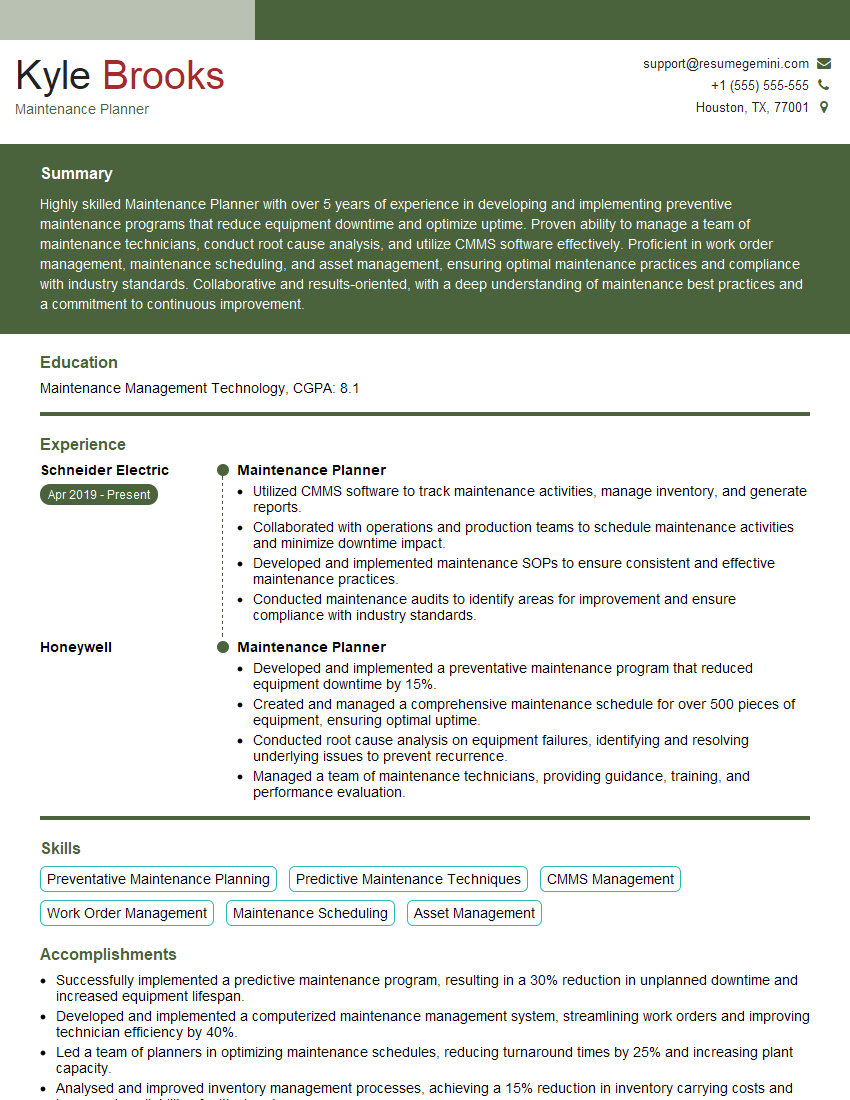
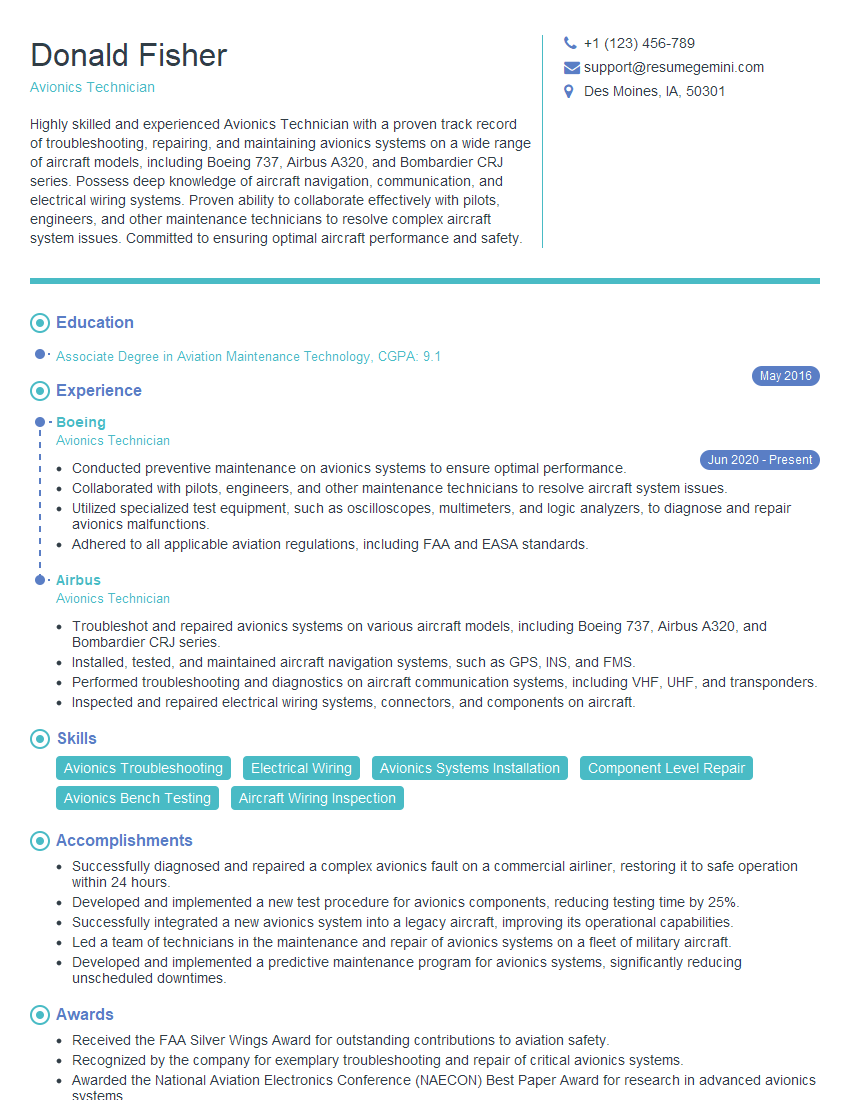
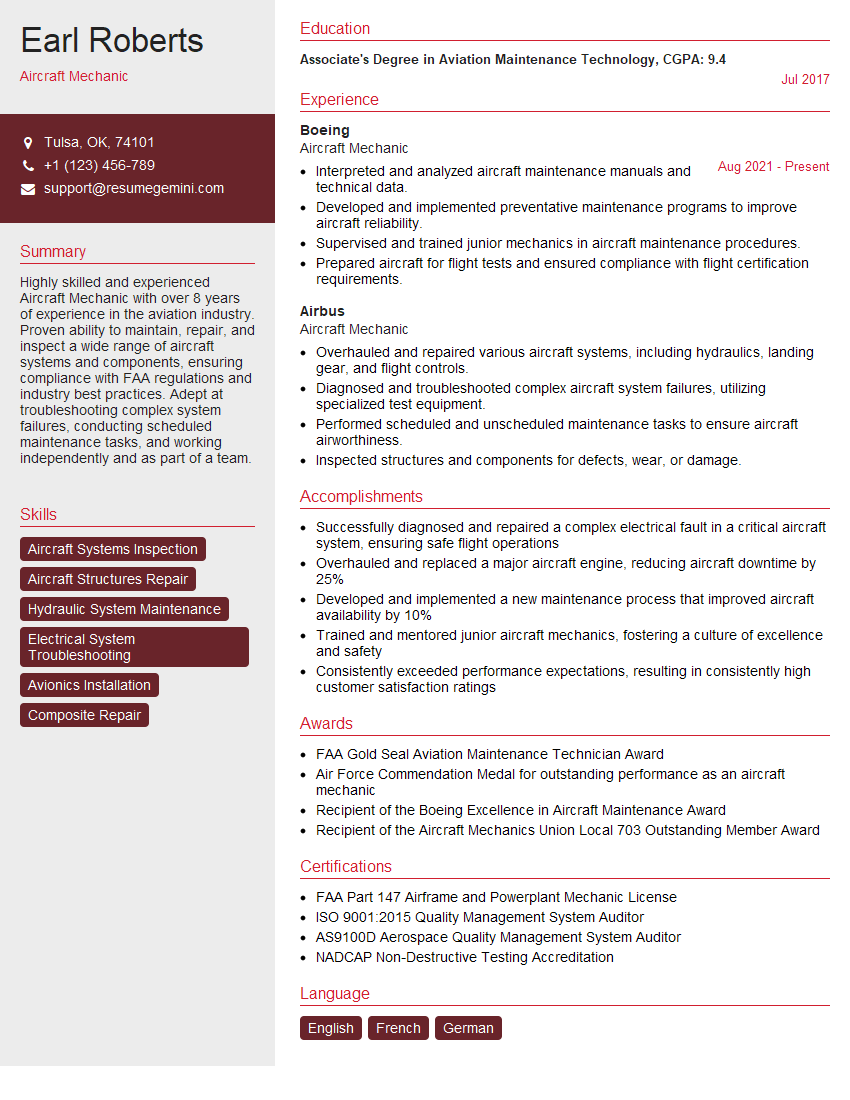
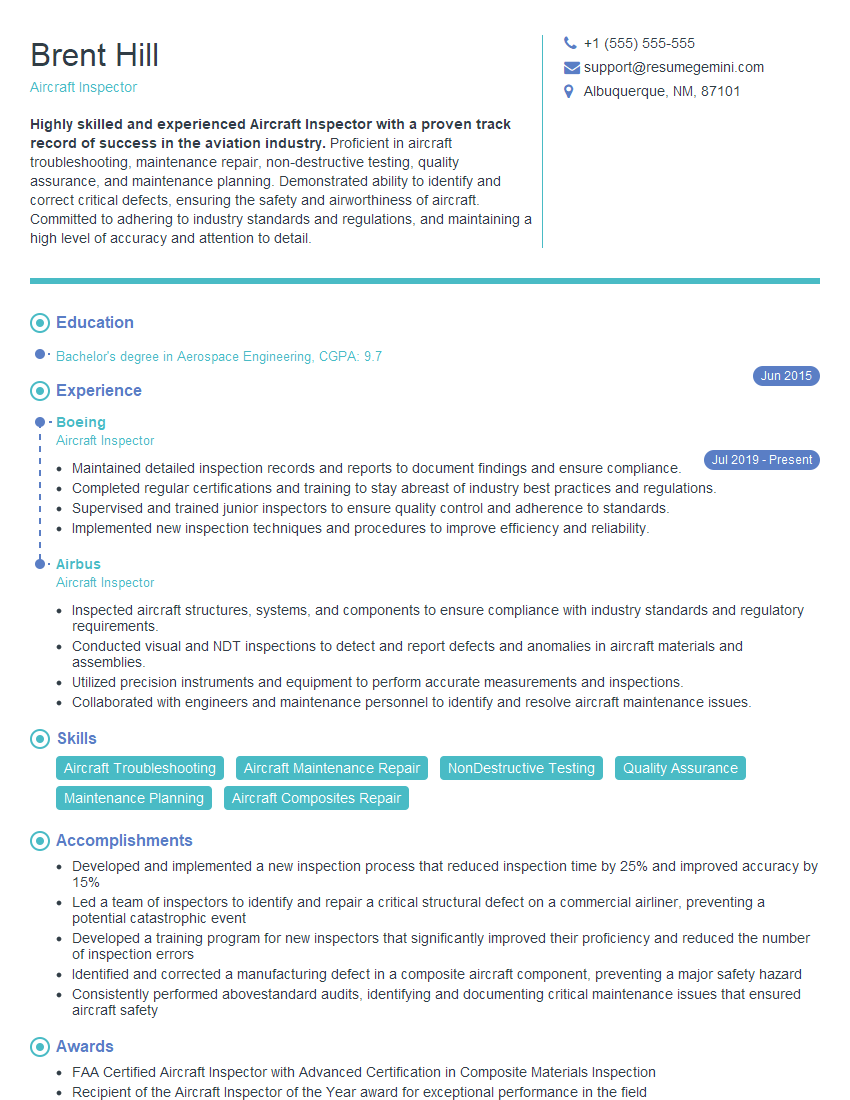
Mastering Aircraft Modification and Repair opens doors to a rewarding and highly skilled career path with excellent growth potential. To significantly boost your job prospects, focus on crafting an ATS-friendly resume that effectively highlights your skills and experience. ResumeGemini is a trusted resource that can help you build a professional and impactful resume, significantly improving your chances of landing your dream job. Examples of resumes tailored to Aircraft Modification and Repair are available to guide you. Invest the time to create a strong application – it’s an investment in your future.
Explore more articles
Users Rating of Our Blogs
Share Your Experience
We value your feedback! Please rate our content and share your thoughts (optional).
What Readers Say About Our Blog
Really detailed insights and content, thank you for writing this detailed article.
IT gave me an insight and words to use and be able to think of examples