Interviews are opportunities to demonstrate your expertise, and this guide is here to help you shine. Explore the essential Tobacco Industry Best Practices interview questions that employers frequently ask, paired with strategies for crafting responses that set you apart from the competition.
Questions Asked in Tobacco Industry Best Practices Interview
Q 1. Explain the significance of Good Manufacturing Practices (GMP) in the tobacco industry.
Good Manufacturing Practices (GMP) are a set of guidelines that ensure the consistent production of high-quality products that meet pre-defined standards and are safe for consumers. In the tobacco industry, GMP covers every aspect of production, from the sourcing of raw materials to the final packaging and distribution. Think of it like a recipe: GMP ensures that every batch of cigarettes or other tobacco products follows the exact same steps, using the same quality ingredients, to produce a consistent product.
The significance of GMP in the tobacco industry is paramount because it directly impacts product quality, consumer safety, and regulatory compliance. Failure to adhere to GMP can lead to product recalls, fines, legal action, and damage to the company’s reputation. Specific GMP elements might include rigorous testing of raw materials, meticulous control of manufacturing processes such as humidity and temperature, and comprehensive quality checks at every stage of production.
- Example: A tobacco company might implement GMP by requiring specific moisture levels for tobacco leaves to ensure consistent burning characteristics and minimize the risk of defects.
- Example: Regular equipment calibration is essential to maintain accuracy in the production process, thus avoiding variations in product specifications and maintaining consistent quality.
Q 2. Describe your understanding of the FDA regulations concerning tobacco products.
The FDA’s regulations concerning tobacco products are extensive and constantly evolving, aiming to reduce the health risks associated with tobacco use. These regulations encompass a wide range of areas, including the manufacturing, marketing, and sale of tobacco products. The FDA has authority over the manufacturing, distribution, and marketing of all tobacco products, including cigarettes, cigars, pipe tobacco, smokeless tobacco, and electronic nicotine delivery systems (ENDS).
Key aspects of FDA tobacco regulations include:
- Premarket Tobacco Product Applications (PMTAs): Manufacturers must submit PMTAs for new tobacco products or modifications to existing ones, demonstrating that the product’s potential benefits outweigh the risks.
- Ingredient Listing: A mandatory disclosure of all ingredients contained within the tobacco products.
- Health Warnings: Regulations require prominent health warnings on packaging to inform consumers of the dangers of tobacco use.
- Marketing Restrictions: Strict limitations on advertising and marketing practices to prevent the targeting of youth and to avoid misleading claims.
- Minimum Age Requirements: Regulations set minimum age requirements for purchasing and possessing tobacco products.
Understanding and adhering to these regulations are crucial for any tobacco company operating within the U.S. Non-compliance can result in significant penalties, including fines and product removal from the market. For example, failure to obtain PMTA approval before introducing a new product could lead to legal action and significant financial repercussions.
Q 3. How do you ensure compliance with international tobacco regulations?
Ensuring compliance with international tobacco regulations requires a multi-faceted approach that involves careful monitoring of various national and regional legislative frameworks. There is no single global regulatory body for tobacco, leading to a complex landscape of laws and regulations varying greatly by country.
Key steps to ensure compliance include:
- Regulatory Mapping: Thoroughly understanding and documenting the specific regulations of every market where the company operates. This includes understanding local labeling requirements, health warnings, advertising restrictions, and tax laws.
- Dedicated Compliance Team: A dedicated team of professionals with legal and regulatory expertise is crucial for monitoring changes in legislation and ensuring that the company’s operations remain compliant.
- Third-Party Audits: Regular independent audits by qualified professionals help to verify compliance with relevant standards and identify potential areas for improvement.
- Supply Chain Management: Ensuring compliance throughout the entire supply chain, from sourcing raw materials to distribution, is essential. This involves working with suppliers who share the commitment to adhering to international standards.
- Global Standards Alignment: Adopting a global framework based on best practices and internationally recognized standards helps simplify compliance across multiple jurisdictions. This also aids in mitigating risks and improving business efficiencies.
Example: A company exporting tobacco products to the European Union must adhere to the EU Tobacco Products Directive, which covers product standardization, packaging requirements, and advertising restrictions. Failure to comply could result in product seizure and significant penalties.
Q 4. What are the key elements of a robust tobacco product quality control system?
A robust tobacco product quality control system is critical to ensuring product consistency, safety, and compliance with regulations. It’s a multi-layered system that involves inspections and testing at every stage of the production process.
Key elements include:
- Raw Material Testing: Thorough testing of raw materials (tobacco leaves, filters, paper) for quality, moisture content, and the presence of contaminants.
- In-Process Control: Regular checks and adjustments throughout the manufacturing process to ensure adherence to specifications. This might include monitoring temperature, humidity, and machine performance.
- Finished Product Testing: Rigorous testing of finished products to verify that they meet pre-defined quality standards, including burn rate, tar yield, nicotine content, and flavor profile.
- Sensory Evaluation: Trained panelists evaluate the sensory characteristics (smell, taste, appearance) of the products.
- Packaging Inspection: Careful inspection of packaging to ensure that it’s properly sealed, labeled, and free of defects.
- Statistical Process Control (SPC): Using statistical methods to monitor and control the manufacturing process and identify any deviations from the norm.
- Traceability System: Tracking each product’s journey through the manufacturing process using batch numbers and lot codes to enable rapid identification of any issues and facilitating potential product recalls.
Think of it as a comprehensive safety net, ensuring that every element meets specific criteria and that the final product consistently meets standards for quality and consumer safety.
Q 5. Explain the role of traceability and track-and-trace systems in the tobacco supply chain.
Traceability and track-and-trace systems are essential for monitoring tobacco products throughout their entire lifecycle, from raw material sourcing to the point of sale. These systems provide complete visibility of the supply chain, helping to prevent counterfeiting, combat illicit trade, and ensure product authenticity. This is similar to tracking a package—knowing its exact location and status at any given time.
A robust track-and-trace system uses unique identifiers (e.g., barcodes, RFID tags) assigned to each unit of tobacco product. This allows for the tracking of each product’s movement through the supply chain. This is crucial for many reasons:
- Combating Illicit Trade: Helps authorities identify and stop the flow of counterfeit or illegally traded tobacco products.
- Product Recall Management: Facilitates rapid and efficient product recalls in the event of a safety issue or quality problem.
- Supply Chain Optimization: Provides better control and visibility over the supply chain, leading to greater efficiency.
- Regulatory Compliance: Supports compliance with many government regulations that mandate traceability and track-and-trace systems.
Example: A track-and-trace system can alert authorities about suspicious movements of a specific batch of tobacco products that might indicate illegal trafficking, allowing intervention to prevent their distribution.
Q 6. How do you manage risks associated with tobacco product labeling and marketing?
Managing risks associated with tobacco product labeling and marketing requires a proactive and multi-pronged approach. The goal is to comply with all relevant regulations while minimizing the potential for misleading or harmful messaging. It requires careful consideration of both the content and context of all marketing and labelling materials.
Strategies to mitigate risks include:
- Compliance Reviews: All labeling and marketing materials should be reviewed by legal and compliance experts to ensure that they comply with all applicable regulations and avoid misleading or deceptive claims.
- Pre-approval Process: Implementing a formal pre-approval process for all marketing and labeling materials to prevent unauthorized or non-compliant content from being used.
- Risk Assessment: Identifying and assessing potential risks associated with different marketing and labeling strategies. This includes considering the potential impact on different consumer groups and identifying potential areas of vulnerability.
- Advertising Review Boards: Utilizing independent advertising review boards to provide unbiased assessment and recommendations for promotional materials.
- Monitoring and Reporting: Actively monitoring and reporting adverse events, complaints, and any potential regulatory or legal challenges.
- Transparency: Ensuring clear and transparent communication about the product and its risks. This is essential to build trust with consumers and avoid misleading statements.
Example: A company might avoid using imagery that could appeal to children in its advertising campaigns, to prevent the targeting of underage consumers.
Q 7. Describe your experience with tobacco product testing and analysis methods.
My experience with tobacco product testing and analysis encompasses a wide array of methods and technologies used to assess the quality, composition, and safety of tobacco products. This includes both traditional and modern techniques.
Methods typically used include:
- Chemical Analysis: Using techniques such as Gas Chromatography-Mass Spectrometry (GC-MS) and High-Performance Liquid Chromatography (HPLC) to determine the levels of various chemicals, including nicotine, tar, and other harmful constituents.
- Sensory Evaluation: Trained sensory panelists assess the organoleptic properties (taste, smell, appearance) of tobacco products to ensure consistency and quality.
- Physical Testing: Measurements of physical characteristics, such as burn rate, draw resistance, and cigarette length.
- Microscopic Analysis: Examining tobacco samples under a microscope to assess the quality and characteristics of the leaf material.
- Moisture Content Analysis: Determining the moisture level to ensure it falls within acceptable limits for optimum burning characteristics.
- Accelerated Aging Studies: Subjecting tobacco products to accelerated aging conditions to predict their long-term stability and shelf life.
These testing methods are crucial for ensuring product quality, identifying potential defects, and supporting regulatory compliance. My experience spans from conducting individual tests to managing and overseeing comprehensive testing programs, including data analysis and reporting. We use the latest instruments and techniques, always maintaining strict quality control measures to guarantee accurate and reliable results.
Q 8. What are the major health concerns related to tobacco products and how are they addressed?
Tobacco use is unequivocally linked to severe health consequences. The major concerns include cancer (lung, throat, mouth, bladder, kidney, etc.), cardiovascular diseases (heart attacks, strokes), respiratory illnesses (chronic bronchitis, emphysema, COPD), and reproductive problems. Addressing these requires a multi-pronged approach.
- Public Health Campaigns: Large-scale awareness campaigns emphasizing the risks of tobacco use, using graphic imagery and impactful messaging, are crucial. These campaigns often target vulnerable populations like youth and low-income communities.
- Regulations and Legislation: Governmental regulations such as taxes on tobacco products, restrictions on advertising and marketing, and smoke-free public places significantly reduce tobacco consumption. For example, plain packaging, which removes branding from cigarette packs, is shown to decrease smoking rates.
- Cessation Programs: Providing easily accessible and effective smoking cessation programs, including nicotine replacement therapy (NRT), counseling, and support groups, aids smokers in quitting. Many programs are now incorporating digital tools and apps for personalized support.
- Research and Development: Ongoing research into the harmful effects of tobacco and the development of less harmful alternatives is essential. This includes research into novel cessation methods and reduced-risk products.
For instance, the success of plain packaging in Australia and the UK demonstrates the effectiveness of regulatory measures in reducing smoking prevalence.
Q 9. How do you incorporate sustainability principles into tobacco production and supply chain operations?
Sustainability in tobacco production and the supply chain encompasses environmental, social, and economic aspects. It’s not just about growing tobacco, but about responsible practices throughout the entire process.
- Sustainable Farming Practices: This involves reducing water usage through efficient irrigation techniques, minimizing pesticide and fertilizer use through integrated pest management (IPM), and promoting biodiversity by planting cover crops and protecting natural habitats.
- Renewable Energy: Using renewable energy sources like solar and wind power in curing barns and processing facilities reduces carbon emissions and dependence on fossil fuels.
- Waste Reduction: Implementing strategies to minimize waste generation during cultivation, processing, and manufacturing. This includes recycling and composting where possible.
- Fair Labor Practices: Ensuring fair wages, safe working conditions, and respect for workers’ rights throughout the supply chain. This includes working with independent farmers and ensuring ethical sourcing of materials.
- Carbon Footprint Reduction: Implementing strategies to reduce the environmental impact of transport and logistics. This can include optimizing transportation routes and using more fuel-efficient vehicles.
A successful example is a tobacco company investing in regenerative agriculture practices which improves soil health and reduces carbon emissions.
Q 10. Explain your knowledge of tobacco excise taxes and their impact on the industry.
Tobacco excise taxes are taxes levied on the production, importation, or sale of tobacco products. They are a significant source of revenue for governments and are designed to discourage tobacco use by increasing the price.
The impact on the industry is multifaceted:
- Reduced Consumption: Higher taxes generally lead to decreased tobacco consumption, which aligns with public health goals.
- Price Increases: Taxes directly increase the price of tobacco products, making them less affordable, especially for vulnerable populations.
- Illicit Trade: High taxes can stimulate the growth of the illicit tobacco trade, as consumers seek cheaper alternatives through black markets.
- Industry Revenue: While higher prices may initially boost revenue, excessive taxation can lead to a decline in sales volume, ultimately affecting the industry’s profitability.
- Government Revenue: Governments benefit from increased tax revenue, which can be allocated to healthcare or other public services.
The optimal tax level needs careful consideration, balancing public health objectives with the risk of fueling the black market.
Q 11. Discuss different strategies for mitigating risks related to product liability and litigation.
Mitigating product liability and litigation risks in the tobacco industry requires a proactive and comprehensive approach.
- Robust Quality Control: Stringent quality control measures throughout the entire production process are essential to minimize defects and ensure product safety.
- Clear Product Labeling and Warnings: Complying with all regulations regarding product labeling, including prominent health warnings, is crucial in informing consumers about potential risks.
- Thorough Risk Assessment: Regularly assessing and monitoring potential risks associated with products and their manufacturing processes is vital for identifying and addressing vulnerabilities.
- Comprehensive Insurance: Securing comprehensive product liability insurance coverage protects the company against financial losses due to lawsuits.
- Legal Compliance: Maintaining strict adherence to all relevant laws and regulations minimizes the risk of legal action.
- Effective Litigation Management: Having a skilled legal team to handle any litigation efficiently and effectively is crucial.
For example, investing in rigorous testing procedures can reduce defects and minimize the chances of product-related injuries and resulting lawsuits.
Q 12. Describe your experience managing the regulatory approval process for new tobacco products.
Managing the regulatory approval process for new tobacco products is a complex undertaking, demanding deep understanding of regulations and extensive documentation.
- Pre-submission Planning: This involves thoroughly understanding the specific regulatory requirements for the product and jurisdiction, conducting thorough testing and generating comprehensive data.
- Documentation: Creating a complete and accurate application package, including toxicology data, manufacturing processes, and labeling information, is critical.
- Regulatory Interactions: Proactive engagement with regulatory agencies throughout the process to address questions and concerns promptly.
- Post-Approval Monitoring: After approval, ongoing monitoring of the product’s safety and efficacy is crucial, often involving post-market surveillance studies.
For instance, successfully navigating the FDA’s rigorous approval process for modified-risk tobacco products (MRTPs) requires extensive scientific data and rigorous documentation. Every step needs meticulous attention to detail.
Q 13. How do you ensure the integrity and security of the tobacco supply chain?
Ensuring the integrity and security of the tobacco supply chain is paramount to prevent illicit trade, counterfeiting, and product diversion.
- Traceability Systems: Implementing robust track-and-trace systems using technologies like barcodes and RFID tags allows monitoring product movement from origin to consumer, preventing counterfeits and illicit trade.
- Secure Packaging: Utilizing tamper-evident packaging helps identify unauthorized access or modification and deter counterfeiting.
- Strong Partnerships: Collaboration with governments and law enforcement agencies is crucial to combat illicit trade effectively.
- Data Analytics: Employing data analytics to identify patterns and anomalies in sales data helps detect and prevent illicit activities.
- Employee Training: Training employees on security protocols and best practices to maintain the integrity of the supply chain.
For example, a system which provides real-time tracking of each package and its location helps monitor movement to identify any irregularities or potential theft.
Q 14. Explain your familiarity with different tobacco product formats (e.g., cigarettes, cigars, smokeless tobacco).
My familiarity with different tobacco product formats encompasses a broad understanding of their manufacturing processes, market characteristics, and regulatory considerations.
- Cigarettes: The most common format, involving the blending of tobacco, adding flavorings (often regulated), and the creation of filter-tipped sticks. Manufacturing is highly automated.
- Cigars: Hand-rolled or machine-made, cigars use larger leaves of tobacco and are often less processed. They cater to a specific segment of the market, often associated with a higher price point.
- Smokeless Tobacco (Chewing Tobacco, Snuff): These products involve processing tobacco leaves into various forms for oral or nasal consumption. They present unique health risks and regulatory challenges.
- Heat-Not-Burn Products: These newer products heat tobacco rather than burning it, producing a reduced amount of harmful chemicals compared to cigarettes, but they are still under ongoing scrutiny for their health impacts.
- Electronic Nicotine Delivery Systems (ENDS) or E-cigarettes: These vaporizers deliver nicotine and other flavorings as an aerosol. This represents a rapidly evolving market with significant health and regulatory implications.
Understanding the differences in these product formats is essential for developing effective strategies for regulation, risk management and marketing.
Q 15. Describe your understanding of the different types of tobacco cultivation and processing.
Tobacco cultivation and processing involve a complex series of steps, varying depending on the type of tobacco being produced. Generally, it begins with cultivation, which includes selecting appropriate seeds, preparing the land (including fertilization and pest control), planting, and tending to the crops throughout their growing cycle. Different climate conditions favor different tobacco types; for example, flue-cured tobacco thrives in warm, humid climates, while burley tobacco tolerates a wider range of conditions.
Processing begins after harvesting. This involves curing, a crucial step that removes moisture and imparts specific flavors and aromas. There are several curing methods, including:
- Flue-curing: Uses artificial heat in large barns, producing a bright, yellowish tobacco.
- Air-curing: Relies on natural air circulation, resulting in a darker, more aromatic tobacco.
- Sun-curing: Uses sunlight to dry the leaves, producing a unique flavor profile.
Following curing comes fermentation, a process that further develops the tobacco’s flavor and aroma by allowing naturally occurring enzymes to break down certain compounds. Finally, the tobacco leaves are graded, sorted, and prepared for manufacturing into various tobacco products, such as cigarettes, cigars, or pipe tobacco. Each step requires specialized knowledge and adherence to strict quality control measures.
Career Expert Tips:
- Ace those interviews! Prepare effectively by reviewing the Top 50 Most Common Interview Questions on ResumeGemini.
- Navigate your job search with confidence! Explore a wide range of Career Tips on ResumeGemini. Learn about common challenges and recommendations to overcome them.
- Craft the perfect resume! Master the Art of Resume Writing with ResumeGemini’s guide. Showcase your unique qualifications and achievements effectively.
- Don’t miss out on holiday savings! Build your dream resume with ResumeGemini’s ATS optimized templates.
Q 16. How do you address ethical concerns related to tobacco production and marketing?
Addressing ethical concerns in tobacco production and marketing requires a multi-pronged approach. Transparency is paramount. This includes openly communicating about the production process, including the use of pesticides and fertilizers, and ensuring fair labor practices throughout the supply chain. Independent audits and certifications can help verify ethical claims.
Minimizing harm is another key aspect. This means focusing on reducing the environmental impact of tobacco farming, for example, through sustainable agricultural practices. It also involves implementing stringent controls to prevent the sale of tobacco products to minors and restricting marketing to vulnerable populations.
Engaging with stakeholders, including farmers, workers, consumers, and NGOs, is crucial for building trust and fostering collaboration. Open dialogue, responsiveness to concerns, and a commitment to continuous improvement are essential to maintaining ethical standards.
For example, a company might implement a program to support sustainable farming practices amongst their suppliers, providing training and financial incentives to adopt environmentally friendly methods. Similarly, they could establish a rigorous age verification system at point of sale to prevent underage sales. This commitment needs to extend across the entire value chain, from leaf production to the marketing of the final product.
Q 17. How do you stay informed about changes in tobacco regulations and industry best practices?
Staying informed about changes in tobacco regulations and best practices requires a proactive and multi-faceted approach. I actively monitor regulatory bodies such as the FDA (in the US) and the WHO’s Framework Convention on Tobacco Control (FCTC). I regularly review industry publications, journals, and reports from organizations like the Tobacco Institute. Attending industry conferences and workshops provides valuable opportunities to network with peers and learn about the latest developments.
Furthermore, maintaining a strong professional network with regulatory experts and legal advisors allows for a deeper understanding of the evolving regulatory landscape and the implications for business operations. Finally, leveraging online resources and legal databases offers up-to-date information on new laws, guidelines and case precedents, ensuring the business operates in full compliance.
Q 18. What strategies would you employ to reduce the illicit trade of tobacco products?
Reducing the illicit trade of tobacco products necessitates a collaborative effort involving governments, law enforcement agencies, and the industry itself. Strategies include strengthening border controls and implementing effective tracking and tracing systems to monitor the movement of tobacco products throughout the supply chain. This might involve using advanced technologies like RFID tagging or blockchain solutions to enhance transparency and accountability.
Another crucial aspect is working with law enforcement to disrupt smuggling networks and prosecute those involved in the illegal trade. This includes sharing information and intelligence, and providing training to enforcement agencies on identifying counterfeit products. Raising consumer awareness about the dangers of illicit tobacco products and the importance of purchasing only from legitimate sources is also essential.
Furthermore, implementing robust excise duty and tax policies can make illicit products less price-competitive, discouraging consumers from purchasing them. Finally, it’s vital to engage in dialogue with the relevant authorities and stakeholders to develop comprehensive and sustainable strategies to combat the illicit trade effectively.
Q 19. Describe your experience with implementing and maintaining a robust compliance program.
My experience in implementing and maintaining a robust compliance program involves a systematic approach based on several key principles. First, I establish a clear compliance policy that aligns with all relevant laws and regulations, incorporating best practices. This policy is then widely disseminated and regularly updated to address any changes in legislation or best practices.
Secondly, I create a dedicated compliance team with clearly defined roles and responsibilities, providing training and resources to equip them to effectively manage compliance. This team conducts regular internal audits and risk assessments to identify and mitigate any potential compliance issues.
Thirdly, we establish a robust reporting mechanism to encourage employees to raise concerns without fear of retaliation. This includes providing confidential channels for reporting violations and ensuring prompt and thorough investigations of any reported issues. We also implement corrective actions promptly to address any identified weaknesses in the compliance program and prevent recurrences.
Finally, we maintain thorough records of all compliance activities, including training, audits, and investigations. This documentation is crucial for demonstrating compliance to regulatory bodies and for continuous improvement of the program itself. This is a continuous process that demands constant vigilance and adaptation to evolving circumstances.
Q 20. How do you handle potential conflicts of interest within the tobacco industry?
Handling potential conflicts of interest within the tobacco industry requires a proactive and transparent approach. Establishing a clear code of conduct that outlines expectations regarding ethical behavior and conflict of interest avoidance is paramount. This code should be communicated to all employees and regularly reviewed.
A robust disclosure process should be in place, encouraging employees to disclose any potential conflicts of interest, however minor. This allows for early identification and management of potential issues. Independent review mechanisms should be established to assess potential conflicts and to determine appropriate actions, ensuring objectivity and fairness.
For instance, an employee involved in a negotiation with a supplier might need to recuse themselves if they have a personal relationship with someone at the supplying company. Transparency and clear guidelines ensure employees understand the implications of their actions and can navigate potential conflicts ethically. Implementing these measures not only protects the company’s reputation but also fosters a culture of trust and accountability.
Q 21. Explain your understanding of the global tobacco market and its trends.
The global tobacco market is a dynamic and complex landscape influenced by several factors. The overall market size is shrinking in many developed countries due to increased public health awareness, stricter regulations, and the rise of smoking cessation programs. However, the market continues to grow in some developing economies due to rising populations and lower levels of awareness regarding health risks.
Key Trends:
- Increased regulation: Governments worldwide are enacting stricter regulations, including plain packaging, higher taxes, and restrictions on advertising and promotion.
- Rise of heated tobacco products (HTPs): HTPs are gaining popularity as perceived less harmful alternatives to traditional cigarettes, although their long-term health effects are still being studied.
- E-cigarettes and vaping: The e-cigarette and vaping market is growing rapidly, though it faces increasing regulatory scrutiny.
- Illicit trade: The illicit trade of tobacco products poses a significant challenge, undermining government tax revenue and hindering public health efforts.
- Sustainability concerns: Growing focus on the environmental impact of tobacco farming and manufacturing is driving demand for sustainable agricultural practices.
Understanding these trends is crucial for strategic decision-making in the tobacco industry. Companies need to adapt to the changing regulatory landscape, develop innovative products, and address the challenges posed by the illicit trade while keeping pace with consumer preferences and concerns about sustainability.
Q 22. Describe your experience in developing and implementing tobacco industry-specific training programs.
Developing and implementing effective training programs in the tobacco industry requires a deep understanding of regulatory compliance, manufacturing processes, and ethical considerations. My approach is multifaceted, focusing on both the technical skills needed for production and the crucial ethical considerations surrounding tobacco products.
- Needs Assessment: I begin by conducting a thorough needs assessment to identify skill gaps among employees. This involves surveys, interviews, and performance reviews to pinpoint areas needing improvement.
- Curriculum Design: The curriculum is then tailored to address these specific needs, incorporating modules on topics such as Good Manufacturing Practices (GMP), quality control, safety regulations, and responsible marketing practices. For example, one module might focus on the intricate details of leaf curing and fermentation for optimal flavor profiles, while another would deal with the legal restrictions on advertising and promotional campaigns.
- Delivery Methods: Training is delivered through a variety of methods, including online modules, instructor-led workshops, and hands-on practical sessions. This ensures that employees learn the material in a way that suits their individual learning styles. For instance, we might use virtual reality simulations to train on complex machinery operation, ensuring safety while maintaining practical application.
- Evaluation and Feedback: The effectiveness of the training is rigorously evaluated through post-training assessments, performance monitoring, and regular feedback sessions with participants and supervisors. This allows for continuous improvement and adjustment of training materials to better meet employee needs and keep up with evolving industry regulations.
For instance, I once developed a program that reduced quality control failures by 15% within six months of implementation, primarily due to better training on leaf selection and processing techniques. This highlights the significant impact well-designed training can have on operational efficiency and compliance.
Q 23. How do you ensure data privacy and security within the context of tobacco industry operations?
Data privacy and security are paramount in the tobacco industry, given the sensitive nature of consumer information and internal business data. My strategy incorporates multiple layers of protection, adhering to industry best practices and relevant regulations.
- Data Encryption: All sensitive data, both at rest and in transit, is encrypted using robust encryption protocols (e.g., AES-256). This protects data from unauthorized access even if a breach occurs.
- Access Control: A strict access control system is implemented, limiting access to data based on the principle of least privilege. Only authorized personnel with a demonstrable need for the information can access it.
- Regular Security Audits: Regular security audits and vulnerability assessments are conducted to identify and address potential weaknesses in the system. This proactive approach helps prevent breaches before they occur.
- Employee Training: Employees receive comprehensive training on data security protocols, including password management, phishing awareness, and the importance of data confidentiality. This human element is crucial in maintaining a strong security posture.
- Incident Response Plan: A well-defined incident response plan is in place to handle data breaches or security incidents efficiently and effectively, minimizing potential damage and ensuring compliance with notification regulations.
For example, we might use multi-factor authentication (MFA) for accessing sensitive databases, adding an extra layer of security beyond simple password protection. We also regularly conduct simulated phishing attacks to train employees in identifying and reporting suspicious emails, thus mitigating the risk of human error-related breaches.
Q 24. What are the key performance indicators (KPIs) for assessing success in a tobacco industry role?
Key Performance Indicators (KPIs) in the tobacco industry vary depending on the specific role, but generally focus on efficiency, compliance, quality, and profitability. Here are some examples:
- Production Efficiency: Metrics like units produced per hour, yield rates, and manufacturing downtime help assess the efficiency of production processes.
- Quality Control: KPIs such as defect rates, customer returns, and the number of quality control checks performed indicate the effectiveness of quality control measures.
- Regulatory Compliance: Tracking the number of regulatory audits conducted, the number of non-compliances identified, and the timeliness of reporting demonstrate adherence to regulations.
- Sales and Market Share: Sales figures, market share, and brand awareness metrics show the success of marketing and sales efforts.
- Profitability: Profit margins, return on investment (ROI), and cost of goods sold (COGS) are crucial indicators of financial performance.
- Sustainability Initiatives: Metrics measuring progress on environmental and social responsibility goals, such as carbon footprint reduction, water usage, and waste management.
For example, a successful sales manager might focus on achieving a specific target market share, while a production manager might prioritize minimizing production downtime to enhance efficiency and increase profitability. It’s critical to monitor a balanced set of KPIs that reflect the overall success of the business within ethical and regulatory frameworks.
Q 25. Describe your understanding of the social responsibility considerations related to the tobacco industry.
Social responsibility in the tobacco industry is a complex and evolving issue. It requires a commitment to minimizing the negative health consequences of tobacco use while operating ethically and sustainably. My understanding encompasses several key aspects:
- Age Verification and Marketing Restrictions: Strict adherence to regulations regarding the sale of tobacco products to minors and responsible marketing practices that avoid targeting vulnerable populations. This includes rigorous age verification systems in point-of-sale locations.
- Public Health Initiatives: Supporting public health campaigns aimed at reducing tobacco consumption and promoting smoking cessation. This could include partnerships with health organizations or participation in community outreach programs.
- Product Stewardship: Implementing measures to minimize environmental impact throughout the tobacco lifecycle, from sustainable farming practices to waste reduction in manufacturing and responsible product disposal.
- Transparency and Disclosure: Open communication with stakeholders, including consumers, about the risks associated with tobacco use and the company’s efforts to mitigate those risks.
- Employee Wellbeing: Prioritizing the health and safety of employees involved in tobacco cultivation and manufacturing by providing a safe and healthy work environment.
For example, many tobacco companies now invest in programs promoting cessation, recognizing that reducing overall tobacco consumption aligns with their long-term sustainability and ethical responsibility.
Q 26. How would you address a situation where a product fails to meet quality standards?
Addressing a product failure to meet quality standards requires a systematic and immediate response to ensure consumer safety and maintain brand reputation. My approach would involve these steps:
- Immediate Containment: The first step is to immediately isolate and quarantine the affected products to prevent further distribution or use. This prevents potential harm to consumers and minimizes the extent of the damage.
- Root Cause Analysis: A thorough investigation is launched to pinpoint the root cause of the quality failure. This often involves analyzing production data, inspecting manufacturing equipment, and interviewing personnel. This is crucial for preventing future occurrences.
- Corrective Actions: Once the root cause is identified, corrective actions are implemented to address the problem and prevent it from recurring. This might include updating equipment, revising manufacturing processes, or retraining employees.
- Recall and Remediation: If necessary, a product recall is initiated to remove the affected products from the market. Consumers are informed of the issue and provided with appropriate remediation, such as a refund or replacement.
- Documentation and Reporting: Detailed records of the entire process, from initial identification of the failure to the final resolution, are meticulously maintained. This documentation is crucial for regulatory compliance and internal quality control improvements.
For instance, if a batch of cigarettes was found to have inconsistent burn rates, we would immediately initiate a recall, determine the cause (e.g., faulty filter material), fix the manufacturing process, and implement additional quality checks to prevent similar issues in the future. Transparency with regulators and consumers is key throughout this process.
Q 27. How do you ensure the accurate and timely reporting of regulatory compliance information?
Accurate and timely reporting of regulatory compliance information is crucial for avoiding penalties and maintaining a positive reputation. My approach utilizes a combination of technology and robust processes:
- Centralized Data Management: All compliance-related data is stored in a centralized database, ensuring consistency and facilitating efficient reporting. This allows for easy data access and analysis.
- Automated Reporting Tools: Automated reporting tools are used to streamline the process of generating reports for regulatory agencies. This reduces the risk of human error and ensures timely submissions.
- Regular Data Validation: Data validation procedures are implemented to ensure the accuracy and completeness of the information before it is reported. This includes regular checks and cross-referencing of data from various sources.
- Designated Compliance Officer: A dedicated compliance officer is responsible for overseeing the entire reporting process, ensuring adherence to regulatory requirements and internal protocols.
- Regular Training: Employees involved in data collection and reporting are regularly trained on the latest regulations and reporting procedures. This ensures that everyone is aware of their responsibilities and understands the importance of accuracy.
For example, using a dedicated software system to track and report on inventory, ensuring traceability from leaf to finished product, plays a key role in demonstrating compliance with supply chain regulations.
Q 28. What is your experience with conducting internal audits to assess compliance with industry best practices?
Conducting internal audits to assess compliance with industry best practices is an essential part of maintaining a strong compliance program. My experience involves a systematic approach:
- Audit Planning: The audit scope is clearly defined, specifying the areas to be reviewed and the objectives to be achieved. This ensures that the audit is focused and effective.
- Audit Execution: The audit is conducted using a structured methodology, involving document review, interviews with personnel, and observation of processes. Checklists and standardized procedures are used to ensure consistency.
- Audit Findings: Any non-compliances or areas for improvement are documented clearly and objectively. This involves detailed descriptions of the issues and their potential impact.
- Corrective Actions: Recommendations for corrective actions are developed, specifying the steps required to address the identified non-compliances. This includes timelines and responsible parties for each action.
- Follow-up Audits: Follow-up audits are conducted to verify that the corrective actions have been implemented effectively and to assess their long-term impact. This ensures ongoing compliance.
For example, I’ve led audits focusing on GMP compliance, where we reviewed documentation, observed production processes, and interviewed employees to assess adherence to protocols, resulting in the identification of a few areas needing process improvements which were subsequently addressed and documented. Internal audits are critical for continuous improvement and proactively identifying potential risks before they escalate into significant issues.
Key Topics to Learn for Tobacco Industry Best Practices Interview
- Regulatory Compliance: Understanding and applying relevant laws and regulations, including FDA regulations, advertising restrictions, and international trade agreements. Practical application includes analyzing marketing materials for compliance and developing strategies for navigating complex regulatory landscapes.
- Ethical Considerations & Social Responsibility: Exploring the ethical dilemmas inherent in the industry and understanding corporate social responsibility initiatives related to public health, environmental sustainability, and community engagement. Practical application involves identifying and mitigating potential ethical conflicts and developing strategies for responsible product marketing and distribution.
- Supply Chain Management: Mastering the intricacies of tobacco leaf cultivation, processing, manufacturing, and distribution. Practical application includes optimizing logistics, managing inventory, and ensuring product quality throughout the entire supply chain.
- Risk Management & Mitigation: Identifying, assessing, and mitigating risks associated with product liability, public health concerns, and environmental impact. Practical application involves developing comprehensive risk management plans and implementing effective crisis communication strategies.
- Product Development & Innovation: Understanding the processes involved in developing new tobacco products, including research and development, testing, and regulatory approval. This also includes exploring the implications of emerging technologies and alternative nicotine delivery systems. Practical application might involve analyzing market trends and consumer preferences to identify opportunities for innovation.
- Marketing & Sales Strategies: Developing and implementing effective marketing and sales strategies within the constraints of legal and ethical regulations. Understanding the target audience and employing responsible advertising practices is key. Practical application involves creating marketing campaigns that comply with regulations while attracting the target market.
Next Steps
Mastering Tobacco Industry Best Practices is crucial for career advancement and demonstrating your commitment to responsible practices within this complex sector. A strong understanding of these areas will significantly enhance your interview performance and overall career prospects. To further improve your job search, creating an ATS-friendly resume is essential for getting your application noticed. ResumeGemini is a trusted resource that can help you build a professional and impactful resume tailored to the specific requirements of the Tobacco Industry. Examples of resumes tailored to Tobacco Industry Best Practices are provided to guide you in this process. Take advantage of these tools to maximize your job search success!
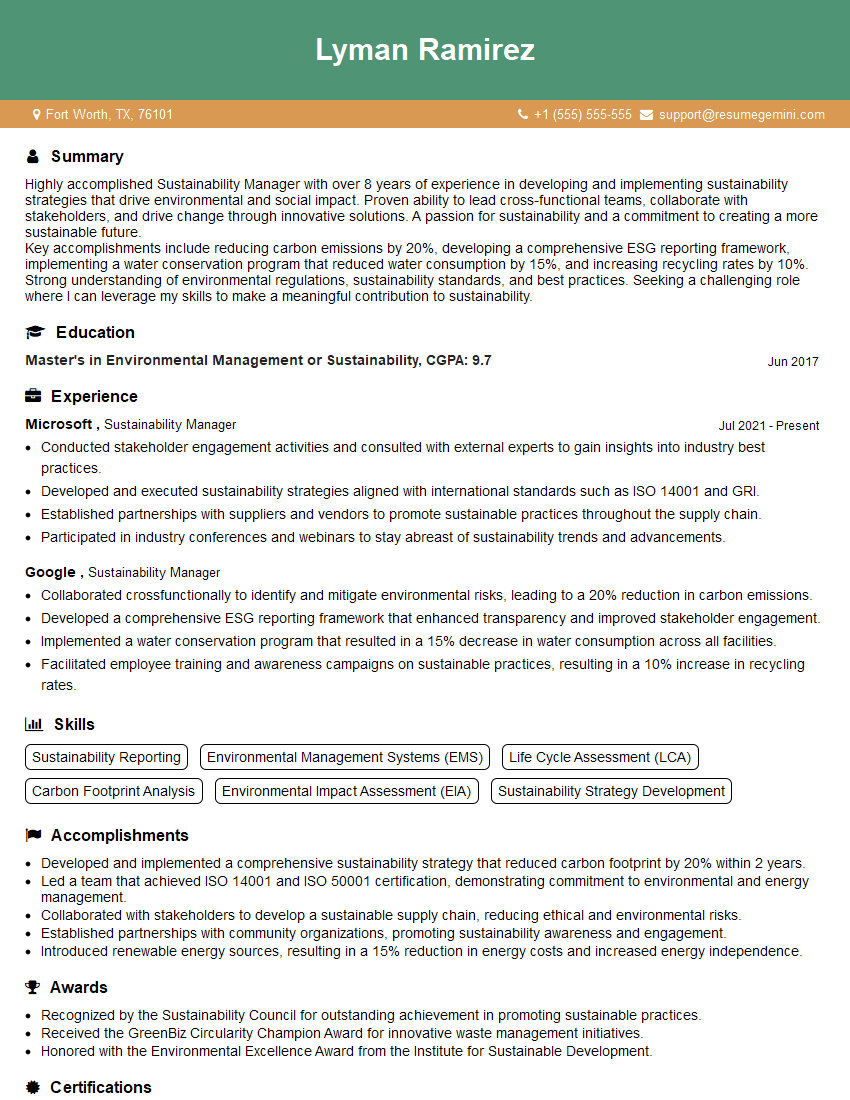
Sustainability Manager Resume Sample
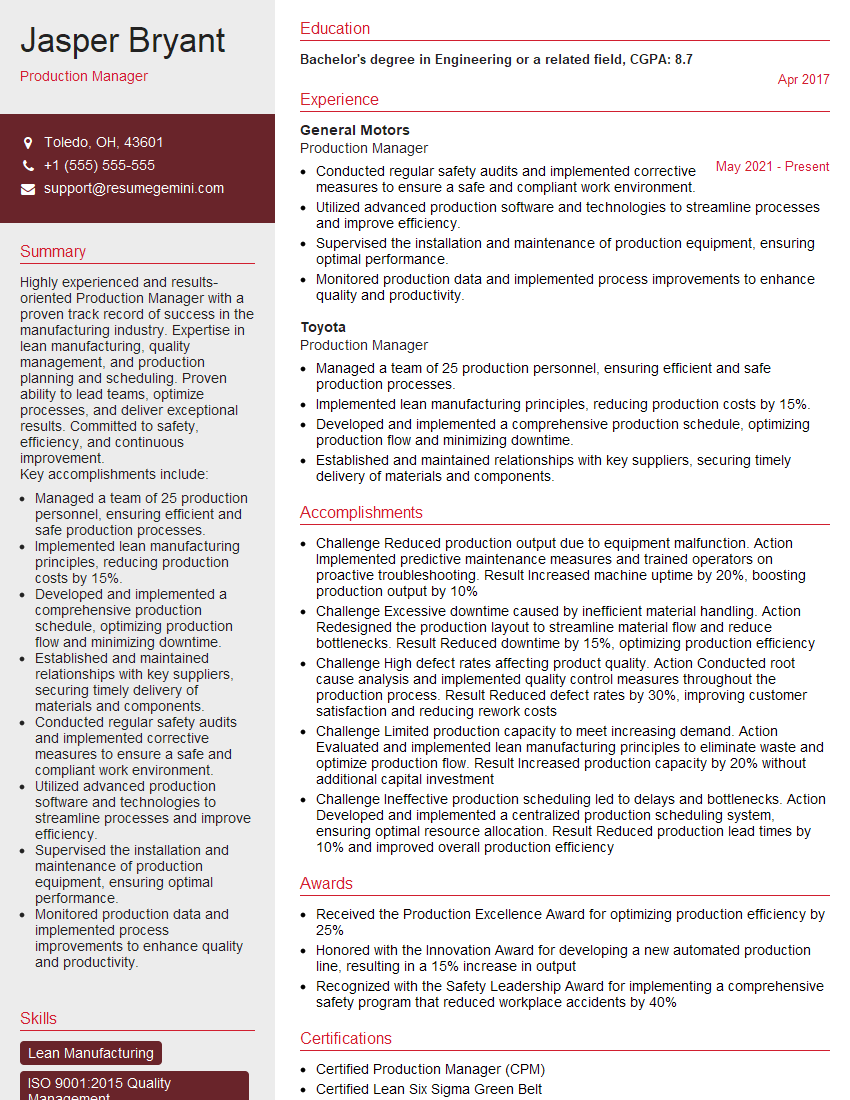
Production Manager Resume Sample

Quality Assurance Manager Resume Sample
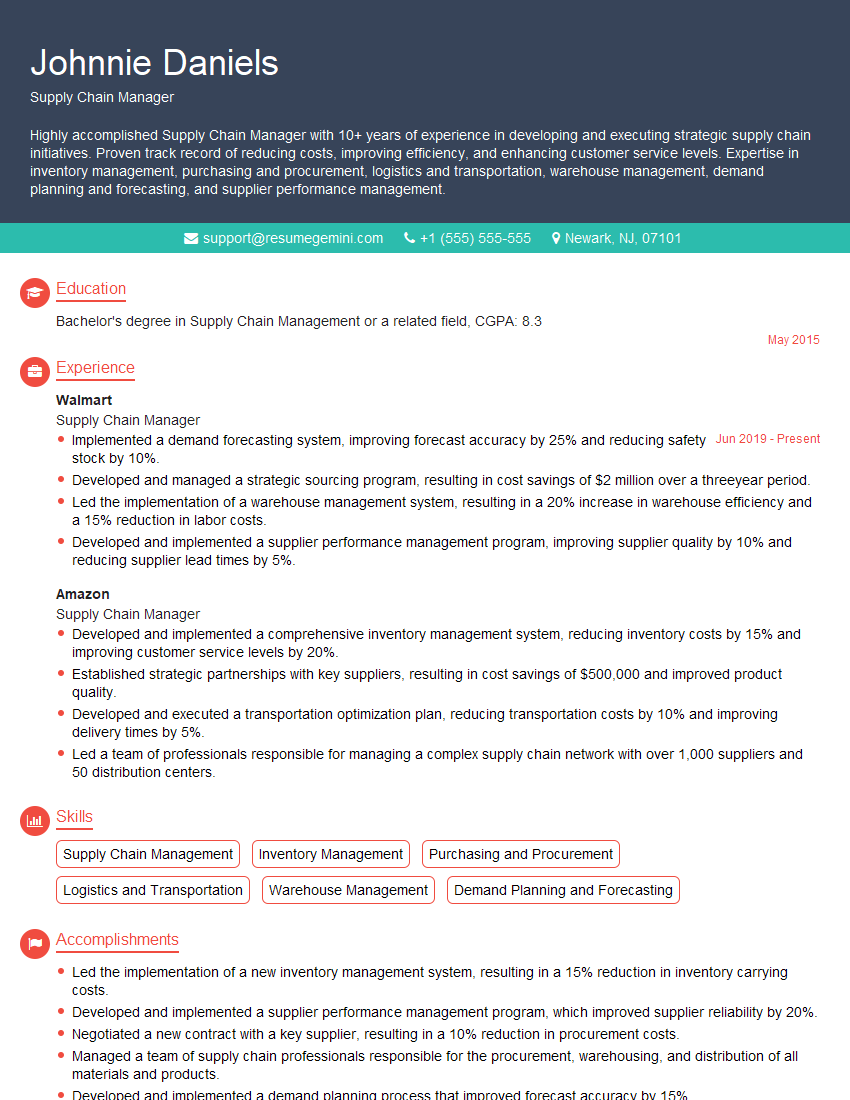
Supply Chain Manager Resume Sample
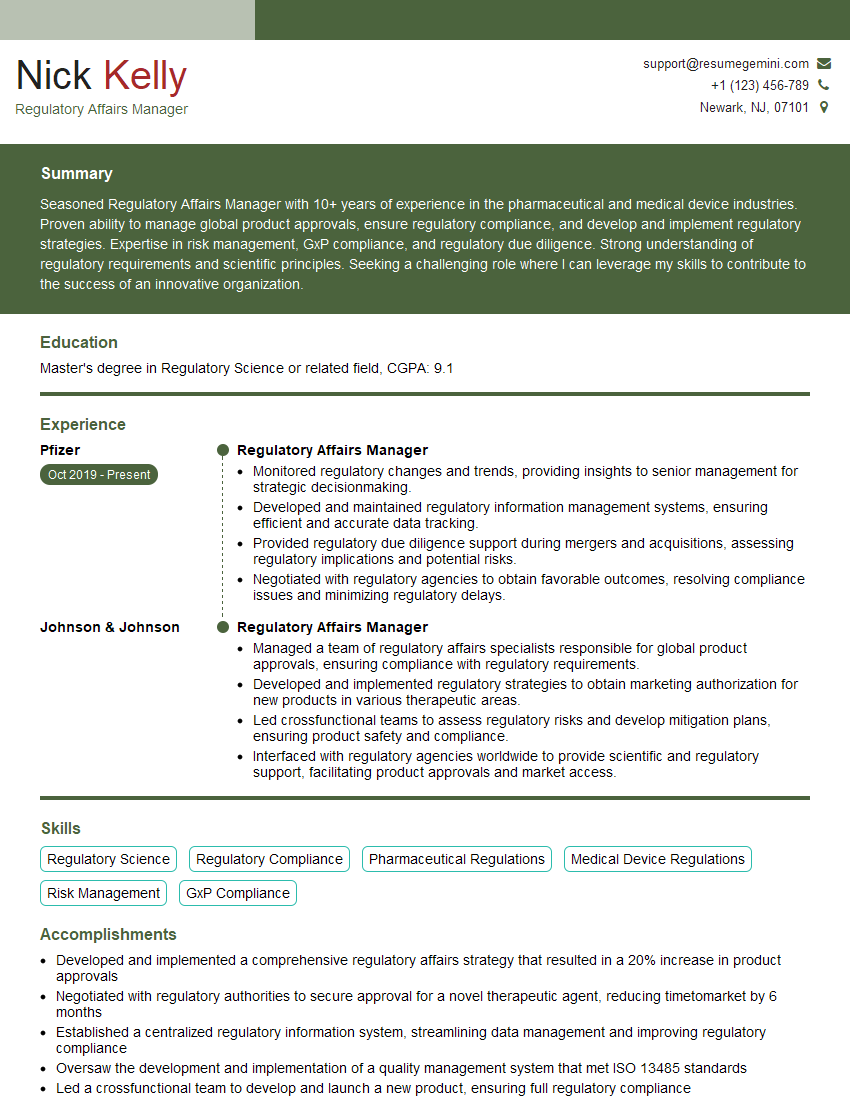
Regulatory Affairs Manager Resume Sample

Compliance Officer Resume Sample
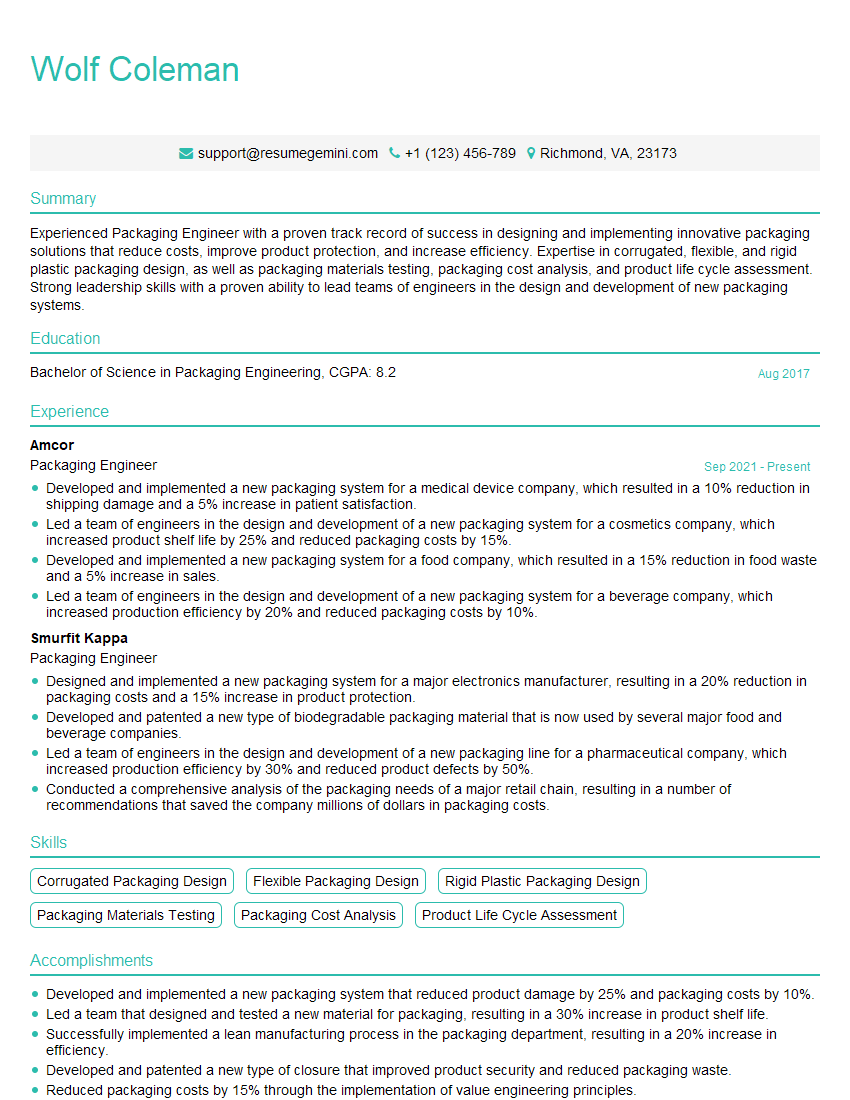
Packaging Engineer Resume Sample
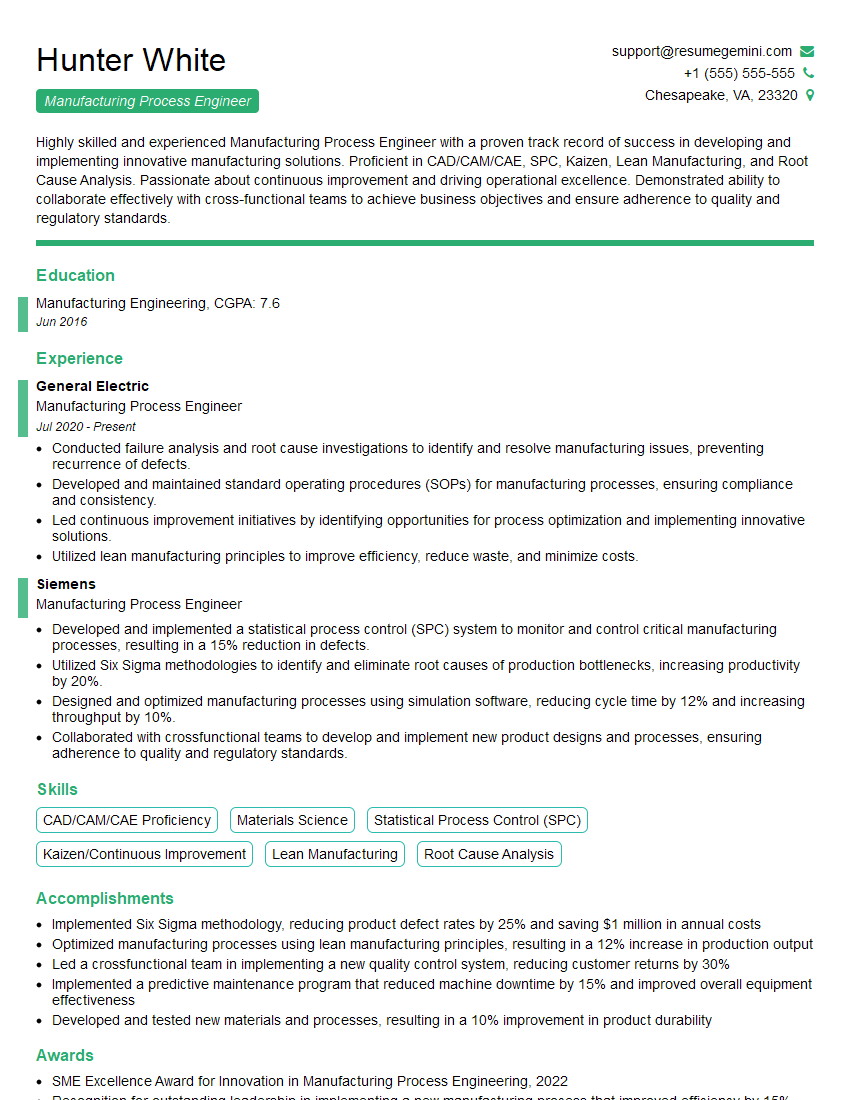
Manufacturing Process Engineer Resume Sample

Product Development Manager Resume Sample
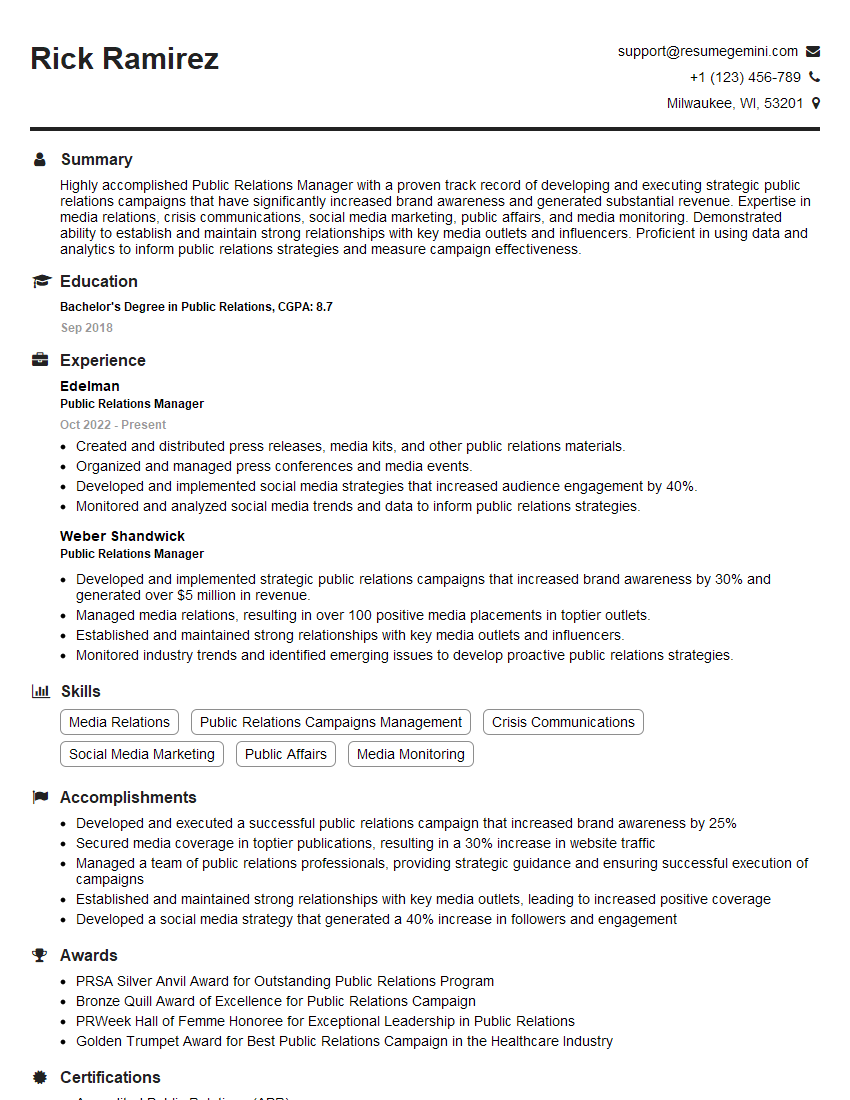
Public Relations Manager Resume Sample
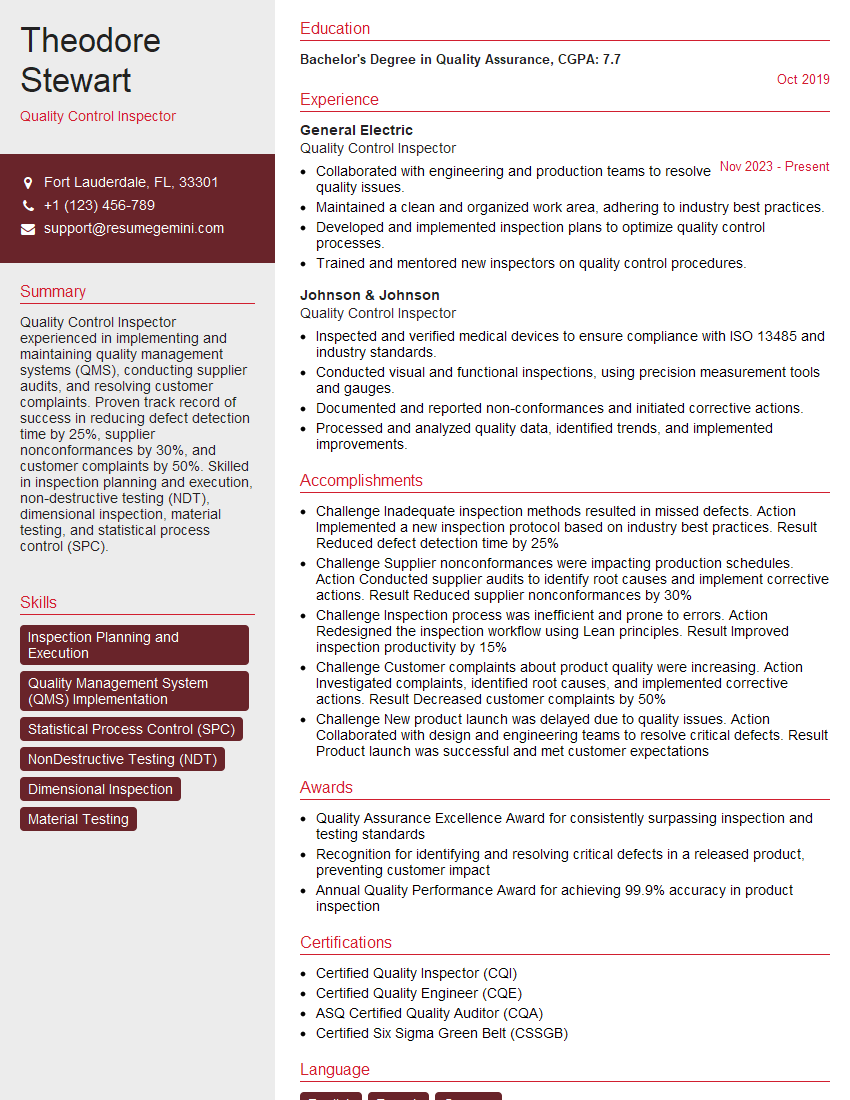
Quality Control Inspector Resume Sample
Explore more articles
Users Rating of Our Blogs
Share Your Experience
We value your feedback! Please rate our content and share your thoughts (optional).
What Readers Say About Our Blog
Really detailed insights and content, thank you for writing this detailed article.
IT gave me an insight and words to use and be able to think of examples