The thought of an interview can be nerve-wracking, but the right preparation can make all the difference. Explore this comprehensive guide to Ability to Collaborate with Special Education Staff interview questions and gain the confidence you need to showcase your abilities and secure the role.
Questions Asked in Ability to Collaborate with Special Education Staff Interview
Q 1. Describe your experience collaborating with special education staff on Individualized Education Programs (IEPs).
My experience collaborating on IEPs involves active participation from the initial planning stages to ongoing monitoring and evaluation. I understand the IEP as a living document, requiring regular review and adaptation. This collaborative process typically includes the special education teacher, the student’s parents, administrators, and myself (as the general education teacher). For example, in developing an IEP for a student with ADHD, I actively contributed my insights into the student’s classroom performance, identifying specific challenges and successes in my lessons. We collaboratively determined strategies like providing a quiet workspace, breaking down assignments into smaller tasks, and using visual aids – all strategies tailored to the student’s IEP goals. Following the IEP meeting, I meticulously document the agreed-upon accommodations and modifications within my lesson plans and teaching practices to ensure consistent implementation.
Moreover, I participate in regular progress monitoring meetings to track the student’s development toward the stated goals, providing data-driven feedback to adjust strategies if needed. This collaborative, data-driven approach ensures that the student receives the best possible support and education.
Q 2. How do you effectively communicate with parents and guardians regarding their child’s special education needs?
Effective communication with parents and guardians is crucial. I prioritize building trust and rapport through open, honest, and respectful dialogue. I use clear, concise language, avoiding jargon, and ensuring I explain the child’s special education needs in a way that’s easy to understand. I schedule regular meetings, both formal and informal, to discuss the child’s progress, challenges, and any necessary modifications. I actively listen to their concerns and perspectives, valuing their input as essential to the child’s success. For instance, with a student struggling with reading, I involved the parents by sharing examples of the child’s work, explaining strategies we were using, and collaboratively deciding on home-based activities to reinforce learning. Regular email updates, progress reports, and phone calls further enhance communication, keeping parents well-informed.
I also actively encourage their participation in IEP meetings, ensuring they feel empowered and involved in the decision-making process concerning their child’s education.
Q 3. Explain your process for resolving conflicts that may arise during collaborative efforts with special education staff.
Conflicts within the IEP team are inevitable, but addressing them constructively is key. My approach involves fostering a culture of mutual respect and open communication. When conflicts arise, I initiate a calm, professional dialogue, focusing on finding common ground rather than assigning blame. We collaboratively identify the root cause of the conflict, focusing on the student’s needs. If a solution can’t be reached, I suggest involving a neutral third party, like a school administrator or special education coordinator, to mediate and facilitate a constructive discussion.
For example, if disagreements arise regarding a specific accommodation, I would suggest reviewing the relevant research and data to support the proposed strategy. The goal is always to find the most effective approach that benefits the student. A collaborative, problem-solving mindset ensures conflicts are transformed into opportunities for improvement and enhanced understanding.
Q 4. How do you ensure that all members of the IEP team contribute effectively to the process?
Ensuring effective contribution from all IEP team members involves careful planning and facilitation. Before the meeting, I distribute the student’s data and relevant documents to all members. During the meeting, I create a safe and inclusive environment for open discussion, ensuring everyone has an opportunity to share their perspectives and expertise. I actively encourage participation from all members, prompting quieter individuals and redirecting those who dominate the discussion. I utilize visual aids, such as charts and graphs, to present data clearly, and I summarize key decisions and action items to ensure everyone is on the same page. Specific roles and responsibilities are clearly defined beforehand, ensuring that everyone understands their contributions to the process.
Follow-up communication after the meeting keeps everyone informed about progress and any necessary adjustments.
Q 5. Describe a situation where you had to adapt your teaching methods to accommodate a student’s IEP requirements.
I once had a student with an IEP specifying significant auditory processing challenges. To accommodate this, I adjusted my teaching methods substantially. Instead of primarily relying on verbal instructions, I incorporated visual cues, written directions, and graphic organizers. I also minimized background noise in the classroom and provided preferential seating to reduce distractions. Furthermore, I broke down complex tasks into smaller, manageable steps, providing frequent positive reinforcement and checks for understanding. I collaborated closely with the special education teacher to co-teach lessons and incorporate strategies from the IEP effectively. Through this collaboration, we saw remarkable improvement in the student’s academic performance and engagement.
Q 6. How do you maintain effective communication with special education staff throughout the school year?
Maintaining consistent communication throughout the year is paramount. I regularly communicate with special education staff through various channels: formal IEP meetings, informal check-ins, email correspondence, and collaborative lesson planning sessions. We use a shared digital platform to exchange documents, lesson plans, and student data. We also establish a system for reporting on the student’s progress and any challenges faced. Regular, proactive communication prevents misunderstandings and ensures the IEP remains relevant and effective throughout the year.
Q 7. What strategies do you employ to build strong relationships with special education staff?
Building strong relationships with special education staff is based on mutual respect, trust, and open communication. I demonstrate my appreciation for their expertise and dedication by actively seeking their advice and input. I participate in professional development activities related to special education to enhance my understanding and collaboration skills. I foster a collaborative environment where we share ideas, strategies, and resources. Informal interactions, such as shared lunches or casual conversations, help build rapport and create a supportive work environment. By valuing their contributions and perspectives, I can nurture a collaborative relationship that benefits all students.
Q 8. How do you ensure that all students, including those with disabilities, have equal access to the curriculum?
Ensuring all students have equal access to the curriculum, regardless of disability, requires a multifaceted approach centered on differentiation and individualized support. This means adapting the curriculum, not the student. We achieve this through collaborative planning with special education staff to create Individualized Education Programs (IEPs) that outline specific learning goals, accommodations, and modifications tailored to each student’s unique needs.
For example, a student with a visual impairment might require large-print materials or access to audio books. A student with an auditory processing disorder might benefit from visual aids and reduced classroom noise. These accommodations aren’t about lowering expectations; they’re about providing the necessary support to allow the student to access and succeed with the same core curriculum content as their peers. This requires ongoing communication and flexible planning.
- Curriculum Modification: Adjusting the complexity or content of assignments.
- Instructional Modification: Altering teaching methods to better suit the student’s learning style.
- Assistive Technology: Utilizing tools like text-to-speech software or screen readers.
Q 9. How do you use data to inform your collaboration with special education staff?
Data is crucial for effective collaboration with special education staff. We regularly analyze assessment data, including standardized test scores, classroom performance data, and IEP goals progress monitoring to identify areas of strength and areas needing improvement for students with disabilities. This data-driven approach allows us to make informed decisions about instructional strategies and support services. For instance, if a student consistently struggles with a particular math skill, we use the data to pinpoint the specific learning gap and collaboratively develop targeted interventions. This may involve adjustments to teaching methods, additional support from a special education teacher, or the implementation of assistive technology.
We also track the effectiveness of interventions. If a particular strategy isn’t working, we collaboratively review the data and adjust our approach. This iterative process ensures that we provide the most appropriate and effective support to each student.
Q 10. Describe your experience working with assistive technology to support students with disabilities.
I have extensive experience integrating assistive technology to support students with diverse learning needs. This includes using a variety of tools like speech-to-text software, text-to-speech software, graphic organizers, and visual schedules. For example, I worked with a student who had dysgraphia (difficulty writing). We implemented Dragon NaturallySpeaking, a speech-to-text program, which allowed him to dictate his essays and complete written assignments more efficiently and effectively. The results were impressive – his writing quality improved significantly, and his confidence increased. Another example involves using visual timers to help students with ADHD manage their time effectively during tasks. The collaborative selection and implementation of these technologies involves close consultation with the special education team, the student, and their family to ensure optimal usability and effectiveness.
Q 11. How do you participate in professional development opportunities related to special education collaboration?
I actively participate in professional development related to special education collaboration. I’ve attended numerous workshops and conferences focusing on topics such as inclusive practices, differentiated instruction, and the effective use of assistive technology. I also regularly review research articles and participate in online professional learning communities to stay abreast of best practices. Recently, I completed a course on evidence-based interventions for students with autism spectrum disorder. This continuous learning enhances my ability to support students with disabilities and strengthens my collaborations with special education staff.
Q 12. How do you identify and address any barriers to effective collaboration with special education staff?
Barriers to effective collaboration can arise from various sources, including communication breakdowns, differing perspectives on student needs, or scheduling challenges. To address these issues, I prioritize open and transparent communication with special education staff. This includes regular meetings, consistent updates on student progress, and proactive problem-solving. We establish clear roles and responsibilities within our collaborative efforts. For instance, if there’s a disagreement about a student’s IEP goals, we engage in respectful dialogue, utilizing data to support our respective viewpoints, until a consensus is reached. Addressing scheduling conflicts might involve setting aside dedicated time slots for joint planning or co-teaching sessions.
Q 13. What are your strategies for ensuring that students with disabilities feel included and supported in the classroom?
Creating an inclusive and supportive classroom environment for students with disabilities is paramount. This involves fostering a culture of respect, empathy, and understanding among all students. I emphasize positive behavior interventions and support (PBIS) strategies to create a predictable and safe learning environment for everyone. We promote peer-to-peer interactions and learning opportunities. For instance, we might use cooperative learning activities where students with and without disabilities work together. This helps foster friendships and breaks down social barriers. Furthermore, I ensure that all classroom activities and materials are accessible to all students, and I utilize differentiated instruction techniques to accommodate diverse learning styles and needs. This includes regular check-ins with individual students to assess their feelings and well-being.
Q 14. Describe your experience implementing behavior support plans in collaboration with special education staff.
I have significant experience in implementing behavior support plans (BSPs) in close collaboration with special education staff. This involves a multi-step process starting with functional behavioral assessments (FBAs) to identify the triggers and functions of challenging behaviors. The FBA data informs the development of a positive behavior intervention and support (PBIS) plan that includes proactive strategies to prevent challenging behaviors and reactive strategies to address them when they do occur. The special education teacher often leads the FBA and BSP development, while I actively participate, contributing classroom-specific insights. Regular monitoring and review of the BSP’s effectiveness are crucial. Data are collected and reviewed to determine whether the plan is working and to make any necessary adjustments. This collaborative and data-driven approach ensures that BSPs are effective and support the student’s success in the classroom.
Q 15. How do you balance the needs of individual students with the needs of the whole class?
Balancing individual student needs with the needs of the whole class requires a multifaceted approach that prioritizes differentiated instruction and inclusive practices. It’s like conducting an orchestra – each instrument (student) has a unique part to play, but they all contribute to the overall harmony (classroom learning).
I begin by thoroughly understanding each student’s IEP goals and learning styles. This informs my lesson planning, allowing me to create adaptable activities. For example, while the whole class might work on a specific reading passage, I might provide a student with a dyslexia diagnosis with an adapted version using audio support or a simplified text. Simultaneously, I might challenge a gifted student with extension activities related to the same passage. Regular formative assessments help me monitor student progress, allowing me to adjust my teaching strategies in real-time.
Furthermore, I leverage collaborative learning strategies like peer tutoring and group projects where students can support each other. This not only benefits students with IEPs by providing additional support, but it also enhances the learning experience for the entire class. Open communication with parents is crucial to ensure a cohesive approach at home and school.
Career Expert Tips:
- Ace those interviews! Prepare effectively by reviewing the Top 50 Most Common Interview Questions on ResumeGemini.
- Navigate your job search with confidence! Explore a wide range of Career Tips on ResumeGemini. Learn about common challenges and recommendations to overcome them.
- Craft the perfect resume! Master the Art of Resume Writing with ResumeGemini’s guide. Showcase your unique qualifications and achievements effectively.
- Don’t miss out on holiday savings! Build your dream resume with ResumeGemini’s ATS optimized templates.
Q 16. Explain how you ensure that the IEP goals are aligned with the general education curriculum.
Aligning IEP goals with the general education curriculum is paramount for ensuring that students with disabilities have access to the same high-quality education as their peers. This involves a collaborative process between general education teachers, special education teachers, and other related service providers.
First, we carefully review the student’s IEP goals and the standards-based curriculum. We identify areas of overlap and determine how to modify the general education curriculum to support the IEP goals. This might involve adjusting the complexity of assignments, providing alternative assessment methods, or breaking down tasks into smaller, more manageable steps.
For instance, if a student’s IEP goal focuses on improving writing skills, we might incorporate strategies like graphic organizers and sentence starters into the regular classroom writing assignments. We might also provide accommodations during assessments, such as allowing extra time or using assistive technology. Regular meetings and ongoing communication are crucial to ensure alignment remains effective throughout the school year.
Q 17. How do you adapt assessments to meet the needs of students with disabilities?
Adapting assessments is crucial for accurately measuring the learning progress of students with disabilities. It’s about providing fair and equitable opportunities to demonstrate their understanding, not simply modifying the difficulty level.
My approach involves understanding the specific learning needs of each student. For students with visual impairments, I might provide large-print materials or use audio versions of tests. Students with fine motor skill challenges might be given the option to dictate their answers or use assistive technology. Students with ADHD might benefit from a distraction-reduced environment and frequent breaks.
The type of adaptation also depends on the specific learning disability. For example, for a student with dyslexia, I might use oral assessments or allow the use of a text-to-speech program. For a student with autism, I might adapt the format of the assessment to minimize sensory overload. It’s essential to document all accommodations made, so the assessment accurately reflects the student’s abilities.
Q 18. How do you utilize technology to facilitate collaboration with special education staff?
Technology plays a pivotal role in facilitating seamless collaboration with special education staff. We utilize various platforms to share information, co-plan lessons, and monitor student progress.
Secure platforms like Google Classroom or similar learning management systems (LMS) allow for the sharing of IEPs, lesson plans, student work samples, and assessment data. Video conferencing tools enable real-time collaboration, facilitating quick discussions and problem-solving. I also use collaborative document editing tools like Google Docs to co-create lesson plans and progress reports.
For instance, we might use a shared online calendar to schedule meetings and co-teaching sessions. Using shared digital folders, we can readily access and update student data. These tools not only streamline communication but also provide a centralized repository for all relevant information, ensuring everyone stays informed and coordinated.
Q 19. Describe your experience working with diverse special education needs.
My experience encompasses a wide range of special education needs, including students with learning disabilities (such as dyslexia and ADHD), autism spectrum disorder, intellectual disabilities, emotional and behavioral disorders, and physical disabilities. I approach each case with a deep understanding that each student is unique.
I remember a student with severe autism who struggled with social interaction and communication. Through patient observation and collaboration with the special education team, we developed a visual communication system and incorporated sensory-friendly strategies into the classroom. Over time, we witnessed significant progress in his social skills and communication abilities. Each success required flexibility, patience, and a willingness to adjust our methods as needed.
Working with diverse needs demands adaptability and a commitment to individualized learning plans. It’s about fostering an inclusive learning environment where every student feels supported and challenged to reach their full potential.
Q 20. How do you ensure that all stakeholders are informed of the progress of students with IEPs?
Keeping all stakeholders informed about the progress of students with IEPs is vital for fostering a supportive learning environment. My approach involves utilizing multiple communication channels to ensure transparency and collaboration.
Regular progress reports, which detail student performance and achievements toward IEP goals, are communicated to parents/guardians through various methods like email, parent-teacher conferences, and online platforms. These reports provide concrete evidence of progress and areas needing further support. I also make use of informal updates through quick emails, phone calls, or text messages to address urgent concerns or celebrate significant milestones.
In addition, I frequently collaborate with the special education team and related service providers to share insights and plan interventions. These team meetings allow us to discuss student progress holistically and develop tailored strategies. Maintaining open communication with everyone involved ensures consistency and synergy in the student’s learning journey.
Q 21. What is your understanding of different special education categories and their unique needs?
My understanding of different special education categories encompasses a broad spectrum of disabilities and their unique needs. This knowledge informs my approach to differentiated instruction and individualized education programs (IEPs).
I’m familiar with various categories, including specific learning disabilities (SLDs) like dyslexia and dysgraphia, which affect reading, writing, and math skills; autism spectrum disorder (ASD), characterized by challenges with social communication and interaction; intellectual disabilities, involving significant limitations in intellectual functioning and adaptive behavior; and emotional and behavioral disorders (EBD), impacting a student’s ability to learn and interact socially. Each category requires a distinct understanding of the student’s challenges and strengths.
Beyond these, I also understand the needs of students with other health impairments (OHI), such as ADHD, and those with physical disabilities that affect their mobility or access to learning materials. It’s important to note that students often have multiple overlapping conditions, requiring an individualized approach that combines strategies to address their diverse learning needs.
Q 22. How do you ensure the safety and well-being of students with disabilities in the classroom?
Ensuring the safety and well-being of students with disabilities requires a proactive, multi-faceted approach. It starts with understanding each student’s individual needs and developing a safety plan tailored to their specific vulnerabilities. This includes physical safety, emotional safety, and social safety.
- Physical Safety: This involves assessing the classroom environment for potential hazards and modifying it as needed. For example, removing tripping hazards, securing potentially dangerous objects, and providing appropriate seating arrangements. It also involves having clear procedures for emergencies and ensuring staff are trained in emergency response techniques, including managing medical emergencies specific to the students’ needs.
- Emotional Safety: Creating a positive and supportive classroom climate is crucial. This involves teaching conflict resolution skills, promoting positive social interactions, and providing opportunities for emotional regulation. It also means being sensitive to potential triggers for anxiety or other emotional difficulties and having strategies to address them.
- Social Safety: This involves preventing bullying and harassment and promoting positive peer relationships. This might involve implementing peer mentoring programs, teaching social skills, and providing clear expectations and consequences for unacceptable behavior. Clear communication with parents/guardians is also key for consistent support at home.
For instance, a student with autism might benefit from a designated quiet space to de-escalate when feeling overwhelmed. A student with mobility challenges may need assistance with navigating the classroom. Regular monitoring, open communication, and a flexible approach are key to maintaining safety.
Q 23. What strategies do you use to foster a positive and inclusive classroom environment for students with disabilities?
Fostering a positive and inclusive classroom environment for students with disabilities involves creating a sense of belonging, respect, and shared success. This requires intentional effort and a commitment to universal design for learning (UDL).
- Universal Design for Learning (UDL): UDL principles provide multiple means of representation (how information is presented), action and expression (how students demonstrate learning), and engagement (how students are motivated and challenged). This ensures that all students have access to the curriculum and can learn in ways that best suit their individual needs.
- Positive Reinforcement and Celebrate Success: Focusing on students’ strengths and celebrating their accomplishments, no matter how small, significantly boosts their confidence and motivation. This can be done through verbal praise, small rewards, or showcasing their work.
- Collaboration and Communication: Open and consistent communication with the student, parents/guardians, and special education staff is essential. Regular progress updates, feedback sessions, and open forums foster a sense of partnership and shared responsibility.
- Inclusive Activities: Designing lessons and activities that cater to a wide range of learning styles and abilities ensures all students feel involved and valued. This includes providing modifications and accommodations as needed.
For example, in a history lesson, instead of only using a lecture format, I might provide visual aids, hands-on activities, and group work, allowing students to access information in various ways. Celebrating diversity and ensuring representation of different cultures and abilities in class materials is also a vital component.
Q 24. Describe a time when you had to advocate for a student with special needs.
I once advocated for a student with ADHD who was struggling to stay focused in a traditional classroom setting. Despite having an IEP (Individualized Education Program) that included accommodations like preferential seating and short breaks, he continued to experience significant challenges. His grades were suffering, and he was becoming increasingly frustrated and withdrawn.
I collaborated with the special education teacher and the student’s parents to develop a comprehensive strategy. This involved systematically trying different accommodations, such as using a fidget toy, frequent check-ins, and utilizing technology like a voice recorder to help him stay organized. We also worked with the student to develop self-regulation strategies. I documented his progress meticulously, demonstrating the impact of the various interventions. After several meetings with the school administration, we secured additional support, including a one-on-one aide for a portion of the school day. This support, along with the other accommodations, significantly improved the student’s academic performance and overall well-being. This experience underscored the importance of data-driven decision-making, persistence, and collaborative problem-solving when advocating for a student’s needs.
Q 25. How familiar are you with relevant laws and regulations concerning special education?
I am very familiar with relevant laws and regulations concerning special education, primarily the Individuals with Disabilities Education Act (IDEA). I understand the key components of IDEA, including the right to a Free Appropriate Public Education (FAPE), the development and implementation of Individualized Education Programs (IEPs), and the procedural safeguards for parents and students. I also understand Section 504 of the Rehabilitation Act of 1973, which protects students with disabilities in federally funded programs. My understanding extends to state-level regulations as well, which often provide additional guidance and specifications.
Specifically, I am knowledgeable about the components of an IEP, including present levels of performance, annual goals, accommodations, and modifications. I am aware of the legal requirements for parent involvement in the IEP process, and I am trained in conducting IEP meetings and working collaboratively with IEP teams.
Q 26. Describe your experience with different types of assistive technology and how you integrated them effectively.
My experience with assistive technology includes integrating a variety of tools to support students with diverse learning needs. This ranges from simple tools to more sophisticated technology.
- Simple Assistive Technology: Graphic organizers, colored overlays for reading materials, and specialized pencils or grips for improved writing.
- Sophisticated Assistive Technology: Speech-to-text software (e.g., Dragon NaturallySpeaking), text-to-speech software (e.g., NaturalReader), augmentative and alternative communication (AAC) devices, and adaptive learning platforms.
For example, I worked with a student who had dysgraphia (difficulty with handwriting). We incorporated a combination of assistive technologies to support her writing. This included a voice-to-text program for composing essays, a stylus and tablet for easier note-taking, and specialized software with word prediction capabilities. The key to effective integration is to carefully assess the student’s needs, select appropriate technology, and provide adequate training and support. We also ensured that the technology used complemented her learning style and didn’t overwhelm her. Regular evaluation of the effectiveness of the technology is crucial to optimize the process.
Q 27. How do you measure the success of your collaborative efforts with special education staff?
Measuring the success of collaborative efforts with special education staff involves a multi-faceted approach that goes beyond simply looking at standardized test scores. Instead, a holistic evaluation is needed, considering multiple data points.
- Student Progress: Tracking the student’s academic progress, social-emotional growth, and overall well-being using various assessment tools. This includes analyzing data from classroom observations, formative assessments, and standardized tests.
- Teacher Feedback: Regularly seeking feedback from the special education teacher on the effectiveness of strategies, accommodations, and modifications.
- Parent Input: Regularly communicating with parents and obtaining their feedback on the student’s progress and overall experience.
- Team Meetings: Documenting progress and challenges during IEP meetings and other collaborative sessions. These meetings provide opportunities to adjust strategies and ensure everyone is on the same page.
The success is ultimately measured by the student’s ability to access the curriculum, make progress towards their goals, and thrive in the classroom environment. Qualitative data, such as observations of increased student engagement and improved social skills, is as important as quantitative data.
Q 28. How do you stay updated on best practices in special education and collaborate effectively with other professionals to improve student outcomes?
Staying updated on best practices in special education and collaborating effectively with other professionals requires continuous professional development and a commitment to teamwork.
- Professional Development: Actively participating in workshops, conferences, and online courses focused on special education best practices. This includes staying updated on new research, assistive technologies, and instructional strategies.
- Collaboration: Participating in regular meetings with the special education team, including the special education teacher, case manager, therapists (occupational, physical, speech), and other relevant professionals. These meetings should focus on data analysis, goal setting, and strategy implementation.
- Networking: Connecting with other educators and professionals through professional organizations and online communities to share ideas, best practices, and resources.
- Research: Staying abreast of current research in special education and adapting practices based on evidence-based interventions.
An example of effective collaboration is participating in a professional learning community (PLC) where teachers regularly discuss student needs, analyze data, share best practices, and provide peer support. This ongoing collaboration fosters a culture of continuous improvement and helps ensure that students receive the most effective and individualized instruction possible.
Key Topics to Learn for Ability to Collaborate with Special Education Staff Interview
- Understanding Individualized Education Programs (IEPs): Know the components of an IEP, how they’re developed, and your role in supporting their implementation. This includes understanding the legal framework surrounding IEPs.
- Effective Communication Strategies: Practice clear, concise, and empathetic communication with special education teachers, parents, and students. Consider strategies for navigating challenging conversations and differing perspectives.
- Collaboration Models and Teamwork: Explore different collaborative models (e.g., co-teaching, consultation) and how to effectively contribute as a team member. Discuss your experience working within a multidisciplinary team.
- Data-Driven Decision Making: Understand how to utilize student data (assessments, progress reports) to inform instructional decisions and collaborative planning. Be prepared to discuss how you contribute to data analysis and interpretation.
- Advocacy for Students with Disabilities: Discuss your understanding of inclusive practices and how you can advocate for the needs of students with disabilities within the school setting. Consider examples of times you’ve successfully advocated for a student.
- Addressing Challenging Behaviors: Explore strategies for understanding and addressing challenging behaviors in students with disabilities, emphasizing positive behavior support and collaboration with specialists.
- Differentiated Instruction and Accommodations: Demonstrate your knowledge of adapting instruction and providing appropriate accommodations to meet diverse learning needs. Provide examples of how you have successfully differentiated instruction.
- Maintaining Confidentiality and Ethical Practices: Understand the importance of maintaining student confidentiality and adhering to ethical guidelines in all interactions with students, parents, and colleagues.
Next Steps
Mastering the ability to collaborate effectively with special education staff is crucial for career advancement in education. It demonstrates your commitment to inclusive practices and your ability to work effectively as part of a supportive team, leading to greater job satisfaction and increased opportunities. To enhance your job prospects, create an ATS-friendly resume that highlights your relevant skills and experiences. ResumeGemini is a trusted resource to help you build a professional and impactful resume. Examples of resumes tailored to showcasing your ability to collaborate with special education staff are available, providing you with practical templates to guide your resume creation.

Special Education Director Resume Sample
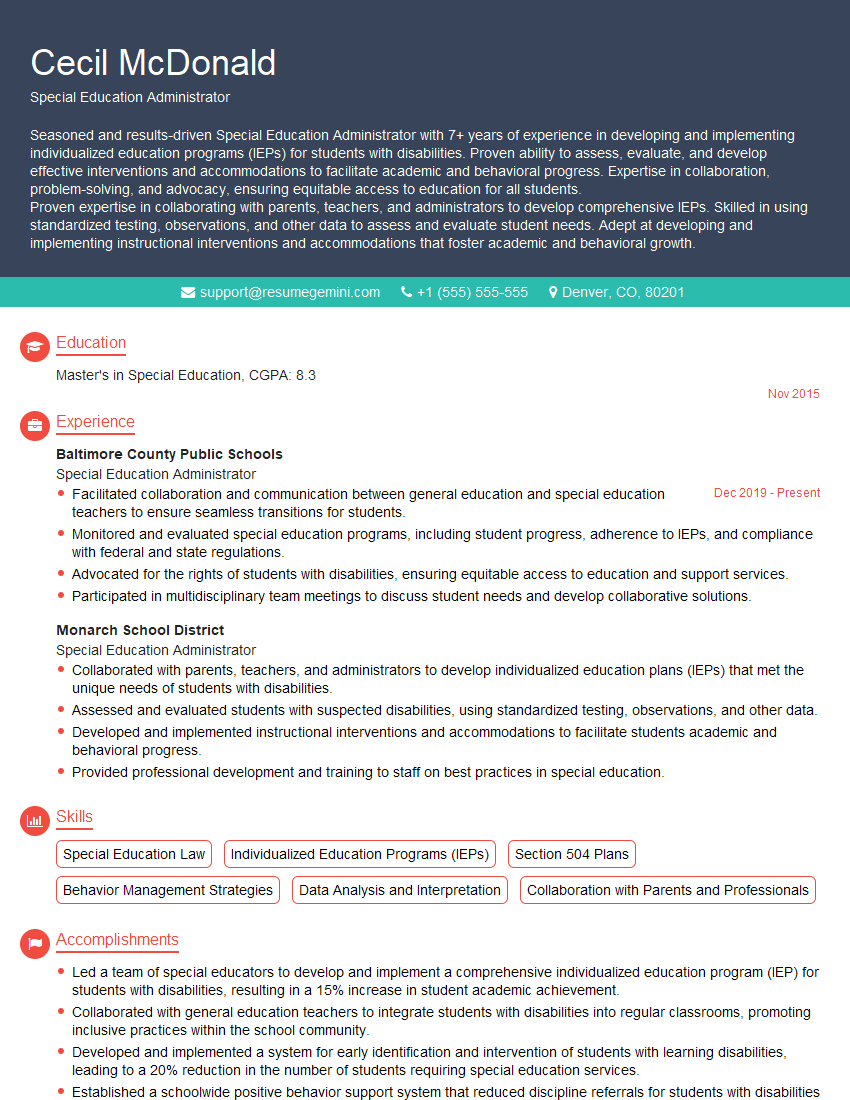
Special Education Administrator Resume Sample
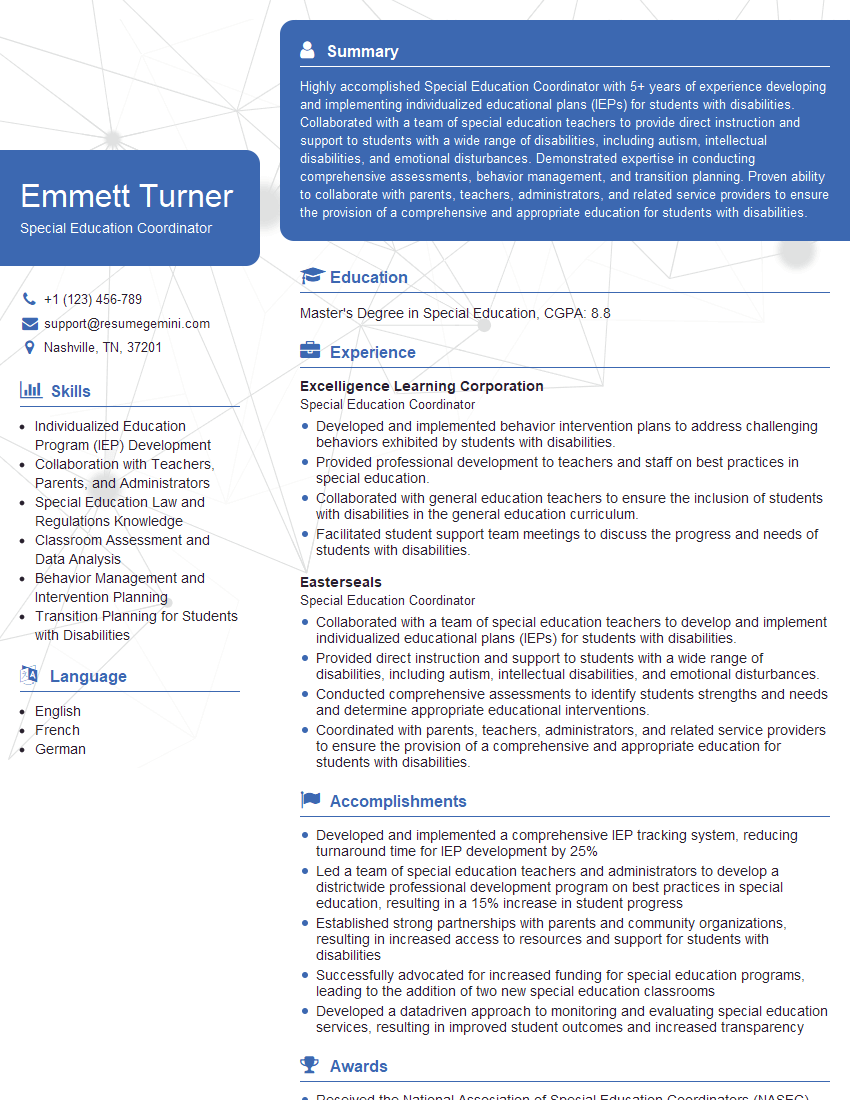
Special Education Coordinator Resume Sample
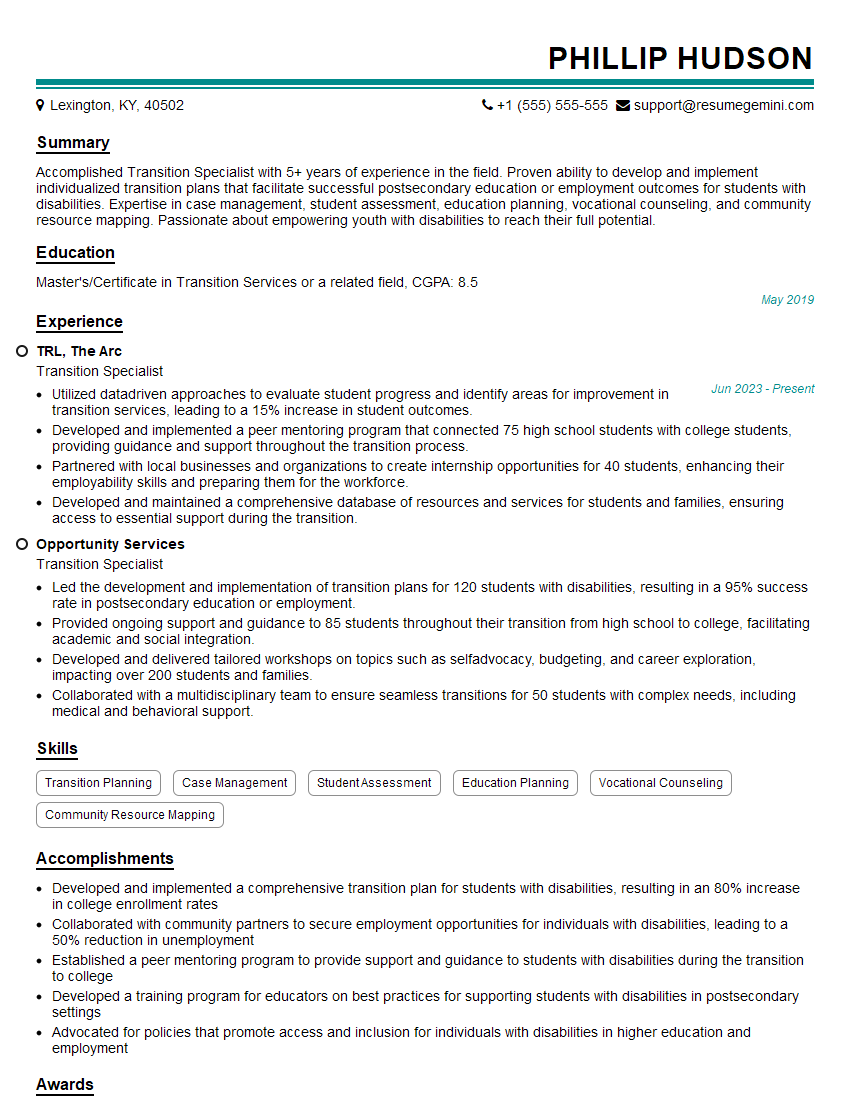
Transition Specialist Resume Sample
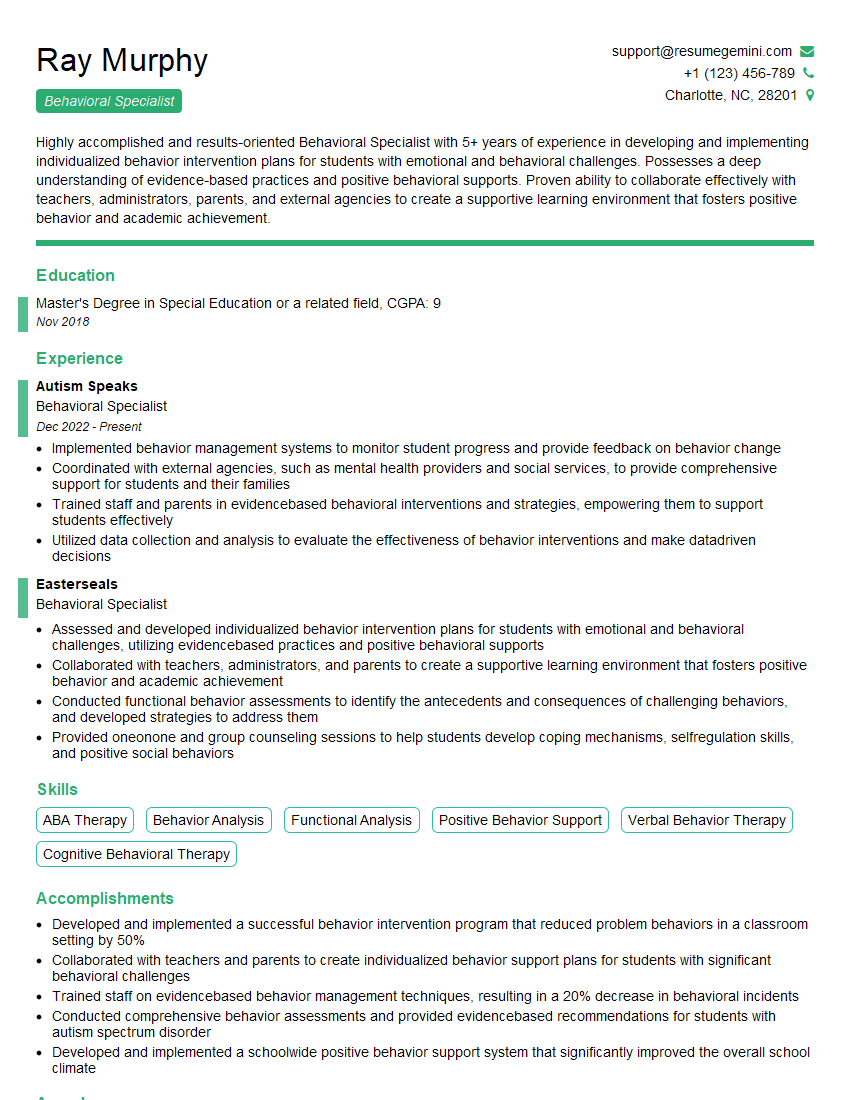
Behavioral Specialist Resume Sample
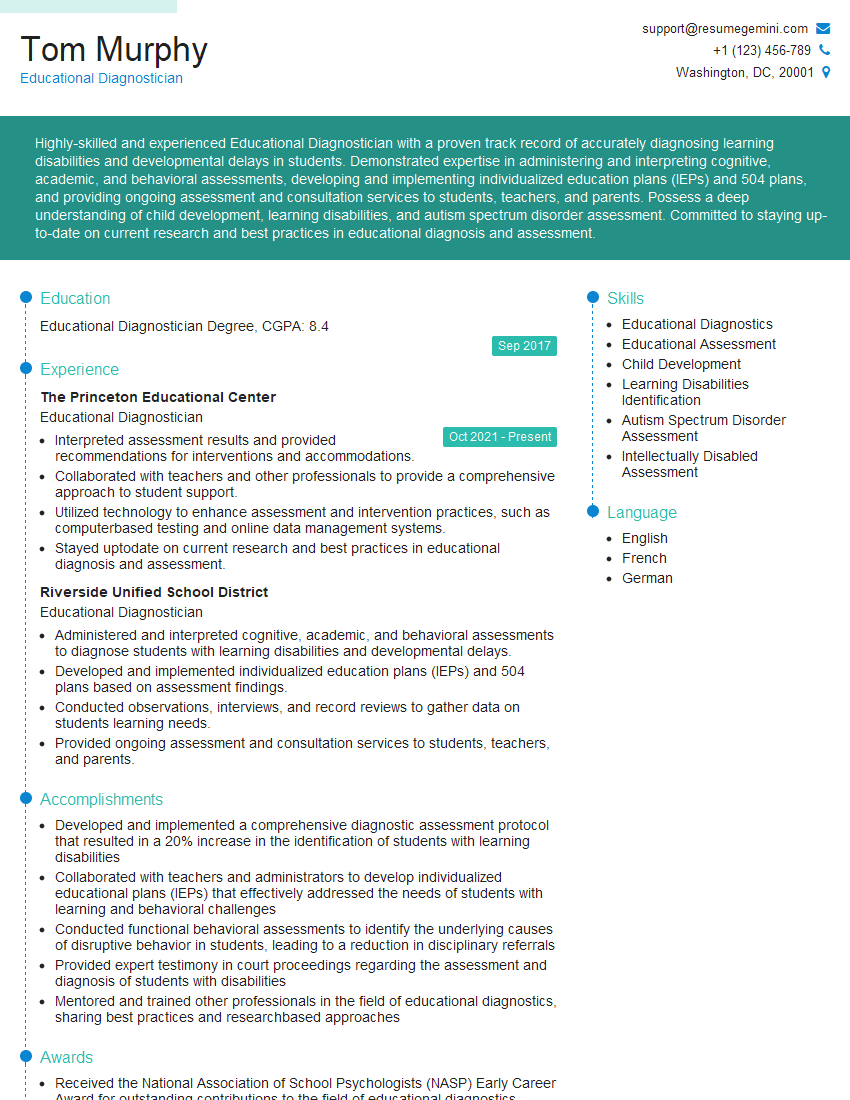
Educational Diagnostician Resume Sample
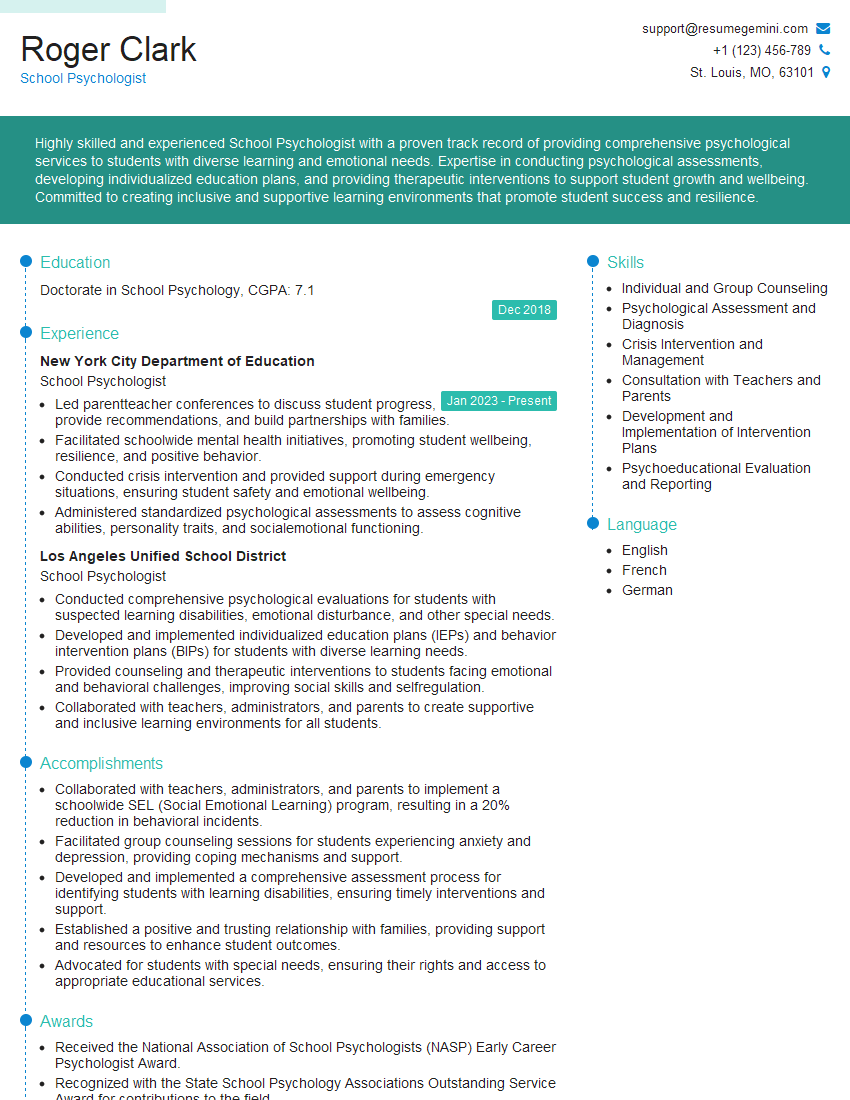
School Psychologist Resume Sample
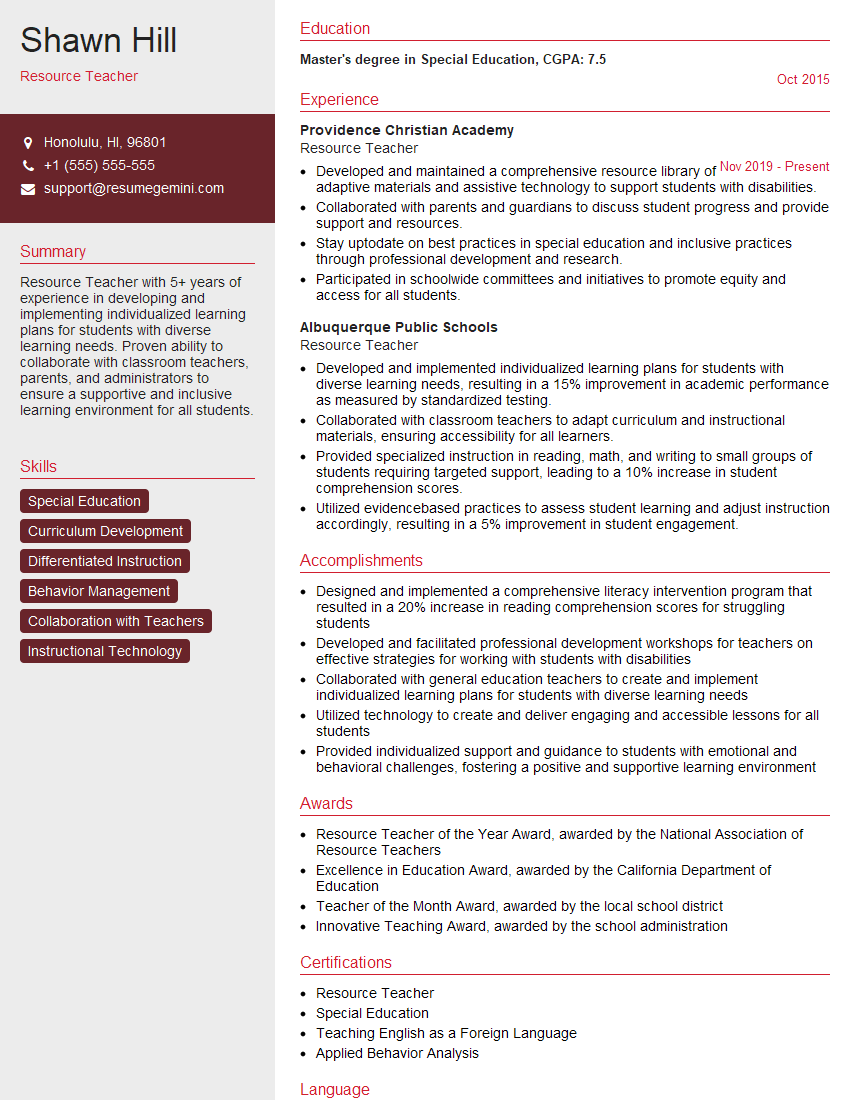
Resource Teacher Resume Sample
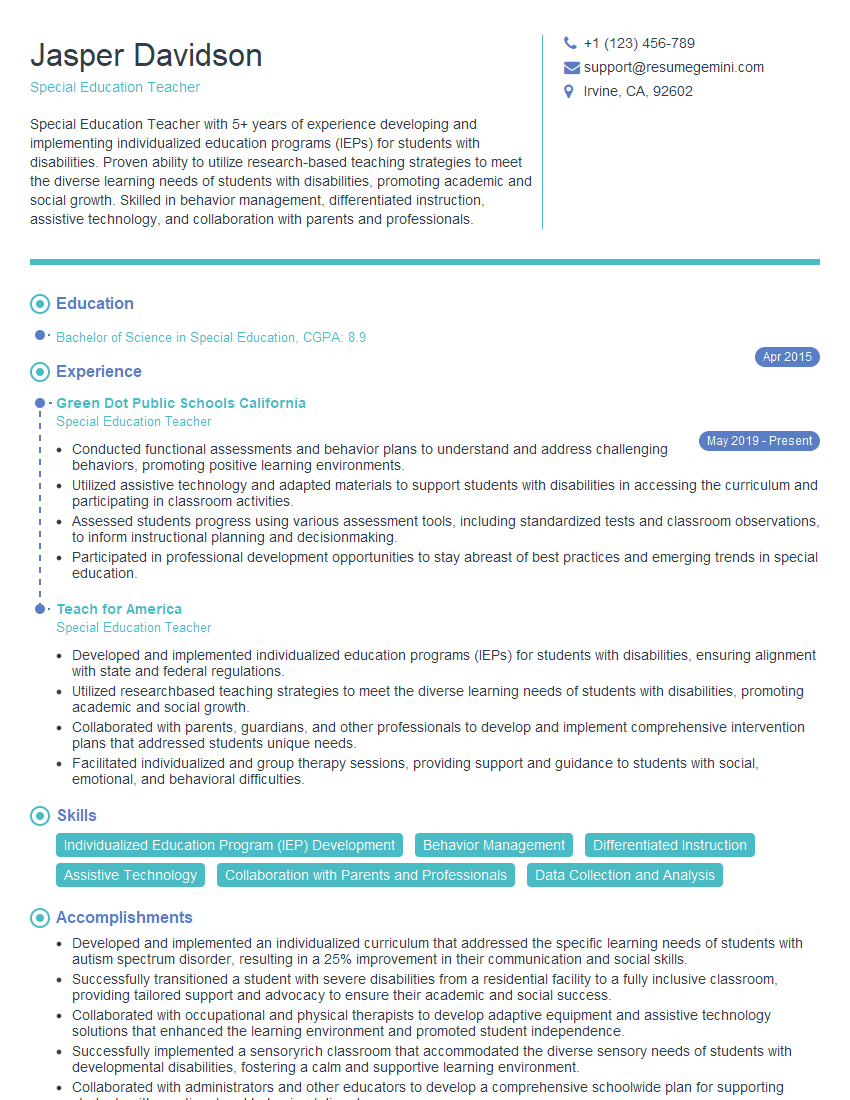
Special Education Teacher Resume Sample
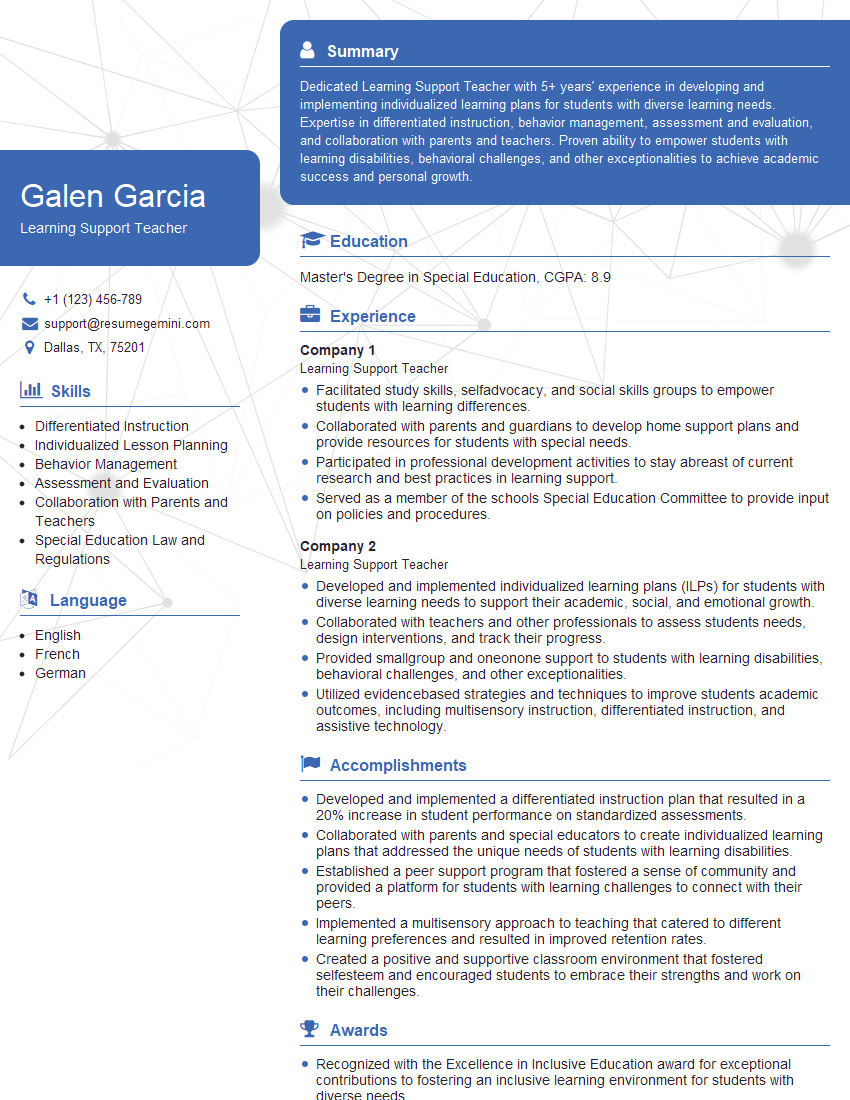
Learning Support Teacher Resume Sample
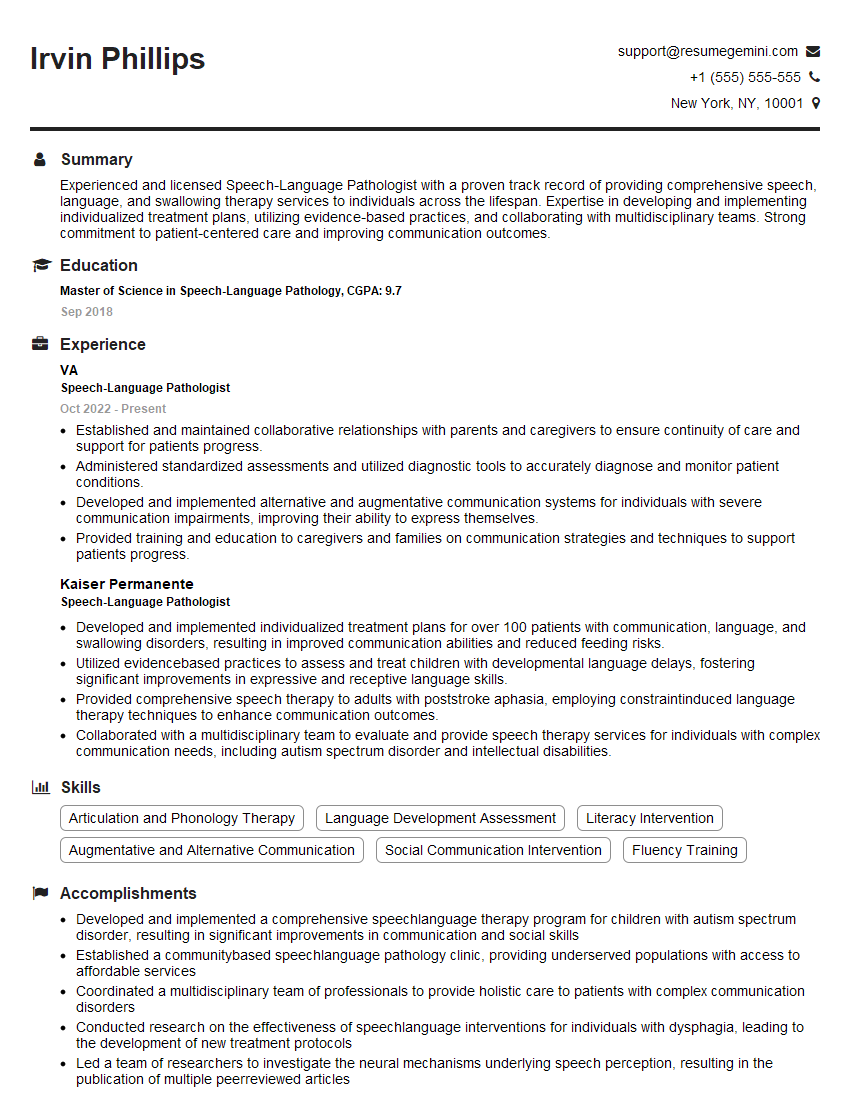
Speech-Language Pathologist Resume Sample
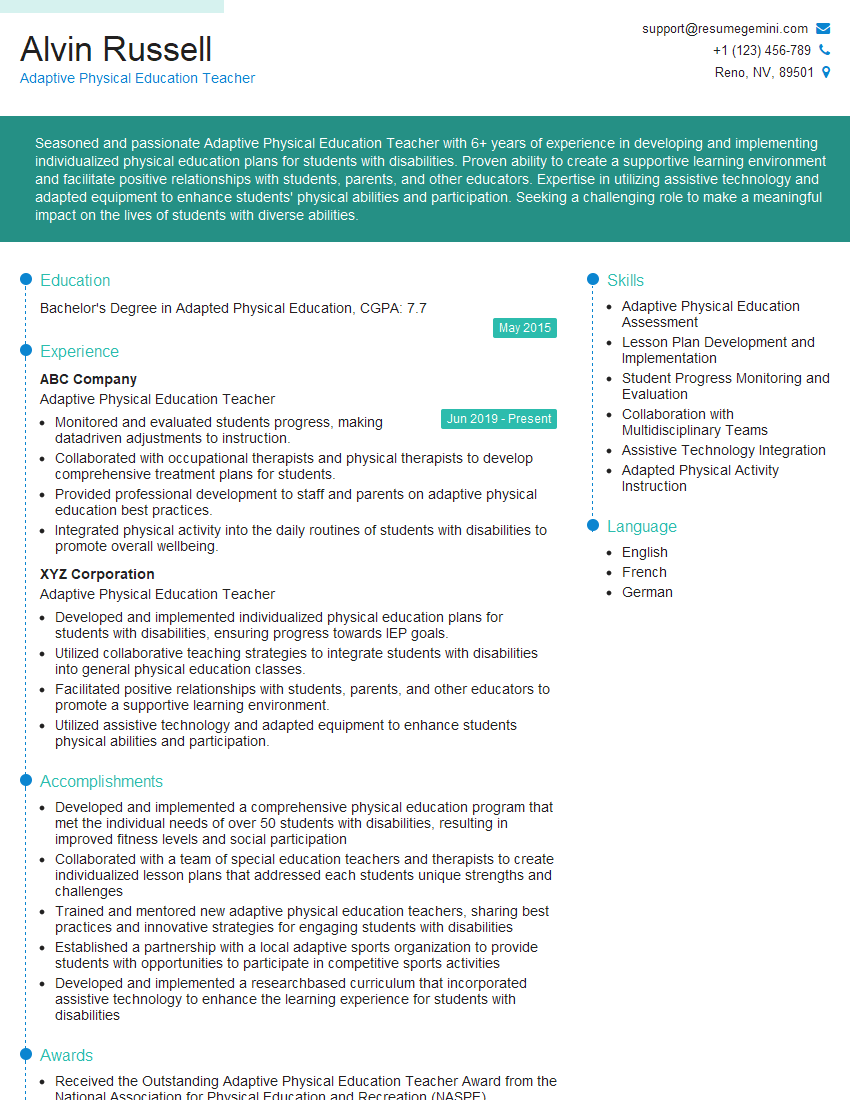
Adaptive Physical Education Teacher Resume Sample
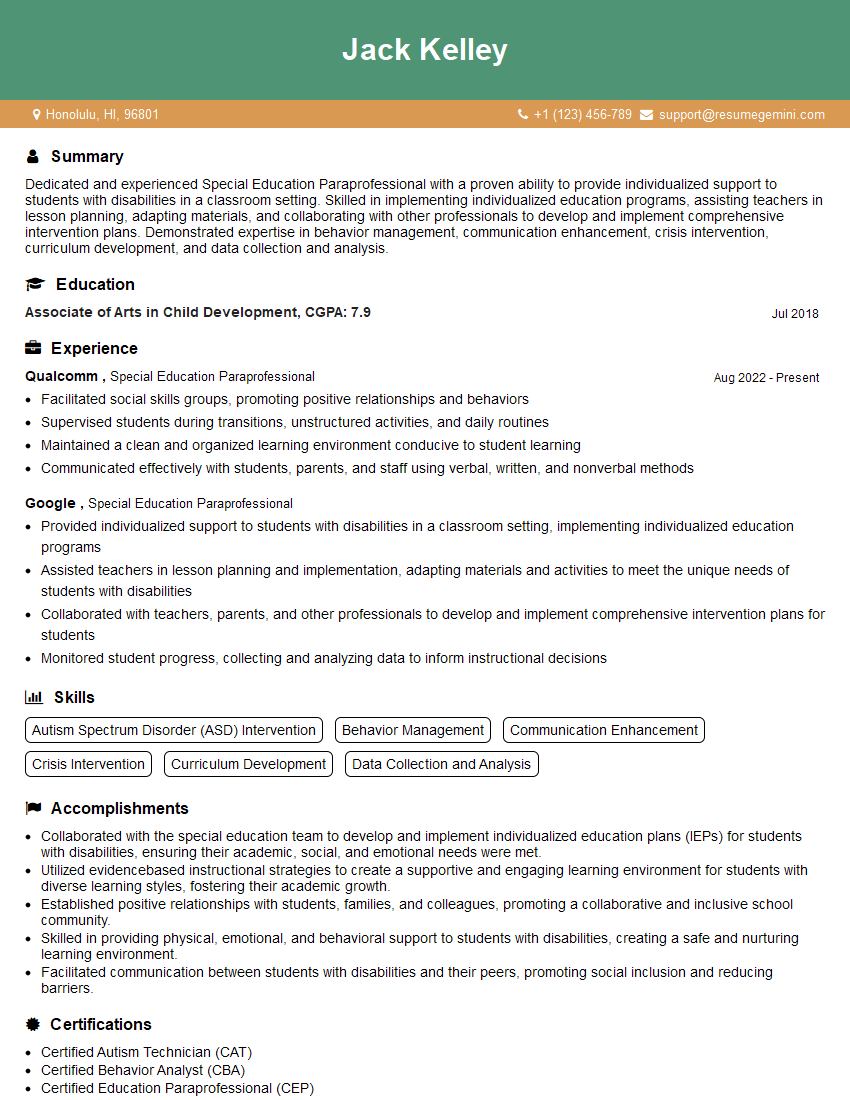
Special Education Paraprofessional Resume Sample
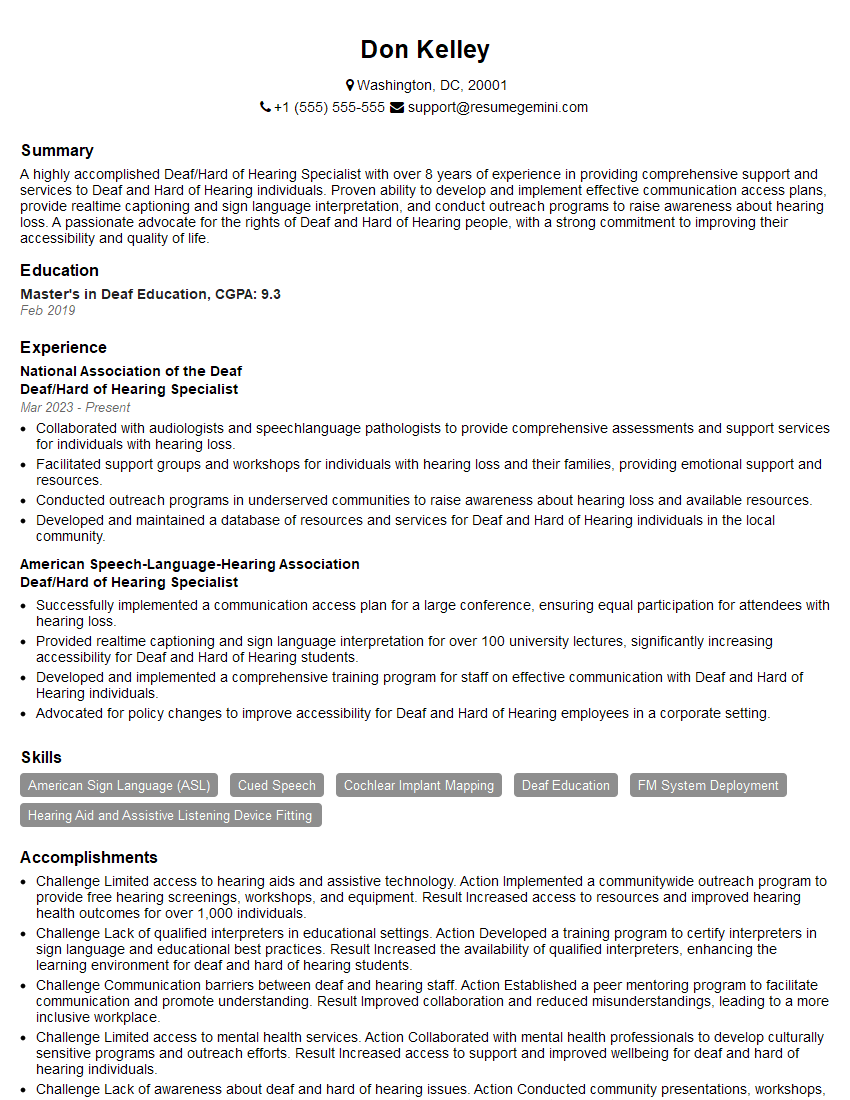
Deaf/Hard of Hearing Specialist Resume Sample
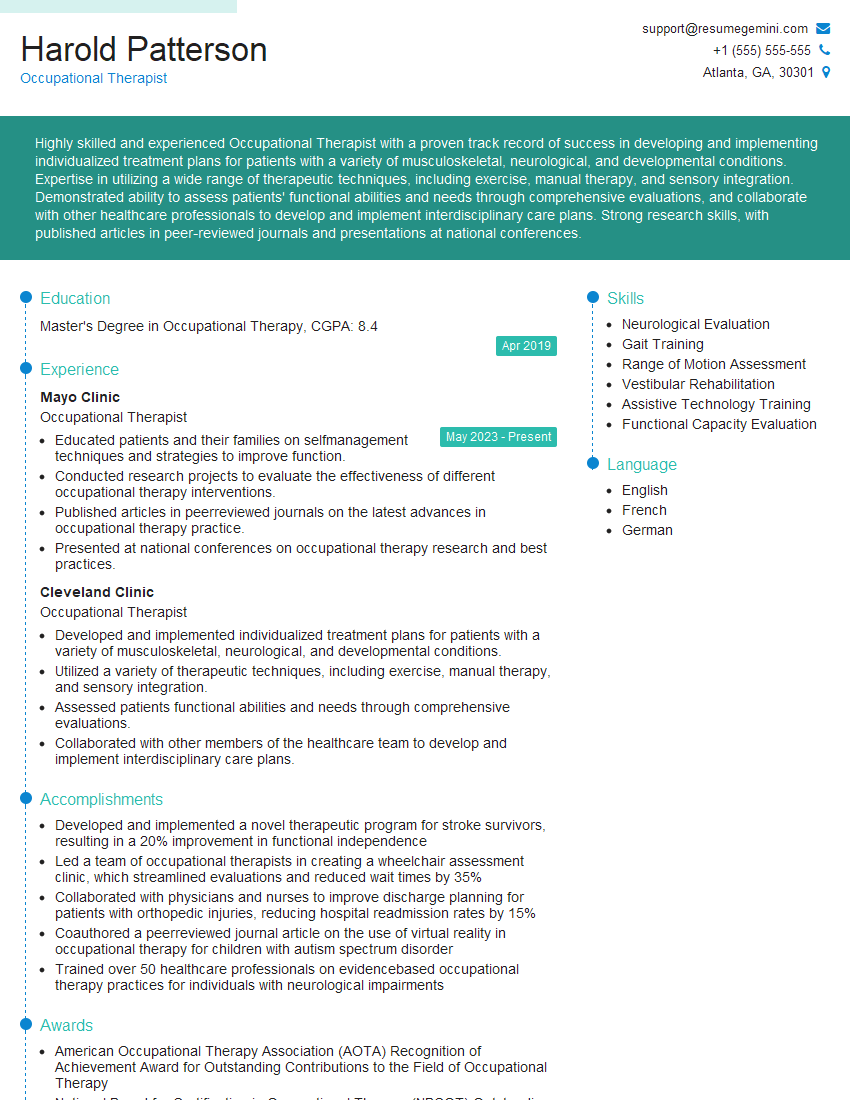
Occupational Therapist Resume Sample
- Special Education Director
- Special Education Administrator
- Special Education Coordinator
- Transition Specialist
- Behavioral Specialist
- Educational Diagnostician
- School Psychologist
- Resource Teacher
- Special Education Teacher
- Learning Support Teacher
- Speech-Language Pathologist
- Adaptive Physical Education Teacher
- Special Education Paraprofessional
- Deaf/Hard of Hearing Specialist
- Occupational Therapist
Explore more articles
Users Rating of Our Blogs
Share Your Experience
We value your feedback! Please rate our content and share your thoughts (optional).
What Readers Say About Our Blog
I Redesigned Spongebob Squarepants and his main characters of my artwork.
https://www.deviantart.com/reimaginesponge/art/Redesigned-Spongebob-characters-1223583608
IT gave me an insight and words to use and be able to think of examples
Hi, I’m Jay, we have a few potential clients that are interested in your services, thought you might be a good fit. I’d love to talk about the details, when do you have time to talk?
Best,
Jay
Founder | CEO