Interviews are more than just a Q&A session—they’re a chance to prove your worth. This blog dives into essential Ability to Create and Manage Literacy Centers interview questions and expert tips to help you align your answers with what hiring managers are looking for. Start preparing to shine!
Questions Asked in Ability to Create and Manage Literacy Centers Interview
Q 1. Describe your experience in designing and implementing literacy center activities.
Designing and implementing effective literacy centers involves a multi-step process. It begins with a clear understanding of student needs and learning goals, informed by data from assessments and classroom observations. Then, I select activities that align with those goals, focusing on a variety of literacy skills – phonemic awareness, phonics, fluency, vocabulary, and comprehension. I organize the center into distinct areas, each with a specific focus, such as a word work station, a reading corner, or a writing center. Each area is stocked with engaging and appropriately challenging materials. For example, a word work station might include letter tiles, word building games, and differentiated word sorts tailored to different reading levels. The reading corner could feature leveled books, graphic novels, and audiobooks to cater to diverse interests and reading abilities. Finally, careful planning and preparation are essential to ensure the smooth functioning of the center, including creating clear instructions, providing sufficient materials, and establishing routines for student participation.
For example, in a third-grade classroom, I might design a literacy center focusing on improving reading comprehension. One station might involve students using graphic organizers to analyze the plot structure of a short story. Another station could have students working collaboratively to act out a scene from a play and then discuss the characters’ motivations. A third station could provide students with opportunities to independently read books at their level and complete a short, comprehension-based response.
Q 2. How do you assess the effectiveness of literacy center programs?
Assessing the effectiveness of literacy centers requires a multifaceted approach. It’s not enough to simply observe students engaging in activities; we need to gather data that demonstrates actual learning. I use a combination of methods, including:
- Direct Observation: I carefully observe students during center time, noting their engagement, problem-solving skills, and application of learned strategies.
- Informal Assessments: These include quick checks for understanding, such as exit tickets or short quizzes, to gauge student comprehension after completing center activities.
- Formal Assessments: I integrate literacy center activities into larger summative assessments like reading fluency tests or writing samples to measure growth over time.
- Student Work Samples: I collect and review student work from various literacy centers to track progress and identify areas needing additional support.
- Student Self-Assessment: Students can reflect on their learning through journals, checklists, or feedback forms, providing valuable insights into their progress and challenges.
By analyzing data from these diverse sources, I can identify what’s working well, what needs improvement, and tailor future center activities to maximize student learning.
Q 3. What are some key indicators of success in a literacy center?
Key indicators of success in a literacy center include increased student engagement, improved literacy skills, and positive attitudes towards reading and writing. Specifically, I look for:
- Increased Student Engagement: Students actively participating in center activities, showing enthusiasm, and demonstrating persistence in tackling challenging tasks.
- Improved Literacy Skills: Measurable growth in areas like reading fluency, comprehension, vocabulary, and writing mechanics, as evidenced by assessment data.
- Positive Attitudes: Students expressing enjoyment in literacy activities, demonstrating a willingness to take risks, and exhibiting confidence in their abilities.
- Increased Independence: Students demonstrating greater self-reliance in completing literacy tasks and managing their time effectively within the center.
- Transfer of Skills: Students applying learned strategies and skills from the literacy center to other classroom activities and assignments.
Seeing students excitedly sharing their reading experiences, confidently tackling challenging vocabulary, or creatively expressing themselves through writing indicates a successful literacy center.
Q 4. Explain your approach to differentiating instruction within a literacy center setting.
Differentiation is crucial in a literacy center. I differentiate by:
- Task Differentiation: Providing varied tasks within each center to cater to different skill levels. For example, some students might work on simple decoding tasks, while others tackle more complex comprehension questions.
- Resource Differentiation: Offering a range of materials, such as leveled readers, different types of writing prompts, and varied manipulatives, allowing students to choose activities that match their abilities and interests.
- Product Differentiation: Allowing students to demonstrate their understanding in various ways, such as through writing, drawing, oral presentations, or dramatic play, accommodating diverse learning styles.
- Time Differentiation: Adjusting the time allotted for each activity based on student needs. Some students might need more time to complete a task, while others can move through it quickly.
- Support Differentiation: Providing varied levels of support, from independent work to one-on-one guidance, to ensure all students are successful.
For instance, in a phonics center, I might offer different word sorts based on student skill levels, ranging from simple CVC words to more complex multisyllabic words. Students can choose the sort that best suits their current skills, ensuring appropriate challenge.
Q 5. How do you manage diverse learning styles and needs in a literacy center?
Managing diverse learning styles and needs in a literacy center involves creating a flexible and inclusive environment. I achieve this by:
- Providing Choice: Offering students a variety of activities and materials, allowing them to select those that best match their learning preferences and strengths.
- Using Multi-Sensory Materials: Incorporating materials that engage different senses (visual, auditory, kinesthetic) to cater to diverse learning styles.
- Offering Flexible Grouping Options: Allowing students to work independently, in pairs, or in small groups, based on their learning needs and preferences.
- Providing Assistive Technology: Making available tools like audiobooks, text-to-speech software, or graphic organizers to support students with specific needs.
- Collaborating with Specialists: Working closely with special education teachers, speech therapists, or other specialists to adapt activities and provide appropriate support for students with individual needs.
For example, a student who struggles with visual processing might benefit from auditory activities, such as listening to audiobooks or participating in oral reading exercises. A student with fine motor difficulties might need adapted writing tools or opportunities to use technology for writing tasks.
Q 6. What strategies do you use to motivate students in a literacy center?
Motivating students in a literacy center requires creating an engaging and supportive learning environment. I use strategies such as:
- Choice and Autonomy: Providing students with choices in activities and materials increases their sense of ownership and motivation.
- Collaboration and Social Interaction: Incorporating opportunities for students to work together fosters a sense of community and support.
- Games and Interactive Activities: Using games and technology to make learning fun and engaging increases student motivation.
- Positive Reinforcement and Feedback: Providing regular positive feedback and celebrating student successes reinforces effort and builds confidence.
- Clear Goals and Expectations: Establishing clear expectations and providing students with opportunities to track their progress motivates them to achieve their goals.
For example, I might use a reward system where students earn points for completing activities, which they can then exchange for small prizes or privileges. I also make sure to celebrate their achievements and effort regularly through praise and positive feedback, fostering a growth mindset.
Q 7. How do you select appropriate literacy materials and resources for your center?
Selecting appropriate literacy materials and resources is essential for a successful literacy center. My process includes:
- Alignment with Curriculum Goals: Materials should directly support the curriculum and address specific literacy skills being taught.
- Differentiation of Materials: A range of materials is needed to accommodate varied skill levels and learning styles, from easy readers to challenging texts and a variety of writing prompts.
- Engaging and Relevant Content: Materials should be interesting and relevant to students’ lives and interests.
- Variety of Formats: Incorporating various formats like books, magazines, digital resources, games, and manipulatives increases engagement and caters to different learning styles.
- Consideration of Accessibility: Materials should be accessible to all students, including those with disabilities.
I frequently utilize resources like Reading A-Z, Scholastic, and online databases to find high-quality materials. I also incorporate authentic texts like newspapers, magazines, and children’s literature to make learning relatable and meaningful. I regularly evaluate the effectiveness of the materials and replace or supplement them as needed based on student progress and feedback.
Q 8. Describe your experience with data-driven decision-making in a literacy center.
Data-driven decision-making in a literacy center means using assessment data to inform instructional practices and resource allocation. It’s about moving beyond gut feelings and using concrete evidence to improve student outcomes. For example, if running records consistently show students struggling with specific phonics patterns, we can adjust center activities to focus on those patterns with targeted instruction and engaging games.
In my previous role, we used data from DIBELS (Dynamic Indicators of Basic Early Literacy Skills) assessments to identify students at risk for reading difficulties. This allowed us to proactively group students based on their needs, providing differentiated instruction within the literacy center. We tracked student progress using spreadsheets and graphs, regularly reviewing the data with the teaching staff to make necessary adjustments to our programming. This iterative process ensured we were always tailoring our center activities to meet the specific needs of our students. For example, if we noticed a decline in fluency scores after a particular intervention, we analyzed the data to understand why, adjusting our approach or selecting alternative strategies.
Q 9. How do you collaborate with teachers and other staff to support literacy instruction?
Collaboration is key to a successful literacy center. I work closely with classroom teachers to understand their students’ individual needs and learning styles. This includes regular meetings to discuss assessment results, share observations, and plan for differentiated instruction within the center.
For example, a teacher might identify a student struggling with comprehension. We would collaborate to design activities within the center focusing on strategies like visualizing, questioning, and summarizing. We use a shared online platform to communicate regularly and update student progress, fostering efficient communication and consistent support. I also actively involve other staff members, such as paraprofessionals, to ensure consistent implementation of interventions and support across all learning environments.
Q 10. How do you create a positive and supportive learning environment in your literacy center?
Creating a positive and supportive learning environment in a literacy center is crucial for student success. This involves establishing clear expectations for behavior, creating a welcoming and engaging atmosphere, and providing opportunities for students to feel successful.
Think of it like a library, but more interactive and playful! We use comfortable seating, engaging displays, and a variety of materials. I incorporate positive reinforcement strategies, celebrating students’ successes and focusing on effort rather than solely on outcomes. This fosters a sense of community and builds students’ confidence. We also create different learning zones within the center – some quiet spaces for independent work and others that encourage collaboration and group activities, catering to varied learning preferences.
Q 11. What is your experience with various literacy assessments (e.g., running records, DIBELS)?
I have extensive experience administering and interpreting various literacy assessments, including running records, DIBELS, and other informal assessments. Running records provide insights into a student’s reading fluency, accuracy, and comprehension. DIBELS offers a standardized measure of early literacy skills.
For instance, during a running record, I might observe a student struggling with specific vowel sounds, informing targeted instruction within the literacy center. Using DIBELS data alongside classroom assessments helps form a complete picture of a student’s progress. I’m proficient in using assessment data to identify individual student needs and create tailored intervention plans within the literacy center’s structure, and I can also train teachers on proper assessment administration and interpretation. The ability to translate these assessments into practical classroom support is paramount to my role.
Q 12. How do you address student behavior challenges within a literacy center?
Addressing behavior challenges requires a proactive and positive approach. First, I establish clear expectations and routines within the literacy center. We discuss and reinforce these expectations consistently with students.
If a student exhibits challenging behavior, I use positive behavior interventions and supports (PBIS). This might involve redirecting their attention, offering choices, or providing a quiet space for self-regulation. I also collaborate with classroom teachers and parents to understand the root cause of the behavior and develop a consistent approach across settings. I believe in building positive relationships with students and creating a supportive environment where they feel safe and respected – this is often the most effective preventative measure against behavioral issues.
Q 13. How do you maintain organized and efficient record-keeping in a literacy center?
Organized record-keeping is essential for efficient center management and data-driven decision-making. I use a combination of digital and physical methods to maintain accurate and accessible records.
We utilize a digital database to track student progress on various assessments and activities, while also maintaining physical files with student work samples, observation notes, and individualized learning plans. A color-coded filing system and clearly labeled folders ensure efficient access to information. Regular data entry and updates are crucial for maintaining the integrity and usefulness of our records, ensuring both teachers and administrators can easily review progress and make informed decisions. This system enables efficient tracking of student progress and facilitates regular communication with parents and classroom teachers.
Q 14. Explain your experience in budgeting and resource allocation for a literacy center.
Budgeting and resource allocation require careful planning and prioritization. I start by identifying the center’s needs based on student data and teacher input. This involves creating a detailed budget proposal that outlines the costs associated with materials, software, and professional development.
I then prioritize expenditures based on their potential impact on student outcomes. For example, investing in high-quality reading materials might be a priority over less essential items. I regularly monitor expenditures to ensure funds are used effectively and efficiently. Furthermore, I actively seek out grants and other funding opportunities to supplement the budget and expand the center’s resources. By consistently evaluating the return on investment for different resources, we can maximize the impact of our budget and ensure the literacy center is optimally equipped to support students’ literacy development.
Q 15. How do you ensure the safety and well-being of students in a literacy center?
Ensuring student safety and well-being in a literacy center is paramount. It’s about creating a physically and emotionally secure environment where students feel comfortable taking risks and exploring their literacy skills. This involves several key strategies:
- Physical Safety: This includes regular checks of the space for hazards (e.g., loose wires, tripping hazards, broken furniture), age-appropriate materials, and clear pathways. We also establish clear rules and expectations for behavior, movement, and the use of materials.
- Emotional Safety: Creating a positive and supportive classroom culture is crucial. This means fostering a sense of community, respect, and empathy among students. We utilize positive reinforcement techniques and address any conflicts or bullying promptly and fairly. A calm and organized center contributes greatly to a student’s emotional well-being.
- Supervision: Consistent and attentive supervision is non-negotiable. The level of supervision adapts to the age and needs of the students. For example, younger students may require closer supervision than older, more independent learners.
- Emergency Procedures: Having well-defined and practiced emergency procedures (fire drills, lockdown drills, etc.) ensures that students are safe and know what to do in unexpected situations. This also includes having readily accessible first-aid supplies.
For example, in my previous role, we implemented a buddy system for younger students, ensuring that each child had a partner to work with and provide mutual support. This not only enhanced their sense of security but also encouraged collaboration and peer learning.
Career Expert Tips:
- Ace those interviews! Prepare effectively by reviewing the Top 50 Most Common Interview Questions on ResumeGemini.
- Navigate your job search with confidence! Explore a wide range of Career Tips on ResumeGemini. Learn about common challenges and recommendations to overcome them.
- Craft the perfect resume! Master the Art of Resume Writing with ResumeGemini’s guide. Showcase your unique qualifications and achievements effectively.
- Don’t miss out on holiday savings! Build your dream resume with ResumeGemini’s ATS optimized templates.
Q 16. What professional development activities have you participated in related to literacy instruction?
My professional development in literacy instruction has been extensive and ongoing. I’ve participated in workshops focusing on:
- Differentiated Instruction: Learning to adapt my teaching to meet the diverse needs of all learners, including those with learning disabilities and gifted students. This includes understanding various learning styles and adapting materials to suit them.
- Reading Interventions: I’ve received training in evidence-based reading interventions such as Orton-Gillingham and Wilson Reading System, enabling me to effectively support students struggling with reading skills.
- Assessment Strategies: I’ve honed my skills in administering and interpreting various assessments, including running records, informal reading inventories, and standardized tests, to accurately gauge student progress and inform instruction.
- Technology Integration: I’ve taken courses and workshops on effectively incorporating technology tools like interactive whiteboards, educational apps, and online learning platforms into literacy instruction. This allows for more engaging and interactive learning experiences.
- Collaborative Learning Strategies: I’ve been trained on implementing various strategies like think-pair-share, jigsaw activities, and peer tutoring to promote student collaboration and engagement.
Furthermore, I actively seek out professional articles, conferences, and webinars to stay current with the latest research and best practices in literacy education.
Q 17. Describe your experience with parent communication and engagement regarding literacy programs.
Parent communication and engagement are vital for successful literacy programs. I believe in fostering a strong partnership with parents to support their child’s learning. My strategies include:
- Regular Communication: I use newsletters, email updates, and parent-teacher conferences to keep parents informed about their child’s progress, upcoming activities, and learning goals.
- Open Door Policy: I encourage parents to contact me with any questions or concerns at any time. This promotes open communication and builds trust.
- Parent Workshops: I’ve organized and led workshops on topics such as supporting reading at home, strategies for helping with homework, and understanding different learning styles. This empowers parents to actively participate in their child’s learning journey.
- Technology Utilization: I use online platforms to share student work, learning resources, and classroom updates with parents. This enhances accessibility and transparency.
- Parent Volunteers: I welcome parent involvement in the classroom, whether it’s helping with literacy center activities, reading with students, or assisting with classroom management. This creates a sense of community and shared responsibility for student learning.
For example, during a recent parent-teacher night, I presented a session on the importance of reading aloud to children, demonstrating effective strategies and sharing age-appropriate book recommendations. The parents were very engaged, and I saw a positive impact on their approach to reading at home with their children.
Q 18. How do you adapt your literacy center to meet the needs of students with diverse backgrounds?
Adapting the literacy center to meet the needs of students with diverse backgrounds is crucial for inclusive education. My approach focuses on:
- Culturally Relevant Materials: I ensure that the materials used in the literacy center reflect the diverse cultures and languages present in the classroom. This includes books with diverse characters, stories that reflect different cultural experiences, and materials in multiple languages.
- Differentiated Instruction: I provide differentiated instruction, tailoring activities and materials to match individual student needs and learning styles. This takes into account different learning paces, strengths, and challenges.
- Multilingual Support: For students learning English as a second language (ESL), I incorporate materials and activities that support language development and provide opportunities for them to utilize their first language.
- Inclusive Classroom Environment: I cultivate an inclusive classroom environment where all students feel welcomed, respected, and valued for their unique backgrounds and contributions. This fosters a sense of belonging and encourages active participation.
- Collaboration with Specialists: I collaborate with ESL teachers, special education teachers, and other specialists to ensure that all students receive appropriate support and access to resources.
For instance, I’ve created literacy centers with bilingual books and incorporated games and activities that celebrate various cultural holidays and traditions. This allows all students to see themselves reflected in the learning materials and build connections to the curriculum.
Q 19. How do you incorporate technology effectively into your literacy center activities?
Technology can significantly enhance literacy center activities, making them more engaging and interactive. I incorporate technology thoughtfully and purposefully, focusing on:
- Interactive Whiteboards: These are great for whole-class activities, interactive read-alouds, and collaborative writing sessions.
- Educational Apps: I carefully select and use apps that target specific literacy skills, such as phonics, vocabulary building, and reading comprehension. Examples include Starfall, ABCmouse, and Reading Eggs.
- Online Learning Platforms: Platforms like Raz-Kids and Lexia provide individualized reading practice and assessment.
- Digital Storytelling Tools: Tools like Book Creator and Storybird allow students to create their own digital stories, enhancing creativity and writing skills.
- Audiobooks and E-books: These provide access to a wider range of books and cater to students with diverse reading levels and learning preferences.
It’s crucial to remember that technology should supplement, not replace, hands-on activities. I ensure a balance between digital and traditional literacy activities to provide a well-rounded learning experience. For example, I might use a digital storytelling app after a class session on writing narratives, allowing students to create digital versions of the stories they’ve written.
Q 20. What is your experience with developing and implementing Individualized Education Programs (IEPs)?
While I don’t directly develop IEPs, I collaborate closely with the special education team to implement them within the literacy center. My role involves:
- Understanding the IEP: I carefully review each student’s IEP to understand their individual learning goals, accommodations, and modifications.
- Adapting Activities: I adapt literacy center activities to meet the specific needs outlined in the IEP. This may involve providing modified materials, adjusting task complexity, or offering alternative assessment methods.
- Providing Data: I collect and share data on student progress in the literacy center with the special education team, which helps them monitor the effectiveness of the IEP and make adjustments as needed.
- Collaboration and Communication: I maintain open communication with the special education team to ensure that the literacy center activities align with the student’s overall educational plan.
- Utilizing Assistive Technology: I am proficient in utilizing assistive technologies, such as text-to-speech software and graphic organizers, to support students with disabilities in accessing and participating in literacy activities.
For example, for a student with a visual impairment, I might provide large-print books and utilize assistive technology to enhance their access to reading materials. I would also work with the special education teacher to ensure that the learning environment is optimally suited to their specific needs.
Q 21. Describe a time you had to troubleshoot a problem or challenge in your literacy center.
One challenge I encountered was a significant drop in engagement during independent reading time in my literacy center. Students were losing interest, and the designated area wasn’t being utilized effectively. To troubleshoot this, I followed these steps:
- Data Collection: I first observed student behavior during independent reading, noting which activities were popular and which were not. I also reviewed student reading logs and talked to students individually to gather feedback.
- Needs Assessment: Based on the data, I identified that the lack of choice and variety in reading materials was a major factor. Many books were at a level that was either too easy or too difficult for many students.
- Intervention Strategy: I revamped the literacy center by:
- Introducing a wider range of reading materials, including graphic novels, magazines, and age-appropriate newspapers.
- Implementing a book club with peer recommendations.
- Creating a more comfortable and inviting reading space with beanbag chairs and soft lighting.
- Providing more choice in reading activities, such as allowing students to listen to audiobooks or create their own comics.
- Monitoring and Evaluation: I continued to monitor student engagement and made further adjustments as needed. I also conducted regular informal assessments to check for improvements in reading comprehension and fluency.
The result was a significant increase in student engagement during independent reading. This experience highlighted the importance of ongoing assessment and the need to be flexible and responsive to student needs.
Q 22. How do you handle parent concerns regarding their child’s literacy progress?
Addressing parent concerns about their child’s literacy progress begins with open and honest communication. I always start by actively listening to their concerns, validating their feelings, and ensuring they feel heard. Then, I present a clear picture of their child’s progress using data from various assessments – both formative and summative – including anecdotal observations from the literacy center. I explain the child’s strengths and areas needing improvement in a non-judgmental way, focusing on concrete examples of their work. For example, if a child is struggling with phonics, I might share specific examples of sounds they’re mastering and those they’re still working on, suggesting strategies for practice at home, like using phonics games or reading aloud together. I then collaboratively create a plan involving school and home support to address the areas for improvement. This might involve recommending specific books, online resources, or suggesting adjustments to the literacy center activities tailored to the child’s needs. Finally, I schedule regular follow-up meetings to track progress and adjust the plan as needed, making sure parents feel involved and empowered to support their child’s learning journey.
Q 23. How do you ensure equitable access to literacy resources for all students?
Ensuring equitable access to literacy resources means proactively addressing potential barriers for all students. This includes understanding the diverse needs of my students and providing differentiated instruction and materials. For example, I ensure the literacy center offers a variety of materials catering to different learning styles and reading levels, including audiobooks, graphic novels, and bilingual books. I also create a flexible learning environment, offering choices in activities and allowing students to work independently or collaboratively as they prefer. Furthermore, I utilize assistive technology, such as text-to-speech software or speech-to-text software, to support students with disabilities. To address socioeconomic disparities, I actively seek out grants and donations to acquire high-quality materials, and I work with the school librarian and community organizations to supplement the resources available in the center. Regularly assessing and adapting the center’s resources based on student needs and feedback is crucial for maintaining equity.
Q 24. What are some common challenges encountered when managing a literacy center, and how do you overcome them?
Managing a literacy center presents several challenges. One common issue is maintaining organization and ensuring materials are readily available and in good condition. To overcome this, I implement a robust system for organizing and storing materials, using clear labeling and a well-defined shelving system. I also involve students in maintaining the center’s organization, teaching them responsibility and ownership of the learning environment. Another challenge is managing diverse student needs and learning styles within a single space. To address this, I create differentiated learning activities and utilize flexible grouping strategies, allowing students to work independently, in pairs, or in small groups based on their needs and learning preferences. Finally, time management is crucial. I create a detailed schedule for center activities, incorporating both independent and guided learning, and I utilize timers to keep activities focused and on track. Consistent monitoring of student progress helps me adapt the schedule and activities to best meet the evolving needs of the students.
Q 25. Describe your experience with creating a welcoming and inclusive environment for students from diverse linguistic backgrounds.
Creating a welcoming and inclusive environment for students from diverse linguistic backgrounds is paramount. I begin by acknowledging and celebrating the rich linguistic diversity in my classroom, making it clear that all languages are valued. I incorporate multilingual books and resources into the literacy center, representing the various languages spoken by my students. I use visual aids and hands-on activities to support comprehension, minimizing reliance on language alone. I also collaborate with families and community members to leverage their linguistic expertise, enriching the learning environment with authentic cultural experiences. For example, I might invite parents to share stories in their native language, or incorporate cultural elements into literacy activities. Furthermore, I utilize translanguaging pedagogies, encouraging students to use their home languages alongside English to support their understanding and expression. This fosters a sense of belonging and empowers students to draw on their linguistic strengths.
Q 26. How familiar are you with different literacy theories and frameworks (e.g., balanced literacy)?
I am very familiar with various literacy theories and frameworks, including balanced literacy. Balanced literacy integrates different approaches to literacy instruction, such as phonics, phonemic awareness, reading fluency, vocabulary development, and writing. I understand the importance of explicit instruction in phonics, coupled with opportunities for independent reading and writing. I also have experience with other models, including the whole language approach, which emphasizes reading for meaning and immersion in literature, and the skills-based approach, which focuses on systematic instruction in specific literacy skills. My understanding of these different frameworks allows me to create a comprehensive and effective literacy program that caters to the diverse needs of my students. I am adept at selecting and integrating strategies from various theories to meet individual student needs and learning styles.
Q 27. Describe your experience with utilizing formative and summative assessments to monitor student progress.
Formative and summative assessments are crucial for tracking student progress in the literacy center. Formative assessments, such as observation checklists, running records, and informal reading inventories, provide ongoing feedback during instruction, allowing me to adjust my teaching strategies in real-time. For instance, if I observe that a student is struggling with a specific phonics skill during a guided reading activity, I can immediately provide additional support and practice. Summative assessments, such as end-of-unit tests or benchmark assessments, measure student learning at the end of a unit or a specific period. These help me evaluate the effectiveness of my teaching and identify students who might require additional intervention. By analyzing the data from both formative and summative assessments, I develop a clear understanding of each student’s progress and tailor my instruction to meet their individual needs. This data is also shared with parents to keep them informed and involved in their child’s learning journey.
Q 28. How do you ensure that your literacy center aligns with the school’s overall curriculum and goals?
Aligning the literacy center with the school’s overall curriculum and goals is essential. I begin by carefully reviewing the school’s curriculum map and identifying the literacy skills and standards that are emphasized at each grade level. Then, I design the literacy center activities and materials to directly support these standards. I also collaborate closely with other teachers and administrators to ensure consistency and coherence across the school. For example, if the school is focusing on a specific literary theme or genre, I incorporate related books and activities into the literacy center. Furthermore, I use data from school-wide assessments to identify areas where students need additional support and tailor the center’s activities to address those needs. Regular communication and collaboration with the school’s leadership team ensures that the literacy center remains a valuable component of the overall school-wide literacy program, contributing to the achievement of the school’s broader educational goals.
Key Topics to Learn for Ability to Create and Manage Literacy Centers Interview
- Center Design & Organization: Understanding principles of effective space utilization, material organization, and student flow to maximize learning.
- Curriculum Integration: Aligning literacy center activities with overall curriculum goals and student learning objectives. Practical application: Developing center activities that reinforce specific reading comprehension skills.
- Differentiated Instruction: Creating centers that cater to diverse learning styles and needs, including students with IEPs or 504 plans. Example: Designing centers with varying levels of difficulty and support.
- Material Selection & Management: Choosing engaging and developmentally appropriate materials; strategies for inventory, maintenance, and replacement.
- Assessment & Evaluation: Developing methods to track student progress and effectiveness of the literacy centers. Example: Using observation checklists and student work samples.
- Classroom Management & Collaboration: Establishing routines, expectations, and procedures for effective center operation; fostering student independence and collaboration.
- Data-Driven Instruction: Using student assessment data to inform center design, material selection, and instructional strategies.
- Technology Integration: Incorporating technology to enhance literacy center activities, such as interactive games or online resources.
- Collaboration with Colleagues: Sharing best practices, collaborating on center development, and seeking support from colleagues.
Next Steps
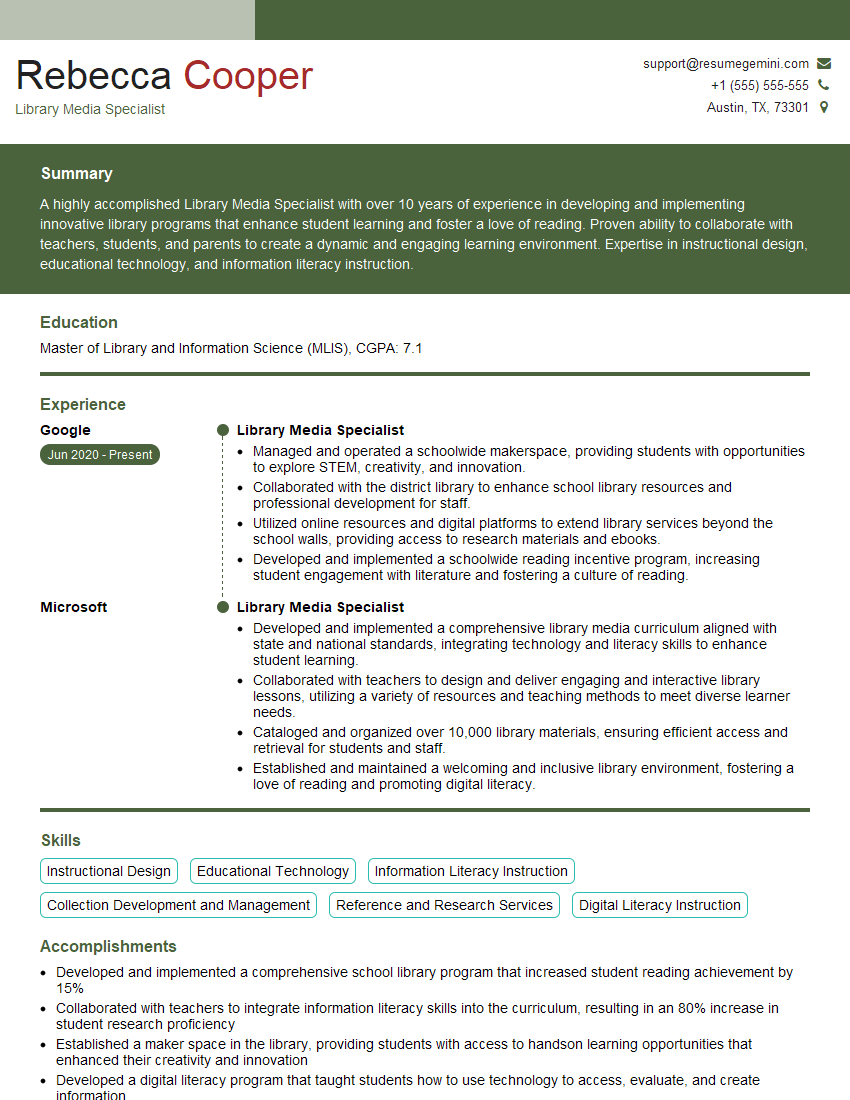
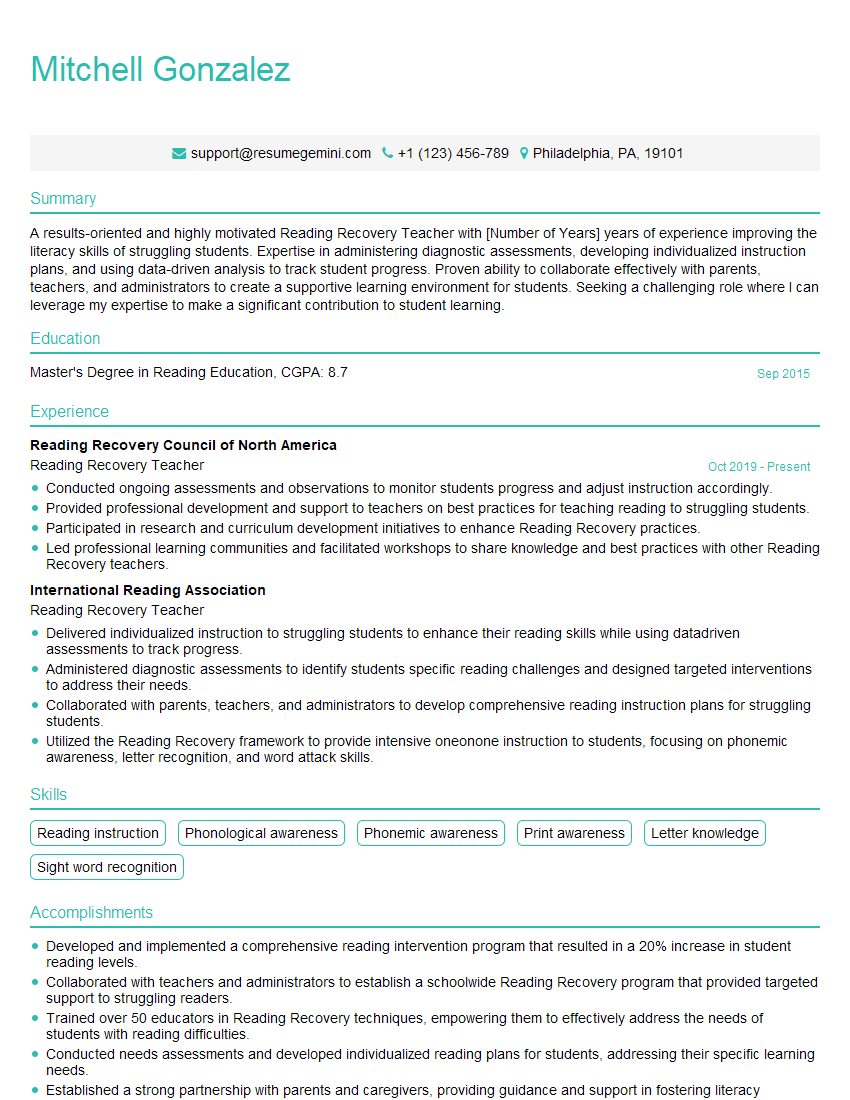
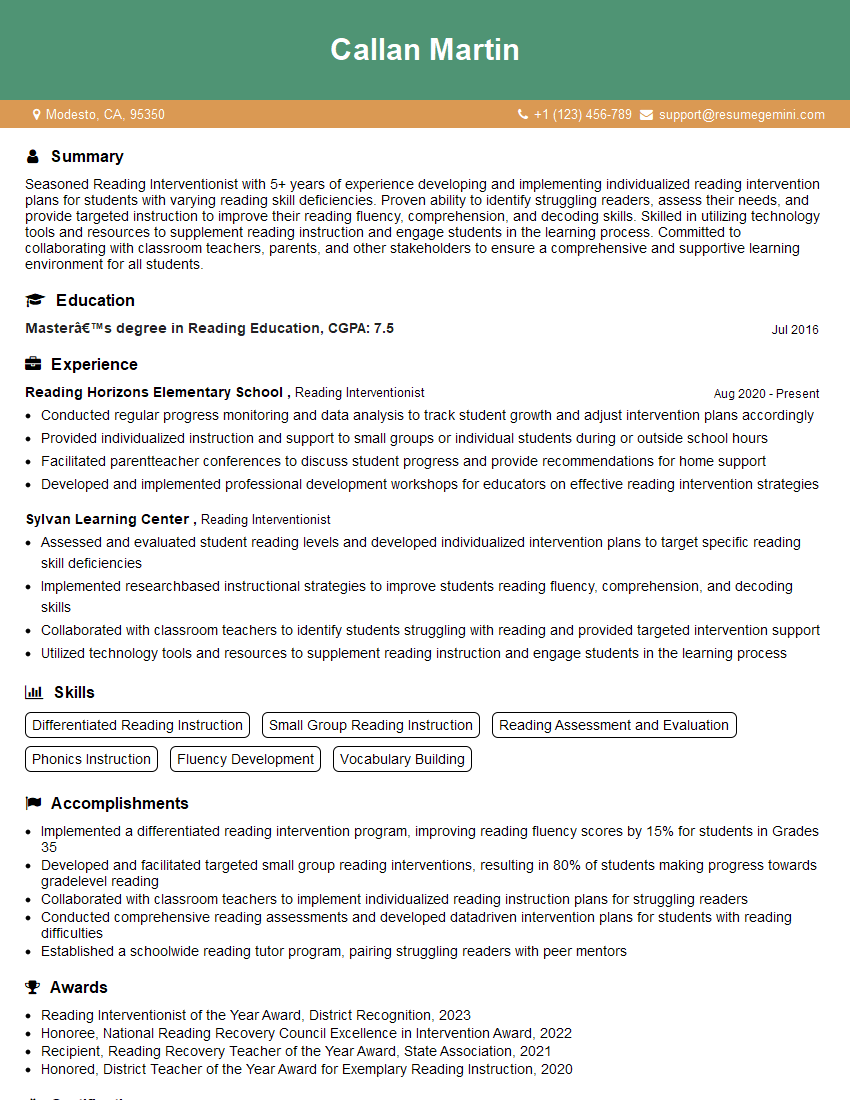
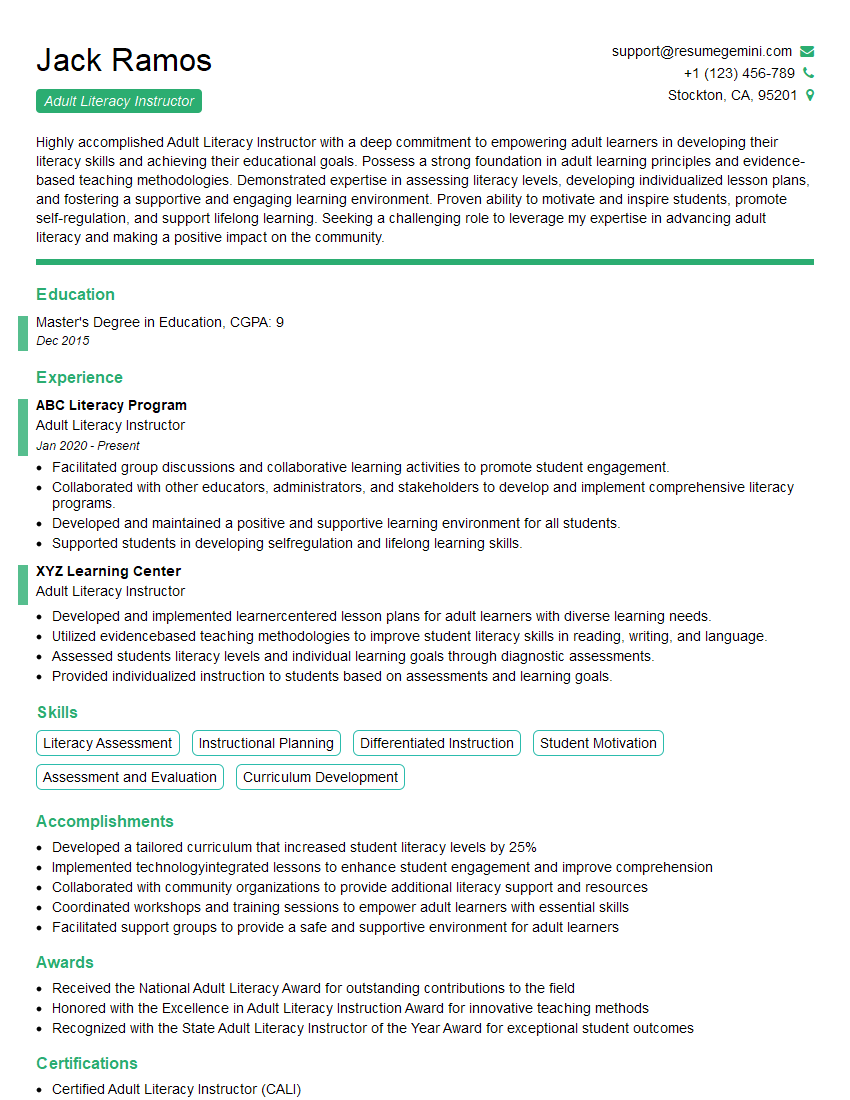
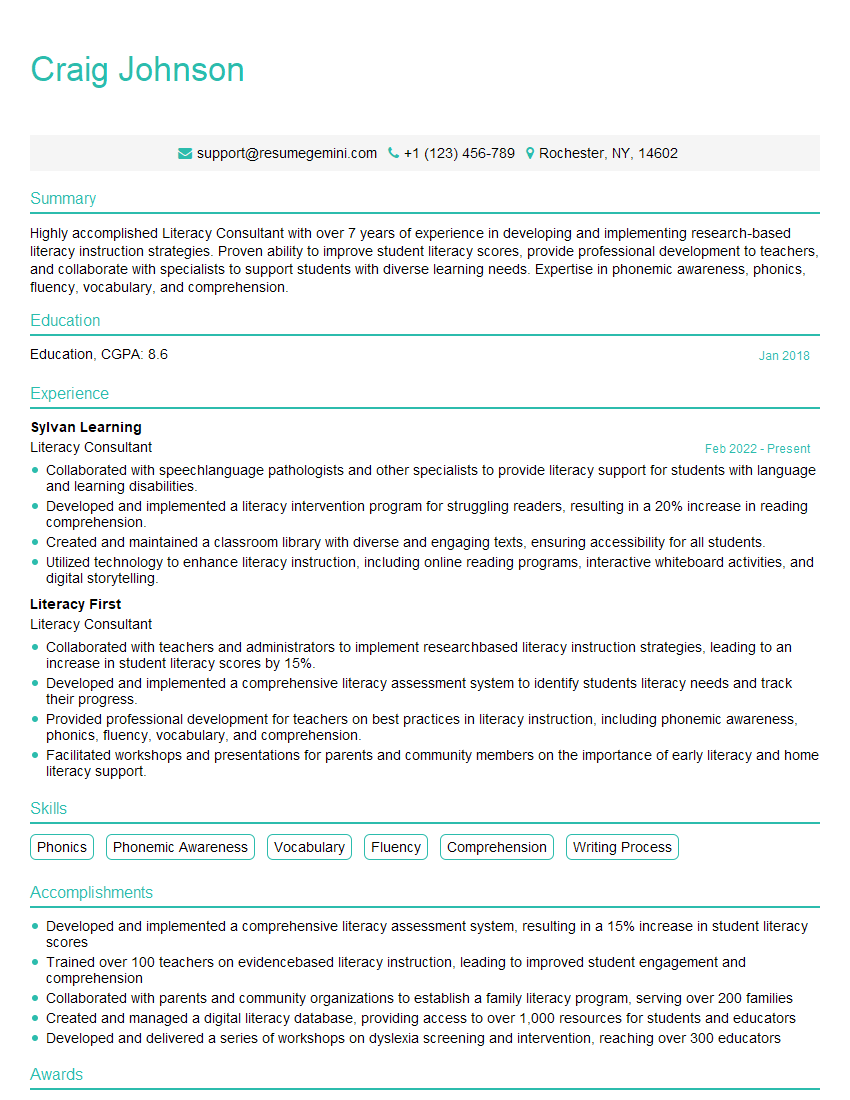
Mastering the ability to create and manage effective literacy centers is crucial for career advancement in education. It demonstrates your commitment to student learning and your ability to create engaging and supportive learning environments. To stand out to potential employers, a strong, ATS-friendly resume is essential. ResumeGemini is a trusted resource to help you build a professional and impactful resume that showcases your skills and experience. Examples of resumes tailored to highlight expertise in Ability to Create and Manage Literacy Centers are available to guide you through the process.
Explore more articles
Users Rating of Our Blogs
Share Your Experience
We value your feedback! Please rate our content and share your thoughts (optional).
What Readers Say About Our Blog
I Redesigned Spongebob Squarepants and his main characters of my artwork.
https://www.deviantart.com/reimaginesponge/art/Redesigned-Spongebob-characters-1223583608
IT gave me an insight and words to use and be able to think of examples
Hi, I’m Jay, we have a few potential clients that are interested in your services, thought you might be a good fit. I’d love to talk about the details, when do you have time to talk?
Best,
Jay
Founder | CEO