Preparation is the key to success in any interview. In this post, we’ll explore crucial Ability to interpret and apply complex technical information interview questions and equip you with strategies to craft impactful answers. Whether you’re a beginner or a pro, these tips will elevate your preparation.
Questions Asked in Ability to interpret and apply complex technical information Interview
Q 1. Explain a time you had to decipher a complex technical document. What was your approach?
Deciphering complex technical documents requires a systematic approach. I begin by skimming the entire document to get a high-level overview, identifying key sections and terminology. Then, I delve into each section more deeply, focusing on understanding the core concepts and their relationships. I often use techniques like annotation – highlighting key terms, writing down definitions in the margins, and summarizing each section in my own words.
For example, while working on a project involving a novel distributed database system, I encountered a research paper detailing its consensus mechanism. The paper was dense, filled with mathematical proofs and intricate algorithms. My approach involved breaking down the paper into manageable chunks: I first grasped the core problem the mechanism aimed to solve, then understood the fundamental concepts (e.g., Paxos, Raft), and finally worked through the algorithm’s logic step-by-step. I even created simplified diagrams to visualize the data flow and interactions between nodes.
If I encounter unfamiliar terminology, I consult technical dictionaries or online resources to gain a clear understanding before proceeding. Creating visual aids (flowcharts, diagrams) and summarizing complex concepts in simple language significantly aids comprehension and retention.
Q 2. Describe your process for understanding and applying a new technical concept.
Understanding and applying a new technical concept involves a multi-stage process. It starts with thorough research and gathering information from reputable sources – academic papers, industry blogs, trusted documentation. I focus on not just memorizing the concept, but on grasping the underlying principles and its practical applications.
I often use the Feynman Technique: I try to explain the concept in simple terms as if I were teaching it to someone else. If I can’t explain it simply, it means I haven’t fully grasped it yet. Hands-on practice is crucial; I try to apply the concept in a practical context through coding exercises, simulations, or real-world projects.
For instance, learning about Kubernetes required understanding containerization, orchestration, and distributed systems concepts. I started with online courses and documentation, then built small Kubernetes clusters to deploy simple applications, gradually increasing complexity to test my understanding of concepts like deployments, services, and ingress controllers. This hands-on approach solidified my understanding.
Q 3. How do you approach debugging a complex system with limited information?
Debugging complex systems with limited information demands a methodical approach. I begin by carefully examining any available logs, error messages, and monitoring data to pinpoint the area of the problem. Then, I use a process of elimination, systematically testing different components and isolating potential causes.
If the system has monitoring tools, I leverage them to track performance metrics and identify bottlenecks or anomalies. I might use techniques like binary search to narrow down the search space. If external dependencies are involved, I verify their functionality and look for any errors they might be reporting. If I’m working on a software system, I might use debuggers to step through code and inspect variables.
For example, while troubleshooting a network outage, I started by checking the network configuration, looking at router logs, and pinging key servers. After eliminating network connectivity issues, I looked at server logs and found an application error that was causing service interruptions. The limited information initially was frustrating, but systematic investigation proved key.
Q 4. You’re presented with conflicting technical data. How do you identify the most reliable source?
When confronted with conflicting technical data, verifying the reliability of sources is paramount. I assess the credibility of each source based on several factors. The first step is to identify the source’s authority: is it a peer-reviewed publication, a reputable organization, or an individual with demonstrable expertise?
I also examine the methodology used to obtain the data. Are the methods well-documented, transparent, and rigorous? Are there potential biases or conflicts of interest that could influence the data? Finally, I look for corroborating evidence – do other reliable sources support the findings of a particular source? Triangulation of data from multiple sources increases the likelihood of finding the most accurate information.
For example, while researching a specific hardware component, I encountered conflicting specifications from the manufacturer’s website and an independent review. I prioritized the independent review, which was backed by detailed testing and community validation, over the manufacturer’s website that had potential self-serving biases.
Q 5. How do you translate complex technical jargon into layman’s terms?
Translating complex technical jargon into layman’s terms requires a deep understanding of both the technical concepts and the audience’s background. I start by identifying the key concepts and breaking them down into smaller, more digestible parts. Then, I replace technical terms with simpler analogies or metaphors that resonate with the audience.
Visual aids, such as diagrams, charts, and illustrations, are incredibly effective in conveying complex information simply. I avoid using jargon unless it’s absolutely necessary and always define any technical terms that are used. The goal is to communicate the essence of the information without sacrificing accuracy or completeness.
For example, explaining the concept of ‘cloud computing’ to someone unfamiliar with technology, I would use an analogy of renting computer resources instead of owning them. Instead of saying ‘asynchronous communication’, I would explain it as communication that doesn’t require an immediate response.
Q 6. Describe a situation where you needed to simplify complex technical information for a non-technical audience.
I had to explain a complex database optimization strategy to a group of non-technical stakeholders. They needed to understand the impact of the changes without getting bogged down in technical details. Instead of diving into SQL queries and indexing strategies, I used analogies to explain the concept.
I compared the database to a library, with tables representing bookshelves and indexes acting as the library’s catalog. I explained that optimizing the database was like reorganizing the library to improve the speed of finding specific books. I presented the benefits of the changes using simple metrics like ‘faster loading times’ and ‘improved search performance,’ rather than technical jargon like ‘query latency’ or ‘I/O operations’. The use of clear visuals, simplified language, and relatable analogies helped to convey the complex information effectively.
Q 7. How do you stay updated on new technical advancements in your field?
Staying updated on new technical advancements is a continuous process. I utilize a combination of methods to ensure I remain current. I regularly read industry publications, journals, and blogs relevant to my field.
I actively participate in online communities and forums, engaging in discussions and learning from experts. Attending conferences, workshops, and webinars provides opportunities to learn about the latest trends and breakthroughs directly from researchers and industry leaders. Moreover, I pursue continuous learning through online courses and certifications, focusing on specific areas where my knowledge needs enhancement. Finally, I experiment with new technologies and tools in my projects to gain hands-on experience and a deeper understanding of their capabilities.
Q 8. Explain a situation where you had to interpret and apply ambiguous technical specifications.
Interpreting ambiguous technical specifications requires a methodical approach. It’s like assembling a piece of furniture with missing instructions – you need to use logic, experience, and a bit of detective work. In one project, the documentation for a new sensor integration lacked precise details on the data transmission protocol. The specification mentioned ‘standard data packets’ but didn’t define ‘standard’.
My approach was threefold:
- Reverse Engineering: I started by examining the sensor’s existing communication with older systems. This gave me a baseline for packet structure and data types.
- Communication: I contacted the sensor manufacturer for clarification. This often involves carefully framing questions to elicit specific details regarding data formatting, timing, and error handling.
- Testing and Iteration: Based on my initial assumptions and the information gathered, I developed a prototype integration. This allowed me to observe the system’s behavior and refine my assumptions based on real-world results, iteratively refining the implementation until it successfully met the desired functionality.
This iterative process, combined with thorough testing and validation, ensured the successful integration despite the initial ambiguity.
Q 9. How do you prioritize conflicting technical requirements?
Prioritizing conflicting technical requirements is a crucial skill. It’s like choosing the best route on a map with multiple destinations and limited time. I use a framework based on several key factors:
- Impact Analysis: I assess the impact of each requirement on overall project goals, user experience, and system stability. This involves quantifying risks associated with not meeting the requirement (e.g., performance degradation, security vulnerability).
- Dependencies: I carefully examine the interdependencies between requirements. Some requirements might be foundational for others. Addressing these dependencies first often simplifies the overall problem.
- Stakeholder Input: I engage with stakeholders (developers, clients, project managers) to understand their priorities and perspectives. This ensures a collaborative decision-making process and avoids misunderstandings.
- Risk Management: For particularly challenging conflicts, I document the decision-making process, including the rationale for prioritizing one requirement over another. This helps mitigate potential problems down the line.
This systematic approach allows me to make informed decisions, even in situations where there’s no single ‘right’ answer.
Q 10. How do you identify and mitigate potential risks associated with implementing complex technical solutions?
Mitigating risks in complex technical solutions is similar to risk management in any large project; it involves anticipating problems, proactively addressing them, and having a plan B. I follow these steps:
- Risk Identification: I conduct thorough risk assessments, considering factors like technical feasibility, resource constraints, security vulnerabilities, and potential integration issues. This often involves brainstorming sessions and checklists.
- Impact Assessment: For each identified risk, I estimate the likelihood and potential impact. A risk matrix can help visualize this.
- Mitigation Strategies: I develop strategies to reduce the likelihood or impact of each risk. These might include using robust technologies, implementing redundancy, employing thorough testing, or developing contingency plans.
- Monitoring and Control: Throughout the project lifecycle, I continuously monitor the identified risks and adapt mitigation strategies as needed. Regular reviews and status updates are vital.
For example, in one project involving a high-availability system, we identified a potential single point of failure in the database. Our mitigation strategy was to implement database replication, which significantly reduced the risk of downtime.
Q 11. Describe your experience working with complex technical diagrams or schematics.
My experience with complex technical diagrams and schematics is extensive. I’ve worked with everything from electrical schematics for embedded systems to network diagrams for large-scale deployments. Understanding these diagrams is like reading a map; it’s about understanding the symbols, relationships, and flow of information.
I use several techniques to effectively interpret them:
- Symbol Recognition: I have a strong understanding of standard symbols and notations used in various domains (e.g., electrical engineering, networking). This allows me to quickly grasp the key components and their interconnections.
- Hierarchical Understanding: Many complex diagrams are hierarchical. I start by understanding the top-level view before delving into the specifics of individual components.
- Tracing Signals/Data Flow: I often trace the flow of signals or data through the system to understand how components interact. This is especially crucial in debugging or troubleshooting.
- Software Tools: I utilize software tools (e.g., CAD software, network visualization tools) that can help in understanding and manipulating these diagrams.
For example, while working on a robotics project, interpreting the robot’s control system schematic allowed me to quickly identify the cause of an intermittent motor failure.
Q 12. How do you evaluate the accuracy and reliability of technical data sources?
Evaluating the accuracy and reliability of technical data sources is crucial. It’s like verifying the source of information before using it in a critical decision. My approach is based on several factors:
- Source Authority: I assess the credibility and expertise of the source. Is it a reputable organization, a peer-reviewed publication, or a trusted individual with proven expertise?
- Data Validation: Whenever possible, I independently verify the data using multiple sources. Cross-referencing is key.
- Data Consistency: I look for consistency within the data itself and between multiple sources. Discrepancies raise concerns and warrant further investigation.
- Date and Version: I pay attention to the date and version of the data, particularly in rapidly evolving fields. Older data may be outdated or irrelevant.
- Methodology: If available, I carefully review the methodology used to collect and process the data. Understanding this helps determine the data’s accuracy and limitations.
For example, if I need specifications for a specific hardware component, I would prioritize the manufacturer’s official datasheet over information found on a random forum.
Q 13. How would you explain a complex technical concept to a junior colleague?
Explaining complex technical concepts to junior colleagues requires clear communication and empathy. It’s like teaching someone to ride a bicycle; you start with the basics and gradually increase the complexity. My approach involves:
- Starting with the Basics: I begin by establishing a shared understanding of fundamental concepts. I avoid jargon whenever possible, explaining technical terms in simple language.
- Using Analogies and Metaphors: I leverage real-world analogies to make abstract concepts more relatable. For instance, explaining network protocols using the analogy of a postal service.
- Visual Aids: I use diagrams, charts, and other visual aids to illustrate key ideas. A picture is often worth a thousand words.
- Interactive Learning: I encourage questions and feedback throughout the explanation, checking for understanding and addressing any confusion.
- Practical Examples: I use practical examples and case studies to demonstrate the application of the concepts. This helps make the learning experience more meaningful.
For instance, to explain the concept of recursion to a junior colleague, I’d start with a simple example, like counting down from 10, and then gradually show how the same logic can be applied in a programming context.
Q 14. Have you ever had to adapt a technical solution to accommodate unexpected technical challenges?
Adapting technical solutions to unexpected challenges is a regular occurrence. It’s like navigating an uncharted territory; you need to be flexible, resourceful, and adapt your course as needed.
In one project, we were integrating a new payment gateway. During testing, we encountered an unexpected incompatibility with our existing security protocols. This was a significant challenge, as the project deadline was fast approaching.
Our response involved:
- Problem Definition: We clearly defined the problem and its potential impacts. This involved documenting the incompatibility and its consequences.
- Brainstorming Solutions: We brainstormed potential solutions, considering different approaches to address the incompatibility. This included updating security protocols, modifying the payment gateway integration, or exploring alternative gateways.
- Feasibility Assessment: We evaluated the feasibility and risk associated with each proposed solution. This involved analyzing resource requirements, timelines, and potential downsides.
- Solution Implementation: We chose the most feasible and least risky solution and implemented it. In our case, we adapted our existing security protocol to accommodate the gateway’s requirements.
- Testing and Validation: After implementing the solution, we thoroughly tested the integration to ensure it functioned correctly and met security standards.
By proactively addressing this unexpected challenge, we successfully delivered the project despite the unforeseen technical hurdles.
Q 15. Describe your approach to troubleshooting a complex technical problem.
My approach to troubleshooting complex technical problems follows a structured methodology. I begin with a thorough understanding of the problem, gathering as much information as possible. This includes symptoms, error messages, relevant logs, and system configurations. I then break down the problem into smaller, more manageable components. This helps me focus my efforts and avoid getting overwhelmed. Next, I formulate hypotheses based on my experience and knowledge, prioritizing the most likely causes. I test these hypotheses systematically, using a combination of debugging techniques, monitoring tools, and experimentation. This iterative process involves validating assumptions, refining hypotheses, and eliminating potential causes until the root cause is identified. Once the root cause is found, I develop and implement a solution, thoroughly testing it before deploying it. Finally, I document the entire process, including the problem, the solution, and lessons learned, to prevent similar issues in the future.
For example, if a web application is experiencing slow response times, I might start by checking server logs for errors, monitoring network traffic, and analyzing database query performance. If the problem is related to database performance, I would delve further into query optimization and database indexing.
Career Expert Tips:
- Ace those interviews! Prepare effectively by reviewing the Top 50 Most Common Interview Questions on ResumeGemini.
- Navigate your job search with confidence! Explore a wide range of Career Tips on ResumeGemini. Learn about common challenges and recommendations to overcome them.
- Craft the perfect resume! Master the Art of Resume Writing with ResumeGemini’s guide. Showcase your unique qualifications and achievements effectively.
- Don’t miss out on holiday savings! Build your dream resume with ResumeGemini’s ATS optimized templates.
Q 16. How do you handle situations where the technical information is incomplete or inconsistent?
Incomplete or inconsistent technical information is a common challenge. My strategy involves a multi-pronged approach. Firstly, I actively seek out additional information from various sources. This might involve consulting documentation, searching online forums or knowledge bases, or collaborating with colleagues. I carefully evaluate the credibility and reliability of each source, cross-referencing information to identify inconsistencies and biases. Where gaps exist, I make educated estimations based on my experience and best practices, clearly documenting these assumptions. I treat these estimations as temporary working hypotheses to be validated or refined as more information becomes available. When inconsistencies are detected, I investigate the root cause of the discrepancy, often involving further research or testing to determine the most accurate data set.
Imagine troubleshooting a network issue with conflicting reports on network latency. I’d start by verifying the data sources independently. Are the measurements from different tools, locations, or time periods? Are there known issues with the specific monitoring tools being used? This methodical approach ensures that conclusions are drawn from the most reliable data available.
Q 17. Explain how you use your technical skills to solve real-world problems.
My technical skills are instrumental in solving real-world problems across various domains. For instance, I’ve used data analysis techniques to optimize supply chain logistics, identifying bottlenecks and improving efficiency. This involved collecting and analyzing large datasets on transportation costs, inventory levels, and delivery times, then using statistical modeling to predict optimal routes and inventory levels. In another project, I developed a machine learning model to improve fraud detection in financial transactions, reducing losses and improving security. This required extensive data preprocessing, feature engineering, and model evaluation to achieve high accuracy while minimizing false positives. My skills are not limited to software; I’ve also applied my understanding of physics and engineering principles to solve problems in robotics and automation. The essence of my approach is to translate real-world problems into technical challenges that can be solved using appropriate tools and techniques.
Q 18. How do you determine the root cause of a complex technical issue?
Determining the root cause of a complex technical issue requires a systematic approach. I utilize a combination of techniques, including the 5 Whys, fault tree analysis, and root cause analysis methodologies. The 5 Whys involves repeatedly asking “why” to drill down to the underlying cause. Fault tree analysis creates a visual representation of potential failure points and their relationships. Root cause analysis uses data analysis and statistical methods to identify correlations and causal relationships. I gather all available data points, and carefully examine error logs, system metrics, and event timelines to identify patterns and anomalies. I conduct experiments to validate hypotheses and eliminate potential causes. Ultimately, the root cause is identified when a specific action or event is clearly linked to the observed problem and that action or event is the only common factor across all observed instances of the problem.
For example, if a server is repeatedly crashing, I might use the 5 Whys to uncover the root cause: Why did the server crash? Because it ran out of memory. Why did it run out of memory? Because a memory leak was present in an application. Why was there a memory leak? Because of a bug in the application’s code. Why wasn’t the bug caught earlier? Because testing procedures were inadequate.
Q 19. What tools and techniques do you use to analyze complex technical data?
My toolkit for analyzing complex technical data includes a range of tools and techniques, both software and analytical. I’m proficient in using programming languages like Python and R for data manipulation, analysis, and visualization. I use SQL for querying and managing databases, and tools like Pandas and NumPy for data cleaning and transformation. For visualization, I employ libraries like Matplotlib and Seaborn in Python. I’m also skilled in using various statistical methods, including regression analysis, hypothesis testing, and time series analysis. For large datasets, I utilize big data technologies such as Spark and Hadoop. The specific tools and techniques employed depend on the nature of the data and the problem being addressed.
For example, if I’m analyzing network traffic data, I might use tools like Wireshark to capture and analyze packet data, and then use Python to process and visualize the results, identifying patterns in network usage and potential bottlenecks.
Q 20. Describe a time you had to make a critical decision based on complex technical information.
In a previous role, we were experiencing a critical performance degradation in our e-commerce platform during a major sales event. Initial diagnostics pointed to a database bottleneck, but the data was inconsistent and incomplete. We had limited time to resolve this before substantial financial losses occurred. I made the decision to temporarily reduce certain non-critical features of the application to alleviate the load on the database, despite the lack of definitive confirmation of the database as the root cause. This decision was supported by my experience and analysis of similar performance issues in the past and was made after discussions with other engineers and management. This allowed us to restore service to a satisfactory level in time, and further investigation later confirmed that the database was indeed the main contributing factor. While risky, the decision prioritized business continuity and prevented significant revenue loss while mitigating potential damage.
Q 21. How do you ensure the quality and accuracy of your technical work?
Ensuring the quality and accuracy of my technical work is paramount. I employ several strategies, starting with careful planning and design. Before undertaking any task, I thoroughly review requirements and specifications, creating a detailed plan that outlines the steps involved. I utilize version control systems like Git to manage my code and track changes, facilitating collaboration and reducing errors. I employ rigorous testing methodologies, including unit testing, integration testing, and system testing, to verify the correctness and robustness of my solutions. I also utilize automated testing frameworks to ensure comprehensive and repeatable testing. Finally, I meticulously document my work, including code comments, design specifications, and test results, ensuring that my solutions are well-understood and easily maintained. Peer reviews and code reviews provide another level of quality assurance.
Q 22. Describe your experience with interpreting technical specifications and documentation.
Interpreting technical specifications and documentation is a cornerstone of my work. It involves more than just reading; it’s about understanding the underlying intent, identifying potential ambiguities, and translating complex technical language into actionable steps. My approach involves a multi-step process:
- Careful Reading and Annotation: I meticulously read through documents, highlighting key terms, noting inconsistencies, and adding my own annotations to clarify my understanding.
- Diagram and Flowchart Creation: For particularly complex systems, I create visual representations—diagrams or flowcharts—to map out the relationships between different components and processes. This helps me grasp the overall architecture and identify potential bottlenecks or areas of risk.
- Cross-Referencing and Verification: I frequently cross-reference information across multiple documents to ensure consistency and identify any discrepancies. I also validate information against my own prior knowledge and experience where possible.
- Seeking Clarification: If there are ambiguities or uncertainties, I proactively reach out to subject matter experts or the authors of the documentation for clarification. Open communication is key to avoiding costly mistakes.
For example, while working on a project involving a new network protocol, I meticulously studied the RFC documents, created a visual representation of the handshake process, and cross-referenced it with the vendor’s implementation guide. This approach allowed me to identify a potential vulnerability that was not immediately apparent in the documentation alone.
Q 23. How do you balance speed and accuracy when interpreting and applying complex technical information?
Balancing speed and accuracy when interpreting complex technical information is crucial. Rushing can lead to errors with potentially serious consequences, while excessive deliberation can cause delays. My strategy is to find the optimal balance using a risk-based approach:
- Prioritize Critical Information: I initially focus on understanding the most critical aspects of the information, identifying the core functionalities and potential failure points. This allows for a quicker initial grasp of the system.
- Iterative Verification: I employ an iterative approach, verifying my understanding progressively. I start with a high-level overview and then delve into more specific details, confirming my interpretations as I go.
- Utilize Checklists and Templates: For repetitive tasks, I use checklists and templates to ensure that I cover all essential aspects consistently and efficiently. This minimizes the chance of overlooking crucial details.
- Timeboxing: I allocate specific time blocks for different tasks, ensuring sufficient time for thorough analysis while also managing my time effectively. This prevents rushing at the expense of accuracy.
Think of it like assembling a complex machine. You wouldn’t start by tightening every single screw before ensuring the major components are properly connected. A similar strategy allows for both speed and accuracy.
Q 24. How do you collaborate effectively with other technical experts to solve complex problems?
Effective collaboration is vital when tackling complex technical problems. My approach hinges on clear communication, active listening, and a shared understanding of goals:
- Clear and Concise Communication: I ensure that my communication is clear, concise, and avoids jargon where possible. I use visual aids, diagrams, and code snippets to enhance understanding.
- Active Listening: I actively listen to the perspectives of other experts, seeking to understand their reasoning and incorporate their knowledge into the problem-solving process.
- Shared Understanding: Before embarking on a solution, we collaboratively define the problem, establish clear objectives, and agree on a shared methodology.
- Utilizing Collaborative Tools: We leverage collaborative tools like shared documents, version control systems, and communication platforms to ensure everyone is on the same page and can efficiently track progress.
For instance, during a recent project involving a faulty software module, I worked closely with a software engineer and a database administrator. By clearly explaining the observed anomalies, actively listening to their insights, and utilizing a shared document to track our progress, we were able to pinpoint the root cause and implement a successful fix.
Q 25. Describe your experience with technical risk assessment and mitigation.
Technical risk assessment is a critical aspect of my work. It involves identifying, analyzing, and mitigating potential risks associated with technical solutions. My process typically involves:
- Identifying Potential Risks: I brainstorm potential problems, leveraging checklists, previous experience, and best practices. This includes risks related to functionality, security, performance, and scalability.
- Analyzing the Likelihood and Impact: For each identified risk, I assess the likelihood of its occurrence and the potential impact if it were to materialize. This allows for prioritization of mitigation efforts.
- Developing Mitigation Strategies: Based on the risk analysis, I propose strategies to mitigate or reduce the likelihood and impact of identified risks. These might include adding redundancy, implementing security measures, or incorporating monitoring and alerting systems.
- Documenting and Monitoring: All risk assessments, mitigation strategies, and their effectiveness are meticulously documented. Ongoing monitoring ensures that mitigation strategies remain effective and new risks are addressed promptly.
For example, in a recent project, I identified the risk of a denial-of-service attack. To mitigate this risk, I implemented rate limiting, intrusion detection, and a robust logging system. Regular monitoring ensured the effectiveness of these safeguards.
Q 26. How do you measure the success of a technical solution?
Measuring the success of a technical solution requires a multi-faceted approach that considers various factors:
- Functionality: Does the solution meet its intended purpose? This might involve testing to ensure all features work as expected and that the solution performs reliably under various conditions.
- Performance: Does the solution perform efficiently? Key metrics such as response times, throughput, and resource utilization can provide insights into performance.
- Security: Is the solution secure? This might involve penetration testing to identify vulnerabilities and audits to ensure compliance with security standards.
- Scalability: Can the solution handle increased load? Stress testing can reveal the solution’s ability to handle larger volumes of data or user requests.
- Cost-Effectiveness: Is the solution cost-effective in terms of development, maintenance, and operational costs? This requires comparing the cost of the solution to its benefits.
- User Satisfaction: Is the solution user-friendly and easy to use? Feedback from users provides valuable insight into the user experience.
For example, the success of a new database system could be measured by its speed, reliability, security, and the reduction in data management costs.
Q 27. Explain a time you had to learn a new technical skill quickly to solve a problem.
During a critical system outage, we needed to quickly integrate a new logging library to diagnose the root cause. I had no prior experience with this specific library, but I leveraged my familiarity with similar logging frameworks.
My approach involved:
- Rapid Review of Documentation: I focused on the library’s core functionalities and API calls, prioritizing essential information over detailed explanations.
- Hands-on Experimentation: I created simple test cases to understand how to configure and use the library, learning by doing.
- Leveraging Online Resources: I used online resources such as tutorials and Stack Overflow to address specific challenges and find solutions to problems.
- Collaboration with Colleagues: I consulted with more experienced team members for guidance and assistance in complex integration scenarios.
Within a few hours, I successfully integrated the logging library, allowing us to identify and resolve the root cause of the outage. This experience highlighted the importance of adaptability and quick learning in high-pressure situations.
Q 28. Describe a situation where you used technical analysis to influence a business decision.
I used technical analysis to influence a business decision regarding the migration of our data center infrastructure to a cloud-based solution. I performed a detailed cost-benefit analysis, considering factors such as:
- Current Infrastructure Costs: This included hardware, software licensing, maintenance, and energy consumption.
- Cloud Service Costs: This included compute, storage, and network costs from various cloud providers.
- Migration Costs: This included the costs associated with migrating data, applications, and personnel training.
- Operational Efficiency: This included the reduction in administrative overhead and increased efficiency through automation.
- Risk Assessment: This included assessing risks related to data security, system availability, and compliance.
My analysis revealed that the cloud-based solution would result in significant cost savings and increased efficiency over the long term, despite the initial investment in migration. This data was crucial in convincing the business leadership to adopt the cloud migration strategy, leading to substantial cost savings and operational improvements for the company.
Key Topics to Learn for Ability to Interpret and Apply Complex Technical Information Interviews
- Data Analysis & Interpretation: Understanding complex datasets, identifying trends, and drawing meaningful conclusions. Practice interpreting various data formats (graphs, tables, reports) and explaining your findings clearly and concisely.
- Technical Documentation Comprehension: Efficiently reading and understanding technical specifications, manuals, and diagrams. Focus on extracting key information, identifying potential challenges, and formulating solutions.
- Problem Decomposition & Solution Design: Breaking down complex technical problems into smaller, manageable parts. Develop a structured approach to problem-solving, outlining steps, considering constraints, and evaluating potential solutions.
- Technical Communication & Explanation: Clearly and concisely communicating complex technical concepts to both technical and non-technical audiences. Practice explaining your thought process and justifying your decisions.
- Adaptability & Continuous Learning: Demonstrating the ability to quickly learn and apply new technical information. Highlight instances where you’ve successfully tackled unfamiliar technologies or methodologies.
- System Thinking & Troubleshooting: Understanding how different components of a system interact and identifying the root cause of technical issues. Practice using systematic troubleshooting approaches to resolve complex problems.
Next Steps
Mastering the ability to interpret and apply complex technical information is crucial for career advancement in today’s competitive landscape. It demonstrates critical thinking, problem-solving skills, and a capacity for continuous learning – highly valued attributes in any technical role. To significantly boost your job prospects, create an ATS-friendly resume that effectively showcases these skills. ResumeGemini is a trusted resource to help you build a professional and impactful resume that highlights your abilities. We provide examples of resumes tailored to demonstrate proficiency in interpreting and applying complex technical information, helping you present yourself as the ideal candidate.

Compliance Officer Resume Sample
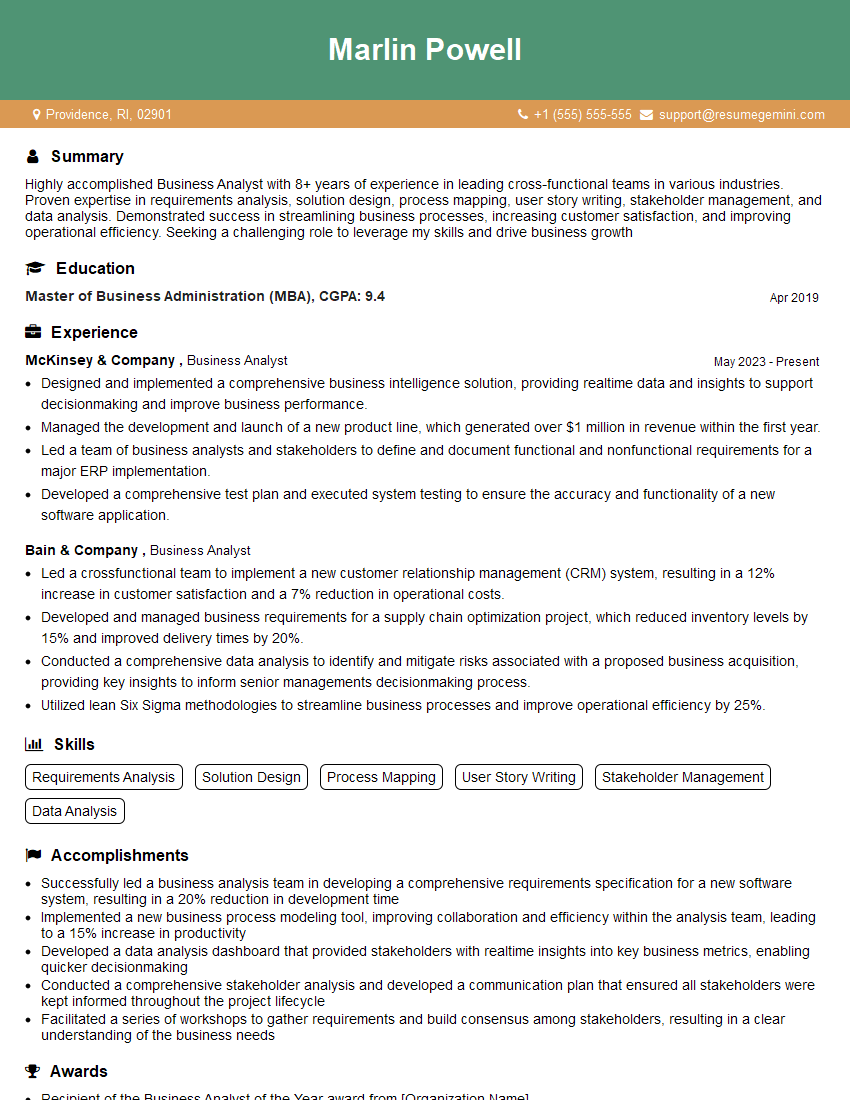
Business Analyst Resume Sample
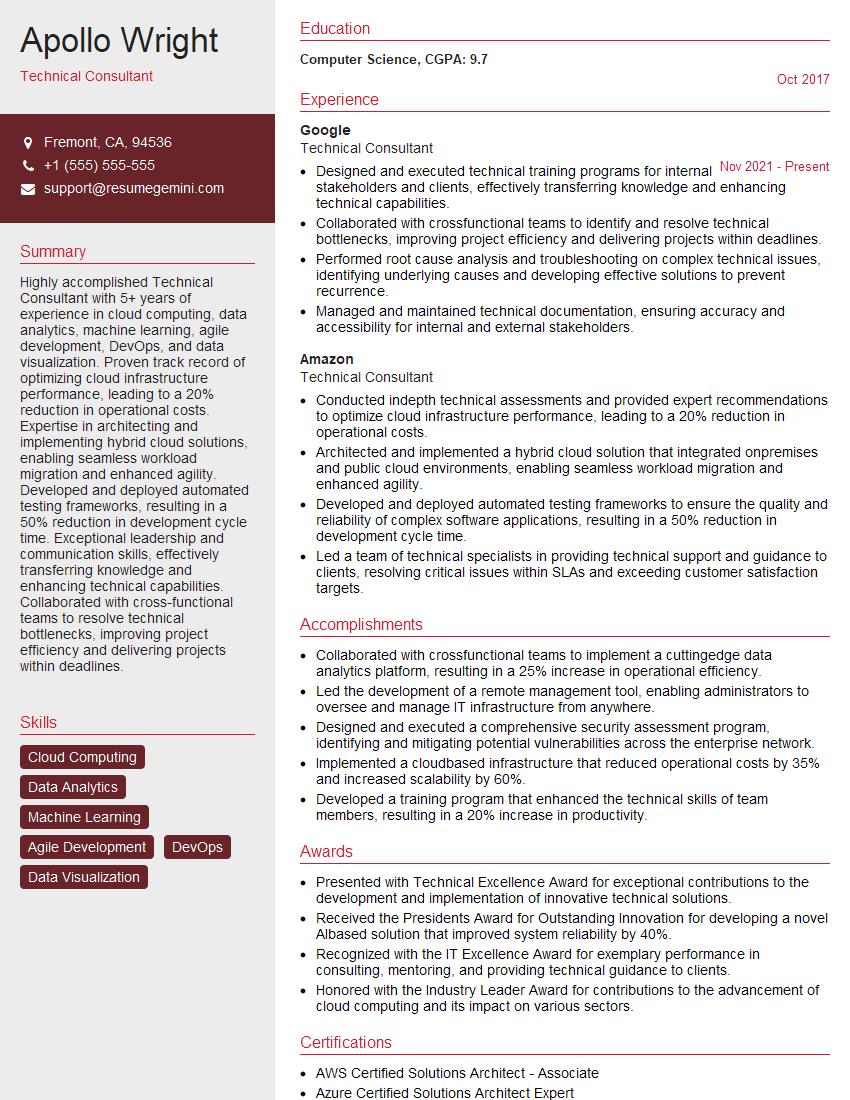
Technical Consultant Resume Sample
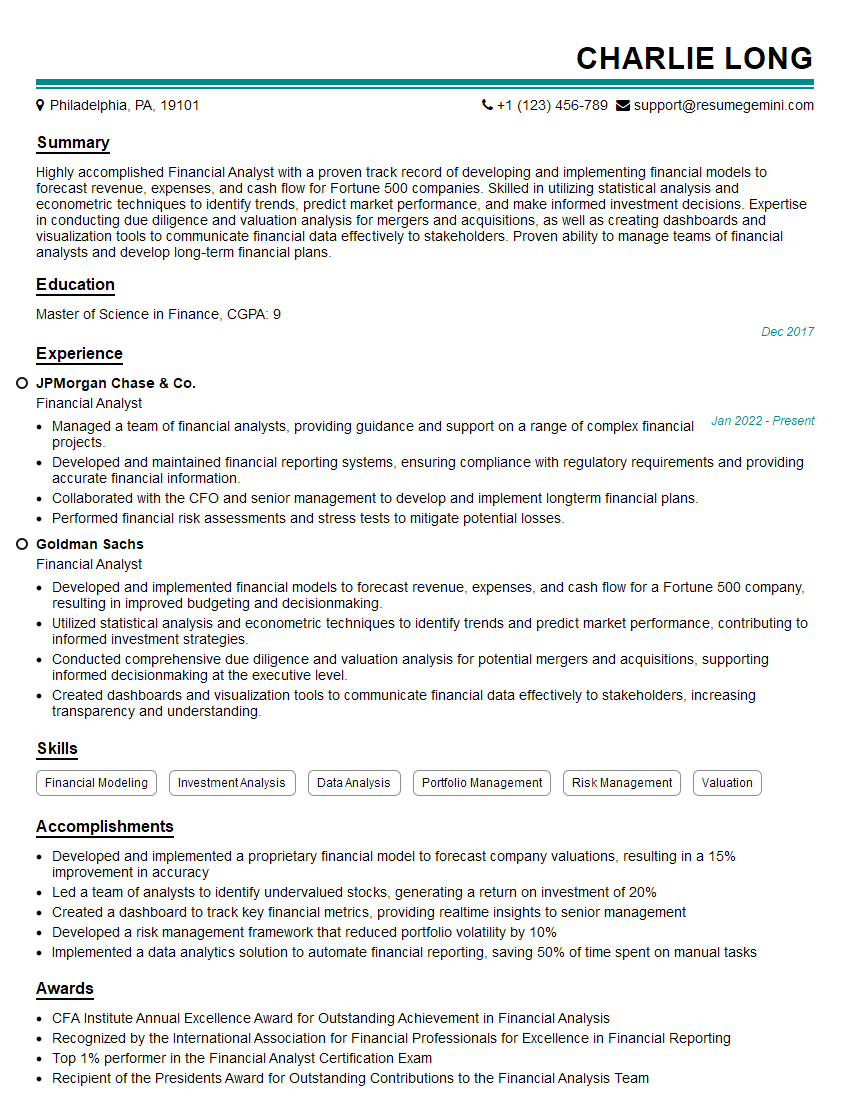
Financial Analyst Resume Sample
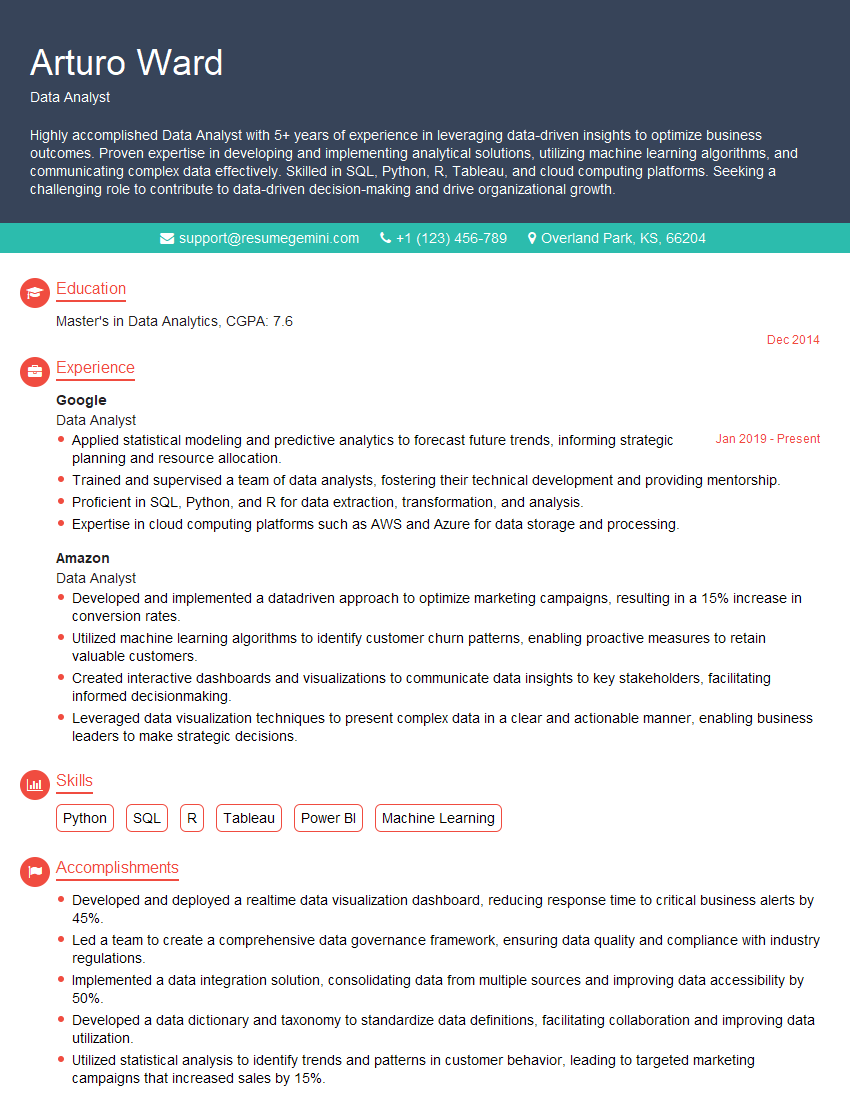
Data Analyst Resume Sample
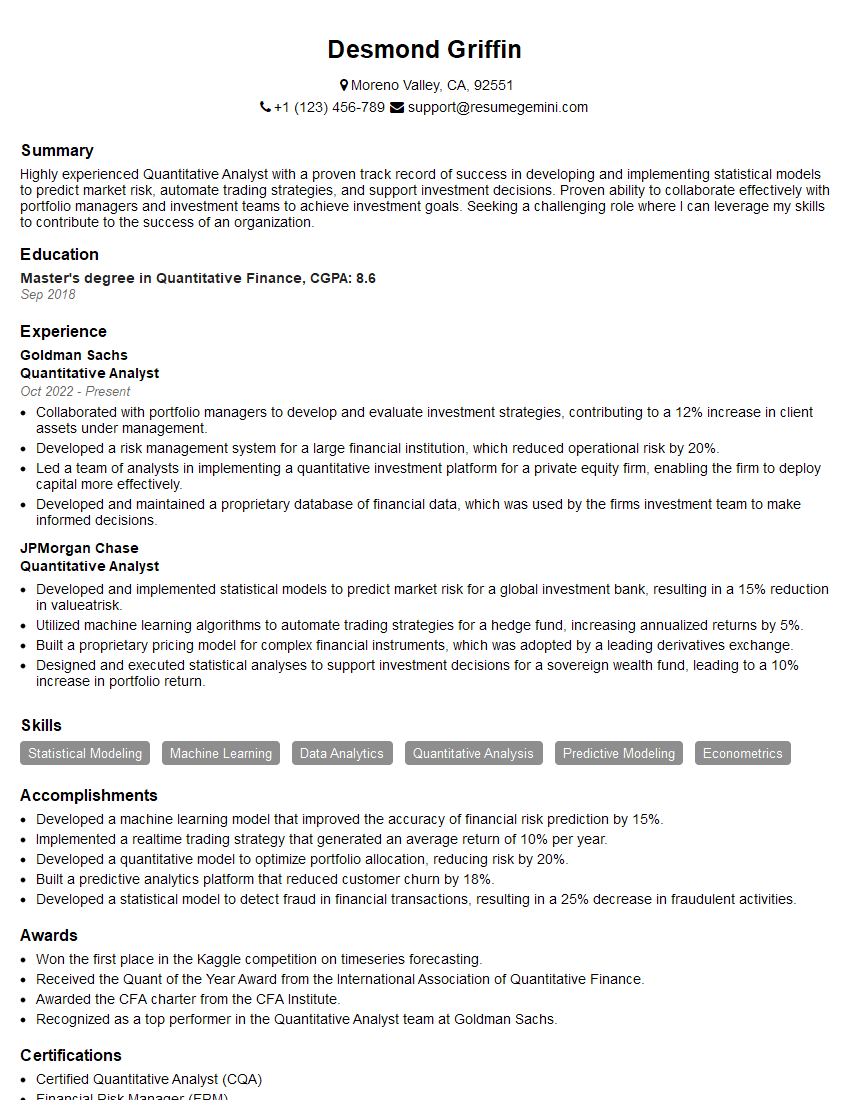
Quantitative Analyst Resume Sample
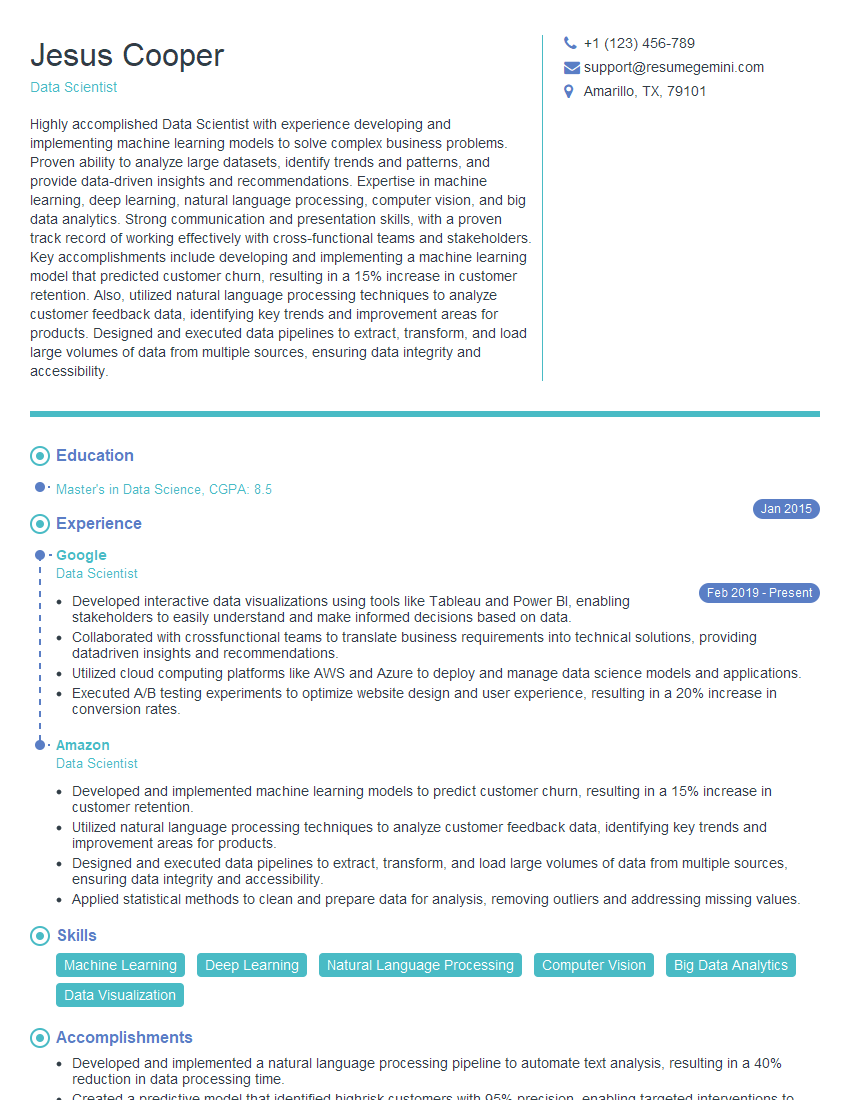
Data Scientist Resume Sample
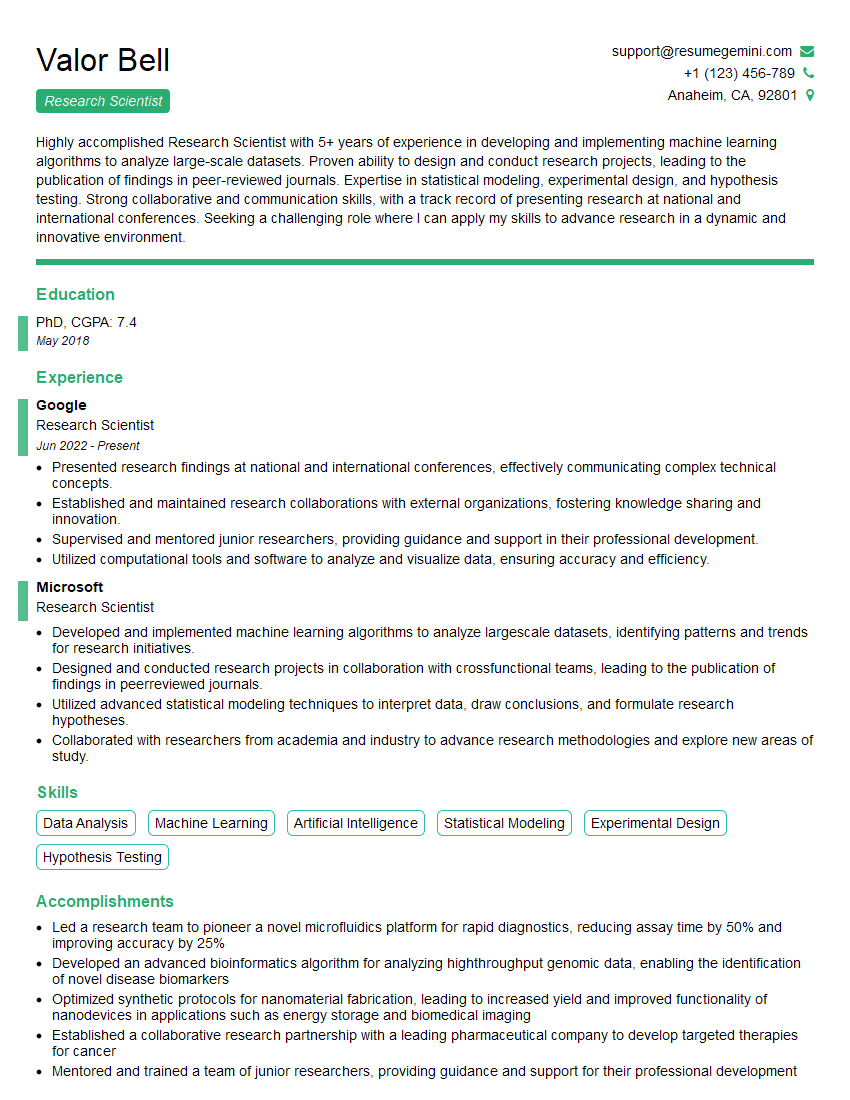
Research Scientist Resume Sample
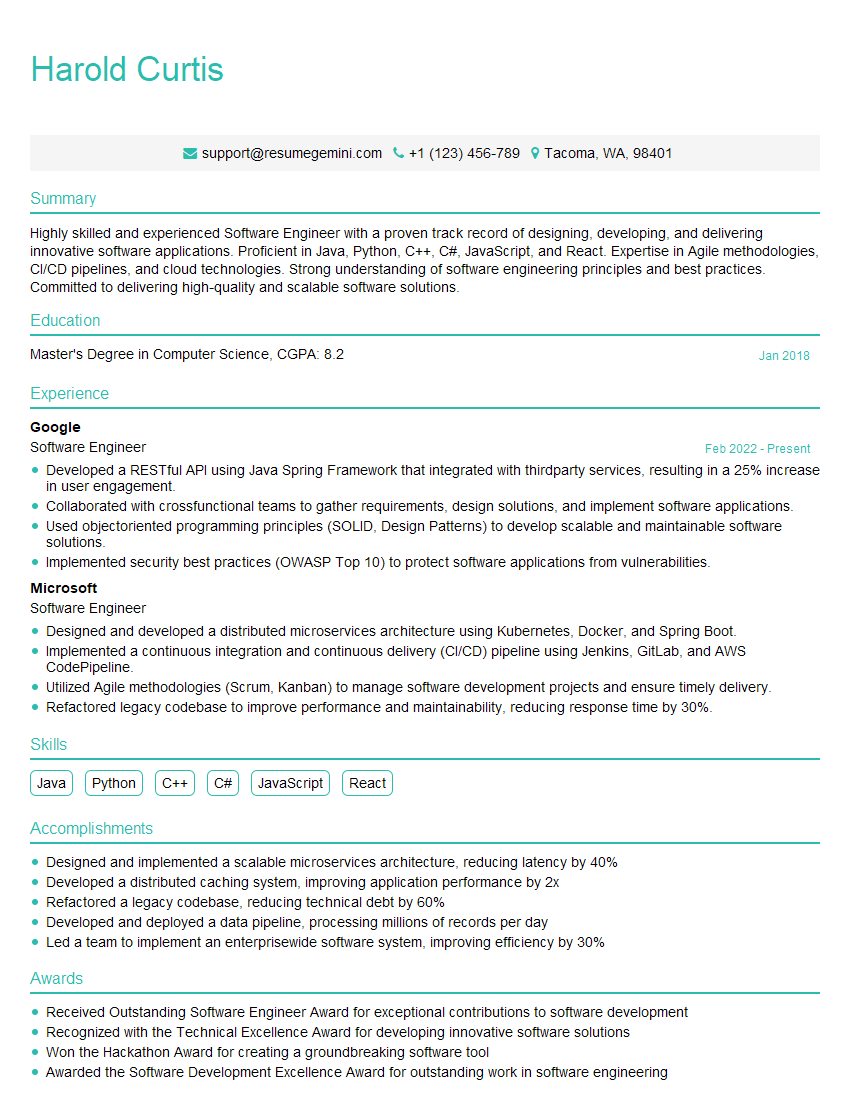
Software Engineer Resume Sample
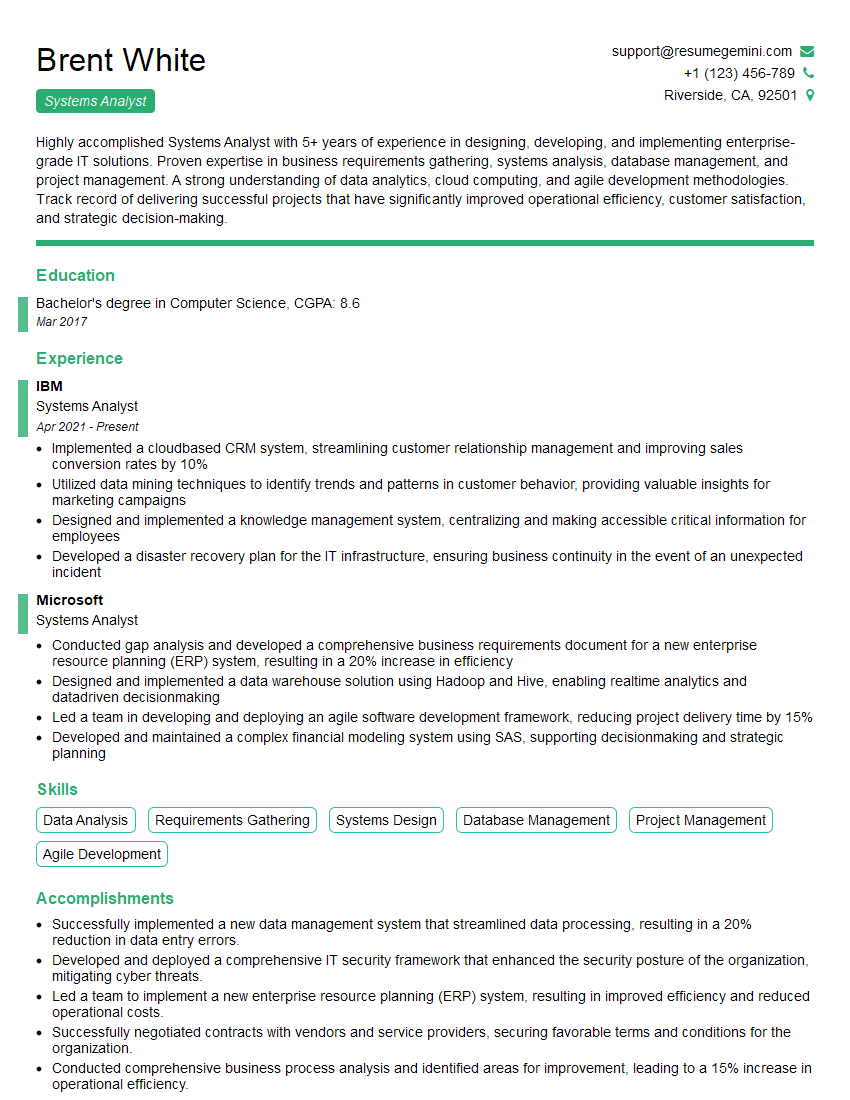
Systems Analyst Resume Sample
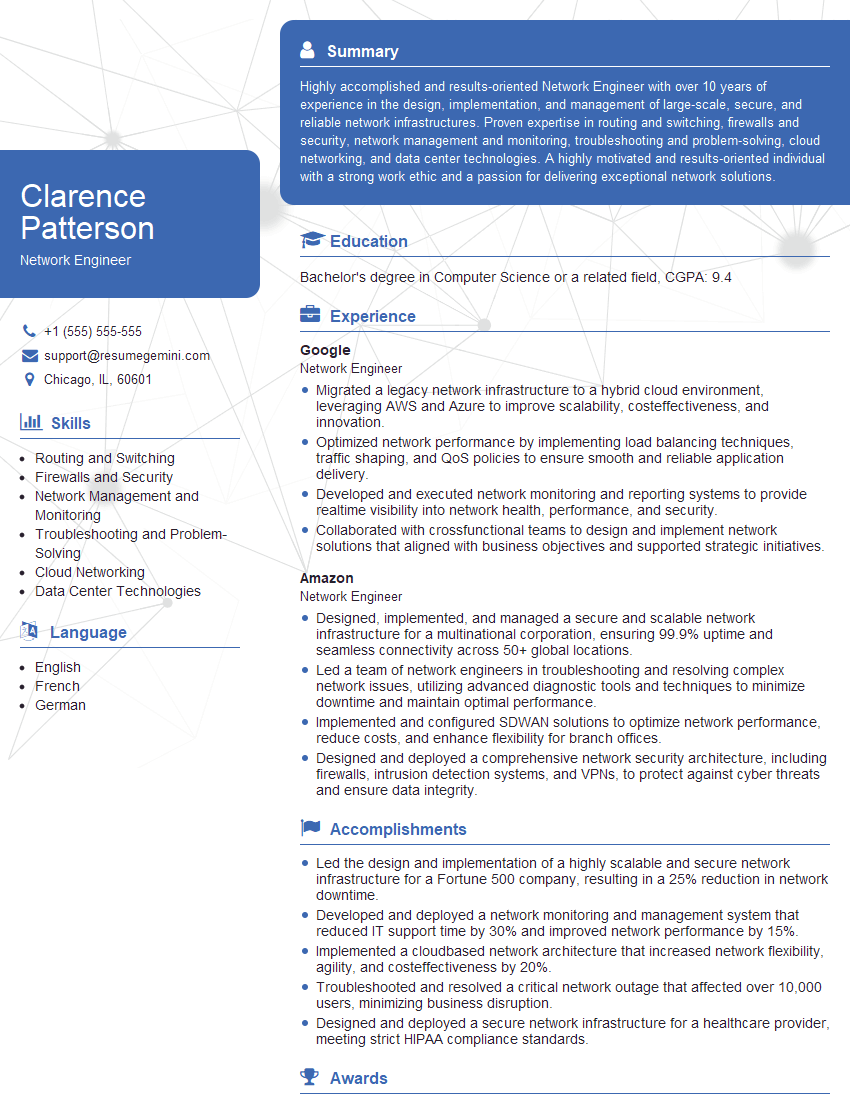
Network Engineer Resume Sample
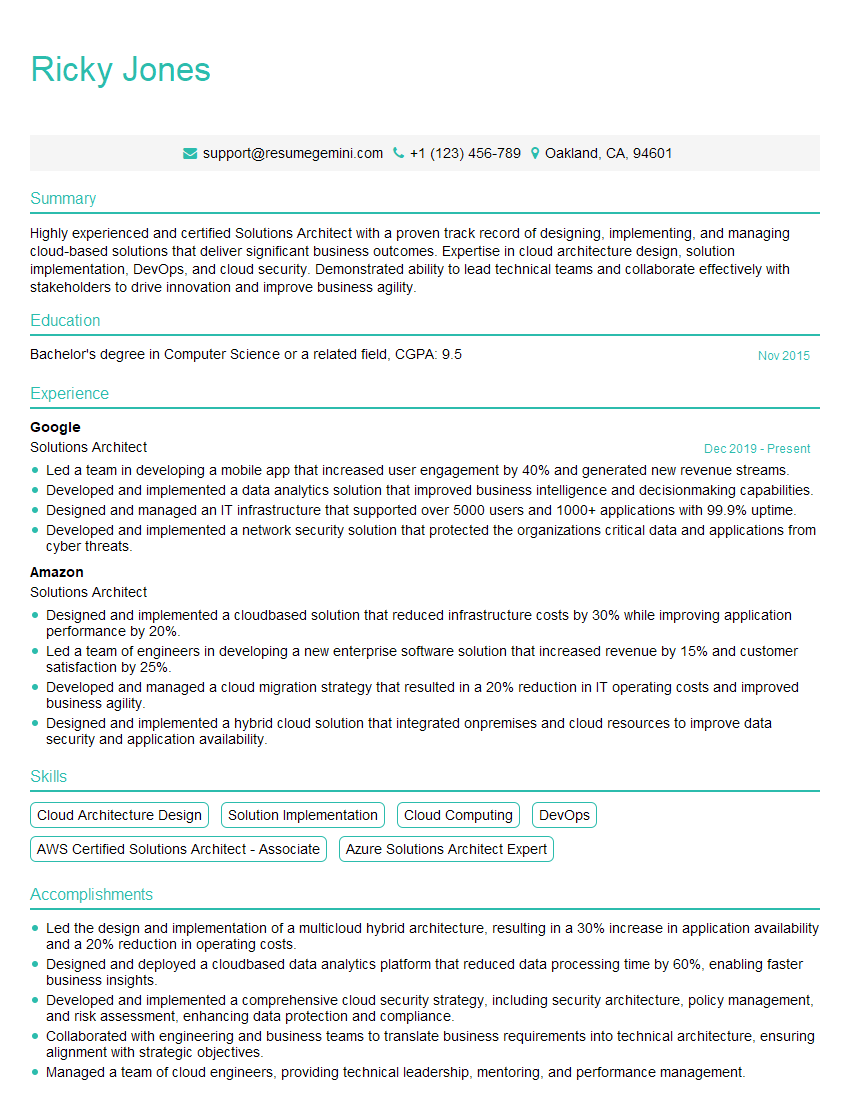
Solutions Architect Resume Sample
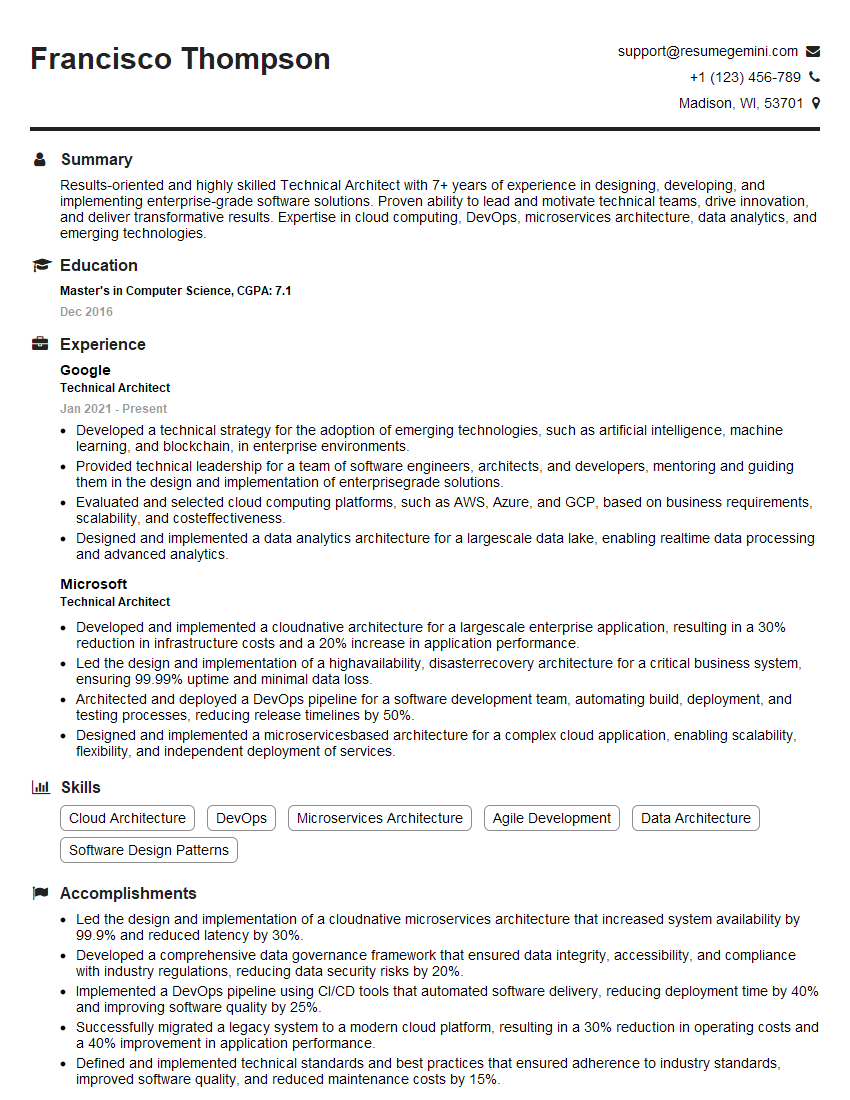
Technical Architect Resume Sample
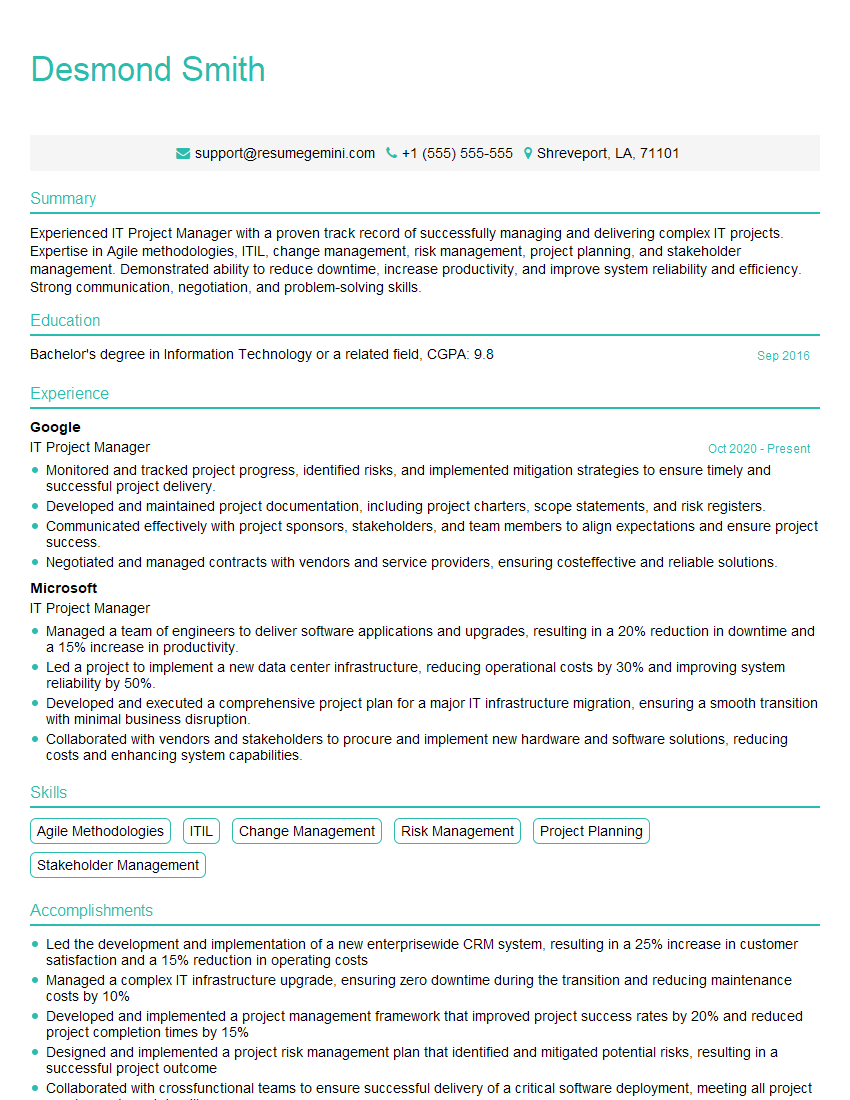
IT Project Manager Resume Sample
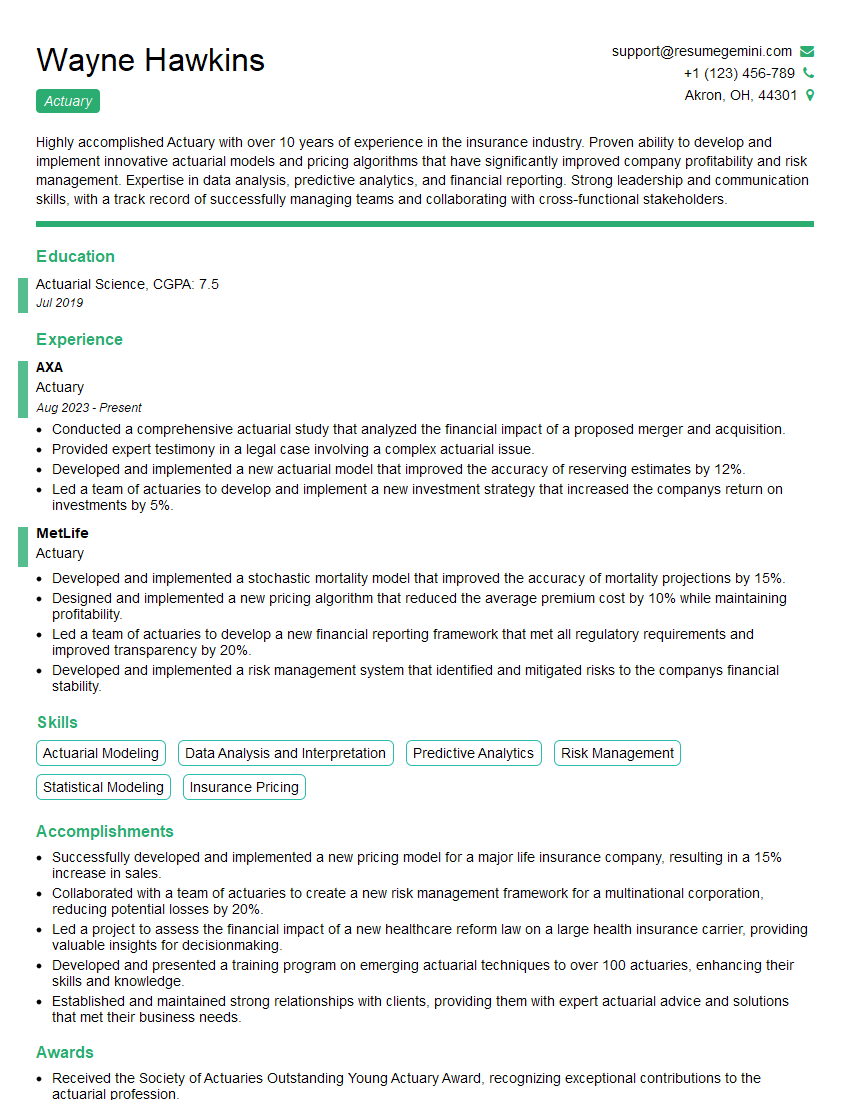
Actuary Resume Sample
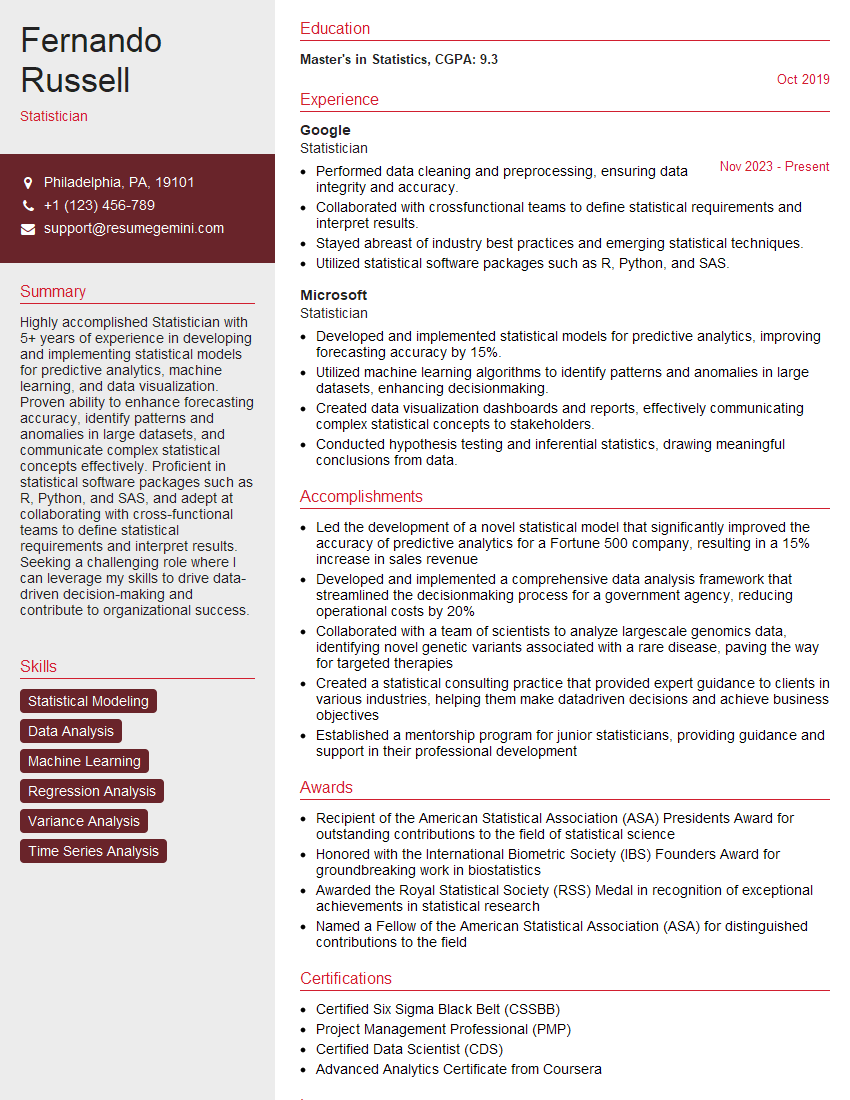
Statistician Resume Sample
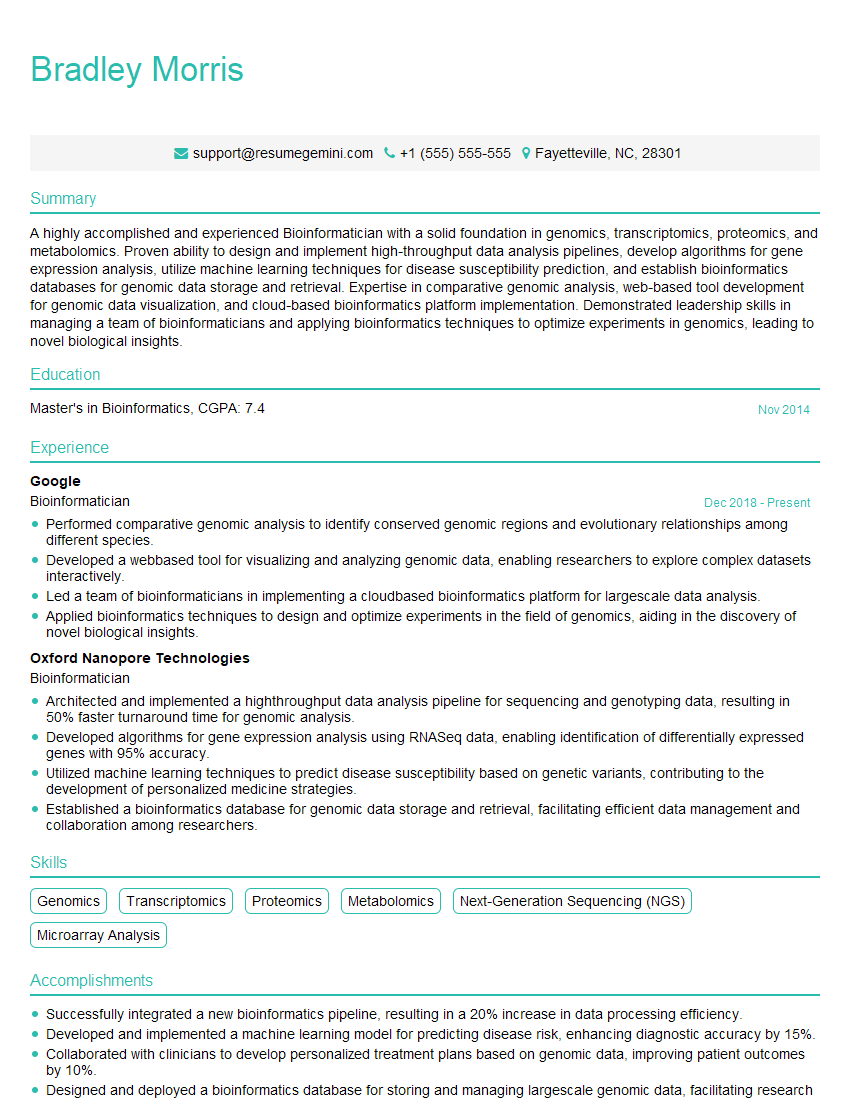
Bioinformatician Resume Sample

Technical Writer Resume Sample
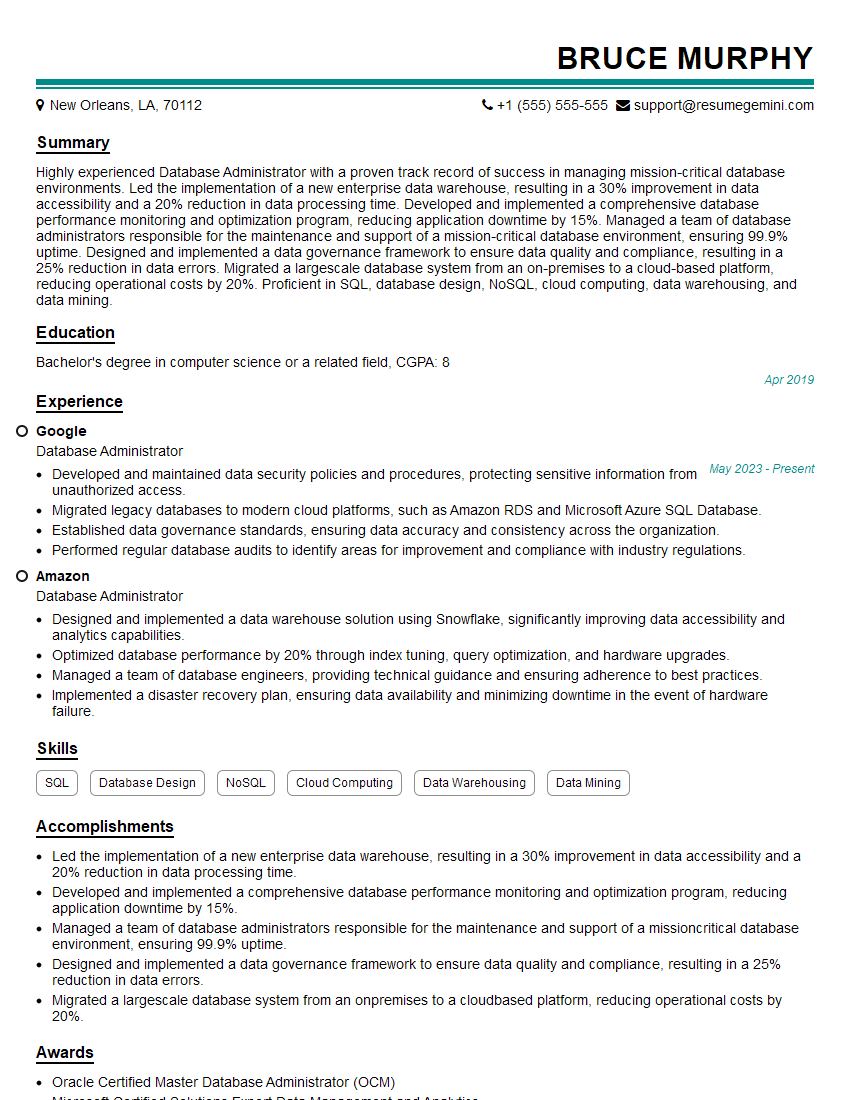
Database Administrator Resume Sample
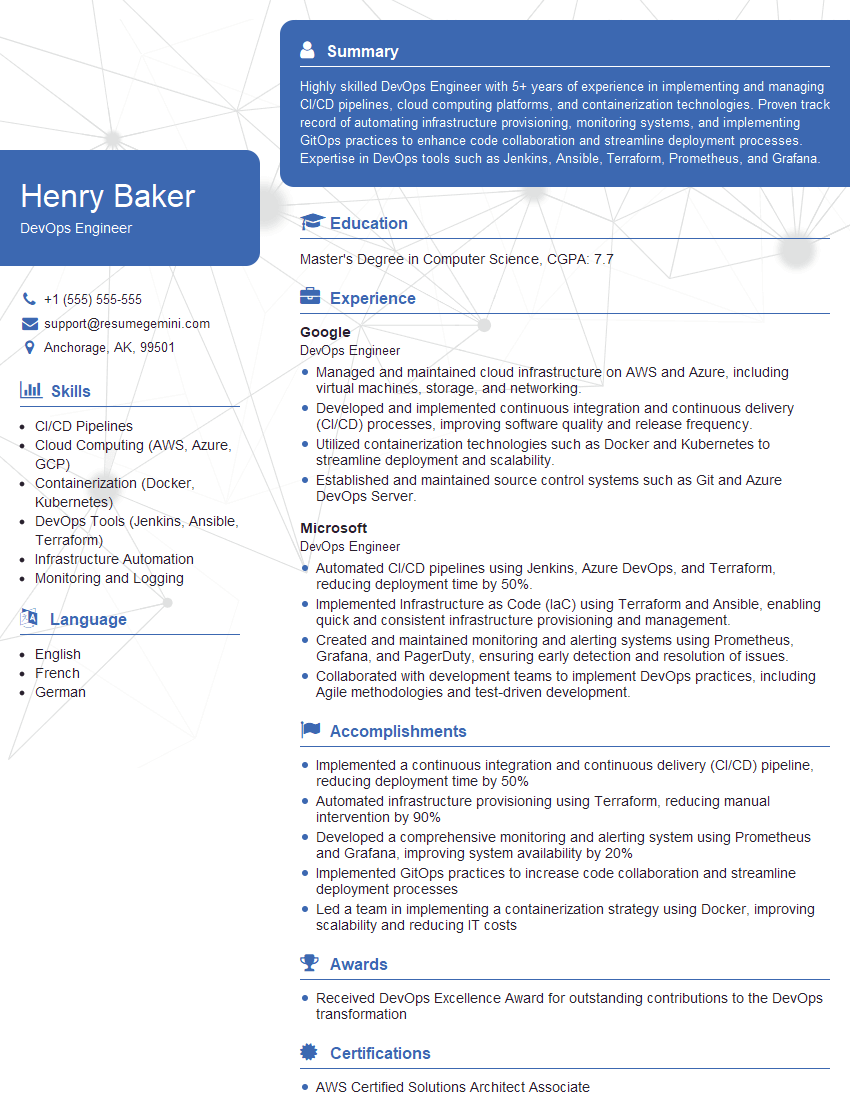
DevOps Engineer Resume Sample
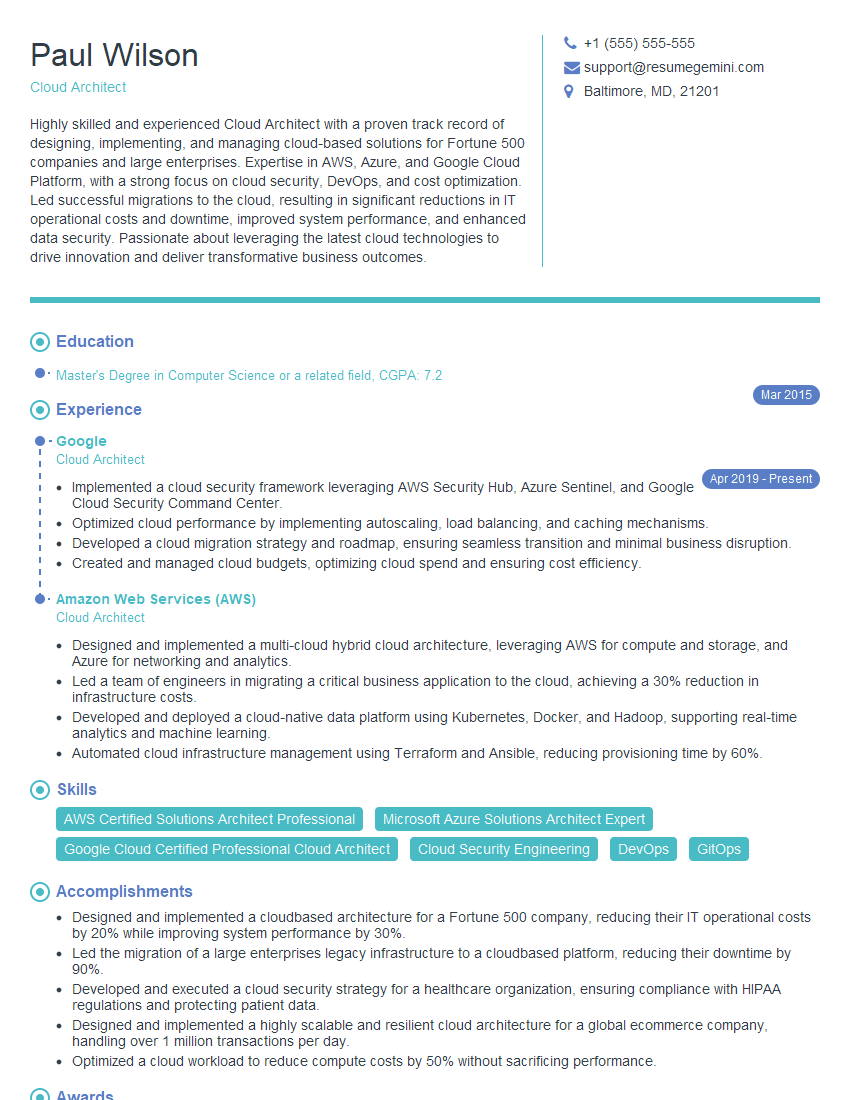
Cloud Architect Resume Sample
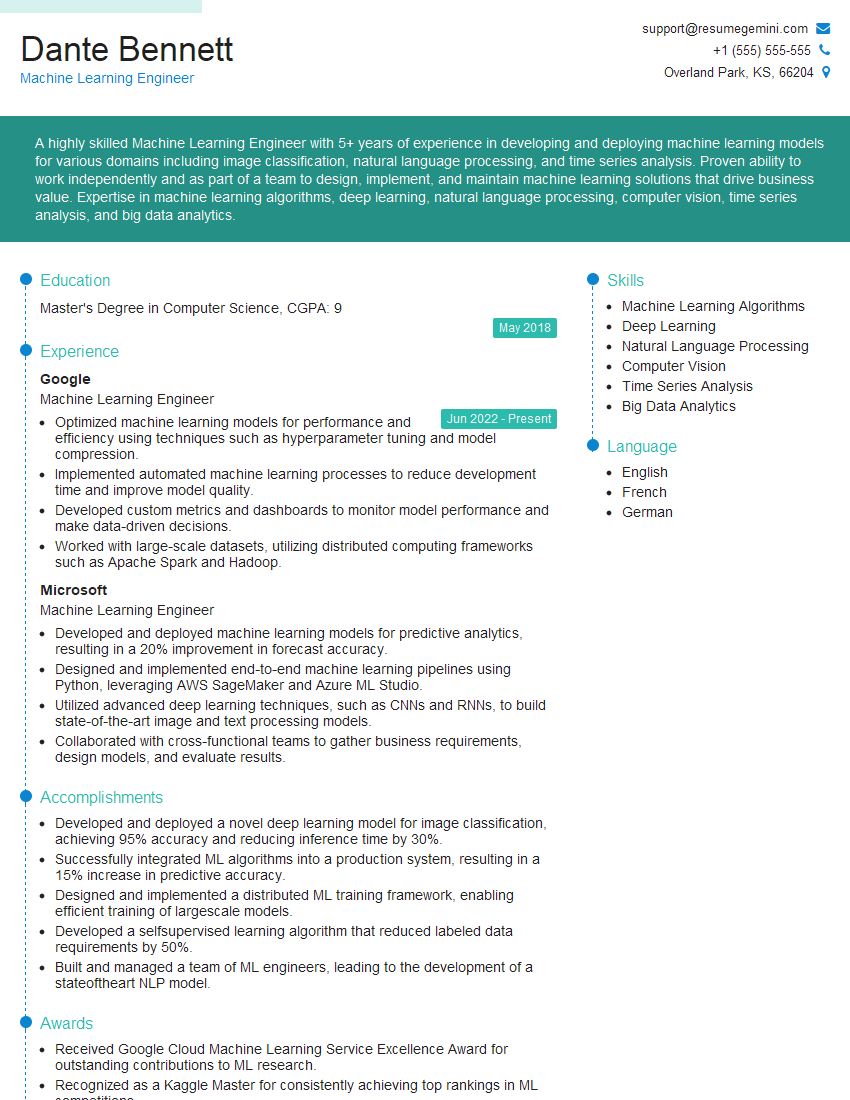
Machine Learning Engineer Resume Sample
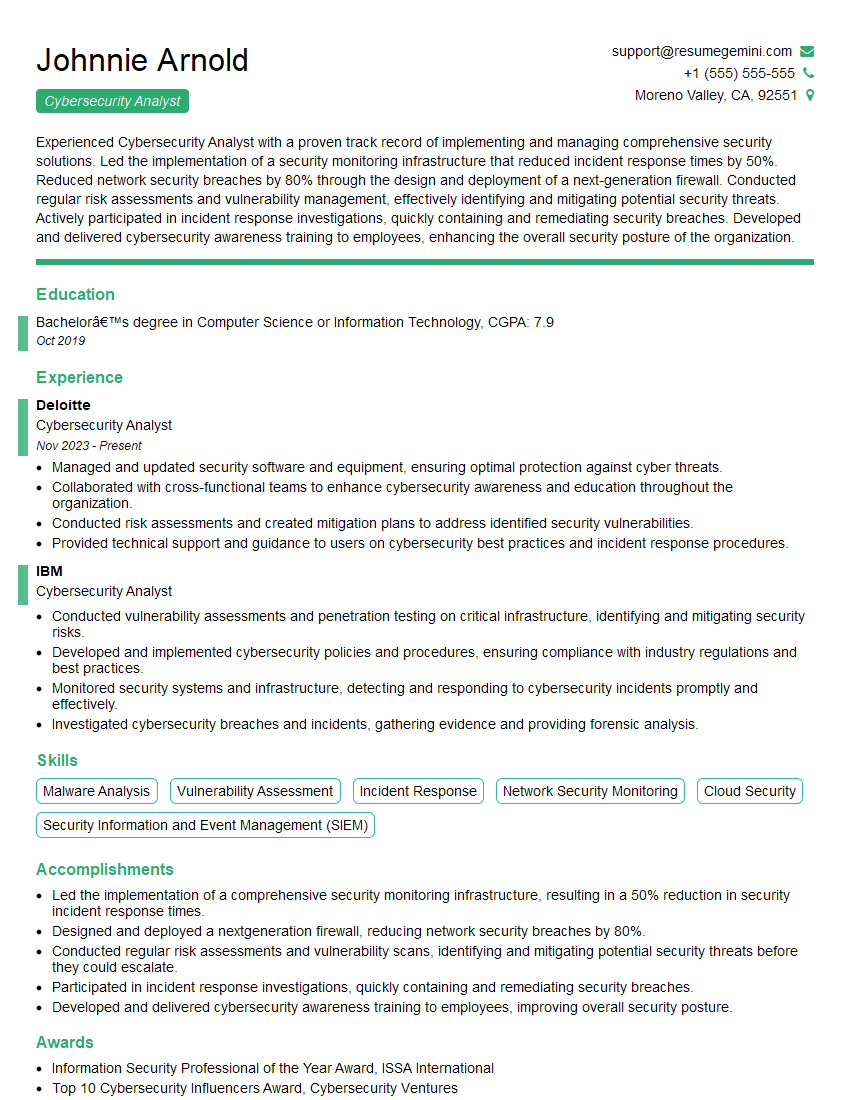
Cybersecurity Analyst Resume Sample
- Compliance Officer
- Business Analyst
- Technical Consultant
- Financial Analyst
- Data Analyst
- Quantitative Analyst
- Data Scientist
- Research Scientist
- Software Engineer
- Systems Analyst
- Network Engineer
- Solutions Architect
- Technical Architect
- IT Project Manager
- Actuary
- Statistician
- Bioinformatician
- Technical Writer
- Database Administrator
- DevOps Engineer
- Cloud Architect
- Machine Learning Engineer
- Cybersecurity Analyst
Explore more articles
Users Rating of Our Blogs
Share Your Experience
We value your feedback! Please rate our content and share your thoughts (optional).
What Readers Say About Our Blog
I Redesigned Spongebob Squarepants and his main characters of my artwork.
https://www.deviantart.com/reimaginesponge/art/Redesigned-Spongebob-characters-1223583608
IT gave me an insight and words to use and be able to think of examples
Hi, I’m Jay, we have a few potential clients that are interested in your services, thought you might be a good fit. I’d love to talk about the details, when do you have time to talk?
Best,
Jay
Founder | CEO