Preparation is the key to success in any interview. In this post, we’ll explore crucial Ability to lift heavy weights interview questions and equip you with strategies to craft impactful answers. Whether you’re a beginner or a pro, these tips will elevate your preparation.
Questions Asked in Ability to lift heavy weights Interview
Q 1. What is your maximum safe lifting capacity?
My maximum safe lifting capacity depends on several factors, including the object’s weight, its shape and size, the distance I need to carry it, and the environment. While I can lift significant weights, I always prioritize safety. I wouldn’t attempt to lift anything beyond my assessed capabilities. I regularly assess my fitness and strength to ensure I’m working within safe limits. A professional lifting assessment would provide a precise number, but I’d never compromise on safe practice for a higher weight.
Think of it like this: a strong person might be able to lift a 200lb weight once, but that doesn’t mean that is their safe working capacity. Repeated lifts, awkward angles, or fatigue can significantly impact my ability and increase risk.
Q 2. Describe your experience with proper lifting techniques.
Proper lifting techniques are paramount to prevent injury. My experience encompasses various methods, all centered around minimizing strain on the back and maximizing stability. These include:
- Proper Posture: Maintaining a straight back, engaging core muscles, and bending at the knees and hips, not the waist.
- Firm Grip: Using a secure, comfortable grip appropriate for the object’s shape and weight.
- Controlled Movement: Avoiding jerky movements and lifting smoothly in a controlled manner.
- Controlled descent: lowering the object with the same control and caution used for lifting it.
- Proper Foot placement: maintaining a stable, balanced base, with feet shoulder-width apart.
I’ve been formally trained in safe lifting practices, including specific techniques for various object types and situations. I regularly review and refresh my knowledge.
Q 3. How do you assess the weight of an object before lifting?
Assessing the weight of an object before lifting is crucial. I use a combination of methods:
- Visual Inspection: Getting a sense of size and material gives a rough estimate. Is it metal, wood, plastic? Is it compact or bulky?
- Physical Estimation: If possible, I try to gently nudge or push the object to get a feel for its weight. This helps refine my initial assessment.
- Using available tools: If the object is on a scale or can be weighed, I will do so to get an accurate measurement.
- Seeking assistance: When uncertain, especially with unusually shaped or sized items, I always seek assistance rather than attempt to lift alone. It’s better to be safe than sorry.
For example, if faced with a large box, I’d look at the size and content, possibly even shake it to guess the weight before attempting a lift.
Q 4. What safety precautions do you take when lifting heavy objects?
Safety is my top priority. When lifting heavy objects, I consistently implement these precautions:
- Proper Lifting Techniques: Always utilizing the techniques mentioned previously (maintaining proper posture, firm grip, controlled movements, etc.).
- Assessment of the Environment: Ensuring the area is clear of obstacles, well-lit, and free of hazards. I assess the surface I’m lifting from and to.
- Using Lifting Aids: Employing equipment like dollies, hand trucks, or lifting straps whenever appropriate and available.
- Teamwork: When dealing with exceptionally heavy objects or awkward situations, I always collaborate with colleagues to ensure a safe and efficient lift.
- Communication: Clear communication with coworkers is crucial for coordinated lifting.
I regularly participate in safety training to ensure I’m up to date with best practices and potential hazards.
Q 5. Explain the importance of maintaining a stable base while lifting.
Maintaining a stable base is fundamental to safe lifting. A wide, balanced stance provides the necessary support to prevent injury. When your base is unstable, the strain on your back and legs increases dramatically, significantly raising the risk of slips, strains, or falls.
Imagine trying to lift a heavy suitcase while standing on one leg – incredibly difficult and dangerous. However, standing with your feet shoulder-width apart, provides a secure foundation that allows for safer lifting and movement. A stable base distributes the weight more evenly, reducing the load on any single point.
Q 6. How do you handle lifting heavy objects in awkward positions?
Lifting in awkward positions presents unique challenges. My approach involves adapting my technique to minimize risk:
- Adjusting Body Position: I carefully position myself to get as close to the object as possible to reduce the load on my back and legs.
- Utilizing Lifting Aids: Employing tools like straps, levers, or other aids to assist in manipulating the object and to improve my reach.
- Seeking Assistance: Whenever feasible, asking for help is critical to ensure safety and prevent injury. Two or more people can better manage awkward lifts.
- Breaking Down the Lift: If possible, I might divide the lift into smaller, more manageable steps.
For example, if I had to lift a heavy item from a low shelf to a high one, I’d carefully position myself, perhaps using a step stool, and take it in stages rather than one forceful movement.
Q 7. Describe a time you had to lift a heavy object unexpectedly. What did you do?
During a recent inventory, a large pallet of boxes unexpectedly shifted, causing one to fall off. It was a heavy box, and I had to react quickly. I immediately assessed the situation – the box wasn’t in a dangerous position and wasn’t about to fall further. I cautiously approached, using proper lifting techniques—bending at the knees, keeping my back straight, and maintaining a firm grip. Since it was unexpectedly heavy, I made sure I had a solid and safe footing before I lifted.
I carefully lifted the box and moved it to a safer location. After this, I reviewed the pallet stacking procedures to avoid similar accidents in the future. The incident underscored the importance of always being aware of one’s surroundings and maintaining situational awareness, even in seemingly routine tasks.
Q 8. What are the signs of a potential lifting injury?
Recognizing potential lifting injuries requires understanding the body’s limitations. Signs can be immediate or develop over time. Immediate signs might include sharp pains in the back, neck, or shoulders, a sudden popping or clicking sound, or an inability to move normally. Later-onset signs could include persistent muscle aches, stiffness, reduced range of motion, numbness or tingling in the extremities, and even radiating pain down the legs or arms (sciatica or similar).
- Back pain: A common indicator, ranging from mild discomfort to debilitating pain.
- Muscle strains or tears: These manifest as pain, swelling, and bruising at the injury site.
- Joint pain: Pain, swelling, or stiffness in joints like the knees, hips, or shoulders.
- Herniated disc: Can cause severe back pain, radiating pain down the legs (sciatica), and numbness or weakness.
For example, if I felt a sharp pain in my lower back while lifting a heavy box, I would immediately stop, assess the pain, and seek medical attention if needed. Ignoring these signs can lead to chronic problems.
Q 9. How do you use lifting aids like dollies or hand trucks?
Lifting aids like dollies and hand trucks are essential for safe and efficient heavy lifting. Proper usage involves assessing the load, securing it properly, and maintaining balance throughout the process.
- Assessment: Before using any aid, I evaluate the weight and dimensions of the object to determine the most appropriate equipment. I also check the condition of the dolly or hand truck for any damage or wear.
- Securing the load: I use straps, ropes, or other securing mechanisms to prevent the load from shifting during transport. The center of gravity should be balanced to prevent tipping.
- Lifting and maneuvering: I use proper lifting techniques, keeping my back straight and using my leg muscles to lift. I maintain a firm grip on the equipment and move slowly and carefully, avoiding sudden movements or jerky motions.
- Uneven surfaces: I exercise additional caution on uneven surfaces, proceeding slowly and carefully. Sometimes I might need assistance to navigate difficult terrain.
For instance, when moving a heavy appliance, I’d first secure it onto a dolly, ensuring it’s balanced, then use my legs to lift the dolly, maintaining a stable stance throughout the move. I’d also check the path for any obstacles to prevent accidents.
Q 10. What is your experience with different lifting equipment?
My experience encompasses a wide range of lifting equipment, including hand trucks, dollies, pallet jacks, forklifts (with appropriate certification), and overhead cranes. Each piece of equipment has its specific applications and safety protocols. I am also familiar with the use of lifting harnesses and slings, essential for lifting awkward or oversized objects.
- Hand trucks and dollies: Proficient in using them for various loads, from boxes to furniture.
- Pallet jacks: Experienced in moving pallets in warehouse settings, adhering to safety procedures.
- Forklifts: Certified to operate forklifts safely, understanding weight capacities and maneuvering techniques.
- Overhead cranes: Familiar with operating procedures, load capacity, and safety precautions.
In a previous role, I regularly used pallet jacks to move heavy materials within a warehouse. My understanding of the equipment’s limitations and safe operating procedures ensured efficient and injury-free work.
Q 11. How do you handle heavy objects on uneven surfaces?
Lifting heavy objects on uneven surfaces presents unique challenges. It necessitates increased caution and attention to balance.
- Assessment: I thoroughly examine the surface for potential hazards like loose debris, significant slopes, or unstable footing.
- Strategic positioning: I choose a stable base of support, adjusting my stance and foot placement to maintain balance.
- Smaller, more frequent lifts: Instead of one large lift, I may break down the movement into smaller, more manageable lifts to avoid strain and maintain control.
- Additional support: If necessary, I would enlist the help of colleagues to ensure the object is safely moved.
- Equipment: If appropriate, I’d utilize equipment designed for uneven terrain, such as specialized dollies with wider bases or ramps.
For example, moving a heavy cabinet across a gravel driveway would require me to proceed slowly, checking the stability of my footing at every step. I might opt for a wider-base dolly or use multiple smaller lifts.
Q 12. What are the limitations of your lifting capabilities?
While I am strong and experienced in lifting, I am aware of my limitations. These include weight restrictions based on my physical capabilities and the potential for injury.
- Weight limits: There’s a maximum weight I can safely lift without risk of injury. This limit is influenced by factors such as the object’s shape, how far I need to carry it, and the environment.
- Physical limitations: Existing injuries or physical conditions might reduce my lifting capacity. Pre-existing back pain, for example, would limit my lifting significantly.
- Environmental factors: I am cautious when lifting in extreme temperatures, slippery conditions, or confined spaces.
I’m always honest about my limitations and will never attempt a lift that feels unsafe or exceeds my capabilities. Safety is paramount.
Q 13. How do you communicate lifting requirements to coworkers?
Clear and concise communication is crucial when handling heavy objects. I communicate lifting requirements by specifying the weight, dimensions, and any particular challenges involved. I also state what assistance might be needed.
- Weight and dimensions: I clearly communicate the weight and size of the object to ensure everyone understands the task’s demands.
- Handling instructions: I provide specific instructions on how to lift, carry, and place the object safely, highlighting any unique considerations.
- Potential hazards: I draw attention to any potential hazards, such as uneven surfaces, obstacles, or awkward shapes.
- Number of people required: If the lift requires teamwork, I specify the number of people needed and assign roles for optimal safety and efficiency.
For example, I might say, “This box weighs approximately 150 pounds. We need two people to lift it carefully and place it on the pallet. Be mindful of the uneven floor.”
Q 14. Explain the importance of teamwork in heavy lifting tasks.
Teamwork is essential for safe and efficient heavy lifting, particularly when dealing with unusually large or awkward objects. It significantly reduces the risk of injury and ensures a smooth and successful operation.
- Shared load: Distributing the weight among multiple people reduces the strain on any single individual, making the lift significantly safer and easier.
- Improved stability: A coordinated team provides better stability and control during the lift, minimizing the risk of drops or accidents.
- Enhanced communication: Teamwork encourages clear and consistent communication, allowing everyone to work in sync and respond quickly to changing circumstances.
- Safety monitoring: Team members can monitor each other for signs of strain or fatigue, preventing injuries and ensuring a smooth process.
Imagine trying to move a large piece of furniture alone. The risk of injury and strain is substantial. But with a team, each person can support part of the weight, reducing stress and ensuring a safe and controlled movement.
Q 15. How do you adapt your lifting techniques for different objects?
Adapting lifting techniques depends entirely on the object’s characteristics. Think of it like this: you wouldn’t lift a feather the same way you’d lift a piano! I assess three key factors: shape, weight, and stability.
Shape: For awkwardly shaped objects, I prioritize a wider stance for better balance and use straps or other aids to secure a proper grip. For example, lifting a long, narrow pipe requires a different grip and posture than lifting a square box. I’d use a two-handed grip, keeping the load close to my body, distributing the weight evenly, and maintaining a straight back.
Weight: Heavier objects necessitate a team lift, the use of mechanical aids (like forklifts or hand trucks), or breaking the load down into smaller, more manageable portions. Even seemingly light objects can become heavy if lifted repeatedly; I always consider the cumulative weight over time.
Stability: Objects with a high center of gravity or unstable bases require extra caution. I ensure a secure grip and a stable base of support, moving slowly and deliberately to prevent accidents. For example, when lifting a stack of unevenly balanced boxes, I’d secure them with straps or carefully arrange them to ensure a stable center of gravity before lifting.
Career Expert Tips:
- Ace those interviews! Prepare effectively by reviewing the Top 50 Most Common Interview Questions on ResumeGemini.
- Navigate your job search with confidence! Explore a wide range of Career Tips on ResumeGemini. Learn about common challenges and recommendations to overcome them.
- Craft the perfect resume! Master the Art of Resume Writing with ResumeGemini’s guide. Showcase your unique qualifications and achievements effectively.
- Don’t miss out on holiday savings! Build your dream resume with ResumeGemini’s ATS optimized templates.
Q 16. How familiar are you with OSHA regulations on lifting?
I’m very familiar with OSHA regulations regarding lifting, specifically 29 CFR 1910.132 (Personal Protective Equipment) which applies to lifting and handling of materials. This includes understanding the requirements for proper PPE (Personal Protective Equipment), such as gloves, back supports and safety shoes, as well as the importance of training in safe lifting techniques. I’m also aware of the need for job hazard analysis (JHA) before undertaking heavy lifting tasks to identify potential hazards and implement appropriate control measures. Failure to follow these regulations can lead to serious injuries and workplace incidents, therefore my understanding and compliance are absolute.
Q 17. Describe your experience with lifting and moving large or bulky items.
I have extensive experience in handling large and bulky items, ranging from machinery components in a manufacturing setting to furniture in a warehousing environment. This experience has included:
- Using specialized equipment like forklifts and pallet jacks, where appropriate, to minimize strain and increase efficiency.
- Collaborating with team members to safely lift and maneuver heavy objects that exceeded my individual capacity.
- Strategically planning the movement of large items to avoid obstacles and minimize risks. This includes assessing the route and ensuring the clear space required.
- Securing bulky items with straps or other suitable restraints to prevent shifting or slippage during transport.
I’ve also managed the dis-assembly and re-assembly of large units to facilitate easier handling and transportation.
Q 18. What is your understanding of ergonomic principles related to lifting?
Ergonomic principles in lifting focus on minimizing strain and risk of injury by optimizing posture and movement. Key principles include:
- Maintaining a neutral spine: Avoid twisting or bending at the waist. Keep your back straight and lift with your legs.
- Keeping the load close to the body: This reduces leverage and strain on the back.
- Using proper lifting techniques: Bend your knees, keep your back straight, and lift smoothly using your leg muscles.
- Avoiding sudden movements: Lift and lower objects gradually to prevent injuries.
- Taking breaks and using appropriate equipment: This prevents fatigue and strain.
Understanding these principles helps prevent musculoskeletal disorders such as back pain, which is a very common injury amongst those who lift heavy weights.
Q 19. How do you ensure proper posture and body mechanics when lifting?
Proper posture and body mechanics are paramount. I always start by assessing the weight and shape of the object. I then follow these steps:
- Assess the load: Determine the weight and how best to grasp it.
- Get a stable stance: Position my feet shoulder-width apart, with one slightly ahead of the other for balance.
- Bend my knees: Lower my body to the object, keeping my back straight.
- Grip firmly: Use a strong and comfortable grip, keeping the object close to my body.
- Lift with my legs: Straighten my legs, using my leg muscles to lift the weight.
- Maintain a straight back: Avoid twisting or bending my back during the lift.
- Lower slowly: Reverse the process, lowering the object slowly and carefully.
Think of it like a controlled, coordinated movement, not a jerky heave-ho. Maintaining good posture and body mechanics is crucial for injury prevention and ensures the lift is as safe and efficient as possible.
Q 20. What is your recovery process after heavy lifting activities?
My recovery process after heavy lifting focuses on rest, hydration, and stretching. This prevents muscle soreness and potential injuries.
- Rest: Allowing my muscles to recover is essential. This might involve taking breaks during the workday or ensuring adequate sleep after a physically demanding day.
- Hydration: Replenishing fluids lost through sweat is crucial for muscle function and recovery. I drink plenty of water before, during and after periods of heavy lifting.
- Stretching: Focusing on stretches that target the back and leg muscles, particularly those involved in the lifting process. These should be gentle stretches, not strenuous ones.
- Light activity: Gentle walking or light cardio can promote blood flow and aid muscle recovery. Avoid intense workouts immediately after heavy lifting.
- Listen to my body: If pain persists, it’s crucial to seek medical attention. It’s better to err on the side of caution.
Q 21. How do you recognize and address potential hazards during lifting?
Identifying and addressing hazards is a crucial part of safe lifting practices. I utilize a proactive approach, including:
- Pre-lift assessment: I carefully examine the area for potential hazards like obstacles, uneven surfaces, or slippery conditions. I also check the object itself for damage or instability.
- Proper equipment selection: When necessary, I choose the right tools, including gloves, back supports, hand trucks, or other lifting aids.
- Communication: When working as a team, clear communication is paramount. We establish clear signals and procedures before attempting a lift. It’s always better to have too much communication than too little.
- Environmental factors: I consider environmental conditions such as temperature and humidity, as they can impact my physical ability and potentially lead to dehydration or heat exhaustion.
- Immediate action: If a hazard is identified, I immediately stop the lift and report the issue to my supervisor. Safety is always the top priority.
Q 22. Describe your experience with different types of lifting injuries.
Lifting injuries are unfortunately common, and understanding their various forms is crucial for prevention. I’ve encountered a wide range, from minor muscle strains and sprains to more serious issues like herniated discs, rotator cuff tears, and carpal tunnel syndrome. Muscle strains often occur due to improper lifting technique, causing overstretching or tearing of muscle fibers. Imagine trying to lift a heavy box without bending your knees – the strain on your lower back is immense, potentially leading to a strain or even a more serious injury. Sprains are similar but involve ligament damage, often around joints like the ankles or wrists. Herniated discs, a severe spinal injury, can result from repeated heavy lifting or a single forceful movement, putting pressure on the nerves and causing debilitating pain. Rotator cuff tears, common in overhead lifting, affect the shoulder muscles, leading to pain and limited range of motion. Finally, repetitive movements like carrying heavy objects can compress nerves in the wrist, resulting in carpal tunnel syndrome. Each injury necessitates different treatment, emphasizing the importance of proper technique and risk assessment.
Q 23. What do you do if you encounter a damaged or broken lifting tool?
Safety is paramount. If I encounter a damaged or broken lifting tool, my first action is to immediately remove it from service. I would clearly mark it as ‘out of order’ or ‘damaged,’ preventing accidental use. Then, I would report the damage to my supervisor or the appropriate authority, providing a detailed description of the damage and its location. Depending on the severity and type of damage, this might involve filling out an incident report or taking photos as evidence. I would also ensure the work area remains safe, potentially cordoning off the area if necessary until the damaged tool is replaced or repaired. Using a damaged tool is a serious risk, potentially leading to injury to myself or others, so immediate action is vital.
Q 24. How do you prioritize safety when lifting under pressure?
Prioritizing safety under pressure requires a disciplined approach. I would never compromise safety for speed. I utilize a checklist – assessing the weight, distance, and stability of the load; ensuring proper footing and posture; utilizing assistive devices if needed (like lifting straps or a pallet jack); and confirming a clear path before lifting. Visualizing the lift before I start helps anticipate potential problems. Think of it like a pilot running pre-flight checks – a thorough check prevents disasters. If unsure about my ability to lift the object safely, I won’t hesitate to seek assistance from colleagues or use machinery appropriate for the task. Time saved by rushing is never worth the cost of a potential injury.
Q 25. How do you ensure the safety of those around you when lifting heavy objects?
Ensuring the safety of others is as crucial as my own. Before lifting, I would clearly communicate my intentions and actions to those in the vicinity. This might involve verbally announcing ‘Lifting!’ or using hand signals to alert colleagues of my movement. I’d also make sure the area is clear of obstructions and people, and that the lift path is free. After the lift, I would carefully place the load down in a stable location, ensuring it won’t topple over and cause harm. Proper communication and a mindful approach to movement are key to preventing accidents when working near others. Imagine lifting a heavy beam – shouting a warning allows others to clear the area, preventing injury from a falling object.
Q 26. How would you handle a situation where a lifting task exceeds your capacity?
If a lifting task exceeds my capacity, I would never attempt it alone. My first step is to accurately assess the weight and the requirements of the lift. If it’s beyond my capabilities, I’d immediately request assistance from colleagues or utilize appropriate lifting equipment such as a forklift, crane, or hoist. Ignoring this could result in severe injury. Trying to lift something too heavy is like trying to squeeze into clothes too small – it’s uncomfortable, dangerous, and ultimately unproductive. Seeking help is not a sign of weakness; it’s a sign of responsible decision-making and prioritizing safety.
Q 27. What training or certifications do you have in safe lifting practices?
I hold a valid certification in OSHA’s 10-hour general industry safety and health training program. This program provided me with in-depth knowledge of hazard recognition, prevention, and safe work practices, with a significant focus on ergonomics and material handling techniques. I am also certified in the safe operation of forklifts and other lifting equipment, which demonstrates my commitment to safe and efficient operations. This training is regularly updated to reflect best practices and emerging safety standards, keeping my knowledge current.
Q 28. How do you stay physically fit and prepared for heavy lifting demands?
Maintaining peak physical condition is essential for heavy lifting. My fitness regimen involves a blend of strength training, cardiovascular exercise, and flexibility training. Strength training focuses on building core strength and muscle groups crucial for lifting, including back, legs, and shoulders. Think of squats, deadlifts, and overhead presses. Cardiovascular exercises improve endurance and stamina, essential for prolonged lifting activities. Flexibility training, such as yoga and stretching, helps prevent injuries and maintain a full range of motion. Adequate sleep, nutrition, and hydration are equally important. Regular check-ups with a physician ensure early detection and treatment of any potential health issues that might impact my ability to perform safely and effectively.
Key Topics to Learn for Ability to Lift Heavy Weights Interview
- Safe Lifting Techniques: Understanding proper body mechanics, including posture, foot placement, and lifting methods to prevent injury. This includes knowing the difference between lifting with your legs versus your back.
- Weight Assessment and Limitations: Accurately judging the weight of objects and recognizing personal physical limitations. Understanding the importance of asking for assistance when necessary.
- Equipment and Tool Usage: Familiarity with lifting aids such as dollies, hand trucks, and hoists, and the safe operation of each. Understanding the limitations of each tool.
- Workplace Safety Regulations: Knowledge of relevant OSHA (or equivalent) guidelines and regulations concerning safe lifting practices and reporting procedures for injuries.
- Communication and Teamwork: Effectively communicating lifting plans with colleagues, signaling for assistance when needed, and understanding the importance of teamwork in heavy lifting situations.
- Injury Prevention and First Aid: Understanding common lifting injuries (strains, sprains, etc.) and basic first aid procedures for minor injuries sustained during lifting.
- Ergonomics and Workplace Design: Understanding how workplace layout and equipment placement can impact lifting efficiency and safety. Identifying potential hazards and suggesting improvements.
Next Steps
Mastering safe and efficient heavy lifting techniques is crucial for career advancement in many physically demanding fields. It demonstrates your commitment to workplace safety and your ability to contribute effectively to a team. To maximize your job prospects, creating an ATS-friendly resume is essential. ResumeGemini can help you build a powerful resume that highlights your skills and experience in this area, ensuring your application stands out. We offer examples of resumes tailored to highlight experience in lifting heavy weights – check them out to see how you can showcase your abilities effectively.
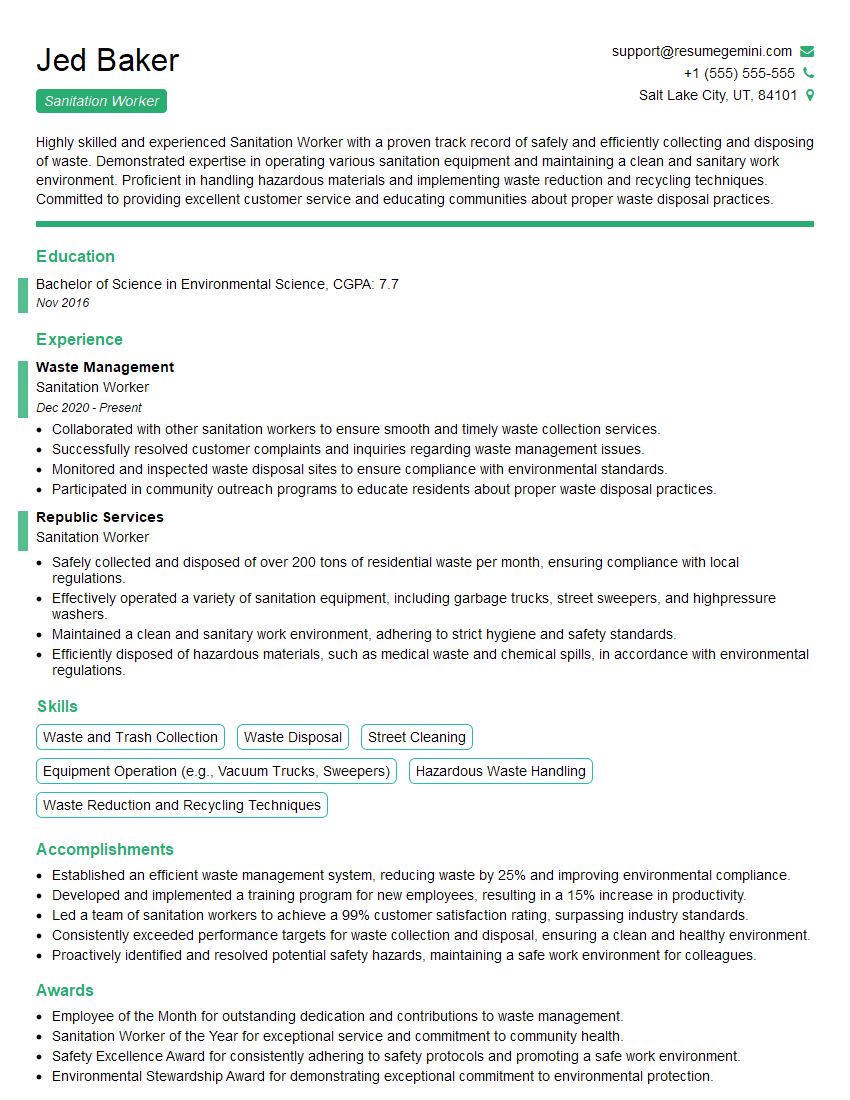
Sanitation Worker Resume Sample
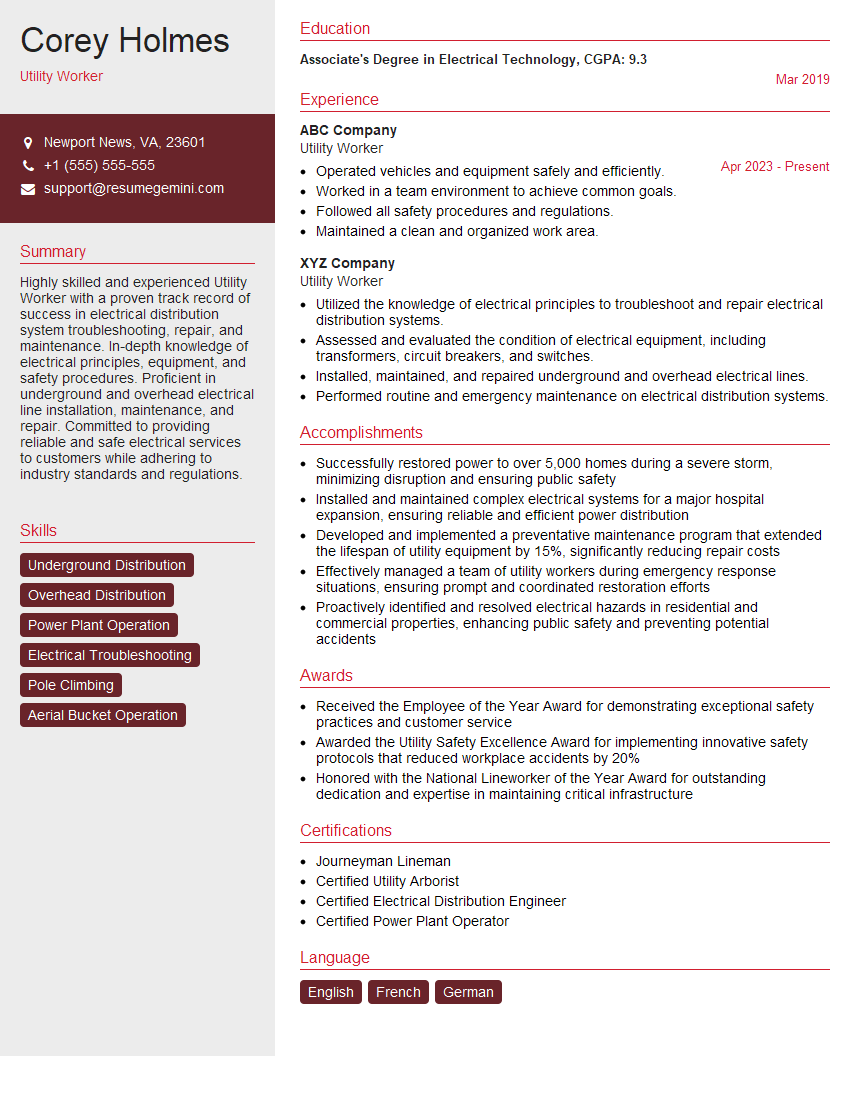
Utility Worker Resume Sample

Crane Operator Resume Sample
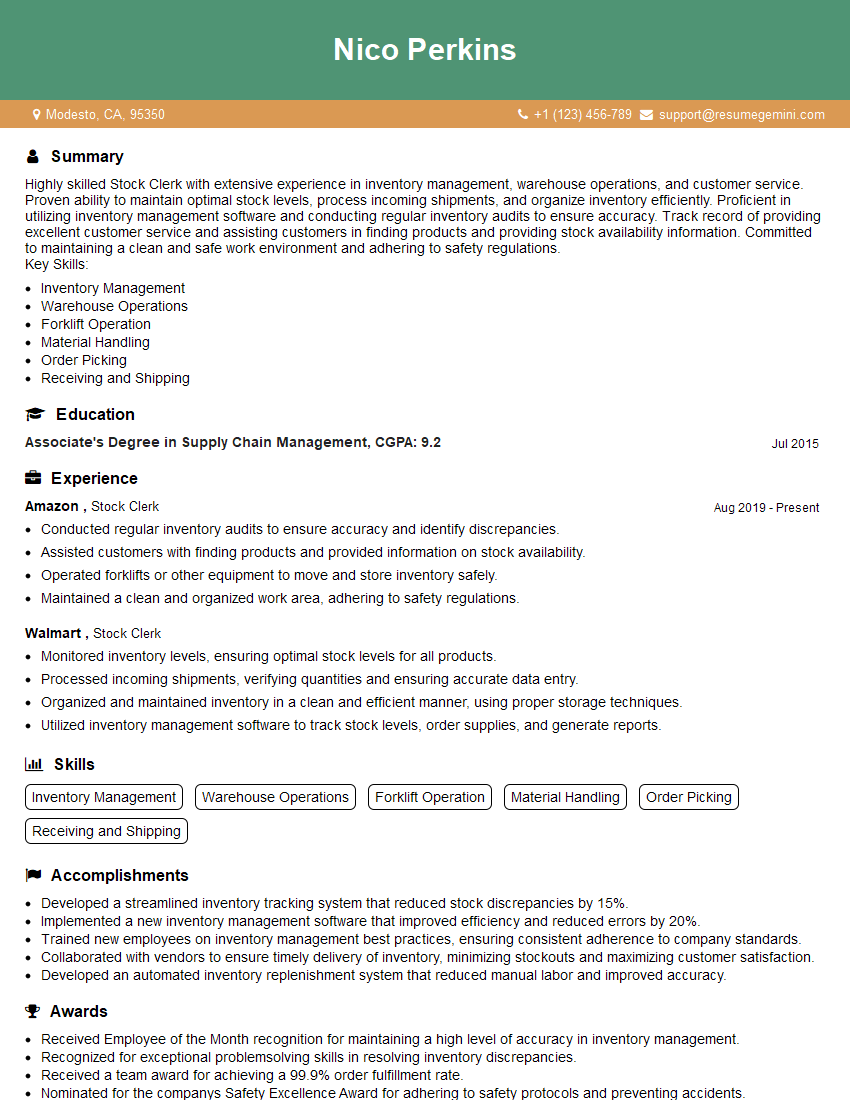
Stock Clerk Resume Sample

Shipping and Receiving Clerk Resume Sample
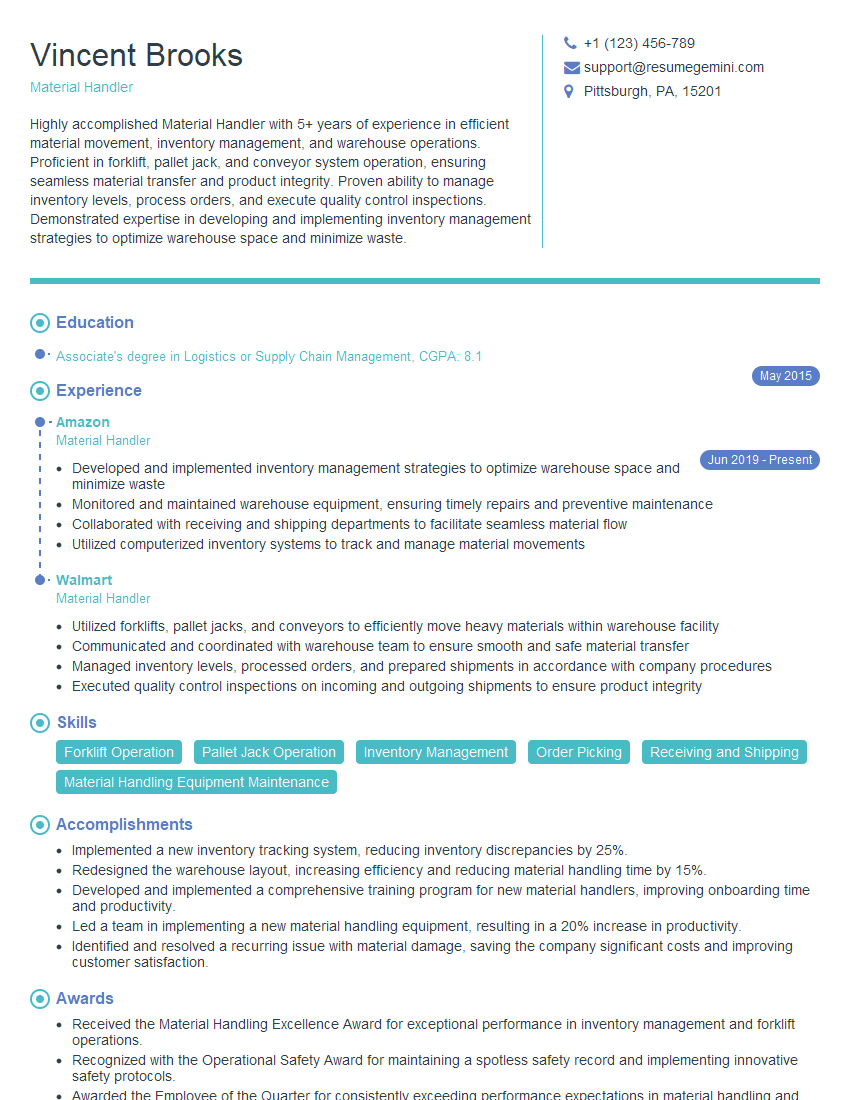
Material Handler Resume Sample
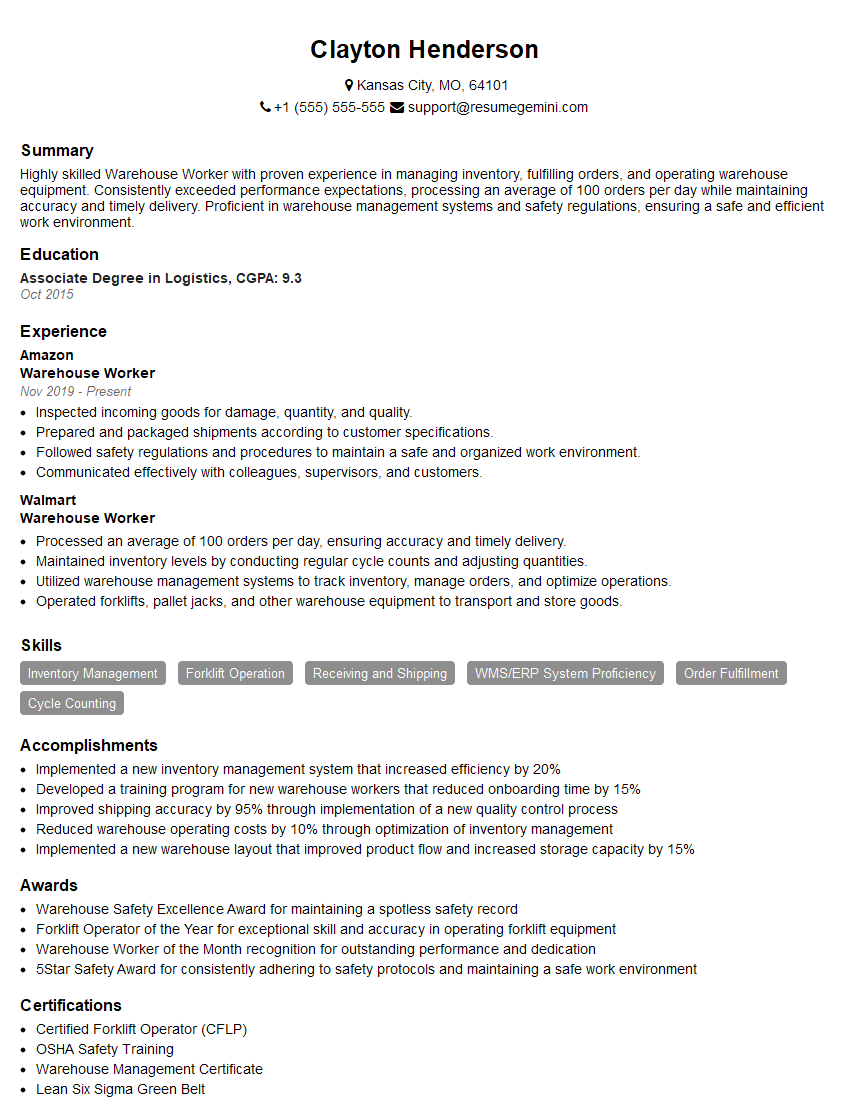
Warehouse Worker Resume Sample
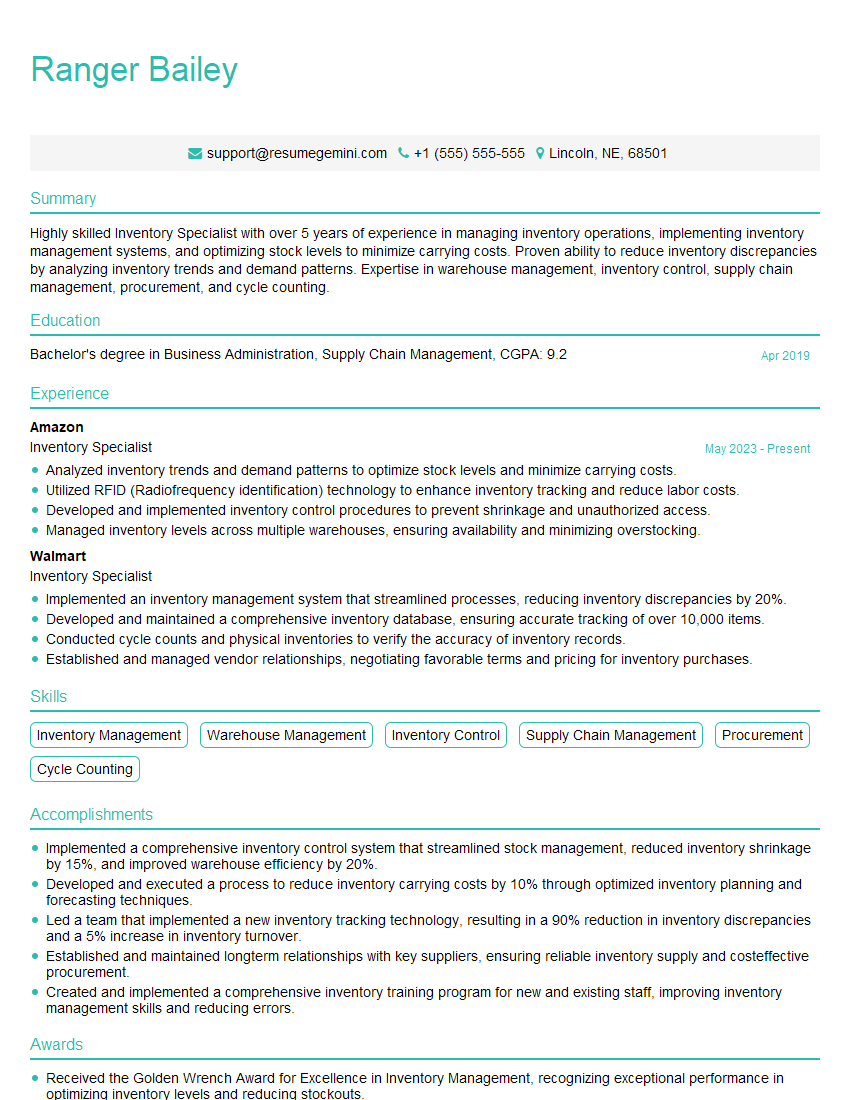
Inventory Specialist Resume Sample
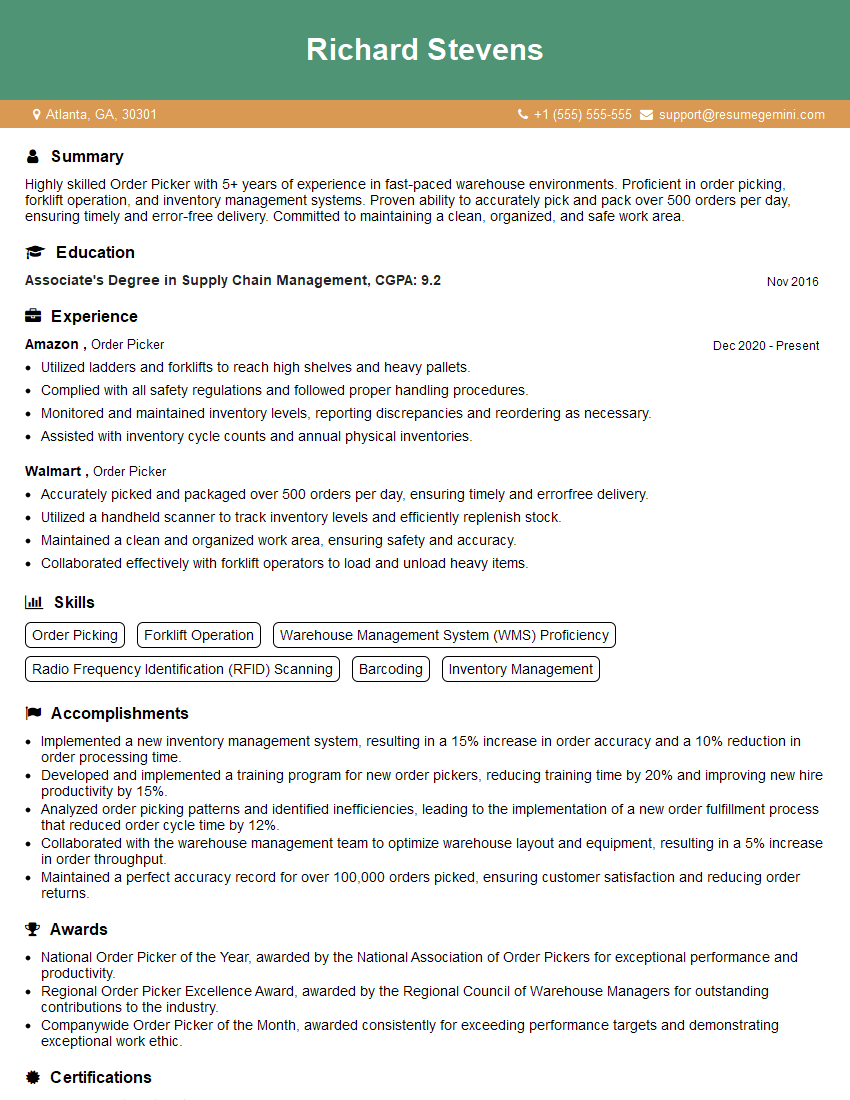
Order Picker Resume Sample
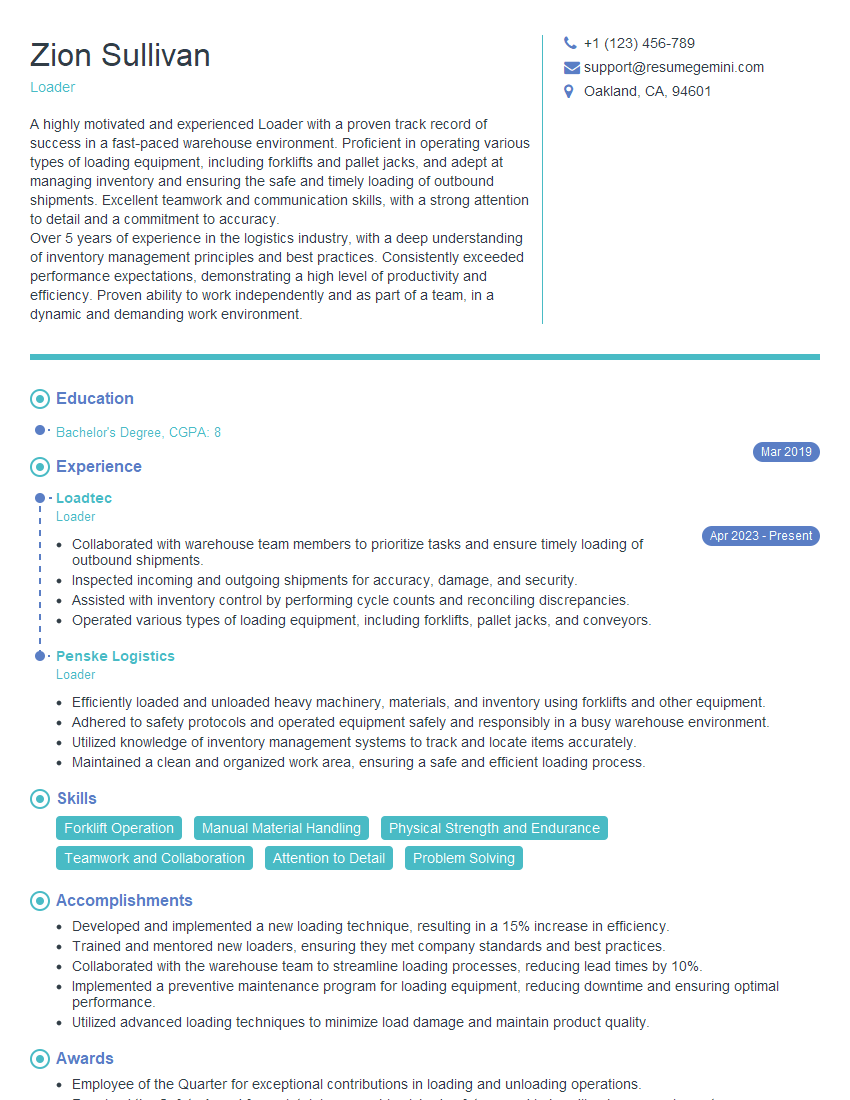
Loader Resume Sample
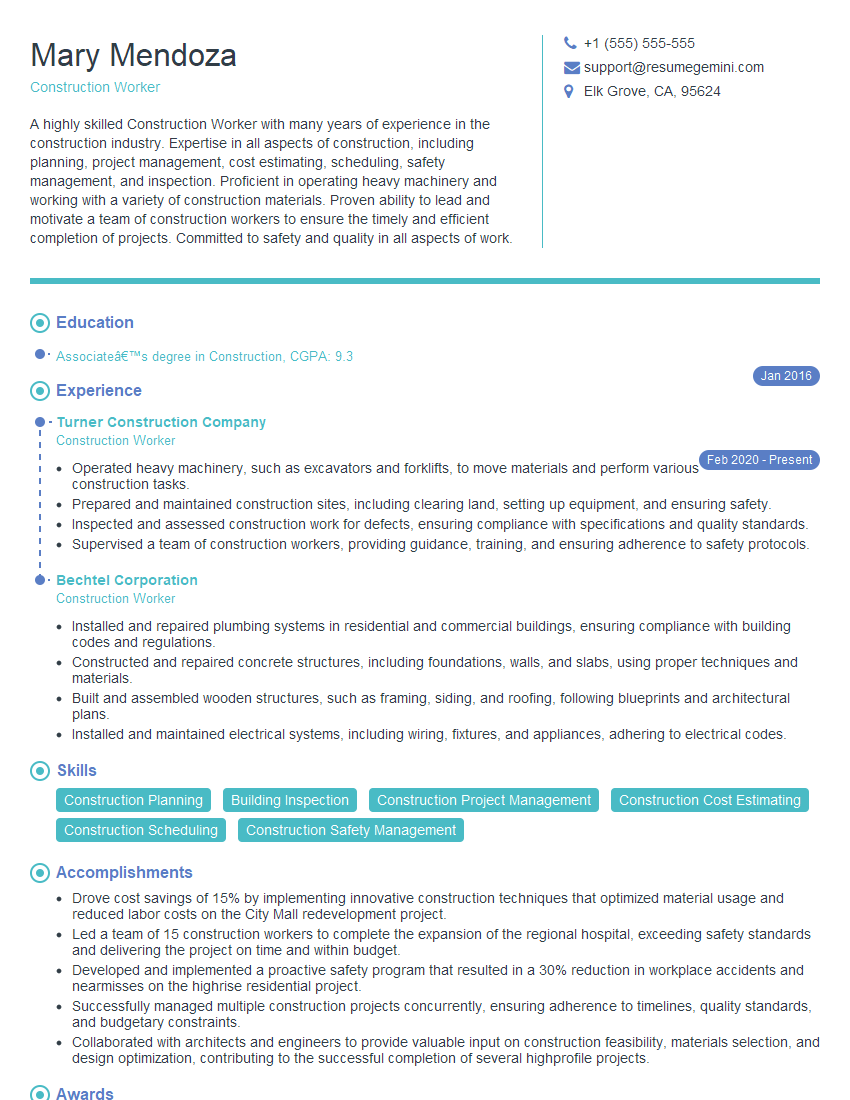
Construction Worker Resume Sample
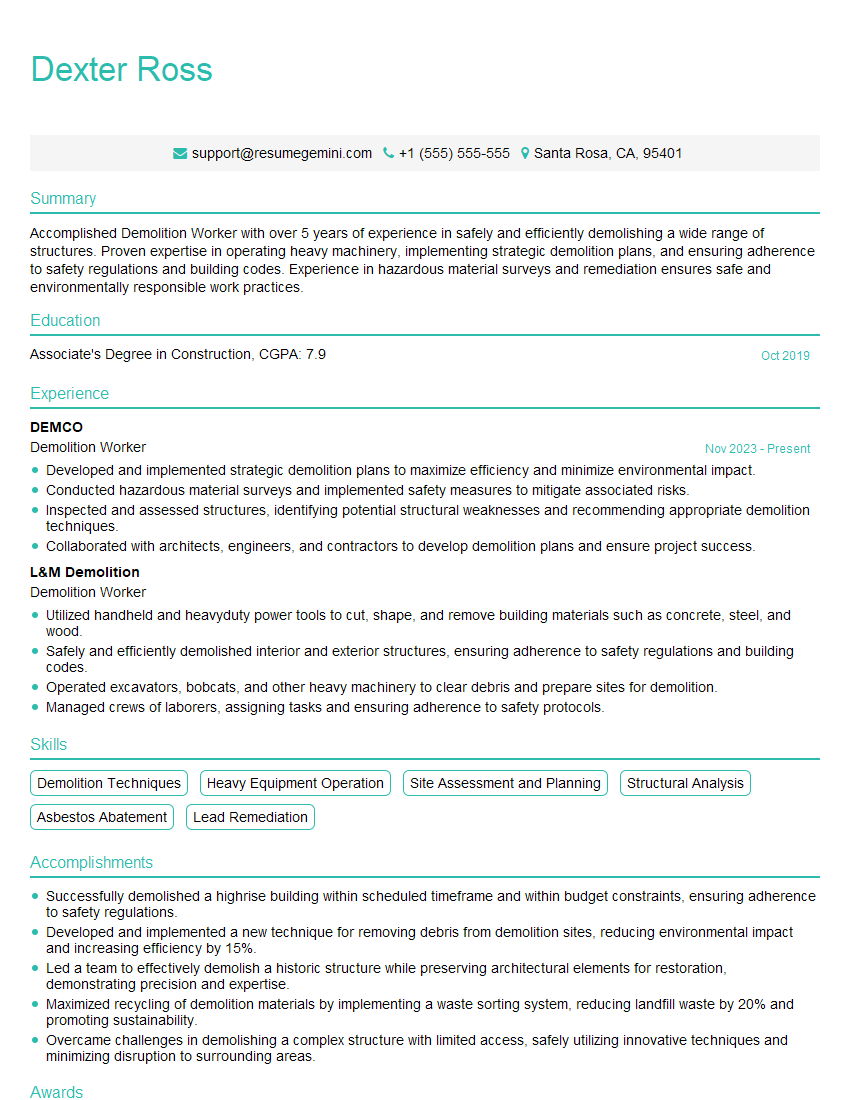
Demolition Worker Resume Sample
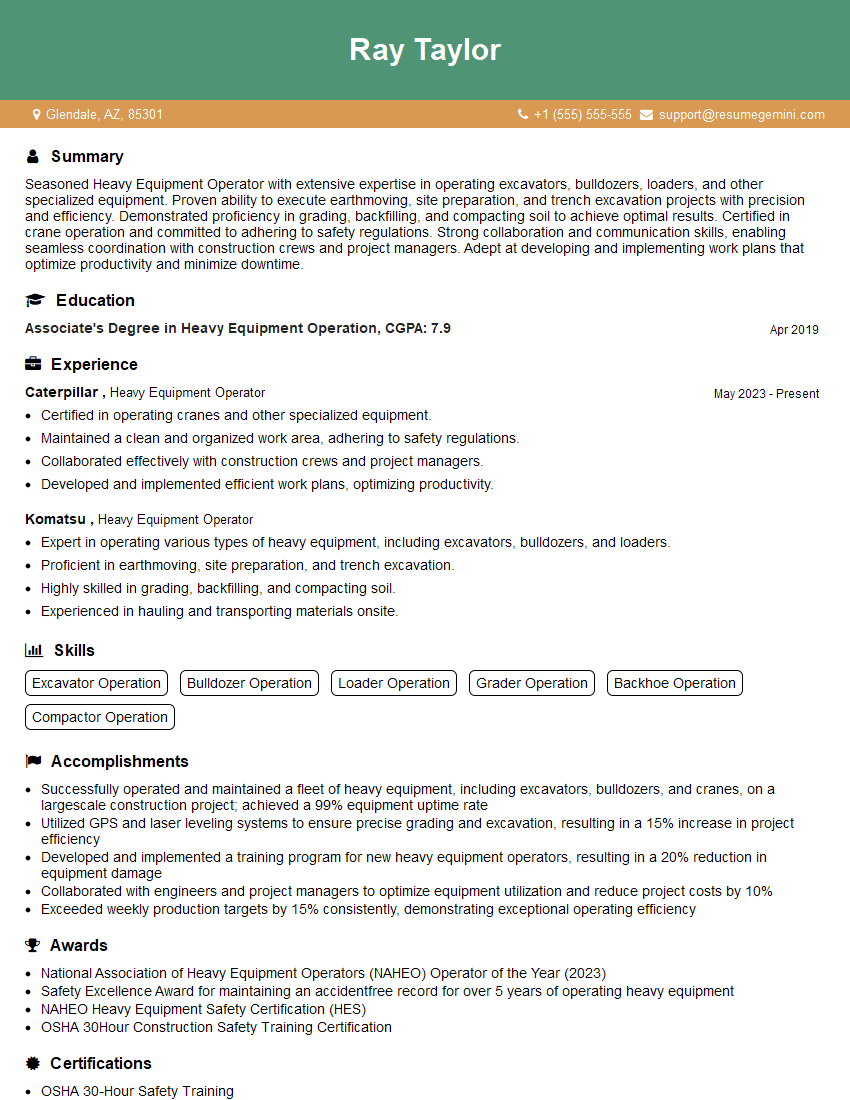
Heavy Equipment Operator Resume Sample
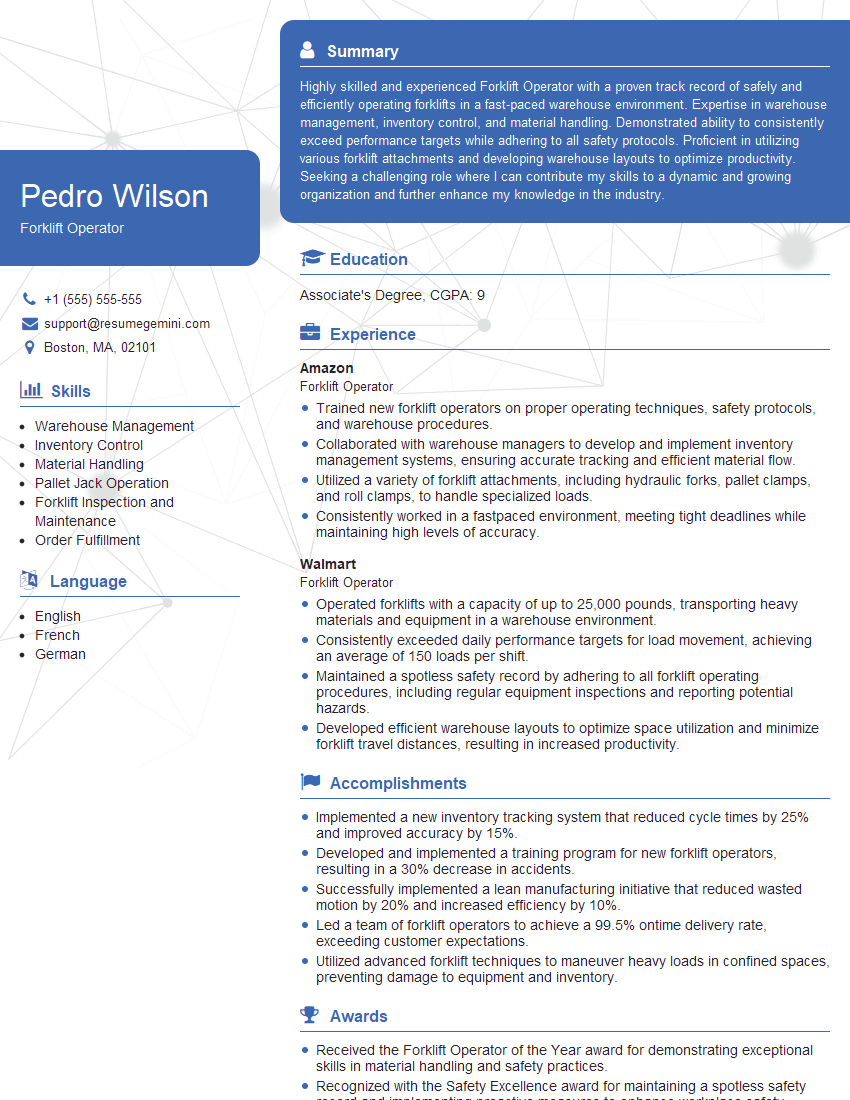
Forklift Operator Resume Sample
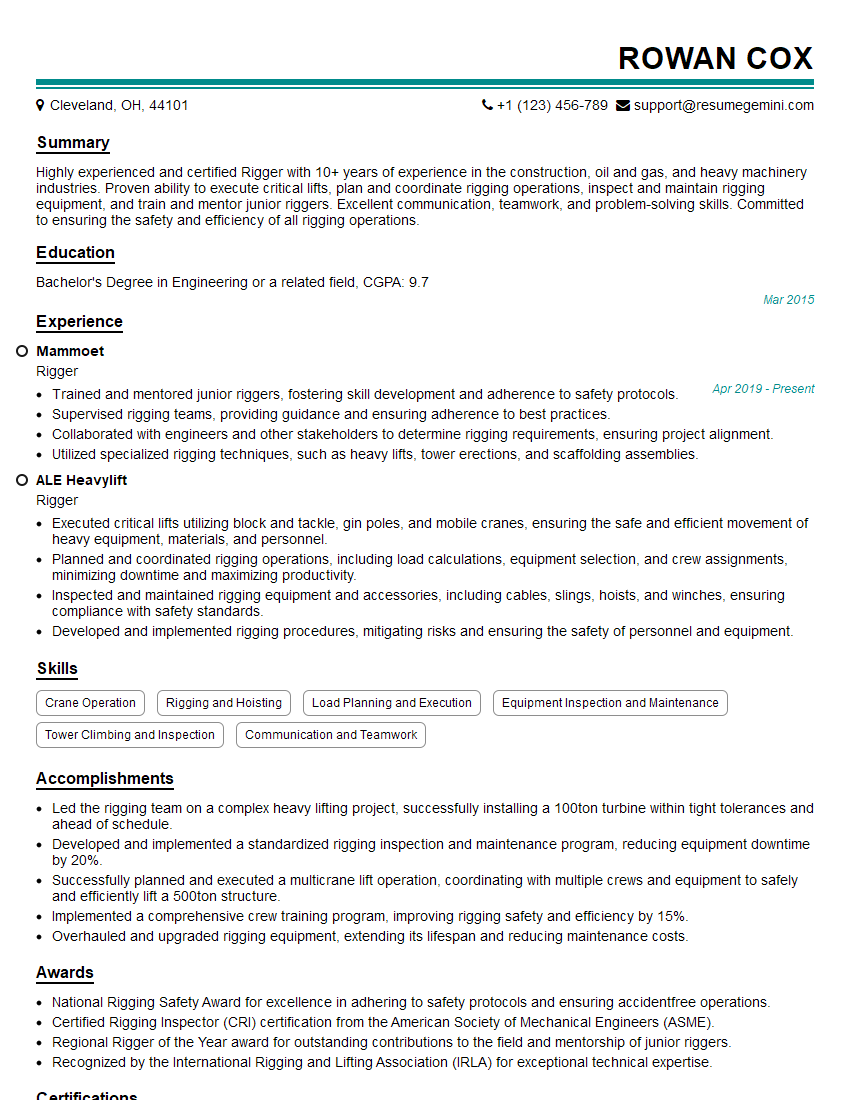
Rigger Resume Sample
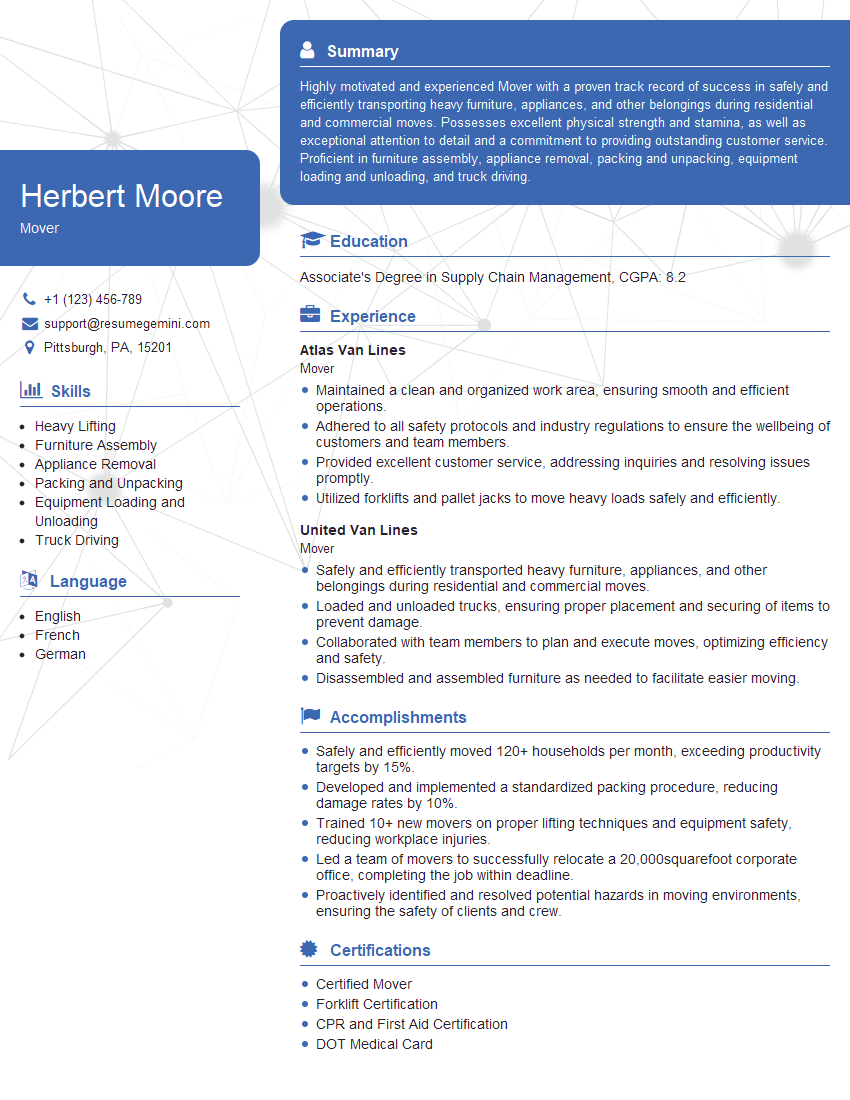
Mover Resume Sample
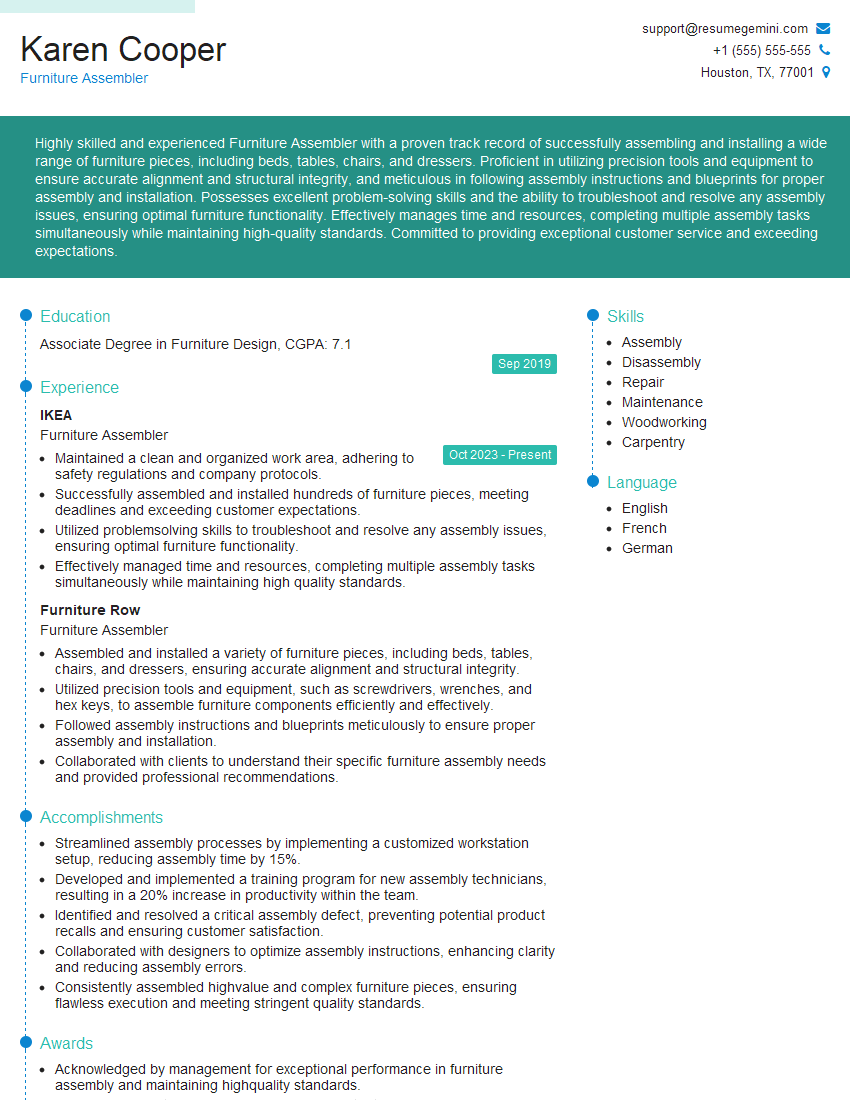
Furniture Assembler Resume Sample
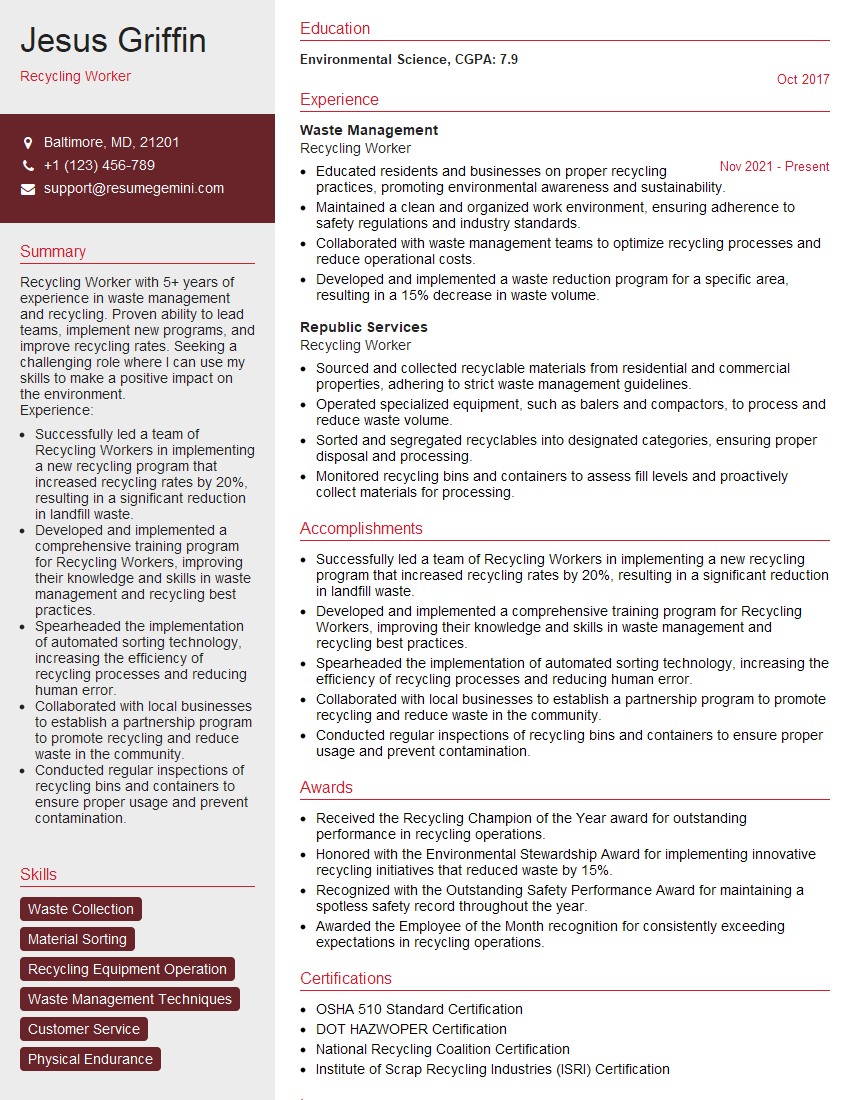
Recycling Worker Resume Sample
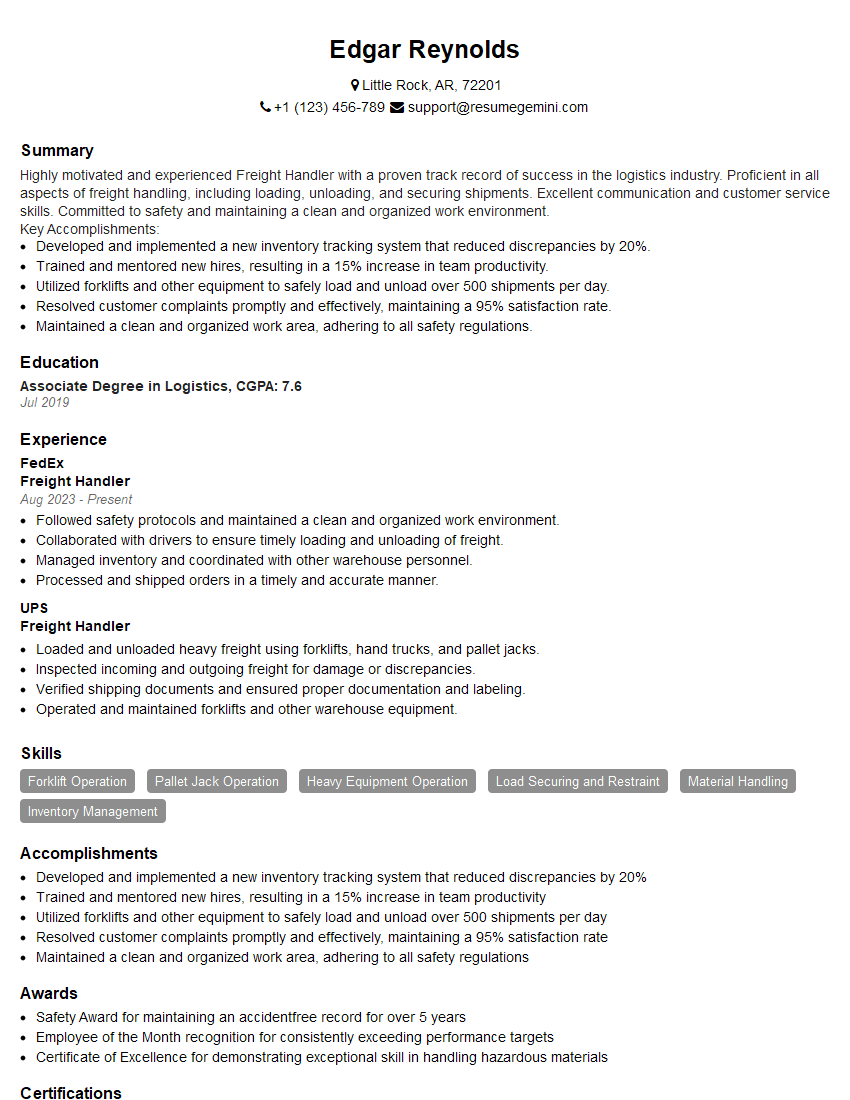
Freight Handler Resume Sample
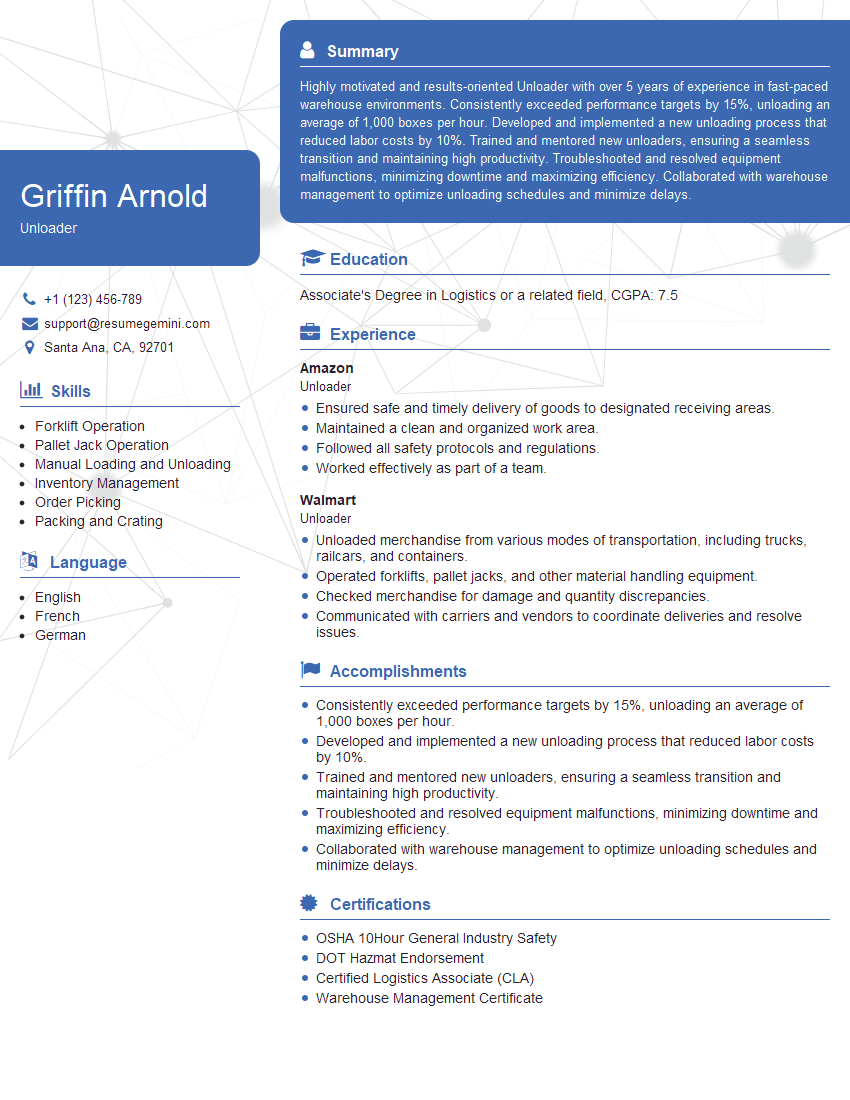
Unloader Resume Sample
- Sanitation Worker
- Utility Worker
- Crane Operator
- Stock Clerk
- Shipping and Receiving Clerk
- Material Handler
- Warehouse Worker
- Inventory Specialist
- Order Picker
- Loader
- Construction Worker
- Demolition Worker
- Heavy Equipment Operator
- Forklift Operator
- Rigger
- Mover
- Furniture Assembler
- Recycling Worker
- Freight Handler
- Unloader
Explore more articles
Users Rating of Our Blogs
Share Your Experience
We value your feedback! Please rate our content and share your thoughts (optional).
What Readers Say About Our Blog
I Redesigned Spongebob Squarepants and his main characters of my artwork.
https://www.deviantart.com/reimaginesponge/art/Redesigned-Spongebob-characters-1223583608
IT gave me an insight and words to use and be able to think of examples
Hi, I’m Jay, we have a few potential clients that are interested in your services, thought you might be a good fit. I’d love to talk about the details, when do you have time to talk?
Best,
Jay
Founder | CEO