Every successful interview starts with knowing what to expect. In this blog, we’ll take you through the top Ability to operate and maintain public transportation vehicles interview questions, breaking them down with expert tips to help you deliver impactful answers. Step into your next interview fully prepared and ready to succeed.
Questions Asked in Ability to operate and maintain public transportation vehicles Interview
Q 1. Describe your experience operating different types of public transportation vehicles.
Throughout my career, I’ve had the opportunity to operate a variety of public transportation vehicles, including articulated buses, standard city buses, and minibuses. Each type presents unique operational challenges. Articulated buses, for example, require extra attention during maneuvering due to their length and articulation point. Standard city buses demand a keen awareness of passenger flow and efficient route management. Minibuses, while smaller, often operate on more challenging routes requiring precise driving in tight spaces. My experience encompasses navigating diverse traffic conditions, varying passenger loads, and adapting to different vehicle dynamics.
For instance, during a particularly busy rush hour, I expertly navigated an articulated bus through congested city streets, ensuring passenger safety and maintaining a consistent schedule despite unexpected delays caused by road closures. In another instance, I successfully managed a challenging route with a minibus, navigating narrow streets and tight turns in a residential area with minimal disruption to pedestrians.
Q 2. Explain the pre-trip inspection procedure you follow.
My pre-trip inspection is a meticulous process that prioritizes safety. It’s a systematic checklist I’ve developed over years of experience, ensuring I catch even minor issues before they escalate into larger problems. I start with the exterior, inspecting tires for wear and tear, checking for any damage to the body, lights, and mirrors. I then move to the interior, reviewing the cleanliness, seat condition and verifying the functionality of all passenger safety features, such as emergency exits and intercom systems.
The engine compartment is next, where I visually check fluid levels (engine oil, coolant, brake fluid, power steering fluid, windshield washer fluid) and look for any leaks or unusual wear. I then perform a functional check, testing the wipers, headlights, brake lights, turn signals, and horn. Finally, I test the vehicle’s operational systems, including the transmission, steering, and braking systems before reporting any issues to the maintenance team.
- Tires: Check tire pressure and look for cuts or bulges.
- Lights: Verify all lights (headlights, brake lights, turn signals, hazard lights) are working correctly.
- Fluids: Check engine oil, coolant, brake fluid, power steering fluid, and windshield washer fluid levels.
- Brakes: Test braking system for responsiveness and effectiveness.
- Steering: Check for smooth and responsive steering.
- Emergency Equipment: Verify the presence and functionality of fire extinguishers, first-aid kits, and emergency exits.
Q 3. How do you handle a mechanical breakdown while on duty?
Handling a mechanical breakdown requires a calm, systematic approach. Safety is paramount. My first action is to secure the vehicle safely, activating hazard lights and, if necessary, deploying warning triangles to alert other drivers. I ensure all passengers are safe and communicate with the dispatcher immediately, providing them with my location and a description of the problem.
Depending on the severity of the issue and the location, I may attempt minor roadside repairs if it’s safe and within my skillset. If the breakdown is significant or I’m unable to effect repairs, I focus on passenger care, ensuring their comfort and safety until assistance arrives. Clear communication with passengers is key, keeping them informed of the situation and the steps being taken. I document the incident thoroughly and follow company protocols for reporting and vehicle recovery.
For instance, once I experienced a sudden loss of power steering. I safely pulled over, engaged the hazard lights, and contacted the dispatcher immediately. While waiting for roadside assistance, I kept the passengers calm and reassured, providing updates regularly. I followed protocol, completing the required paperwork post-incident.
Q 4. What are the common causes of brake failure in public transportation vehicles?
Brake failure in public transportation vehicles is a serious safety concern, and several factors can contribute to it. These include:
- Worn brake pads or shoes: Regular wear and tear necessitate timely replacement.
- Leaking brake fluid: Fluid leaks reduce braking power significantly, requiring immediate attention.
- Damaged brake lines or hoses: Corrosion or damage can lead to fluid loss or air in the system.
- Faulty brake calipers or wheel cylinders: These components can malfunction, affecting braking efficiency.
- ABS system malfunction: Issues with the Anti-lock Braking System can hinder optimal brake performance.
- Overheating brakes: Prolonged or heavy braking, especially on steep inclines, can overheat the brake components, reducing effectiveness.
Regular preventative maintenance, including brake inspections and fluid checks, is crucial to mitigate the risk of brake failure.
Q 5. Describe your experience with preventative maintenance.
Preventative maintenance is fundamental to the safe and reliable operation of public transportation vehicles. My experience with preventative maintenance includes actively participating in routine inspections, ensuring that all scheduled maintenance tasks are completed on time. This includes regular oil changes, fluid top-offs, filter replacements, tire rotations, and brake inspections. I also closely monitor the vehicle’s performance, reporting any unusual sounds, vibrations, or operational issues immediately. This proactive approach helps identify potential problems early, preventing larger, more costly repairs down the line.
I actively participate in post-trip inspections, checking for unusual wear and tear that needs to be addressed. For example, I noticed a subtle change in the vehicle’s handling, leading to the early detection and repair of a faulty suspension component, preventing a more serious mechanical failure that could have impacted passenger safety and caused significant delays.
Q 6. How do you ensure passenger safety during operation?
Passenger safety is my top priority. I ensure safety from the moment passengers board until they disembark. This begins with a safe and courteous driving style that adheres strictly to traffic regulations. I maintain a safe following distance, drive defensively, and adjust my driving based on weather conditions. Smooth acceleration and braking minimize discomfort for passengers, especially the elderly and those with mobility issues.
I frequently check mirrors and blind spots, ensuring safe maneuvers around other vehicles and pedestrians. I actively monitor passenger behavior, addressing any safety concerns immediately. I’m also familiar with emergency procedures and evacuation routes, ensuring passengers can safely exit in case of an emergency. Clear communication is vital, informing passengers of potential delays or disruptions politely and promptly. I’m always alert and responsive to passenger needs, creating a safe and comfortable travel experience for everyone.
Q 7. What is your familiarity with emergency procedures?
My familiarity with emergency procedures is comprehensive and regularly updated through company training. I am proficient in handling various emergency situations, including:
- Fire emergencies: I know how to use a fire extinguisher and evacuate passengers safely.
- Medical emergencies: I am trained to provide basic first aid and contact emergency medical services.
- Accidents: I know how to secure the scene, assist injured passengers, and report the incident to the authorities.
- Passenger disturbances: I am trained in de-escalation techniques to handle disruptive passengers.
- Evacuations: I am familiar with evacuation procedures and routes.
I regularly participate in refresher training and drills to maintain my proficiency in these procedures. This ensures I can respond effectively and efficiently in any emergency, minimizing risks to passengers and myself.
Q 8. How do you handle difficult or irate passengers?
Handling irate passengers requires a calm and professional approach. My first priority is passenger safety and de-escalation. I begin by actively listening to their concerns, showing empathy and understanding, even if I don’t agree with their perspective. I use clear and concise language, avoiding any argumentative tone. For example, if a passenger is upset about a delay, I’ll acknowledge their frustration, explain the reason for the delay (if appropriate and possible), and offer any available solutions, like alternative transportation options if feasible. If the situation escalates beyond my ability to manage it, I immediately contact my supervisor or dispatch for assistance. I also prioritize maintaining a safe distance and avoiding physical contact. Documentation of the incident is crucial, noting the time, location, passenger description (without revealing personally identifiable information), and a summary of the interaction.
I find that a sincere apology, even if I’m not personally at fault, often helps diffuse the situation. It shows that I care about their experience and am willing to help. In one instance, a passenger was extremely upset about missing their connection. By calmly explaining the situation and helping them reschedule their travel plans with the connecting service, the passenger’s anger subsided, and I was able to resolve the issue positively.
Q 9. Describe your knowledge of traffic laws and regulations related to public transportation.
My understanding of traffic laws and regulations concerning public transportation is comprehensive and always up-to-date. This includes a thorough knowledge of all applicable state and local regulations, as well as federal guidelines. I’m familiar with speed limits, right-of-way rules, and specific regulations related to bus stops, passenger loading and unloading zones, and operating procedures in different traffic conditions (e.g., school zones, construction areas). I understand the importance of maintaining accurate driver logs, adhering to hours-of-service regulations, and ensuring the vehicle is maintained to meet all safety standards. Furthermore, I’m well-versed in the rules regarding passenger safety, including seatbelt requirements and emergency procedures. Regular training and updates ensure my knowledge remains current and comprehensive. Ignoring traffic laws could lead to accidents, fines, and even suspension of operating privileges.
Q 10. Explain your understanding of fuel efficiency and its importance in public transportation.
Fuel efficiency is paramount in public transportation, directly impacting operational costs and environmental sustainability. Understanding fuel efficiency means recognizing factors that influence fuel consumption, such as driving style (smooth acceleration and braking, maintaining appropriate speed), vehicle maintenance (proper tire pressure, regular tune-ups), and route optimization (avoiding unnecessary idling and congested areas). My experience includes actively employing fuel-efficient driving techniques, such as using predictive driving to anticipate traffic flow and reduce braking, and I regularly monitor fuel consumption to identify areas for improvement. For example, monitoring fuel consumption over a set period and identifying any unusual spikes can indicate maintenance issues. A simple example is optimizing a route to avoid rush hour traffic, reducing idling time and improving fuel consumption. The cost savings from fuel efficiency translate directly to lower operating costs for the transit agency and reduces our environmental impact.
Q 11. What is your experience with route planning and navigation systems?
I have extensive experience with route planning and navigation systems, using both traditional maps and modern GPS-based technologies. I am proficient in interpreting route schedules, understanding the nuances of different routes, and adapting to unexpected traffic conditions. I utilize GPS navigation systems in conjunction with paper maps as a backup, which is essential during technical difficulties. I understand the importance of adhering to scheduled routes and times, while also being adaptable and able to adjust routes effectively when facing unexpected events such as road closures or accidents. Experience with route planning also includes understanding passenger demand patterns and optimizing routes accordingly. My experience with route planning has included using specialized software that optimizes routes for fuel efficiency and passenger wait times, taking into account traffic patterns and passenger demand at different times of the day.
Q 12. How do you maintain accurate records and logs?
Maintaining accurate records and logs is crucial for accountability and safety. I meticulously document all aspects of my work, including daily vehicle inspections (pre-trip and post-trip), hours of service logs, passenger counts, incidents, and any maintenance or repair requests. I utilize electronic logging devices (ELDs) and digital record-keeping systems, while maintaining paper backups as required. Accuracy is ensured through regular cross-checking, ensuring consistency between electronic and paper records. I meticulously follow established procedures for logging incidents, including passenger complaints or accidents. These accurate logs are essential for regulatory compliance, performance evaluation, and improving operational efficiency. In case of discrepancies, these records provide vital information for investigation and resolution.
Q 13. Describe your experience with passenger loading and unloading procedures.
Passenger loading and unloading procedures are paramount for safety and efficiency. My experience includes ensuring that passengers board and alight safely and efficiently. This includes making sure that the area around the bus is clear and that passengers have sufficient time to board and disembark. I’m proficient in utilizing ramps and lifts for passengers with disabilities, ensuring their safety and comfort. Clear communication and courteous interactions with passengers contribute greatly to a smooth process. For example, announcing upcoming stops clearly and providing assistance to elderly or disabled passengers demonstrates professionalism and concern for passenger well-being. Adherence to safety procedures, including confirming that doors are clear before closing, is essential to prevent accidents.
Q 14. How do you manage delays and unexpected events?
Managing delays and unexpected events requires a proactive and flexible approach. When confronted with delays (e.g., traffic congestion, mechanical issues, accidents), my first priority is passenger safety and communication. I immediately inform dispatch of the situation, providing accurate updates on the nature of the delay and its anticipated duration. I then communicate clearly and honestly with passengers, explaining the reason for the delay and providing any available updates. I use a calm and reassuring tone to alleviate passenger anxiety. If the delay is significant, I may coordinate with dispatch to arrange alternative transportation or inform passengers of their options. In the event of a mechanical failure, I follow established emergency procedures, ensuring the safety of all passengers and the proper execution of any necessary repairs. My experience with these situations includes calmly addressing passenger concerns and explaining the steps being taken to resolve the issue.
Q 15. What is your proficiency with using two-way radios or communication systems?
My proficiency with two-way radios is excellent. I’m adept at using them for clear and concise communication, adhering to proper radio etiquette, and handling multiple transmissions simultaneously. This includes clear articulation of location, incidents, and requests for assistance. For example, during a recent incident involving a medical emergency onboard, I quickly and efficiently used the radio to contact dispatch, providing critical patient information and securing immediate medical support. This ensured the passenger received timely treatment and minimized any further complications. I’m also familiar with various radio communication protocols specific to public transportation systems, such as prioritizing emergency calls and responding to dispatch instructions accurately and promptly.
Career Expert Tips:
- Ace those interviews! Prepare effectively by reviewing the Top 50 Most Common Interview Questions on ResumeGemini.
- Navigate your job search with confidence! Explore a wide range of Career Tips on ResumeGemini. Learn about common challenges and recommendations to overcome them.
- Craft the perfect resume! Master the Art of Resume Writing with ResumeGemini’s guide. Showcase your unique qualifications and achievements effectively.
- Don’t miss out on holiday savings! Build your dream resume with ResumeGemini’s ATS optimized templates.
Q 16. Explain your experience with vehicle diagnostic tools and systems.
I have extensive experience with various vehicle diagnostic tools and systems. This ranges from using handheld diagnostic scanners to read and interpret trouble codes, to working with onboard computer systems to identify and troubleshoot complex electronic issues. I’m proficient in using diagnostic software for different vehicle makes and models, and I understand how to interpret data to pinpoint the source of malfunctions. For instance, I once used a diagnostic scanner to identify a faulty sensor in the braking system, preventing a potential safety hazard before it escalated. This required me not only to diagnose the problem but also to understand the implications of that particular sensor failure on the vehicle’s overall safety functions. My experience encompasses both preventative and reactive diagnostics.
Q 17. How do you troubleshoot electrical issues in a public transportation vehicle?
Troubleshooting electrical issues requires a systematic approach. I begin by using a multimeter to check voltage, current, and resistance in circuits. I follow wiring diagrams to trace the paths of electrical components, searching for broken wires, faulty connections, or shorted circuits. I also inspect fuses, relays, and circuit breakers for any signs of damage. A recent example involved a malfunctioning headlight. Instead of immediately replacing parts, I systematically checked the fuses, wiring harness, and the headlight switch itself. This methodical approach allowed me to identify a loose connection in the wiring harness, a much simpler and cost-effective fix than replacing the entire headlight assembly.
- Visual Inspection: Examining for obvious damage to wires, connectors, and components.
- Multimeter Testing: Measuring voltage, current, and resistance to identify faulty components.
- Wiring Diagram Consultation: Tracing circuits to pinpoint the location of the problem.
- Component Replacement: Replacing faulty components, such as fuses, relays, or even larger electrical units.
Q 18. Describe your experience with repairing or replacing engine components.
My experience includes repairing and replacing various engine components, from simple tasks like replacing spark plugs and filters to more complex procedures such as overhauling engines. I’m familiar with engine diagnostics, identifying issues such as worn piston rings, damaged cylinders, or failing bearings. I understand the importance of proper torque specifications and the use of specialized tools for specific repairs. For example, I once had to replace a faulty water pump, a critical component. I ensured proper alignment and torque specifications during installation to prevent leaks and engine overheating. My approach emphasizes careful planning, the precise use of tools, and adherence to safety protocols to ensure both efficient and safe repairs.
Q 19. What is your experience with hydraulic systems in public transportation vehicles?
Hydraulic systems in public transportation vehicles are crucial for braking, steering, and suspension. My experience includes troubleshooting and repairing hydraulic components such as pumps, cylinders, and lines. I understand the importance of maintaining proper fluid levels and pressure, as well as identifying leaks and addressing issues with seals and components. I’m familiar with the potential hazards associated with high-pressure hydraulic systems and I prioritize safety procedures when working with them. A challenging experience involved tracing a subtle leak in a hydraulic brake line. It required careful pressure testing and visual inspection to find the precise location of the leak. The successful repair ensured the vehicle’s braking system remained reliable and safe.
Q 20. How do you maintain the cleanliness and hygiene of your vehicle?
Maintaining cleanliness and hygiene is crucial for providing a positive passenger experience. My routine includes regular sweeping, vacuuming, and wiping down surfaces using appropriate disinfectants. I pay special attention to high-touch areas such as handrails, seats, and door handles. I also check for and remove any trash or debris. I follow strict guidelines provided by the transportation company concerning sanitation procedures, ensuring I’m always up to date with the best practices in keeping the vehicle clean and safe for all passengers. In the current environment, disinfection is particularly critical, and I am meticulous in following all relevant protocols to prevent the spread of germs.
Q 21. What are your strategies for managing fatigue and stress during long shifts?
Managing fatigue and stress during long shifts is vital for maintaining safety and performance. My strategies include prioritizing adequate sleep, maintaining a healthy diet, staying hydrated, and taking short breaks throughout the day for rest and stretching. I also practice mindfulness techniques such as deep breathing to help manage stress. Additionally, I communicate openly with my supervisor if I experience significant fatigue to ensure that I am not operating the vehicle in a compromised state. Safety is always my paramount concern.
Q 22. How do you handle situations involving passenger accidents or injuries?
My priority in any passenger accident or injury is ensuring the safety and well-being of everyone involved. This starts with immediately calling emergency services (911 or the equivalent) and providing accurate details of the location and nature of the incident.
Next, I would assess the situation, providing first aid if I’m trained and able, while prioritizing the injured passenger’s comfort and safety. I would then secure the area to prevent further incidents, perhaps by halting the vehicle and controlling passenger movement. Crucially, I would cooperate fully with emergency responders, providing them with all necessary information. Following the emergency response, I would complete a detailed incident report, including witness statements where possible, according to company protocol.
For example, if a passenger tripped and fell, I would first call for help, then check the passenger’s condition, offer assistance (within my limitations), and ensure other passengers remain calm. I’d take note of any witnesses and their contact information. The completed report would then include details of the fall, the passenger’s injuries, any actions taken, and witness accounts. This ensures accountability and provides valuable data for future safety improvements.
Q 23. What is your experience with reporting and documenting maintenance issues?
Throughout my career, I’ve meticulously documented all maintenance issues using the company’s designated reporting system. This typically involves a detailed description of the problem, noting the date, time, location, and the vehicle’s identification number. I’ll also include photographic or video evidence whenever possible.
For instance, if a bus experienced a brake problem, my report would note the specific brake component malfunctioning, the severity of the issue (e.g., total brake failure, gradual loss of braking power), and the circumstances leading to the detection of the problem (e.g., while performing a pre-trip inspection, during operation). I would also record any attempts at temporary fixes, before the vehicle was taken out of service. This ensures transparency and helps track maintenance histories, assisting in preventative maintenance scheduling.
Q 24. Describe your familiarity with different types of public transportation systems (e.g., bus, rail, light rail).
I’m experienced with various public transportation systems, including buses, light rail, and subway trains. My experience encompasses both the operation and basic maintenance aspects of each.
Buses are familiar territory; I’m comfortable operating different sizes and models, navigating various routes, and managing passenger flow. With light rail, I understand the operational differences—signaling systems, speed restrictions, and the importance of precise adherence to schedules. My experience with subway trains includes similar considerations along with the added complexity of underground operation and safety procedures specific to tunnel environments. I understand the unique operational challenges and safety protocols required for each mode.
Q 25. How do you comply with all safety regulations and company policies?
Compliance with safety regulations and company policies is paramount in public transportation. My approach involves several key steps: thorough understanding of all relevant regulations and policies, consistent adherence to them, proactive participation in safety training, and reporting any deviations or potential hazards promptly.
This includes regular pre-trip and post-trip inspections to identify potential mechanical problems. I always prioritize passenger safety, enforcing rules about seatbelts (where applicable) and passenger behavior. I also remain current on any updates to regulations or policies. For instance, if new regulations concerning hazardous materials transportation are introduced, I take the initiative to review them and adapt my procedures accordingly. This ensures I’m always operating safely and legally.
Q 26. What is your understanding of the environmental impact of public transportation vehicles?
Public transportation vehicles have a significant environmental impact, primarily through greenhouse gas emissions from the combustion of fossil fuels. My understanding encompasses the various ways these emissions contribute to air pollution and climate change. Newer vehicles are increasingly incorporating alternative fuel technologies, such as hybrid electric or fully electric systems, to lessen this impact.
I also recognize the importance of fuel efficiency and proper maintenance in minimizing environmental impact. Proper maintenance can extend vehicle life, thereby reducing the need for frequent replacements and the associated manufacturing emissions. Furthermore, adopting fuel-efficient driving habits, such as smooth acceleration and braking, can contribute to lower fuel consumption and, consequently, lower emissions. I believe in driving sustainably wherever possible.
Q 27. How would you handle a situation where a passenger is behaving erratically or threatening others?
Handling erratic or threatening passenger behavior requires a calm and measured approach. My first priority is to ensure the safety of all passengers and myself. This involves assessing the situation, determining the level of threat, and taking appropriate action.
In less serious situations, I may attempt de-escalation through calm communication, attempting to understand the passenger’s concerns and redirect their behavior. If the situation escalates or becomes genuinely threatening, I would immediately alert dispatch or security personnel, providing them with a detailed description of the passenger and the location. I’d prioritize removing other passengers from immediate danger and securing the area before attempting any further intervention, avoiding any physical confrontation unless absolutely necessary. The goal is always to resolve the situation peacefully and safely.
Q 28. Describe your experience with the different types of braking systems used in public transport vehicles.
Public transport vehicles utilize a variety of braking systems, depending on the vehicle type and size. My experience encompasses pneumatic (air) braking systems, which are common in buses and heavier vehicles, and hydraulic braking systems found in some lighter rail vehicles.
Pneumatic systems use compressed air to activate brakes, and I’m familiar with components such as air compressors, reservoirs, brake valves, and actuators. Hydraulic systems use pressurized liquid to actuate the brakes. In both systems, understanding the redundancy and fail-safes is critical. For instance, in pneumatic systems, knowing how to identify and address air leaks is vital. Regular inspections are vital to ensure the braking systems remain effective and reliable, and I’m proficient in performing these checks. I also understand the importance of regular maintenance to keep these complex systems functioning correctly.
Key Topics to Learn for Ability to operate and maintain public transportation vehicles Interview
- Vehicle Operation: Safe and efficient driving techniques, adhering to traffic laws and company regulations, passenger handling and communication, route familiarity and navigation.
- Pre-Trip Inspections: Thorough understanding of pre-trip vehicle inspections, identifying and reporting mechanical issues, documentation procedures, ensuring passenger safety through proactive maintenance.
- Vehicle Maintenance: Basic understanding of vehicle systems (brakes, engine, electrical), performing routine maintenance tasks (fluid checks, tire pressure), recognizing signs of mechanical failure, reporting maintenance needs effectively.
- Passenger Safety and Security: Emergency procedures, handling passenger emergencies (medical, behavioral), security protocols, reporting incidents and accidents accurately and promptly.
- Regulations and Compliance: Knowledge of relevant transportation regulations (local, state, federal), understanding of company policies and procedures, maintaining accurate records and logs.
- Problem-Solving and Decision-Making: Addressing mechanical issues on the road, resolving passenger conflicts, adapting to unexpected situations (traffic delays, accidents), making quick, safe decisions under pressure.
- Communication Skills: Effectively communicating with dispatch, passengers, and supervisors, clear and concise reporting of incidents, active listening skills.
- Customer Service: Providing courteous and helpful service to passengers, handling passenger complaints professionally, creating a positive riding experience.
Next Steps
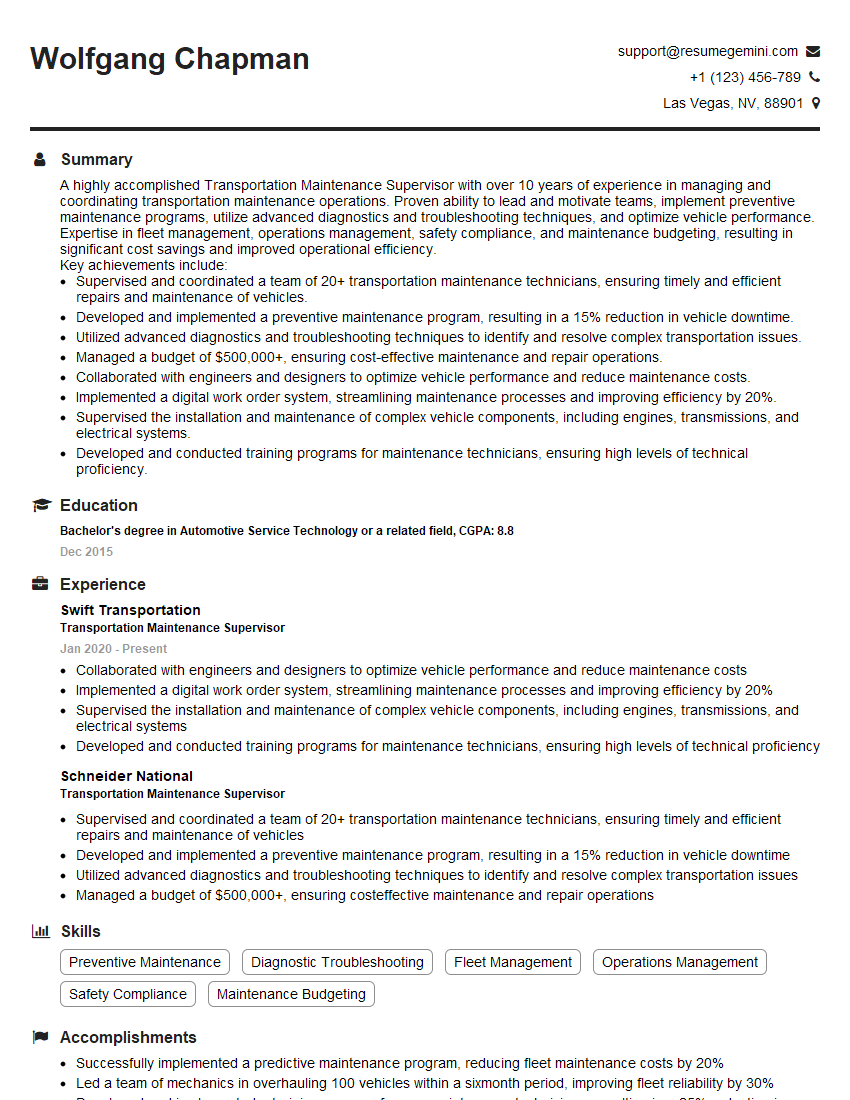
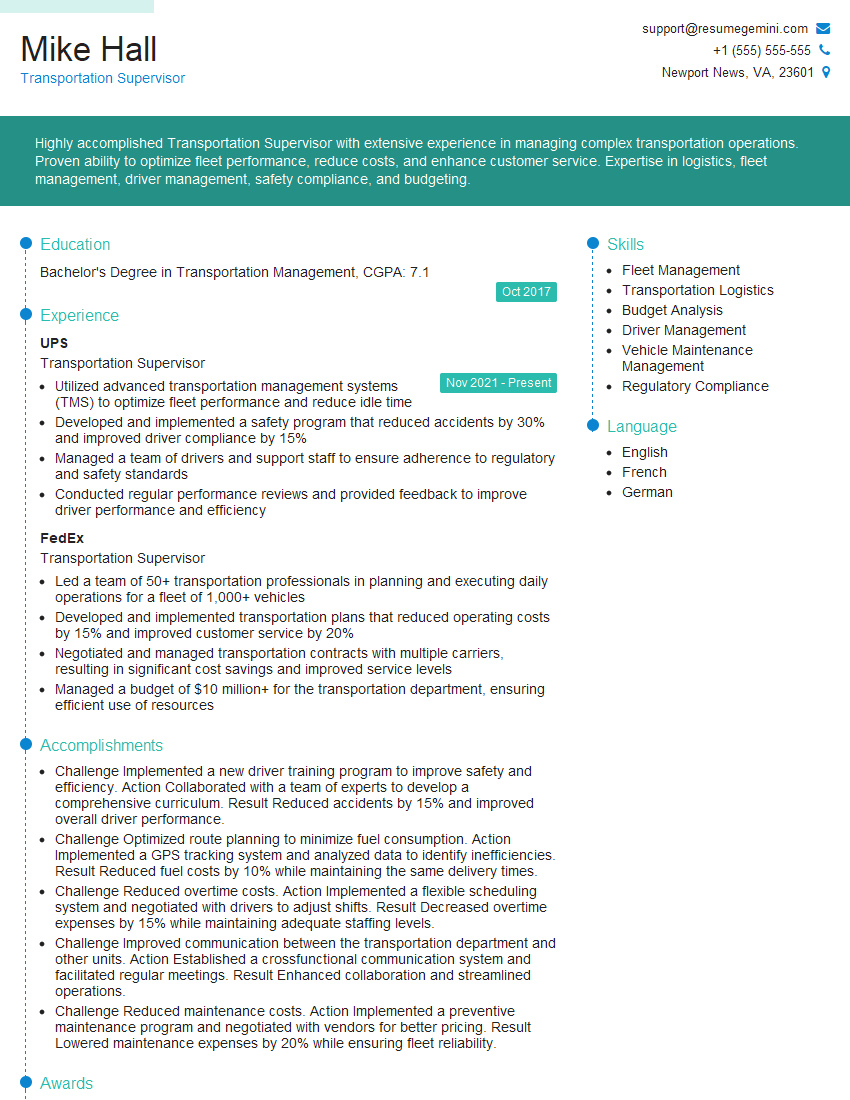
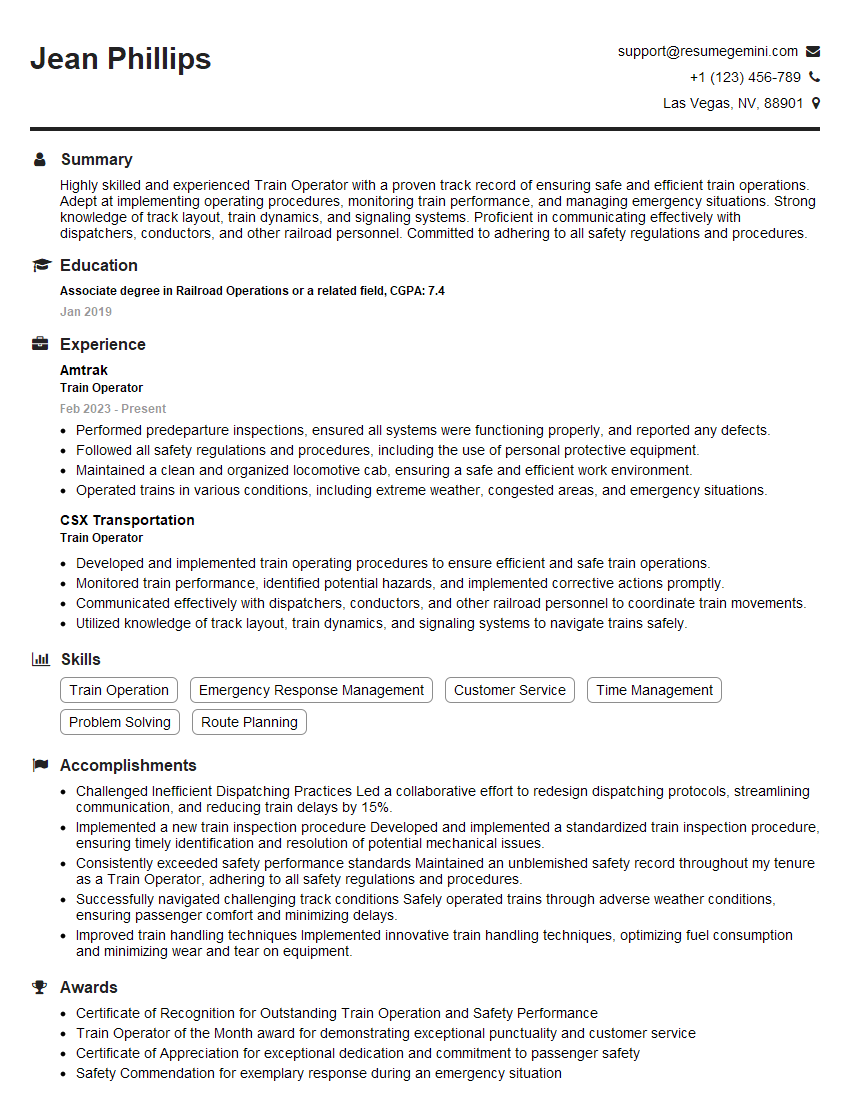
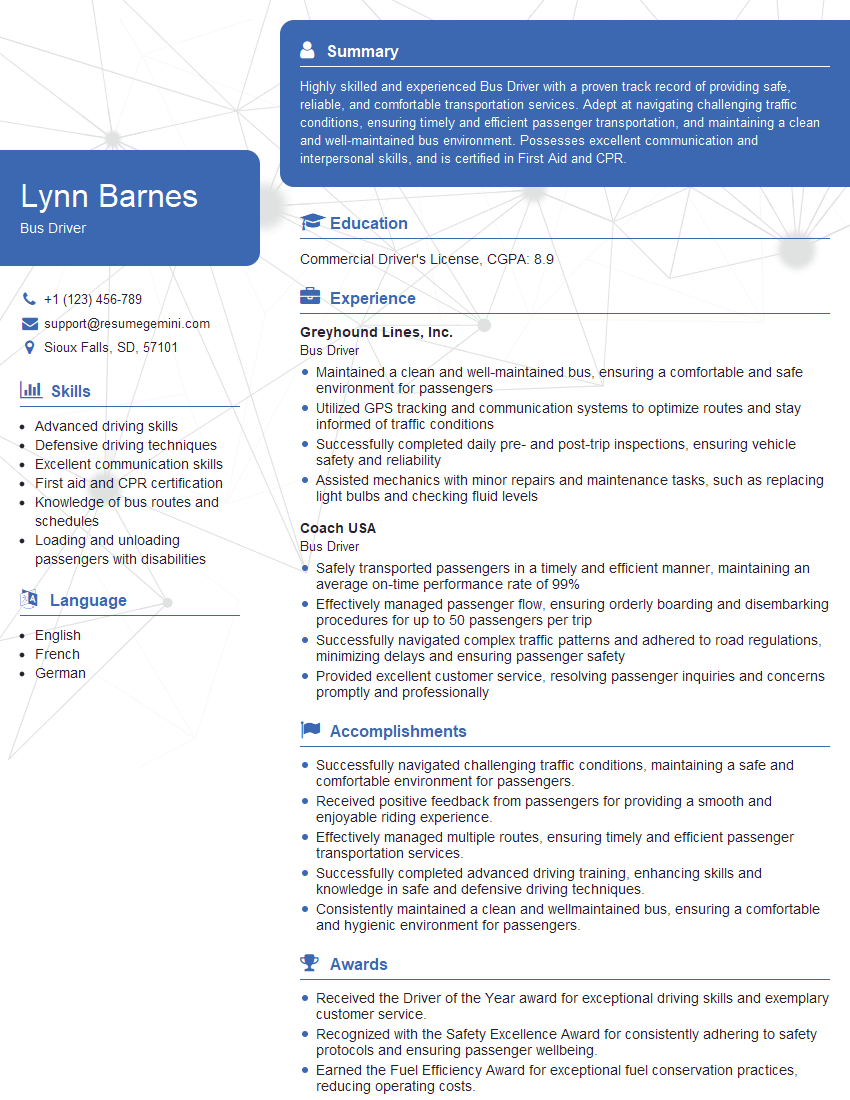
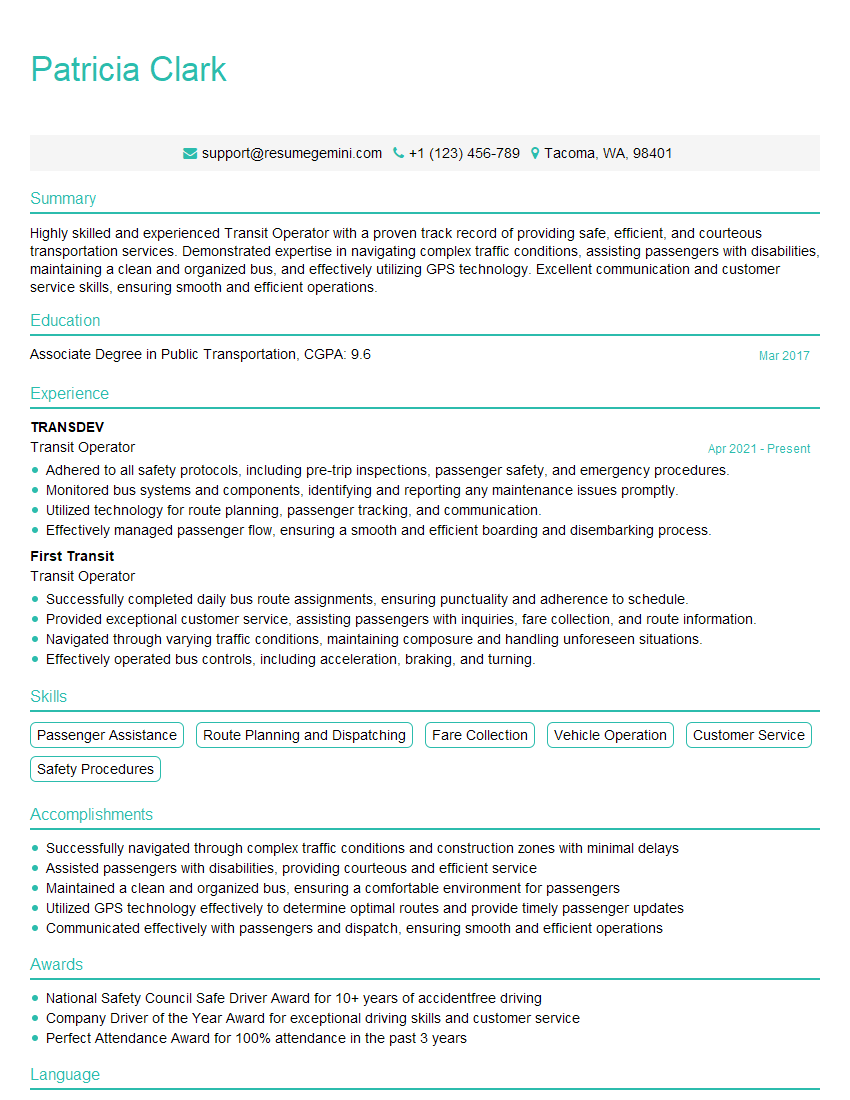
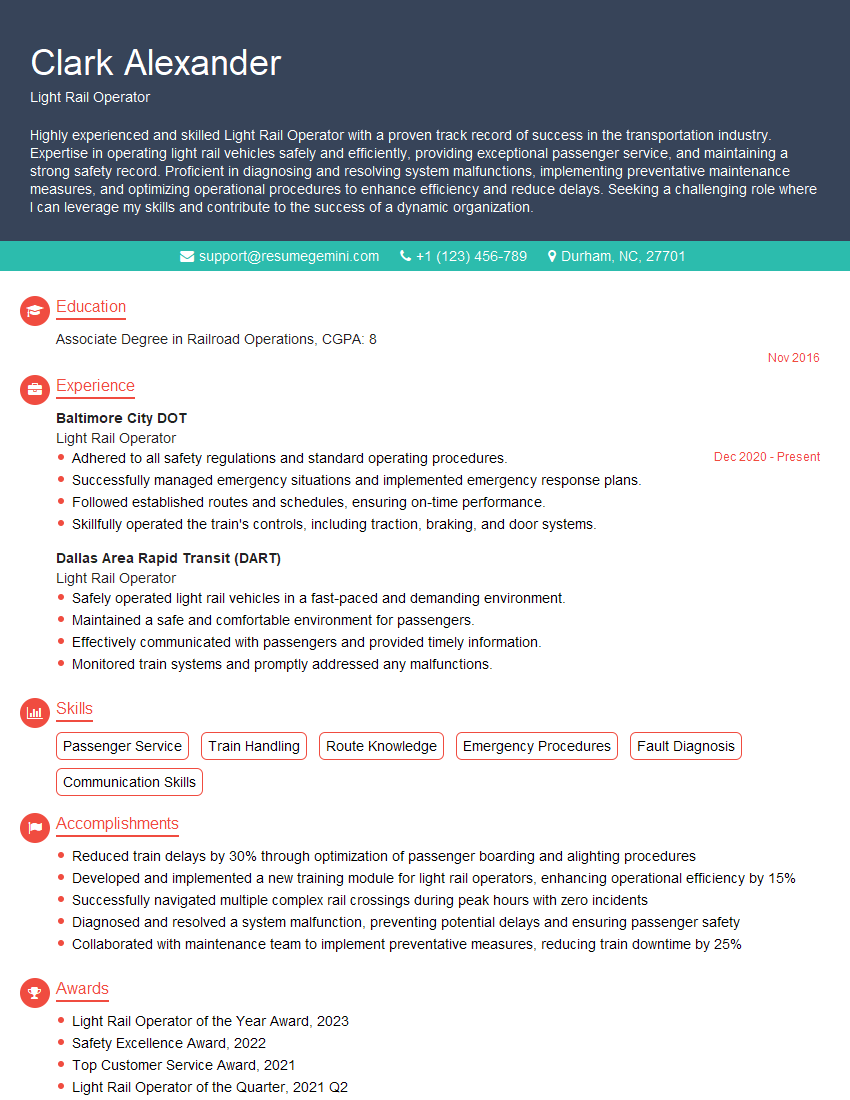
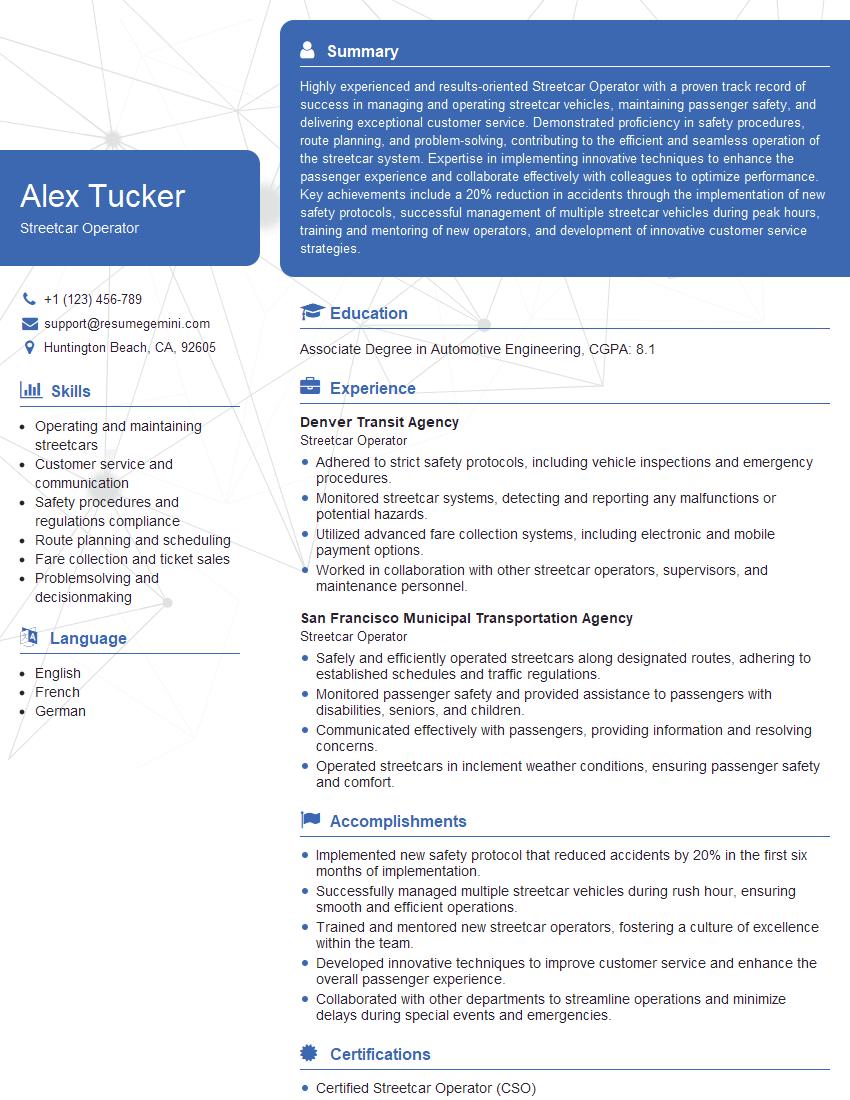
Mastering the ability to operate and maintain public transportation vehicles opens doors to a rewarding career with excellent job security and opportunities for advancement. A strong resume is crucial for showcasing your skills and experience to potential employers. Creating an ATS-friendly resume significantly increases your chances of getting your application noticed. ResumeGemini is a trusted resource to help you build a professional and impactful resume that highlights your qualifications effectively. Examples of resumes tailored to the “Ability to operate and maintain public transportation vehicles” role are available within ResumeGemini to guide you in crafting your perfect application. Take the next step in your career journey today!
Explore more articles
Users Rating of Our Blogs
Share Your Experience
We value your feedback! Please rate our content and share your thoughts (optional).
What Readers Say About Our Blog
I Redesigned Spongebob Squarepants and his main characters of my artwork.
https://www.deviantart.com/reimaginesponge/art/Redesigned-Spongebob-characters-1223583608
IT gave me an insight and words to use and be able to think of examples
Hi, I’m Jay, we have a few potential clients that are interested in your services, thought you might be a good fit. I’d love to talk about the details, when do you have time to talk?
Best,
Jay
Founder | CEO